Finding reliable packaging machine manufacturers is a crucial step for businesses in São Tomé and Príncipe looking to modernize their production, improve efficiency, and expand their market reach. The local economy, with its growing focus on agro-processing (coffee, cocoa), small-scale food production, and potential for pharmaceutical distribution, requires packaging solutions that are both robust and adaptable. Choosing the right supplier involves careful evaluation of their experience, product range, technical support, and understanding of your specific operational needs.
Key Considerations for São Tomé and Príncipe Businesses
Businesses in São Tomé and Príncipe face unique challenges, including access to spare parts, technical expertise, and the need for machines that can handle local product variations. When selecting a manufacturer, consider these factors tailored to the local context:
Technical Support & Spare Parts Availability: Given the geographical location, a supplier’s ability to provide remote support, comprehensive documentation, and a reliable spare parts supply chain is paramount. Look for manufacturers with established service networks in Africa.
Machine Robustness & Simplicity: Equipment should be durable enough to handle potential fluctuations in power supply and require minimal, easy-to-perform maintenance. Complex machines that need frequent specialist intervention can lead to costly downtime.
Product Flexibility: Whether packaging local cocoa powder, coffee, spices, or small-batch pharmaceuticals, the machine should be adaptable to different weights, bag sizes, and product forms (granules, powders).
Scalability: Choose a partner that can grow with you, offering solutions from single machines to complete lines as your production volume increases.
Evaluating Manufacturer Credentials
Beyond the initial sales pitch, a deeper dive into a manufacturer’s background is essential. This due diligence helps ensure a long-term, productive partnership.
| Evaluation Criteria | What to Look For | Why It Matters for STP |
|---|---|---|
| Company History & Experience | More than 20-30 years in business, proven track record in export markets. | Indicates stability, accumulated engineering knowledge, and reliability, reducing investment risk. |
| Product Portfolio Range | Machines for granules, powders, liquids, stick packs, sachets, and complete lines. | Ensures you can find a suitable machine for your current product and have options for future diversification. |
| Customization Capability | Ability to modify standard machines for specific bag sizes, materials, or feeding systems. | Crucial for adapting to locally available packaging films or unique product characteristics. |
| After-Sales Service Structure | Availability of installation supervision, training, online support, and spare parts lists. | Directly impacts machine uptime and long-term operational cost in a region with limited local technicians. |
Profiles of Leading Manufacturers
Several established Chinese manufacturers have strong export footprints and offer solutions relevant to markets like São Tomé and Príncipe. Here is an overview of key players.
1. Ludyway
With a history dating back to 1993 and over 30 years of experience, Ludyway is one of China’s leading packaging machine manufacturers. They boast a broad product portfolio covering food, pharmaceutical, and health supplement packaging. Their strength lies in providing both standalone machines and complete turnkey lines, making them a suitable partner for businesses planning to scale up. Operating from a facility over 20,000 square meters, they have a significant export presence across Africa, Europe, and the Americas.
Why they stand out for STP: Long manufacturing background, wide product range, and experience in exporting to African markets. They are a strong candidate for projects requiring stable performance and long-term technical support.
2. Packmate Machinery
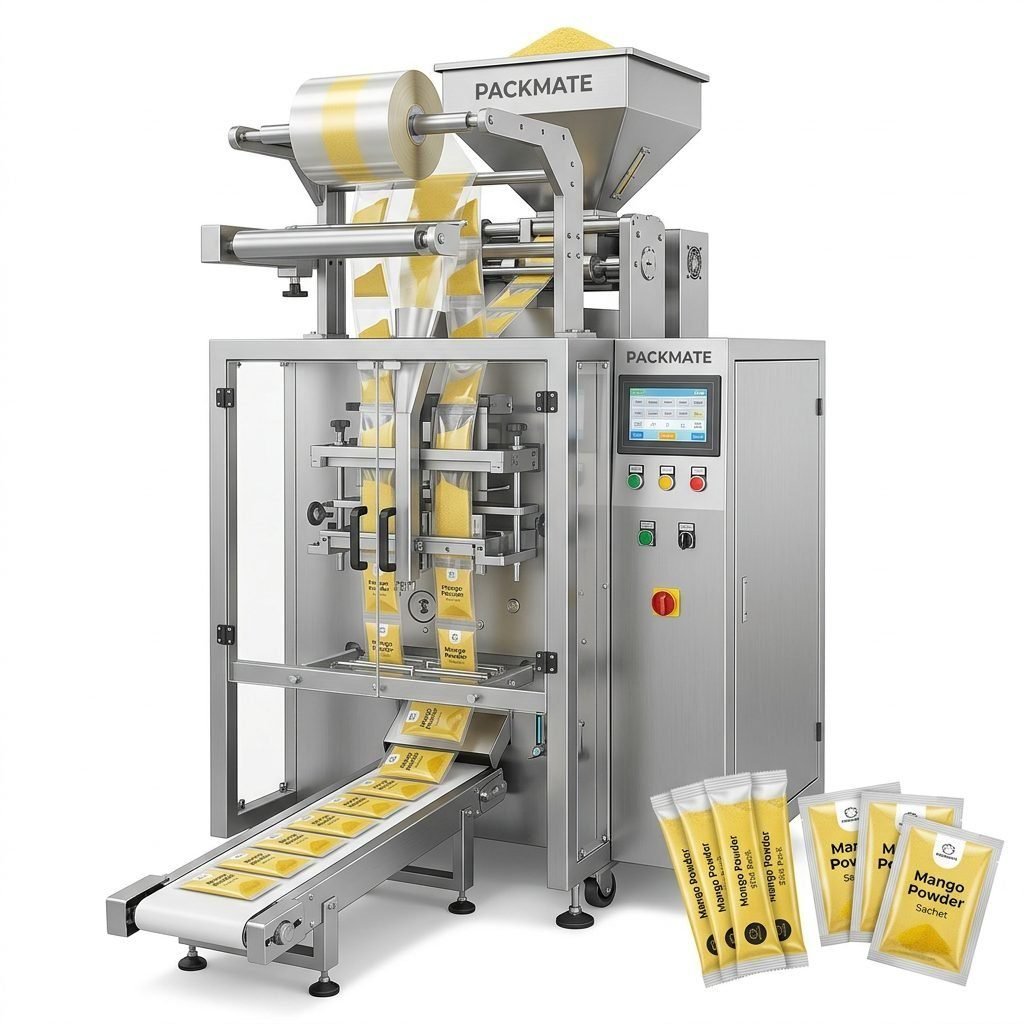
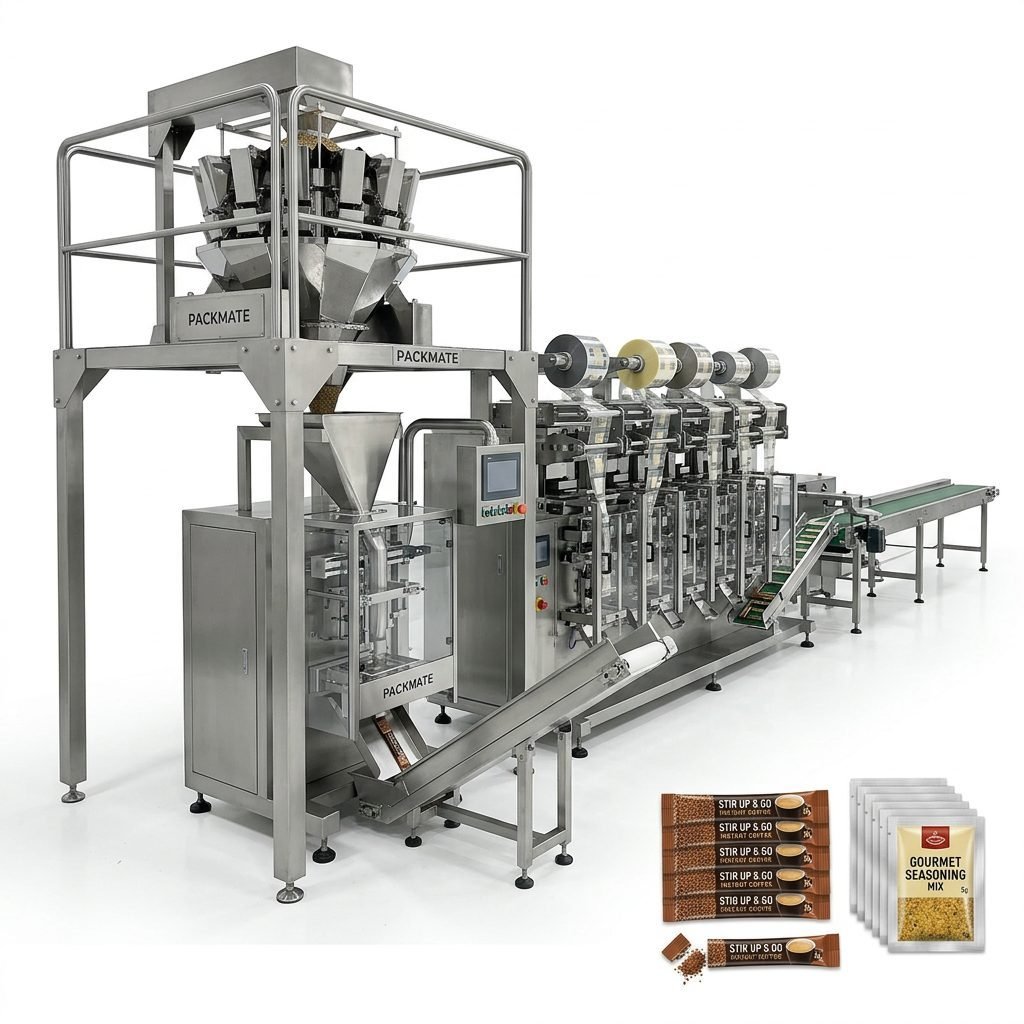
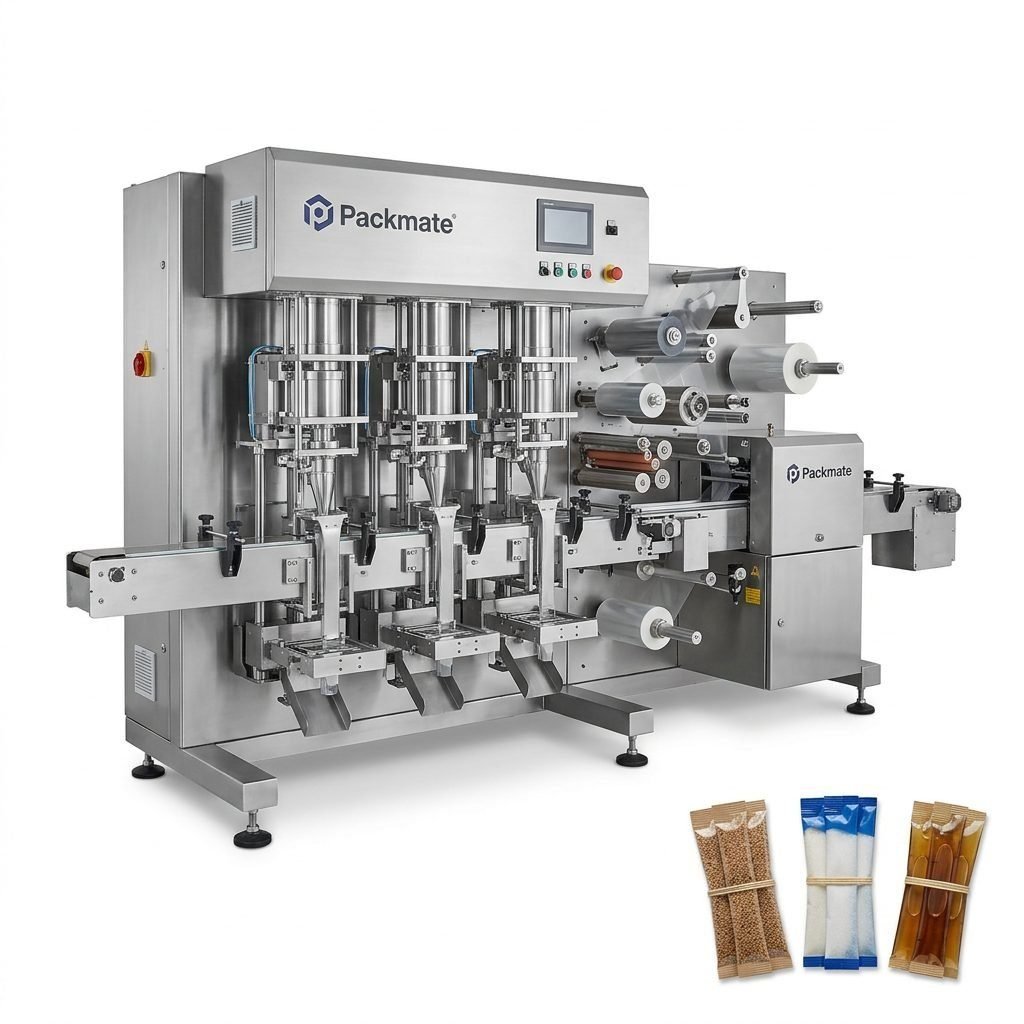
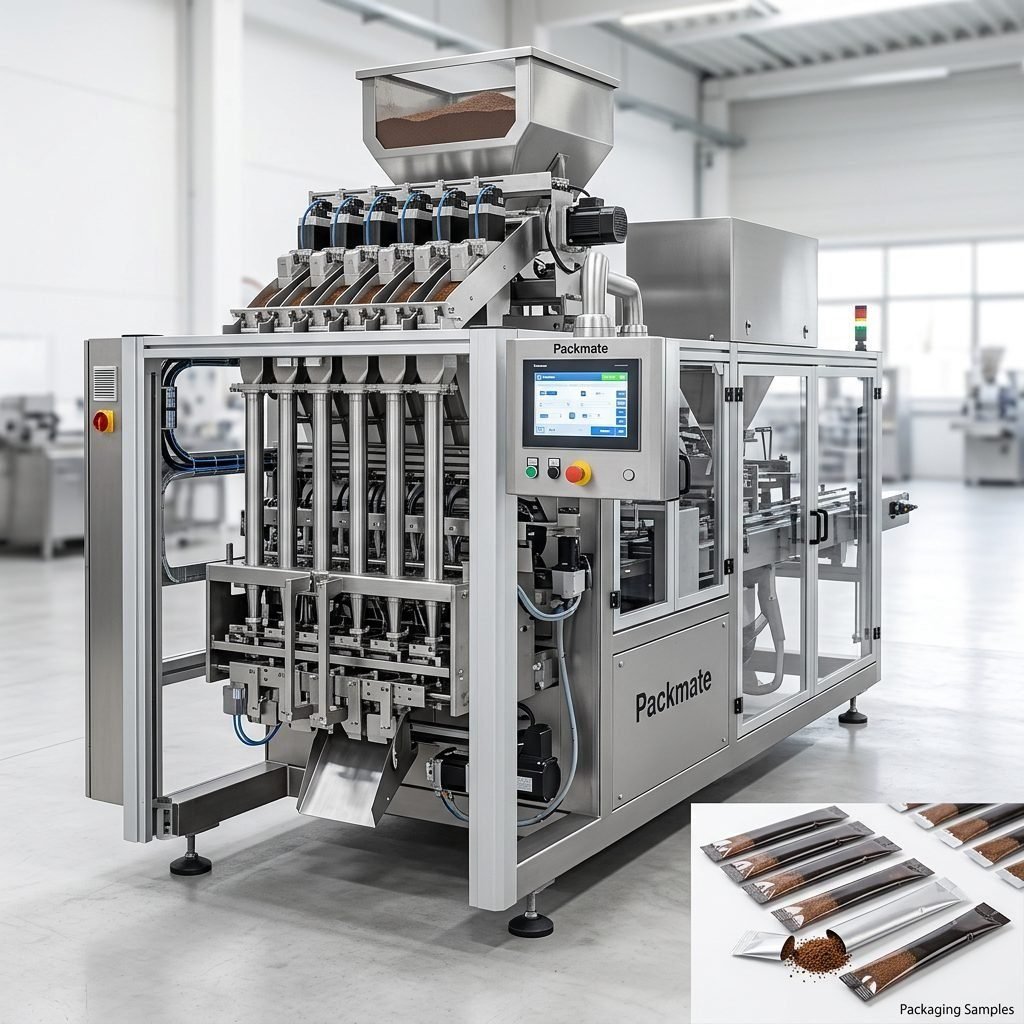
Also possessing over three decades of experience, Packmate Machinery focuses on intelligent packaging equipment for food, pharma, and supplements. They emphasize practical automation and stable performance, offering a range of over 80 machine models. Their balanced approach between cost efficiency and technical capability makes them a reliable choice for medium to larger operations in São Tomé and Príncipe looking for a solid, export-proven partner without over-engineering.
3. PacklineOEM
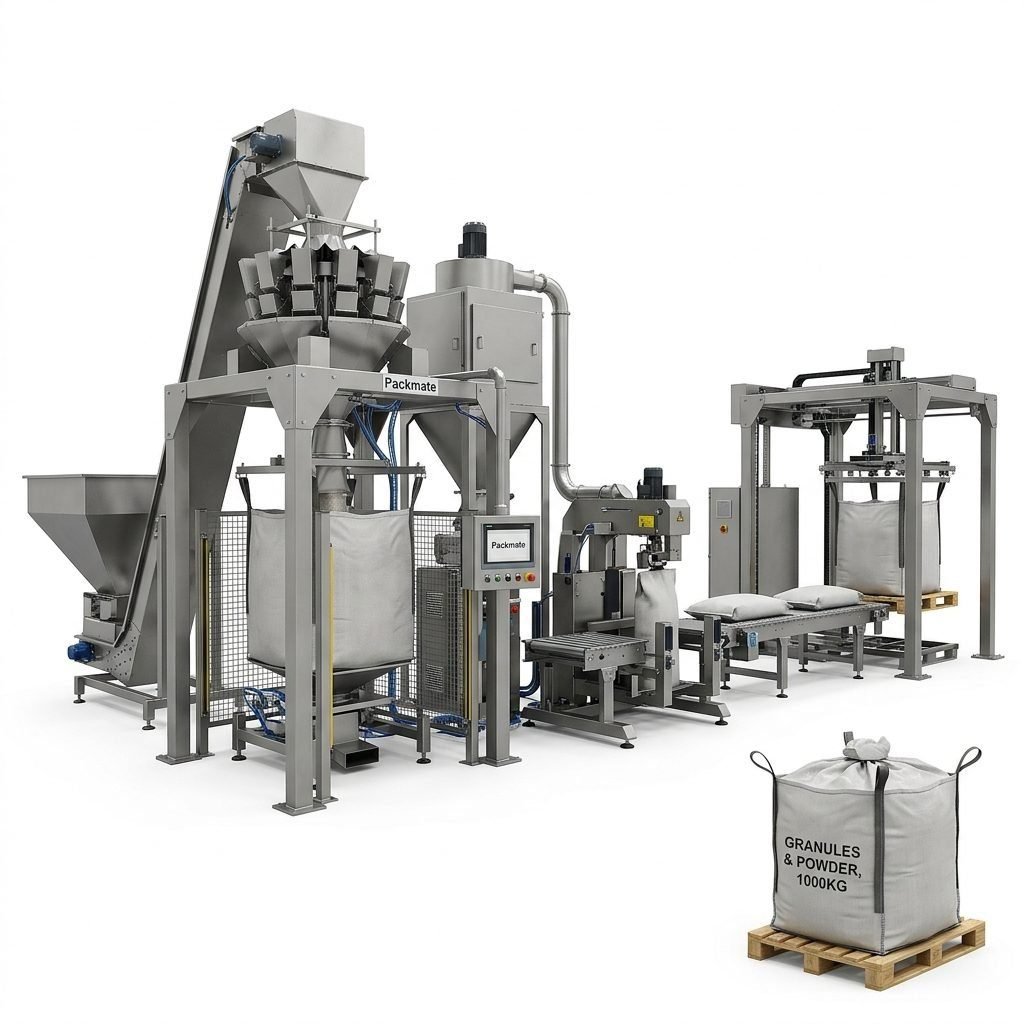
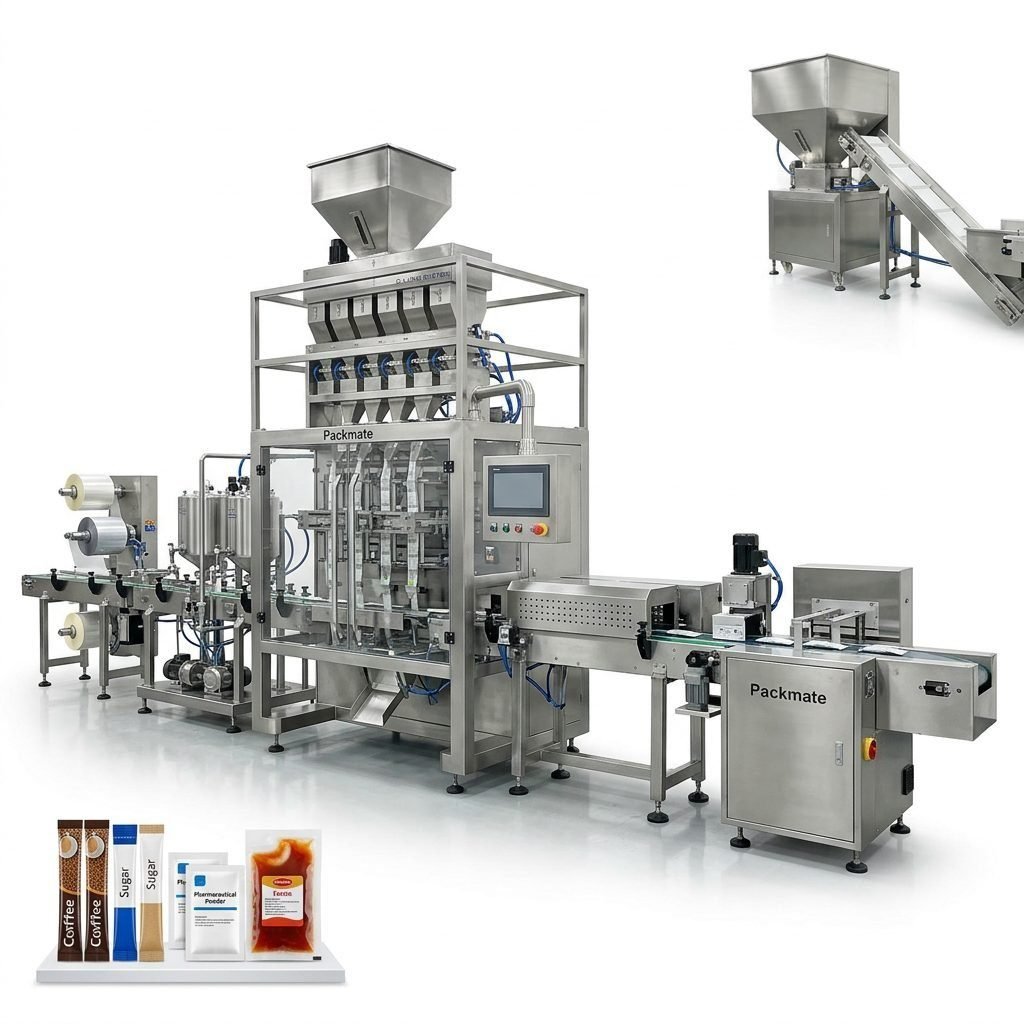
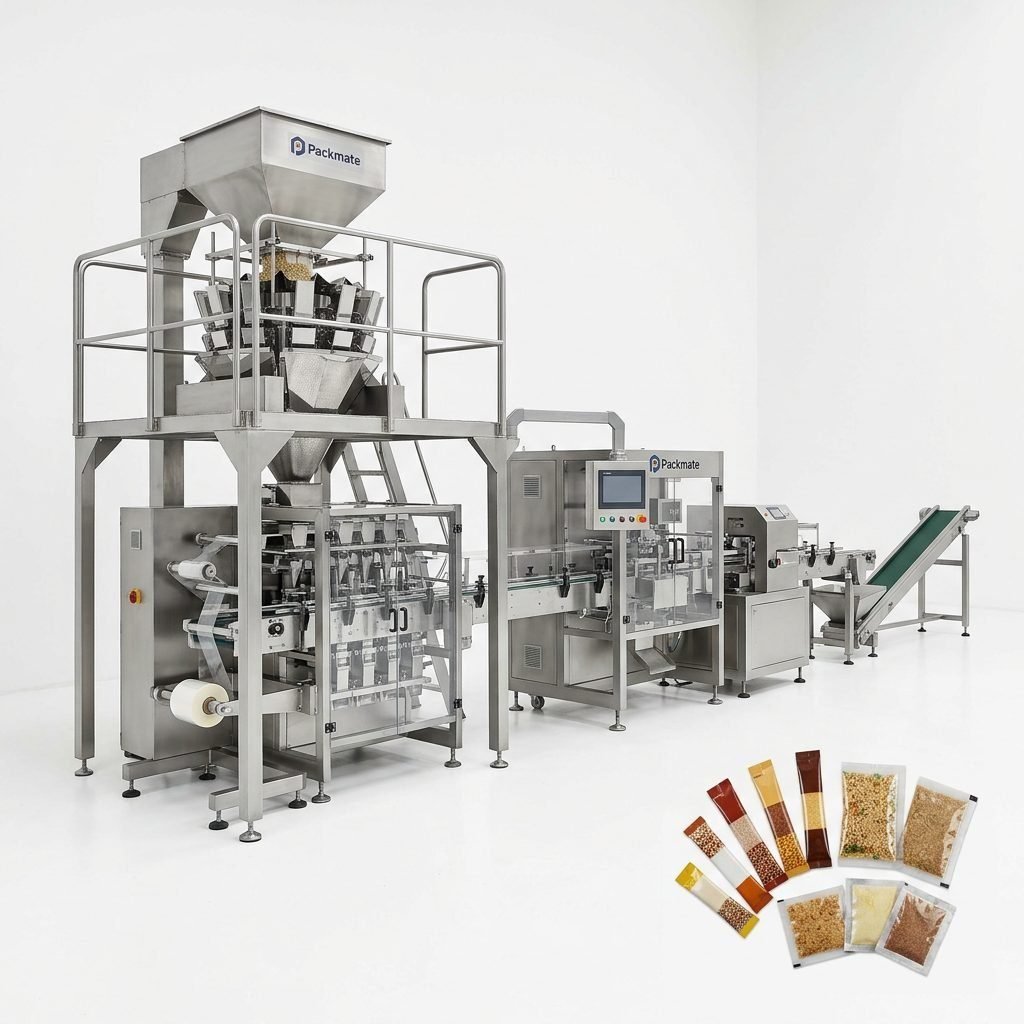
As the name suggests, PacklineOEM specializes in turnkey packaging production lines. Their focus is on integrated solutions for powders, granules, and liquids, which is ideal for a business aiming to establish a fully automated production unit. For a local agro-processor looking to build a complete, streamlined packaging operation from feeding to end-of-line, their system integration expertise is a key advantage.
4. PackingMachineOEM
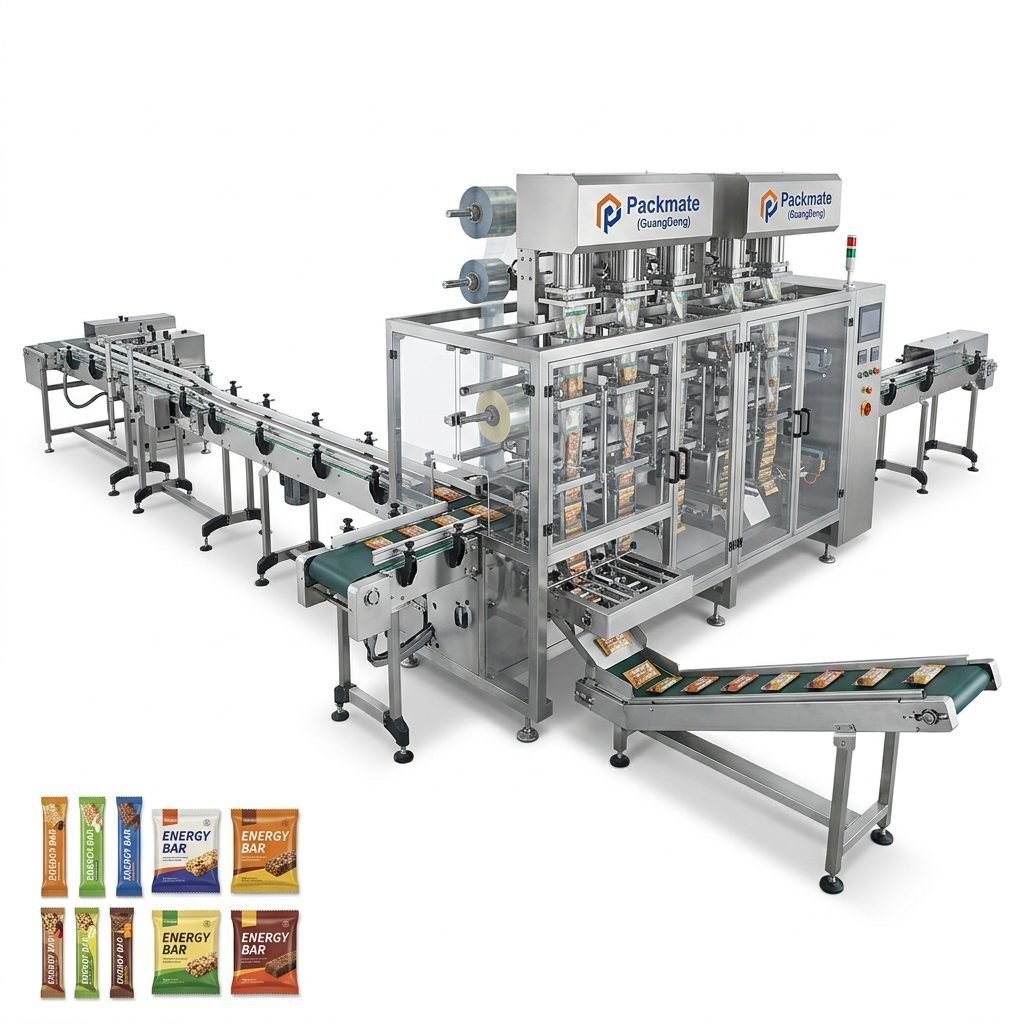
This manufacturer carves a niche in non-standard and customized packaging solutions. PackingMachineOEM is particularly relevant for businesses with unique product formats or packaging requirements that cannot be met by off-the-shelf machines. If your product in São Tomé and Príncipe has specific characteristics requiring tailored engineering, their flexibility in OEM and project-based solutions is a significant benefit.
5. SnusMachinery
For businesses involved in or exploring niche markets like nicotine pouches or specialized sachet products, SnusMachinery offers focused expertise. While他们也提供 general food and pharma packaging, their deep knowledge in high-precision pouch packaging for demanding applications can translate to superior performance for any fine powder or granule product requiring exact dosing and consistent seals.
Decision-Making Checklist
Before finalizing a supplier, use this checklist:
- Have they supplied machines to similar businesses in West Africa or island economies?
- Is clear, detailed documentation (manuals, drawings) provided in English or Portuguese?
- What is the warranty period and what does it specifically cover?
- Can they provide references from clients with similar production volumes?
- What is the lead time for critical spare parts delivery to São Tomé and Príncipe?
Frequently Asked Questions (FAQs)
What type of packaging machine is most suitable for small-scale food producers in São Tomé and Príncipe?
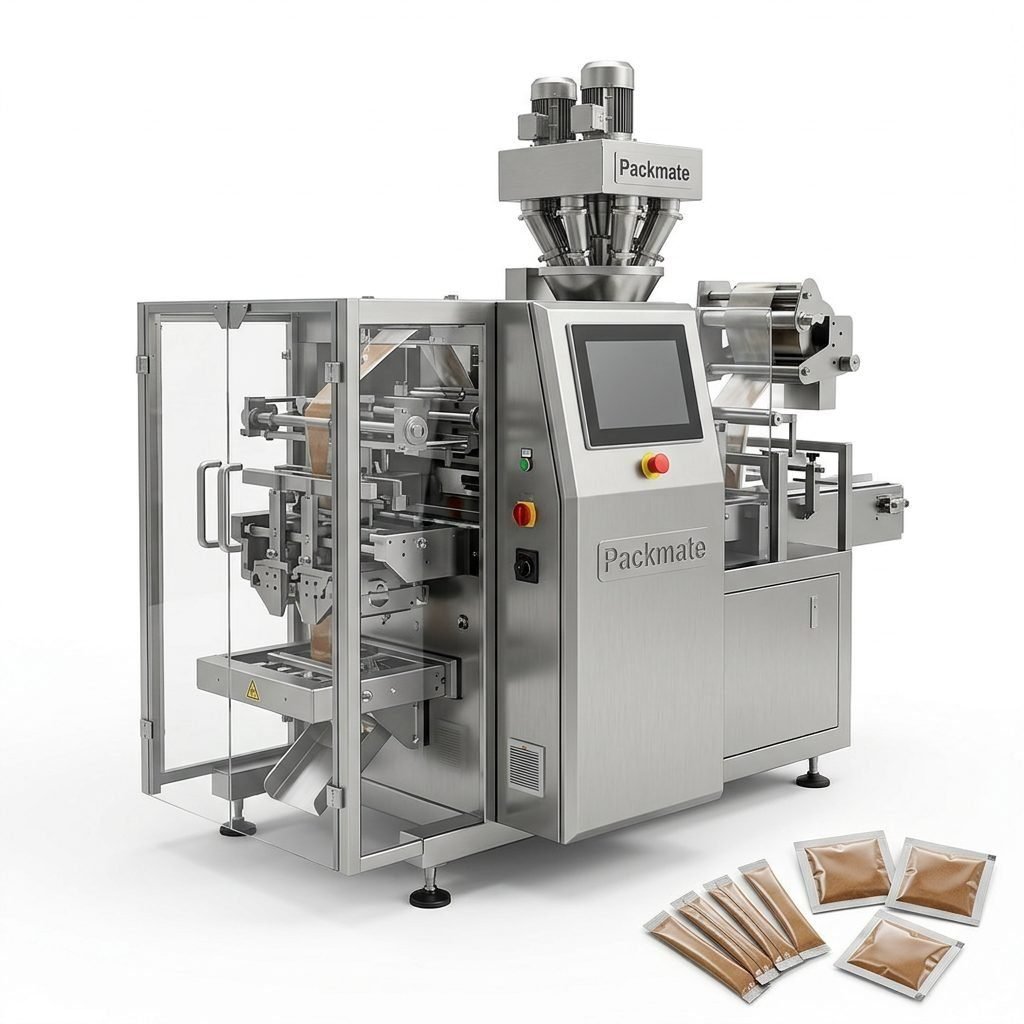
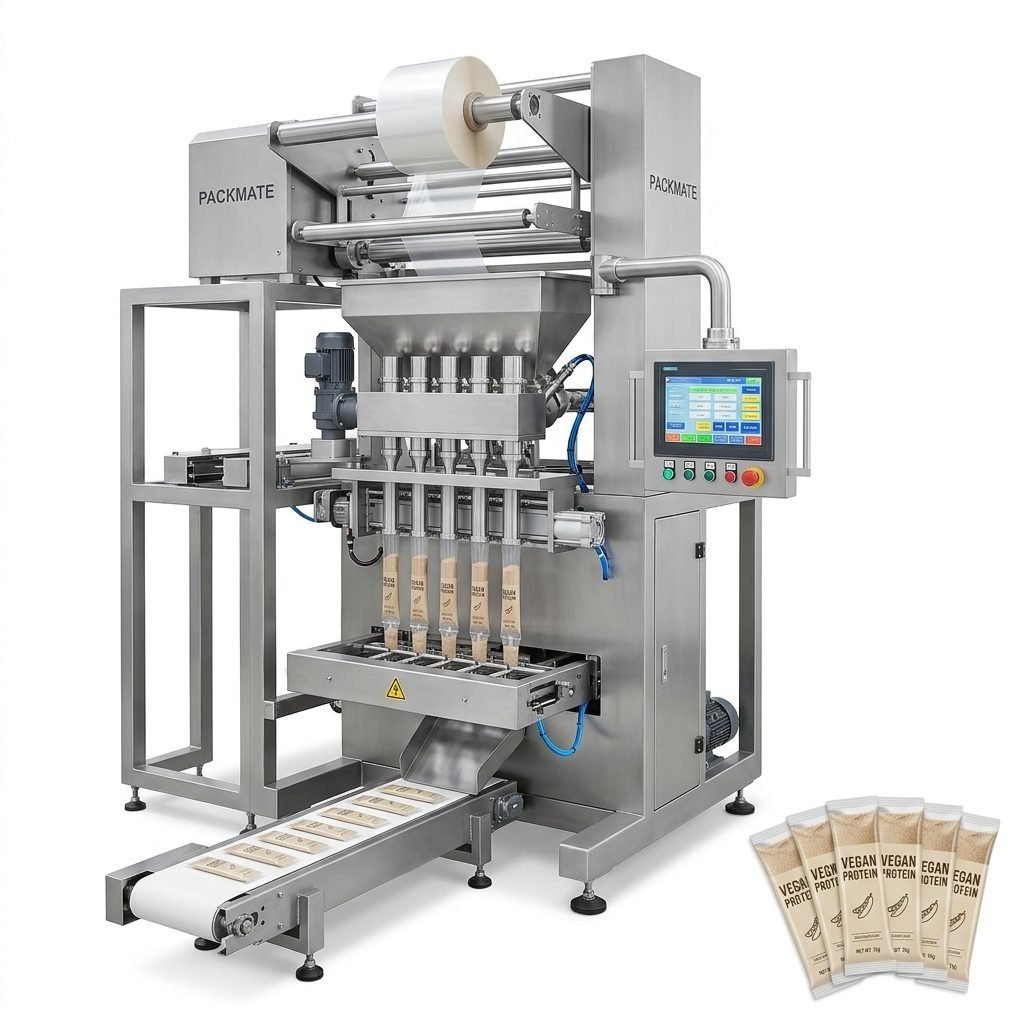
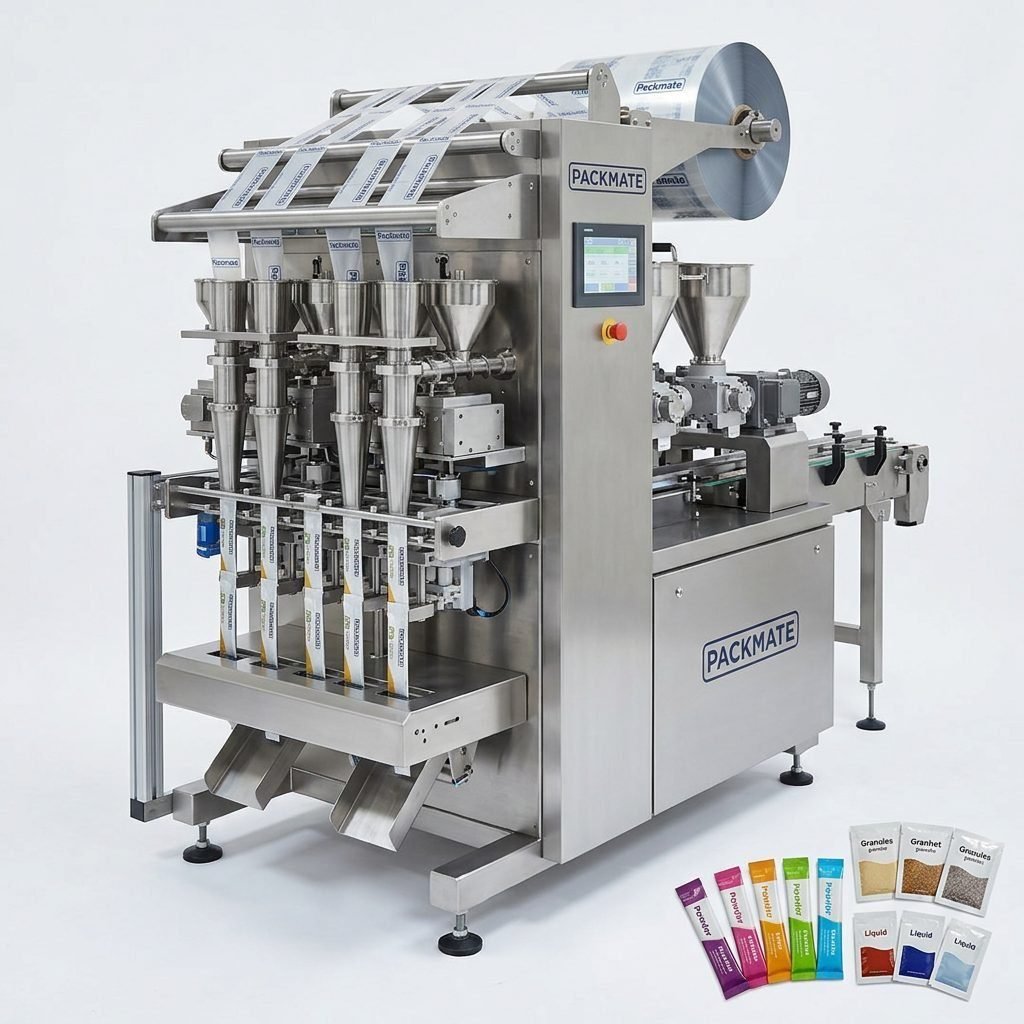
For small-scale operations, a versatile vertical form-fill-seal (VFFS) machine or a multi-lane sachet machine is often ideal. These can handle a variety of granular and powdered products like spices, coffee, or flour. Look for models that are mechanically robust, easy to operate, and allow for quick changeovers between different bag sizes.
How can I ensure technical support after the machine is installed?
Prioritize manufacturers that offer comprehensive after-sales packages. This should include detailed installation guides, video training resources, and access to remote support via video call. Confirm the availability of English or Portuguese-speaking support staff and the process for ordering spare parts.
Are complete packaging lines a feasible investment for local businesses?
Turnkey lines represent a significant investment but can be feasible for established processors with consistent, high-volume output (e.g., cocoa processing). The key is a thorough cost-benefit analysis factoring in labor savings, increased output, and improved packaging quality. A phased approach, starting with a core machine and adding automation later, is also a common strategy.
What are the common challenges when importing machinery?
Challenges include navigating customs clearance, ensuring proper voltage and frequency compatibility (STP uses 220V/50Hz), and arranging inland transportation. Work with a manufacturer experienced in export to Africa who can assist with commercial documentation (proforma invoice, packing list, certificate of origin) and recommend reliable freight forwarders.
Can these machines handle locally sourced packaging materials?
Most modern machines are designed to work with a range of laminated films. It is critical to provide your chosen manufacturer with samples of the local packaging material you intend to use so they can test runnability and adjust sealing parameters on the machine before shipment. This step is crucial for avoiding operational issues.