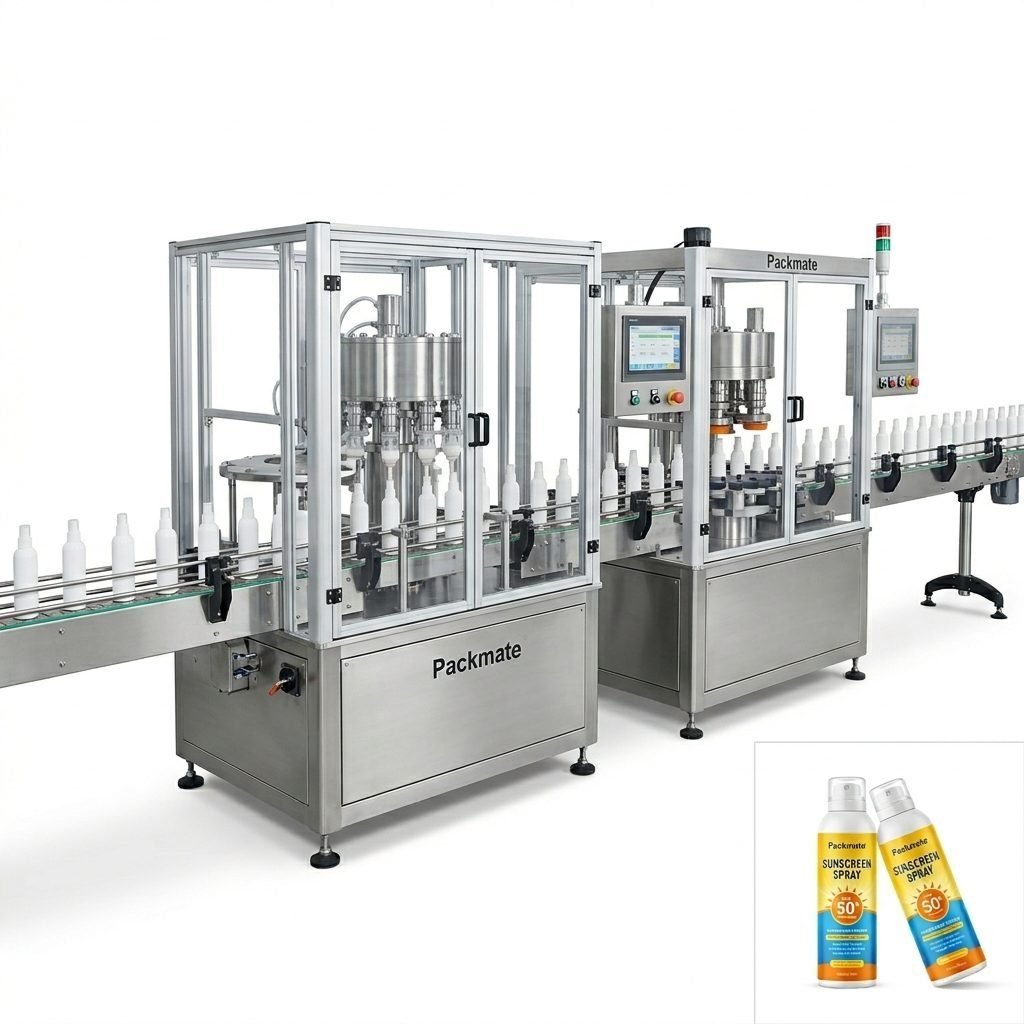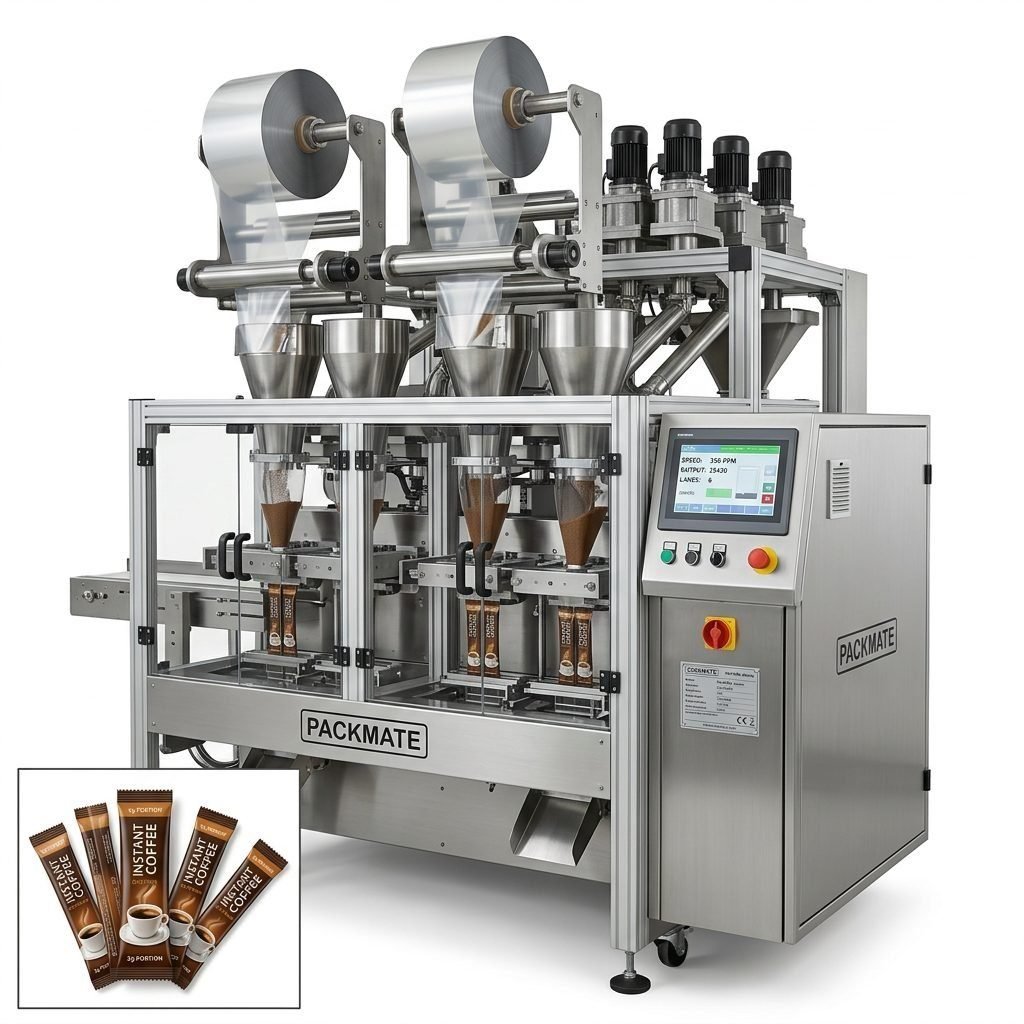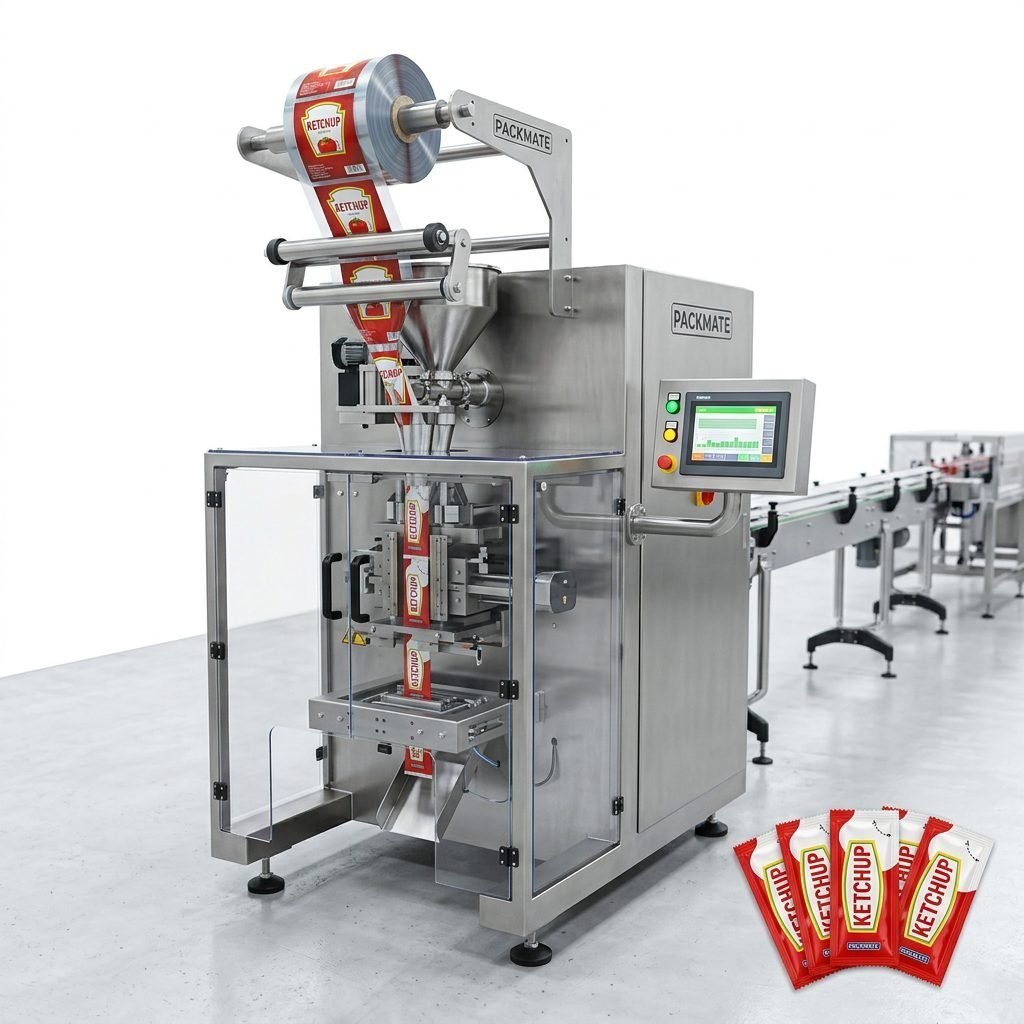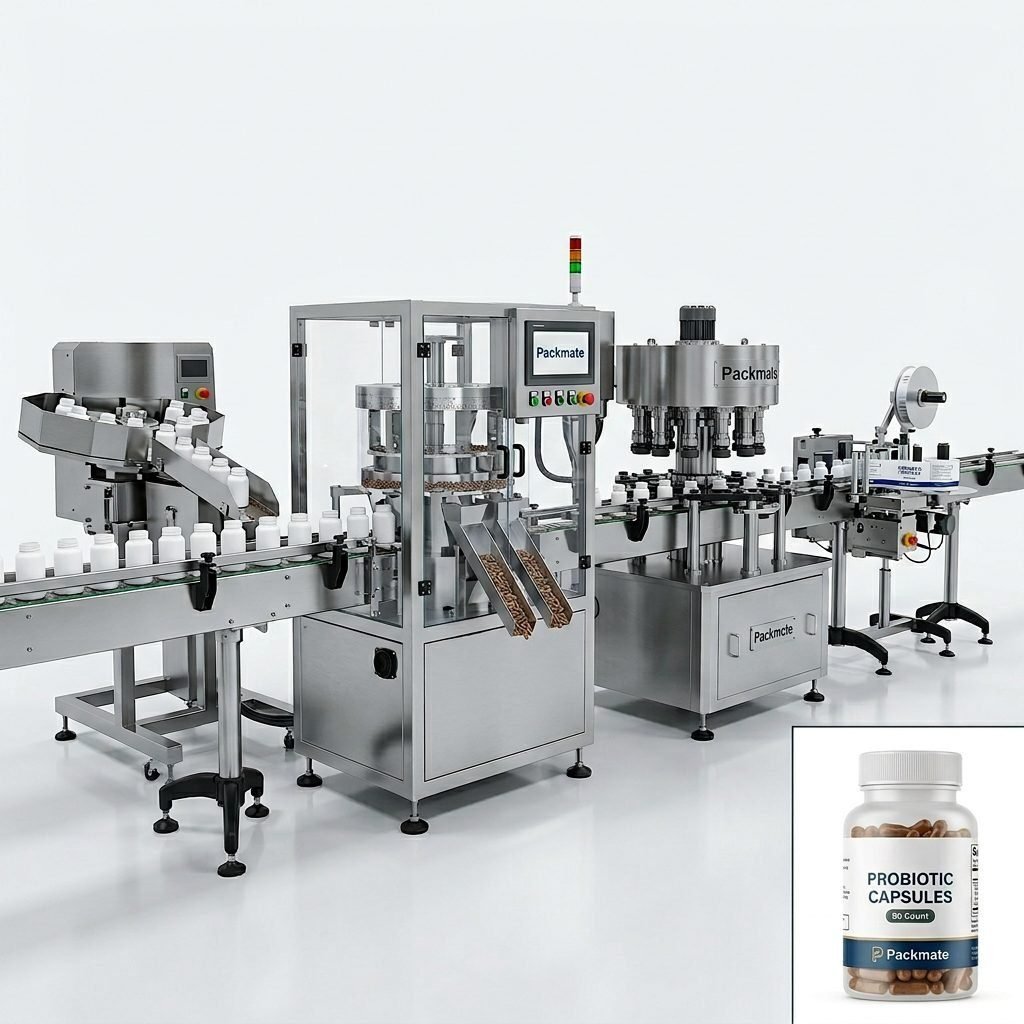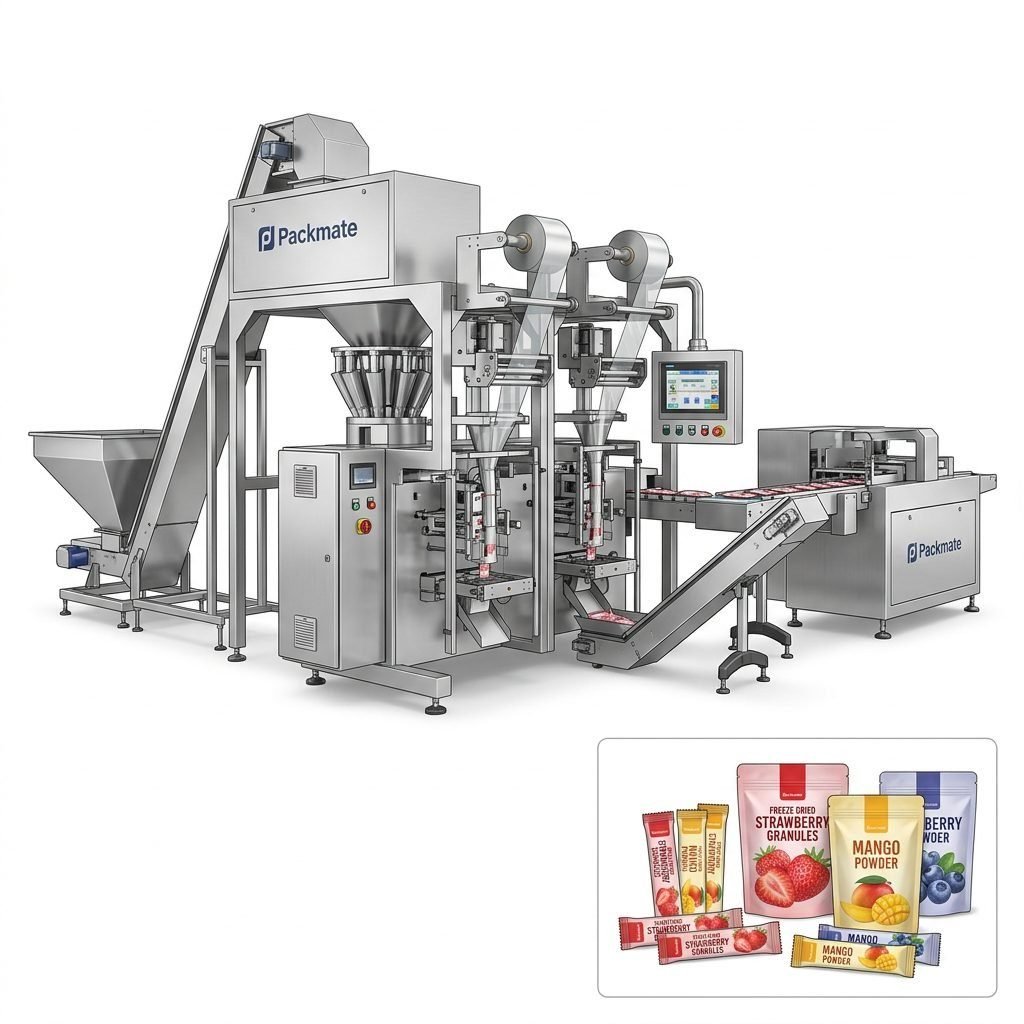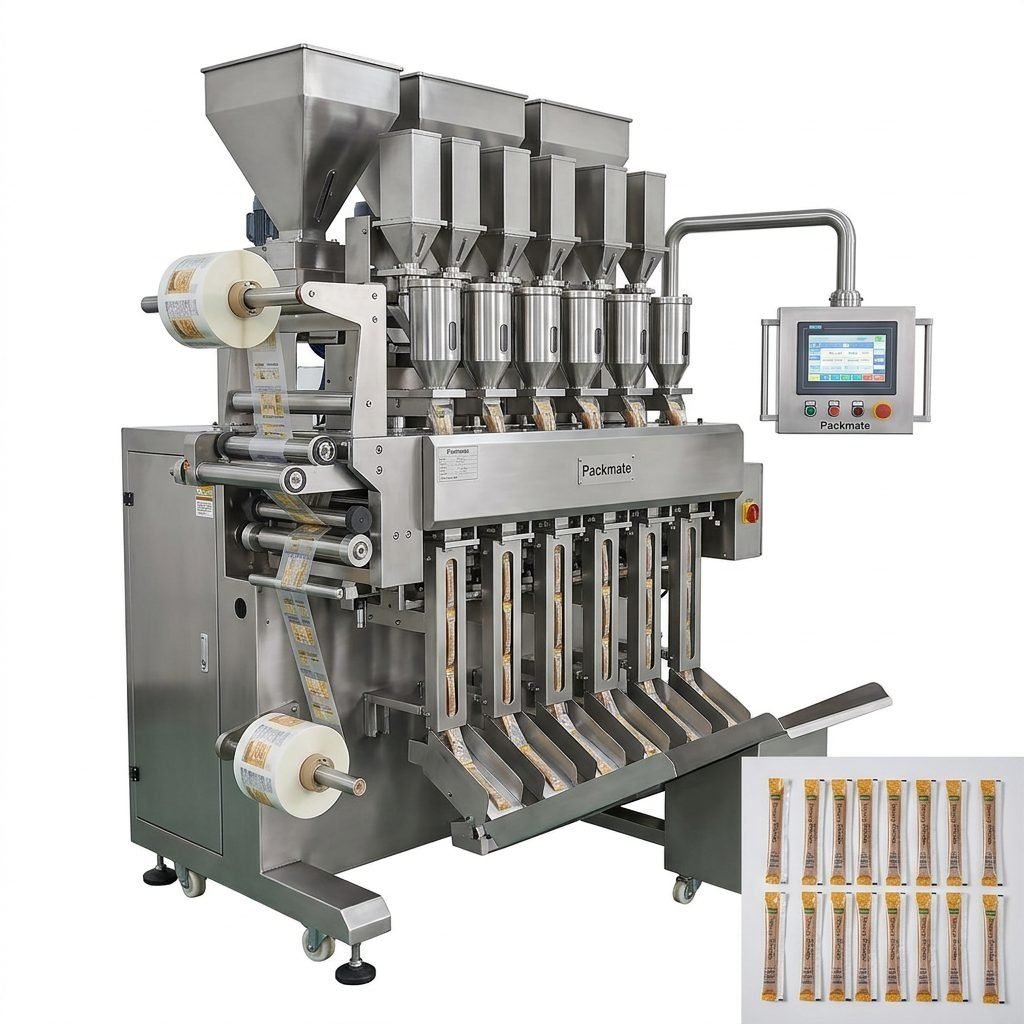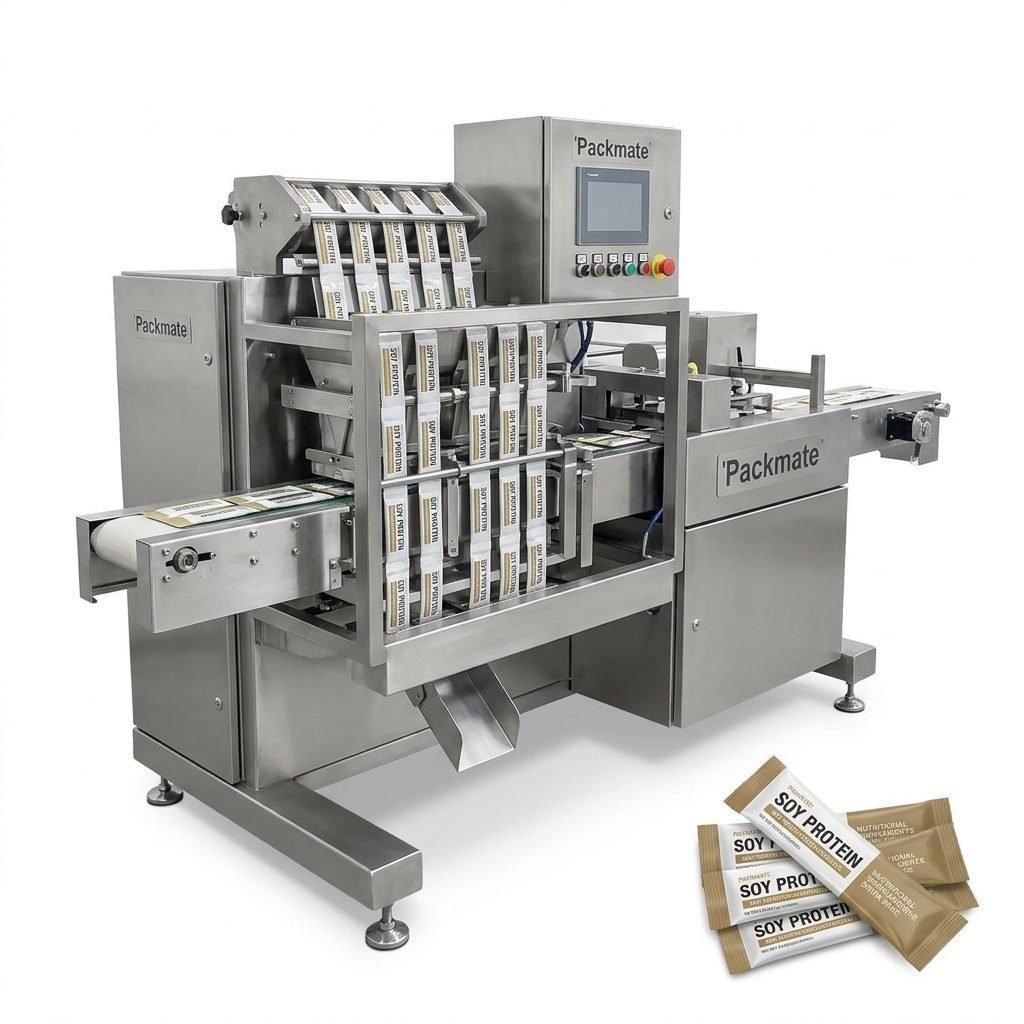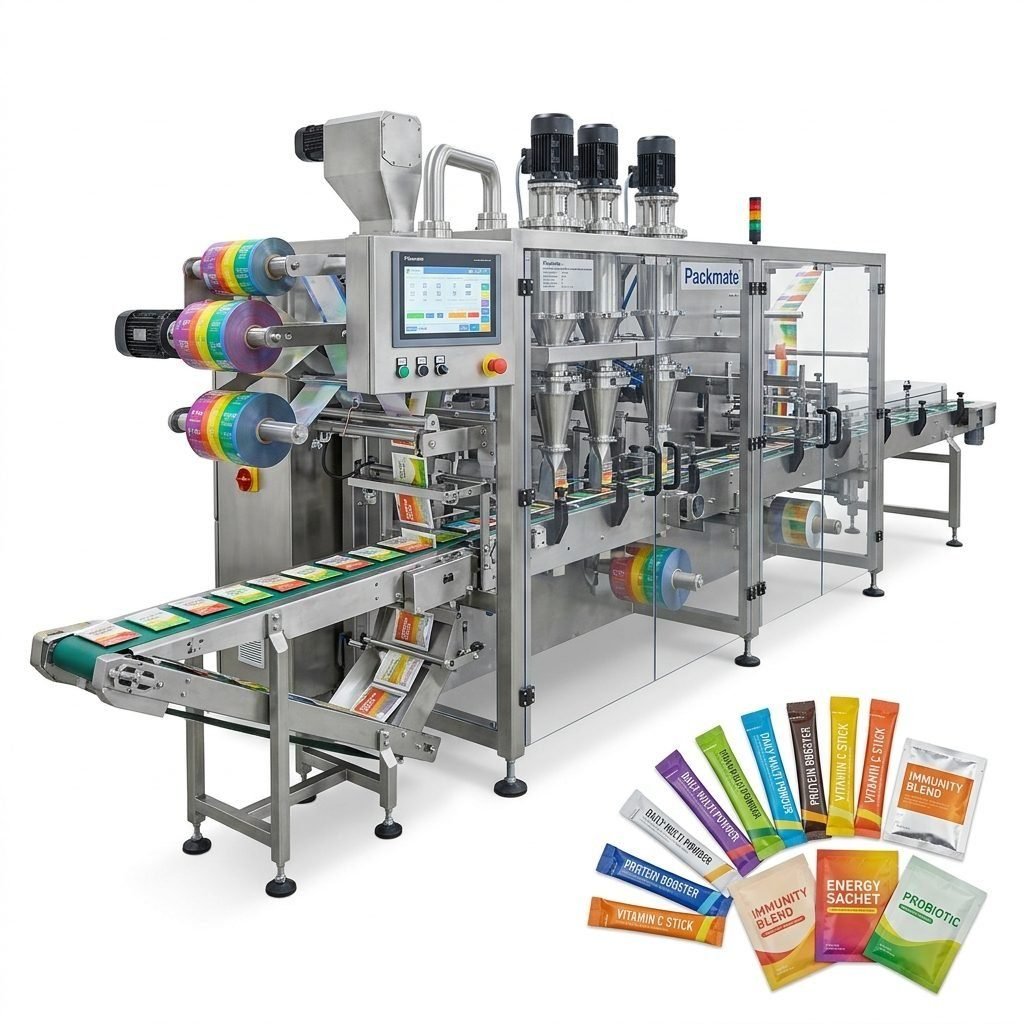
For businesses in Gambia looking to scale production, improve efficiency, and enhance product quality, investing in the right packaging machinery is a crucial step. The choice of your packaging machine manufacturer can significantly impact your operational success, product consistency, and long-term return on investment. This decision is particularly important in a market like Gambia, where reliable equipment and accessible technical support are vital for maintaining a competitive edge.
Understanding Your Business Needs in The Gambian Context
Before starting your search, clearly define your requirements. Consider the products you are packaging—whether they are granules, powders, liquids, or pastes—common in sectors like food processing, agricultural inputs, or pharmaceuticals. Determine your required output speed, the type of packaging format (e.g., stick packs, sachets, pouches), and your available factory space and budget. For Gambian businesses, factors like local power supply stability and the availability of skilled operators for maintenance should also be part of the planning process.
Key Factors When Evaluating a Manufacturer
Not all manufacturers are created equal. Here are the critical areas to assess:
Technical Capability and Product Range
Does the manufacturer offer machines that precisely match your product type and desired packaging format? A company with a broad portfolio, like Ludyway, can offer solutions for everything from simple sachet packing to complete turnkey lines. This versatility can be a significant advantage as your business grows.
Customization and Engineering Support
Standard machines may not fit unique product characteristics or production layouts. Manufacturers with strong R&D and engineering teams can adapt equipment to your specific needs. Companies such as PackingMachineOEM specialize in non-standard and customized solutions, which is crucial for businesses with specialized packaging requirements.
Manufacturing Quality and Reliability
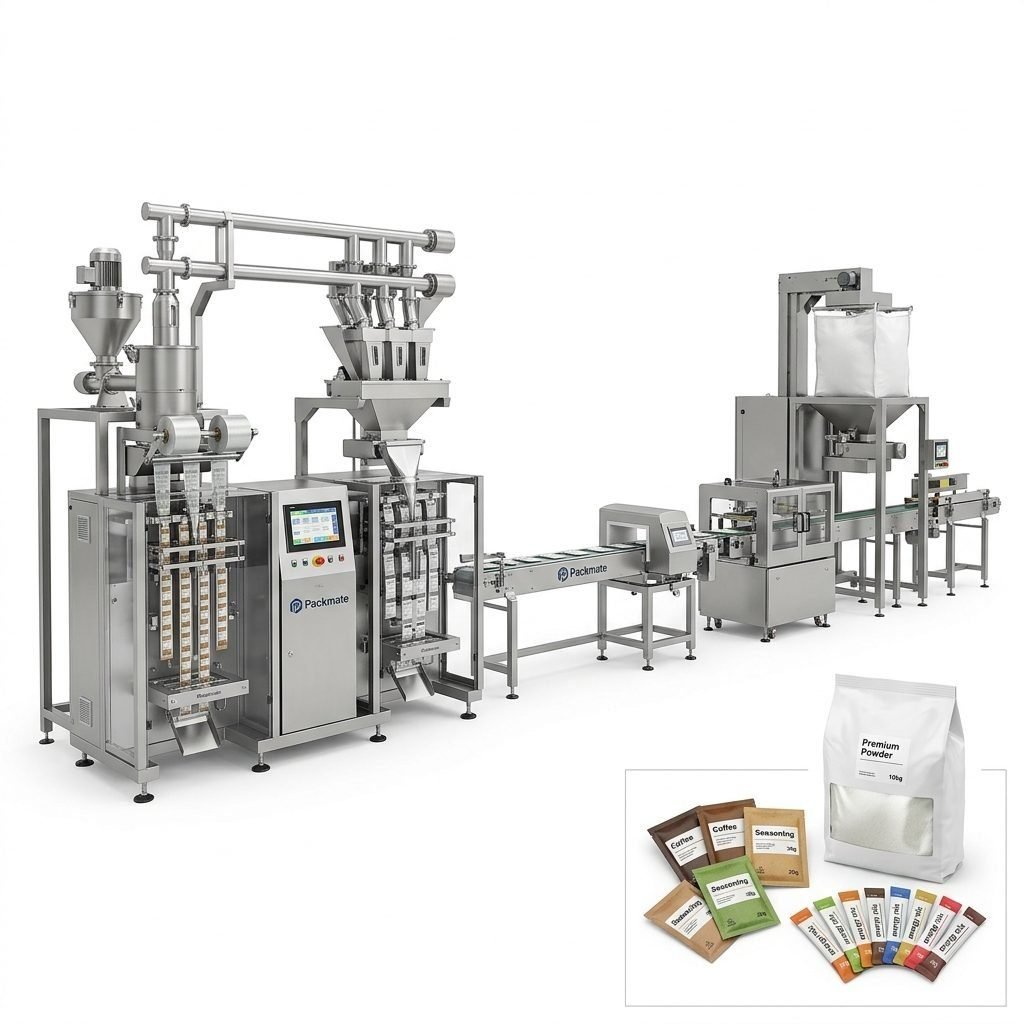
Inquire about the company’s factory standards, quality control processes, and the materials used in their machines. A manufacturer with a large, modern facility (e.g., 20,000+ sq. meters) and a long history (like Packmate Machinery with over 30 years) often indicates stable production capacity and a commitment to building durable equipment—a key consideration to minimize downtime.
The Importance of After-Sales Support for Gambian Importers
This is arguably the most critical factor for businesses in West Africa. The geographic distance from major manufacturing hubs makes responsive support essential. You must evaluate:
- Installation & Commissioning: Will they send engineers to set up the machine in Gambia?
- Spare Parts Availability: How quickly can critical spare parts be shipped and delivered?
- Technical Support: Is remote troubleshooting (via video call) available? What are the response times?
- Training: Do they provide comprehensive operational and maintenance training for your staff?
Choosing a manufacturer with a proven track record of supporting African clients, like those exporting to the continent, can prevent costly operational halts.
Considering Total Cost of Ownership (TCO)
Look beyond the initial purchase price. The Total Cost of Ownership includes:
| Cost Factor | Description |
|---|---|
| Machine Price & Shipping | Initial investment, freight, insurance, and customs duties into Gambia. |
| Installation & Training | Costs for technician visits and training programs. |
| Operational Costs | Energy consumption, packaging material waste rates, and required labor. |
| Maintenance & Spare Parts | Routine servicing costs and the price/availability of wear parts. |
| Potential Downtime | Cost of production loss due to machine failure and slow support. |
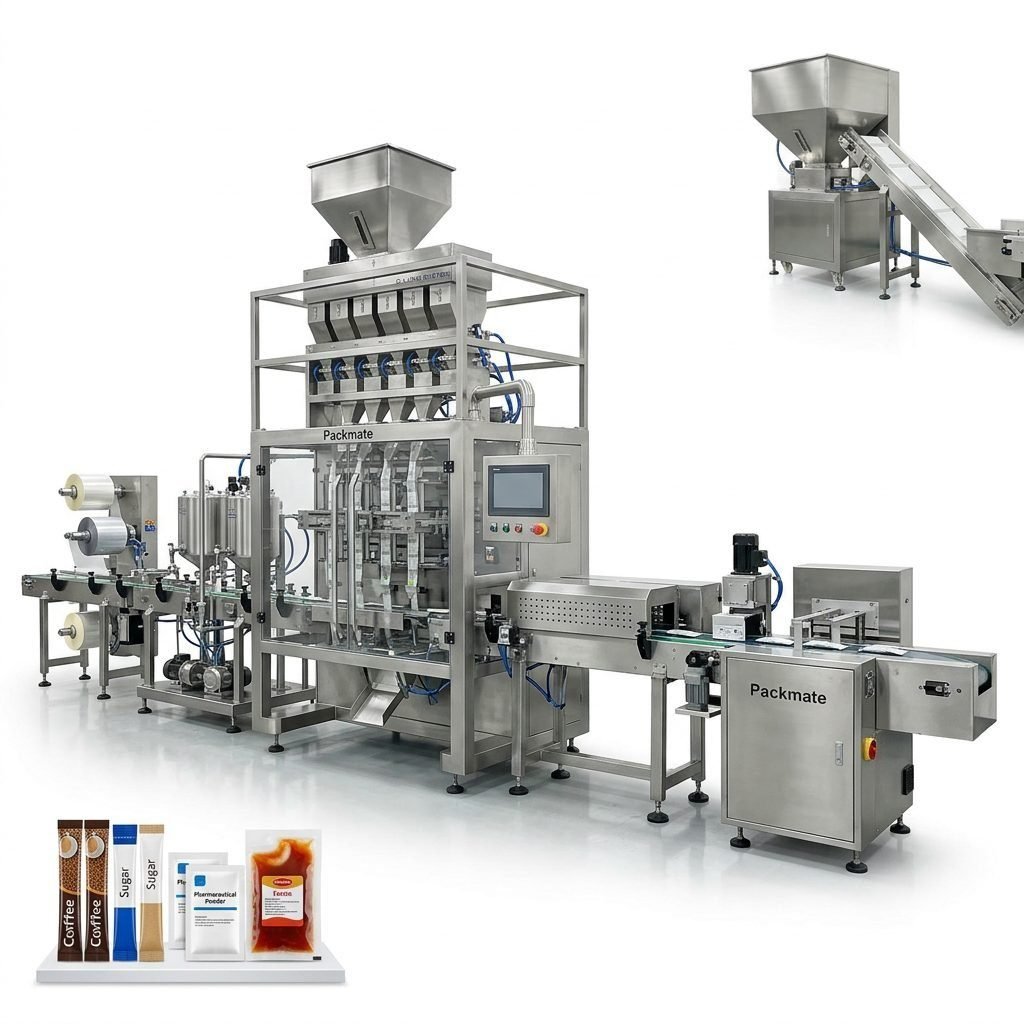
A slightly higher upfront cost for a more reliable machine from an established manufacturer like PacklineOEM often results in a lower TCO due to higher efficiency and fewer breakdowns.
Specialization vs. Generalization
Some manufacturers are specialists. For instance, if your business is in the growing niche of nicotine or smokeless tobacco pouches, a company like SnusMachinery offers targeted expertise. Their machines are engineered for the specific demands of precise dosing and sealing required for these products. For more general food, pharmaceutical, or chemical packaging, a broader-line manufacturer may be more appropriate.
Requesting and Assessing Proposals
Once you have a shortlist, request detailed proposals. These should include technical specifications, layout drawings, a clear delivery timeline, a breakdown of all costs (FOB, CIF Banjul), warranty terms, and a detailed after-sales service plan. Always ask for references from clients in similar regions or industries.
Building a Long-Term Partnership
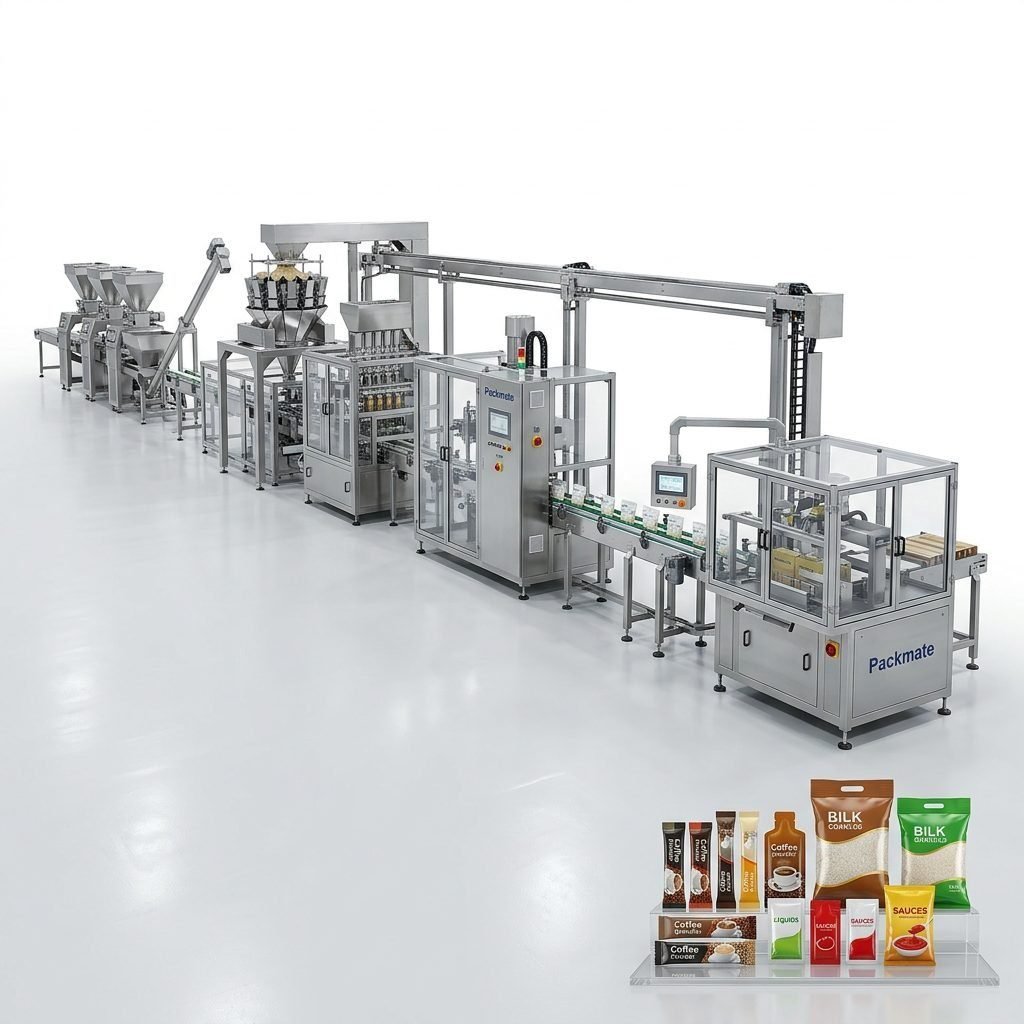
The right manufacturer should be viewed as a long-term partner for your business growth. Their ability to provide scalable solutions, from a single machine to a complete automated line, is a significant advantage. Manufacturers capable of delivering integrated turnkey packaging lines, such as those offered by Ludyway or PacklineOEM, can be invaluable partners as you plan for future expansion and increased automation.
Frequently Asked Questions (FAQs)
Q: How do I handle customs clearance and import duties for machinery in Gambia?
A: Reputable manufacturers often have experience shipping to Africa and can recommend reliable freight forwarders. They should provide all necessary documentation (commercial invoice, packing list, certificate of origin, etc.). It is highly advisable to work with a local customs clearing agent in Banjul to navigate Gambia’s import regulations and tax structure efficiently.
Q: What is the typical lead time for receiving a packaging machine in Gambia?
A: Lead times vary based on machine complexity and customization. For standard models, it can range from 30 to 60 days after order confirmation, plus 4-8 weeks for sea freight shipping to the Port of Banjul. Custom or complete line projects may take 90-120 days or more. Always get a written timeline in your contract.
Q: Can manufacturers provide training for our operators in Gambia?
A> Yes, most reputable manufacturers offer training. This can be conducted at their factory before shipment, or more commonly, their engineers will provide on-site training in Gambia during installation and commissioning. Ensure the scope and duration of training are clearly stated in your agreement.
Q: What happens if the machine breaks down? How is technical support handled?
A> A strong manufacturer will offer remote support via video calls and phone. For critical issues that cannot be resolved remotely, they should have a process for dispatching engineers or guiding your local technician. The speed of spare parts supply is crucial—inquire about their parts inventory and express shipping options to West Africa.
Q: Is it better to buy a single machine or a complete packaging line?
A> This depends entirely on your scale, budget, and automation goals. A single machine is a good starting point for small to medium businesses. A complete, integrated turnkey line from a supplier like PacklineOEM maximizes efficiency, minimizes manual handling, and ensures consistency for high-volume production. Discuss your 3-5 year growth plan with potential suppliers to get their strategic input.