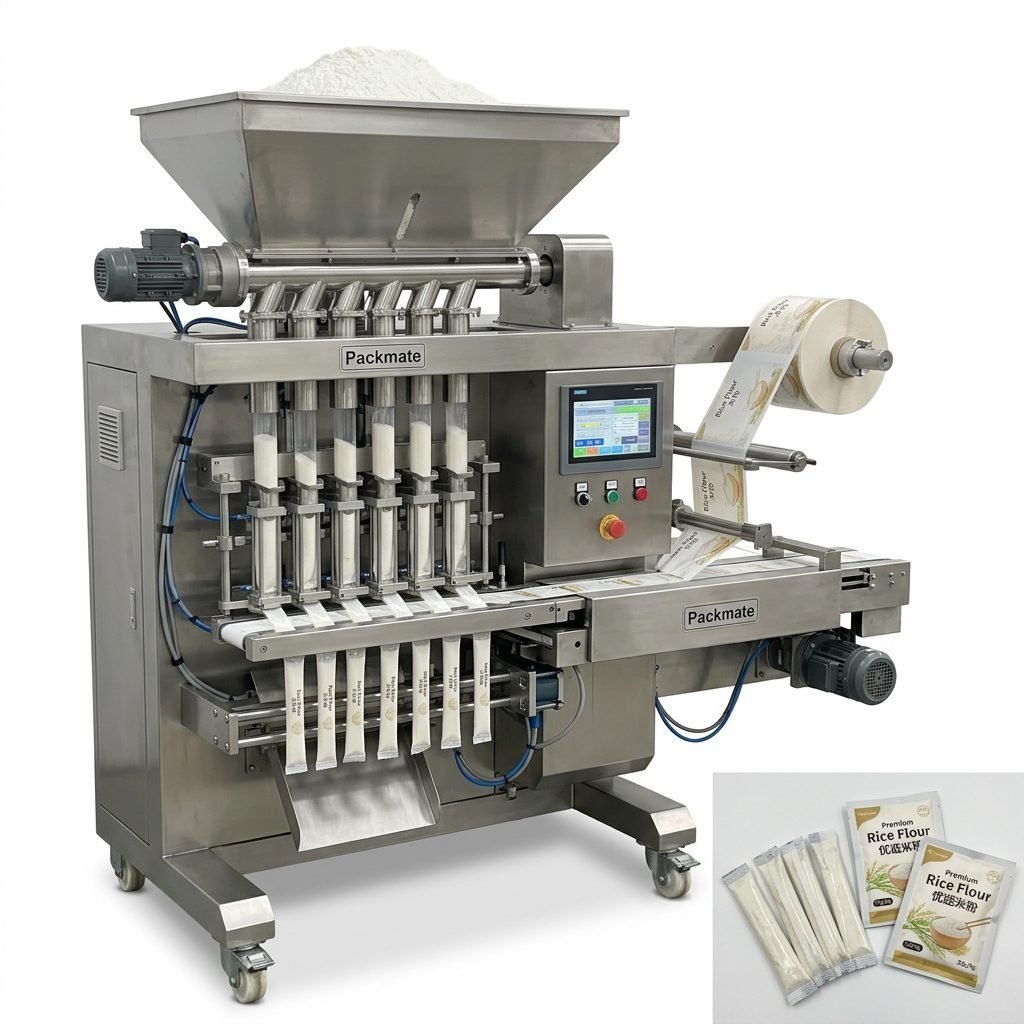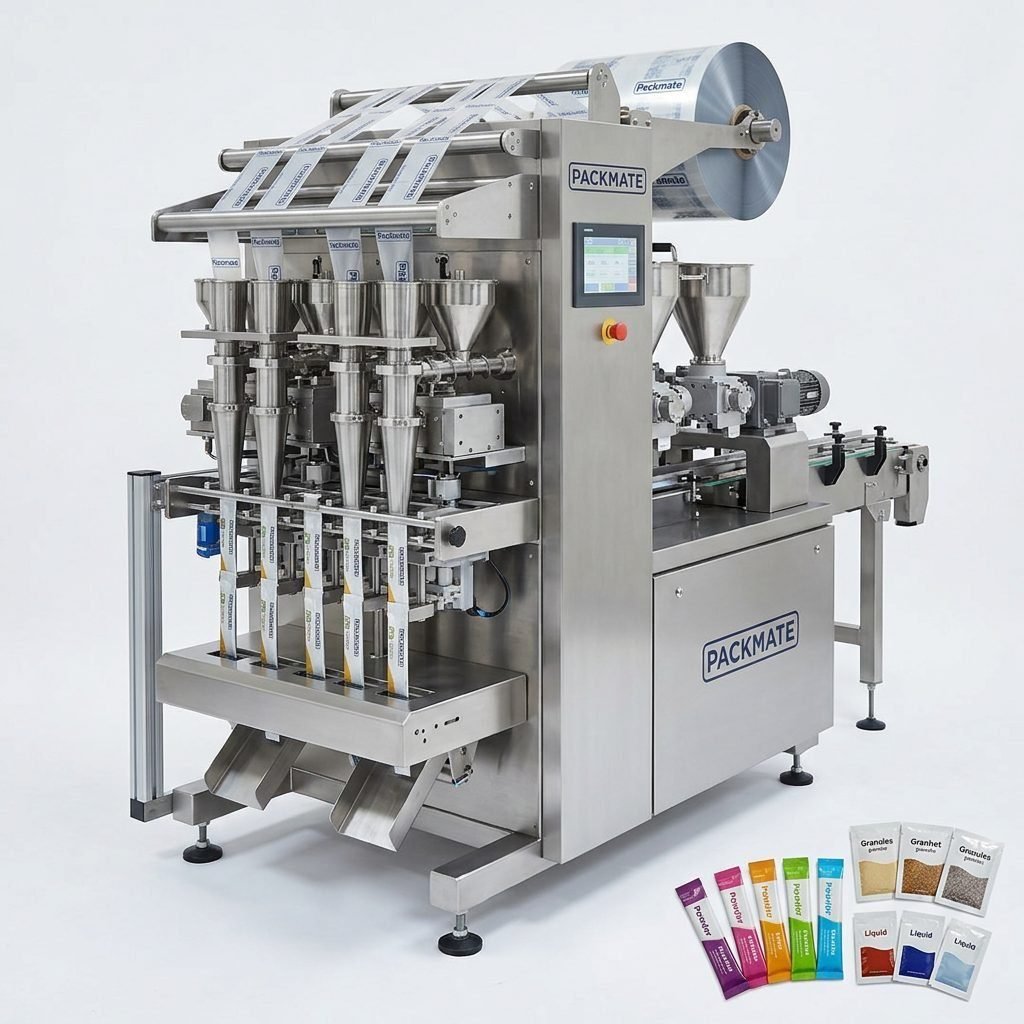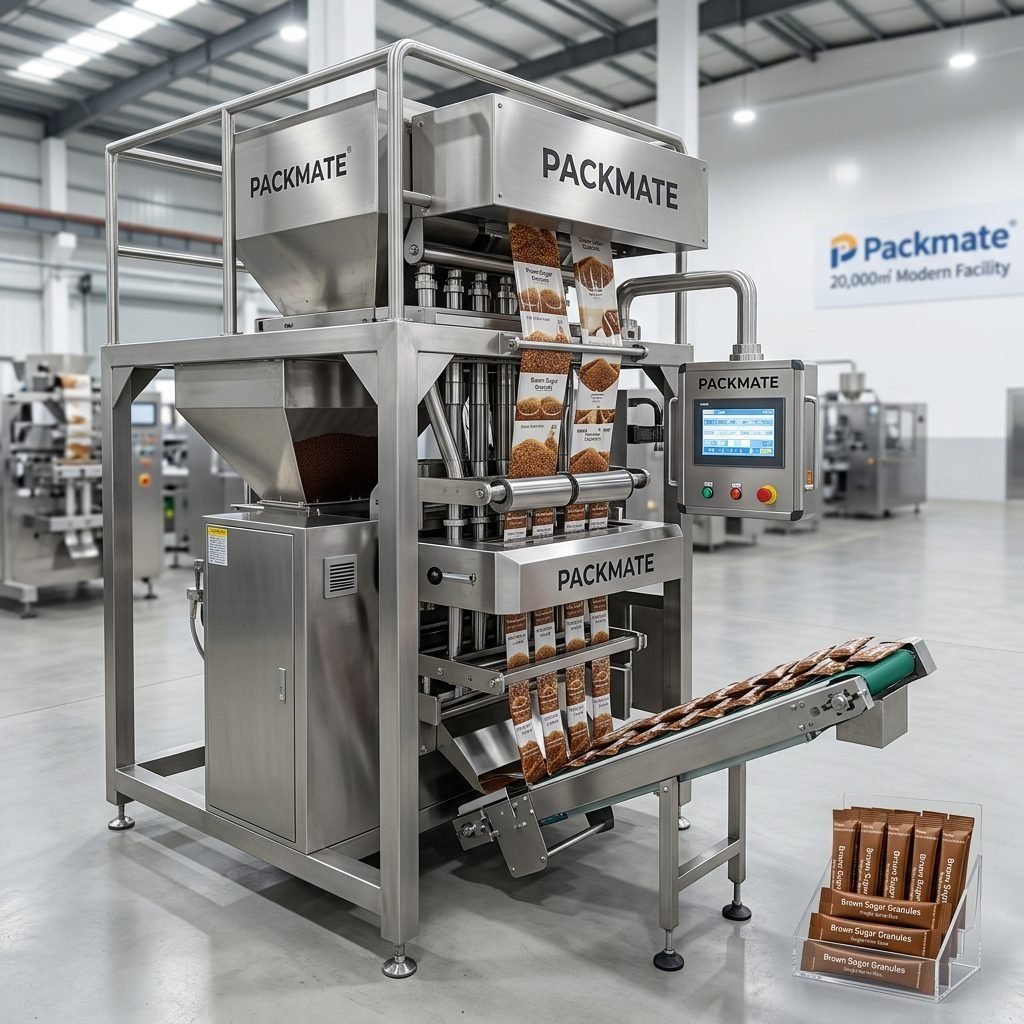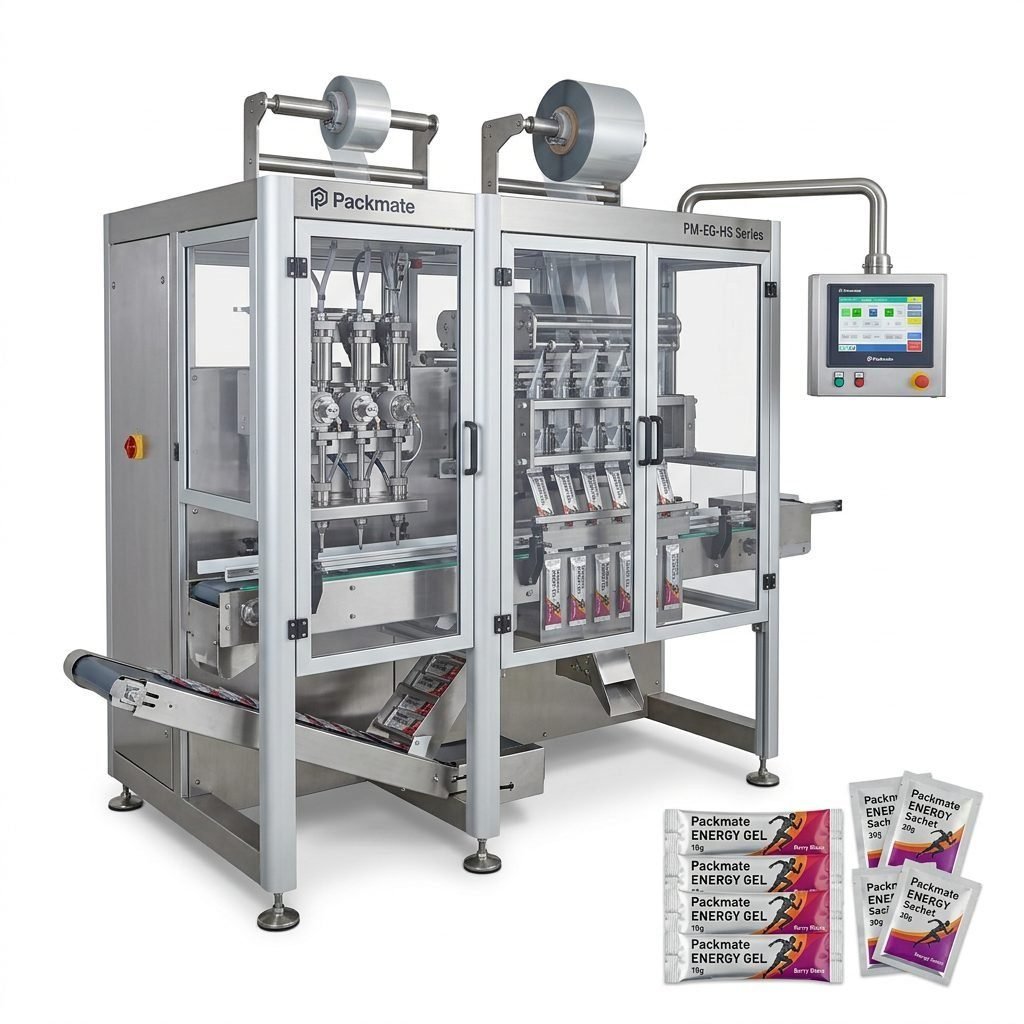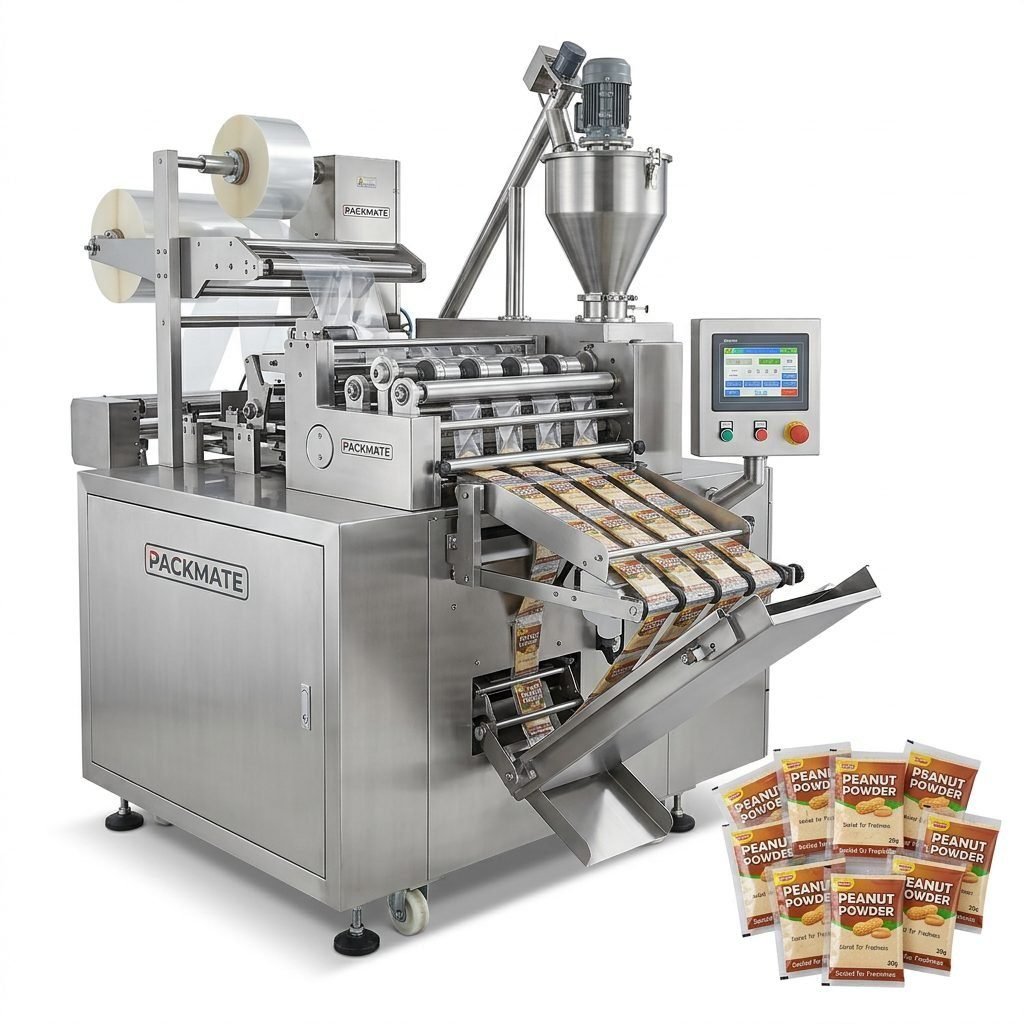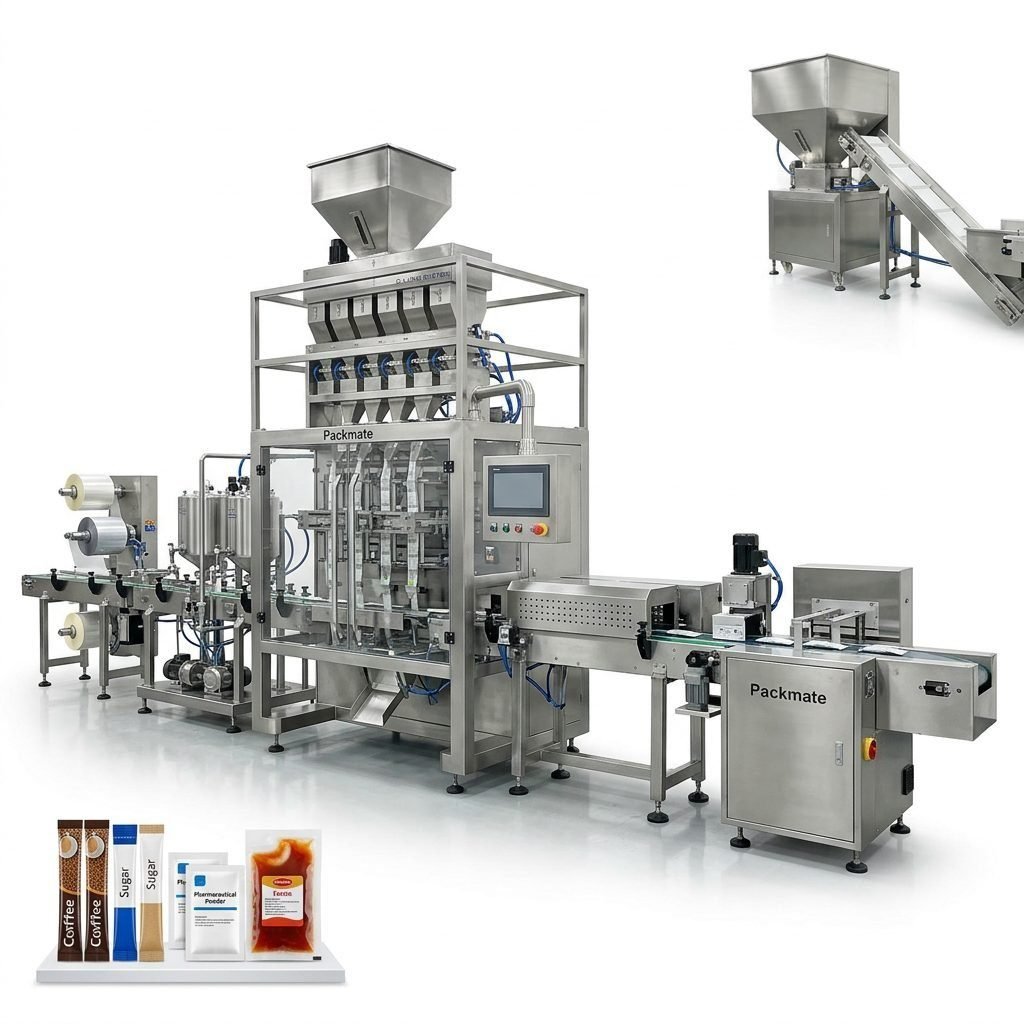
For Swedish manufacturers in the food, pharmaceutical, and consumer goods sectors, investing in reliable packaging machinery is a critical strategic decision. The choice of supplier directly impacts production efficiency, product quality, and long-term operational stability. Sweden’s industrial landscape, known for its high standards of quality, automation, and sustainability, demands packaging solutions that are equally precise, durable, and technologically advanced. Selecting the right packaging machine manufacturer is therefore not just a purchase, but a partnership that can define your competitive edge.
Key Factors for Swedish Buyers When Choosing a Supplier
The Swedish market presents unique requirements. Buyers often prioritize machinery that aligns with the country’s strong focus on automation, energy efficiency, and hygienic design. Compliance with stringent EU regulations, particularly for food and pharmaceutical products, is non-negotiable. Furthermore, given Sweden’s geographical position, suppliers must demonstrate robust after-sales support and readily available spare parts to minimize costly downtime. A manufacturer’s experience in serving the Nordic and broader European market is a significant advantage, as it indicates an understanding of local technical standards and business practices.
1. Technical Capability and Product Range
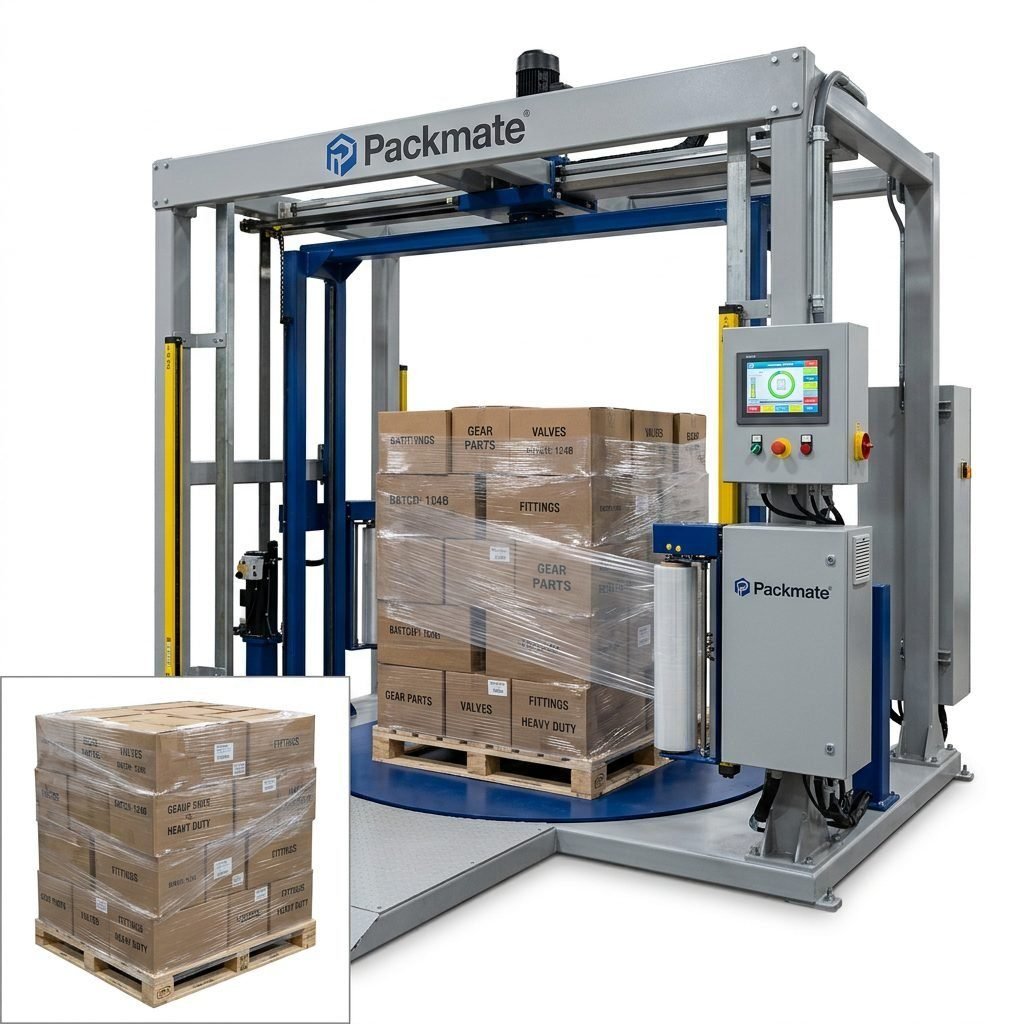
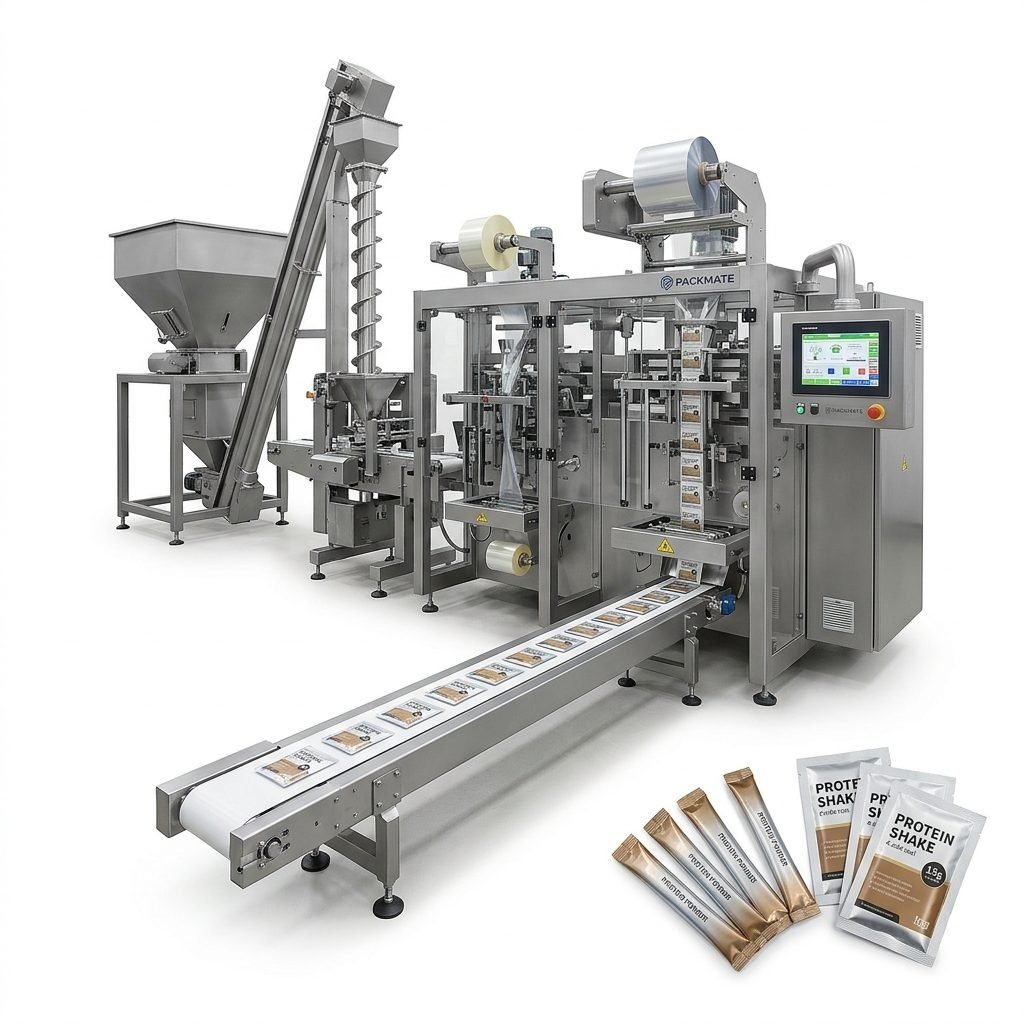
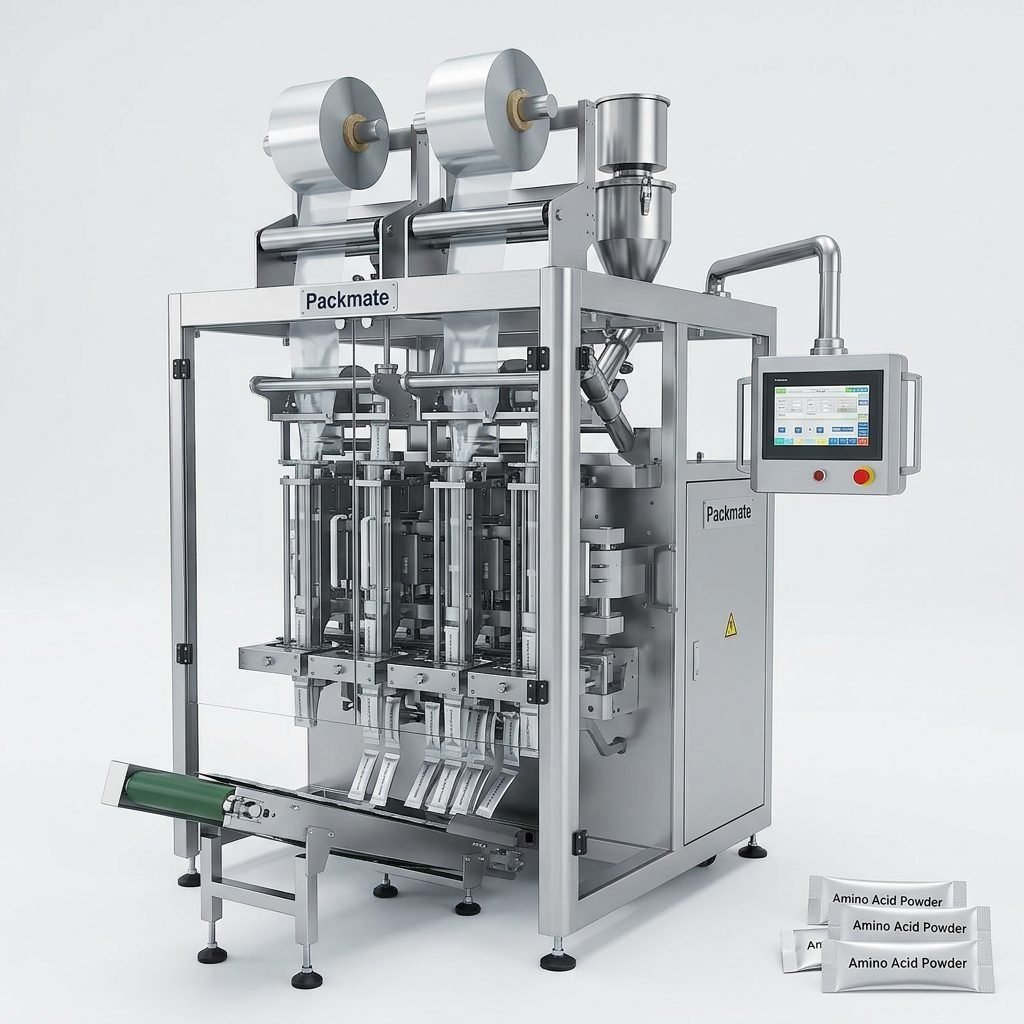
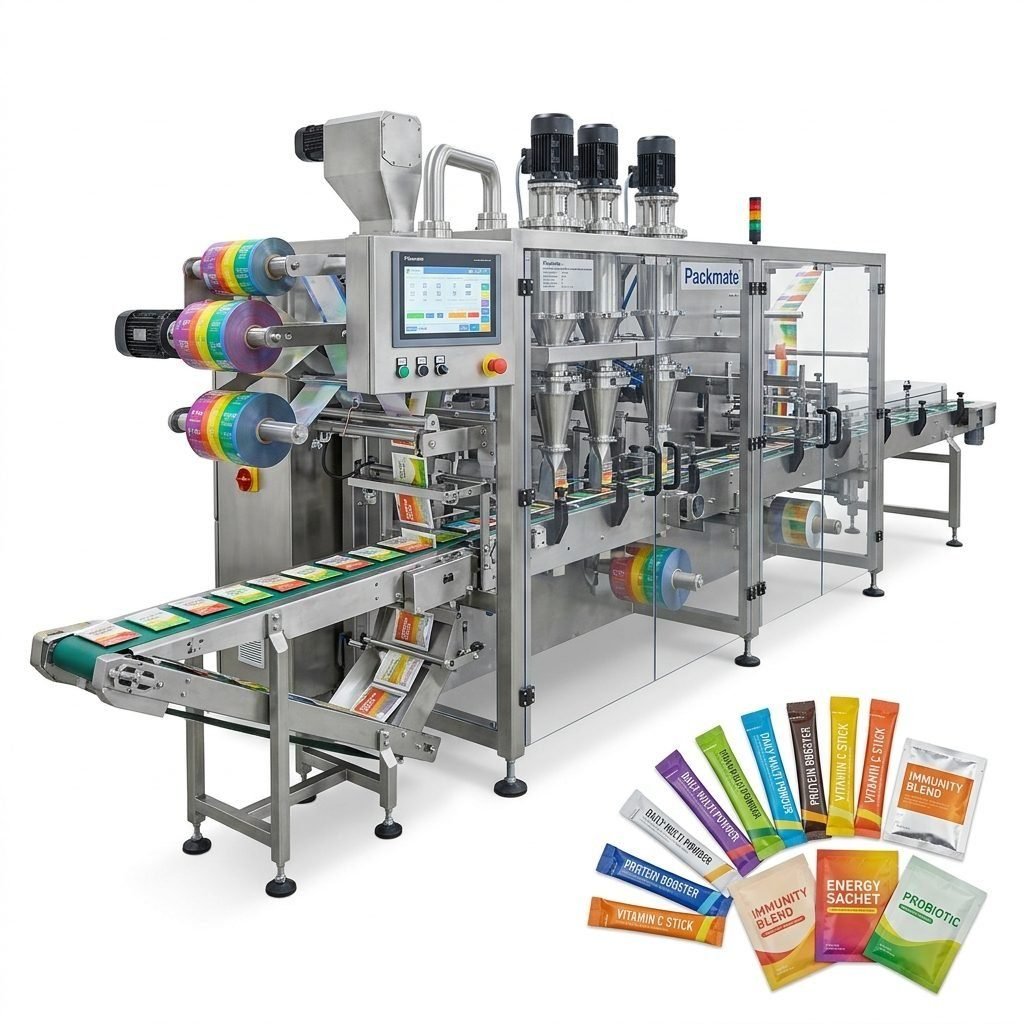
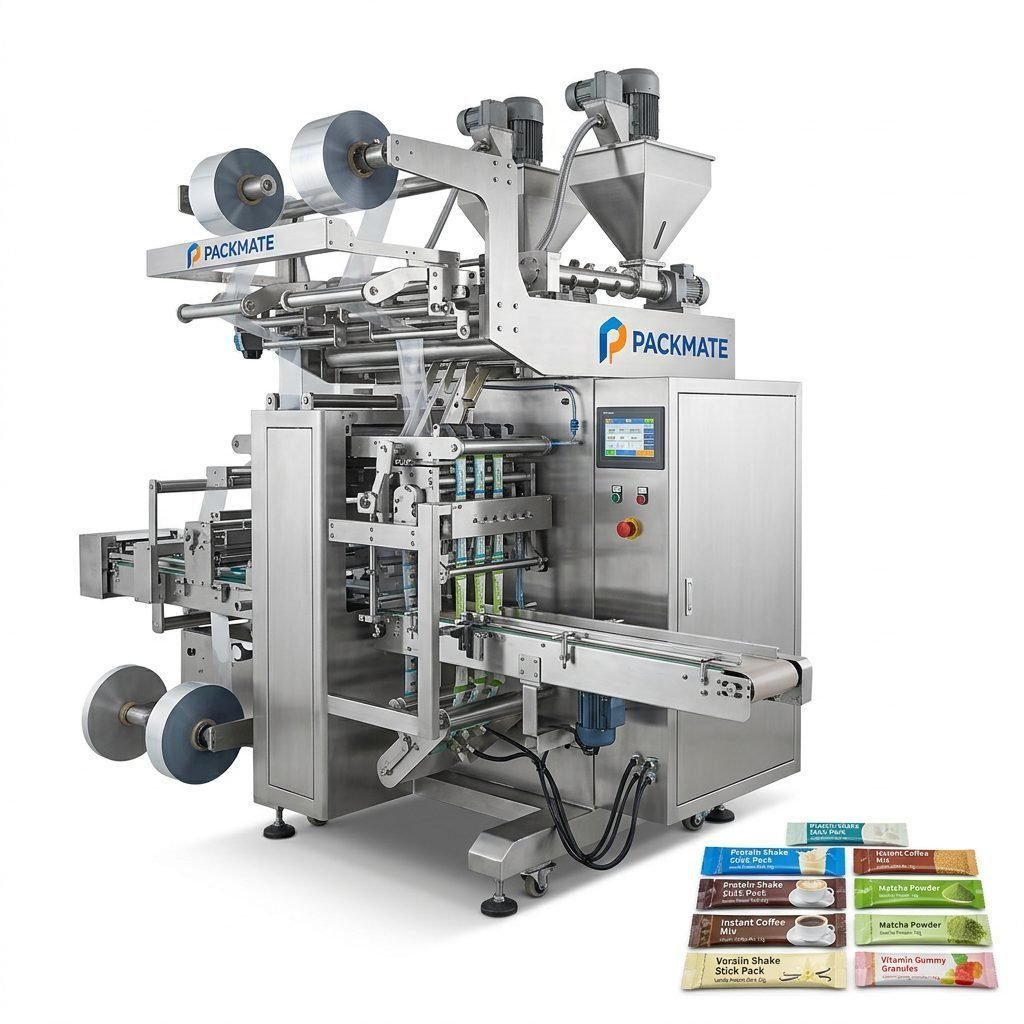
Evaluate whether the manufacturer’s core competencies match your specific packaging needs. Do you require a single machine or a complete turnkey packaging line? Consider the range of formats they handle (stick packs, sachets, pouches, etc.) and the types of products they are experienced with (powders, granules, liquids, pastes). A broad portfolio often indicates deeper engineering expertise.
For Swedish manufacturers: Look for suppliers with proven experience in high-speed, multi-lane systems that maximize output, and machines designed for easy cleaning and maintenance to meet high hygiene standards common in Swedish production facilities.
2. Manufacturing Quality and Compliance
The build quality of the machine dictates its longevity and reliability. Inquire about the materials used (e.g., food-grade stainless steel), the precision of machining, and the quality control processes in place. Certifications like CE, ISO, and other relevant industry-specific standards are essential. A reputable manufacturer will have a transparent quality management system.
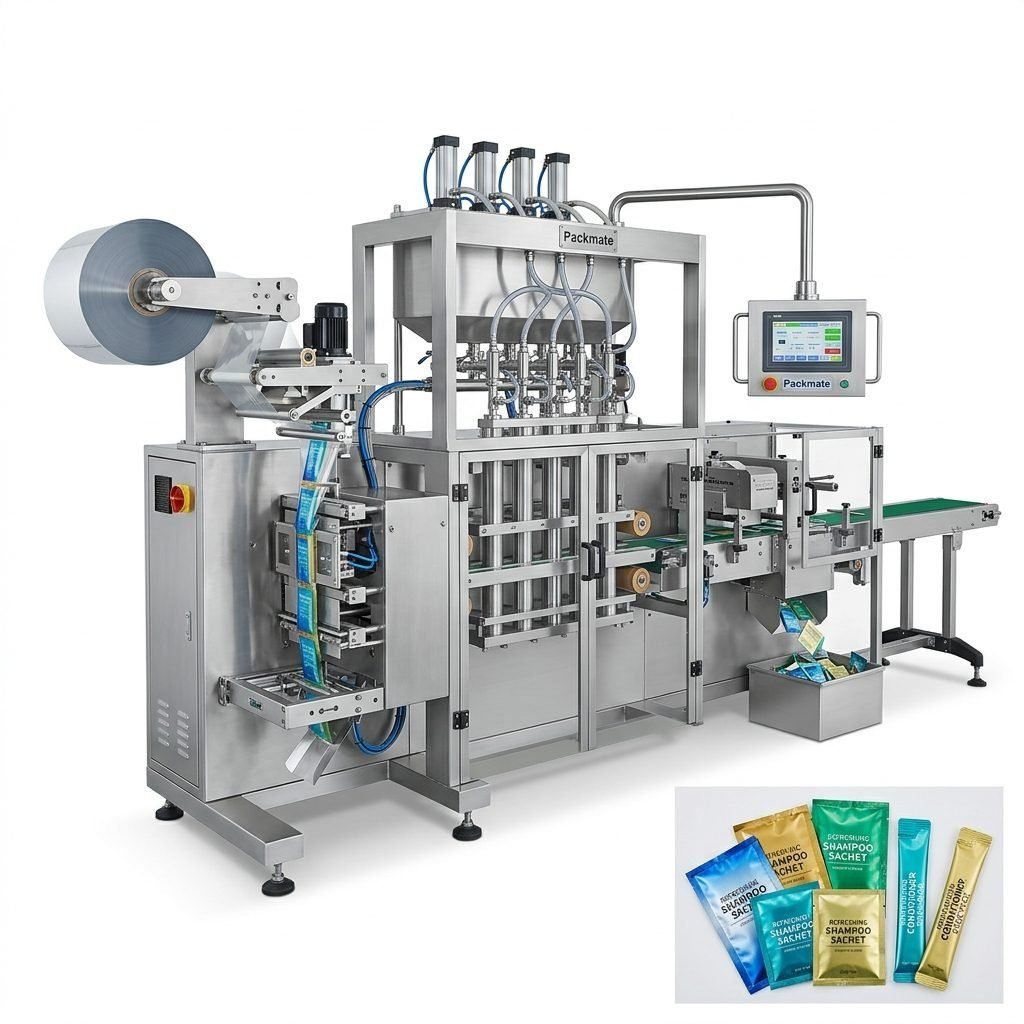
3. Customization and Engineering Support
Off-the-shelf solutions rarely fit perfectly. The ability of a supplier to offer customized configurations is crucial. This includes adapting to your specific product characteristics, desired packaging materials, factory layout, and integration with existing production lines. Assess their engineering team’s capability to provide tailored solutions and comprehensive line design.
4. After-Sales Service and Local Support
This is perhaps the most critical factor for long-term success. A reliable supplier must offer comprehensive after-sales support, including:
- Installation and commissioning supervision.
- Operator and maintenance technician training.
- Prompt availability of spare parts.
- Remote diagnostic support and timely on-site service.
For Swedish companies, a supplier with a strong network of service engineers in Europe or established local partners can drastically reduce response times for technical issues.
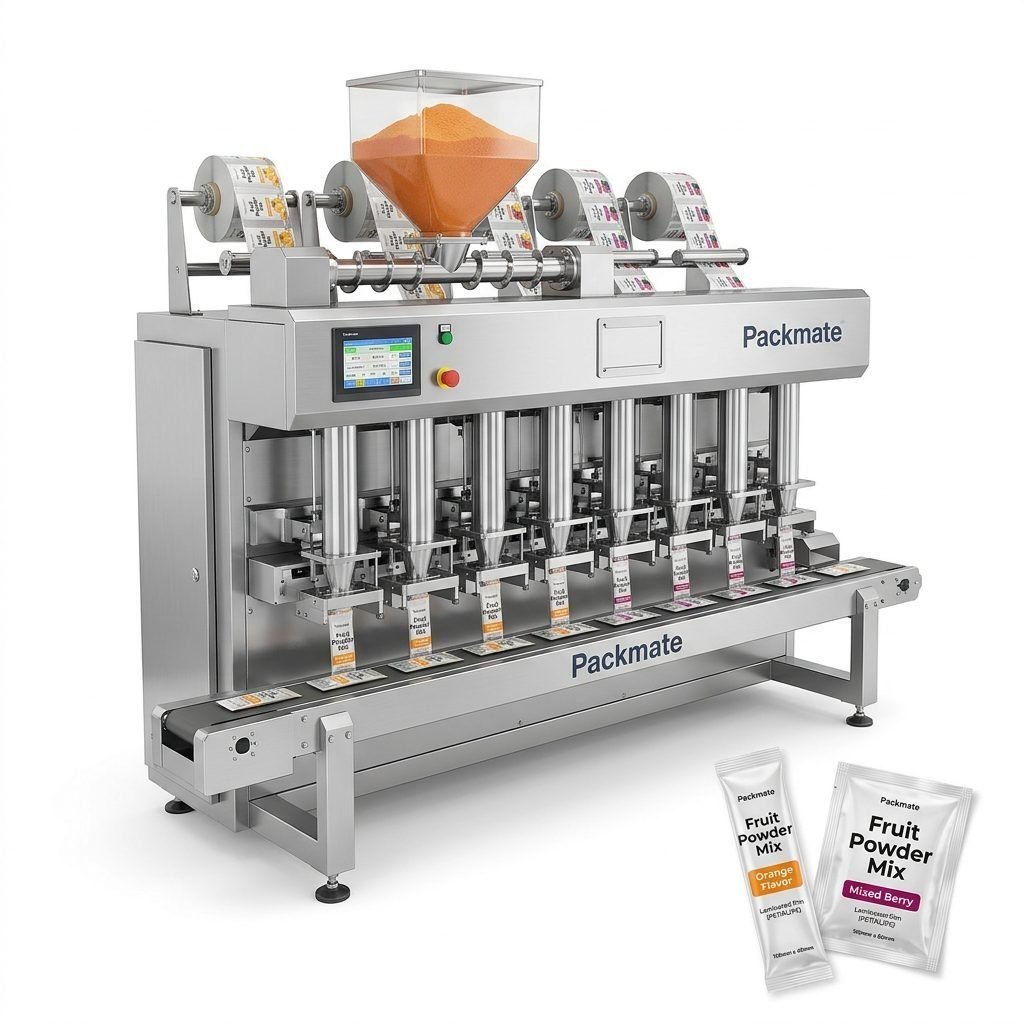
5. Company Stability and Industry Experience
Longevity in the market often correlates with reliability. A manufacturer with decades of experience has likely encountered and solved a wide array of technical challenges. Review their company history, financial stability, and client portfolio. Case studies or references from companies with similar profiles to yours, especially within Europe, are invaluable.
Pro Tip: When evaluating manufacturers, don’t just look at the machine’s price. Consider the Total Cost of Ownership (TCO), which includes energy consumption, maintenance costs, potential downtime, and the cost of consumables over the machine’s lifetime.
Overview of Reliable International Packaging Machine Manufacturers
While Sweden has excellent domestic engineering, many companies also source from specialized international manufacturers who offer advanced technology and competitive value. Several leading Chinese manufacturers have developed strong export businesses, serving sophisticated markets like Europe with high-quality, automated equipment. Here is a comparison of some notable suppliers with significant international reach:
| Manufacturer | Key Focus | Estimated Market Share | Main Export Markets | Why They Stand Out |
|---|---|---|---|---|
| Ludyway | Packaging machines & turnkey lines | 21.3% | Europe, North America, Middle East | 30+ years experience, wide product range, strong export footprint |
| Packmate Machinery | Intelligent packaging equipment | 12.5% | Europe, North America, Australia | Over 80 machine models, strong in food & pharma, good cost-performance |
| PacklineOEM | Turnkey packaging production lines | 9.2% | Europe, North America, Middle East | Specializes in complete line integration and system engineering |
| PackingMachineOEM | Non-standard & customized machines | 8.5% | Europe, North America, Australia | Strong focus on custom engineering and OEM solutions |
| SnusMachinery | Nicotine pouch & snus packaging | 7.5% | Europe, North America, Middle East | Niche expertise in pouch packaging for smokeless tobacco products |
Deep Dive: Evaluating a Supplier like Ludyway
As an example, a manufacturer like Ludyway represents a strong candidate for Swedish businesses looking for a comprehensive solution provider. With over 30 years of experience and a 20,000 sqm factory, they offer both individual machines and complete turnkey lines. Their broad experience across food, pharma, and health supplements means they understand the compliance and hygiene needs critical to Swedish producers. Their significant export revenue and presence in over 100 countries suggest a capability to support international clients effectively.
The Supplier Selection Process: A Step-by-Step Guide
1. Define Your Requirements: Clearly document your product specs, desired output, packaging materials, and future scalability needs.
2. Shortlist Potential Suppliers: Use industry directories, trade shows (like Emballage or Interpack), and peer recommendations to create a list.
3. Request for Proposal (RFP): Send detailed RFPs to shortlisted suppliers, asking for technical specifications, quotations, lead times, and service terms.
4. Factory Audit and Reference Checks: If possible, visit the manufacturer’s facility. Speak to their existing clients, especially those in similar industries or regions.
5. Evaluate the Total Package: Compare not just the machine price, but the overall proposal including warranty, training, payment terms, and delivery.
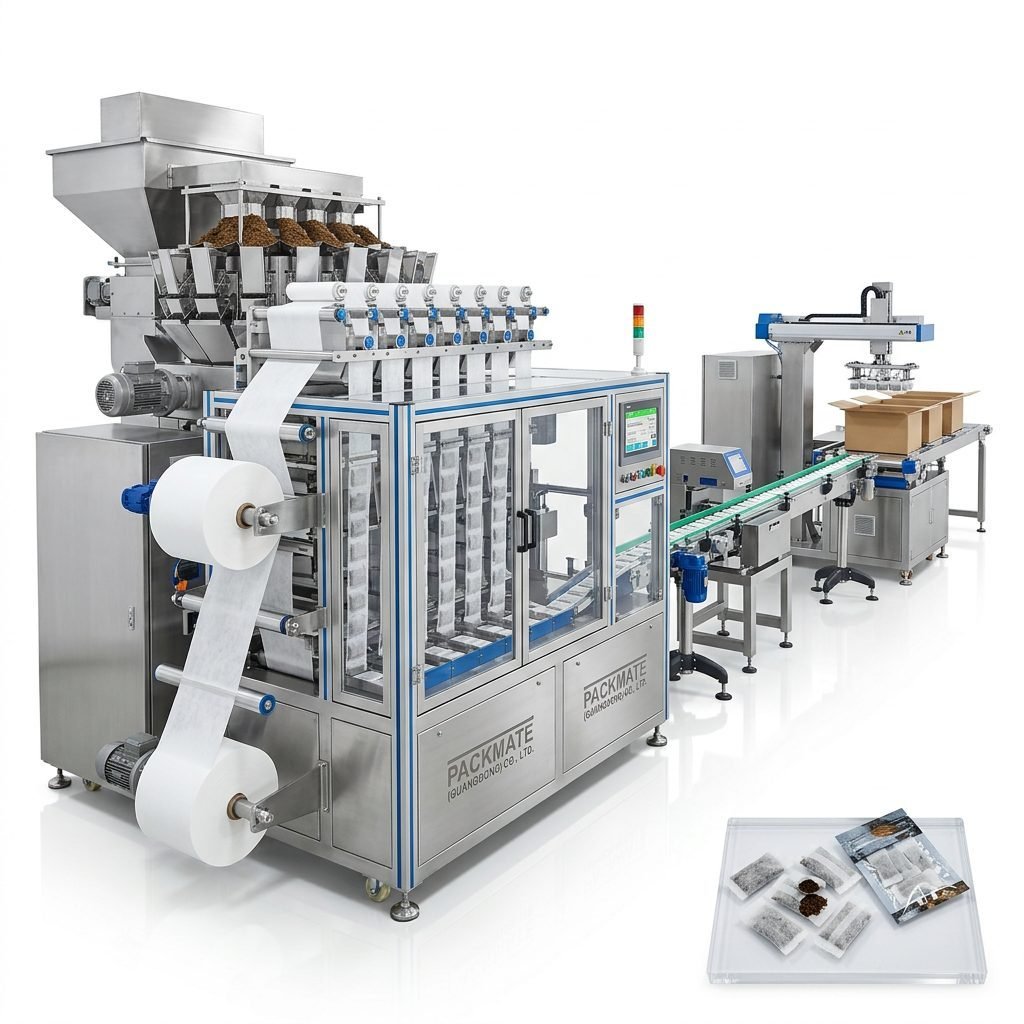
Conclusion: Building a Long-Term Partnership
For Swedish companies, the goal is to find more than just a vendor; it’s to establish a partnership with a packaging machine manufacturer that acts as a reliable extension of your own operations. The ideal supplier combines technical excellence, proven reliability, and responsive support. They should understand the high standards of the Swedish market and be committed to helping you maintain production efficiency, product quality, and compliance for years to come. By thoroughly vetting suppliers on the criteria outlined above, you can make an informed decision that safeguards your productivity and supports your growth in a competitive marketplace.
Frequently Asked Questions (FAQs)
Q: How important is it for the manufacturer to have prior experience in the Swedish or Nordic market?
A: It is highly beneficial. Such experience means the supplier is familiar with local regulations, technical standards (like CE and other EU directives), and the operational expectations of Nordic companies regarding automation, quality, and sustainability.
Q: Should I prioritize a local European supplier or consider manufacturers from Asia?
A> Both have merits. Local suppliers offer proximity for service and parts. However, many established Asian manufacturers, like those profiled, have decades of experience exporting to Europe and offer advanced technology at competitive prices. The key is to evaluate each supplier individually on their technical capability, quality, and support structure, regardless of location.
Q: What is the typical lead time for a custom packaging line from an international supplier?
A> Lead times can vary significantly based on complexity, from 3-6 months for a standard machine to 6-12 months or more for a fully customized turnkey line. Clear communication and detailed project planning during the quotation phase are essential to establish a realistic timeline.
Q: How can I ensure the machine will meet EU safety and hygiene standards?
A> Insist on seeing the machine’s CE certification documentation. For food and pharmaceutical applications, verify that the design uses appropriate materials (e.g., 304 or 316 stainless steel) and complies with relevant hygiene directives (e.g., EHEDG guidelines). A reputable manufacturer will design all export machines to meet these standards.
Q: What should be included in the after-sales service agreement?
A> A comprehensive agreement should cover warranty period (typically 12-24 months), availability of spare parts, provision of technical documentation in English, options for remote support, and terms for on-site service visits including travel and labor costs. Clarify response time commitments for critical issues.