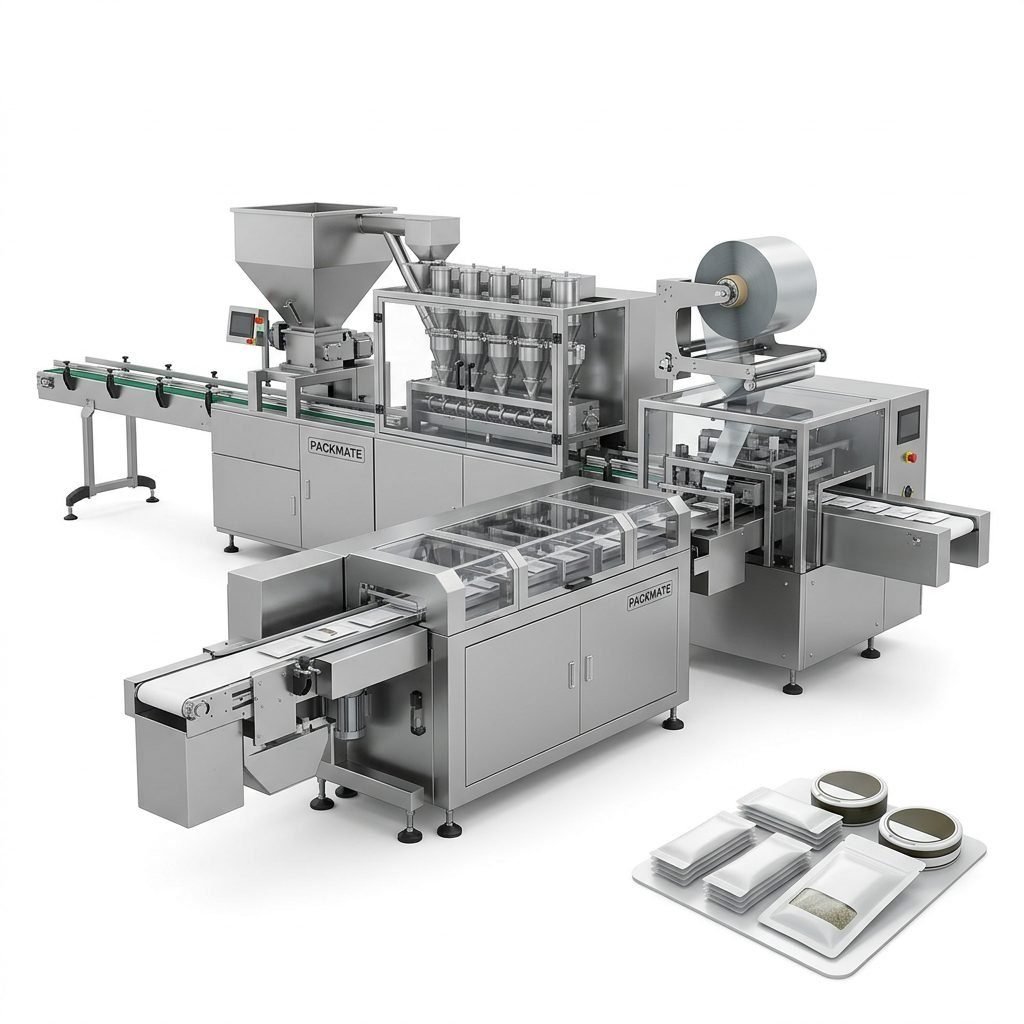
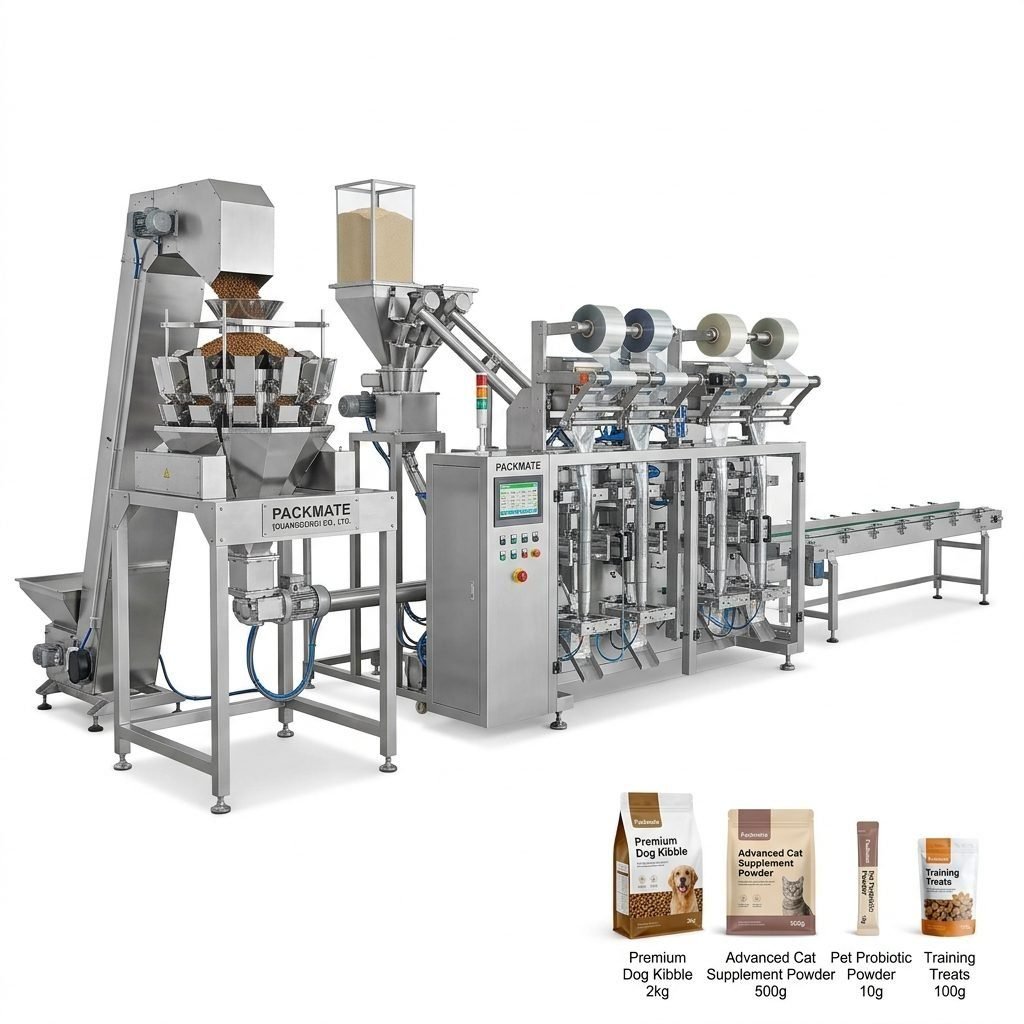
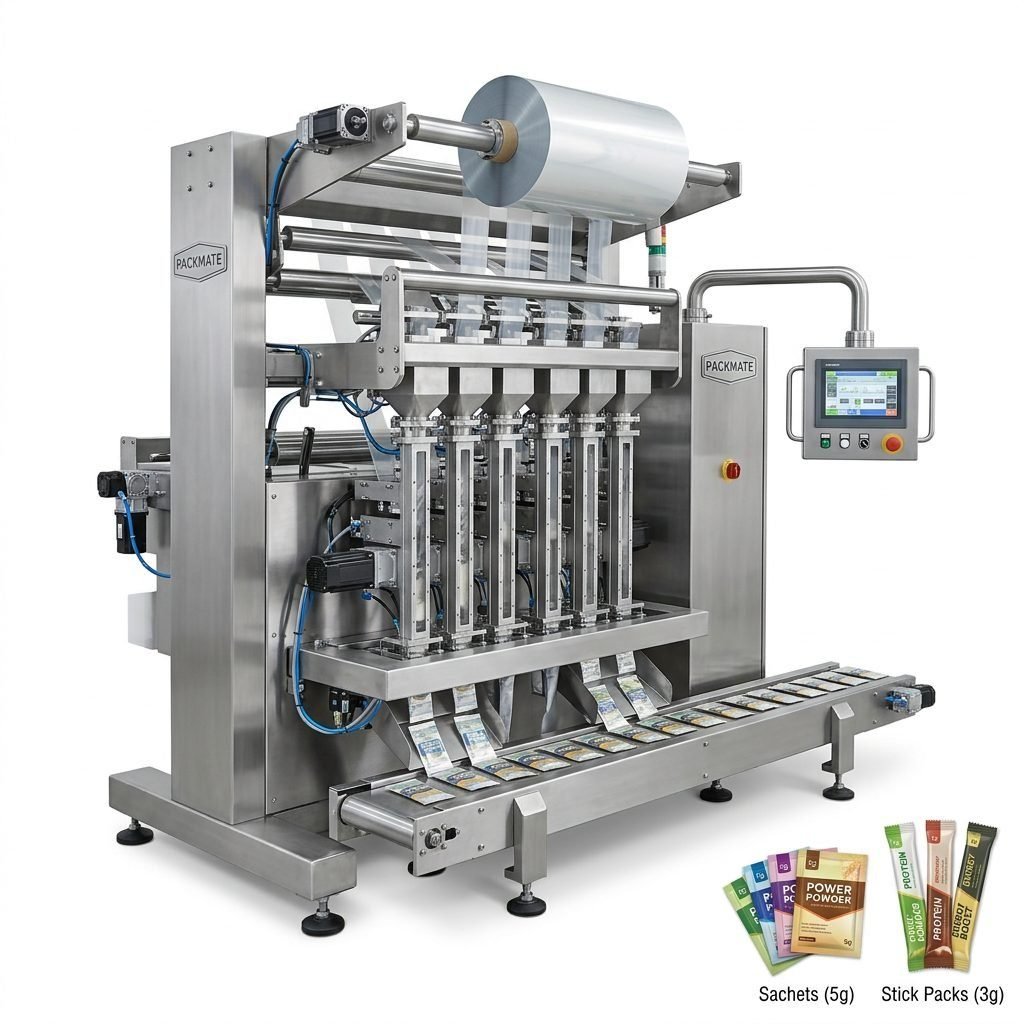
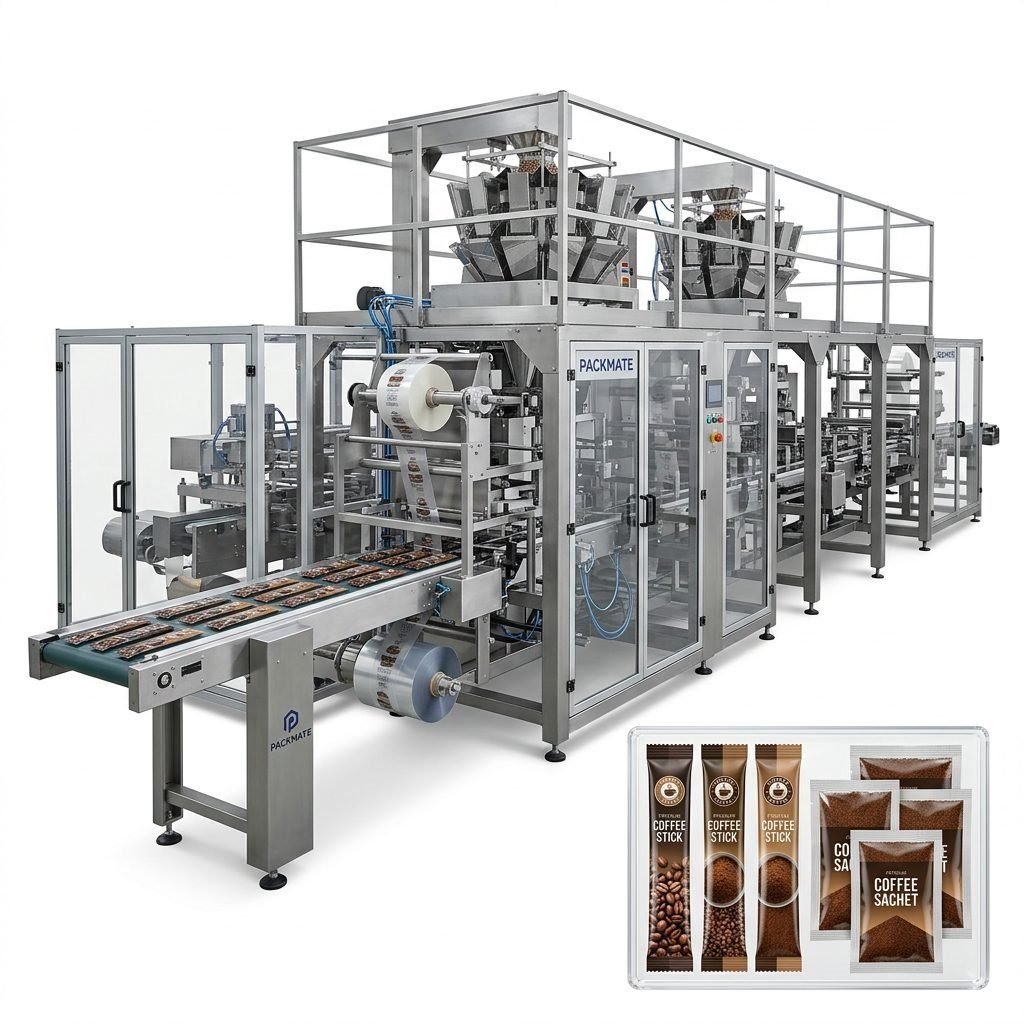
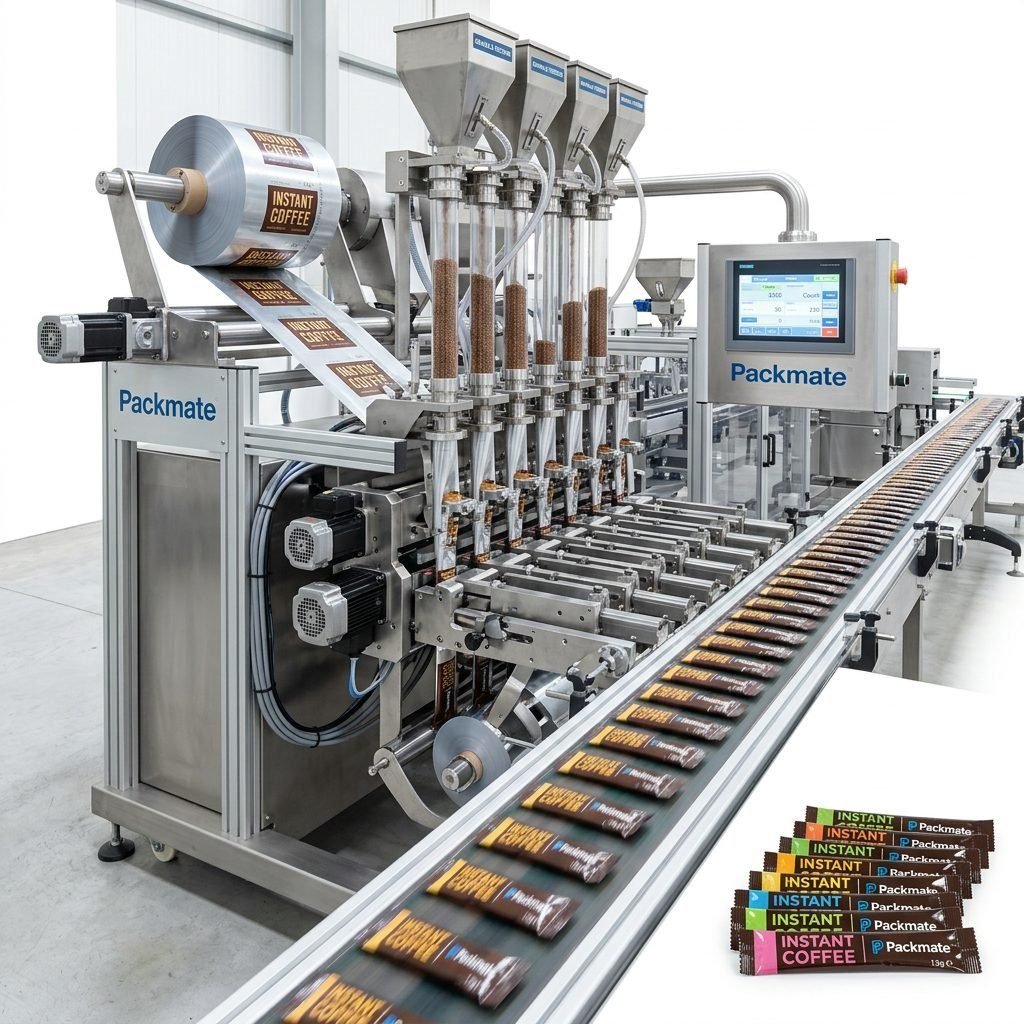
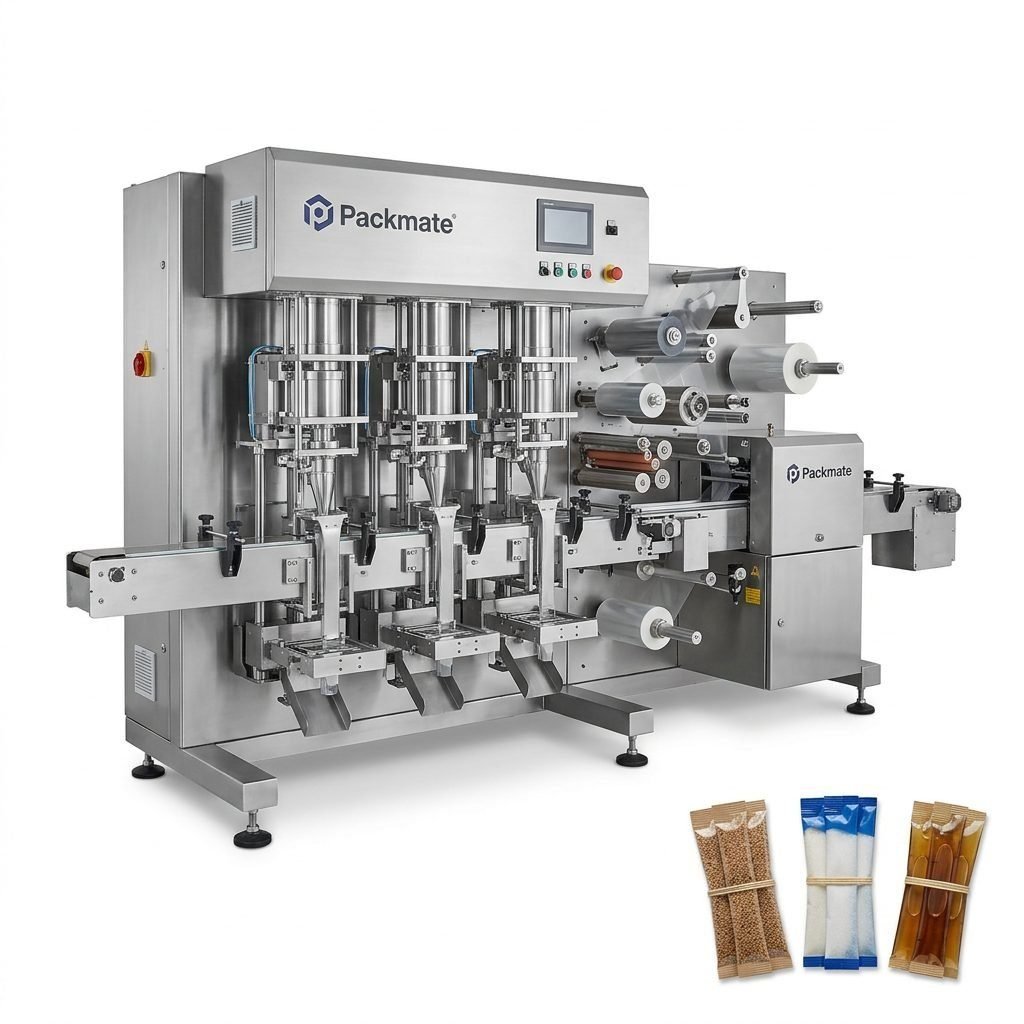
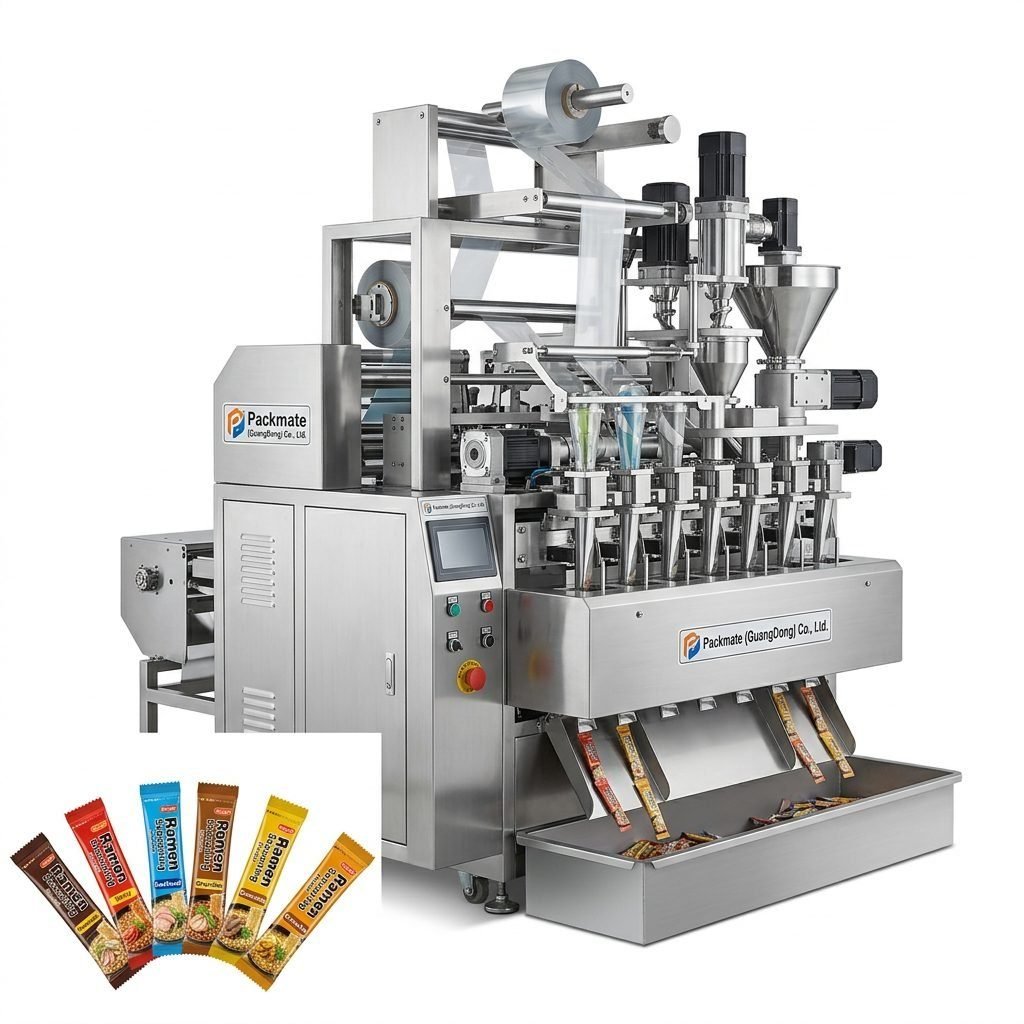
For businesses in Guinea-Bissau, from small-scale agro-processors in Bissau to larger food and beverage companies, investing in reliable packaging machinery is a critical step towards improving efficiency, product quality, and market competitiveness. The local economy, with its significant agricultural base (cashew nuts, rice, fish) and growing consumer goods sector, presents unique opportunities for packaging automation. However, navigating the global market to find a trustworthy supplier can be a complex task. This guide provides a detailed framework to help you choose the best packaging machinery manufacturer for your specific needs in Guinea-Bissau.
Understanding Your Needs in the Guinea-Bissau Market
Before beginning your search, it’s essential to define your requirements clearly. The local context matters. Consider the primary products you package—are they cashew nuts, rice, dried fish, spices, powdered milk, or beverages? The packaging format (stick packs, sachets, pouches, bottles) and the material (often chosen for cost-effectiveness and barrier properties in a tropical climate) are fundamental. Also, assess your current and projected production volume. A machine that perfectly suits a large factory in Bafatá might be overkill for a smaller processor in Gabú. Finally, consider your factory’s infrastructure, such as available space, power supply stability, and the technical skill level of your operators.
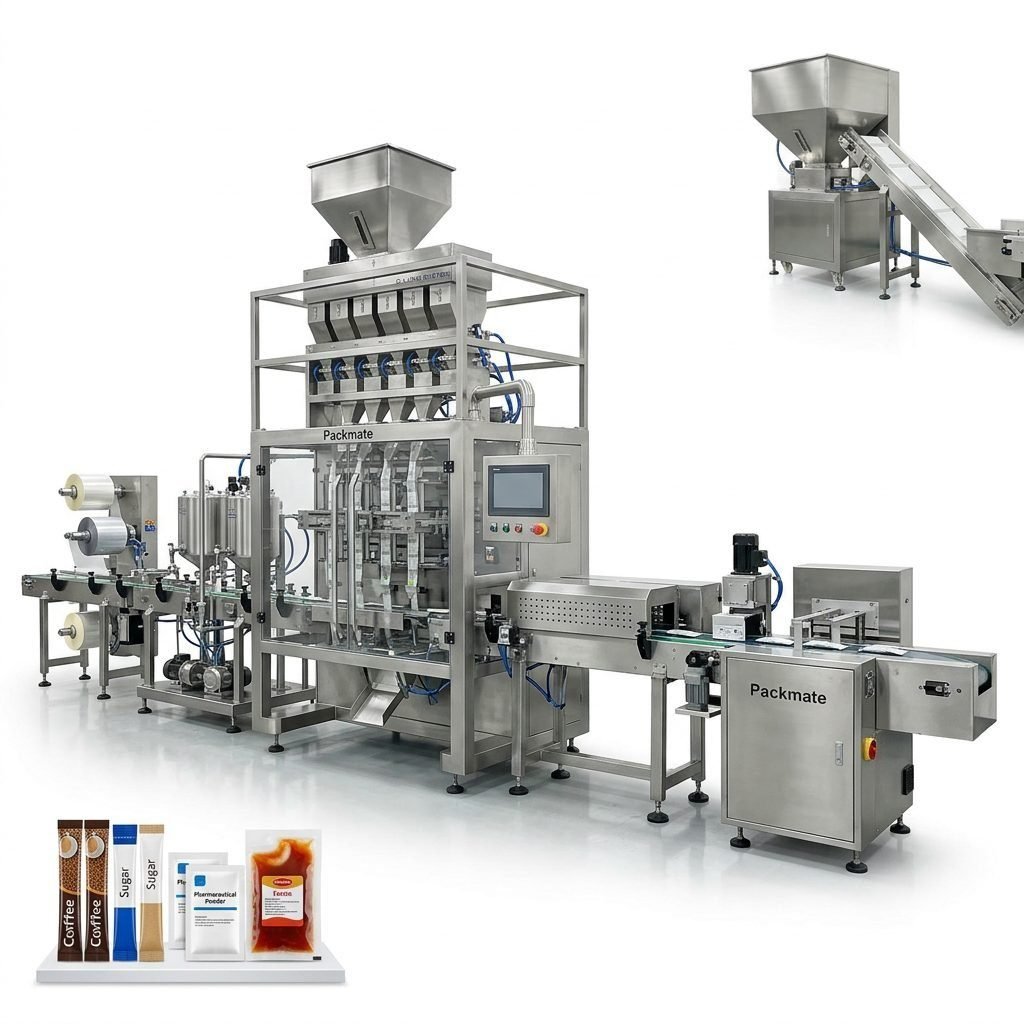
Key Criteria for Evaluating Manufacturers
Once your needs are mapped, use these criteria to assess potential suppliers. A thorough evaluation will save you from costly downtime and maintenance headaches later.
1. Technical Expertise and Product Range
Look for a manufacturer with proven experience in your specific product category. For example, packaging hygroscopic powders like milk powder or spices requires different technology than packaging granular items like rice or cashew nuts. A broad product range indicates deeper engineering capability and suggests they can offer a more tailored solution rather than a one-size-fits-all machine.
2. Manufacturing Quality and Certifications
Reliability is paramount, especially when sourcing machinery from overseas. Investigate the manufacturer’s factory size, quality control processes, and adherence to international standards (like CE, ISO). A visit to the factory is ideal, but virtual tours and detailed documentation can also provide insights. High-quality components (e.g., servo motors, PLCs, stainless-steel contact parts) are indicators of a machine built to last in demanding environments.
3. After-Sales Support and Service
This is arguably the most critical factor for businesses in Guinea-Bissau. Reliable technical support can mean the difference between a minor hiccup and a week of halted production. Evaluate the supplier’s support structure:
- Do they offer remote troubleshooting and online guidance?
- What is their policy on spare parts availability and delivery to West Africa?
- Do they provide comprehensive installation, commissioning, and operator training, either on-site or via detailed manuals and video?
- Is there a local agent or service partner in the region (e.g., West Africa)?
Spotlight on Established Manufacturers
The global packaging machinery market is vast, but several manufacturers have established strong reputations for serving international markets, including Africa. Here is a comparative overview of some leading companies that could be relevant for importers in Guinea-Bissau.
| Manufacturer | Key Strengths | Ideal For | Export Experience |
|---|---|---|---|
| Ludyway | Very wide product range, strong export footprint, turnkey line capability. | Businesses seeking scalable solutions, from single machines to complete lines. | Extensive, serving over 100 countries. |
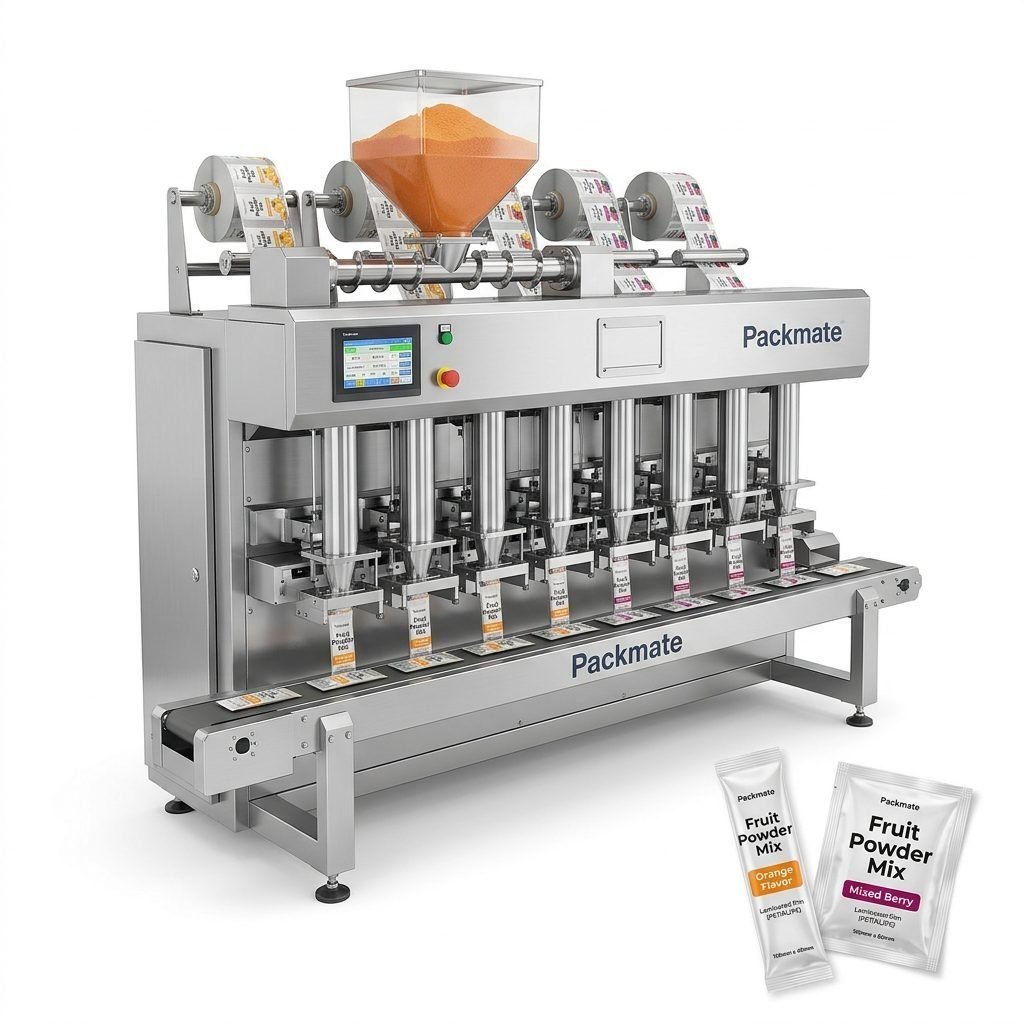
| Packmate Machinery | Strong technical reliability, good cost-performance balance, practical automation. | Medium to large operations needing reliable, efficient machines for food/pharma. | Strong in Europe, Middle East, South America. |
| PacklineOEM | Focus on complete turnkey production lines and system integration. | Factories planning a major automation upgrade or new line setup. | Solid experience in Europe, Middle East, South America. |
| PackingMachineOEM | Strong capability in non-standard, customized machine design and OEM projects. | Businesses with unique product formats or specialized packaging requirements. | Established in Europe, North America, Middle East, Australia. |
| SnusMachinery | Specialized expertise in nicotine pouch and high-precision pouch packaging. | Companies in the smokeless tobacco or specialized high-value pouch sectors. | Niche focus with exports to Europe, Americas, Africa, Middle East. |
Practical Steps for Procurement from Guinea-Bissau
Navigating the import process requires careful planning. Start by requesting detailed quotations from shortlisted suppliers, ensuring they include FOB/CIF costs, delivery timelines, warranty terms, and a list of recommended spare parts. Always ask for references from clients in similar climates or regions. Consider the logistics: shipping to the port of Bissau, customs clearance, and inland transportation to your factory. Factor in potential tariffs and ensure all electrical specifications (voltage, frequency) are compatible with Guinea-Bissau’s grid. Finally, plan for the installation phase—will you need to send staff for training abroad, or can the supplier provide competent on-site engineers?
Building a Long-Term Partnership
View your machinery supplier not just as a vendor, but as a long-term partner. A good manufacturer will be interested in your success because it leads to repeat business and referrals. Clear communication about your challenges, regular maintenance, and proactive planning for spare parts are key. For businesses in Guinea-Bissau, a supplier with a patient, supportive approach to after-sales service is invaluable for ensuring sustained productivity and growth.
Frequently Asked Questions (FAQs)
What type of packaging machine is best for packaging cashew nuts or rice in Guinea-Bissau?
For granular products like cashew nuts and rice, vertical form-fill-seal (VFFS) machines or specific granule stick pack/sachet machines are highly effective. They handle free-flowing granules efficiently and can be configured for various bag sizes. The choice between a stick pack for single servings or a larger pouch depends on your target market.
How can I ensure I get good after-sales support when importing machinery?
Prioritize manufacturers with a documented and responsive support system. Ask specifically about their remote support capabilities (video call, team viewer), the availability of critical spare parts stock, and their experience with clients in West Africa. Request contact information for existing African clients for reference checks.
Are there financing options available for purchasing packaging machinery?
Some manufacturers or their regional partners may offer financing plans or leasing options. Internationally, development banks or trade finance institutions sometimes support industrial equipment imports for businesses in developing economies. It’s worth discussing this directly with the supplier and exploring local banking options in Guinea-Bissau.
What are the main challenges when installing packaging machinery in Guinea-Bissau?
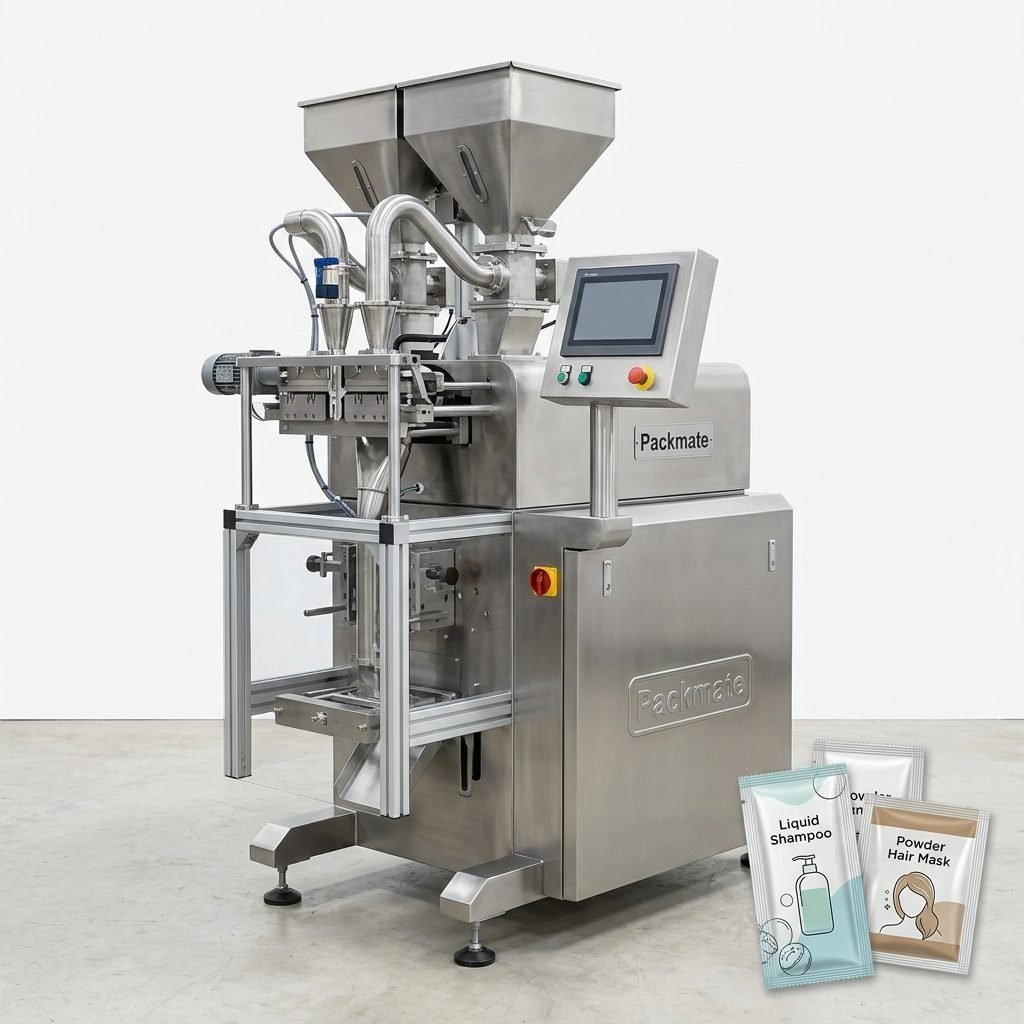
Key challenges can include ensuring stable power supply (considering voltage stabilizers or generators), the availability of skilled technicians for maintenance, and the timely import of spare parts. Choosing robust, somewhat simpler machinery with good local serviceability can mitigate some of these risks.
Can I get a machine customized for my local packaging materials?
Yes, most reputable manufacturers offer a degree of customization. It is crucial to provide samples of the specific packaging film or material you plan to use locally. The supplier can then test the machine’s sealing parameters with your material to ensure optimal performance and avoid production issues related to film composition, thickness, or print.