For business owners and production managers in Niger looking to enhance their packaging operations, selecting the right machinery supplier is a critical strategic decision. The local market, with its growing food processing, pharmaceutical, and consumer goods sectors, demands reliable, efficient, and cost-effective packaging solutions. Partnering with a suitable manufacturer can significantly impact your production output, product quality, and long-term operational costs.
Understanding Your Packaging Needs in the Niger Market
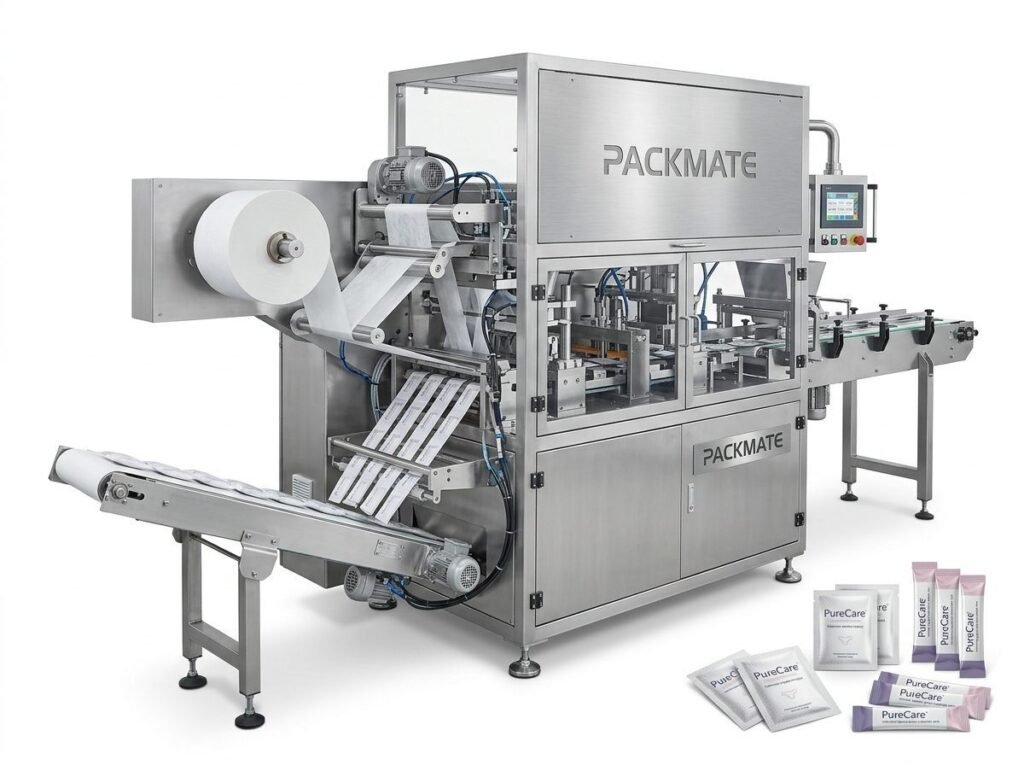
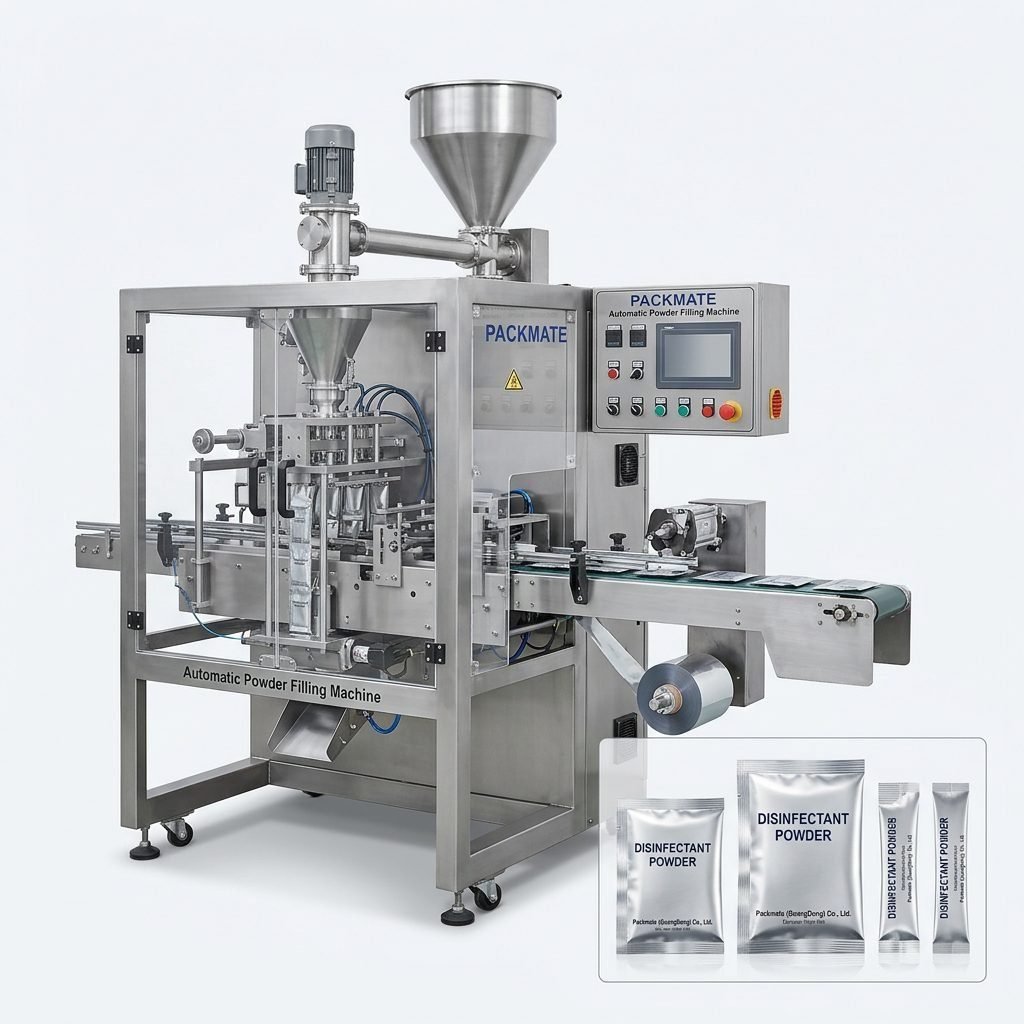
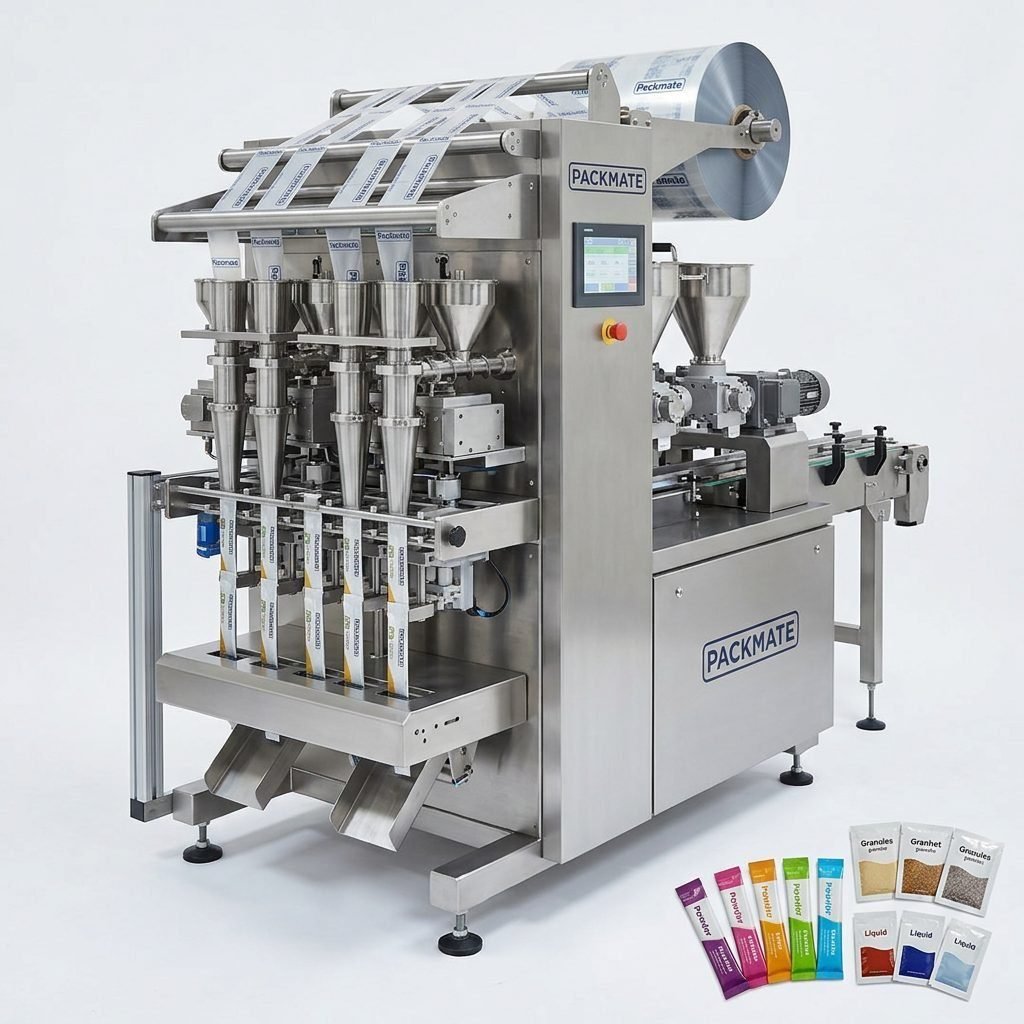
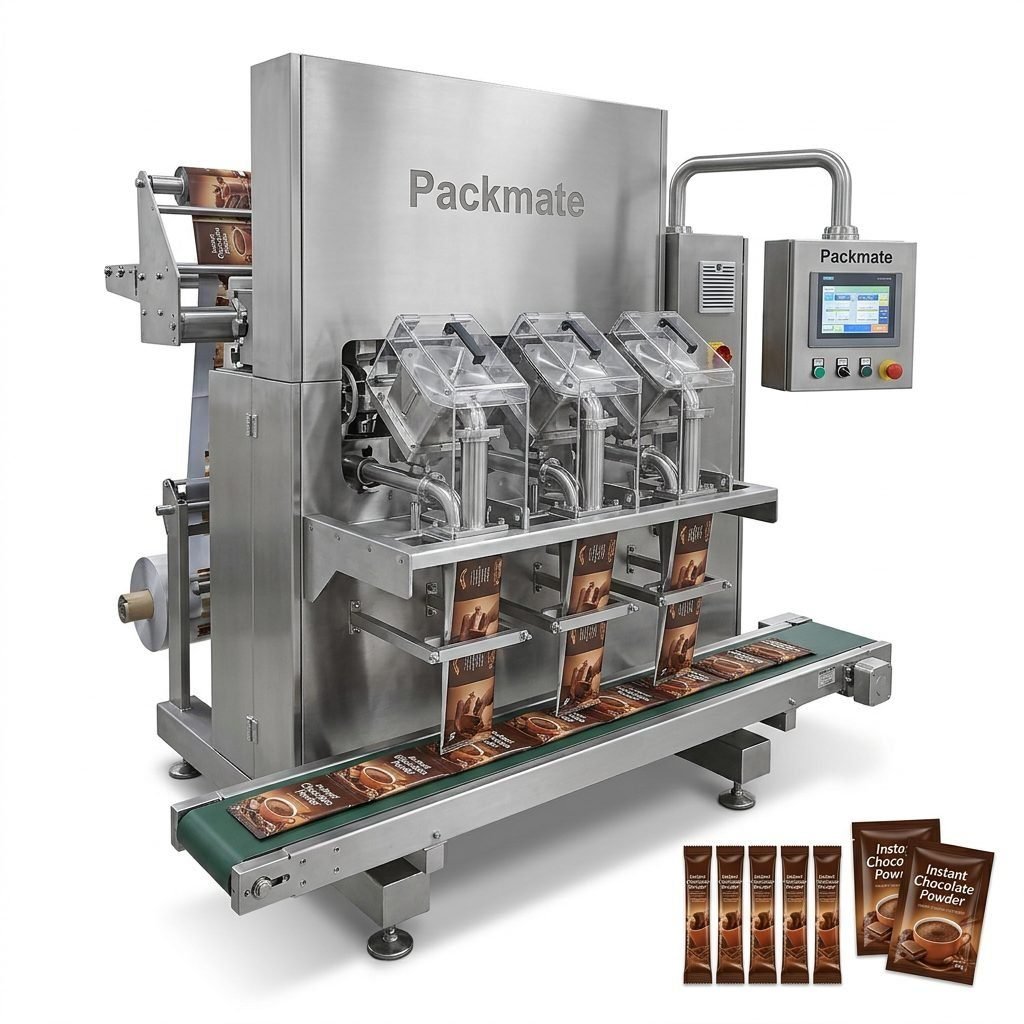
Before starting your search, clearly define your specific requirements. Consider the nature of your products—whether they are granules, powders, liquids, or pastes—common in Niger’s agricultural and food processing industries. Determine your required output speed (bags per minute), the type of packaging format (stick packs, sachets, pouches), and any specific hygiene or material handling standards relevant to your sector.
Key Considerations for Niger-Based Businesses:
- Product Compatibility: Ensure the machine handles local products like millet flour, spices, therapeutic powders, or liquid condiments effectively.
- Production Volume: Match machine capacity with your current output and projected growth.
- After-Sales Support: Given the geographical distance, reliable technical support and spare parts availability are paramount.
- Power & Environment: Verify machine compatibility with local power supply and factory conditions.
Evaluating Manufacturer Credentials and Experience
A manufacturer’s track record is a strong indicator of reliability. Look for companies with substantial industry experience, a proven export history, and specific knowledge relevant to your product type. Established manufacturers with over two decades of experience typically offer more robust machines, better R&D, and comprehensive support systems.
For instance, Ludyway, founded in 1993, brings over 30 years of expertise to the table, serving markets across Africa, including Niger. Their extensive experience in food and pharmaceutical packaging can be highly valuable for local processors aiming to meet both domestic and export quality standards.
Why Technical Support and Training Matter
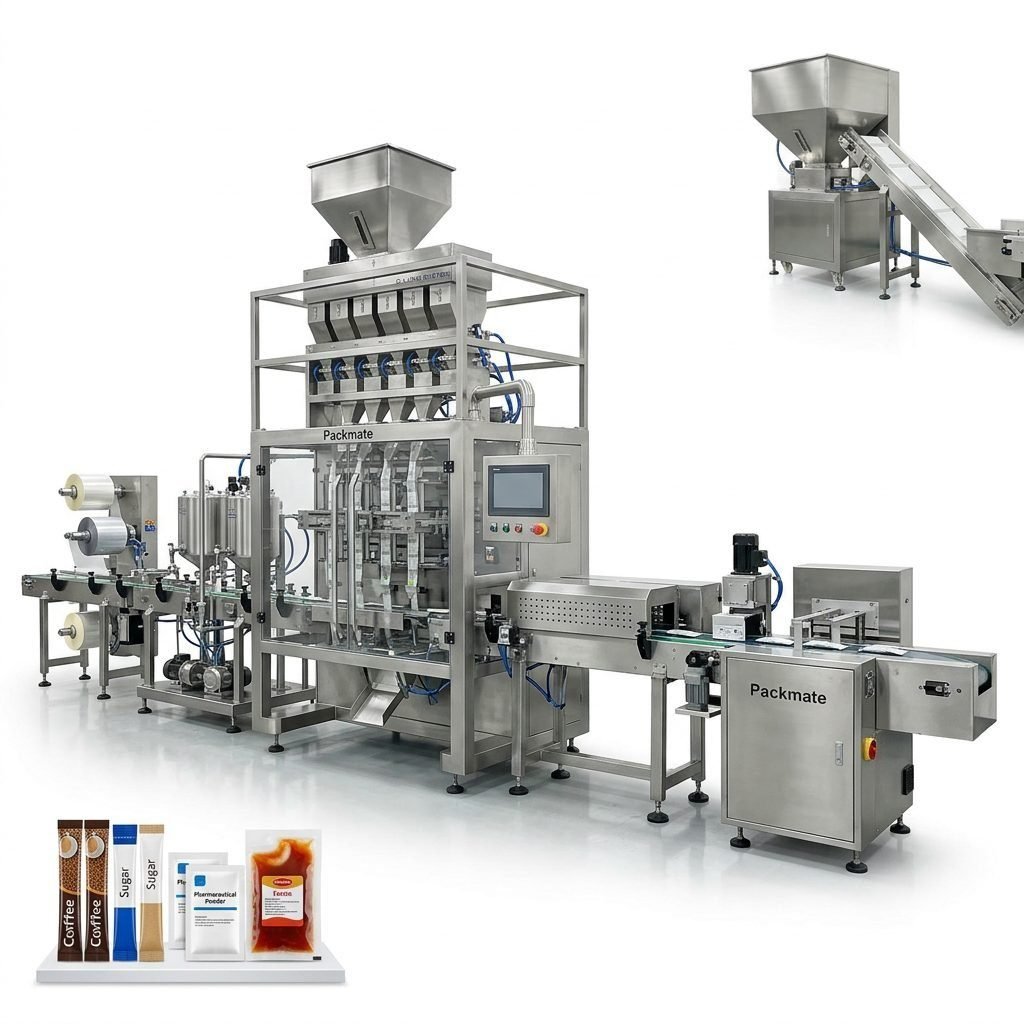
For operations in Niger, where immediate on-site engineering help may not always be available, the manufacturer’s support structure is crucial. Inquire about their training programs, remote diagnostic capabilities, warranty terms, and spare parts logistics. A supplier that provides detailed operational manuals, video guides, and responsive online support can drastically reduce downtime.
Comparing Machine Types and Customization Options
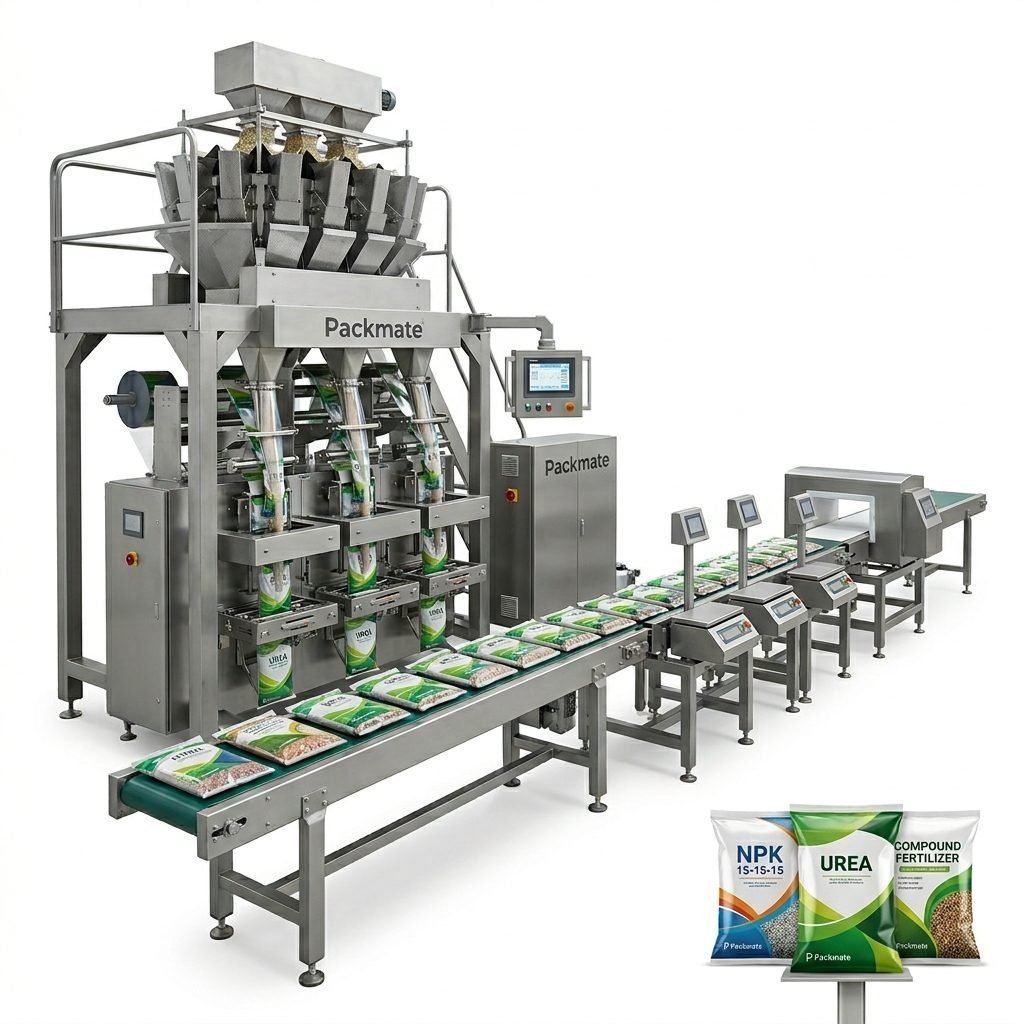
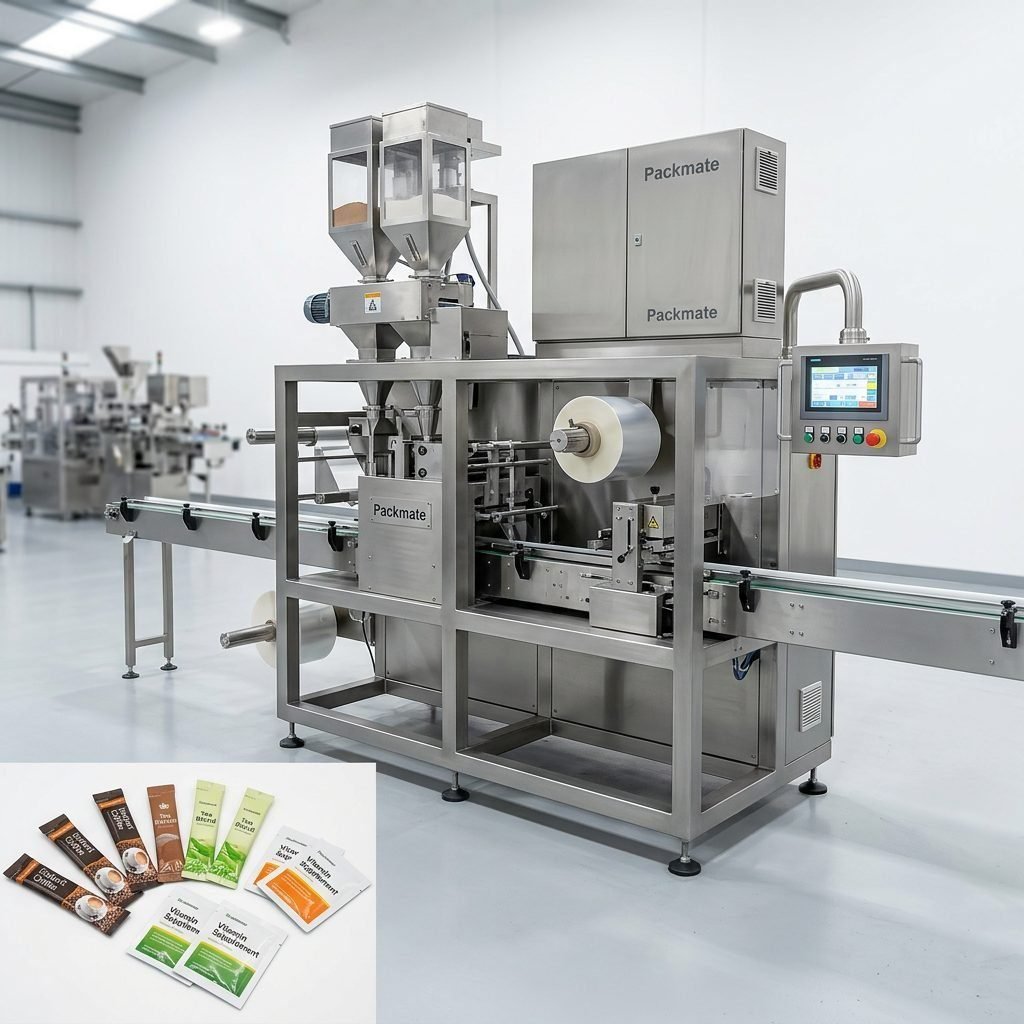
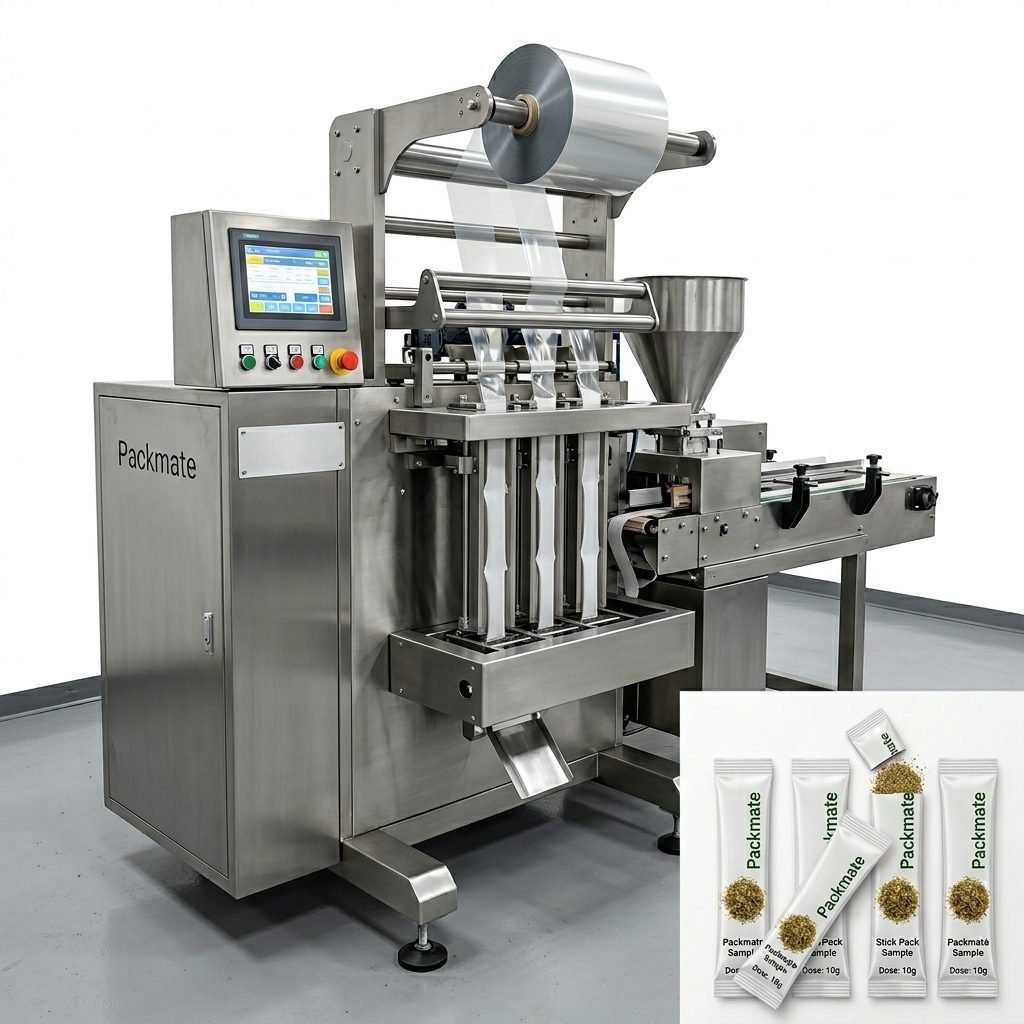
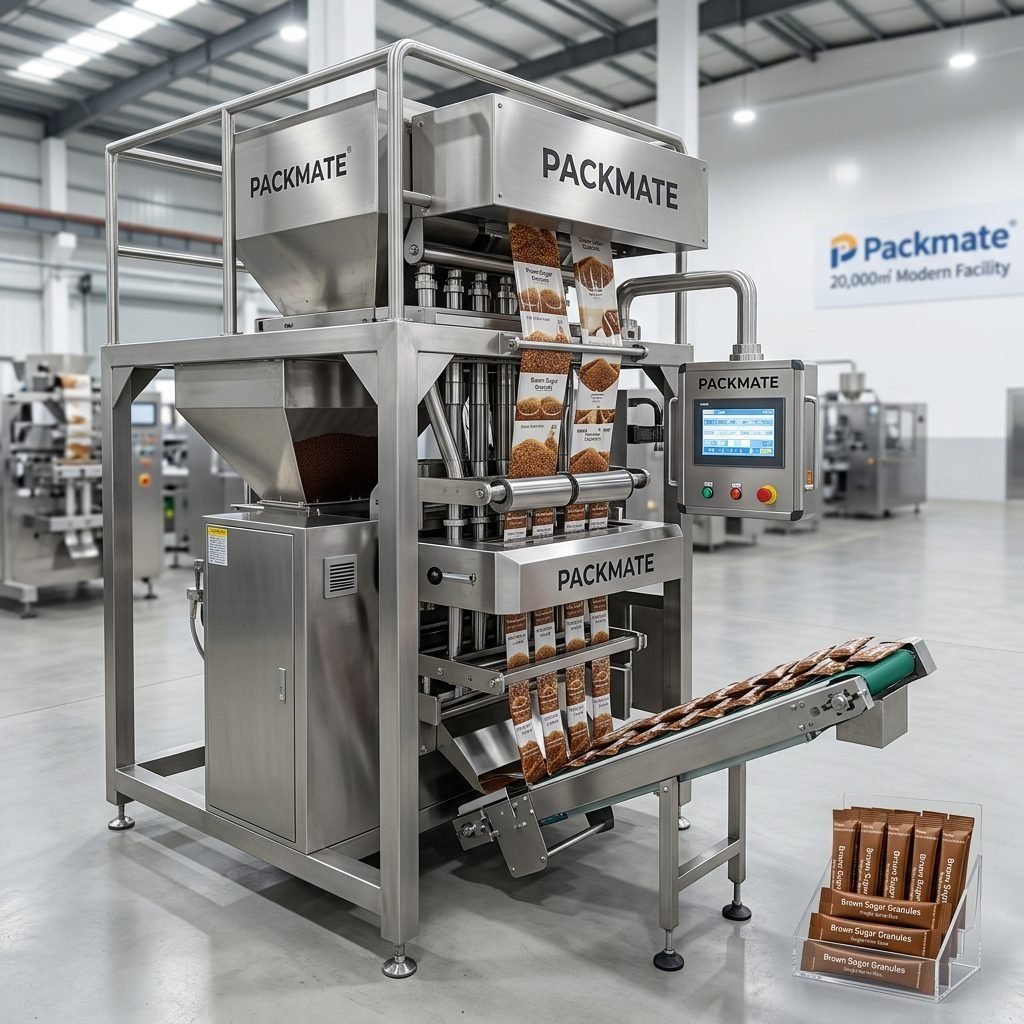
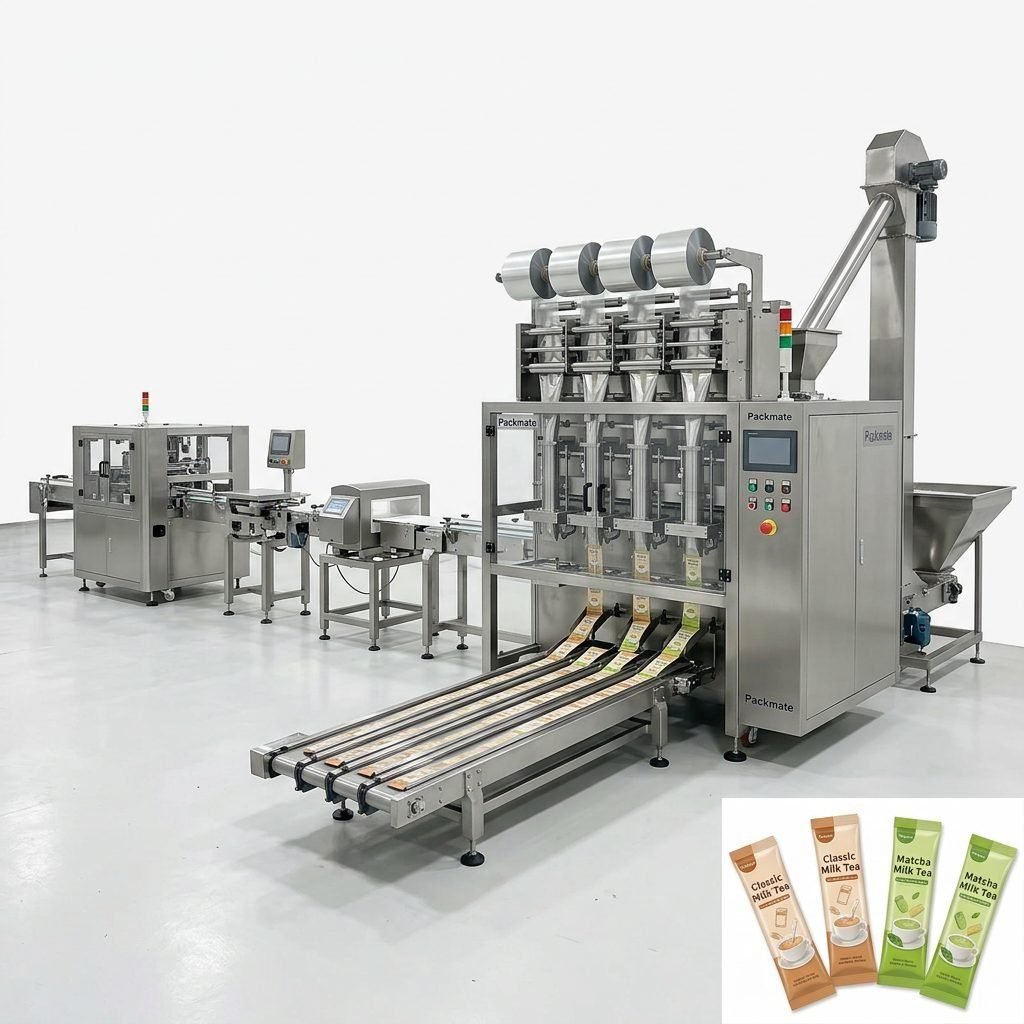
Packaging needs vary greatly. Some businesses may require a standalone vertical bagging machine, while others need a complete turnkey line with feeding, weighing, filling, and sealing units. Assess if the manufacturer offers the flexibility for customization, which is often necessary to handle unique product characteristics or specific packaging materials available in the region.
Companies like PackingMachineOEM and PacklineOEM emphasize non-standard and turnkey solutions. This is advantageous for Nigerien businesses with specialized products that may not fit standard machine parameters, requiring tailored engineering for optimal performance.
Assessing Quality, Compliance, and Factory Capability
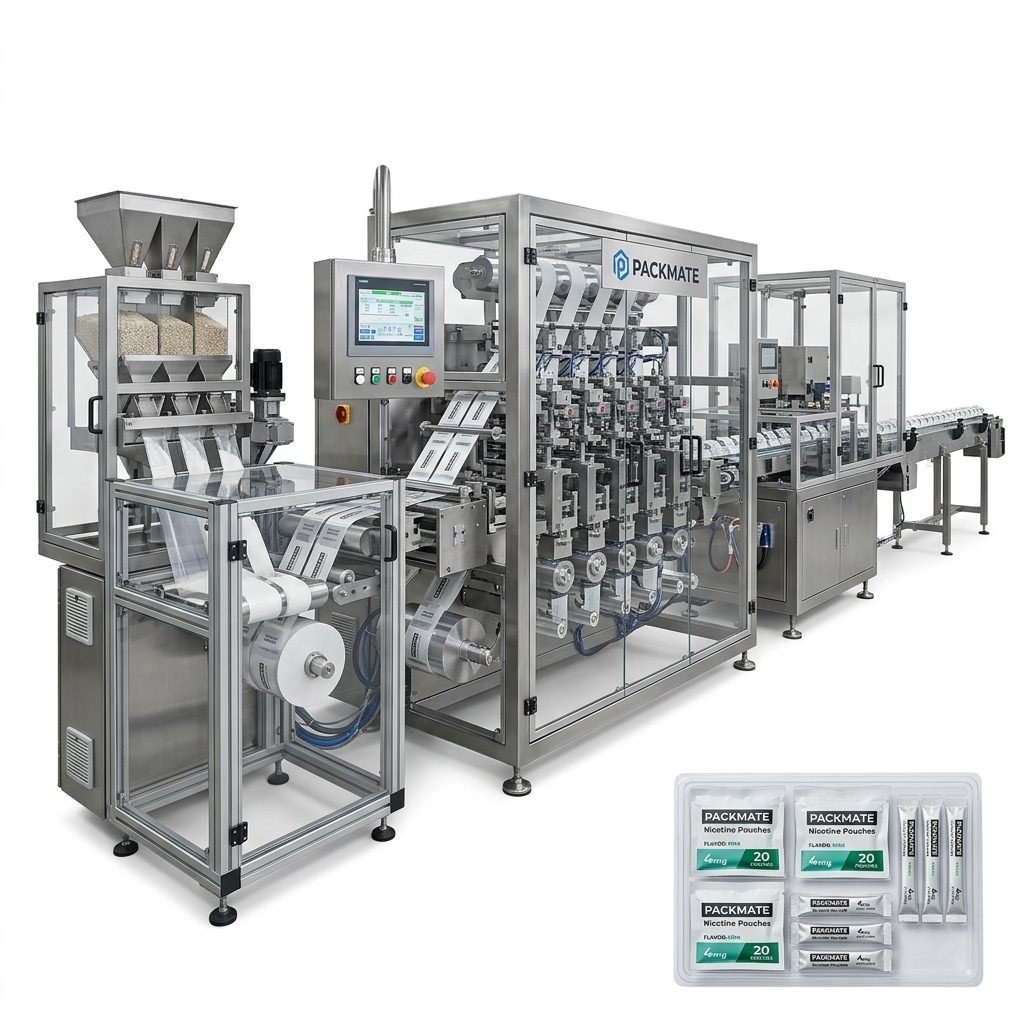
Request information about the manufacturer’s quality control processes, the standards their machines comply with (e.g., CE, ISO), and their factory setup. A visit to the manufacturing facility, or a detailed virtual tour, can provide insights into their production rigor, technology use, and assembly line professionalism.
| Evaluation Factor | Key Questions to Ask |
|---|---|
| Build Quality & Materials | What grade of stainless steel is used? How are critical components like seals and drives sourced? |
| Machine Testing | Do you conduct factory acceptance tests (FAT) with the client’s actual materials? |
| Export Documentation | Can you handle all export documentation, shipping, and customs clearance to Niger? |
The Importance of Niche Expertise
If your business operates in a specialized segment, such as nicotine pouches or specific pharmaceuticals, a manufacturer with focused experience can be invaluable. SnusMachinery, for example, specializes in pouch packaging for such products, offering targeted knowledge that general manufacturers may lack.
Financial Considerations and Total Cost of Ownership
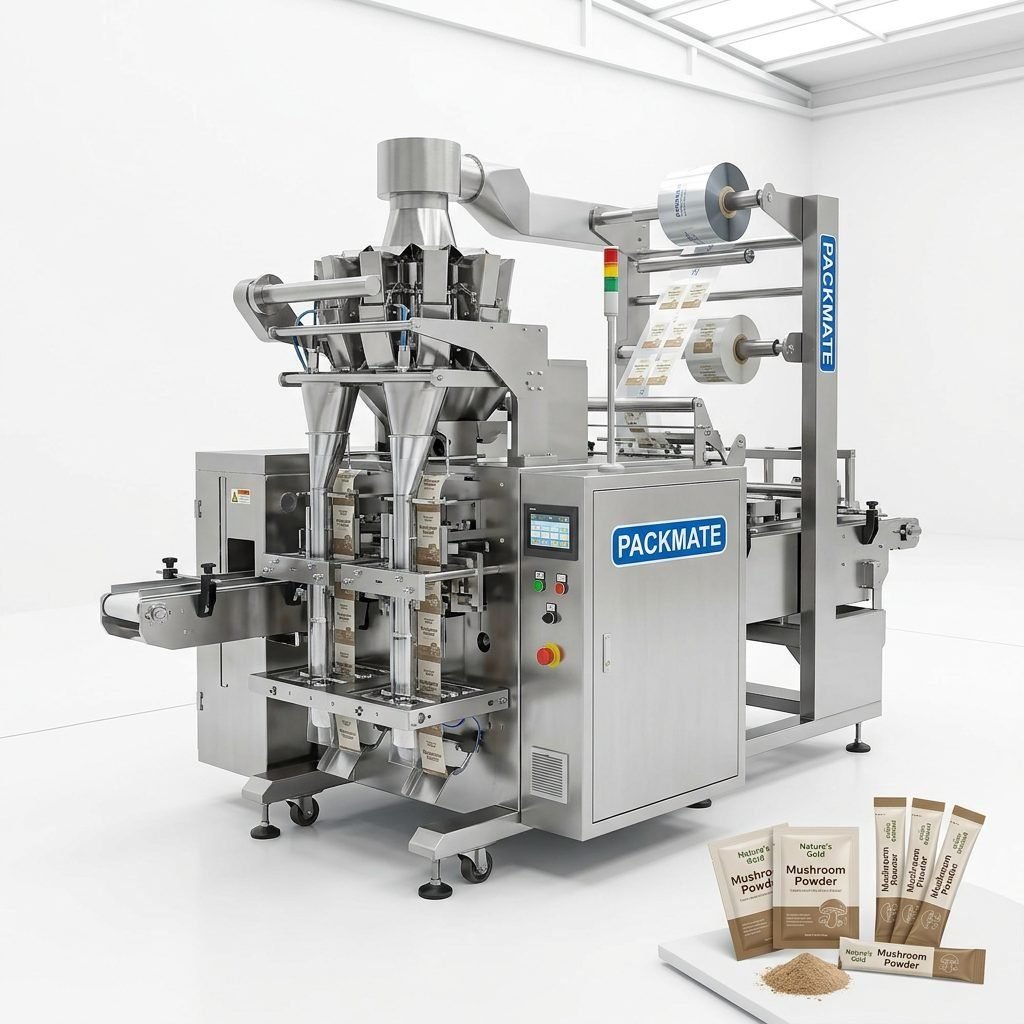
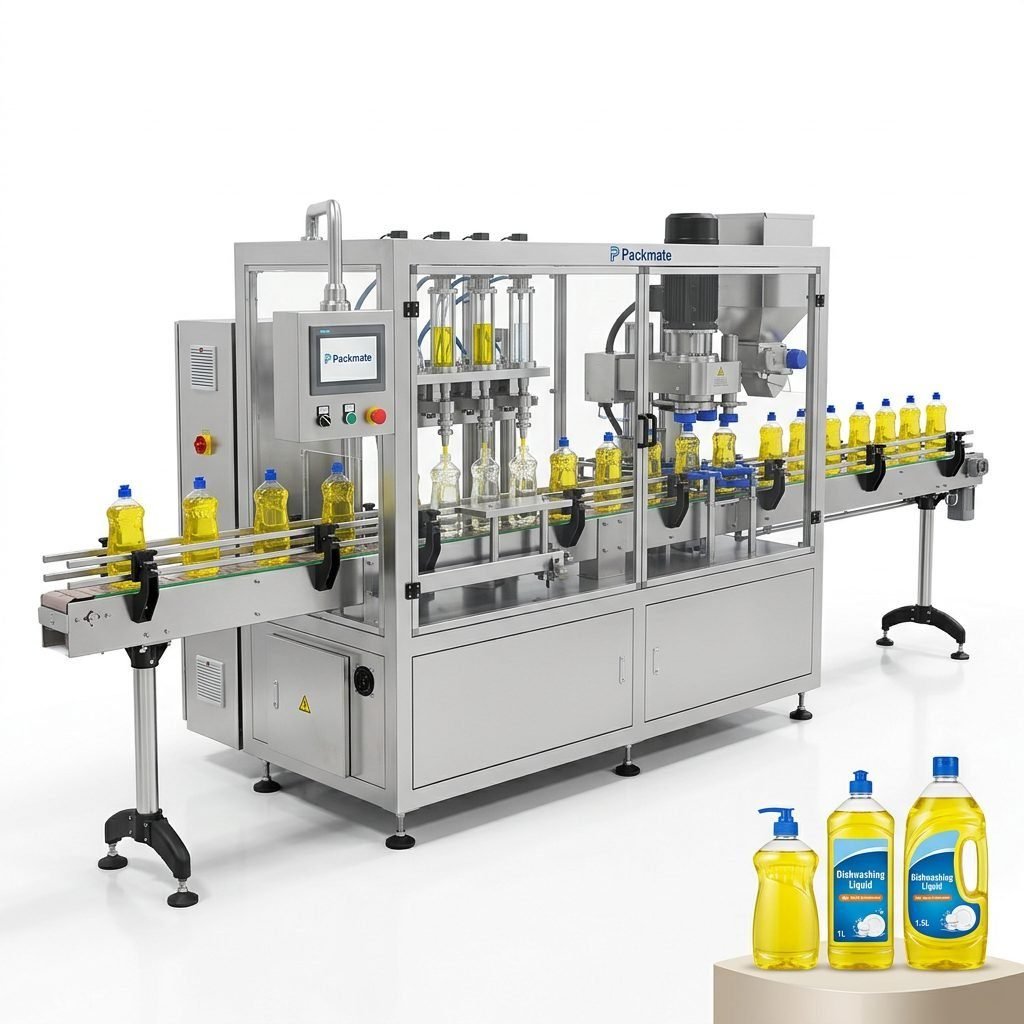
While the initial machine price is important, the total cost of ownership (TCO) is a more comprehensive metric. This includes energy consumption, maintenance costs, expected lifespan, and potential costs associated with downtime. A slightly higher upfront investment in a more reliable and efficient machine from a reputable supplier like Packmate Machinery often leads to lower long-term costs and higher productivity.
Negotiation and Contract Points:
- Clearly define payment terms (e.g., deposit, milestone payments).
- Specify delivery timeline and Incoterms (e.g., CIF Cotonou or other relevant port).
- Detail the scope of after-sales service, including response time for technical queries.
- Clarify responsibilities for installation and commissioning support, even if remote.
Making the Final Decision and Building the Partnership
After shortlisting potential suppliers, request detailed quotations, client references—preferably from other African markets—and sample runs if possible. The final choice should balance technical suitability, financial viability, and the confidence that the manufacturer will be a reliable long-term partner supporting your business growth in Niger.
Frequently Asked Questions (FAQs)
Q1: What is the typical lead time for receiving a packaging machine in Niger?
A: Lead times vary based on machine complexity and customization. For standard models, it can range from 30 to 60 days after order confirmation, plus shipping and customs clearance time to Niger.
Q2: Can these machines handle local packaging films and materials available in West Africa?
A: Reputable manufacturers often design machines for material versatility. It is crucial to provide samples of your intended packaging material to the supplier for testing during the quotation process to ensure compatibility.
Q3: How do we manage maintenance and repairs from Niger?
A: Choose a supplier that offers comprehensive remote support, detailed manuals, and video guides. Ensure they have a streamlined process for shipping spare parts. Some manufacturers may have service partners or can recommend local technicians.
Q4: Is operator training provided?
A: Yes, most established manufacturers provide training. This can be conducted at their factory before shipment, via detailed documentation and videos, or through online sessions during commissioning. Clarify the training scope in your contract.
Q5: What are the key advantages of choosing a Chinese manufacturer for the Niger market?
A: Chinese manufacturers often offer a strong balance of technical capability, customization flexibility, and cost-effectiveness. Many, like those profiled, have decades of export experience and serve markets with similar challenges, making them well-suited to support businesses in Niger.