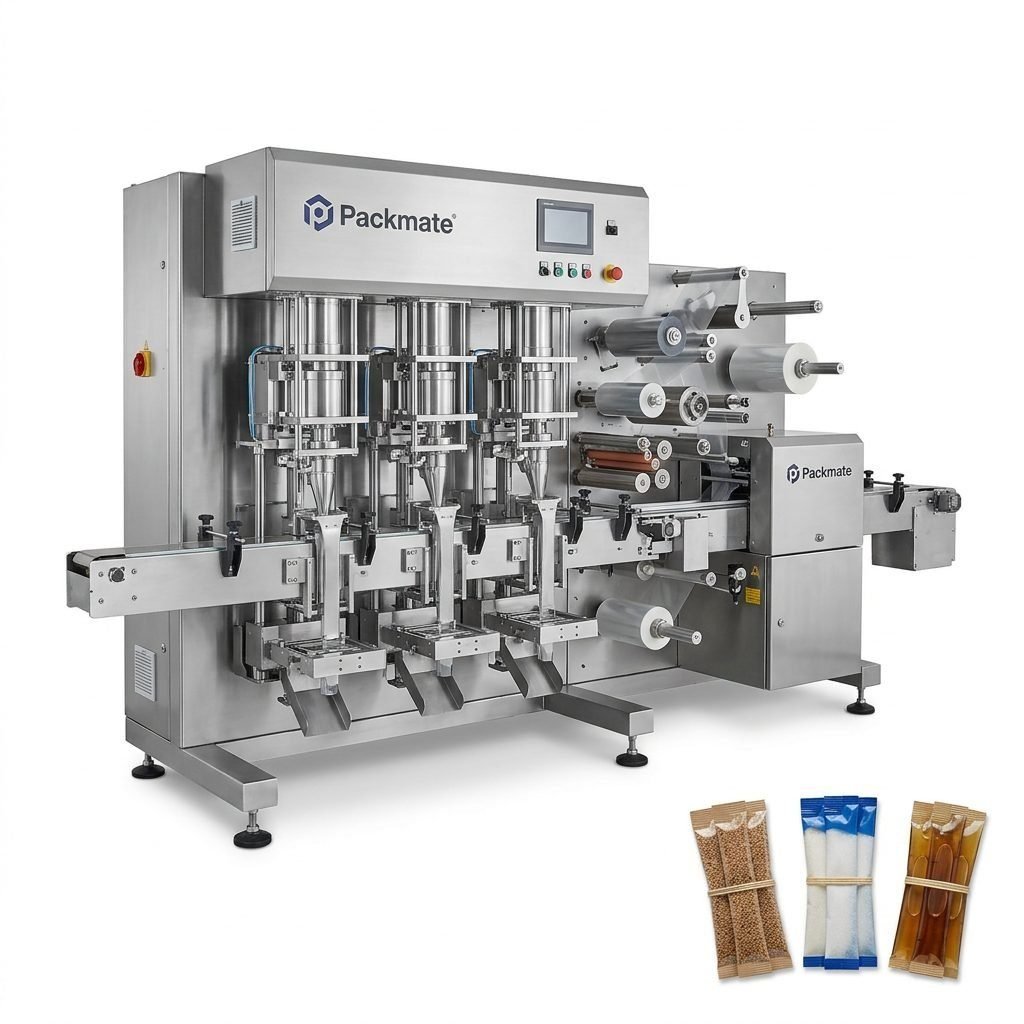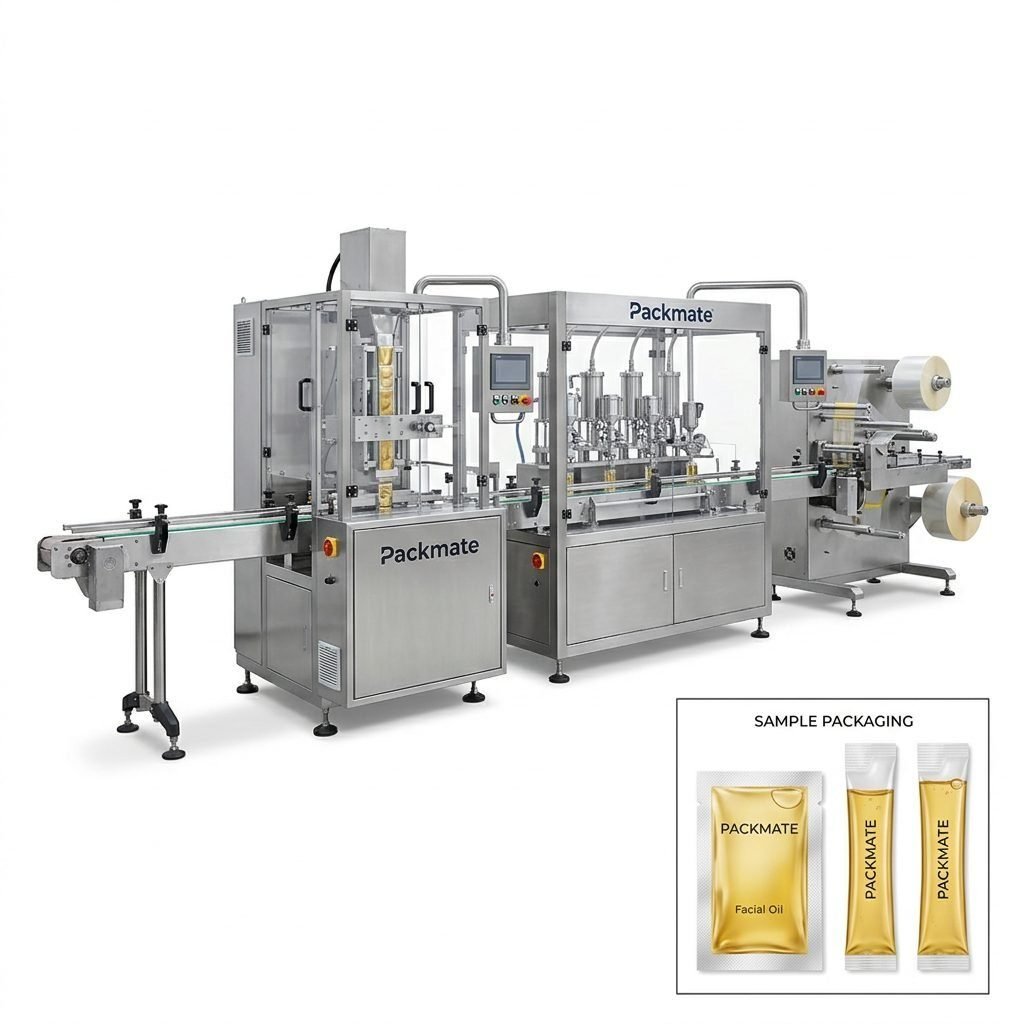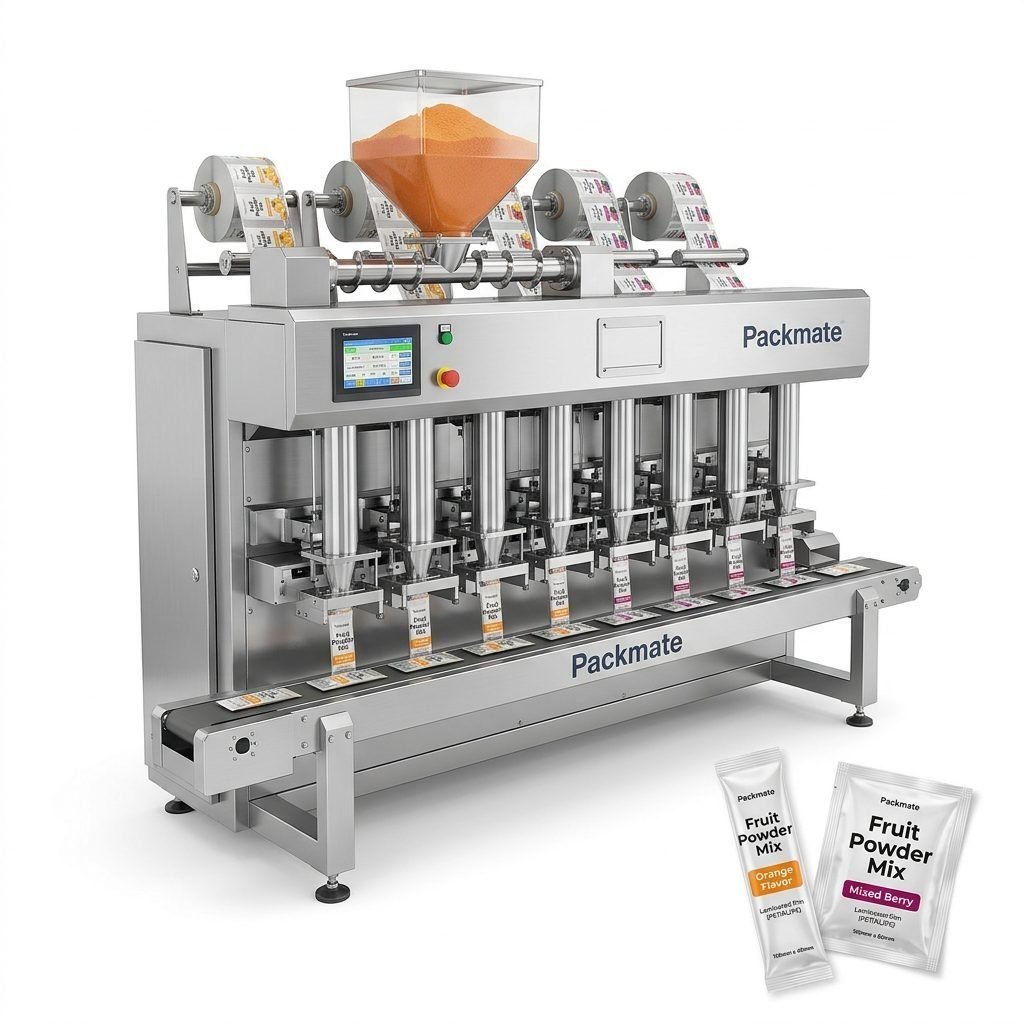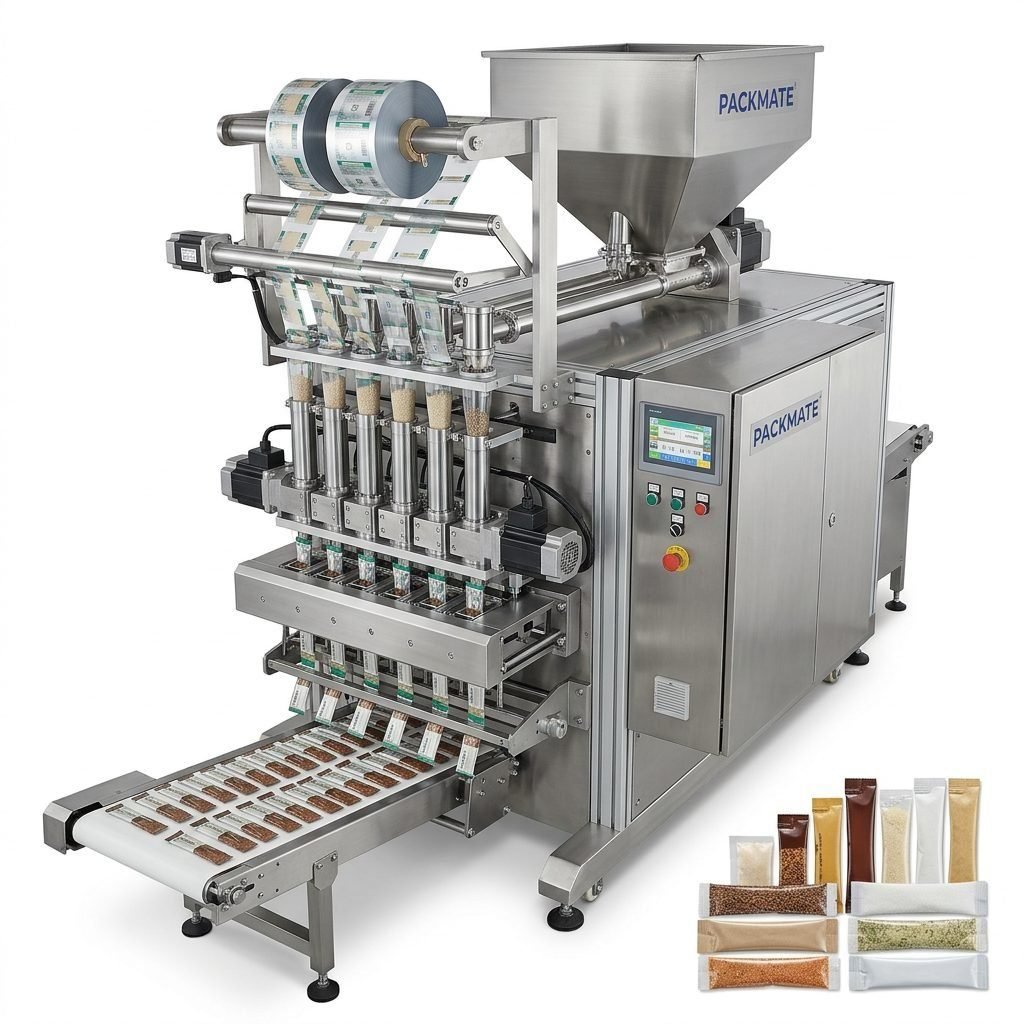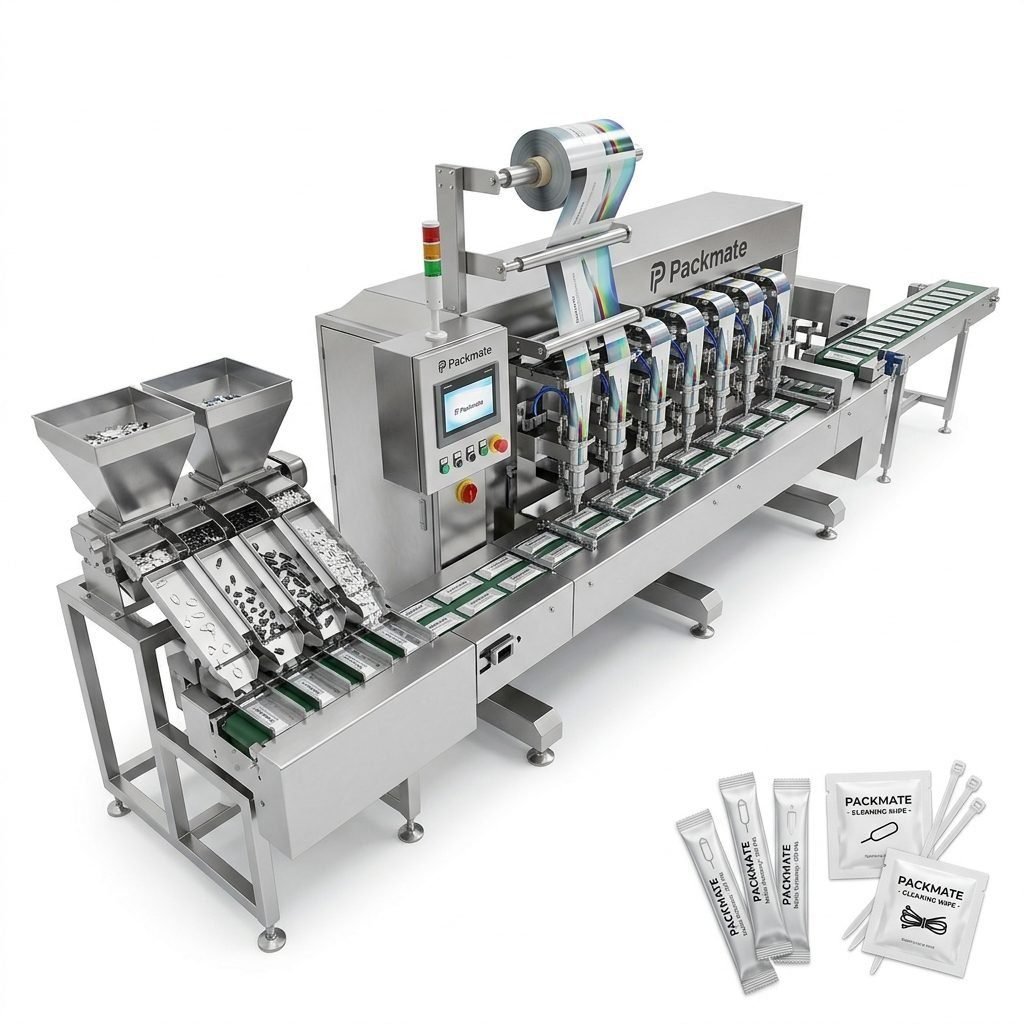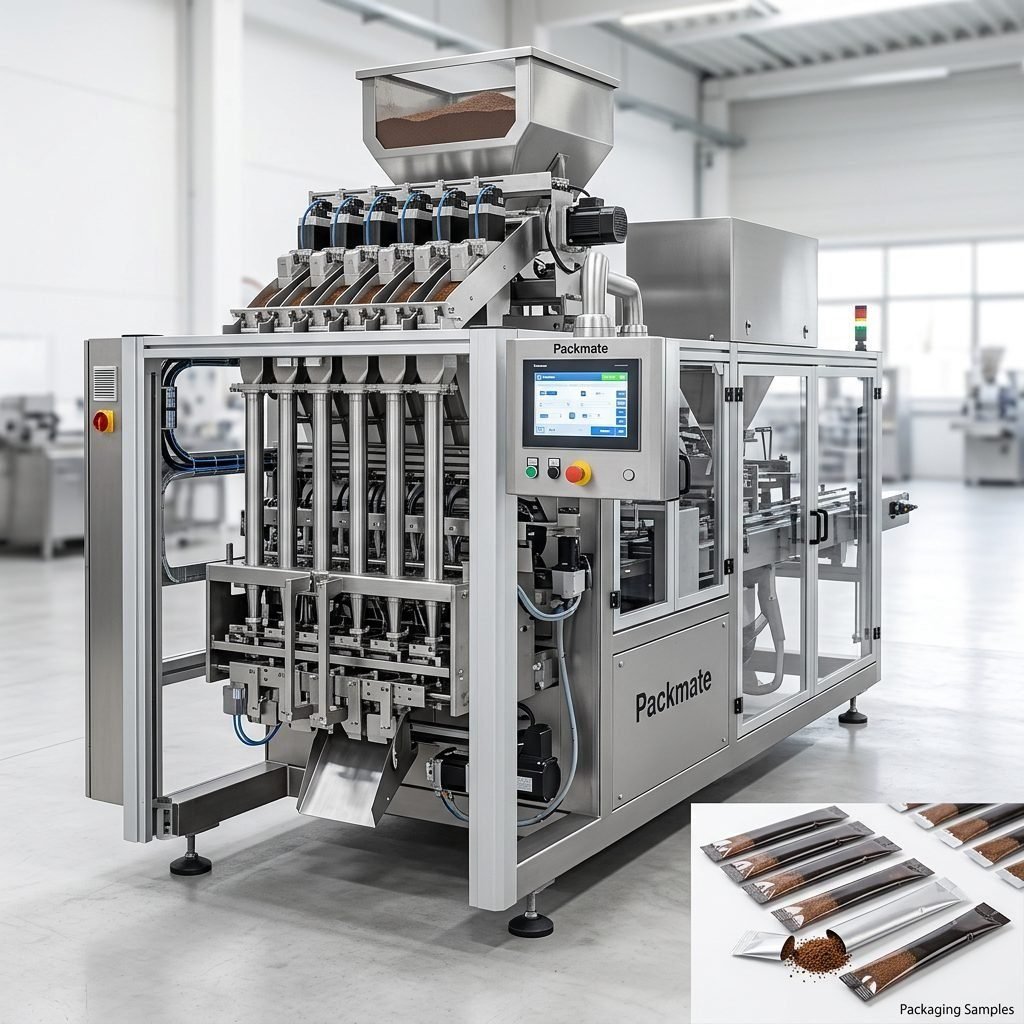
Small pouch filling machines are a cornerstone of modern packaging, enabling efficient, precise, and hygienic portioning of a vast array of products. From single-serve coffee sticks and condiment sachets to pharmaceutical powders and nicotine pouches, these versatile systems are vital for industries requiring speed, accuracy, and cost-effectiveness. This guide explores the different types of small pouch filling machines, their applications, and key considerations for selecting the right solution for your business.
What is a Small Pouch Filling Machine?
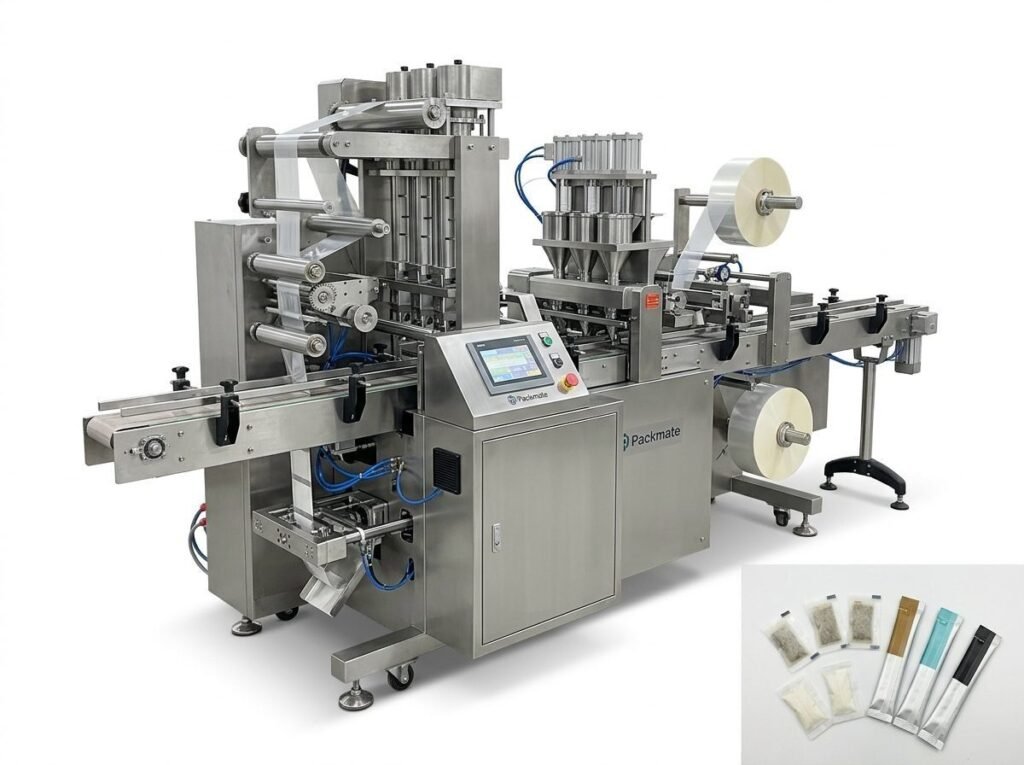
A small pouch filling machine is an automated system designed to form, fill, and seal small, flexible pouches from a roll of packaging film. These machines handle a range of product forms—including powders, granules, liquids, and pastes—with high precision. They are engineered for high-speed production, often utilizing multi-lane configurations to maximize output. The core process involves film unwinding, pouch forming, precise product dosing, and heat sealing, resulting in ready-to-sell individual packages.
Core Types of Small Pouch Filling Machines
Choosing the right machine starts with understanding the different technologies available. The primary distinction lies in the pouch style and the machine’s operational mechanism.
1. Vertical Form-Fill-Seal (VFFS) Machines
VFFS machines are the most common type. They pull film from a vertical roll, form it into a tube, seal the bottom, fill the product, and then seal the top before cutting the individual pouch free. They are incredibly versatile and can produce various pouch styles like pillow packs, gusseted bags, and block-bottom bags. Their vertical design saves significant floor space.
2. Pre-Made Pouch Fillers
These systems use pouches that are already formed, often supplied in stacks or on rolls. The machine opens the pouch, fills it with product, and then seals it. This method is ideal for complex pouch structures (like stand-up zipper pouches) or materials that are difficult to form on a VFFS machine. They often run at slightly lower speeds but offer great flexibility in pouch design.
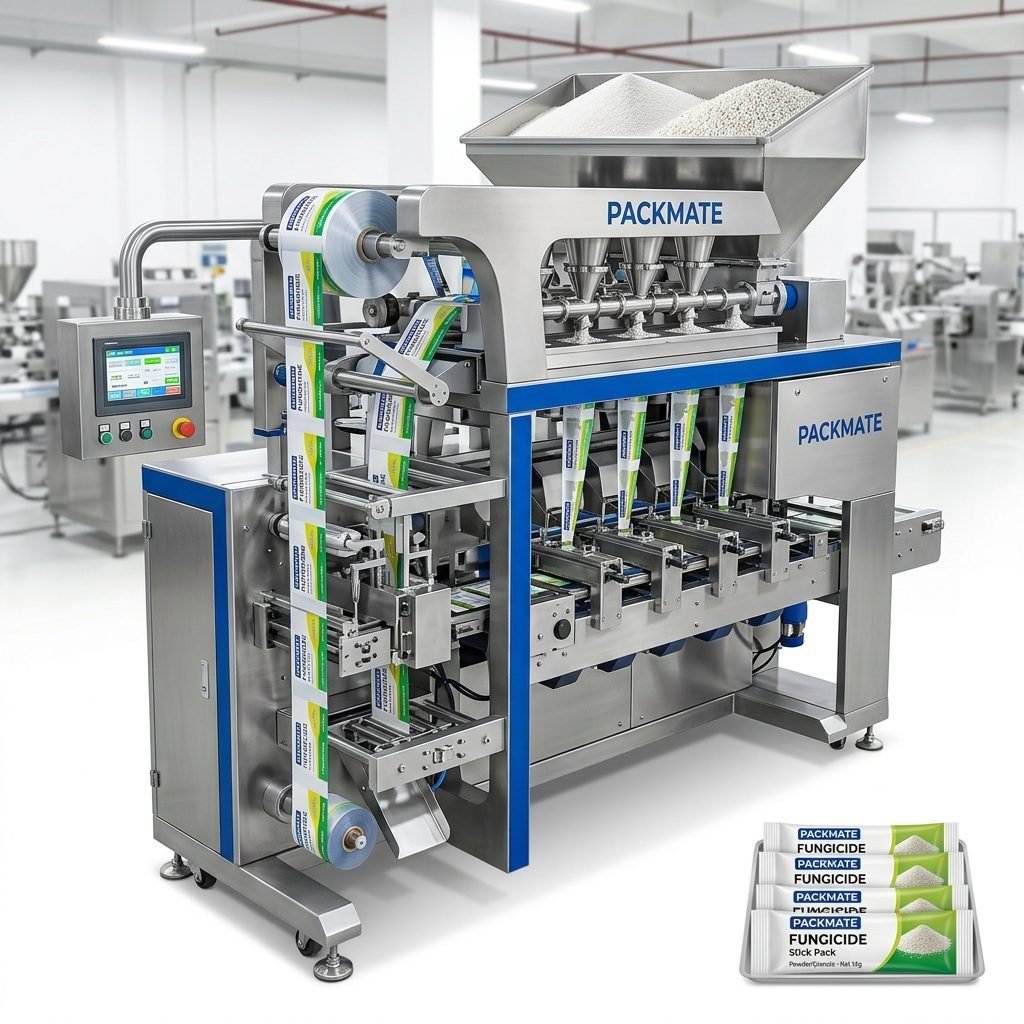
3. Stick Pack Machines
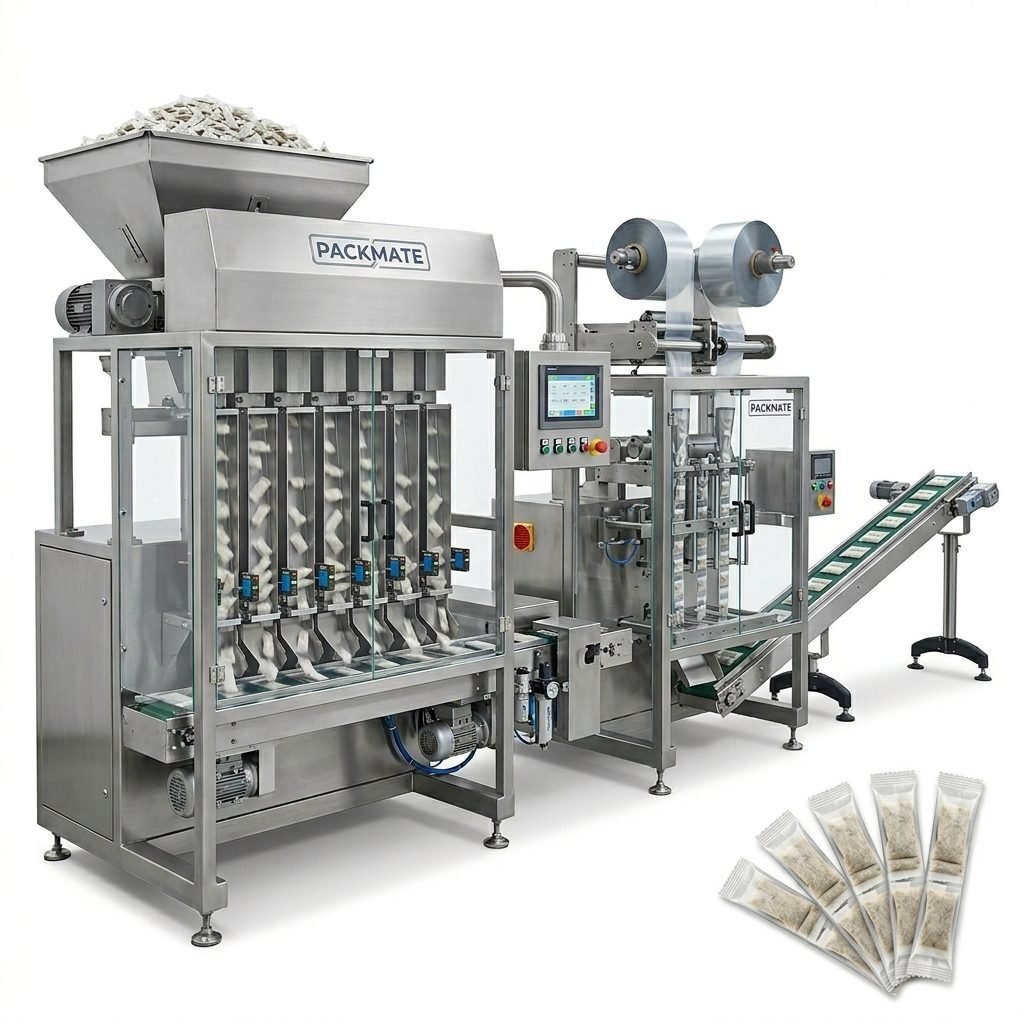
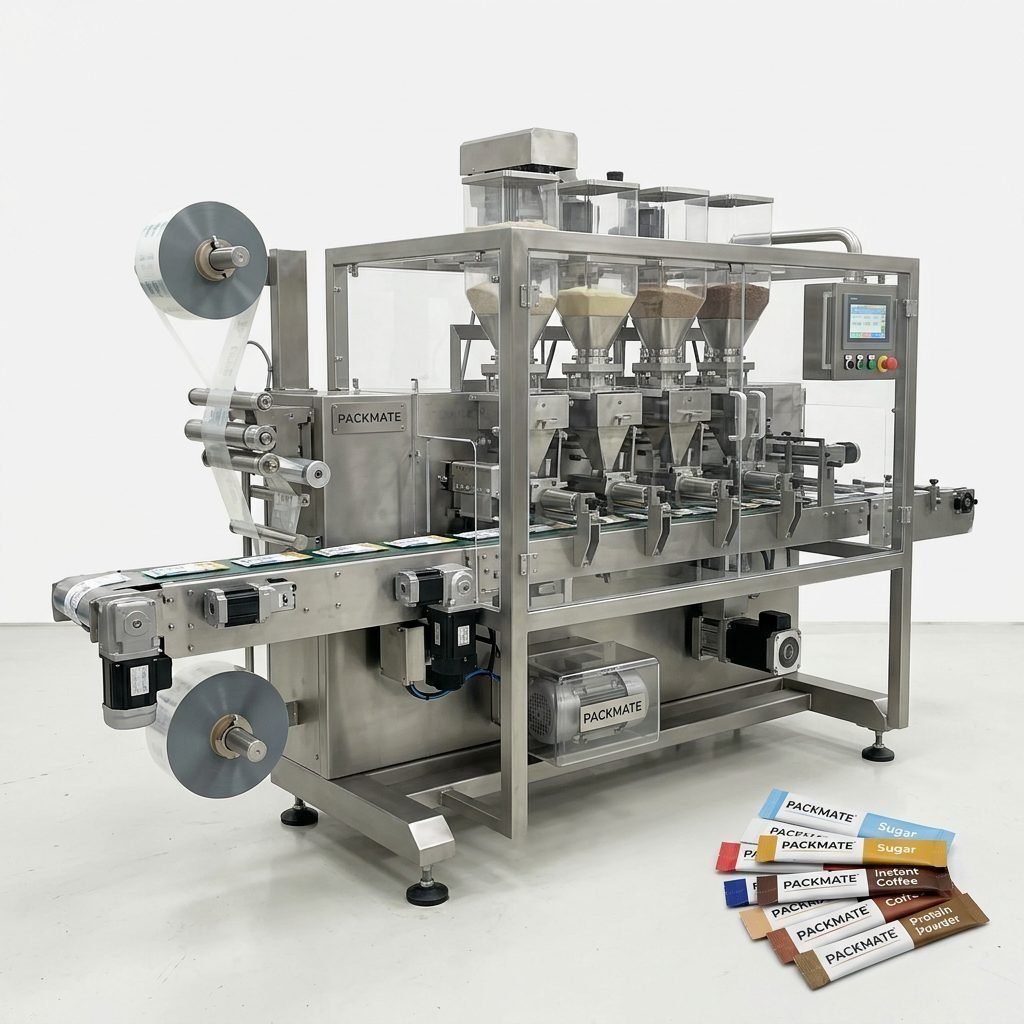
A specialized subset of VFFS machines, stick pack machines produce long, narrow, tubular pouches. They are the go-to solution for single-serve portions of powders (coffee, sugar, drink mixes), liquids (shots, oils), and granules. Their slender shape is convenient for consumers and efficient for shipping. Many manufacturers, like Ludyway, offer multi-lane stick pack machines to dramatically increase output.
4. Sachet Packaging Machines
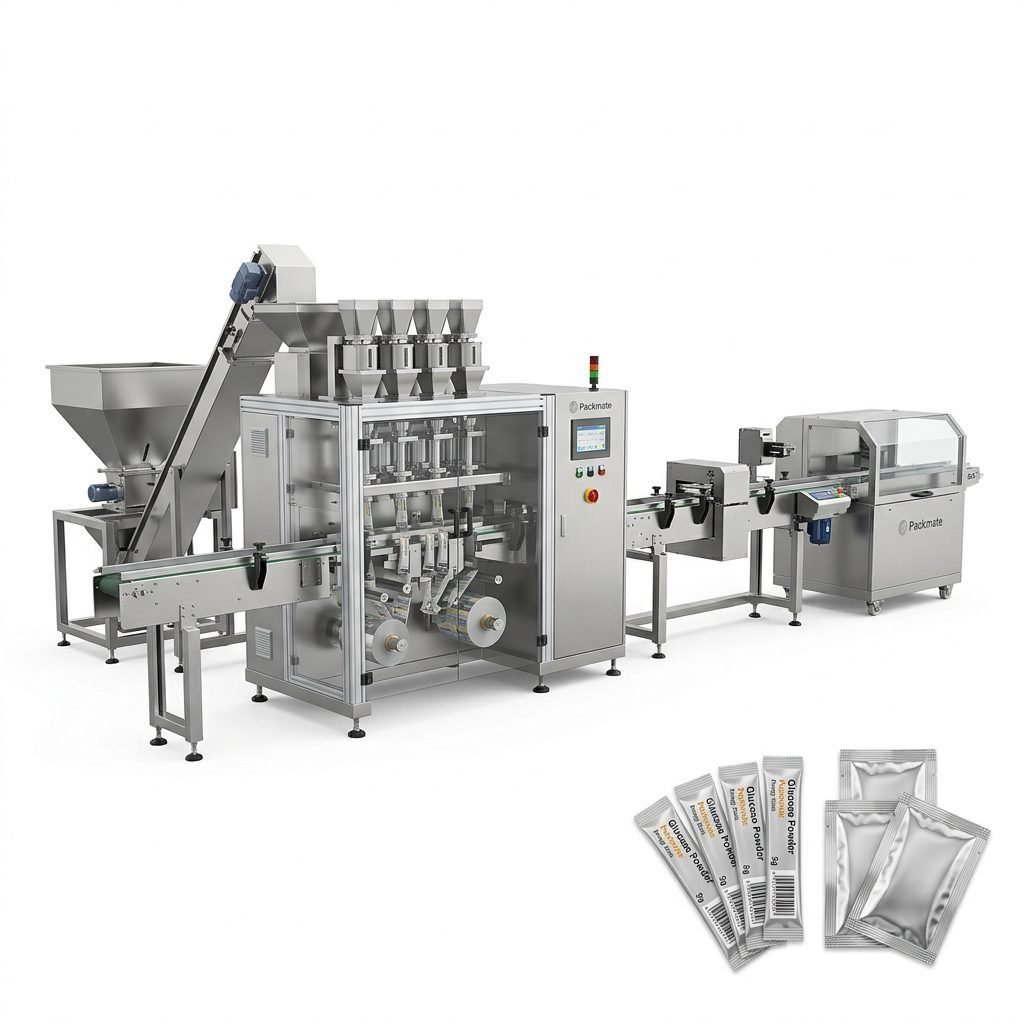
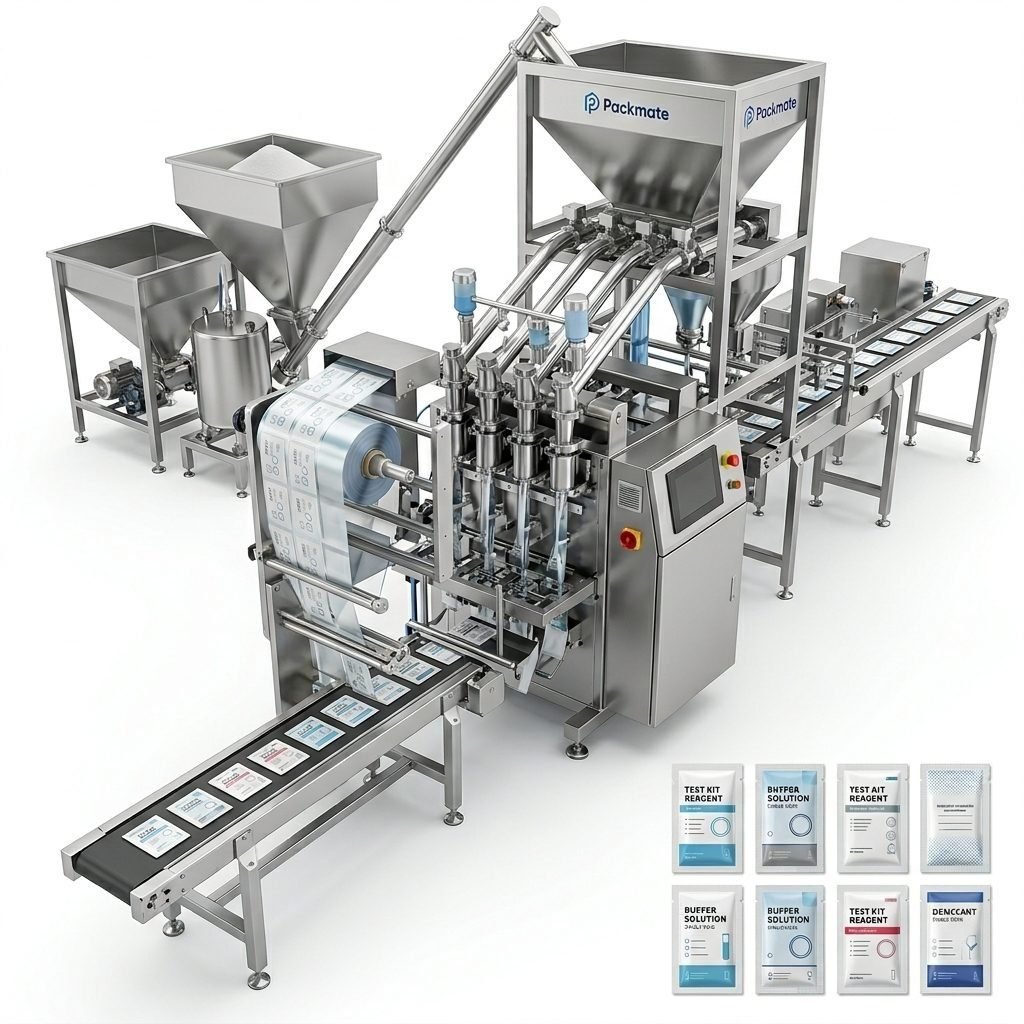
Sachet machines typically produce small, flat, rectangular pouches, often used for single-use portions of sauces, shampoo, ketchup, or pharmaceutical powders. They can be configured for both VFFS and pre-made pouch filling. The flat profile makes them easy to pack into boxes or display on retail racks.
Key Applications Across Industries
The adaptability of small pouch filling machines makes them indispensable across diverse sectors. Here’s a breakdown of common applications:
| Industry | Typical Products | Machine Type |
|---|---|---|
| Food & Beverage | Seasonings, drink mixes, coffee, sugar, sauces, condiments, salad dressings, powdered milk | Stick Pack, VFFS, Sachet |
| Pharmaceutical & Nutraceutical | Powdered supplements, electrolytes, OTC medicines, protein powders, vitamin packets | Stick Pack, Sachet (often with higher hygiene standards) |
| Personal Care & Cosmetics | Shampoo, conditioner, lotion, face cream samples, single-use masks | Liquid Sachet, Pre-made Pouch Filler |
| Specialty Nicotine | Nicotine pouches, snus | Specialized Stick Pack/Sachet Machines (e.g., from SnusMachinery) |
| Agrochemicals & Industrial | Detergent powders, lubricants, adhesives, water treatment chemicals, seed coatings | VFFS, Heavy-duty Sachet |
How to Choose the Right Small Pouch Filling Machine
Selecting the optimal machine is a critical investment. Here are the key factors to evaluate:
1. Product Characteristics
The nature of your product dictates the machine’s core specifications. Free-flowing powders require auger fillers for precision. Granules or small solids may use cup or volumetric fillers. Liquids and pastes need piston or pump fillers. Consider product abrasiveness, hygroscopicity, and required fill accuracy (often ±1% or better).
2. Production Speed & Output Requirements
Determine your required output in pouches per minute (PPM). Single-lane machines may produce 60-120 PPM, while multi-lane systems from suppliers like Packmate Machinery can reach 600+ PPM. Match the machine’s capacity to your current and projected future volumes.
3. Pouch Specifications
Define your pouch size (length, width), material (monolayer or laminated films), and required seals (3-side, 4-side, back seal). Ensure the machine can handle your film type and create a consistent, strong seal. If you need complex features like zippers or spouts, a pre-made pouch filler might be necessary.
4. Level of Automation
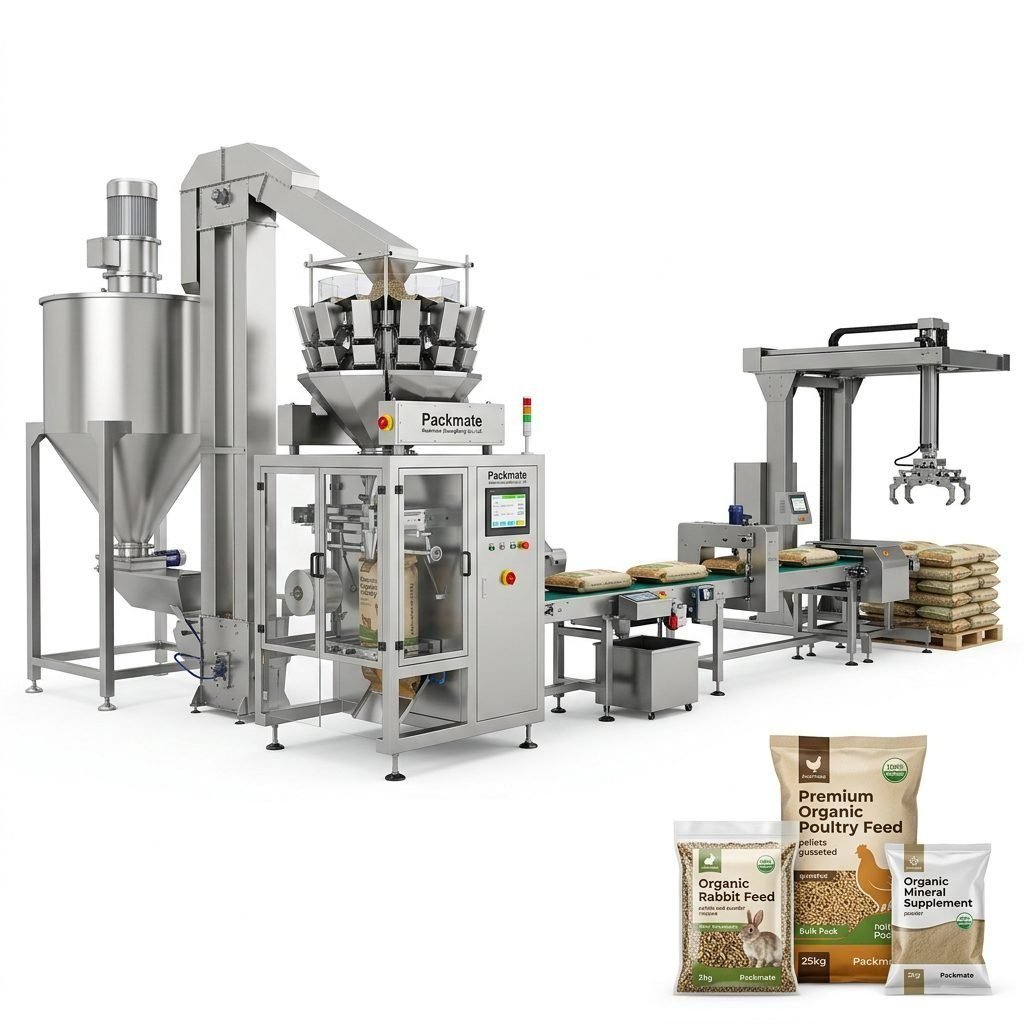
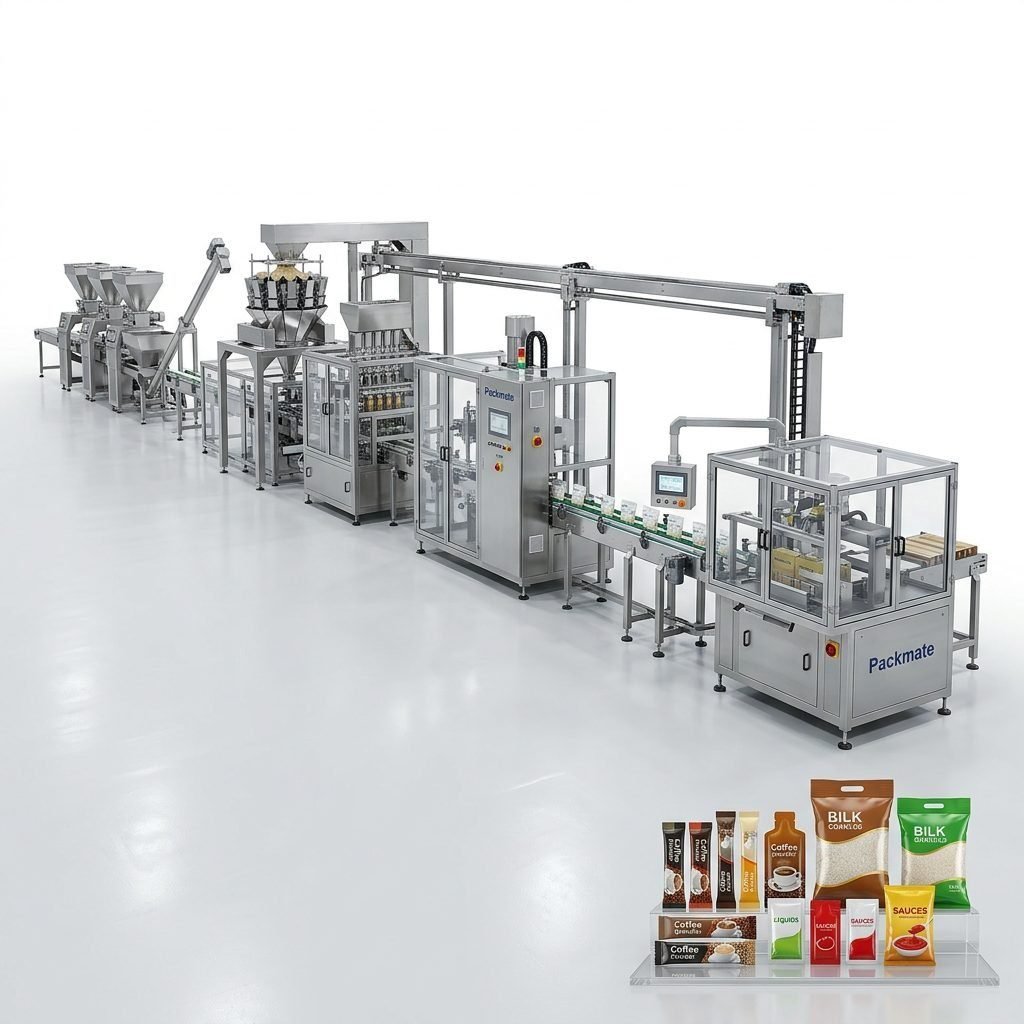
Options range from semi-automatic machines (manual film loading/bag removal) to fully automatic systems integrated with upstream feeders (silos, mixers) and downstream equipment (cartoners, case packers). For complete line solutions, consider PacklineOEM, which specializes in integrated turnkey lines.
5. Hygiene & Compliance Standards
Food, pharmaceutical, and nutraceutical applications demand specific standards. Look for machines with stainless steel construction, easy-clean designs (CIP/SIP), and dust extraction systems. Ensure the machine meets relevant regional standards (FDA, EU, etc.).
6. Customization & Support
Does your product or process require a non-standard solution? Manufacturers like PackingMachineOEM focus on customized and non-standard machine design. Equally important is the supplier’s ability to provide spare parts, training, and reliable after-sales service.
Frequently Asked Questions (FAQs)
What is the typical accuracy of a small pouch filler?
Modern machines offer high precision. For powders and granules, auger fillers can achieve accuracy within ±0.5% to ±1.0% of the target weight. Liquid piston fillers are often even more precise. Always verify the accuracy specification for your specific product during a factory test.
Can one machine handle different pouch sizes?
Yes, most machines are designed with quick-change parts (forming tubes, sealing jaws, film guides). Changing pouch size typically requires a tool changeover which can take 30 minutes to an hour, depending on the machine’s complexity.
What is the difference between a stick pack and a sachet machine?
The primary difference is the pouch shape. A stick pack machine produces long, slim, tubular pouches. A sachet machine typically produces smaller, flat, rectangular or square pouches. The underlying form-fill-seal technology is similar, but the forming collars and sealing jaws are shaped differently.
How important is after-sales service?
Extremely important. Packaging machines are long-term investments. Reliable technical support, availability of spare parts, and access to service engineers are crucial for minimizing downtime. When evaluating suppliers, prioritize those with a proven global service network and responsive support teams.
What is a turnkey packaging line?
A turnkey line is a fully integrated system where a single supplier (like those mentioned in this guide) provides all components—from the pouch filler and product feeders to conveyors, checkweighers, cartoners, and case packers. They handle design, integration, installation, and commissioning, delivering a “ready-to-run” production line.