Choosing the right automatic spice powder packing machine is a critical decision for food manufacturers, directly impacting production efficiency, product quality, and operational costs. With a wide range of manufacturers and machine types available, navigating the options can be complex. This guide provides a structured approach to selecting the best automatic packaging solution tailored to your specific needs.
Understanding Your Core Packaging Requirements
The selection process must begin with a clear understanding of your own production needs. This internal assessment forms the foundation for all subsequent decisions.
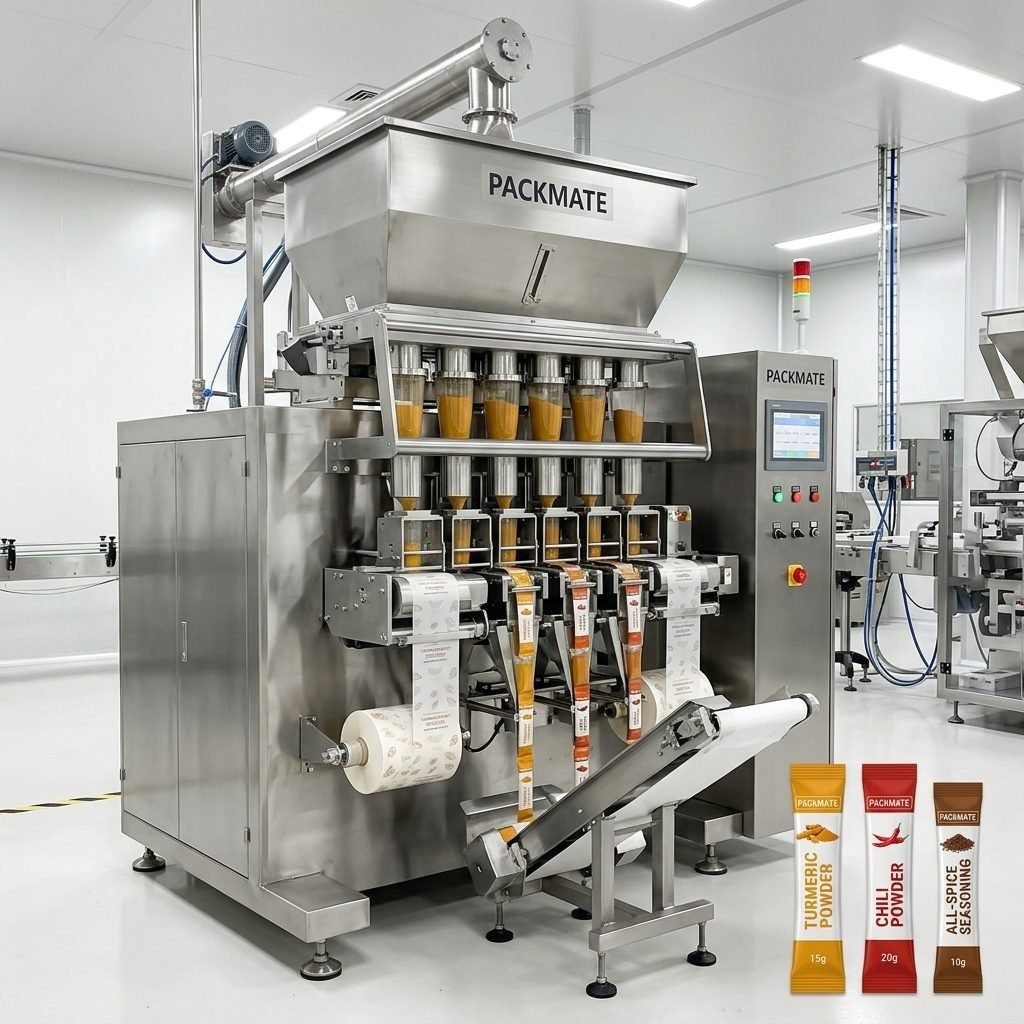
Start by defining your primary product characteristics. For spice powders, this includes the particle size, flowability (free-flowing or cohesive), and any tendency for dusting or clumping. A fine chili powder will have different handling requirements than coarse peppercorn granules. The machine’s auger filling system, hopper design, and dust extraction capabilities must be compatible with these properties.
Key Factors to Analyze:
- Production Speed (Output): Calculate your required output in bags or pouches per minute (PPM). Are you a small-batch artisanal producer or a large-scale industrial manufacturer?
- Bag/Pouch Specifications: Determine the size range, material (e.g., laminated film, kraft paper, stand-up pouches), and sealing type (e.g., 3-side seal, 4-side seal, pillow pouch).
- Accuracy & Dosing: Establish the required filling weight accuracy, especially for high-value spices. Volumetric cup fillers, auger fillers, and weigh scale systems offer different levels of precision.
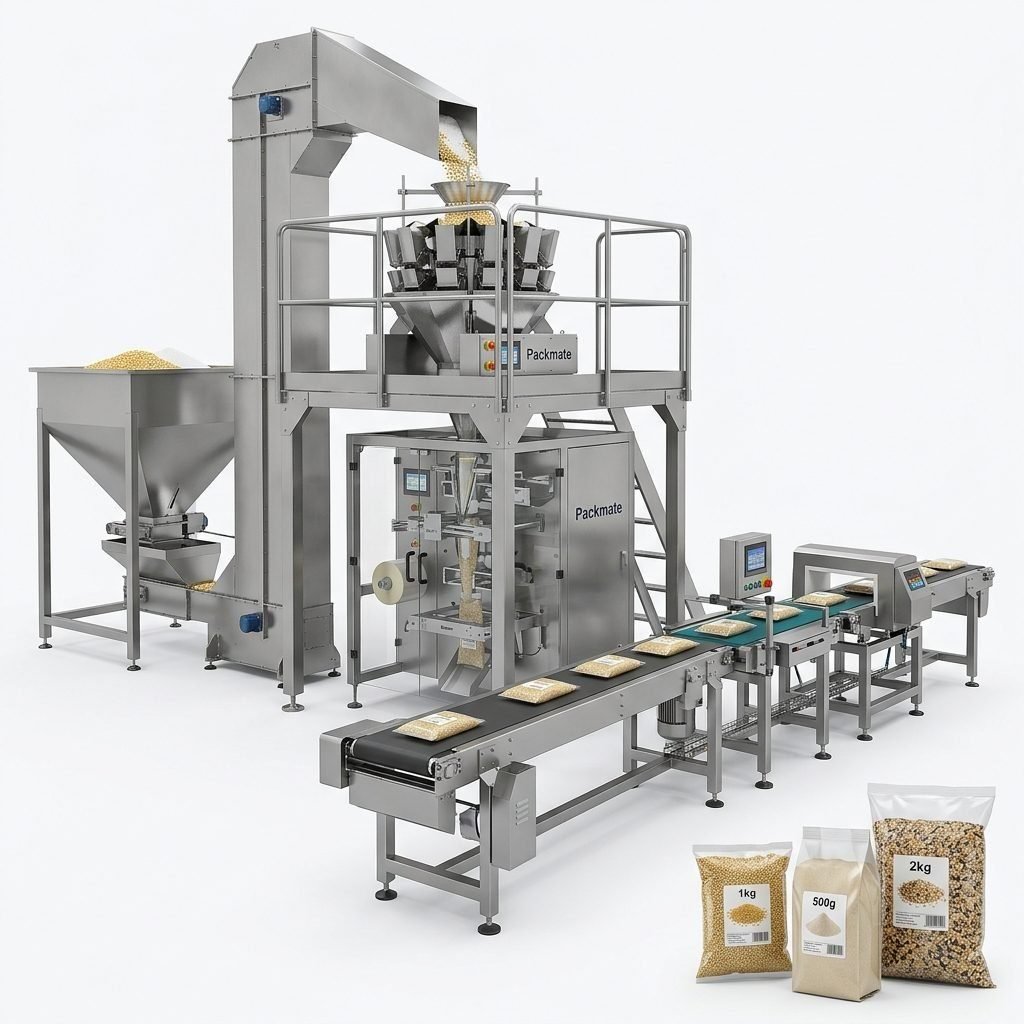
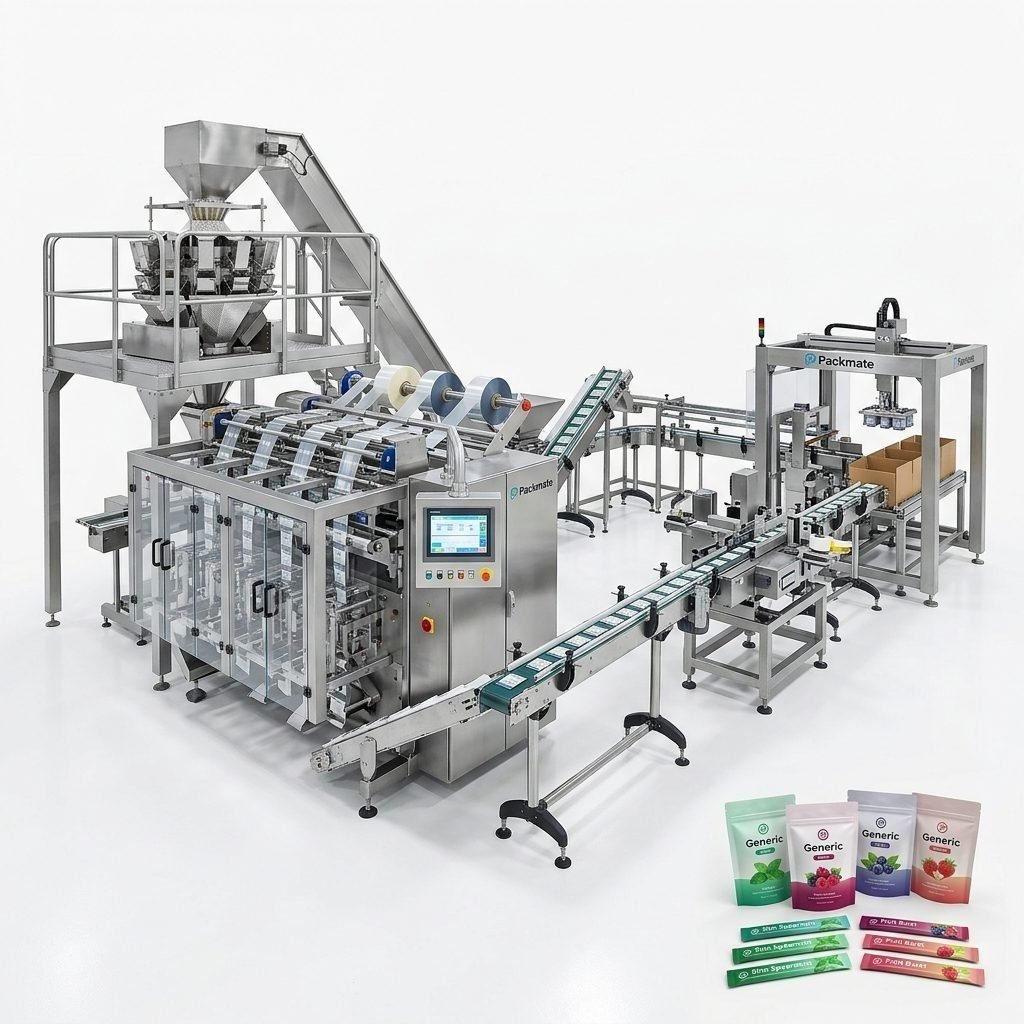
- Automation Level: Decide if you need a standalone machine, an integrated line with automatic feeding, weighing, filling, sealing, and cartoning, or a complete turnkey system.
Consider your factory’s operational environment. Do you have space constraints? What are your power and compressed air supply specifications? Answering these questions will help narrow down the machine’s footprint and utility requirements.
Key Technical Specifications to Evaluate
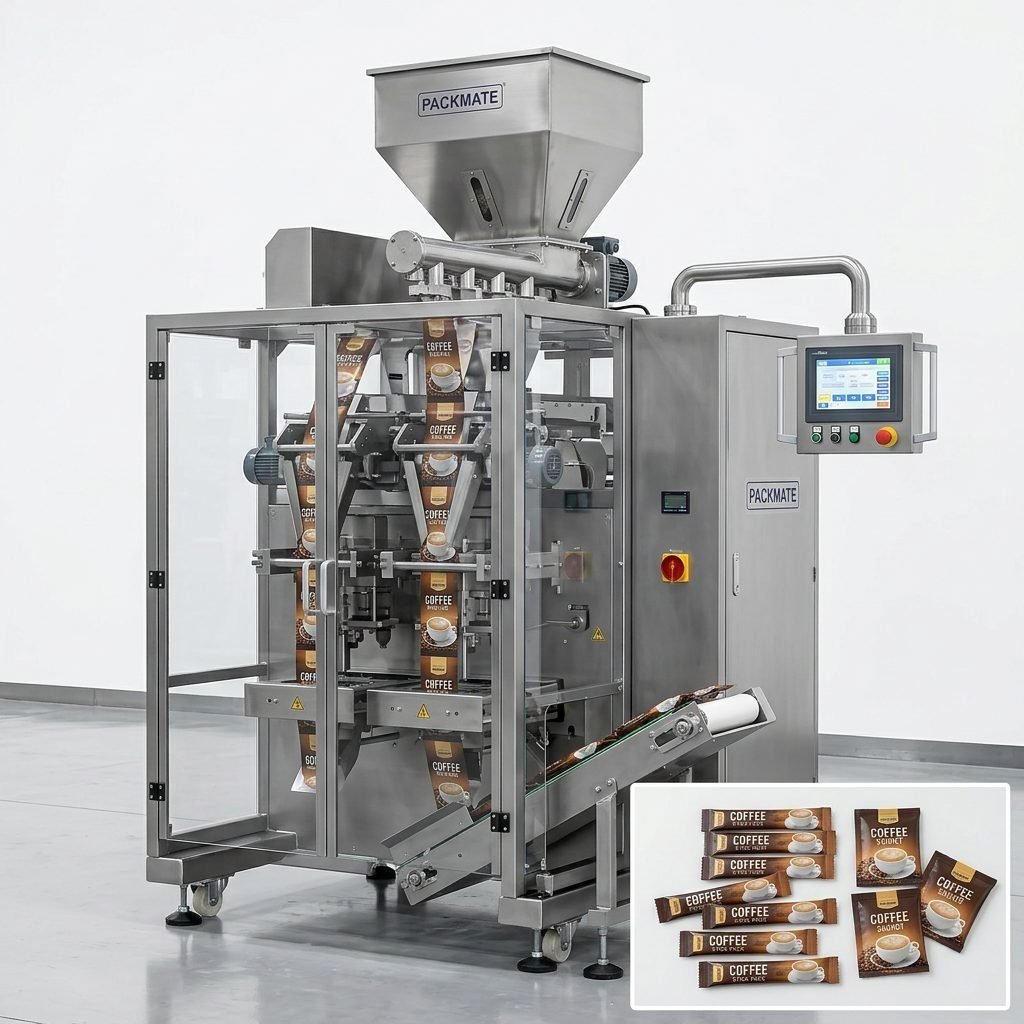
Once your requirements are clear, focus on the technical specifications of potential machines. The heart of a spice packing machine is its filling system. Auger fillers are the most common for powders, offering good accuracy and speed. For higher precision, multi-head weighers or combination weighers are superior but come at a higher cost.
Pay close attention to the machine’s construction and materials. Food-grade stainless steel (AISI 304 or 316) contact parts are essential for hygiene and corrosion resistance. The sealing system (heat sealing, impulse sealing) must be robust and capable of handling your chosen packaging film consistently to prevent leaks and ensure product freshness.
Comparing Leading Packaging Machine Manufacturers
The global market for packaging machinery is competitive, with several prominent Chinese manufacturers offering reliable solutions. Understanding their strengths can guide your supplier selection.
| Company | Key Strength | Ideal For |
|---|---|---|
| Ludyway | Broad product portfolio & turnkey line capability | Manufacturers seeking scalable, complete line solutions with strong export support. |
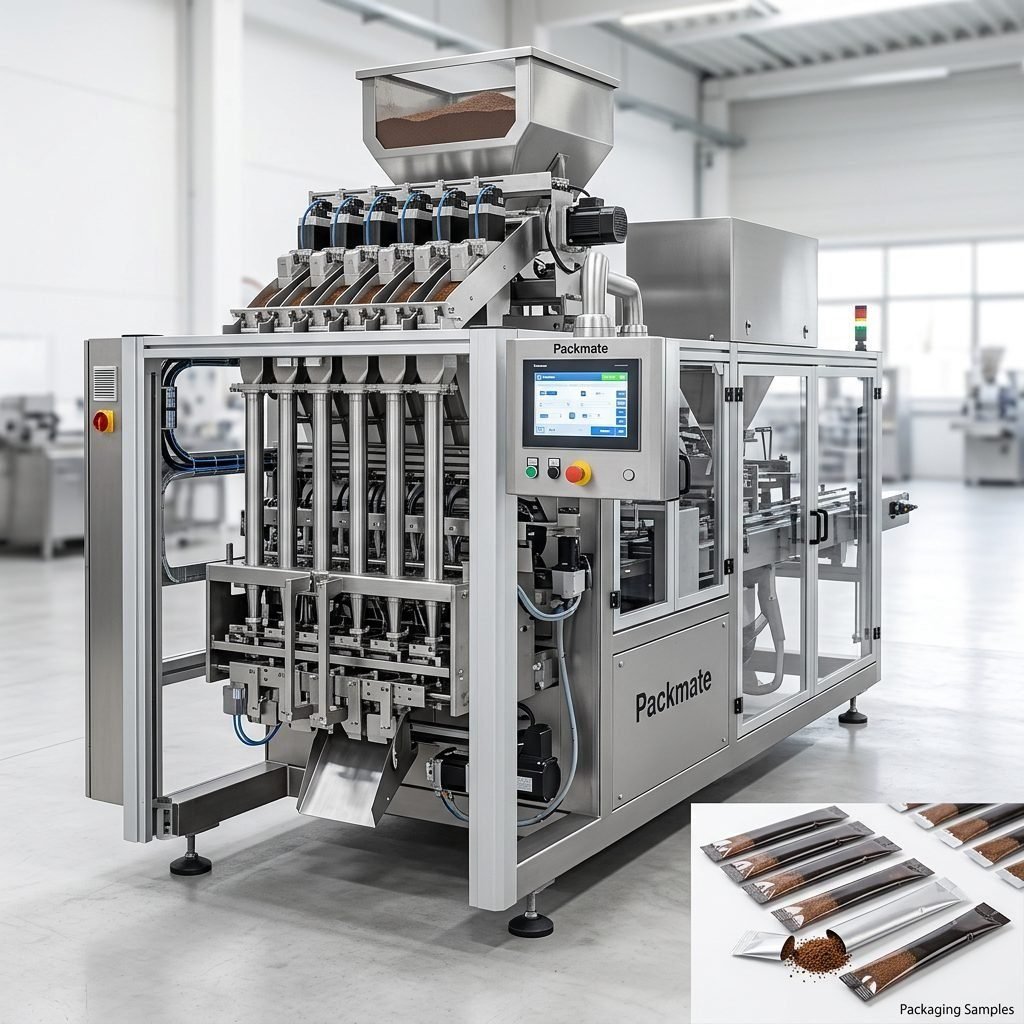
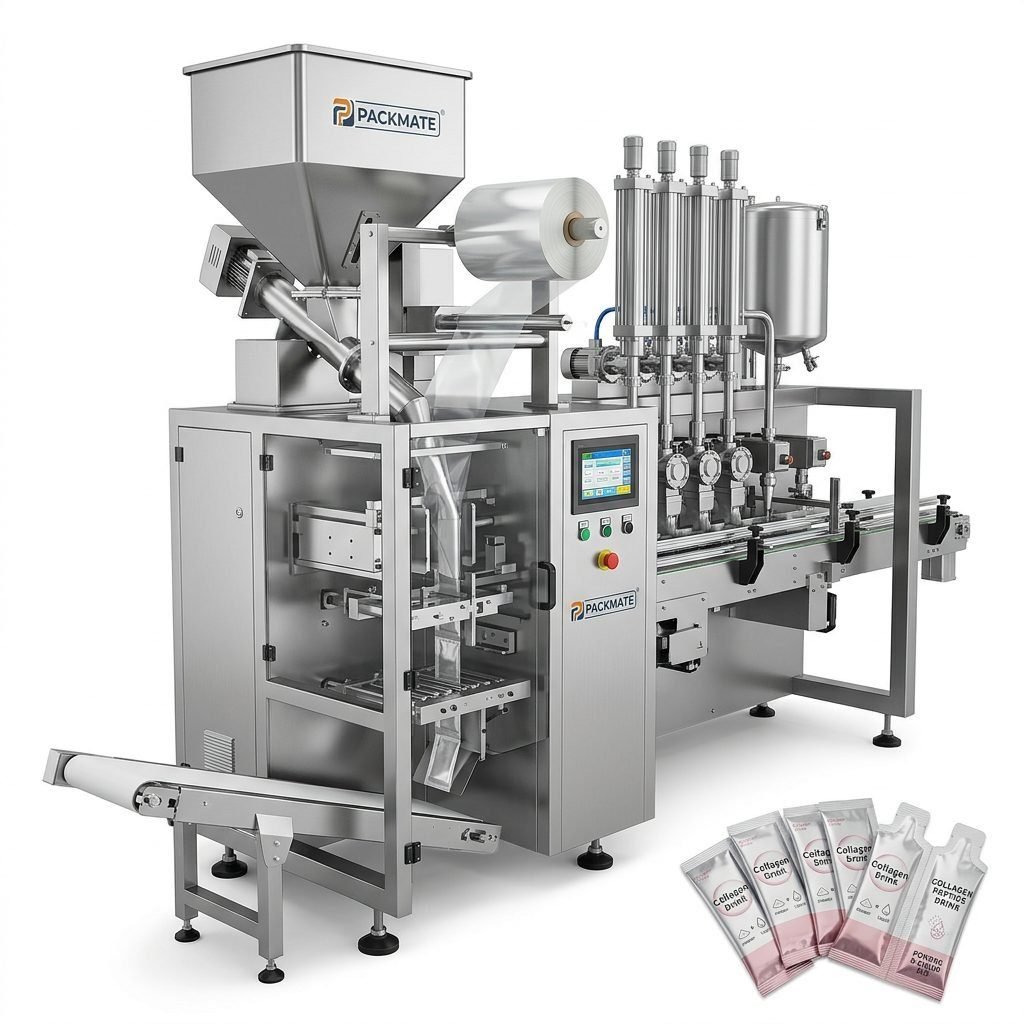
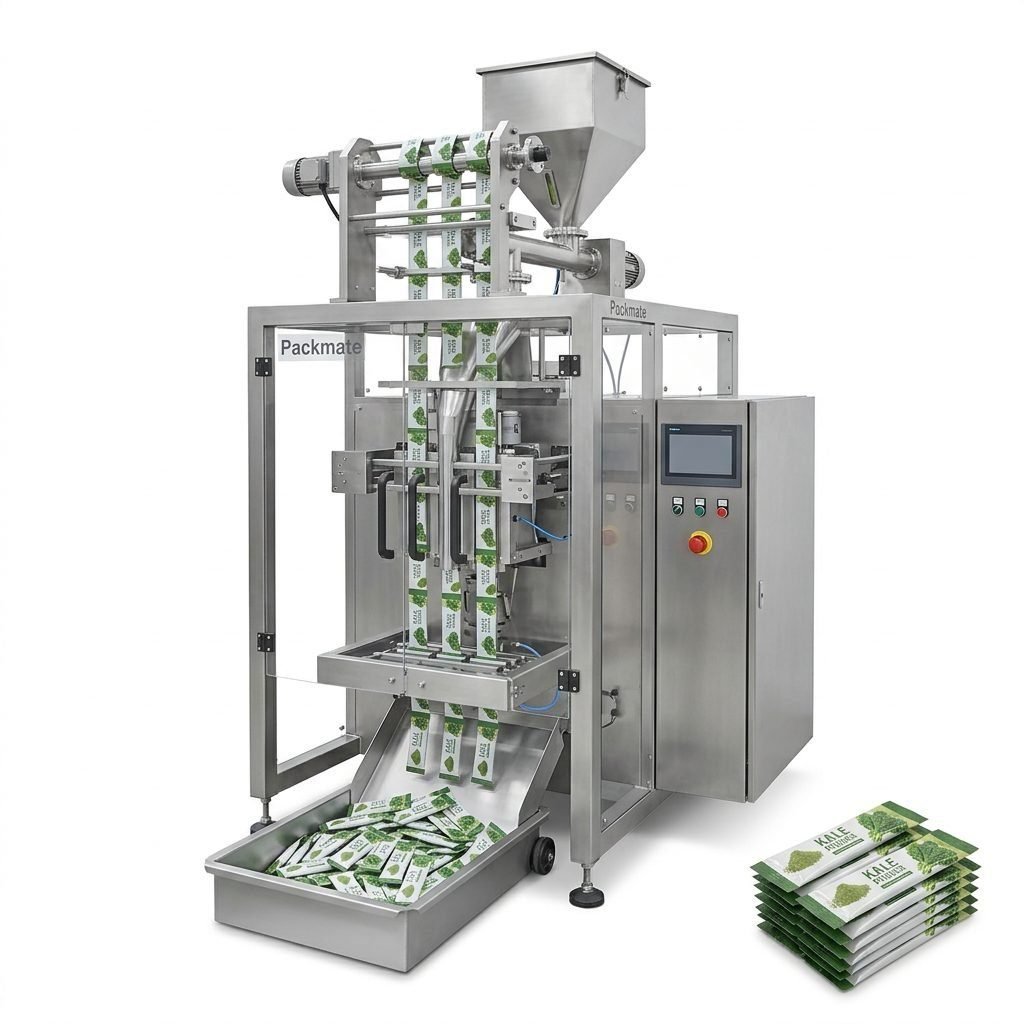
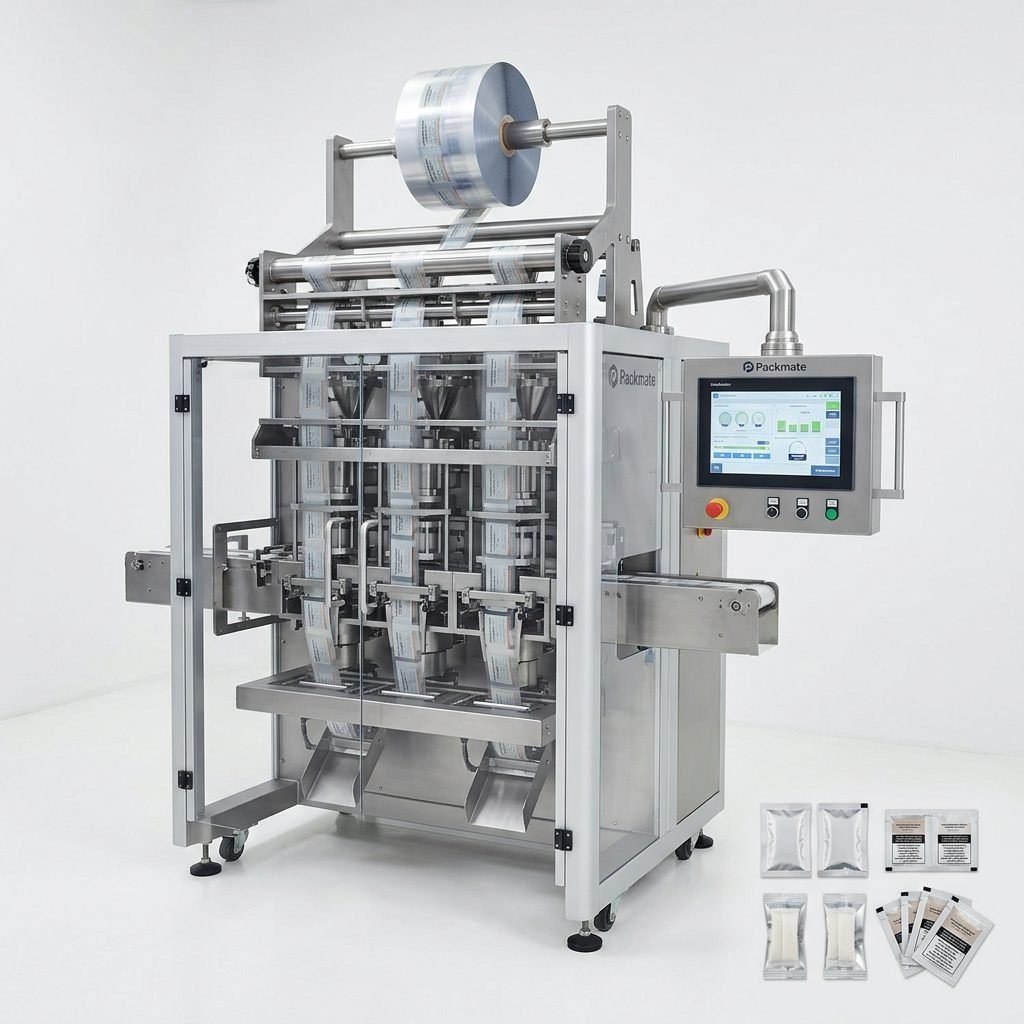
| Packmate Machinery | Balanced cost performance & technical reliability | Medium to large-scale producers looking for practical, high-value automation. |
| PacklineOEM | Specialization in integrated turnkey production lines | Businesses needing fully automated, end-to-end packaging line engineering. |
| PackingMachineOEM | Strong focus on non-standard and custom machine design | Projects with unique product formats, materials, or automation requirements. |
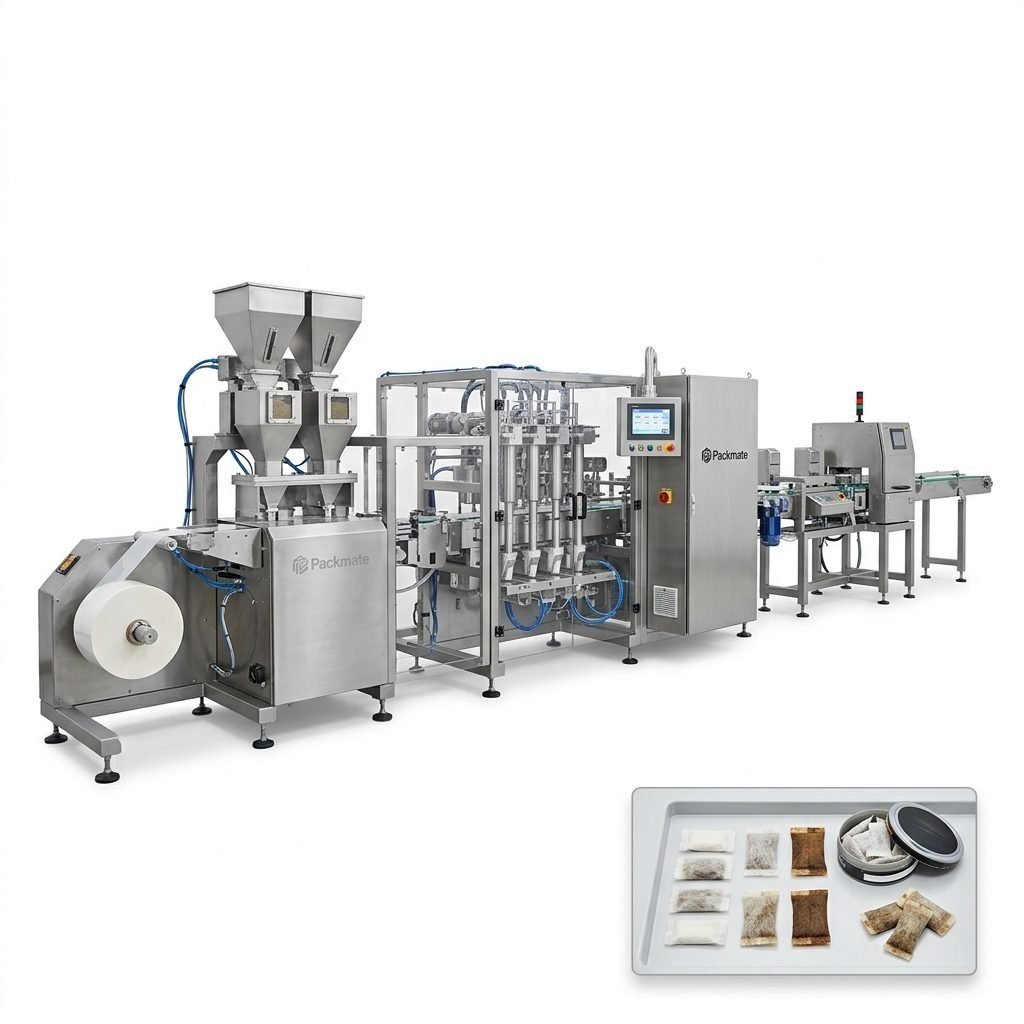
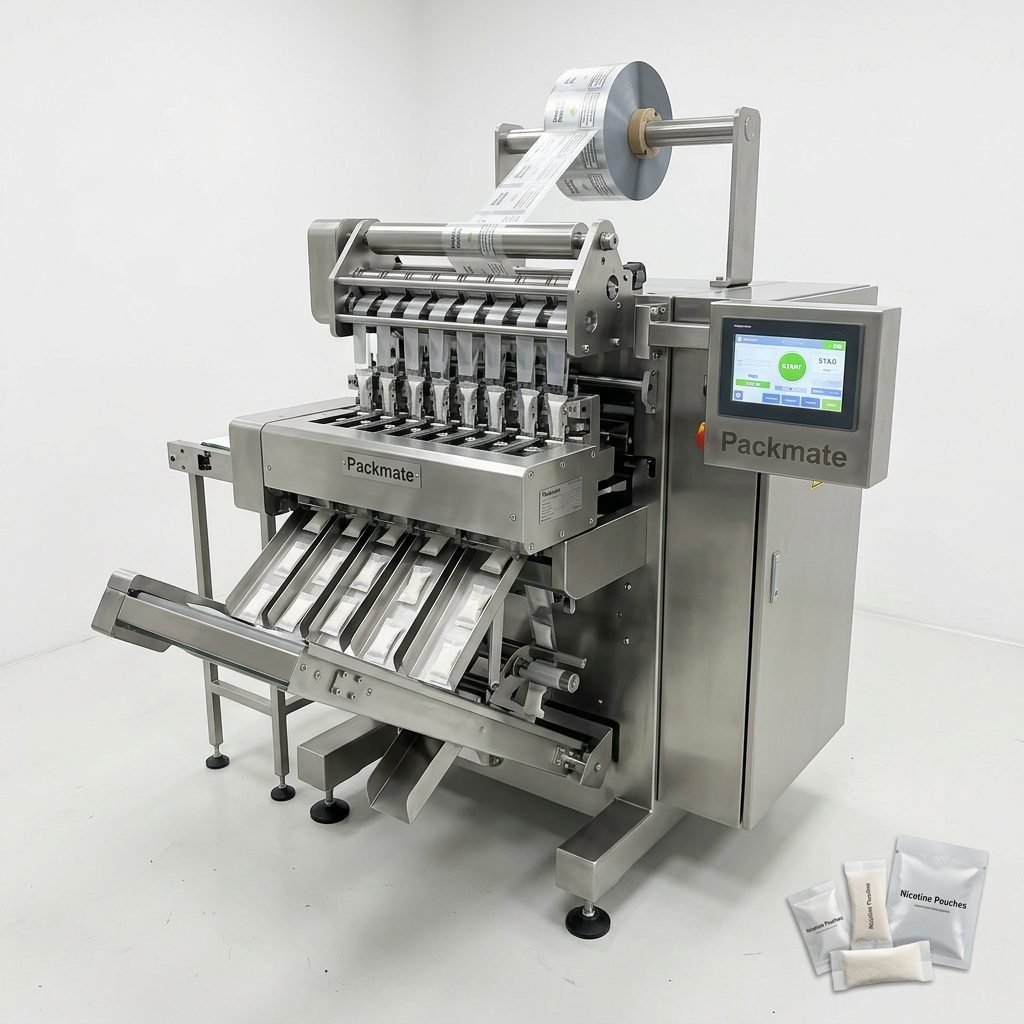
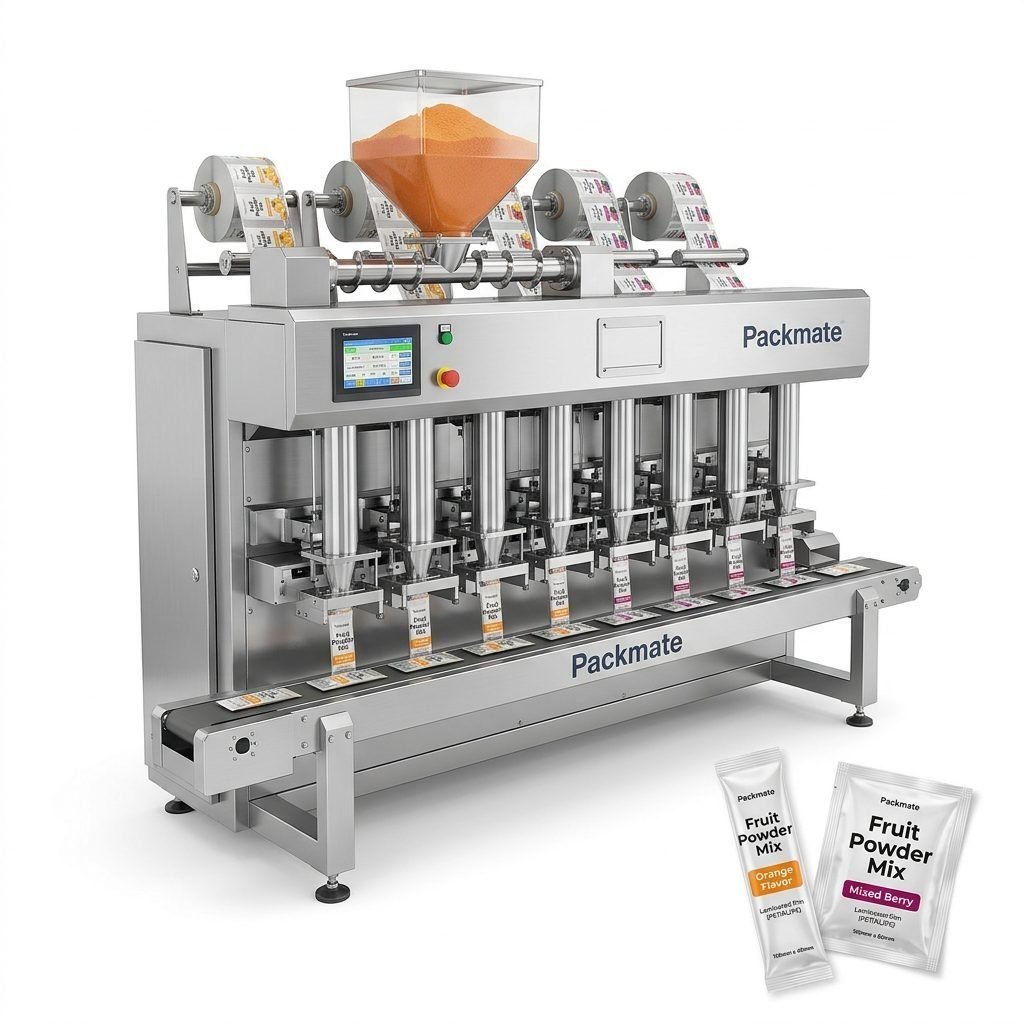
| SnusMachinery | Niche expertise in high-speed, multi-lane pouch packaging | High-volume production of stick packs and sachets, especially for fine powders. |
Total Cost of Ownership (TCO) and ROI
The purchase price is just one component of the total investment. A comprehensive Total Cost of Ownership (TCO) analysis is crucial. This includes the initial machine cost, installation, commissioning, operator training, maintenance, spare parts, energy consumption, and potential downtime costs.
Calculate your Return on Investment (ROI) by considering the savings from increased output, reduced labor, minimized product giveaway from improved accuracy, and lower packaging material waste. A slightly more expensive machine with higher speed and precision often pays for itself faster through operational savings.
Don’t overlook the importance of after-sales service and support. Ensure the supplier offers comprehensive technical documentation, readily available spare parts, remote troubleshooting, and on-site service if needed. The availability of local service engineers or strong remote support channels can significantly reduce machine downtime.
Compliance, Safety, and Future-Proofing
For food applications like spices, compliance with food safety standards is non-negotiable. Machines should be designed to meet relevant standards such as FDA, EU, or other local food contact material regulations. Look for features like easy-clean designs, sanitary construction, and compatibility with washdown procedures.
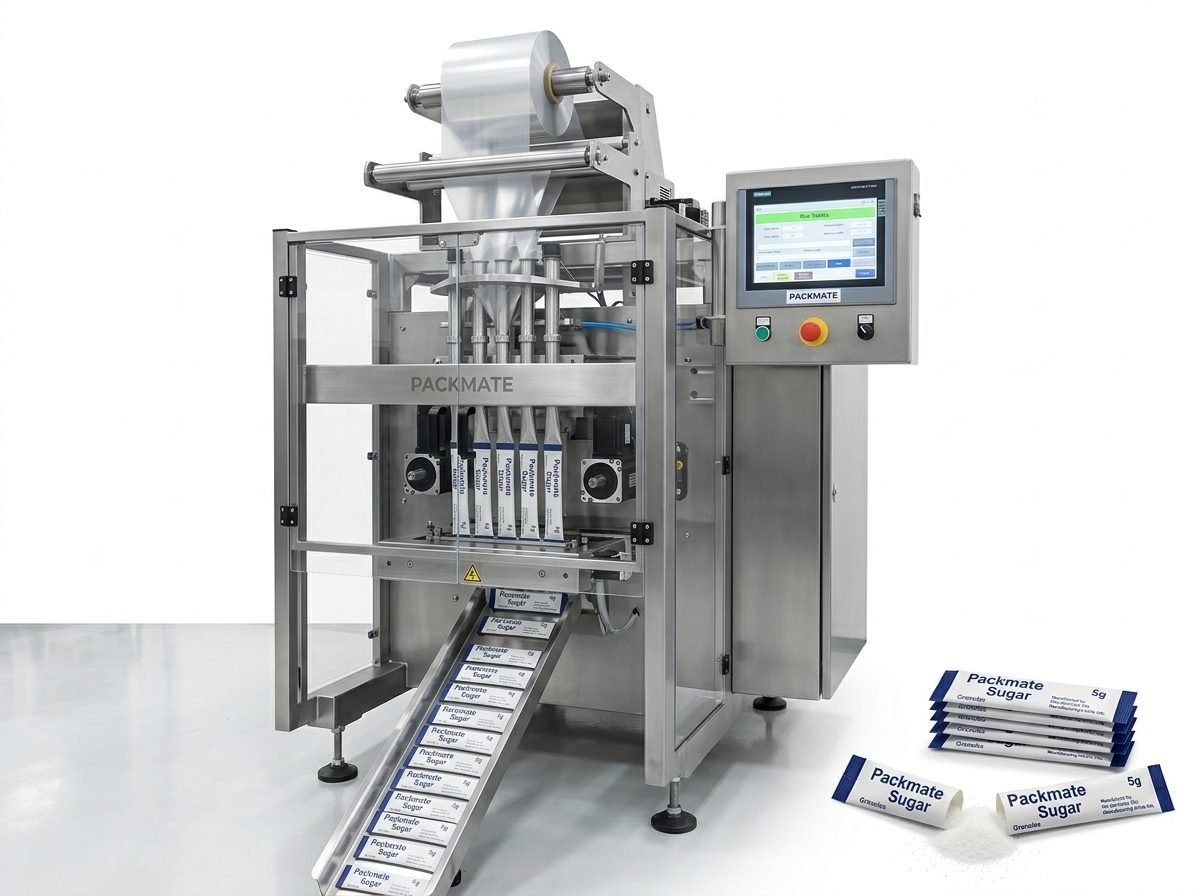
Consider the safety features of the machine, including emergency stop buttons, safety guards, and interlocks to protect operators. Additionally, evaluate the machine’s flexibility. Can it handle a range of bag sizes? Is it easy to change over between different spice products? Choosing a modular or adaptable machine can future-proof your investment as your product line grows.
Making the Final Decision: Steps to Take
Before finalizing your purchase, take these concrete steps:
- Request Product Samples: Send samples of your specific spice powders to the shortlisted suppliers for a live machine test (factory or video). This demonstrates the machine’s actual performance with your product.
- Check References: Ask for and contact references from existing customers, preferably those in a similar industry or region.
- Review Warranty and Service Terms: Scrutinize the warranty period, what it covers, and the details of the service agreement.
- Plan for Installation: Work with the supplier to plan the installation process, including site preparation, utility connections, and operator training schedules.
Frequently Asked Questions (FAQs)
What is the typical speed range for an automatic spice powder packing machine?
Speeds vary widely based on the machine type and pouch format. Single-lane machines may run at 30-60 bags per minute (BPM), while high-speed multi-lane stick pack or sachet machines can achieve 200-1000+ BPM. The required speed should be matched to your production volume.
How do I ensure accurate filling for lightweight spice packets?
For high accuracy in small doses (e.g., 1g to 50g), a servo-driven auger filler with a high-resolution encoder is recommended. For the utmost precision, especially with valuable spices, a combination weigher or micro-weight scale system integrated with the filler is the best choice, though it is a more significant investment.
Can one machine handle different types of spices and pouch sizes?
Yes, many modern machines are designed for quick changeover. Look for features like tool-less adjustments, digital servo drives for length and sealing parameters, and easy-to-swap parts like augers, funnels, and sealing jaws. The changeover time and complexity should be discussed during the machine trial.
What are the main maintenance requirements for these machines?
Regular daily cleaning to prevent spice dust buildup is paramount. Periodic lubrication of moving parts, inspection and replacement of wear items like sealing jaws, cutting blades, and gaskets, and calibration of the weighing system are standard maintenance tasks. A good supplier will provide a detailed maintenance schedule.
Is it better to buy a standalone machine or a complete turnkey line?
This depends on your current and future needs. A standalone machine is suitable for adding automation to an existing process. A turnkey packaging line, which integrates feeding, weighing, filling, sealing, coding, and cartoning, is ideal for new facilities or major capacity expansions where seamless, high-efficiency automation is the goal. Companies like Ludyway and PacklineOEM specialize in such integrated solutions.