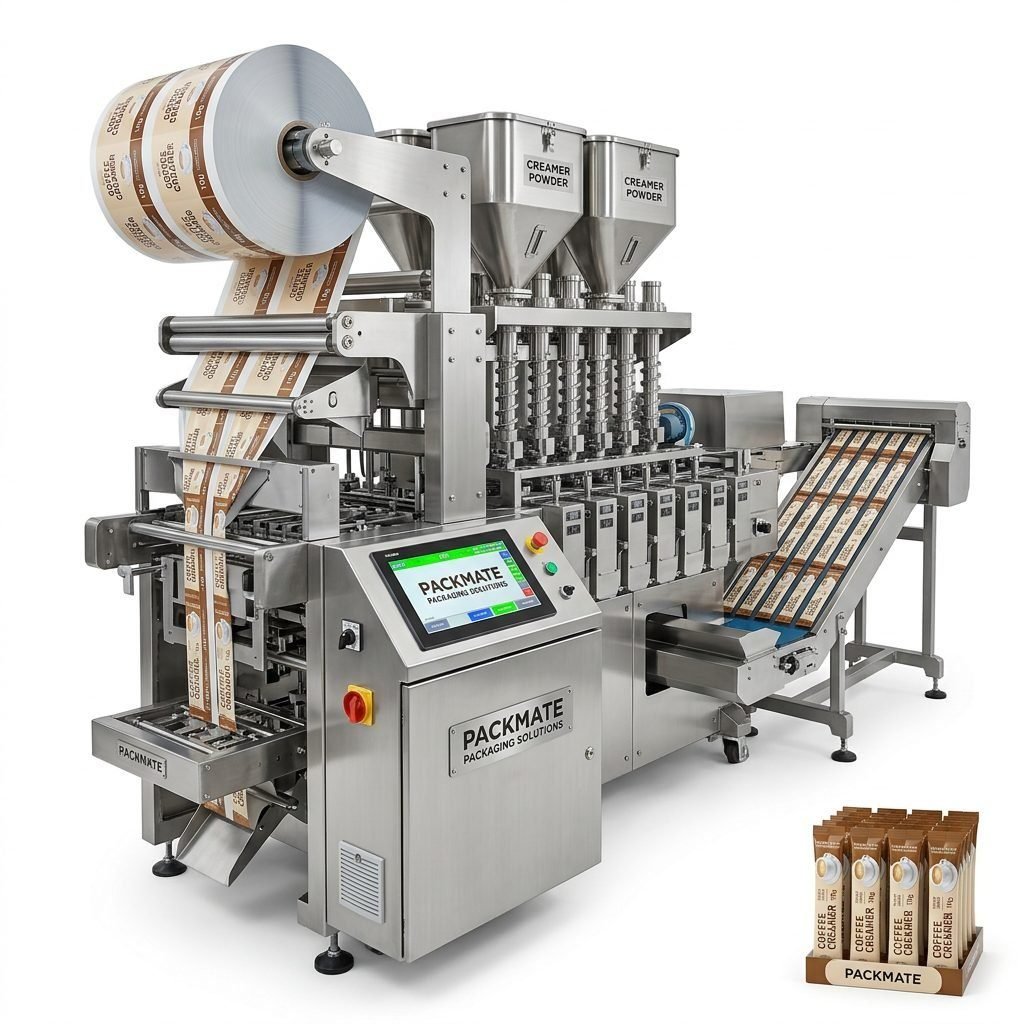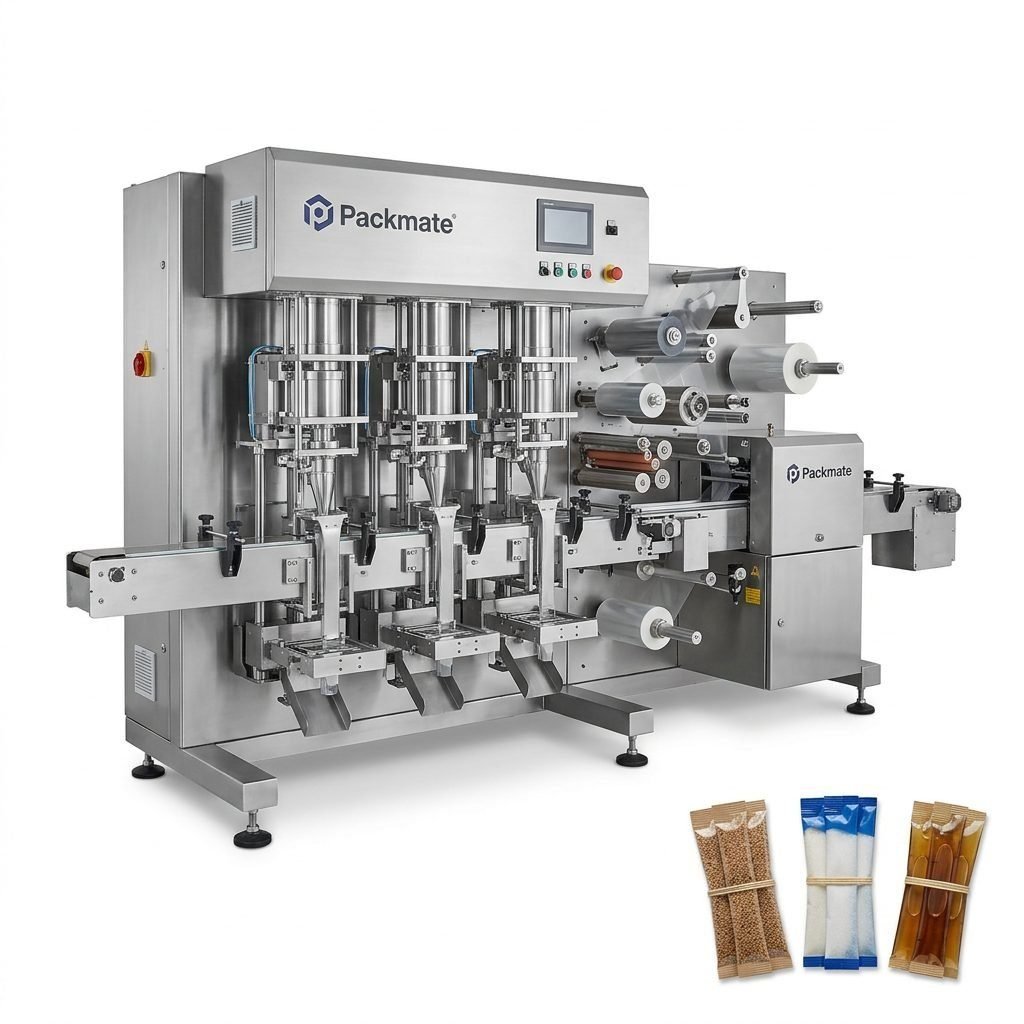
Selecting the right automatic tea bag packing machine is a critical decision for any tea business aiming to scale production, ensure consistency, and maintain product quality. With a wide range of manufacturers and machine types available, from single-lane sachet packers to fully integrated multi-lane stick pack lines, making the best choice requires careful consideration of several key factors.
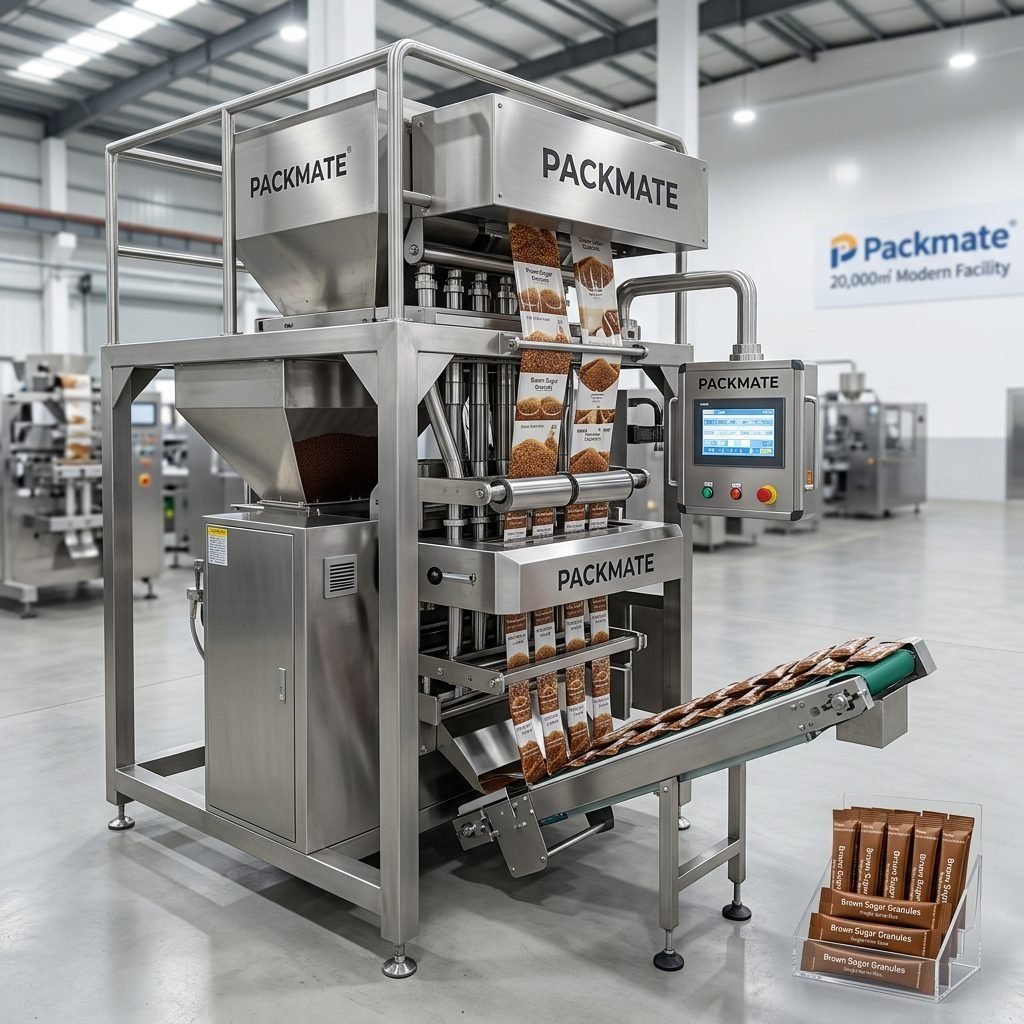
Key Factors in Choosing a Tea Bag Packing Machine
Your choice must align with your specific product format, production goals, and operational constraints. Here are the primary aspects to evaluate:
1. Product Type and Format
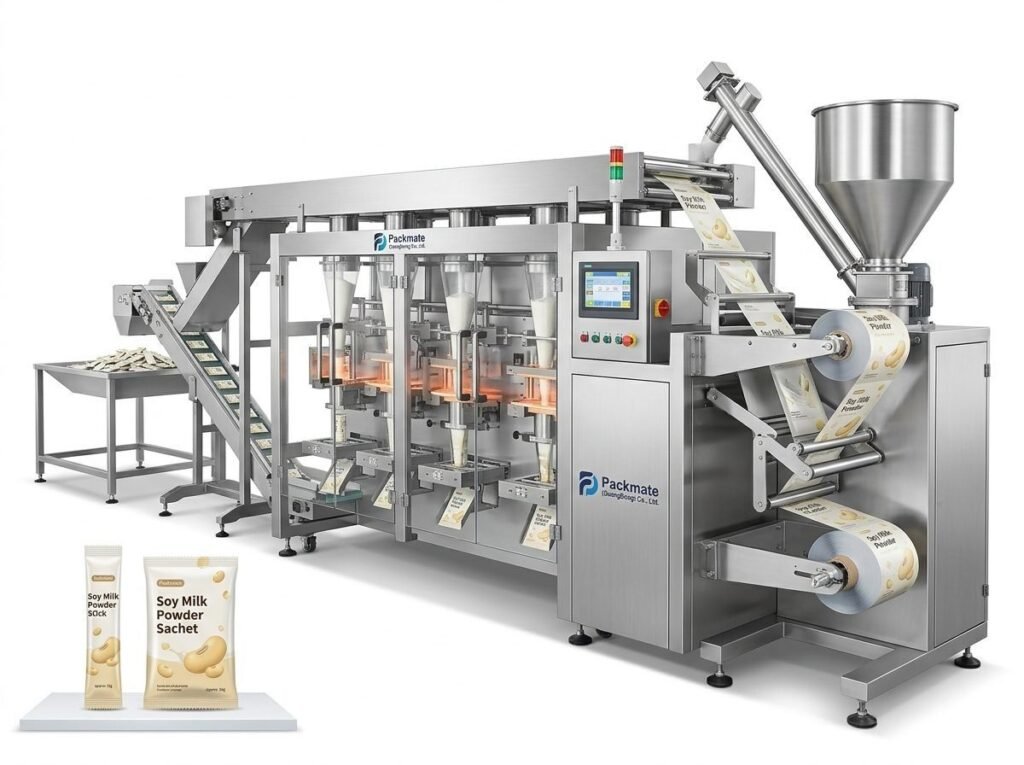
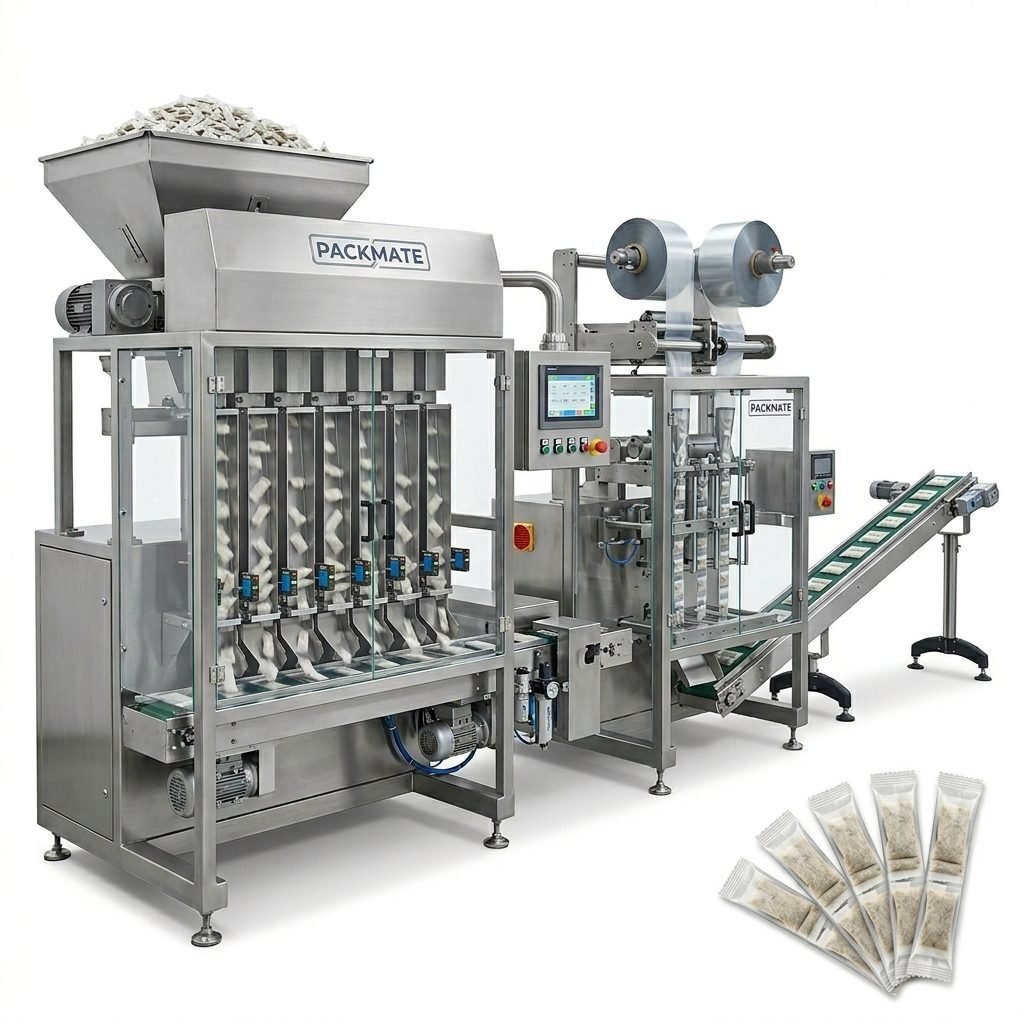
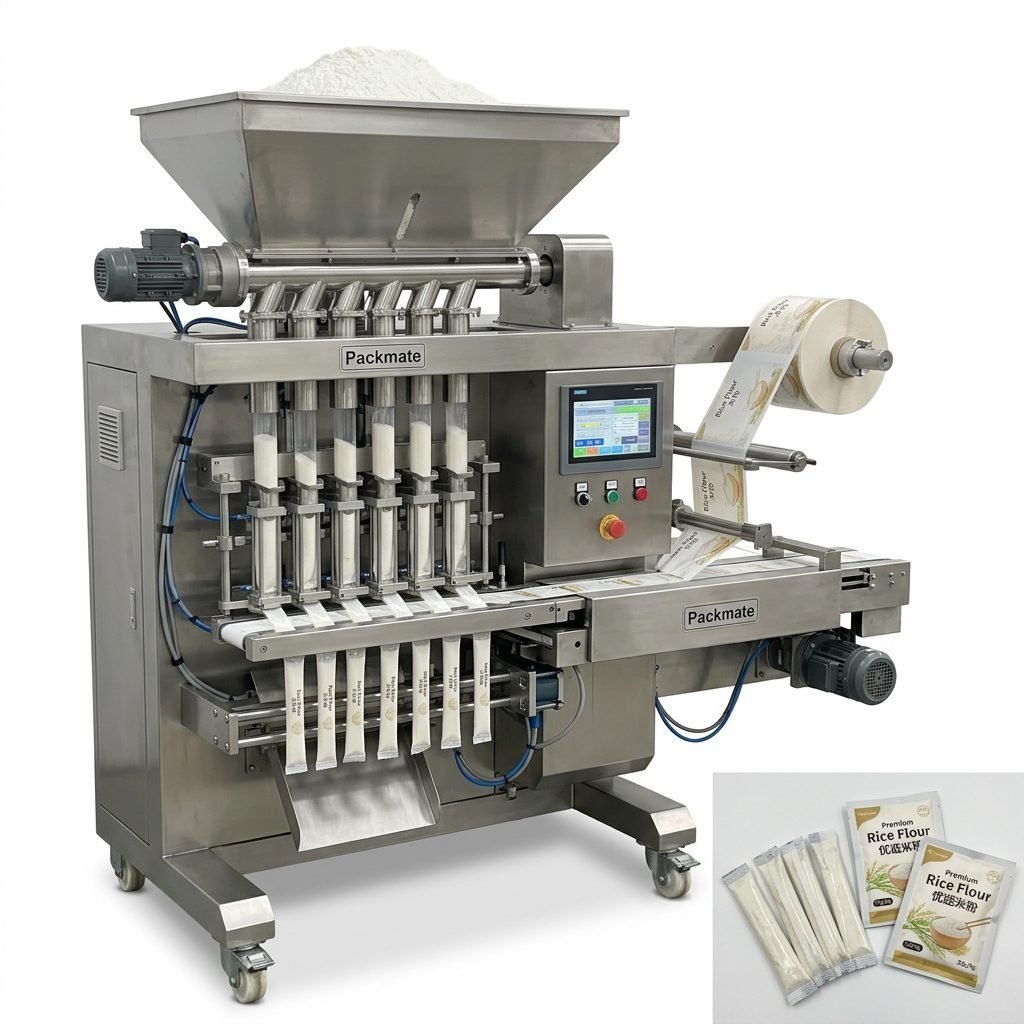
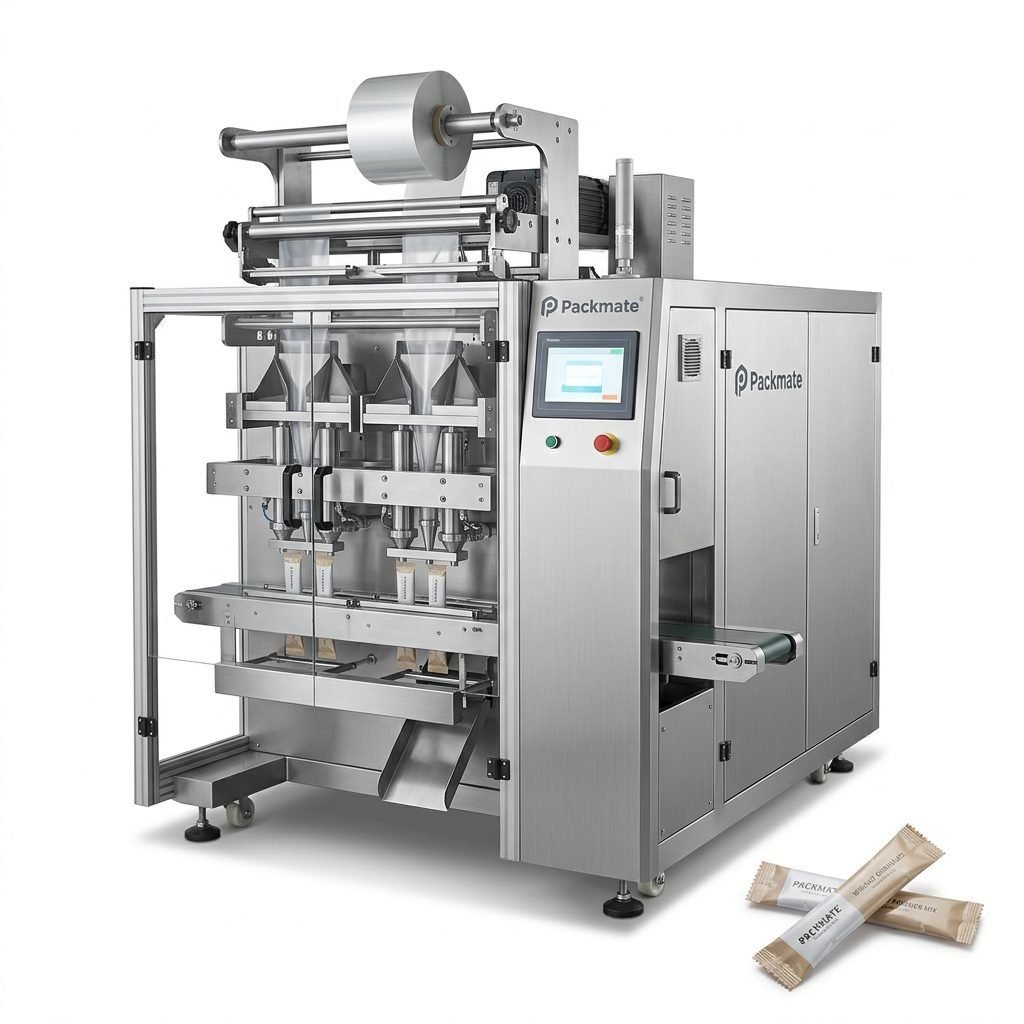
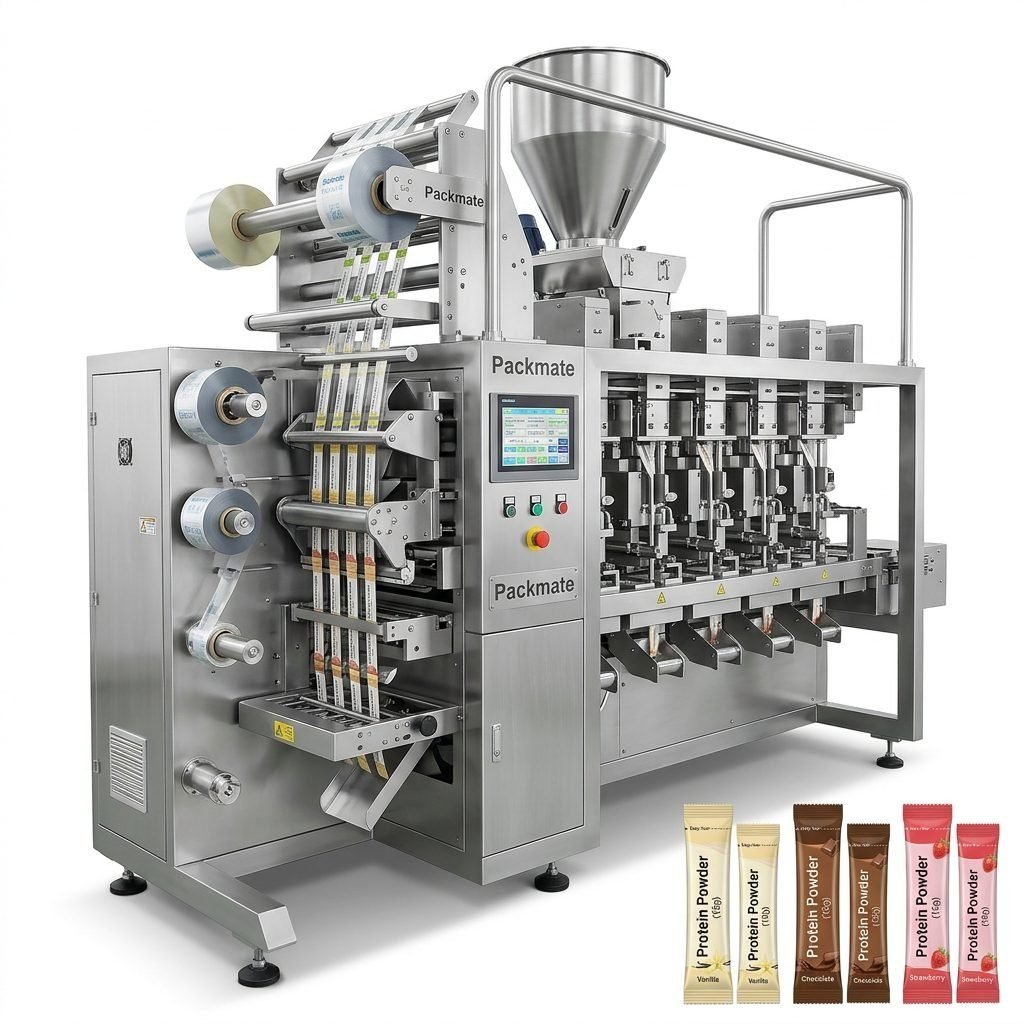
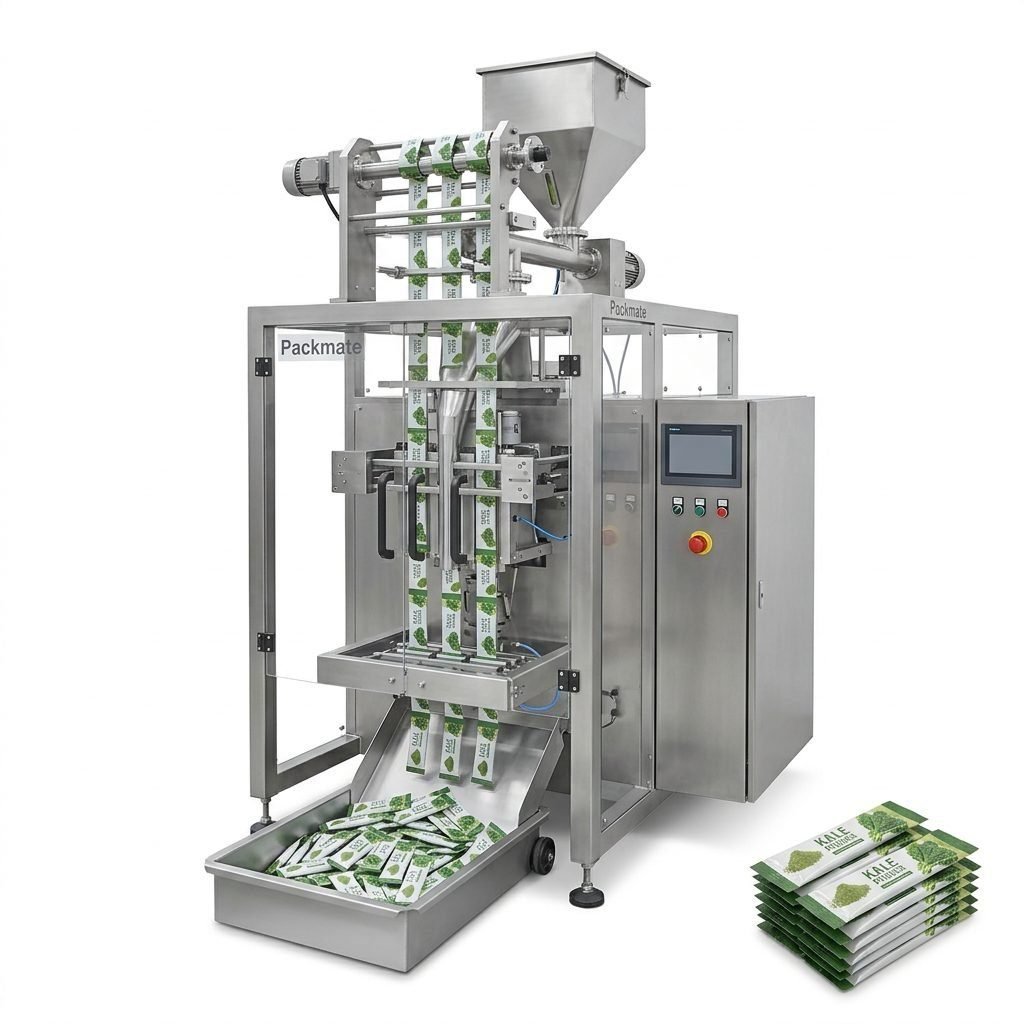
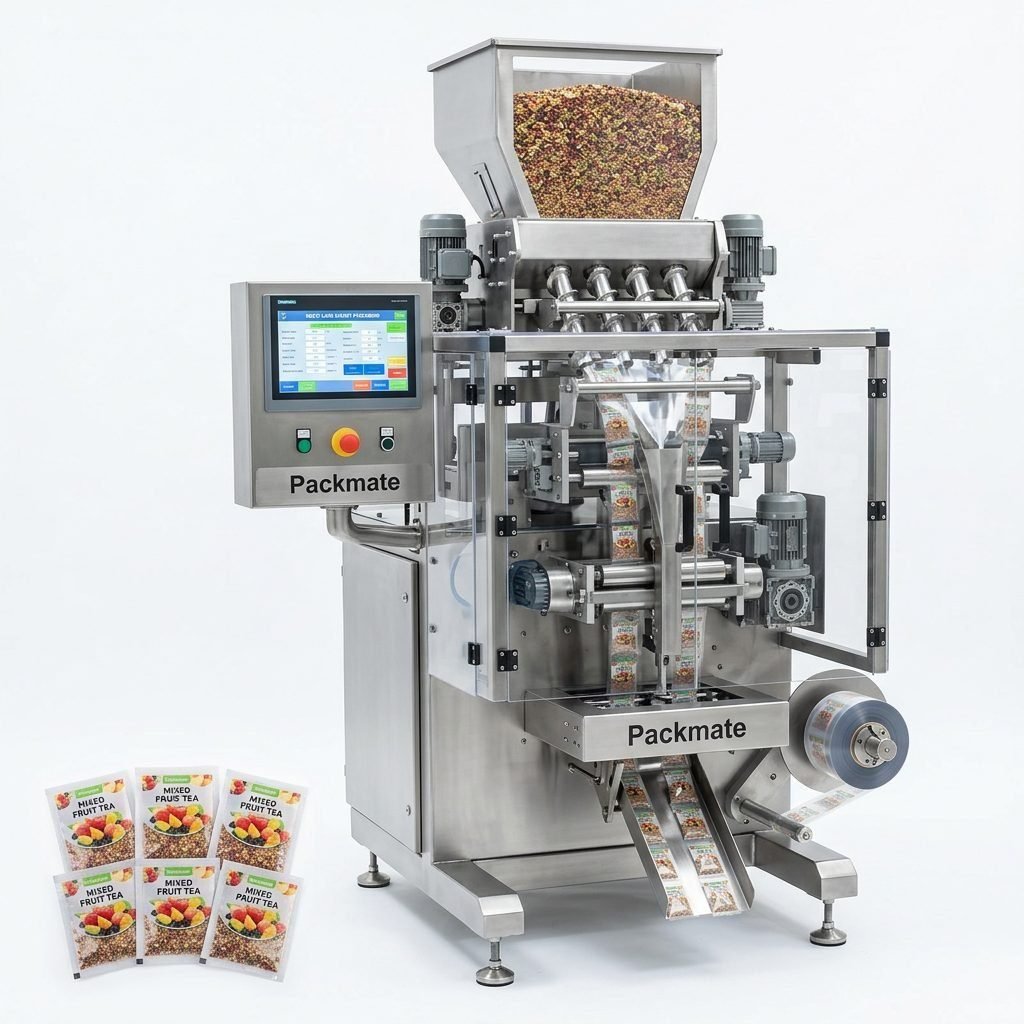
Tea products vary widely. Are you packing loose-leaf tea, herbal blends, powdered tea (matcha, instant tea), or tea granules? The machine must be compatible with your product’s physical characteristics—its flowability, density, and particle size. Furthermore, decide on the final package format: traditional string-and-tag tea bags, pillow-style sachets, or modern stick packs for single-serve convenience. For example, multi-lane stick pack machines are excellent for high-speed packaging of granular or powdered tea into sleek, portable pouches.
2. Required Production Capacity (Output)
Your target output per minute or hour directly dictates the machine’s configuration. A small artisanal producer might need a machine producing 60-120 bags per minute, while a large-scale manufacturer might require a multi-lane system exceeding 400 bags per minute. Consider both your current needs and future growth projections to avoid under or over-investing. Ludyway, with its wide range of configurations, offers solutions that can scale with your business.
3. Level of Automation
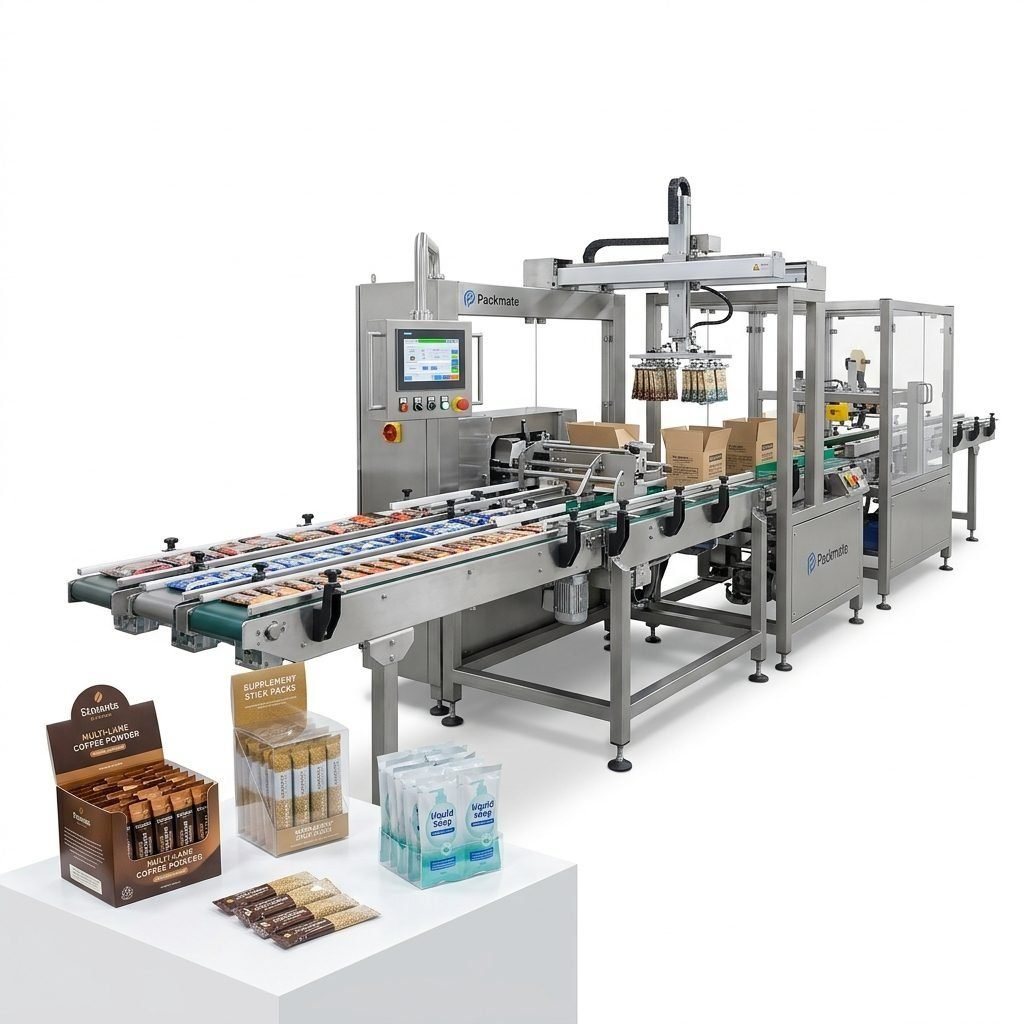
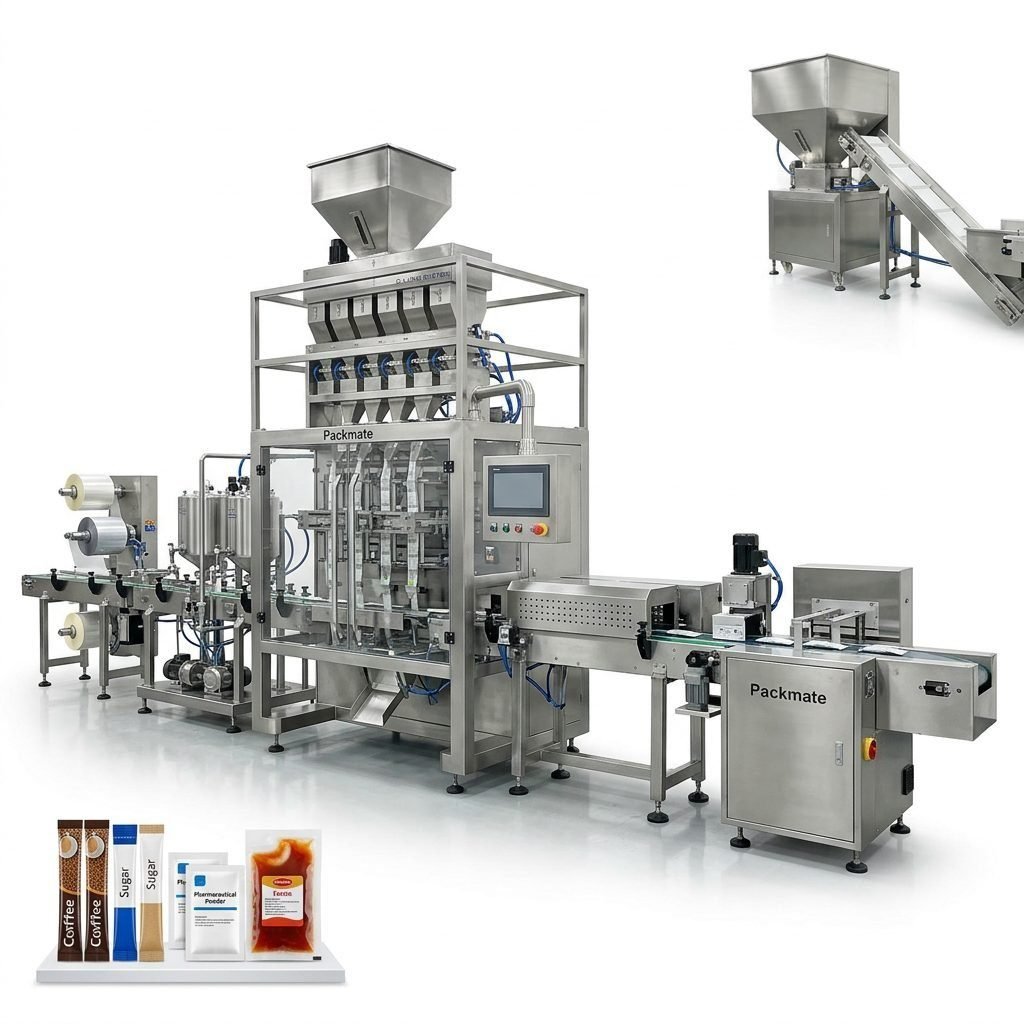
Automation ranges from semi-automatic machines requiring manual feeding to fully automatic lines with integrated weighing, filling, sealing, coding, and cartoning. A fully automatic line, like those offered by PacklineOEM, maximizes efficiency, reduces labor costs, and minimizes human contact with the product, which is crucial for hygiene. Evaluate your available labor and the desired level of operational control.
4. Packaging Material Compatibility
The machine must be able to handle your chosen packaging film or filter paper. This includes the sealing parameters (temperature, pressure, time) and the feeding system for the material roll. Ensure the supplier can provide machines tested with materials similar to yours to guarantee a strong, consistent, and airtight seal that preserves the tea’s aroma and freshness.
Understanding Different Machine Types
The market offers several specialized machines. Here’s a quick comparison:
| Machine Type | Best For | Typical Output | Key Features |
|---|---|---|---|
| Single-Lane Sachet Packer | Startups, low-volume production, product testing | 40-100 bags/min | Compact, cost-effective, easy to operate and maintain. |
| Multi-Lane Stick Pack Machine | High-volume powdered/granular tea (matcha, instant tea) | 200-500+ bags/min | Extremely high speed, space-efficient, ideal for single-serve portions. |
| Traditional Tea Bag Machine (with string & tag) | Loose-leaf tea in conventional bag formats | 80-200 bags/min | Attaches string, tag, and often a outer envelope; more complex mechanics. |
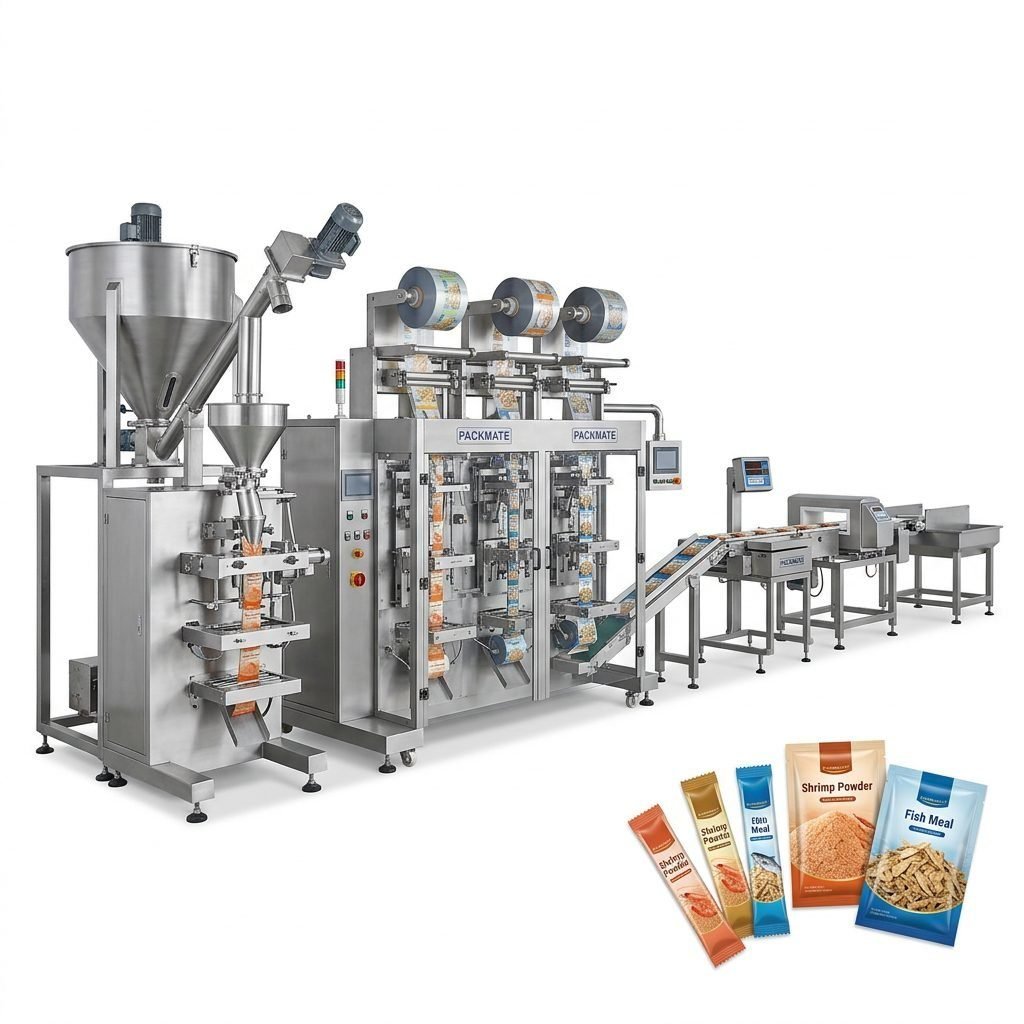
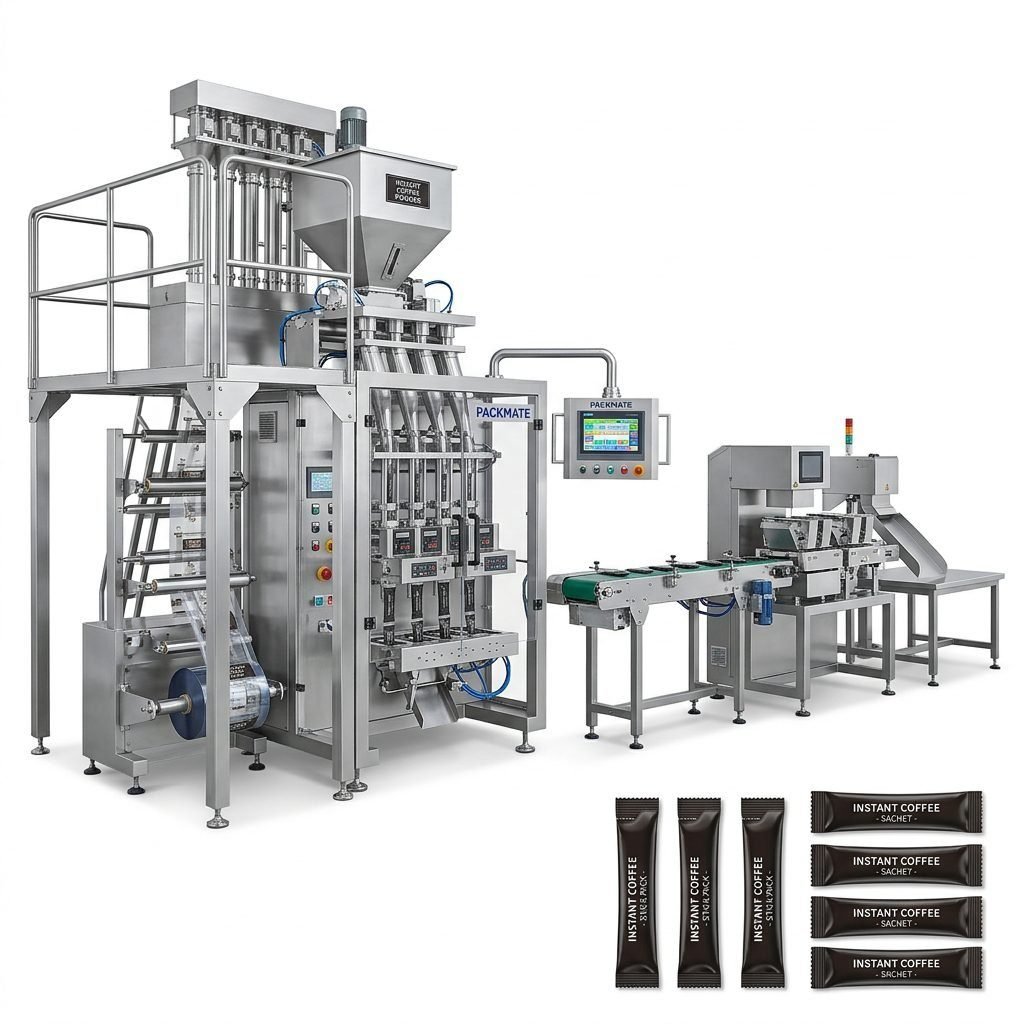
| Integrated Turnkey Line | Large factories seeking end-to-end automation | Varies (complete system) | Includes feeding, weighing, packaging, cartoning, and case packing in one system. |
Evaluating Manufacturers: What to Look For
Choosing a reliable manufacturer is as important as choosing the right machine. Consider these points:
Experience and Reputation
Look for manufacturers with a proven track record in food and specifically tea packaging. Companies with decades of experience, like Packmate Machinery, have refined their designs to handle the nuances of tea products, from delicate leaves to fine powders, ensuring minimal breakage and precise dosing.
Customization and Technical Support
Your tea blend and packaging vision are unique. Can the manufacturer customize the machine’s dosing system, sealing jaws, or software to meet your exact needs? Post-sales support is critical. Ensure they offer comprehensive installation, training, spare parts availability, and responsive technical service. Suppliers like PackingMachineOEM specialize in non-standard, customized solutions for specific challenges.
Hygiene and Construction Quality
Tea is a consumable product. The machine should feature food-grade materials (e.g., 304 or 316 stainless steel) in contact parts, easy-clean designs with minimal crevices, and comply with relevant food safety standards (like FDA, CE for export markets). Robust construction ensures longevity and consistent performance under continuous operation.
Cost Considerations: Beyond the Initial Price Tag
The machine’s purchase price is just one part of the total cost of ownership. A holistic view includes:
- Operational Costs: Energy consumption, compressed air usage, and required labor.
- Maintenance & Downtime: Machines with simpler designs and good local service support often have lower long-term maintenance costs and less production downtime.
- Material Waste: A high-precision machine with accurate weighing and sealing will minimize product giveaway and packaging film waste, improving your bottom line.
- Return on Investment (ROI): Calculate how increased speed, reduced labor, and lower waste will pay back the machine investment over time.
Future-Proofing Your Investment
Think long-term. Will you introduce new tea varieties, flavors, or package sizes? Choose a machine and a supplier that offer flexibility. Modular designs allow you to add lanes or functions later. A manufacturer with a broad portfolio, such as those capable of supplying not just a single machine but a complete turnkey packaging line, can be a valuable partner as you expand.
Frequently Asked Questions (FAQs)
Q: What is the typical lead time for an automatic tea bag packing machine?
A: Lead times vary based on complexity and customization. For standard models, expect 60-90 days. For fully customized or turnkey lines, it can be 90-180 days. Always confirm with the manufacturer.
Q: Can one machine handle both loose-leaf tea and powdered tea?
A: Some machines are versatile, but they often require different feeding and dosing systems (volumetric cup filler for leaves vs. auger filler for powder). It’s best to discuss your specific product range with the supplier to configure a machine that can handle both, possibly with changeable parts.
Q: How important is after-sales service?
A> It is crucial. Reliable technical support, availability of spare parts, and operator training are essential for minimizing downtime and ensuring your machine runs efficiently for years. Prioritize manufacturers with a strong global service network.
Q: What are the key maintenance requirements?
A> Daily cleaning, regular lubrication of moving parts, inspection of sealing jaws and cutters, and calibration of the weighing system are standard. The manufacturer should provide a detailed maintenance schedule.
Q: Are there machines suitable for small-batch or artisanal tea production?
A> Yes. Many manufacturers offer compact, semi-automatic, or lower-speed automatic models that are perfect for small businesses, allowing for automation without the massive output or investment of an industrial line.