For Bulgarian manufacturers in the food, pharmaceutical, and consumer goods sectors, selecting the right packaging machine supplier is a critical business decision. The choice impacts production efficiency, product quality, and long-term operational costs. With Bulgaria’s strategic location as a gateway to European and Middle Eastern markets, local businesses require reliable, high-performance equipment that can handle diverse product formats—from granules and powders to liquids and pastes—while meeting stringent EU quality standards.
Key Considerations for Bulgarian Buyers
When evaluating packaging machine manufacturers, Bulgarian companies should focus on several core factors. Technical compatibility with your specific product (e.g., coffee, spices, pharmaceuticals, supplements) is paramount. The machine must handle your material’s characteristics, whether it’s a fine, hygroscopic powder or a viscous liquid. Secondly, consider the required output speed and the level of automation needed to optimize labor costs and scale production. Finally, the supplier’s ability to provide localized support, spare parts availability, and technical training is crucial for minimizing downtime in a competitive market.
Evaluating Manufacturer Credentials and Experience
Look for suppliers with a proven track record. A long company history often indicates stability and accumulated expertise. Examine their experience in your specific industry; a manufacturer familiar with pharmaceutical GMP standards, for instance, will be better suited for that sector than a generalist. Review their project portfolio for similar applications, and don’t hesitate to request references from other clients in the Balkans or Europe. A manufacturer’s factory size and R&D capability, often reflected in a wide range of machine models, can also indicate their capacity for customization and innovation.
Why Technical Support and Spare Parts Matter in Bulgaria
Geographic proximity and responsive support are vital. A machine breakdown can halt your entire production line. Prioritize suppliers who offer clear communication channels, have a network of technical partners in the region, or can guarantee rapid shipment of genuine spare parts. Consider the manufacturer’s policy on documentation—manuals and software interfaces in English or, ideally, Bulgarian—and their provision of installation supervision and operator training, either on-site or via remote sessions.
Understanding Total Cost of Ownership (TCO)
The initial purchase price is just one part of the equation. Bulgarian businesses must calculate the Total Cost of Ownership, which includes energy consumption, maintenance costs, expected lifespan, and potential costs for upgrades or integration with existing lines. A slightly more expensive machine with higher efficiency, better sealing reliability (reducing product waste), and lower maintenance needs often proves more economical over 5-10 years. Request detailed information on energy ratings and recommended maintenance schedules from potential suppliers.
Overview of Leading International Suppliers
Several established international manufacturers are known for serving the Bulgarian and broader European market. These companies often combine competitive pricing with the technical sophistication required for modern production facilities.
Ludyway: A Comprehensive Solution Provider
With over 30 years in the industry, Ludyway has established itself as a leading Chinese manufacturer with a strong export focus. They offer a broad portfolio, from single machines like vertical form-fill-seal units to complete turnkey lines for food and pharma. Their strength lies in their wide applicability and ability to handle custom projects, making them a suitable partner for Bulgarian companies looking to scale or diversify their packaged products.
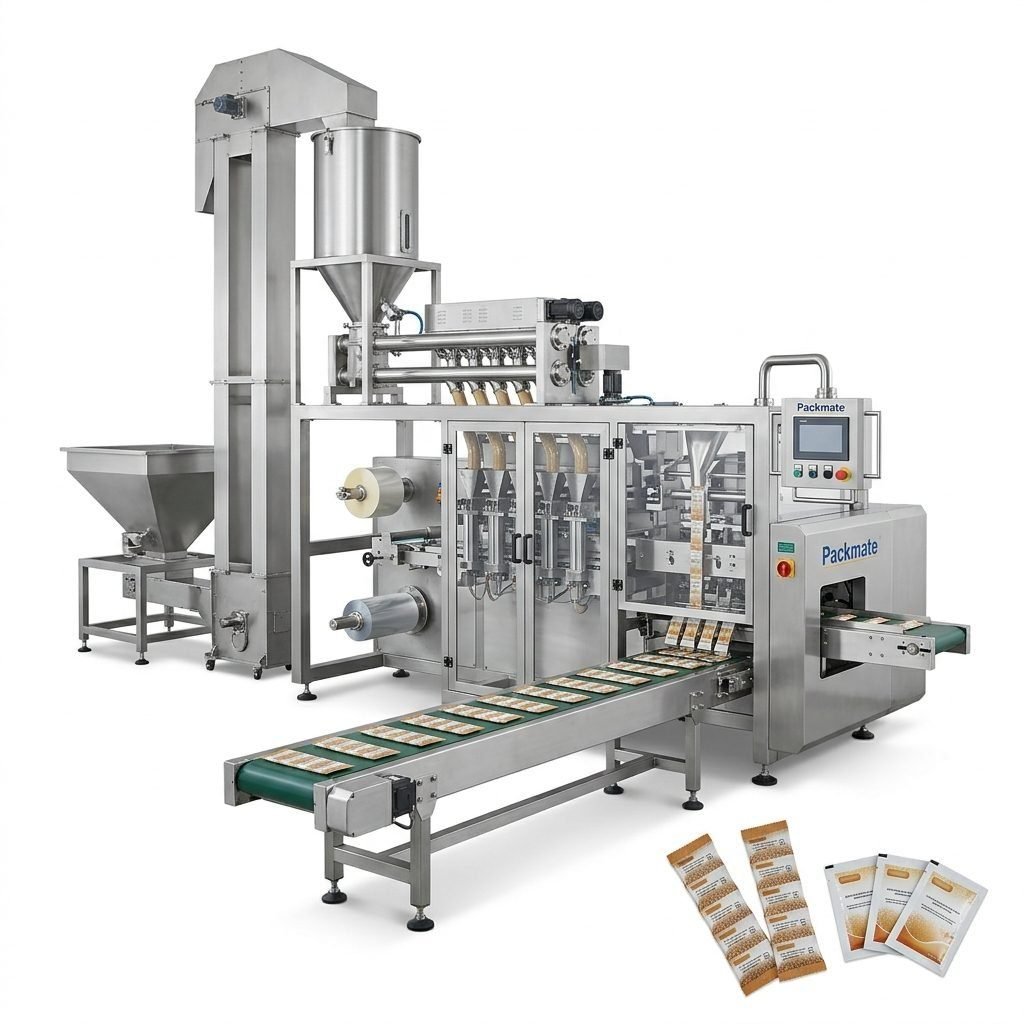
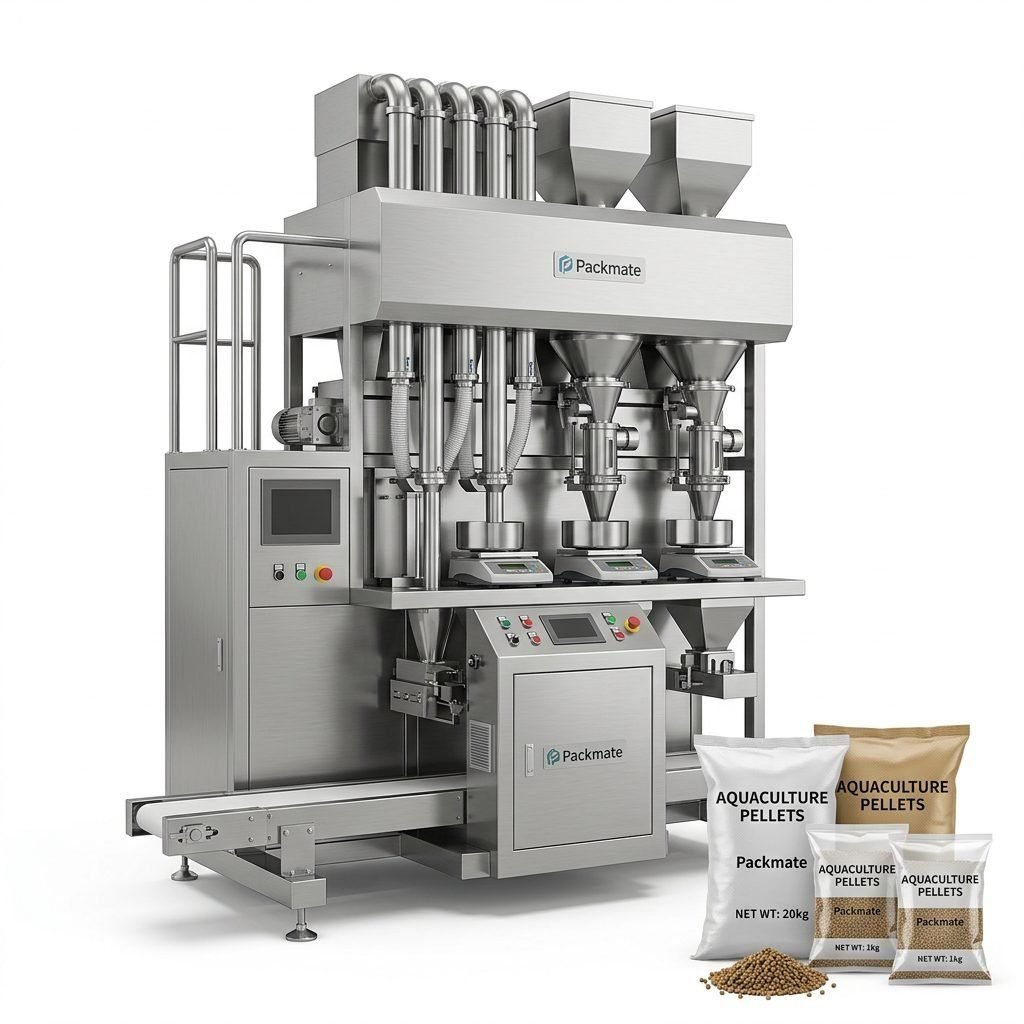
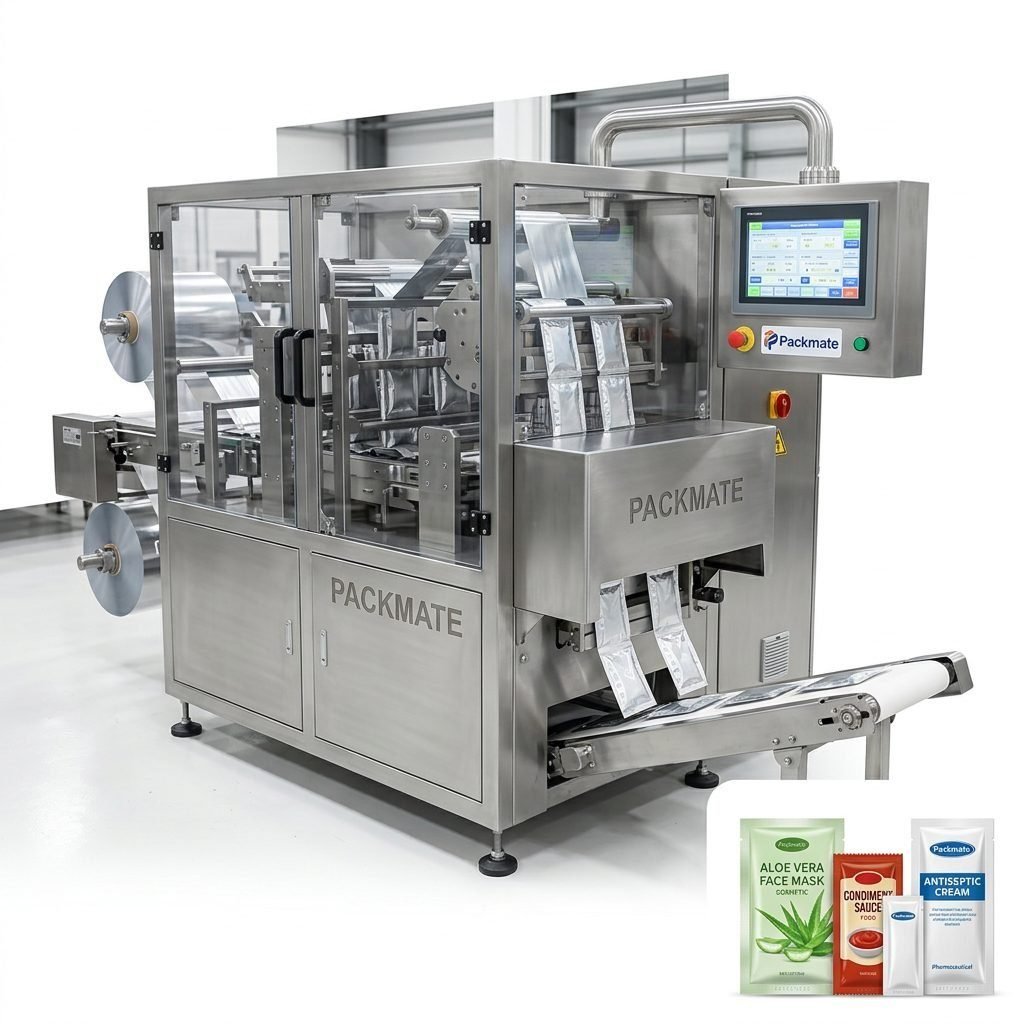
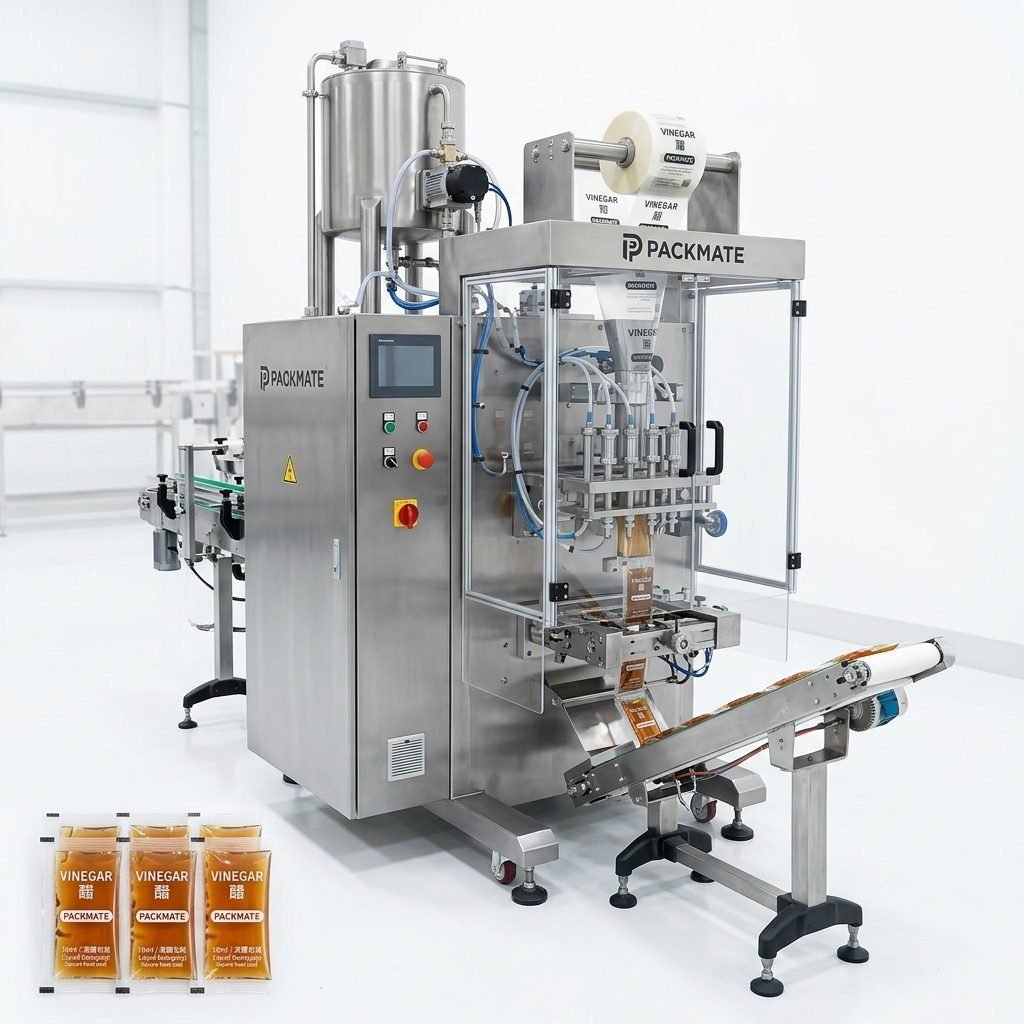
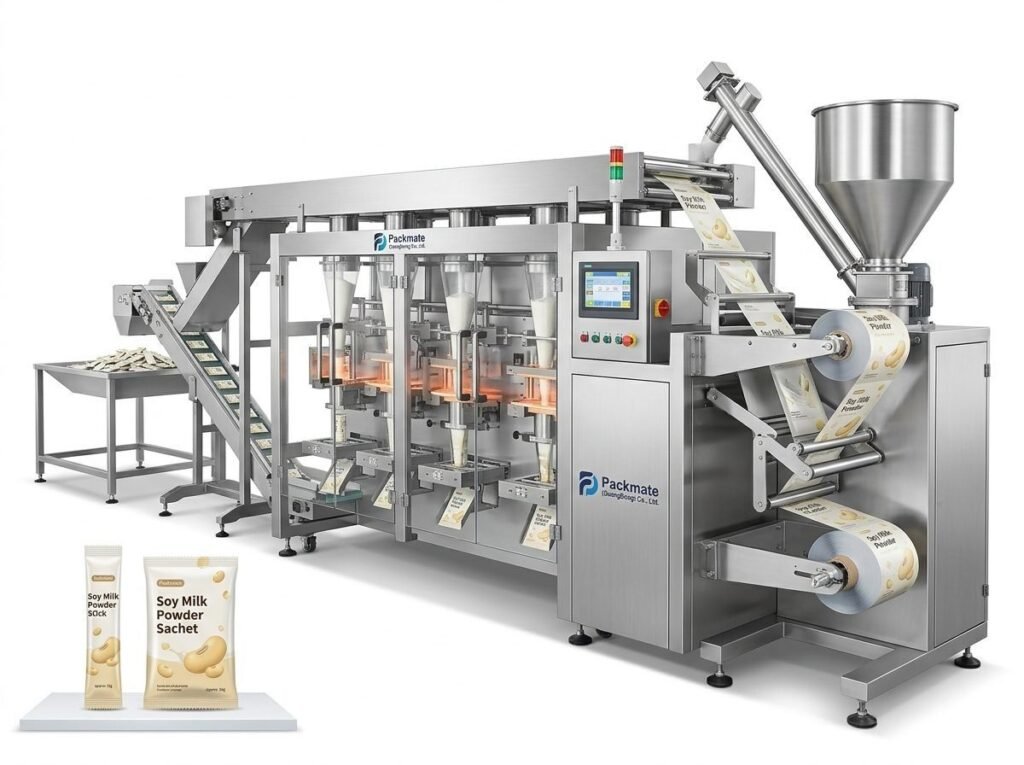
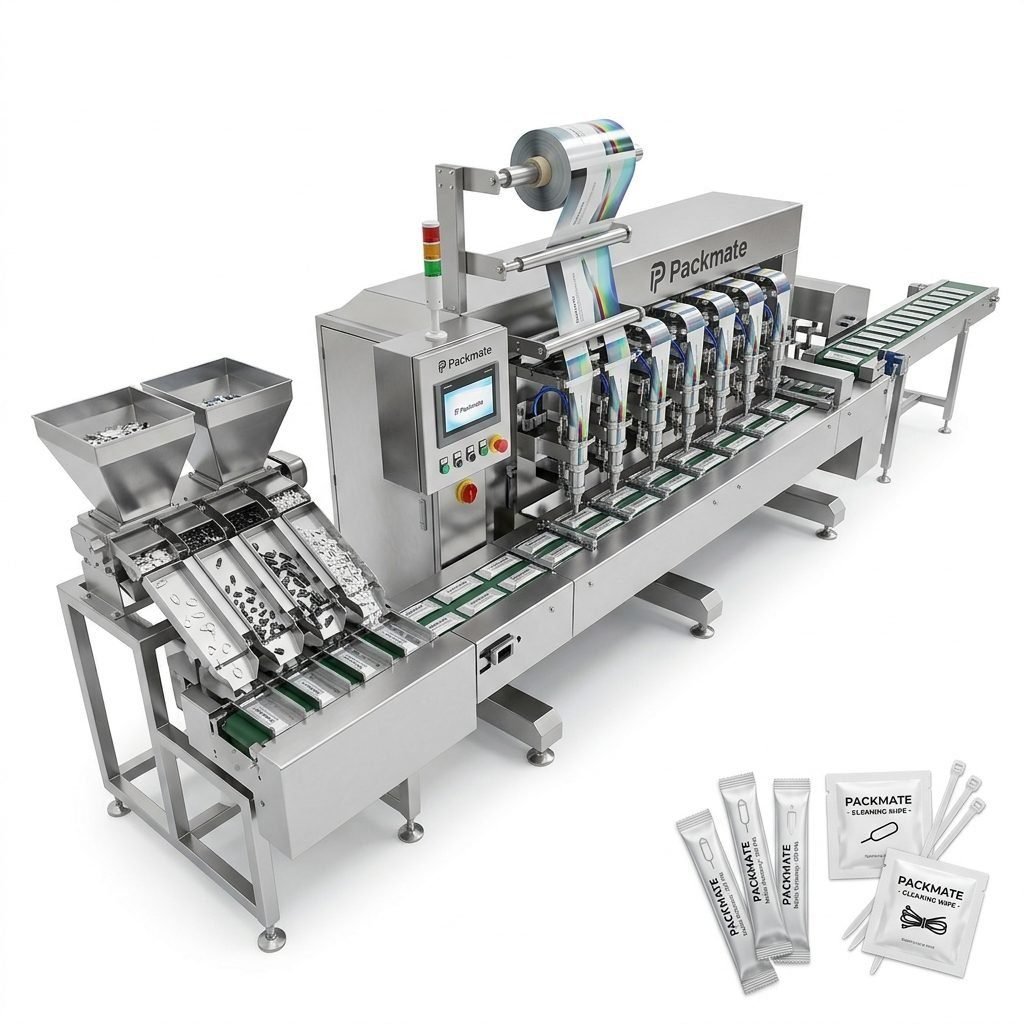
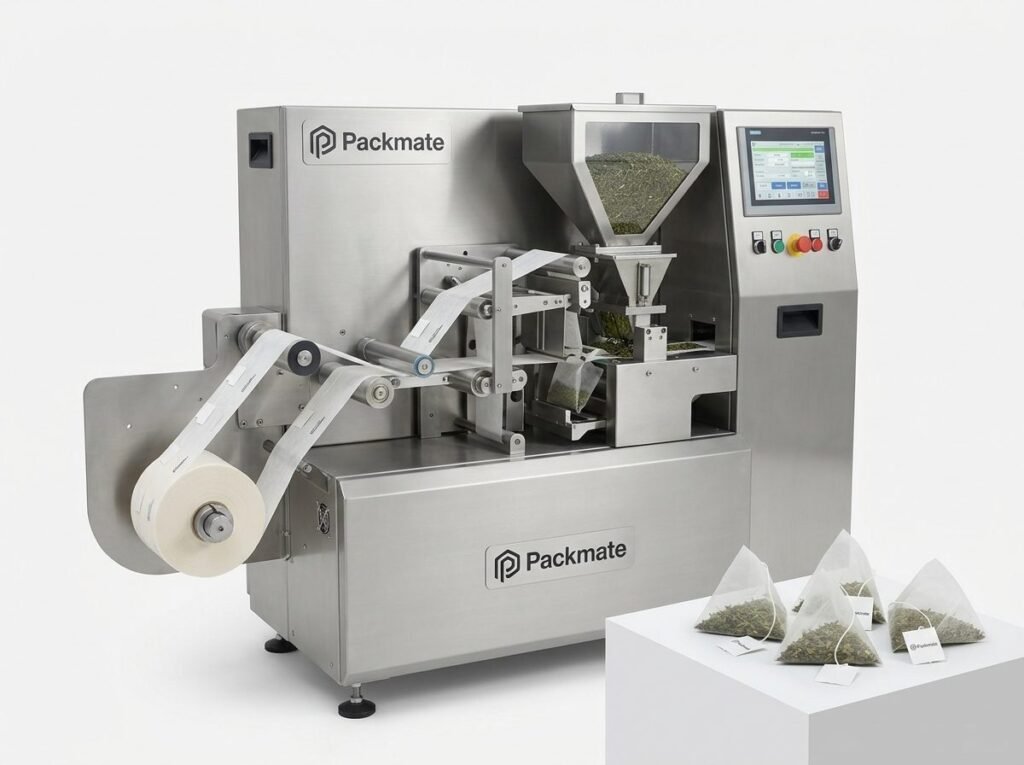
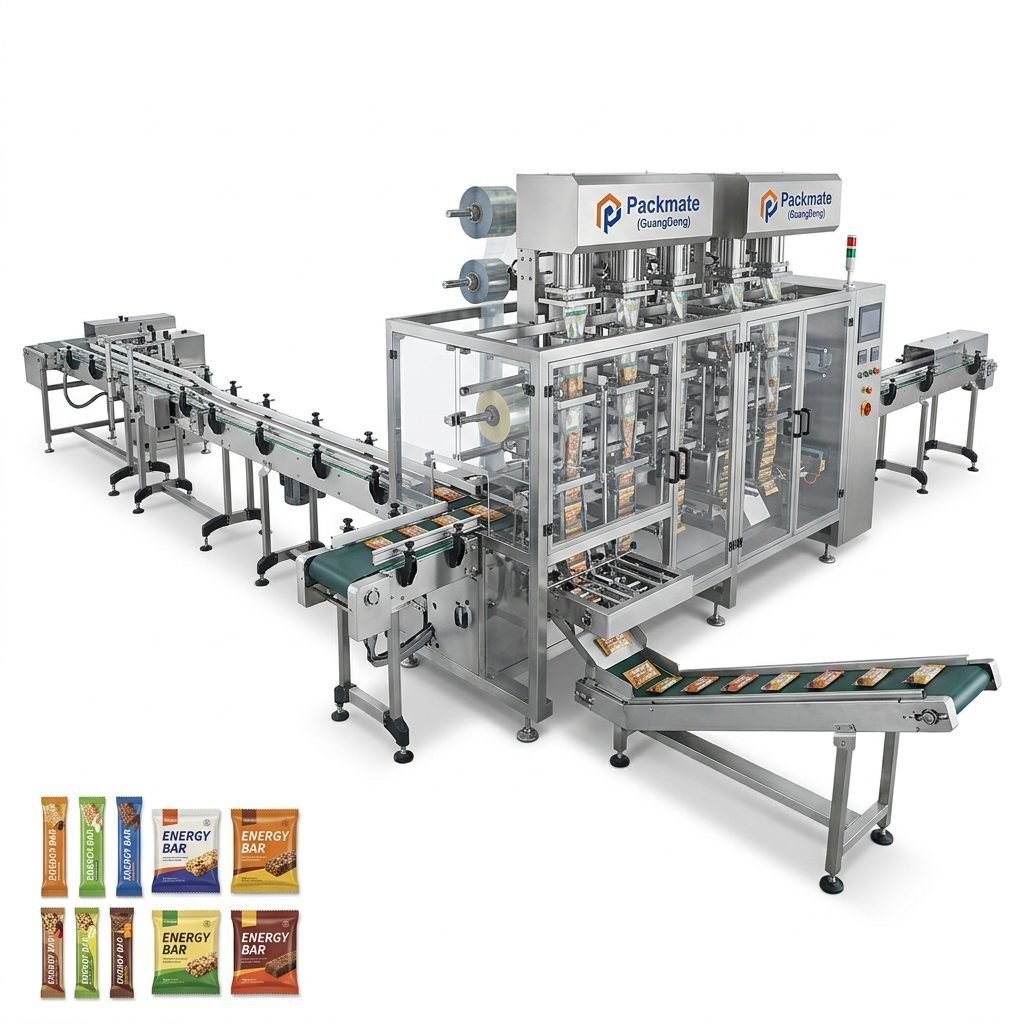
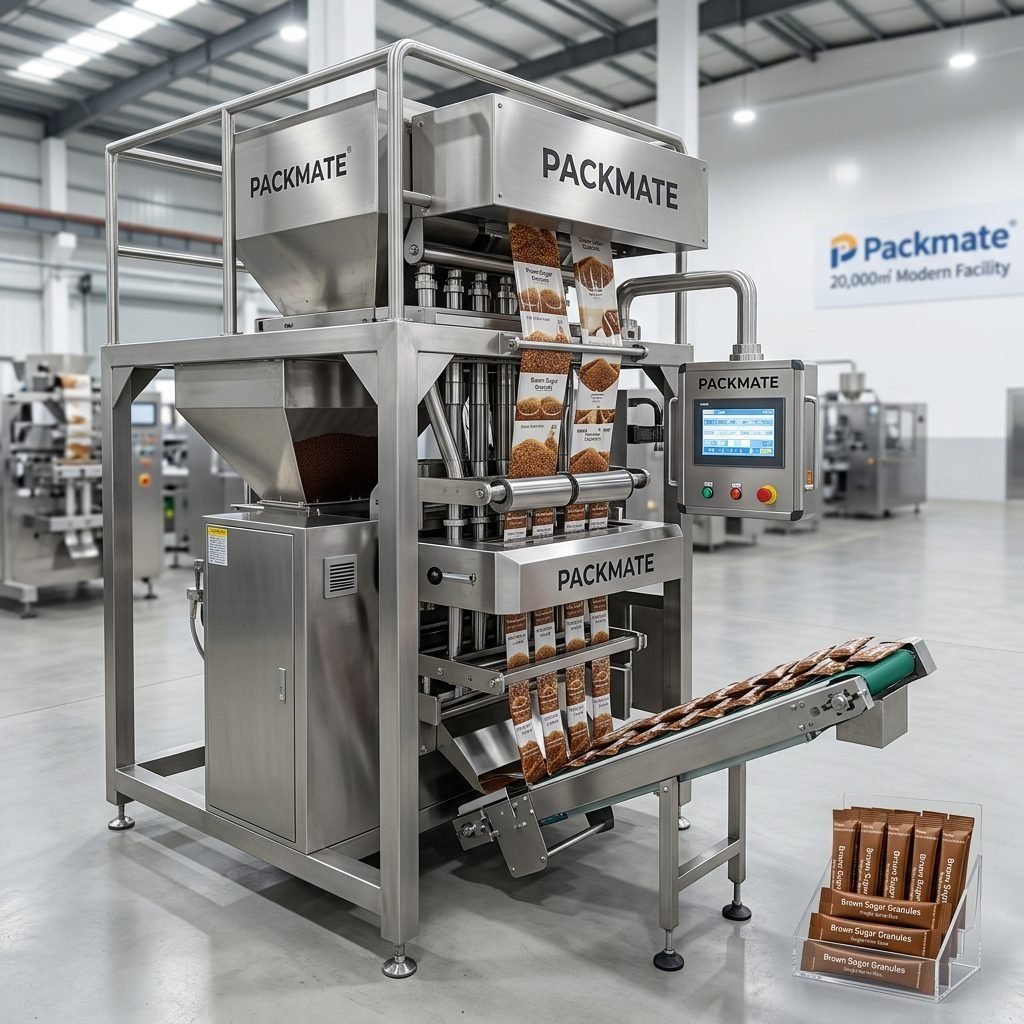
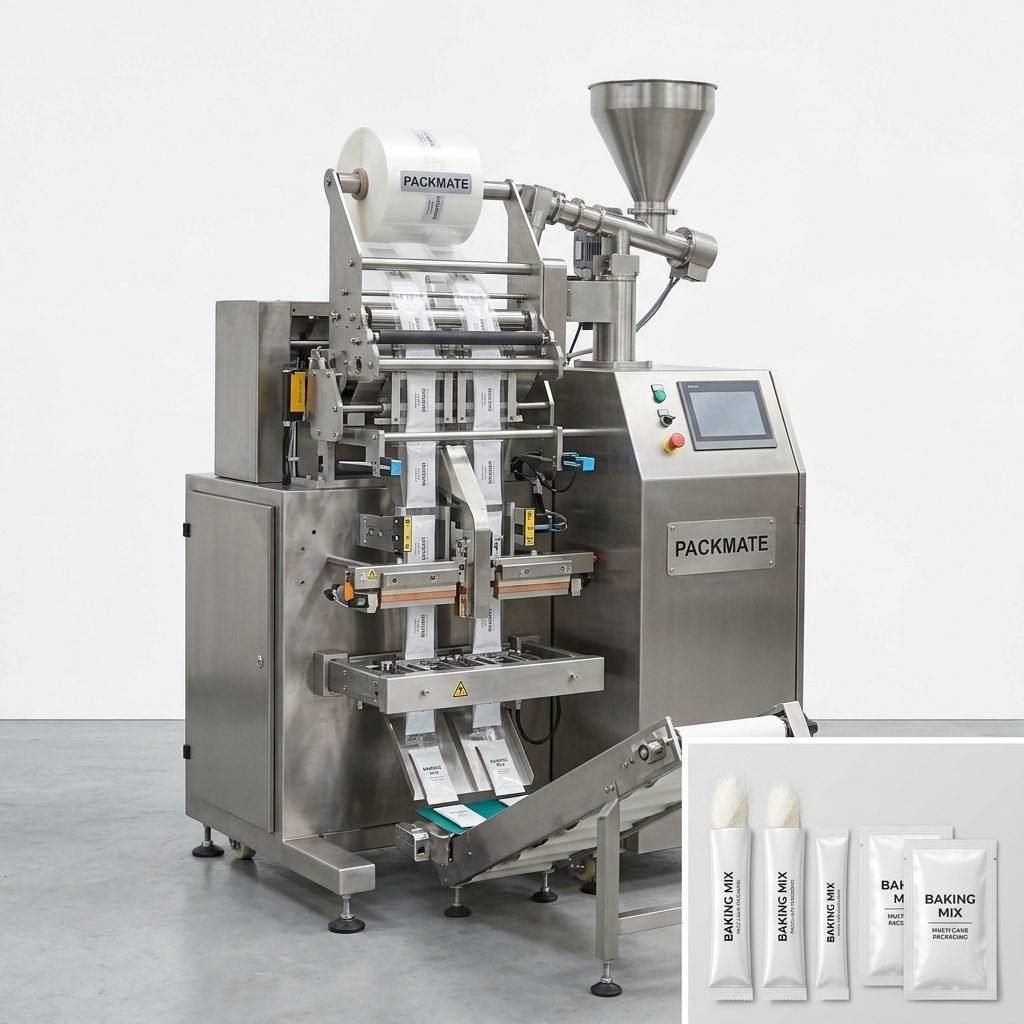
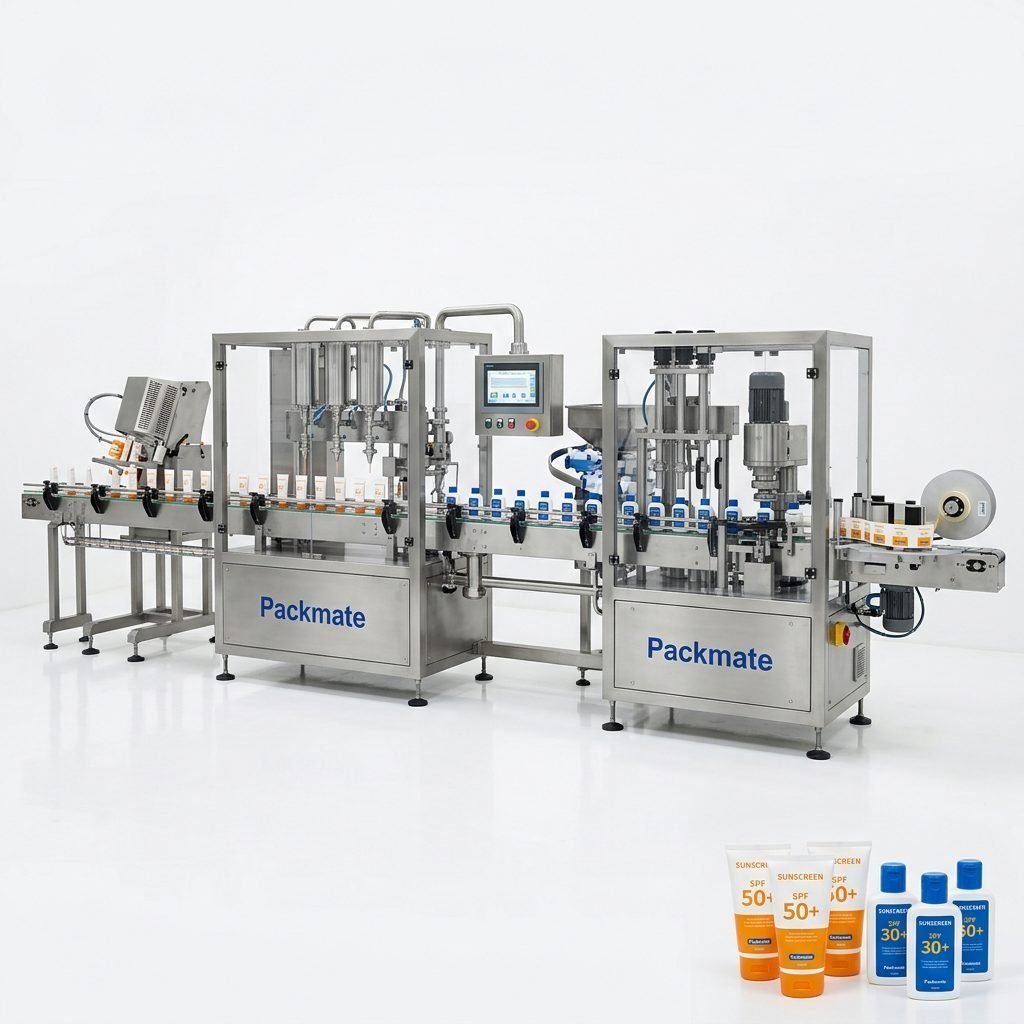
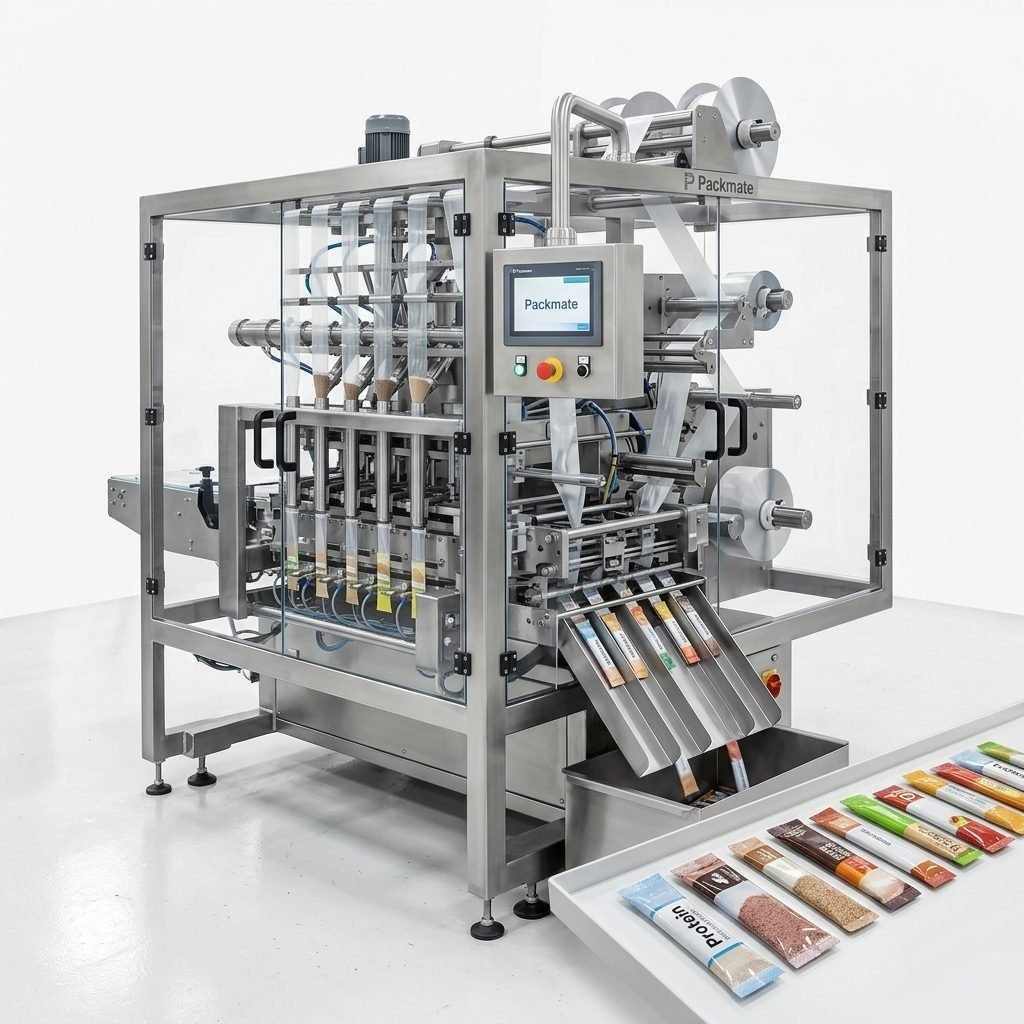
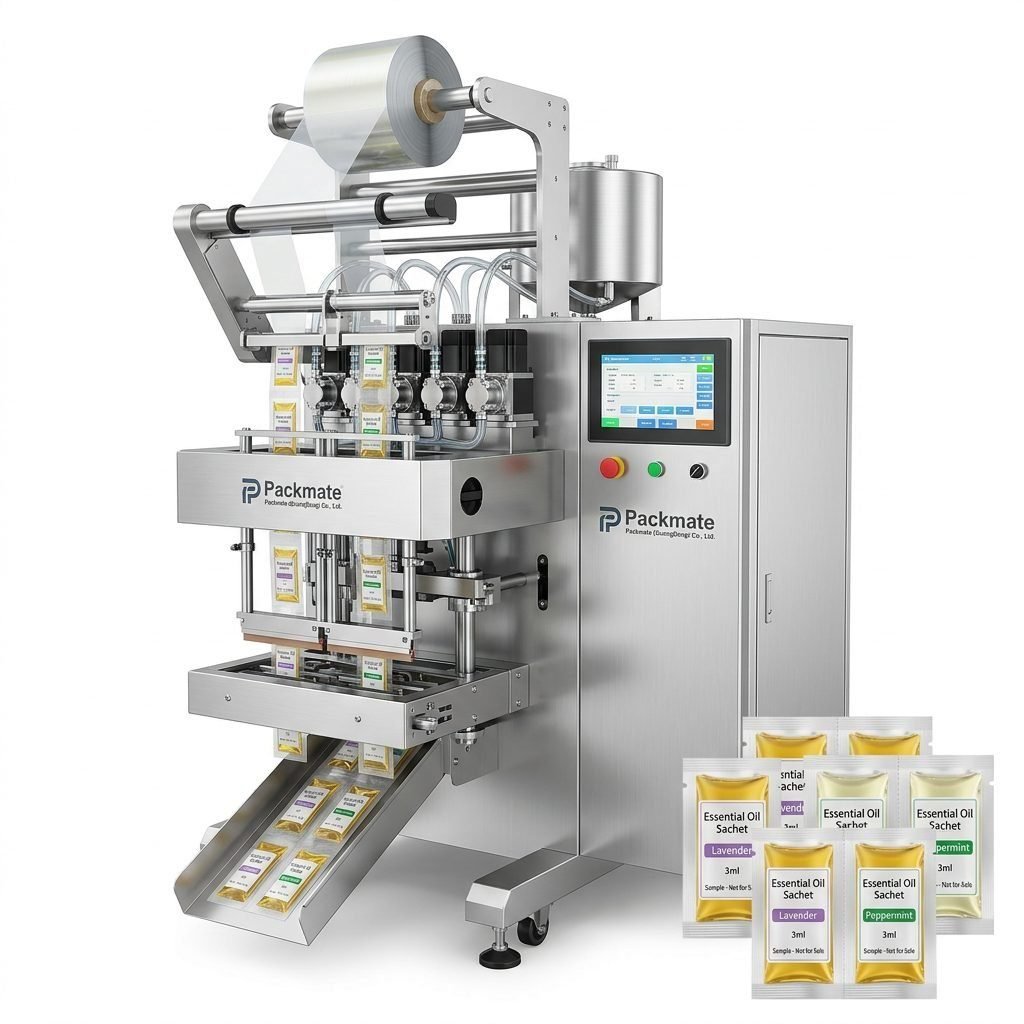
Packmate Machinery is another veteran manufacturer with a solid reputation for reliable, cost-effective equipment for granules, powders, and liquids. They are a practical choice for medium to large-scale operations seeking a balance between performance and investment.
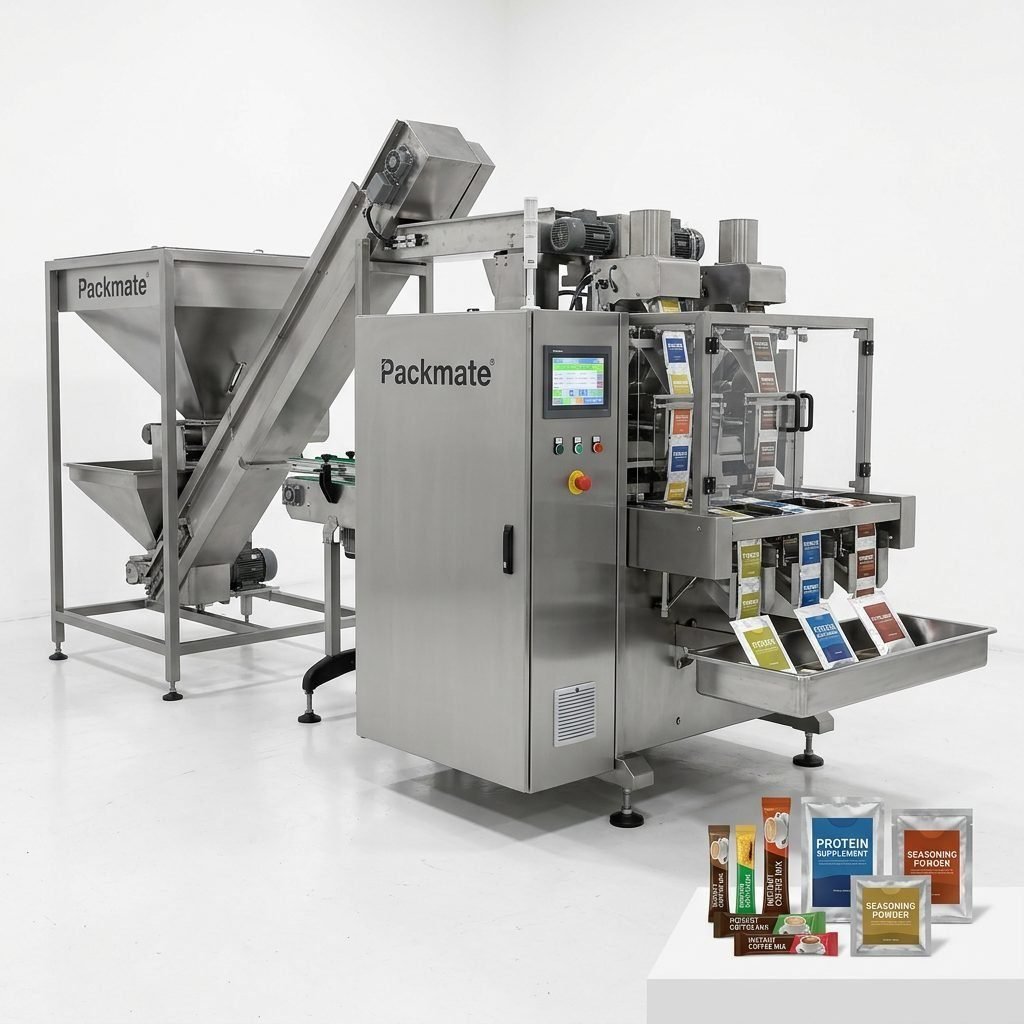
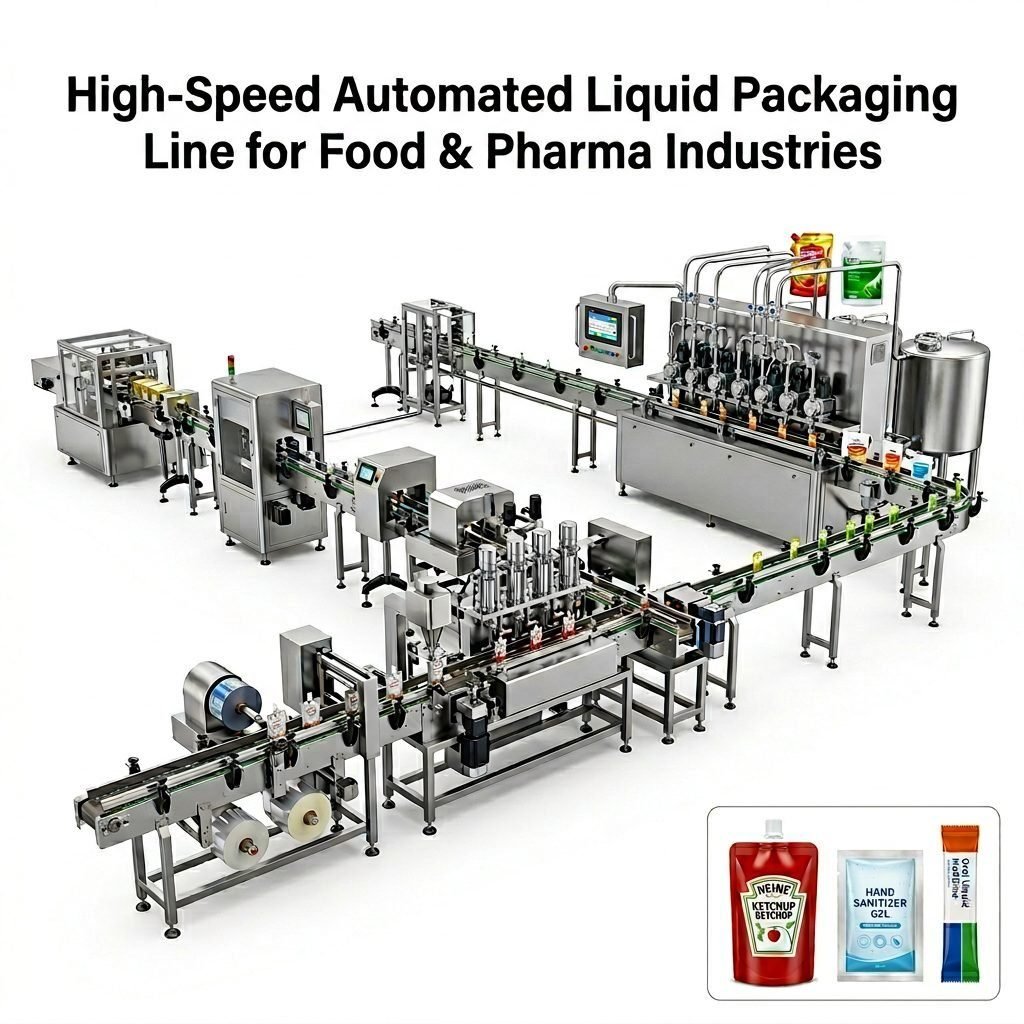
For businesses whose primary need is a fully integrated production line rather than standalone machines, PacklineOEM specializes in turnkey solutions. Their expertise in connecting dosing, filling, sealing, and inspection systems into a cohesive line is valuable for new factory setups or major automation upgrades.
Specialization and Customization: Key Niches
If your project involves non-standard pouch sizes, unique materials, or specialized products like nicotine pouches, working with a focused manufacturer is advantageous. PackingMachineOEM emphasizes custom-engineered solutions. Meanwhile, SnusMachinery has carved out a niche in the fast-growing nicotine and snus pouch sector, offering targeted expertise for this specific packaging challenge.
Making the Final Decision: Steps to Take
1. Define Your Specifications Clearly: Document your product type, target output (bags/minute), bag dimensions, and required features (e.g., nitrogen flushing, weight checkers).
2. Request Detailed Quotations: Ask for quotes that break down machine cost, optional accessories, shipping, installation, and warranty terms.
3. Ask for a Product Test: Reputable suppliers often offer to run a sample of your product through a similar machine at their facility or provide video evidence of performance.
4. Verify After-Sales Service Structure: Clarify the warranty period, response time for technical queries, and the process for ordering spare parts.
5. Check Compliance: Ensure the equipment meets CE and other relevant safety and hygiene standards for import into Bulgaria and sale within the EU.
Frequently Asked Questions (FAQs)
What is the typical lead time for a packaging machine delivery to Bulgaria?
Lead times vary based on machine complexity and customization. For standard models, expect 30-60 days after order confirmation. For fully custom or turnkey lines, lead times can range from 90 to 150 days. Always confirm production and shipping schedules with your supplier.
Can these machines handle traditional Bulgarian products like dried herbs or spice mixes?
Yes, provided the correct machine type is selected. Granule and powder packaging machines are ideal for dried herbs, spice blends, and tea. Key considerations are the particle size, flow characteristics, and whether the product is abrasive or oily, which may influence the choice of feeding system and sealing parameters.
How important is CE certification for importing machinery into Bulgaria?
CE certification is legally mandatory for most machinery sold in the European Union, including Bulgaria. It signifies that the equipment meets EU safety, health, and environmental protection requirements. Never import a machine without valid CE documentation.
What kind of after-sales support can we expect from an overseas manufacturer?
Comprehensive support should include detailed machine manuals, wiring diagrams, and software guides. It typically features a 12-18 month warranty on major parts, remote troubleshooting via video call, and the availability of experienced engineers for on-site installation and training (which may incur additional travel costs). A reliable supplier will have a clear spare parts catalog and efficient logistics for part shipments.
Are there financing options available for this capital equipment?
Many manufacturers work with trade finance partners or can suggest international financing options. Bulgarian companies may also explore local business development loans, EU-funded modernization grants for SMEs, or leasing arrangements to manage the capital expenditure for new packaging machinery.