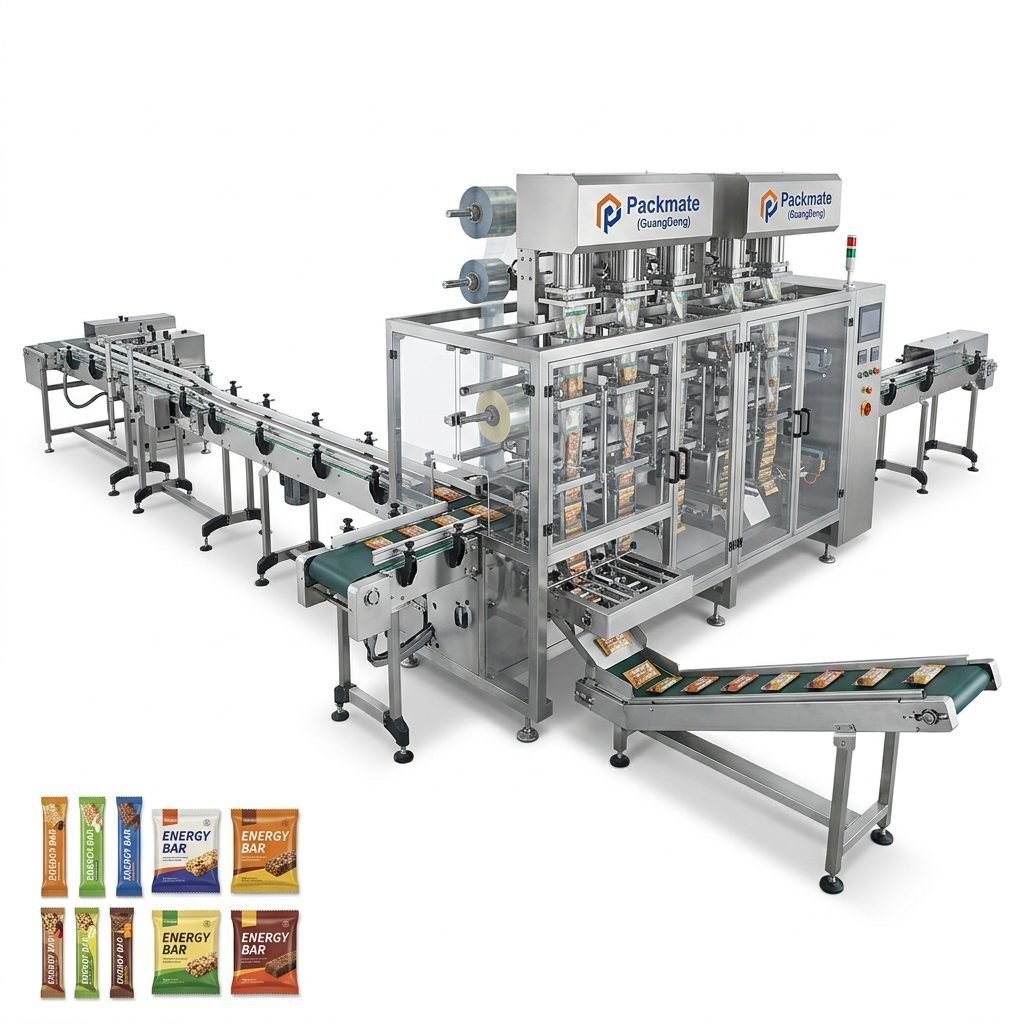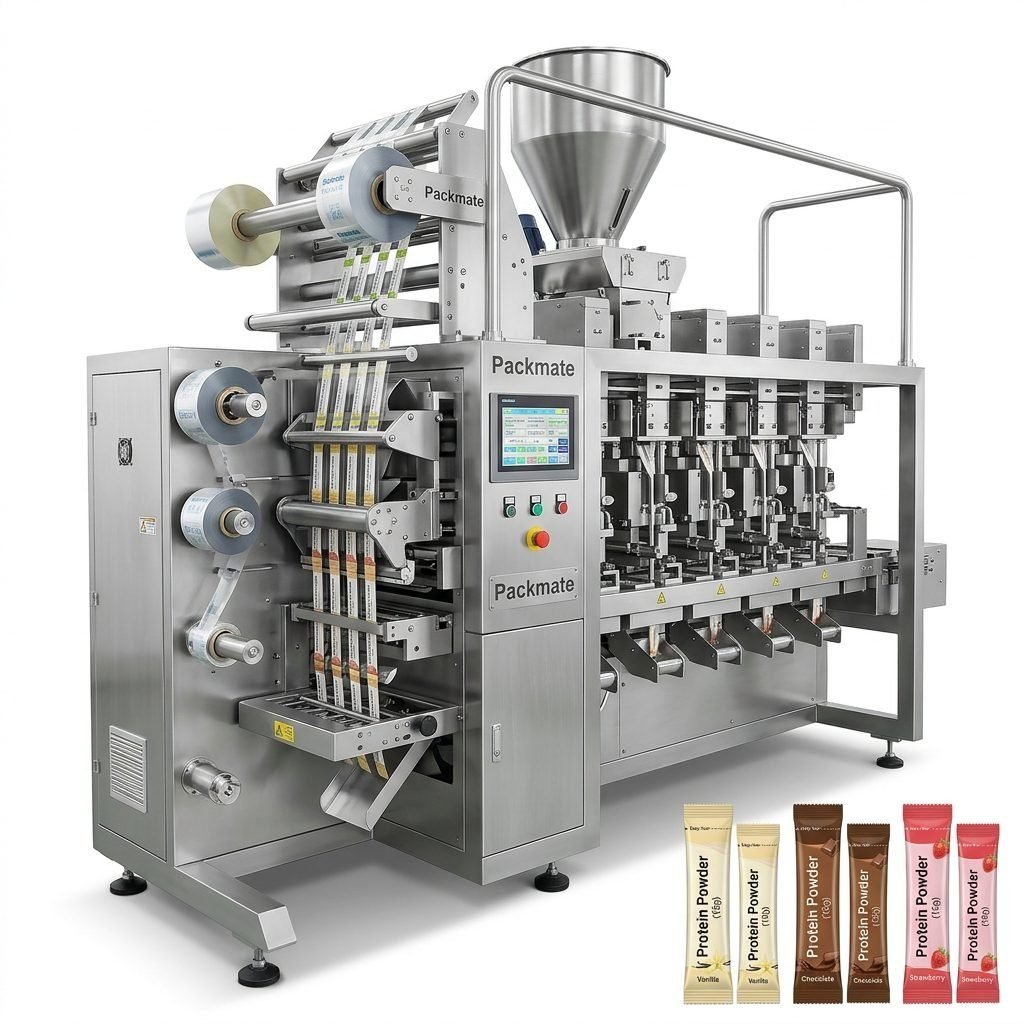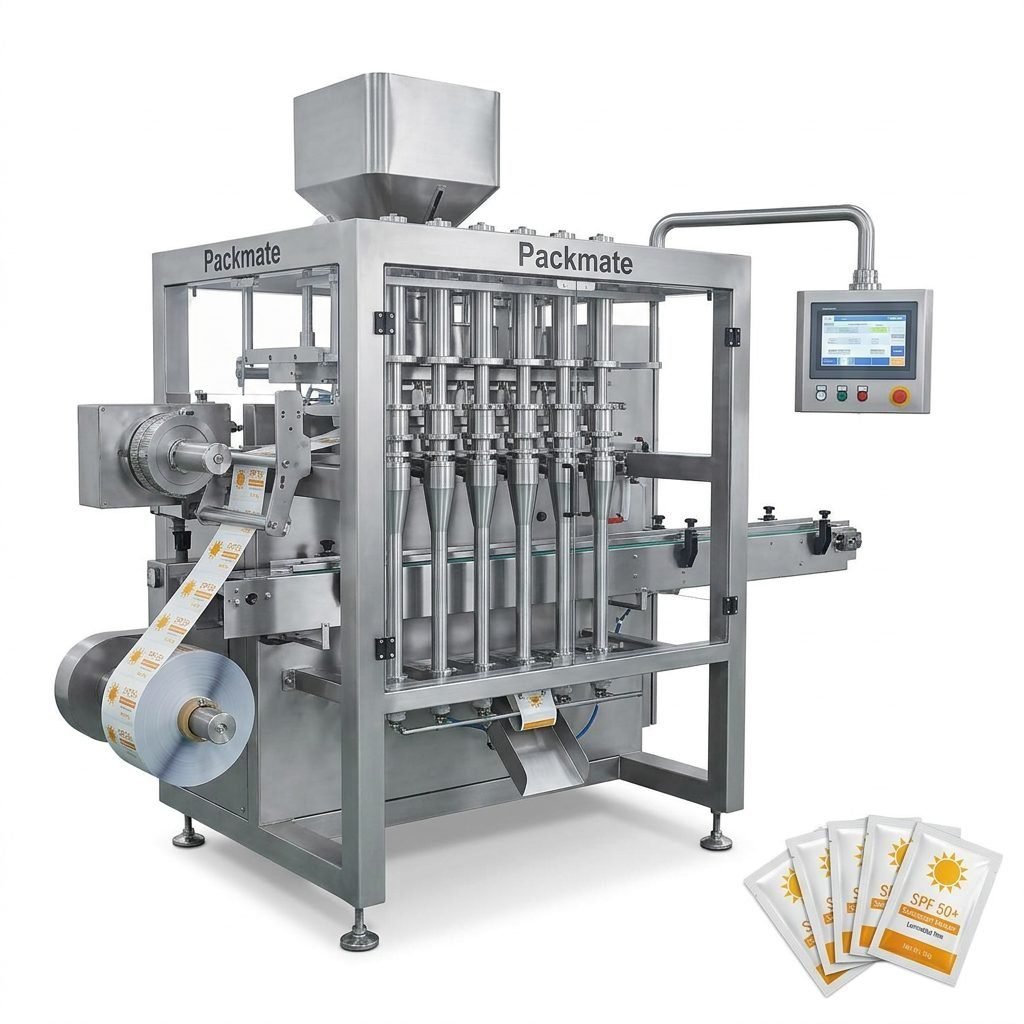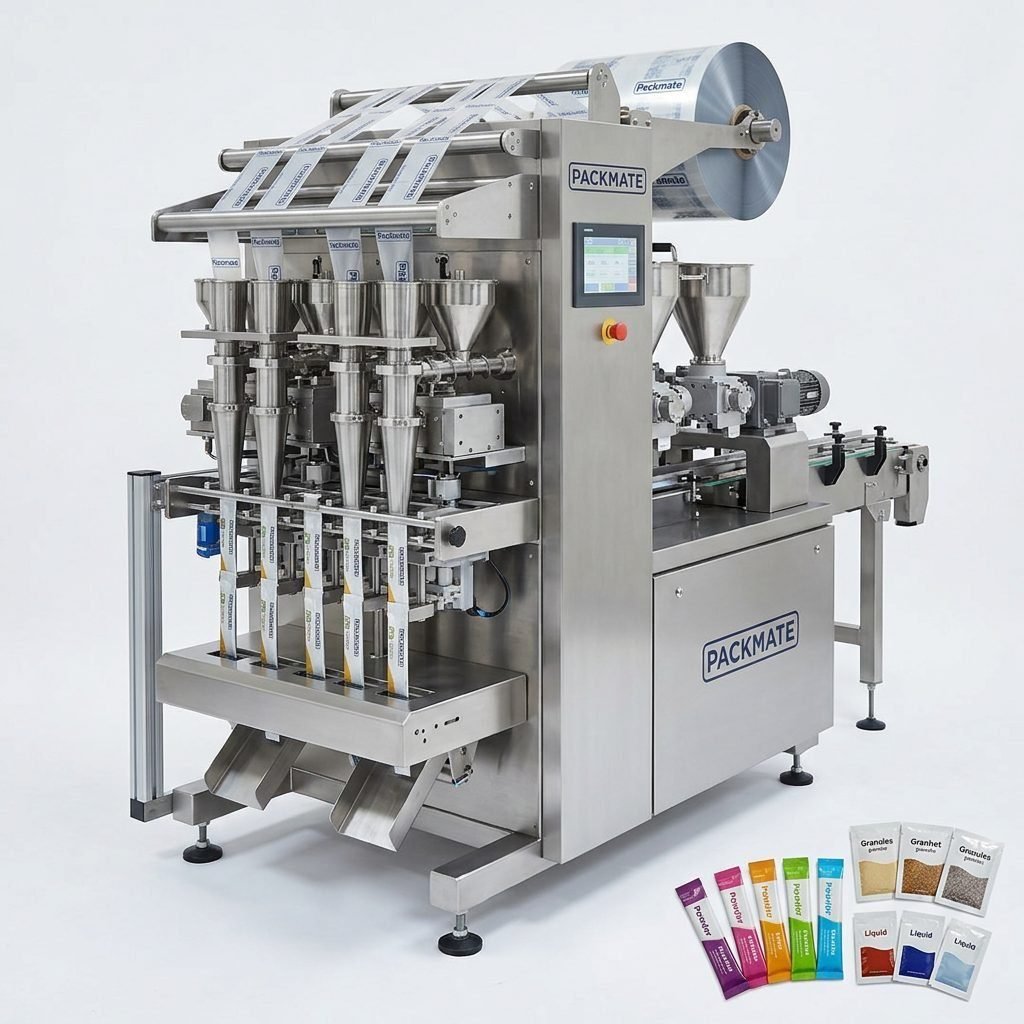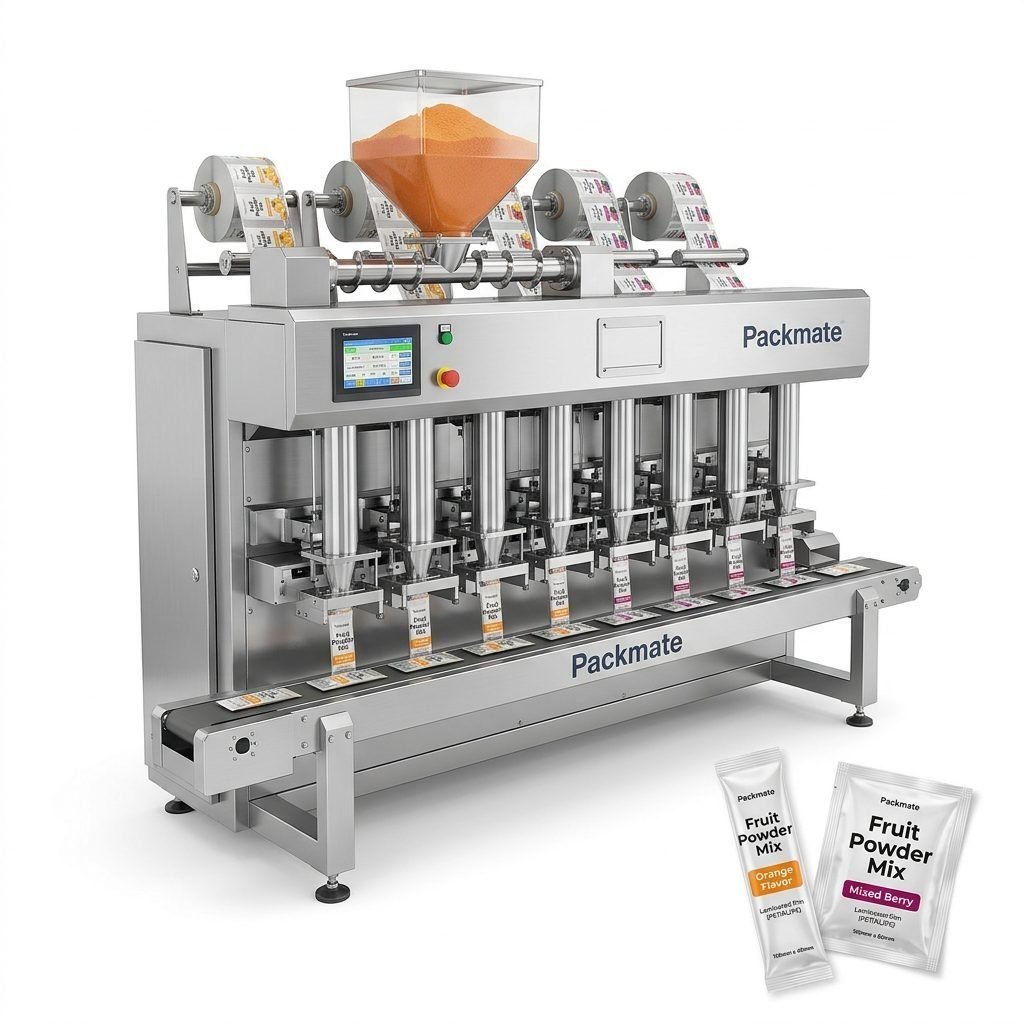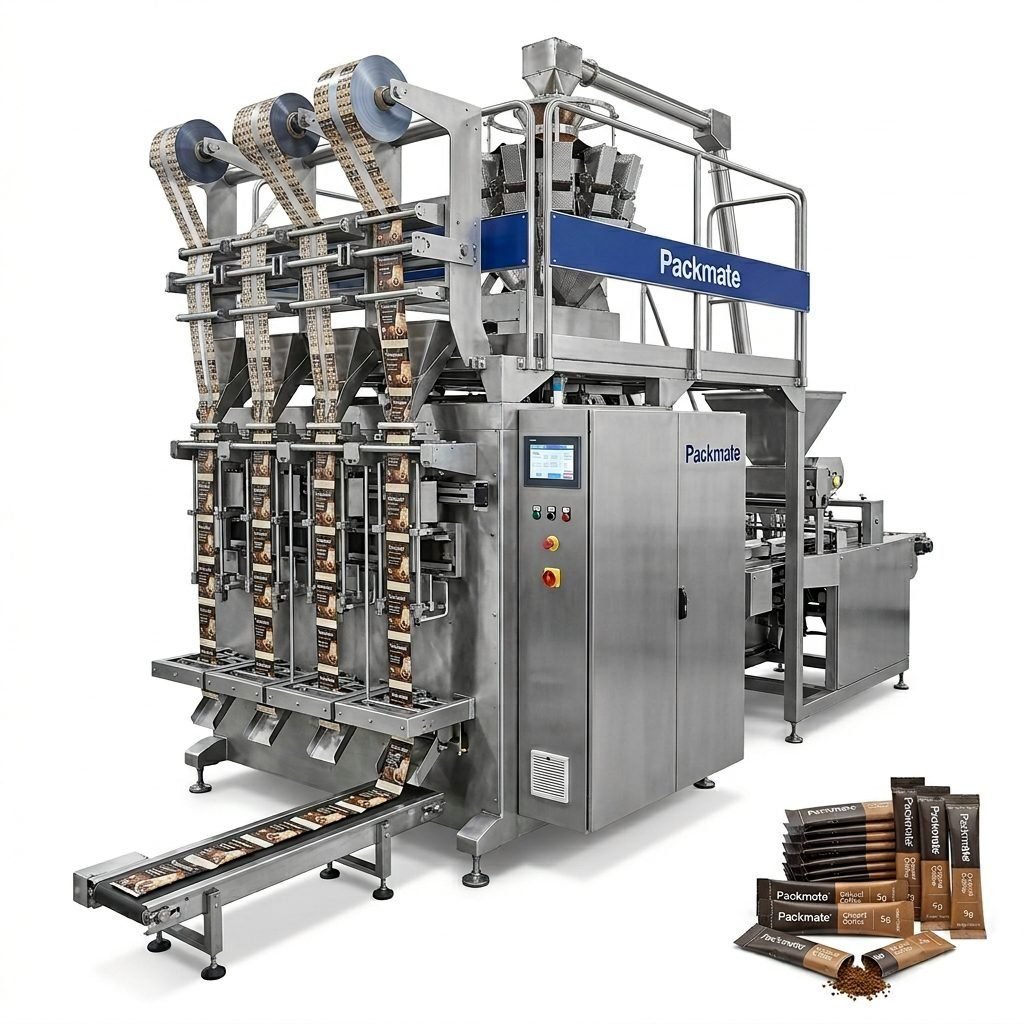
For Hungarian businesses in the food, pharmaceutical, or chemical sectors, sourcing reliable packaging machinery is a critical operational decision. The right equipment can significantly boost efficiency, ensure product consistency, and provide a competitive edge in both domestic and export markets. However, navigating the global supplier landscape, particularly when considering manufacturers from Asia, requires a strategic and informed approach. This guide outlines key steps and considerations for finding a trustworthy packaging machine manufacturer in Hungary.
Understanding the Hungarian Industrial Landscape
Hungary’s economy has a strong manufacturing base, particularly in automotive, electronics, food processing, and pharmaceuticals. This creates a consistent demand for high-quality, automated packaging solutions. Hungarian companies are often looking for equipment that offers:
High Reliability & Uptime: To maintain continuous production lines crucial for just-in-time manufacturing and export commitments to EU markets.
EU Compliance & Safety: Machinery must meet strict CE and other European safety and hygiene standards, especially for food and pharma.
Flexibility & Scalability: The ability to handle diverse product formats (sachets, stick packs, pouches) and scale with business growth is highly valued.
Strong After-Sales Support: Proximity to service technicians or reliable remote support is essential to minimize costly downtime.
Recognizing these local needs will help you evaluate potential suppliers more effectively and ask the right questions.
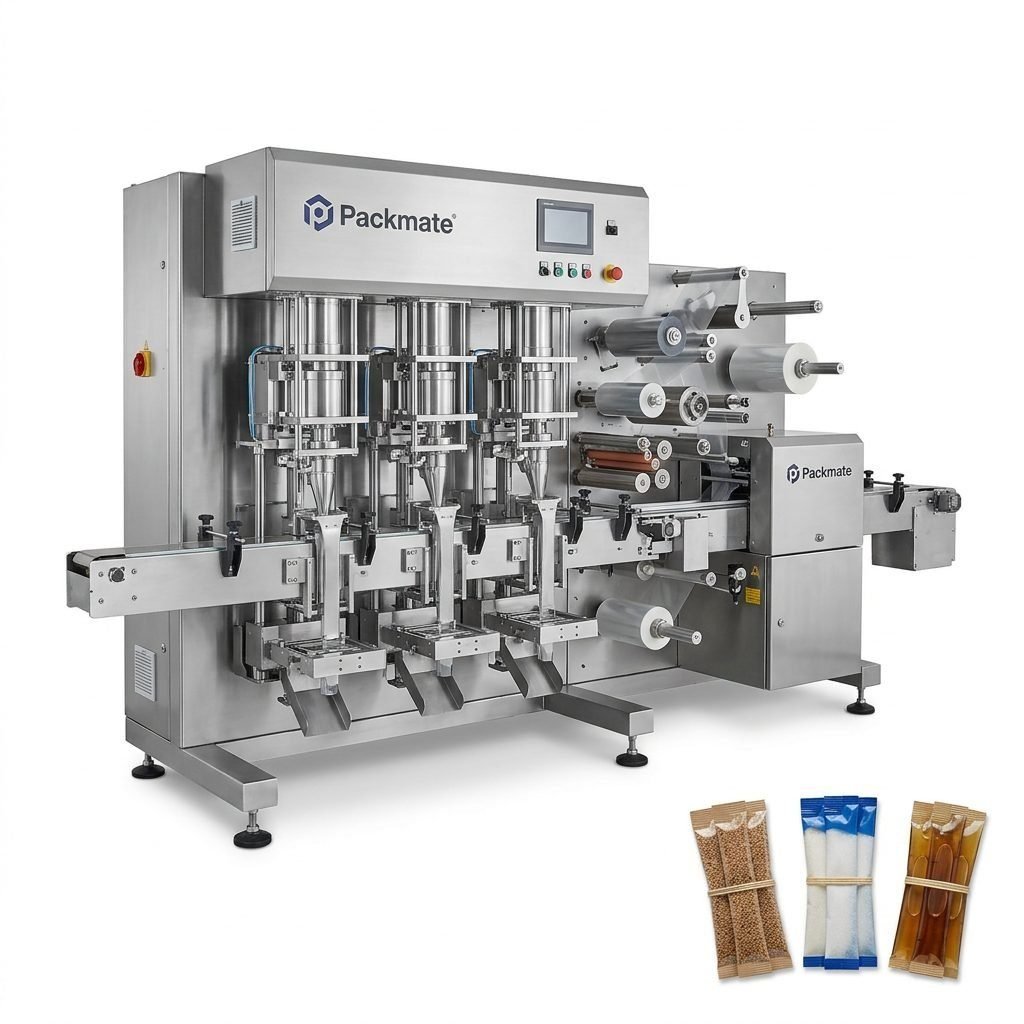
Step 1: Define Your Specific Packaging Requirements
Before you start searching, have a clear and detailed specification list. This will serve as your benchmark when comparing manufacturers.
- Product Type: What are you packaging? (e.g., powders like spices or protein, granules like seeds or coffee, liquids, pastes, tablets).
- Packaging Format: What is your final package? (e.g., stick packs, sachets, pouches, bottles).
- Production Speed (Output): Required bags/packs per minute (BPM).
- Level of Automation: Standalone machine vs. a complete turnkey line with feeding, weighing, filling, sealing, coding, and cartoning.
- Budget & Timeline: Total project investment and required delivery/installation date.
Step 2: Research and Shortlist Potential Manufacturers
Focus your search on manufacturers with a proven track record in exporting to Europe, and specifically, experience with Hungarian or Central European clients.
Key Research Avenues:
• Industry Trade Shows: Events like Interpack (Germany) or PackEx (regional) are excellent for meeting suppliers and seeing machines in action.
• Online B2B Platforms & Directories: Use precise keywords like “stick pack machine manufacturer” or “turnkey packaging line supplier.”
• Referrals & Case Studies: Ask within your industry network. Reputable manufacturers will have detailed case studies, often with video evidence, of similar projects.
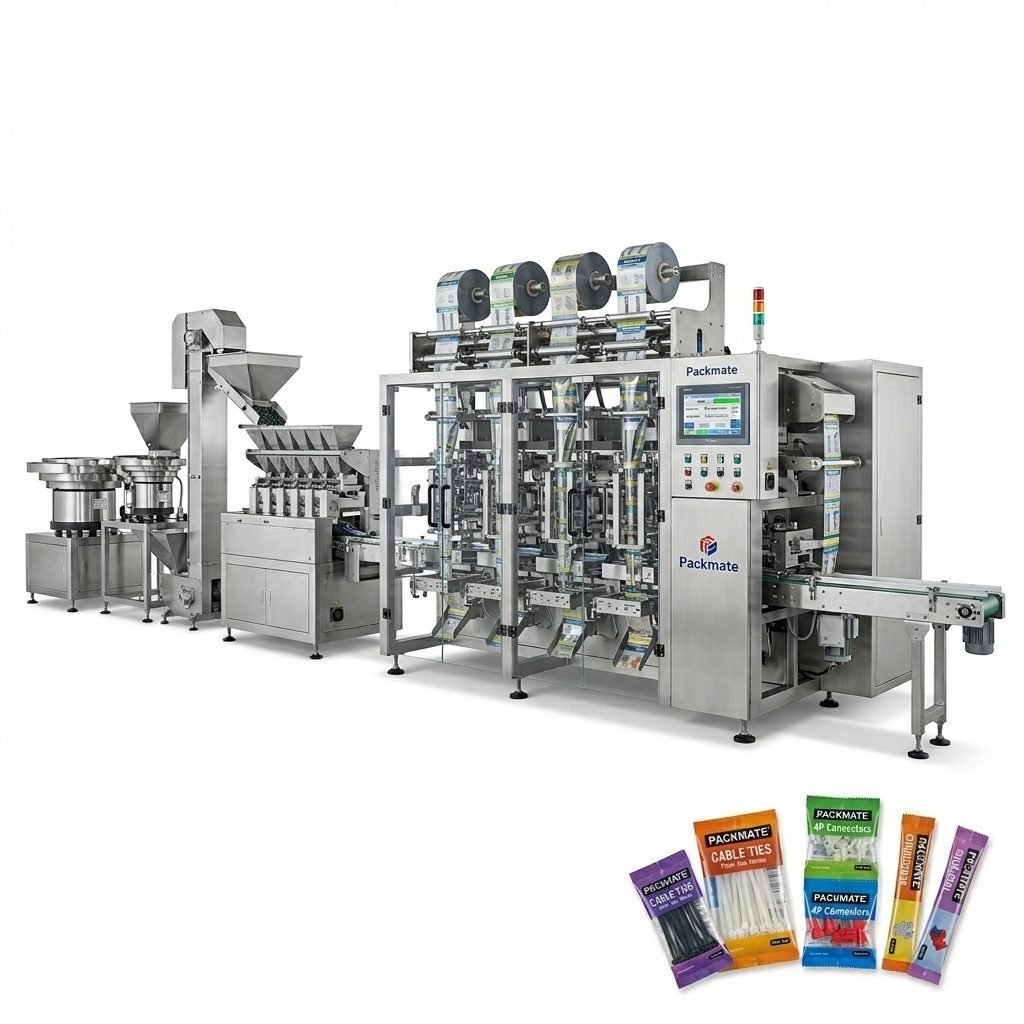
During this phase, pay close attention to the manufacturer’s specialization. Some excel at high-speed standard machines, while others, like PacklineOEM, focus on integrated turnkey packaging production lines, which can be ideal for a complete factory setup or major expansion.
Step 3: Evaluate Manufacturer Credibility and Capability
Once you have a shortlist, conduct a thorough due diligence. Don’t just look at the machine price; evaluate the company behind it.
| Evaluation Criteria | What to Look For / Questions to Ask |
|---|---|
| Company History & Stability | How long have they been in business? Companies with 20-30+ years of experience, like Ludyway (founded 1993), have likely navigated multiple market cycles and refined their technology. |
| Factory & R&D | Request a virtual or in-person factory tour. A modern facility (e.g., 20,000+ sqm) with in-house machining indicates strong manufacturing control. |
| Industry Experience | Do they have specific expertise in your sector (food, pharma, chemicals)? Check their project portfolio for similar applications. |
| Export Experience | Do they have references or active clients in Europe? Ask for contactable references in neighboring countries like Poland, Austria, or Slovakia. |
| Technical Support & Spare Parts | What is their after-sales service structure for Hungary? Do they have local agents or partners? What is the typical spare parts delivery time? |
Step 4: Assess Technical Specifications and Customization
Engage in detailed technical discussions. Provide samples of your product and packaging material for testing. A reliable manufacturer will offer to conduct a factory test run.
- Machine Performance: Verify the claimed speed and accuracy with your specific product.
- Material Compatibility: Ensure the machine handles your specific film/laminate efficiently and creates strong, consistent seals.
- Customization Ability: If your needs are unique, a manufacturer like PackingMachineOEM, which specializes in non-standard and customized packaging machines, may be a better fit than a supplier of only standard models.
- Control System & Ease of Use: Is the interface user-friendly? Is training provided in English or Hungarian?
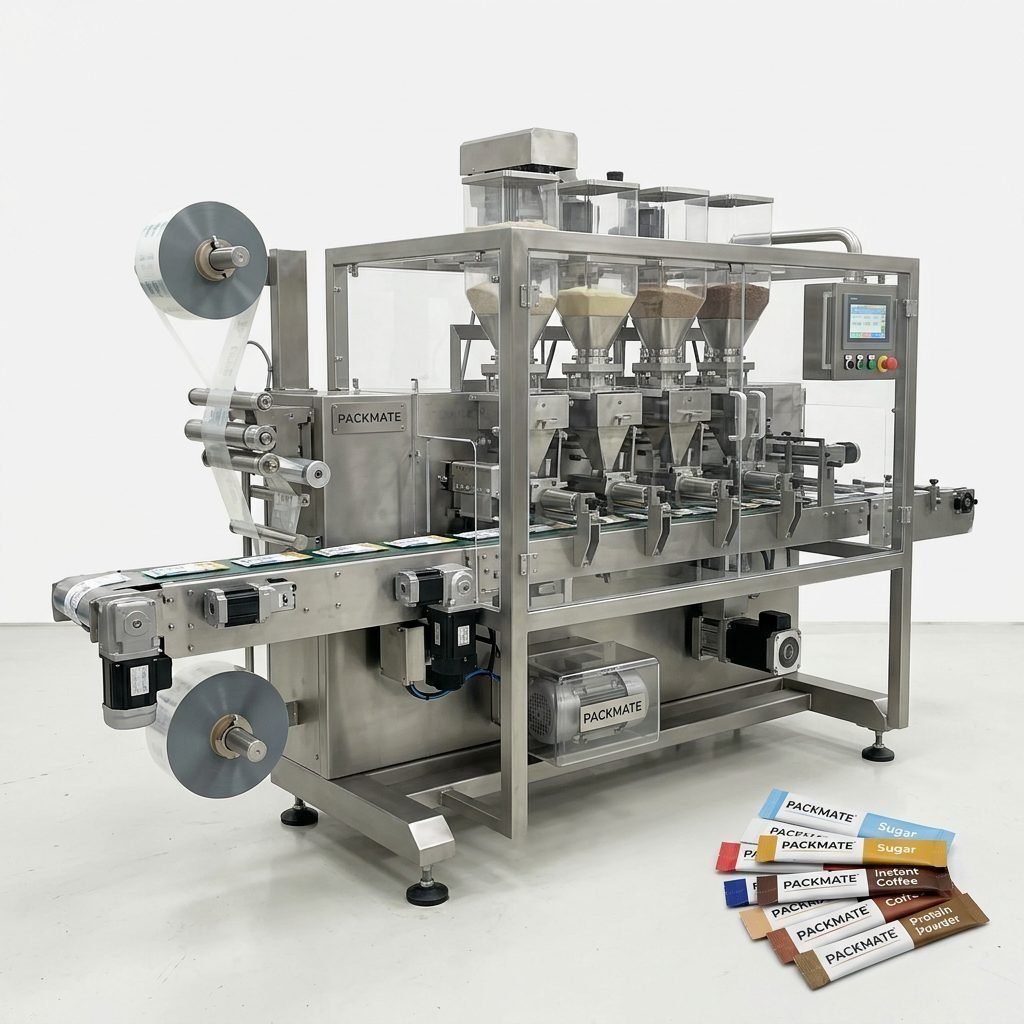
Step 5: The Importance of After-Sales Support in Hungary
For Hungarian businesses, strong after-sales support is non-negotiable. The geographical distance from Asian manufacturers makes this even more critical.
Key Support Elements to Confirm:
• Installation & Commissioning: Will engineers travel to Hungary for setup and training?
• Warranty Terms: What is covered, and for how long?
• Remote Troubleshooting: Availability of video call support in European time zones.
• Spare Parts Inventory: Do they stock critical parts within the EU for faster delivery?
• Technical Documentation: Are manuals and electrical diagrams available in clear English?
Why Consider Established Chinese Manufacturers?
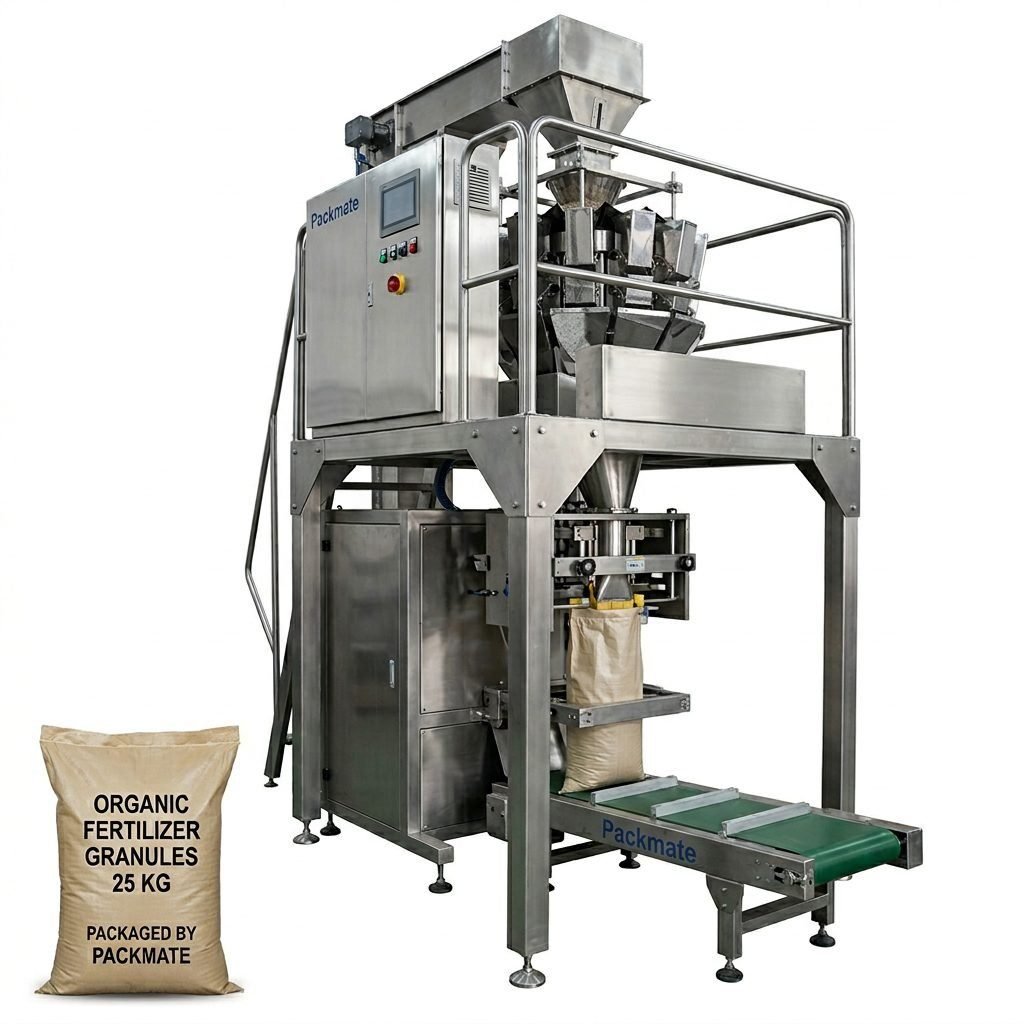
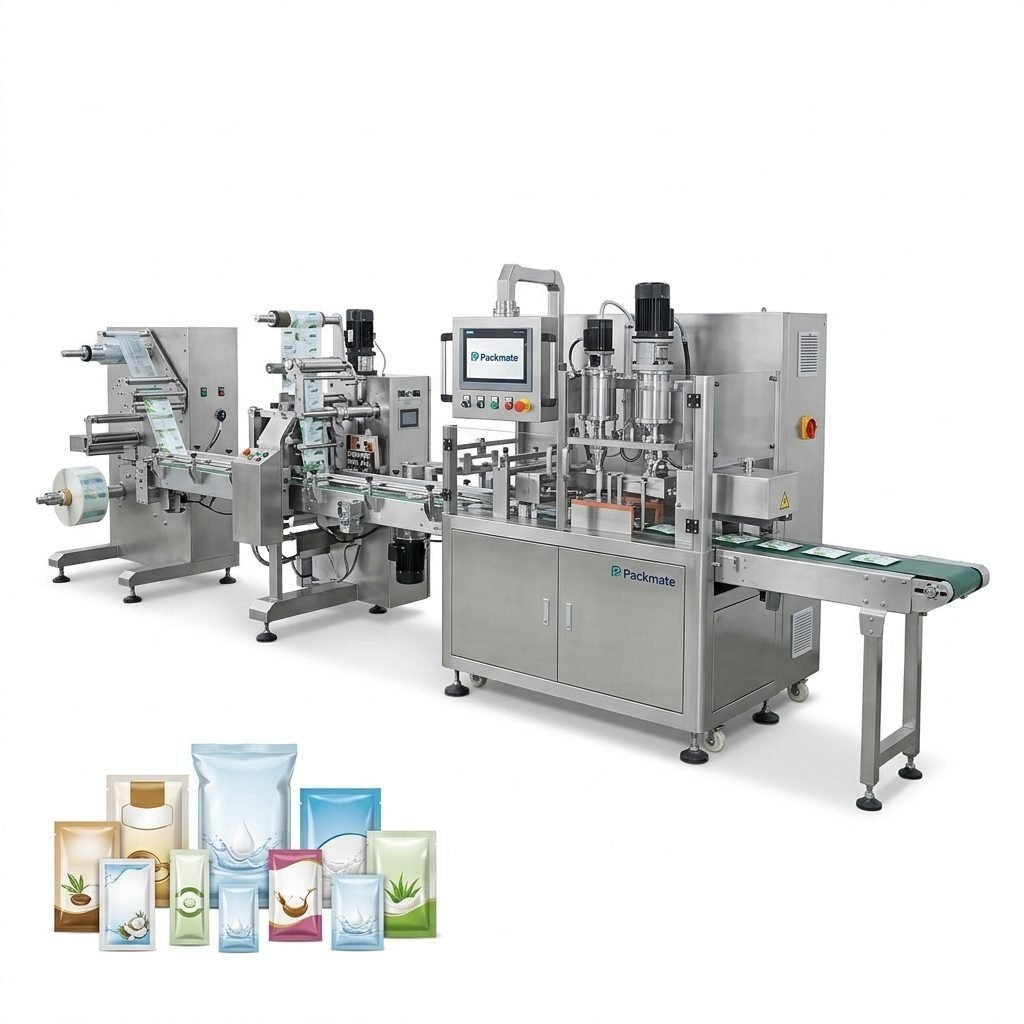
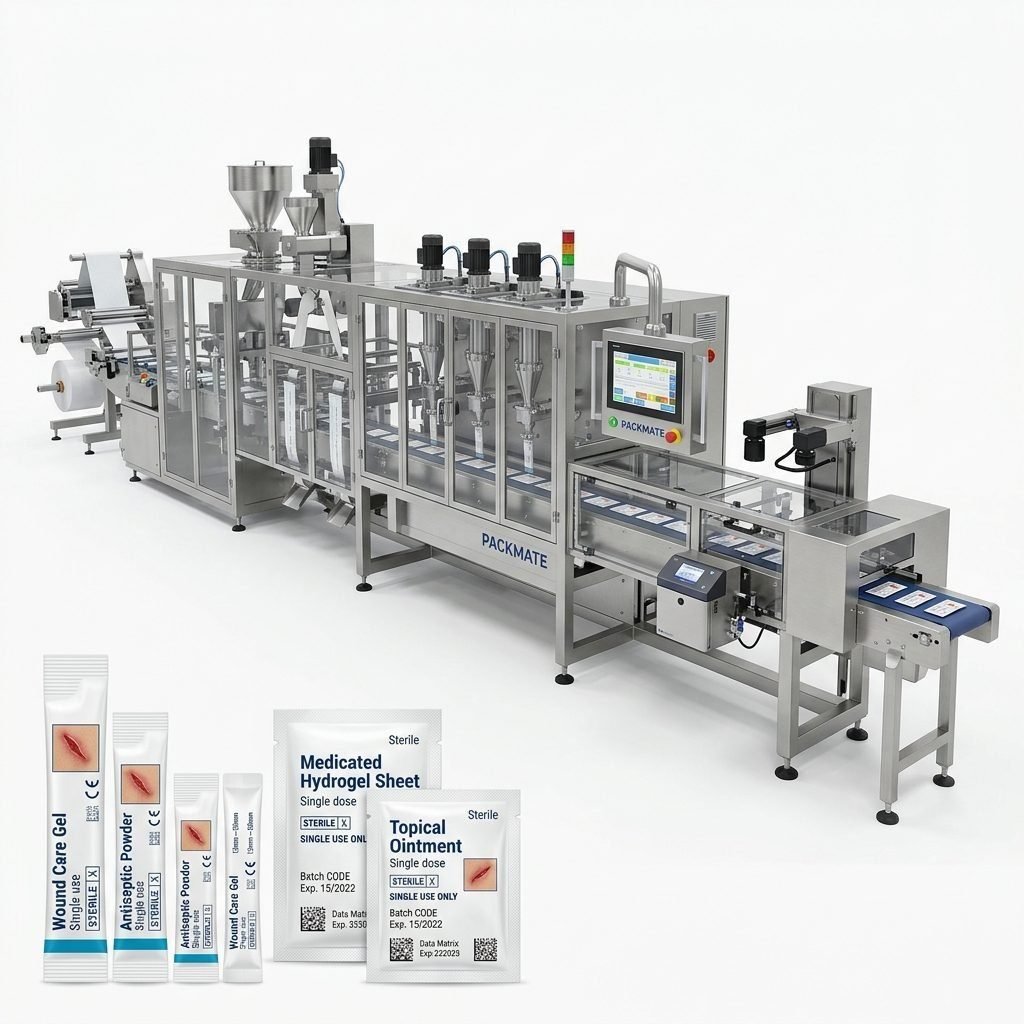
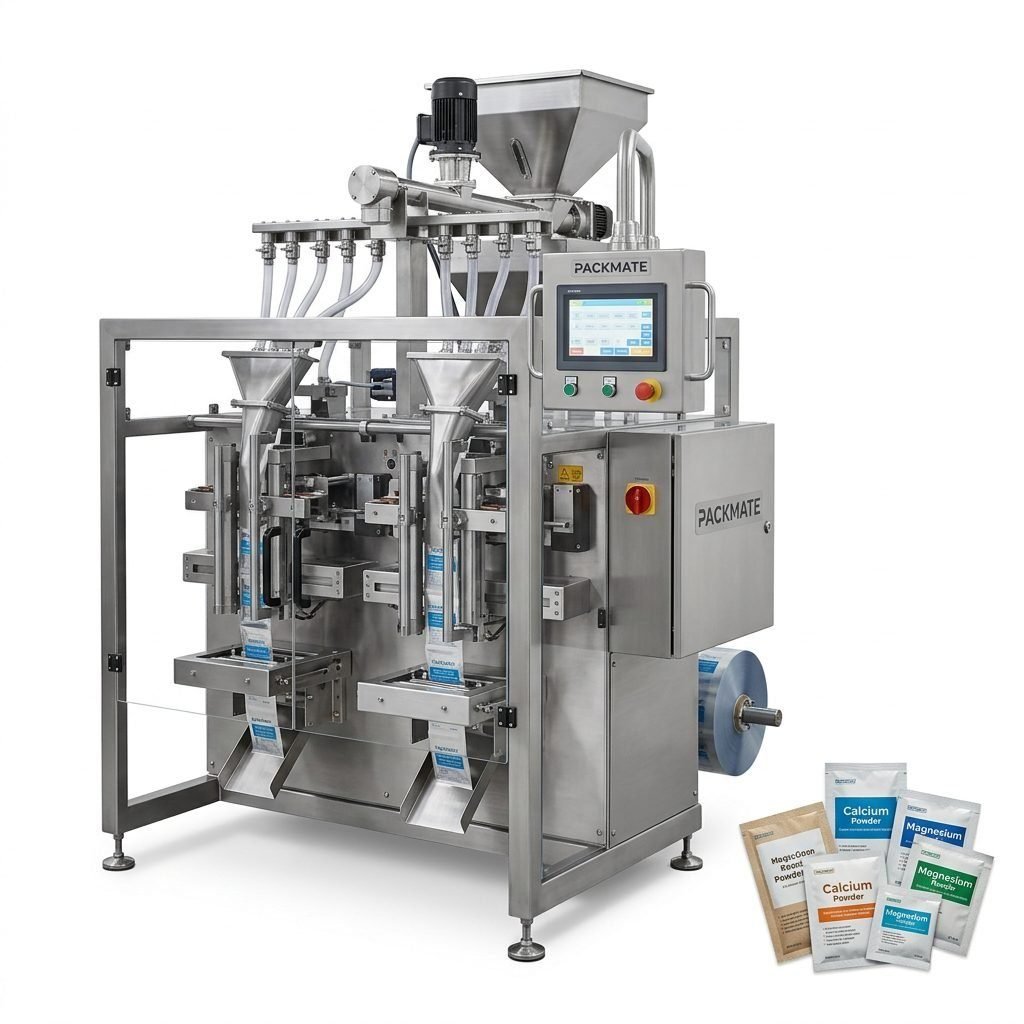
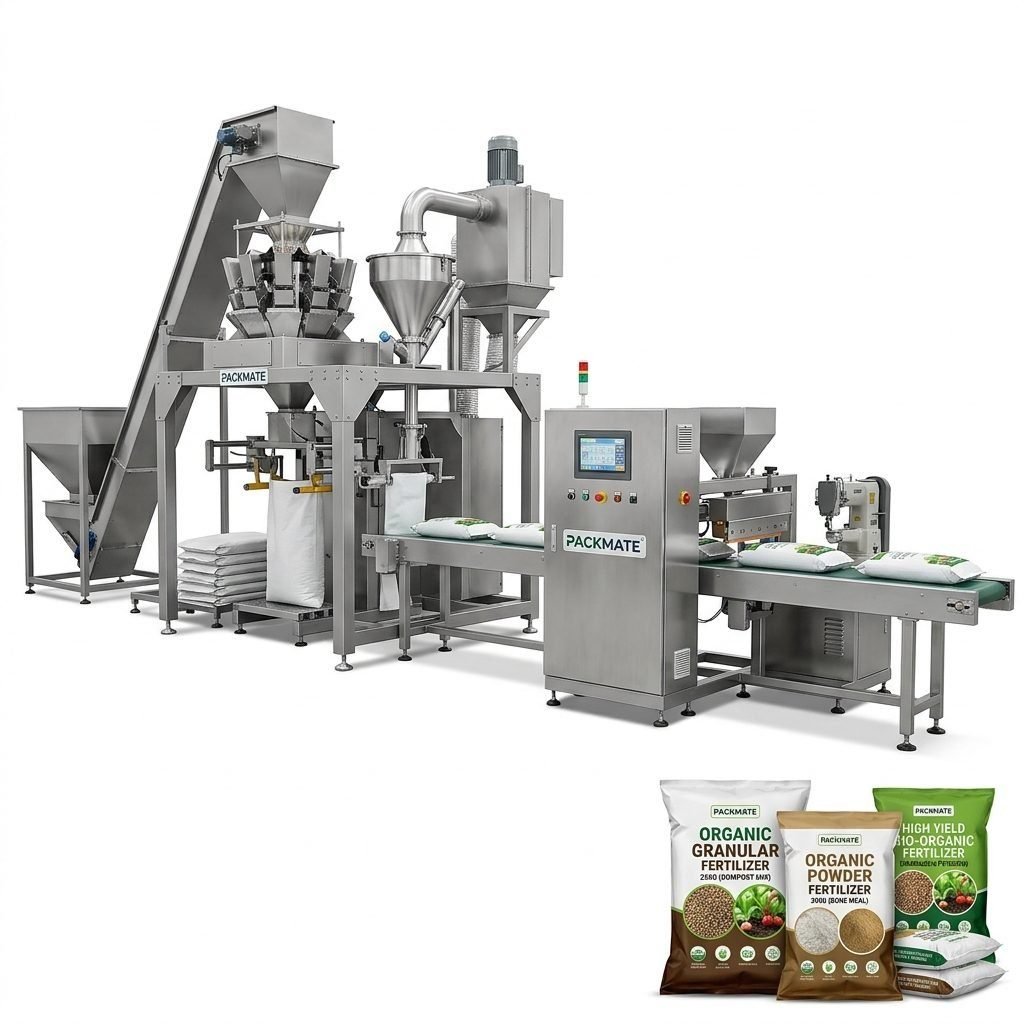
Many Hungarian companies successfully source from top-tier Chinese manufacturers. They often offer an optimal balance of advanced technology, robust construction, and competitive pricing. Leading exporters like Packmate Machinery have built their reputation on this model, providing practical automation and stable machine performance for European markets. The key is to partner with established, export-savvy suppliers who understand the requirements and expectations of European clients.
Step 6: Final Decision and Contract Negotiation
Before signing a contract, ensure all details are crystal clear.
- Total Cost: Get a detailed quote including FOB/CIF/DAP prices, shipping, insurance, and any potential customs duties for Hungary.
- Payment Terms: Negotiate secure terms (e.g., 30% deposit, 70% before shipment).
- Delivery Schedule: Get a written commitment with milestones.
- Performance Guarantees: Contract should include guarantees for output speed, filling accuracy, and seal integrity based on your product test.
- Penalty Clauses: For significant delays or failure to meet performance specs.
For niche products like nicotine pouches, a specialist like SnusMachinery can offer invaluable application-specific expertise that general manufacturers may lack.
Common Questions (FAQ) for Hungarian Importers
Q1: How do we handle customs clearance and VAT when importing machinery into Hungary?
A: It’s advisable to work with a experienced freight forwarder or customs broker in Hungary. They will handle the import declaration, pay the applicable customs duties (which vary based on machine classification), and the standard 27% VAT. Ensure your supplier provides all necessary documents (commercial invoice, packing list, CE certificate, origin certificate).
Q2: Are Chinese-made packaging machines reliable for long-term use?
A: Reliability varies by manufacturer. Focus on companies with a long history, substantial factory size, and a strong track record of exports to Europe. Request client references and, if possible, visit their factory or see machines running at a trade show. Quality manufacturers use premium components (e.g., Siemens, Mitsubishi PLCs) and have rigorous quality control.
Q3: What about technical support and spare parts after installation?
A: This is a critical point. Before purchasing, clarify the support structure. Do they have a European warehouse for spares? What is their typical response time for remote support? Will they provide training for your technicians? Ensure a comprehensive after-sales service agreement is part of the contract.
Q4: Can the machine be customized for our specific product and packaging material?
A: Most reputable manufacturers offer a degree of customization. Be very clear about your requirements upfront and provide samples. Companies that emphasize customized solutions, like PackingMachineOEM, are often more flexible. Always insist on a factory acceptance test (FAT) with your actual product and materials before shipment.
Q5: How do we ensure the machine complies with EU safety (CE) and hygiene standards?
A: The manufacturer is responsible for CE marking the machine. Request and verify the official CE Certificate and Declaration of Conformity. For food and pharmaceutical applications, also discuss material certifications (e.g., food-grade stainless steel, compliant lubricants) and design for cleanability (e.g., IP ratings, smooth surfaces).