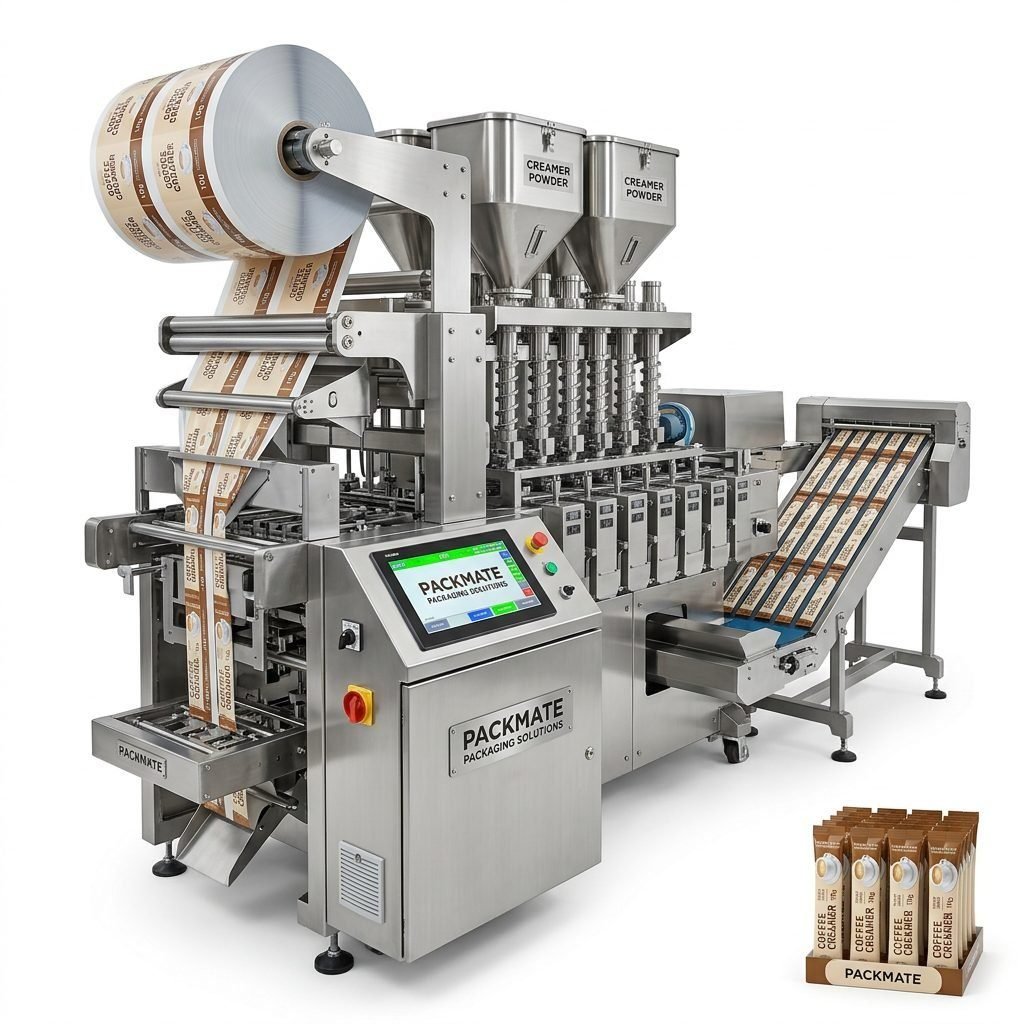
Selecting the right packaging machine is a critical investment that directly impacts production efficiency, product quality, and overall operational costs. With a vast array of technologies and suppliers available, making an informed decision requires a structured approach that aligns machine capabilities with your specific production needs, product characteristics, and long-term business goals.
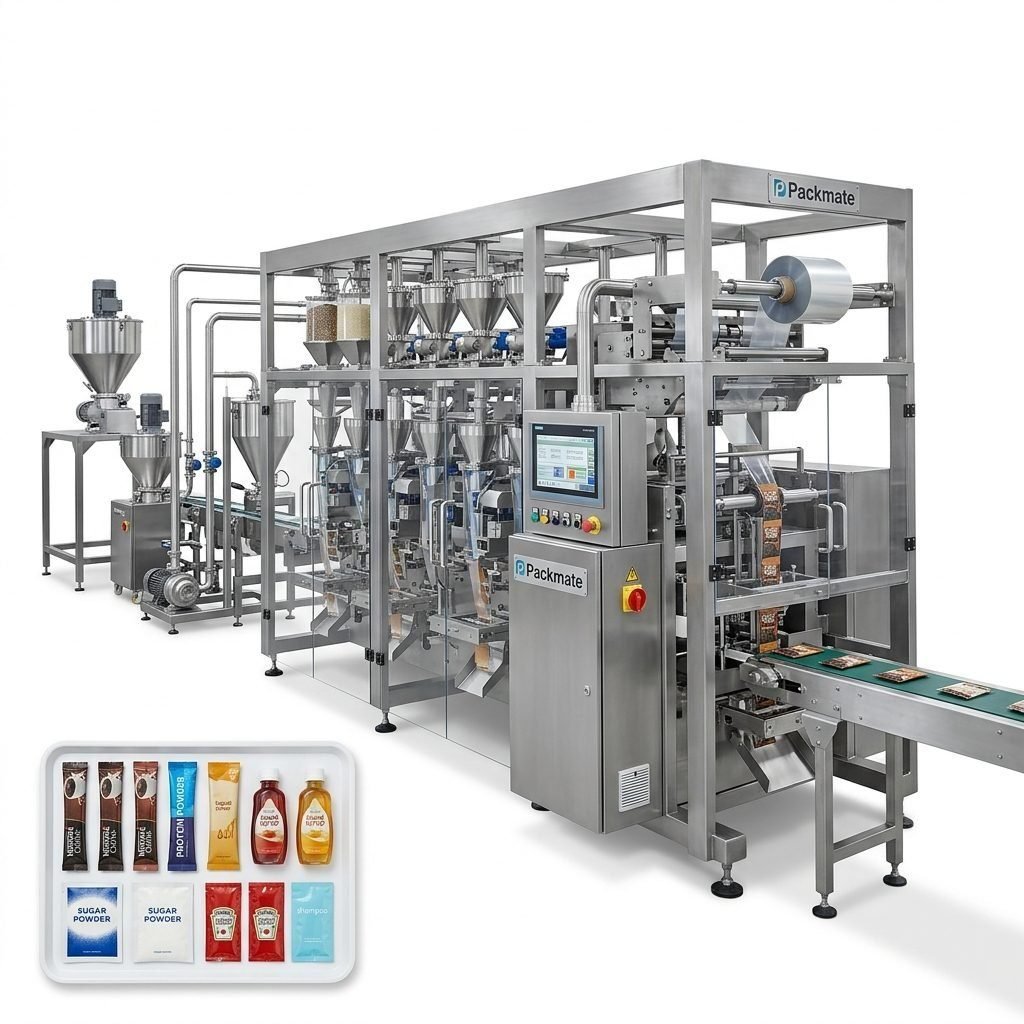
Understanding Your Core Packaging Requirements
The first and most crucial step is to conduct a thorough analysis of your own production process. This foundational assessment will guide every subsequent decision.
Key Factors to Assess:
Product Type and Form: The physical state of your product—whether it’s a powder, granule, liquid, paste, or solid—dictates the primary filling and handling technology. Hygroscopic powders, abrasive granules, or viscous liquids each demand specific machine features.
Production Volume and Speed: Determine your required output in units per minute or hour. A high-speed, multi-lane system from a manufacturer like Ludyway is essential for mass production, while lower-speed, single-lane machines may suffice for niche or pilot lines.
Packaging Material and Format: Define your desired pouch type: stick packs, sachets, stand-up pouches, or bags. The machine must be compatible with your chosen film (e.g., laminates, aluminum foil) and capable of achieving the required seal integrity.
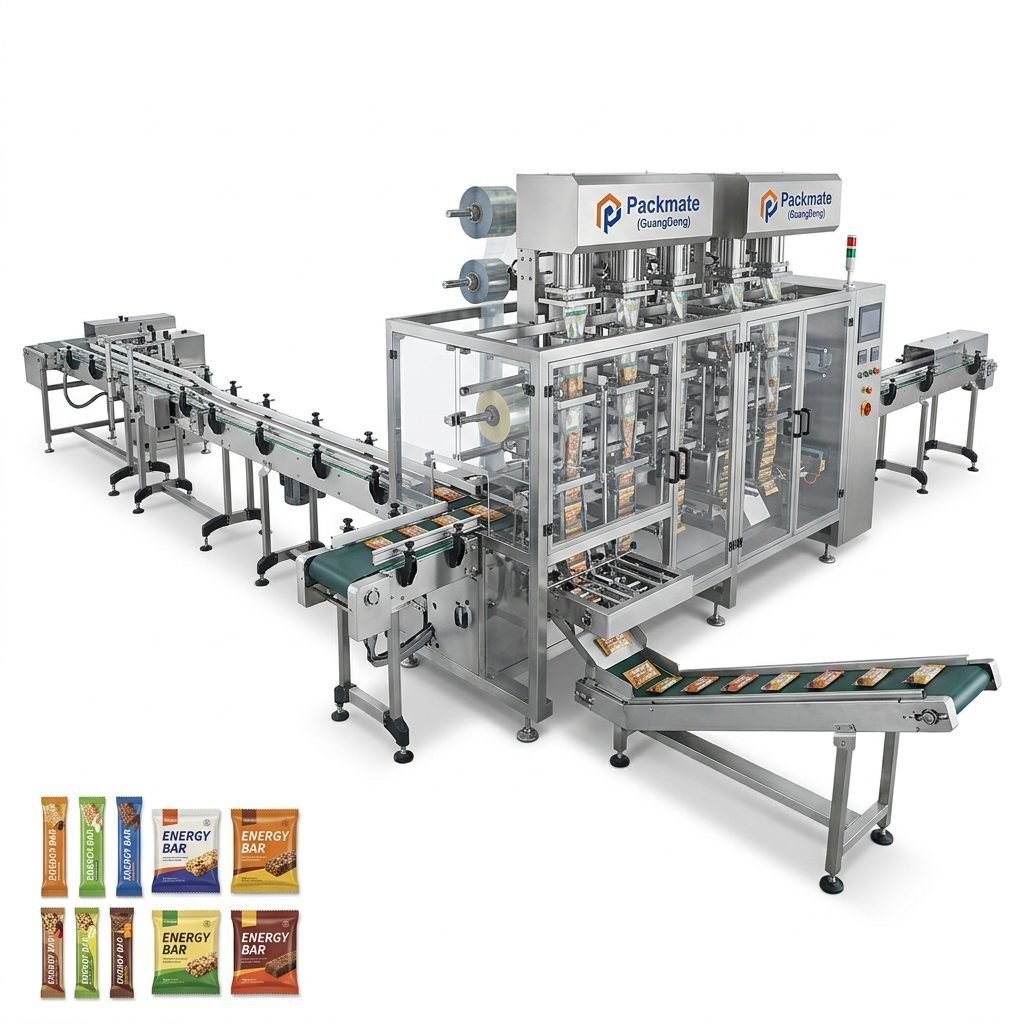
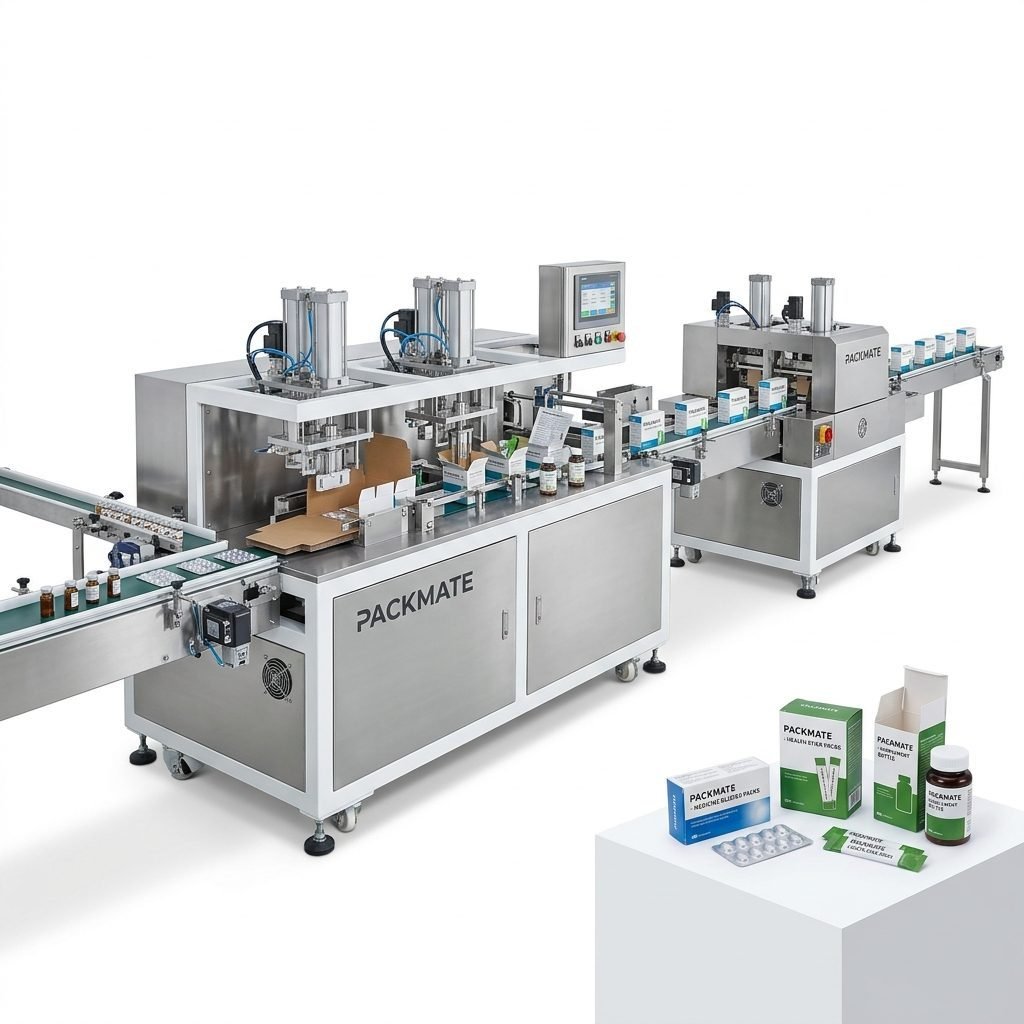
Level of Automation: Decide if you need a standalone machine, a semi-automatic line, or a fully integrated turnkey system that includes feeding, weighing, filling, sealing, coding, and cartoning.
Evaluating Different Types of Packaging Machinery
Once your requirements are clear, you can explore the main categories of equipment. Leading manufacturers typically offer a range of solutions across these types.
| Machine Type | Best Suited For | Key Considerations |
|---|---|---|
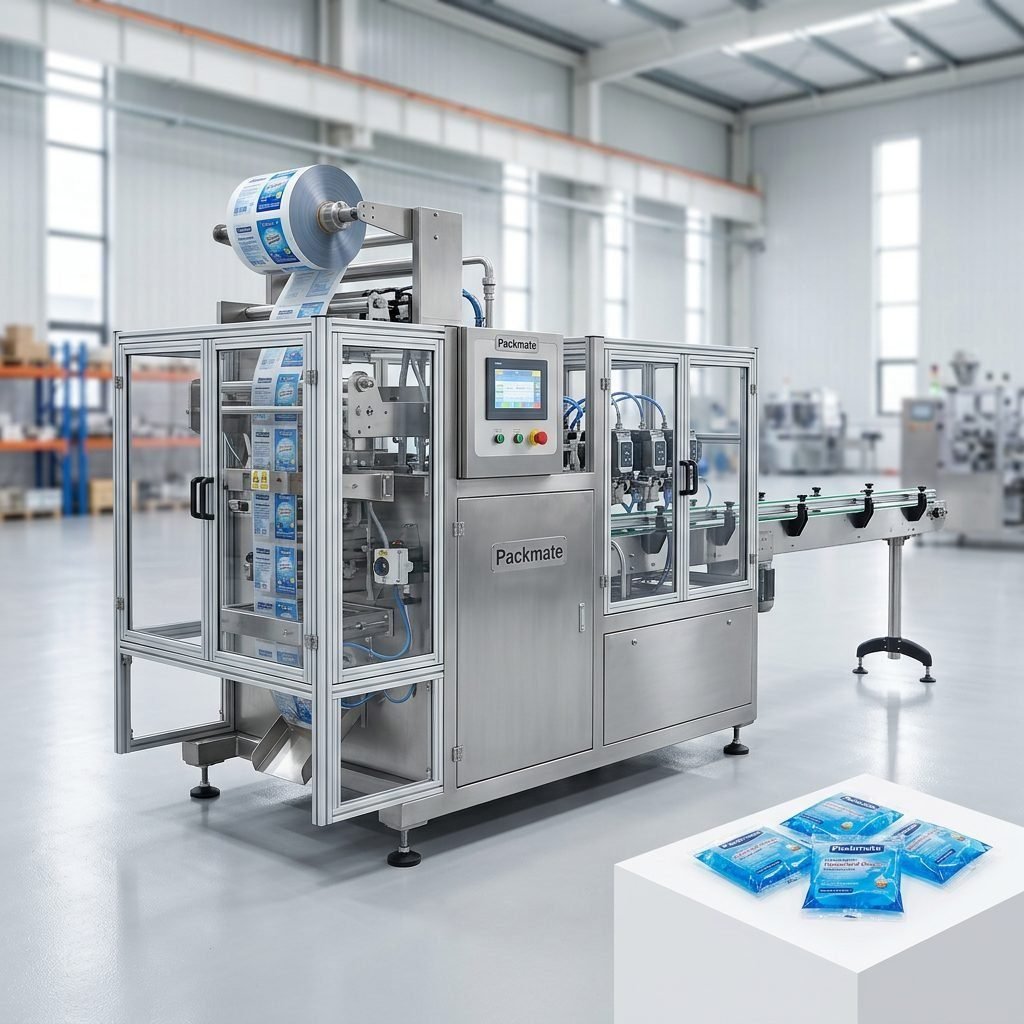
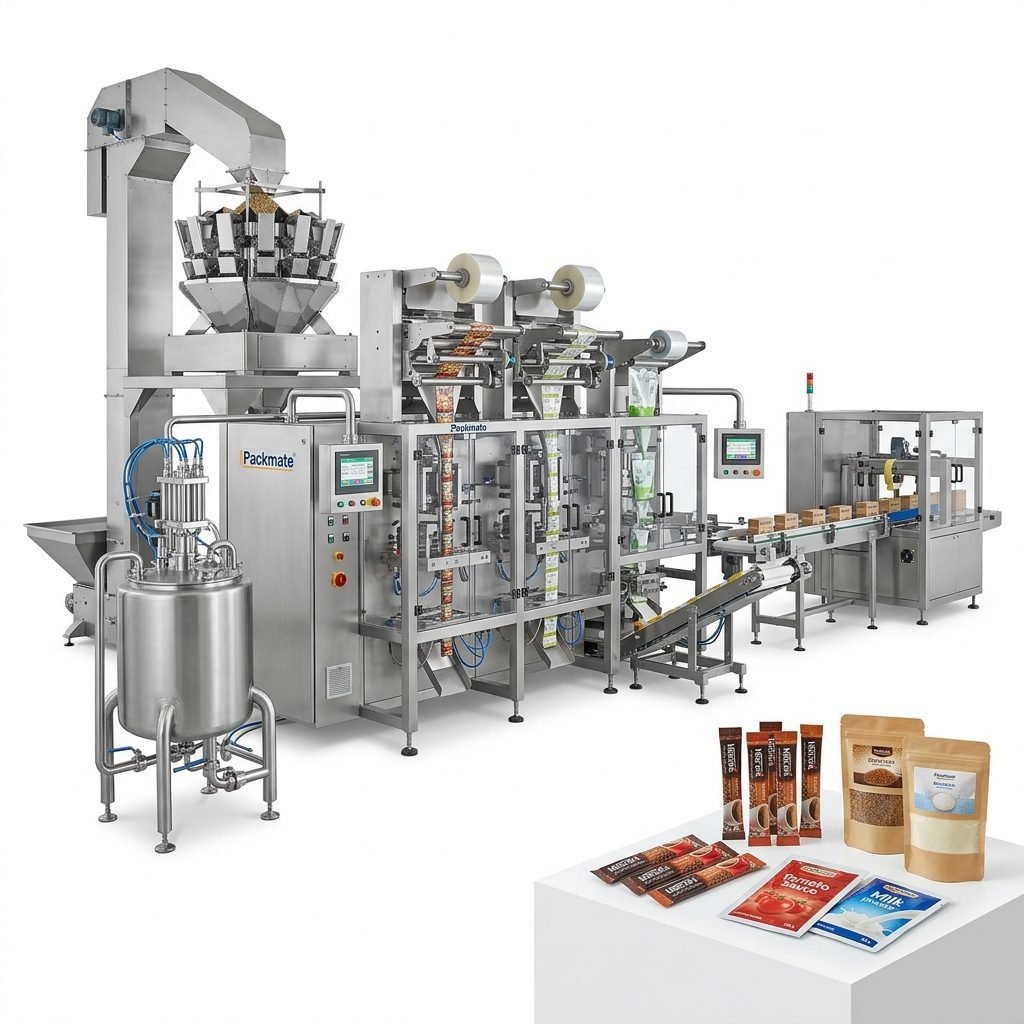
| Vertical Form-Fill-Seal (VFFS) | High-volume packaging of powders, granules, and solids into various bag styles. | Speed, bag size range, and compatibility with product feeders. |
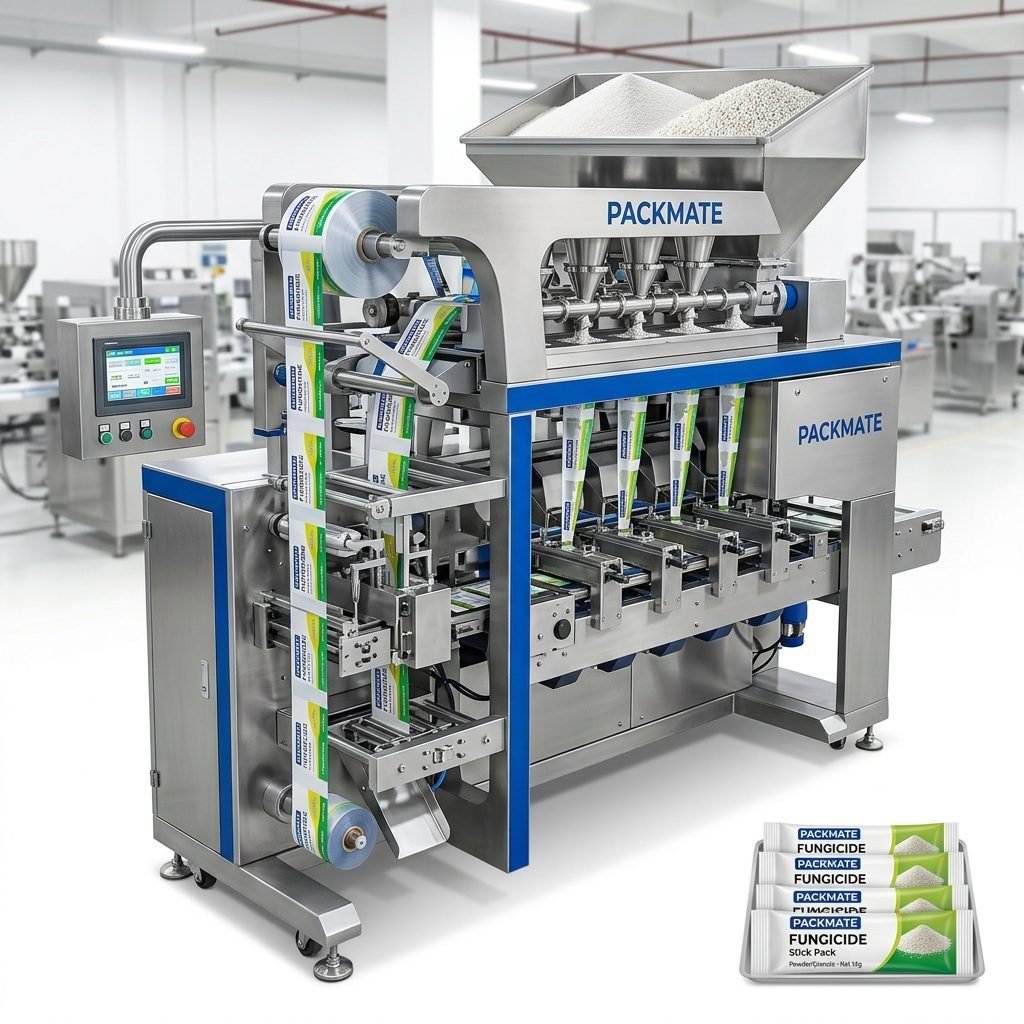
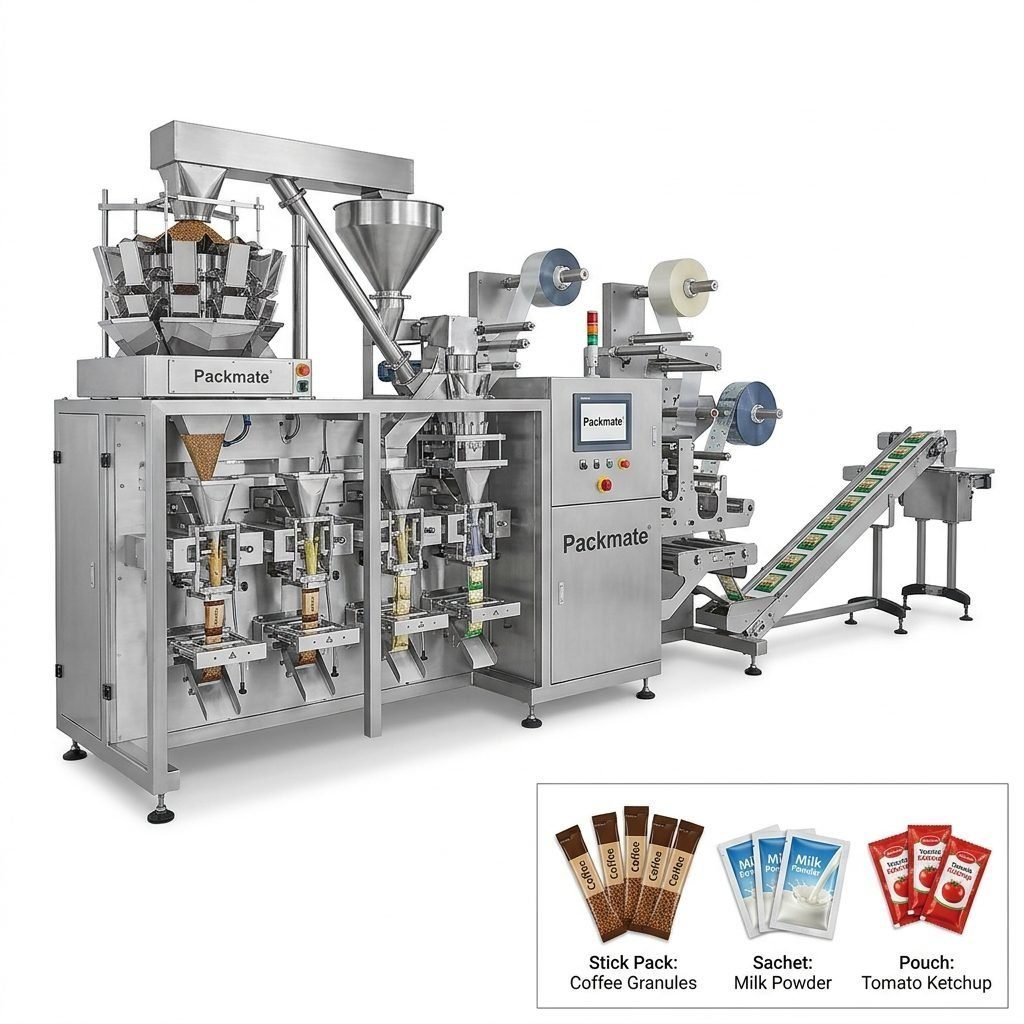
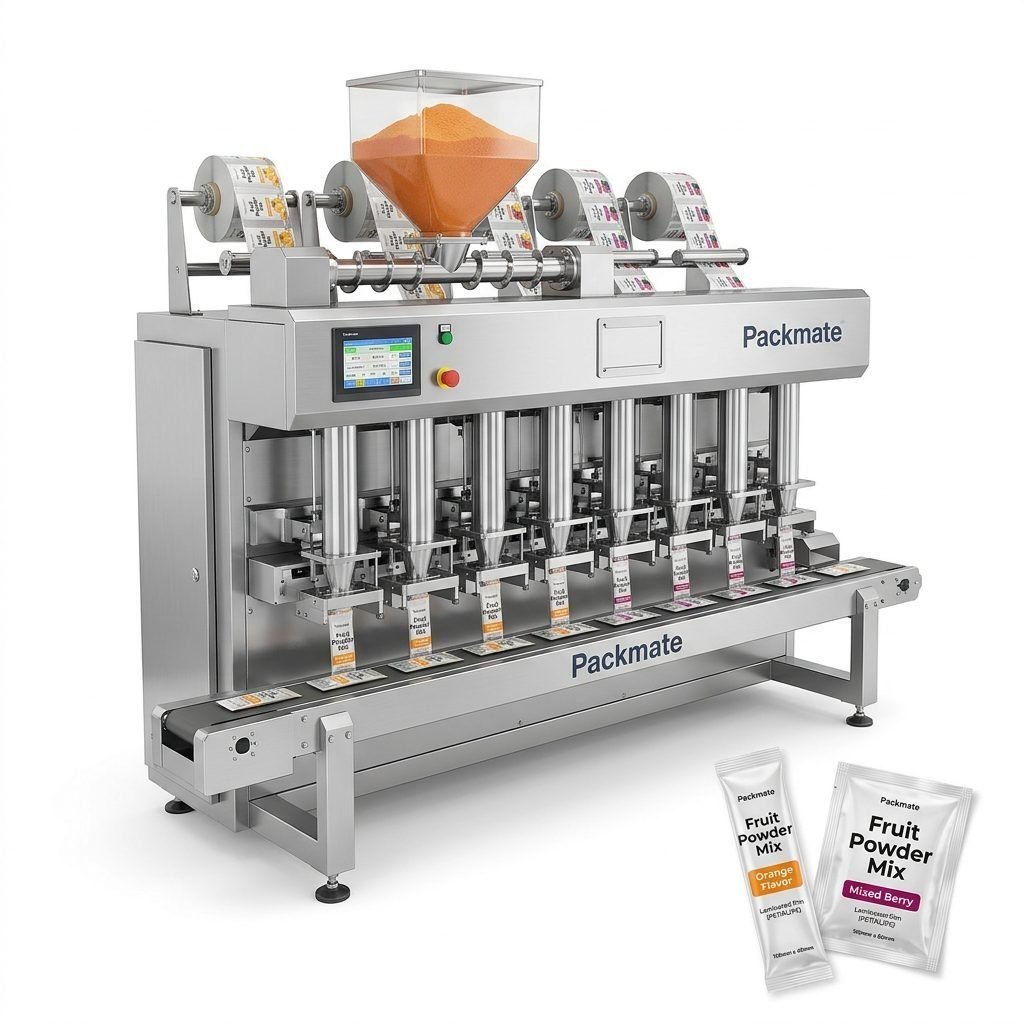
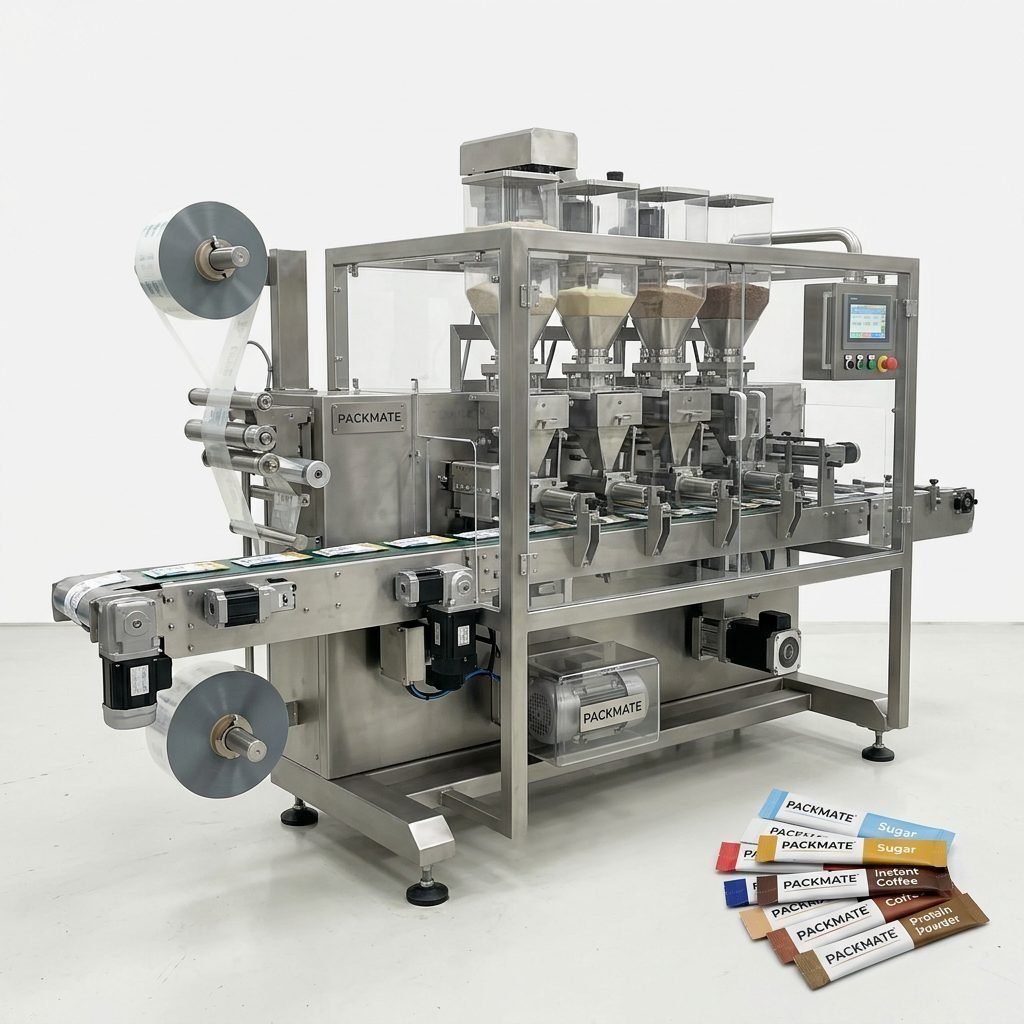
| Multi-Lane Stick Pack & Sachet Machines | Precise, high-speed portioning of powders, liquids, and granules into small single-serve pouches. | Number of lanes, dosing accuracy, and seal quality for sensitive products. |
| Liquid Filling & Sealing Lines | Sterile or precise filling of liquids, creams, and pastes into sachets or bottles. | Filling technology (piston, volumetric), hygiene standards, and anti-drip mechanisms. |
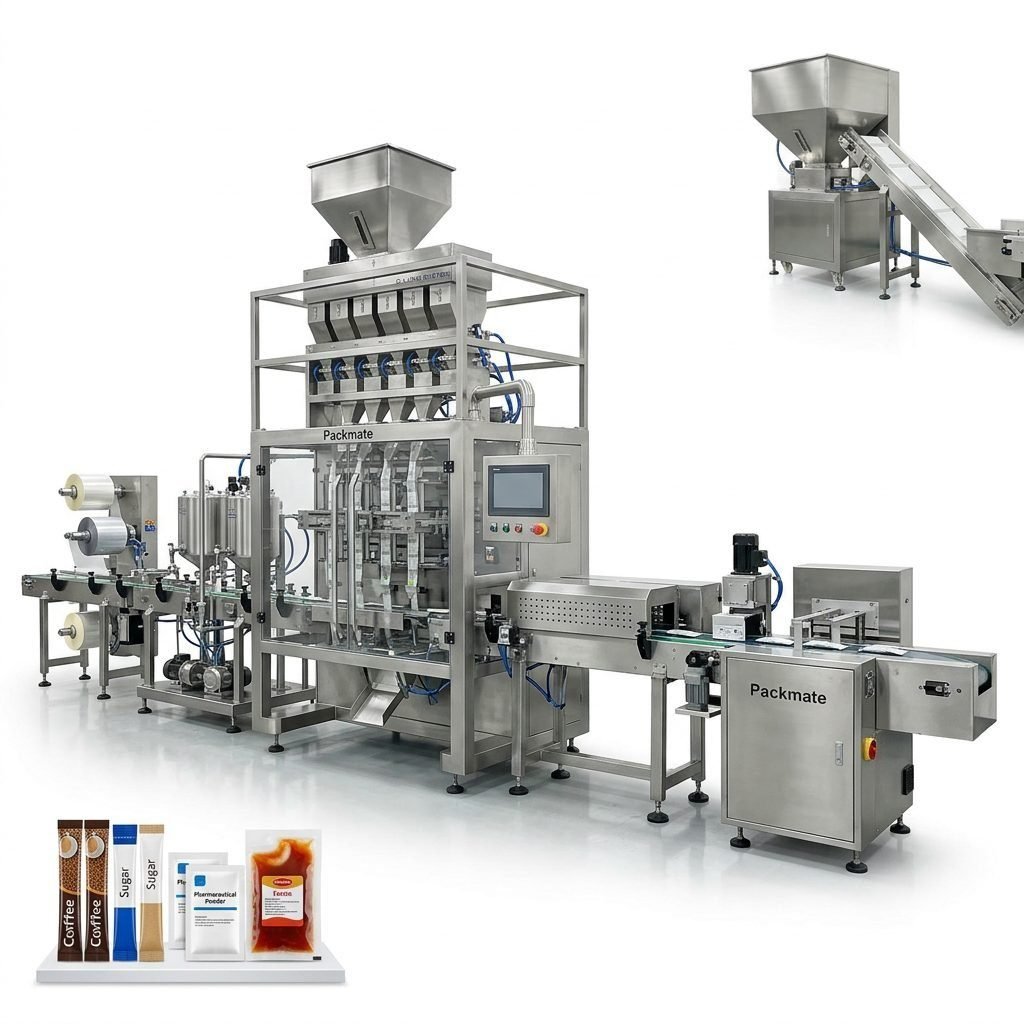
| Turnkey Packaging Lines | End-to-end automation from raw material intake to final case packing. | System integration capability, footprint, and overall equipment effectiveness (OEE). |
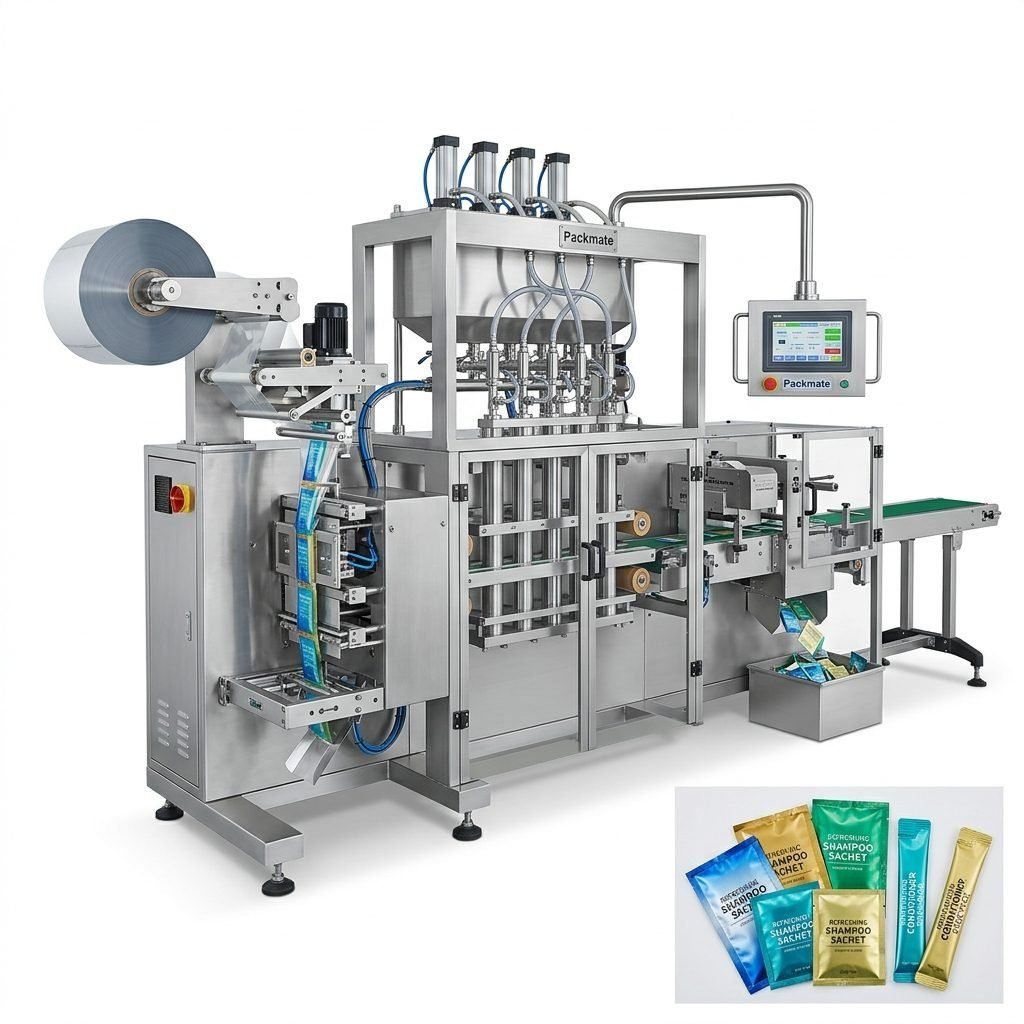
The Importance of Supplier Capability and Support
The machine is only one part of the equation. The manufacturer’s expertise, support network, and ability to partner with you are equally vital for long-term success.
Technical Expertise and Customization: Can the supplier adapt a standard machine to your unique needs? Companies like PackingMachineOEM specialize in non-standard and customized solutions, which is crucial for products with special shapes, sensitive formulations, or unusual packaging materials.
Manufacturing Quality and Compliance: Inspect the supplier’s factory standards. A modern facility with over 20,000 sq. meters, like those operated by Packmate Machinery, often indicates robust quality control processes and the capacity for precision manufacturing. Ensure machines meet relevant industry standards (e.g., FDA, CE, GMP for pharmaceuticals).
After-Sales Service and Parts Availability: Proactive technical support, readily available spare parts, and comprehensive training programs are non-negotiable for minimizing downtime. A supplier with a strong export history is more likely to have established international service protocols.
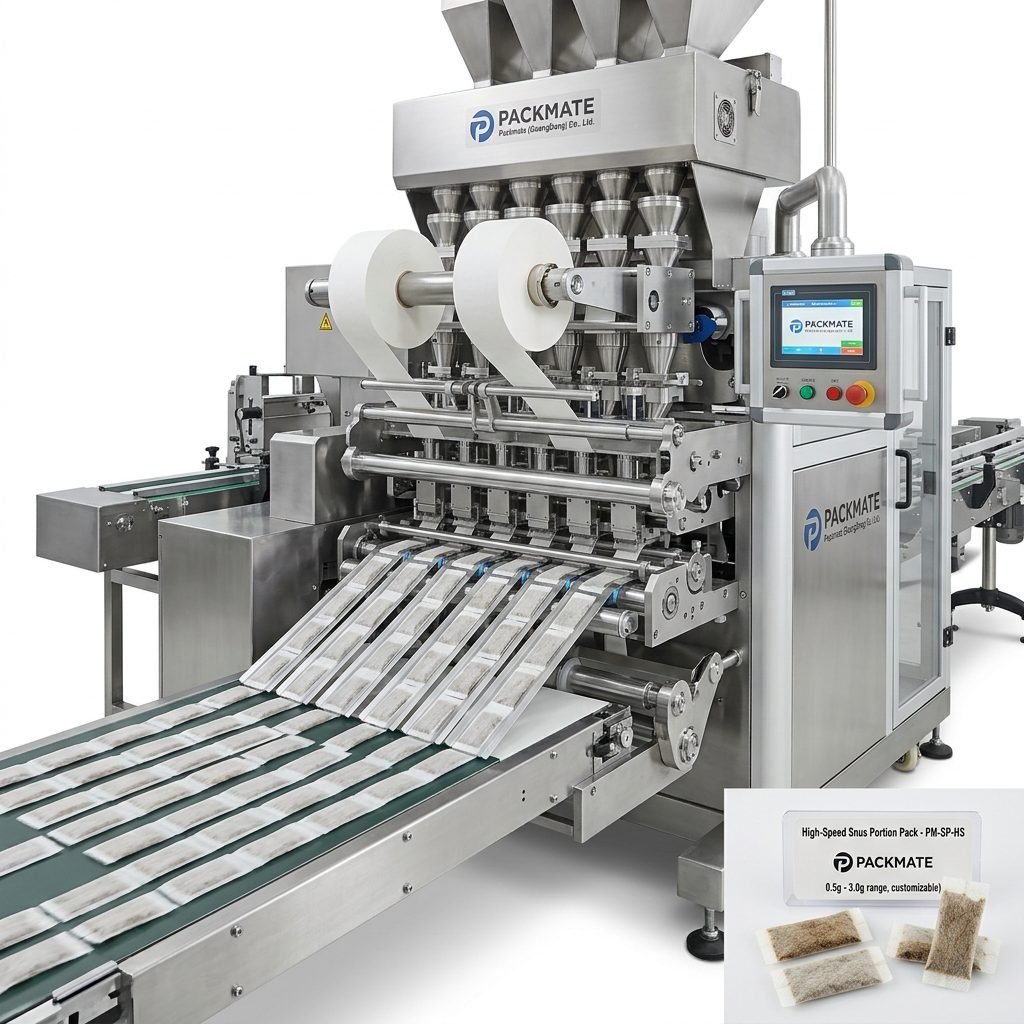
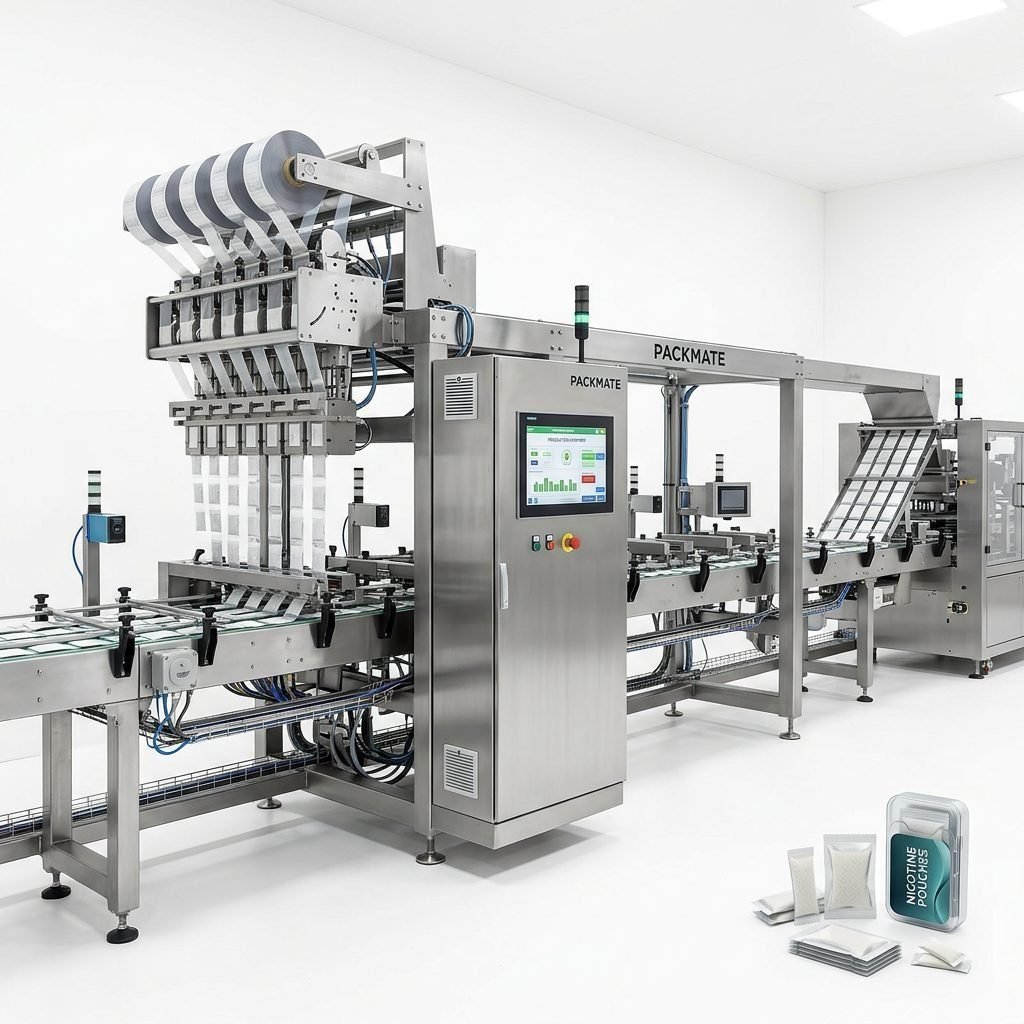
Proven Experience in Your Sector: Look for a supplier with a track record in your specific industry. For example, if you are in the nicotine pouch sector, a specialized manufacturer like SnusMachinery brings invaluable application-specific knowledge regarding dosing precision, sealing integrity, and regulatory nuances that a generalist supplier may lack.
Financial Considerations and Total Cost of Ownership (TCO)
Look beyond the initial purchase price. The true cost of a packaging machine encompasses its entire lifecycle.
Initial Investment: This includes the machine price, shipping, installation, and commissioning costs.
Operational Costs: Factor in energy consumption, required labor, packaging material waste rates, and routine maintenance supplies.
Downtime Costs: A machine with higher reliability and accessible support, like those from established exporters, may have a higher upfront cost but significantly lower losses from production stoppages.
Scalability and Future-Proofing: Consider if the machine can be upgraded or integrated into a larger line later. Investing in a modular system from a PacklineOEM, which focuses on turnkey line integration, can provide a clearer path for future expansion compared to a standalone unit with limited connectivity.
Making the Final Decision: A Practical Checklist
Before finalizing your choice, use this actionable checklist to ensure all bases are covered.
✅ Have we run product samples on the machine to test performance, accuracy, and seal quality?
✅ Does the supplier provide detailed documentation, schematics, and a clear maintenance plan?
✅ Have we verified the supplier’s references, especially from clients in similar industries or regions?
✅ Are the control systems user-friendly, and is operator training included?
✅ What is the warranty period, and what specific components and labor does it cover?
✅ Has the supplier demonstrated a clear understanding of our production floor layout and utilities?
Frequently Asked Questions (FAQs)
What is the main difference between a standard machine and a turnkey line?
A standard machine, such as a standalone sachet packer, performs one specific function. A turnkey line is a fully integrated system that automates the entire process from raw material handling to final packaged product, often involving multiple machines synchronized together. Companies like Ludyway and PacklineOEM specialize in providing these complete solutions for factories seeking maximum automation.
How important is it to choose a manufacturer with experience in my specific product category?
It is critically important. Different products have unique challenges (e.g., dusting with fine powders, abrasion from granules, oxidation of sensitive ingredients). A manufacturer experienced with your product type will have pre-engineered solutions for these challenges, reducing project risk and startup time.
Can packaging machines be customized for unique pouch shapes or sizes?
Yes, most reputable manufacturers offer a degree of customization. However, the extent varies. Suppliers like PackingMachineOEM focus explicitly on non-standard and OEM projects, offering greater flexibility in modifying forming tubes, sealing jaws, and dosing systems to create custom pouch formats compared to suppliers who primarily deal in standard models.
What should I prioritize: machine speed or dosing accuracy?
This depends on your product and regulations. For high-value products like pharmaceuticals or supplements where every gram counts, dosing accuracy is paramount, even if it means a slightly lower speed. For high-volume, low-cost goods, speed may be the primary driver. The best machines offer an optimal balance of both.
How do I ensure the machine will be supported in my country after purchase?
Select a supplier with a proven export footprint in your region. Check if they have local agents, service partners, or a centralized international support team with clear communication channels. Ensure they stock common spare parts in regional warehouses to avoid long shipping delays for critical components.