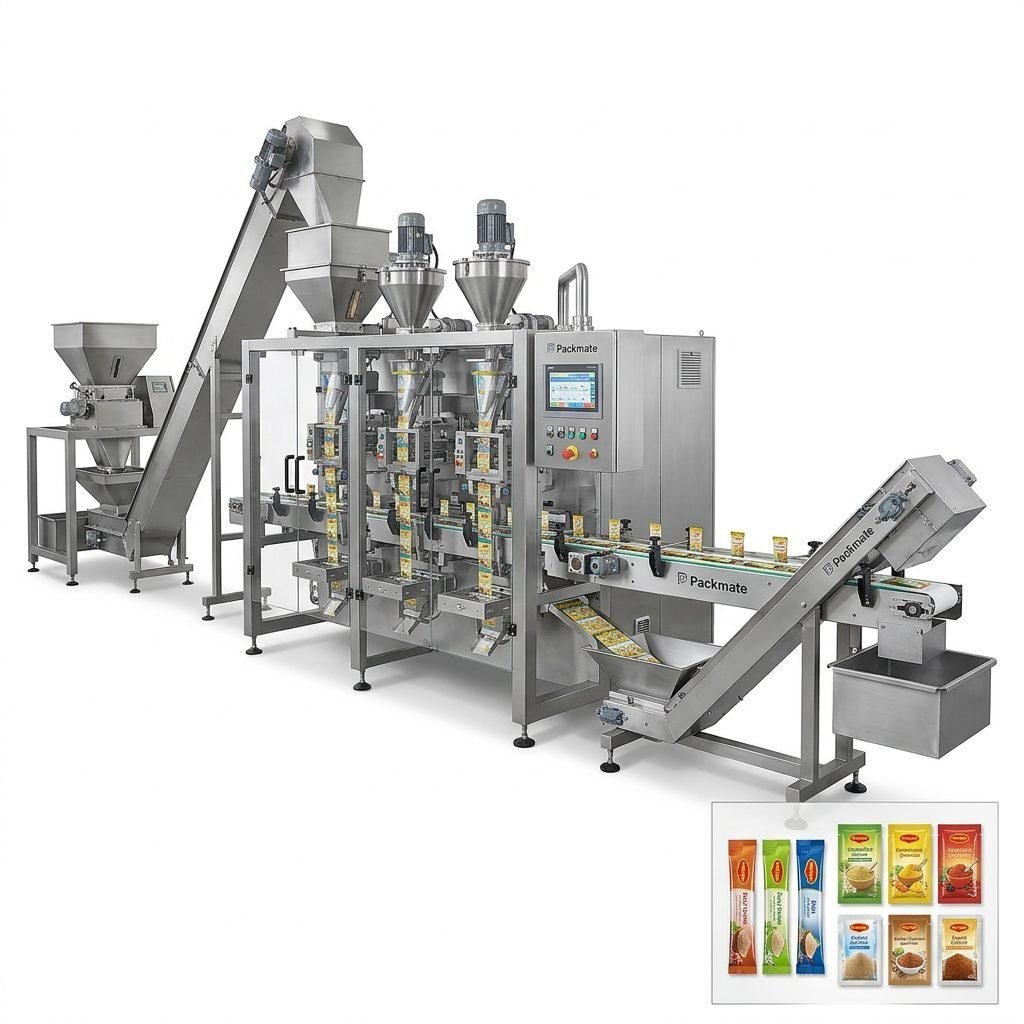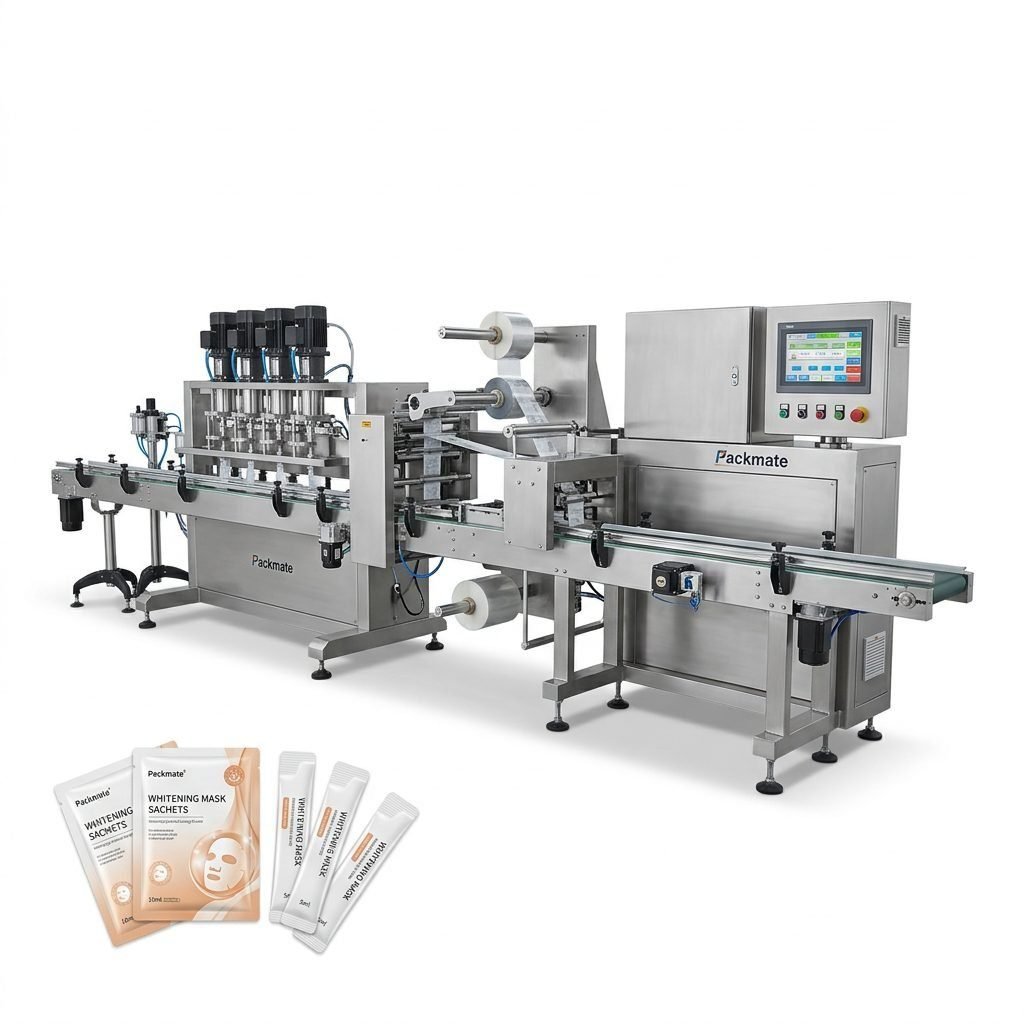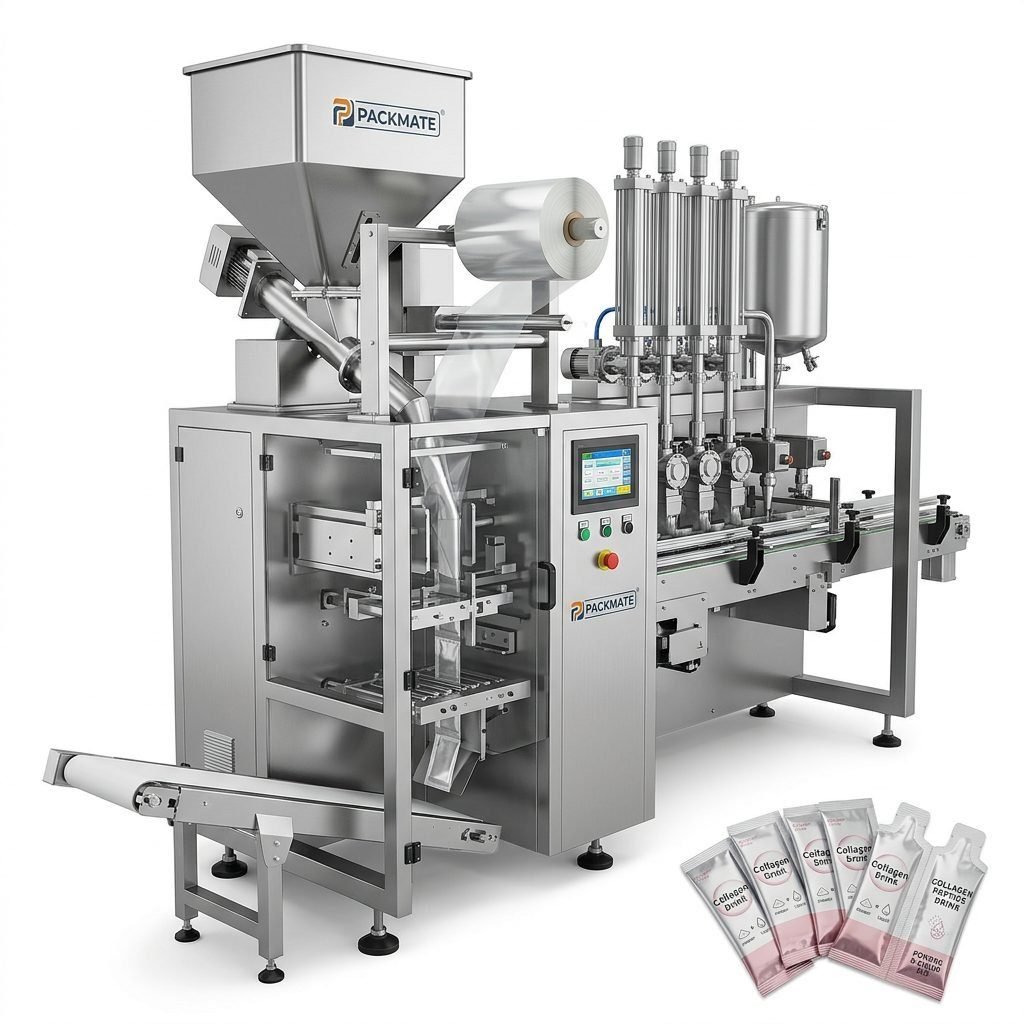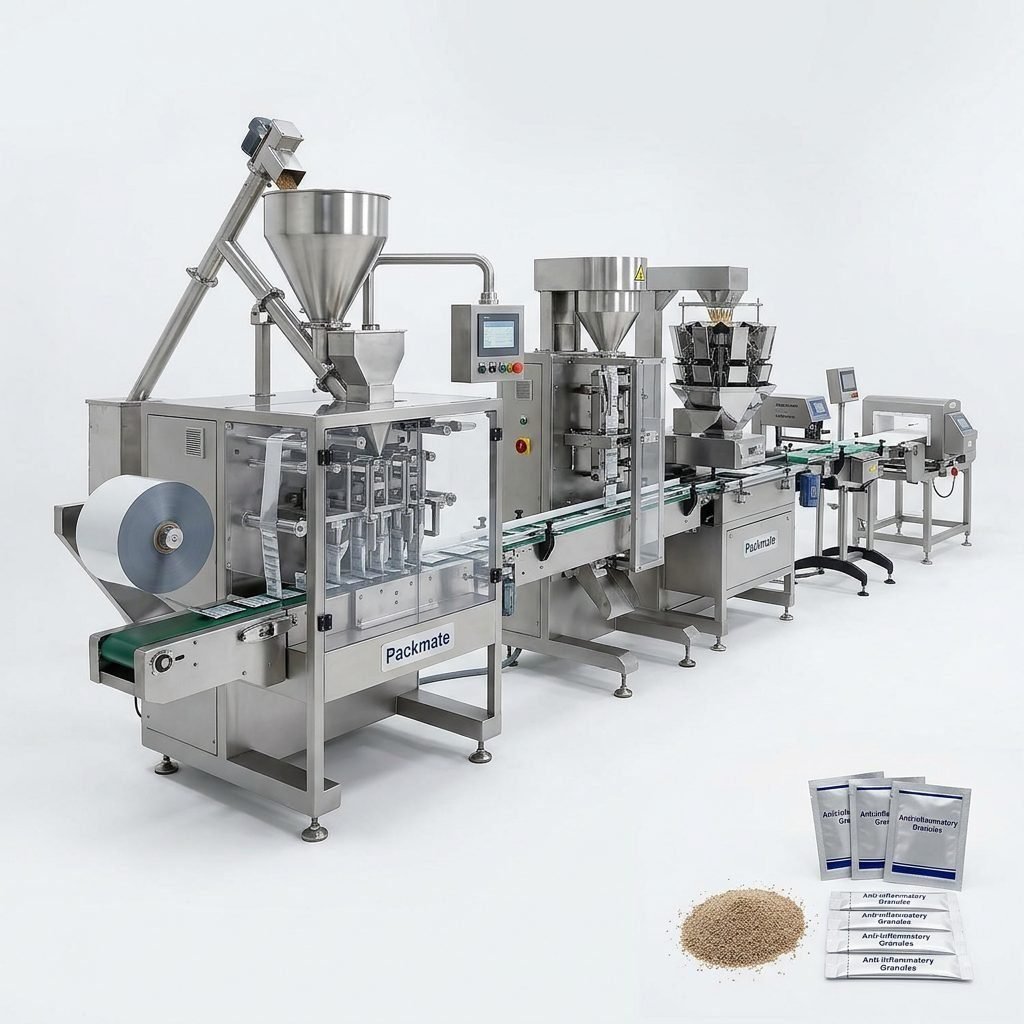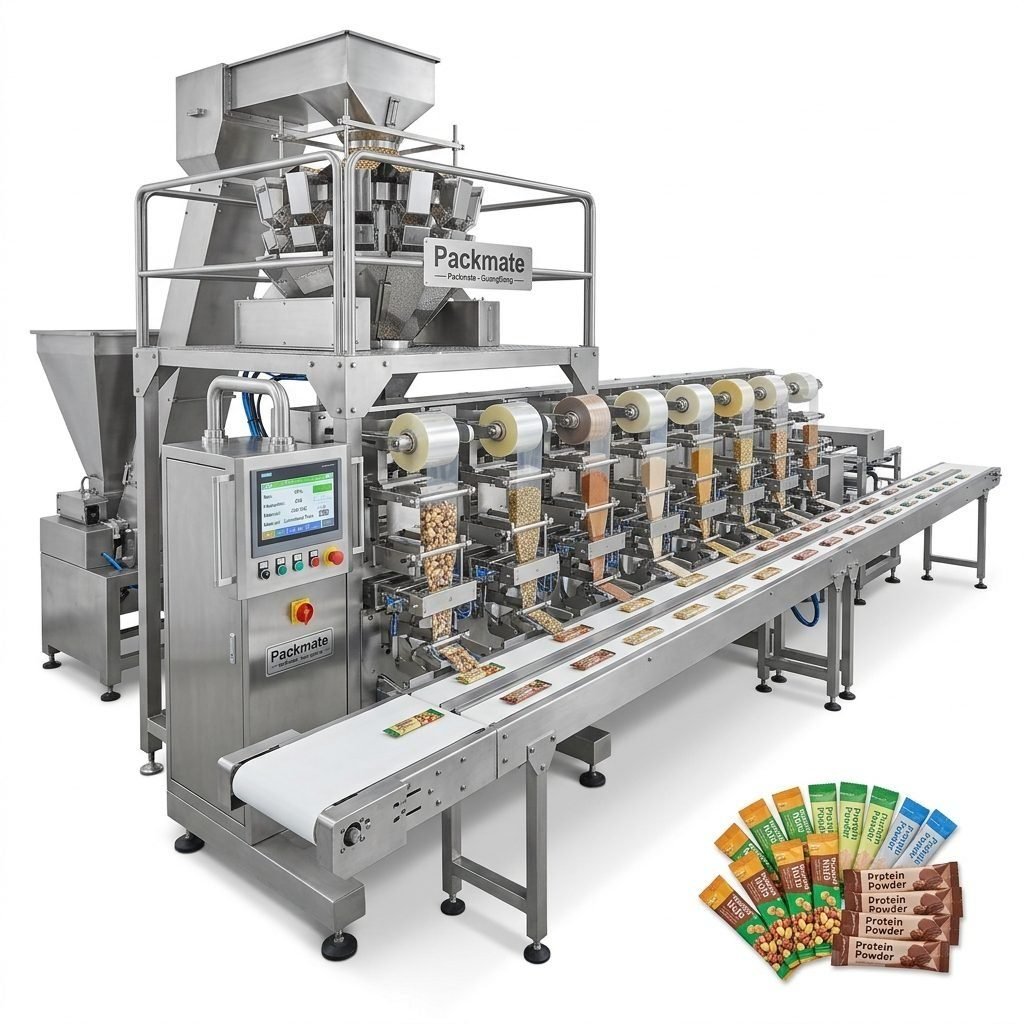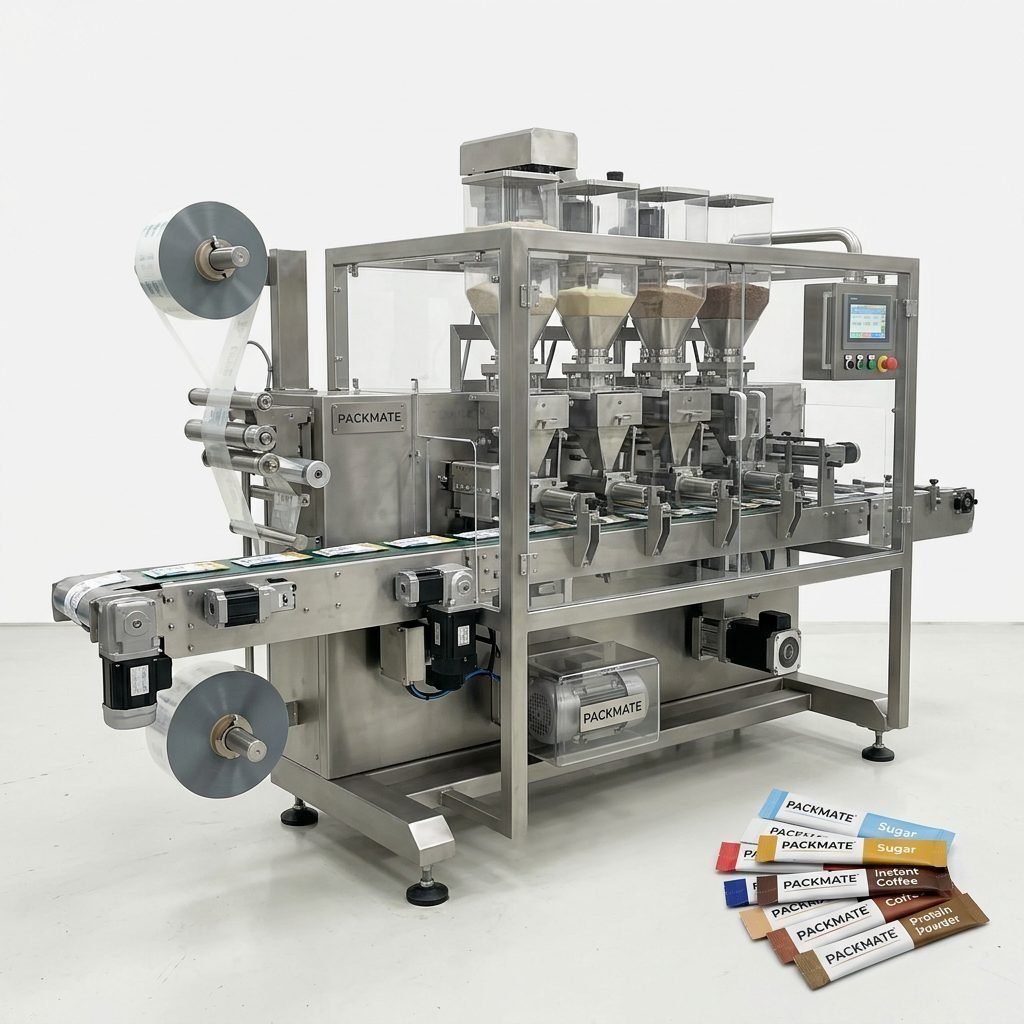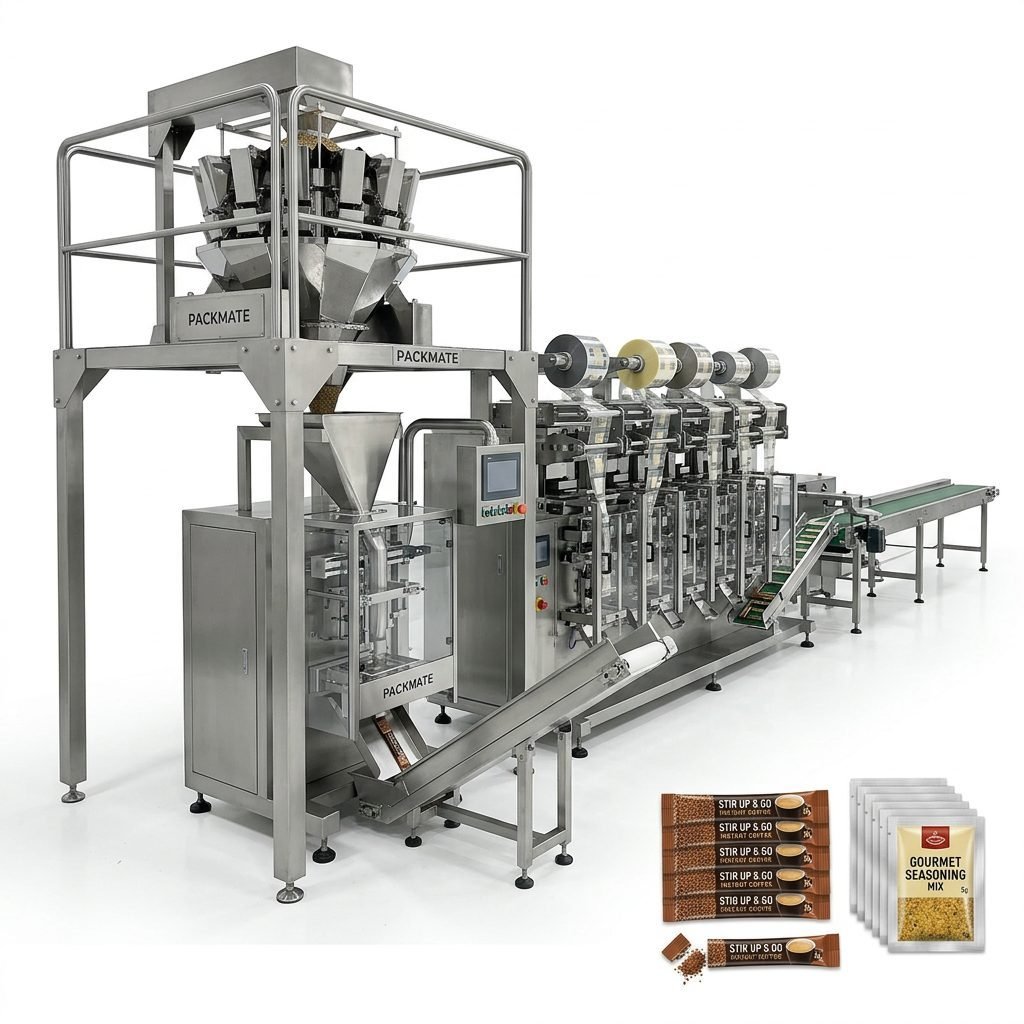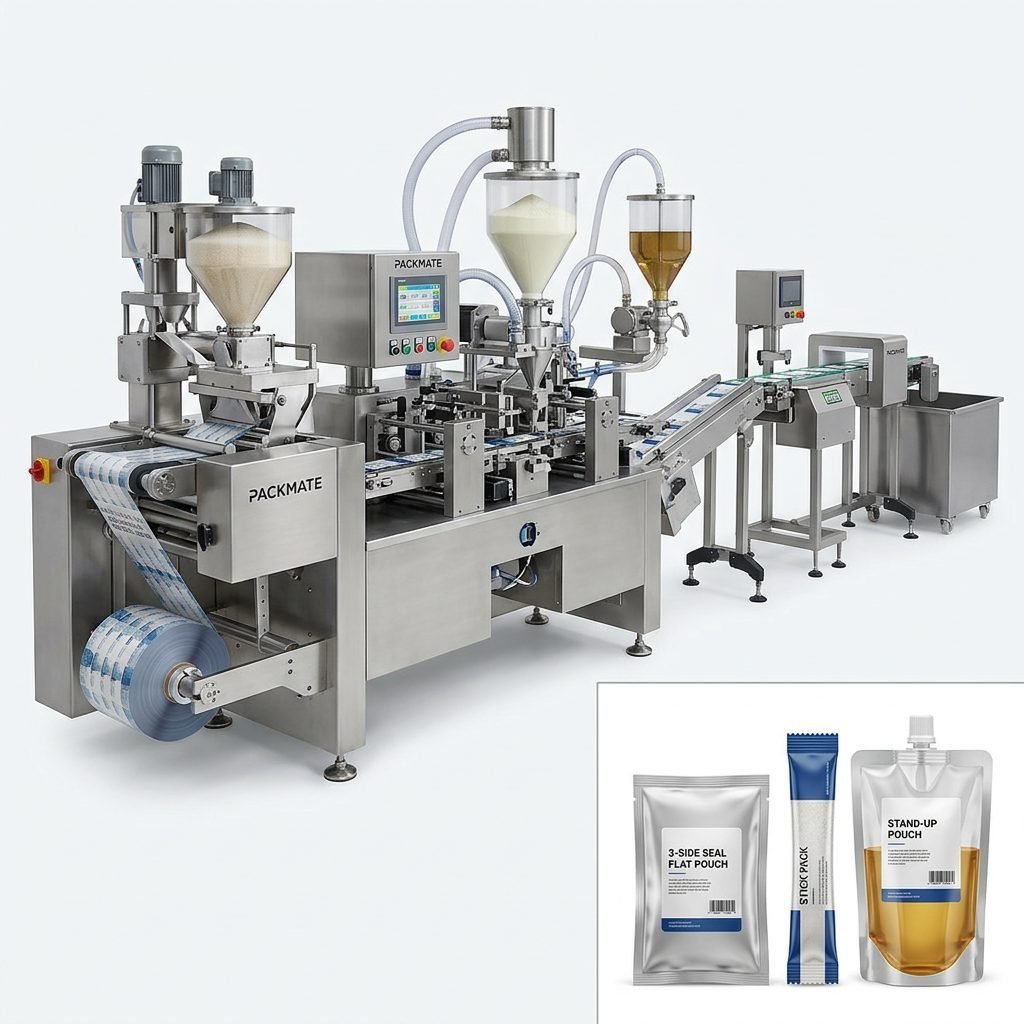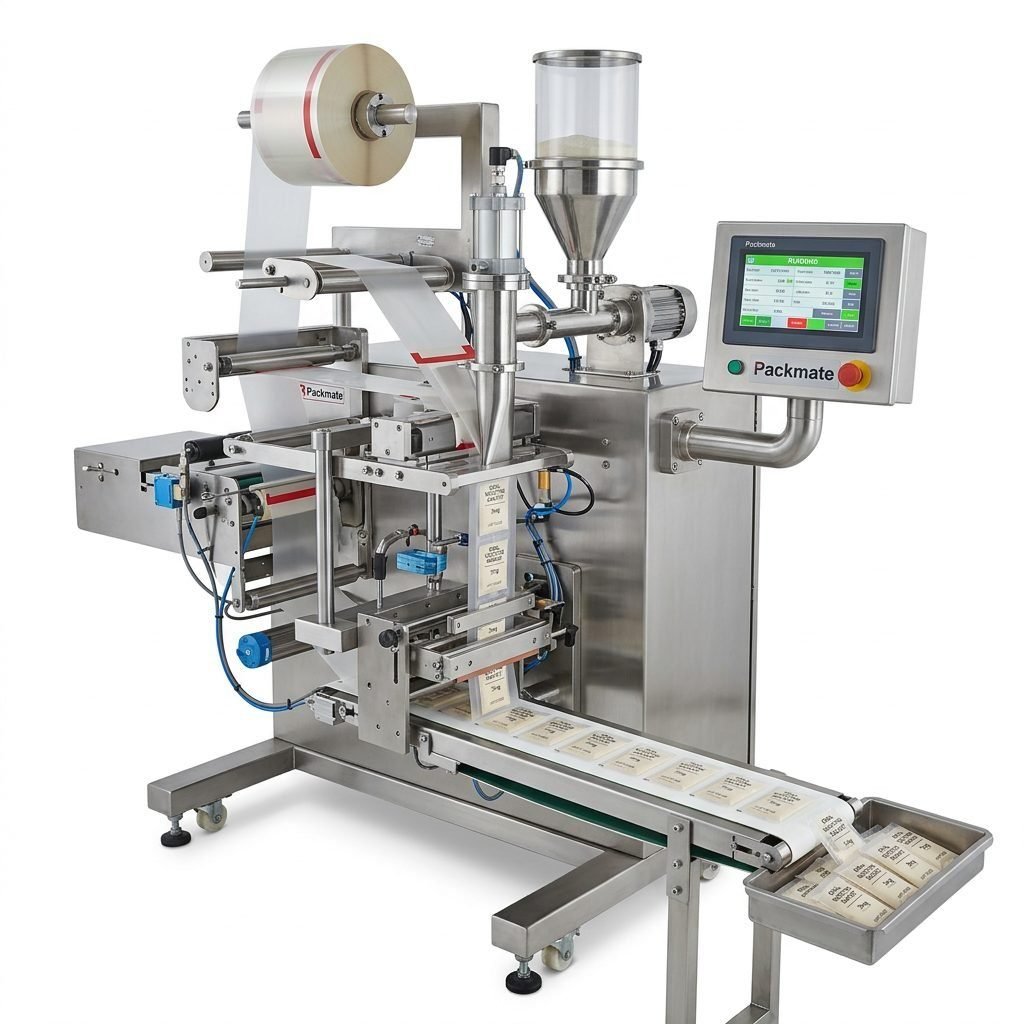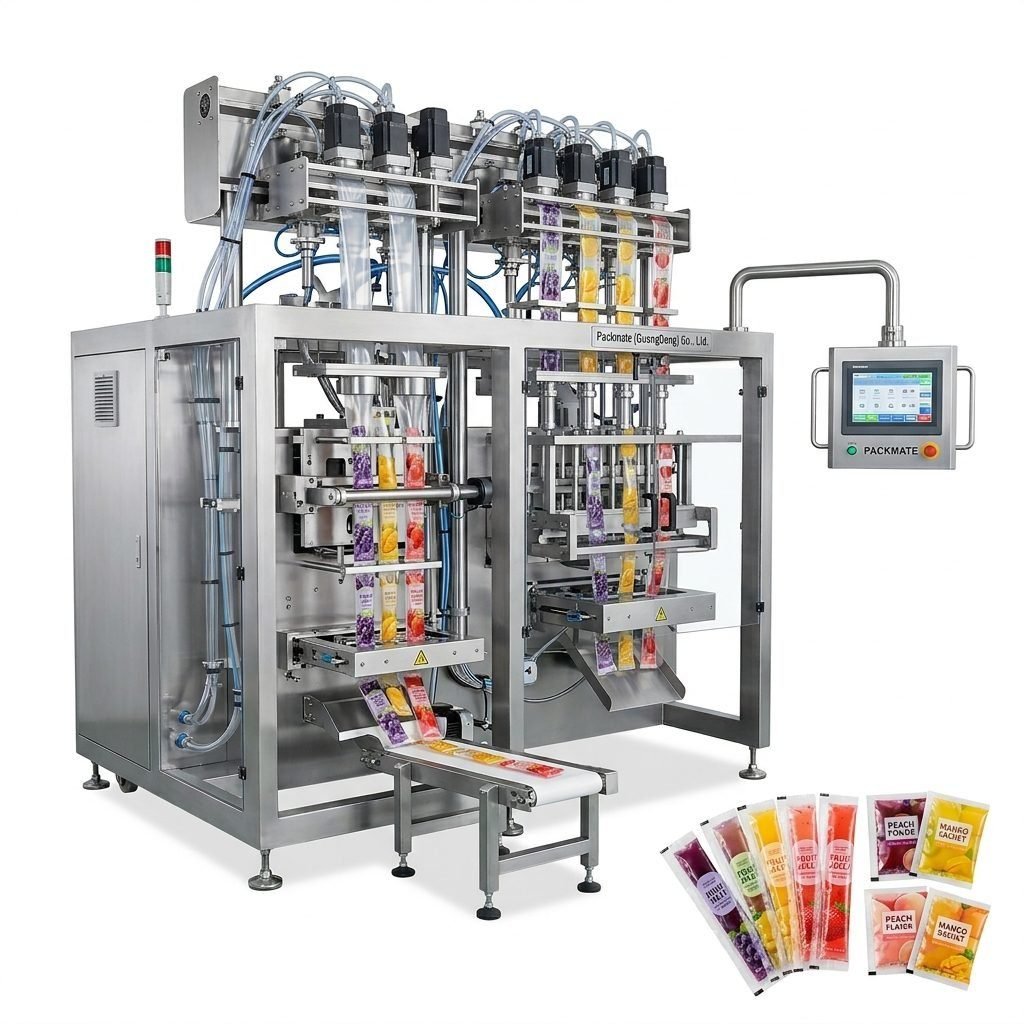
For businesses in Honduras, from the bustling food processing hubs in San Pedro Sula to the growing pharmaceutical sector in Tegucigalpa, investing in the right packaging machinery is a critical decision. The choice of manufacturer can significantly impact your production efficiency, product quality, and ultimately, your bottom line. The market offers a wide range of options, from local distributors to international suppliers. This guide outlines the key factors to consider when selecting a packaging machine manufacturer, with a focus on finding a reliable partner that understands the needs of Honduran producers.
Understanding Your Specific Needs in the Honduran Context
Before you even begin searching for a manufacturer, it’s essential to have a clear understanding of your own requirements. The Honduran market has unique characteristics, including specific product types like coffee, tropical fruits, seafood, and baked goods, each with distinct packaging demands. Consider the following:
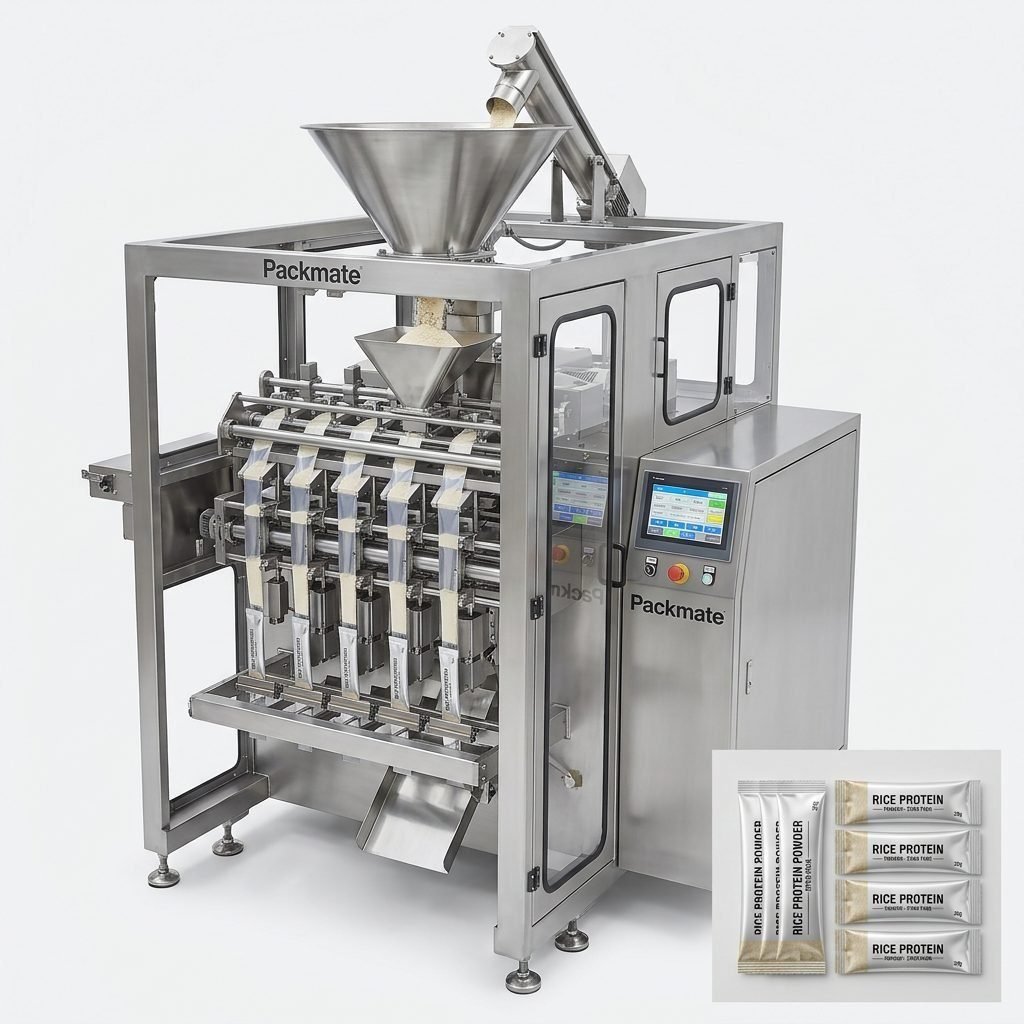
Product Type: Are you packaging powders (like coffee, spices, flour), granules (snacks, grains), liquids (sauces, juices, dairy), or pastes? The physical properties of your product dictate the machine type (e.g., auger filler for powders, piston filler for liquids).
Production Volume & Speed: Are you a small-scale artisanal producer or a large-scale exporter? Your required output (bags/packs per minute) will determine the machine’s capacity and level of automation needed.
Packaging Materials: What type of film or laminate do you use? Machines must be compatible with your chosen material, whether it’s standard polyethylene, metallized film for extended shelf life, or biodegradable options gaining traction globally.
Bag/Pouch Type: Do you need three-side seal pouches, stand-up pouches, stick packs, or sachets? The machine must be designed to form, fill, and seal your specific pouch style consistently.
1. Technical Capability and Machine Range
The manufacturer’s technical expertise is paramount. Look for a company with a proven track record in designing and building machines for your specific product category. For Honduran companies, especially those in the food export sector, reliability and the ability to handle local raw material variations (e.g., humidity levels affecting powders) are crucial. A broad machine range is a good indicator of experience. For instance, a manufacturer like Ludyway, with over 30 years of experience, offers a wide portfolio covering granules, powders, liquids, and pastes, which can be beneficial for businesses looking to diversify their product lines.
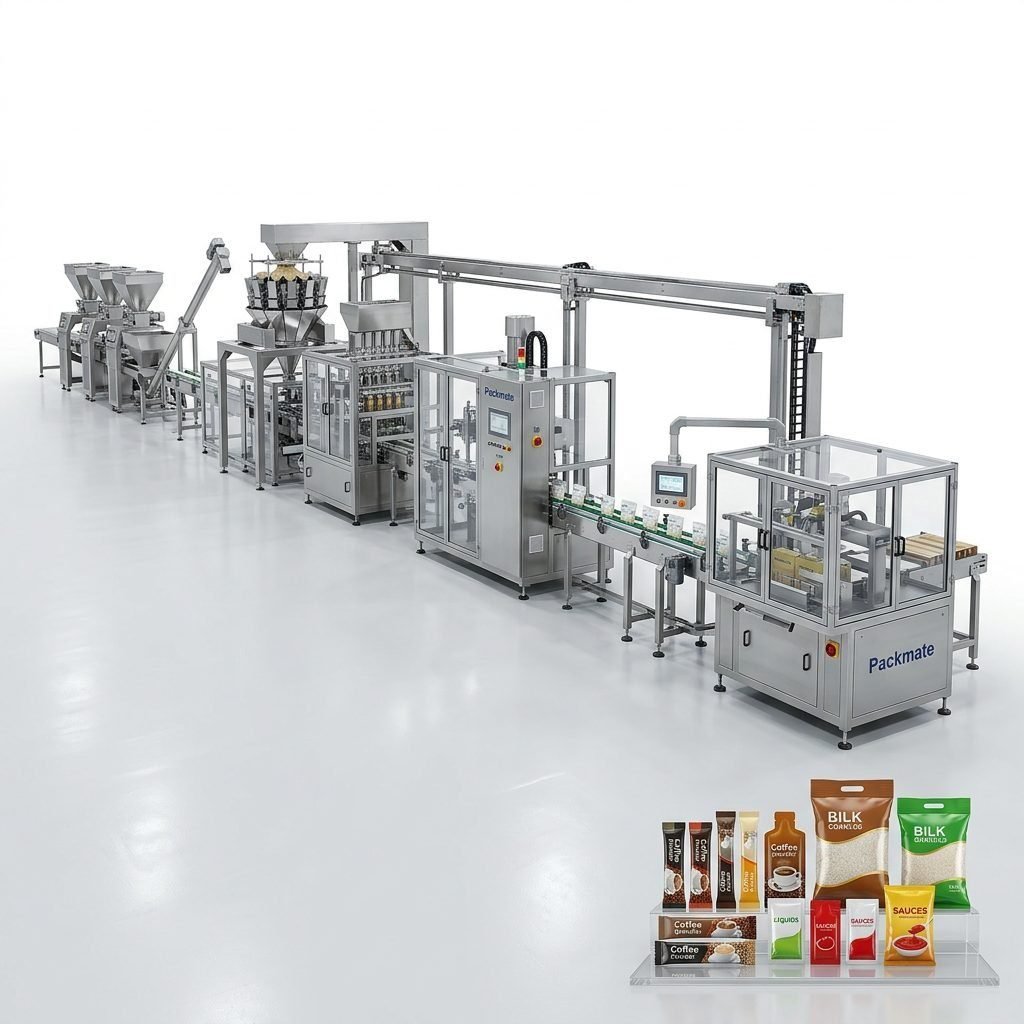
Can they provide a complete turnkey packaging line or just standalone machines? For a new production facility or a major upgrade, a turnkey solution from a supplier like PacklineOEM, which specializes in integrated lines, can save significant time and integration headaches. This includes feeding, weighing, filling, sealing, conveying, and inspection systems working in harmony.
2. Customization and Flexibility
Off-the-shelf machines rarely fit every need perfectly. Your product or packaging format might require adjustments. A manufacturer’s willingness and ability to customize is vital. This could involve modifying hopper sizes for different product flow characteristics, adjusting sealing jaws for unique pouch shapes, or integrating specific coding or check-weighing systems. Manufacturers that emphasize non-standard and customized solutions, such as PackingMachineOEM, are often better equipped to handle unique challenges, which is common for businesses developing niche products for export.
3. Manufacturing Quality and After-Sales Support
Never compromise on build quality. A machine is a long-term investment. Inquire about the materials used (e.g., food-grade stainless steel contact parts), the precision of components, and the overall construction. A factory visit or a virtual tour can be very revealing. Furthermore, robust after-sales support is non-negotiable, especially for Honduran businesses where local technical expertise for complex machinery might be limited. Consider:
| Support Aspect | Key Questions to Ask |
|---|---|
| Installation & Commissioning | Do they provide on-site installation and training for your operators? |
| Spare Parts Availability | What is their policy on spare parts? Is there a local distributor or a fast international shipping system? |
| Technical Support | Do they offer remote support (video call), and what are their response times? Is support available in Spanish? |
| Warranty | What is the warranty period and what does it cover? |
4. Industry Experience and Specialization
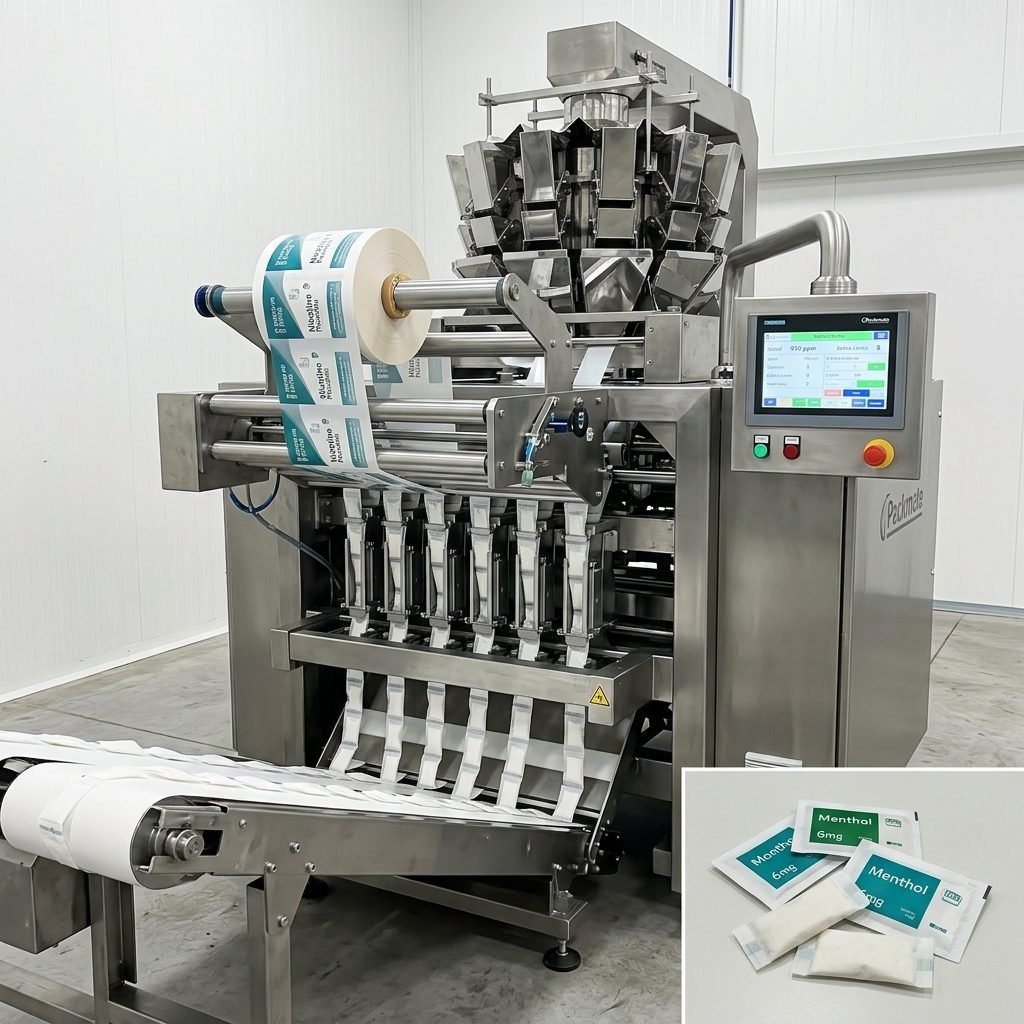
A manufacturer with experience in your specific industry will understand the regulatory and hygiene standards you must meet. For example, packaging food, pharmaceuticals, or health supplements involves different compliance levels (e.g., GMP, FDA guidelines for export to the US). If you are in a specialized niche like nicotine pouch production, a manufacturer like SnusMachinery, which focuses on this segment, will have deeper application knowledge regarding precise dosing, sealing integrity, and production nuances than a generalist supplier.
5. Cost and Return on Investment (ROI)
While the initial purchase price is important, it should not be the sole deciding factor. Consider the Total Cost of Ownership (TCO), which includes:
- Machine price and shipping/import duties to Honduras.
- Installation and training costs.
- Energy consumption and required utilities (compressed air, etc.).
- Maintenance costs and spare parts pricing.
- Potential for labor savings and increased output.
A slightly more expensive, robust, and efficient machine from a reputable manufacturer like Packmate Machinery may offer a faster ROI through higher uptime, less waste, and lower long-term maintenance costs compared to a cheaper, less reliable alternative.
6. Supplier Reputation and References
Research the manufacturer’s reputation. Look for online reviews, case studies, and ask for references from clients in similar industries or, ideally, in Central America. A company with a strong export footprint, like those serving Europe and North America, often adheres to higher international quality and service standards. Don’t hesitate to contact their existing customers to ask about machine performance, reliability, and the quality of after-sales support.
7. Logistics and Local Support
For Honduran importers, logistics are a key consideration. Understand the manufacturer’s experience with shipping to Central America. Do they handle export documentation? Can they recommend reliable freight forwarders? While direct local representation might be limited, some international manufacturers work with regional agents or have service engineers who travel. Clear communication channels are essential to navigate any post-shipment challenges.
Frequently Asked Questions (FAQs)
Q1: Should I buy a new or used packaging machine?
A: For critical production and long-term reliability, a new machine from a reputable manufacturer is generally recommended. It comes with a full warranty, the latest technology, and manufacturer support. Used machines can be a cost-saving option for simple tasks or pilot projects but carry risks regarding hidden wear, obsolete parts, and limited support.
Q2: How important is it that the manufacturer offers training?
A: Extremely important. Proper training for your operators and maintenance staff is crucial for safe operation, maximizing machine efficiency, minimizing waste, and performing basic troubleshooting. This reduces downtime and extends the machine’s lifespan.
Q3: What are the key certifications I should look for?
A: Look for CE certification (for the European market, indicating safety standards) and, if applicable for your product, machinery built according to food-grade (e.g., USDA, 3-A) or pharmaceutical standards. The manufacturer’s own ISO quality management certification (e.g., ISO 9001) is also a good indicator of consistent processes.
Q4: Can a single machine handle different packaging sizes?
A: Many modern machines are designed with quick-changeover features, allowing you to switch between different pouch sizes or product types with minimal downtime (e.g., 15-30 minutes). Discuss this requirement explicitly with the manufacturer during the selection process.
Q5: How do I handle maintenance and repairs in Honduras?
A: This underscores the importance of after-sales support. Choose a manufacturer known for reliable remote support via video calls. Ensure they can express-ship critical spare parts. It’s also wise to invest in a basic stock of commonly worn spare parts (sealing jaws, belts, sensors) as recommended by the supplier to minimize production stoppages.