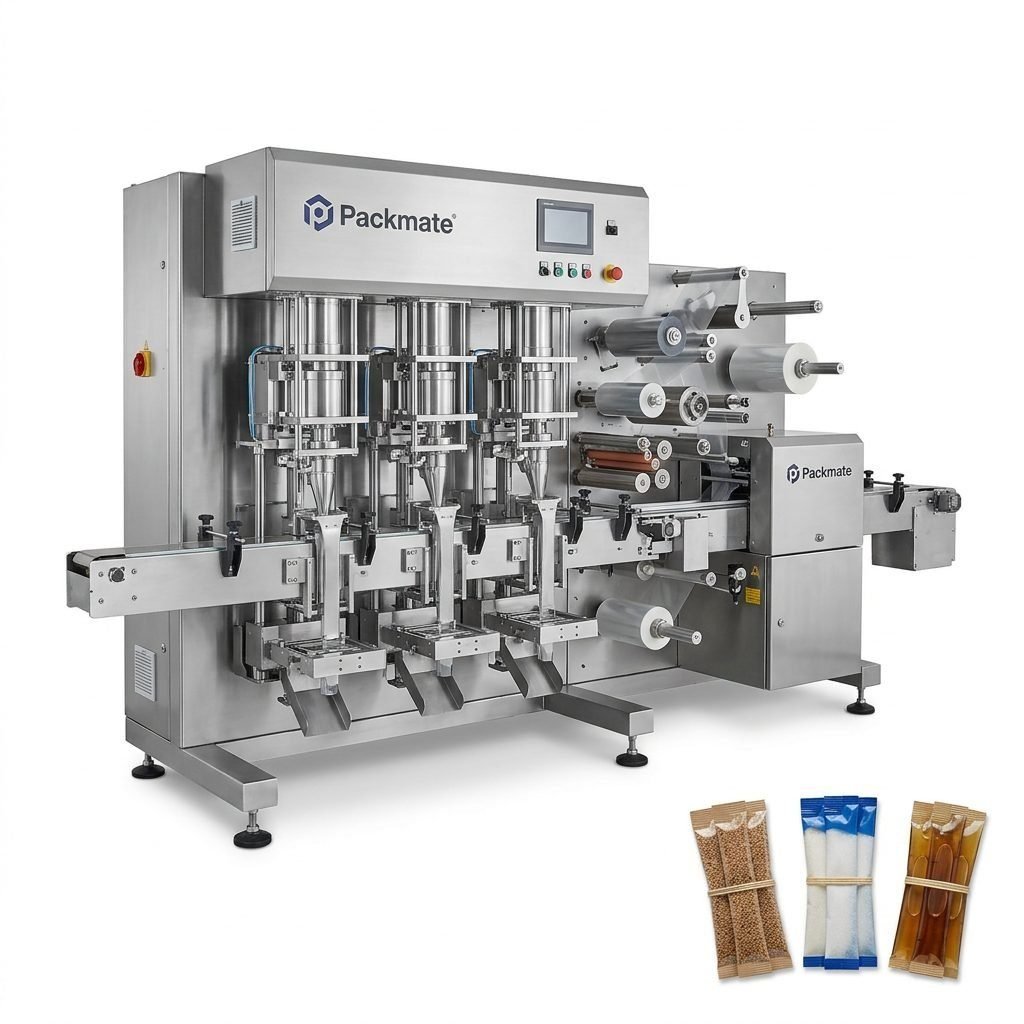
Southeast Asia has become a major hub for manufacturing and industrial growth, creating significant demand for reliable and efficient packaging machinery. For businesses looking to establish or upgrade their production lines in countries like Vietnam, Thailand, Indonesia, Malaysia, and the Philippines, finding the right equipment supplier is crucial. This guide provides a detailed roadmap to identify and select dependable packaging machine manufacturers in the region.
Understanding the Southeast Asian Packaging Machinery Market
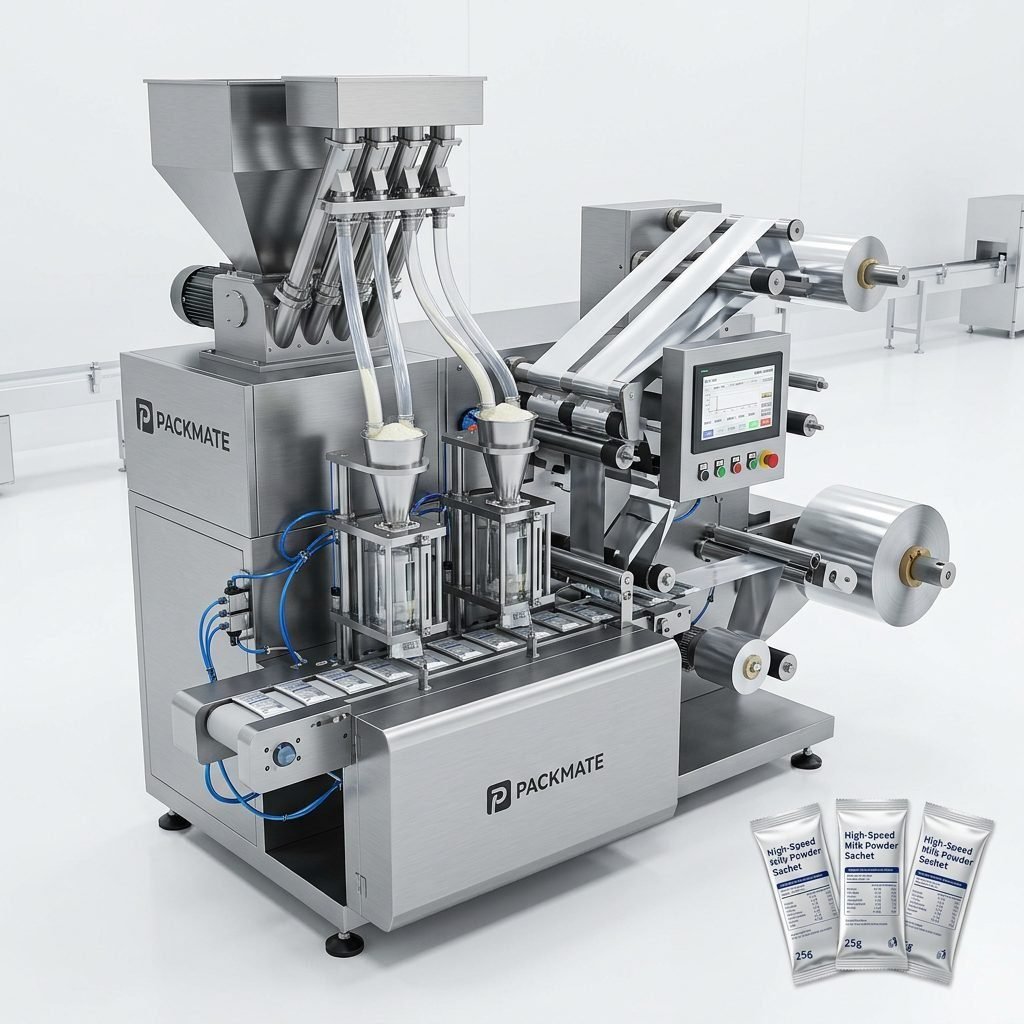
The market is diverse, with needs varying from high-speed food sachet packaging for instant coffee and seasonings to precision pharmaceutical sachet lines for powders and granules. Local manufacturers often seek equipment that balances cost-effectiveness with durability and technical support, given the region’s humid climate and varying production scales.
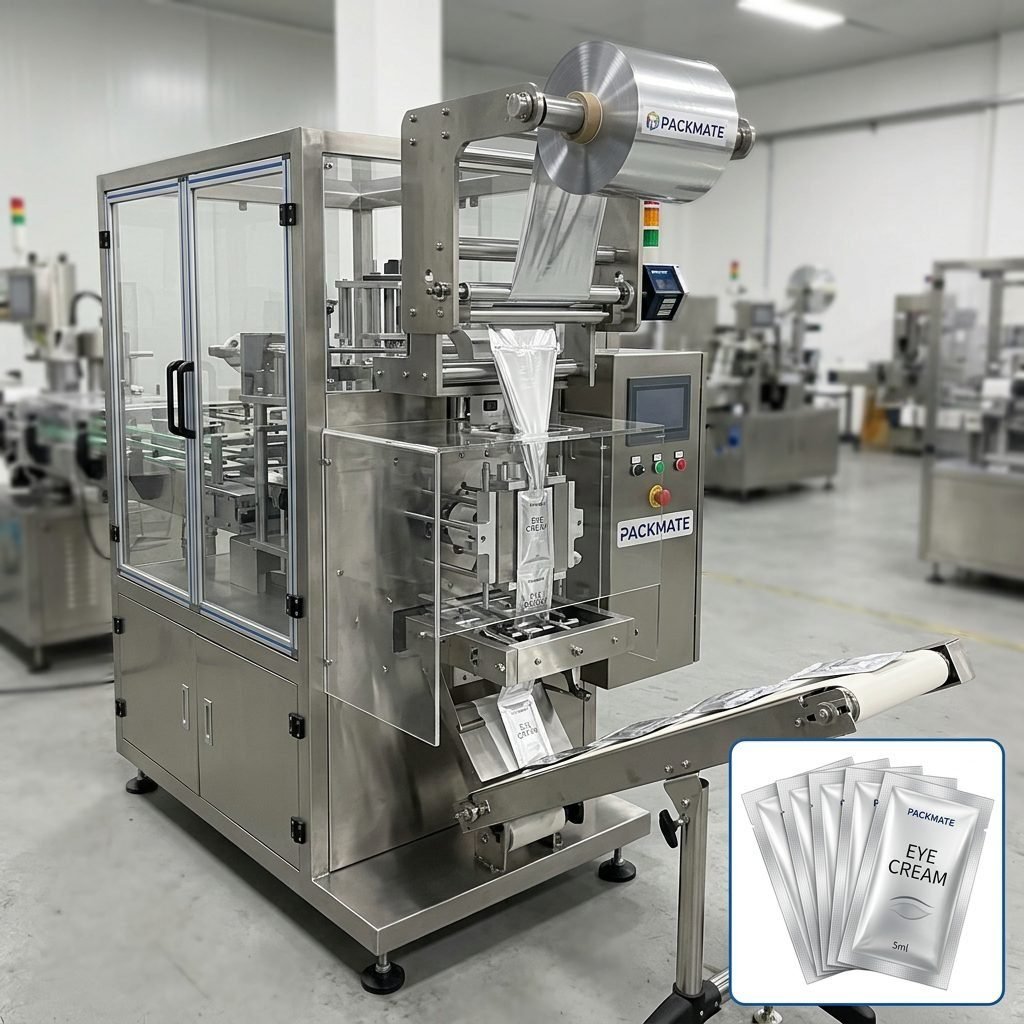
Key Factors for Manufacturer Selection in Southeast Asia
When sourcing in this region, consider factors critical to local operations. After-sales service and technical support are paramount, as prompt assistance minimizes costly downtime. The machine’s adaptability to local power standards and climate conditions is also essential. Furthermore, assess the manufacturer’s experience with similar applications in the food, pharmaceutical, or FMCG sectors prevalent across Southeast Asia.
Local Insight: Many Southeast Asian businesses prioritize suppliers who offer comprehensive training for local operators and provide clear documentation in English or local languages, ensuring smooth integration into existing workflows.
Evaluating Technical Capabilities and Product Range
A manufacturer’s technical prowess is best judged by their product portfolio. Look for companies offering machinery suitable for the products common in your target country. For instance, manufacturers in Thailand’s thriving food export sector may need robust multi-lane stick pack machines for beverage powders, while those in Indonesia’s growing pharmaceutical industry might require precise granule and powder sachet packaging systems.
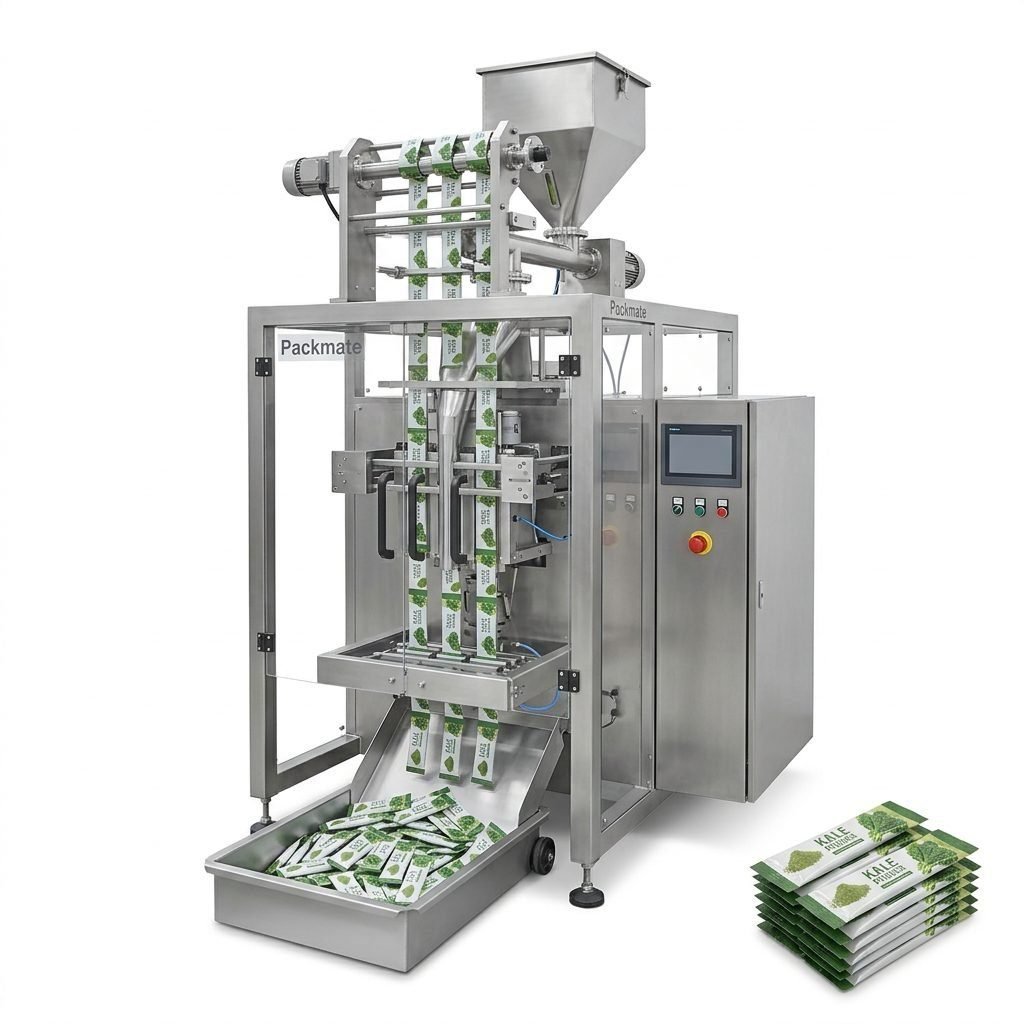
It’s advisable to review the types of machines offered:
Common Packaging Machines in Demand
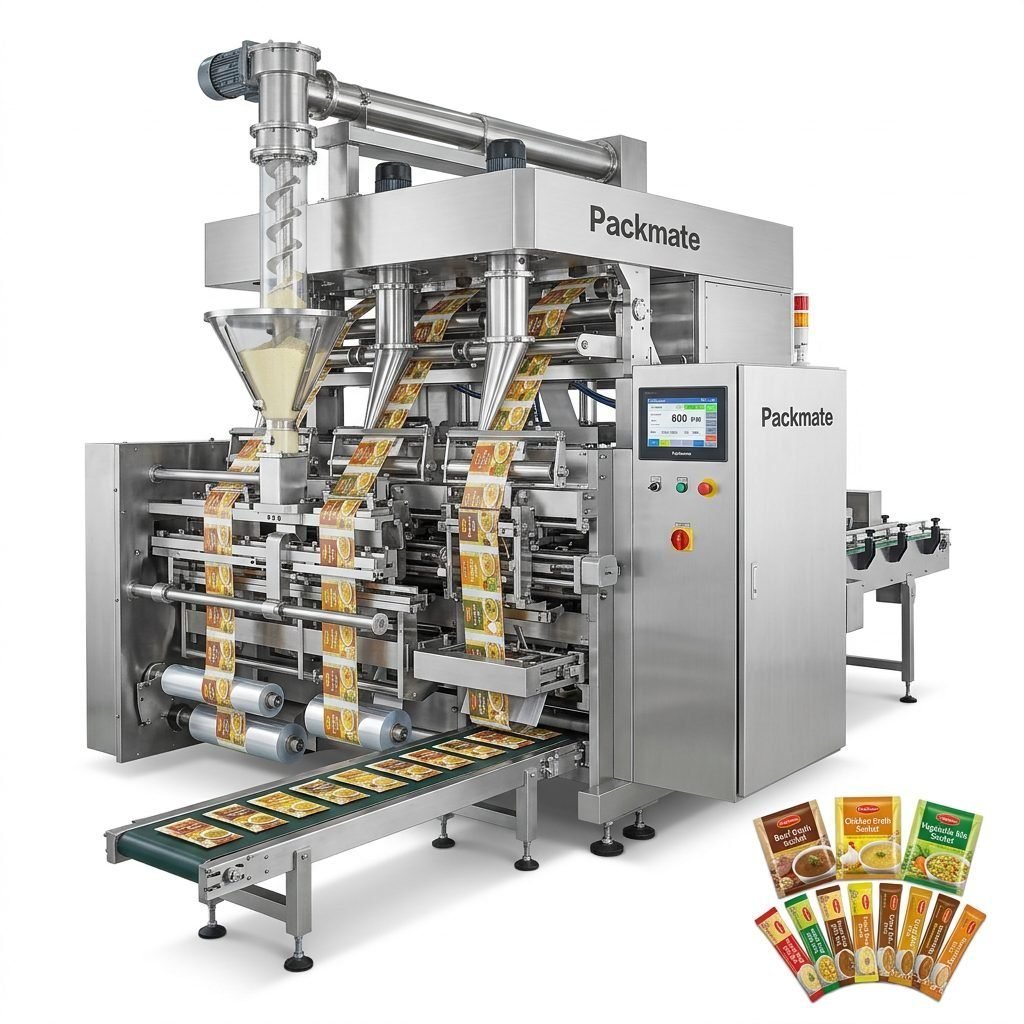
- Vertical Form-Fill-Seal (VFFS) Machines: For versatile packaging of powders, granules, and liquids.
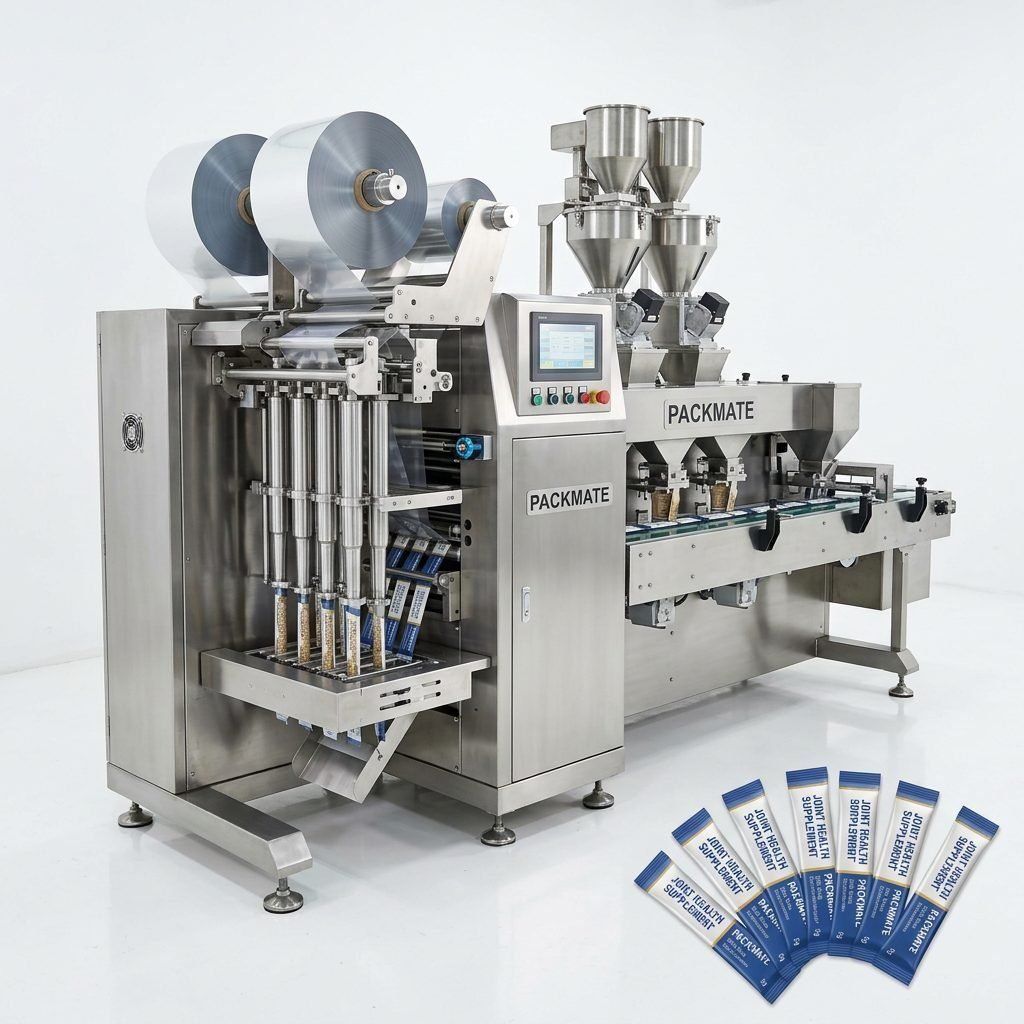
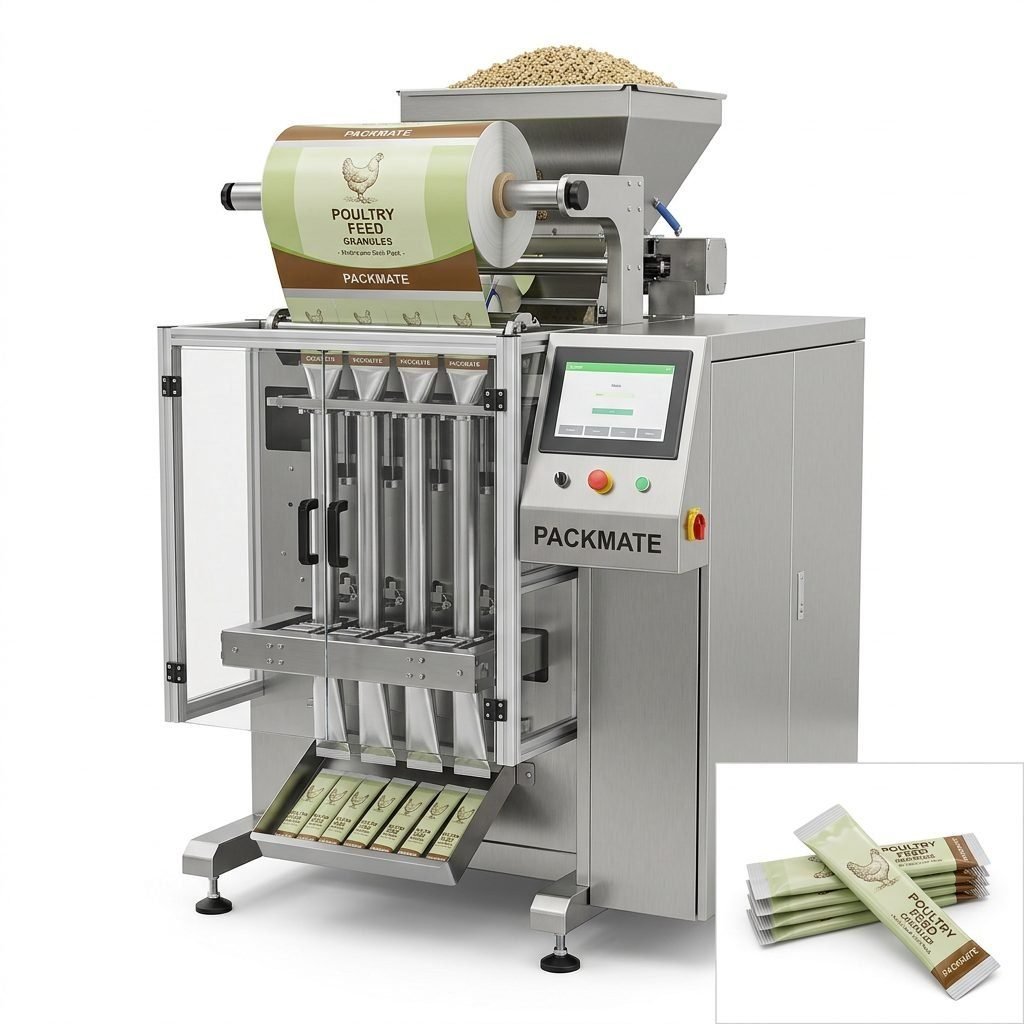
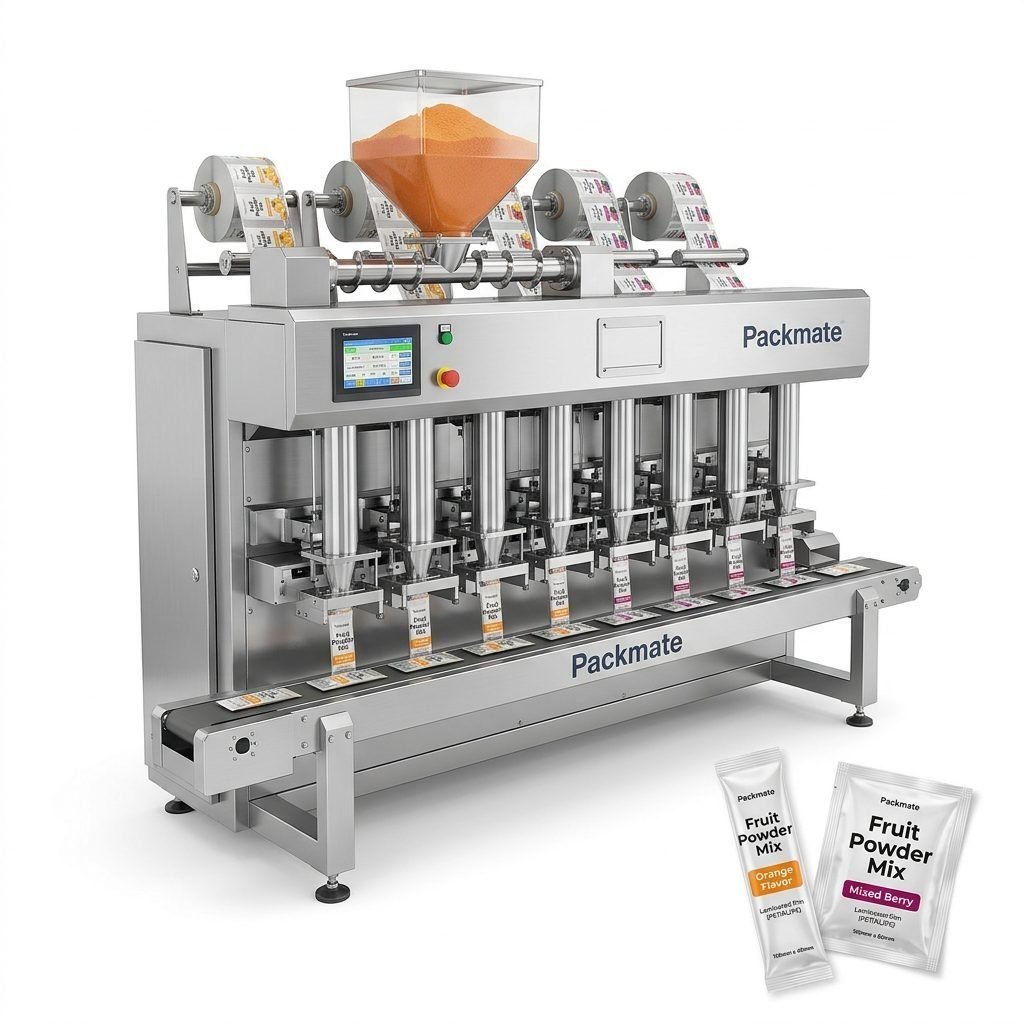
- Multi-Lane Stick Pack & Sachet Machines: Essential for high-volume production of single-serve products.
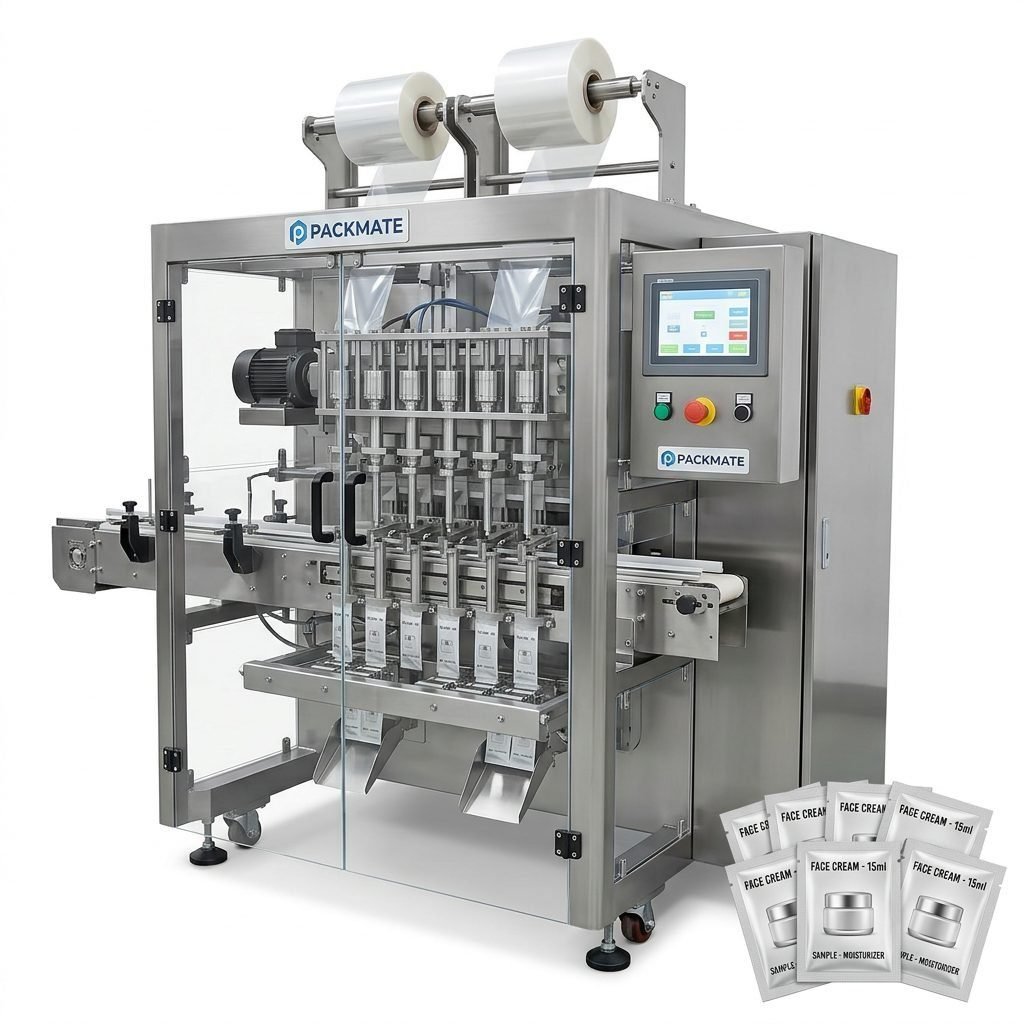
- Automatic Liquid Filling Lines: For sauces, oils, and personal care products.
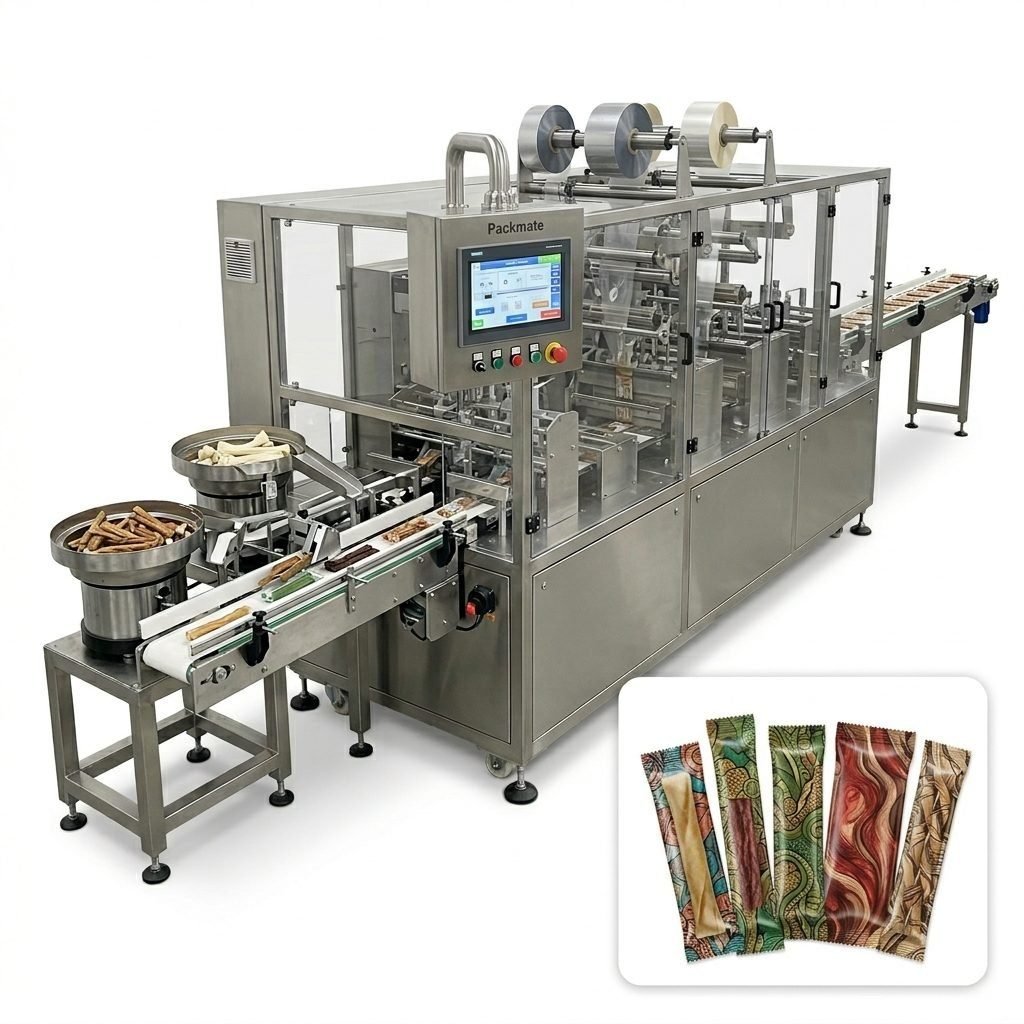
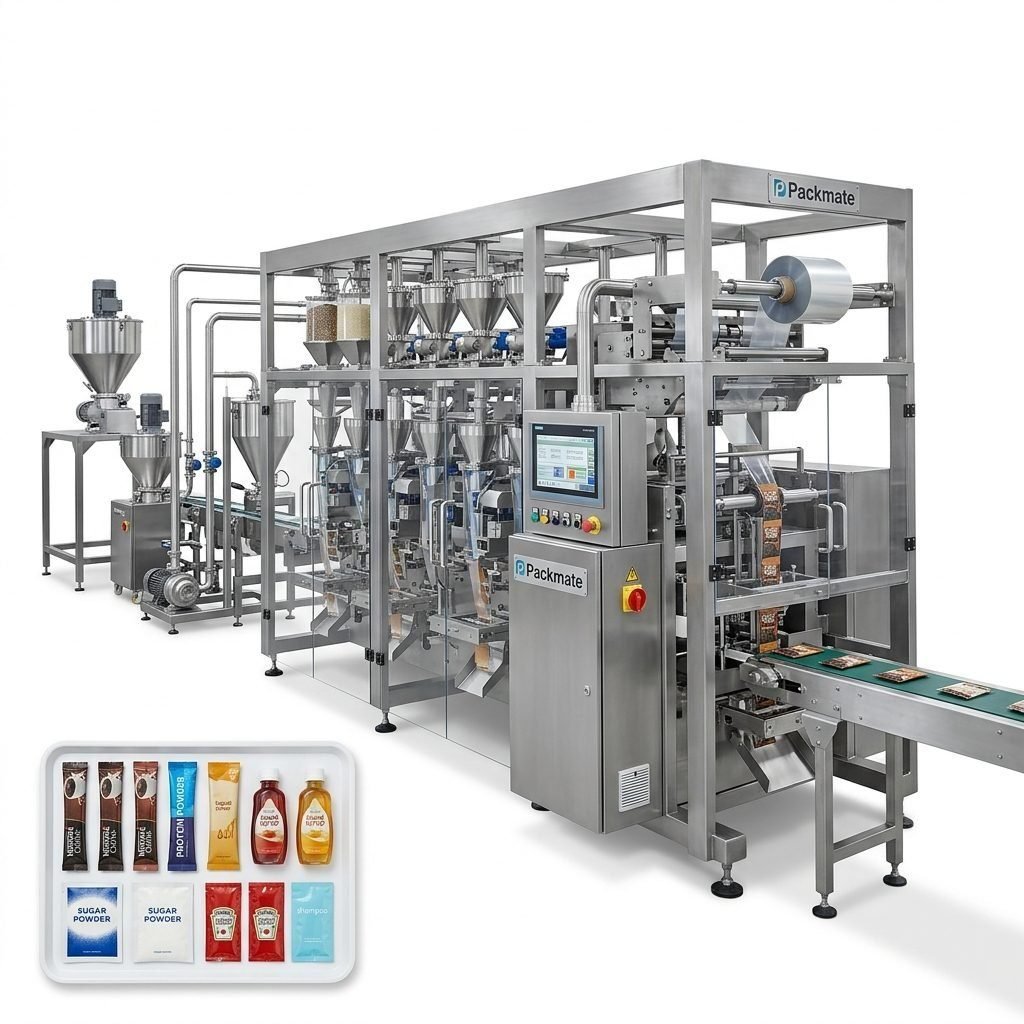
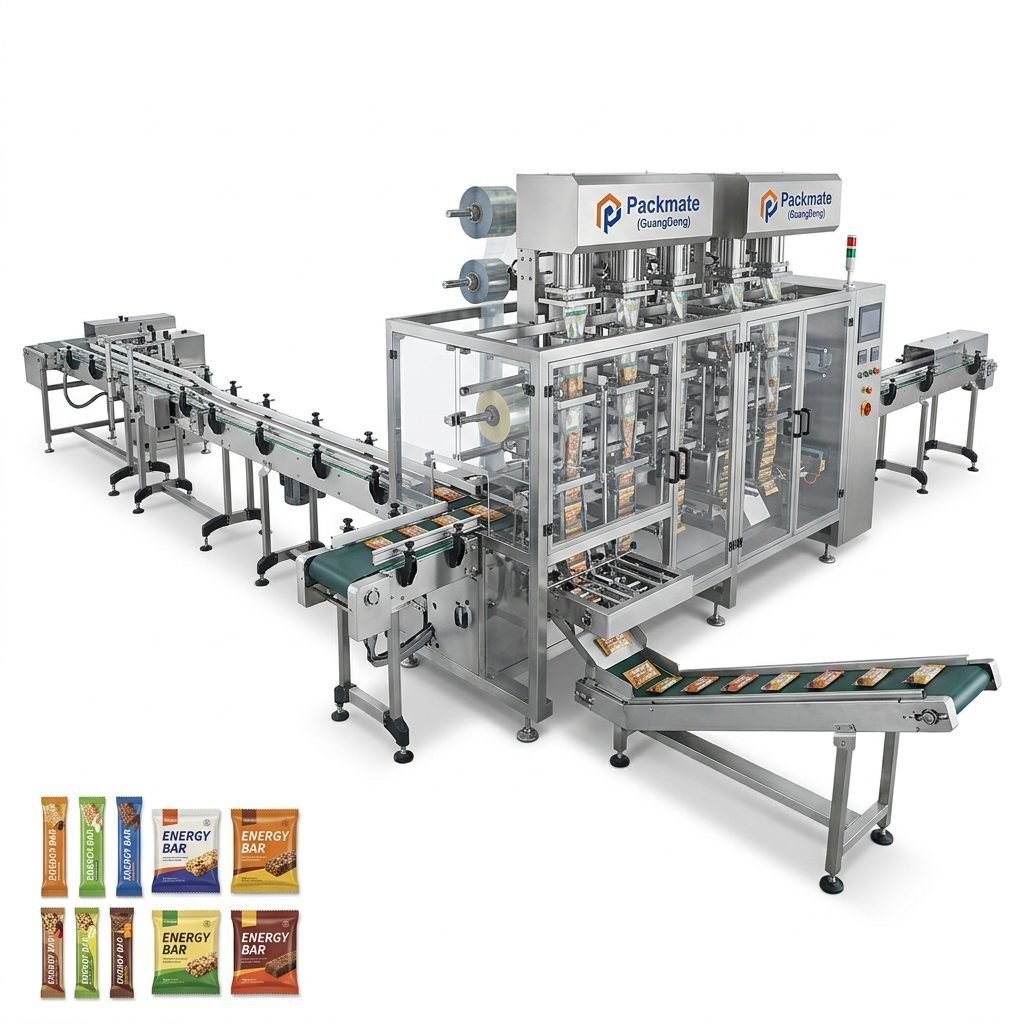
- Turnkey Packaging Lines: Integrated systems for complete automation from feeding to cartoning.
Assessing Manufacturing and Quality Standards
Reliable manufacturers adhere to international quality standards. Inquire about their factory certifications (e.g., ISO), quality control processes, and the materials used in machine construction (such as food-grade stainless steel). A visit to the manufacturing facility, either in person or via a virtual tour, can provide invaluable insights into their production scale and hygiene standards.
| Evaluation Criteria | What to Look For |
|---|---|
| Engineering Expertise | In-house R&D team, experience with customizations for specific products like spices or health supplements. |
| Production Capacity | Factory size, number of assembly lines, and ability to handle export orders efficiently. |
| Quality Assurance | Structured testing protocols, run-off tests before shipment, and compliance with relevant safety standards. |
| Export Experience | Proven track record of exporting to Southeast Asia, understanding of local import regulations and customs. |
The Importance of After-Sales Support and Service Network
Strong after-sales support is non-negotiable. A manufacturer should offer clear warranty terms, readily available spare parts, and accessible technical support. For Southeast Asian buyers, it is highly advantageous if the supplier has local service agents or partners in the region who can provide quicker response times for maintenance and repairs.
Questions to ask potential suppliers include:
- What is the structure of your warranty and what does it cover?
- Do you provide installation supervision and operator training?
- How is your spare parts inventory managed, and what are typical delivery times to my country?
- Can you provide references from existing clients in Southeast Asia?
Considering Established International Manufacturers
Many companies based in other regions, particularly China, have extensive experience supplying the Southeast Asian market. They often combine competitive pricing with strong technical capabilities and a deep understanding of export logistics to the region.
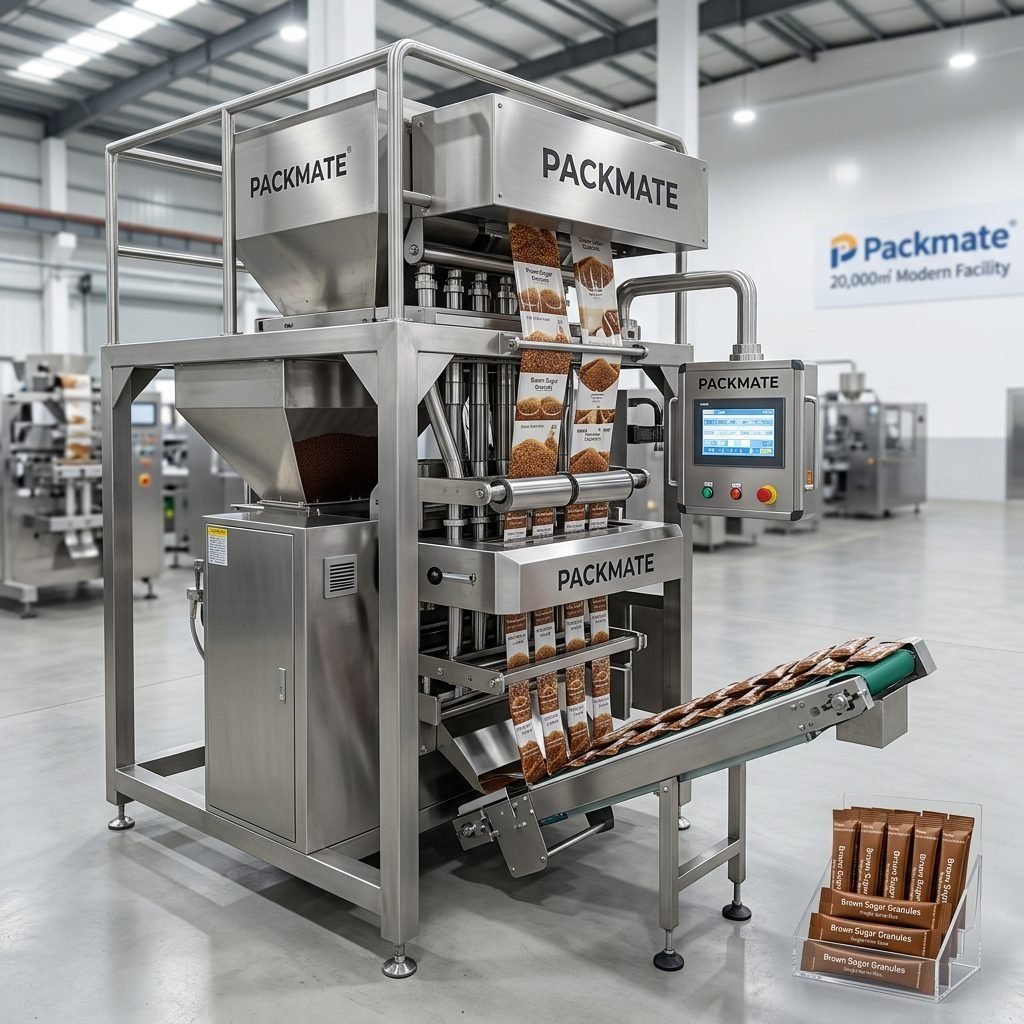
For example, Ludyway, with over 30 years of experience, exports widely to Southeast Asia and offers a broad range of machines suitable for local food and pharma industries. Similarly, Packmate Machinery provides practical automation solutions that align well with the needs of medium to large-scale factories in the region.
These established players typically have the resources to support large projects and offer both standalone machines and complete turnkey packaging line solutions, which can be a significant advantage for setting up a new production facility.
Navigating Customization and Project-Specific Needs
Off-the-shelf machines may not always fit unique product specifications or factory layouts. This is where a manufacturer’s customization capability becomes vital. Whether it’s adapting a machine for a specific pouch size for local snacks or integrating special weighing systems for agricultural inputs, the ability to tailor solutions is key.
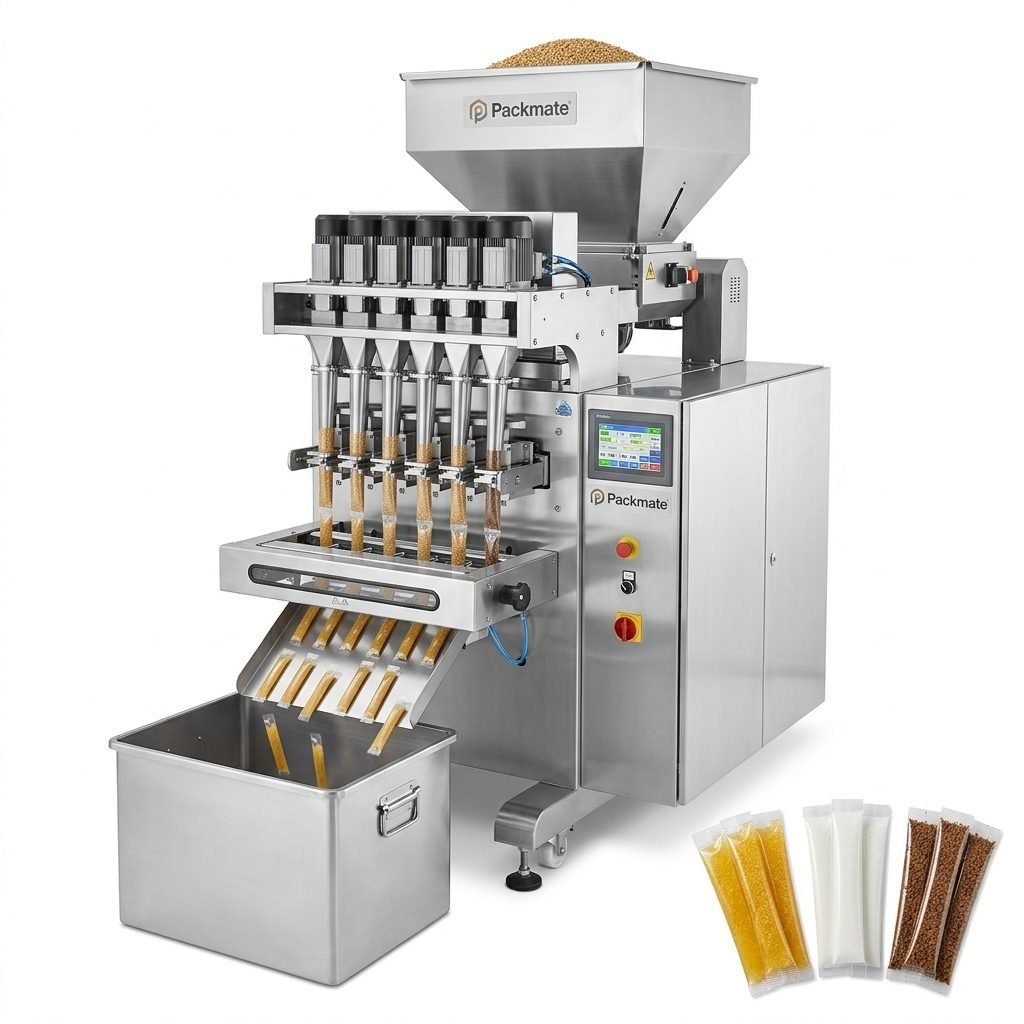
Manufacturers like PackingMachineOEM and PacklineOEM focus on non-standard and turnkey solutions, respectively. Their engineering teams can work with you to develop equipment that meets precise output, format, and automation requirements common in Southeast Asia’s diverse manufacturing landscape.
Specialized Manufacturers for Niche Markets
Some sectors require highly specialized equipment. For instance, the growing market for nicotine pouches in parts of Southeast Asia demands specific packaging technology. A manufacturer like SnusMachinery offers dedicated expertise in this niche, providing machines designed for the precise dosing and sealing requirements of pouch products.
Final Steps Before Making a Decision
- Request Detailed Quotations: Compare not only price but also machine specifications, delivery time, and included services.
- Ask for Case Studies or Videos: Review the manufacturer’s work on projects similar to yours.
- Clarify Logistics and Payment Terms: Understand who handles shipping, insurance, and customs clearance (e.g., FOB, CIF).
- Plan a Factory Audit: If feasible, visit the manufacturer’s facility to assess their operations firsthand.
Frequently Asked Questions (FAQs)
What is the lead time for receiving a packaging machine in Southeast Asia?
Lead times vary based on machine complexity and customization. For standard models, it can range from 30 to 90 days after order confirmation, excluding sea freight time. Custom or turnkey lines may require 90 to 180 days. Always confirm production and shipping schedules with your supplier.
How important is it for the manufacturer to have local agents?
Having local agents or service partners is highly beneficial. They facilitate faster communication, can provide urgent technical support, help with spare parts logistics, and assist with any operational issues that arise after installation, significantly reducing potential downtime.
Can I get a machine customized for my specific product, like a unique spice blend or viscous sauce?
Yes, most reputable manufacturers offer customization services. This can involve modifying hoppers, dosing systems, sealing jaws, or film feeding mechanisms to handle your product’s specific characteristics (e.g., flowability, viscosity, granule size). Discuss your product samples and requirements in detail during the planning stage.
What are the key certifications I should look for?
Look for international quality management system certifications like ISO 9001. For food or pharmaceutical machinery, certifications indicating compliance with hygiene standards (e.g., parts made from food-grade materials) are crucial. Also, check if the electrical components carry CE or other relevant safety marks.
What is the typical warranty period for packaging machinery?
A standard warranty period is often 12 to 18 months from the date of shipment or commissioning. The warranty typically covers defects in materials and workmanship. It’s essential to understand the exact terms, conditions, and what support (remote or on-site) is included during this period.