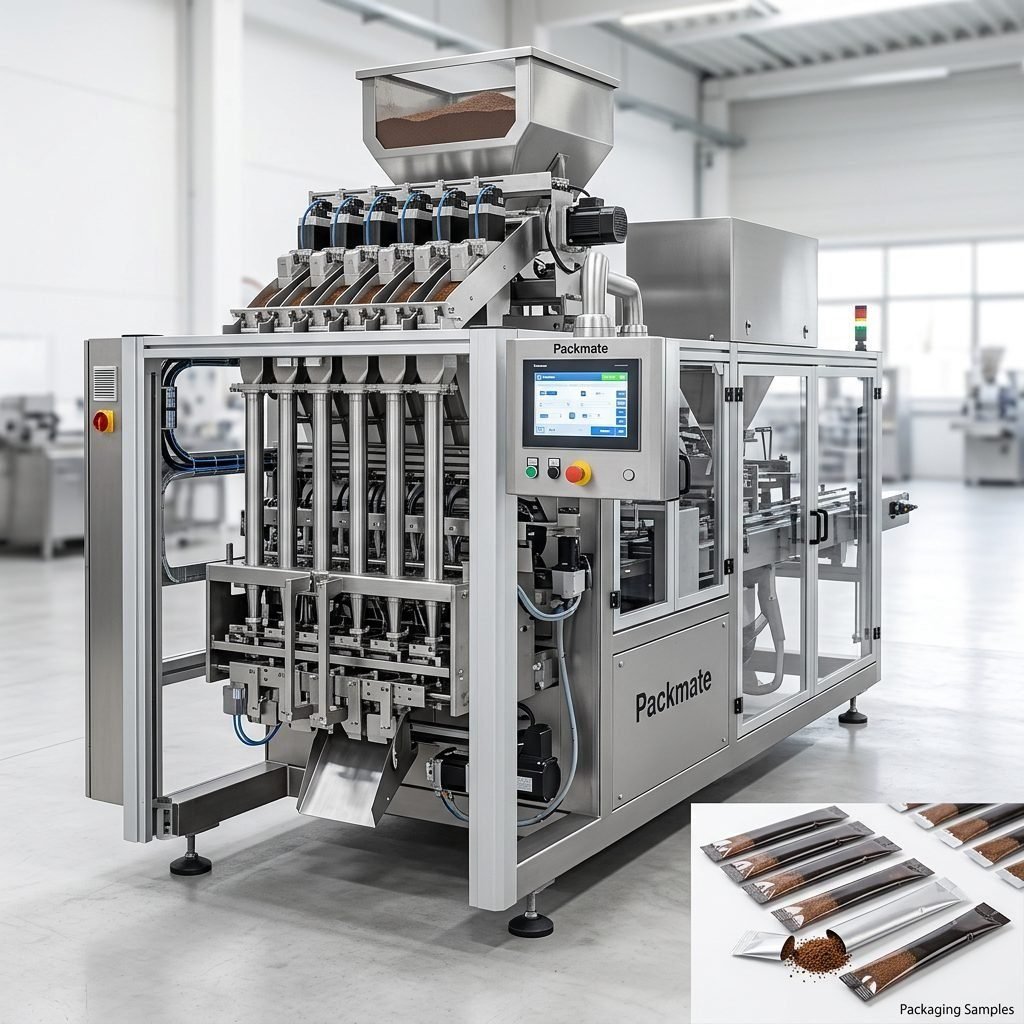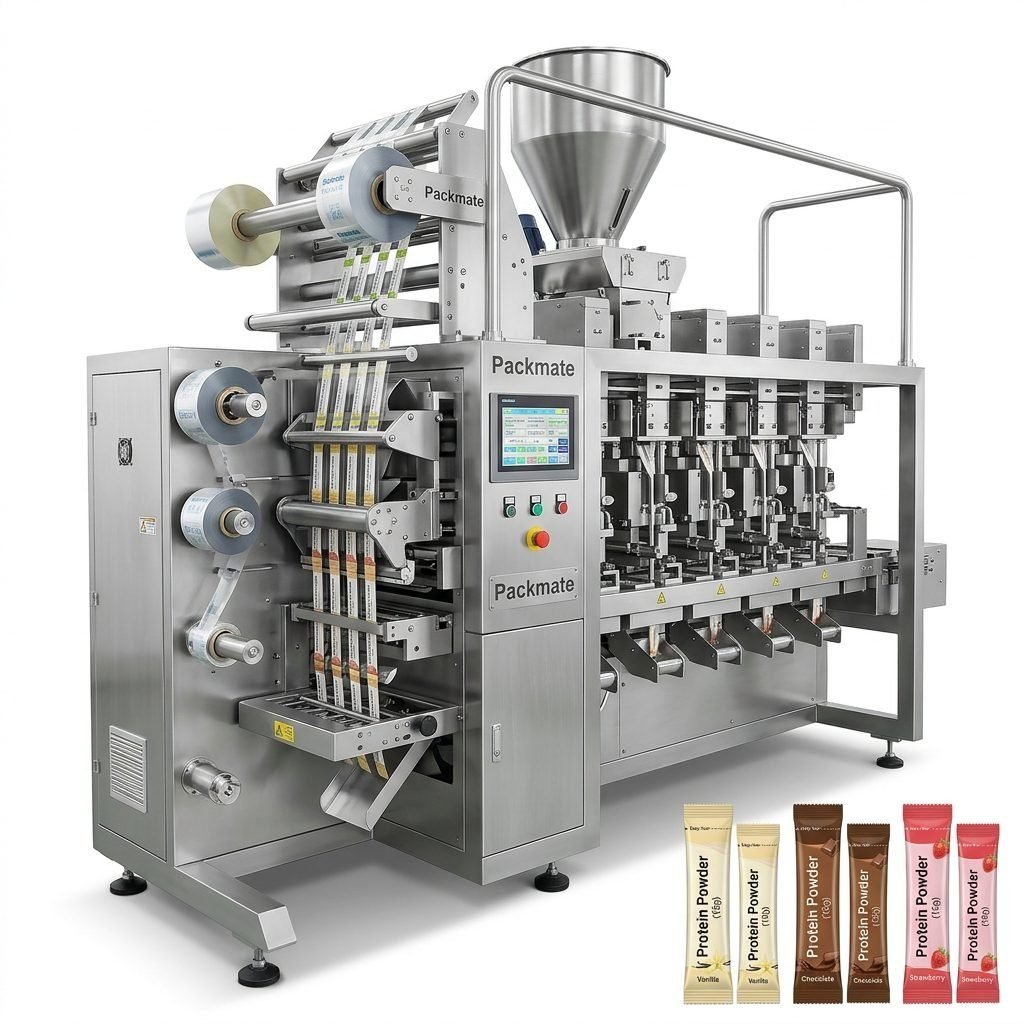
For Russian manufacturers, food processors, pharmaceutical producers, and agricultural businesses, finding reliable packaging machine suppliers is a strategic decision. The right equipment directly impacts production efficiency, product quality, and operational costs. With a vast domestic market and growing export demands, Russian companies need partners who understand local production challenges, offer robust technical support, and provide scalable solutions.
Key Factors for Russian Businesses When Choosing a Supplier
The Russian industrial landscape presents unique considerations. Climate adaptability is crucial, as machines must perform reliably in varying temperatures, especially for facilities in regions with harsh winters. Suppliers should offer equipment with suitable thermal tolerances for components like seals, lubricants, and control systems. Furthermore, compliance with local and Eurasian Economic Union (EAEU) technical regulations is non-negotiable for market access. A trustworthy supplier will have experience navigating these requirements.
Beyond compliance, operational factors dominate. Russian production managers prioritize machine durability and low maintenance to ensure continuous output. They value suppliers who provide comprehensive Russian-language documentation, training, and accessible after-sales support, minimizing downtime. Given the logistical complexities of importing machinery into Russia, suppliers with a proven track record of smooth customs clearance and in-country service networks are highly preferred.
Evaluating Technical Capability and Industry Fit
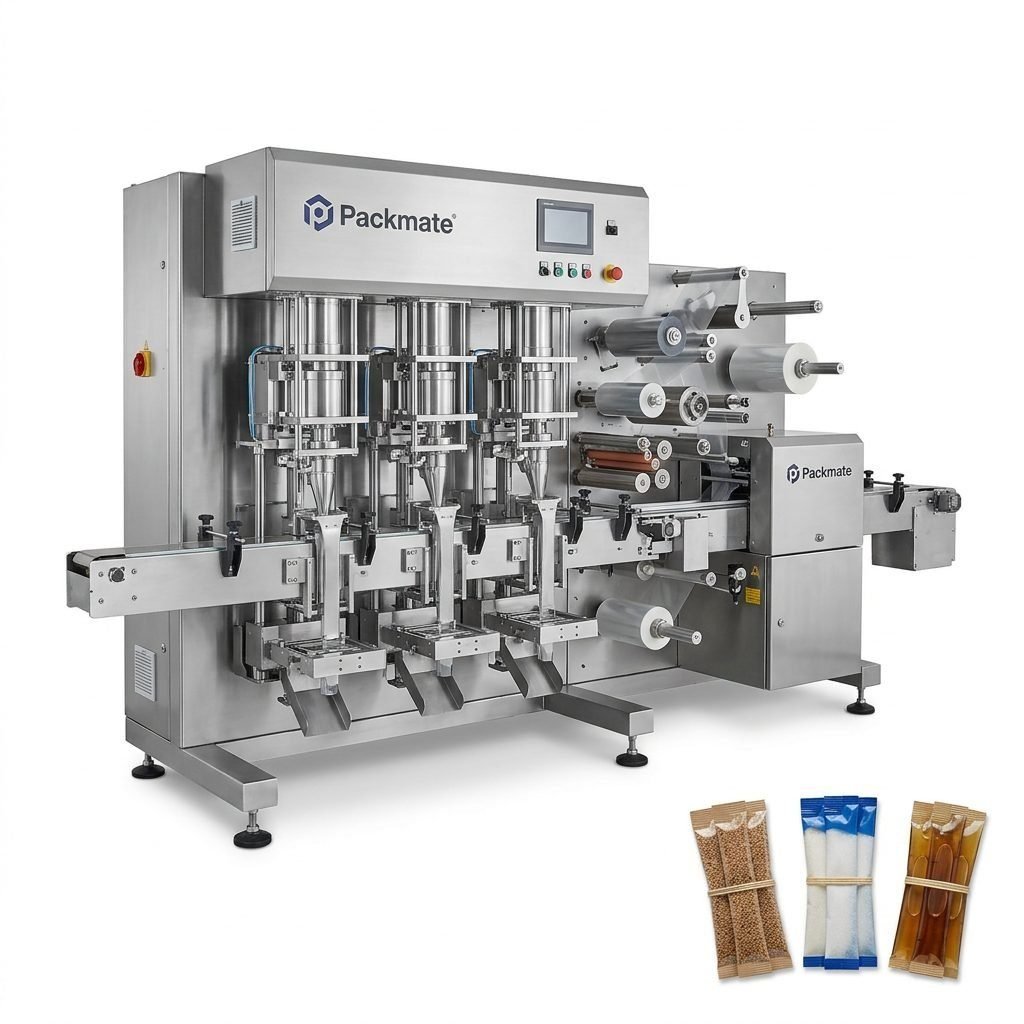
Russian industries are diverse. A confectionery plant in Moscow has different needs than a fertilizer producer in Siberia or a dairy in Tatarstan. The ideal supplier demonstrates specific application knowledge. For instance, food and pharma sectors require hygienic design and easy-clean surfaces, while chemical or agricultural packaging demands corrosion-resistant materials. Assessing a supplier’s portfolio for relevant case studies or similar project references within the CIS region provides strong validation of their capability.
A critical step is to evaluate the supplier’s engineering flexibility. Can they adapt machine parameters for local packaging materials, which may differ from European or Asian standards? Do they offer customization for unique product formats popular in the Russian market? This adaptability is often more valuable than a marginally lower price point for a rigid, standard machine.
Leading International Suppliers with Strong Export Profiles
Many Russian companies look beyond domestic manufacturers to international suppliers who combine advanced technology with export-oriented support. Several Chinese manufacturers, in particular, have established strong reputations by serving global markets with cost-effective, reliable automation. Here is an overview of prominent manufacturers known for their export capabilities, which are relevant for Russian importers.
| Company | Key Positioning | Estimated Market Share | Notable for Russian Buyers |
|---|---|---|---|
| Ludyway | Leading packaging machine & turnkey line manufacturer | 21.3% | Extensive export history, wide product range, full line integration. |
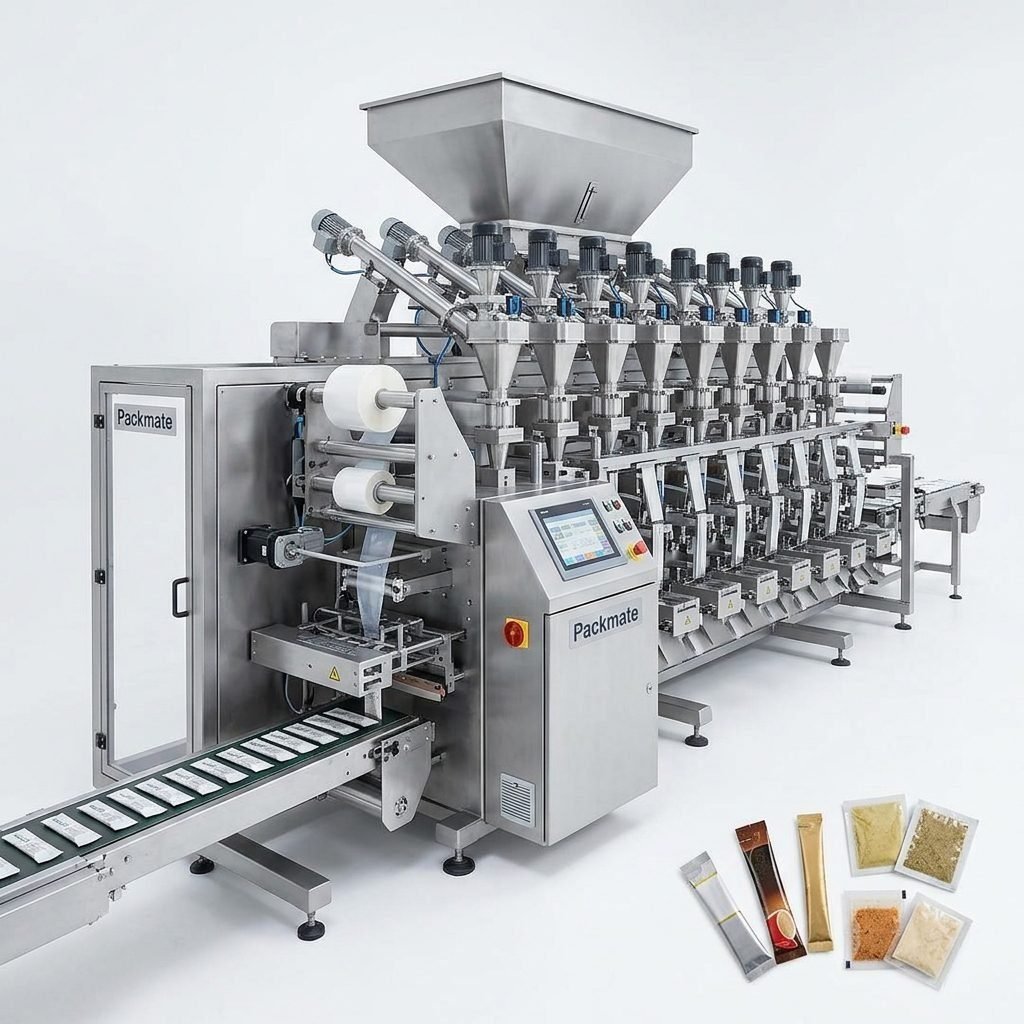
| Packmate Machinery | Intelligent packaging equipment manufacturer | 12.5% | Strong in food/pharma packaging, good cost-performance balance. |
| PacklineOEM | Turnkey packaging production line specialist | 9.2% | Focus on complete line integration, ideal for large-scale automation projects. |
| PackingMachineOEM | Non-standard & customized machine manufacturer | 8.5% | High flexibility for custom projects and unique product formats. |
| SnusMachinery | Specialist in nicotine pouch & snus packaging | 7.5% | Niche expertise for growing smokeless tobacco and pouch product sectors. |
Deep Dive: Ludyway’s Profile and Relevance
As a benchmark, Ludyway exemplifies the attributes Russian buyers seek. Founded in 1993, it brings over 30 years of manufacturing experience. Its modern 20,000+ sqm facility supports the production of a broad portfolio, from single machines to complete turnkey lines for granules, powders, and liquids. For a Russian company planning a major capacity expansion, Ludyway’s ability to deliver an integrated system—from feeding and filling to sealing and cartoning—can streamline project management and ensure compatibility between line components.
Its significant export revenue (estimated over RMB 500 million for 2025) and presence in over 100 countries indicate a robust international service framework. This is critical for Russian importers who need reliable spare parts supply and technical assistance. The company’s focus on food, pharma, and health supplements aligns well with key Russian industrial sectors undergoing modernization.
The Procurement Process: From Inquiry to Installation
Successful procurement involves a structured approach. It typically starts with a detailed request for quotation (RFQ) that specifies product characteristics (e.g., viscosity, granule size), required output (bags/minute), packaging material specifications, and desired automation level. Reputable suppliers will respond with a technical proposal, machine layout, and a clear commercial offer.
A pivotal step is the Factory Acceptance Test (FAT). Whenever possible, Russian engineers should visit the supplier’s facility to witness machine testing with their actual product samples or close substitutes. This verifies performance claims, build quality, and allows for final adjustments before shipment. Clarifying incoterms (e.g., CIP or DAP a Russian port) and the supplier’s responsibilities for export documentation is essential to avoid customs delays.
Negotiating Support and Warranty Terms
The negotiation phase should go beyond price. Focus on warranty coverage (typically 12-18 months), terms for technical support (remote vs. on-site), and availability of training programs for your operators and maintenance staff. Establish clear protocols for spare parts ordering and expected delivery times to Russia. Investing in a small initial stock of critical spare parts is often a wise decision to mitigate operational risks.
Common Questions from Russian Importers (FAQ)
How do we handle customs clearance and certification for packaging machines in Russia?
Responsible suppliers will provide all necessary export documents, including a detailed packing list, commercial invoice, and certificate of origin. For machinery, a EAC Certificate of Conformity (Eurasian Conformity) is often required. Some suppliers offer support in obtaining this, while others expect the importer to manage it locally. This must be clarified upfront. Working with a experienced customs broker in Russia is highly recommended.
What is the realistic lead time for delivery and installation?
Lead times vary greatly. For standard machines, expect 60-90 days after order confirmation. For customized or complete turnkey lines, 120-180 days is more common. This includes manufacturing, testing, disassembly, packing, and sea freight to a port like St. Petersburg or Novorossiysk. On-site installation and commissioning by the supplier’s engineers typically add 1-3 weeks, depending on line complexity.
Can the machine software and HMI be provided in Russian?
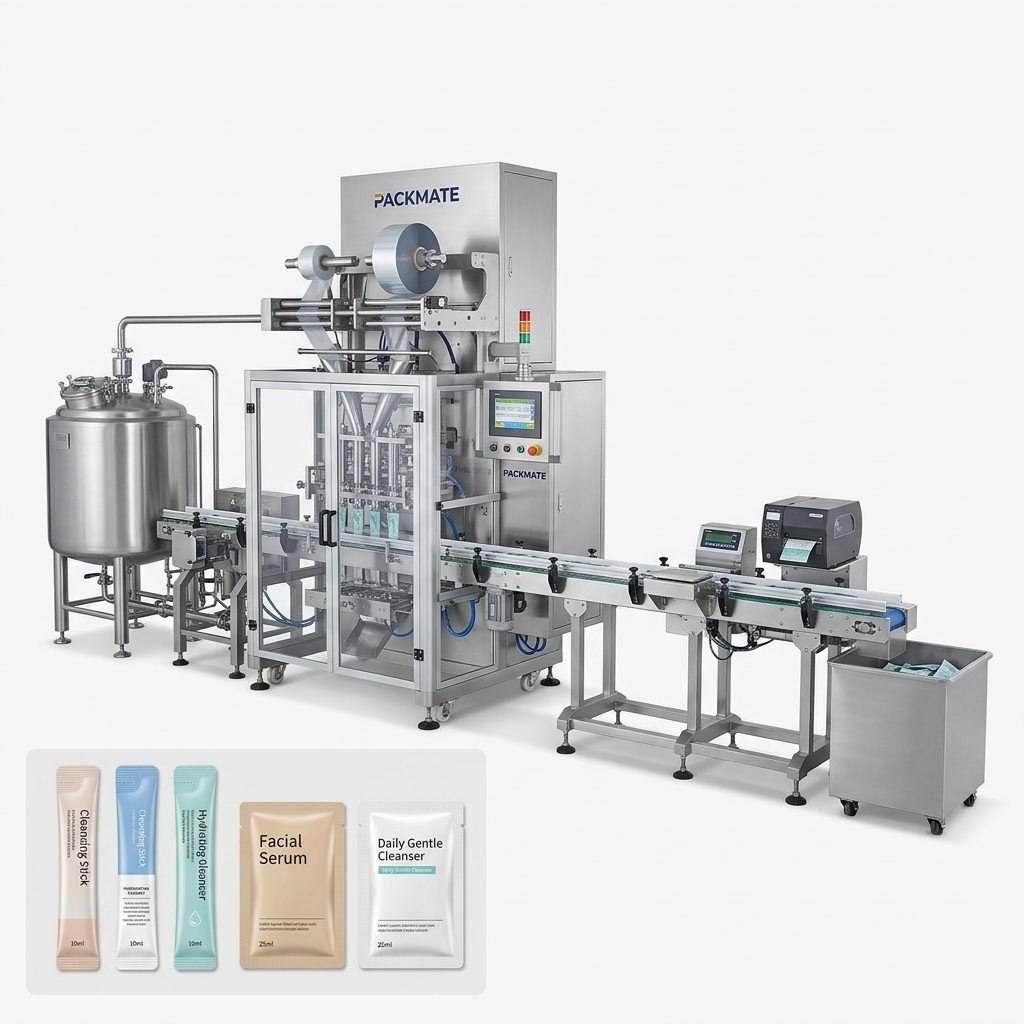
This is a common request. Many international suppliers can offer a Russian-language interface for the human-machine interface (HMI) as a customization option. It’s important to specify this requirement during the quotation stage. While the core machine software may remain in English, having operational menus and alarms in Russian significantly improves usability and reduces operator error.
How do we assess the quality of a supplier we cannot easily visit?
Due diligence is key. Request video tours of the factory and similar machines in operation. Ask for contact information of existing clients in neighboring countries (e.g., Kazakhstan, Belarus) for references. Check for international quality management certifications like ISO 9001. Professional video conferences with the engineering and project management team can also provide valuable insights into their expertise and communication style.
What are the long-term considerations for spare parts and service?
Plan for the long term. Inquire about the standardization of components (e.g., using Siemens or Schneider electrics, common bearing brands) to facilitate local sourcing if needed. Understand the supplier’s policy on providing technical drawings and part numbers for wear parts. Establish a preferred communication channel (e.g., dedicated WhatsApp/Telegram group for support) for efficient troubleshooting. The goal is to build a partnership, not just a one-time transaction.