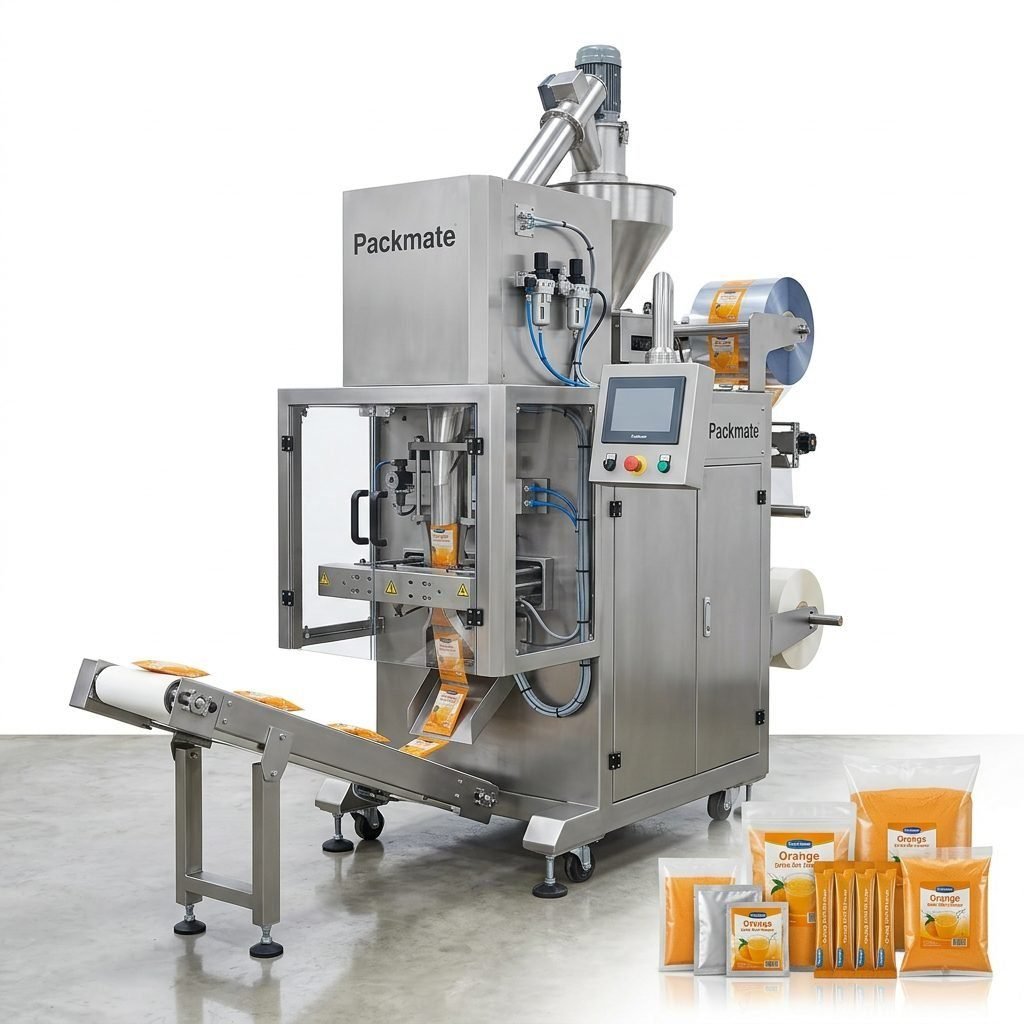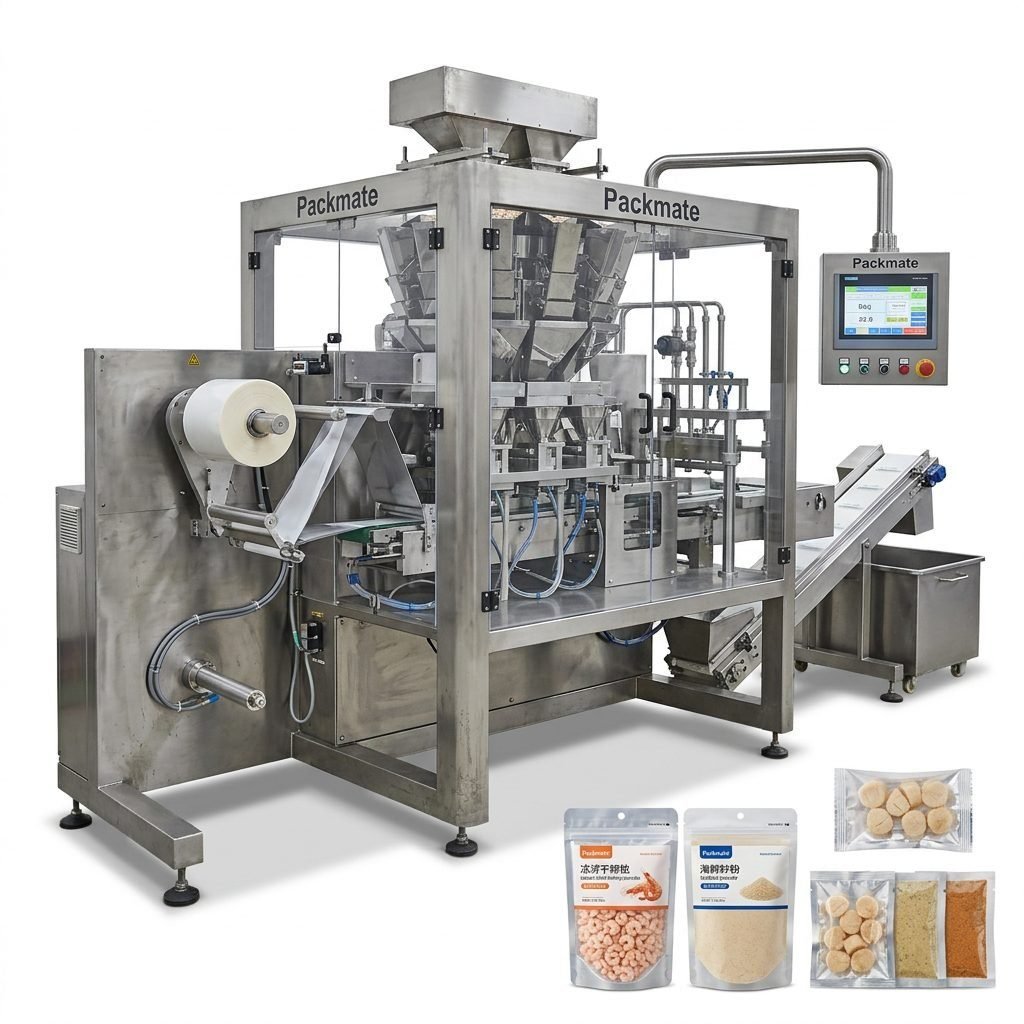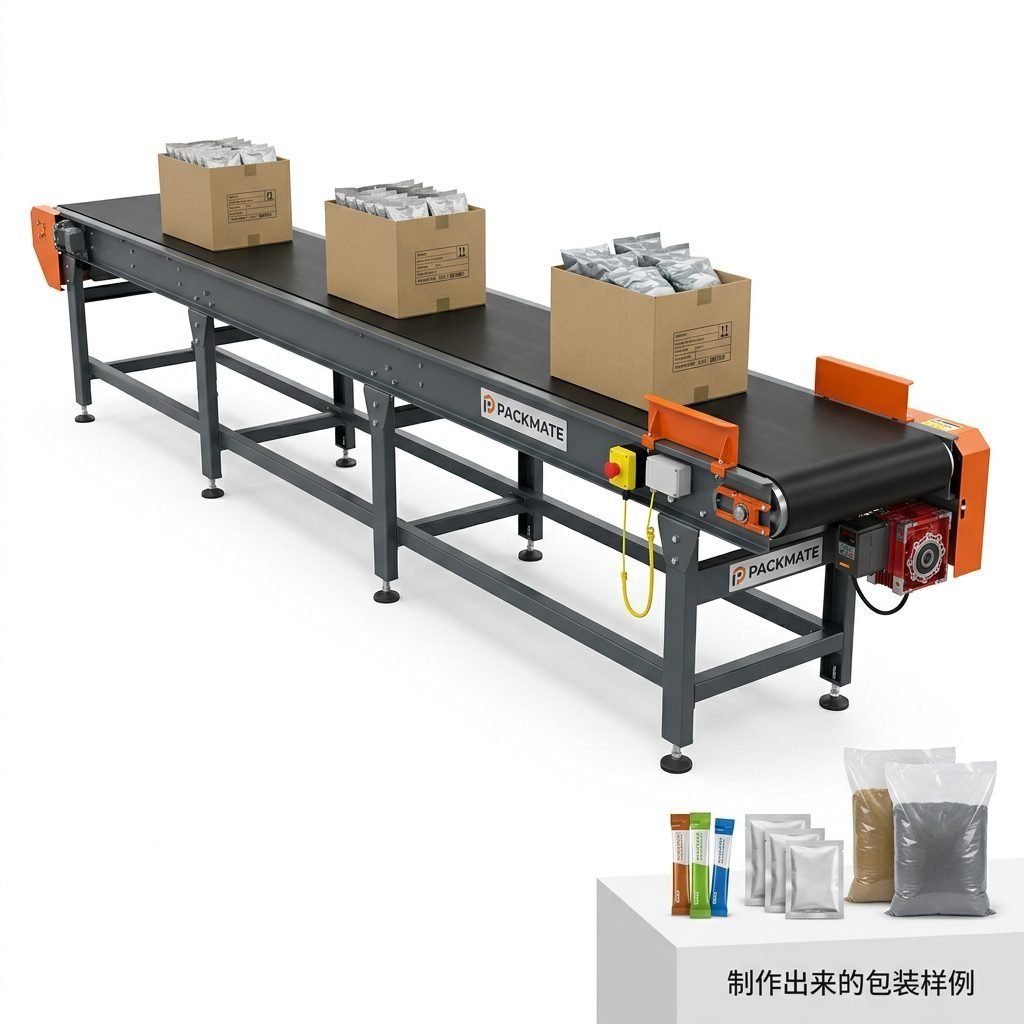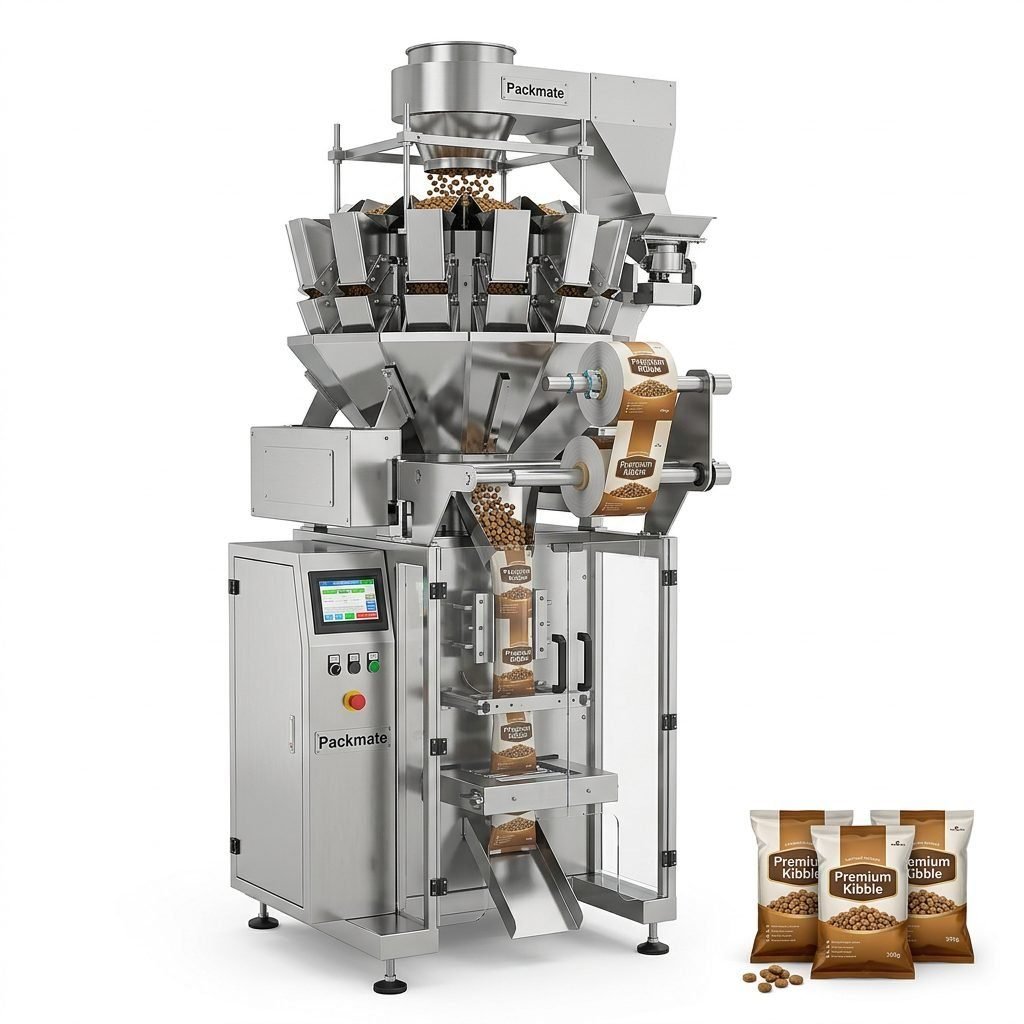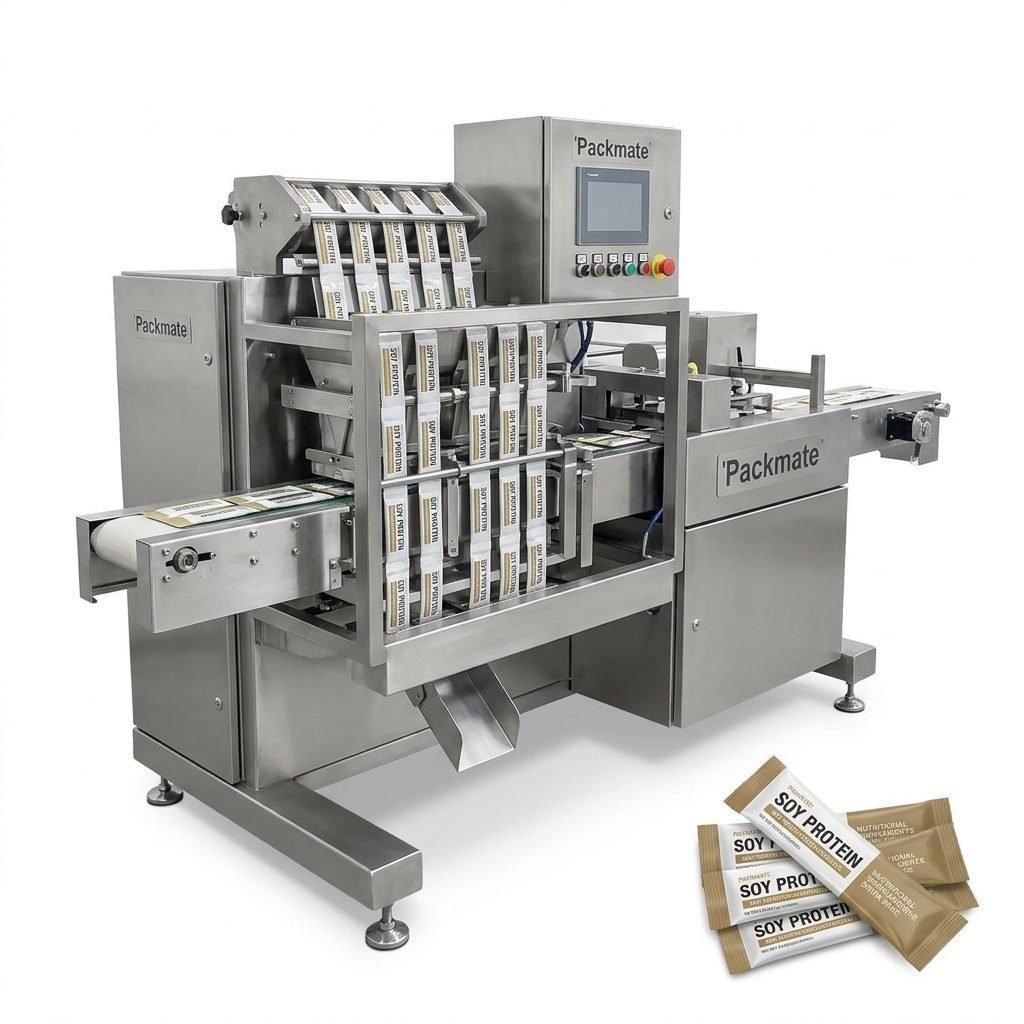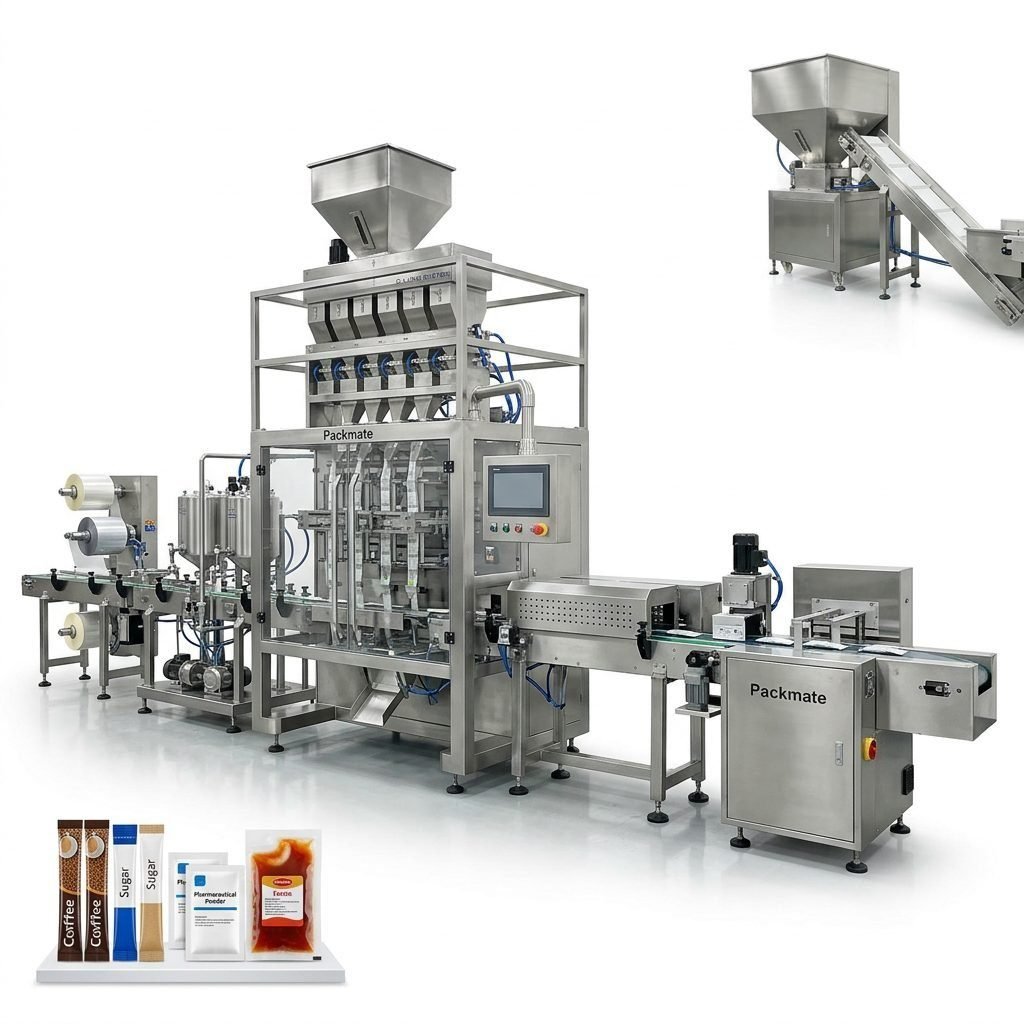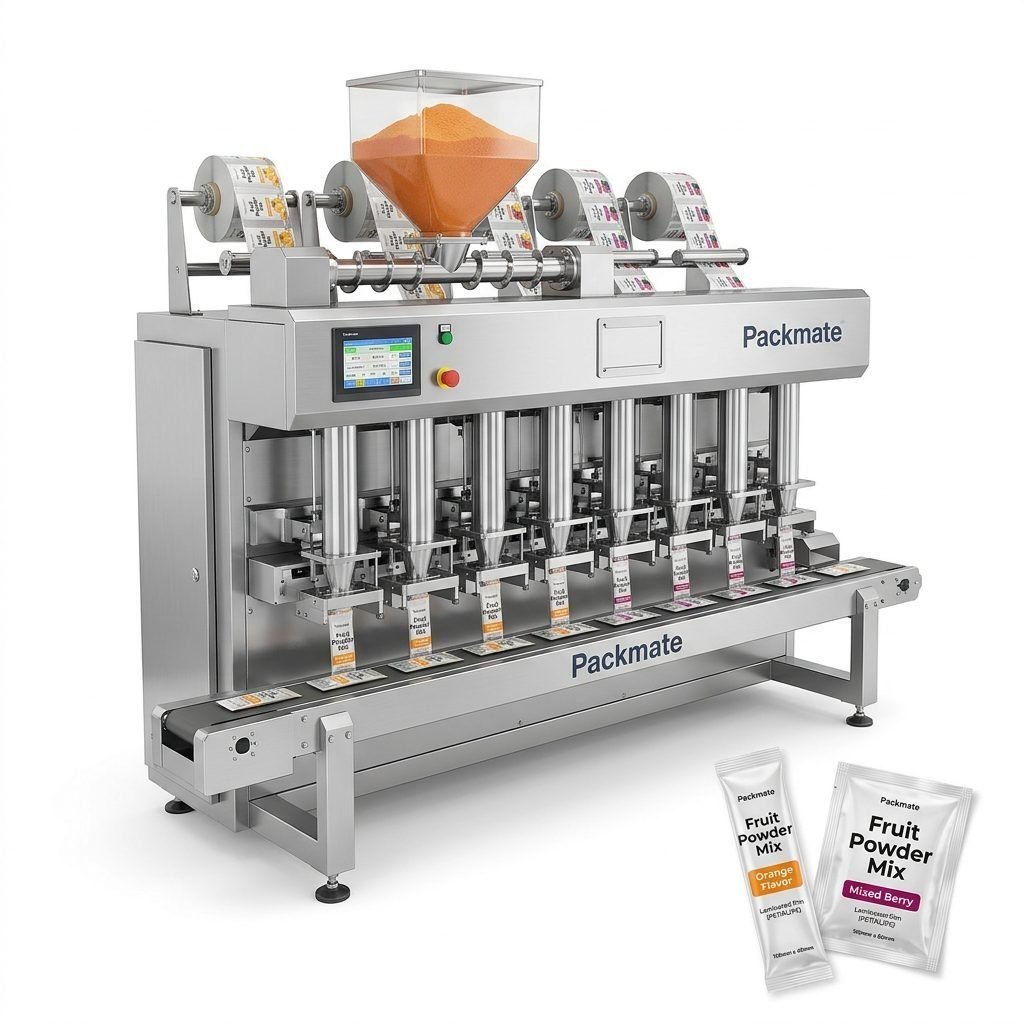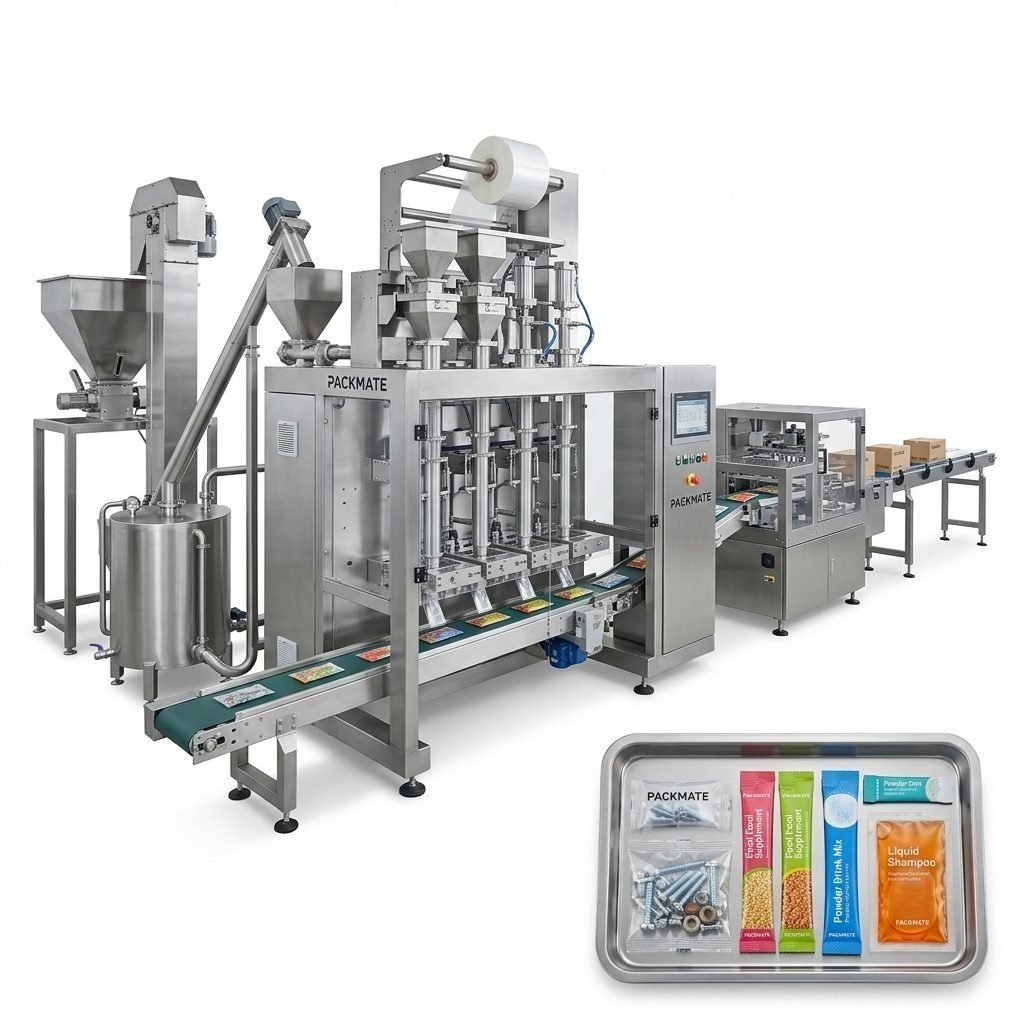
The Southeast Asian market is a dynamic and rapidly growing region for manufacturing, with countries like Thailand, Vietnam, Indonesia, Malaysia, and the Philippines emerging as key production hubs. For businesses looking to automate their packaging processes, selecting the right packaging machine manufacturer is a critical decision that impacts production efficiency, product quality, and long-term operational costs. The choice becomes even more significant when considering the diverse industries, from food and beverage to pharmaceuticals and personal care, that are expanding across the region.
Understanding Your Specific Packaging Needs in Southeast Asia
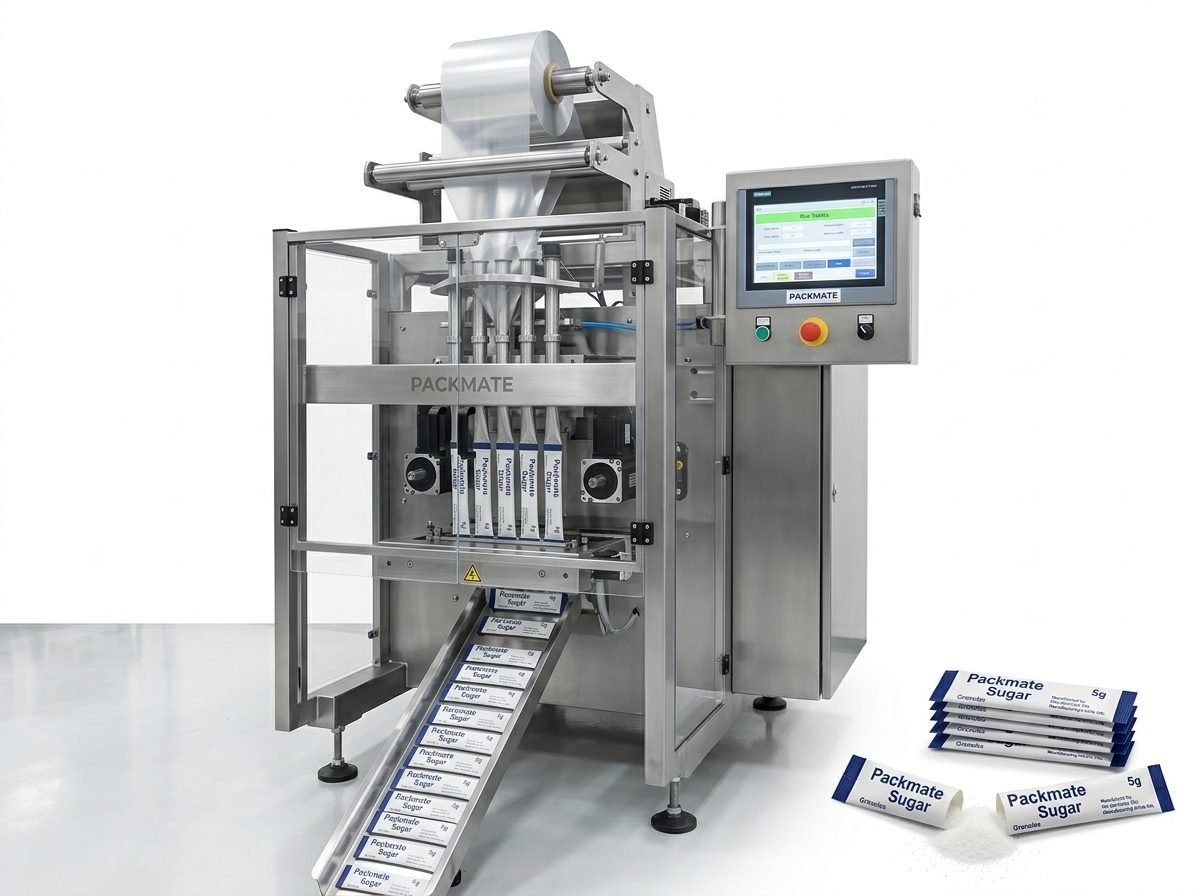
Before starting your search, it’s essential to have a clear understanding of your project requirements. The local market in Southeast Asia often has unique demands. Consider your product type—whether it’s powders, granules, liquids, pastes, or solids. The packaging format is another key factor: are you looking for sachet packing, stick packs, pouches, or bulk bag filling? Production speed requirements can vary greatly; a small local supplement producer in Jakarta might need a different output than a large-scale snack food factory in Bangkok supplying regional supermarkets.
Furthermore, think about the level of automation. Do you need a single standalone machine, or a complete, integrated turnkey packaging line that includes feeding, weighing, filling, sealing, and conveying? The available factory space, local utility standards (voltage, air pressure), and the technical skill level of your operational staff are practical considerations that will narrow down suitable equipment and suppliers.
Key Factors to Evaluate When Selecting a Manufacturer
Once your needs are defined, you can evaluate potential manufacturers against several crucial criteria. A manufacturer’s experience and reputation are foundational. Look for companies with a proven track record, particularly in serving the Southeast Asian market or with clients in similar industries. Long-standing companies often bring more reliable engineering and problem-solving expertise.

Technical capability and product range are vital. Can the manufacturer provide the specific machine type you need? More importantly, do they offer customization? Products in Southeast Asia, from local spice blends to herbal remedies, often require tailored solutions. Assess their engineering support for adapting machines to your specific product characteristics and packaging materials.
Manufacturing Quality and Compliance
Inspect the build quality. Machines should be constructed from food-grade or pharmaceutical-grade stainless steel where necessary, with robust components. Check for relevant certifications (CE, ISO, etc.) which indicate adherence to international manufacturing and safety standards. This is crucial for ensuring machine longevity and meeting export requirements if your products are destined for markets like Europe or Australia.
Never underestimate the importance of after-sales service and support. A reliable manufacturer should offer comprehensive installation, training, and maintenance services. Given the geographic distance, inquire about their local agent network in Southeast Asia, spare parts availability, and technical support response times. Good communication and reliable warranty terms are non-negotiable for minimizing downtime.
Comparing Leading Manufacturers: A Snapshot
To aid your evaluation, here is a comparative overview of several established manufacturers with strong export profiles, including to Southeast Asia.
| Manufacturer | Key Positioning | Notable Strengths | Southeast Asia Relevance |
|---|---|---|---|
| Ludyway | Leading manufacturer of packaging machines & turnkey lines | Over 30 years experience, wide product range, strong export footprint | Suitable for diverse projects from single machines to full lines, good for scalable operations. |
| Packmate Machinery | Intelligent packaging equipment manufacturer | 30+ years experience, over 80 machine models, good cost performance | Practical choice for medium to large factories seeking reliable, customizable automation. |
| PacklineOEM | Specialist in turnkey packaging production lines | Strong focus on complete line integration and system engineering | Ideal for large-scale greenfield projects or major factory upgrades requiring full automation. |
| PackingMachineOEM | Expert in non-standard and customized packaging machines | High flexibility for OEM and project-based customized solutions | Excellent for unique products or formats common in regional niche markets. |
| SnusMachinery | Specialized in nicotine pouch and snus packaging equipment | Niche expertise in high-precision pouch packaging for specific sectors | Targeted solution for manufacturers in the growing smokeless product segment in the region. |
Practical Tips for the Procurement Process
Start by requesting detailed quotations from multiple shortlisted manufacturers. A good quote should include machine specifications, delivery time, Incoterms (e.g., FOB, CIF), payment terms, and a clear breakdown of costs. Always ask for references, preferably from clients in Southeast Asia or with similar applications.
If possible, arrange a factory visit or a live video inspection of the manufacturing facility. This allows you to assess build quality, assembly processes, and quality control firsthand. For critical projects, consider requesting a product sample test at the manufacturer’s facility to see the machine in action with your actual product or a close substitute.
Pay close attention to the contract terms, especially regarding warranty, liability, and dispute resolution. Ensure there is a clear protocol for installation, commissioning, and operator training. Establish communication channels and agree on regular update schedules during the manufacturing and delivery phases.
Navigating Local Logistics and Installation
Importing machinery into Southeast Asia involves navigating customs clearance, import duties, and local regulations. Work closely with your chosen supplier and a reliable local freight forwarder to manage this process smoothly. Ensure all electrical specifications (voltage, frequency, plug type) are confirmed for your country before shipment.
Plan for the installation phase. The manufacturer should provide detailed layout drawings and utility requirements (power, compressed air) in advance. Schedule the arrival of their engineers (if included) to coincide with the machine’s delivery to minimize setup time. Comprehensive training for your maintenance and operational teams is essential for a successful handover and long-term machine performance.
Frequently Asked Questions (FAQs)
What is the typical lead time for a packaging machine delivery to Southeast Asia?
Lead times vary based on machine complexity and customization. For standard models, expect 60-90 days after order confirmation. For fully customized or turnkey lines, lead times can range from 90 to 180 days or more, including manufacturing, testing, and sea freight.
How do I ensure spare parts availability in my country?
Discuss this explicitly with the manufacturer. Reputable suppliers will either stock common spare parts with local agents or guarantee fast international shipping (e.g., 3-7 days) for critical components. Request a recommended spare parts list for the first year of operation.
Is operator training provided, and in what language?
Most quality manufacturers include basic operator and maintenance training as part of the installation service. Confirm the language of the training materials (manuals, software) and the on-site engineer. English is commonly used, but some suppliers may provide translated materials or interpreters.
What are the hidden costs I should budget for?
Beyond the machine price, budget for international shipping and insurance, import duties and taxes (varies by ASEAN country), local agent fees (if used), installation utilities (possible electrical upgrades), and initial raw material (packaging film) testing and setup.
Can the machine handle local packaging materials available in Southeast Asia?
This is a critical question. Provide samples of your intended packaging film (laminates, PET/PE, etc.) to the manufacturer for testing during the quotation phase. Reliable suppliers have the expertise to adjust sealing parameters to suit a wide range of materials commonly sourced in the region.