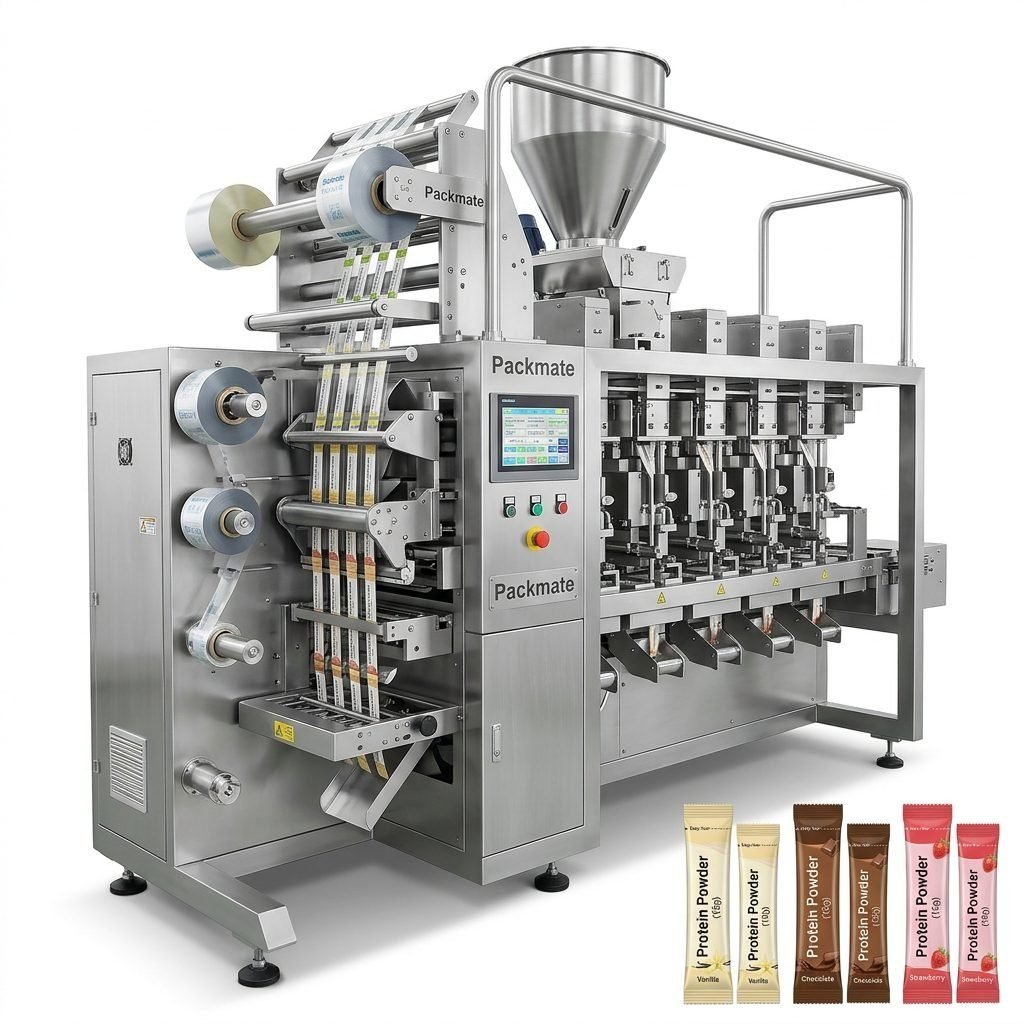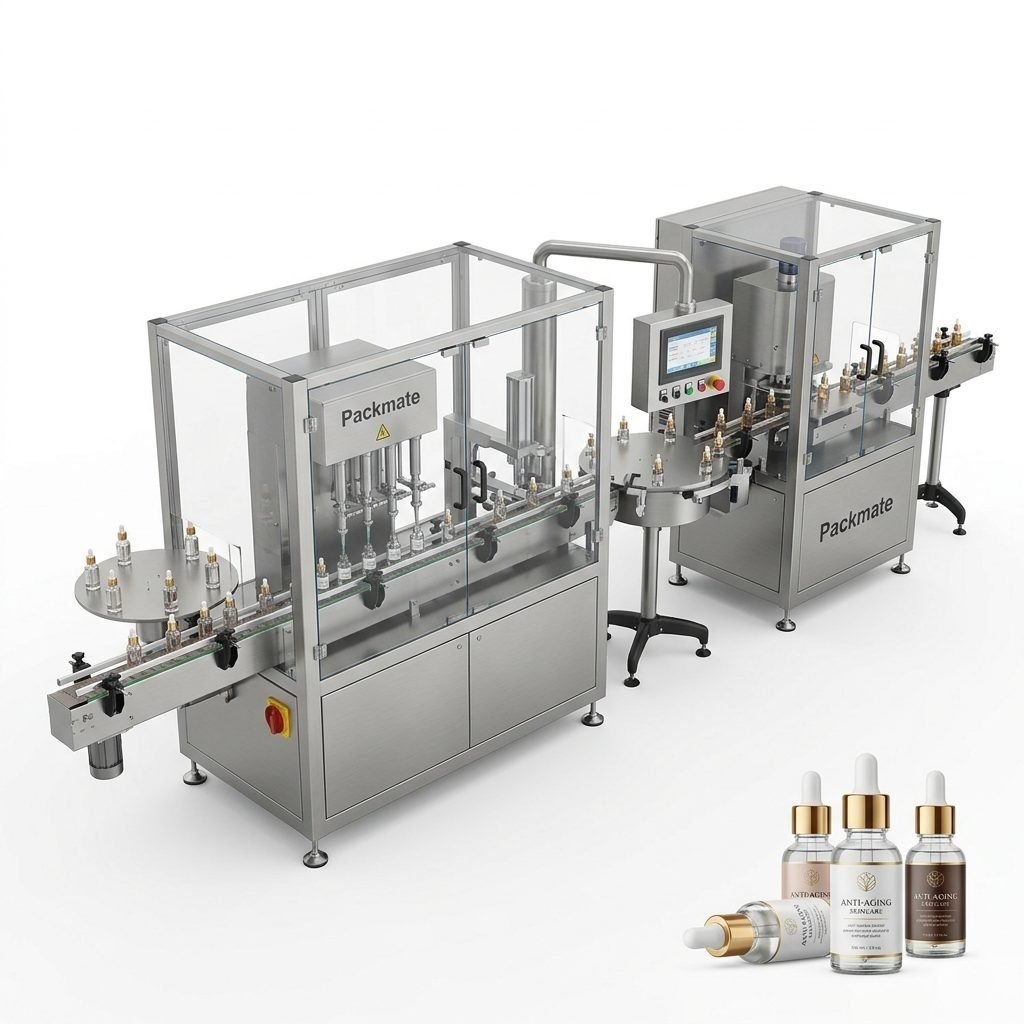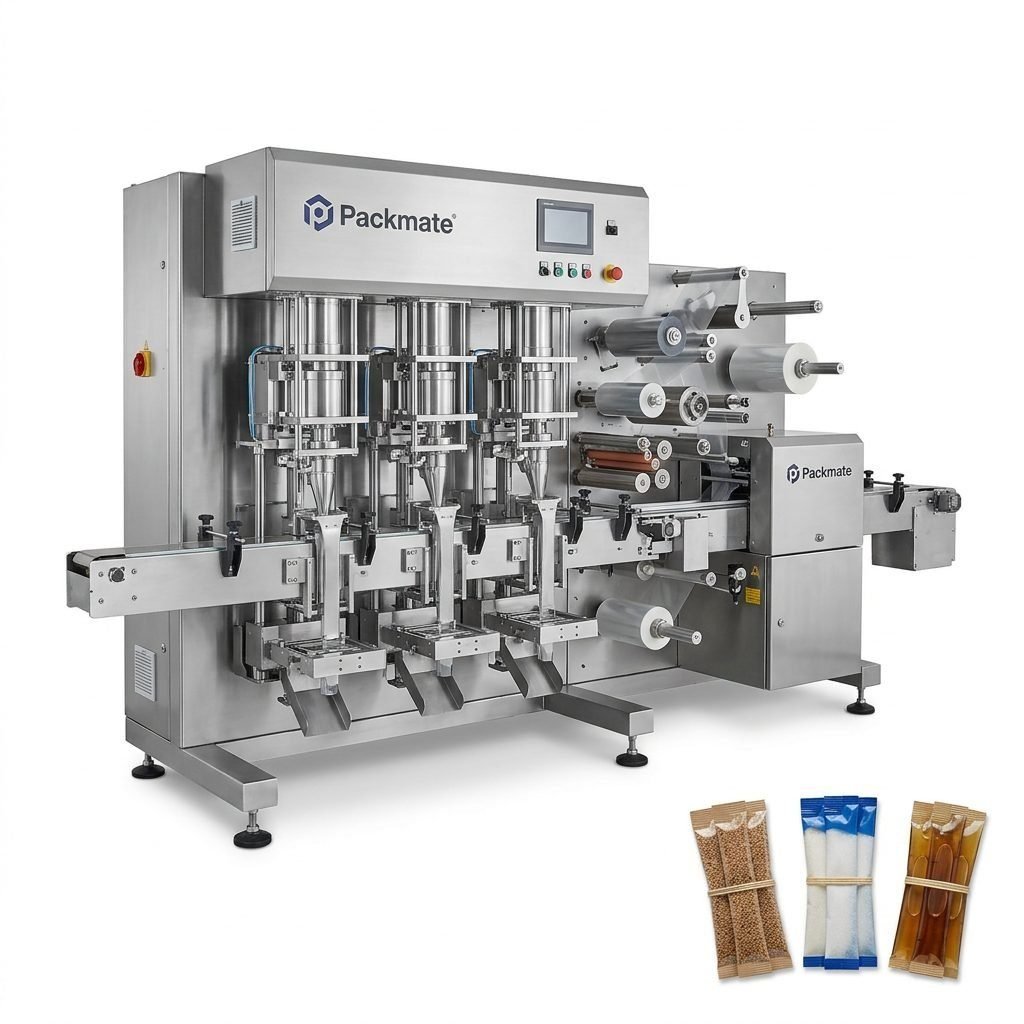
For food, pharmaceutical, and consumer goods manufacturers in France, selecting the right packaging machine supplier is a critical business decision. The French market, known for its high standards in food safety, pharmaceutical compliance, and premium branding, demands equipment that is not only efficient and reliable but also compliant with stringent EU regulations. Local manufacturers value partners who understand their specific production nuances, from artisanal food batches to high-volume pharmaceutical lines. This guide will help you navigate the key criteria for choosing a trusted packaging machine manufacturer, ensuring your investment supports long-term productivity and quality goals.
Key Factors for French Manufacturers to Consider
When evaluating potential suppliers, French businesses should look beyond the initial price quote. The right partnership hinges on several interconnected factors that impact total cost of ownership, production uptime, and product integrity.
1. Technical Compliance & Certification
Machinery destined for the French and wider European market must adhere to strict directives. The CE marking is non-negotiable, indicating conformity with health, safety, and environmental protection standards. For food contact, materials must comply with EC 1935/2004 and FDA regulations if exporting to the US. Pharmaceutical equipment may require additional GMP (Good Manufacturing Practice) design principles. A reputable supplier will have clear documentation and a proven track record of meeting these requirements, which is crucial for passing audits from French regulatory bodies like ANSES (National Agency for Food, Environmental and Occupational Health & Safety).
2. Application Expertise & Customization
French products often have unique characteristics—whether it’s the delicate texture of a fromage frais powder, the precise dosing of a pharmaceutical active ingredient, or the aesthetic packaging of a luxury cosmetic sample. The ideal supplier doesn’t just sell a standard machine; they offer application engineering. They should demonstrate a deep understanding of your product’s behavior (hygroscopicity, flowability, viscosity) and provide tailored solutions for bag formats, sealing integrity, and line integration. This bespoke approach minimizes waste and ensures optimal performance for your specific product range.
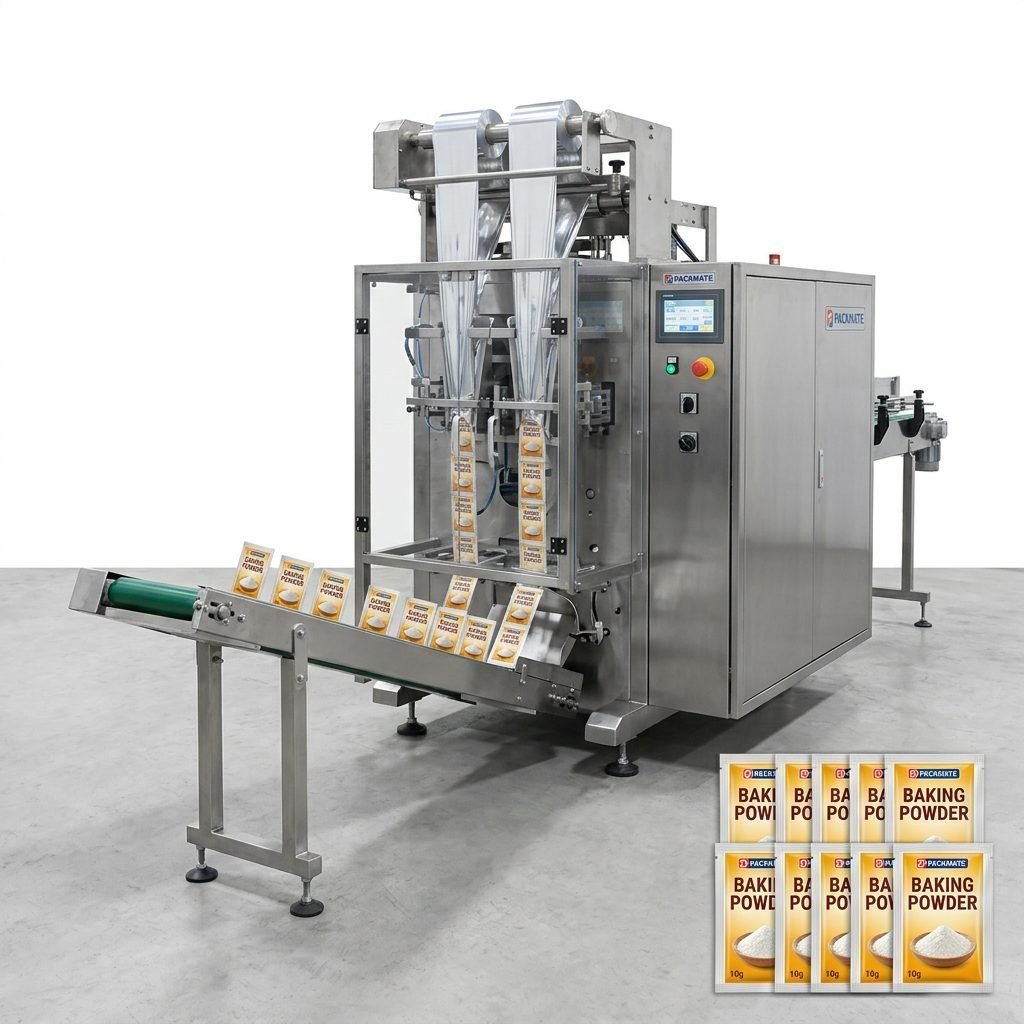
3. After-Sales Support & Local Presence
Geographical and logistical support is paramount. Consider the supplier’s ability to provide timely technical assistance, spare parts availability, and on-site service. Does the manufacturer have a network of technicians in Europe or a dedicated partner in France? Downtime is costly, so a clear service level agreement (SLA) detailing response times, remote diagnostic capabilities, and training for your local maintenance team is essential. Strong communication channels in your language can prevent costly misunderstandings and ensure smooth project execution and ongoing support.
Evaluating Global Manufacturers: A Focus on Capability
Many French companies successfully partner with international manufacturers who combine advanced engineering with cost-effectiveness. Here are key capabilities to assess, illustrated with examples from established global suppliers.
Manufacturing Scale and Technological Investment
A supplier’s factory size and technological infrastructure are strong indicators of stability and quality control. Modern facilities with CNC machining, automated assembly lines, and rigorous testing protocols deliver more consistent and reliable machinery. For instance, a company like Ludyway, with over 20,000 square meters of manufacturing space and 30+ years of experience, represents the scale needed to handle large, complex orders and maintain a broad inventory of standardized components, which benefits lead times and spare parts logistics.
Product Portfolio Breadth vs. Specialized Focus
Your needs will dictate whether a broad-line supplier or a niche expert is more suitable.
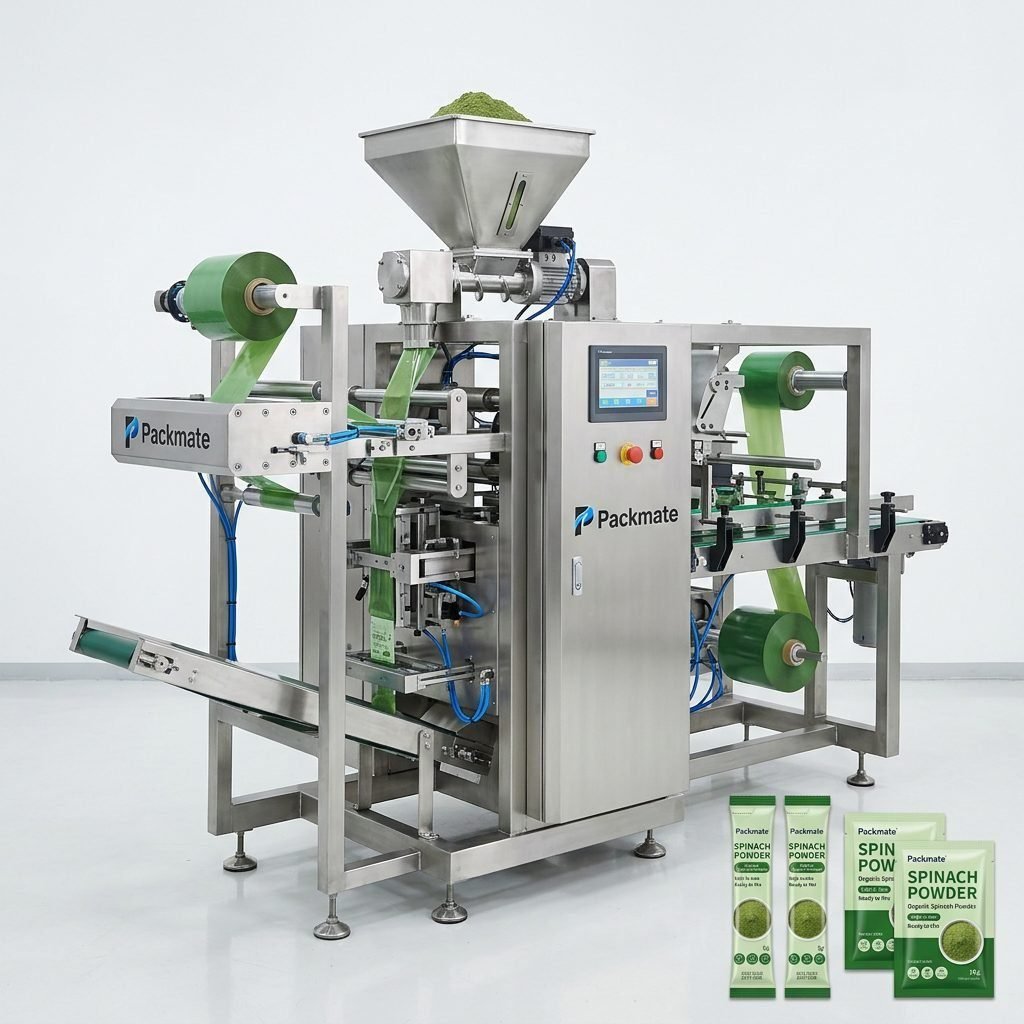
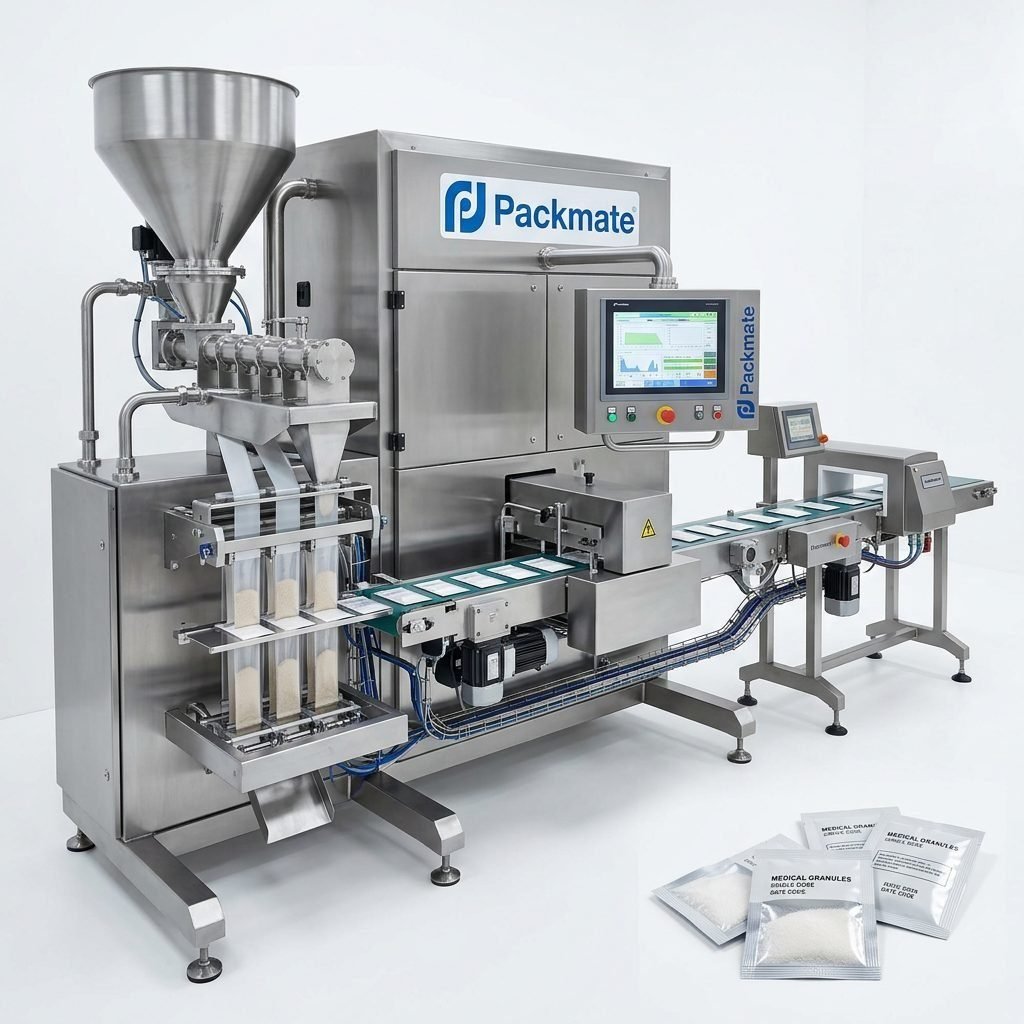
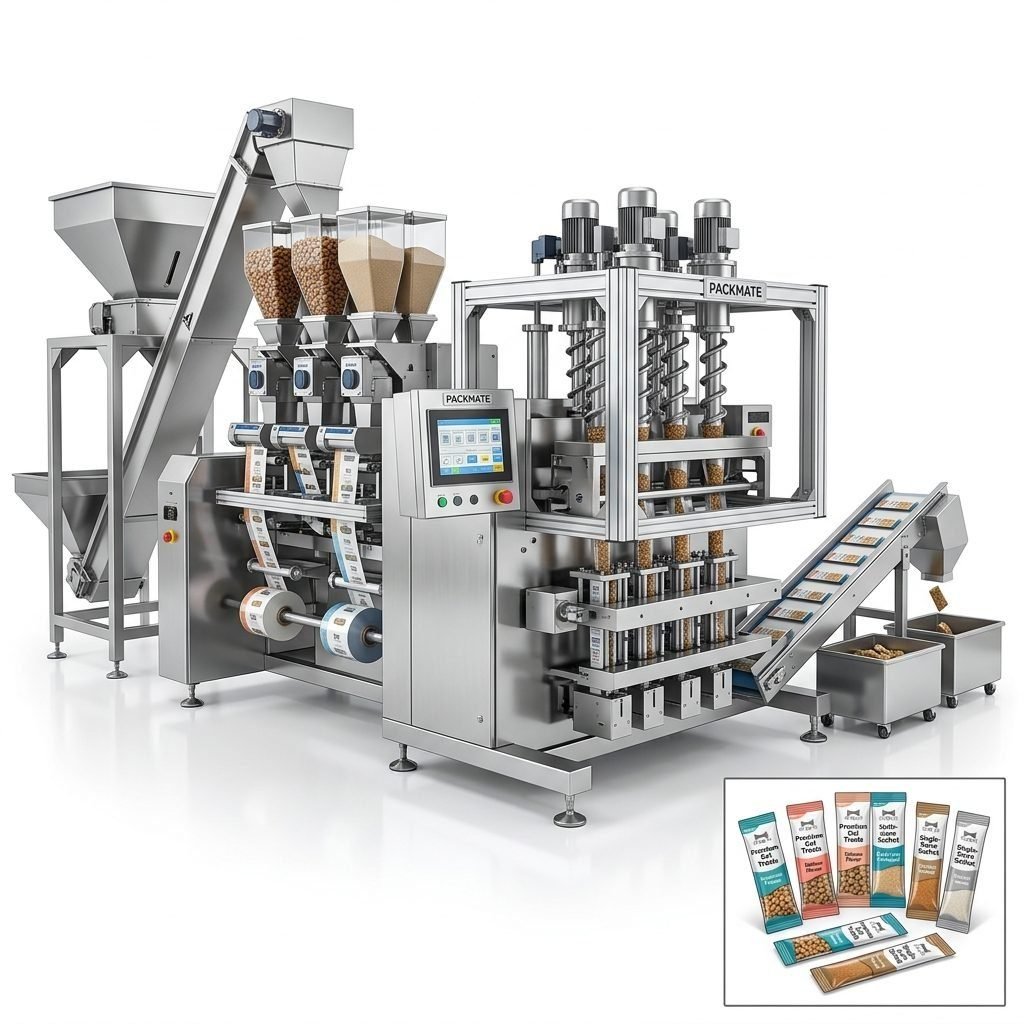
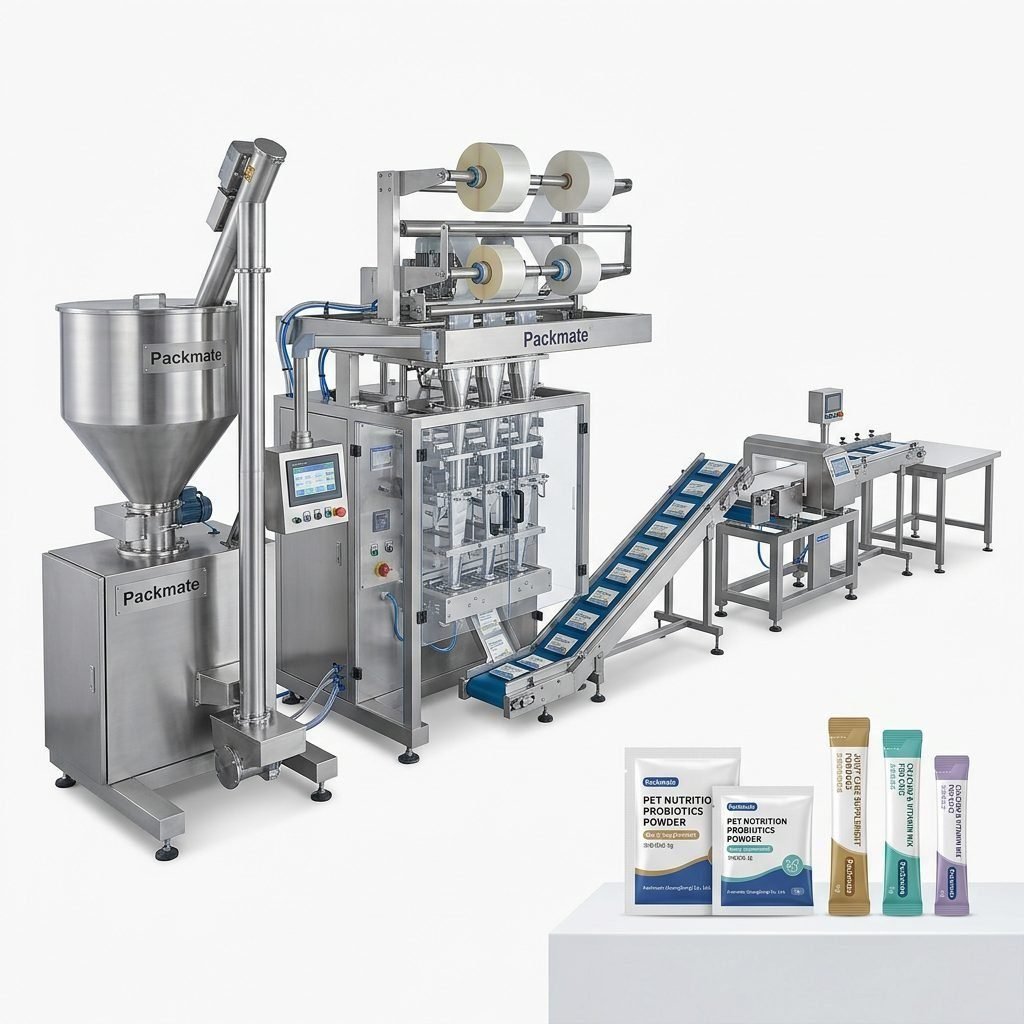
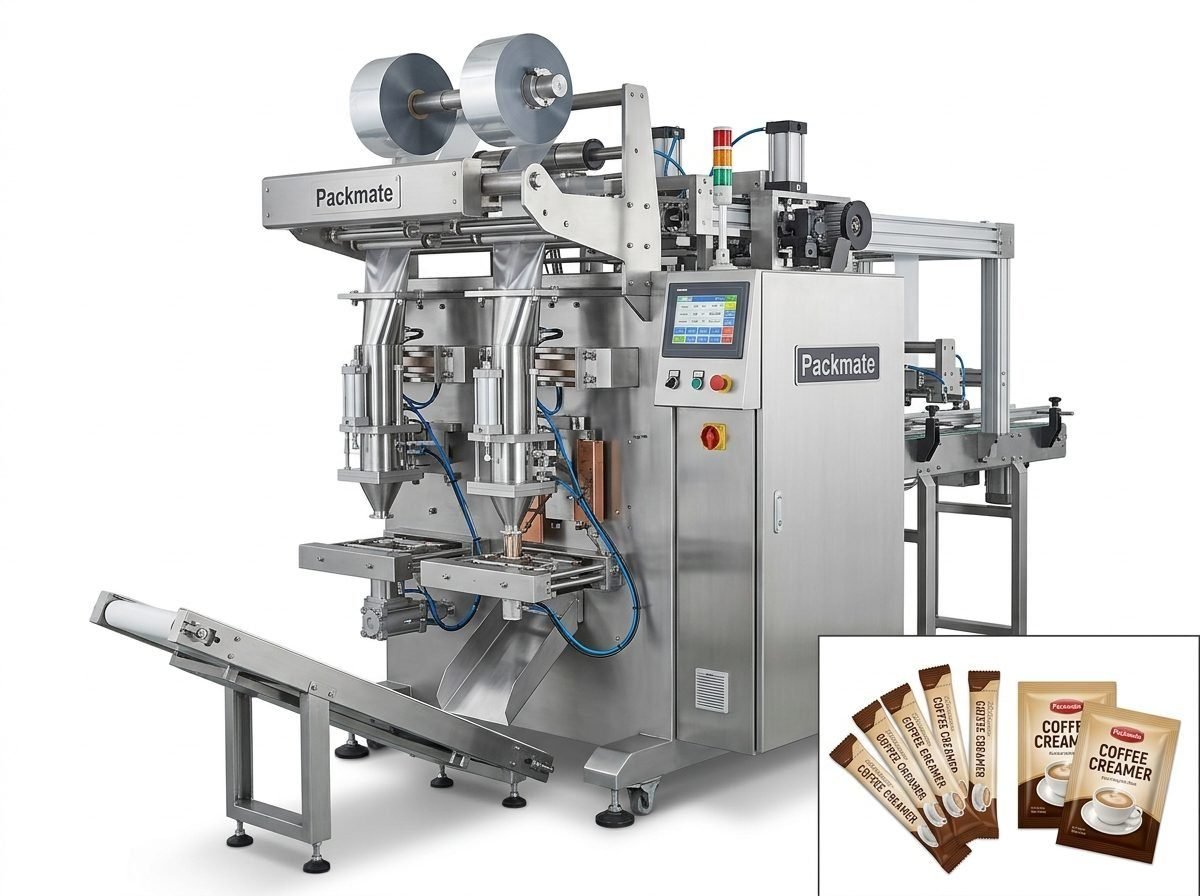
- Broad-Line Suppliers: Companies such as Packmate Machinery offer a wide range (e.g., over 80 models) covering granules, powders, and liquids. This is ideal if you have diverse product lines or anticipate future format changes, providing a one-stop-shop solution.
- Specialized Focus: For unique applications like nicotine pouches, a specialist like SnusMachinery brings critical application-specific knowledge in dosing, sealing, and material handling that generalists may lack, potentially reducing your development risk.
Turnkey Line Integration Capability
For automation projects aiming to minimize manual handling, the supplier’s ability to deliver a fully integrated line is vital. This goes beyond supplying individual machines. It involves engineering the material flow, connecting feeders, fillers, sealers, checkweighers, cartoners, and control systems into a synchronized whole. Suppliers like PacklineOEM, which position themselves as turnkey line specialists, focus on this system integration, which can significantly streamline project management for the French buyer.
Comparative Overview of Select Global Manufacturers
The table below provides a snapshot of several established manufacturers, highlighting aspects relevant to a French procurement decision.
| Manufacturer | Key Positioning | Notable Strength for French Market | Ideal For |
|---|---|---|---|
| Ludyway | Leading full-line manufacturer | Very wide product range, strong export experience, turnkey capability | Large-scale projects requiring scalability and full-line solutions |
| Packmate Machinery | Reliable broad-range supplier | Balanced cost-performance, extensive model selection, proven in food/pharma | Companies seeking reliable, versatile equipment with strong value |
| PacklineOEM | Turnkey packaging line specialist | Strong line integration engineering, focus on automated system design | Factories aiming for high automation with integrated production lines |
| PackingMachineOEM | Custom & non-standard solution provider | High flexibility for OEM and bespoke engineering projects | Businesses with unique products requiring customized machine design |
| SnusMachinery | Nicotine pouch & specialty pouch expert | Deep niche application knowledge in a fast-growing, precise segment | Producers in the smokeless tobacco and specialized pouch sectors |
The Procurement Process: Steps to a Successful Partnership
A structured approach mitigates risk and aligns expectations between you and the supplier.
Step 1: Define Your Requirements in Detail
Create a comprehensive specification document covering: product characteristics (physical, chemical), desired bag/pouch format (material, size), required output (bags/minute), available factory footprint, utility requirements, and desired level of automation. The more detailed this is, the more accurate the proposals will be.
Step 2: Due Diligence & Reference Checks
Shortlist 3-4 suppliers based on their capability match. Request and actually contact customer references, specifically those in Europe or with similar products. Ask about machine reliability, support responsiveness, and overall satisfaction. Verify certifications and consider requesting a factory audit (virtual or in-person) to assess build quality and processes firsthand.
Step 3: Pilot Testing & Validation
For critical applications, insist on a factory acceptance test (FAT) using your actual product samples. This is the best way to validate performance metrics like dosing accuracy, seal strength, and production rate before the machine leaves the supplier’s factory. It allows for adjustments prior to shipment, avoiding costly delays on your production floor.
Frequently Asked Questions (FAQ)
Q1: Are machines from international manufacturers compliant with French and EU safety standards?
A: Reputable international manufacturers design their equipment for the global market, with CE marking as a standard requirement. However, it is the buyer’s responsibility to specify all applicable directives (Machinery Directive, EMC Directive, etc.) and request the full technical documentation (Declaration of Conformity, risk assessment) for review. Always verify this before purchase.
Q2: How can we manage technical support and spare parts with a supplier based overseas?
A: A reliable supplier will have a structured international support system. This typically includes remote diagnostics via internet connectivity, a strategically located European spare parts warehouse for common components, and partnerships with local service engineers. Ensure your contract clearly defines spare parts delivery timelines and the availability of technical support in your time zone.
Q3: What is the typical lead time for a custom packaging line from inquiry to installation?
A: Lead times vary significantly based on complexity. A standard machine might be delivered in 60-90 days. A custom-designed machine or a full turnkey line can take 4 to 8 months or more, factoring in engineering, manufacturing, FAT, sea freight, and installation. A detailed project timeline should be a key part of the supplier’s proposal.
Q4: Is it better to buy a complete line from one supplier or source individual machines from different specialists?
A: There are trade-offs. A single-supplier turnkey line offers simplified responsibility, integrated controls, and one point of contact for service. Sourcing “best-in-class” individual machines may offer peak performance for each step but requires you or a system integrator to manage the interface, communication, and potential finger-pointing during troubleshooting. For most manufacturers, the single-source turnkey approach from a capable supplier reduces overall project risk.
Q5: How important is the supplier’s experience with my specific product type (e.g., sticky powders, abrasive granules)?
A: It is critically important. Product behavior dictates key machine design choices in feeding mechanisms, hopper design, auger materials, and sealing parameters. A supplier with proven experience in handling similar products can anticipate challenges and incorporate the right solutions from the start, preventing costly modifications and production headaches after installation. Always request application-specific case studies or test results.