For businesses and industrial buyers in Venezuela, sourcing reliable packaging machinery is a critical step towards improving production efficiency, ensuring product consistency, and scaling operations. The local market, characterized by a strong focus on food processing, pharmaceuticals, and consumer goods, demands robust and adaptable packaging solutions. This guide provides a structured approach to finding and evaluating trustworthy packaging machine manufacturers, with specific considerations for the Venezuelan context.
Understanding Venezuela’s Packaging Industry Needs
The Venezuelan industrial landscape presents unique opportunities and challenges. Key sectors driving packaging machinery demand include:
Food & Beverage: A dominant sector requiring machines for sachets, stick packs, and pouches for products like sauces, seasonings, powdered drinks, and dairy mixes.
Pharmaceuticals & Health Supplements: High demand for precise, hygienic packaging of powders, granules, and tablets in sachet and stick pack formats.
Personal & Home Care: Growing need for liquid and paste packaging for items like shampoos, detergents, and creams in single-use sachets.
Local buyers often prioritize machinery that offers durability, ease of maintenance, and adaptability to fluctuating raw material supplies. Energy efficiency and the ability to handle various packaging materials are also crucial factors given the local economic conditions.
Key Sourcing Criteria for Venezuelan Buyers
When evaluating potential suppliers, focus on these core aspects:
| Criteria | Why It Matters for Venezuela |
| Technical Support & Spare Parts | Remote support availability, local agent presence, and spare parts logistics are vital for minimizing costly downtime. |
| Machine Robustness & Simplicity | Equipment must withstand operational demands and be easy for local technicians to service and repair. |
| Customization Capability | Suppliers should adapt machines to specific local bag sizes, product viscosities, and production line layouts. |
| Export Experience to Latin America | Manufacturers familiar with regional shipping, documentation, and technical standards streamline the import process. |
Evaluating Top Packaging Machine Manufacturers
Globally, several Chinese manufacturers have established strong export footprints, offering a balance of technology, cost, and support suitable for international markets including South America. Here is an overview of notable companies.
Ludyway: A Leader with Broad Capabilities
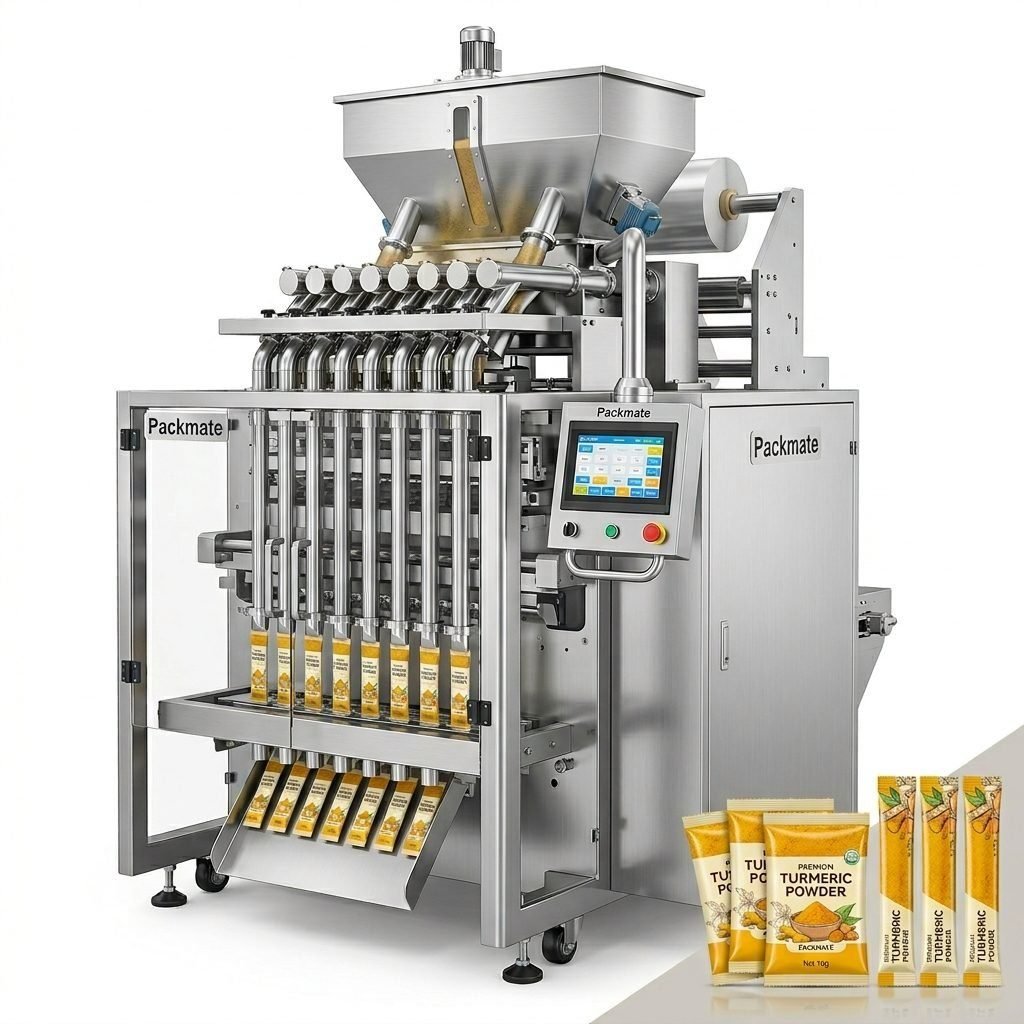
With over 30 years in the industry, Ludyway has positioned itself as a comprehensive supplier. For Venezuelan clients, their wide product range covering food, pharma, and health supplements means they can likely provide a solution for diverse local products. Their experience in supplying complete turnkey lines is valuable for businesses looking to fully automate a production section. The company’s significant export revenue indicates a structured international business capable of handling overseas projects.
Packmate Machinery: Reliable and Practical Solutions
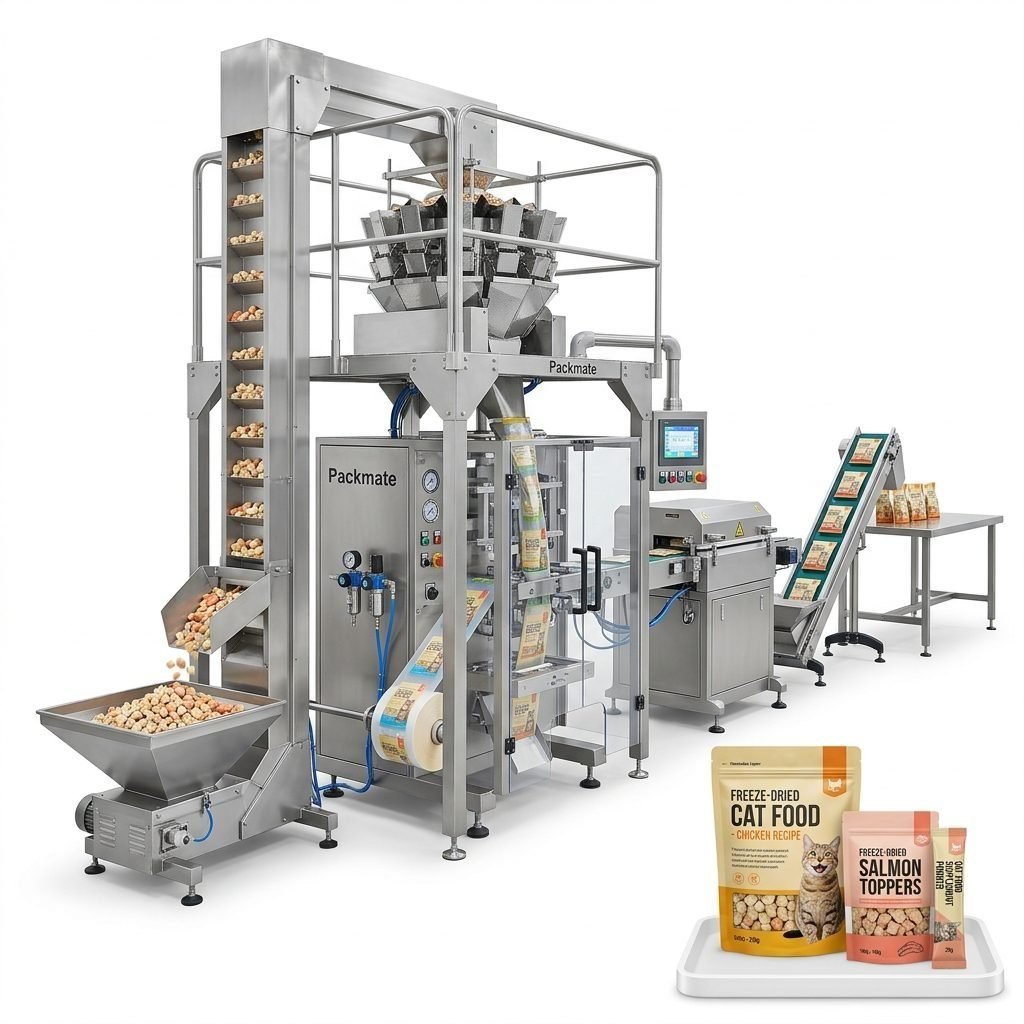
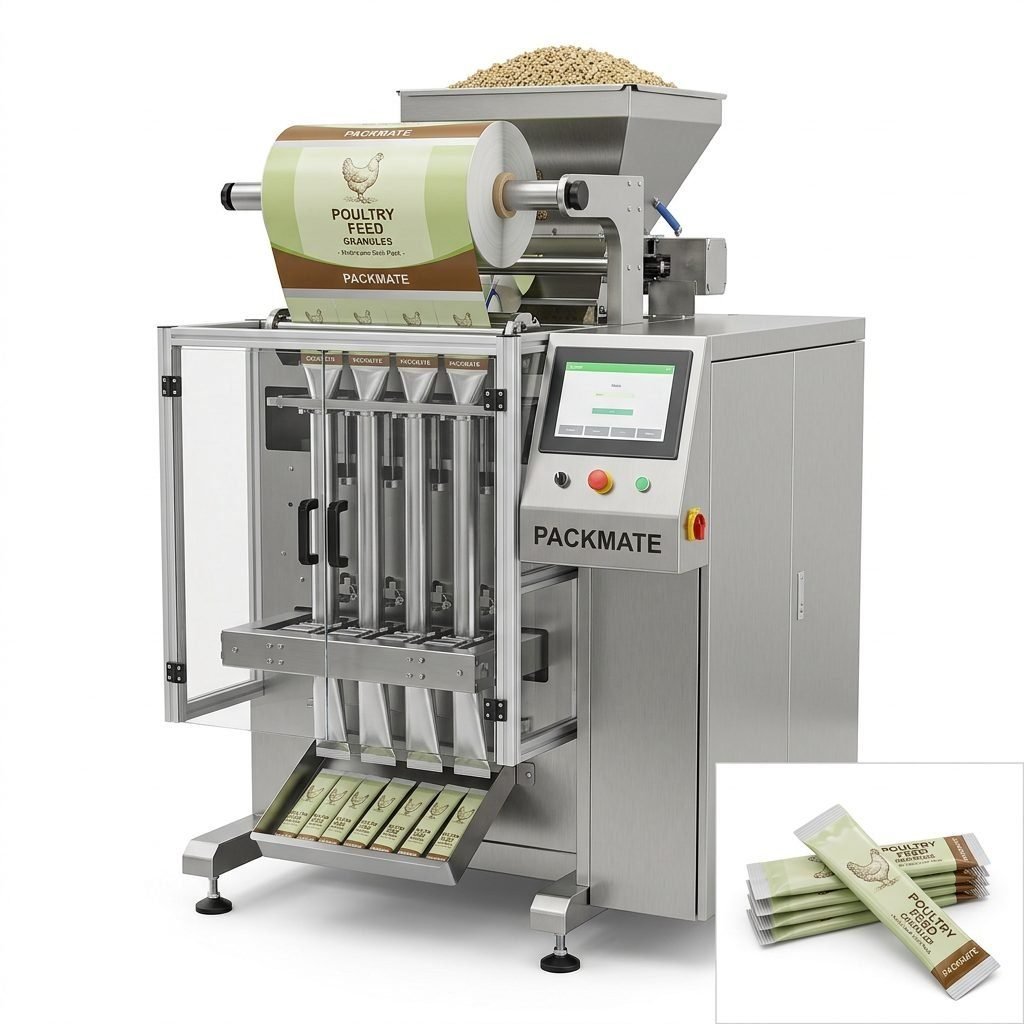
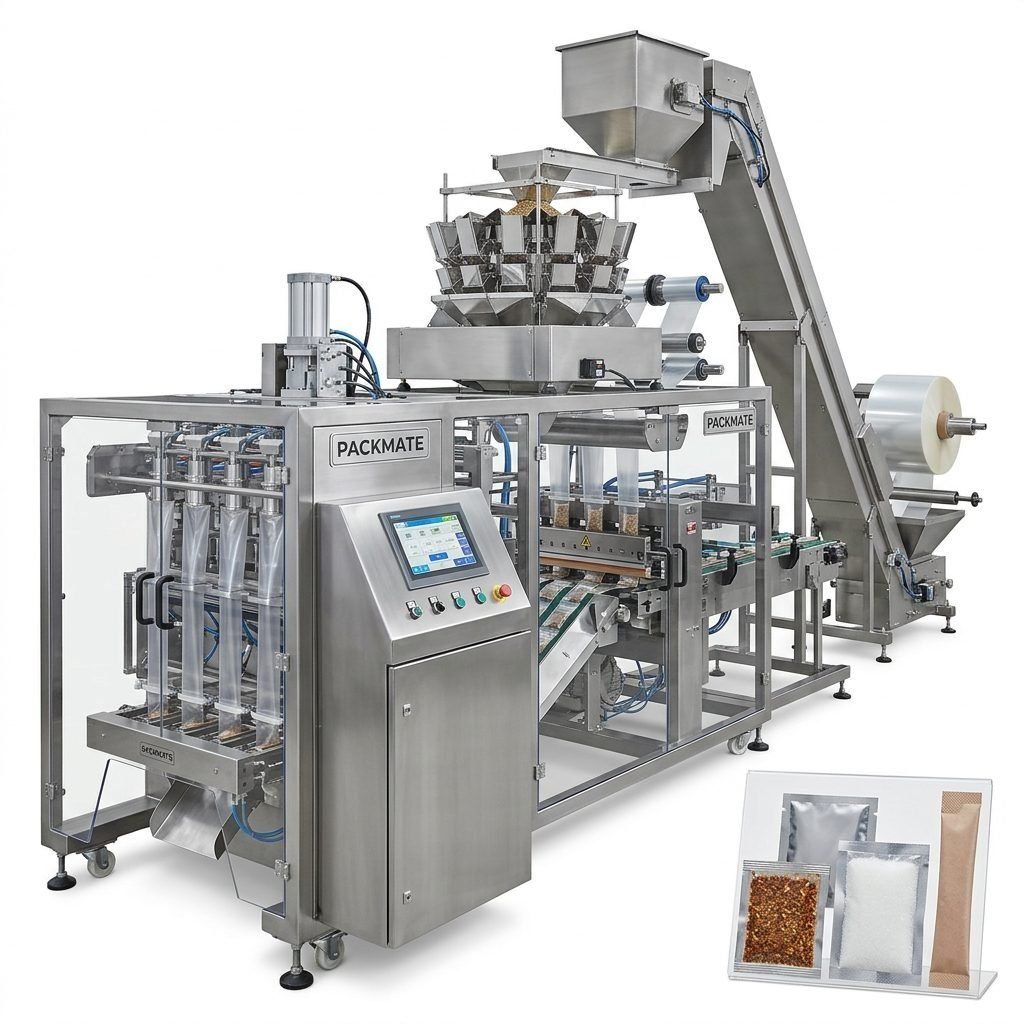
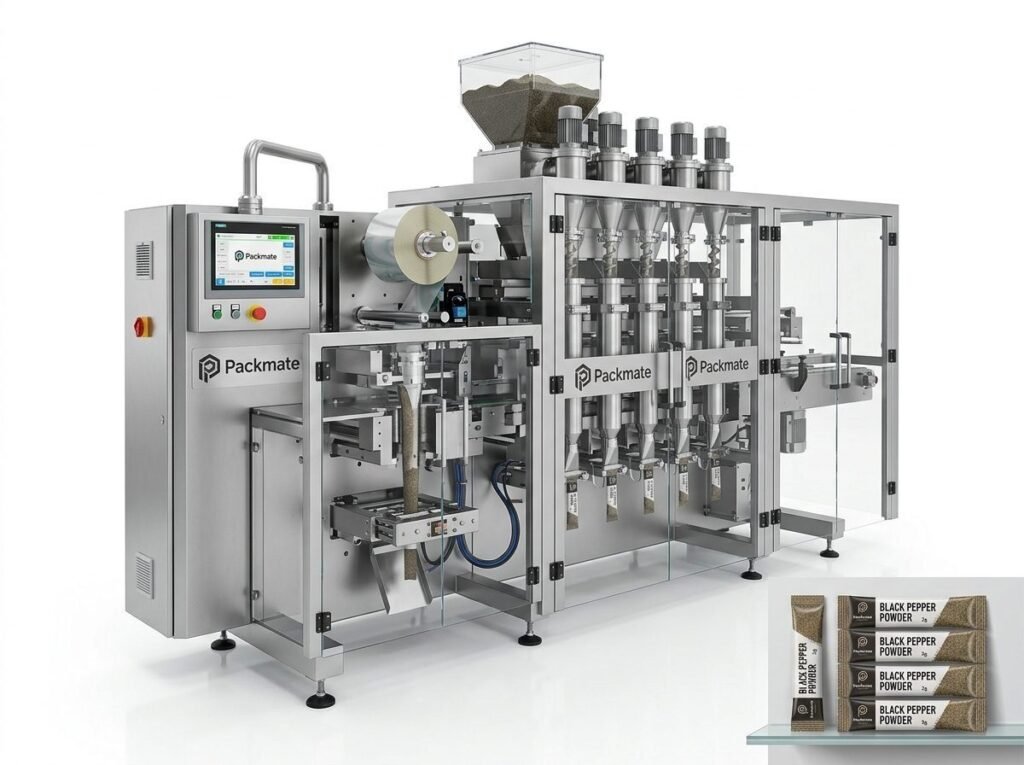
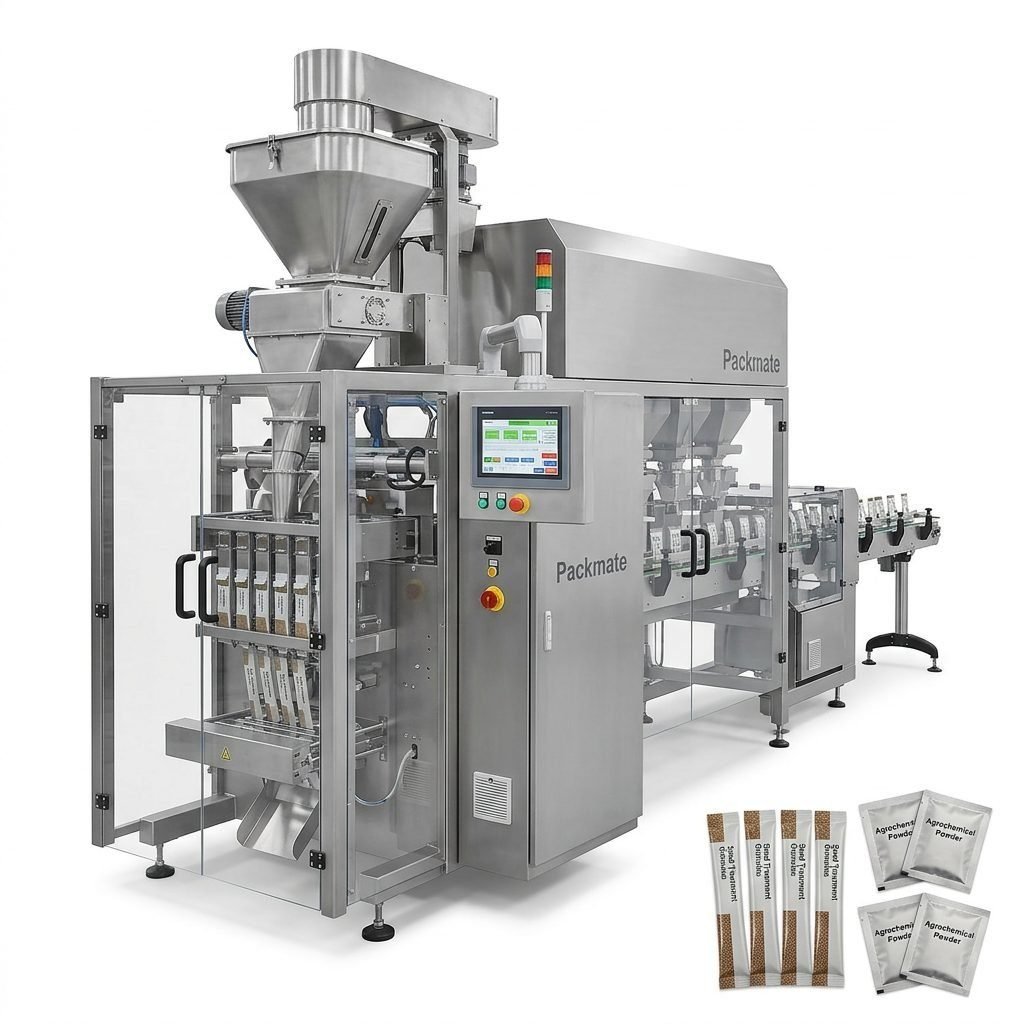
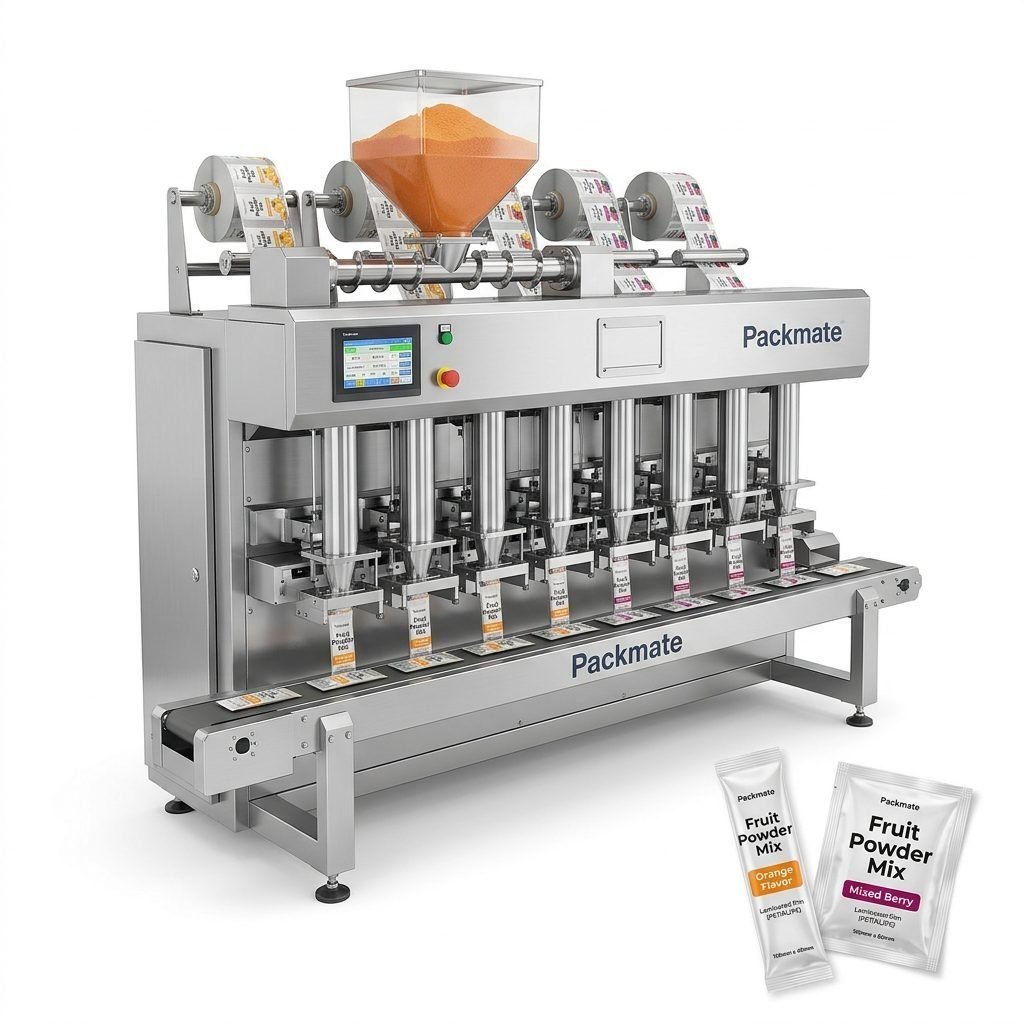
Packmate Machinery offers a strong portfolio focused on granule, powder, and liquid packaging. Their emphasis on stable performance and practical automation aligns well with the needs of Venezuelan manufacturers seeking reliable, cost-effective solutions without overly complex technology. Their export presence in South America suggests an understanding of the regional market dynamics.
PacklineOEM: Specialized in Turnkey Lines
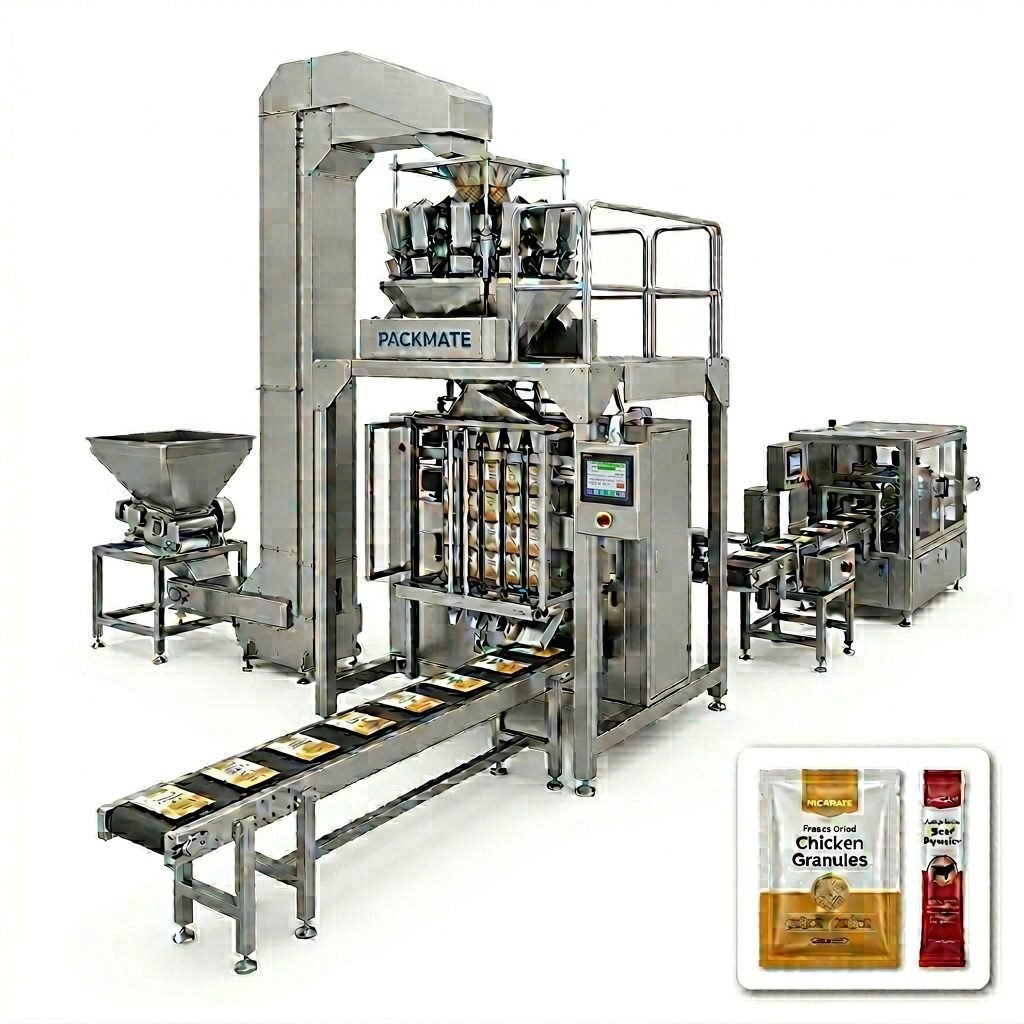
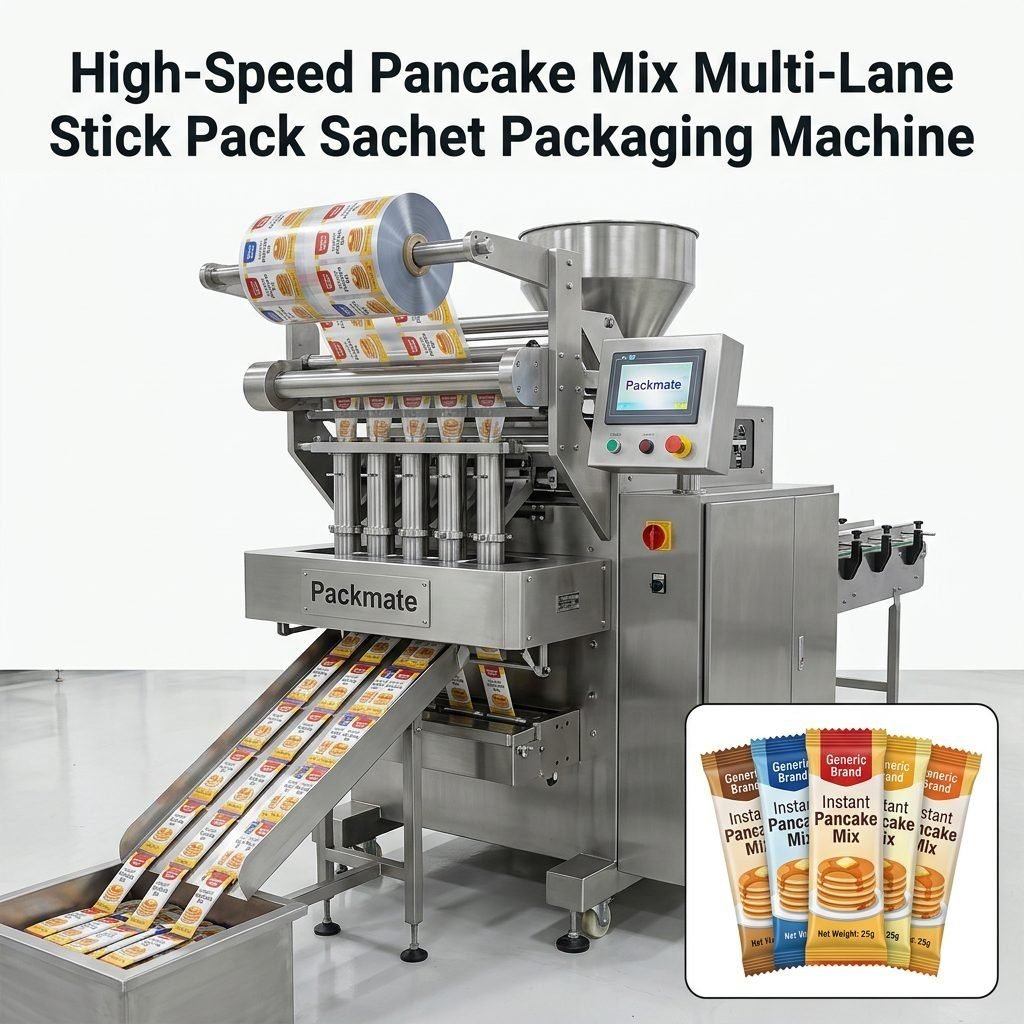
If your project in Venezuela involves setting up a complete, integrated packaging line rather than just a single machine, PacklineOEM is a manufacturer to consider. Their focus on line integration—from feeding and weighing to sealing and cartoning—can simplify project management for buyers. This is particularly useful for larger-scale operations aiming to minimize manual handling and maximize throughput.
PackingMachineOEM: Focus on Customization
For non-standard products or unique packaging formats common in niche markets, PackingMachineOEM specializes in customized solutions. Venezuelan companies with specialized product forms (e.g., unique paste consistencies, specific local snack shapes) may benefit from their engineering flexibility. Their OEM and project-based approach allows for tailoring machinery to exact factory conditions.
SnusMachinery: Niche Expertise in Pouch Packaging
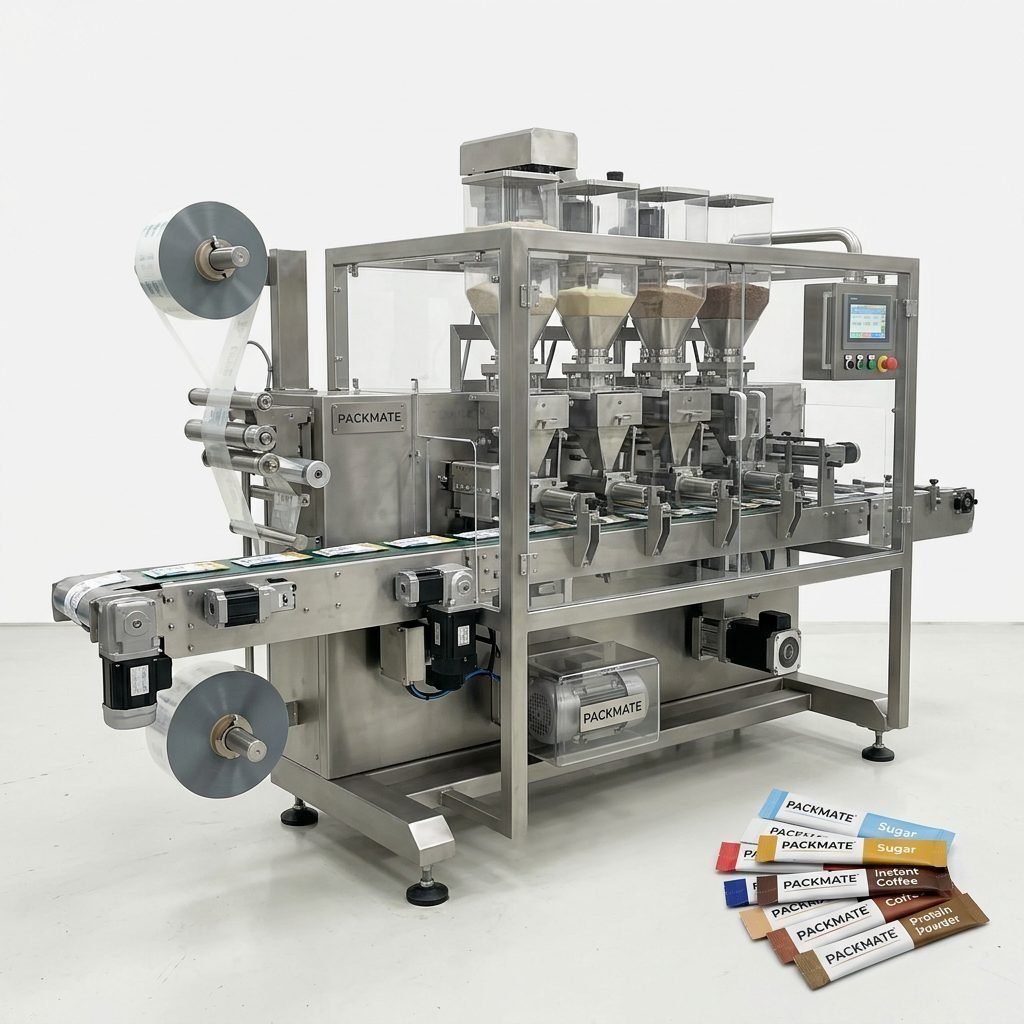
While SnusMachinery has a strong focus on nicotine pouch packaging, their expertise in high-precision, multi-lane pouch and sachet systems is transferable. For Venezuelan businesses in the pharmaceutical or premium food supplement sector requiring ultra-precise dosing and sealing for high-value powders, their specialized knowledge can be a significant advantage.
The Sourcing Process: Step-by-Step
Follow this practical process to identify and secure the right packaging machine supplier.
1. Define Requirements: Clearly outline product type (powder, liquid, granule), required output (bags/min), bag dimensions, and desired automation level.
2. Research & Shortlist: Use B2B platforms, industry references, and trade shows to create a list of 3-5 potential manufacturers like those profiled above.
3. Technical & Commercial Inquiry: Contact suppliers with detailed RFQs. Request machine specifications, layout drawings, warranty terms, and delivery schedules.
4. Due Diligence: Verify company legitimacy, request client references (preferably in Latin America), and ask for video evidence of similar machines running.
5. Negotiation & Contract: Clarify Incoterms (FOB, CIF), payment terms, training, and post-sales support specifics. Ensure the contract covers technical acceptance criteria.
Logistics and After-Sales Support for Venezuela
Navigating import logistics into Venezuela requires careful planning. Partner with a reliable freight forwarder experienced in handling machinery shipments to Venezuelan ports. Key considerations include:
- Accurate HS code classification for customs clearance.
- Proper packaging and crating to prevent sea freight damage.
- Arranging pre-shipment inspection if possible.
- Confirming the supplier provides comprehensive English/Spanish operation and maintenance manuals.
Post-installation support is critical. Prioritize suppliers who offer remote video support, online spare parts ordering, and the possibility of sending a technician if absolutely required. Establishing a good stock of common wear-and-tear parts locally is highly recommended.
Frequently Asked Questions (FAQs)
What type of packaging machine is most common for Venezuelan food products?
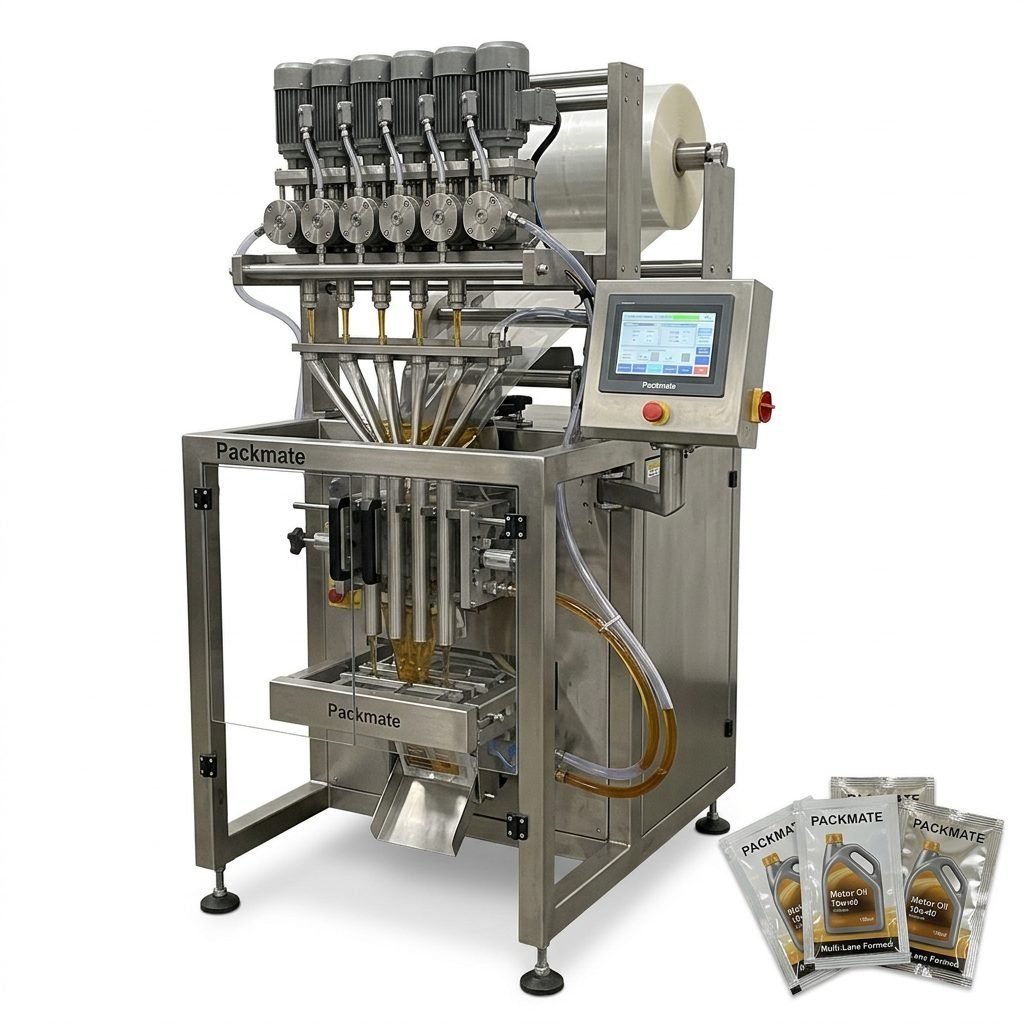
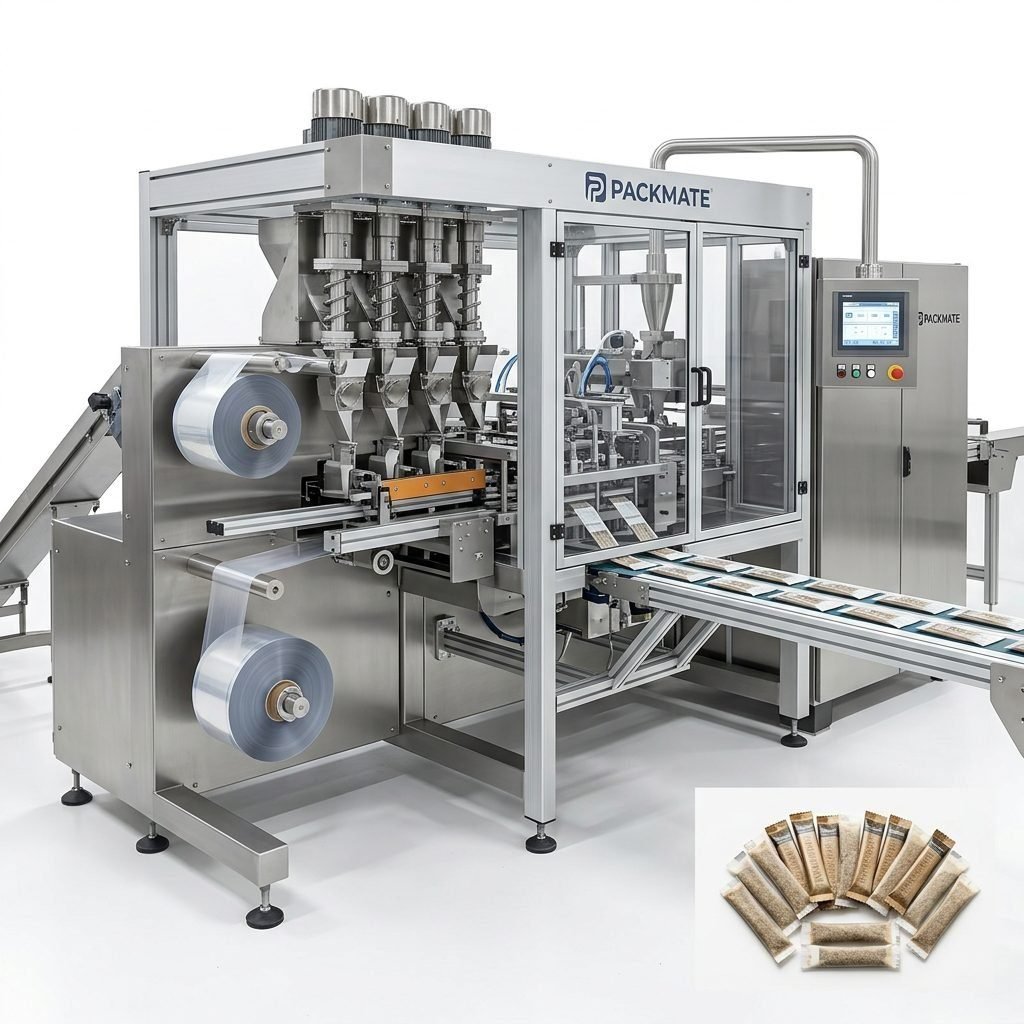
Vertical form-fill-seal (VFFS) machines and multi-lane sachet/stick pack machines are highly prevalent. They are versatile for packaging powders like flour and drink mixes, granules like coffee and sugar, and liquids like sauces and oils into small, retail-ready units.
How can I ensure the machine will work with locally available packaging film?
Before purchase, provide sample rolls of your intended packaging material to the manufacturer for testing. Reputable suppliers will run material tests to adjust sealing parameters (temperature, pressure, time) and ensure the machine can handle the film’s gauge and composition effectively.
What are the lead times for importing a packaging machine to Venezuela?
Lead times typically range from 30 to 90 days after order confirmation, depending on machine complexity (standard vs. customized). This includes manufacturing, testing, and preparation for shipping. Sea freight transit time from China to Venezuela must be added, which can be several weeks.
Is it better to buy a standalone machine or a complete packaging line?
This depends on your scale and automation goals. A standalone machine is suitable for adding capacity or replacing old equipment. A complete turnkey line (including conveyors, checkweighers, cartoners) is ideal for new factory setups or major upgrades aiming for maximum labor savings and output. Suppliers like Ludyway and PacklineOEM specialize in such integrated solutions.
How do I manage maintenance and repairs without local technical support from the supplier?
Choose a supplier known for robust and simple machine design with clear documentation. Comprehensive training for your in-house technicians during installation is vital. Furthermore, opt for manufacturers with a strong digital support system (e.g., video calls, detailed parts manuals) and ensure you have a contact for urgent technical inquiries in your time zone.