Peru’s manufacturing sector, especially in food processing, pharmaceuticals, and agricultural exports, has been steadily growing. This expansion drives a significant demand for reliable, efficient, and automated packaging solutions. For Peruvian businesses looking to enhance production lines, reduce labor costs, and ensure product consistency, choosing the right packaging machine supplier is a critical strategic decision. Many manufacturers in Peru are now looking beyond local options to international suppliers, particularly those from China, who offer advanced technology, competitive pricing, and strong export experience tailored to global markets.
Key Factors for Selecting a Packaging Machine Supplier in Peru
When evaluating potential suppliers, Peruvian companies should consider several crucial factors specific to their operational context and long-term goals.
Technical Compatibility & Local Support: The machinery must handle local product specifics, such as Peruvian coffee beans, quinoa, powdered supplements, or sauces. Suppliers should understand these requirements. Furthermore, given the geographical distance, the availability of local technical support, spare parts, and training is paramount to minimize costly downtime.
Total Cost of Ownership (TCO): The initial purchase price is just one component. Peruvian buyers must evaluate long-term costs, including energy consumption, maintenance, spare part availability, and potential upgrade paths. A machine with a slightly higher upfront cost but lower operational expenses often proves more economical.
Other vital considerations include the supplier’s industry experience, their ability to provide customized or turnkey solutions, and their track record with businesses of similar scale in South America. Compliance with international safety and quality standards (CE, ISO) is also non-negotiable for ensuring machine reliability and worker safety.
Understanding Your Packaging Needs: A Guide for Peruvian Producers
Before contacting suppliers, clearly define your project parameters. This clarity will lead to more accurate quotations and suitable recommendations.
| Parameter | Questions to Ask | Impact on Supplier Choice |
|---|---|---|
| Product Type | Granules, powder, liquid, paste? Hygroscopic or abrasive? | Determines machine type (e.g., auger filler vs. liquid pump) and material contact parts. |
| Production Output | Required bags/minute or shifts/day? | Dictates machine speed and whether single-lane or multi-lane systems are needed. |
| Packaging Format | Stick packs, sachets, pouches, bottles? Bag size and material? | Defines the forming, filling, and sealing technology required. |
| Automation Level | Standalone machine or integrated line with conveying, counting, and cartoning? | Separates standard machine suppliers from full turnkey packaging line experts. |
Profiles of Leading International Packaging Machine Manufacturers
Several established Chinese manufacturers have strong export programs to South America and can be viable partners for Peruvian companies. Here is an overview of key players.
Ludyway: A Comprehensive Solution Provider
With over 30 years in the industry, Ludyway is recognized for its extensive product range and strong international footprint. Its estimated market share and large factory size indicate significant production capacity. For Peruvian importers needing a reliable partner for diverse projects—from food powders to pharmaceutical sachets—Ludyway’s breadth is a major advantage. Their experience in exporting to over 100 countries suggests an understanding of international logistics and documentation, which is crucial for smooth importation into Peru.
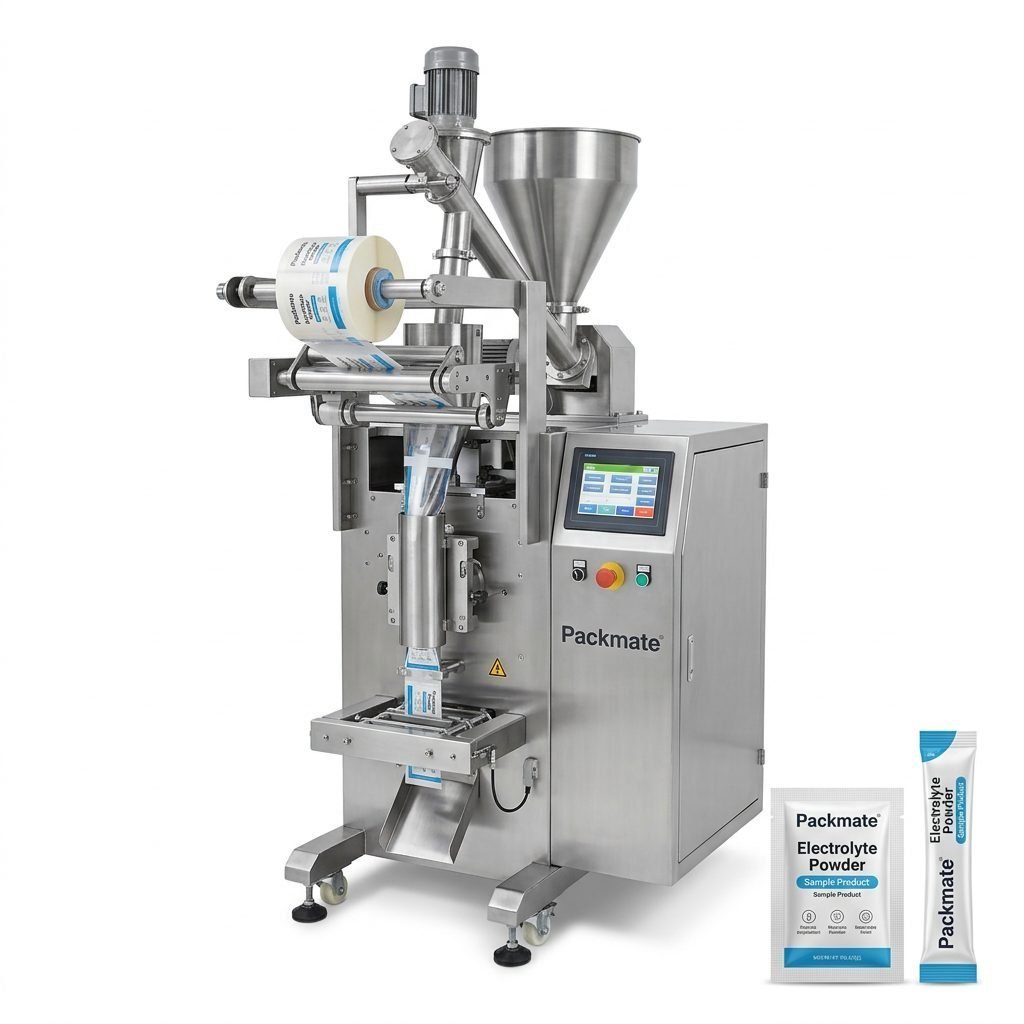
Why this matters for Peru: A supplier with a wide portfolio can grow with your business. If you start with a stick pack machine for herbal teas and later expand into liquid sauce sachets, a partner like Ludyway can likely supply both, ensuring technical consistency and simplified support.
Packmate Machinery: Balancing Reliability and Value
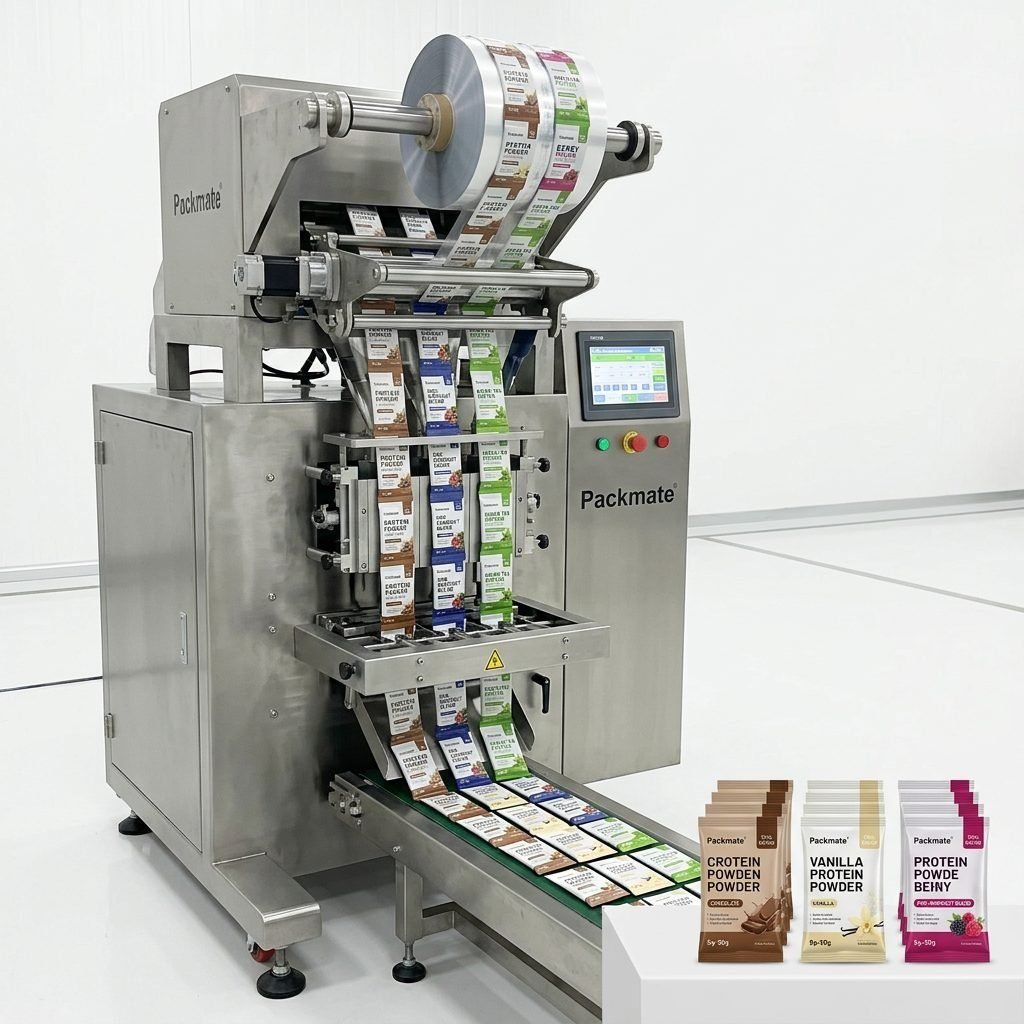
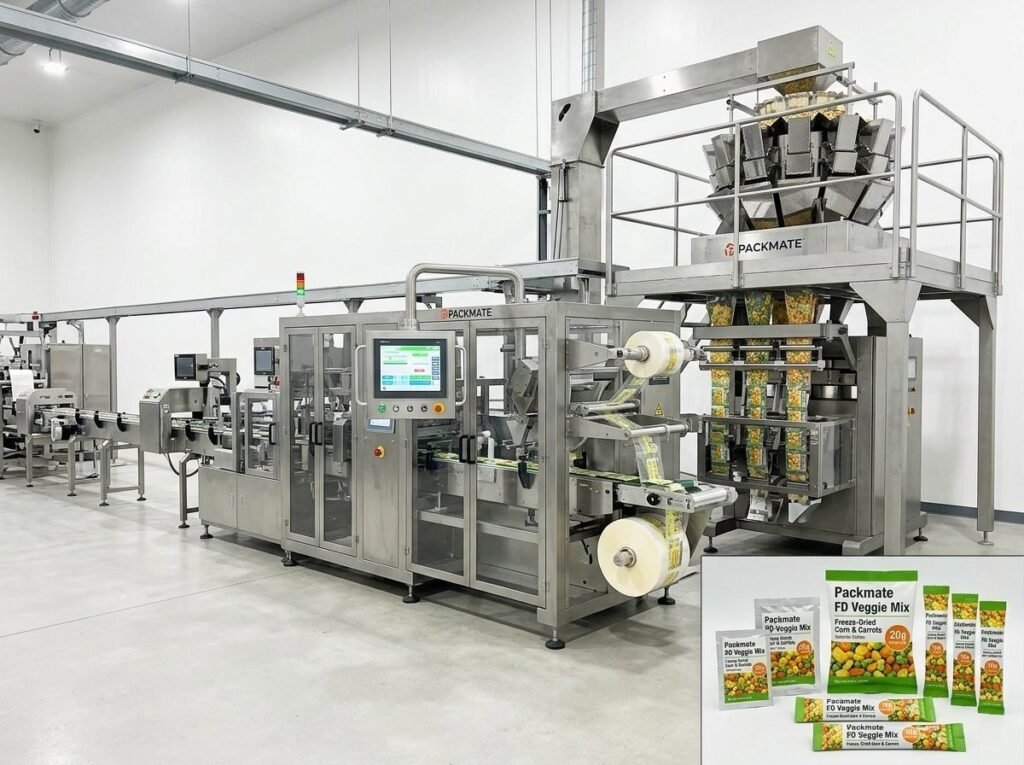
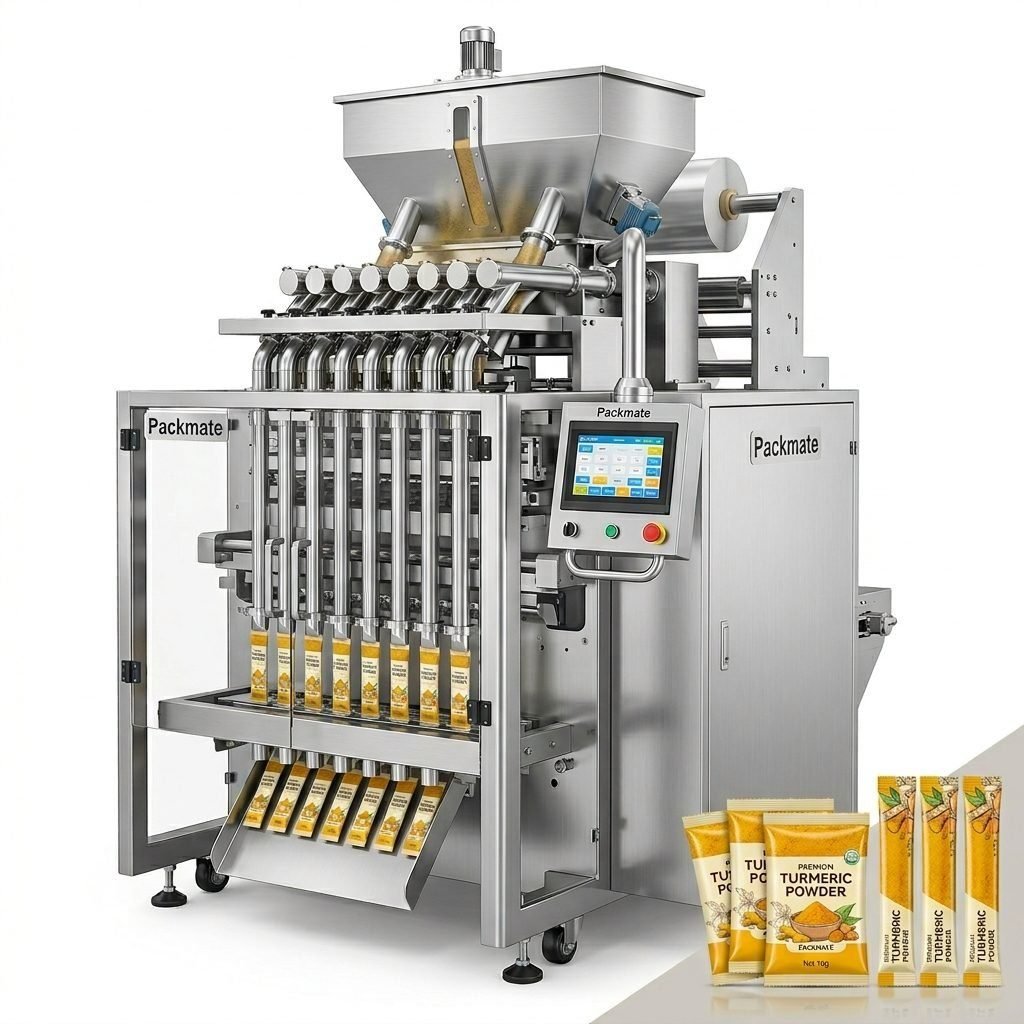
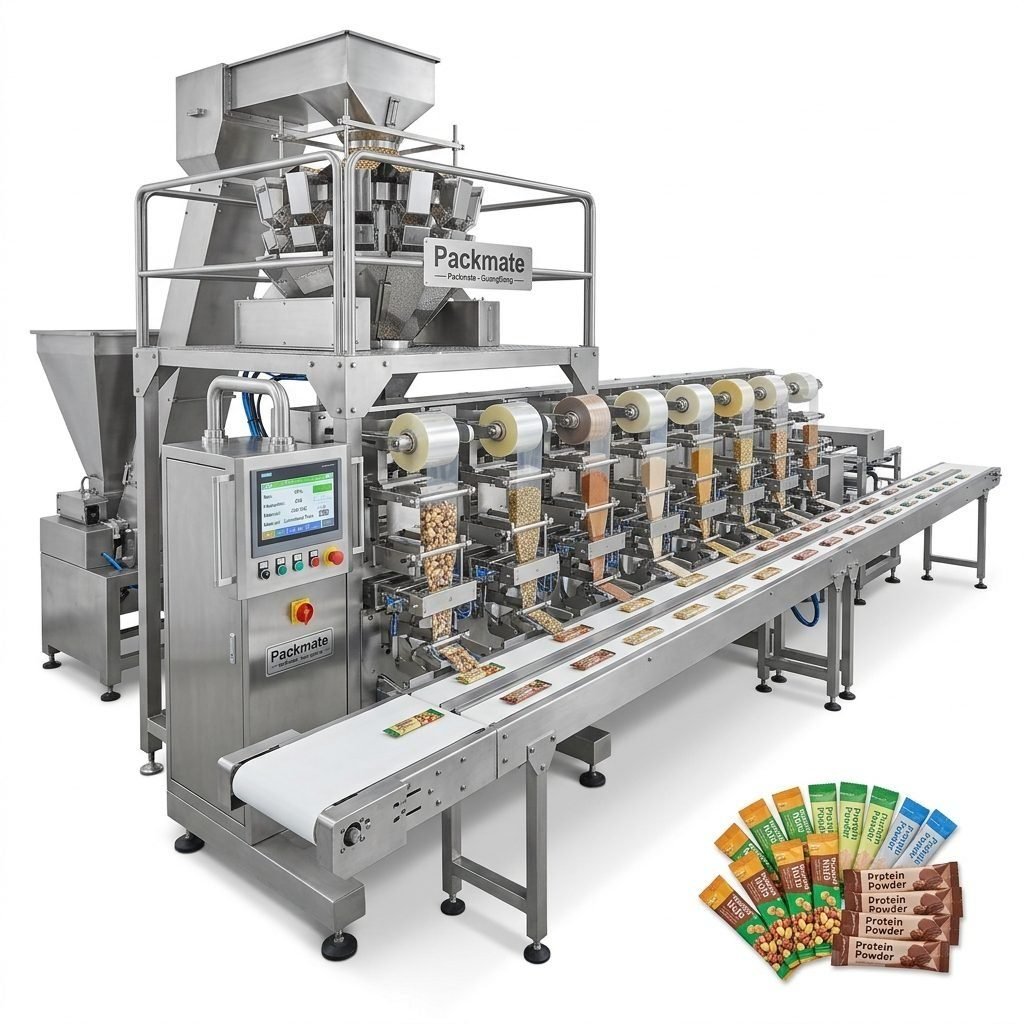
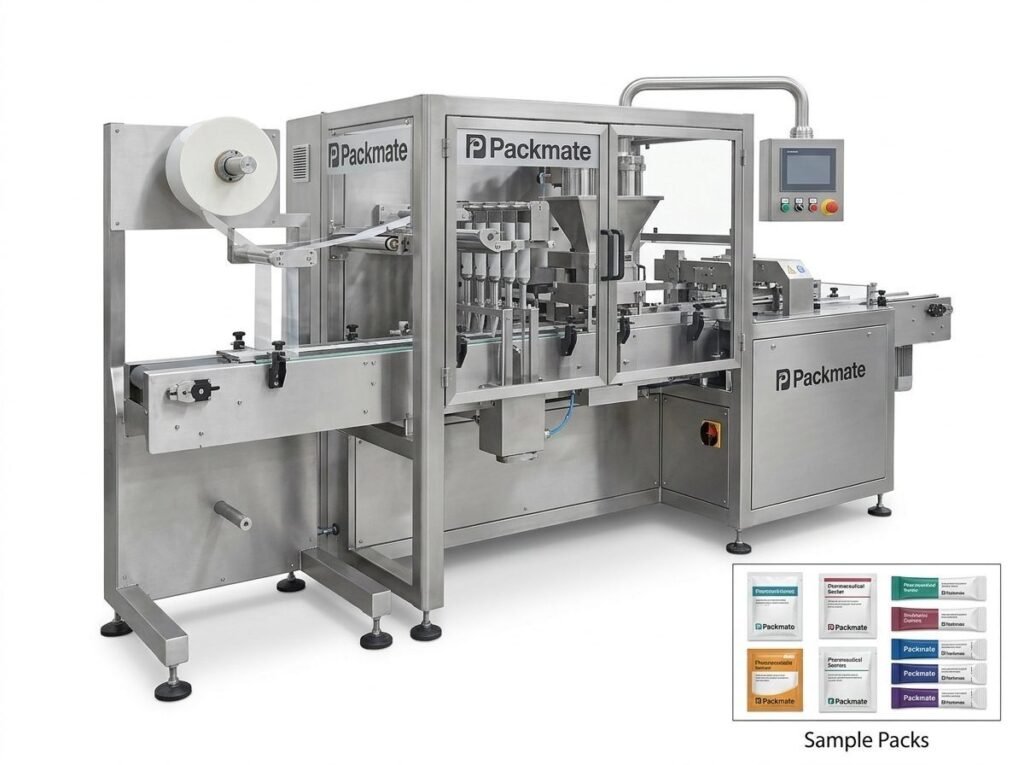
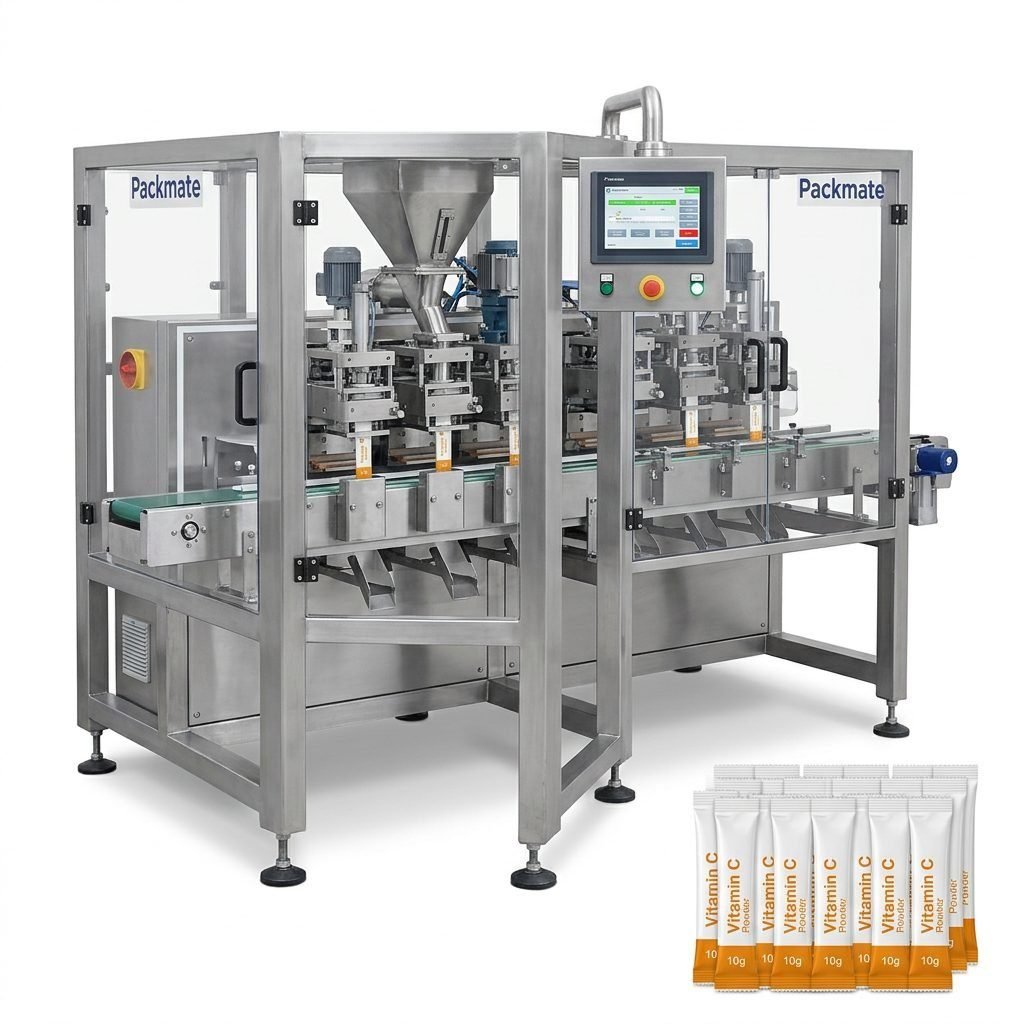
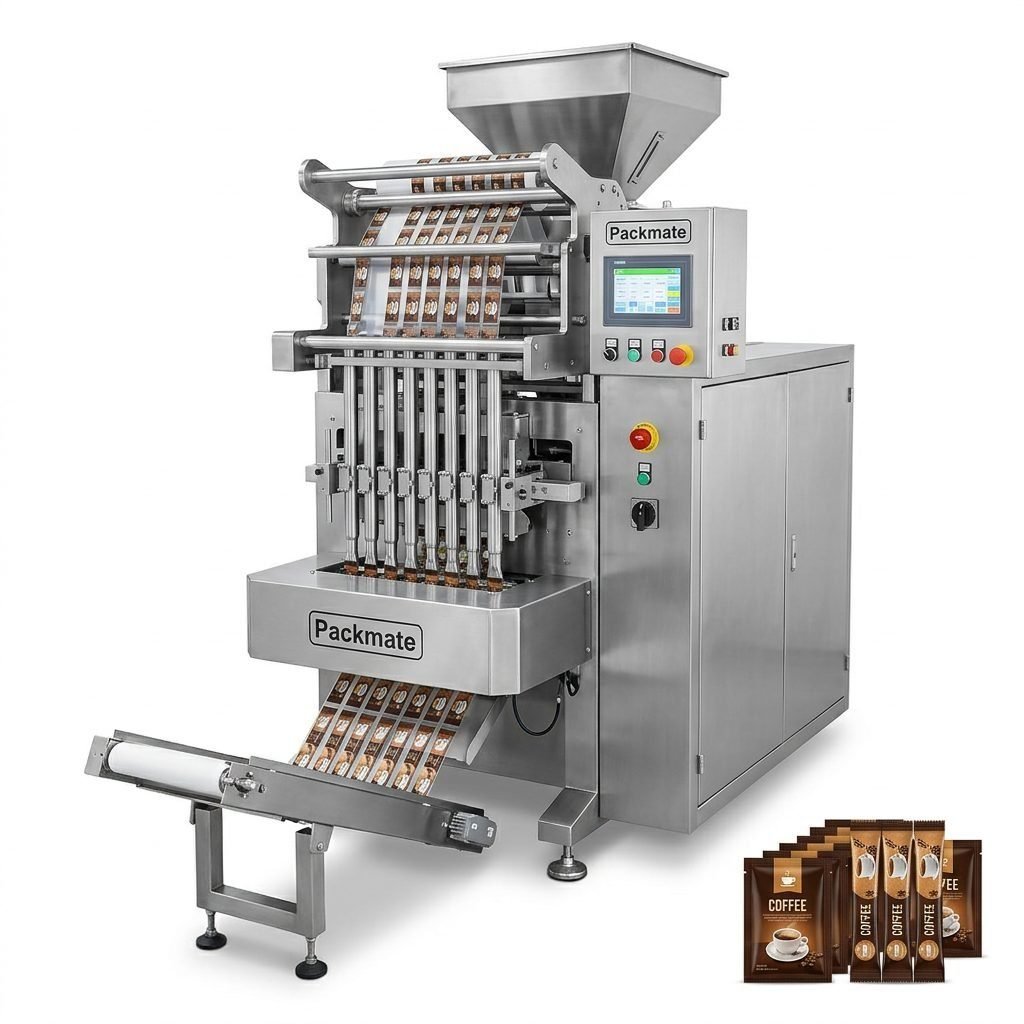
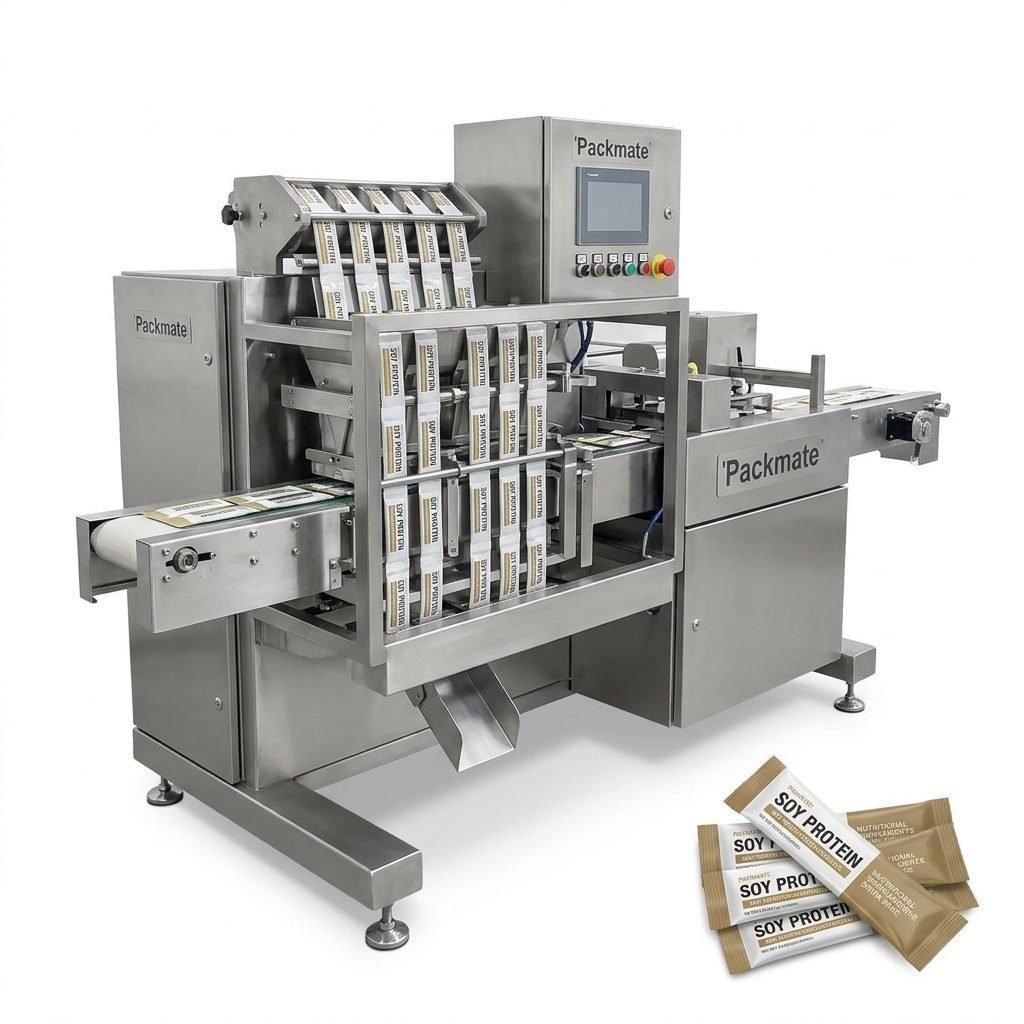
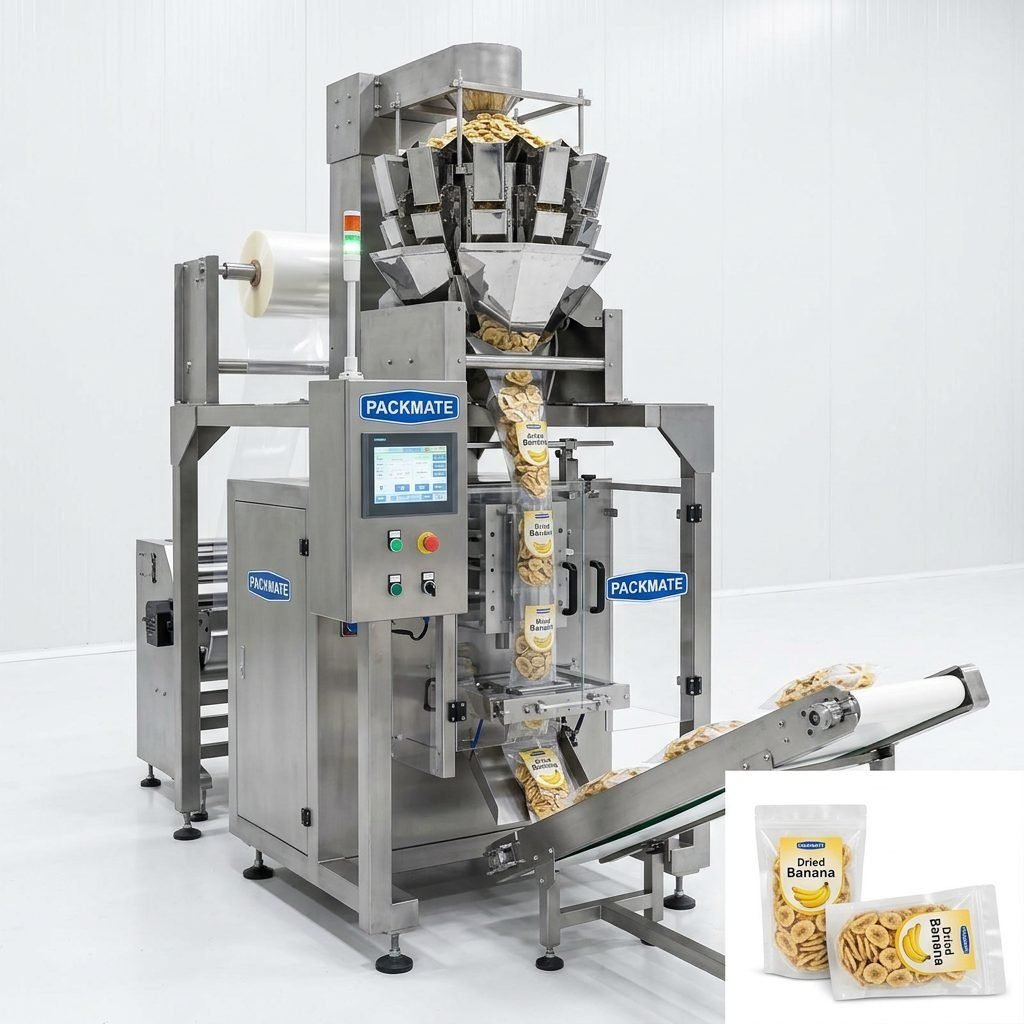
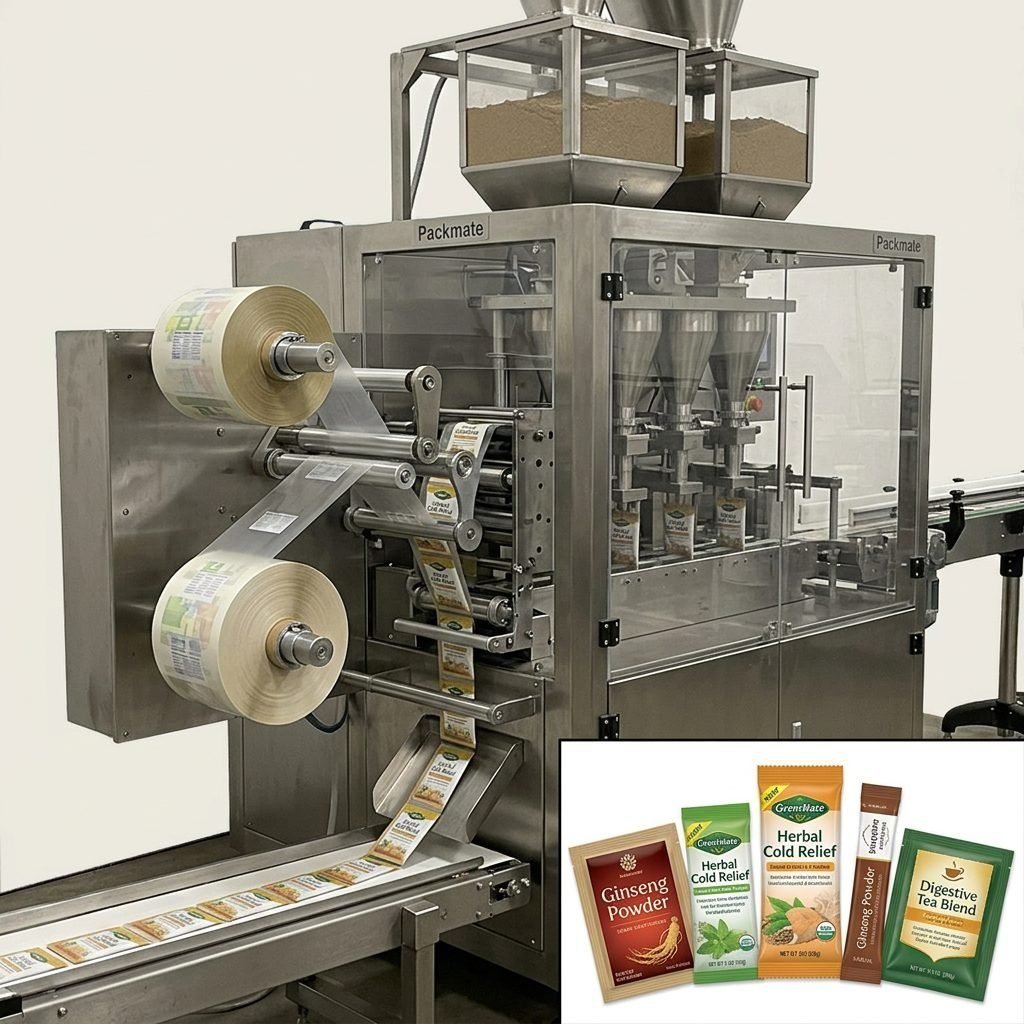
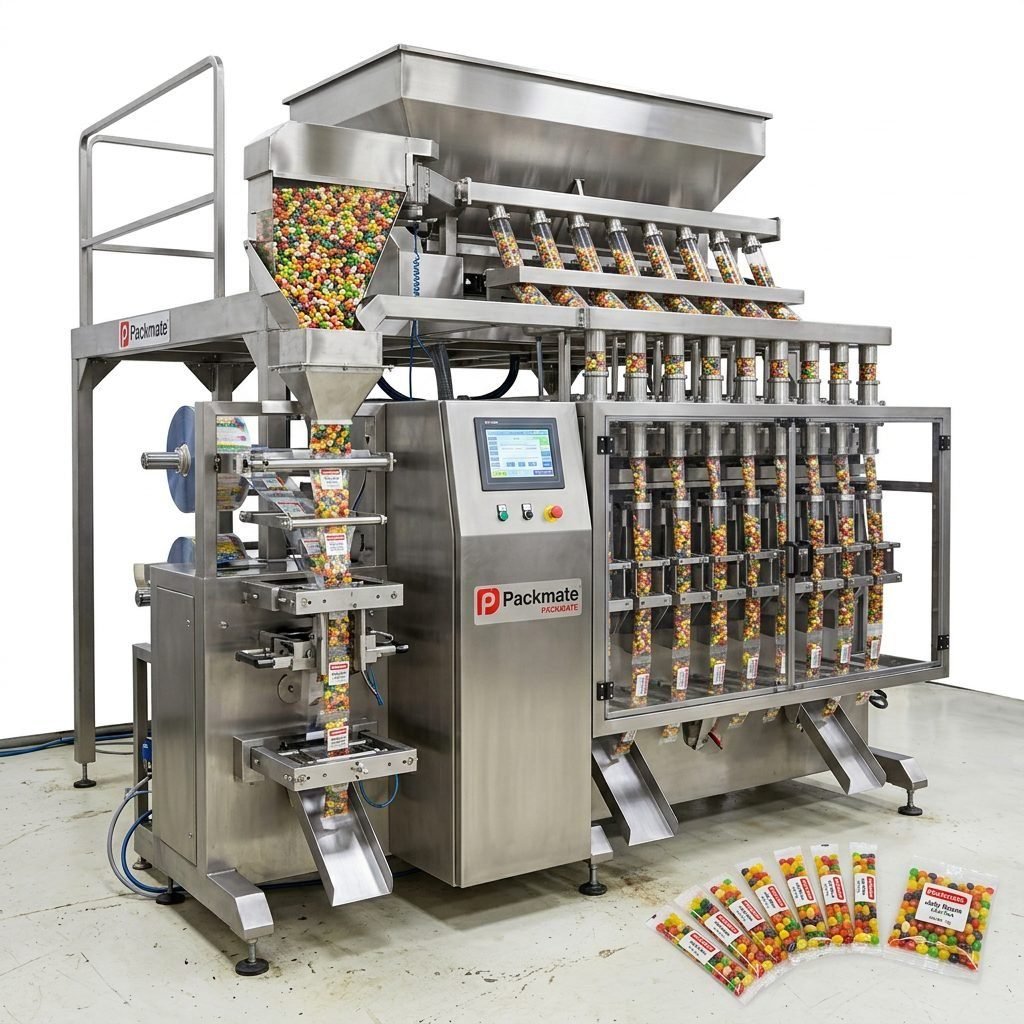
Packmate Machinery offers a strong combination of technical reliability and cost efficiency, making it a popular choice for medium to large-scale operations. Their focus on practical automation and stable performance is well-suited for Peruvian manufacturers looking to upgrade from semi-automatic systems without over-investing in overly complex machinery. With a presence in Europe and South America, they have experience navigating the requirements of these markets.
PacklineOEM: Specialists in Integrated Turnkey Lines
For Peruvian businesses planning a new production facility or a major overhaul, PacklineOEM specializes in complete, intelligent packaging lines. Their focus goes beyond selling individual machines to providing integrated systems that include feeding, weighing, filling, sealing, and conveying. This turnkey approach can significantly reduce project complexity for the buyer, as a single supplier handles the line integration, which is a considerable benefit when managing a project from overseas.
PackingMachineOEM: Experts in Customization
If your product has unique characteristics that standard machines cannot handle, a supplier like PackingMachineOEM is worth considering. Their strength lies in non-standard and customized packaging solutions. Whether it’s an unusual bag shape, a particularly viscous product, or a specific dosing requirement, their engineering-focused approach is designed to develop tailored equipment. This is ideal for Peruvian companies in niche markets or those developing innovative product formats.
SnusMachinery: Niche Expertise in Pouch Packaging
While serving general food and pharma sectors, SnusMachinery has carved a specialty in nicotine pouch and snus packaging equipment. For Peruvian entrepreneurs or companies looking to enter the growing smokeless tobacco or modern oral nicotine pouch segment, a supplier with dedicated expertise in this niche is invaluable. Their machines are built for the precise dosing and high-speed, multi-lane production these products demand.
Procurement Tip: Always request product-specific videos or references from the supplier. Seeing a machine run a product similar to yours (e.g., fine powder like maca or granular beans) is more valuable than generic promotional material.
The Procurement Process: From Inquiry to Installation in Peru
Successfully importing machinery involves clear steps. Start with a detailed Request for Quotation (RFQ). Reputable suppliers will respond with a technical proposal, commercial offer, and timeline. Insist on a virtual factory audit or live video call to see their manufacturing facility and assembly lines. Discuss shipping terms (CIF Callao, for instance), import duties, and who will handle customs clearance in Peru. Finally, clarify installation and commissioning: Will they send an engineer, or will it be done remotely with local technicians?
After-Sales Service: The Deciding Factor
The supplier’s commitment after the sale is what truly protects your investment. Key service elements include:
- Warranty Period: Typically 12-18 months for machinery.
- Spare Parts Availability: How quickly can critical parts be shipped to Peru?
- Technical Support: Availability of remote support (video call) and local service agents.
- Documentation: Comprehensive manuals in English or Spanish, electrical diagrams, and parts lists.
Frequently Asked Questions (FAQs)
What are the main benefits of importing packaging machines from China for a Peruvian company?
The primary benefits are cost-effectiveness without sacrificing technology, access to a wide variety of machine models, and the ability to work with suppliers who have extensive export experience. Many Chinese manufacturers now produce equipment that meets European CE standards, ensuring good quality and safety.
How can I verify the credibility of an overseas packaging machine supplier?
Conduct thorough due diligence: check their business license (ask for a copy), years in operation, request client references—preferably in South America, visit their website and social media for activity, and insist on a live video tour of their factory and working machines. Third-party inspection services can also be hired for a pre-shipment check.
What are the typical lead times for packaging machinery shipped to Peru?
Lead times vary. For standard models, expect 30-60 days for production after order confirmation, plus 30-45 days for sea shipping to a port like Callao. Customized or turnkey lines will have longer lead times, often 90-120 days or more. Always confirm this in your contract.
Who is responsible for customs clearance and import duties in Peru?
This must be explicitly agreed upon in the sales contract (using Incoterms). Often, suppliers sell on CIF (Cost, Insurance, and Freight) terms, meaning they deliver to the Peruvian port. The buyer (the Peruvian company) is then responsible for clearing customs, paying import duties (which vary based on machinery type), and arranging inland transportation to the factory.
What is the most common challenge when setting up an imported packaging line, and how can it be mitigated?
The most common challenge is technical commissioning and initial setup without immediate on-site support from the supplier. This can be mitigated by ensuring comprehensive training materials (videos, manuals), having detailed installation instructions, scheduling extensive remote support sessions via video call during the first week of operation, and ensuring your local maintenance team is involved from the start. Choosing a supplier known for good remote support is critical.