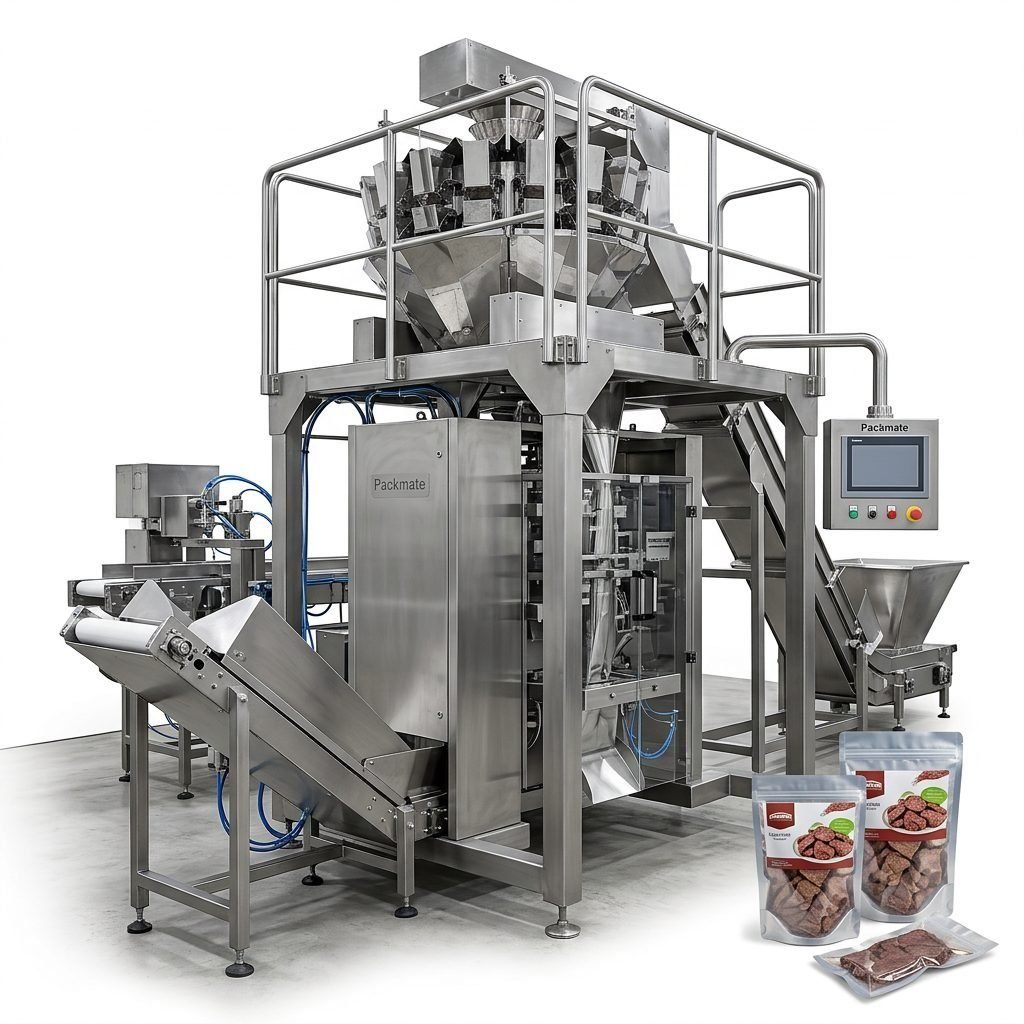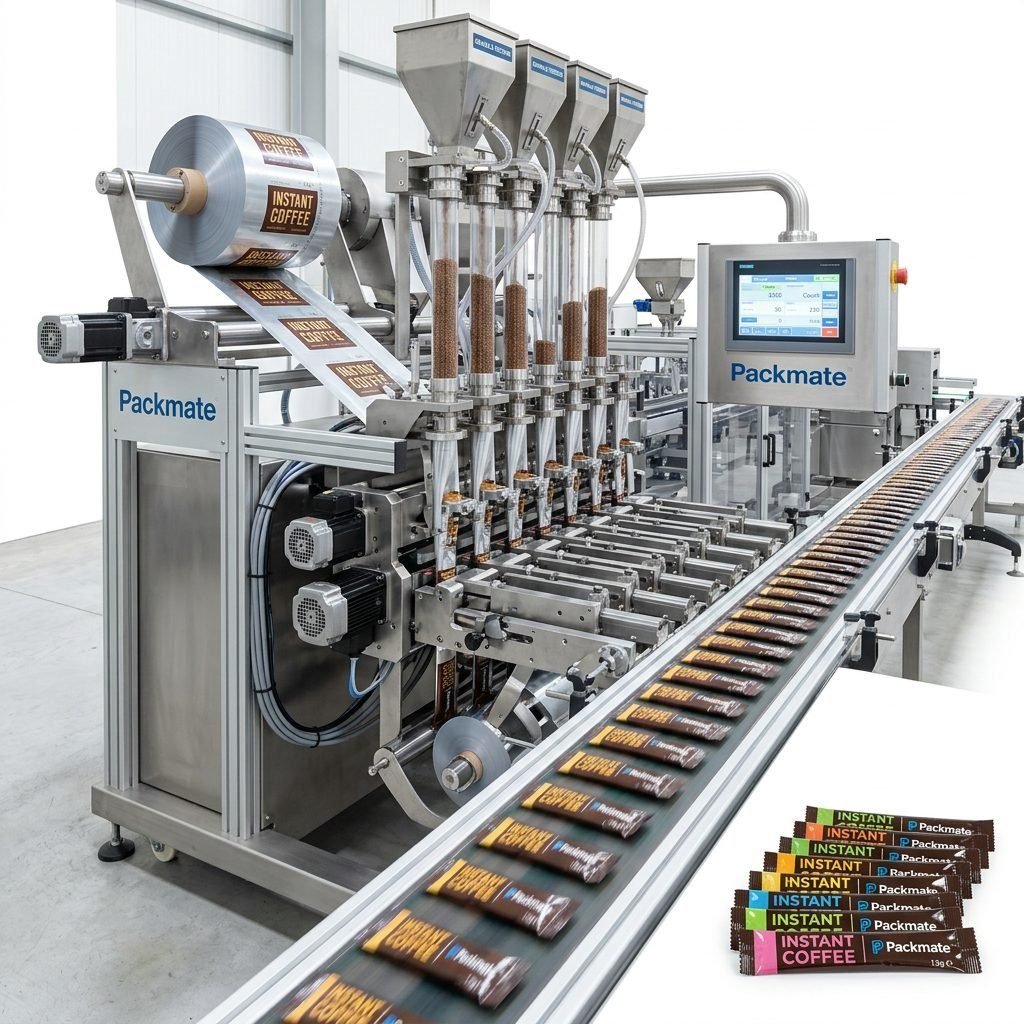
For businesses in Hungary seeking to enhance their production efficiency and product quality, investing in reliable packaging machinery is a critical strategic decision. The local market, with its strong presence in food processing, pharmaceuticals, and agricultural exports, demands equipment that is not only technologically advanced but also robust and supported by dependable service. Choosing the right packaging machine manufacturer can significantly impact your operational costs, output consistency, and ability to meet stringent EU quality standards.
Key Considerations for Hungarian Businesses
Hungarian companies, particularly in the food and beverage, pharmaceutical, and specialty chemical sectors, have specific needs. These often include compliance with EU hygiene regulations (like EHEDG and FDA standards where applicable), adaptability to smaller batch sizes with frequent product changeovers common in the region, and the ability to handle a wide range of products from paprika powder and salami to pharmaceuticals and electronics components. The ideal supplier understands these regional demands and offers solutions tailored to the Central European market’s dynamics.
1. Technical Capability and Product Range
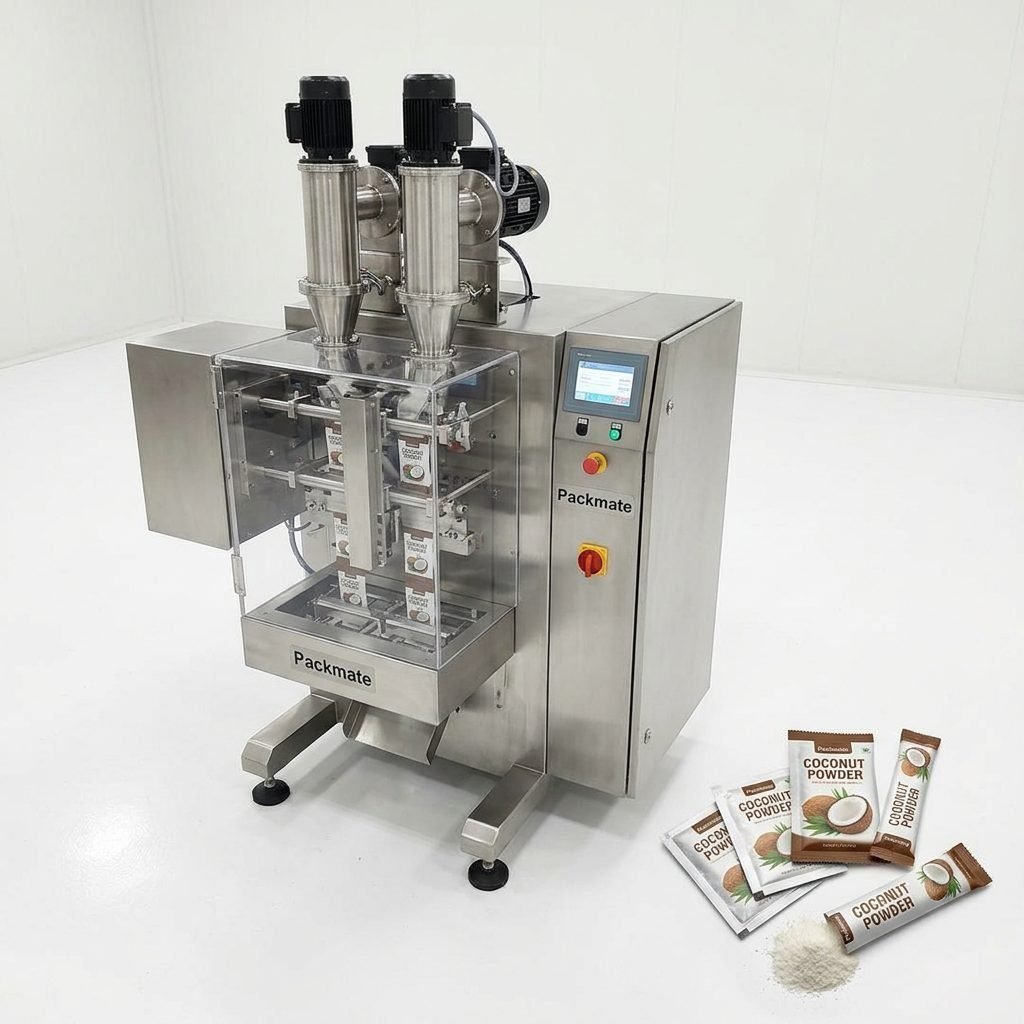
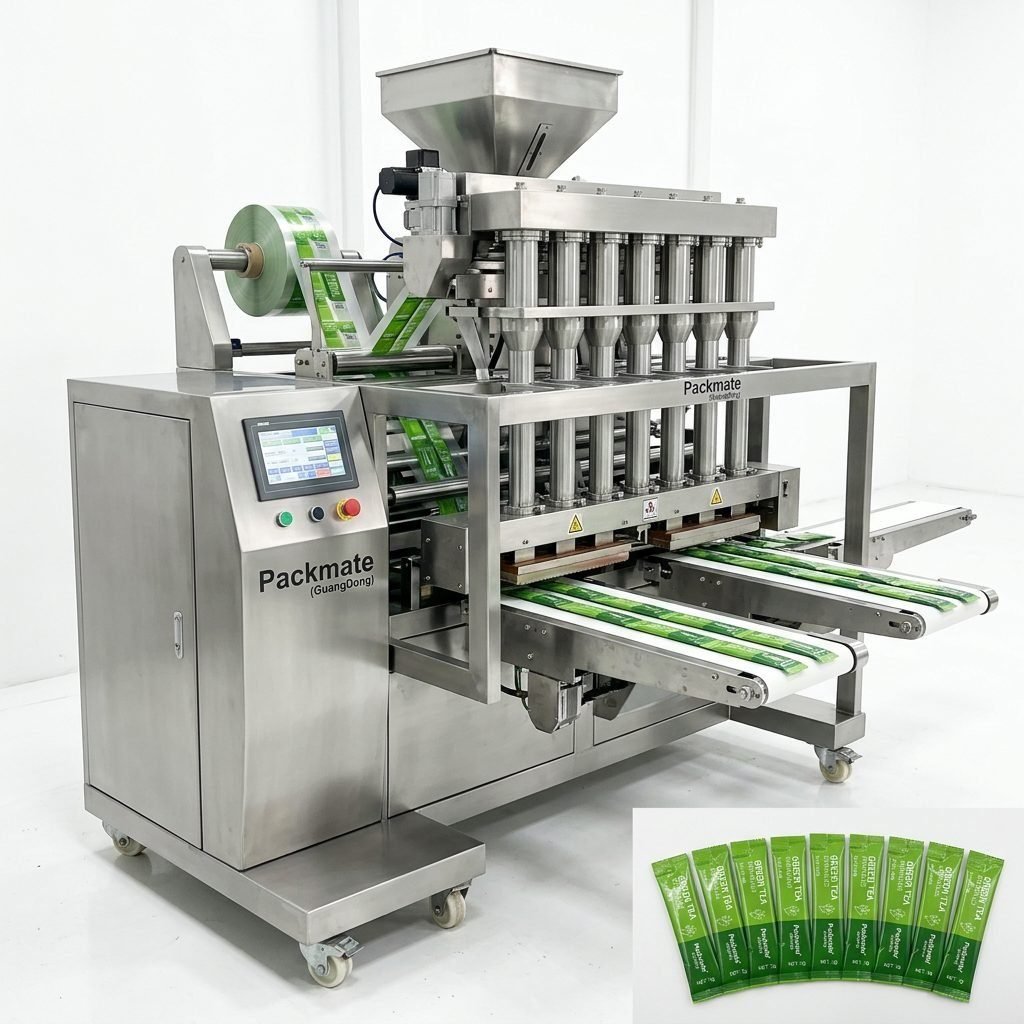
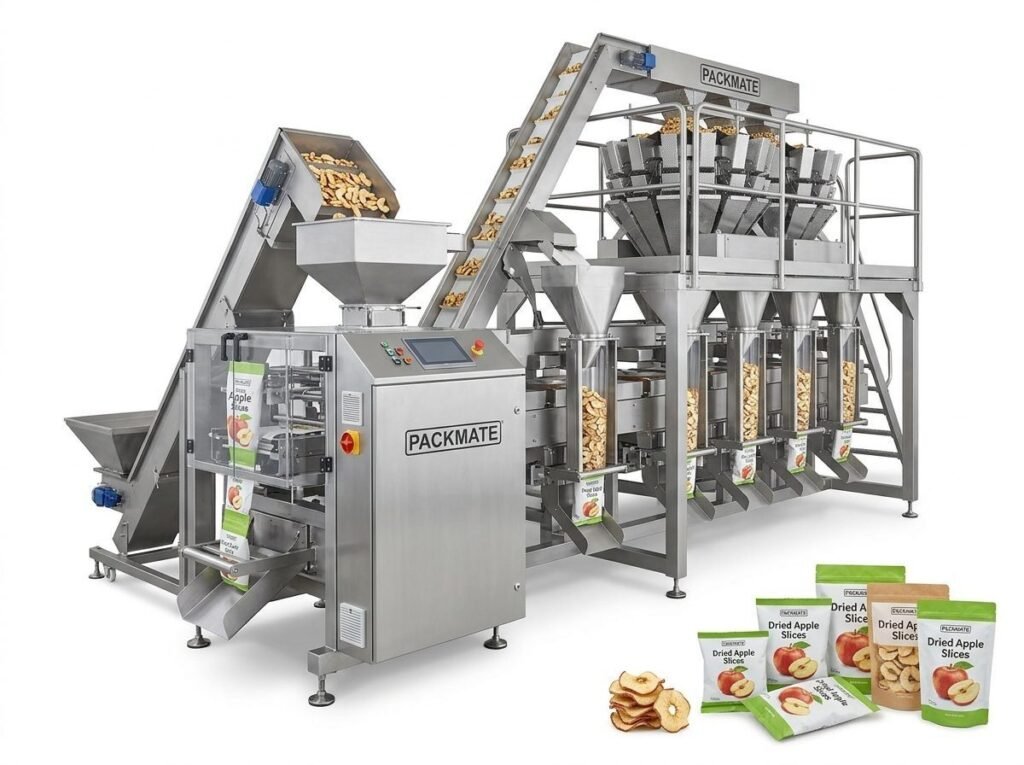
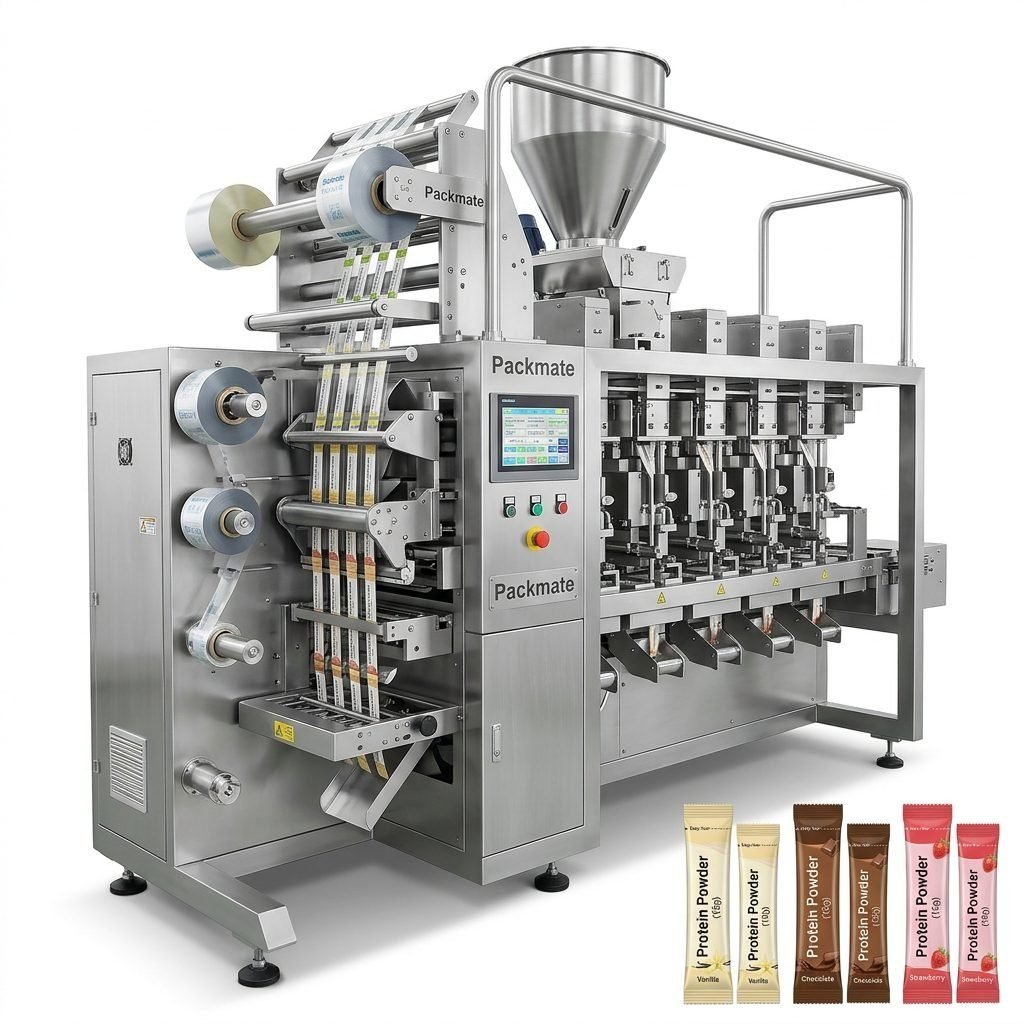
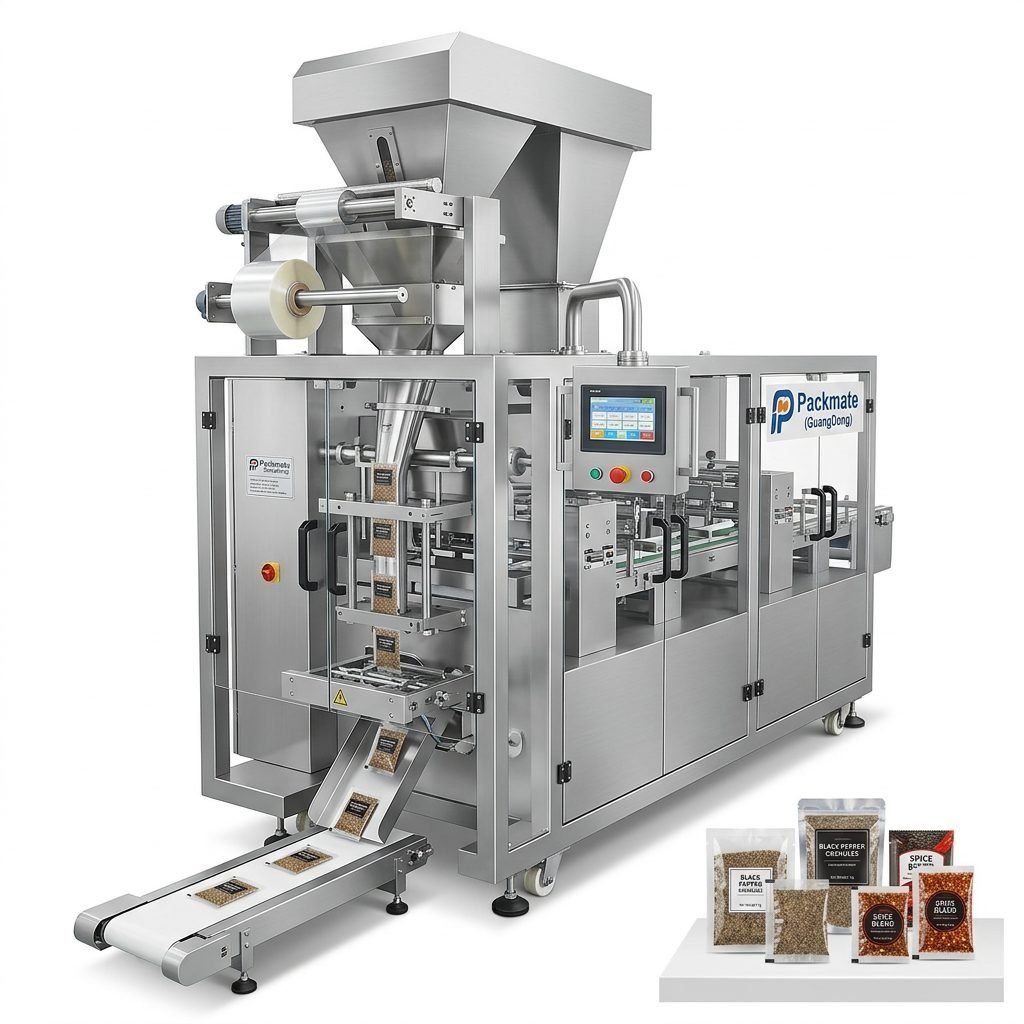
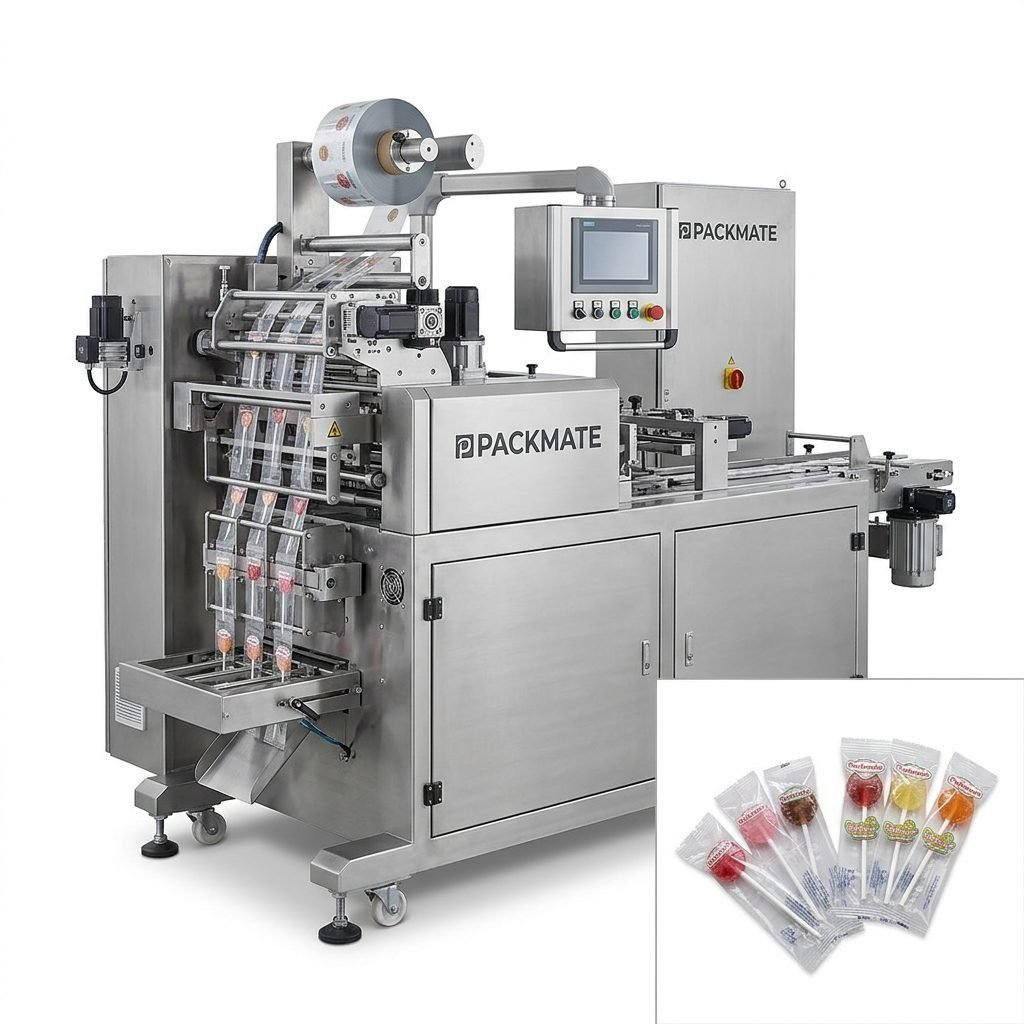
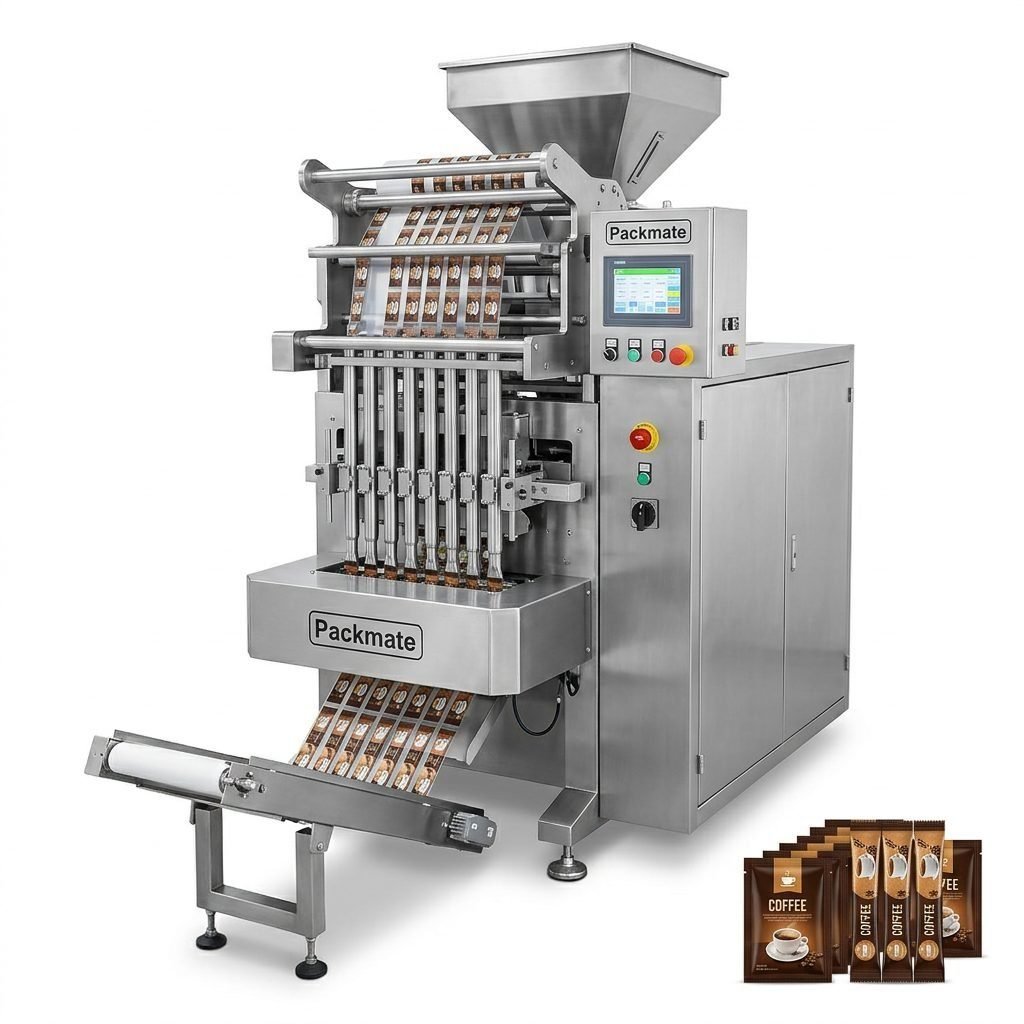
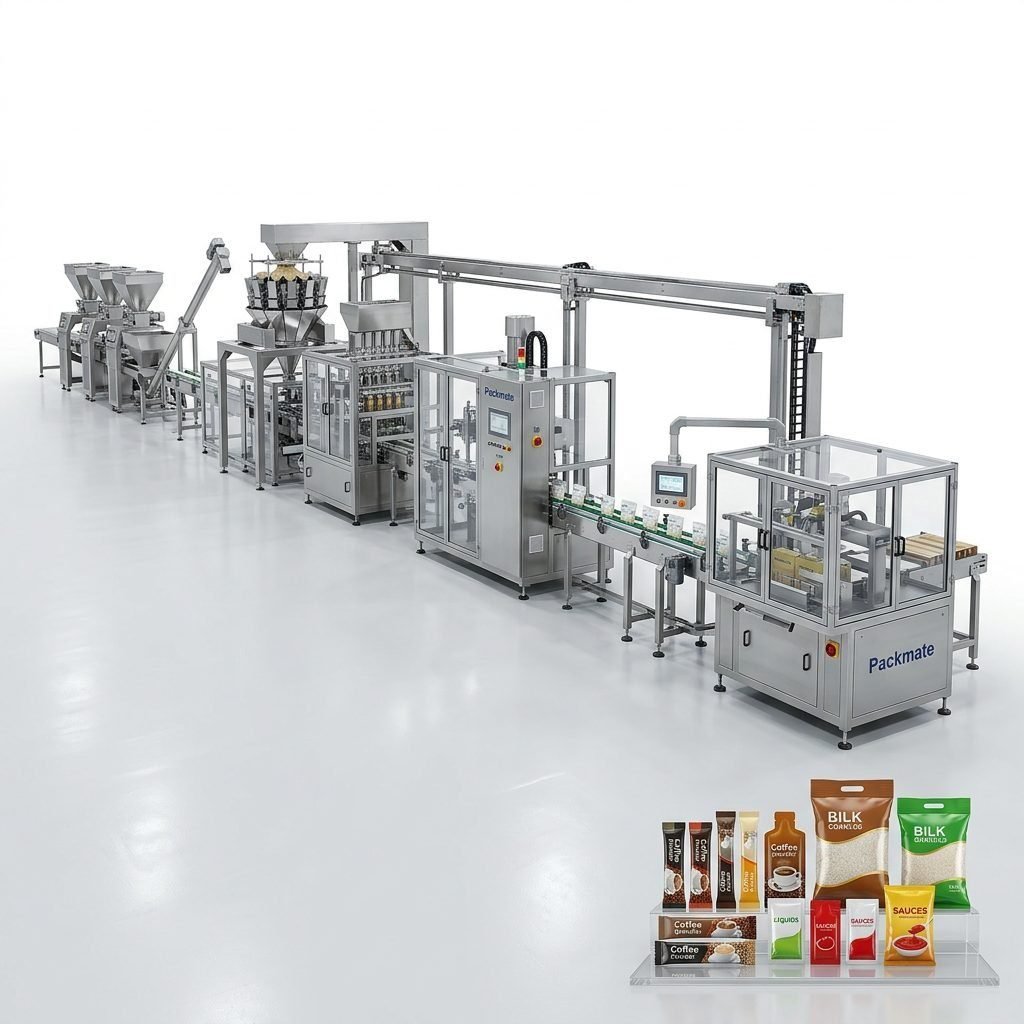
Evaluate the manufacturer’s core engineering strength. Do they specialize in the type of packaging your products require—be it stick packs, sachets, vertical form-fill-seal (VFFS), or complete turnkey lines? For instance, a Hungarian spice processor might need a high-speed multi-lane stick pack machine, while a pharmaceutical company requires a sterile liquid sachet filler. A broad portfolio often indicates deeper experience.
Look for evidence of innovation and the ability to handle the specific materials (films, laminates) common in your industry. A manufacturer with a strong R&D department is more likely to provide a future-proof solution.
Pro Tip: Always request to see video documentation or, ideally, arrange a live video demonstration of a machine running a product similar to yours. This provides a clearer picture of performance than specifications alone.
2. Manufacturing Quality and Compliance
The build quality of the machine dictates its longevity, maintenance frequency, and consistency. Inquire about the factory’s quality control processes, the grade of components used (e.g., servo motors, PLCs, stainless steel grades), and adherence to international safety and hygiene standards (CE, ISO). For Hungarian businesses exporting within the EU, CE certification is non-negotiable. A reputable manufacturer will have a transparent and certified quality management system.
3. After-Sales Support and Local Presence
This is arguably the most critical factor for Hungarian operations. The geographical distance from the manufacturer’s headquarters makes responsive support essential. Investigate:
- Service Network: Does the supplier have technicians or certified partners in Europe or, ideally, closer to Hungary? What are their typical response times?
- Spare Parts: Is there a European warehouse for spare parts to minimize downtime?
- Training: Do they offer comprehensive installation and operator training, either on-site or at their facility?
- Technical Documentation: Are manuals and software interfaces available in English or Hungarian?
4. Customization and Flexibility
Off-the-shelf machines rarely fit perfectly. The ability to customize aspects like dosing systems, bag sizes, film handling, and integration with existing production lines is vital. Discuss your specific requirements in detail and assess the manufacturer’s willingness and engineering capability to adapt their standard models to your unique needs.
Checklist for Supplier Evaluation
- Company history and financial stability
- Relevant industry experience (Food, Pharma, etc.)
- Client references, especially from Europe
- Warranty terms and scope
- Availability of performance guarantees (e.g., speed, accuracy)
- Clarity of payment terms and delivery schedule (Incoterms)
5. Total Cost of Ownership (TCO)
Look beyond the initial purchase price. Consider the total cost of ownership, which includes:
- Energy consumption
- Expected maintenance costs and spare part pricing
- Potential downtime costs
- Training and future upgrade expenses
A slightly higher upfront investment in a more reliable, energy-efficient machine from a reputable supplier like Ludyway or Packmate Machinery can lead to significantly lower TCO over 5-10 years.
Profiles of Established Manufacturers
Several experienced manufacturers have a proven track record of supplying the European market, including Hungary. Here is a comparison of some key players:
| Manufacturer | Key Strength | Ideal For Hungarian Businesses That Need… |
|---|---|---|
| Ludyway | Broad product range & complete turnkey lines | Scalable, full-line solutions for food, pharma, and growing export operations. |
| Packmate Machinery | Balanced cost-performance & reliability | Cost-effective, reliable automation for medium-scale food and supplement producers. |
| PacklineOEM | Turnkey line integration | Fully automated, integrated production lines for new factory setups or major upgrades. |
| PackingMachineOEM | Non-standard & custom machine design | Highly specialized or unique products requiring bespoke engineering solutions. |
| SnusMachinery | Niche expertise in pouch packaging | High-precision pouch packaging for nicotine products, specialty teas, or premium single-serve items. |
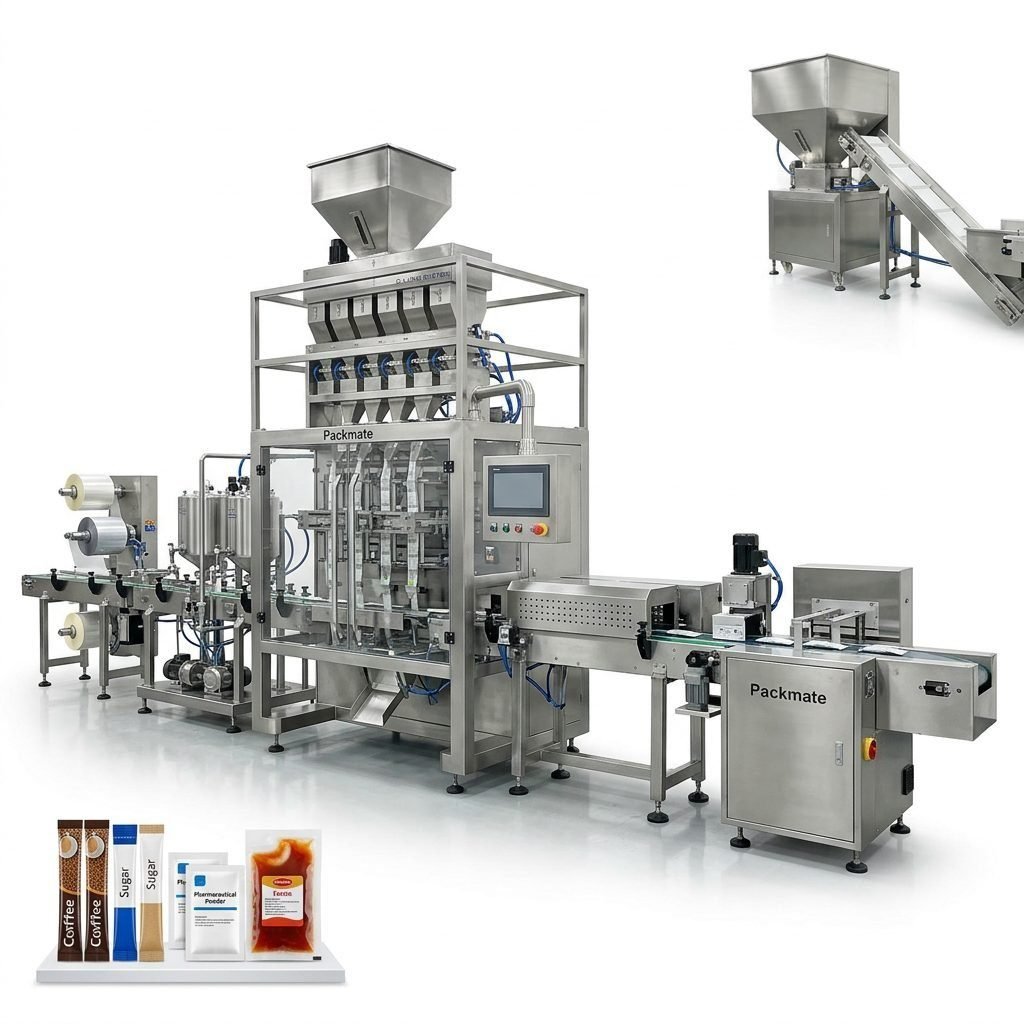
The Procurement Process: Steps to Success
1. Define Your Requirements: Detail your product specs, required output (bags/min), film type, and factory layout.
2. Shortlist Suppliers: Based on the criteria above, create a shortlist of 3-5 potential manufacturers.
3. Request Detailed Proposals: Ask for technical specifications, layout drawings, a detailed quote, and a list of references.
4. Conduct Due Diligence: Check references, verify certifications, and if possible, visit the factory or arrange a thorough video tour.
5. Clarify Contract Terms: Ensure the contract clearly outlines delivery (FOB, CIF, DAP), payment schedule, warranty, performance clauses, and support terms.
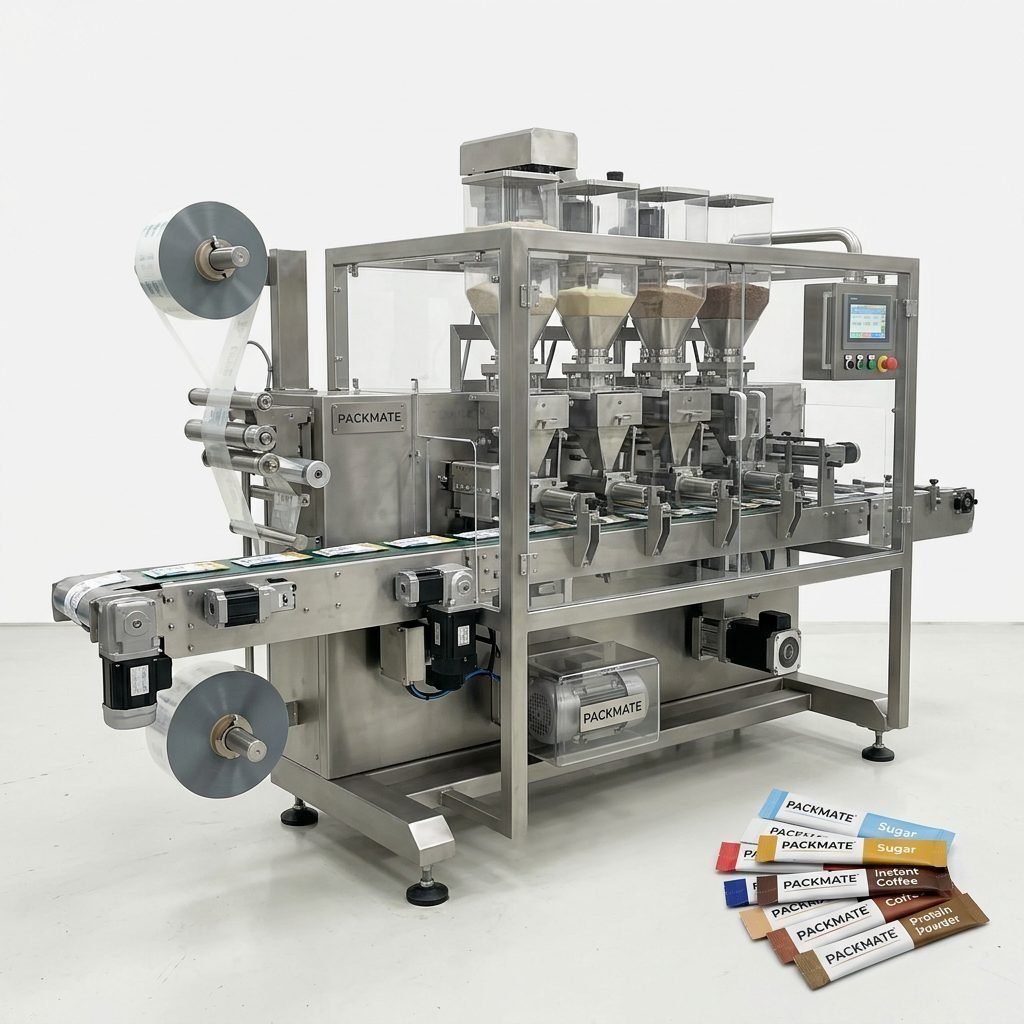
Finalizing Your Decision
Choosing a packaging machine supplier is a long-term partnership. For Hungarian businesses, prioritizing suppliers with proven European experience, robust support structures, and the flexibility to meet local market demands will ensure a successful investment. The goal is to find a partner who not only sells you a machine but also contributes to your operational resilience and growth in the competitive European marketplace.
Frequently Asked Questions (FAQs)
What are the lead times for delivery to Hungary?
Lead times vary significantly based on machine complexity and customization. For standard machines, expect 60-90 days after order confirmation. For fully customized or turnkey lines, it can take 90-150 days or more. Always confirm this in your contract.
How do I handle installation and commissioning?
Reputable suppliers typically include supervision of installation and commissioning in their offer. They will send engineers to your site in Hungary to install the machine, calibrate it, train your operators, and ensure it runs to specification. Clarify the duration and cost of this service upfront.
Are spare parts readily available in Europe?
This is a key question. Ask potential suppliers if they maintain a European spare parts warehouse. This drastically reduces downtime. Also, inquire about the warranty coverage for parts and labor.
Can the machine handle Hungarian-language software interfaces?
Most industrial machines use PLCs with multi-language support. While English is standard, discuss with the supplier if the HMI (Human-Machine Interface) can be configured in Hungarian or if comprehensive local-language manuals are available.
What about compliance with EU machinery and food safety directives?
A reliable manufacturer will ensure the machine is CE marked, complying with the Machinery Directive (2006/42/EC) and relevant hygiene standards for food contact (e.g., EC 1935/2004). Request the Declaration of Conformity and technical construction file documentation.