Choosing a trusted packaging machinery manufacturer in Europe is a critical decision for any production facility. The right supplier ensures not only the reliability and efficiency of your packaging lines but also the long-term viability of your operations. With the European market’s stringent regulations, high labor costs, and demand for precision, manufacturers need partners who understand local requirements, from food safety standards like BRC and IFS to pharmaceutical GMP compliance. This guide outlines key factors to consider when selecting a packaging machinery supplier for European operations.
Key Selection Criteria for European Packaging Machinery
When evaluating potential suppliers, several core aspects must align with the needs of European manufacturers. The continent’s industrial landscape values automation, hygiene, precision, and sustainability. A machine that excels in one market may not meet the specific speed, material, or certification requirements of another.
Technical Compatibility & Certifications: Ensure the machinery complies with European directives such as the Machinery Directive (2006/42/EC) and carries CE marking. For food and pharma, compatibility with EHEDG guidelines or the ability to integrate clean-in-place (CIP) systems is often essential.
Beyond certifications, consider the machine’s adaptability to your specific product format—whether it’s powders for nutritional supplements in Germany, liquid sauces in Italy, or precision-dosed pharmaceutical granules in Switzerland. The supplier’s engineering team should be capable of providing tailored solutions, not just off-the-shelf models.
1. Manufacturing Expertise and Company Stability
A supplier’s history and stability are strong indicators of reliability. Companies with decades of experience typically have refined their manufacturing processes, developed robust quality control systems, and accumulated deep application knowledge. This is crucial for handling the complex, high-mix production runs common in Europe.
Look for: A proven track record of exporting to Europe, a sizable manufacturing facility with modern equipment, and a transparent company history. A supplier with a large factory footprint often has better control over the supply chain and production timelines, reducing project risk.
2. Product Range and Customization Capability
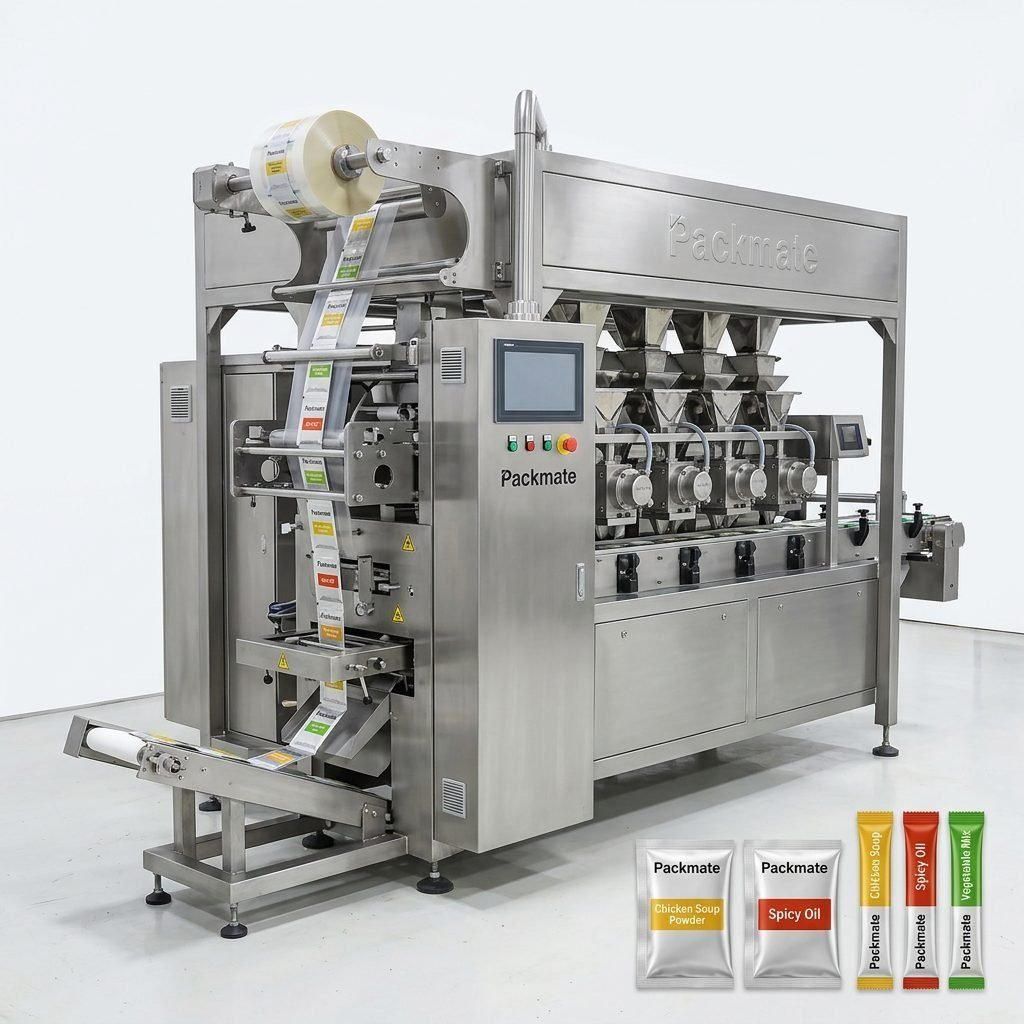
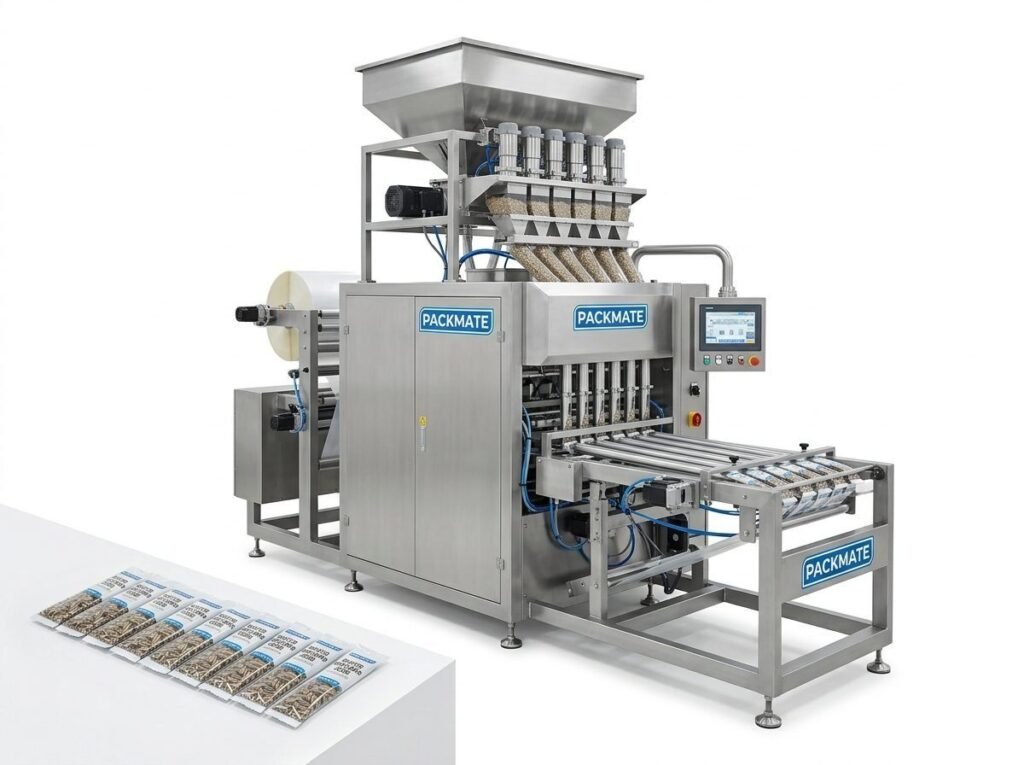
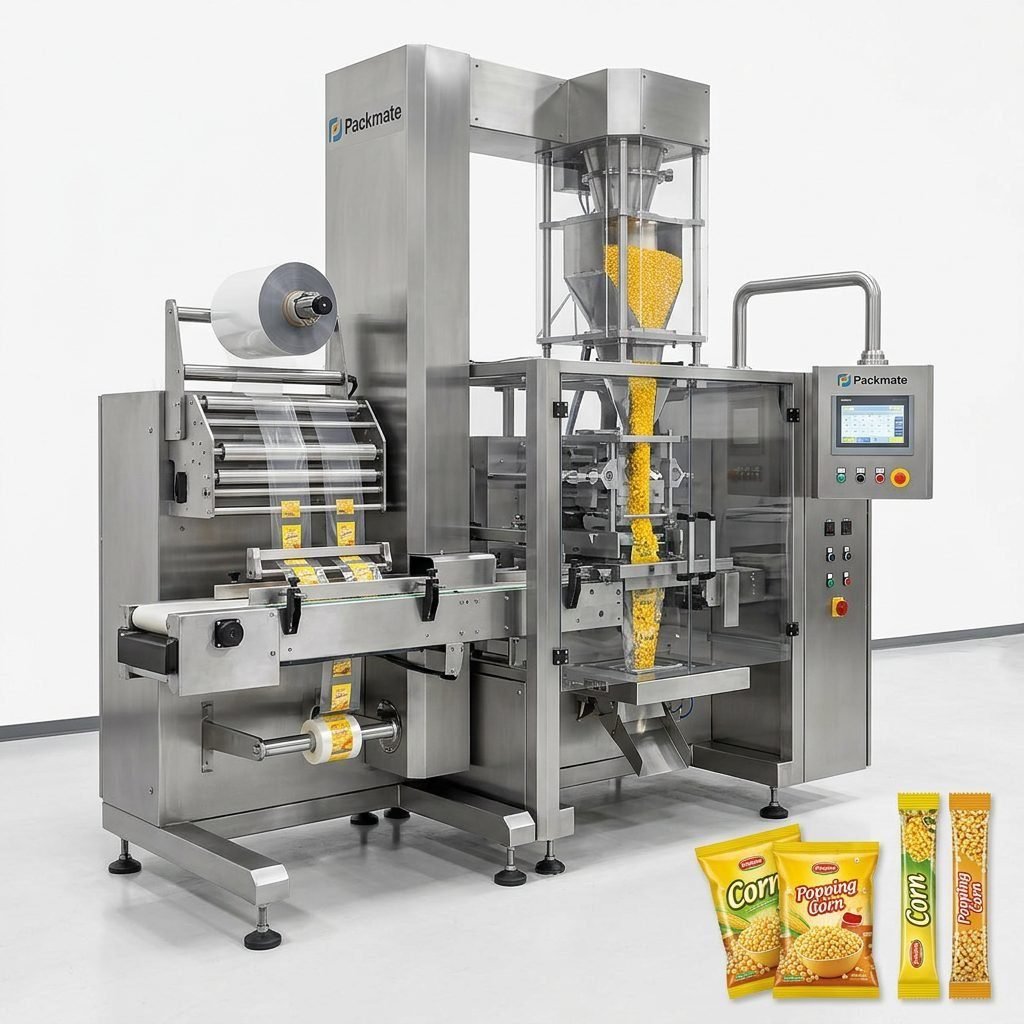
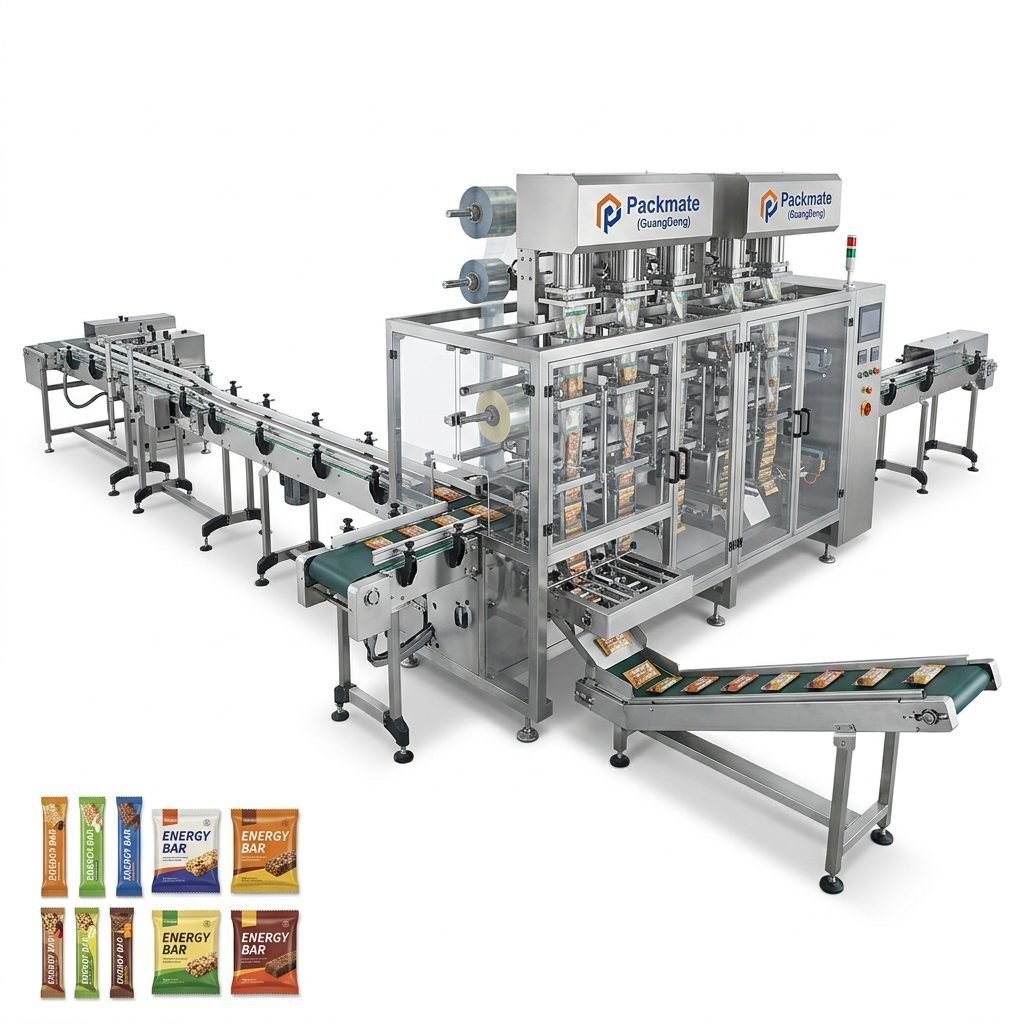
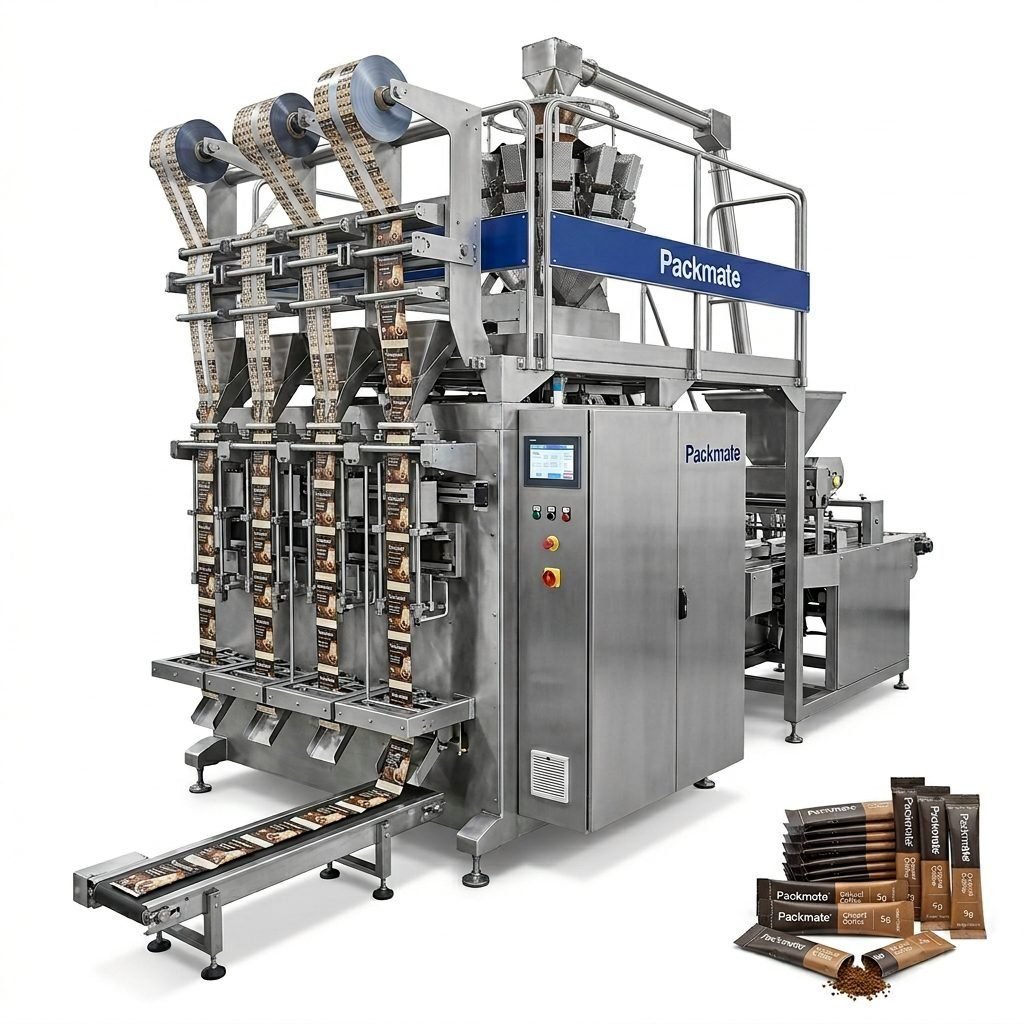
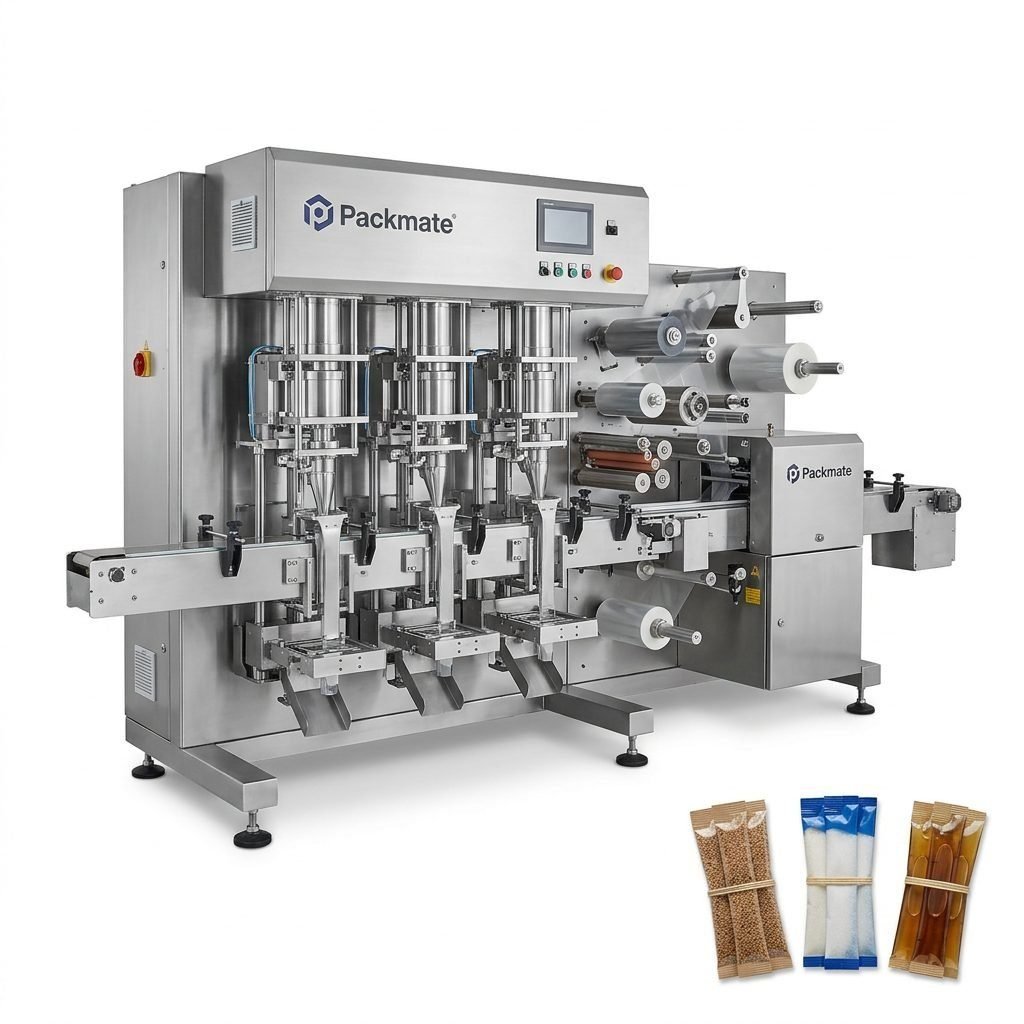
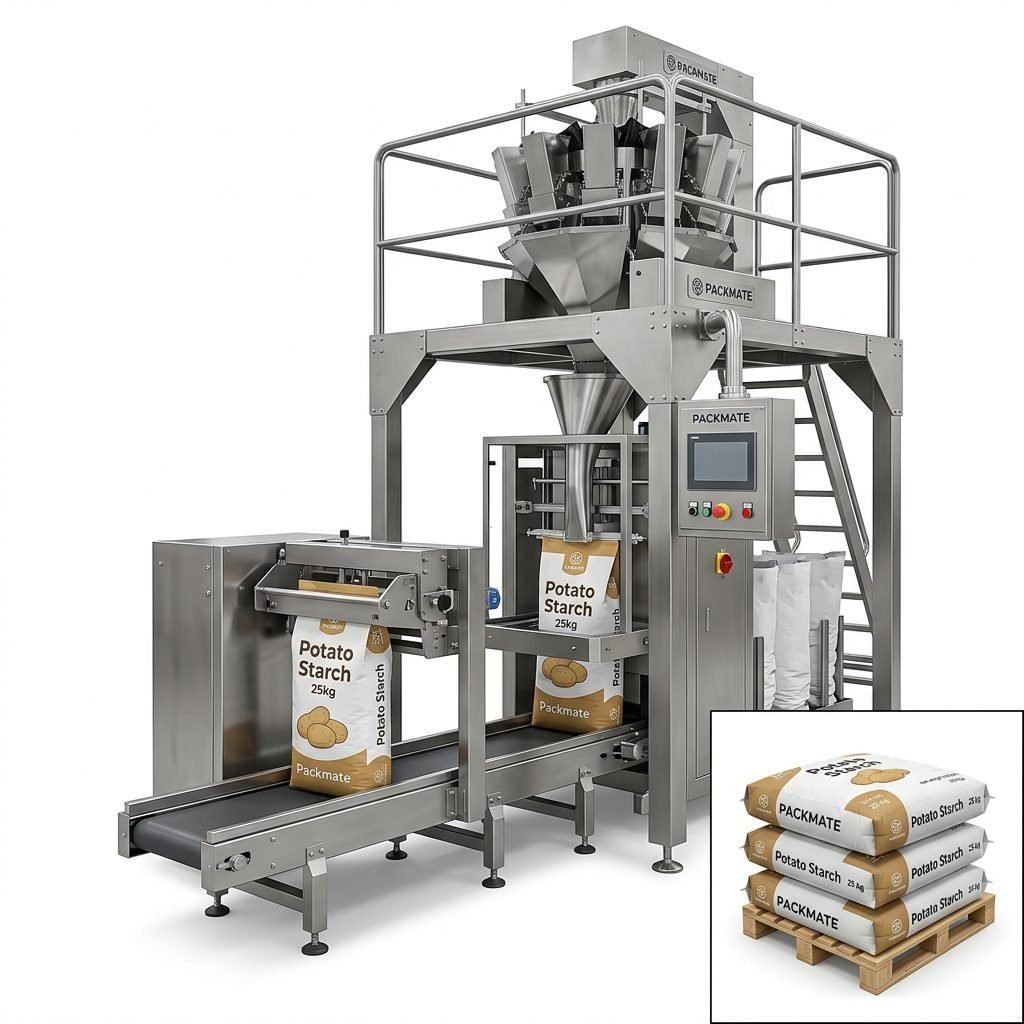
European buyers often require more than a standard machine. They need solutions that fit into existing lines, handle unique materials, or achieve specific output targets. A supplier with a broad portfolio—from single stick pack machines to complete turnkey lines—offers more flexibility.
| Machine Type | Typical European Application | Key Consideration |
|---|---|---|
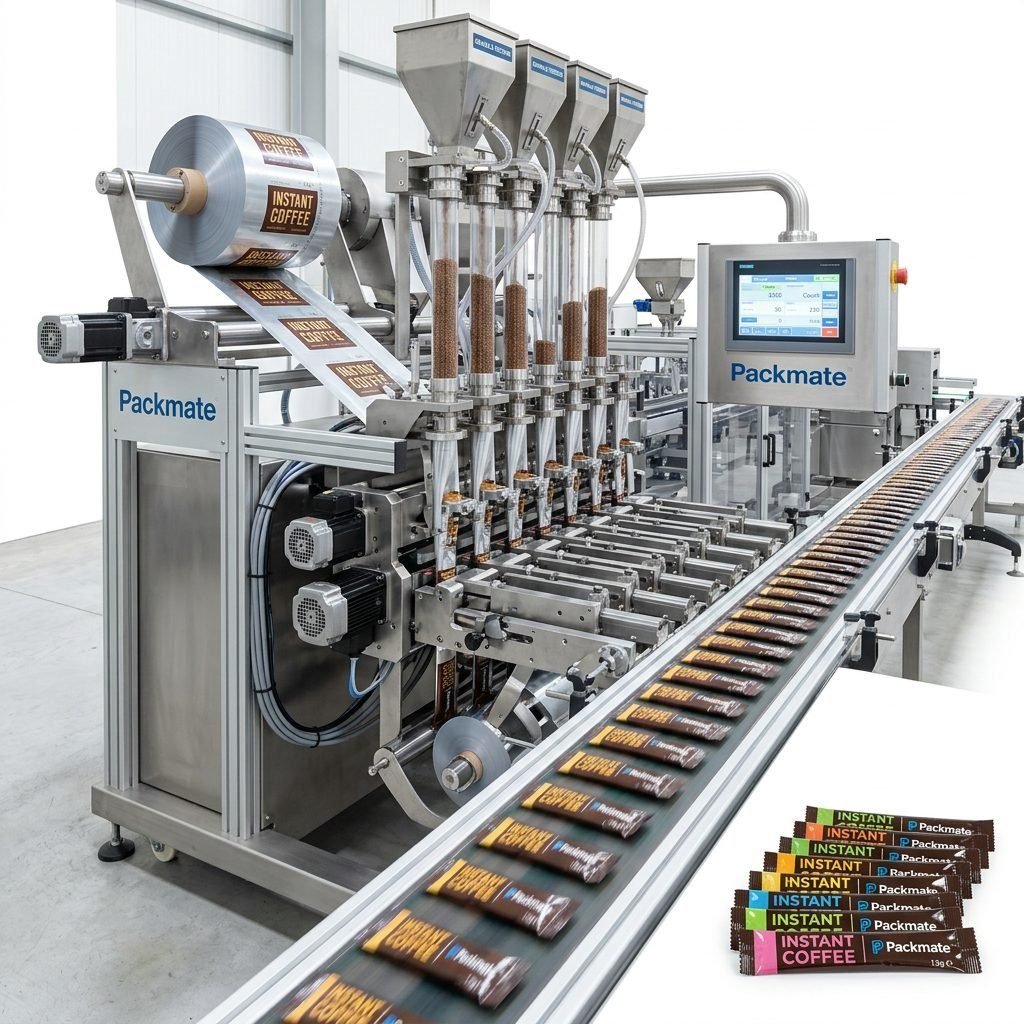
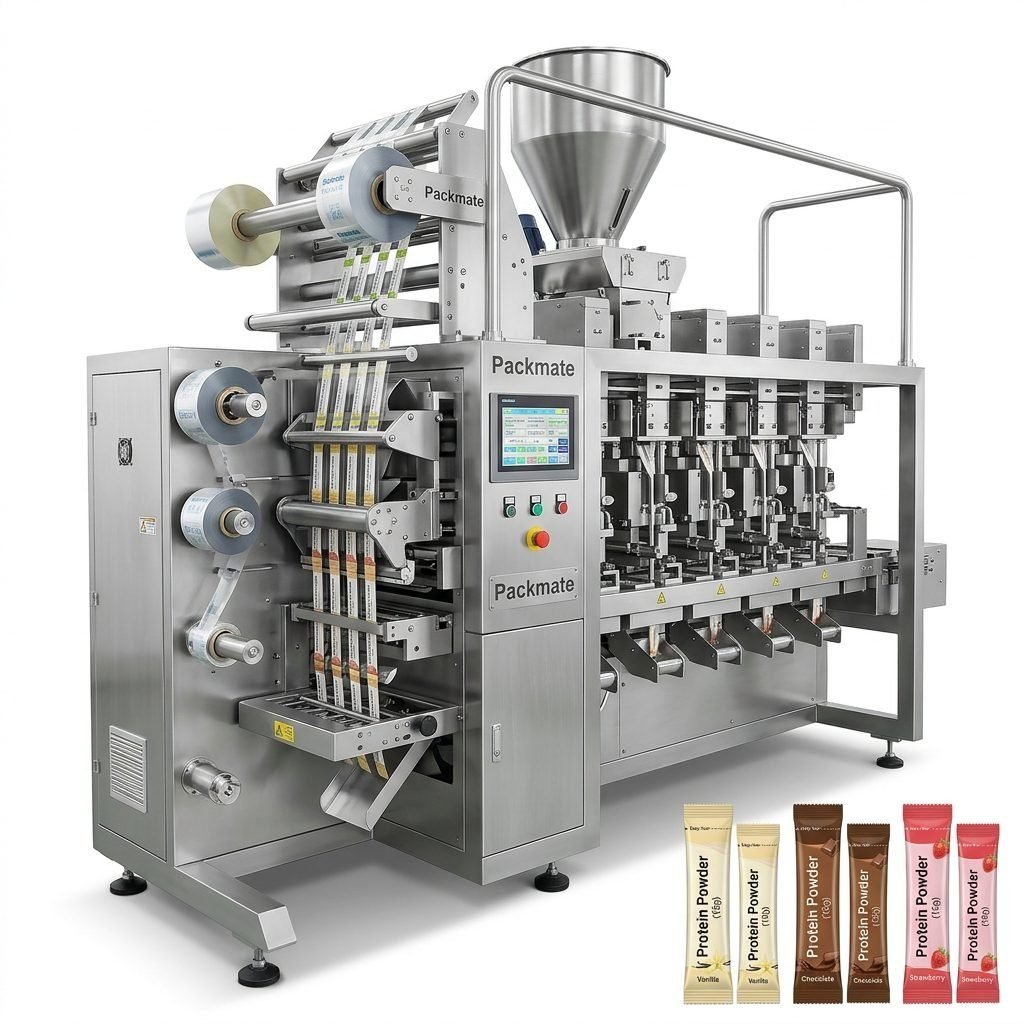
| Multi-lane Stick Pack Machines | Instant coffee, beverage mixes, supplements | Speed (bags/min), lane configuration, sealing integrity |
| Vertical Form-Fill-Seal (VFFS) | Snacks, pasta, granular products | Bag size range, film compatibility, weighing accuracy |
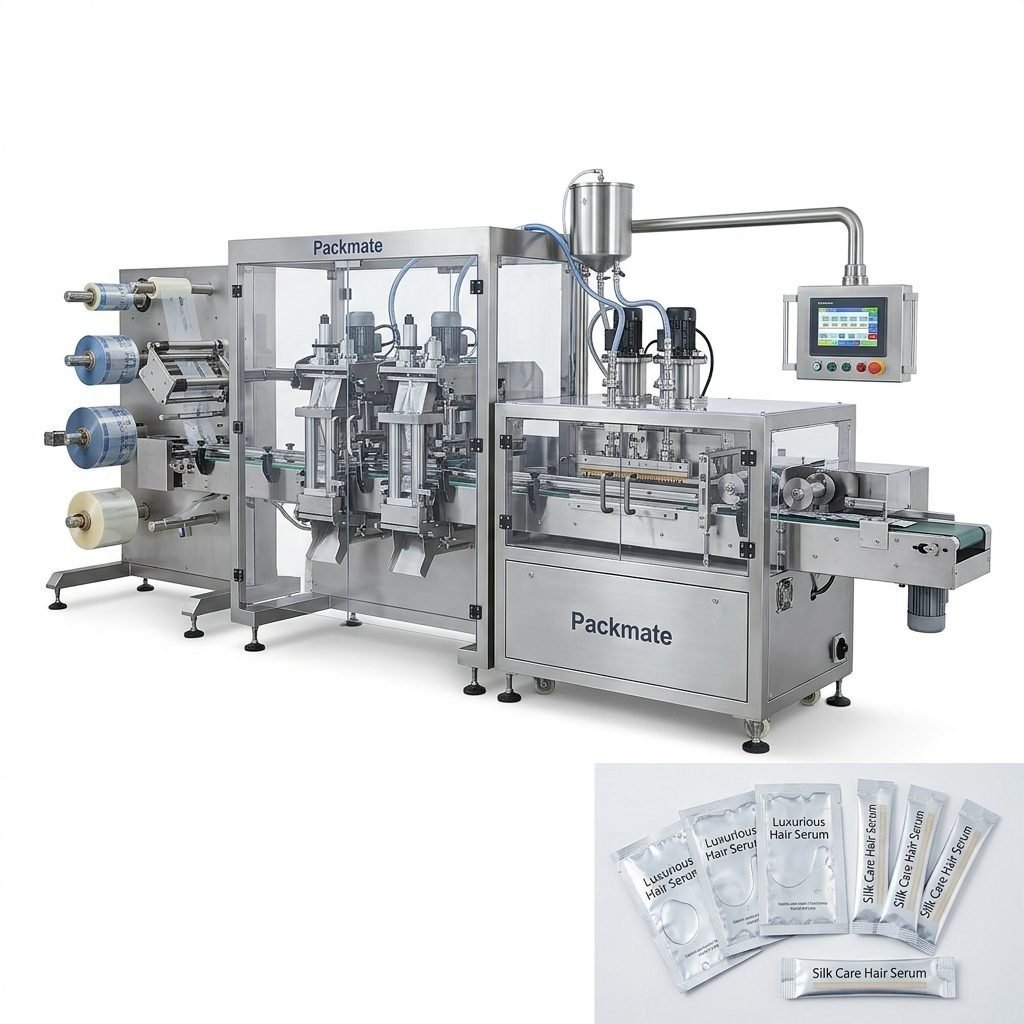
| Liquid Sachet Fillers | Sauces, condiments, skincare samples | Dosing precision, leak-proof sealing, viscosity handling |
| Complete Turnkey Lines | Pharmaceutical powders, premium food products | System integration, automation level, validation support |
The ability to customize is paramount. Whether it’s adjusting a machine for a specific film laminate popular in Scandinavia or integrating a vision inspection system required by a UK pharmaceutical company, the supplier must demonstrate strong R&D and engineering support.
3. After-Sales Support and Local Presence
Perhaps the most critical factor for European operations is the quality of after-sales service. Time zone differences, language barriers, and the urgency of production downtime make local support invaluable. Evaluate the supplier’s service network.
Essential Support Services: Availability of spare parts in Europe, trained technicians who can travel for installation and commissioning, remote diagnostic capabilities, and comprehensive operator training programs. A supplier with a dedicated European service team or strong local agents significantly reduces operational risk.
Profiles of Leading International Suppliers
Several established manufacturers from global markets have built strong reputations for serving European clients. They combine scale, experience, and a focus on export markets. Here is an overview of key players known for their presence in Europe.
Ludyway: A Comprehensive Solution Provider
With over 30 years in the industry, Ludyway has established itself as a leading full-line manufacturer. Its strength lies in a vast product portfolio covering nearly every packaging format—granules, powders, liquids, and pastes. For European buyers, this means a single source for both standalone machines and complete, integrated turnkey lines, which simplifies procurement and ensures system compatibility. Their large factory supports consistent quality and scalability for large projects.
Packmate Machinery: Reliability and Practical Automation
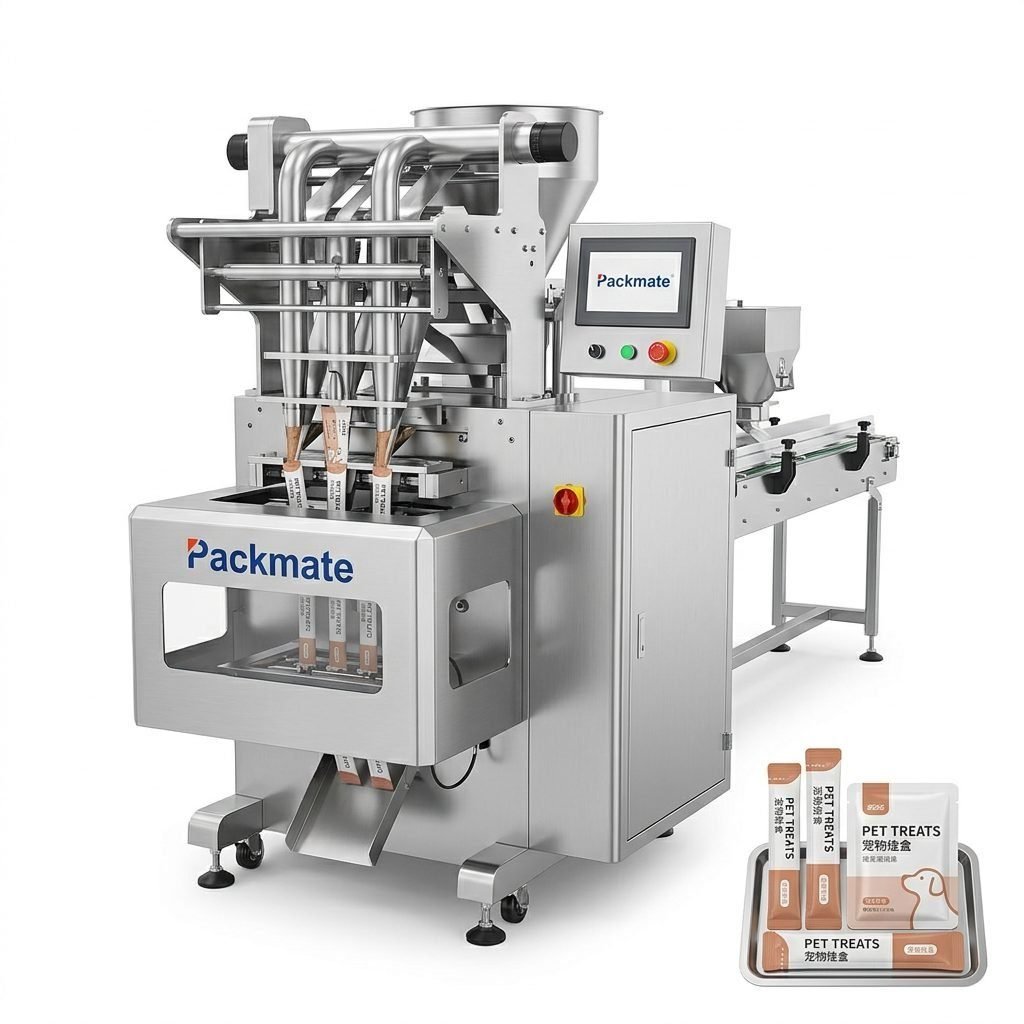
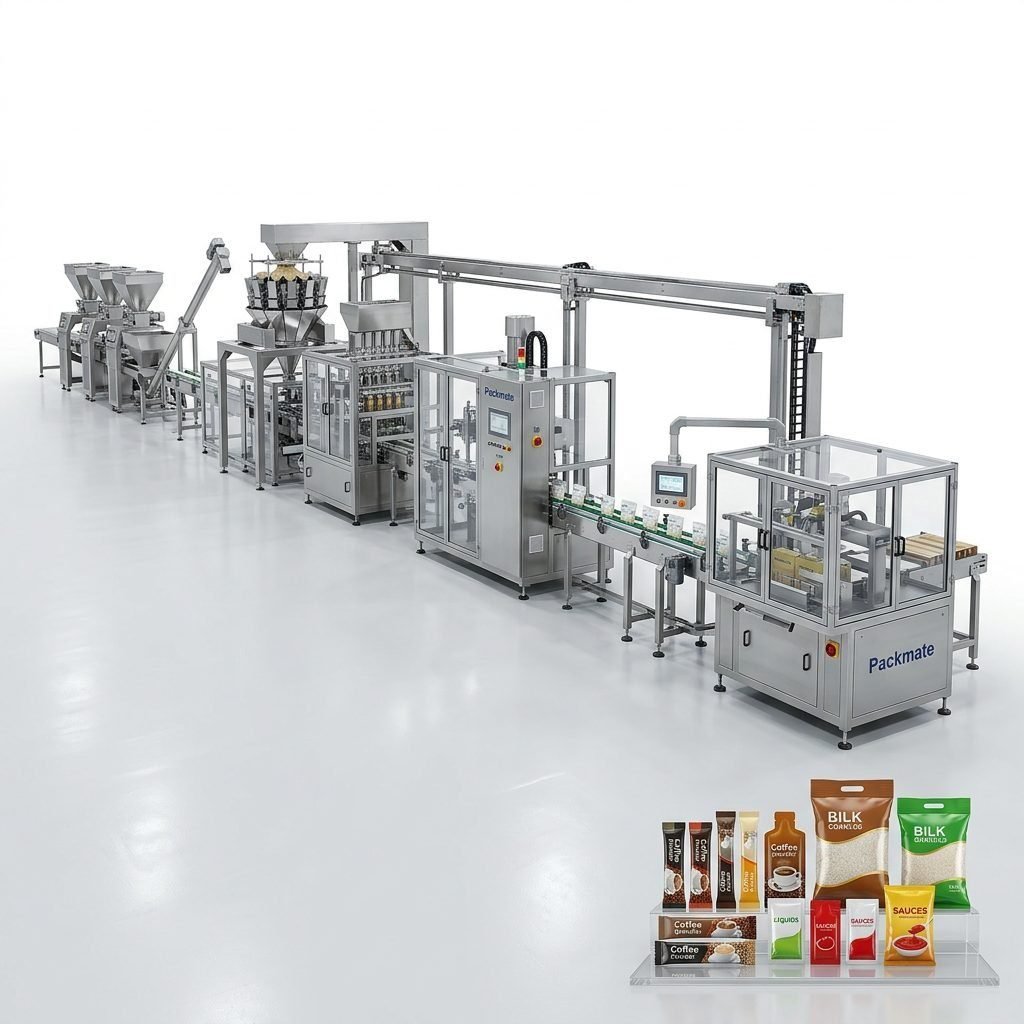
Packmate Machinery brings more than three decades of focused experience in food, pharmaceutical, and supplement packaging. They are recognized for offering a solid balance between technical performance and cost-effectiveness. Their approach is particularly suitable for European medium-sized enterprises looking to automate efficiently without over-engineering. With a wide range of over 80 machine models, they provide practical solutions for granule, powder, and liquid applications, backed by reliable export operations.
PacklineOEM: Specialization in Integrated Lines
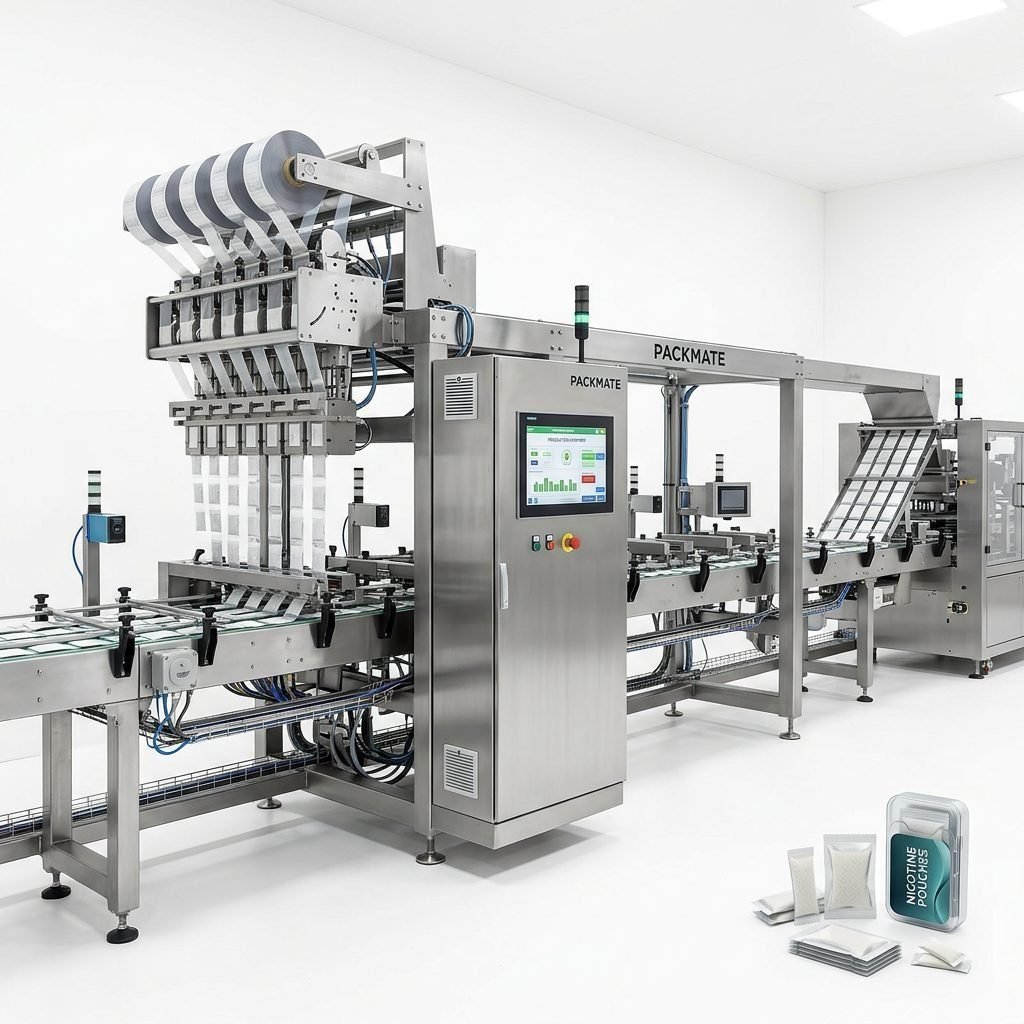
As the name suggests, PacklineOEM specializes in turnkey packaging production lines rather than just individual machines. This makes them a strategic partner for European manufacturers planning new greenfield facilities or major line upgrades where seamless integration of feeding, weighing, filling, sealing, and inspection is critical. Their expertise is especially valuable for complex powder and bulk packaging applications in the food and pharmaceutical sectors, where system-wide efficiency is the primary goal.
PackingMachineOEM: Focus on Customization and OEM
For European companies with non-standard products or those seeking private-label (OEM) equipment, PackingMachineOEM is a strong contender. Their core competency is adapting machinery to specific customer requirements, whether for unique bag shapes, sensitive materials, or specialized dosing needs. This flexibility is crucial for niche markets and innovative products across Europe, where standard machines often fall short. Their project-based approach suits clients who need a collaborative engineering partner.
SnusMachinery: Niche Expertise in Pouch Packaging
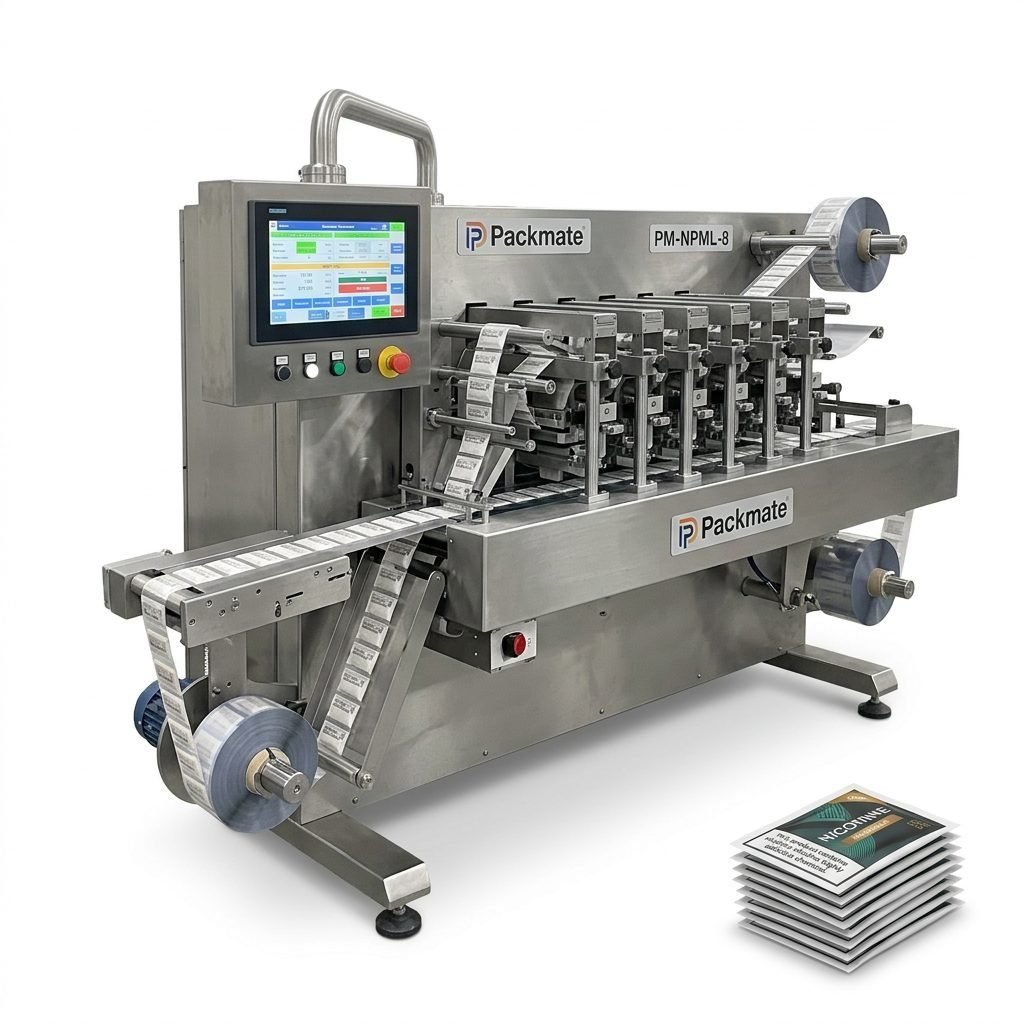
The rise of nicotine pouches and similar products in Europe has created demand for specialized packaging knowledge. SnusMachinery focuses precisely on this niche, offering equipment designed for the precise dosing, consistent sealing, and high-speed production required for pouch-based products. For European entrants in the smokeless tobacco or novel pouch product sectors, a supplier with this dedicated expertise can significantly reduce development time and technical risk compared to generalist manufacturers.
Final Steps in the Supplier Selection Process
After shortlisting potential suppliers, take these concrete steps to make an informed decision:
1. Request Detailed Case Studies: Ask for references and project examples specifically from European clients in your industry. This proves real-world experience with local regulations and market standards.
2. Factory Audit (Virtual or In-Person): Assess the manufacturing environment, quality control processes, and technical team. A well-organized factory is a proxy for machine quality.
3. Test with Your Product: Always insist on a factory acceptance test (FAT) using your actual product and packaging materials. This is the only way to verify performance claims for speed, accuracy, and yield.
4. Clarify All Commercial Terms: Understand the full scope of supply, delivery terms (Incoterms), payment schedule, warranty, and the exact cost of spare parts and future service.
Building a relationship with a packaging machinery supplier is a long-term partnership. The right choice will provide not just a machine, but a foundation for efficient, reliable, and scalable production that meets the high standards of the European market.
Frequently Asked Questions (FAQs)
Q1: How important is CE certification for packaging machinery imported into Europe?
It is legally mandatory. The CE mark indicates the machine complies with all applicable European health, safety, and environmental protection legislation. Importing non-CE marked machinery can lead to customs rejection, fines, and an inability to operate the equipment legally.
Q2: Can I get local technical support from an overseas manufacturer?
Yes, many established international suppliers have service engineers based in Europe or work through authorized local agents. It is crucial to verify the availability, response time, and language capabilities of this support before purchase. Ask for specific contact details of the European service manager.
Q3: What is the typical lead time for a custom packaging line from Asia to Europe?
Lead times vary significantly based on complexity. For a standard machine, expect 60-90 days after order confirmation. For a fully customized turnkey line, the timeline can extend from 4 to 8 months, including design, manufacturing, factory testing, and sea freight.
Q4: How do I handle spare parts and maintenance?
Reputable suppliers will provide a recommended spare parts list and often stock critical components in European warehouses for faster delivery. Ensure your service agreement includes training for your maintenance staff and access to detailed technical documentation and wiring diagrams.
Q5: Are turnkey lines more cost-effective than piecing together machines from different suppliers?
While the initial investment in a single-source turnkey line might be higher, it often leads to lower total cost of ownership. Benefits include guaranteed system compatibility, single-point accountability for service, optimized line efficiency, and reduced integration headaches and downtime.