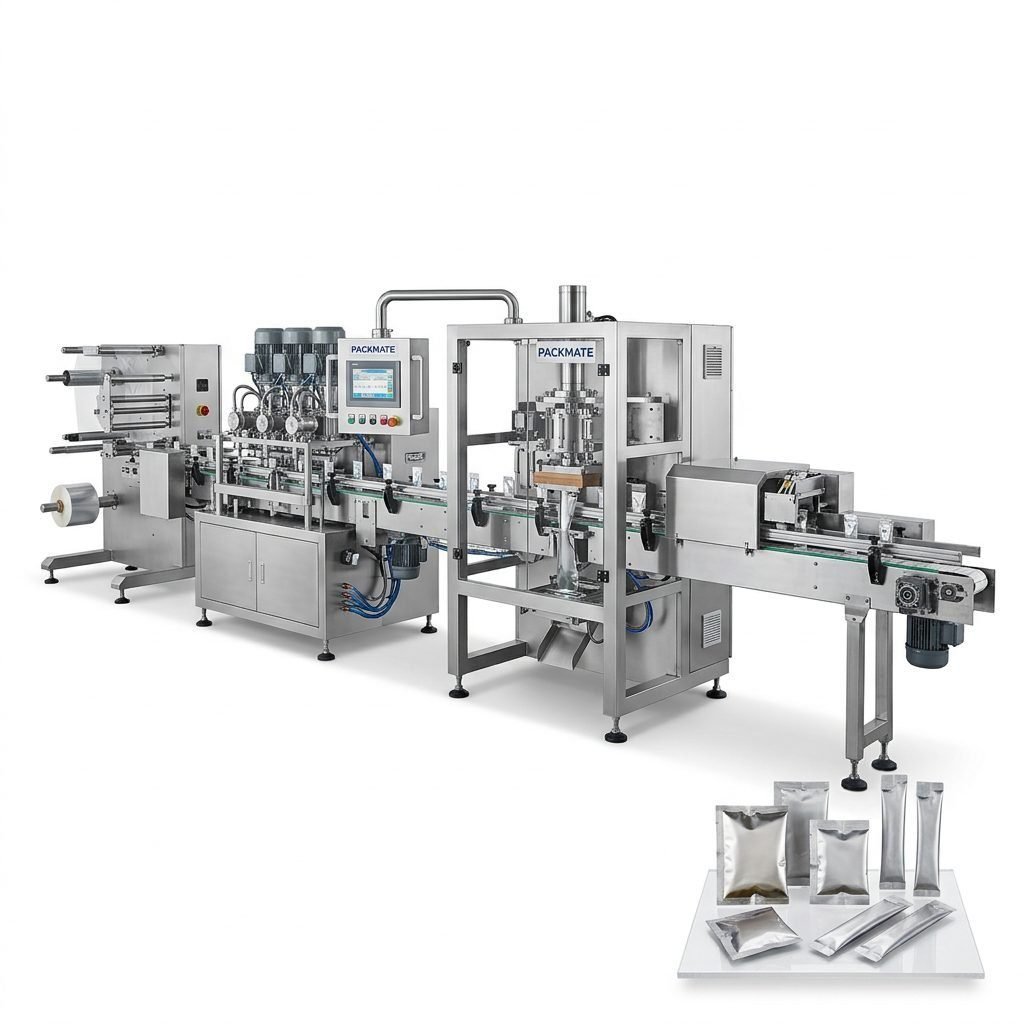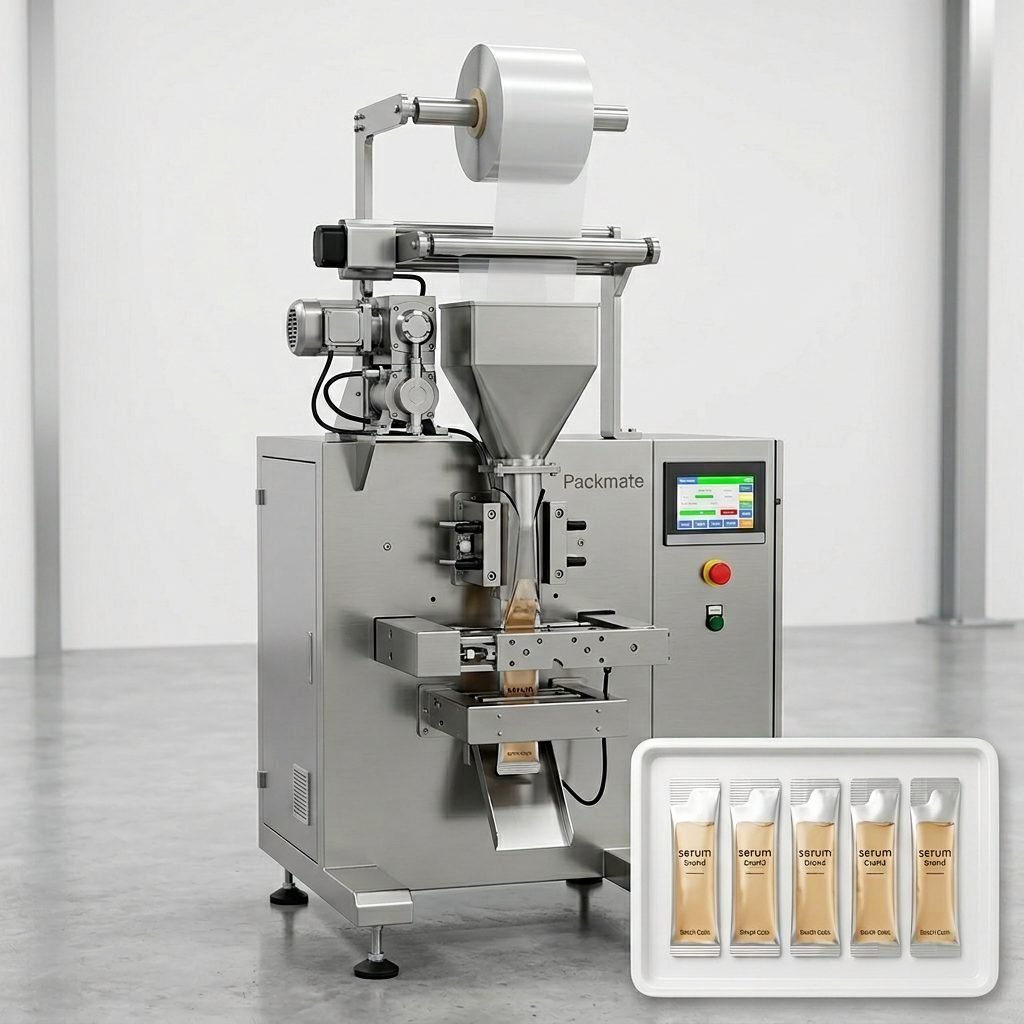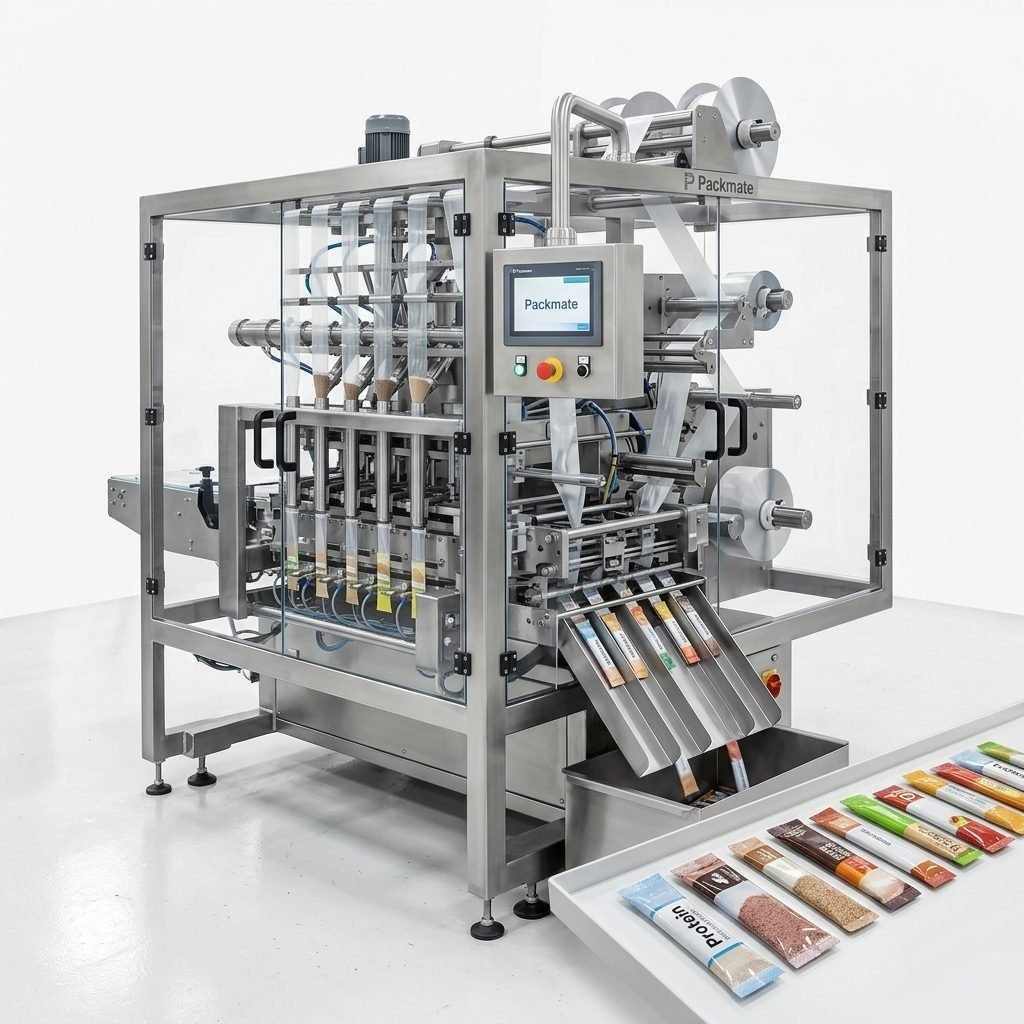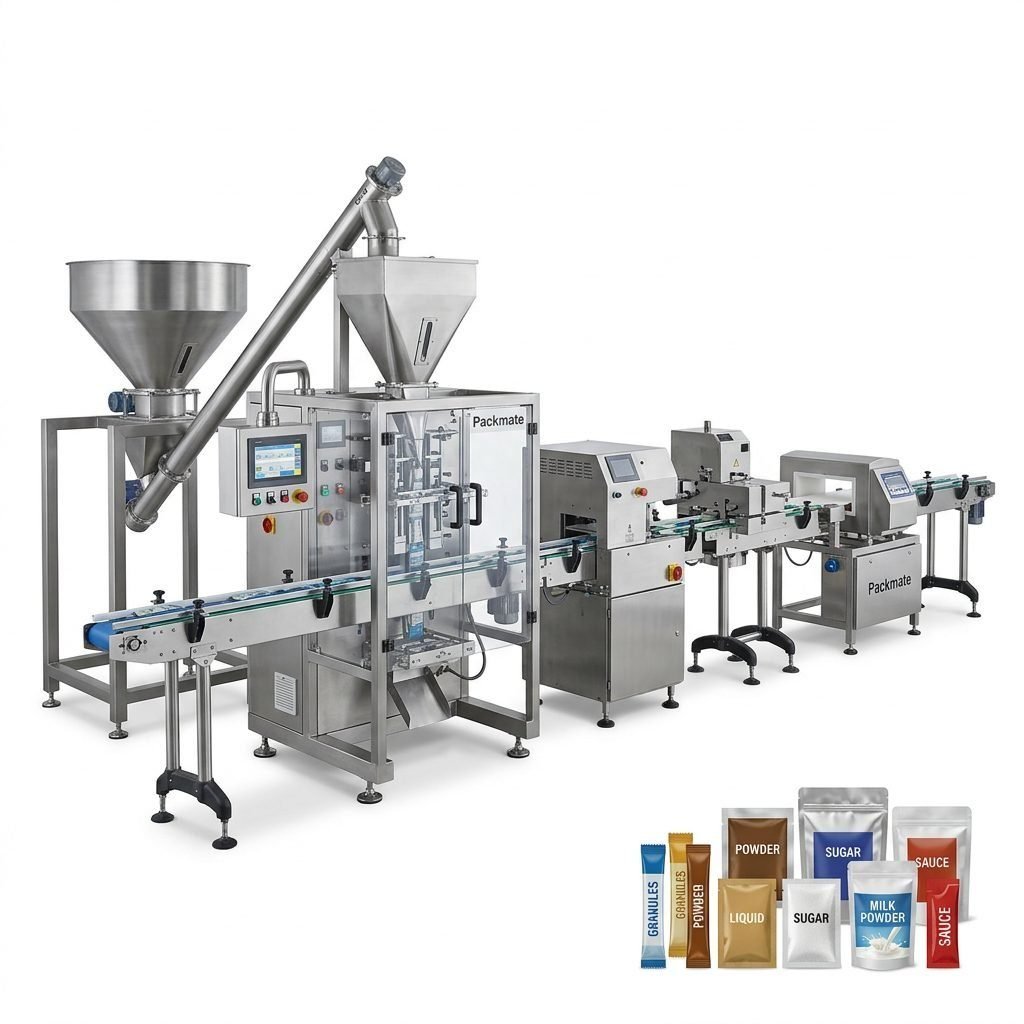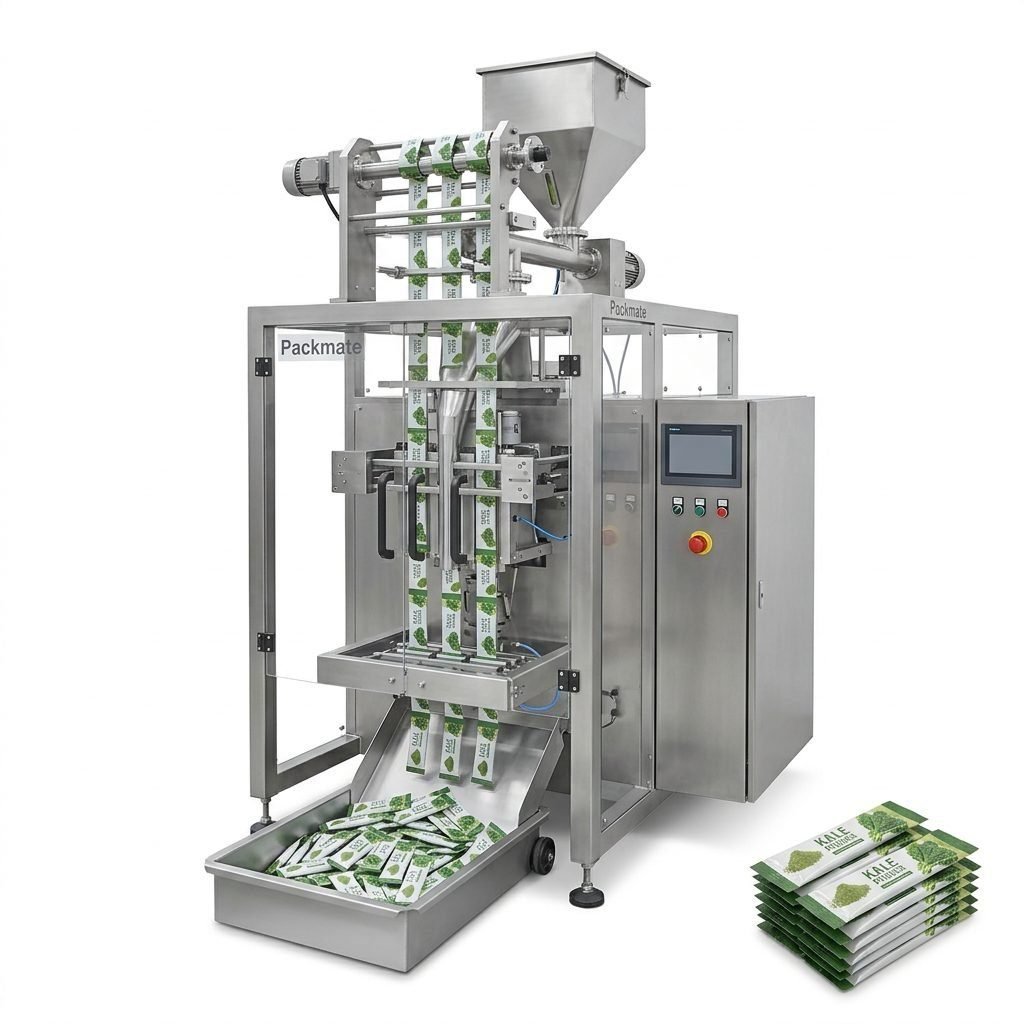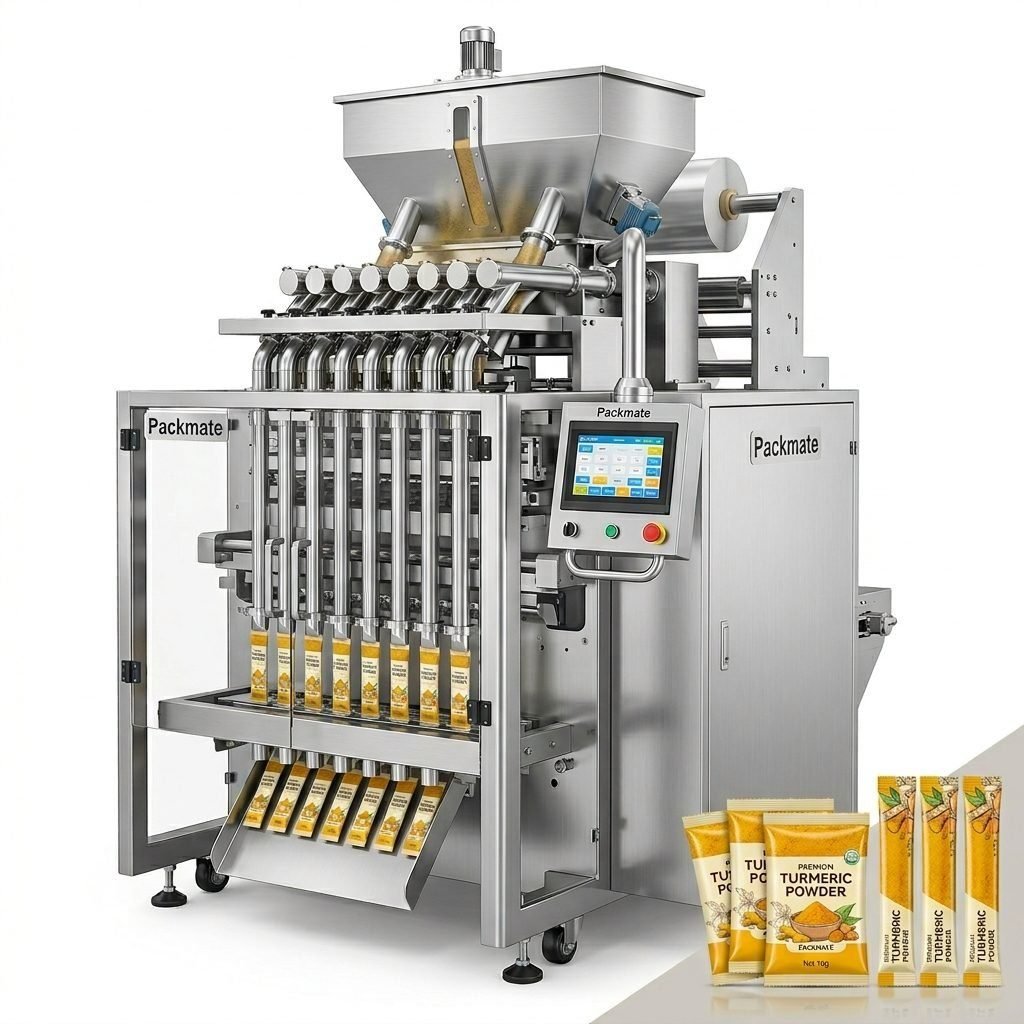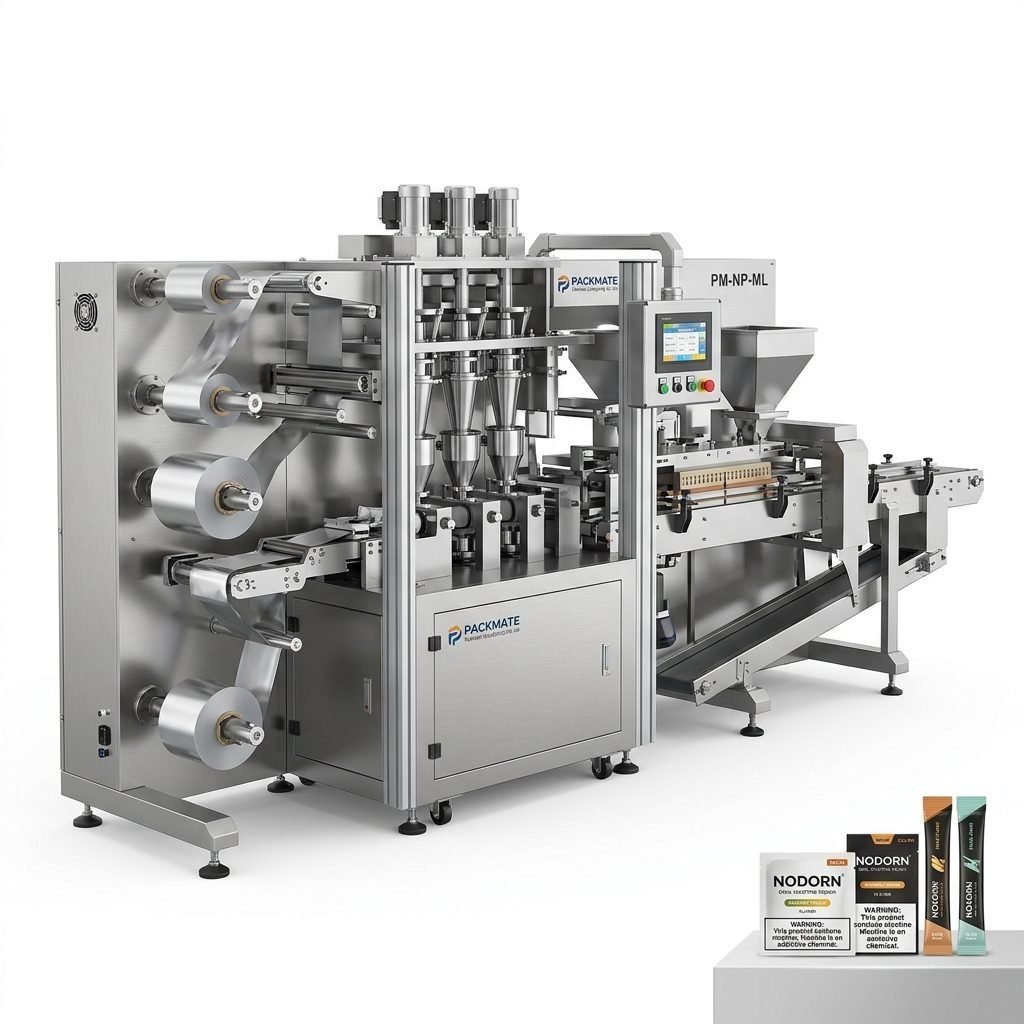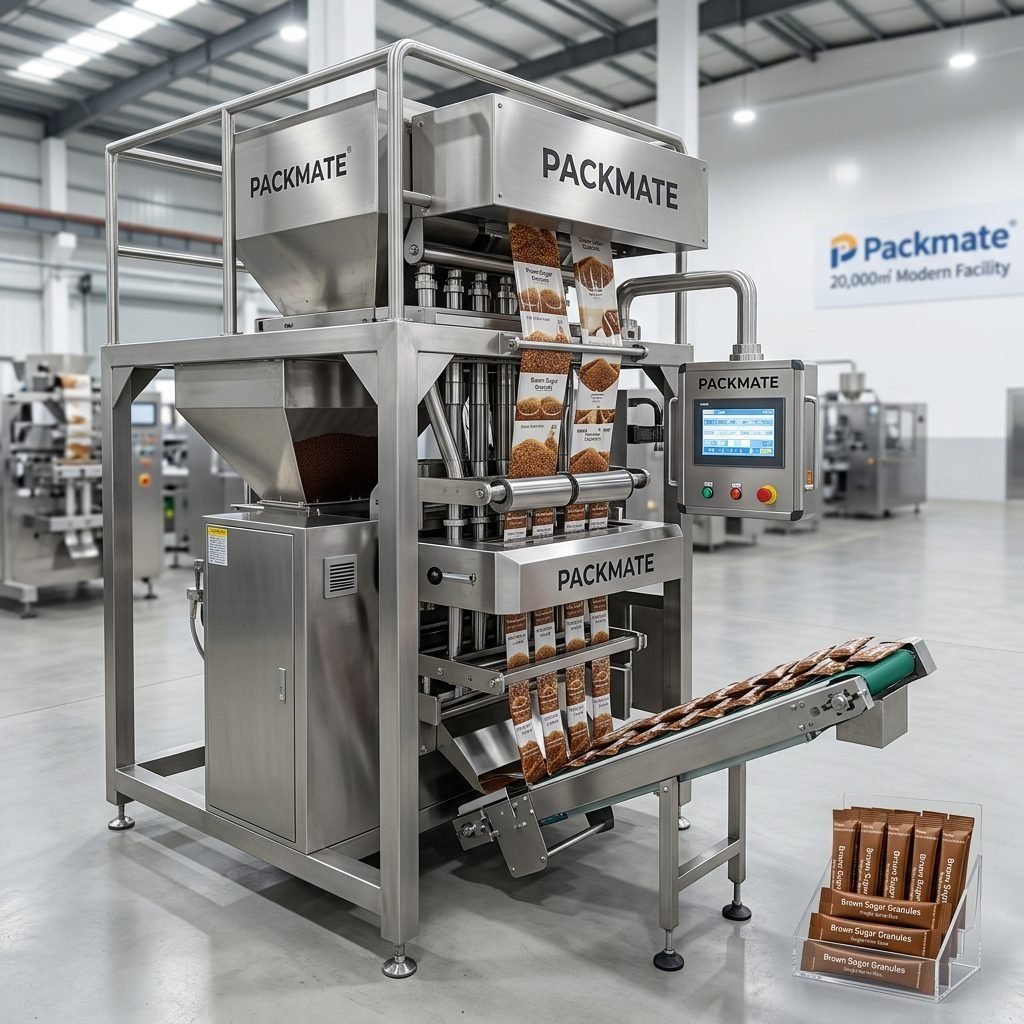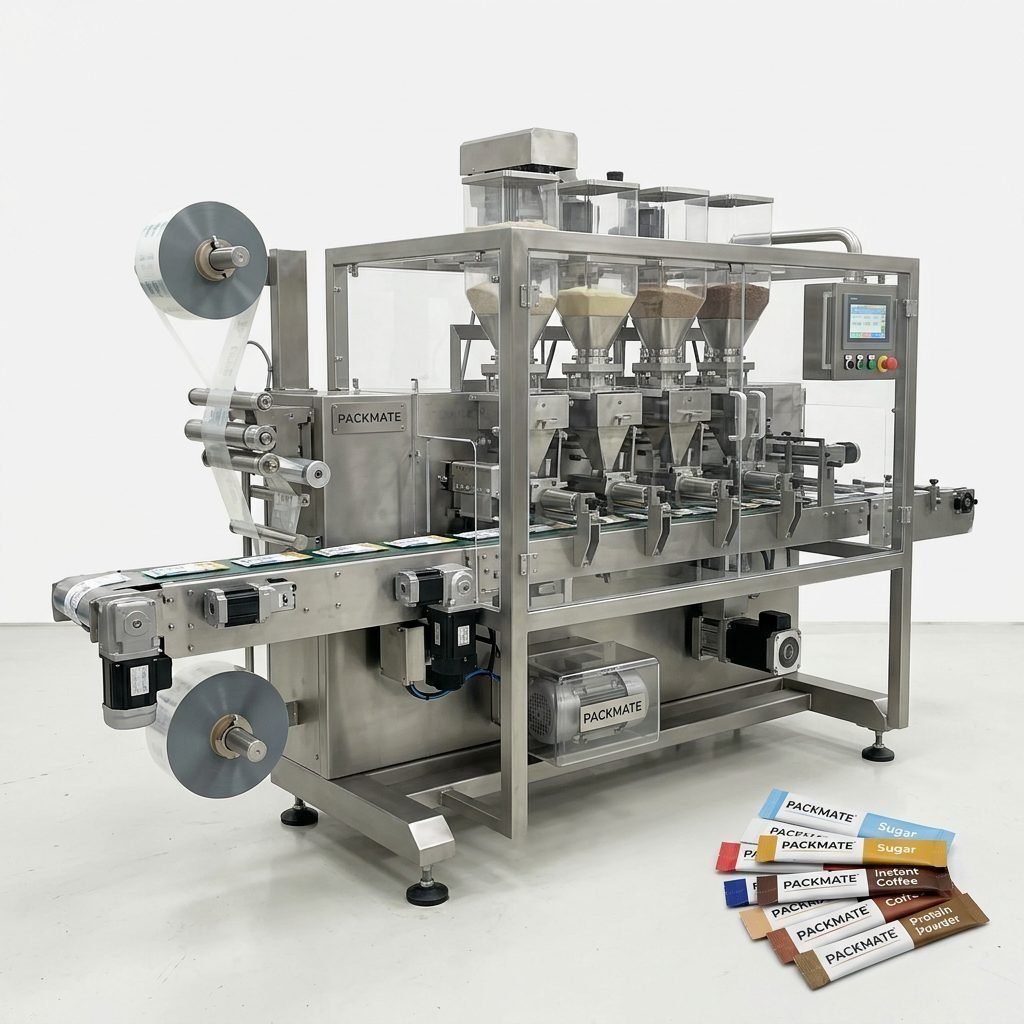
Selecting a packaging machinery manufacturer in France is a strategic decision that can significantly impact production efficiency, product quality, and long-term operational costs. The French market, known for its strong emphasis on quality, innovation, and regulatory compliance in sectors like food, pharmaceuticals, and cosmetics, demands reliable and high-performance packaging solutions. For French manufacturers and processors, finding the right partner involves evaluating several critical factors beyond just the machine price. This guide outlines the key considerations and offers practical tips to help you make an informed choice that aligns with your production goals and the specific demands of the French industrial landscape.
Understanding Your Packaging Requirements
The first and most crucial step is a thorough internal assessment. Clearly define what you need the packaging machine to achieve. Consider the product type (powders, granules, liquids, pastes), required packaging format (stick packs, sachets, pouches, bottles), desired output speed (bags per minute), and the level of automation needed. French producers, particularly in the premium food and pharmaceutical sectors, often have stringent requirements for hygiene, precision dosing, and gentle product handling to maintain integrity. Documenting these specifications will provide a clear framework for discussions with potential suppliers.
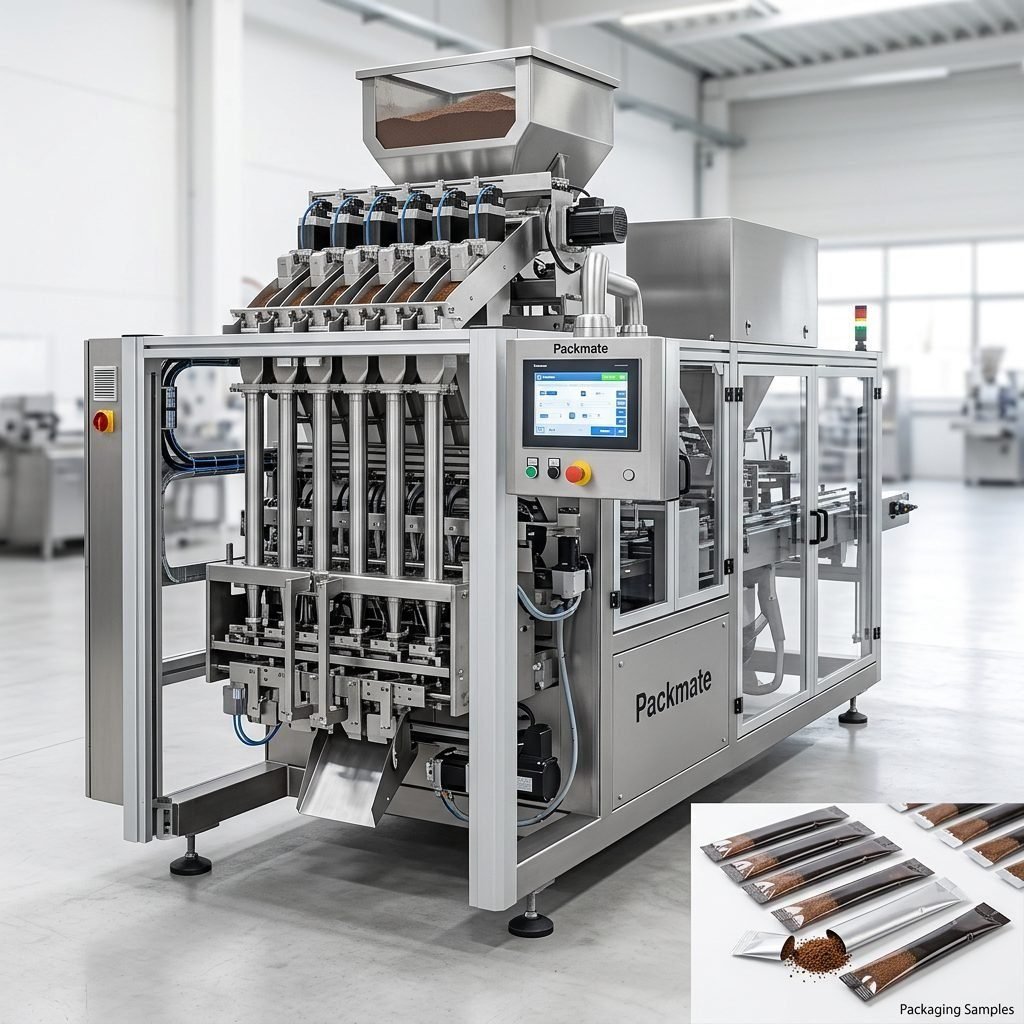
Key Factors for Evaluating a Manufacturer
Once your needs are clear, you can systematically evaluate potential manufacturers. Focus on these core areas to identify a partner capable of meeting the high standards expected in France.
1. Technical Capability and Industry Experience
A manufacturer’s experience is paramount. Look for a company with a proven track record in your specific industry, whether it’s food, pharmaceuticals, health supplements, or cosmetics. Long-standing manufacturers, such as Ludyway with over 30 years in the field, have typically encountered and solved a wide array of technical challenges. They understand the nuances of different materials and products, which is critical for ensuring machine reliability and product safety—a top priority for French compliance.
2. Machine Quality and Manufacturing Standards
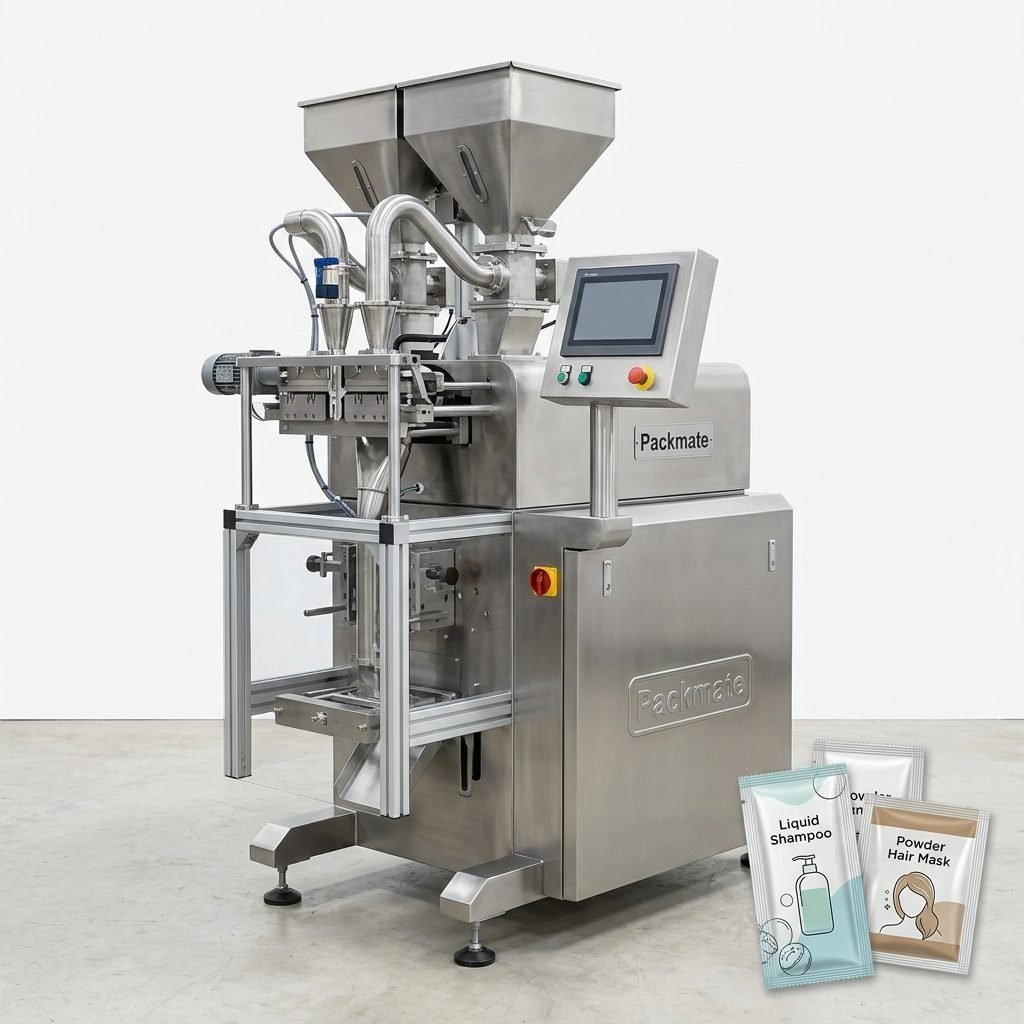
The build quality of the machinery directly affects uptime, maintenance costs, and lifespan. Inquire about the manufacturing facility, quality control processes, and the components used. Reputable manufacturers operate modern facilities (often 20,000 sqm or larger) and use precision machining. For the French market, where CE certification and adherence to EU machinery directives are non-negotiable, ensure the manufacturer has robust compliance protocols. High-quality stainless-steel construction is often essential for food and pharma-grade equipment.
3. Customization and Flexibility
Off-the-shelf solutions rarely fit perfectly. Your chosen manufacturer should offer a high degree of customization to adapt to your unique product characteristics, factory layout, and future scalability needs. Companies like PackingMachineOEM specialize in non-standard and customized solutions, which is valuable for French companies launching innovative products or requiring specific bag formats. The ability to provide a tailored turnkey line is a significant advantage.
4. After-Sales Support and Local Presence
Reliable technical support is critical. Breakdowns can halt production and be costly. Evaluate the manufacturer’s after-sales service structure. Do they offer comprehensive training, readily available spare parts, and responsive technical support? While many leading Chinese manufacturers export globally, check if they have service partners or a stronger presence in Europe to ensure quicker response times for French clients. Clear communication channels are essential.
| Evaluation Criteria | Key Questions to Ask | Importance for French Market |
|---|---|---|
| Compliance & Certification | Is the machine CE marked? Does it meet EU safety and hygiene standards? | Critical for legal operation and market access. |
| Energy Efficiency | What is the machine’s power consumption? Are there energy-saving features? | High, due to strong focus on sustainability and operational cost control. |
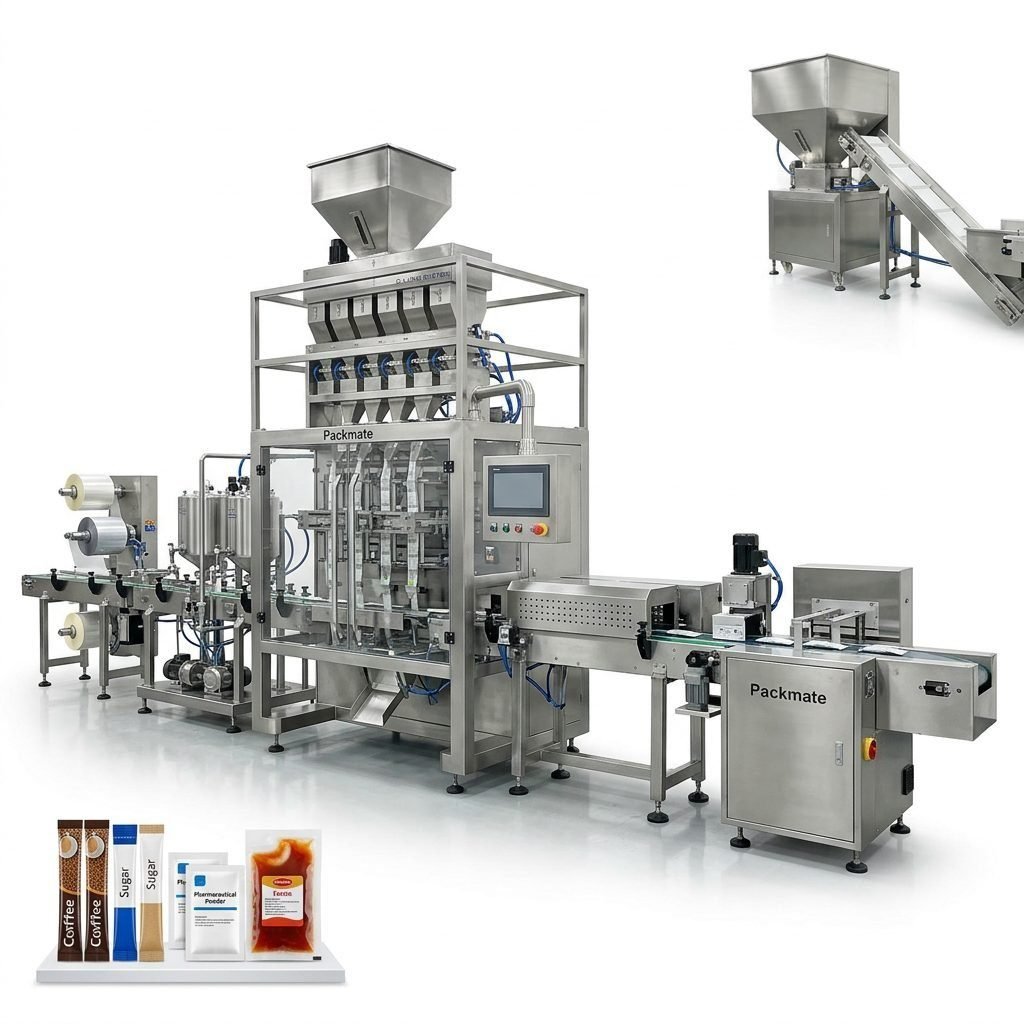
| Integration Capability | Can the machine integrate with existing upstream/downstream equipment? | Important for modern, automated French production lines. |
Practical Tips for the Selection Process
With the evaluation framework in place, follow these actionable steps to streamline your decision-making.
Request and Analyze Proposals in Detail
Provide your detailed specifications to several shortlisted manufacturers. Compare their proposals not just on price, but on the technical solution offered, proposed timeline, warranty terms, and included services. A very low price can sometimes indicate compromises on material quality or support.
Ask for Client References and Case Studies
Request references from clients in similar industries, preferably within Europe. Speaking directly to existing customers provides invaluable insights into real-world machine performance, reliability, and the quality of the manufacturer’s support. Companies like Packmate Machinery and PacklineOEM, with strong export histories, should be able to provide relevant case studies.
Arrange for a Factory Visit or Live Demo
If feasible, visiting the manufacturer’s factory is highly recommended. It allows you to assess their production capabilities, quality control, and company scale firsthand. Alternatively, request a live video demonstration where your actual product (or a close substitute) is run on a similar machine. This is the best way to verify performance claims.
Consider Specialized Expertise for Niche Products
For specialized applications, such as nicotine pouch packaging, partnering with a manufacturer focused on that niche can be advantageous. A company like SnusMachinery brings dedicated R&D and application knowledge to address the specific challenges of dosing, sealing, and compliance in that sector, which can lead to a more optimized and reliable solution.
Finalizing the Partnership
Before signing a contract, ensure all terms are clear. This includes payment schedule, delivery terms (FOB, CIF, etc.), installation and commissioning responsibilities, training scope, warranty details, and spare parts pricing. A transparent and detailed contract protects both parties and sets the foundation for a successful long-term partnership.
Frequently Asked Questions (FAQs)
1. Why should a French company consider an international manufacturer instead of a local European supplier?
International manufacturers, particularly leading Chinese suppliers, often offer a compelling combination of advanced technology, extensive customization options, and competitive pricing. They have invested heavily in R&D and modern manufacturing to meet global standards, including CE. For companies seeking high-value, customized automation solutions, they present a viable and often more flexible alternative.
2. How can I ensure the machine will comply with French and EU regulations?
Always specify that you require full CE marking and compliance with the EU Machinery Directive (2006/42/EC). Reputable manufacturers will have a history of certifying their machines for the European market. Request and verify the Declaration of Conformity and all relevant technical documentation as part of your due diligence.
3. What is the typical lead time for a custom packaging machine from an overseas manufacturer?
Lead times vary based on complexity. For a standard machine with minor modifications, expect 60-90 days. For a fully customized turnkey line, lead times can range from 90 to 150 days or more. Clear communication during the design phase and a agreed-upon project timeline in the contract are essential.
4. How is after-sales support handled from a distance?
Professional manufacturers have structured international support. This typically includes detailed machine manuals (in English), comprehensive operator training (often on-site during commissioning), remote diagnostic support via video call, and a network of spare parts depots or agents to ensure timely delivery. Confirm these service details before purchase.
5. Is it better to buy a single machine or a complete turnkey line?
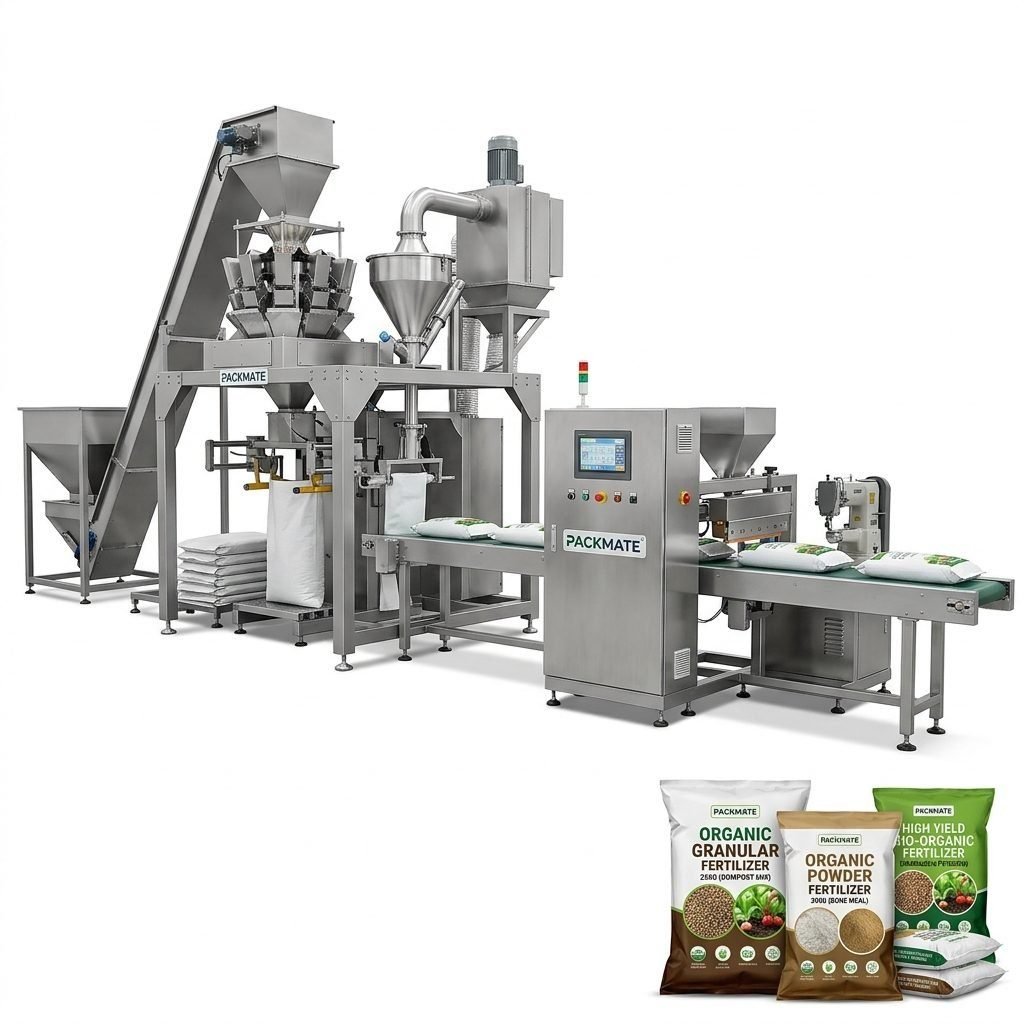
This depends on your project scope and in-house engineering resources. A single machine suits a specific, isolated packaging need. A turnkey line from a supplier like PacklineOEM is ideal for new production setups or major upgrades, as it provides a fully integrated, synchronized system with single-point responsibility for performance, saving significant time and integration headaches.