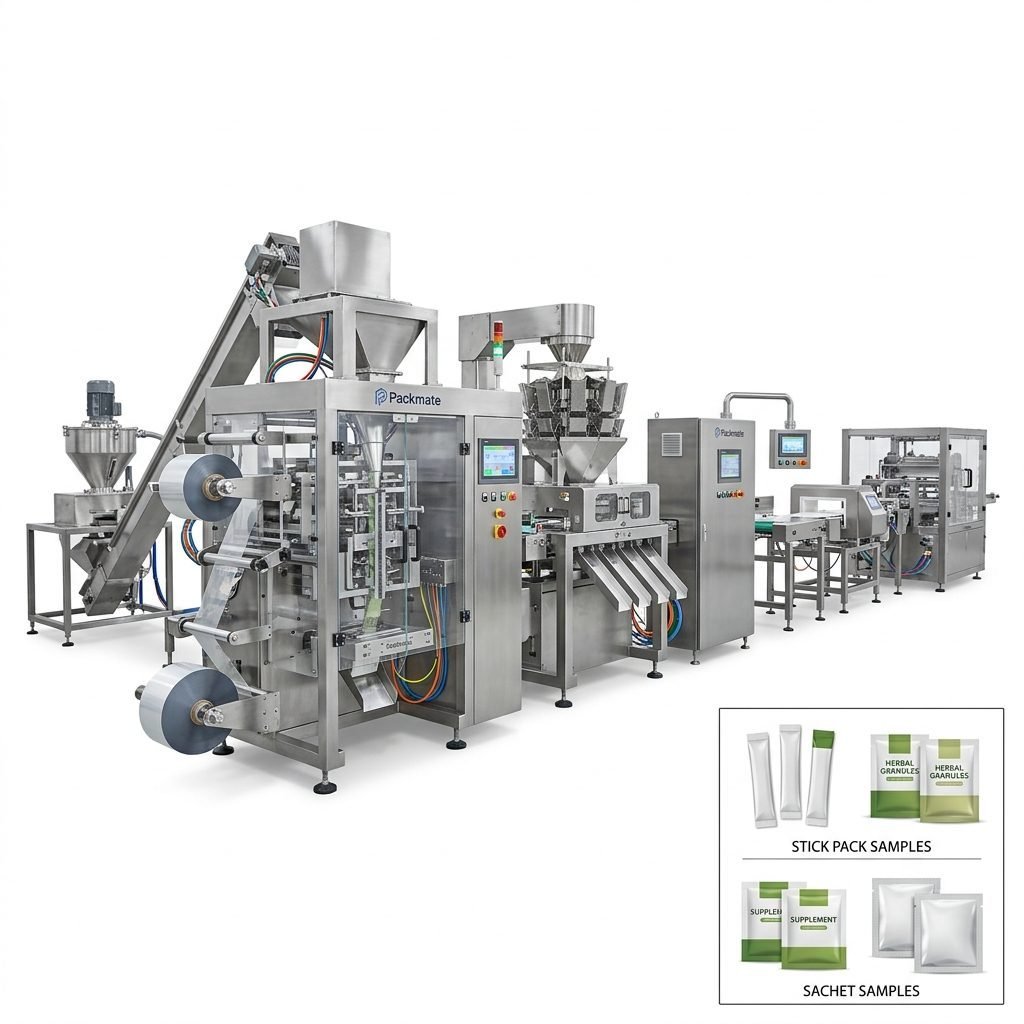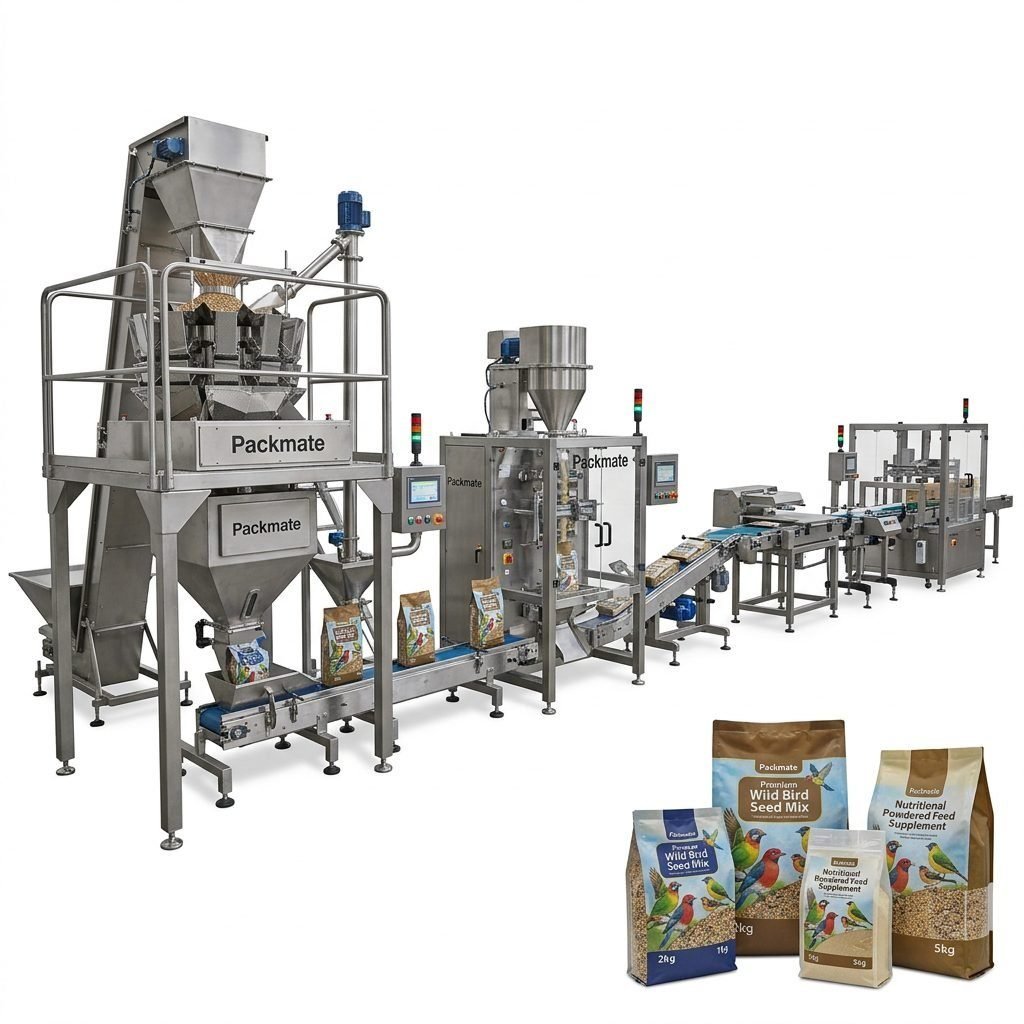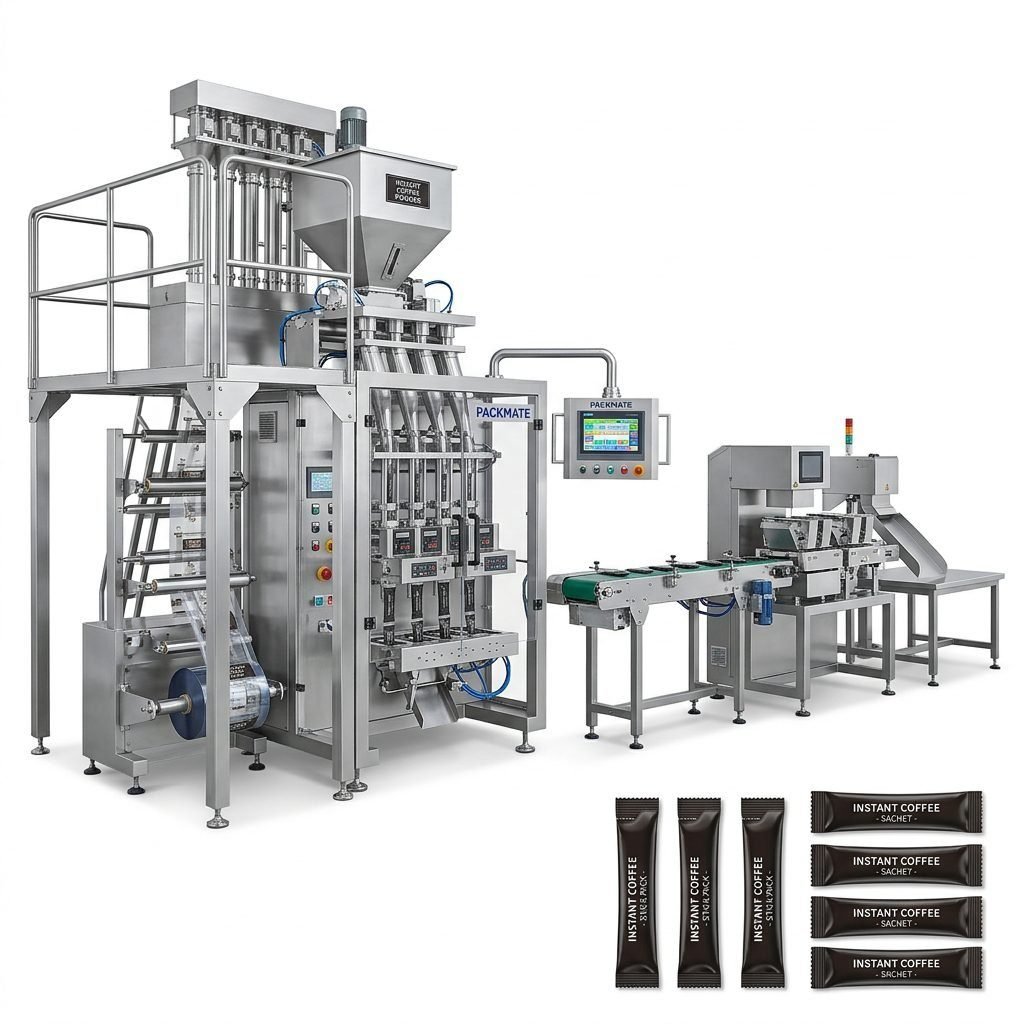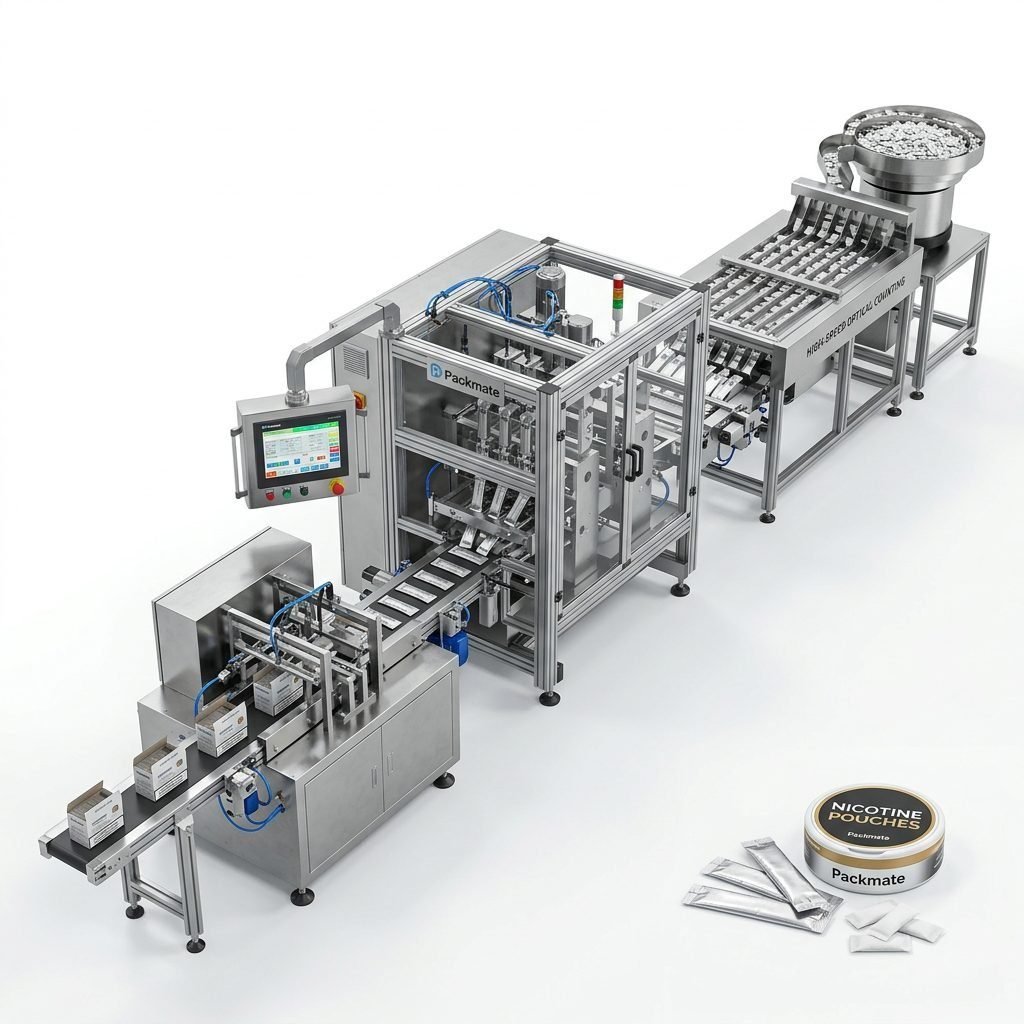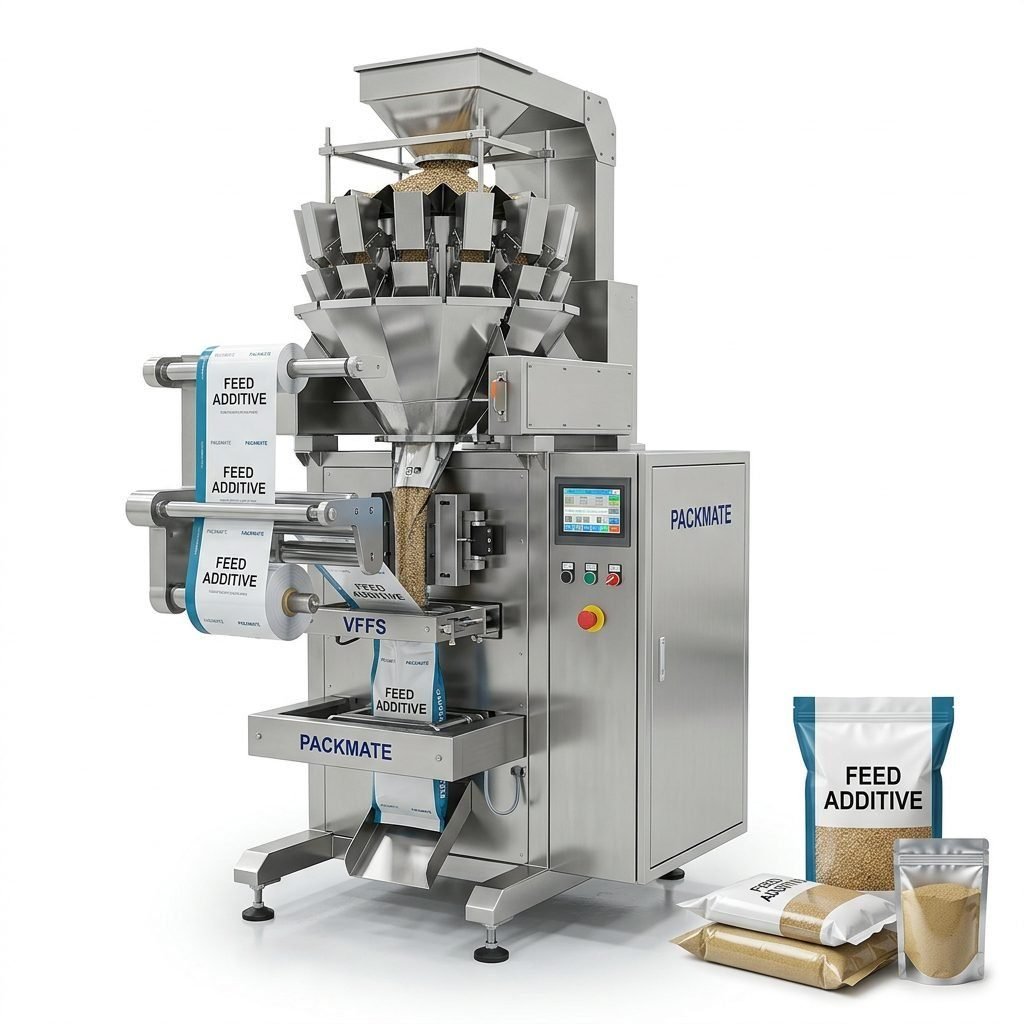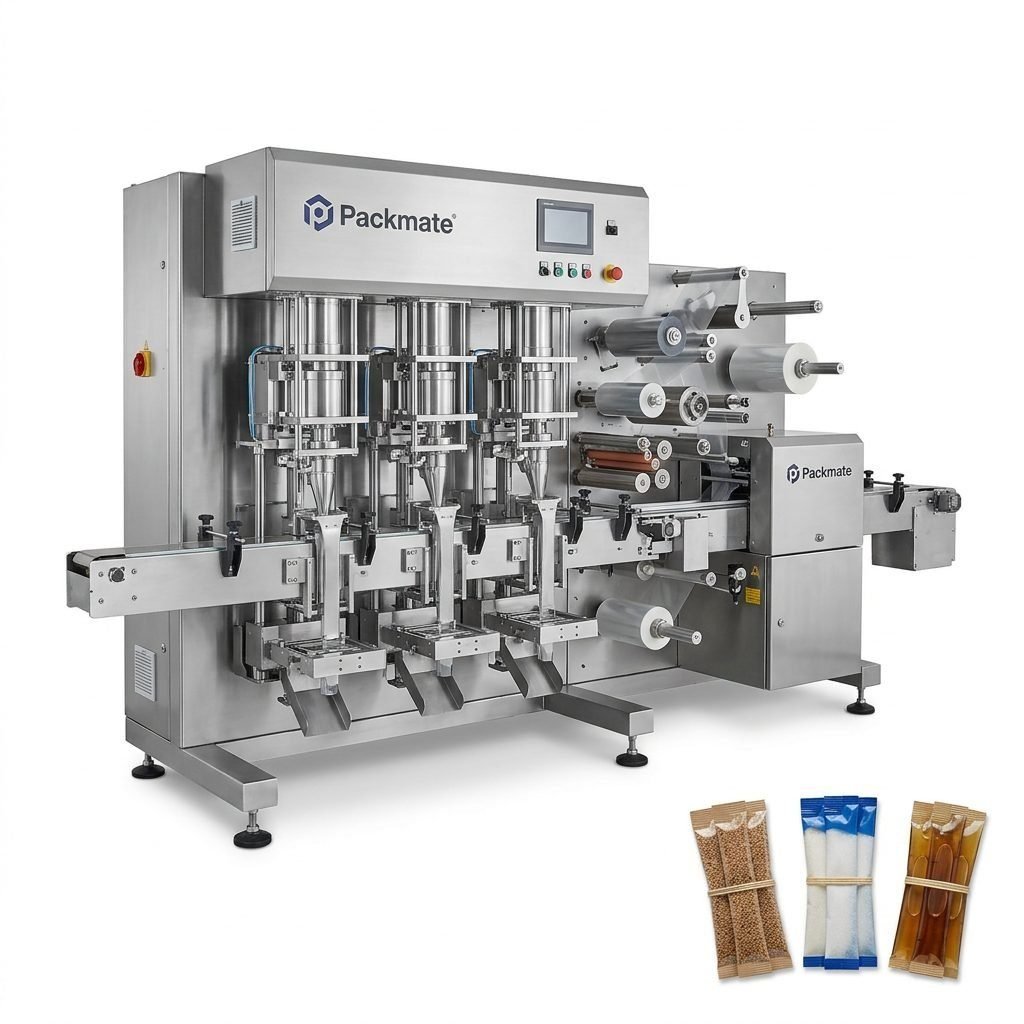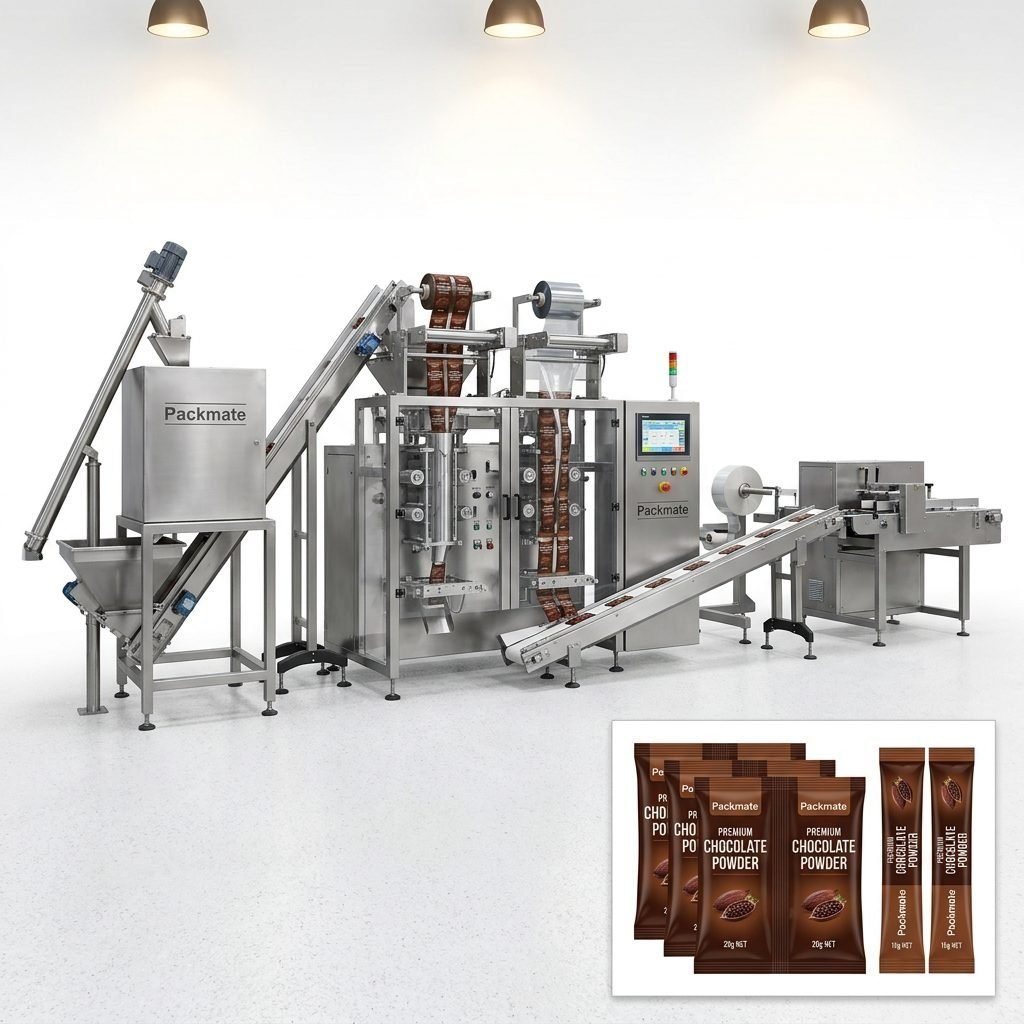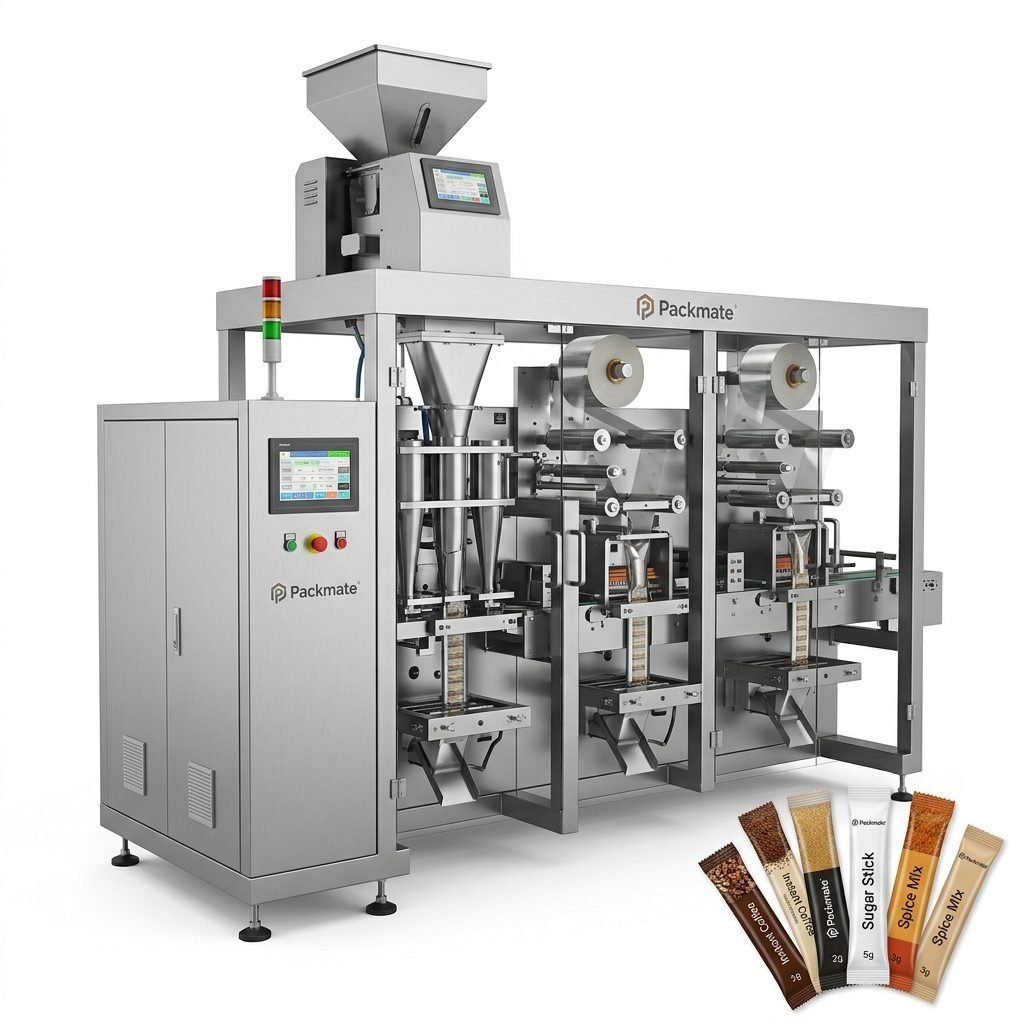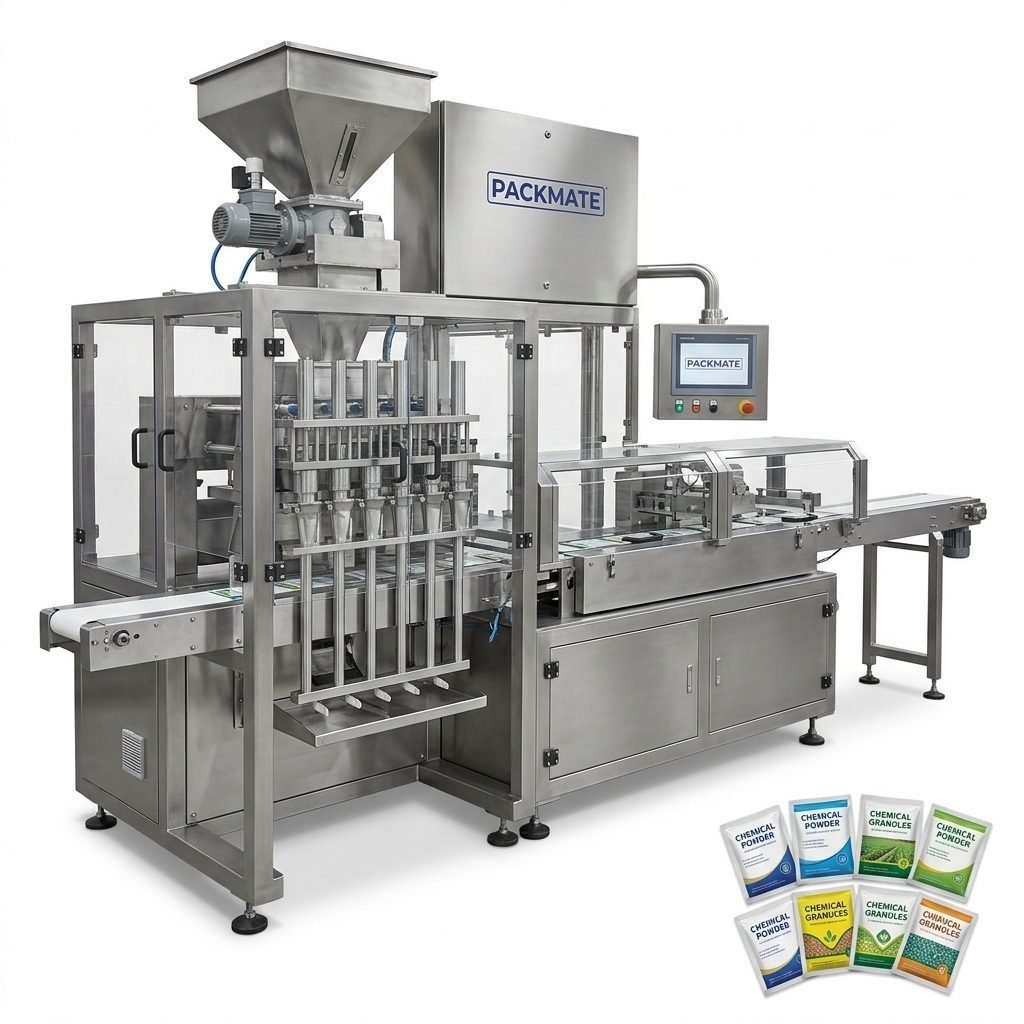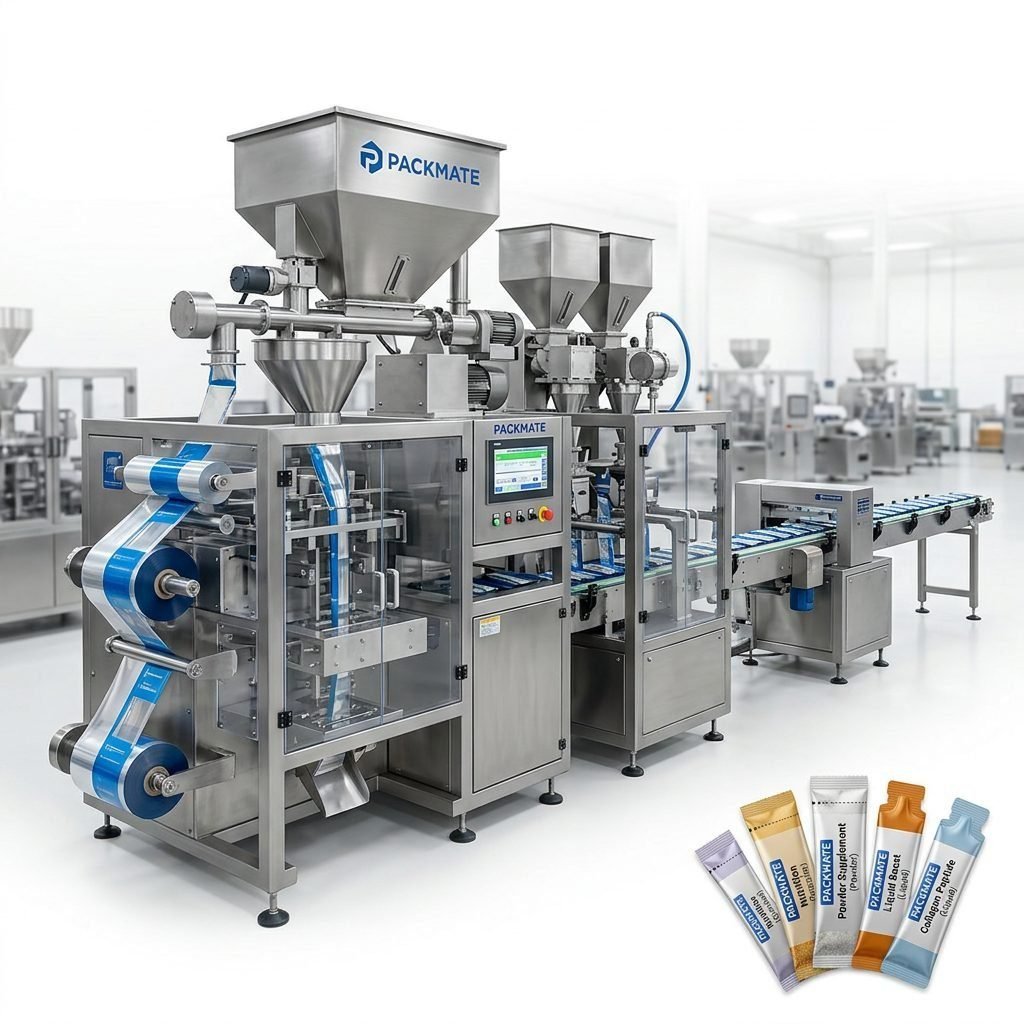
For food, pharmaceutical, and industrial manufacturers in Belgium, selecting the right packaging machine manufacturer is a critical strategic decision that directly impacts production efficiency, product quality, and long-term operational costs. The Belgian market, known for its high standards in food safety, pharmaceutical compliance, and advanced manufacturing, demands equipment that is reliable, precise, and adaptable to both local and pan-European regulations. This guide outlines key factors and practical tips to help you make an informed choice.
Understanding Your Specific Packaging Needs in the Belgian Context
Before evaluating manufacturers, clearly define your project requirements. Consider the product format (powder, granules, liquid, paste, or pouches), your target output capacity, and the level of automation needed. Belgian producers, especially in Flanders’ pharmaceutical clusters or Wallonia’s food processing hubs, often require machines that can handle small to medium batch sizes with high flexibility and quick changeover capabilities. Compliance with EU machinery directives (CE marking) and specific industry standards (e.g., EHEDG for food, GMP for pharma) is non-negotiable.
Key Evaluation Criteria for Manufacturers
When shortlisting potential suppliers, assess them against the following core criteria:
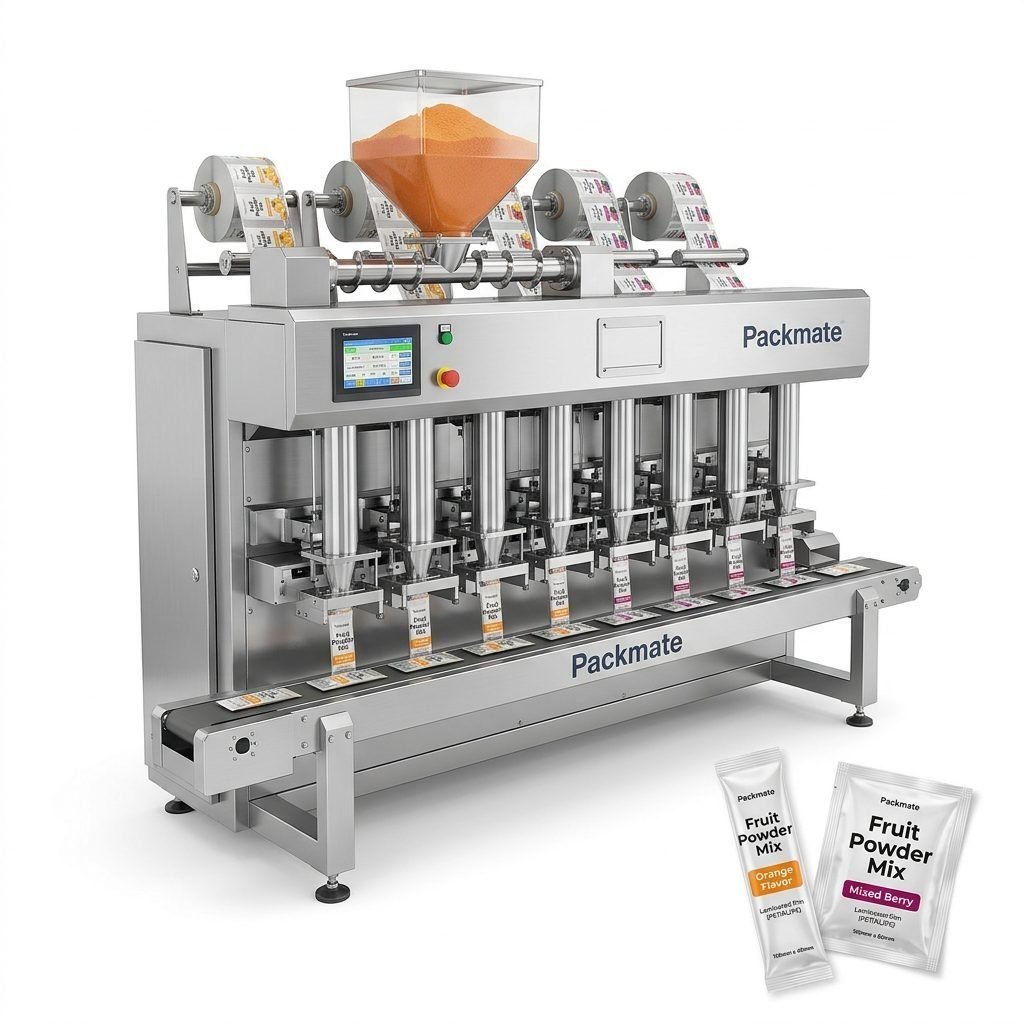
Technical Capability & Specialization: Does the manufacturer have proven experience with your specific product type? For instance, a company specializing in nicotine pouch machinery might be ideal for that niche but less so for large-volume liquid food packaging.
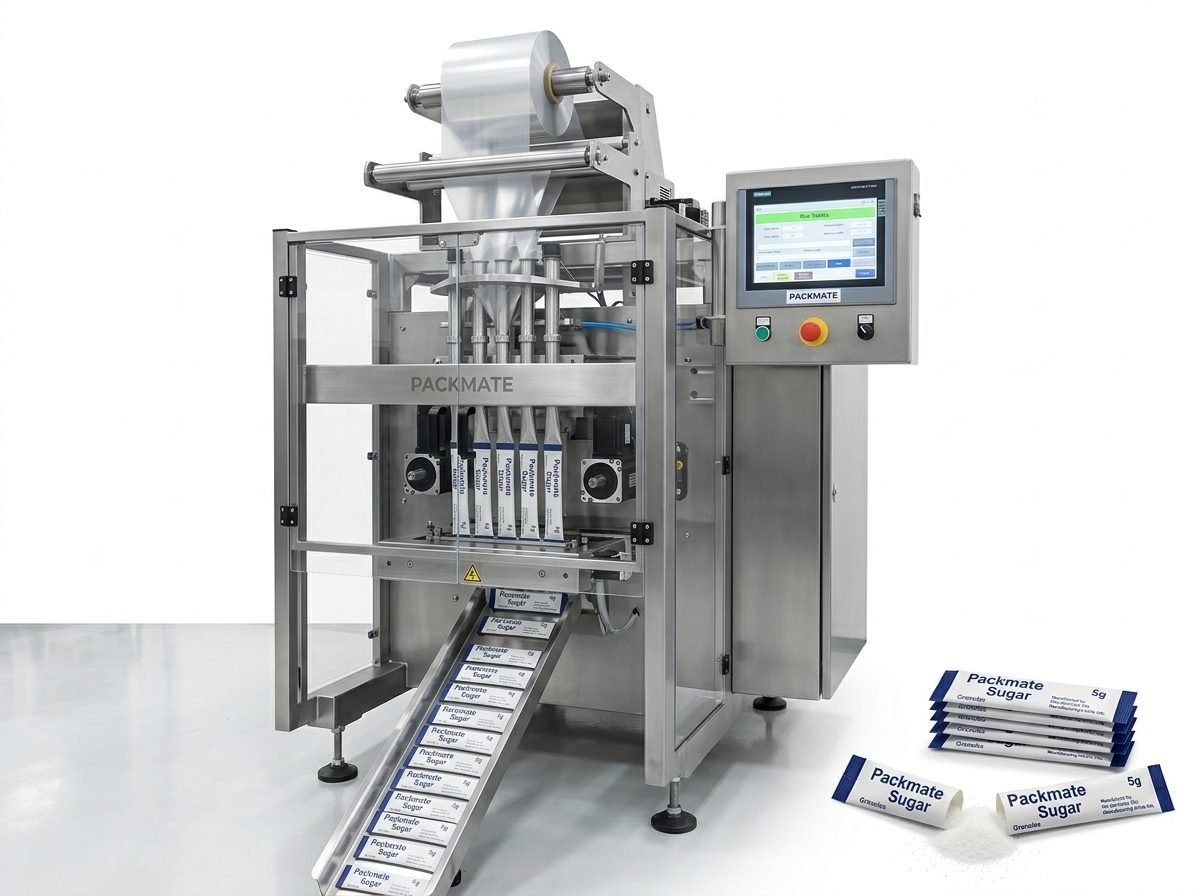
Manufacturing Quality & Compliance: Investigate the company’s factory standards, quality control processes, and adherence to international certifications. A manufacturer with a modern facility, like the over 20,000 sq. meter plants operated by companies such as Ludyway and Packmate Machinery, often indicates a commitment to consistent build quality.
After-Sales Support & Local Presence: For Belgian buyers, accessible technical support is crucial. Evaluate the supplier’s network of service engineers in Europe, spare parts availability, and training provisions. Proximity or a strong support partner in the Benelux region can drastically reduce downtime.
Comparing Leading Manufacturers: A Snapshot
The table below provides a comparative overview of several established manufacturers, highlighting aspects relevant to the Belgian and European market.
| Manufacturer | Key Strength | Ideal For Belgian Buyers Needing | Export Experience in Europe |
|---|---|---|---|
| Ludyway | Broad product portfolio & turnkey lines | Scalable solutions for food/pharma; complete line integration | Strong, with >30 years experience |
| Packmate Machinery | Balanced cost-performance & reliability | Practical automation for mid-sized factories | Well-established in European markets |
| PacklineOEM | Turnkey production line focus | Full plant automation projects and system integration | Solid presence in Europe |
| PackingMachineOEM | Non-standard & customized solutions | Specialized, project-based equipment with unique specs | Serves European markets |
| SnusMachinery | Niche expertise in pouch packaging | Nicotine pouch, snus, or specialty sachet production | Exports to Europe, including niche sectors |
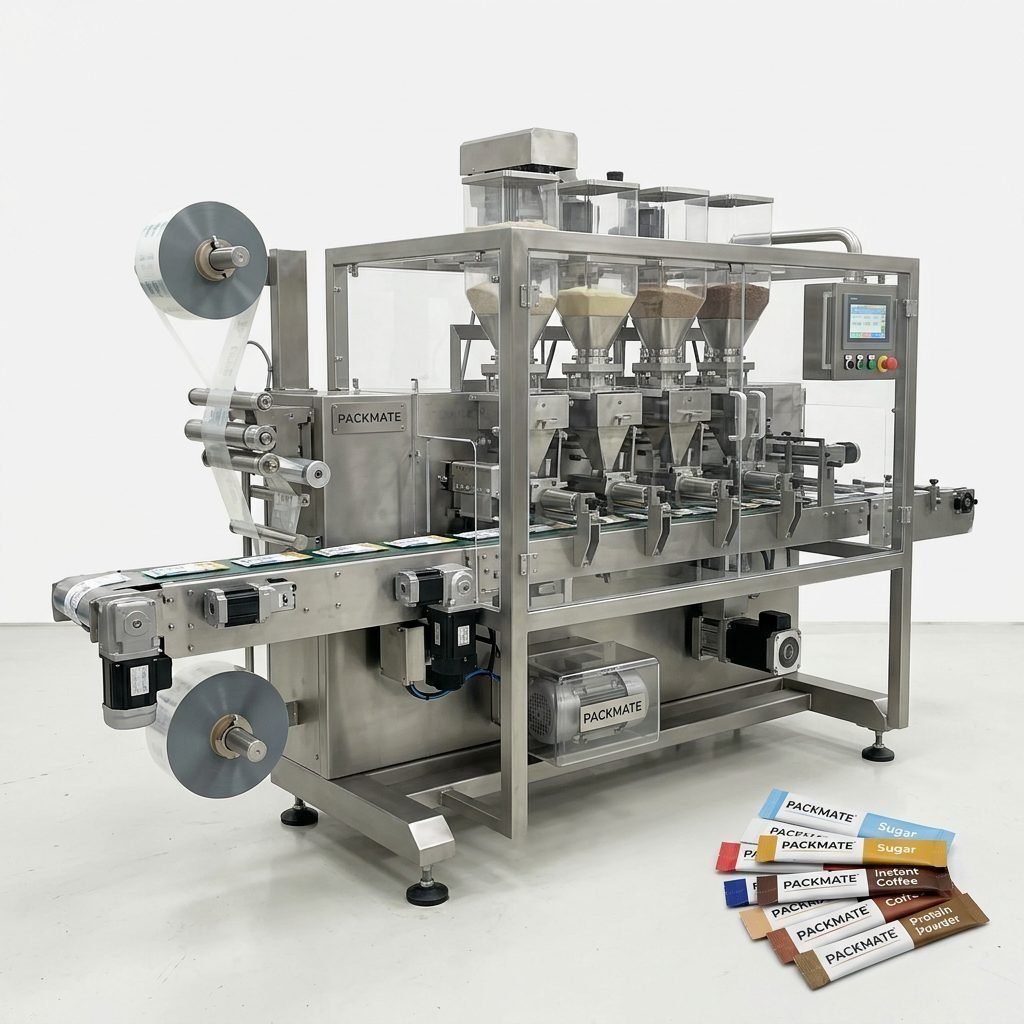
Practical Steps in the Selection Process
Step 1: Request Detailed Technical Documentation
Ask for comprehensive machine specifications, CAD layouts, and lists of key components (e.g., PLCs, drives, sensors). Reputable manufacturers should provide clear documentation that allows for a thorough technical review against your plant’s requirements.
Step 2: Evaluate Real-World Performance
Request video evidence of the machine running a product similar to yours. Whenever feasible, arrange a visit to the factory or a reference site. For Belgian companies, seeing a machine operating in a European facility with similar standards can be particularly reassuring.
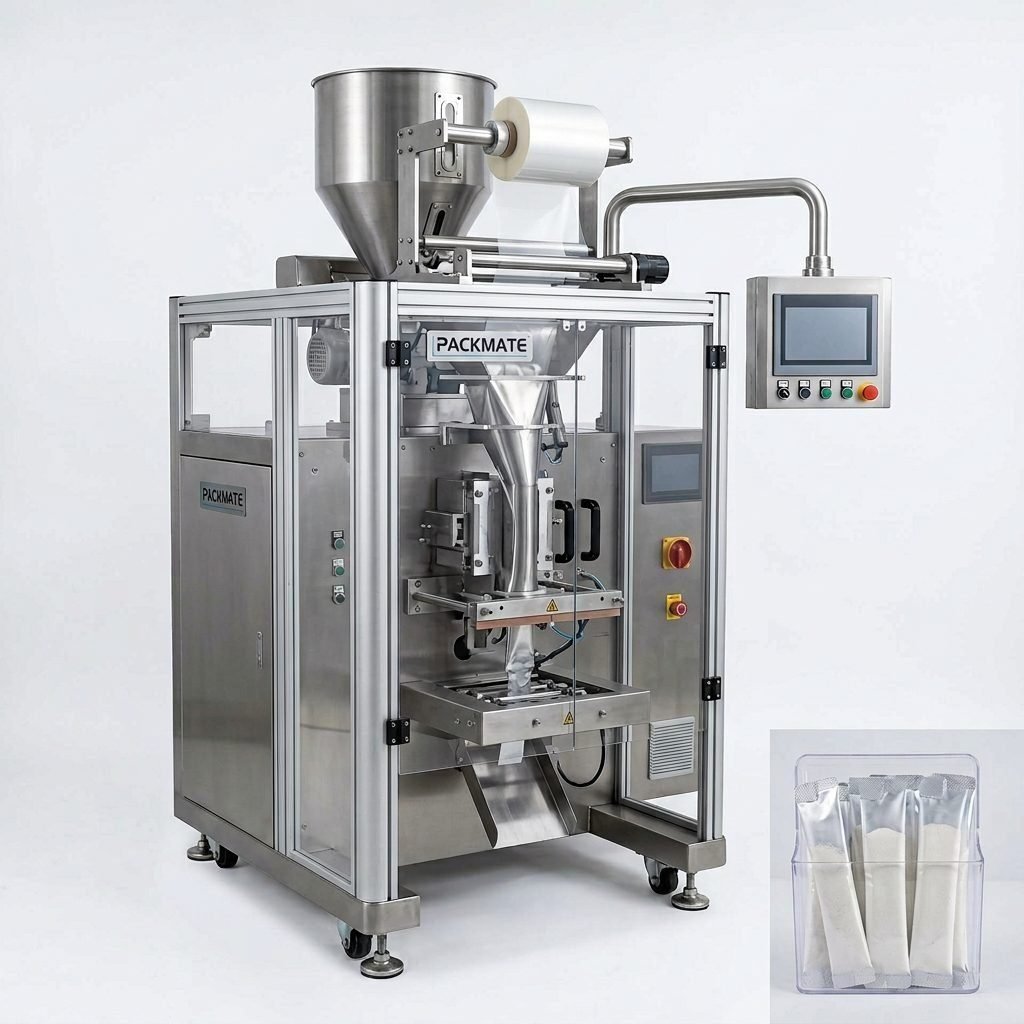
Step 3: Scrutinize the Commercial Proposal
Look beyond the initial price. Analyze the terms covering delivery (DDP Belgium is often preferred), payment schedule, warranty period, and—critically—the cost and lead time for spare parts. A transparent, detailed quote reflects a professional partnership.
Step 4: Discuss Customization and Future-Proofing
Engage the manufacturer’s engineering team early to discuss any necessary adaptations for your product or packaging format. Companies like PackingMachineOEM, which focus on non-standard solutions, are structured for such collaboration. Consider future needs, such as potential output increases or new product lines.
Navigating Logistics and After-Sales for Belgium
Successful importation into Belgium requires careful planning. Ensure the supplier is experienced in preparing machines for sea freight, including proper crating and humidity control. Verify who handles customs clearance and final delivery to your factory door. Post-installation, a clear service level agreement (SLA) defining response times for remote and on-site support is essential for maintaining production continuity.
Pro Tip: Partner with a manufacturer that views your project as a long-term collaboration, not just a one-time sale. Their willingness to provide ongoing process optimization advice and support upgrades is a key indicator of a reliable partner for the Belgian market.
Frequently Asked Questions (FAQs)
Q1: How important is it for the manufacturer to have direct experience in Belgium?
While not mandatory, a manufacturer with existing clients or service partners in the Benelux region can significantly smooth the installation and support process. It demonstrates an understanding of local technical standards and logistical channels.
Q2: Should I prioritize a local European manufacturer or a specialized overseas supplier?
This depends on your budget and technical needs. Specialized overseas manufacturers, particularly those with strong export departments like the companies profiled, often offer a compelling combination of advanced technology and cost-effectiveness. The key is verifying their commitment to European-style after-sales support.
Q3: What are the most common pitfalls when importing packaging machinery?
Common pitfalls include underestimating installation and commissioning complexity, unclear incoterms leading to unexpected costs, and inadequate planning for spare parts inventory. Thorough due diligence on the supplier and a detailed project plan mitigate these risks.
Q4: How can I ensure the machine will meet EU safety and hygiene regulations?
Insist on full CE certification documentation. For food or pharmaceutical applications, request material certificates for product-contact parts and design evidence complying with relevant hygiene standards (e.g., EHEDG, GMP). Reputable manufacturers design their equipment for global markets, including these requirements.
Q5: What is a realistic timeline from order to full production?
Timelines vary based on machine complexity and customization. For a standard machine, expect 3-5 months including manufacturing, shipping, and commissioning. For highly customized or complete turnkey lines from suppliers like PacklineOEM, the timeline can extend to 6-9 months. Always build buffer time into your project plan.