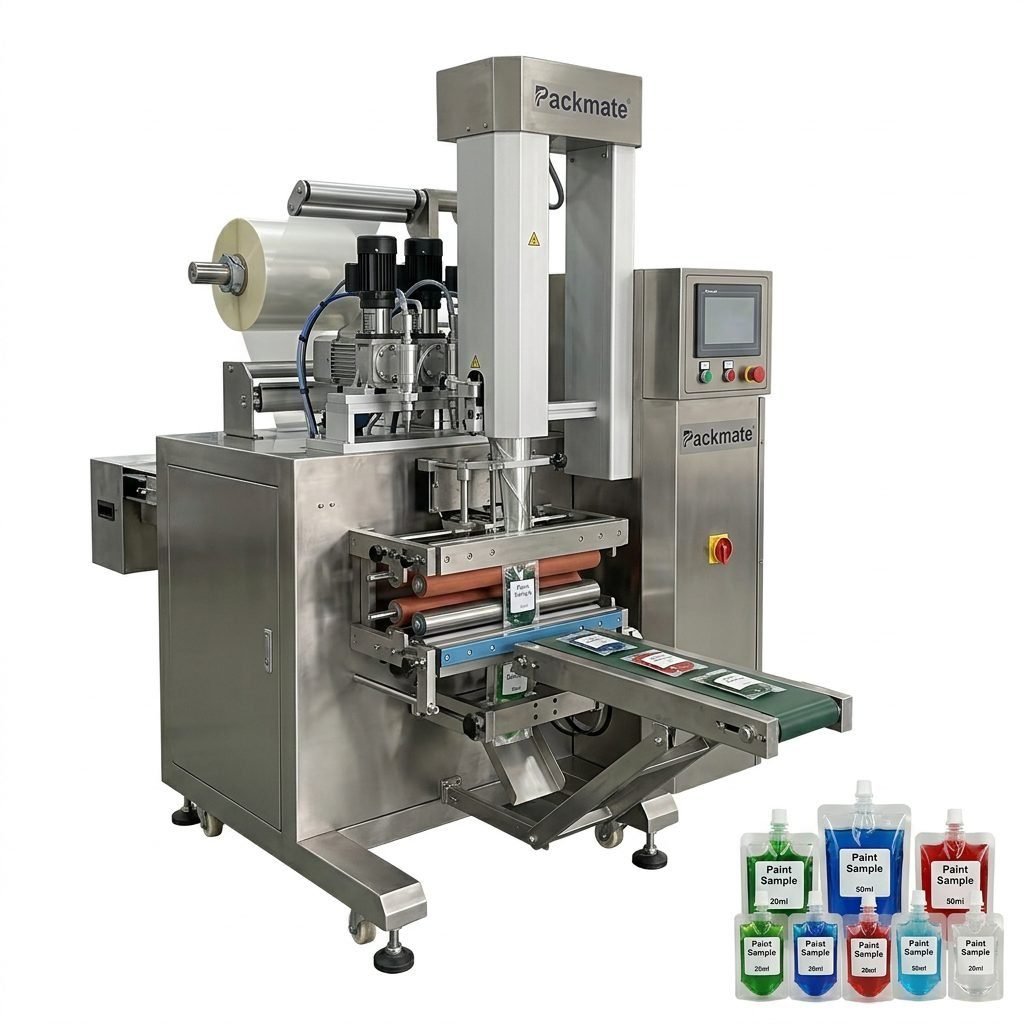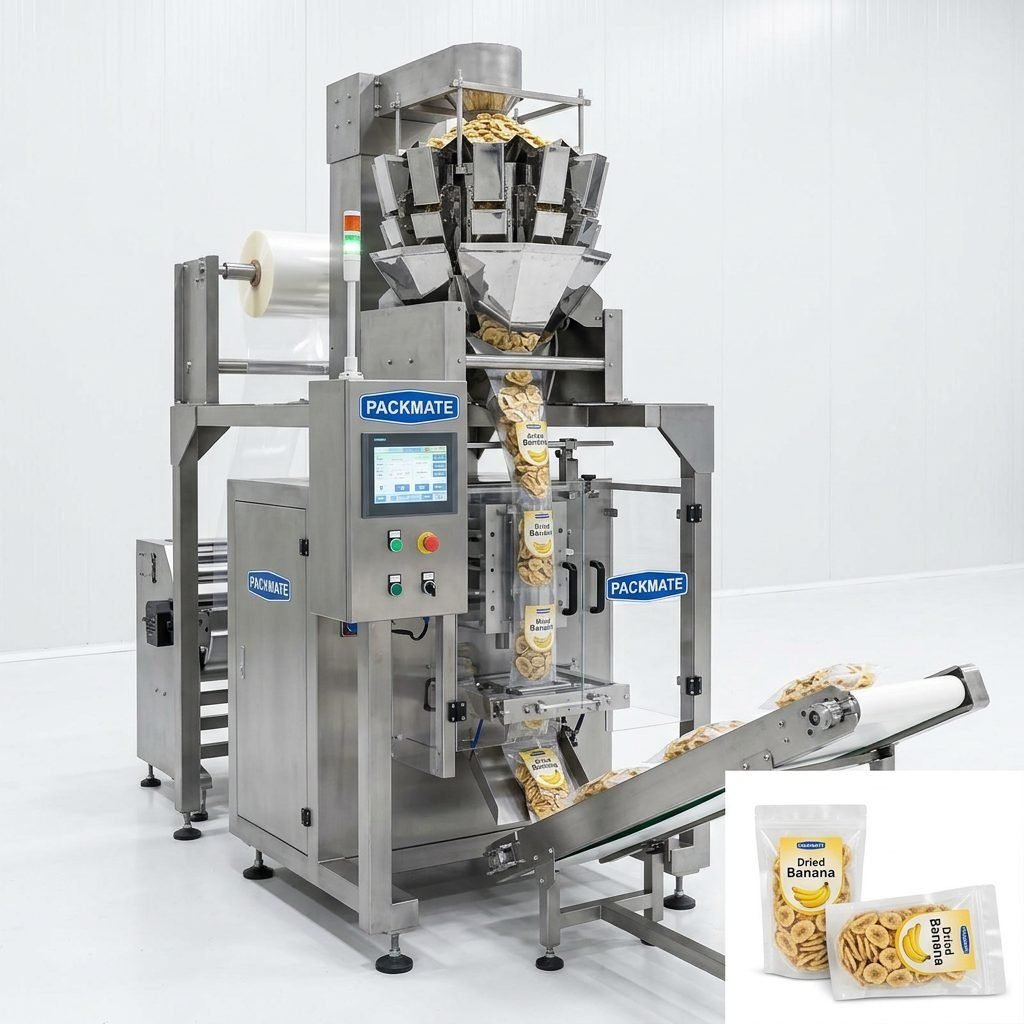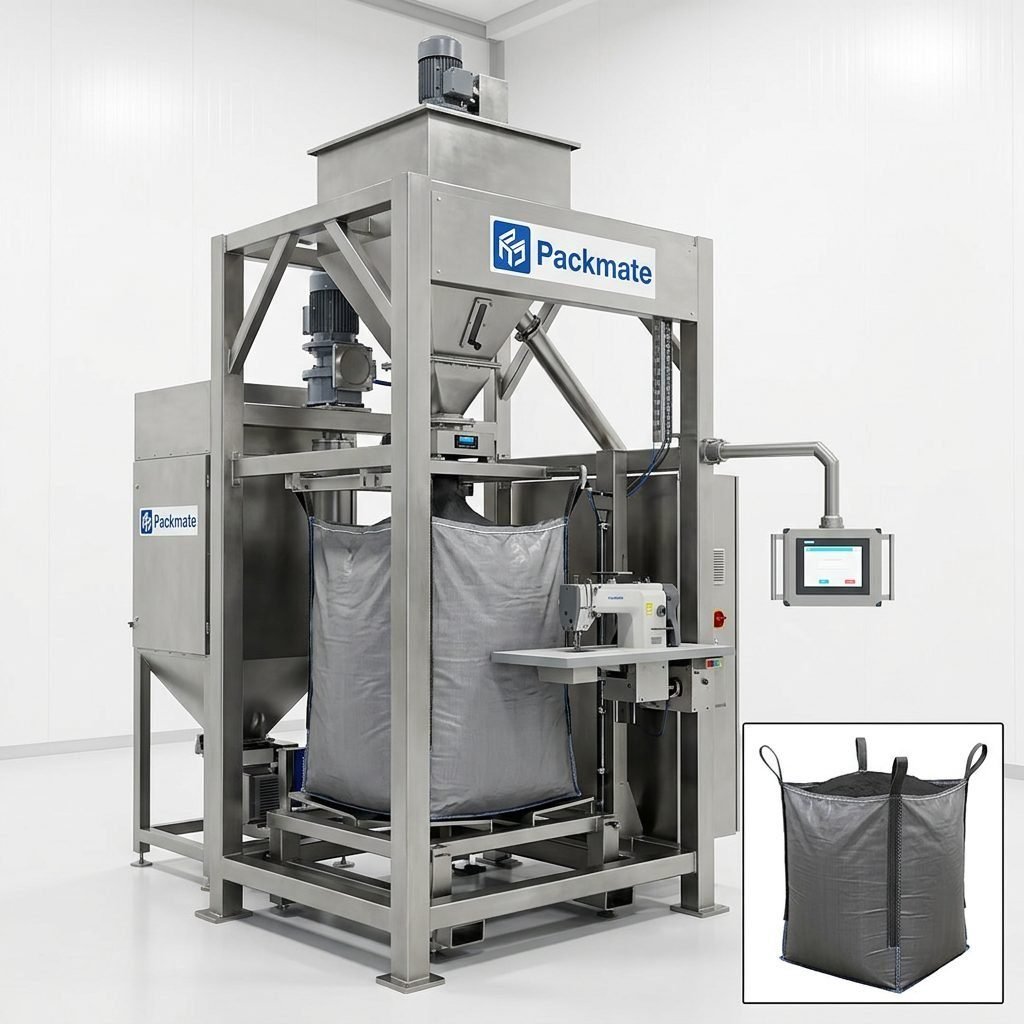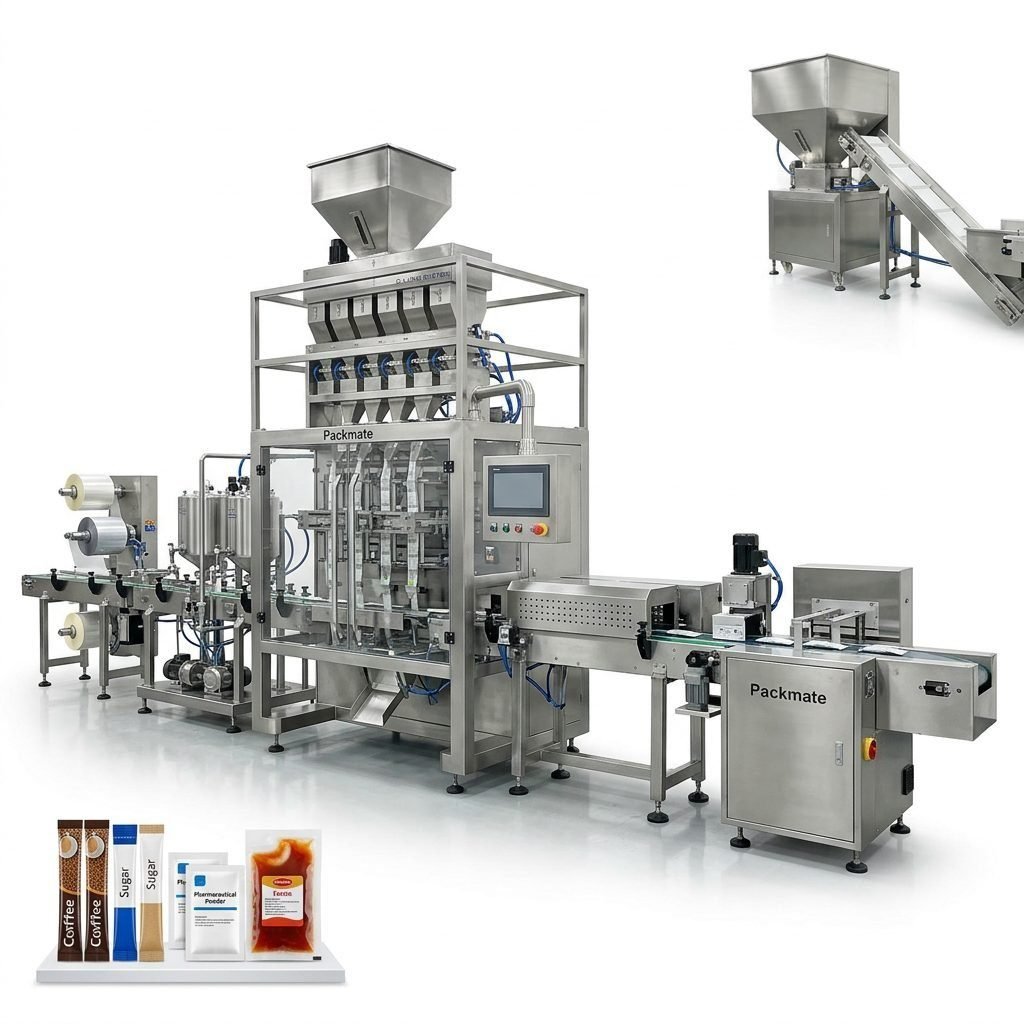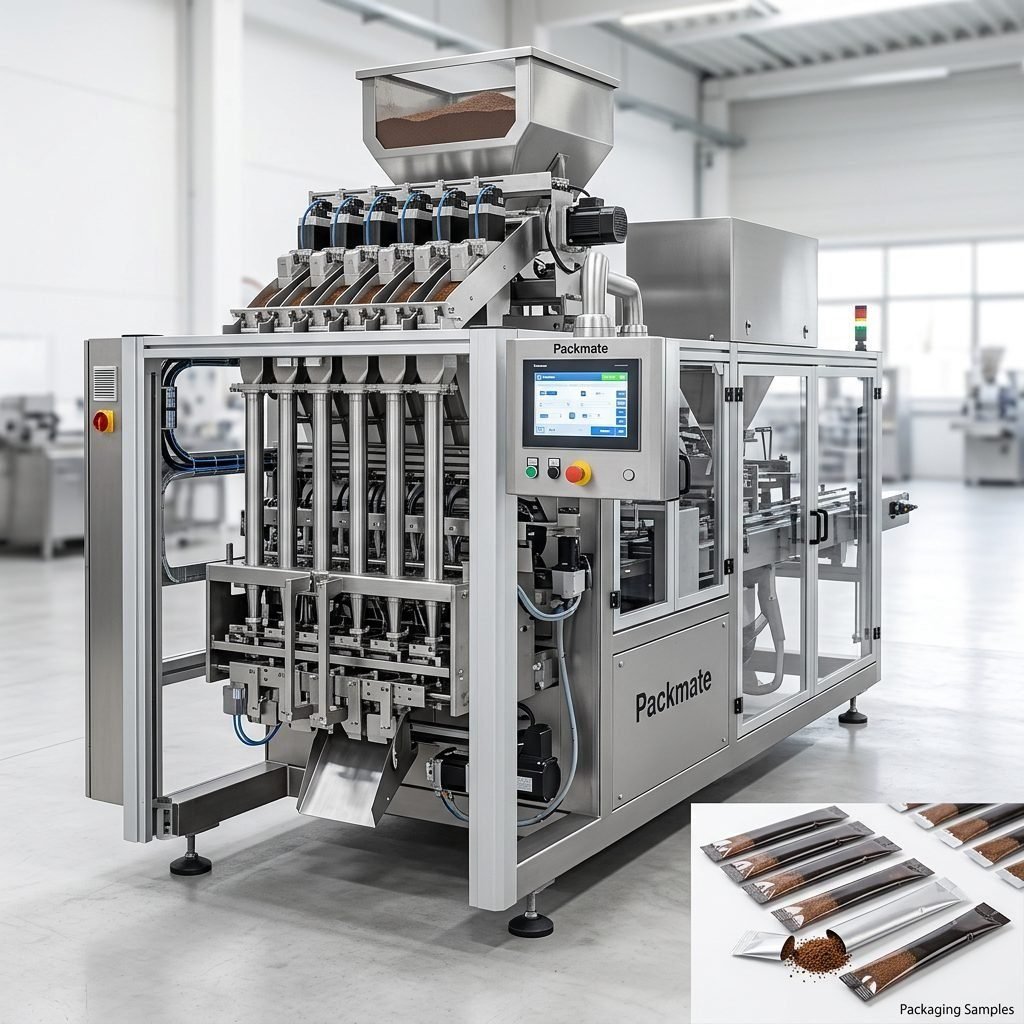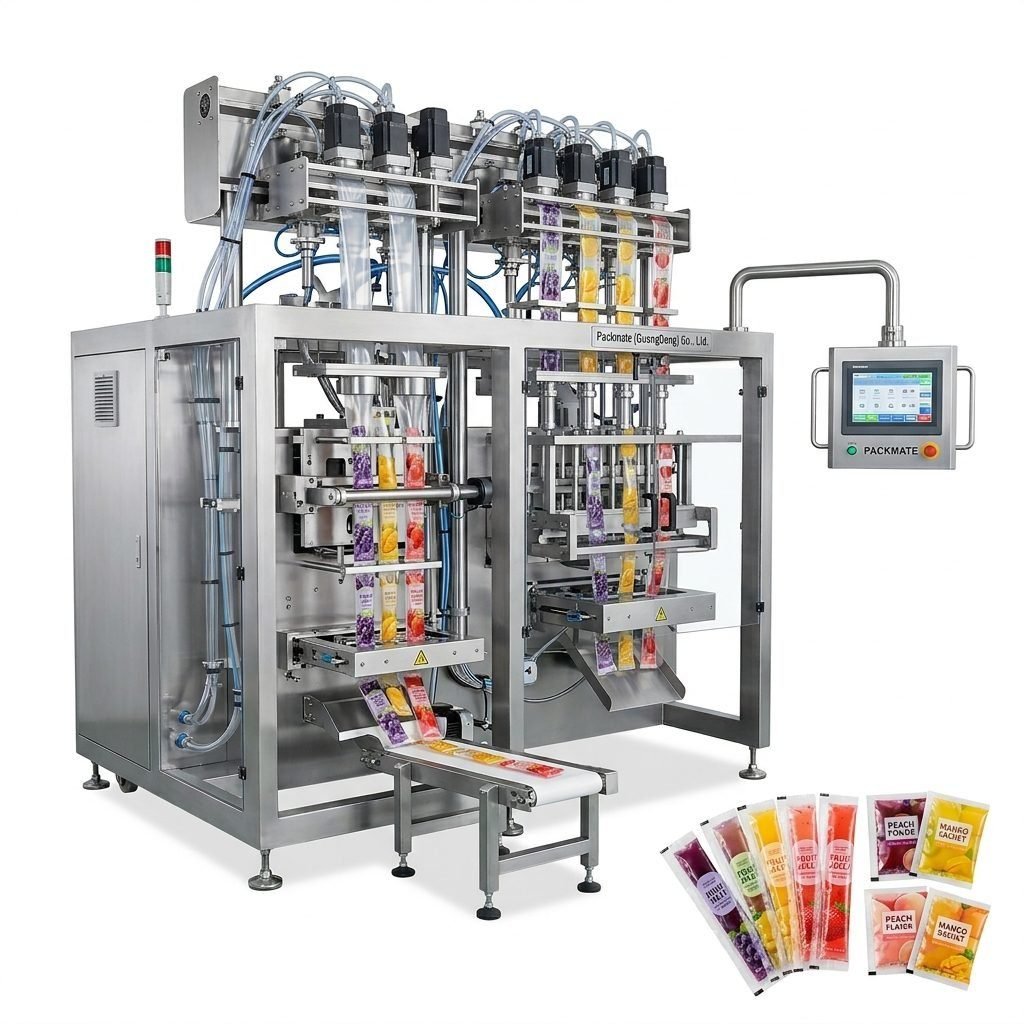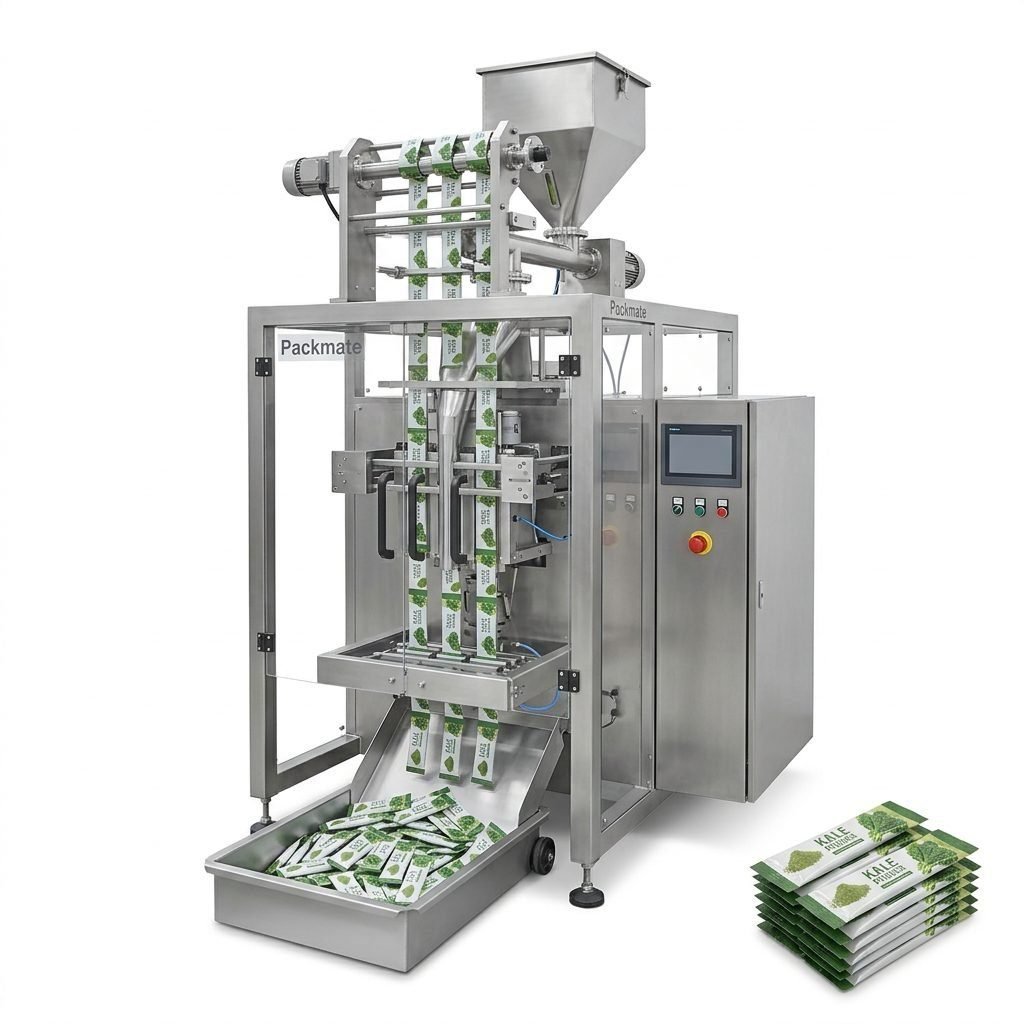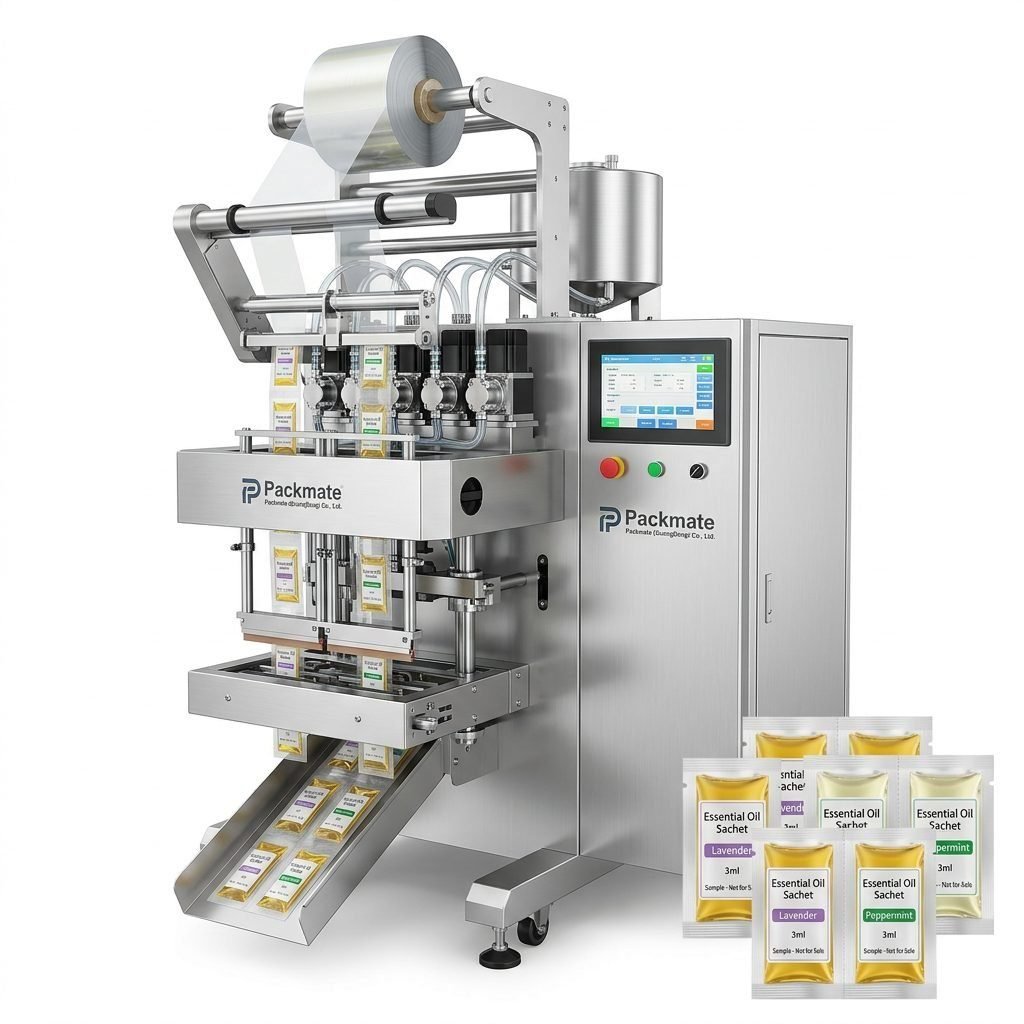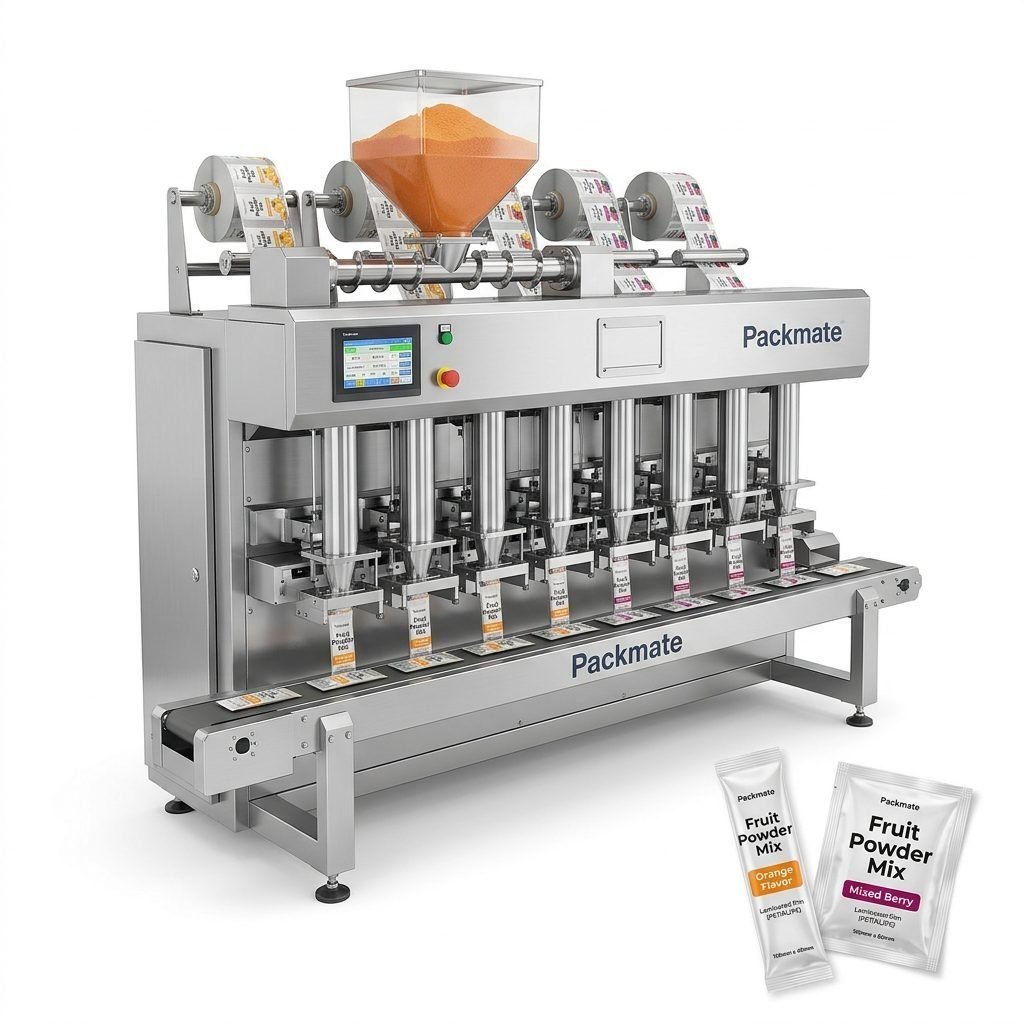
Selecting the right water pouch packing machine is a critical decision for beverage producers, condiment manufacturers, and liquid supplement companies worldwide. Whether you are packaging electrolyte drinks in North America, sauces and dressings in Europe, or single-serve water sachets in Africa and Southeast Asia, the efficiency and reliability of your packaging line directly impact product quality, operational cost, and market competitiveness. This guide will help you navigate the key factors in choosing the best liquid packaging solution for your specific needs.
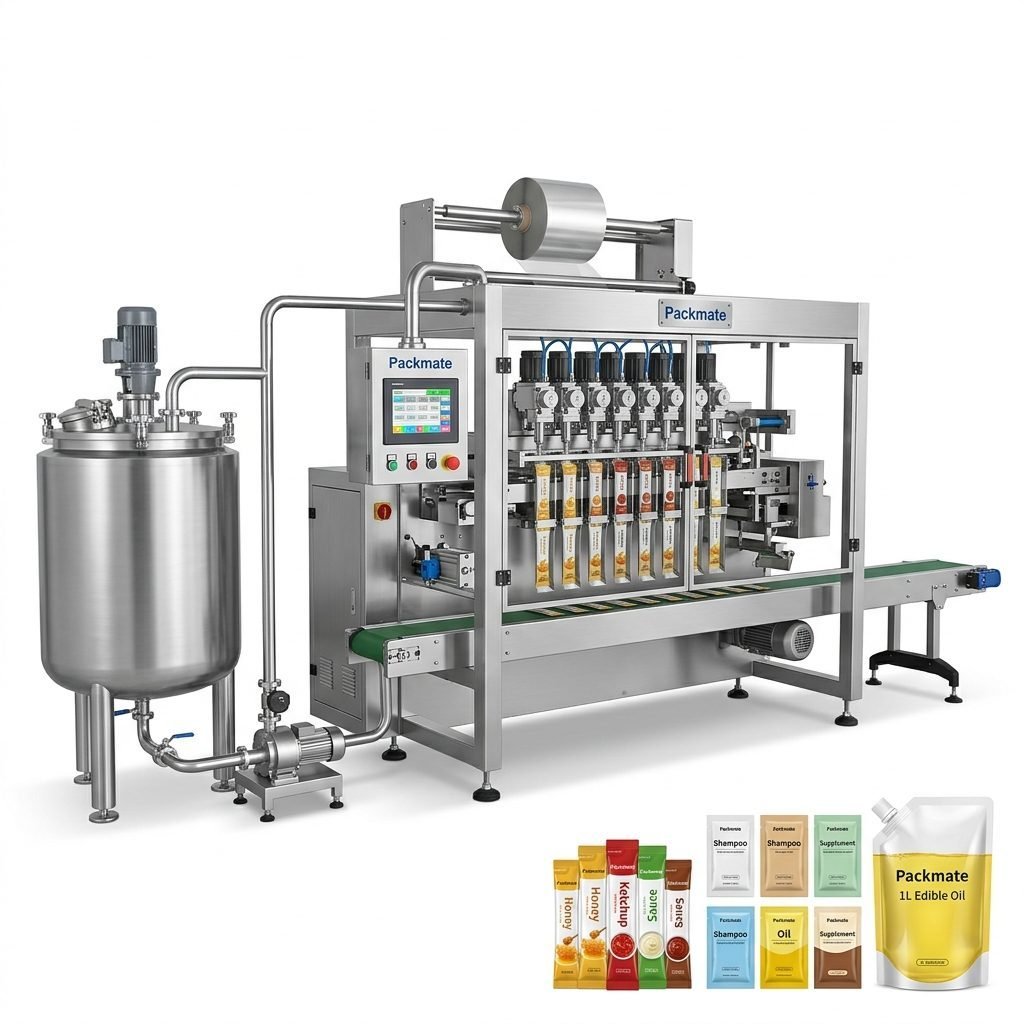
Understanding Your Liquid Packaging Requirements
Before evaluating machines, you must clearly define your project’s parameters. This foundational step ensures the chosen equipment aligns perfectly with your production goals.
Key questions to ask:
• Product Type: Is it water, juice, sauce, oil, serum, or a viscous liquid? Viscosity, acidity, and particulate content affect material handling and pump selection.
• Pouch Format & Size: Do you need stand-up pouches, flat sachets, stick packs, or doy-style bags? What is the target fill volume (e.g., 10ml, 200ml, 1L)?
• Production Output: What are your required speeds in pouches-per-minute (PPM) for your current and future projected demand?
• Film Material: What laminate structure (e.g., PET/AL/PE, MET/PE) is required for product barrier, shelf life, and seal integrity?
• Factory Environment: Is the production area a standard factory floor, or does it require hygienic (food-grade) or cleanroom (pharmaceutical) design?
Core Machine Types for Liquid Pouch Packaging
The market offers several primary machine configurations, each suited to different production scales and pouch styles.
| Machine Type | Best For | Typical Output Range | Key Consideration |
|---|---|---|---|
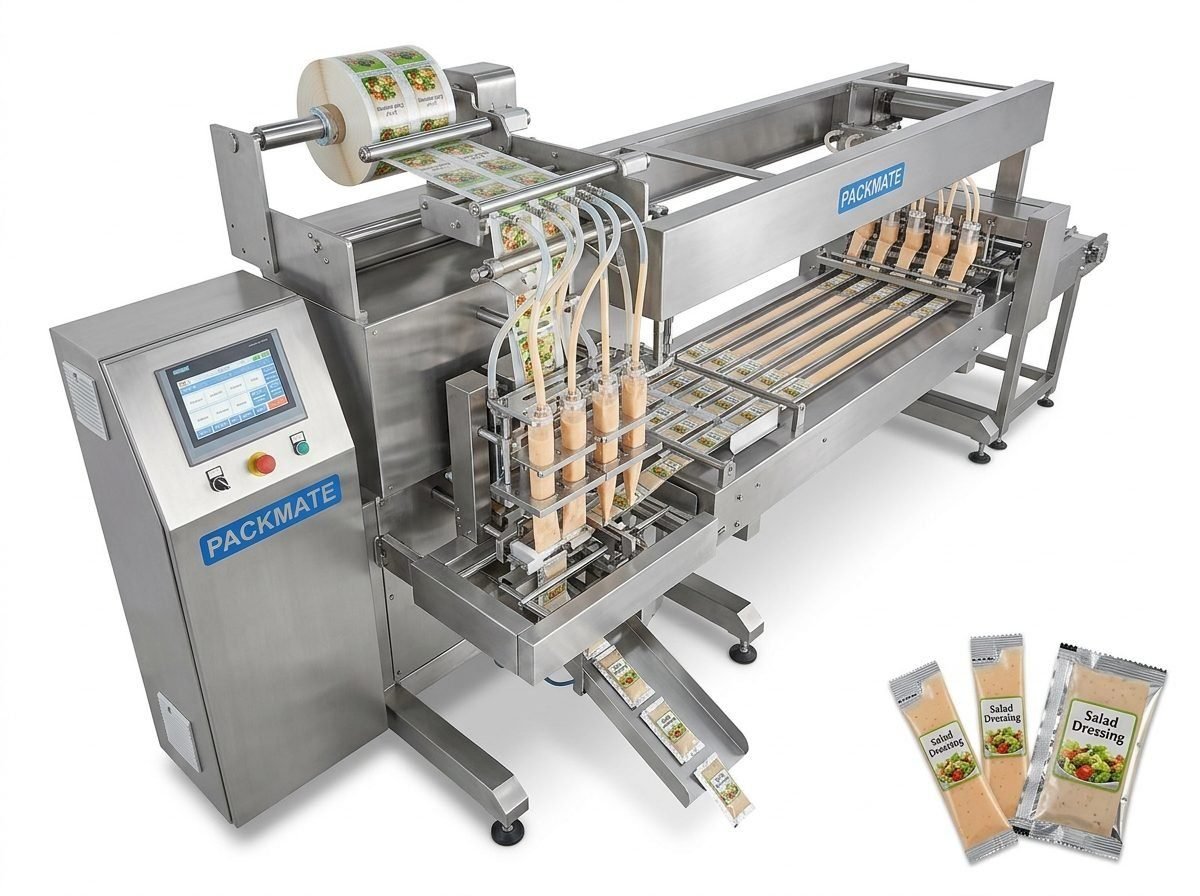
| Vertical Form-Fill-Seal (VFFS) | High-volume production of sachets, stick packs, and small pouches from roll film. | 60 – 120+ pouches/minute (single lane) | Ideal for cost-effective, single-format, high-speed runs. |
| Pre-Made Pouch Fillers | Premium, complex pouch shapes (spouted, zipper, shaped) that are pre-manufactured. | 30 – 80 pouches/minute | Higher pouch material cost, but allows for sophisticated packaging designs. |
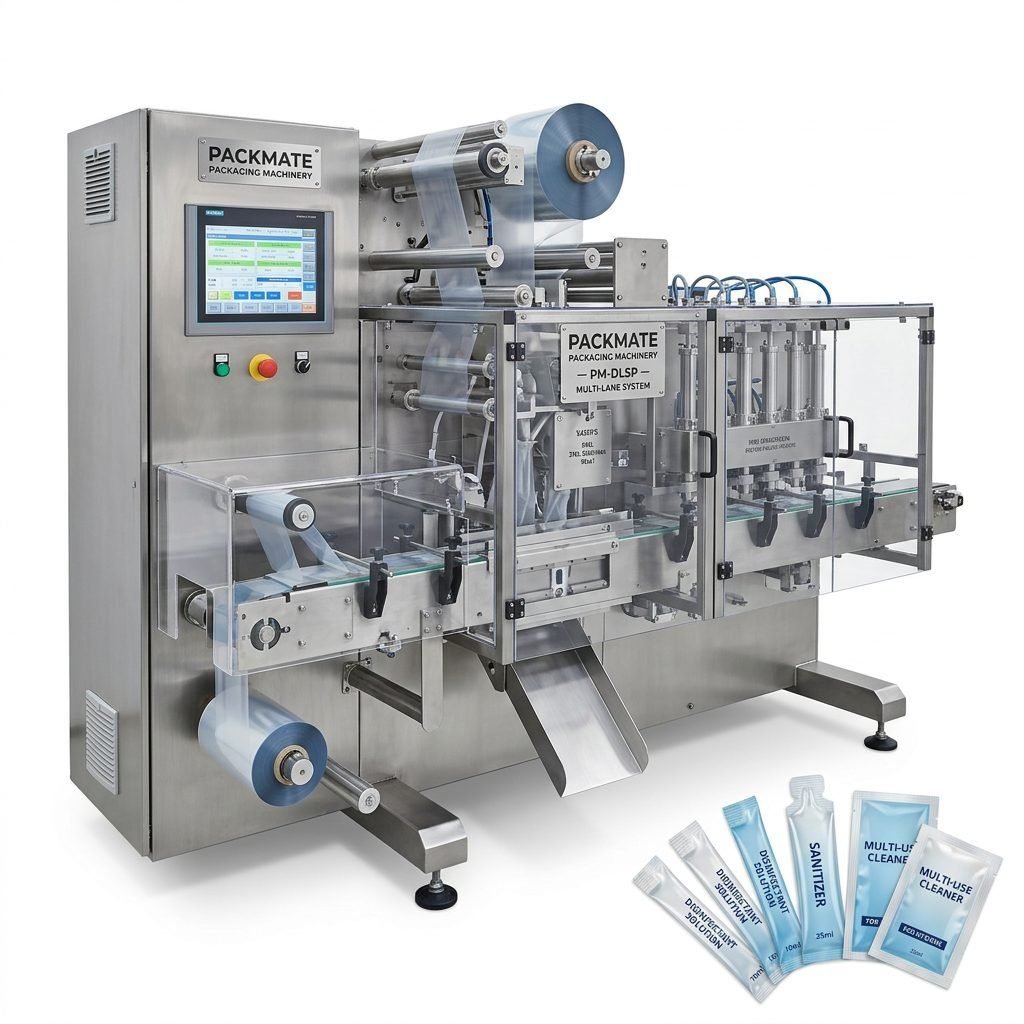
| Multi-Lane Systems | Ultra-high output for small sachets (e.g., water, sauce, shampoo). | 200 – 1000+ pouches/minute (with multiple lanes) | Requires significant floor space and a robust upstream liquid supply system. |
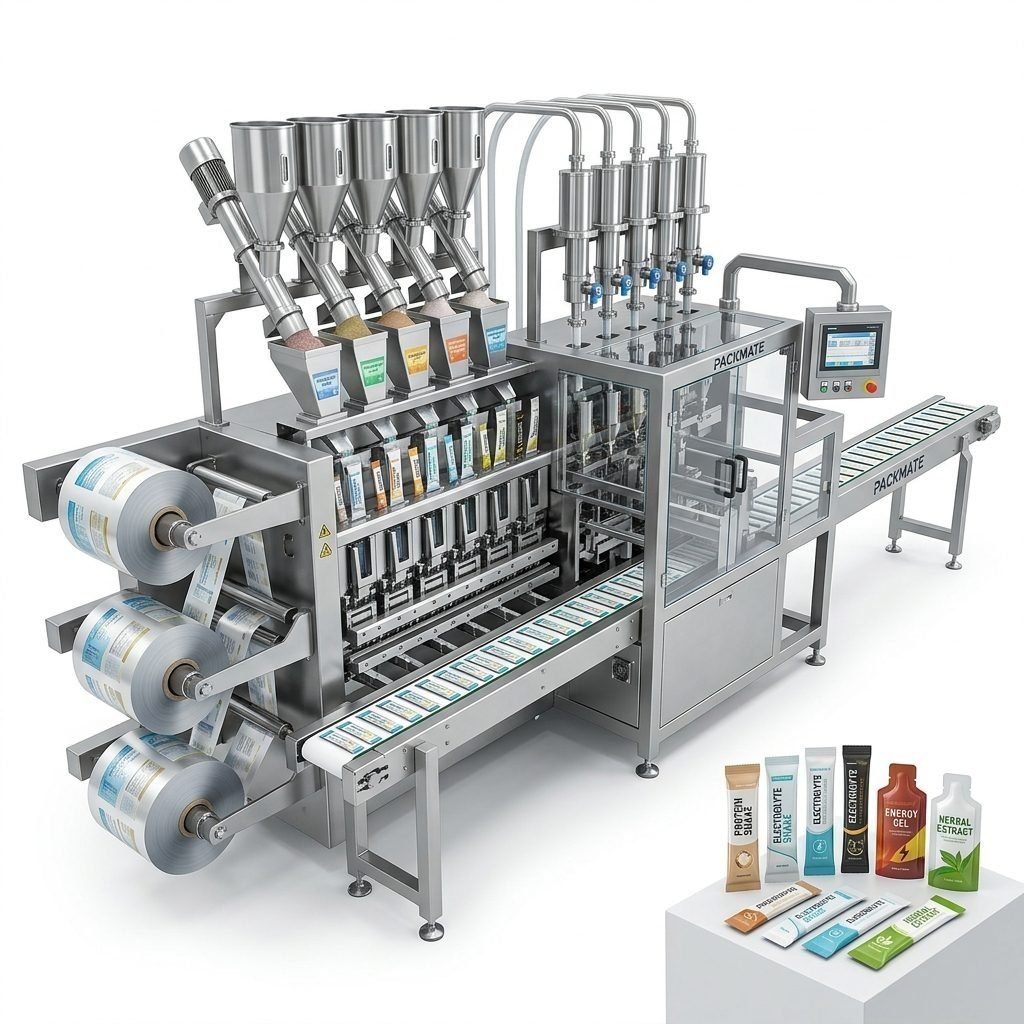
Critical Technical Specifications to Evaluate
Beyond the basic type, dive into the technical details that define performance, hygiene, and longevity.
1. Filling System Accuracy and Technology
The filling system is the heart of the machine. For water and low-viscosity liquids, piston fillers and timed-flow pumps are common. For thicker products like sauces or oils, piston or rotary pump systems with heating capabilities may be needed. Look for fill accuracy specifications (e.g., ±0.5% to ±1.0% of set volume) and ensure the system is easy to clean (CIP – Clean-in-Place) to prevent cross-contamination and reduce downtime.
2. Sealing Integrity and Mechanism
A leak-proof seal is non-negotiable. Most machines use thermal sealing with heated jaws. Key factors include seal jaw temperature control precision, dwell time adjustment, and pressure consistency. For challenging films or high-moisture environments, consider machines with impulse sealing or cool jaw options. Always test your specific film material with the machine’s sealing system during factory acceptance trials.
Regional Consideration: In hot and humid climates like Southeast Asia or the Middle East, sealing systems must be robust enough to handle potential film moisture absorption, which can compromise seal strength. Machines with enhanced environmental controls for the sealing area are advantageous.
3. Machine Construction and Hygiene Design
For food and beverage applications, contact parts should be made of stainless steel (304 or 316 grade). The frame should be rigid to maintain precision at high speeds. Look for smooth surfaces, minimized crevices, and easy access for cleaning. Machines compliant with international standards (e.g., CE, FDA guidelines for food contact) are essential for export-oriented production.
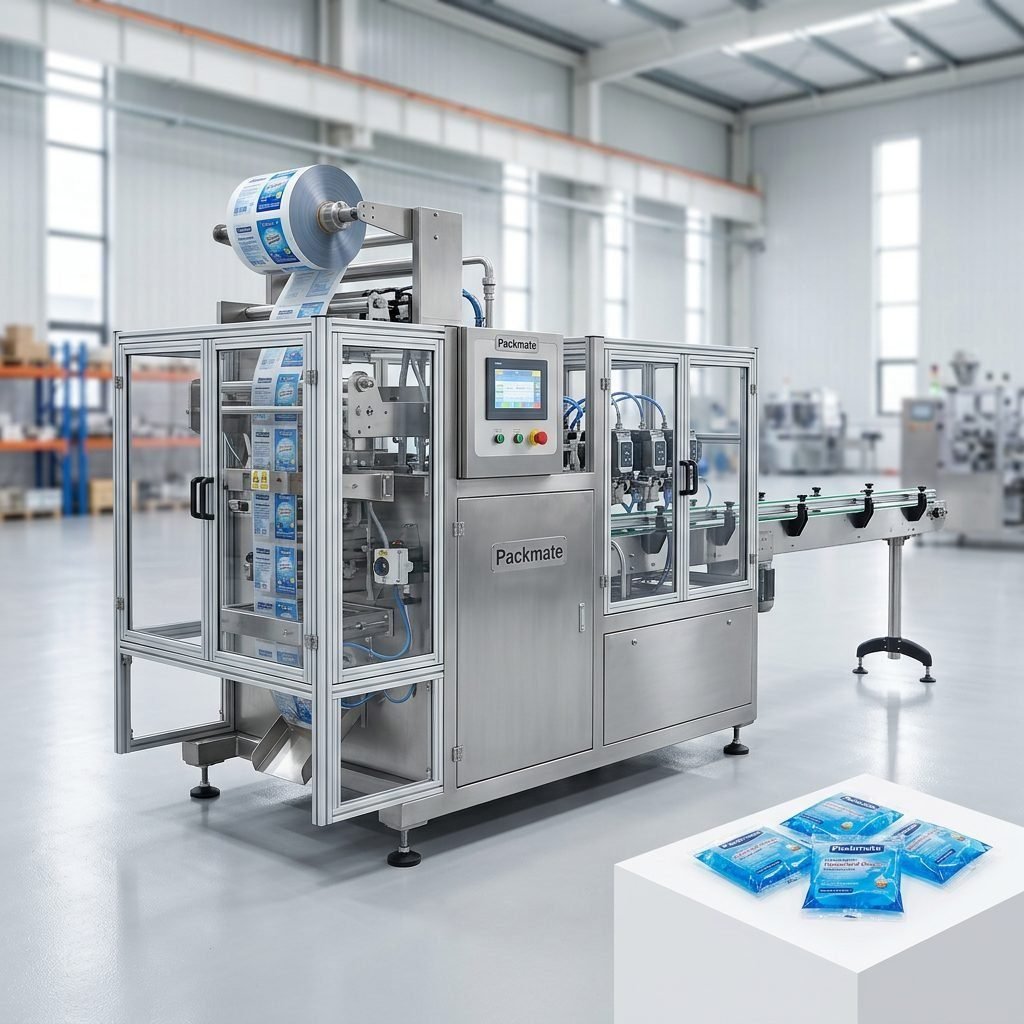
The Importance of Automation and Integration
Modern packaging is about more than just a standalone filler. Consider the level of automation your operation requires.
Basic Level: A standalone machine requiring manual film loading, manual pouch collection, and visual inspection.
Intermediate Level: Integration with automatic film roll changers, inline weight checkers, and date coders. Rejection systems for under/overweight or poorly sealed pouches.
Advanced/Turnkey Level: A fully integrated line including automated bulk liquid feeding, pouch transport conveyors, vision inspection systems, cartoning, and case packing. This is where partnering with a manufacturer capable of delivering complete lines, like Ludyway or PacklineOEM, becomes critical for seamless operation.
Selecting a Manufacturer: Key Criteria
Your choice of supplier is as important as the machine specifications. Look for partners with proven experience.
Manufacturer Evaluation Checklist:
• Industry Experience & References: Look for a track record in liquid packaging, specifically for your product type. Ask for client references in your region.
• Technical Support & Spare Parts: Ensure they offer comprehensive after-sales service, training, and have a reliable spare parts supply chain for your market.
• Customization Ability: Can they adapt the machine to your unique pouch design, film, or factory layout? Companies like PackingMachineOEM specialize in such solutions.
• Factory Audit: If possible, visit the manufacturer’s facility to assess their production quality control, engineering capability, and company scale.
For specialized niches like nicotine liquid pouches, a manufacturer with focused expertise, such as SnusMachinery, can provide valuable application-specific insights.
Total Cost of Ownership (TCO) vs. Initial Price
While upfront cost is a major factor, the Total Cost of Ownership provides a truer financial picture. A slightly higher initial investment in a robust, efficient machine from a reputable supplier like Packmate Machinery often leads to lower long-term costs.
| Cost Factor | Description | Impact on TCO |
|---|---|---|
| Machine Purchase Price | The initial capital investment. | High initial impact. |
| Operational Efficiency | Speed, yield (material waste), and labor requirements. | High long-term impact. High efficiency lowers cost per pouch. |
| Maintenance & Downtime | Cost of spare parts, ease of maintenance, and machine reliability. | A reliable machine minimizes production losses and repair costs. |
| Energy & Utility Consumption | Power used by motors, heaters, and compressors. | Modern, well-designed machines are more energy-efficient. |
Frequently Asked Questions (FAQs)
What is the typical lead time for a water pouch packing machine?
Lead times vary significantly based on machine complexity and customization. A standard model may take 8-12 weeks, while a fully customized or turnkey line can require 16-24 weeks or more from order confirmation to delivery. Always confirm timelines with your supplier.
Can one machine handle different pouch sizes and liquids?
Yes, most machines are designed with changeover capabilities. However, the time and complexity of changeover differ. Simple adjustments for pouch length/width might take 15-30 minutes, while changing the filling system for a different liquid viscosity could take several hours. Discuss your required changeover frequency and speed with the manufacturer.
How important is a factory acceptance test (FAT)?
Extremely important. A FAT allows you to see the machine run with your actual (or similar) film and product before it leaves the factory. This is the best time to verify speed, accuracy, seal quality, and functionality, ensuring the machine meets all agreed-upon specifications.
What are the common maintenance requirements?
Daily cleaning and lubrication of specific points, periodic inspection of seals and wear parts (like cutting blades and pump seals), and calibration of scales and sensors. A good supplier will provide a detailed maintenance schedule and training for your operators.
How do I ensure the machine meets safety standards for my country?
Inform the manufacturer of your target market’s safety certification requirements (e.g., CE for Europe, UL/CSA for North America). Reputable manufacturers will design and certify their machines accordingly. Always request and verify the relevant certification documents.