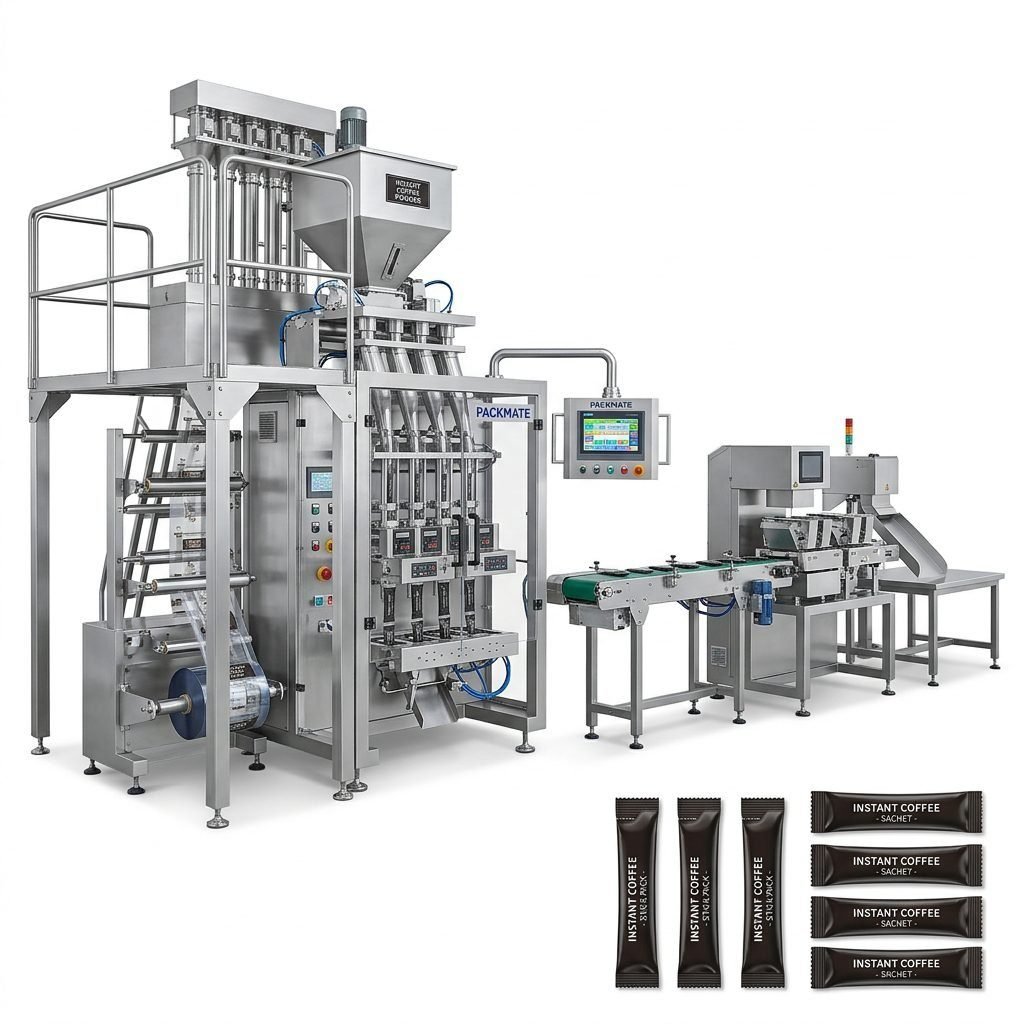
The Vertical Form Fill Seal (VFFS) machine stands as a cornerstone technology in modern packaging, revolutionizing how products are portioned, protected, and presented. By forming a bag from a roll of flat film, precisely filling it with product, and hermetically sealing it in a continuous, automated cycle, VFFS systems deliver unparalleled efficiency and product freshness preservation. This technology is indispensable across food, pharmaceutical, health supplement, and countless other industries where speed, hygiene, and shelf life are paramount.
The Core Mechanics: How VFFS Packaging Works
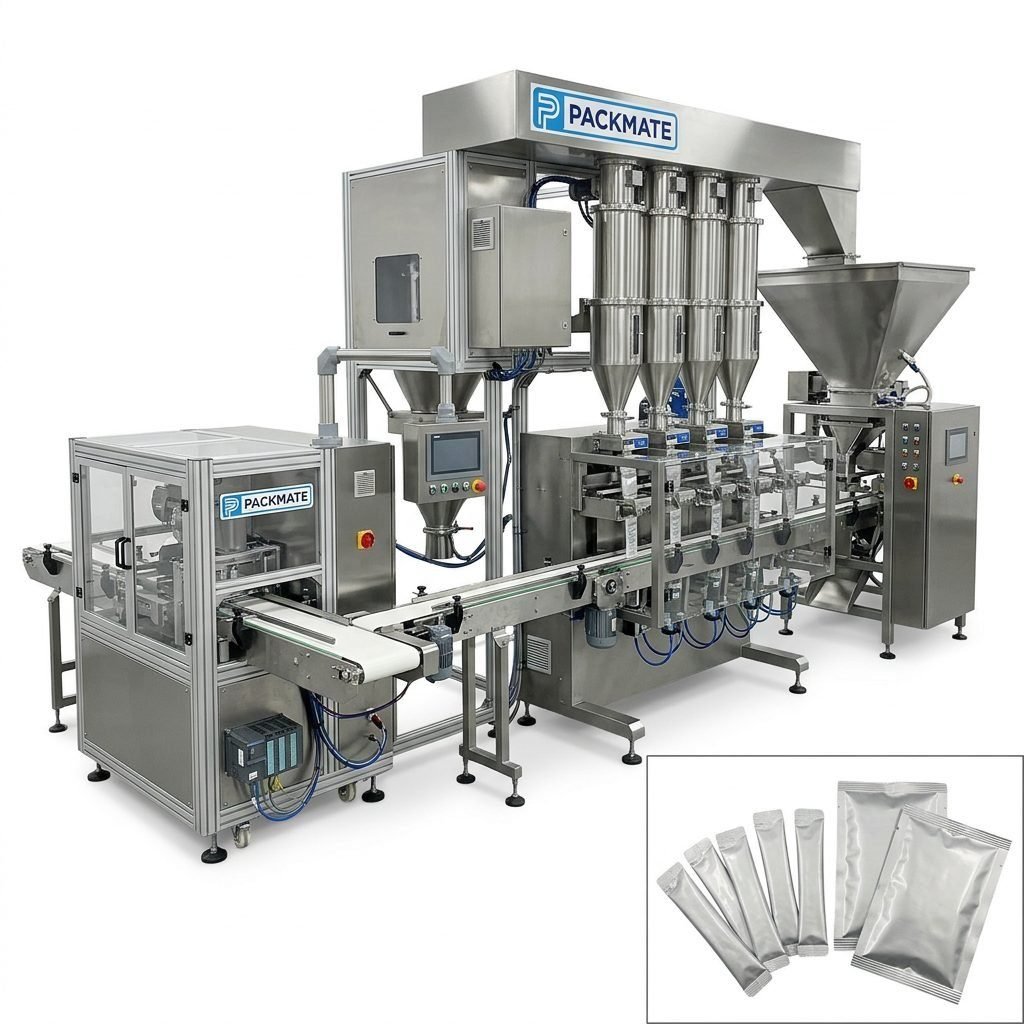
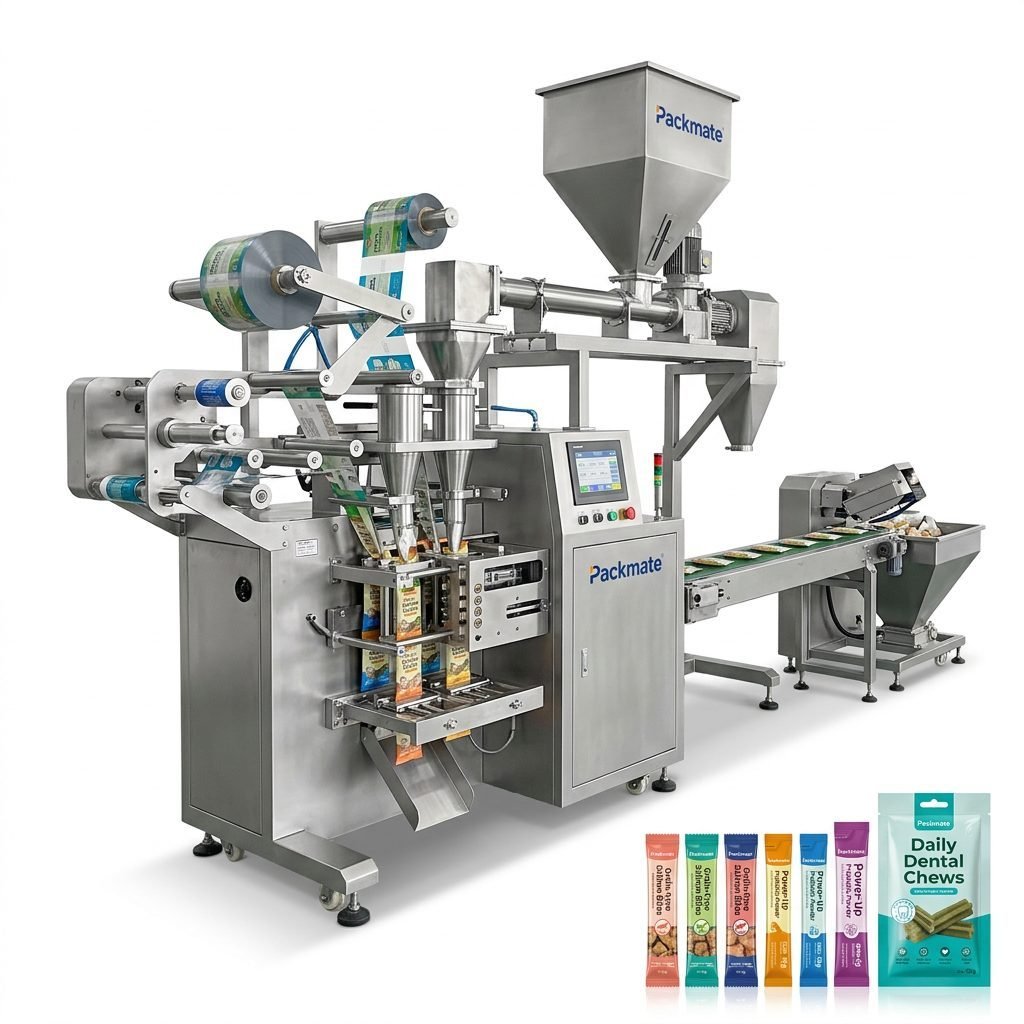
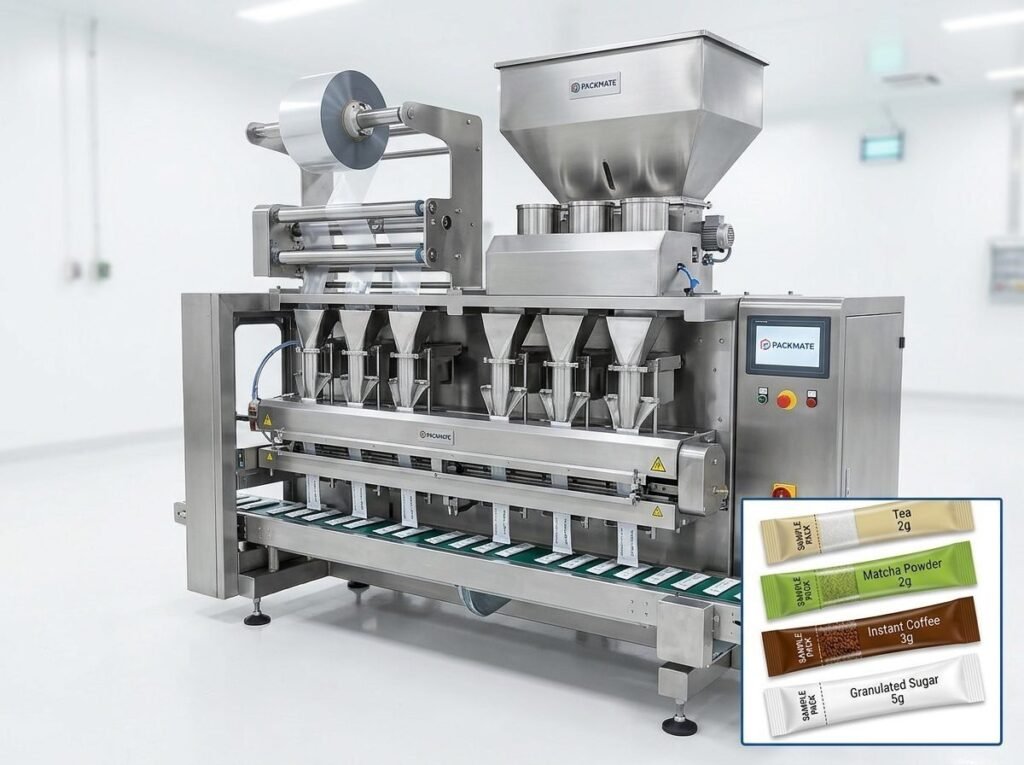
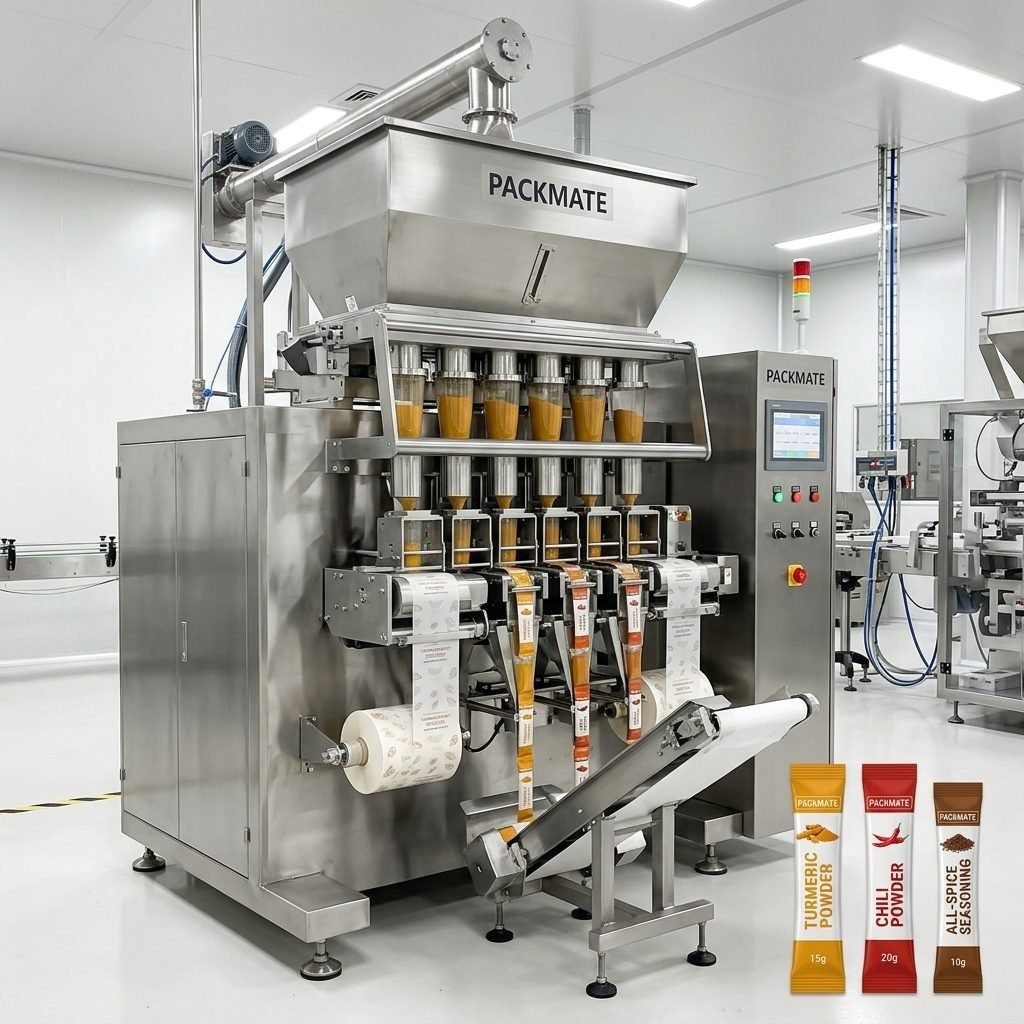
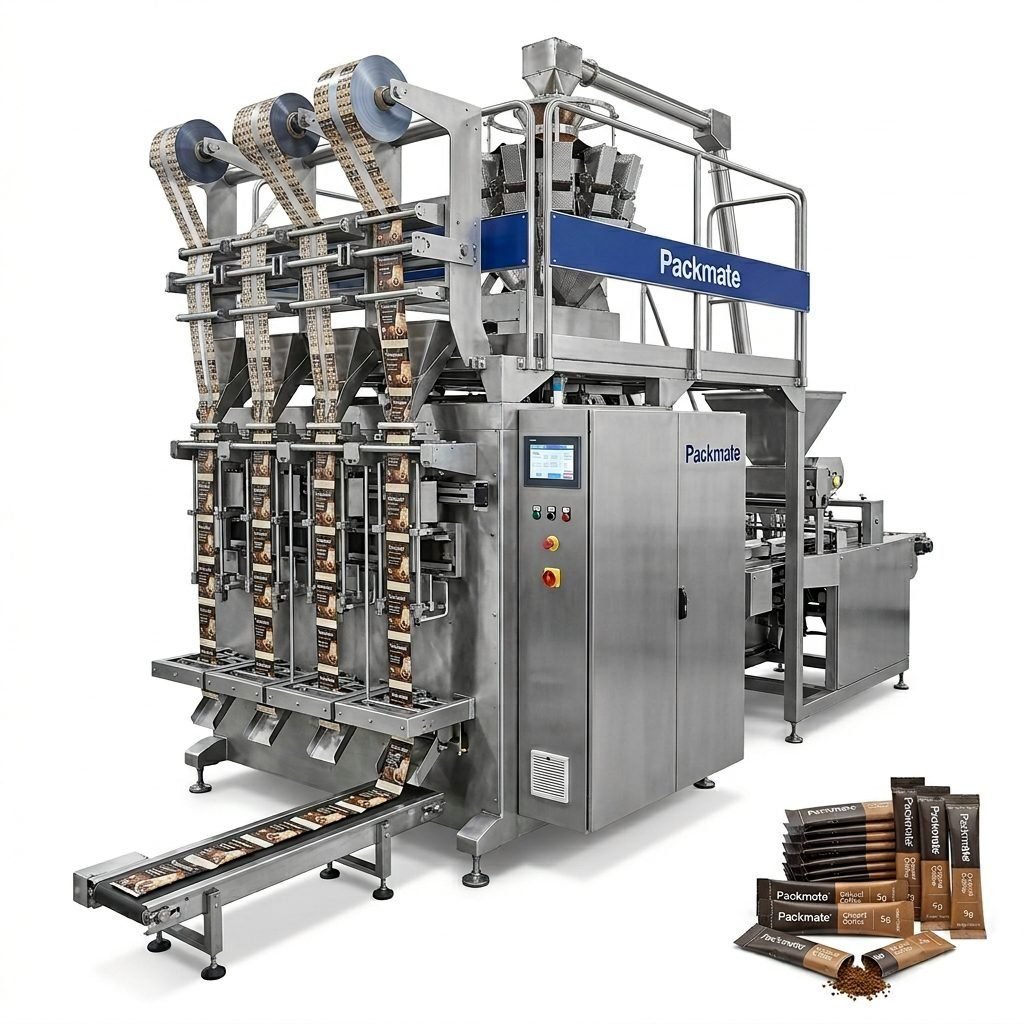
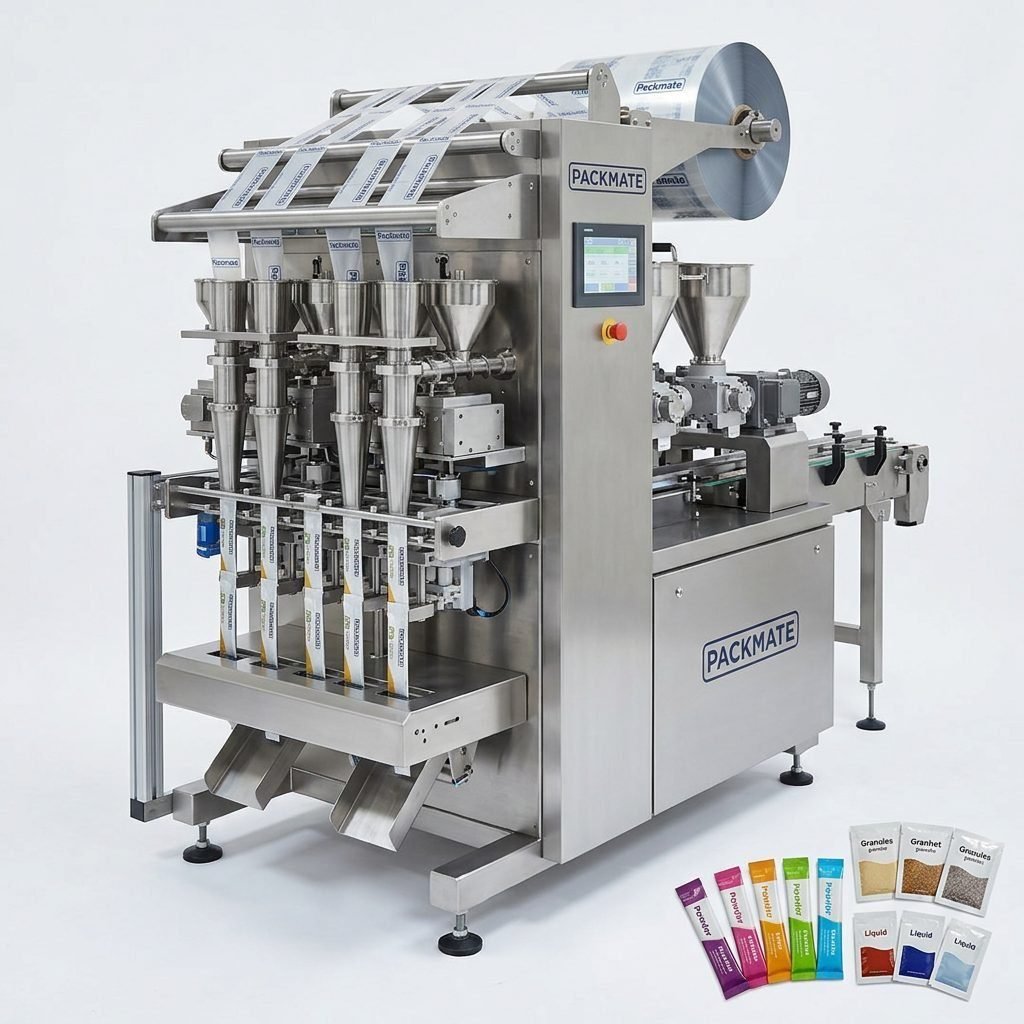
The operation of a VFFS machine is a symphony of precision engineering. It begins with a roll of packaging film—often multi-layered laminates for barrier properties—fed into the machine. A forming collar shapes this flat film into a continuous vertical tube. The longitudinal seal is created, and the film is pulled downward by a set of belts. At the filling station, the product is accurately dosed into the tube. Finally, horizontal sealing jaws simultaneously seal the top of the filled pouch and the bottom of the next pouch to be formed, creating individual packages that are then cut apart. This seamless, single-machine process eliminates multiple handling steps, significantly reducing labor and contamination risks.
Key Advantages Driving Global Adoption
The shift towards VFFS technology is driven by a compelling set of benefits that directly impact a producer’s bottom line and product quality.
Enhanced Operational Efficiency: VFFS machines are designed for high-speed, continuous operation, capable of producing dozens to hundreds of pouches per minute. This high throughput maximizes production line output. Furthermore, the integration of automated weighing and filling systems ensures precise dosing, minimizing product giveaway—a critical cost-saving factor for high-value ingredients. The reduction in manual packaging tasks also translates to lower labor costs and fewer ergonomic issues.
Superior Product Freshness and Shelf Life: This is perhaps the most significant benefit for consumable goods. VFFS machines can create an airtight seal, locking out oxygen and moisture—the primary culprits of spoilage, staleness, and degradation. For products like coffee, snacks, spices, and pharmaceuticals, this preservation is essential. The ability to use high-barrier films, including those with metalized or aluminum layers, provides an extra shield against light and gas permeation, ensuring the product reaches the consumer in its intended state.
Flexibility is another hallmark. A single VFFS machine can often handle a range of bag sizes and styles—from pillow pouches and gusseted bags to stand-up pouches—by simply changing the forming tools and film reel. This allows manufacturers to easily switch between product lines or offer different portion sizes without major capital investment in new equipment.
Material Science: The Role of Packaging Film
The performance of a VFFS system is intrinsically linked to the packaging film used. Modern films are engineered composites, often combining layers of polyethylene (PE) for sealability, polyester (PET) for strength, and polyamide (PA) or ethylene vinyl alcohol (EVOH) for exceptional gas and aroma barriers. The selection depends on the product’s needs: a simple chip bag may use a metallized film for light barrier, while a premium freeze-dried product might require a high-clarity, high-barrier laminate. Leading manufacturers like Packmate Machinery often provide guidance on film compatibility and sealing parameters for their machines, ensuring optimal performance and seal integrity.
Integration into Smart Production Lines
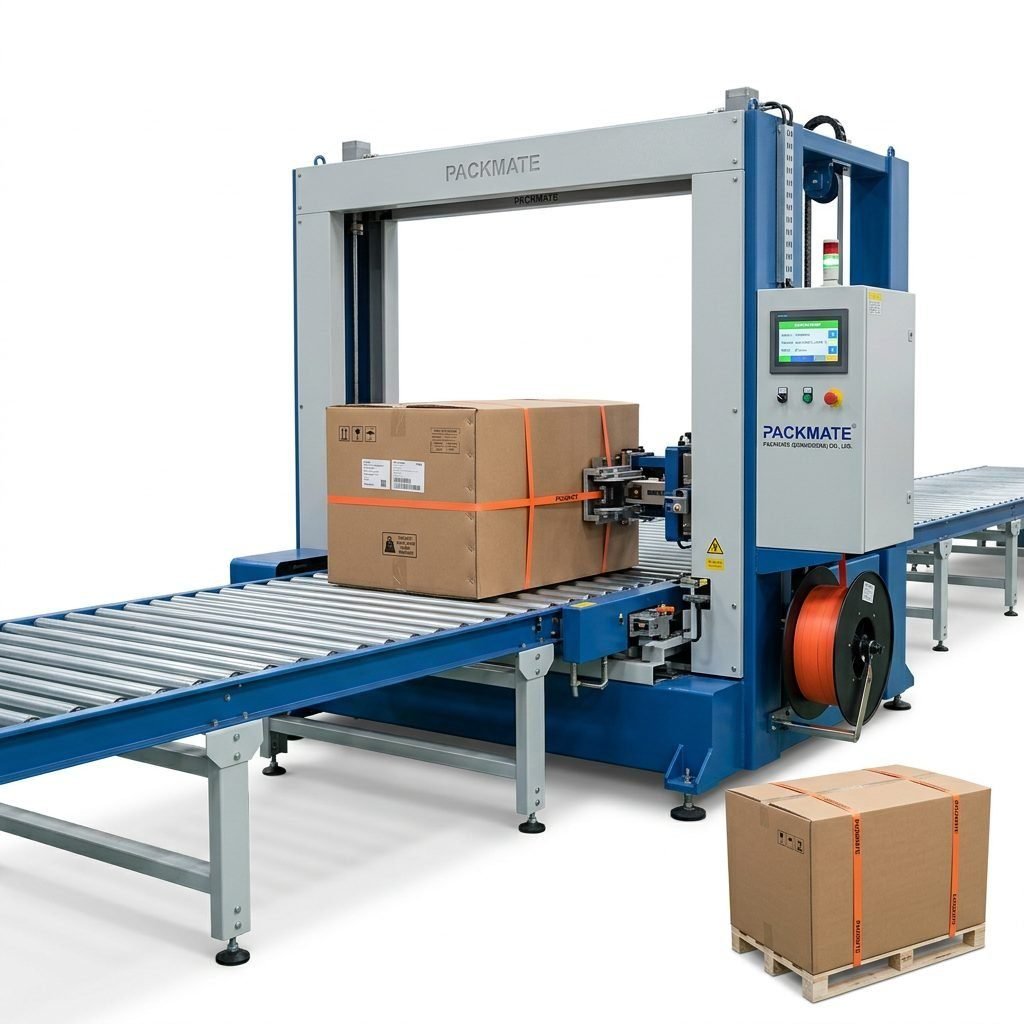
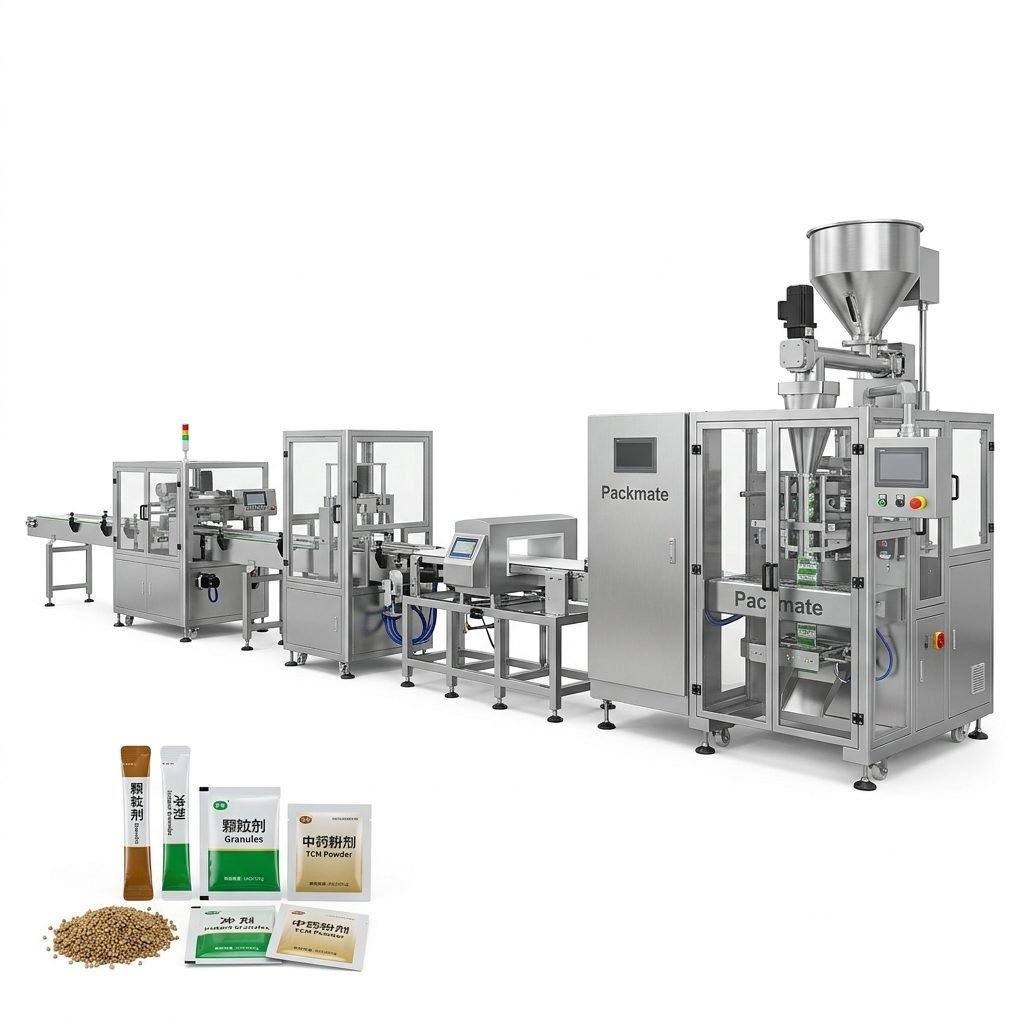
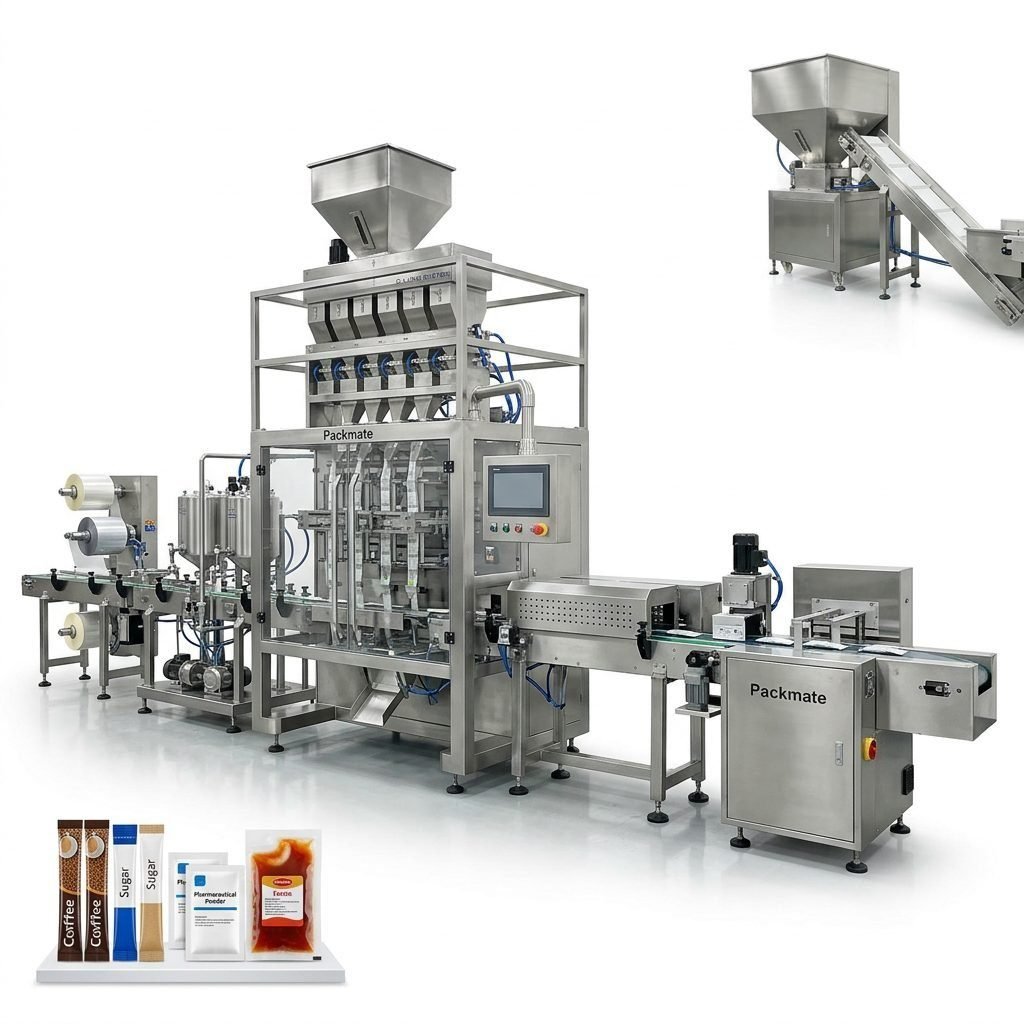
Today’s VFFS machines are rarely standalone units. They are the central component of integrated, intelligent packaging lines. Upstream, they are fed by automated systems like volumetric cup fillers, auger fillers for powders, or liquid pumps. Downstream, the filled pouches are conveyed to checkweighers, metal detectors, vision inspection systems, and finally to cartoning or case-packing robots. This level of integration, offered by turnkey specialists like PacklineOEM, creates a seamless flow from raw material to shippable carton, enabling complete traceability, consistent quality control, and minimal human intervention.
Application-Specific Innovations
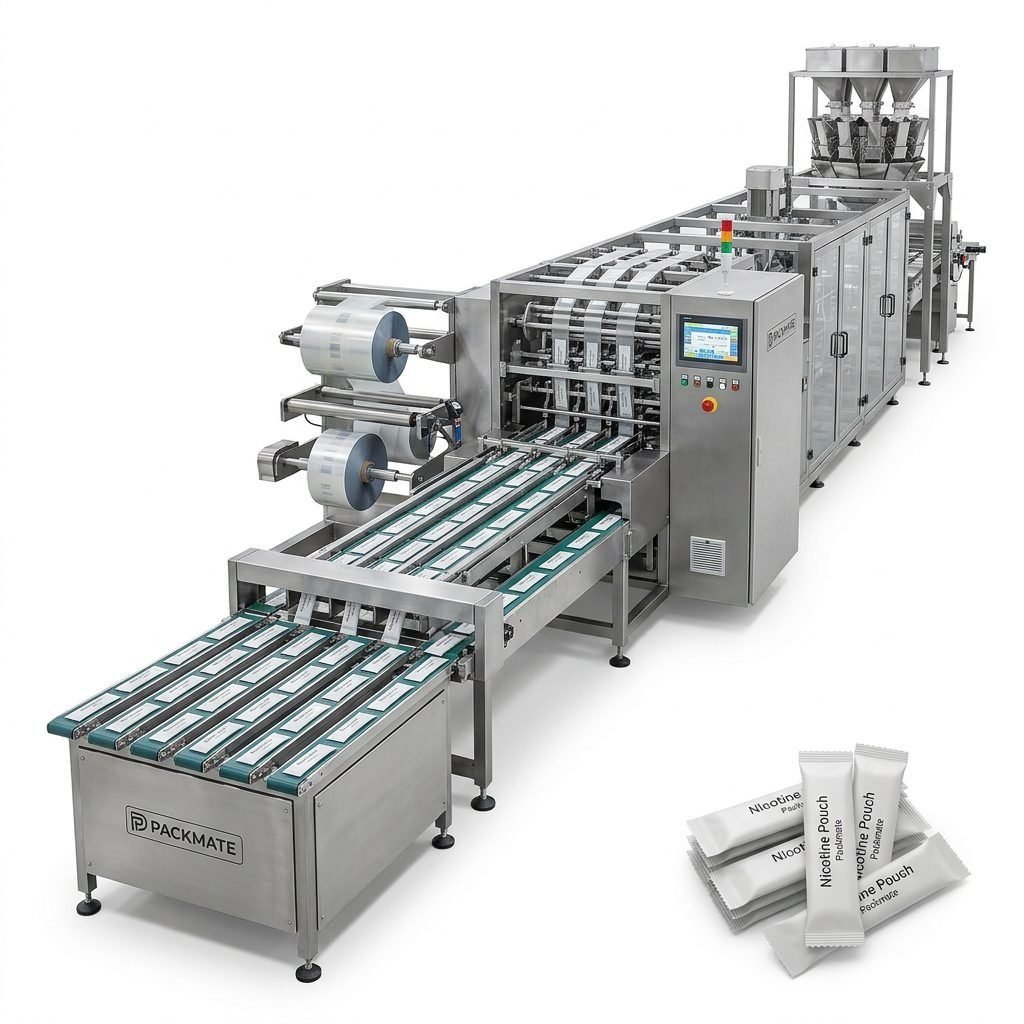
The versatility of VFFS technology has led to specialized adaptations for niche markets. For instance, in the rapidly growing nicotine pouch sector, machines require ultra-precise micro-dosing, consistent pouch shape, and often multi-lane configurations for high-volume output. Companies such as SnusMachinery have developed expertise in this area, tailoring VFFS principles to meet the stringent demands of these products. Similarly, for challenging products like viscous pastes, oils, or granular mixes, customized auger systems, nitrogen flushing (to displace oxygen), and specialized sealing jaw designs are implemented to ensure clean filling and perfect seals.
| Industry | Typical Products | Key VFFS Benefit |
|---|---|---|
| Food & Beverage | Snacks, coffee, powder mixes, pasta | Freshness preservation, high-speed portioning |
| Pharmaceutical | Powders, granules, effervescent tablets | Hygienic containment, accurate dosing, tamper-evidence |
| Health Supplements | Protein powder, vitamins, herbal mixes | Moisture barrier, product integrity, brand appeal |
| Industrial & Chemical | Detergents, additives, reagents | Safe containment, dust minimization, precise batch sizes |
The drive for sustainability is also influencing VFFS development. There is growing use of mono-material films (e.g., all-PE structures) that are more readily recyclable, and machines are being optimized to reduce film waste through more precise bag-length control. The efficiency of the process itself—minimizing energy and material use per package—contributes to a smaller environmental footprint compared to less automated methods.
The Future of VFFS: Connectivity and Adaptability
The next generation of VFFS machines is defined by Industry 4.0 connectivity. Modern systems come equipped with PLCs and HMIs that allow for recipe storage, quick changeovers, and real-time monitoring of production data such as speed, seal temperature, and rejection rates. This data can be fed into a factory’s central MES (Manufacturing Execution System) for overarching production analysis and optimization. Furthermore, the demand for customization is met by OEM-focused manufacturers like PackingMachineOEM, who engineer solutions for non-standard products, unique pouch shapes, or integration with legacy production equipment, ensuring that the benefits of VFFS technology can be accessed by virtually any producer.
Frequently Asked Questions (FAQs)
What types of products are NOT suitable for VFFS packaging?
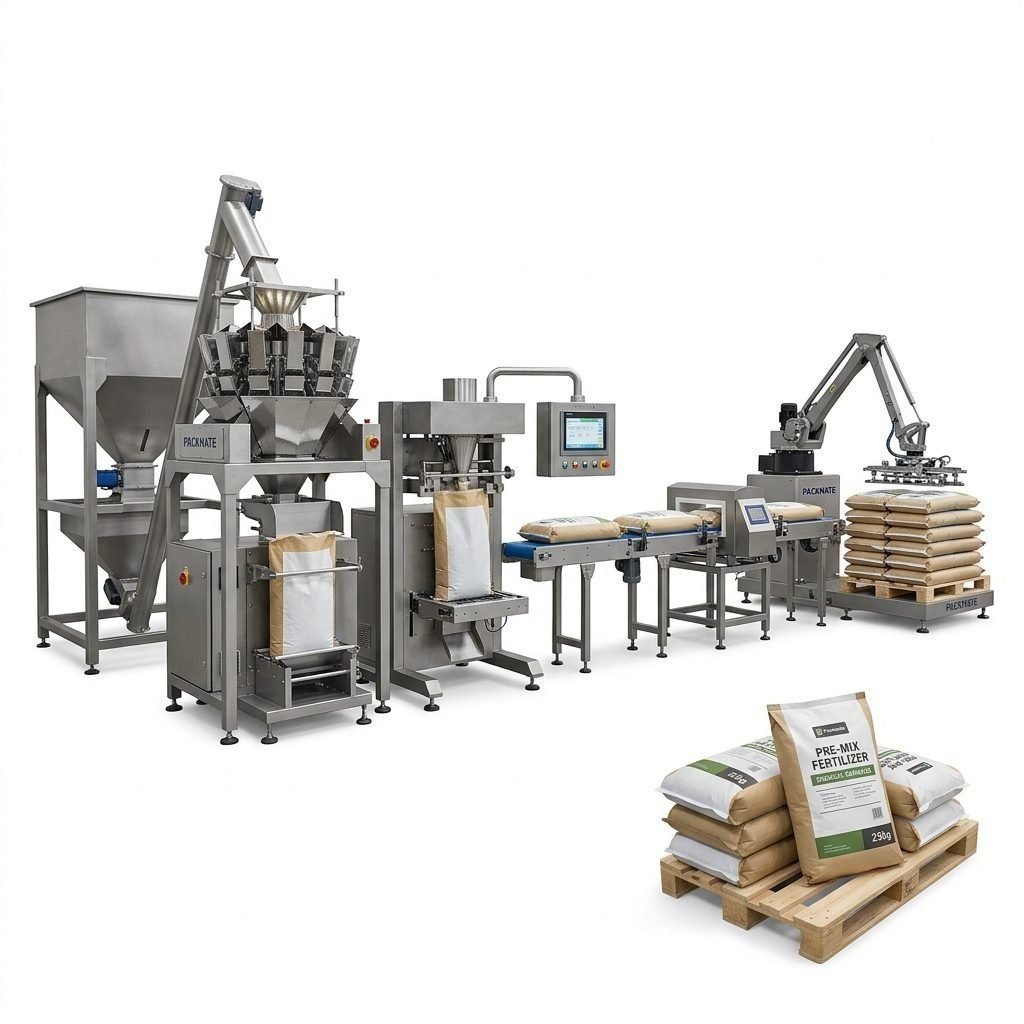
While versatile, VFFS is generally not ideal for very large, heavy items (e.g., 25kg bags of flour use a different FFSS technology), extremely fragile items that cannot withstand a vertical drop, or products that require a rigid container. Very hot-filled liquids also present a challenge due to film limitations.
How does a VFFS machine achieve an airtight seal?
The seal is created by heated sealing jaws that apply precise temperature, pressure, and dwell time to the packaging film. The film’s inner sealing layer (typically a polyethylene variant) melts and fuses together. Consistent control of these three parameters is critical for a strong, hermetic seal that prevents leakage and gas exchange.
What is the difference between single-lane and multi-lane VFFS machines?
A single-lane machine produces one stream of packages. A multi-lane machine uses a divider to split the formed film tube into several lanes before filling, allowing multiple pouches to be filled and sealed in parallel. This dramatically increases output without proportionally increasing the machine’s footprint or film draw speed, making it ideal for high-volume production of small sachets or stick packs.
Can VFFS machines handle different packaging materials like paper or biodegradable film?
Yes, but with considerations. Standard machines are optimized for heat-sealable plastic films. To run paper-based or compostable laminates, modifications may be needed to the film feeding system, sealing jaws (temperature profiles), and potentially the addition of a cold-seal or adhesive sealing mechanism. It’s essential to consult with the machine supplier about specific material requirements.
What are the main factors affecting the cost of a VFFS system?
Key factors include: required speed (bags/minute), level of automation (manual vs. automatic feeding), precision of the filling system (auger type, multi-head weigher), number of lanes, sophistication of the control system, and the degree of customization needed. A basic single-lane machine for free-flowing granules will cost significantly less than a fully integrated, multi-lane, nitrogen-flushed line for pharmaceutical powders.