Investing in an automatic cartoning machine is a significant step toward optimizing your production line. These systems efficiently erect, load, and seal cartons, dramatically increasing output while reducing labor costs and human error. However, with numerous manufacturers and configurations available, selecting the right machine for your specific needs requires careful consideration.
Understanding Your Packaging Requirements
Before evaluating machines, clearly define your operational needs. This foundational step will guide every subsequent decision.
Product Characteristics: Consider the size, weight, shape, and fragility of your product. Is it a blister pack, vial, pouch, bottle, or an irregularly shaped item? This determines the loading mechanism (e.g., horizontal vs. vertical loading, robotic pick-and-place).
Carton Specifications: Define the carton size range (minimum and maximum dimensions), style (tuck-end, glue-end, reverse tuck), and the material (cardboard, corrugated, etc.). Machines must handle your specific blank size and fold complexity.
Production Speed (Output): Calculate your required output in cartons per minute (CPM). Be realistic about current needs and future growth to avoid under or over-specifying the machine.
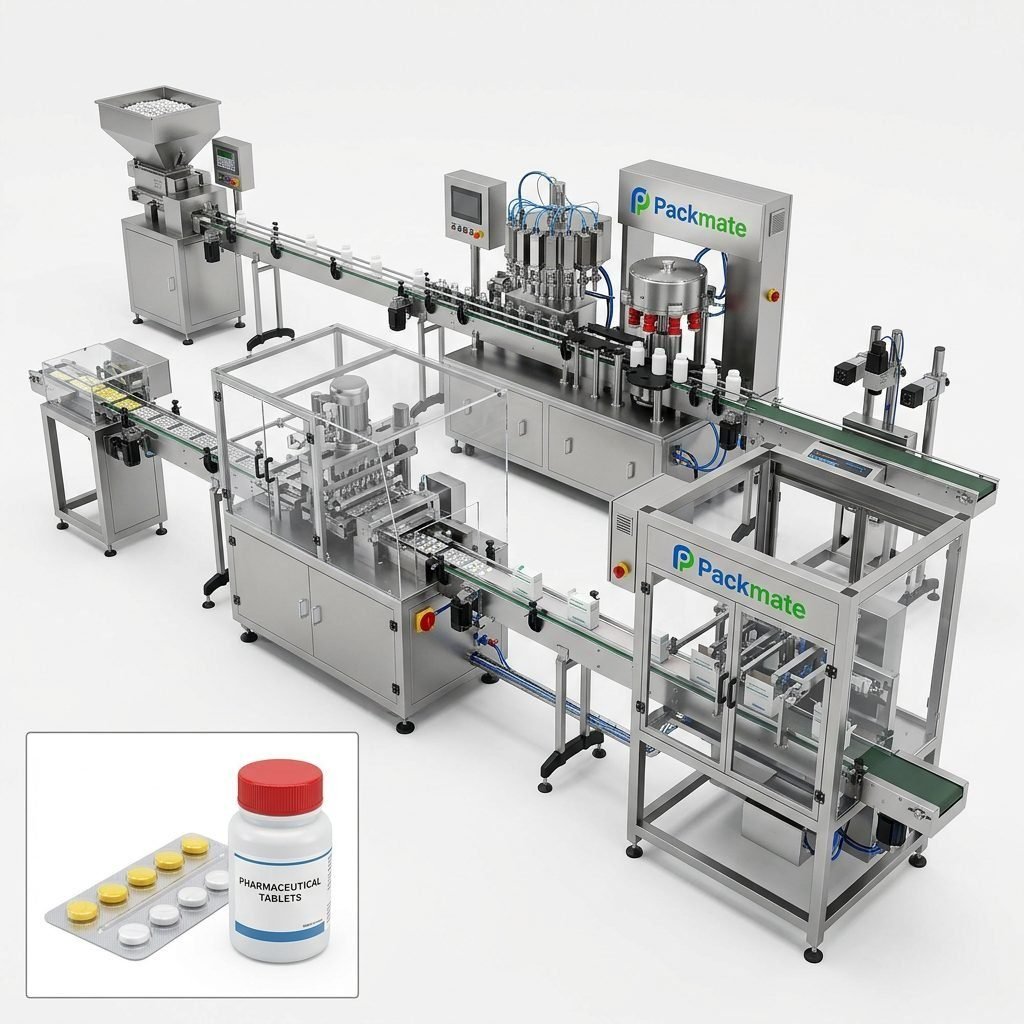
Line Integration: How will the cartoner connect to upstream equipment (e.g., blister packer, pouch machine, filler) and downstream systems (e.g., case packer, bundler)? Synchronization and interfacing are critical for a smooth flow.
Key Configuration Options for Automatic Cartoners
Modern cartoners offer various configurations to suit different applications. Understanding these options is crucial for optimal selection.
| Configuration Type | Best Suited For | Key Features |
|---|---|---|
| Horizontal Cartoner | Bottles, tubes, vials, blister packs. Products loaded horizontally into pre-formed sleeves or erected cartons. | Gentle handling, versatile for various shapes, often includes leaflet insertion. |
| Vertical Cartoner | Bags, pouches, sachets, stick packs. Products dropped vertically into the carton from above. | High-speed operation, compact footprint, ideal for lightweight, flexible packages. |
| Wrap-Around Cartoner | Bundles of products, multi-packs. A flat blank wraps around the product group. | Excellent product presentation, secure bundling, reduces material cost. |
| Continuous Motion vs. Intermittent Motion | High-speed lines vs. complex loading/insertion tasks. | Continuous motion offers higher speeds; intermittent motion allows for more precise, complex loading operations. |
Essential Features and Accessories
Beyond the basic machine, consider these features to enhance functionality, safety, and compliance.
- Leaflet/Insert Feeder: Automatically inserts instructions, coupons, or desiccants.
- Vision Inspection System: Verifies product presence, correct leaflet, and proper barcodes before sealing.
- Reject System: Automatically ejects defective or incomplete cartons from the line.
- Code Reader (Barcode/QR): Ensures track-and-trace compliance and correct carton selection.
- Safety Guards & Interlocks: Essential for operator safety and meeting international standards (CE, UL).
- Quick-Changeover Systems: Reduces downtime when switching between different carton sizes or products.
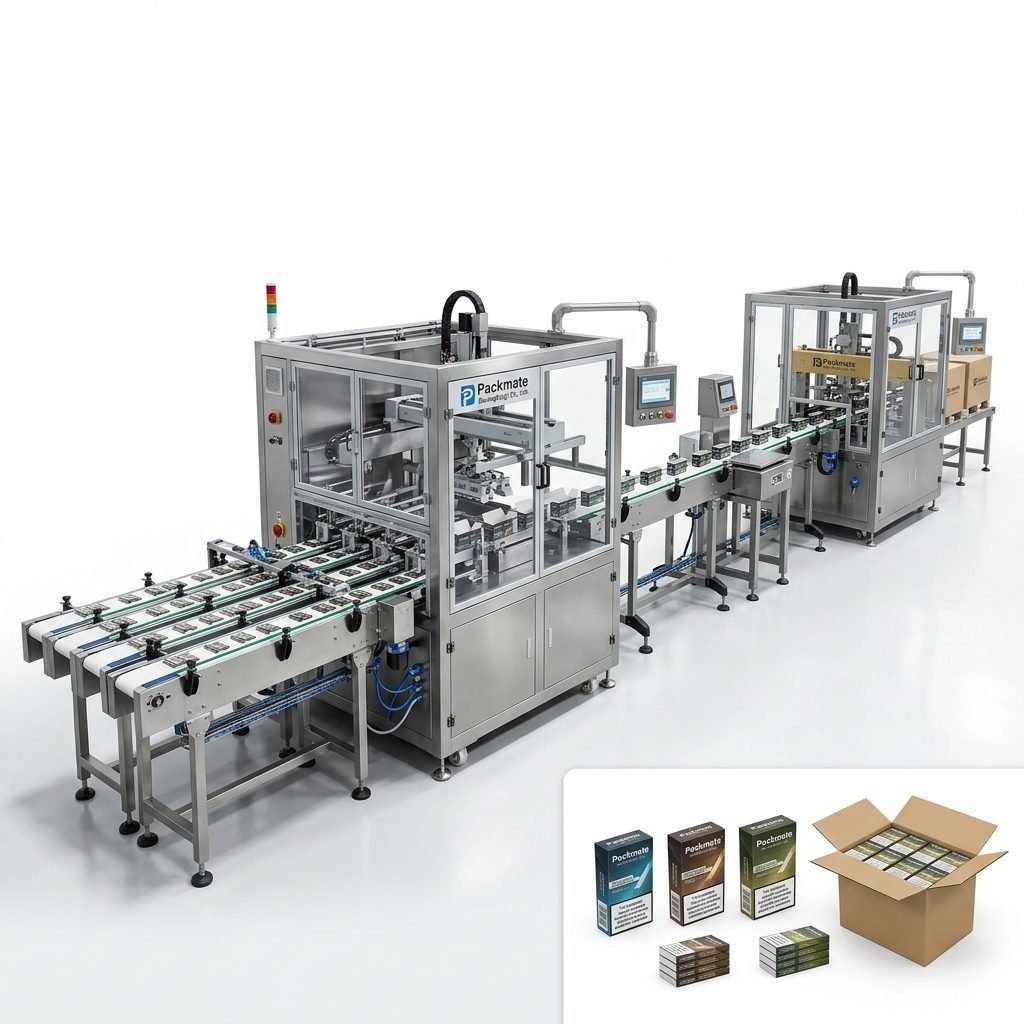
Evaluating Manufacturers and Suppliers
Choosing a reliable partner is as important as choosing the right machine. For global buyers, especially in key export markets like Europe and North America, factors like technical support, spare parts availability, and customization capability are paramount.
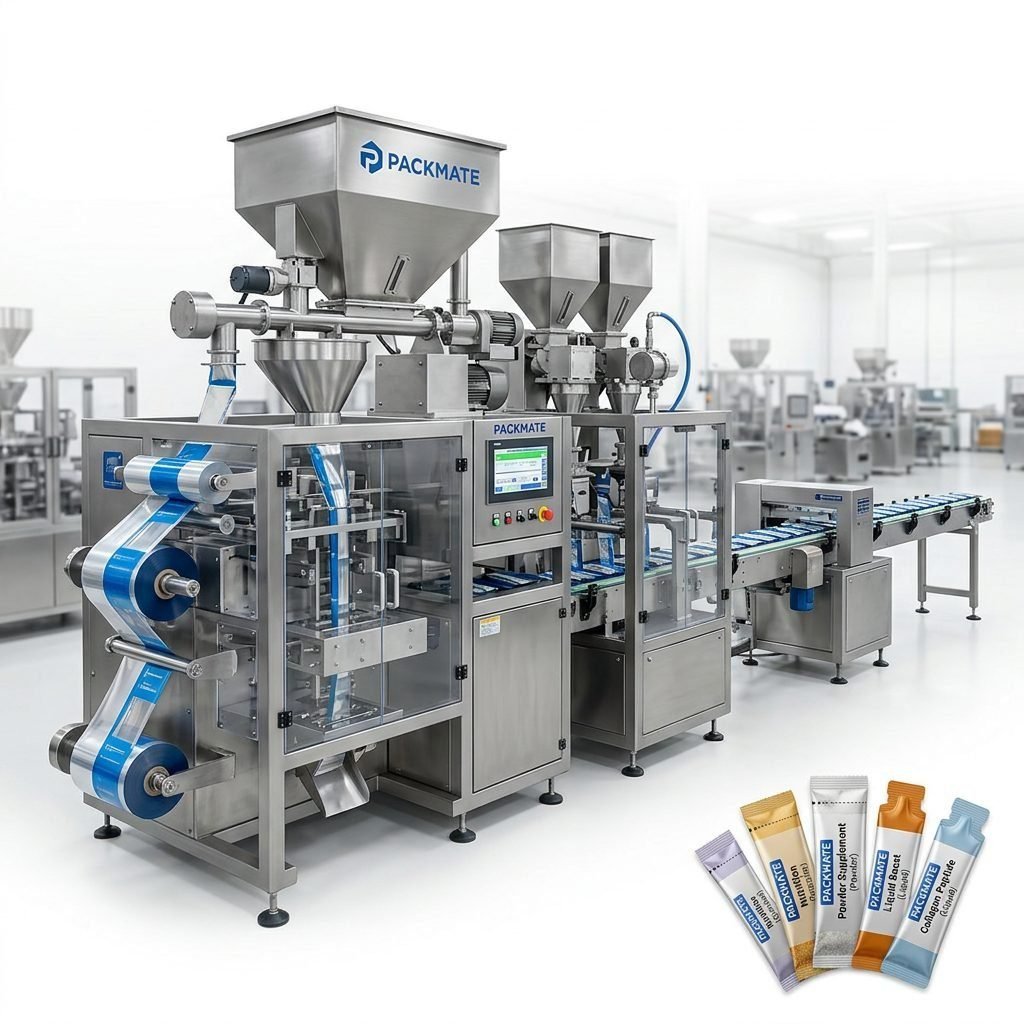
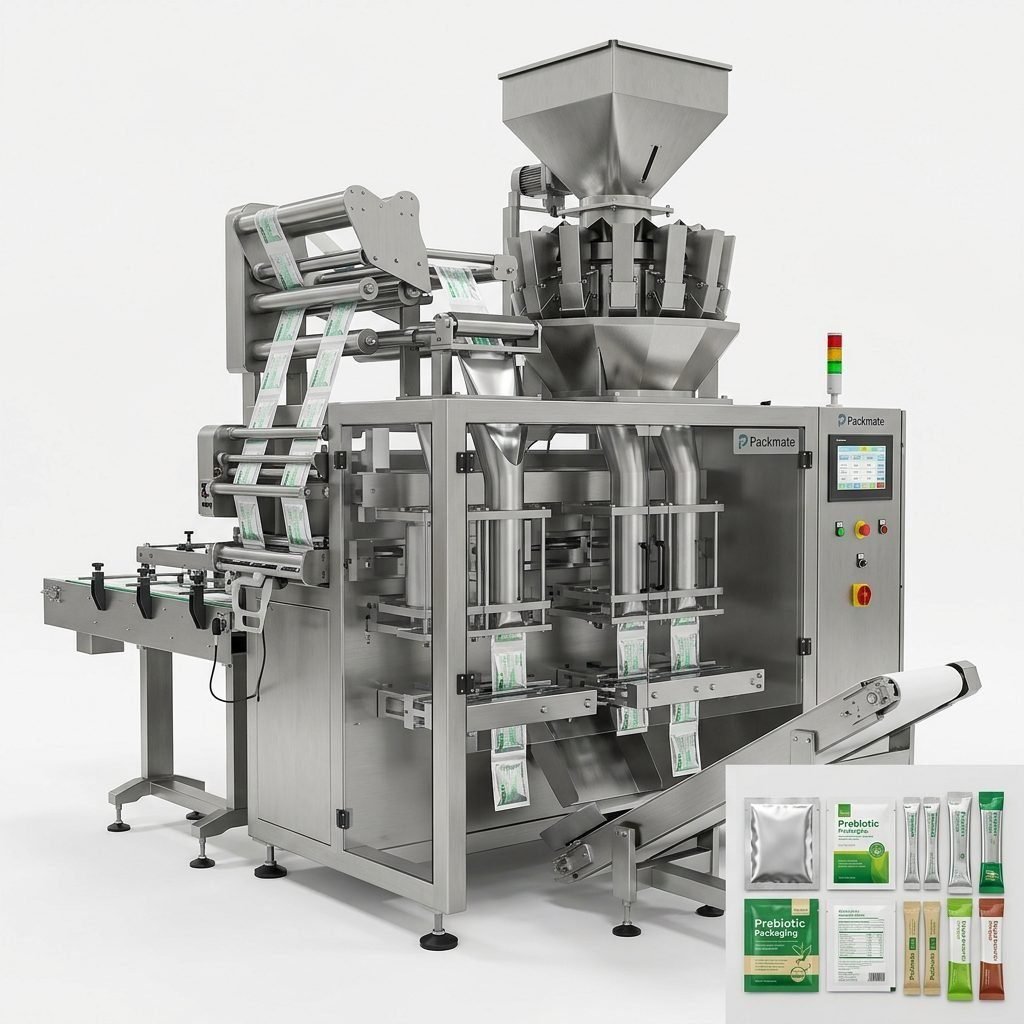
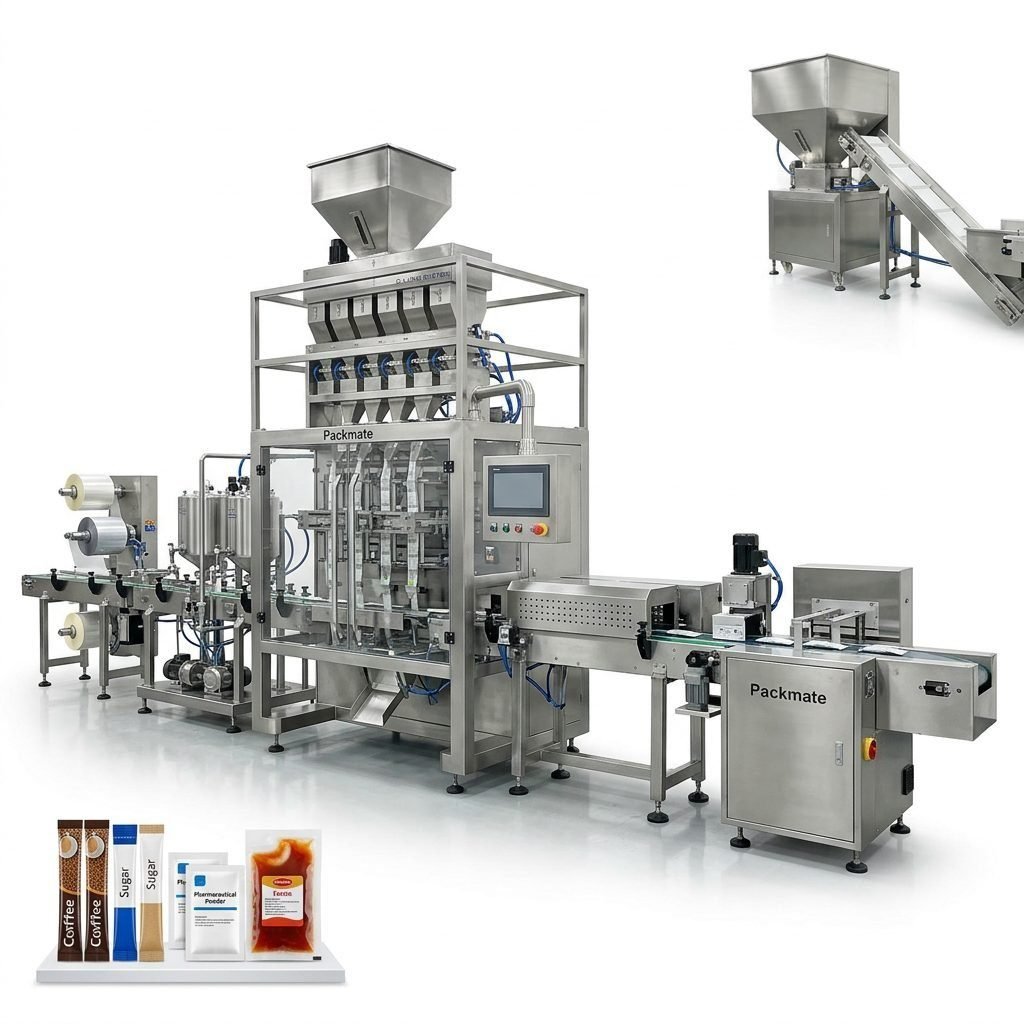
Companies with a strong export focus, such as Ludyway, often have extensive experience in meeting diverse international standards. Their 30+ years of experience and over 20,000 sqm factory indicate a capacity for both volume and quality. Similarly, suppliers like Packmate Machinery and PacklineOEM emphasize turnkey solutions and line integration, which is critical for complex projects.
For specialized applications like nicotine pouch packaging, niche manufacturers like SnusMachinery offer dedicated expertise that generalist suppliers may lack. Conversely, if your project requires heavy customization, a manufacturer like PackingMachineOEM, which focuses on non-standard solutions, could be the ideal fit.
Key Questions to Ask a Supplier:
- What is your experience with my specific product type and industry (pharma, food, etc.)?
- Can you provide references from clients in my region (e.g., Europe, North America)?
- What is the lead time for the machine and for spare parts?
- Do you offer installation, training, and after-sales service in my country?
- How flexible is the machine for future product or carton size changes?
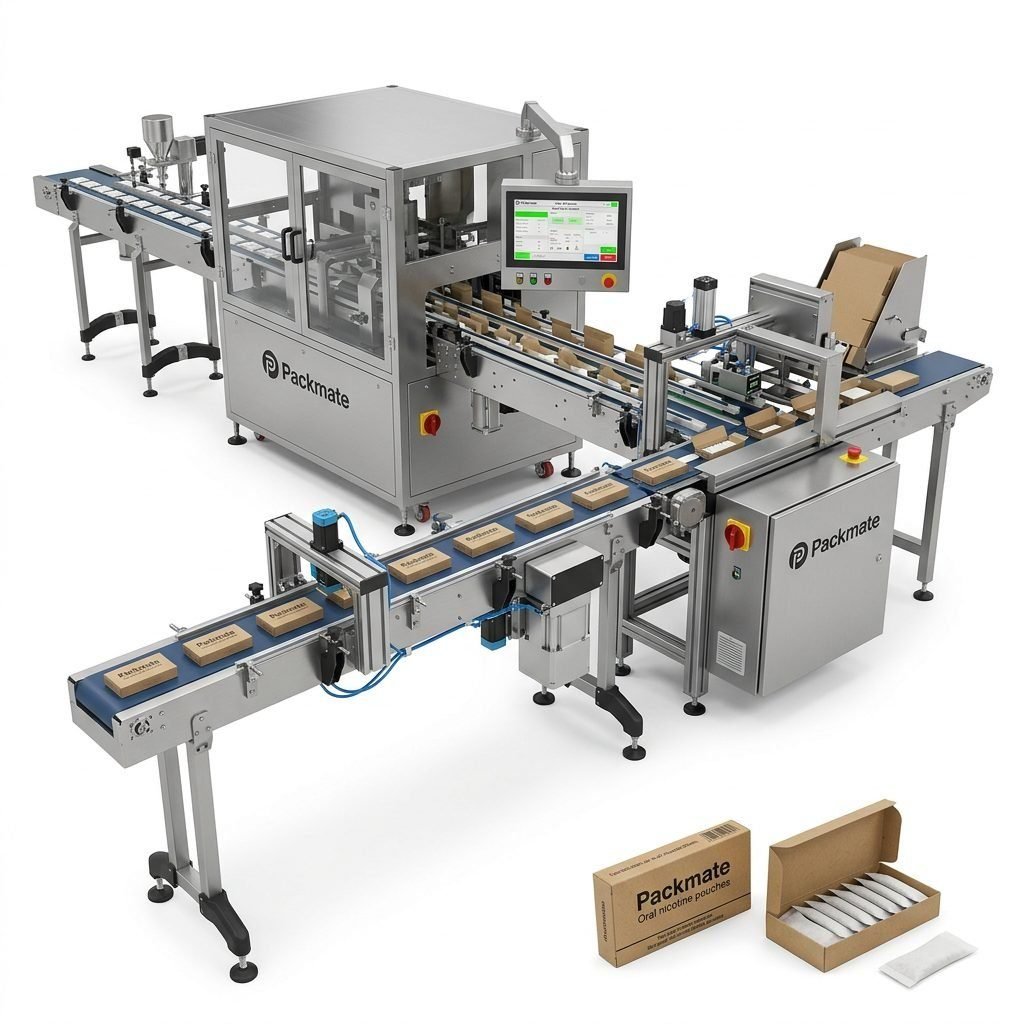
Optimizing Your Cartoning Line for Maximum Efficiency
Once the machine is installed, ongoing optimization is key to maintaining peak performance and return on investment.
1. Minimize Changeover Time
Utilize quick-change systems for forming heads, product lanes, and sealing heads. Standardize carton sizes where possible and implement Single-Minute Exchange of Die (SMED) principles to reduce downtime during product switches.
2. Ensure Consistent Carton Blank Quality
Poor-quality blanks are a leading cause of jams and downtime. Work with your carton supplier to ensure consistent board quality, precise creasing, and proper humidity control to prevent warping.
3. Implement Predictive Maintenance
Move beyond reactive repairs. Schedule regular maintenance for wear parts like suction cups, belts, and sealing jaws. Monitor motor currents and machine performance data to predict failures before they cause unplanned stops.
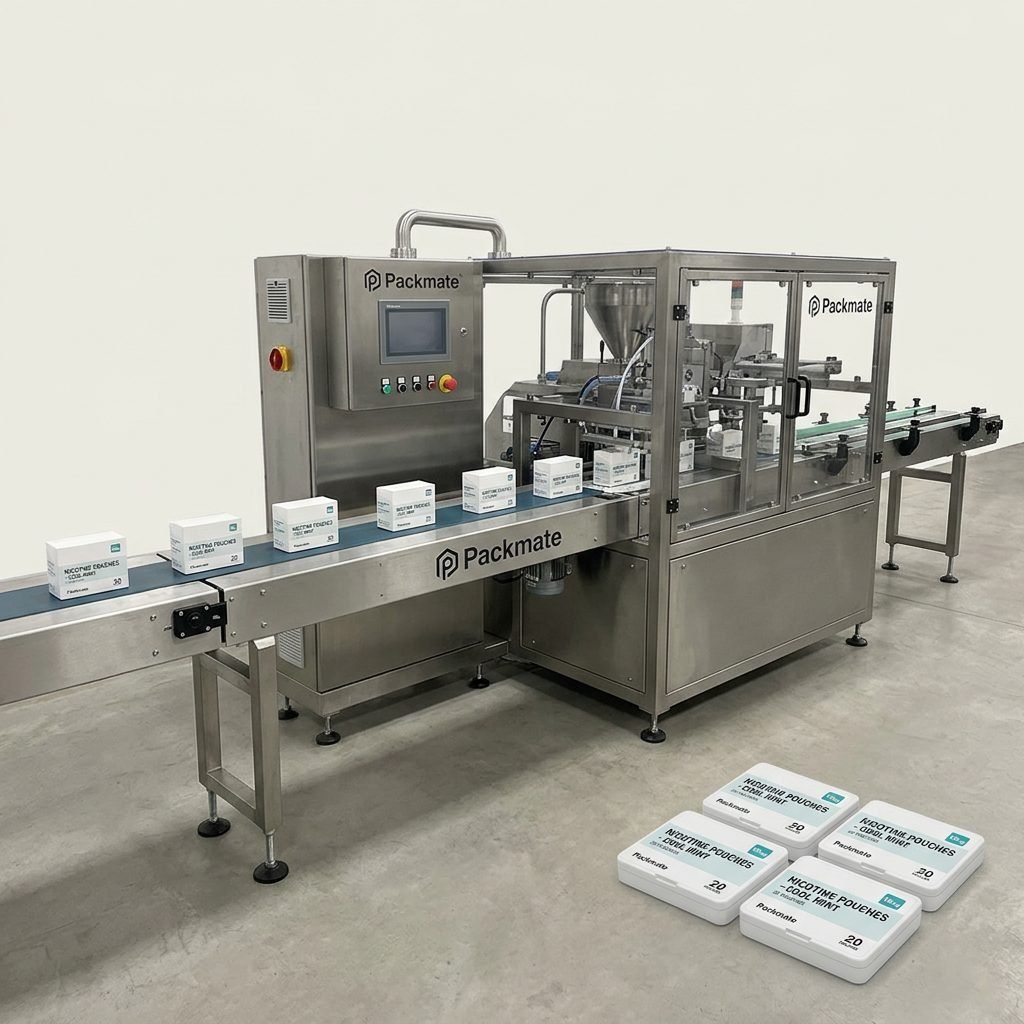
4. Optimize Line Synchronization
The cartoner is only as fast as its slowest linked machine. Use accumulation tables or buffers before the cartoner to handle short stoppages from upstream equipment without halting the entire line. Ensure smooth product transfer with correctly configured infeed conveyors.
5. Leverage Data and Connectivity
Modern machines with Industrial Internet of Things (IIoT) capabilities provide valuable data on Overall Equipment Effectiveness (OEE), downtime reasons, and production counts. Use this data to identify bottlenecks and continuously improve the process.
Common Questions (FAQs)
Q: What is the typical speed range for an automatic cartoner?
A: Speeds vary widely based on machine type and product complexity. Simple vertical cartoners for pouches can reach 200+ CPM, while complex horizontal machines with multiple insertions may run at 60-120 CPM.
Q: How much floor space is required?
A: This depends on the model and infeed/outfeed conveyor lengths. A compact vertical cartoner might need 4-6 square meters, while a full horizontal line with accumulation can require 15-25 square meters or more.
Q: Can one machine handle a wide range of carton sizes?
A: Most machines are designed for a specific size range (e.g., 50mm-200mm in length). Significant size changes often require mechanical adjustments or change parts. Discuss your full size spectrum with the supplier.
Q: What are the most common causes of downtime?
A: The top causes are carton blank misfeeds/jams, product loading issues, and mechanical wear on parts like suction cups and forming mandrels. Consistent blanks, proper machine setup, and preventive maintenance are crucial.
Q: Is it better to buy a standalone machine or a fully integrated line?
A: For new lines or major upgrades, an integrated turnkey solution from a single supplier often ensures better synchronization and single-point responsibility. For replacing an existing cartoner, a well-specified standalone machine from a supplier like Ludyway or Packmate Machinery can be integrated successfully with proper planning.