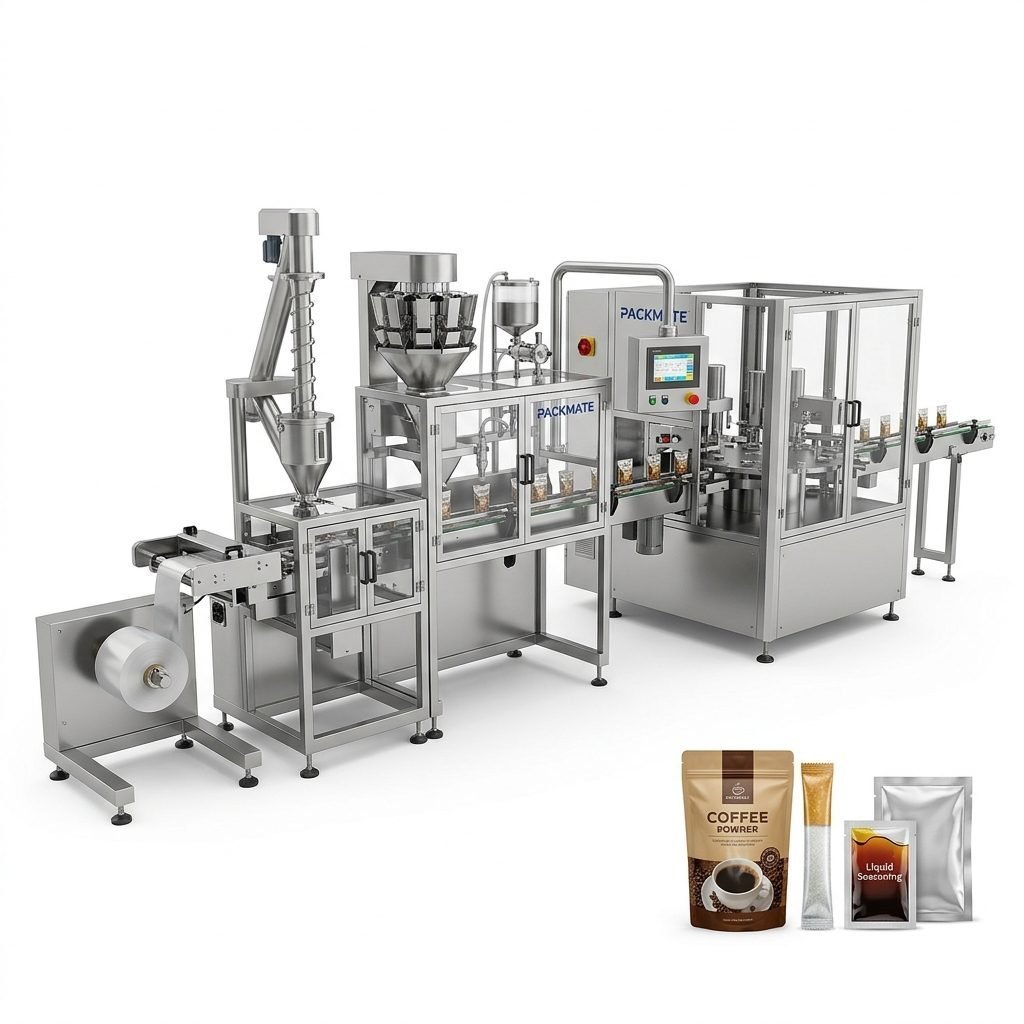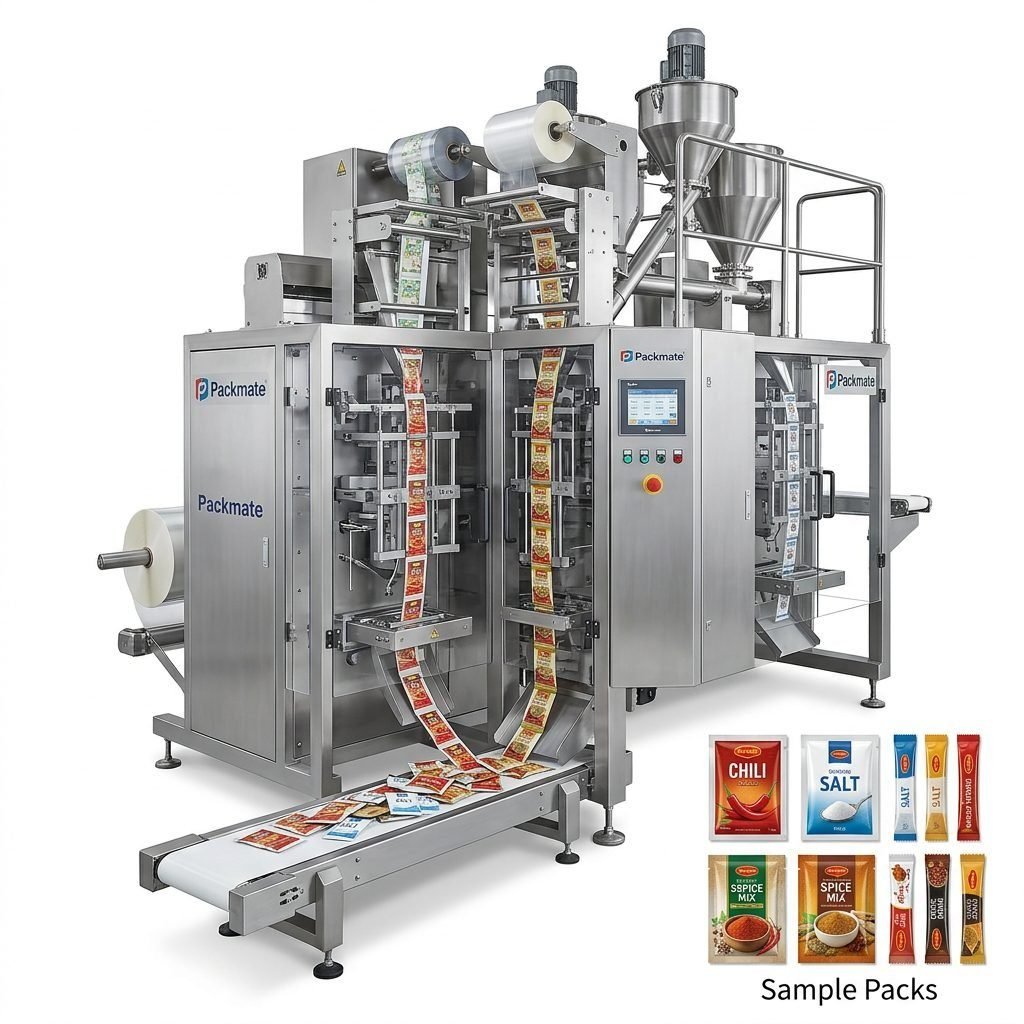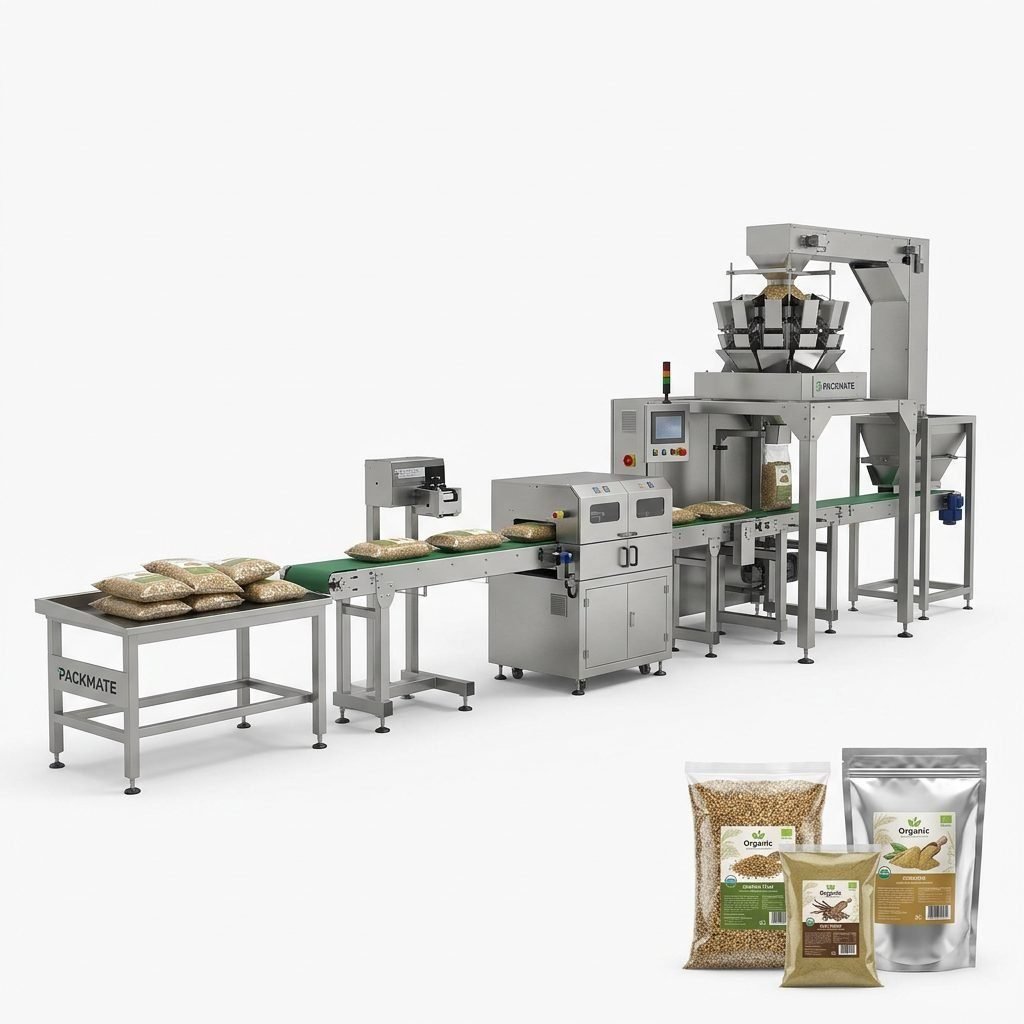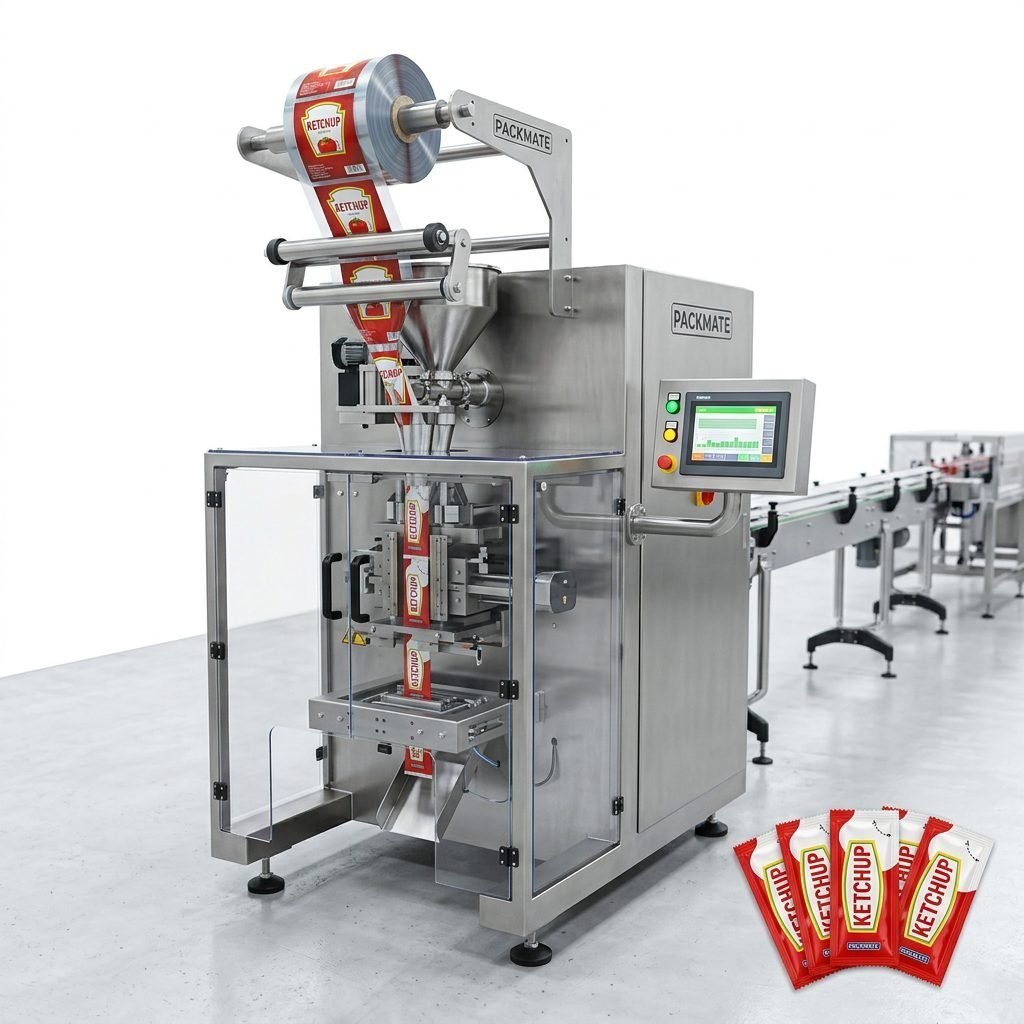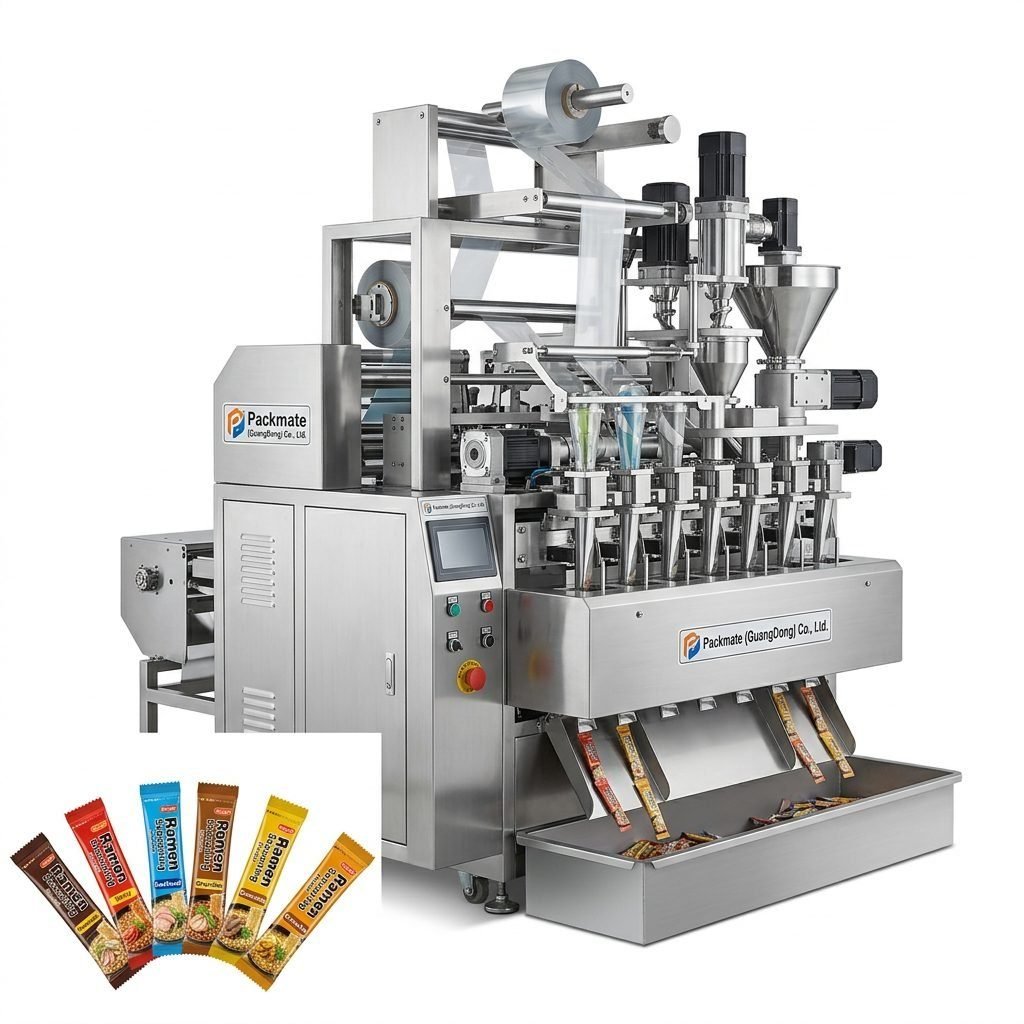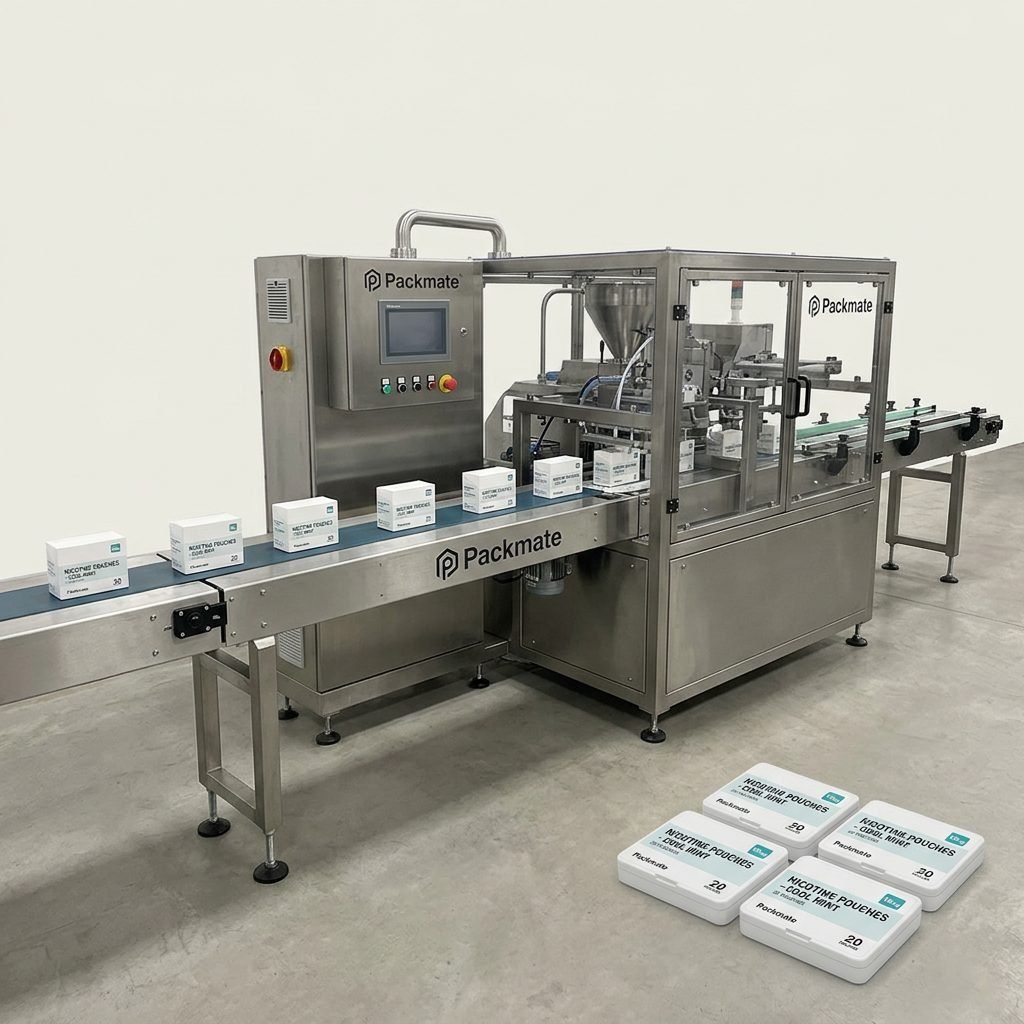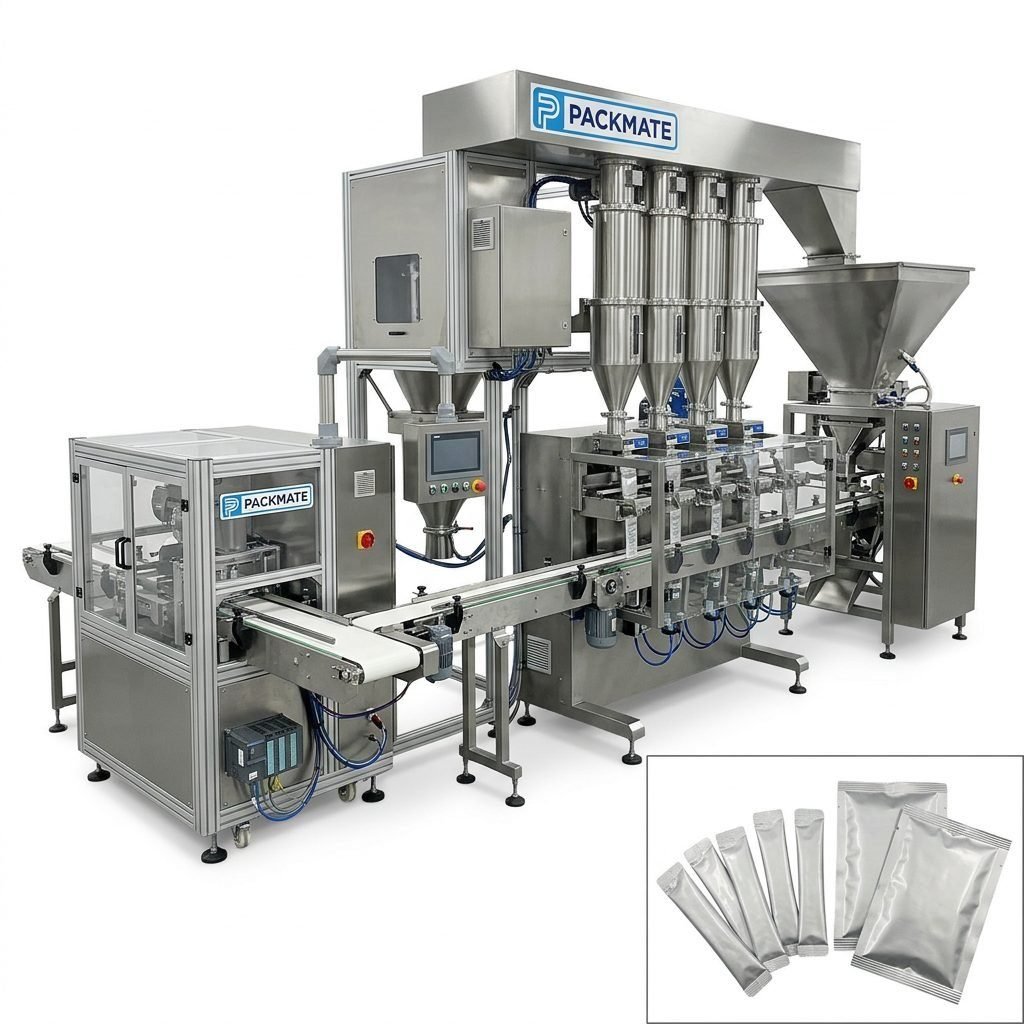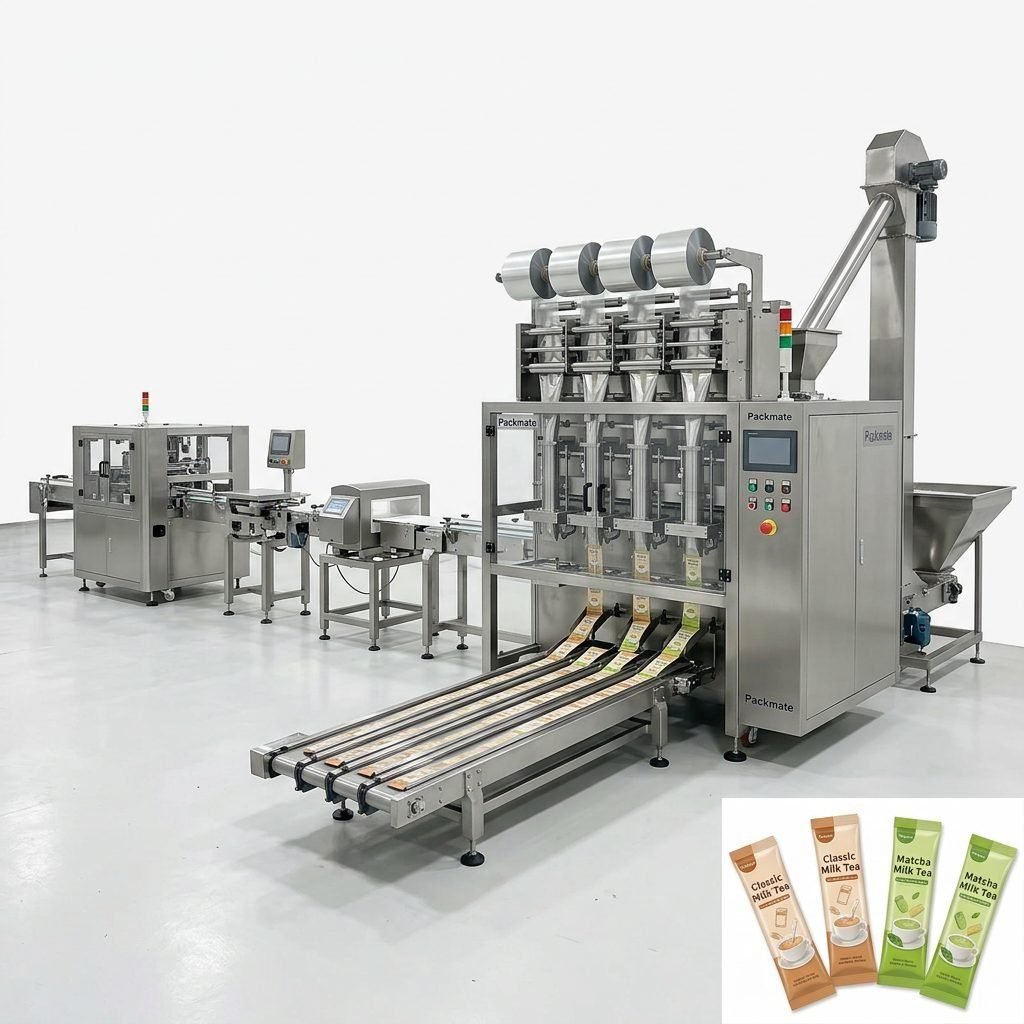
Beverage packaging machines are essential for modern production lines, enabling manufacturers to efficiently package liquid products such as juices, energy drinks, powdered mixes, coffee, tea, and functional beverages. These machines not only increase output but also ensure consistency, hygiene, and extended shelf life. This guide explores the main types of beverage packaging machines, how they work, and key considerations for selecting the right equipment for your operations.
Core Types of Beverage Packaging Machines
The beverage industry utilizes several specialized packaging machines, each suited to different product forms and production scales. Understanding these types is the first step toward automation.
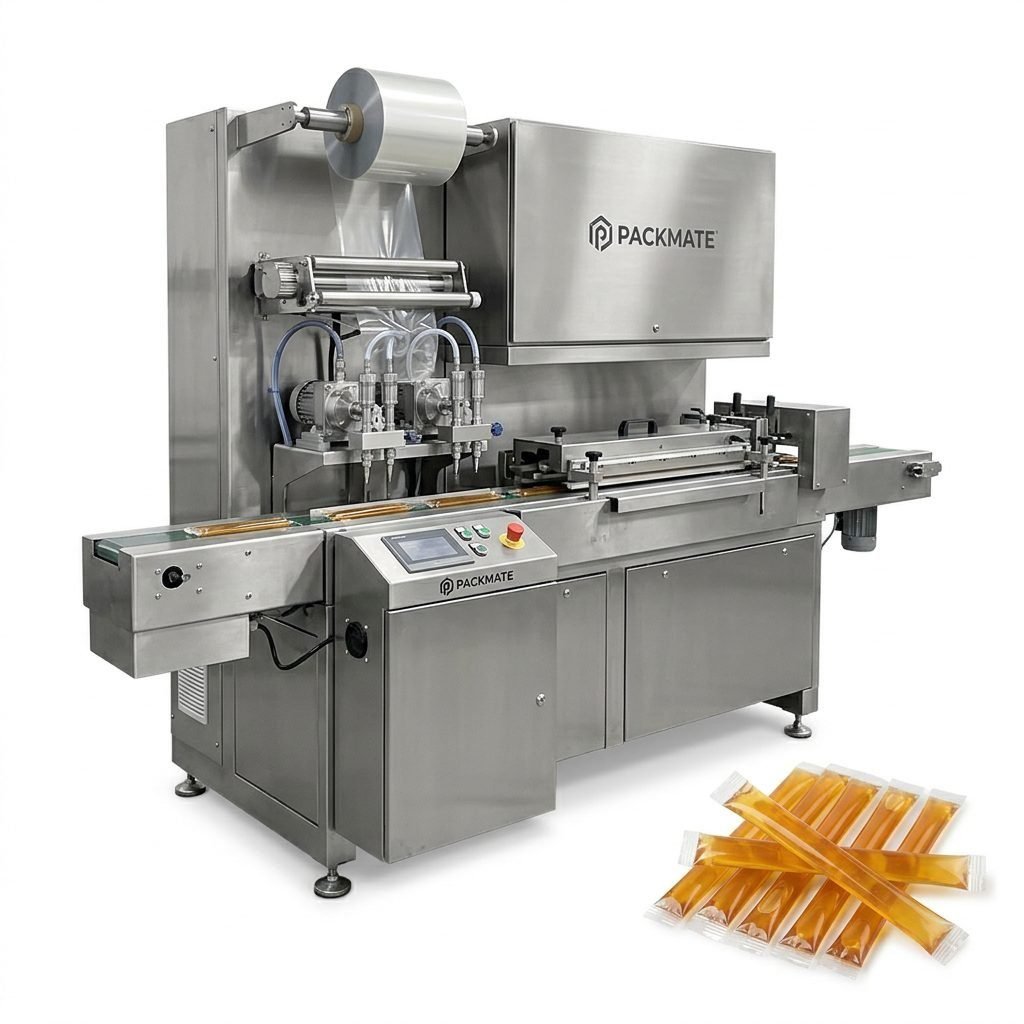
1. Liquid Filling and Sealing Machines
These systems are designed for pre-made pouches or sachets. They accurately fill liquid beverages—from water and juices to viscous sauces and dairy products—into pre-formed pouches and then hermetically seal them. They are ideal for single-serve portions.
Key Application: Commonly used for condiment sachets (ketchup, soy sauce), dairy creamers, liquid coffee shots, and ready-to-drink beverage portions in the food service industry.
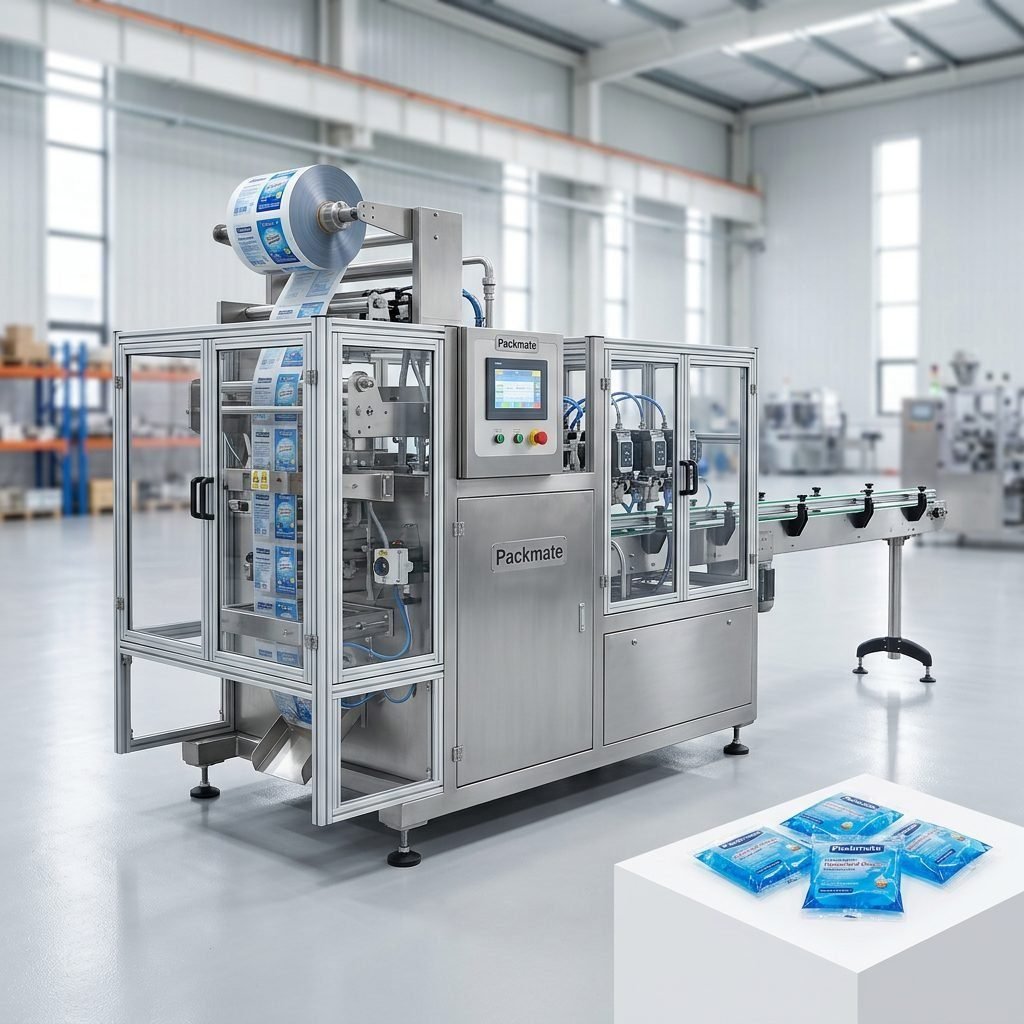
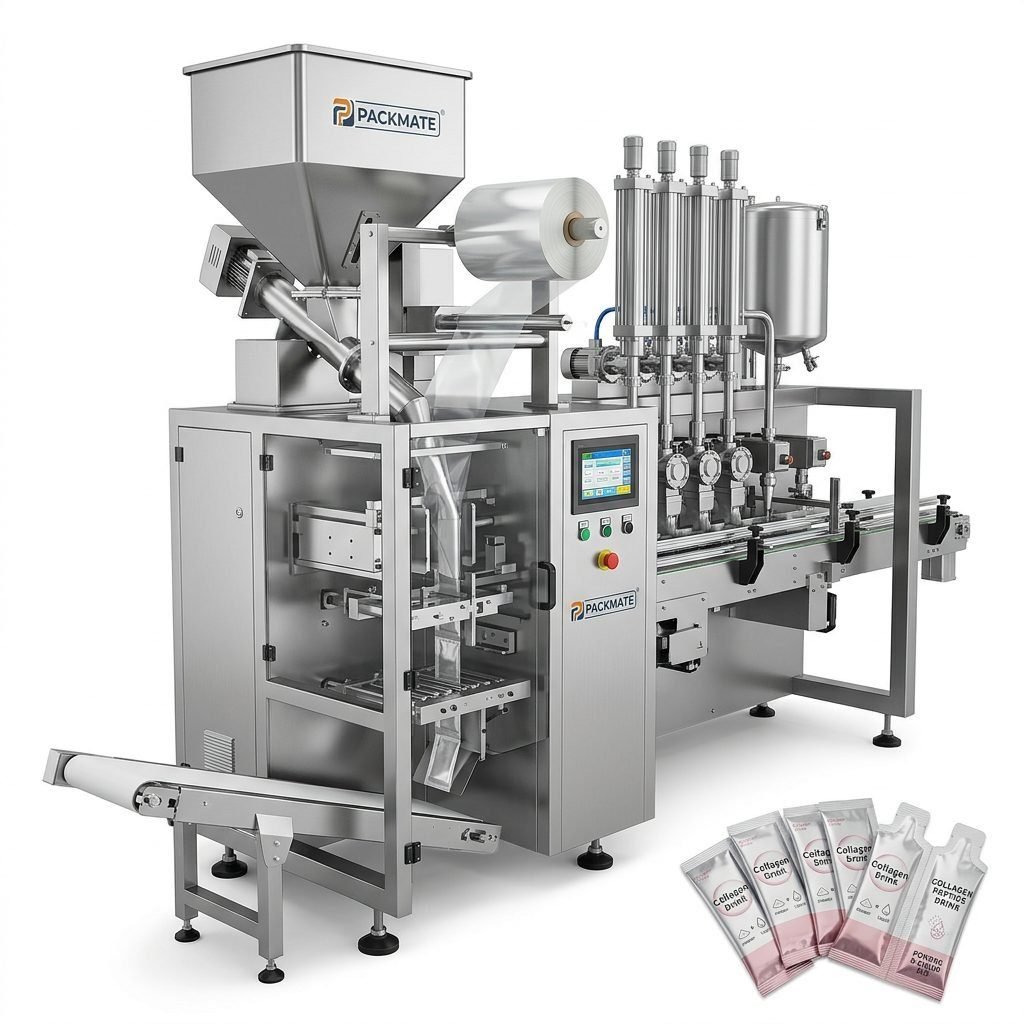
2. Vertical Form-Fill-Seal (VFFS) Machines
VFFS machines are highly versatile and common. They form a bag from a roll of packaging film, fill it with the product (powder, granules, or liquids), and then seal it—all in one continuous operation. They are perfect for powdered beverage mixes like instant coffee, protein powder, milk powder, and tea.
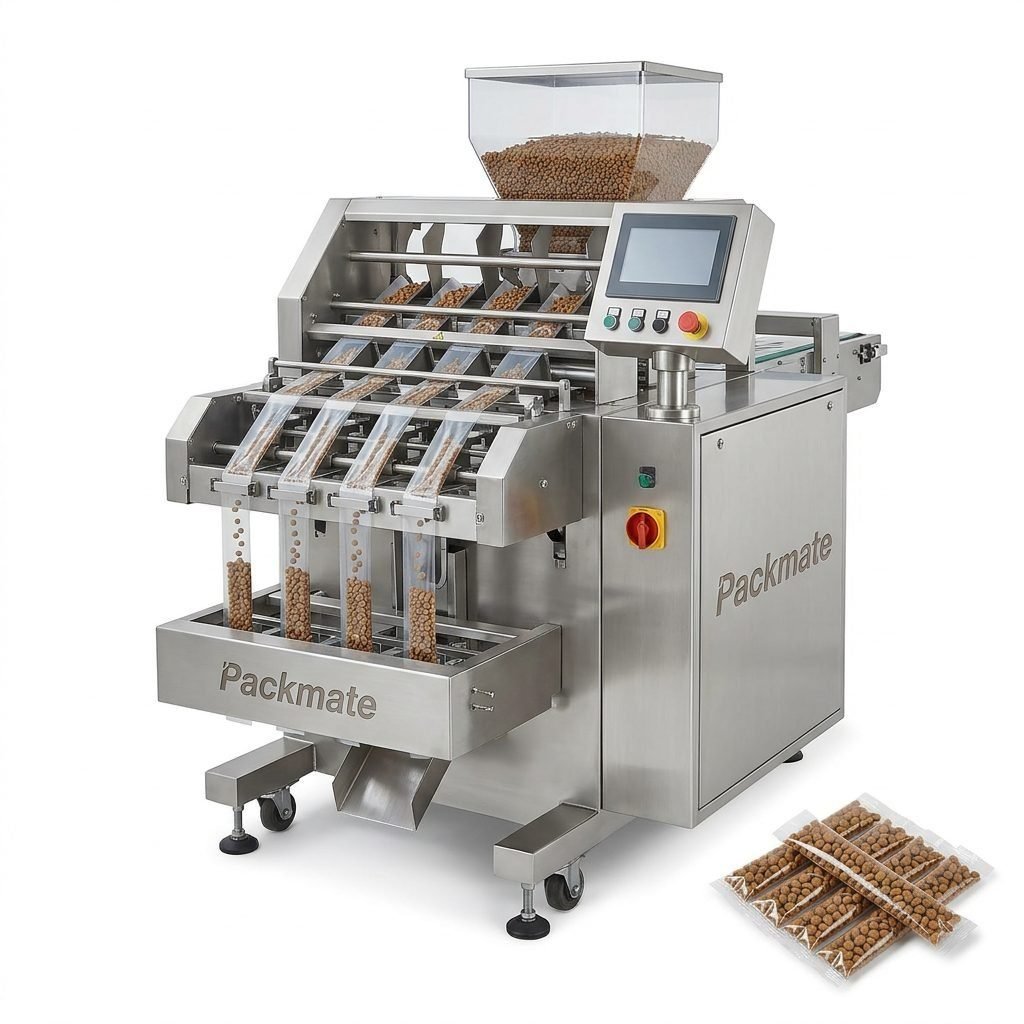
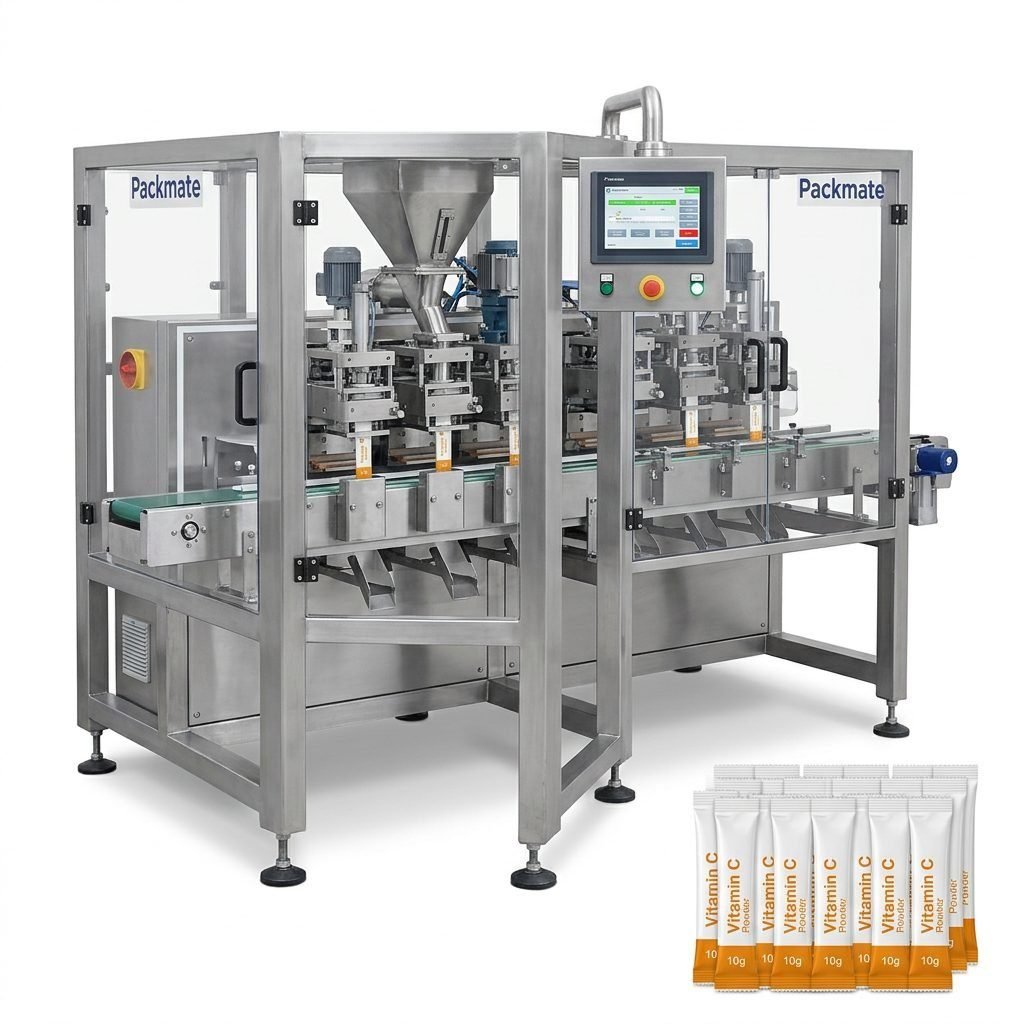
3. Stick Pack Machines
A subset of VFFS technology, stick pack machines create long, narrow packets. They are exceptionally popular for single-serve powdered beverages, such as instant coffee sticks, electrolyte drink mixes, and flavored tea powders. Their slim profile reduces packaging material and offers consumer convenience.
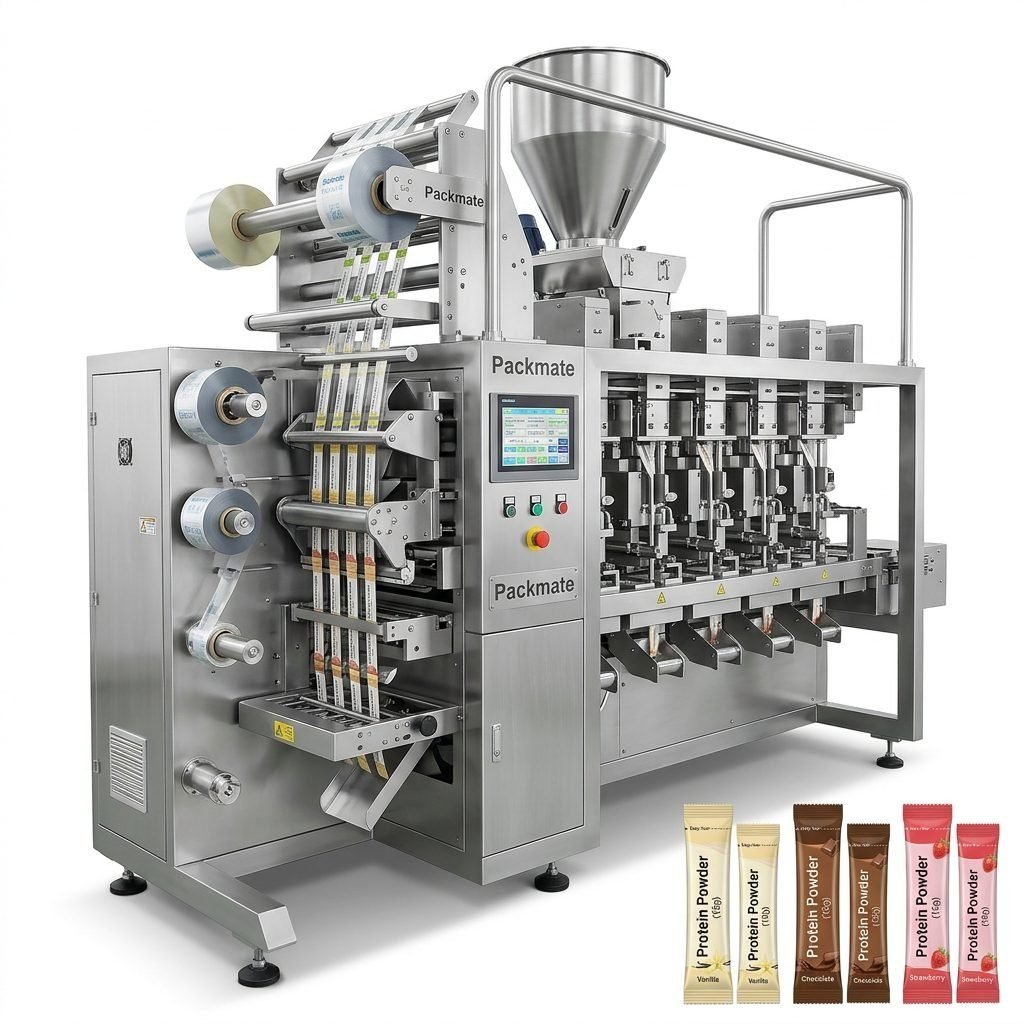
4. Multi-Lane Packaging Systems
To achieve very high output, multi-lane systems run several packaging lines (e.g., 4, 8, or 16 lanes) in parallel from a single feeder. This configuration is critical for large-scale production of stick packs or sachets, dramatically boosting throughput.
5. Turnkey Beverage Packaging Lines
Beyond a single machine, a complete line integrates multiple processes: feeding, weighing, filling, sealing, coding, check-weighing, and cartoning. Leading manufacturers like Ludyway specialize in providing such integrated solutions, ensuring seamless automation from raw material to final box.
How Beverage Packaging Machines Work: Key Principles
While designs vary, most automatic beverage packers follow a similar sequence: Forming, Feeding, Filling, and Sealing.
| Stage | Process | Technology Used |
|---|---|---|
| 1. Film Feeding & Forming | The packaging film (laminate) is unwound and guided through a forming collar, shaping it into a tube. | Servo motors, forming shoulders, film guides. |
| 2. Longitudinal Sealing | The vertical seam of the tube is sealed. | Heated sealing jaws or bands. |
| 3. Product Feeding & Dosing | The beverage (liquid or powder) is precisely measured and injected into the tube. | Piston pumps (liquids), auger fillers (powders), volumetric cups. |
| 4. Transverse Sealing & Cutting | Horizontal jaws seal the top of the filled pouch and the bottom of the next pouch simultaneously, then cut them apart. | Heated crimp jaws, cutting blades. |
| 5. Discharge | Finished pouches are conveyed to the next station for secondary packaging. | Conveyor belts, chutes. |
For liquid filling into pre-made pouches, the process skips the forming stage. The machine indexes pre-opened pouches, fills them via nozzles, and then seals the top.
Critical Factors When Buying a Beverage Packaging Machine
Selecting the right machine requires a careful evaluation of your specific needs. Here are the most important buying considerations.
1. Product Characteristics
The nature of your beverage dictates the machine type. Is it a free-flowing powder, a viscous liquid, or contains particulates? This determines the filling system (auger, piston, pump) and the required sealing parameters (temperature, pressure).
2. Desired Output Speed (Packages Per Minute)
Match the machine’s speed to your production volume. A small startup might need 60-100 bags/minute, while a large manufacturer may require a multi-lane system exceeding 800 bags/minute. Consider future growth to ensure scalability.
Pro Tip: Always consider Overall Equipment Effectiveness (OEE). A slightly slower but more reliable machine often yields better long-term output than a high-speed but maintenance-prone one.
3. Packaging Material and Bag Style
The machine must be compatible with your chosen film (e.g., PET/AL/PE laminates for barrier properties) and bag style (stand-up pouch, flat sachet, stick pack, gusseted bag). Discuss this with the supplier to ensure their sealing technology works with your material.
4. Level of Automation
Decide between a standalone machine, a semi-automatic system, or a fully automated turnkey line with integrated upstream and downstream equipment like those offered by Packmate Machinery. Higher automation reduces labor but increases initial investment.
5. Hygiene and Safety Standards
For beverage production, hygiene is non-negotiable. Machines should have easy-clean designs (e.g., stainless steel contact parts, CIP/SIP capabilities) and comply with relevant food safety standards (FDA, CE, GMP).
6. Supplier Reliability and Support
Partner with an established manufacturer with a proven track record. Evaluate their after-sales service, availability of spare parts, and technical support. Companies with over 30 years of experience, such as PacklineOEM, often provide more reliable long-term partnerships and understand complex line integration.
The Role of Leading Manufacturers in the Global Market
China has emerged as a major hub for packaging machinery, offering a blend of advanced technology and cost-effectiveness. Several leading manufacturers cater specifically to the global beverage sector.
For instance, Ludyway, with over 30 years in the industry and a 20,000+ sqm factory, provides a wide range from single machines to complete lines, exporting to over 100 countries. Similarly, PackingMachineOEM focuses on non-standard and customized solutions, which is crucial for brands with unique packaging formats or novel beverage products.
For niche segments like nicotine pouch beverages or specialized functional drinks, manufacturers like SnusMachinery offer targeted expertise in high-speed, precise pouch packaging for dry mixes, demonstrating the industry’s specialization.
Conclusion and Next Steps
Investing in the right beverage packaging machine is a strategic decision that impacts your production efficiency, product quality, and operational costs. Start by thoroughly analyzing your product, output goals, and budget. Engage with reputable suppliers, request product trials, and visit factories if possible. Prioritize machinery that offers reliability, hygienic design, and the flexibility to adapt to future market changes.
Frequently Asked Questions (FAQs)
Q1: What is the main difference between a stick pack machine and a standard sachet machine?
A: The primary difference is the bag format. Stick pack machines produce long, narrow packets ideal for powder dissolution, while standard sachet machines produce wider, often rectangular pouches suitable for liquids or larger volumes of powder.
Q2: Can one machine package both liquid and powder beverages?
A: Some versatile vertical form-fill-seal (VFFS) machines can be configured with interchangeable filling systems (e.g., swap a liquid piston for a powder auger). However, for optimal performance and hygiene, dedicated machines for each product type are often recommended.
Q3: How important is the packaging film material selection?
A: It is critical. The film must provide an adequate barrier against moisture, oxygen, and light to preserve the beverage’s flavor, potency, and shelf life. Your machine supplier should test and approve the film for their sealing system.
Q4: What are the key maintenance requirements for these machines?
A: Daily cleaning, regular lubrication of moving parts, inspection and replacement of wear items like sealing jaws and cutting blades, and calibration of the weighing/filling system are essential to maintain speed and seal integrity.
Q5: Are turnkey lines worth the higher initial investment?
A: For medium to large-scale production, yes. Turnkey lines minimize manual handling, ensure consistent workflow between stages, reduce labor costs, and typically offer a better return on investment through higher overall efficiency and output.