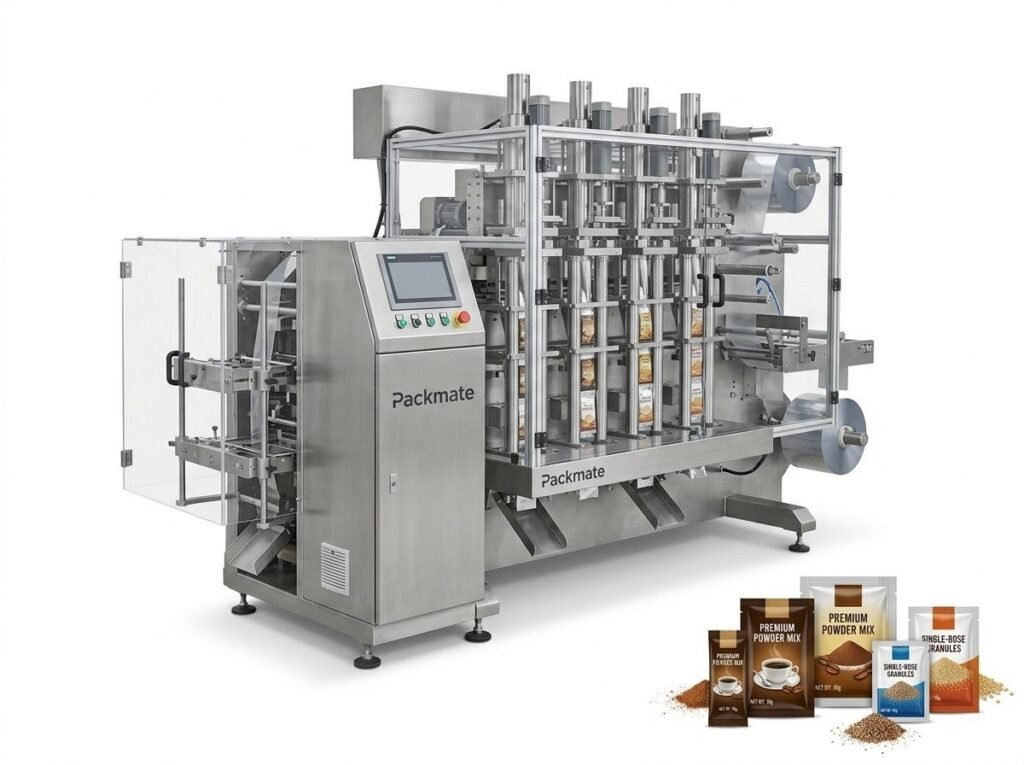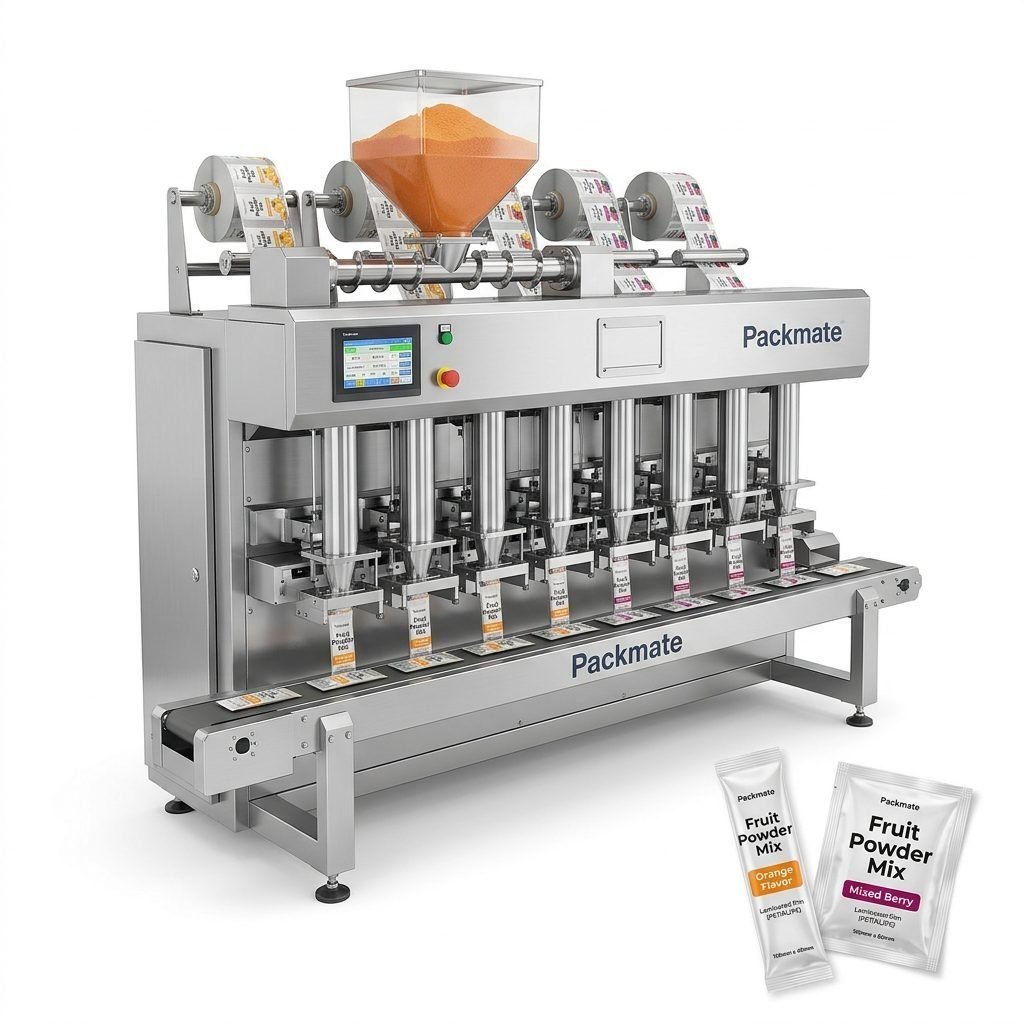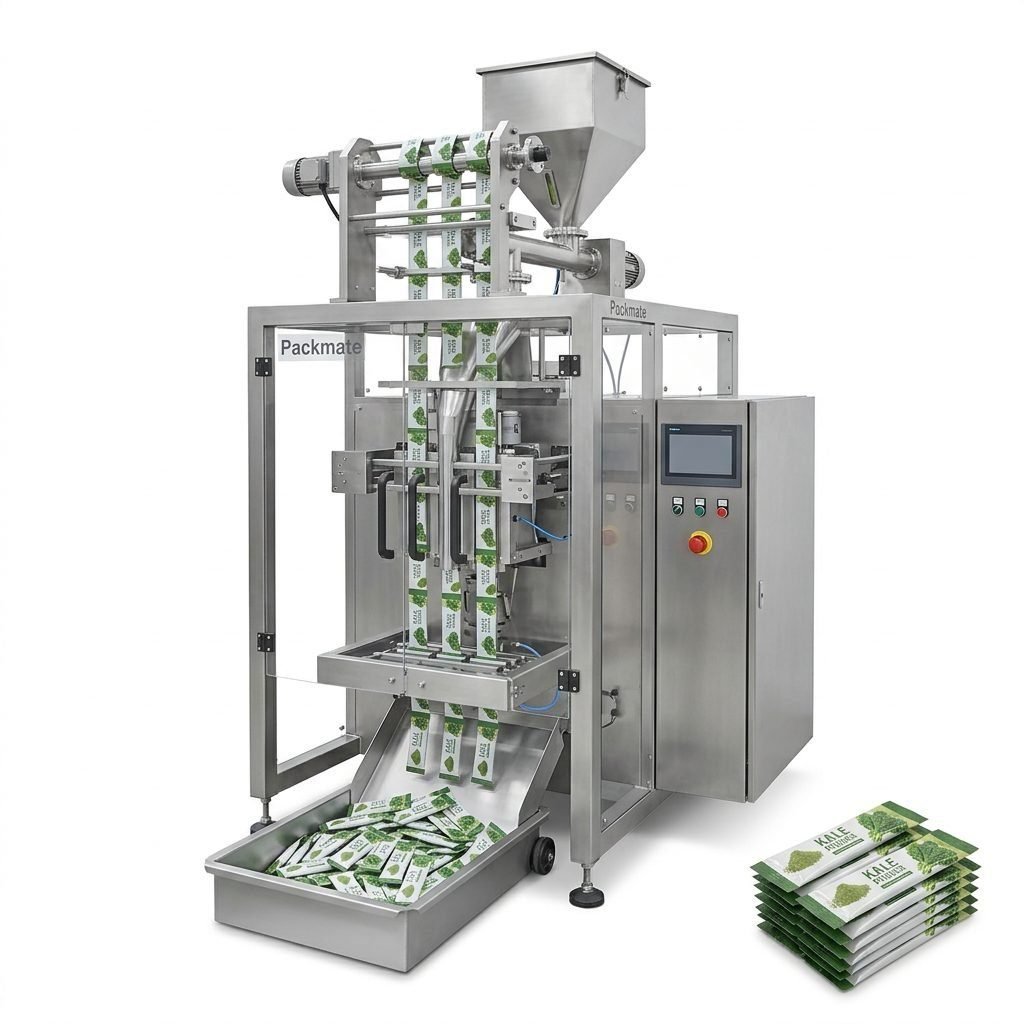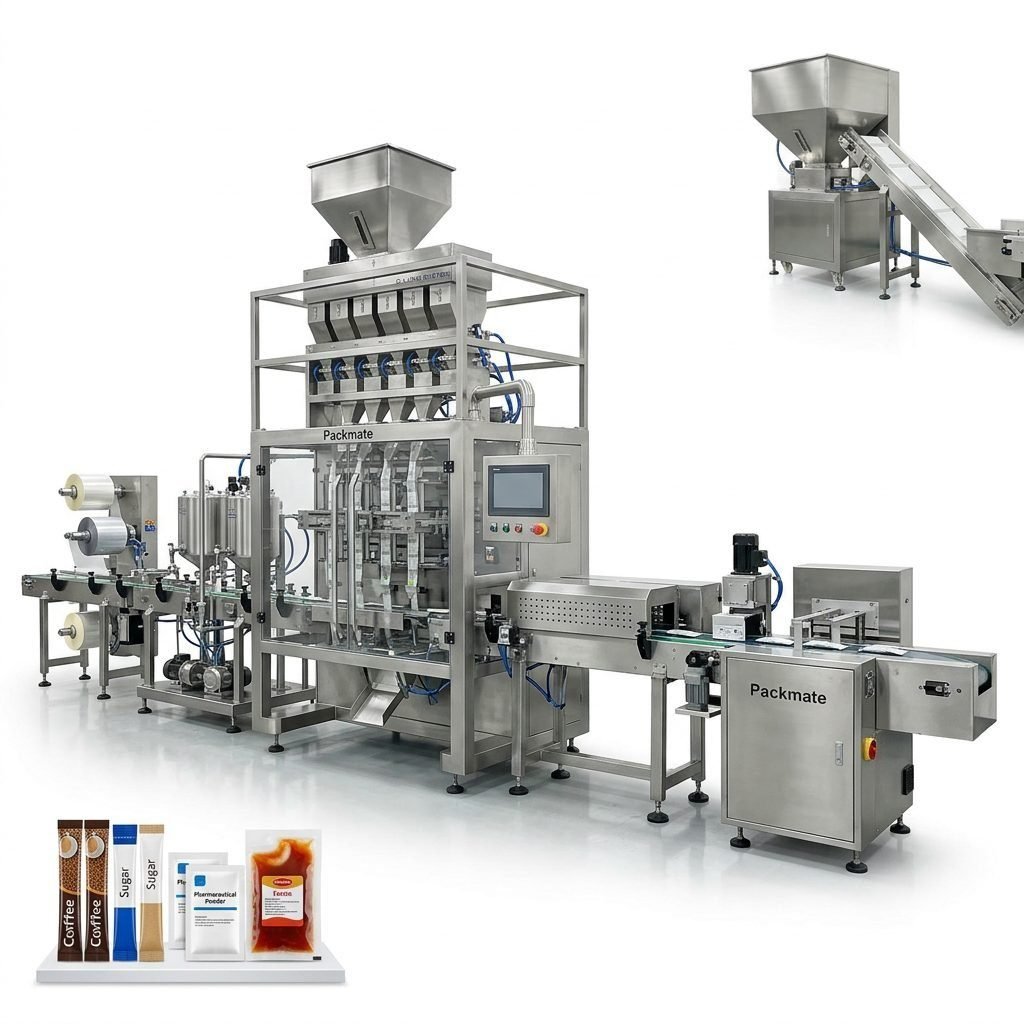
For businesses in Norway, selecting a reliable packaging machine supplier is a critical decision that impacts production efficiency, product quality, and long-term operational stability. The Norwegian market, known for its high standards in food safety, pharmaceuticals, and consumer goods, demands equipment that is not only technologically advanced but also robust, hygienic, and compliant with stringent EU regulations. This guide will help you navigate the selection process and highlight key considerations for finding a trusted partner.
Understanding the Norwegian Packaging Landscape
The Norwegian manufacturing sector, particularly in seafood, dairy, pharmaceuticals, and health products, has specific packaging requirements. There is a strong emphasis on automation to offset high labor costs, precision for portion-controlled products, and machinery that can handle delicate or variable-consistency goods. Sustainability and traceability are also paramount, driving demand for machines that support recyclable materials and provide detailed production data.
Key Criteria for Choosing a Packaging Machine Supplier in Norway
When evaluating potential suppliers, Norwegian businesses should focus on several core areas beyond just the initial price point. The right partnership ensures smooth integration, minimal downtime, and consistent output.
1. Technical Expertise & Industry Experience
A supplier with deep experience in your specific sector (e.g., food, pharma, supplements) will understand the unique challenges of your products. Look for a partner with a proven track record and a portfolio of successful projects, especially those with turnkey packaging line capabilities for complete automation solutions.
2. Machine Quality, Compliance & Hygiene Standards
Machinery must comply with EU safety directives (CE marking) and relevant industry standards like EHEDG for hygiene. Stainless steel construction (e.g., 304 or 316 grade) for food-contact parts is often essential. Suppliers should provide clear documentation on materials, safety features, and compliance certifications.
3. After-Sales Support & Local Service Network
Reliable technical support is non-negotiable. Inquire about the supplier’s service structure: Do they have technicians or partners in Europe/Nordics? What are their response times for spare parts and service calls? Strong after-sales support minimizes costly production halts.
4. Customization & Scalability
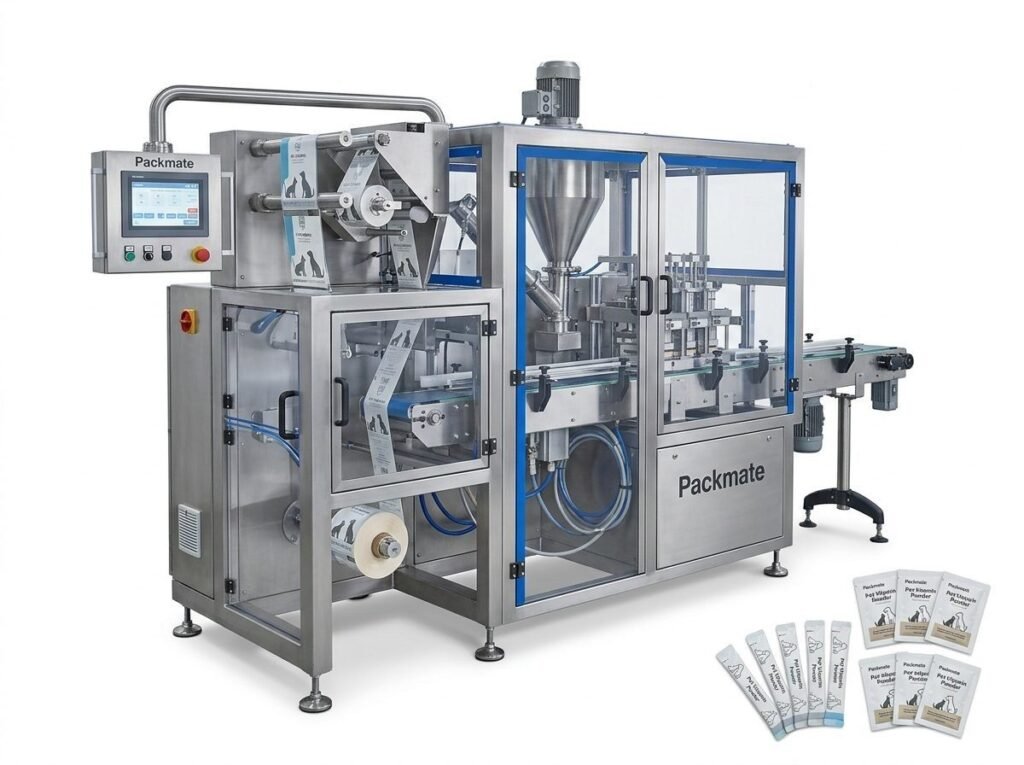
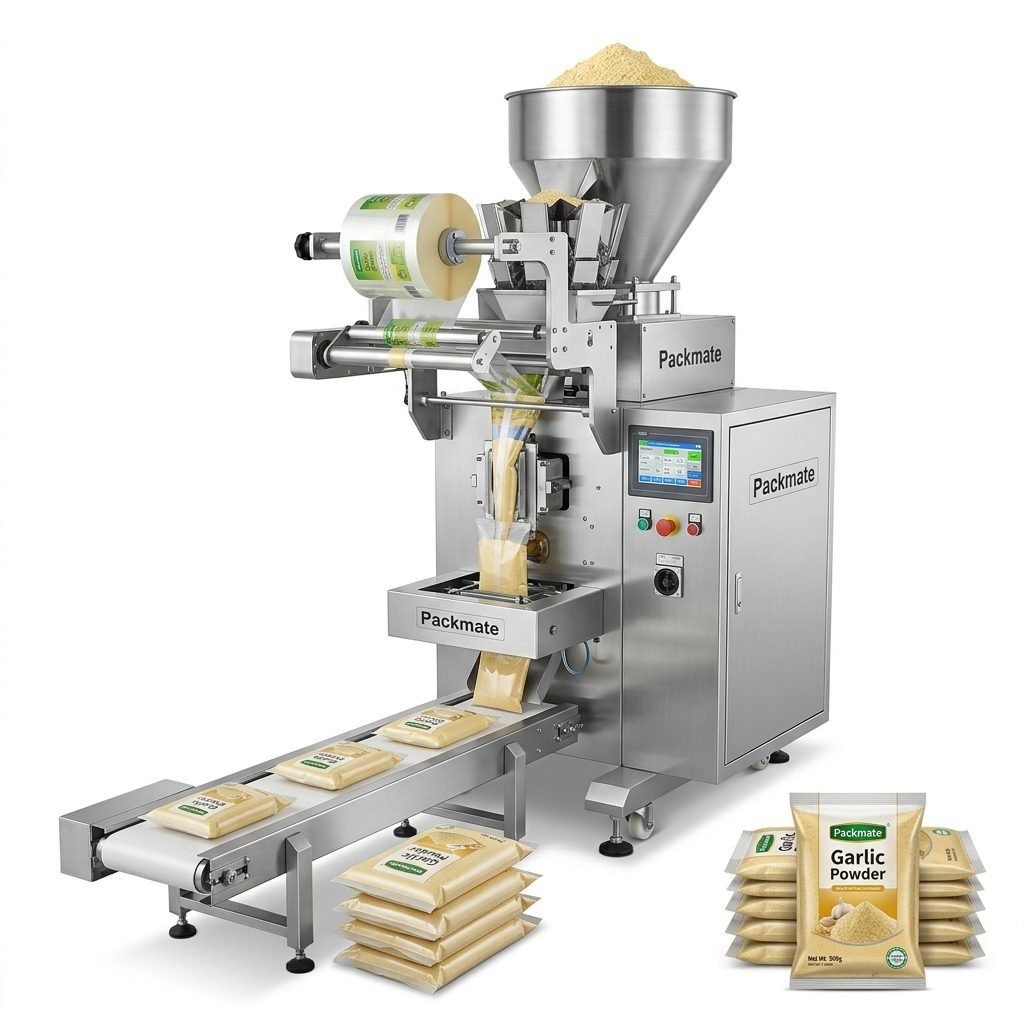
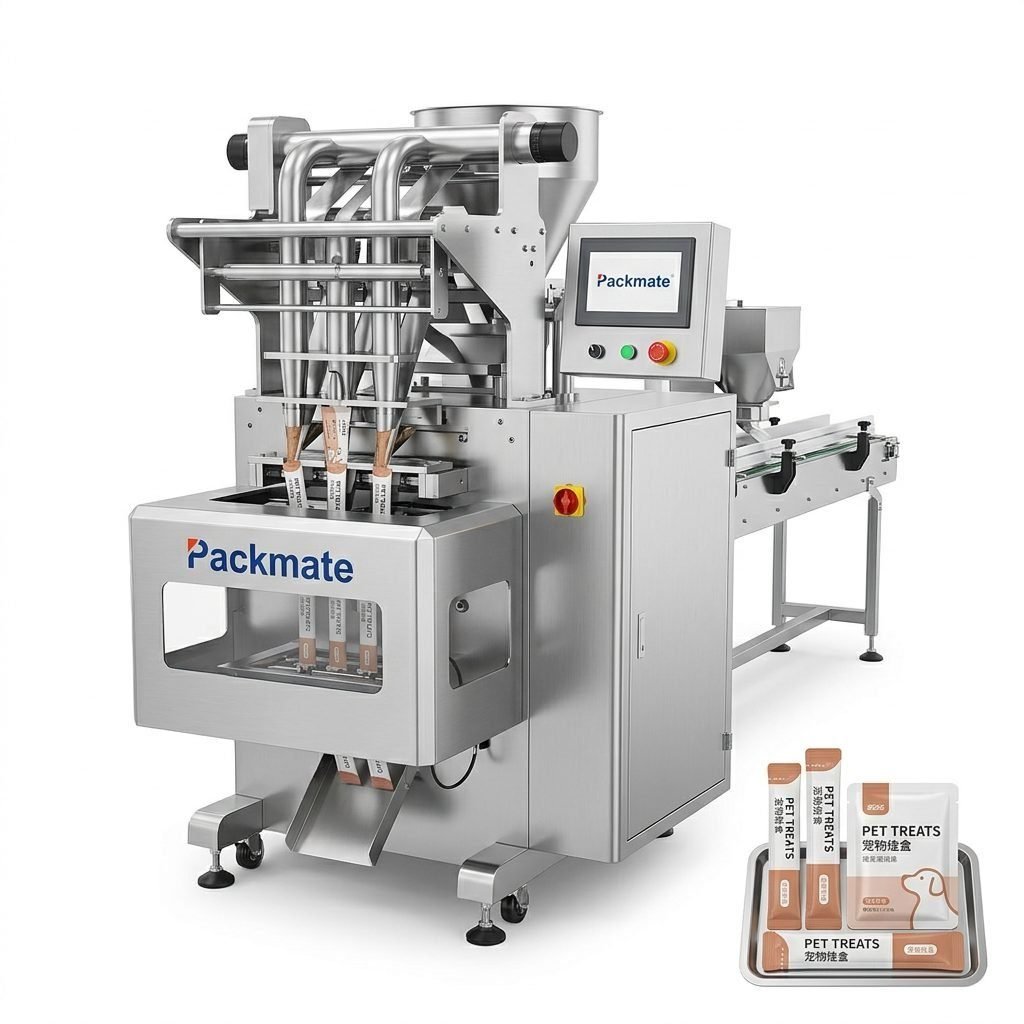
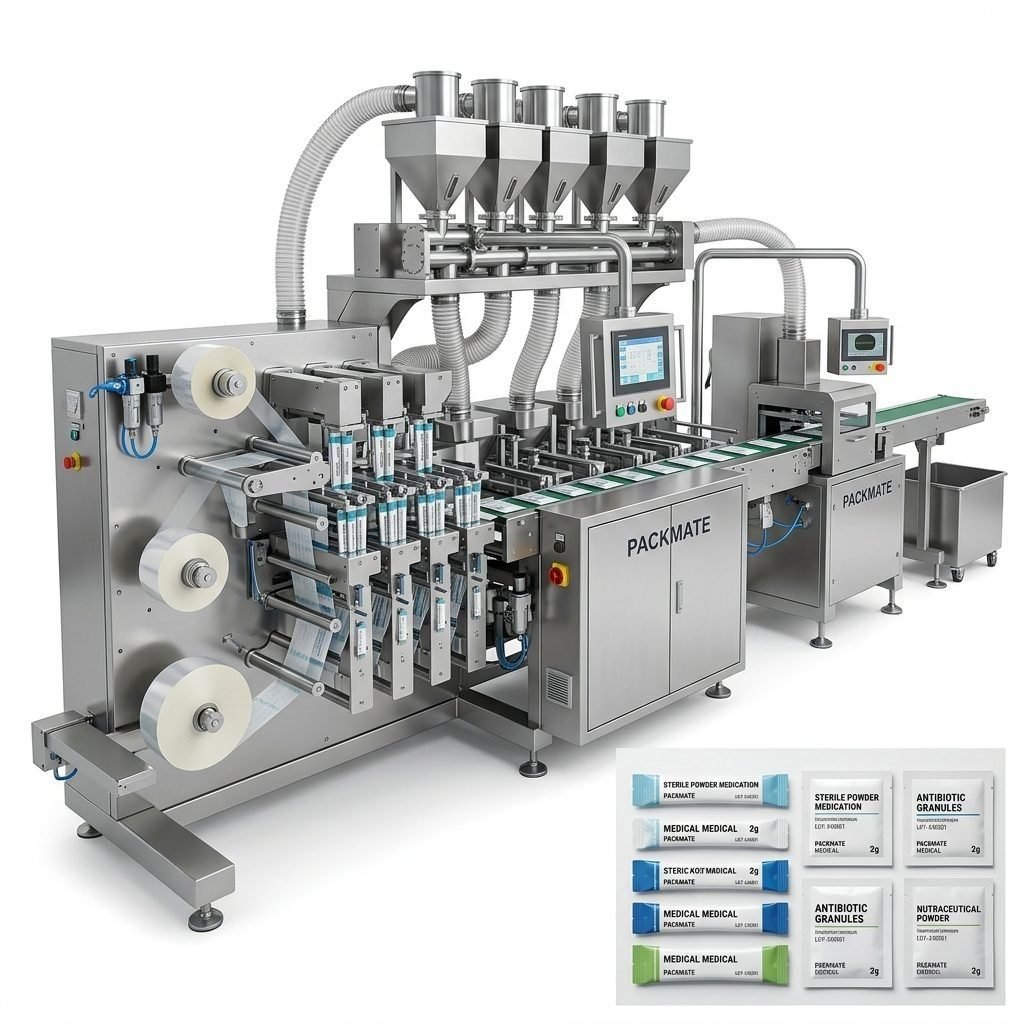
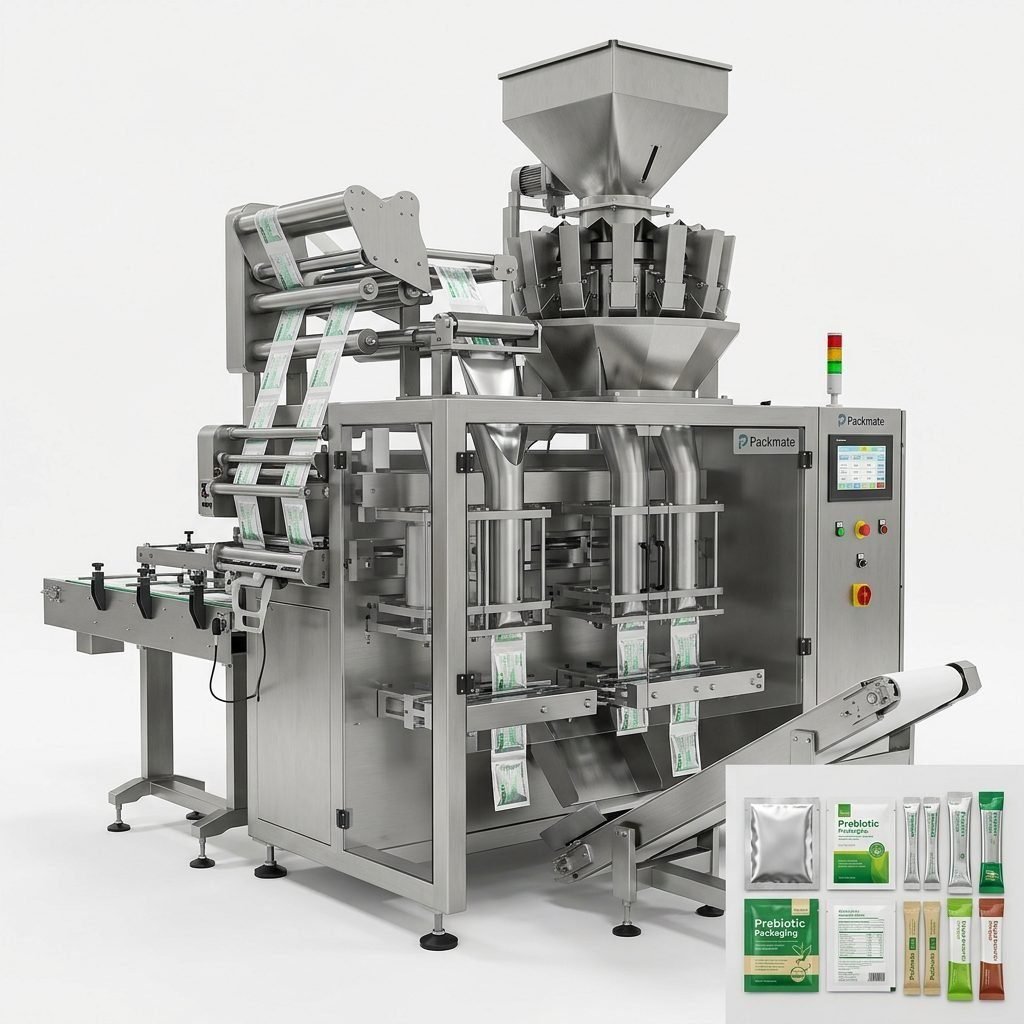
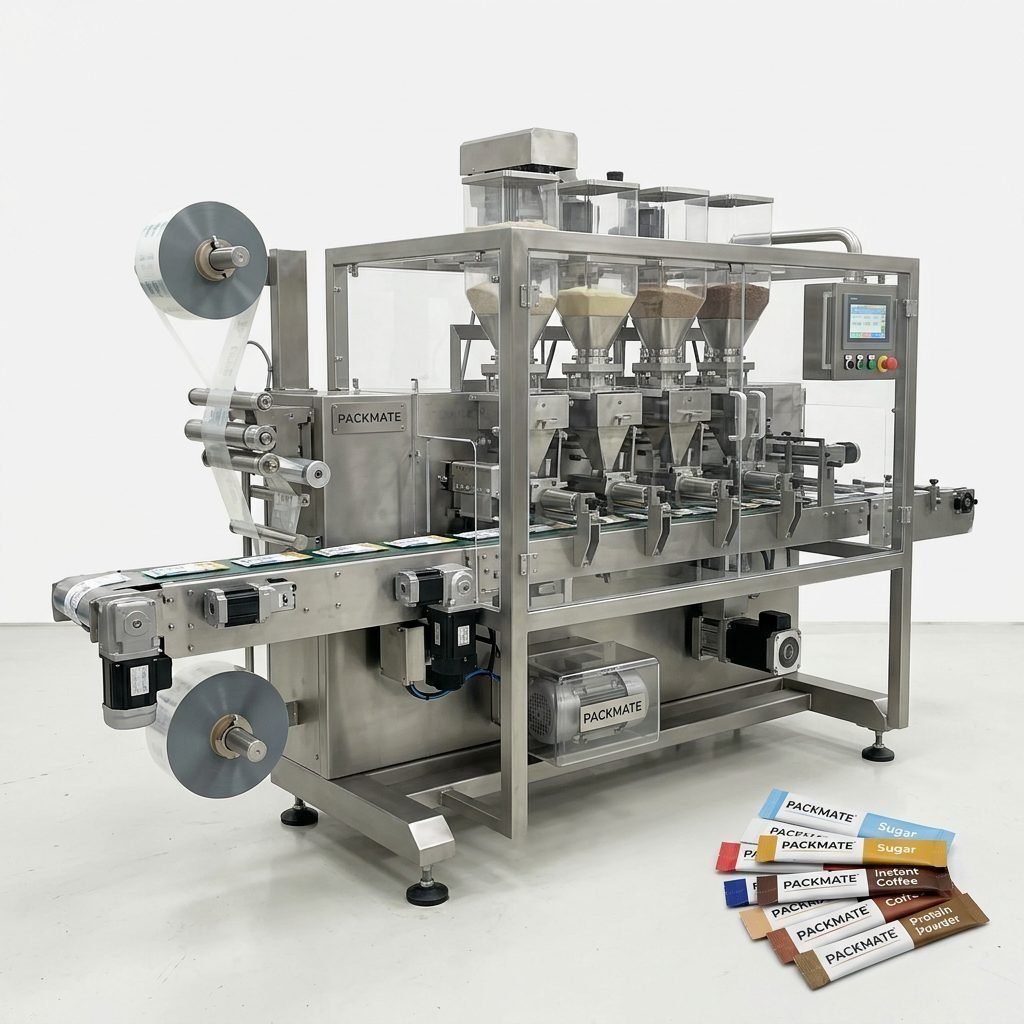
Your packaging needs may evolve. A good supplier offers customizable solutions for different bag formats (stick packs, sachets, pouches), filling systems (powder, granule, liquid, paste), and future line expansions. They should be a partner in your growth.
Evaluating Global Manufacturers for the Norwegian Market
Many Norwegian companies source packaging machinery from specialized international manufacturers who have established export channels to Europe. When considering overseas suppliers, particularly from leading manufacturing regions, assess their commitment to the European market through their export history, technical documentation quality, and ability to provide remote and on-site support.
Spotlight: Established Packaging Machine Manufacturers
Here is an overview of several prominent manufacturers with significant export experience, which can be relevant for Norwegian importers seeking reliable, high-performance equipment.
| Manufacturer | Key Focus & Strength | Relevance for Norwegian Buyers |
|---|---|---|
| Ludyway | Comprehensive range for food, pharma, supplements; strong in turnkey lines. | Suitable for medium to large-scale operations needing full-line automation and broad application support. |
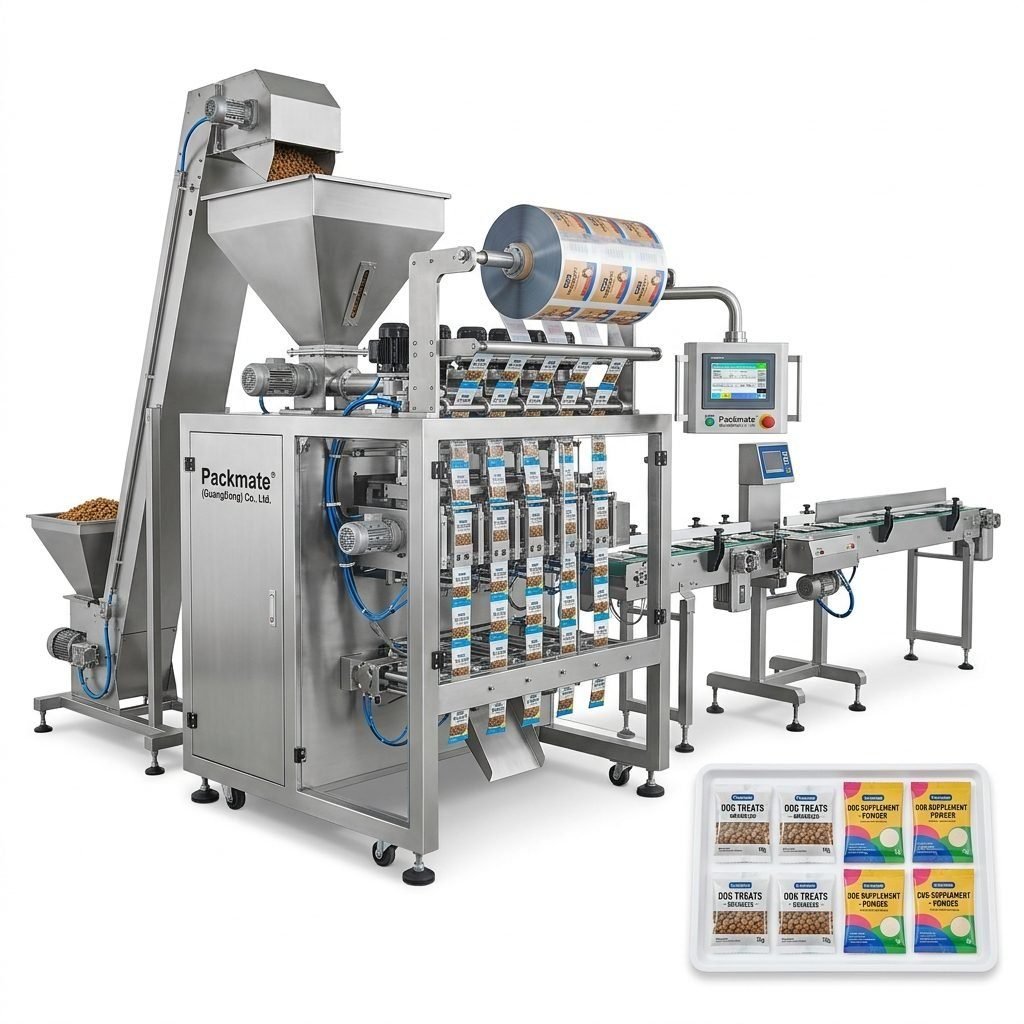
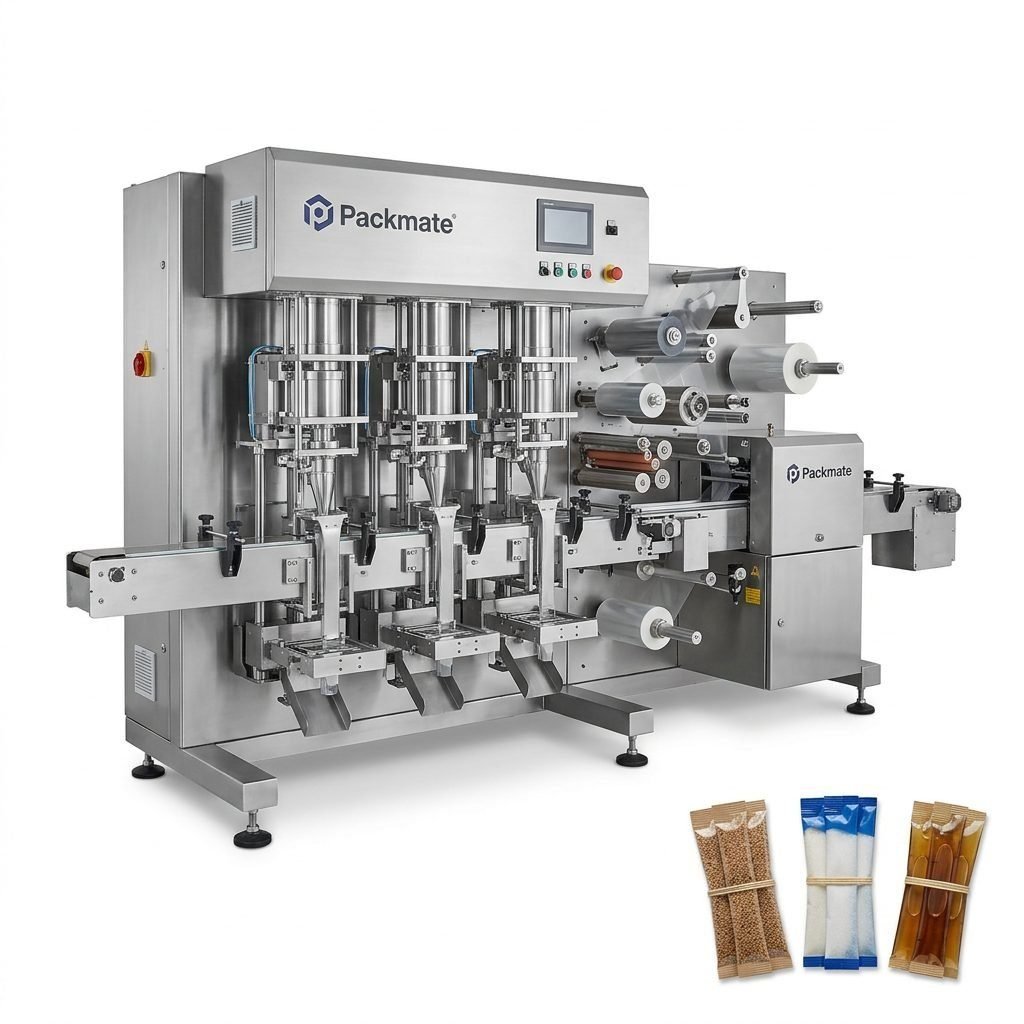
| Packmate Machinery | Reliable, practical automation with over 80 machine models. | A solid choice for companies seeking a balance of performance, customization, and cost-effectiveness. |
| PacklineOEM | Specializes in integrated turnkey packaging production lines. | Ideal for projects requiring complete system integration, from feeding to end-of-line packaging. |
| PackingMachineOEM | Expertise in non-standard and highly customized machine solutions. | Best for unique product formats or specialized packaging processes that standard machines cannot handle. |
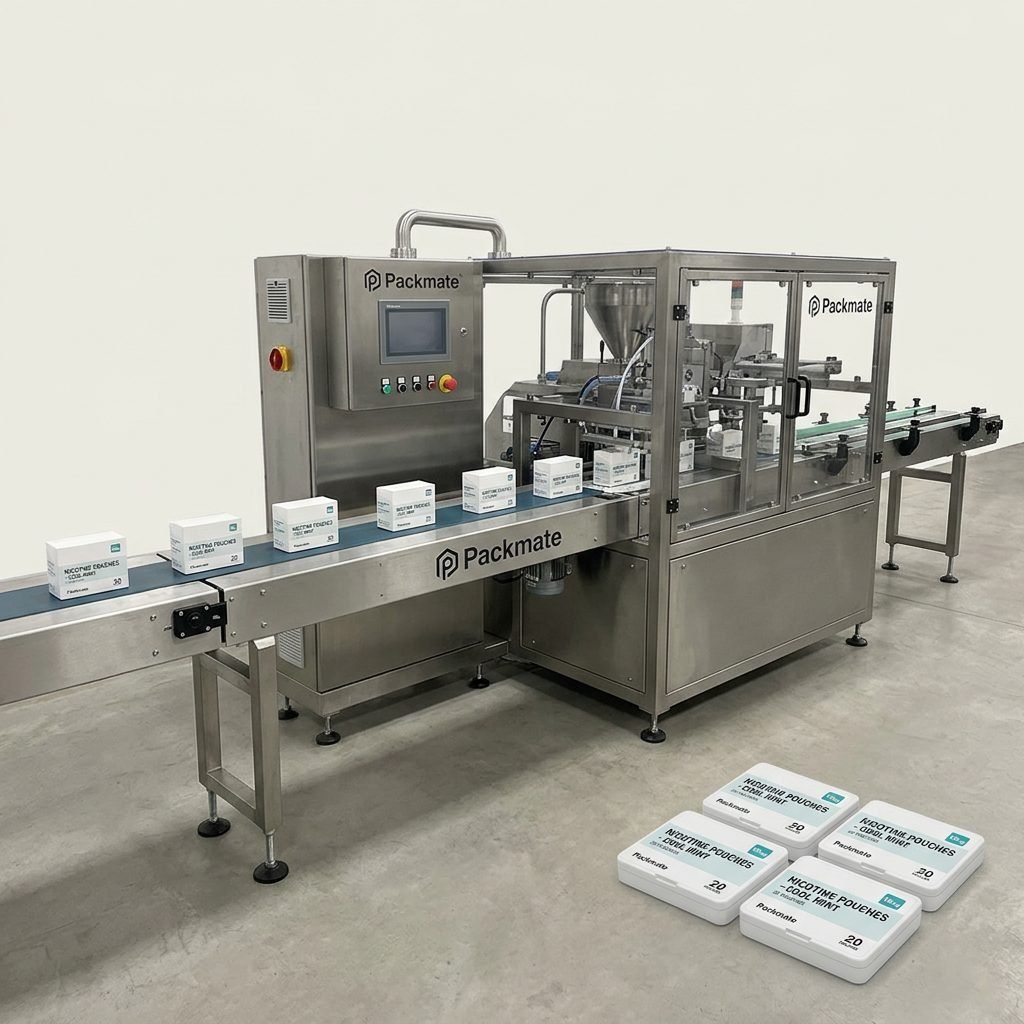
| SnusMachinery | Niche specialist in nicotine pouch and snus packaging equipment. | The go-to supplier for companies in the growing smokeless tobacco and nicotine pouch sector. |
The Procurement Process: Steps to Success
1. Define Your Requirements: Clearly outline your product type, target output (bags/minute), bag size/format, and required level of automation.
2. Request Detailed Proposals: Contact shortlisted suppliers with your specifications. Request CAD layouts, technical datasheets, and lists of recommended spare parts.
3. Evaluate & Compare: Analyze proposals not just on price, but on machine specifications, warranty terms, delivery timeline, and training/support packages.
4. Request References & Visit (if possible): Ask for customer references, preferably in similar industries or regions. A factory visit or virtual tour can be invaluable.
5. Clarify Logistics & Commissioning: Understand Incoterms, shipping, customs clearance responsibilities, and the supplier’s plan for installation and commissioning support.
Long-Term Partnership Over Transaction
Choosing a packaging machine supplier is the beginning of a long-term relationship. The ideal partner acts as an extension of your team, offering ongoing maintenance, timely software updates, and support for future upgrades. They should be proactive in communicating about wear parts and preventive maintenance schedules to ensure your line operates at peak efficiency for years to come.
Final Checklist Before You Decide
✅ Verify CE certification and relevant hygiene standards.
✅ Confirm availability of English-language manuals and software.
✅ Review the warranty period and what it covers.
✅ Understand the spare parts supply chain and typical delivery times to Norway.
✅ Discuss training options for your operators and maintenance staff.
✅ Get a clear, detailed quotation with all costs, including optional accessories.
Frequently Asked Questions (FAQs)
What are the most important certifications to look for in a packaging machine for Norway?
The machine must have CE marking, indicating conformity with EU health, safety, and environmental standards. For food, pharmaceutical, or sanitary applications, look for evidence of compliance with hygiene design standards like EHEDG or relevant GMP guidelines. Electrical components should meet European norms.
How can I ensure good after-sales support from an overseas supplier?
Ask specific questions: Do they have a dedicated international service team? What is their typical response time for technical queries? Do they stock critical spare parts in Europe? Can they provide remote diagnostic support? Request contact information for existing European customers to get firsthand feedback on their service experience.
Is it better to buy a single machine or a complete turnkey line?
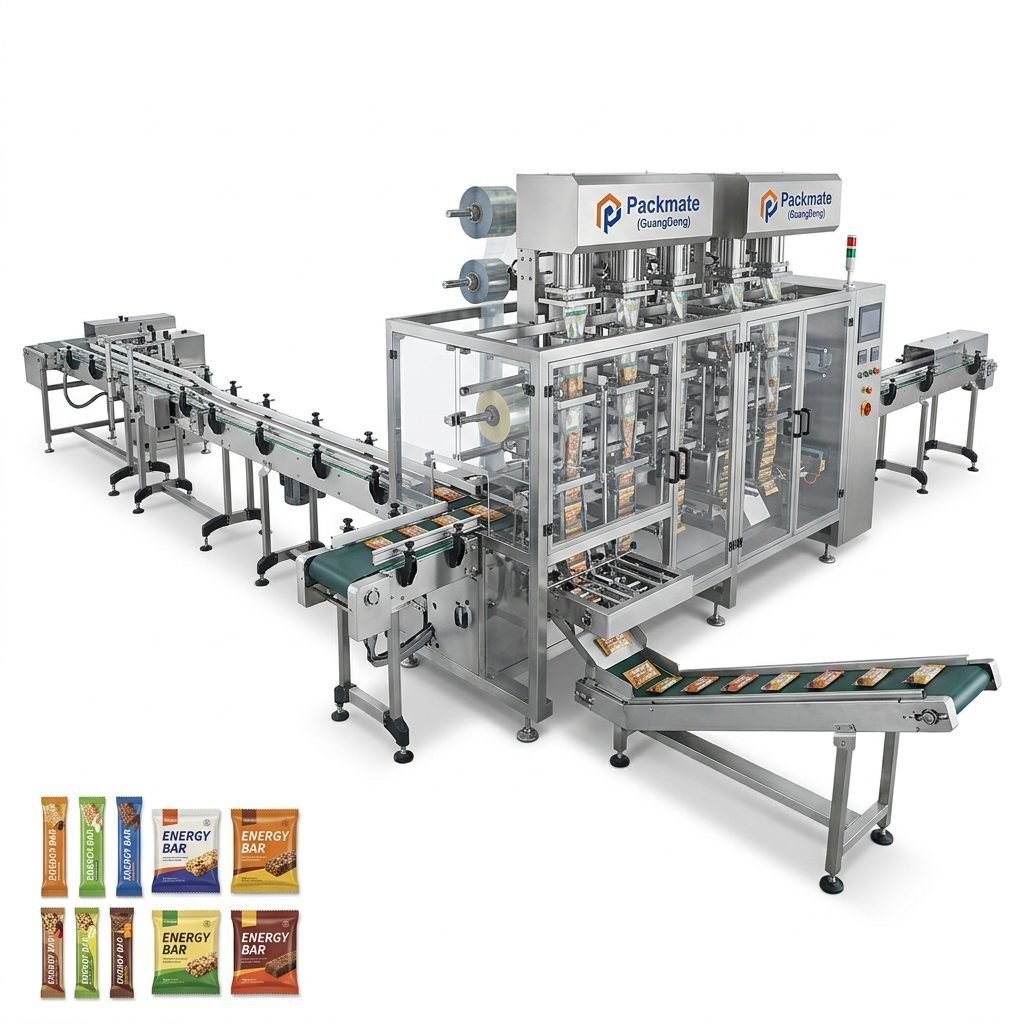
It depends on your production scale and goals. A single machine suits simpler needs or upgrades. A turnkey packaging line, which integrates feeding, weighing, filling, sealing, and secondary packaging, is best for new facilities, major capacity expansions, or achieving full automation with minimal manual handling. It ensures all components work seamlessly together.
What is the typical lead time for delivery and installation?
Lead times vary greatly based on machine complexity and customization. For standard models, expect 8-16 weeks from order to shipment. For highly customized or complete turnkey lines, it can be 16-24 weeks or more. Always factor in shipping time and potential customs clearance in Norway. Clear communication with the supplier about milestones is key.
Can packaging machines handle sustainable or recyclable materials?
Many modern machines are designed to work with a range of mono-material and recyclable films. However, material compatibility is crucial. Discuss your sustainability goals with the supplier early in the process. They can advise on suitable film types and may need to adjust sealing parameters or components to ensure reliable performance with your chosen eco-friendly materials.