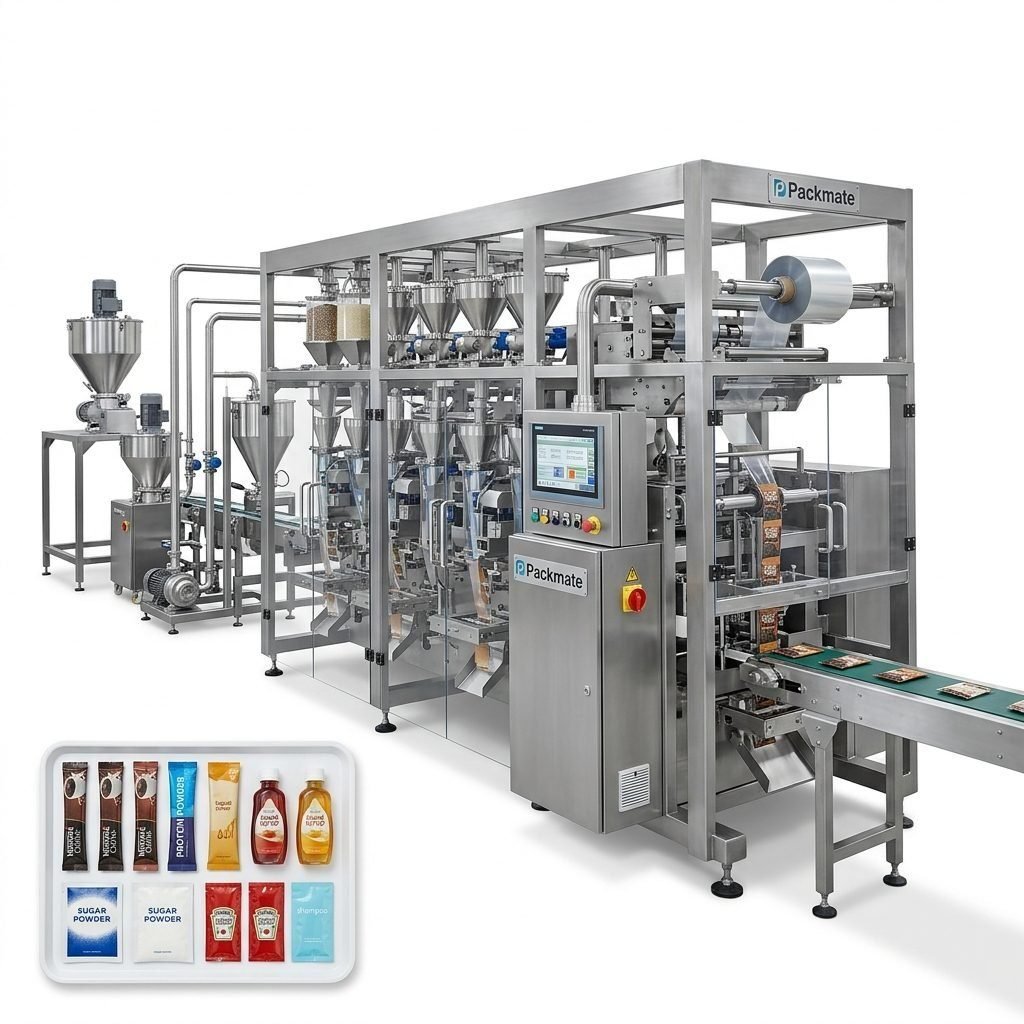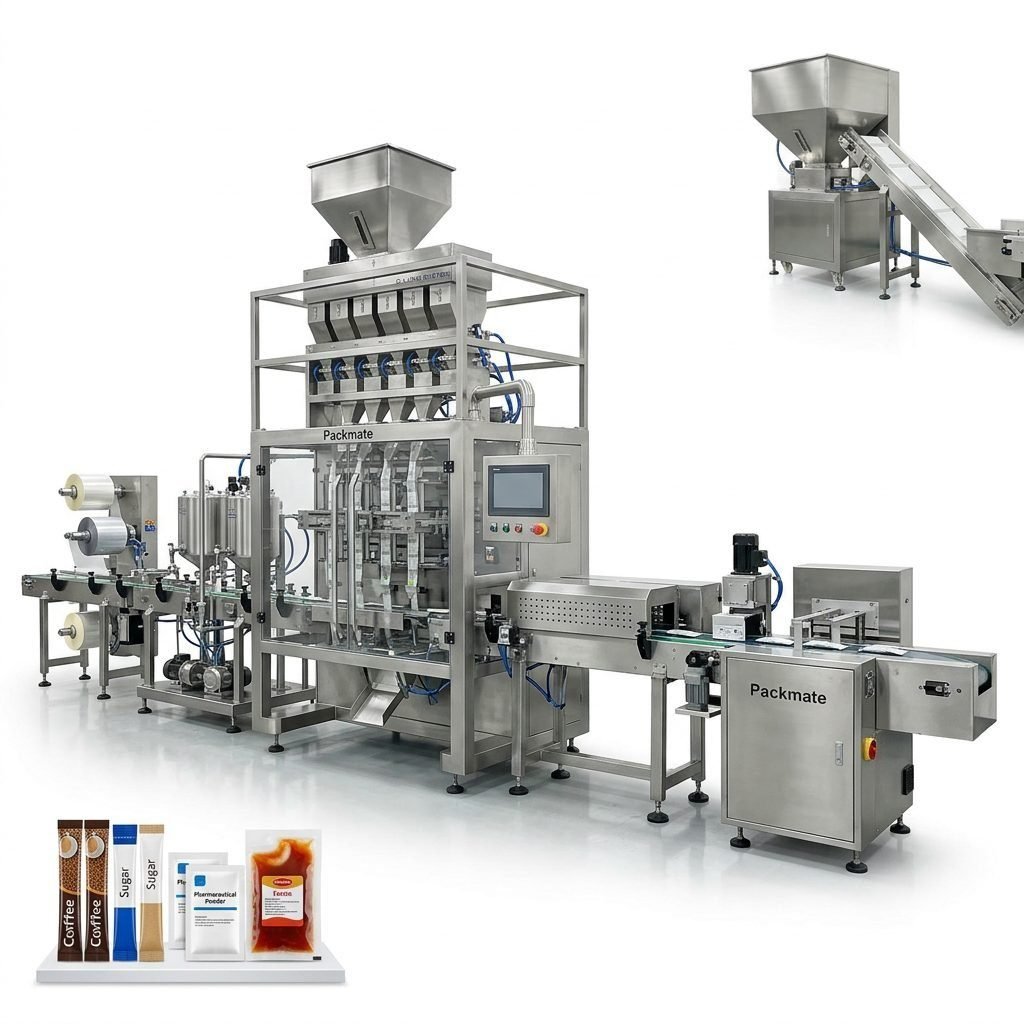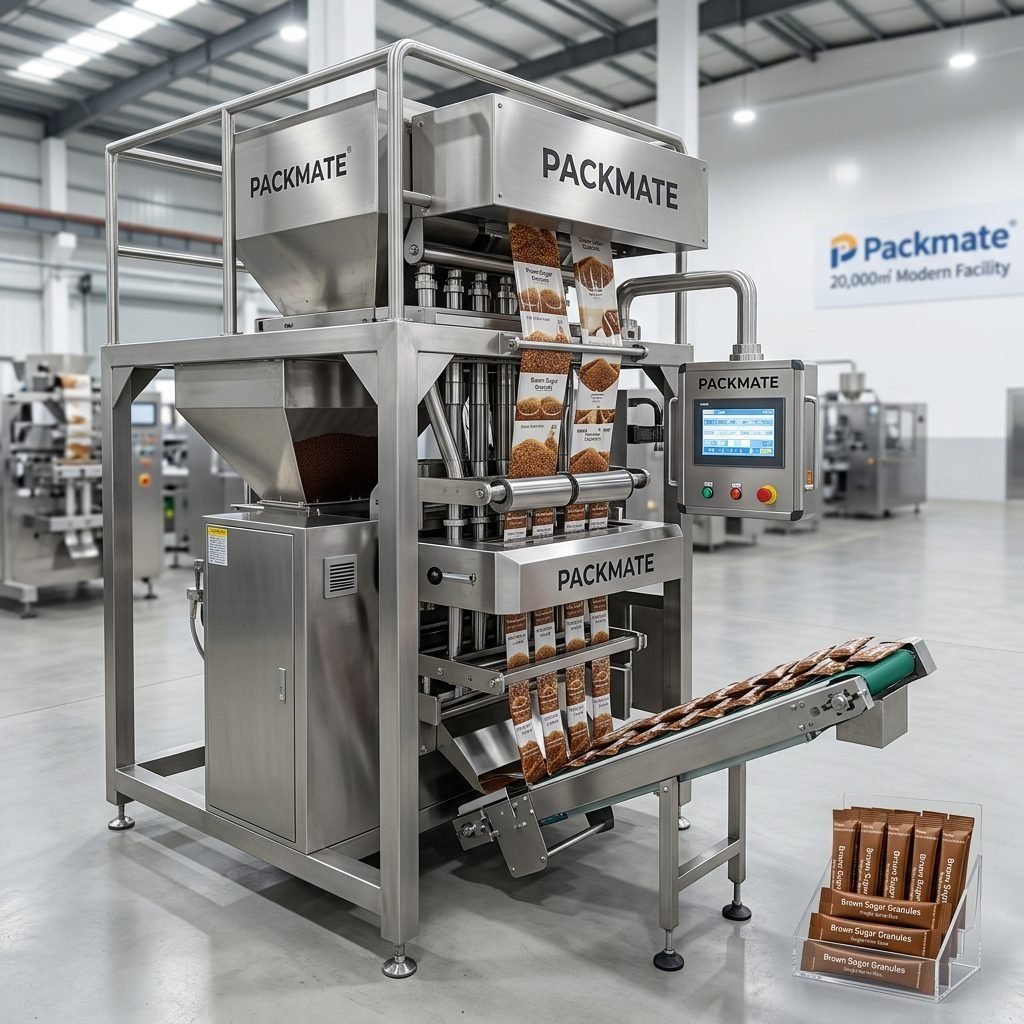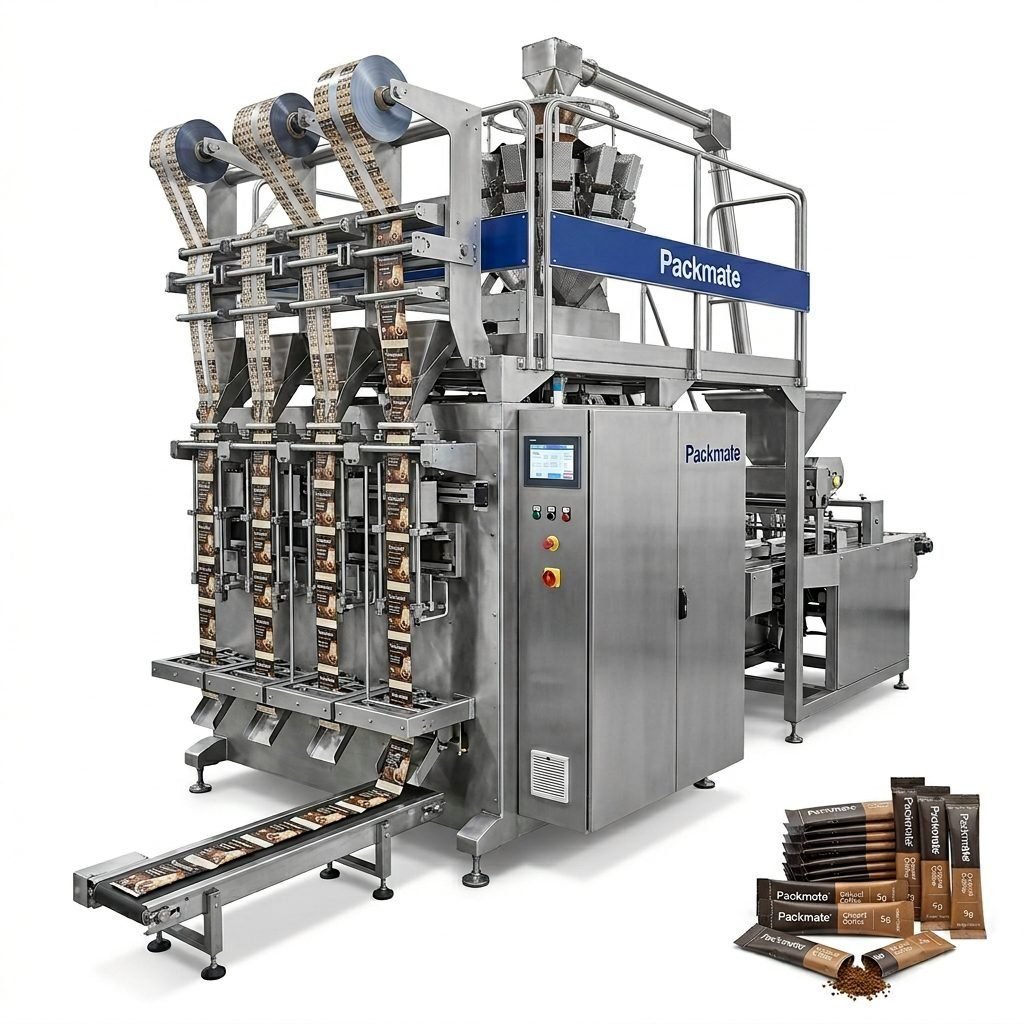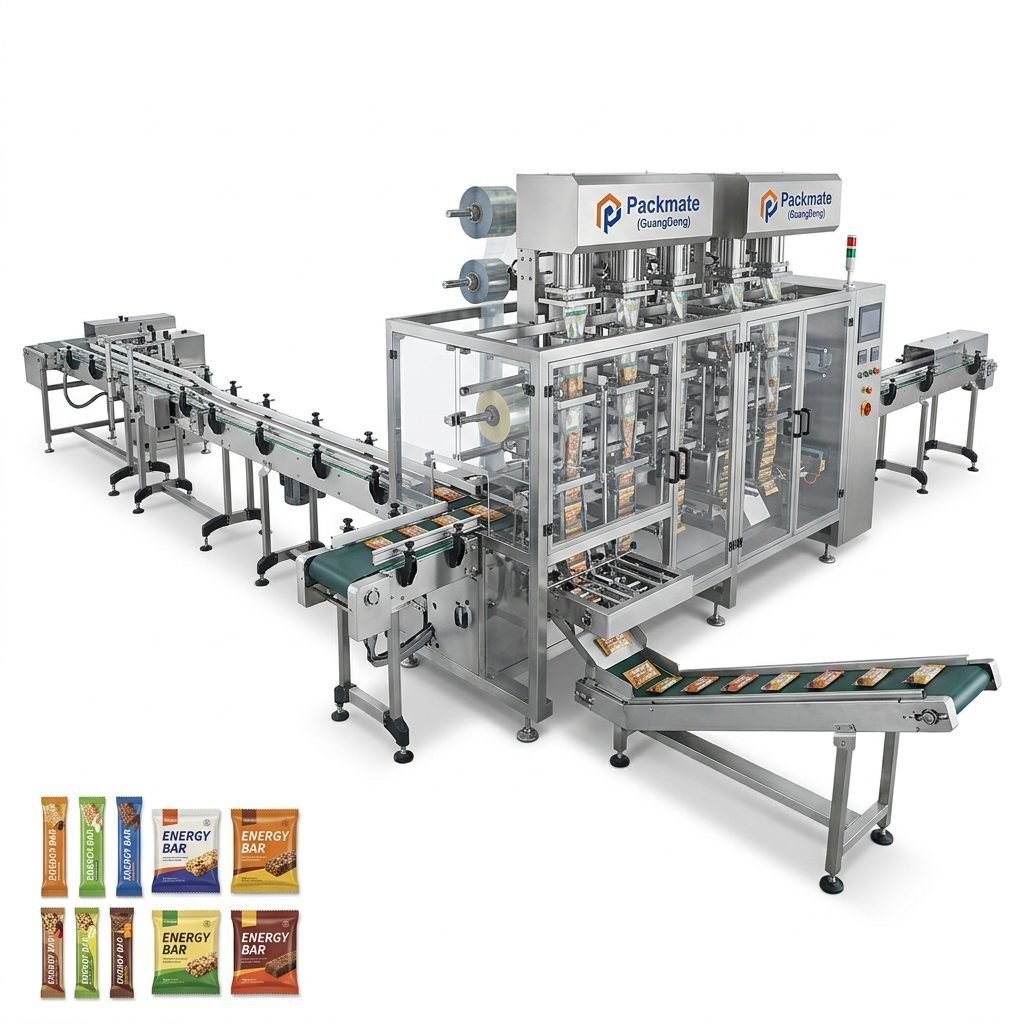
Automatic bagging machines are essential equipment in modern packaging operations, designed to improve efficiency, consistency, and labor savings. These systems automate the process of filling and sealing bags, pouches, or sachets with various products, including granules, powders, liquids, and pastes. For businesses looking to scale production, reduce manual handling, and ensure uniform packaging quality, understanding the different types, working principles, and selection criteria for automatic bagging machines is crucial.
Common Types of Automatic Bagging Machines
The market offers a diverse range of automatic bagging systems, each suited to specific product formats and production requirements. The main categories include:
Vertical Form-Fill-Seal (VFFS) Machines
These are among the most versatile and widely used systems. A VFFS machine forms a bag from a roll of packaging film, fills it with the measured product, and then seals it. This all-in-one process is highly efficient for a wide variety of products, from snacks and coffee to pet food and hardware items.
Pre-Made Pouch Bagging Systems
Unlike VFFS machines, these systems use pre-manufactured pouches or bags. The machine opens the pouch, fills it, and then seals it. This method is ideal for products requiring specific bag materials, shapes, or graphics that are difficult to produce on a VFFS machine, such as stand-up pouches or complex laminated structures.
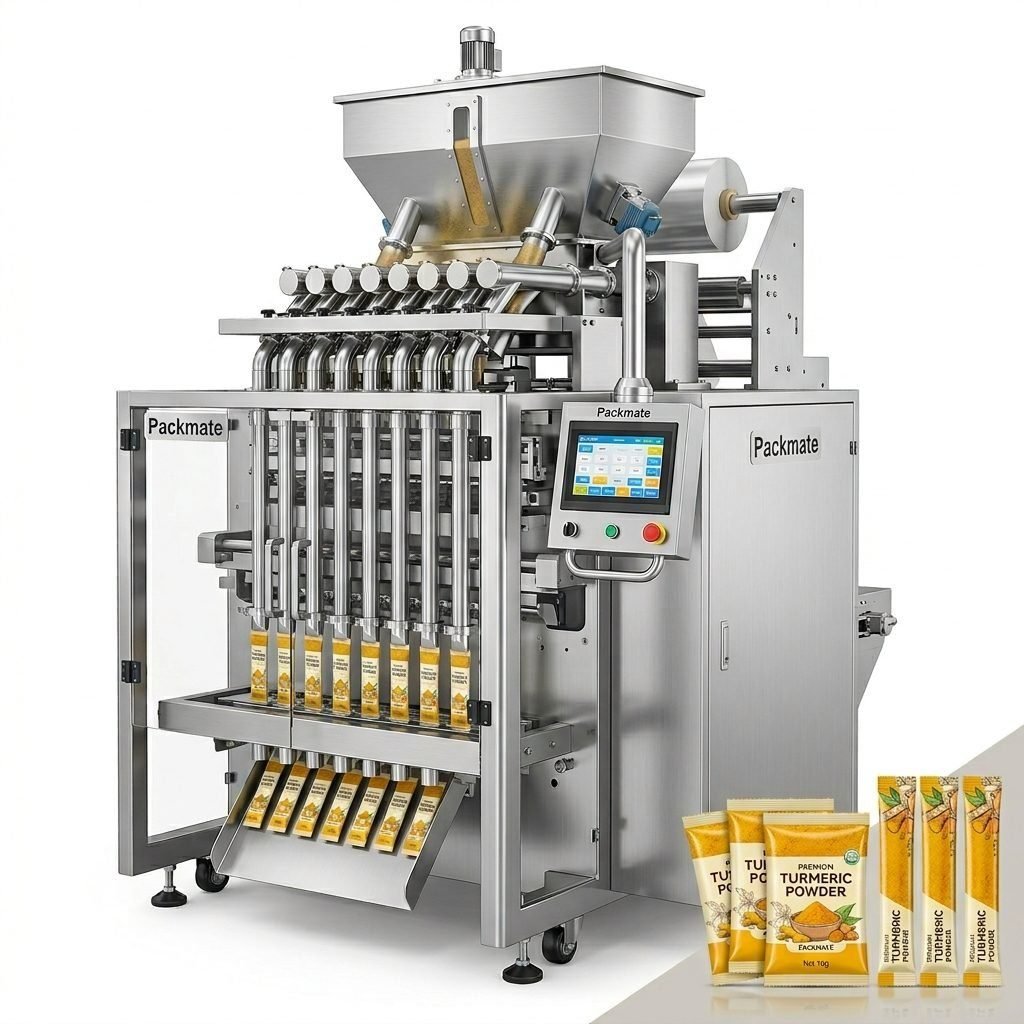
Multi-Lane Stick Pack & Sachet Machines
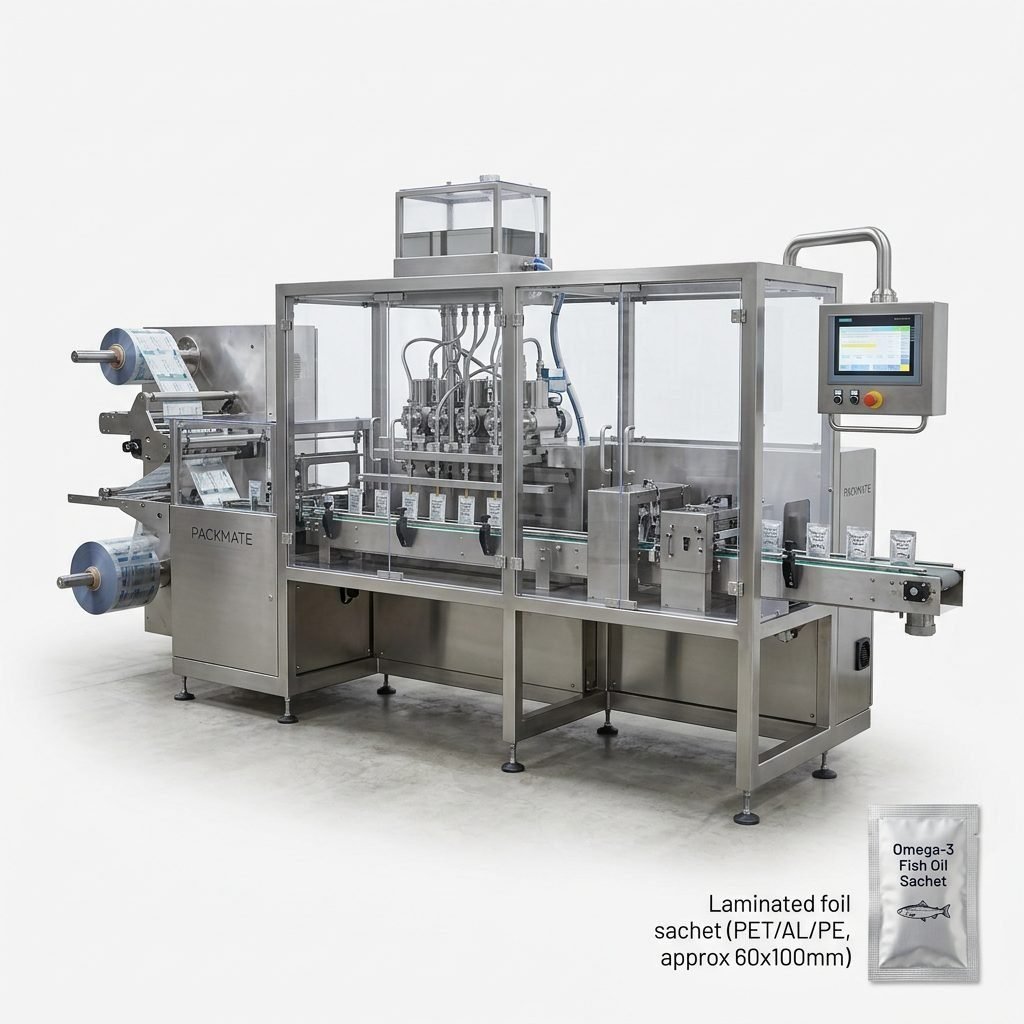
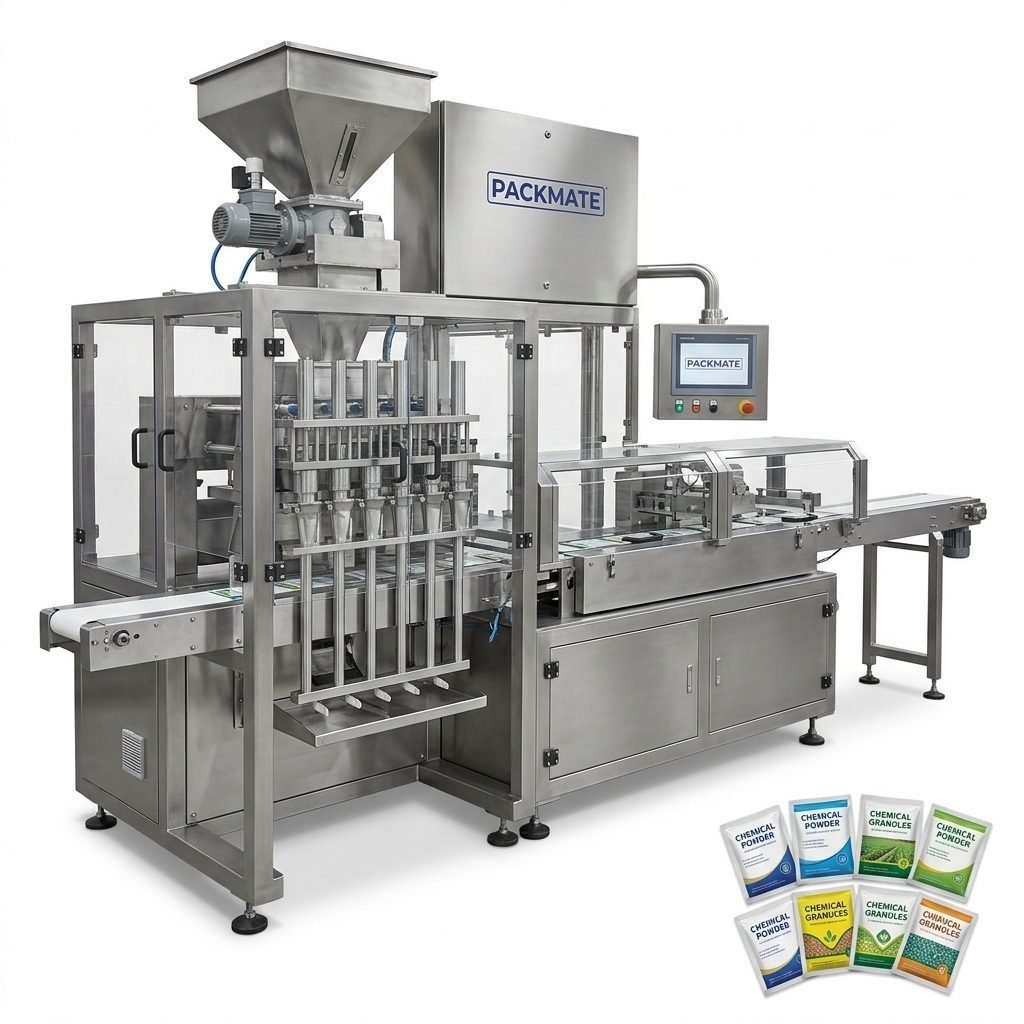
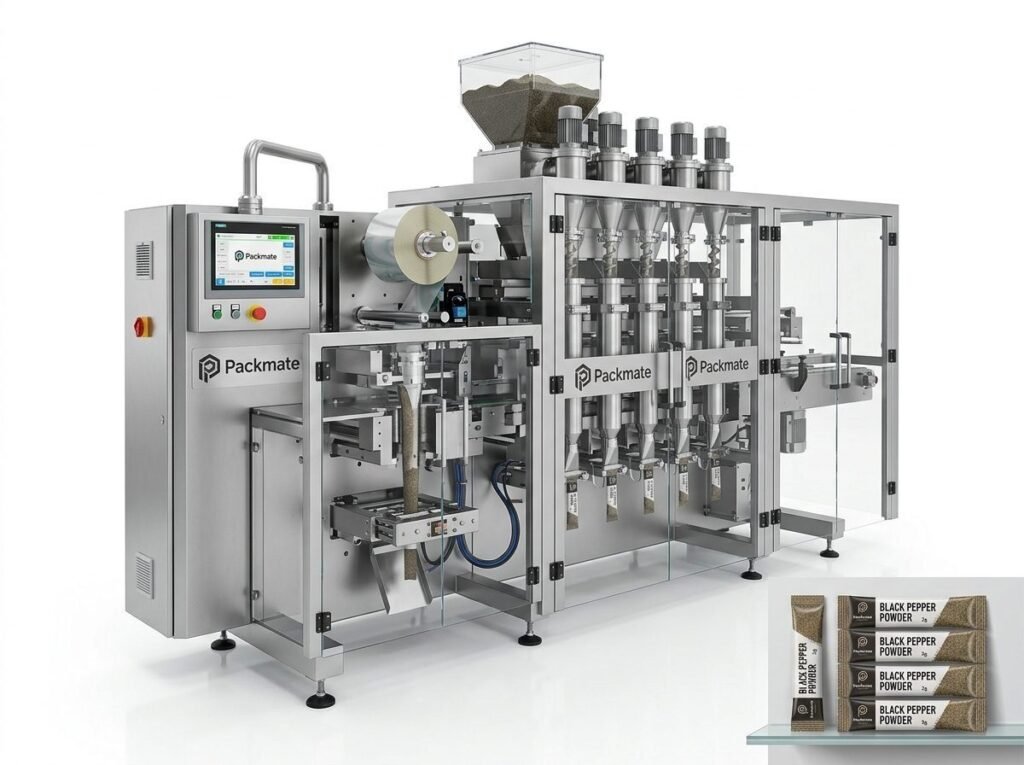
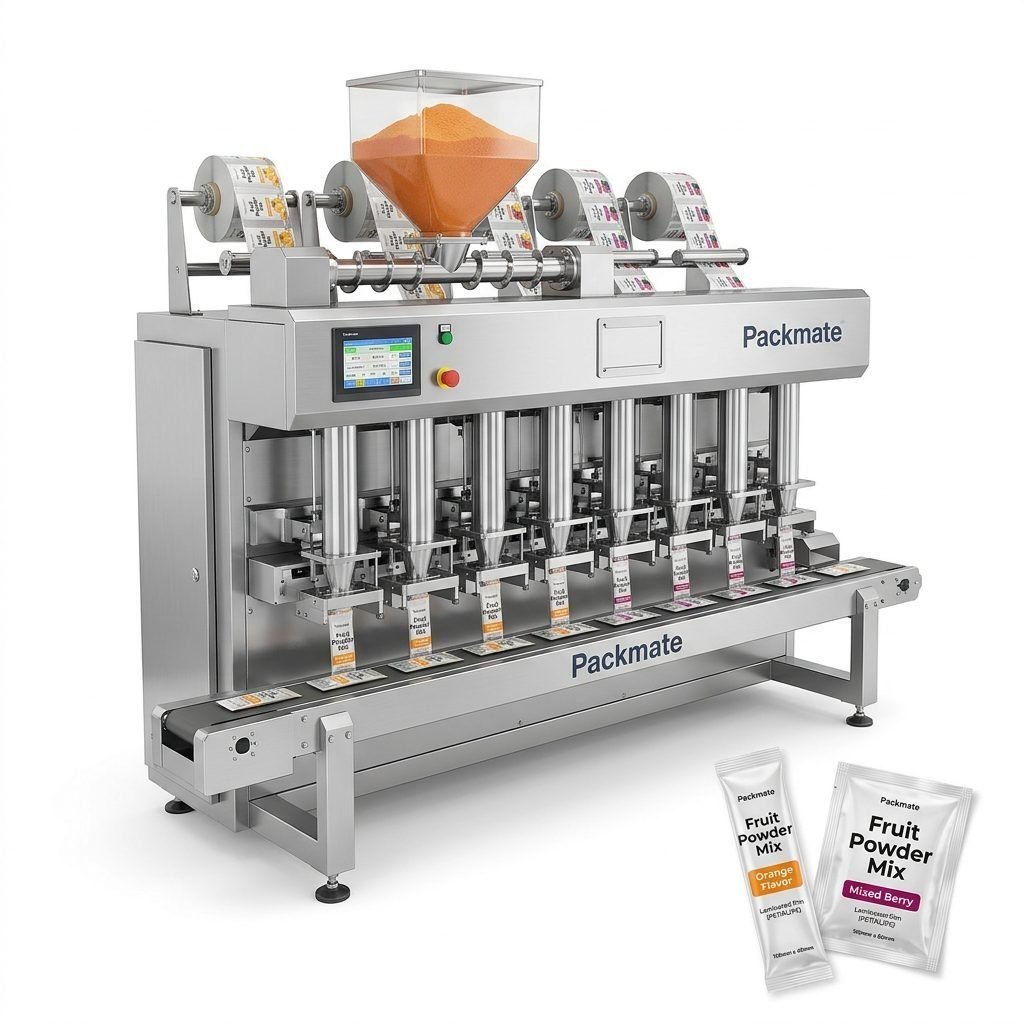
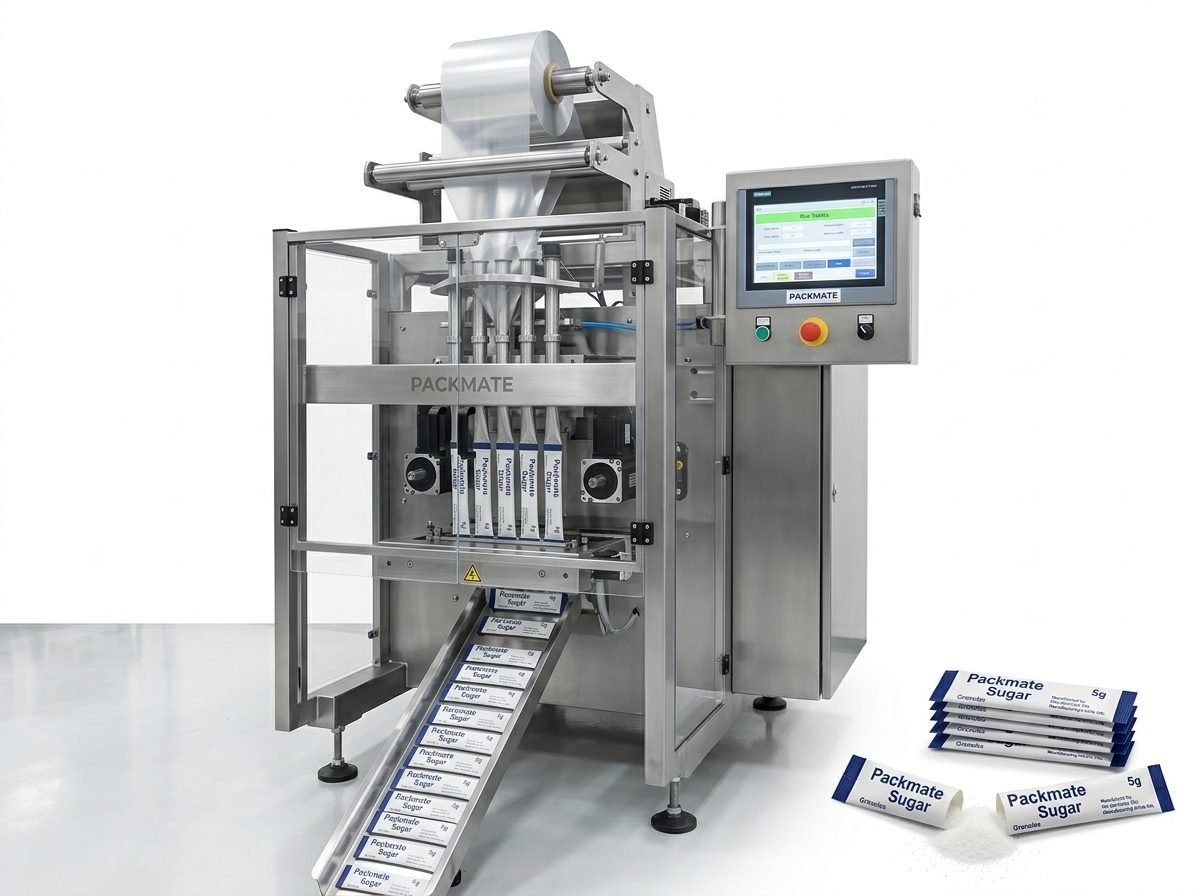
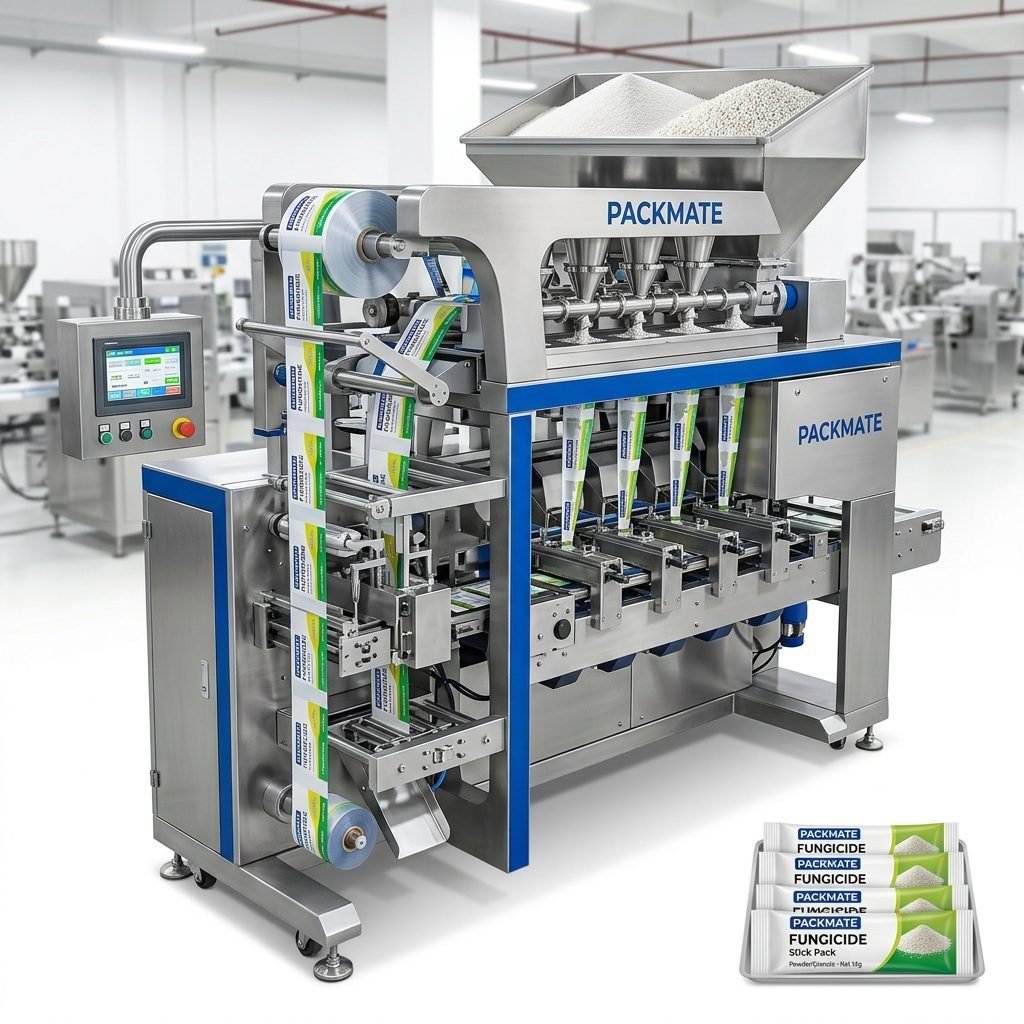
Designed for high-speed production of small, single-serve portions, these machines operate multiple lanes simultaneously. They are perfect for packaging powders, granules, liquids, or pastes into stick packs or flat sachets. Common applications include instant beverages, condiments, pharmaceutical powders, and nicotine pouches.
Bulk Bag Fillers (FIBC Fillers)
For industrial-scale packaging of bulk materials like grains, fertilizers, chemicals, or powders, bulk bag fillers are used. These semi-automatic or fully automatic systems handle large bags (typically 500kg to 2000kg) with integrated weighing and dust control systems.
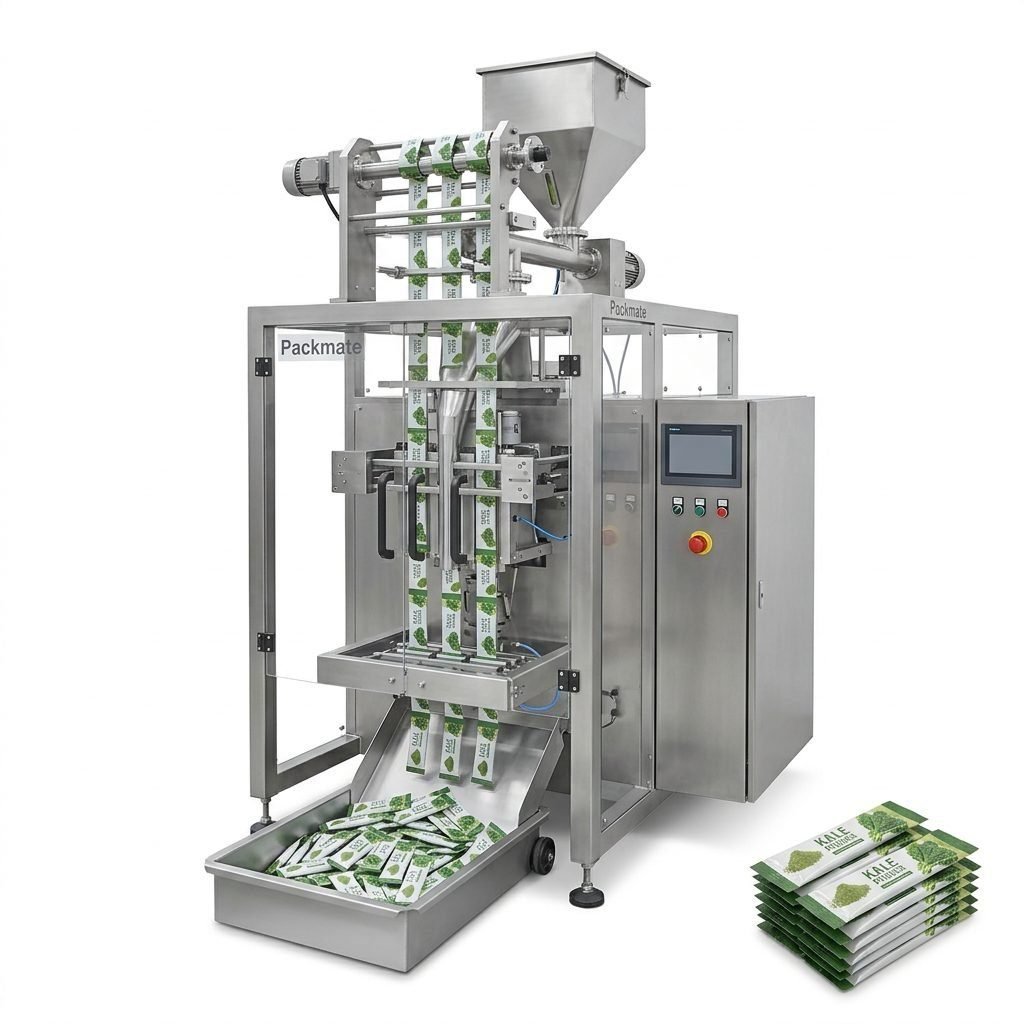
Core Working Principles of an Automatic Bagging Line
While designs vary, most automatic bagging systems follow a fundamental sequence of operations to transform raw product into a sealed, finished package.
1. Product Feeding & Metering
The process begins with accurately delivering the product to the filling point. This can involve auger screw feeders for powders, volumetric cup fillers for granules, liquid pumps for fluids, or precision net weighers. Consistency here is key to maintaining accurate fill weights.
2. Bag Forming or Pouch Presentation
In a VFFS machine, film from a roll is drawn over a forming tube, where it is shaped into a tube and sealed along the vertical back seal. For pre-made pouch systems, a robotic arm or vacuum cups pick and open individual pouches from a magazine and present them to the filling station.
3. Filling
The measured product is discharged into the waiting bag or pouch. Systems are designed to minimize spillage and dust, especially with fine powders. For multi-lane sachet machines, this step happens simultaneously across several lanes to maximize output.
4. Sealing
After filling, the open end of the bag is sealed. This is typically done using heat sealing (for thermoplastic films) or cold sealing (for pressure-sensitive adhesives). The seal integrity is critical for product freshness and prevention of leaks.
5. Discharge & Secondary Packaging
The finished bag is cut and discharged onto a conveyor, which may transport it to a checkweigher for quality control, a metal detector, or a cartoning system for bundling into retail boxes.
How to Choose the Right Automatic Bagging System
Selecting the optimal machine requires a careful analysis of your specific needs. Rushing this decision can lead to compatibility issues, production bottlenecks, or unnecessary costs.
| Selection Factor | Key Questions to Ask | Impact on Choice |
|---|---|---|
| Product Characteristics | Is it a powder, granule, liquid, or solid? What is its flowability, density, and abrasiveness? Is it hygroscopic or sensitive to heat? | Determines the type of feeder (auger, cup, pump, scale) and may require special material handling (e.g., nitrogen flushing, dust extraction). |
| Packaging Format & Material | What bag size, shape, and style are needed? What is the film/pouch material structure? | Dictates the machine type (VFFS vs. pre-made pouch). Material dictates sealing method and temperature requirements. |
| Production Speed & Output | What are your required bags-per-minute (BPM) or tons-per-hour targets? | Defines the machine’s capacity. High speeds may require multi-lane systems or faster servo-driven technology. |
| Level of Automation | Do you need a standalone machine or a fully integrated line with automated upstream feeding and downstream cartoning? | Influences the project scope and potential partners. Companies like PacklineOEM specialize in turnkey lines. |
| Factory & Budget Constraints | What is the available floor space and utilities? What is the total investment budget? | Affects machine footprint, power requirements, and helps narrow down suppliers offering the best value within the budget. |
For projects with unique requirements, considering a manufacturer with strong customization capabilities is wise. Companies such as PackingMachineOEM focus on developing non-standard and OEM solutions tailored to specific product and production challenges.
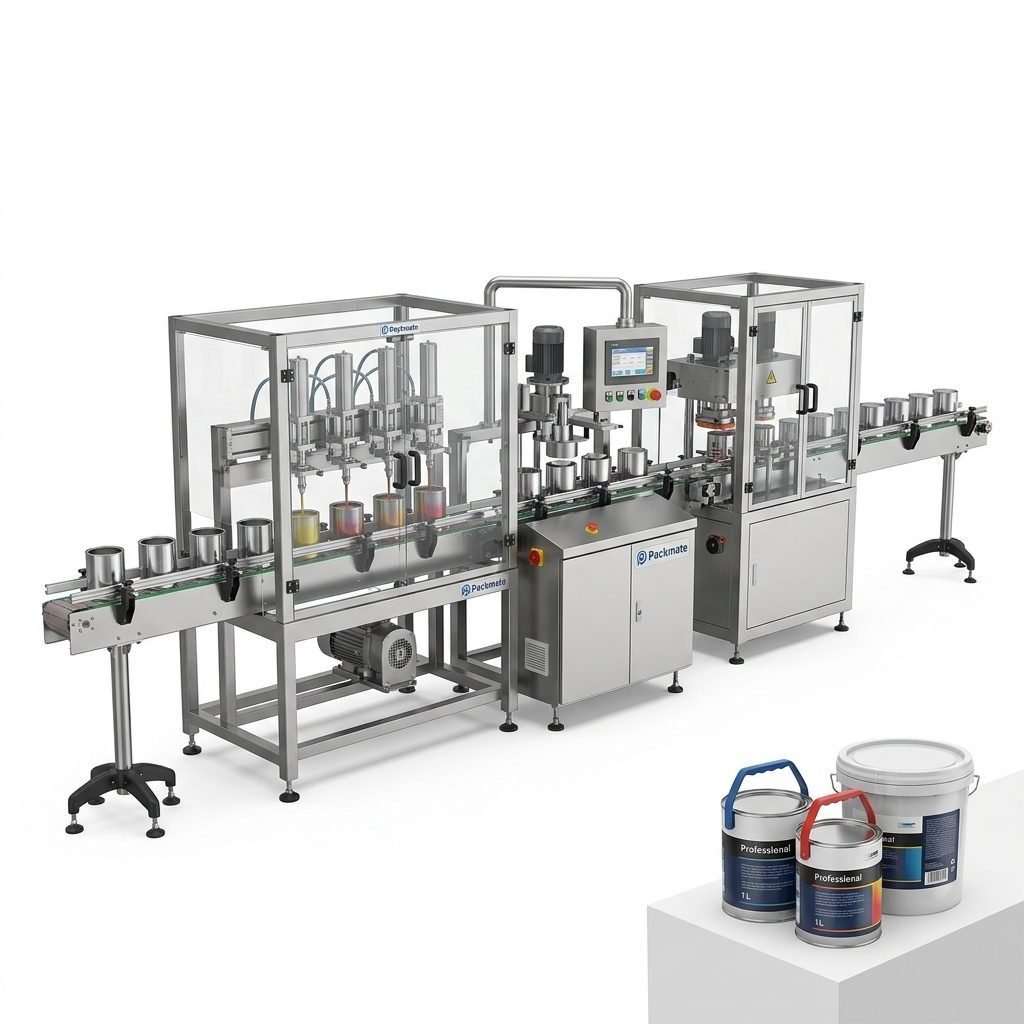
Integration with Broader Packaging Operations
An automatic bagging machine rarely operates in isolation. Its performance is maximized when integrated into a cohesive production line. This can include:
- Upstream Equipment: Bulk storage silos, screw conveyors, vibratory feeders, or mixers that ensure a consistent supply of product to the bagger.
- In-Line Quality Control: Checkweighers to verify fill weight, metal detectors or X-ray systems for contamination control, and vision systems to inspect seals and print.
- Downstream Packaging: Conveyors, cartoners, case packers, and palletizers that handle the finished bags for shipment.
Leading manufacturers like Ludyway and Packmate Machinery offer expertise in providing both individual machines and complete, synchronized packaging lines, ensuring smooth material flow and optimized efficiency from start to finish.
Key Considerations for International Buyers
When sourcing from global manufacturers, especially from major exporting countries like China, additional factors come into play:
Technical Support & Spare Parts
Ensure the supplier has a reliable network for after-sales service, technical assistance, and timely delivery of spare parts. A long company history, such as the 30+ years of experience held by many leading manufacturers, often correlates with stable support structures.
Compliance & Certification
Verify that the equipment meets relevant safety and hygiene standards for your region (e.g., CE, UL, FDA, GMP for food/pharma contact parts). Reputable exporters design their machines with these international requirements in mind.
Communication & Project Management
Clear communication during the specification, manufacturing, and commissioning phases is vital. Choose a supplier with a proven track record of managing export projects and with staff capable of effective communication in your language.
Frequently Asked Questions (FAQs)
What is the typical speed range of an automatic bagging machine?
Speed varies dramatically by machine type and bag size. A single-lane VFFS machine might run at 20-60 bags per minute (BPM), while a multi-lane stick pack machine can achieve 400-1200 sachets per minute. Bulk bag fillers handle far fewer cycles per hour but move large volumes per cycle.
Can one machine handle different bag sizes and products?
Many machines are designed with changeover capabilities. By changing the forming tube (on VFFS), pouch magazine, or filler parts, and adjusting settings via the HMI, a single machine can often run a range of sizes. However, significant product changes (e.g., from powder to liquid) usually require more extensive reconfiguration.
How important is after-sales service when purchasing?
Extremely important. Even the most reliable machine may require maintenance, spare parts, or troubleshooting. A supplier with strong technical support, available documentation (manuals, drawings), and a stock of common spare parts ensures minimal downtime and protects your investment.
What is the lead time for a new automatic bagging system?
Lead times depend on the machine’s complexity and customization level. A standard model may ship in 8-12 weeks, while a fully customized turnkey line could take 4-6 months or more for design, manufacturing, testing, and delivery. Always confirm timelines with your supplier during the quoting process.