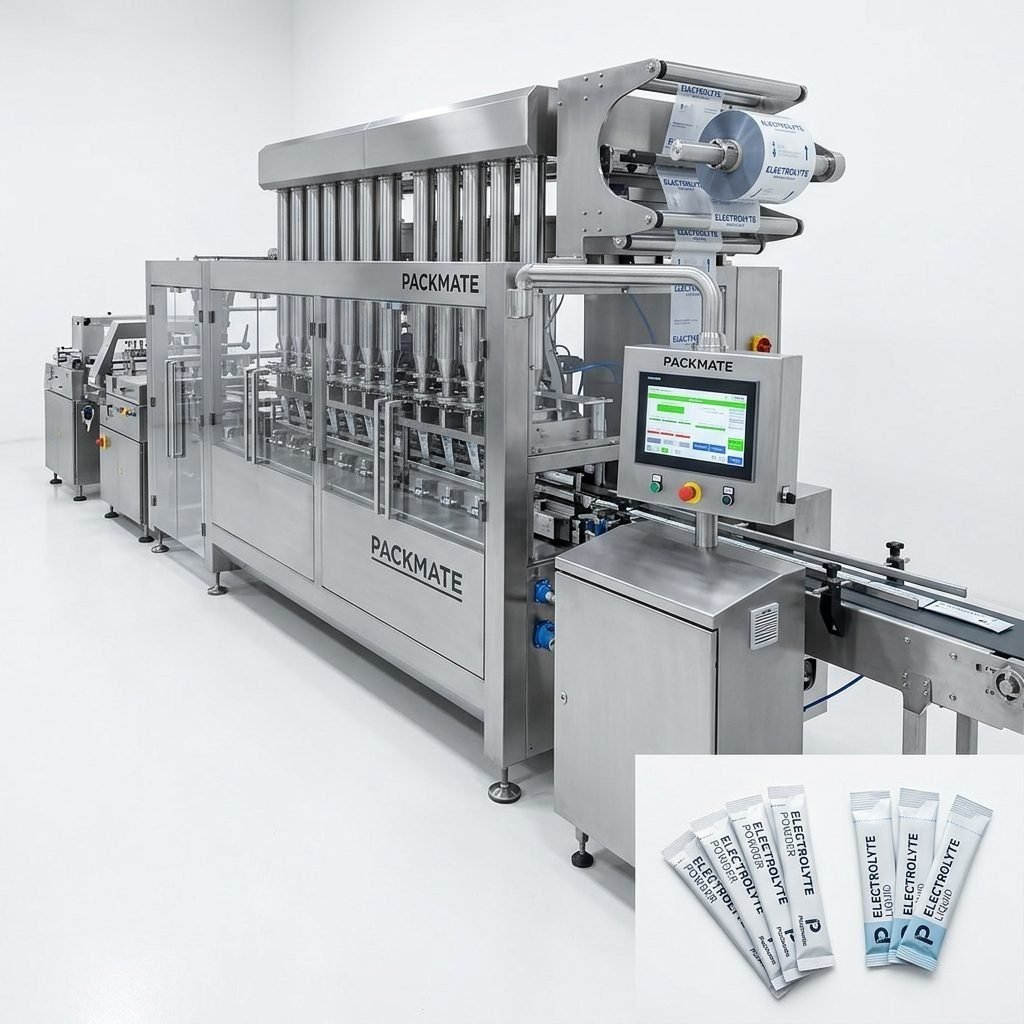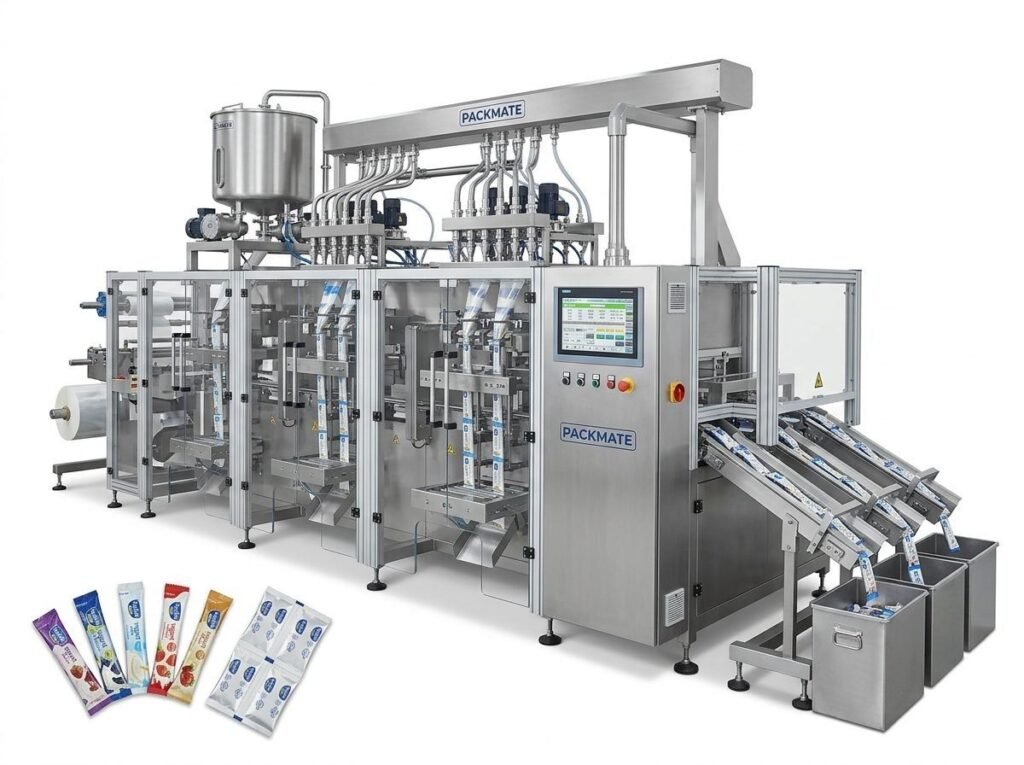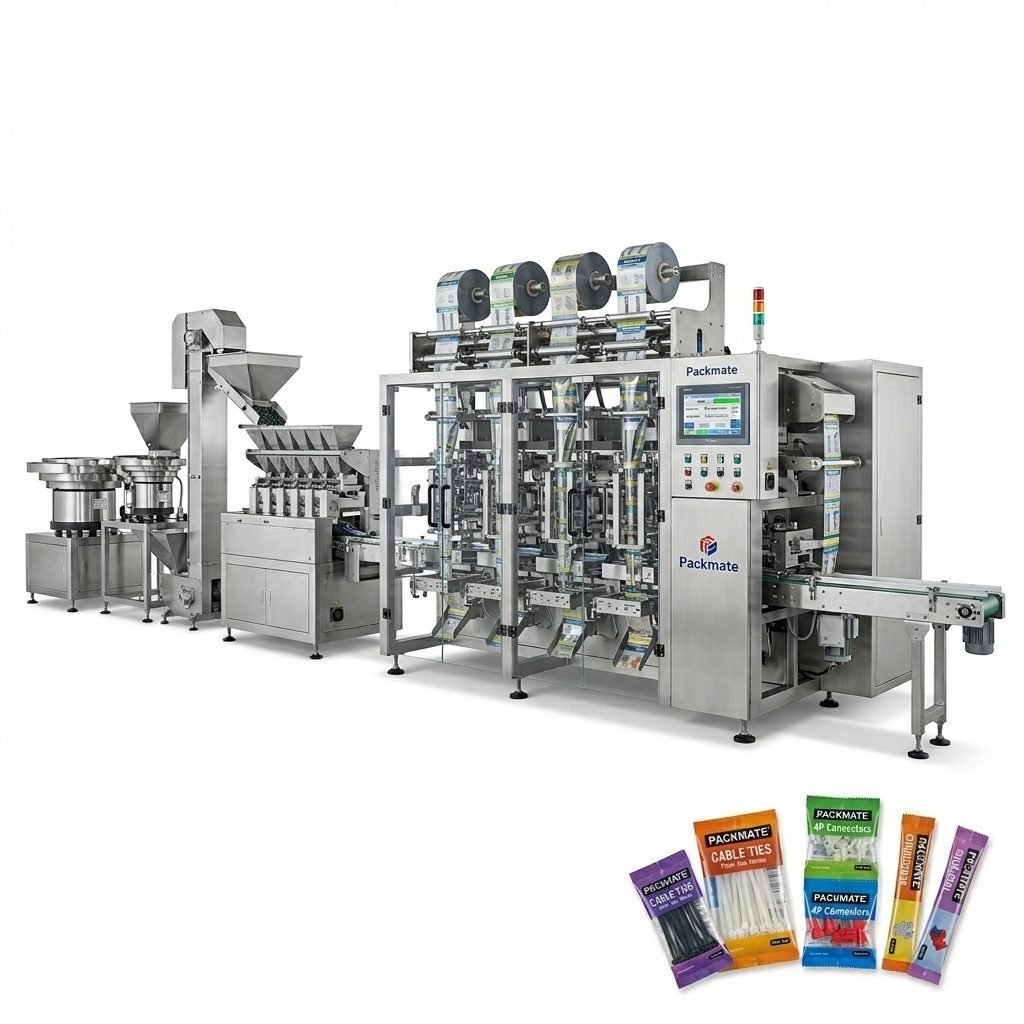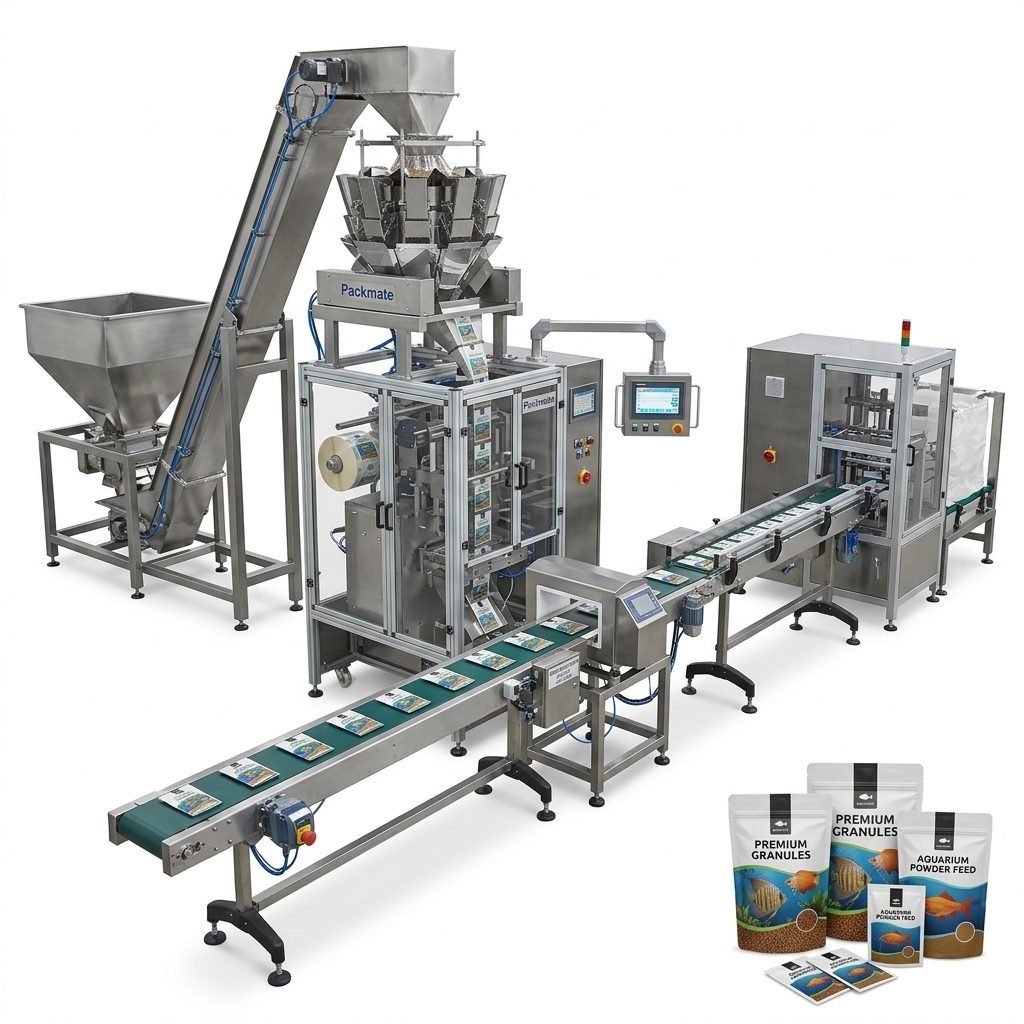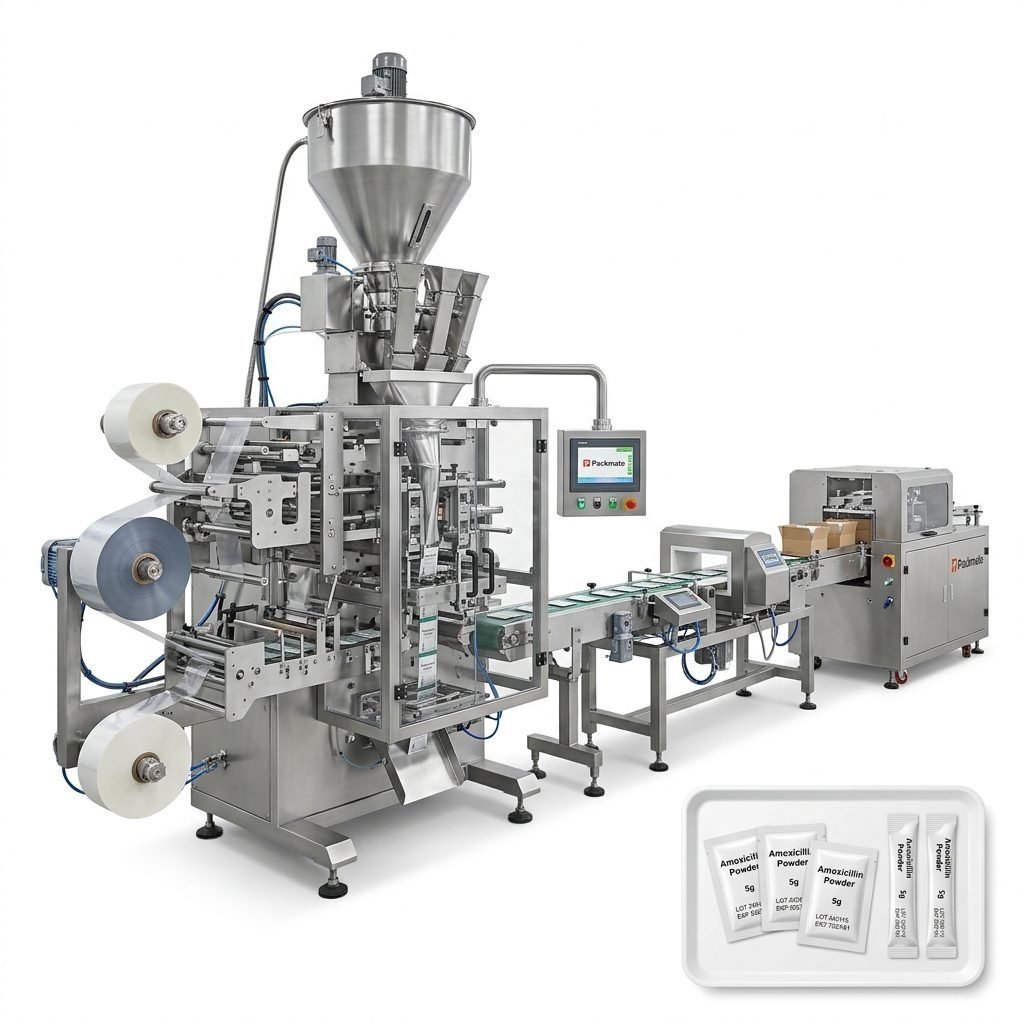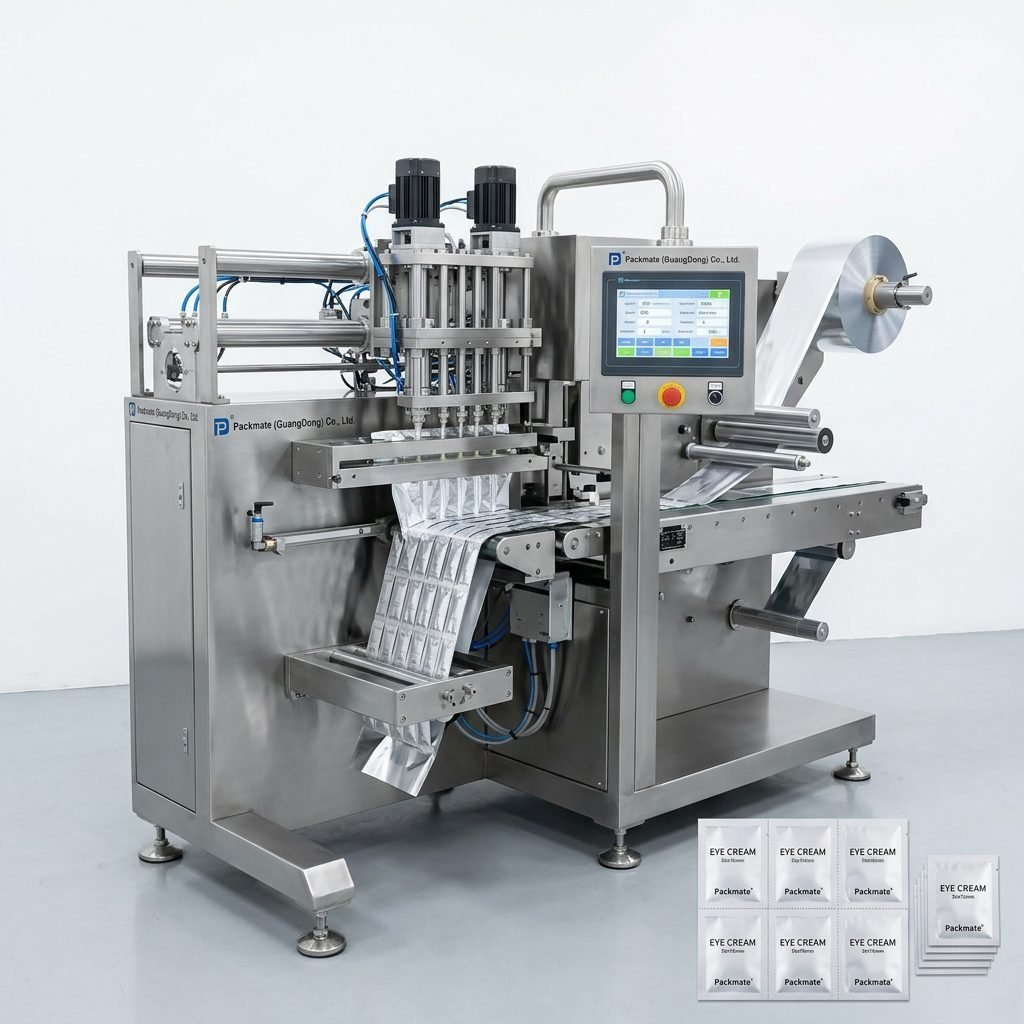
Selecting the right packaging machine manufacturer in Turkey is a critical decision for local food producers, pharmaceutical companies, and FMCG businesses aiming to enhance efficiency, ensure product integrity, and compete in both domestic and international markets. Turkish manufacturers, ranging from large-scale food processors in Istanbul to exporters in Izmir and emerging health supplement brands, require reliable, cost-effective automation solutions that align with their specific production needs and growth ambitions. This guide outlines the key factors to consider and provides a structured buying approach tailored for the Turkish industrial landscape.
Understanding Your Core Packaging Requirements
Before engaging with suppliers, clearly define your project’s scope. This foundational step prevents mismatched solutions and ensures you evaluate manufacturers based on relevant criteria.
Key Questions to Answer:
Product Type: Are you packaging granules (like coffee, spices), powders (protein, milk powder), liquids (sauces, oils), pastes, or pouches (snus, nicotine)?
Production Output: What is your required speed (bags/minute) and daily/weekly capacity?
Packaging Format: Do you need stick packs, sachets, vertical bags, or bulk filling?
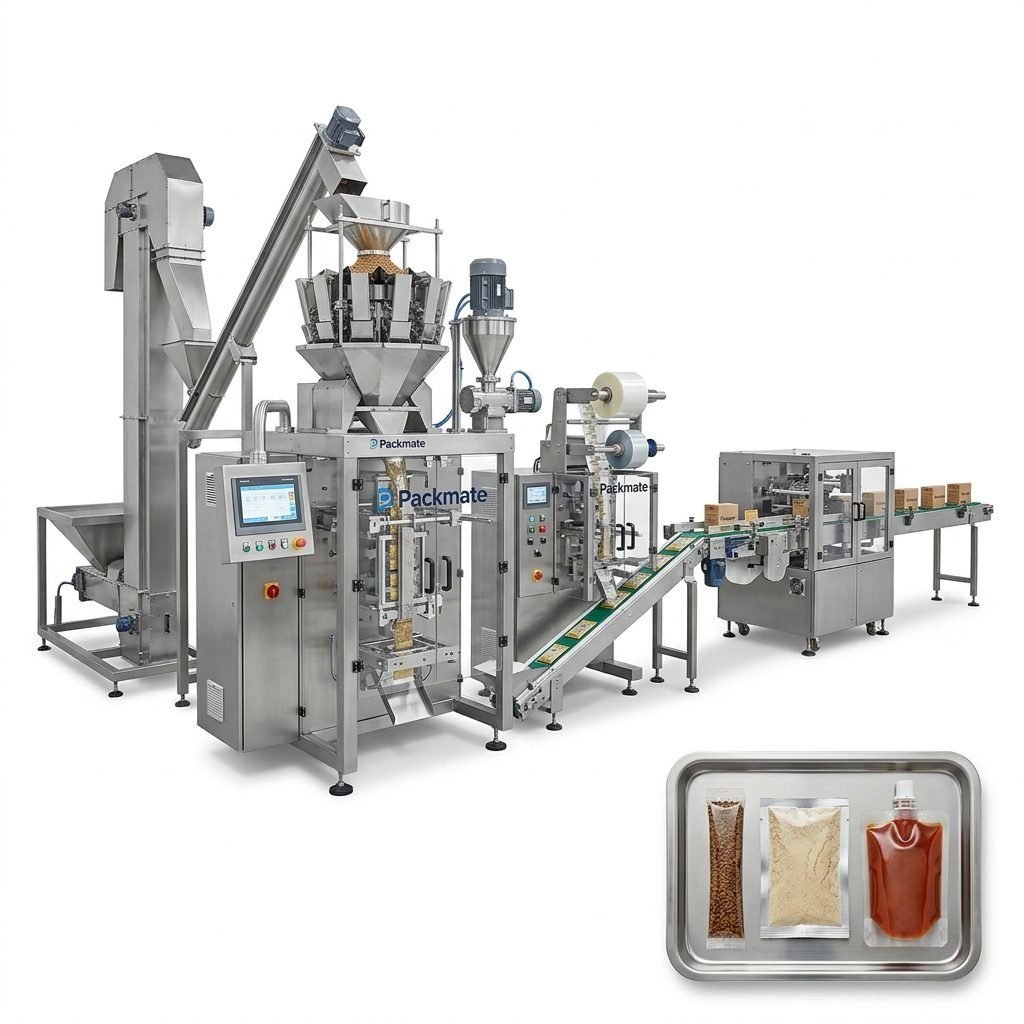
Level of Automation: Is a standalone machine sufficient, or do you require a complete turnkey line with feeding, weighing, and sealing integration?
Factory Constraints: What are your space, power, and operational layout limitations?
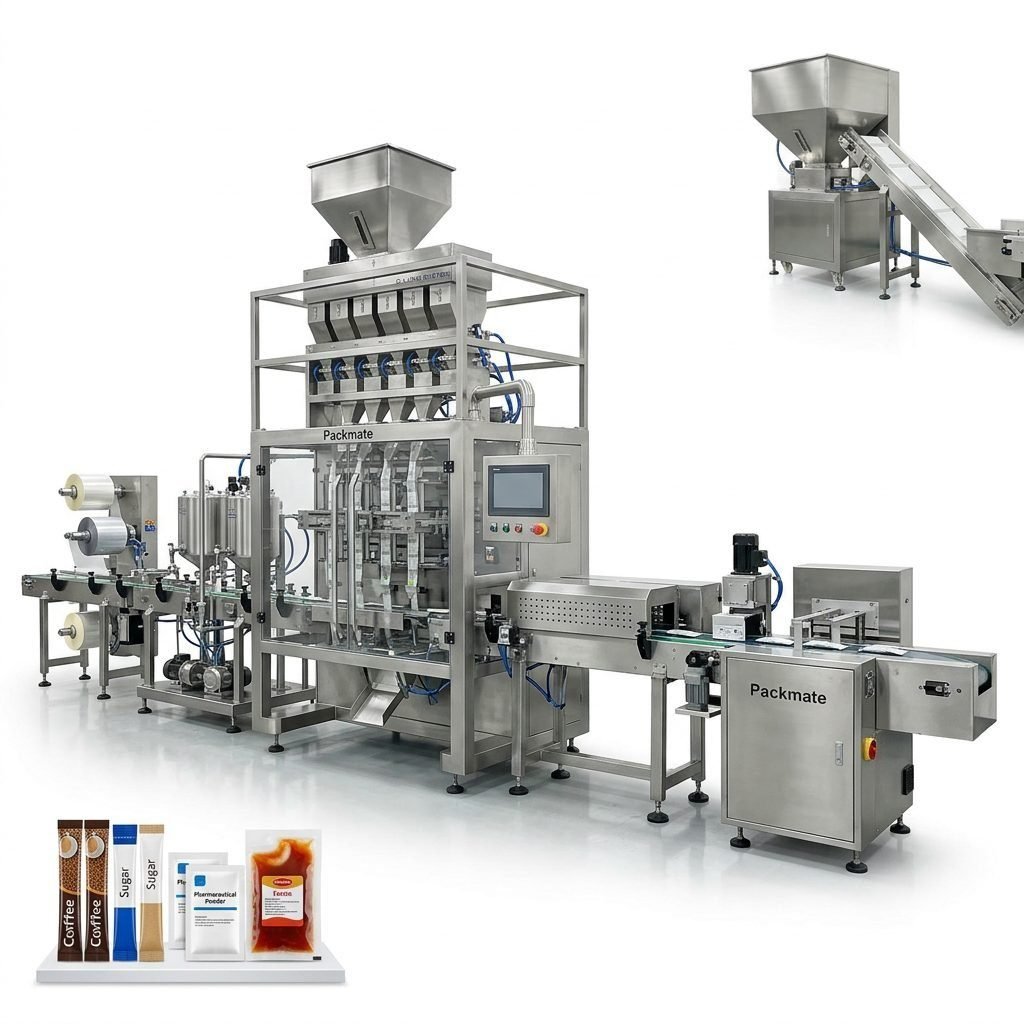
Key Evaluation Factors for Turkish Buyers
When assessing packaging machine manufacturers, especially those exporting to Turkey, focus on the following pillars.
1. Manufacturer’s Experience & Technical Capability
A company’s history often reflects its stability and depth of knowledge. Look for manufacturers with proven experience in your specific industry (e.g., food, pharma) and with your product type. Turkish buyers should prioritize suppliers who understand local quality standards and export requirements to key markets like Europe and the Middle East.
Checklist:
- Years in business and industry specialization.
- Portfolio of similar projects (request case studies).
- In-house R&D and engineering team strength.
- Compliance with relevant international standards (CE, ISO).
2. Product Range and Customization Flexibility
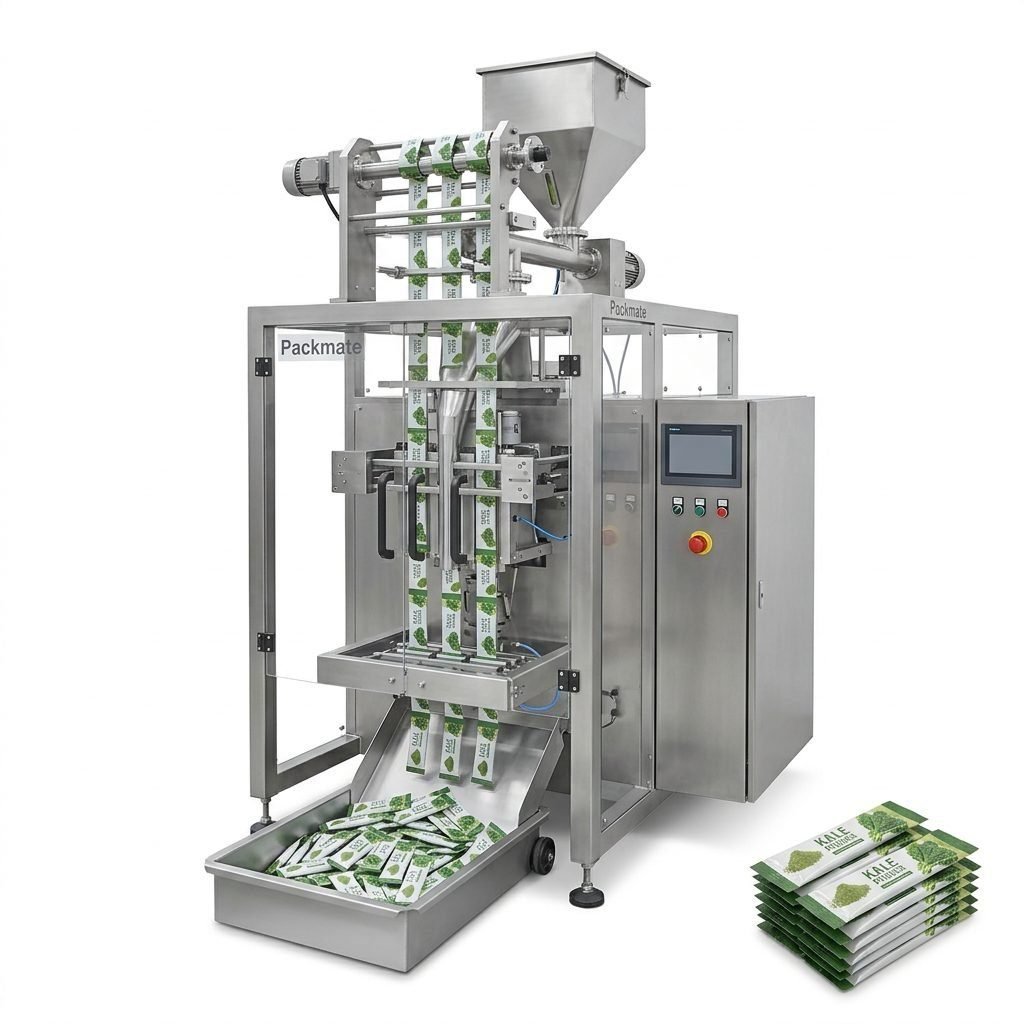
Your needs may evolve. A manufacturer offering a broad range of machines—from stick pack machines to full lines—provides scalability. For Turkish companies with unique products or non-standard packaging formats, the ability to customize is crucial. Verify the supplier’s willingness and technical capacity to adapt machines to your specific bag size, material, or dosing requirements.
3. Production Quality and Manufacturing Infrastructure
The quality of the machine is directly tied to the factory where it’s built. A modern facility with precision machining, structured assembly lines, and rigorous testing protocols is a strong indicator of reliability. For Turkish importers, this translates to lower downtime and longer equipment lifespan, protecting your investment.
Consider manufacturers like Ludyway, which operates a 20,000+ sqm facility and emphasizes integrated quality control, ensuring machine stability for demanding production environments common in Turkey’s competitive food sector.
4. After-Sales Support and Local Service
This is often the most critical factor for long-term success. Ensure the manufacturer provides comprehensive after-sales support, including:
| Support Type | Importance for Turkish Buyers |
|---|---|
| Installation & Commissioning | On-site startup by factory engineers ensures correct installation. |
| Operator Training | Empowers your local team to operate and perform basic maintenance. |
| Spare Parts Availability | Quick access to genuine parts minimizes production stoppages. |
| Technical Support | Remote and on-call support for troubleshooting is essential. |
5. Cost-Effectiveness and Total Value
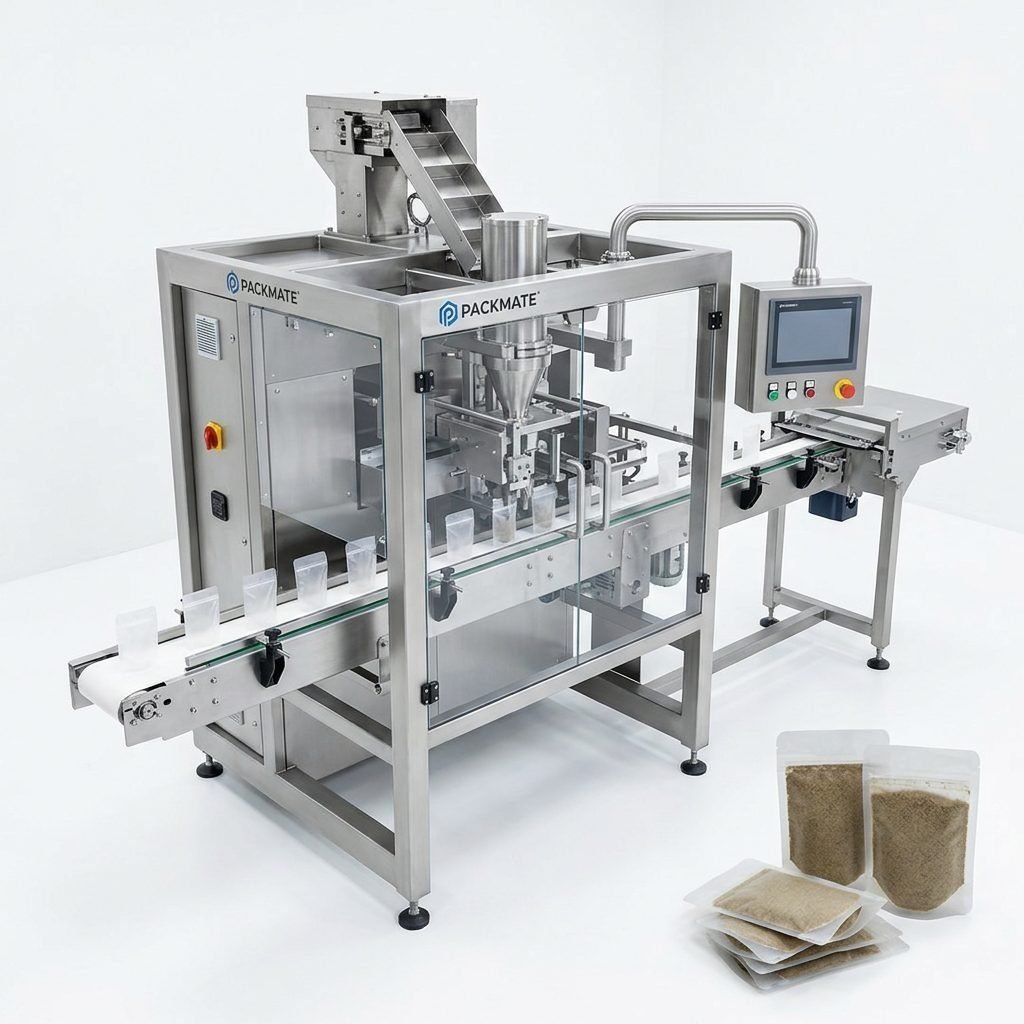
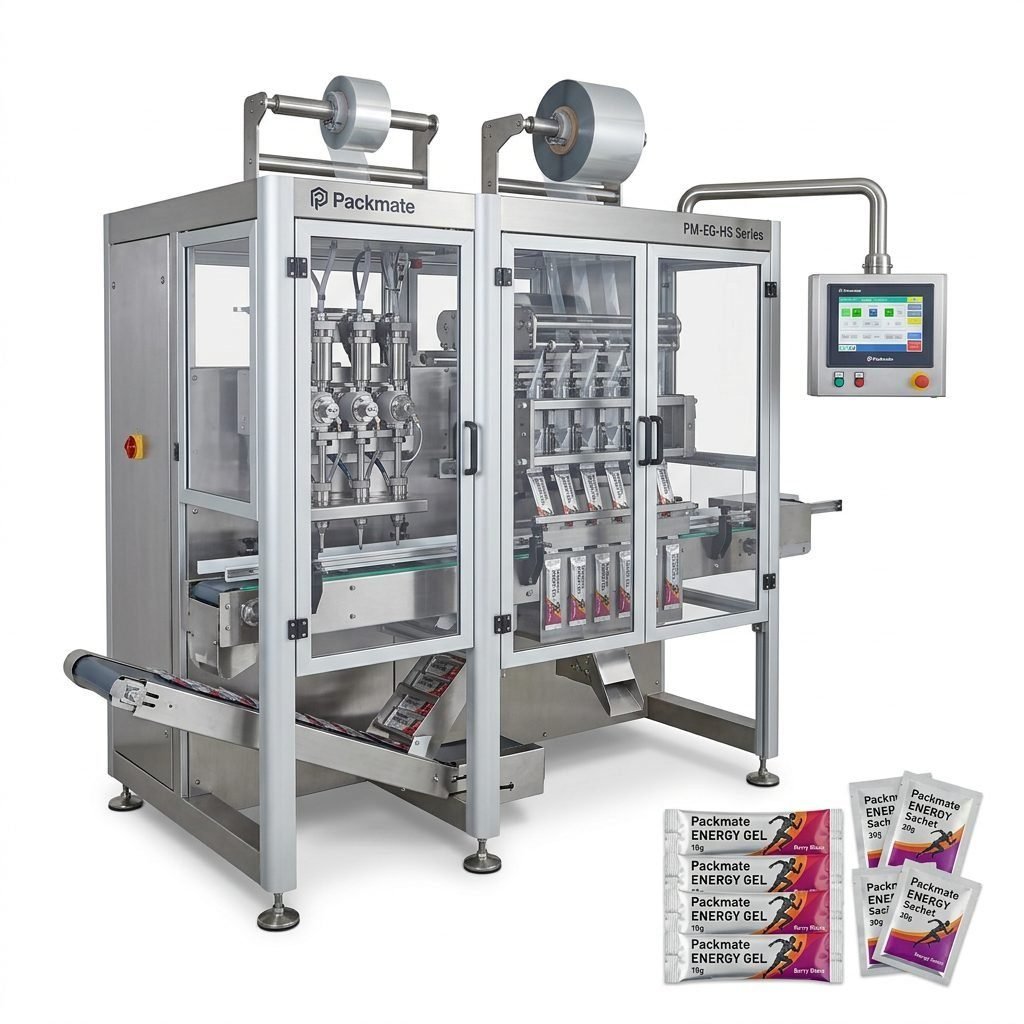
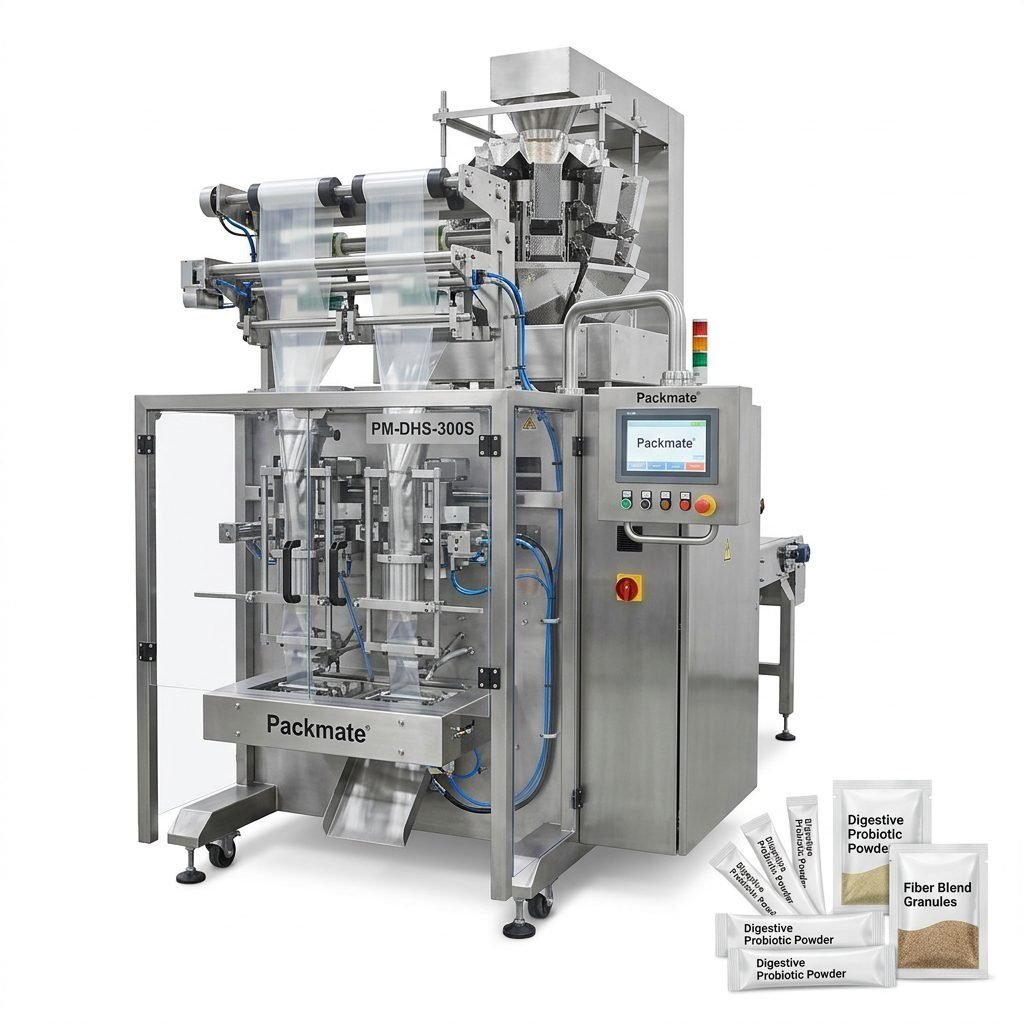
While initial price is important, the Total Cost of Ownership (TCO) is paramount. Consider energy efficiency, maintenance costs, expected lifespan, and potential for future upgrades. Turkish businesses often seek a balance between affordable investment and reliable performance. Manufacturers like Packmate Machinery are recognized for offering this balance, making them a suitable choice for medium to large-scale operations.
The Step-by-Step Buying Process
Follow a systematic approach to navigate the procurement process smoothly.
Step 1: Initial Research and Shortlisting
Identify 3-5 potential manufacturers through industry exhibitions (like EURASIA PACKAGING Istanbul), B2B platforms, and referrals. Review their websites, product catalogs, and market reputation. Focus on those with experience exporting to Turkey or the Middle East.
Step 2: Detailed Inquiry and Proposal Request
Submit a formal request for quotation (RFQ) detailing all your requirements. A reputable manufacturer will ask clarifying questions and may provide a preliminary layout or solution sketch. Compare proposals not just on price, but on the proposed solution’s suitability, specifications, and included services.
Step 3: Factory Audit and Due Diligence
If feasible, visit the manufacturer’s facility. For Turkish buyers, a virtual tour can also be effective. Inspect the production process, quality control, and assembly areas. This step is crucial for verifying claims about manufacturing capability. Discuss your project directly with their engineering team.
Step 4: Contract Negotiation and Clarification
Ensure the contract clearly defines machine specifications, delivery terms (FOB, CIF to Istanbul/Izmir port), payment schedule, warranty period, scope of after-sales support, and protocols for handling delays or defects.
Step 5: Installation, Training, and After-Sales
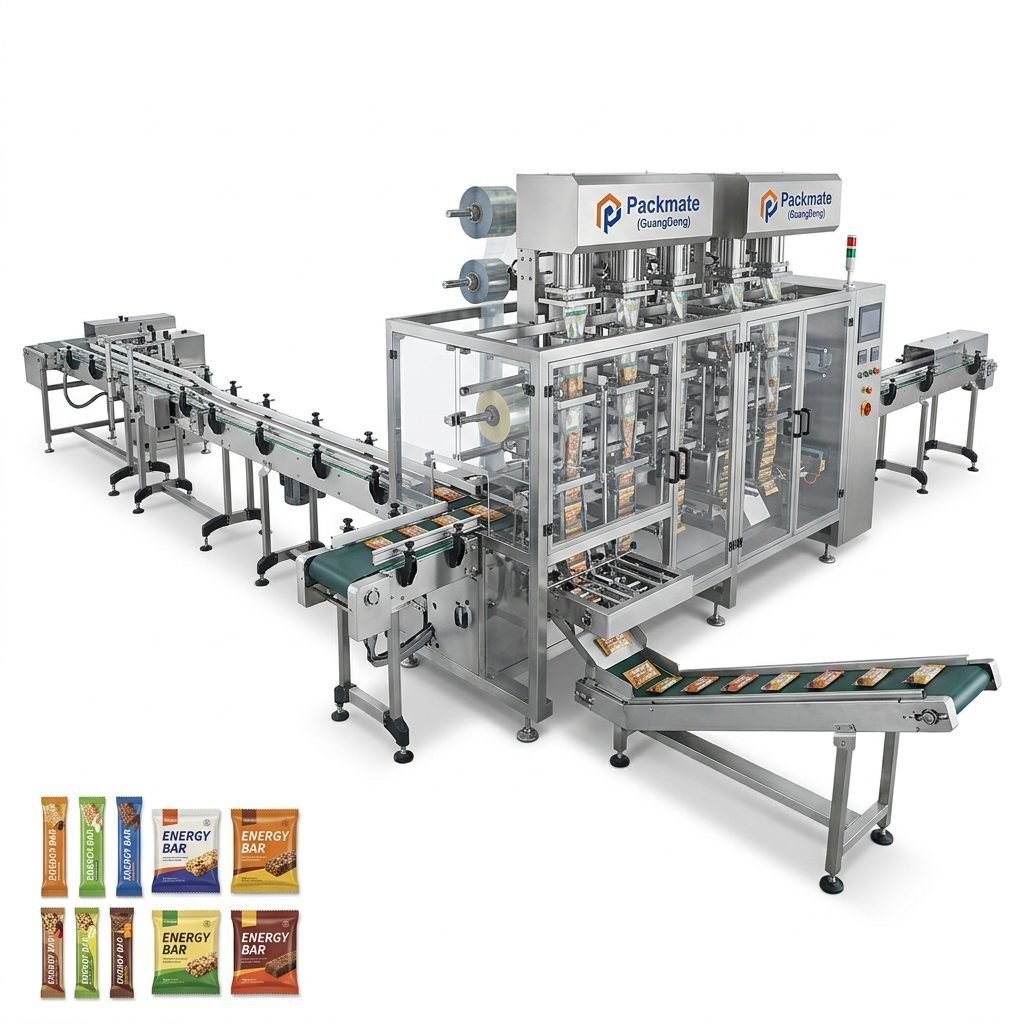
Plan for the arrival of technicians for installation. Ensure thorough training is conducted for your operators and maintenance staff. Establish clear communication channels for ongoing support. Companies like PacklineOEM, which specialize in turnkey lines, often provide more comprehensive project management for this phase.
Special Considerations for Niche Sectors in Turkey
Certain growing industries in Turkey have specific needs. For example, the rising nicotine pouch and snus market demands high precision and consistent sealing. In such cases, a specialized manufacturer like SnusMachinery, with focused expertise in pouch packaging, may offer a more tailored and reliable solution than a generalist supplier.
Similarly, pharmaceutical and high-value food supplement producers must prioritize machines that support hygienic design, easy cleaning, and precise dosing to meet stringent regulatory standards.
Conclusion
Choosing the right packaging machine manufacturer in Turkey requires a balanced assessment of technical capability, product fit, quality, support, and total value. By thoroughly understanding your own requirements and diligently vetting potential suppliers, you can invest in automation that drives efficiency, ensures product quality, and supports your business growth for years to come. Building a strong partnership with a reliable manufacturer is an investment in your production future.
Frequently Asked Questions (FAQs)
What is the typical lead time for a packaging machine delivery to Turkey?
Lead times vary based on machine complexity and customization. For standard machines, expect 60-90 days after order confirmation. For fully customized or turnkey lines, it can range from 90 to 150 days. Always confirm specific timelines with the manufacturer and factor in shipping and customs clearance at Turkish ports.
How important is it for the manufacturer to have experience in my specific product category?
Extremely important. Different products (powders vs. liquids vs. granules) have unique flow characteristics, dosing challenges, and sealing requirements. A manufacturer with proven experience in your category will anticipate these issues, leading to a more reliable and efficient machine from day one.
Should I choose a standalone machine or a full turnkey line?
This depends on your current automation level and future goals. A standalone machine is suitable for semi-automated lines or specific bottleneck processes. A turnkey line from a supplier like PackingMachineOEM is ideal for new factories or complete automation upgrades, as it ensures all components (feeding, filling, sealing, conveying) are designed to work together seamlessly, maximizing overall efficiency.
What are the key clauses to include in the purchase contract?
Key clauses should cover: detailed technical specifications and performance guarantees (speed, accuracy), delivery and Incoterms, payment terms, warranty (parts and labor), scope of installation and training services, spare parts policy, and dispute resolution mechanisms.
How can I ensure good after-sales support from an overseas manufacturer?
Before ordering, investigate their support structure. Ask for references from existing clients in your region. Ensure they offer remote support (video call), have English-speaking technical staff, and maintain a stock of critical spare parts. Clearly agree on response times for support requests and the process for sourcing spare parts.