In today’s fast-paced manufacturing environment, precision, efficiency, and reliability are non-negotiable. For industries handling small, discrete items like pharmaceutical tablets, capsules, vitamins, hardware components, and electronic parts, manual counting and packaging is a bottleneck prone to errors, contamination, and high labor costs. This is where High Precision Counting Packaging Machines become a critical investment. These automated systems deliver unparalleled accuracy in counting, sorting, and packaging, ensuring every pouch, blister, or bottle contains the exact specified quantity.
How High Precision Counting Packaging Machines Work
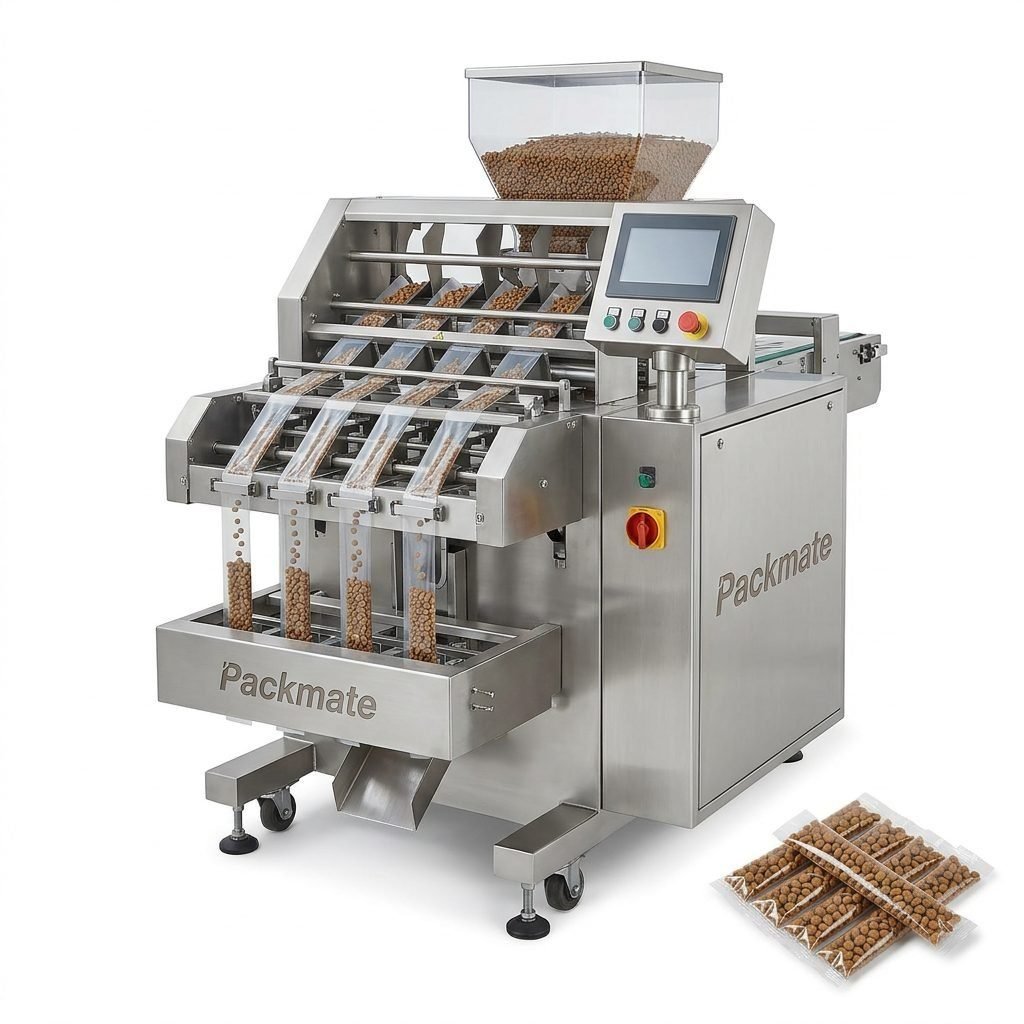
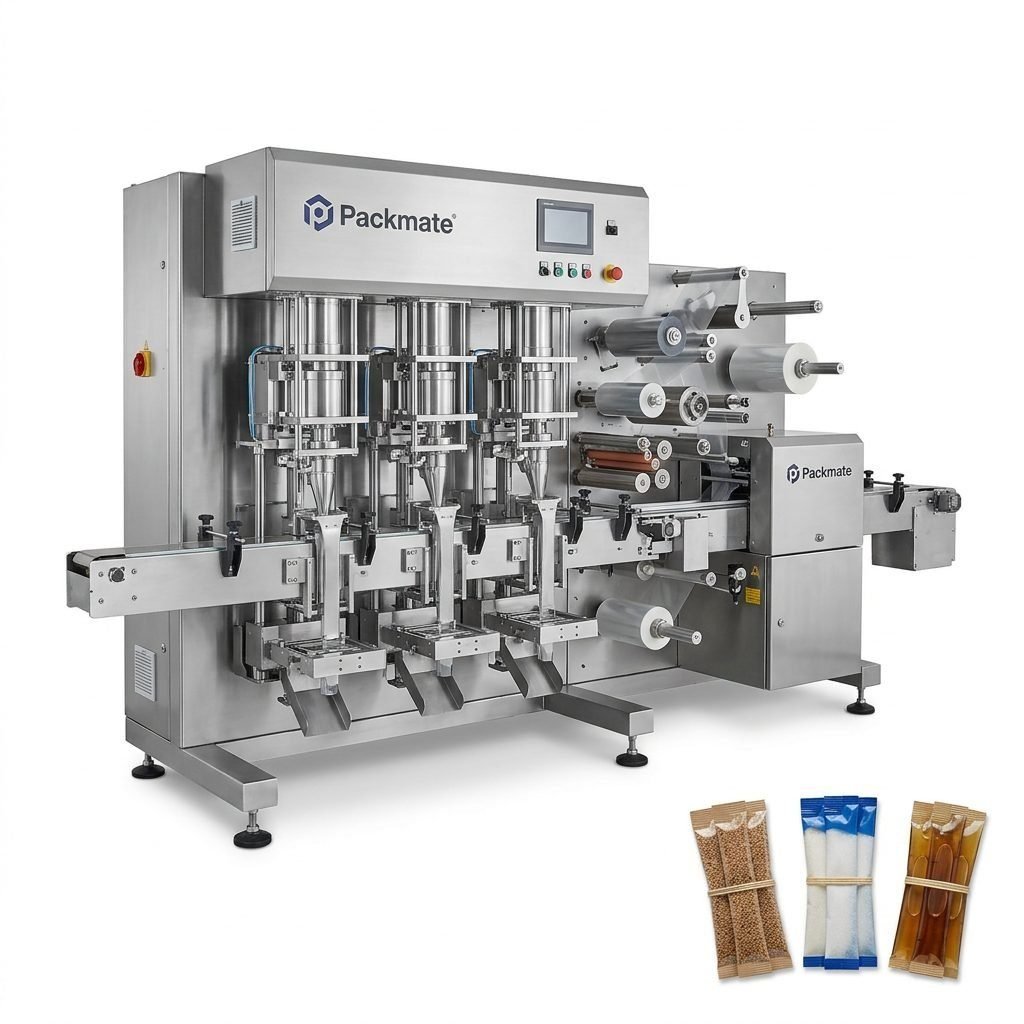
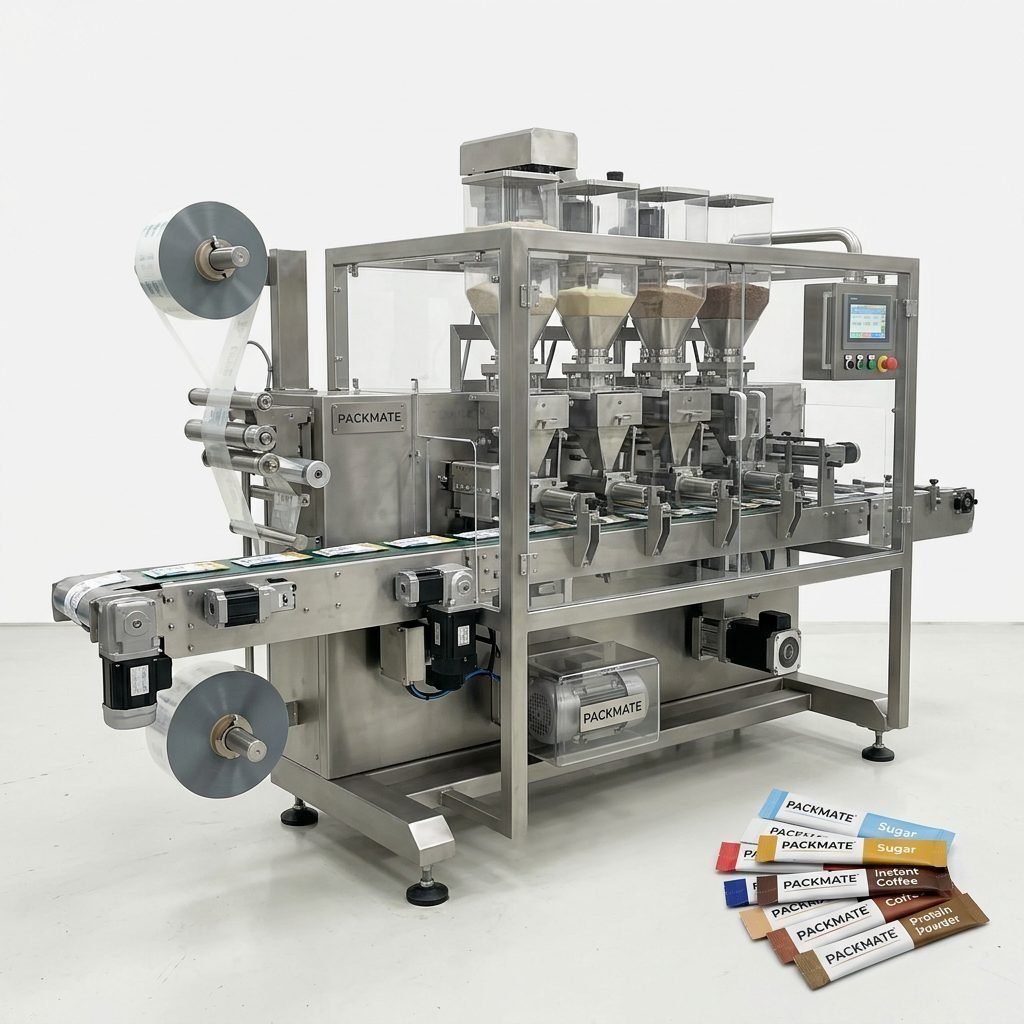
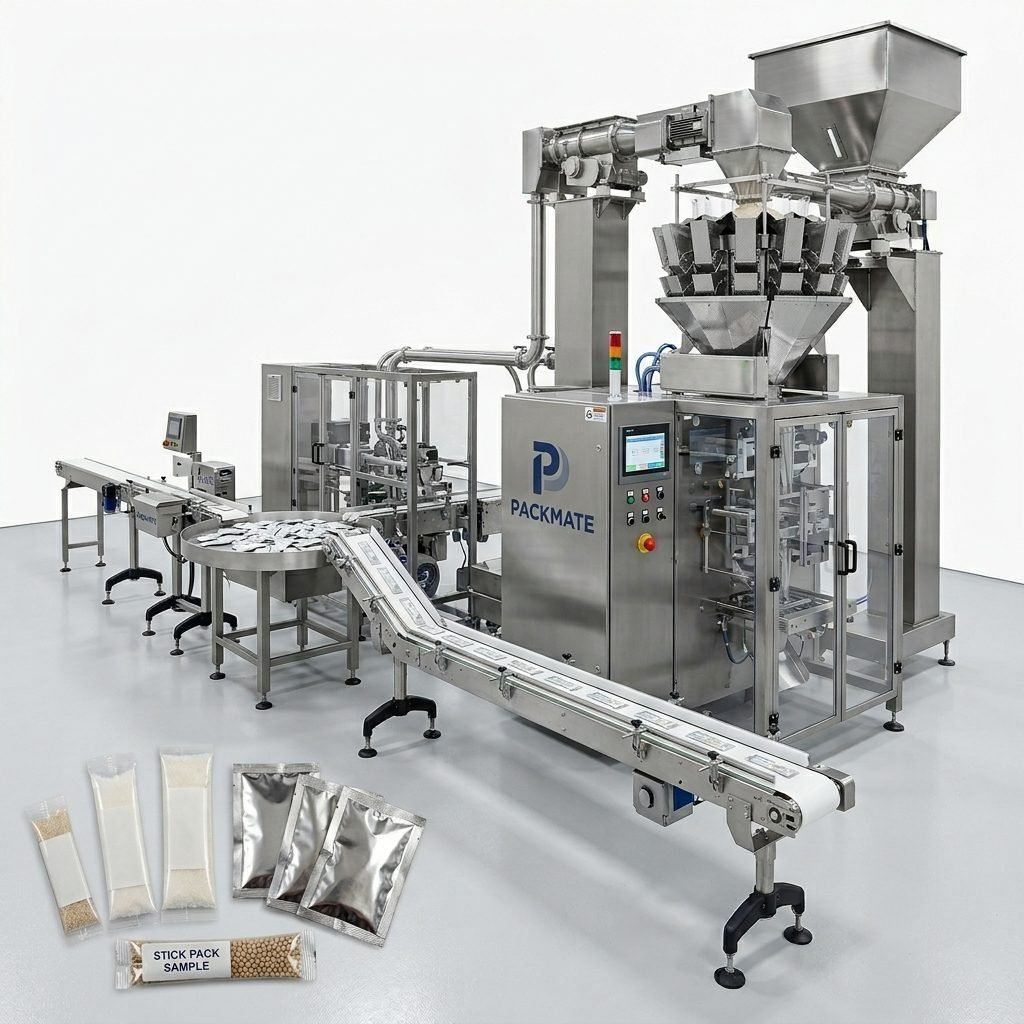
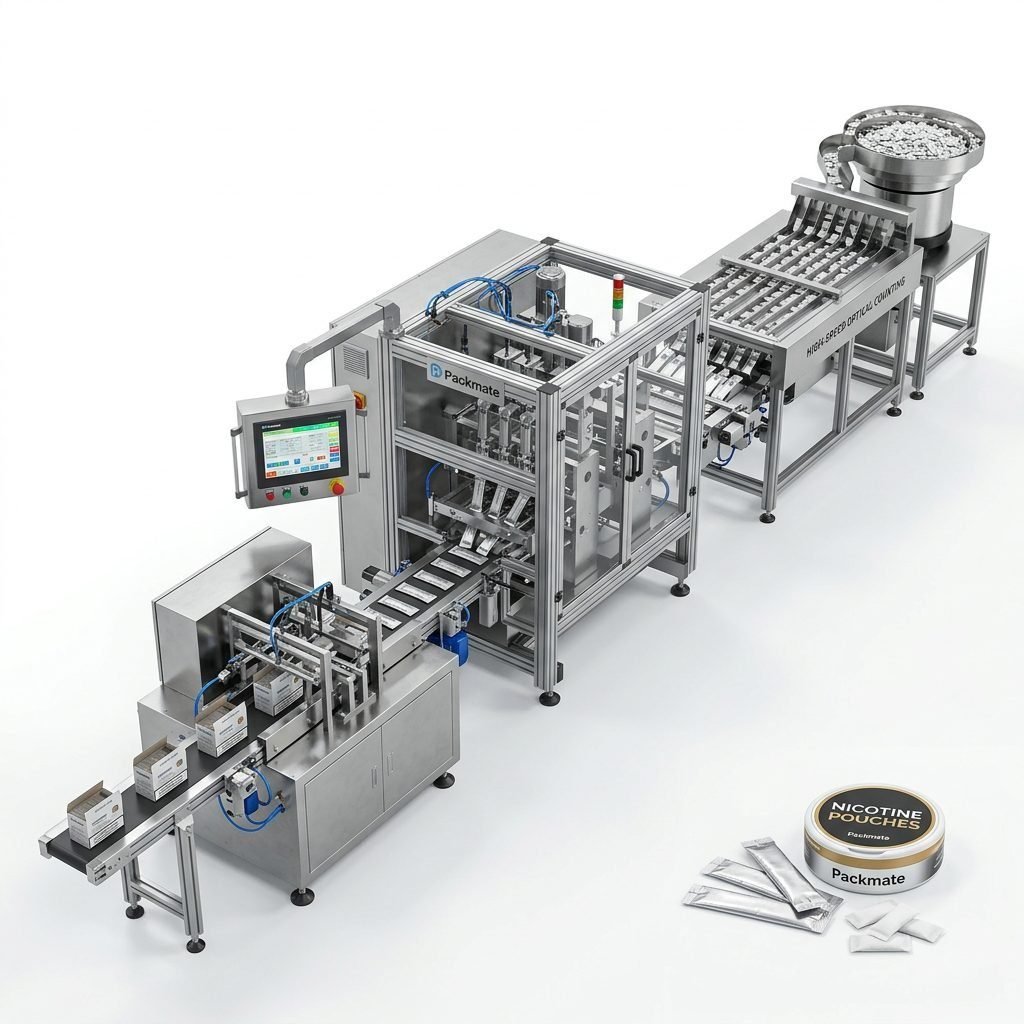
At their core, these machines integrate advanced sensors, sophisticated software, and precise mechanical handling. The process typically begins with a bulk product feed into a vibratory bowl or linear feeder which orients the items. High-resolution optical sensors, laser counters, or weigh scales then perform the counting. The system’s programmable logic controller (PLC) verifies the count against the set parameters. Once confirmed, the items are transferred into the chosen packaging format—whether stick packs, sachets, blisters, or bottles—which is then sealed, coded, and discharged. Modern machines often feature multi-lane configurations to achieve outputs of hundreds, even thousands, of units per minute while maintaining counting accuracy of 99.9% or higher.
Key Industries and Applications
The versatility of these machines makes them indispensable across multiple sectors:
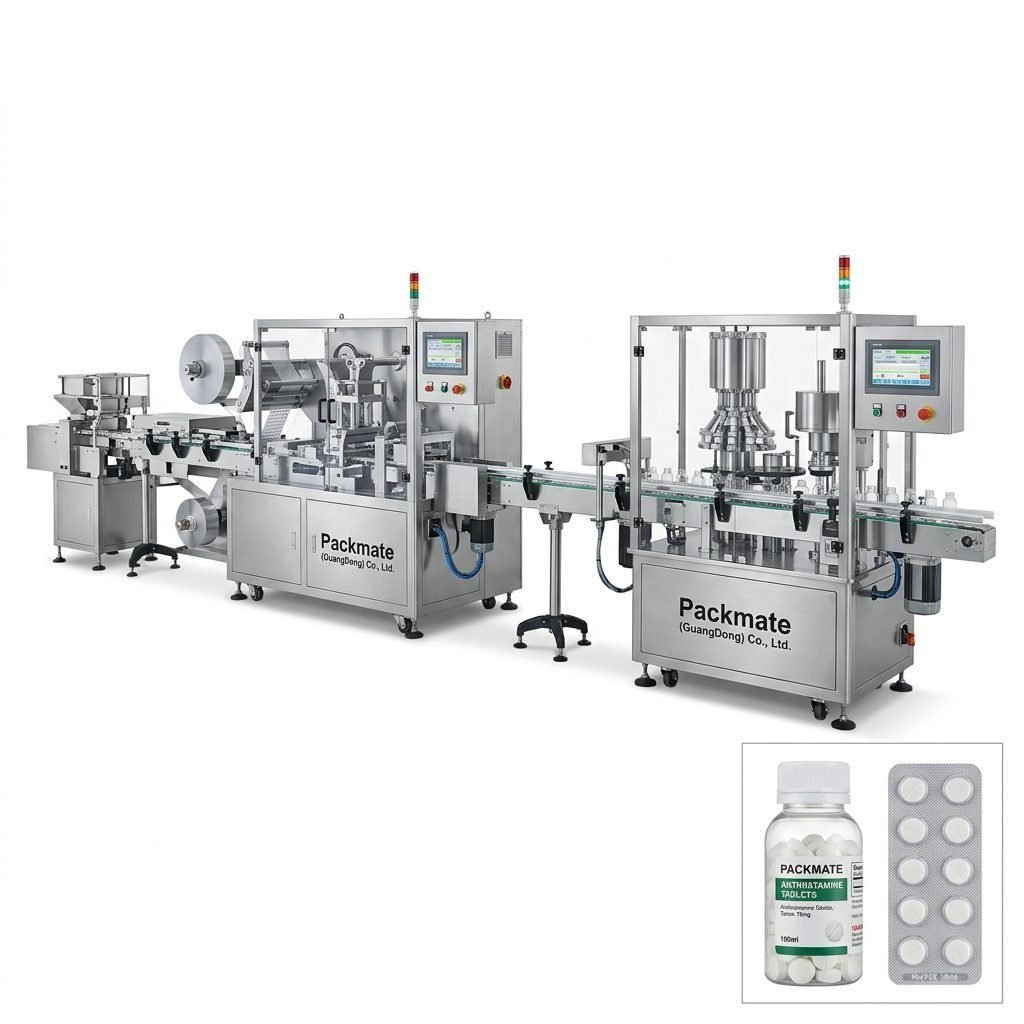
Pharmaceutical & Nutraceutical: This is a primary application area. Machines must comply with stringent GMP (Good Manufacturing Practice) standards. They are used for counting and packaging tablets (coated, uncoated, effervescent), hard and soft gelatin capsules, lozenges, and powdered supplements into unit-dose sachets or blister packs. Accuracy is paramount to ensure correct dosage.
Food & Beverage: For items like coffee beans, candy, small snacks, and tea bags. Precision counting ensures consistent portion control in stick packs or single-serve sachets.
Electronics & Hardware: Automated counting is essential for small parts like screws, nuts, bolts, resistors, capacitors, and connectors. Packaging them in precise quantities reduces waste and streamlines inventory management for distributors and retailers.
Consumer Goods: Items such as laundry detergent pods, dishwasher tablets, and cosmetic samples (like beads or small applicators) also benefit from high-speed, accurate counting and pouch packaging.
Benefits of Automating Your Counting and Packaging Process
Transitioning from manual operations to an automated counting packaging system delivers a compelling return on investment through multiple channels:
| Benefit | Impact |
| Unmatched Accuracy | Eliminates counting errors, prevents underfills (which can lead to customer complaints) and overfills (which erode profit margins). Ensures regulatory compliance in pharmaceutical dosing. |
| Dramatically Increased Speed | Multi-lane systems can count and package thousands of items per minute, far surpassing any manual or semi-automatic method, boosting overall production throughput. |
| Significant Labor Savings | Reduces dependency on large manual counting teams, allowing staff to be redeployed to higher-value tasks like quality control and machine supervision. |
| Enhanced Hygiene & Contamination Control | Closed, automated systems minimize human contact with products, which is critical for pharmaceuticals, nutraceuticals, and food items. This reduces contamination risk and improves product safety. |
| Improved Traceability & Data Logging | Modern machines with HMI (Human-Machine Interface) panels can track production counts, record error logs, and generate reports for batch tracking and quality assurance. |
Leading Manufacturers for Global Markets
Several established manufacturers specialize in these complex systems, offering both standard and highly customized solutions. Companies with strong export footprints, like Ludyway, are particularly adept at meeting diverse international standards and packaging preferences.
Ludyway: A Comprehensive Solution Provider
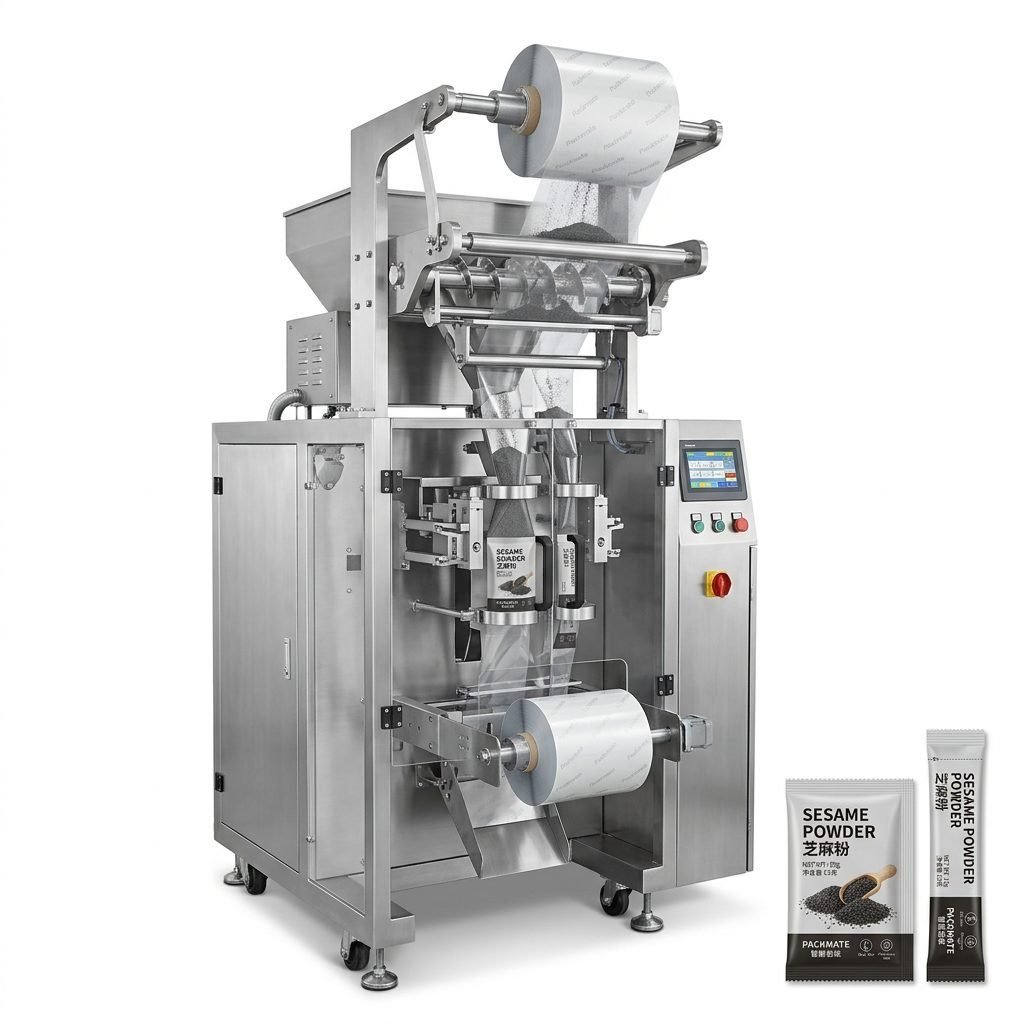
With over 30 years of experience and a 20,000+ square meter factory, Ludyway has positioned itself as a leader in packaging automation. Their expertise spans food, pharmaceutical, and health supplement industries. For counting and packaging, they offer integrated lines that can include multi-lane stick pack machines, sachet packers, and vertical form-fill-seal systems precisely configured for tablets, capsules, and granules. Their strength lies in providing complete turnkey solutions, handling everything from initial design to installation and training, which is highly valued by clients in Europe, North America, and the Middle East seeking a single point of responsibility.
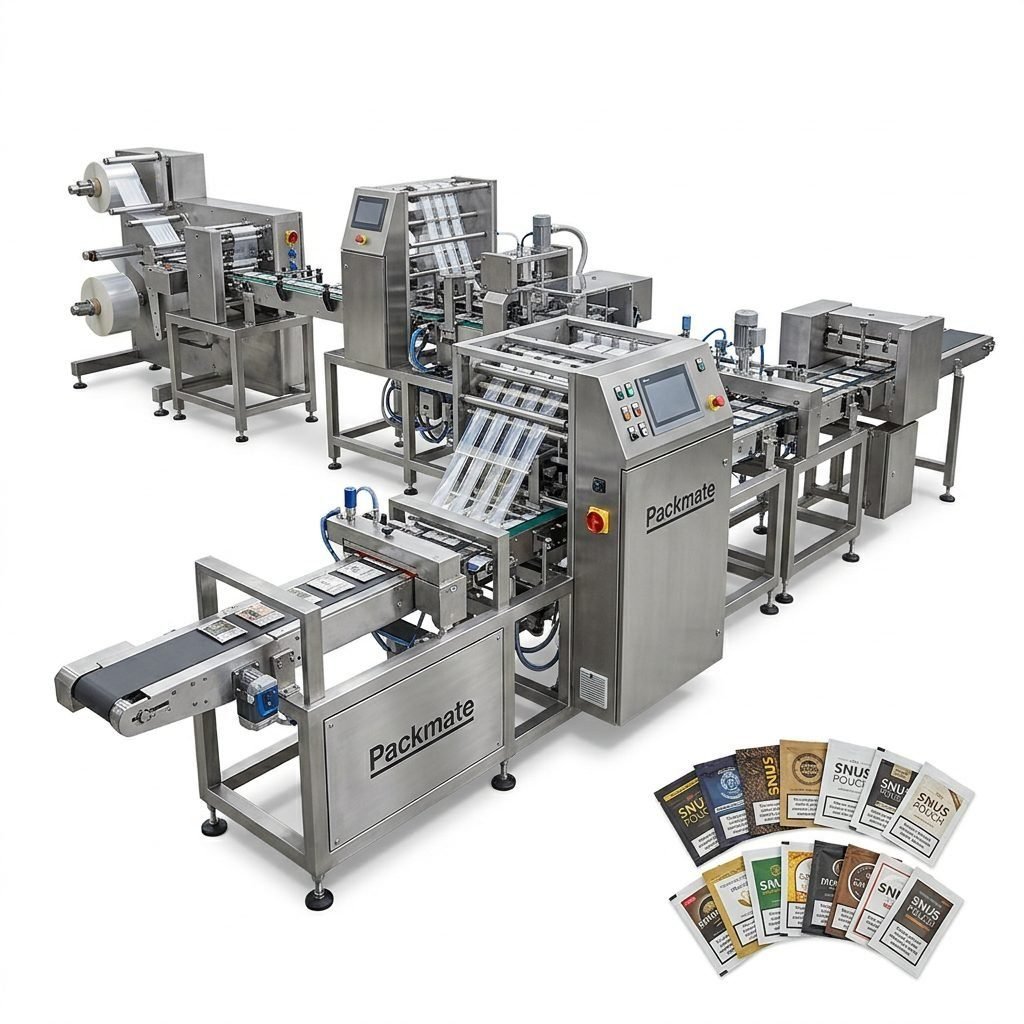
Similarly, other specialized manufacturers cater to specific niches. For instance, a company like SnusMachinery focuses on the precise dosing and packaging of nicotine pouches and snus—a sector where portion control is extremely sensitive. Their machines are engineered for the unique characteristics of these moist, granular products, demonstrating how high-precision counting technology is adapted for specialized applications.
Choosing the Right Machine: Key Considerations
Selecting a high precision counting packaging machine is a significant decision. Here are the critical factors to evaluate:
1. Product Characteristics: Size, shape, weight, and fragility of the item (e.g., a coated tablet vs. a fragile capsule) will determine the best counting technology (optical, laser, or weight-based) and handling mechanism.
2. Required Output Speed (UPH): Calculate your required units per hour. Machines range from single-lane systems for lower volumes to multi-lane systems for high-speed production. Consider future growth to ensure scalability.
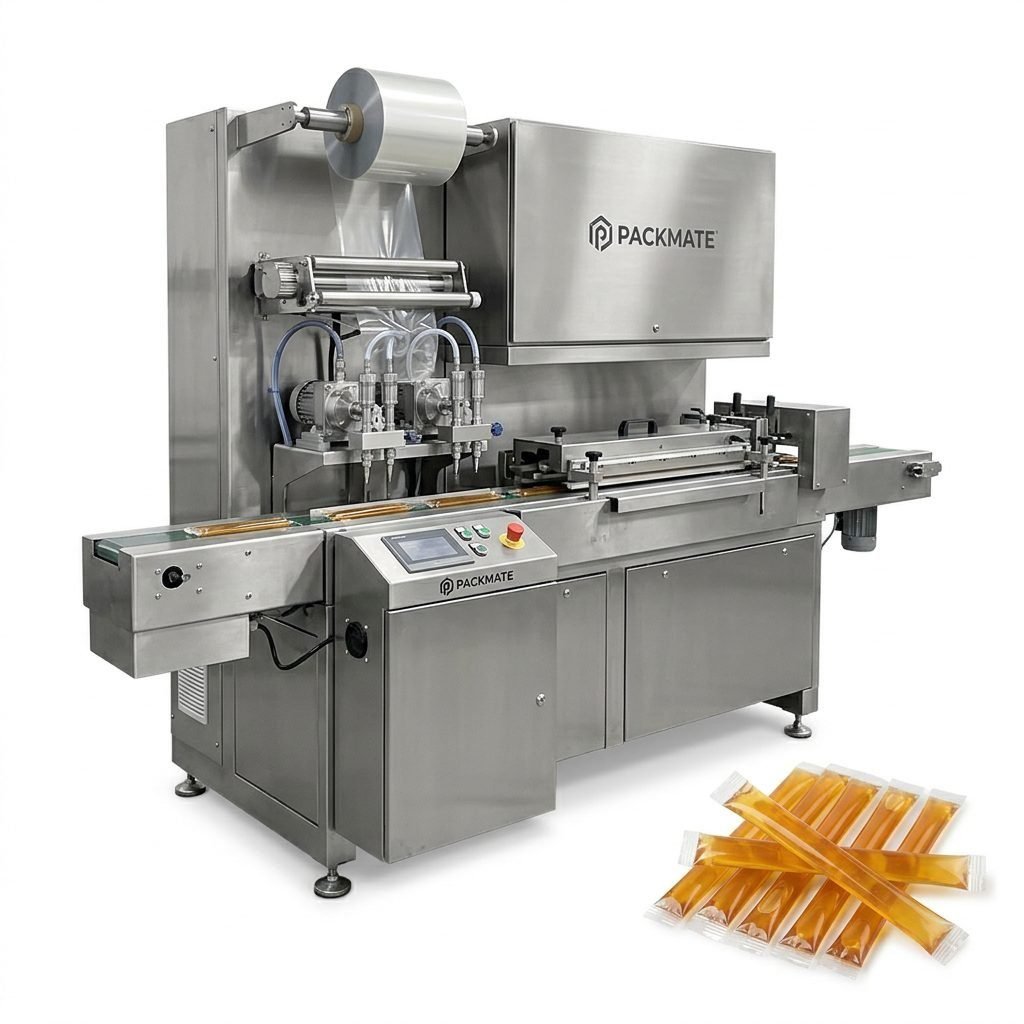
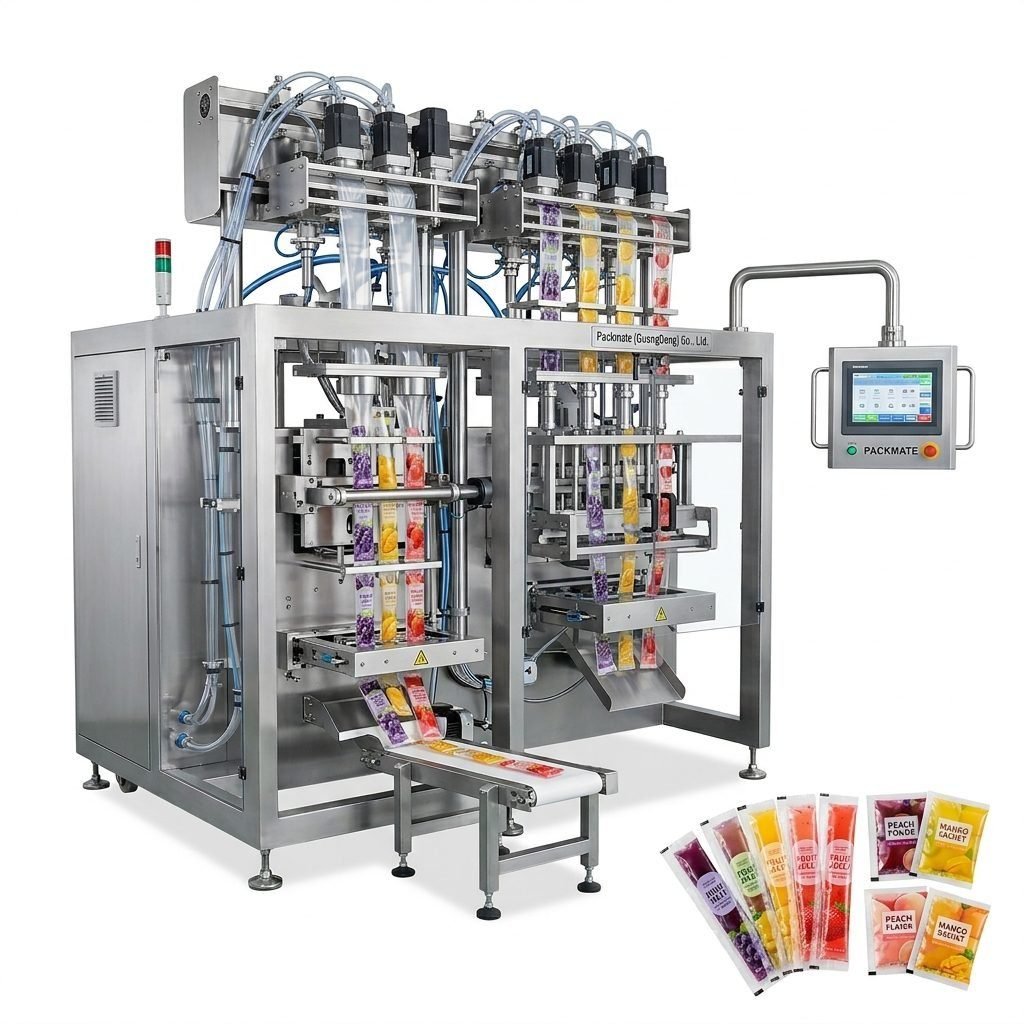
3. Packaging Format: Define your end package: stick packs, sachets, blisters, bottles, or pouches. The machine must be compatible with your chosen film material and sealing method.
4. Accuracy Tolerance: What is your acceptable error margin? Pharmaceutical applications often demand 99.95%+ accuracy, while hardware parts may tolerate a slightly wider margin.
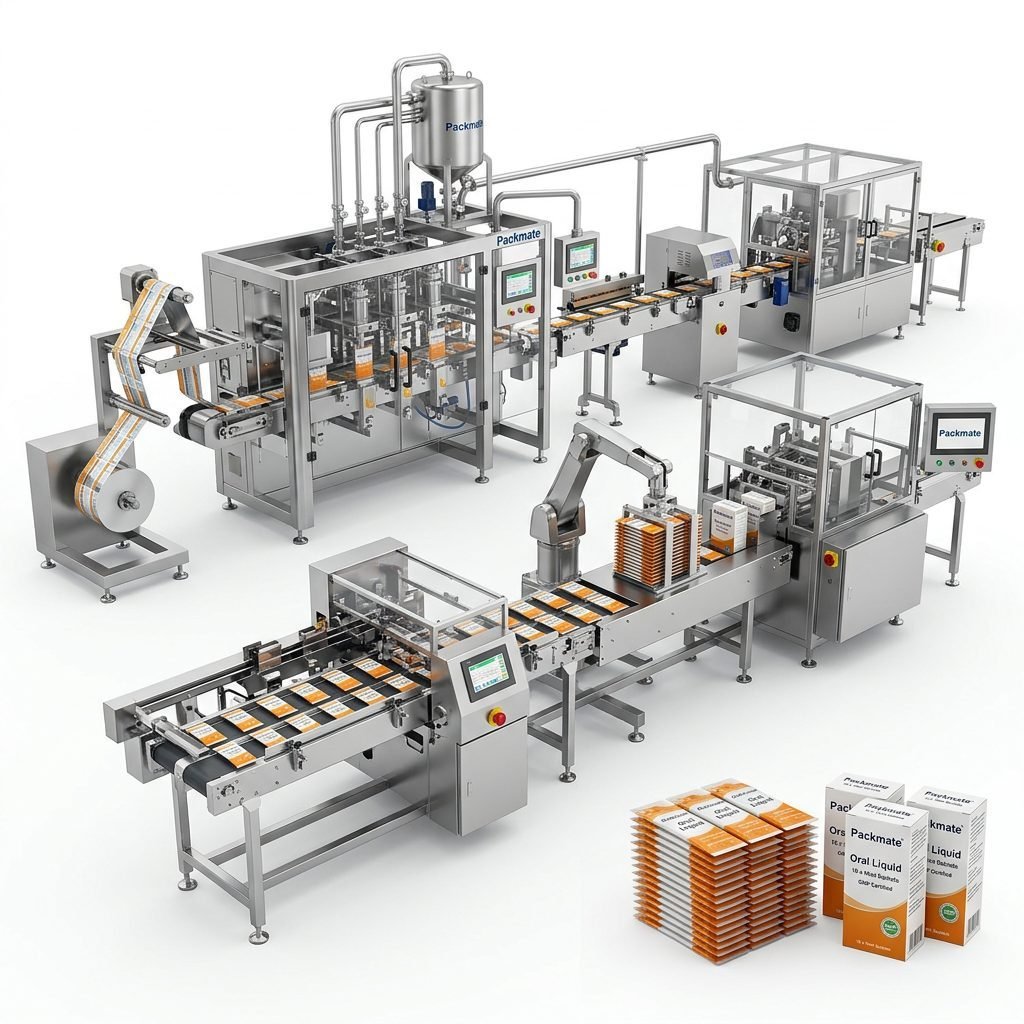
5. Integration & Automation Level: Will it be a standalone machine or integrated into a larger production line with upstream feeders and downstream cartoning? Consider turnkey line specialists for complex integrations.
6. Compliance & Hygiene: For food and pharma, ensure the machine meets relevant standards (e.g., FDA, CE, GMP) and is constructed with appropriate sanitary materials like stainless steel.
7. Supplier Support: Choose a manufacturer with a proven track record, strong technical support, and availability of spare parts. Companies like Packmate Machinery, with decades of export experience, often provide robust after-sales service networks.
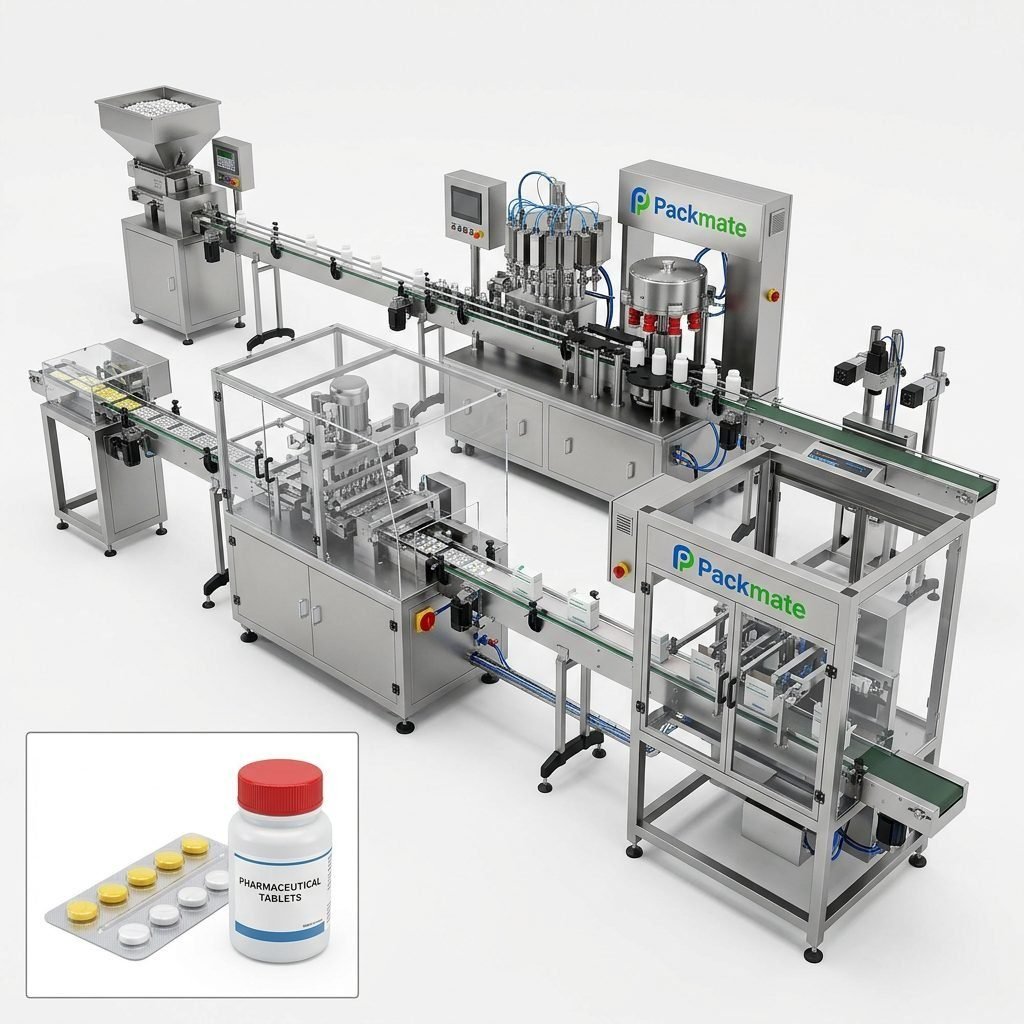
The Future: Smart Features and Industry 4.0 Integration
The next generation of counting packaging machines is embracing Industry 4.0 principles. Expect to see more machines equipped with IoT sensors for predictive maintenance, real-time production data dashboards accessible remotely, and advanced vision inspection systems that not only count but also check for defects, color, or orientation. This level of connectivity allows for unprecedented production control, minimal downtime, and seamless data integration with factory-wide ERP (Enterprise Resource Planning) systems.
Frequently Asked Questions (FAQs)
Q1: What is the typical counting accuracy of these machines?
A: High-end machines can achieve counting accuracy of 99.9% to 99.95% for most standard-shaped tablets and capsules. Accuracy can vary based on product characteristics and the counting technology used (e.g., optical vs. weight-based).
Q2: Can one machine handle different product shapes and sizes?
A: Many machines are designed with changeover capabilities. By switching out parts like feeder bowls, guide tracks, and counting sensor settings, a single machine can often handle a range of similar-sized products. However, drastically different shapes may require dedicated tooling.
Q3: How do these machines handle very small or irregularly shaped parts?
A: For tiny or irregular items, vision-based counting systems or highly sensitive multi-head weighers are often employed. Custom-designed vibratory feeders with precise tooling are crucial to gently orient and singulate these challenging products.
Q4: Are these machines suitable for small-batch production?
A: Yes. While they excel at high-volume runs, modern machines with quick-change features and recipe storage on the PLC allow for efficient small-batch production. The key is minimizing changeover time. Some manufacturers, like PackingMachineOEM, specialize in flexible, customizable solutions for varied batch sizes.
Q5: What kind of maintenance do they require?
A: Regular preventive maintenance is essential. This typically includes cleaning, lubrication of moving parts, inspection and calibration of sensors, and checking seals and wear parts. A reliable supplier will provide a detailed maintenance schedule and training for your technicians.
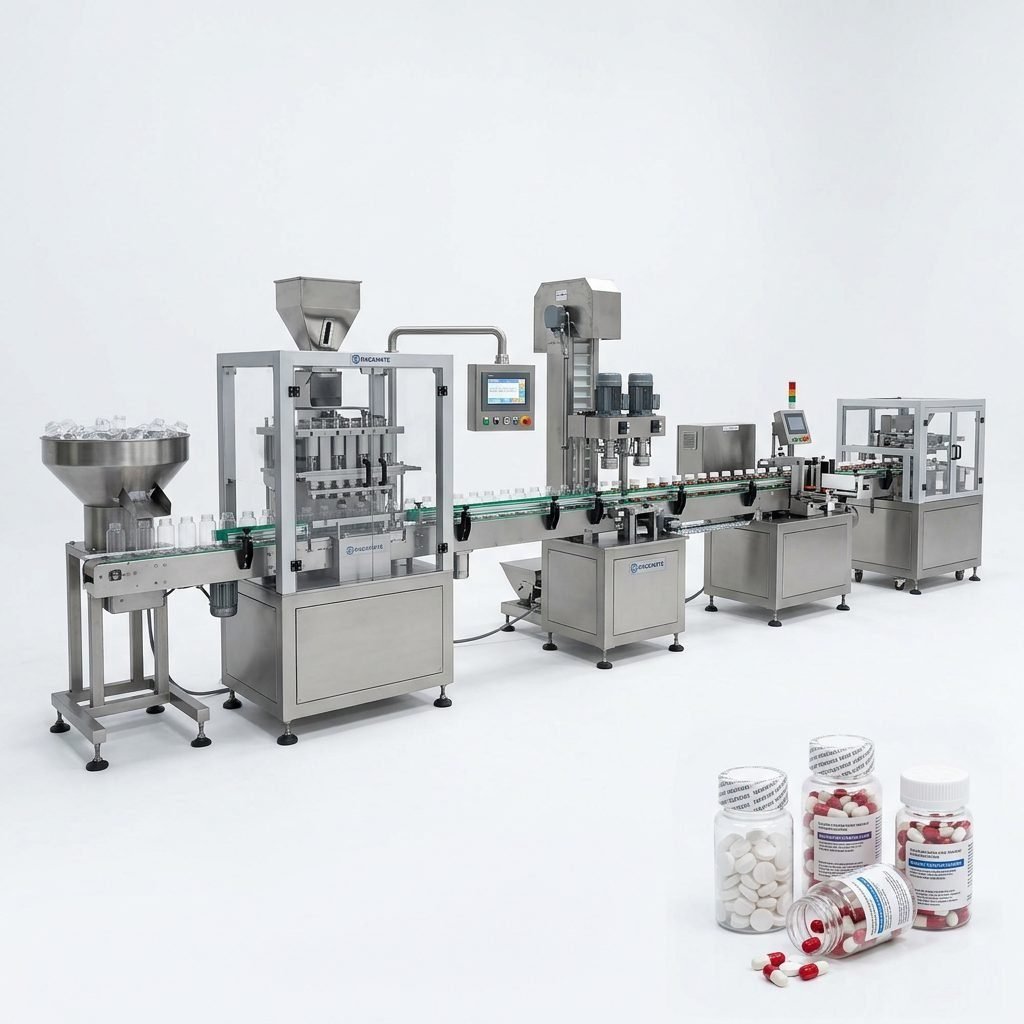
Implementing a high precision counting packaging machine is a strategic move toward greater operational efficiency, product quality, and cost control. By automating this critical step, manufacturers can ensure consistent, reliable output, meet rigorous compliance standards, and scale their operations to compete effectively in global markets.