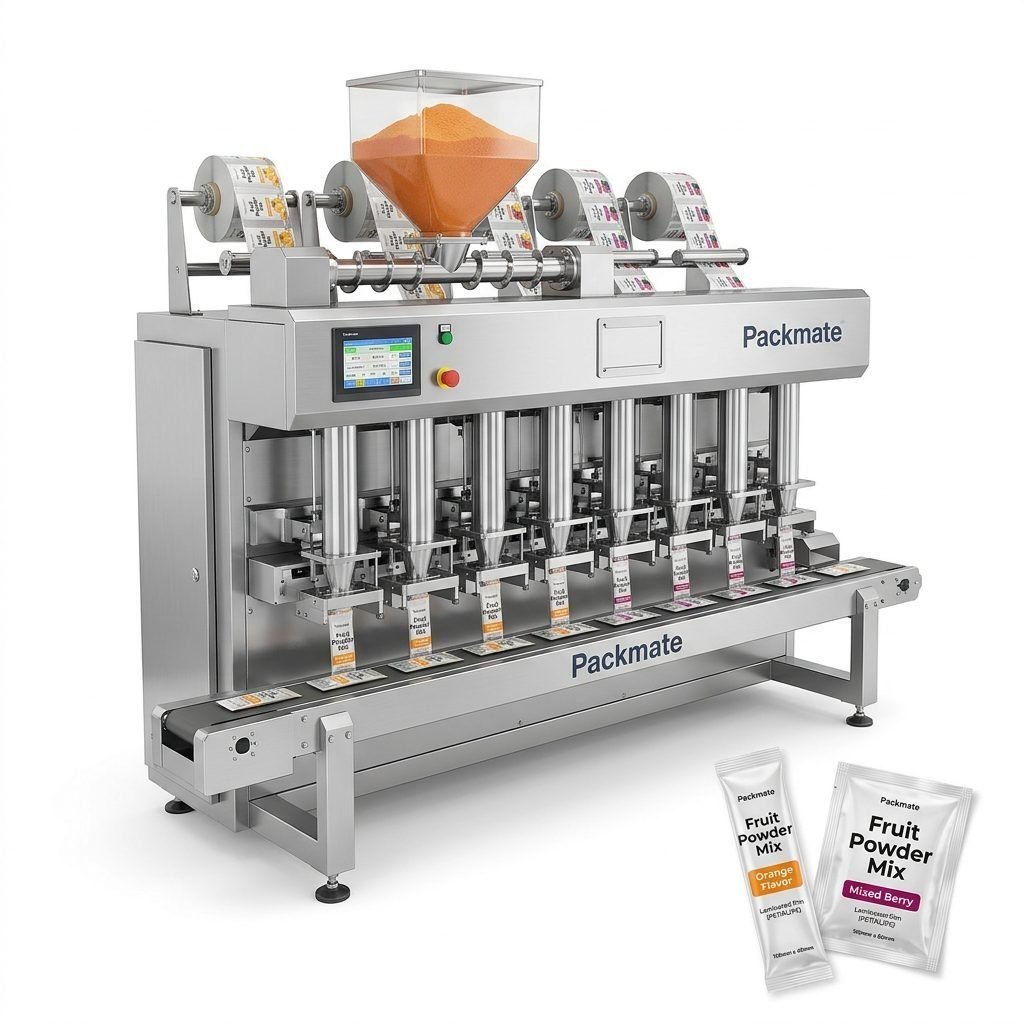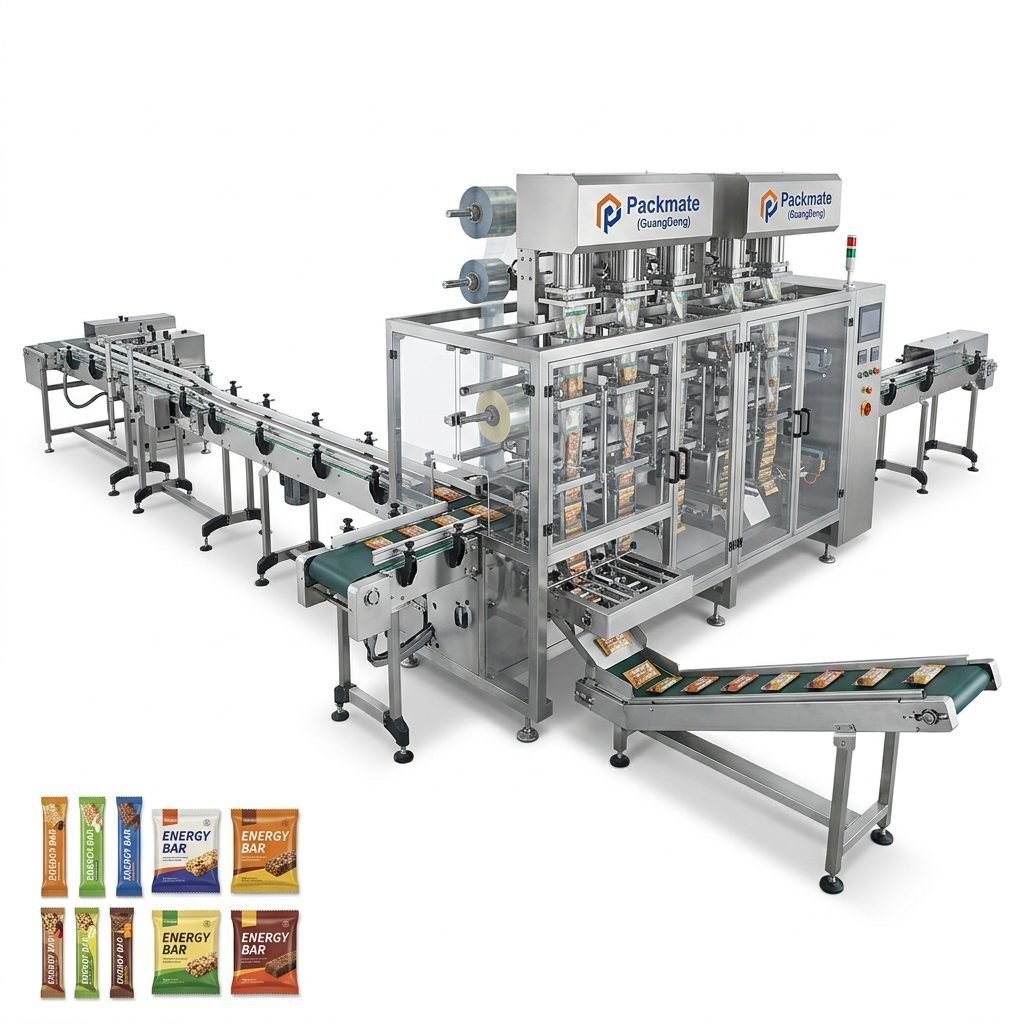
For manufacturers and business owners in Nicaragua, selecting the right packaging machine manufacturer is a critical decision that directly impacts production efficiency, product quality, and overall business growth. The Nicaraguan market, with its growing food processing, pharmaceutical, and agricultural export sectors, demands reliable and adaptable packaging solutions. This guide outlines the key factors you should consider to make an informed choice that aligns with your specific operational needs and market demands.
Understanding Your Specific Packaging Requirements
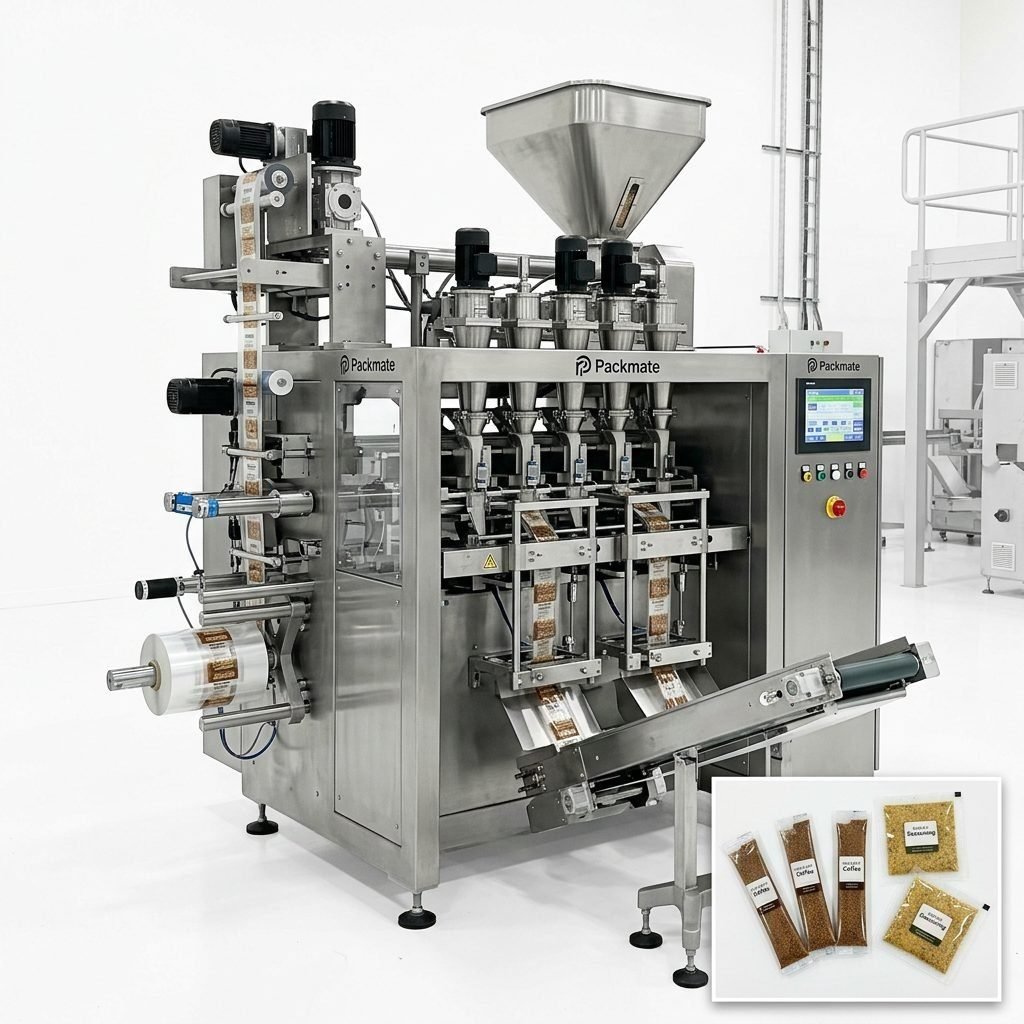
Before evaluating manufacturers, clearly define your own needs. Consider the type of product you are packaging—whether it’s granules (like coffee, spices, or feed), powders (milk, flour, supplements), liquids (sauces, oils, shampoos), or pastes. The material format (stick packs, sachets, pouches, bags) and your required output speed (bags per minute) are fundamental. Also, assess your factory space and layout to determine if you need a standalone machine or a complete, integrated turnkey line. Nicaraguan producers, especially those targeting export markets in North America, should also consider packaging compliance and the ability to handle local raw material variations.
Key Questions for Your Operation:
- What is my primary product form (powder, granule, liquid)?
- What is my target daily/weekly production volume?
- Do I need a simple machine or a full automated line with feeding, weighing, and sealing?
- What is my available factory floor space and power supply?
- Are there specific material or hygiene standards for my target market?
Evaluating Manufacturer Experience and Stability
A manufacturer’s track record is a strong indicator of reliability. Look for companies with substantial industry experience, typically over 20-30 years, as they have navigated various market cycles and technical challenges. Examine their financial stability and market presence; a manufacturer with a significant export business, like Ludyway serving over 100 countries, often has robust processes for international support. For Nicaraguan businesses, partnering with an experienced exporter means they are more likely to understand documentation, shipping logistics, and the technical adaptations needed for different climates and operating conditions.
| Experience Factor | Why It Matters for Nicaraguan Buyers |
|---|---|
| Long Company History (e.g., 30+ years) | Proven ability to provide long-term spare parts and technical support, crucial for minimizing downtime in remote locations. |
| Strong Export Footprint | Familiarity with international shipping, customs, and providing documentation in English/Spanish, simplifying the import process to Nicaragua. |
| Large Factory Size | Indicates scale, manufacturing capacity, and the ability to handle larger or more complex orders, ensuring timely delivery. |
Technical Capability and Product Range
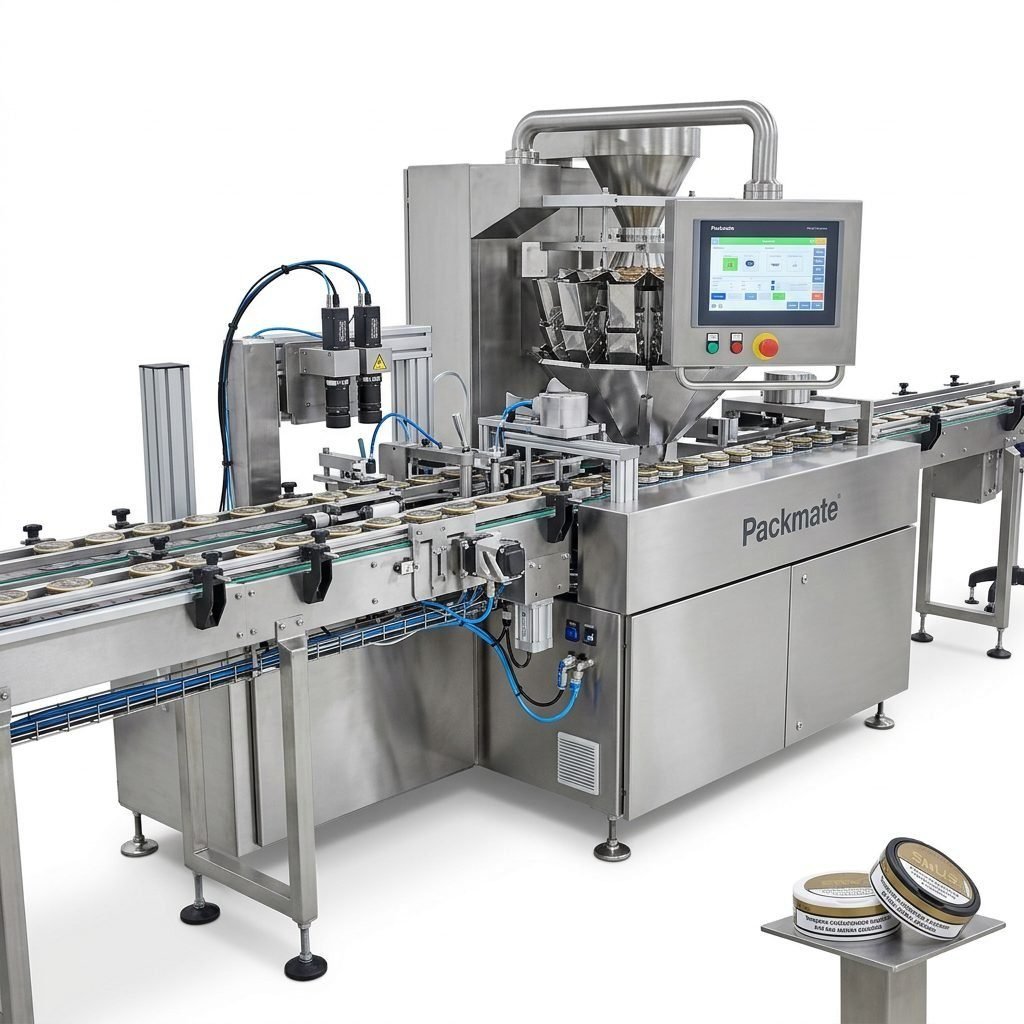
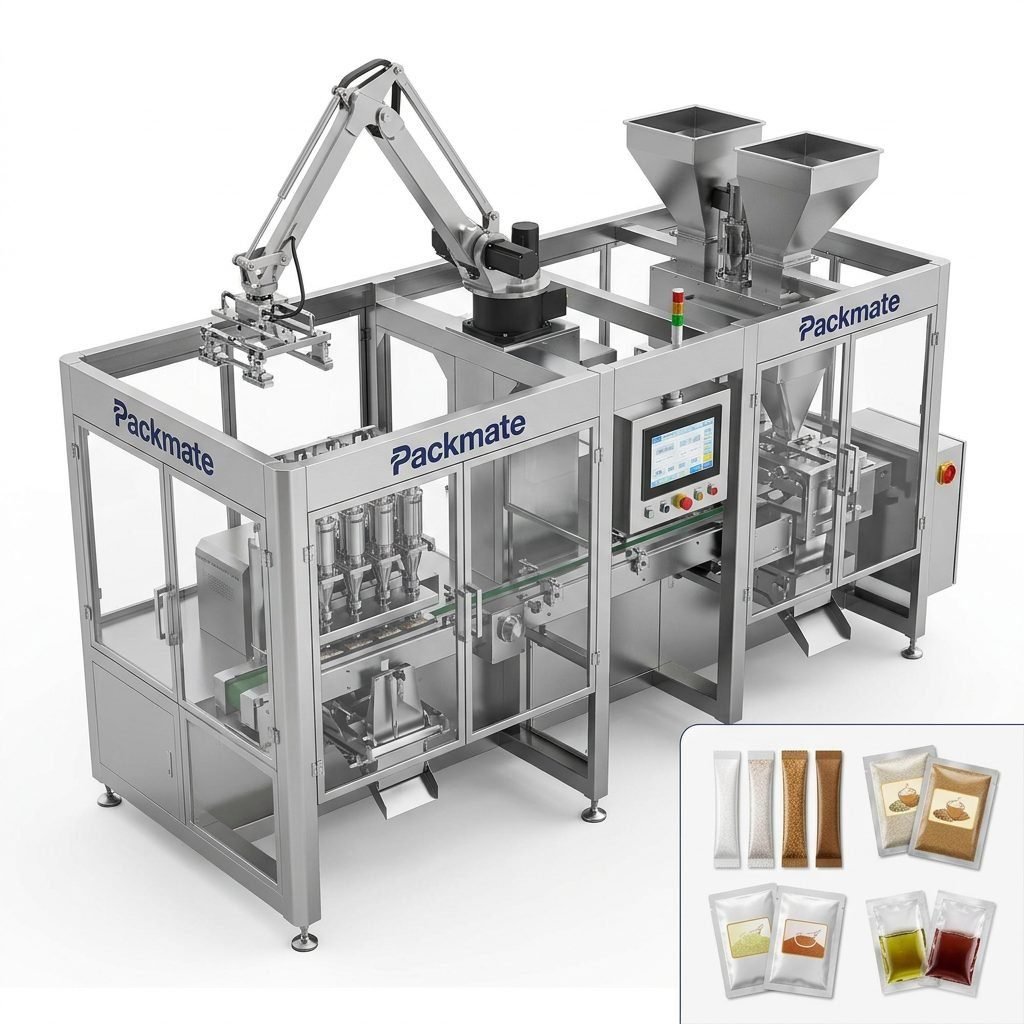
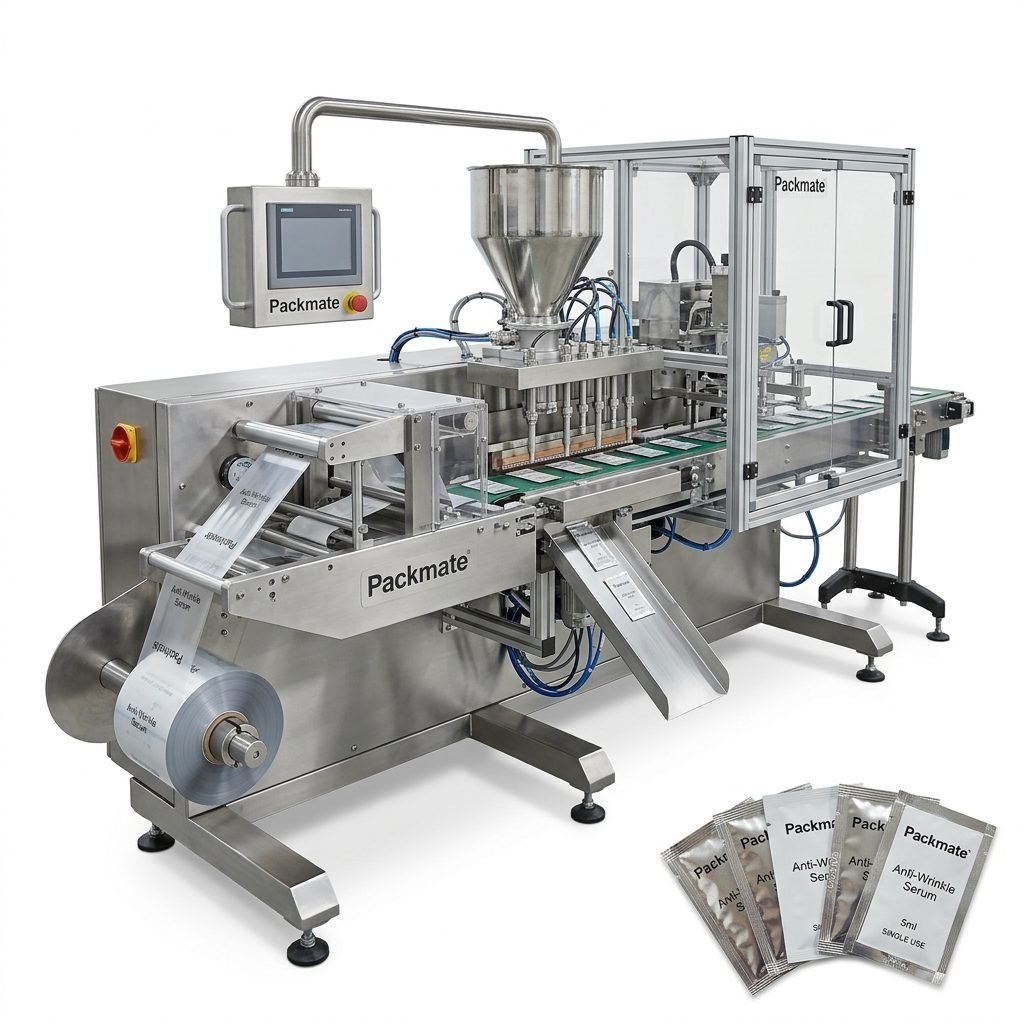
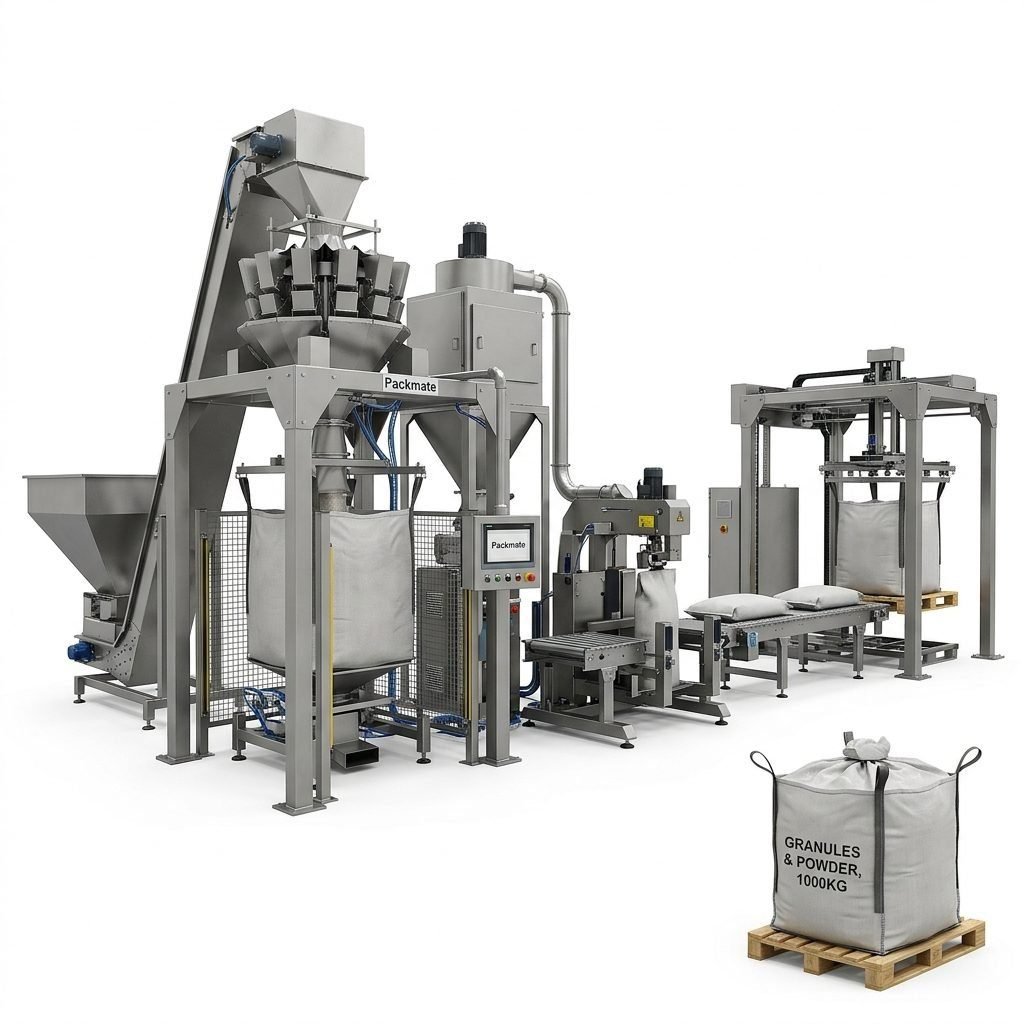
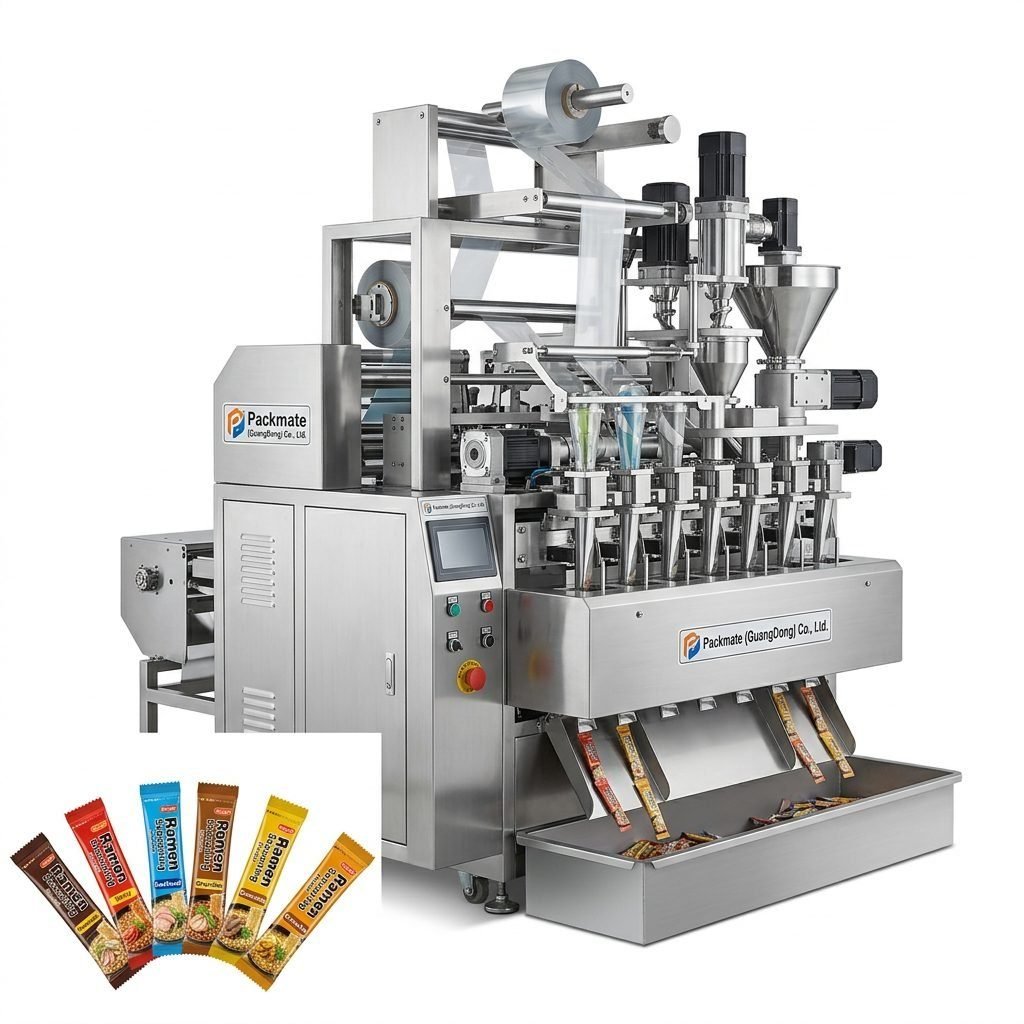
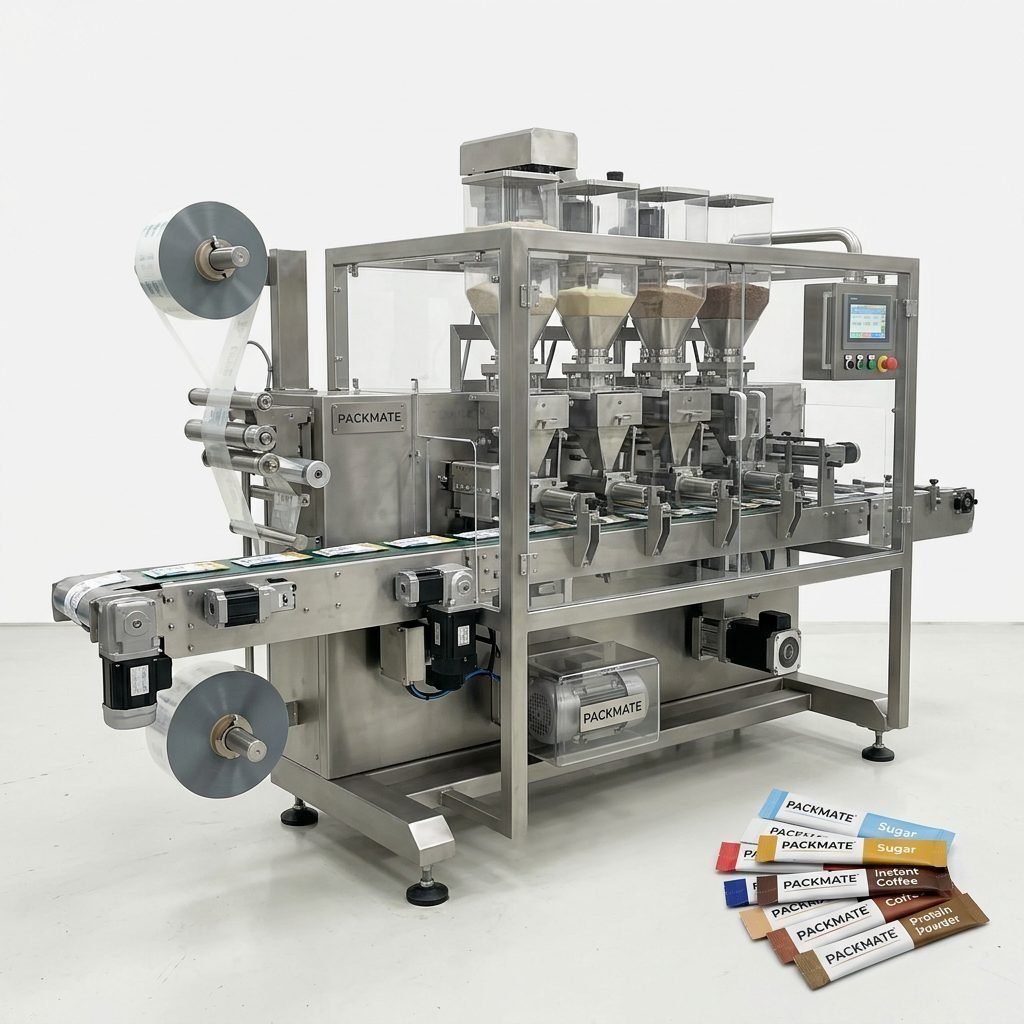
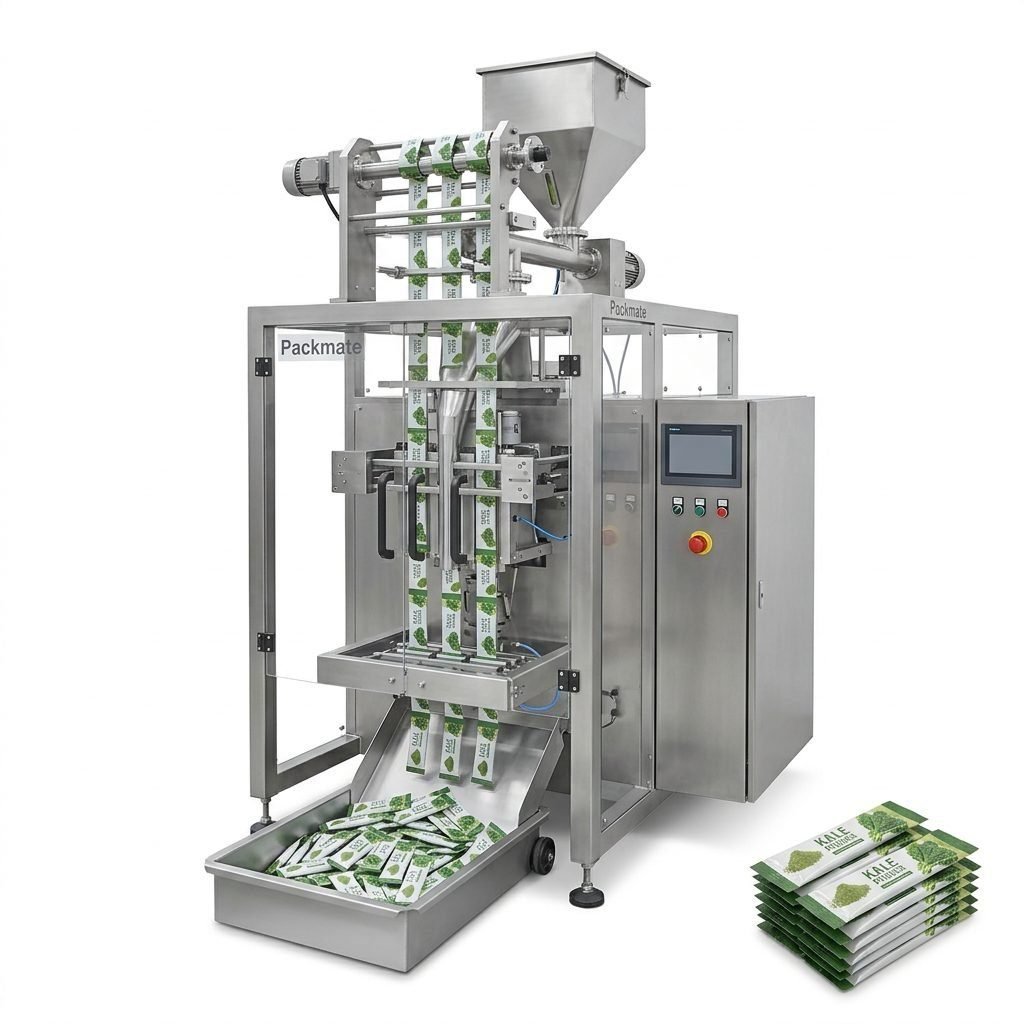
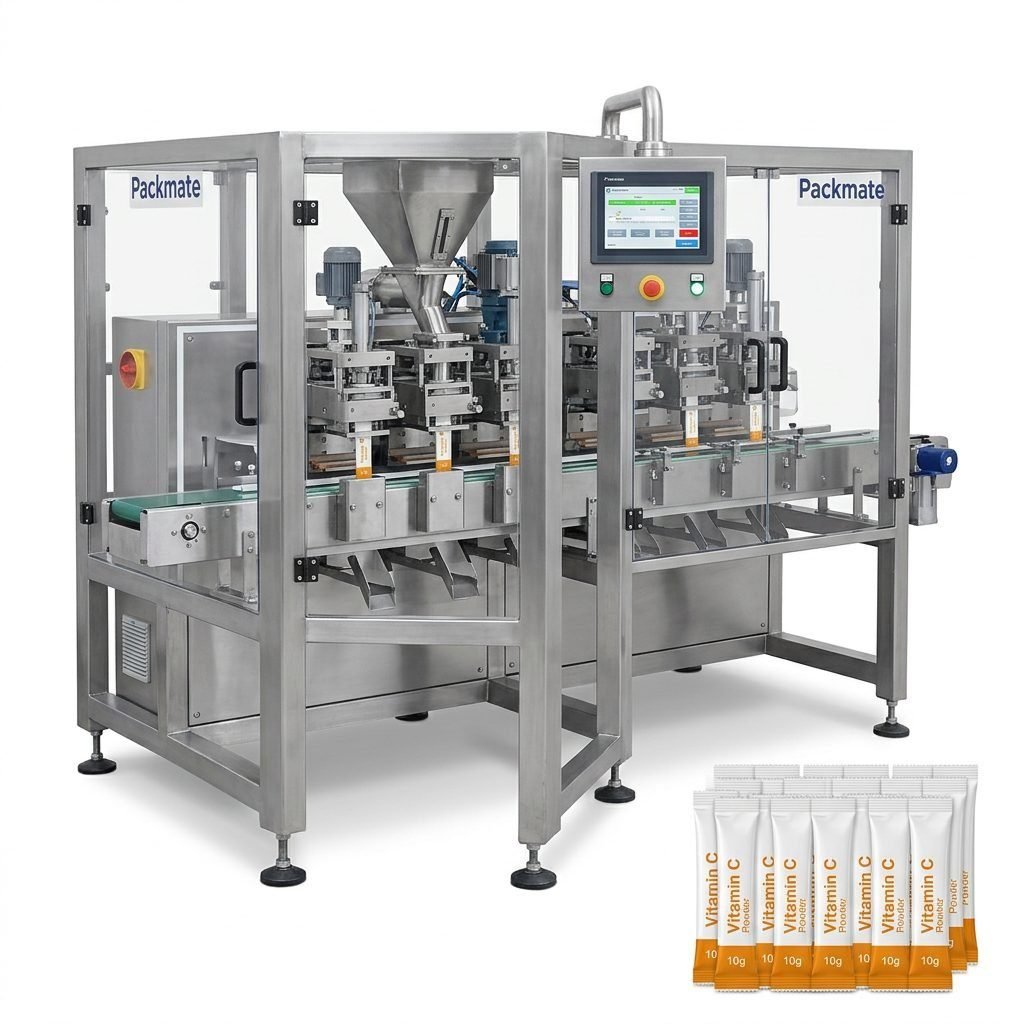
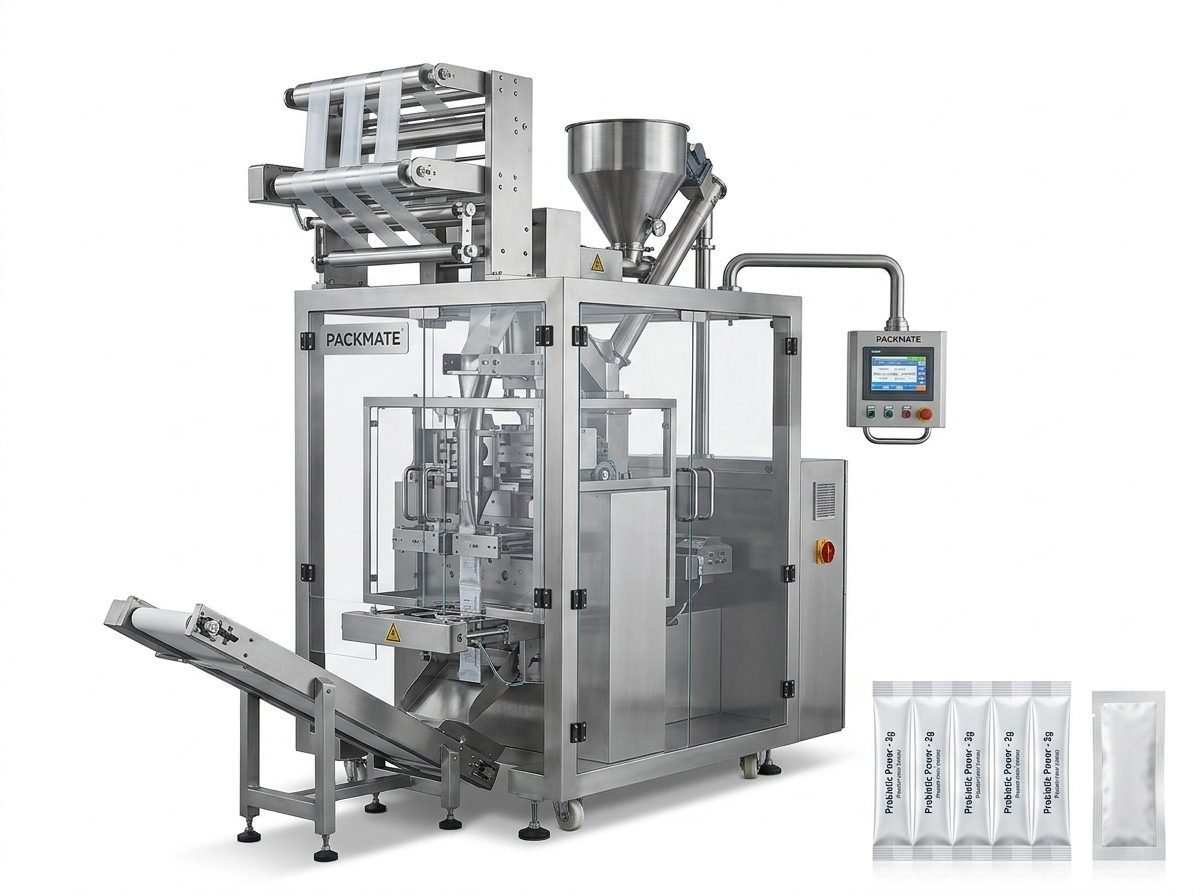
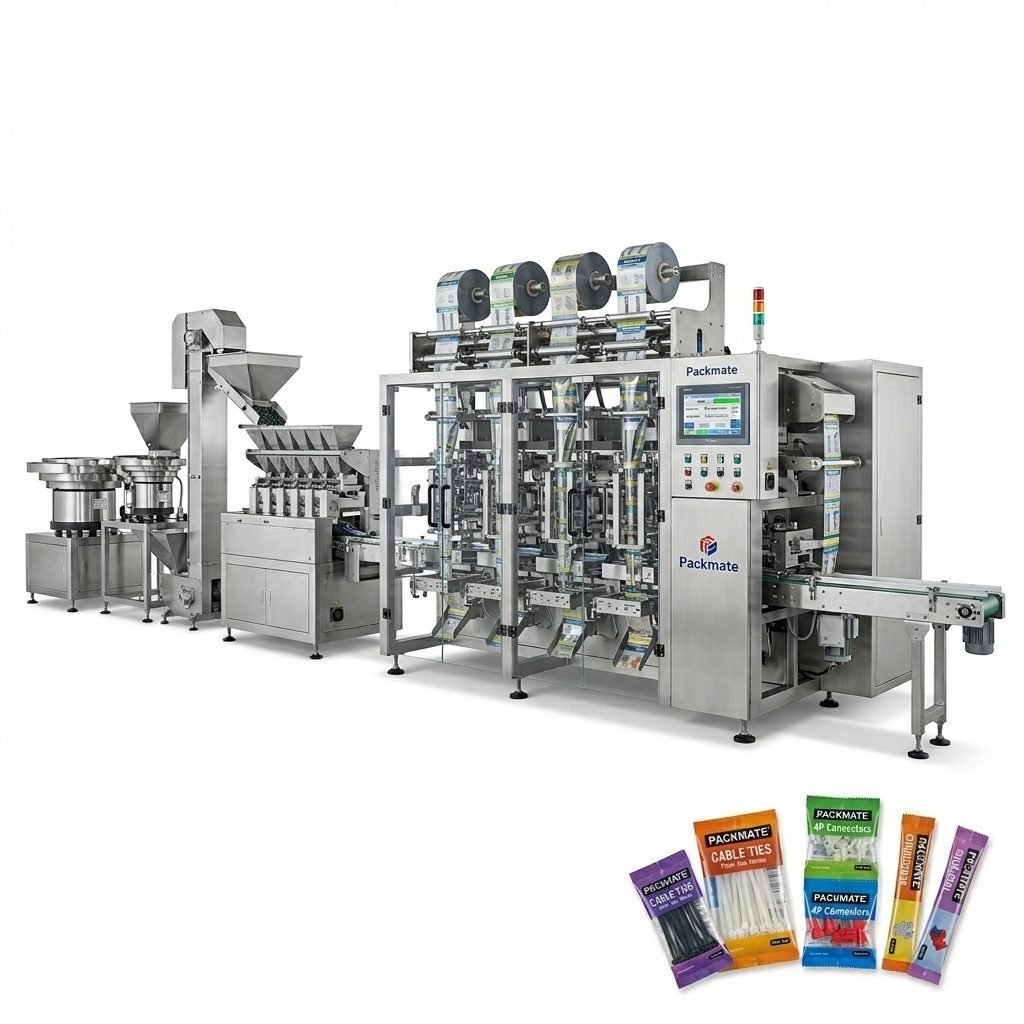
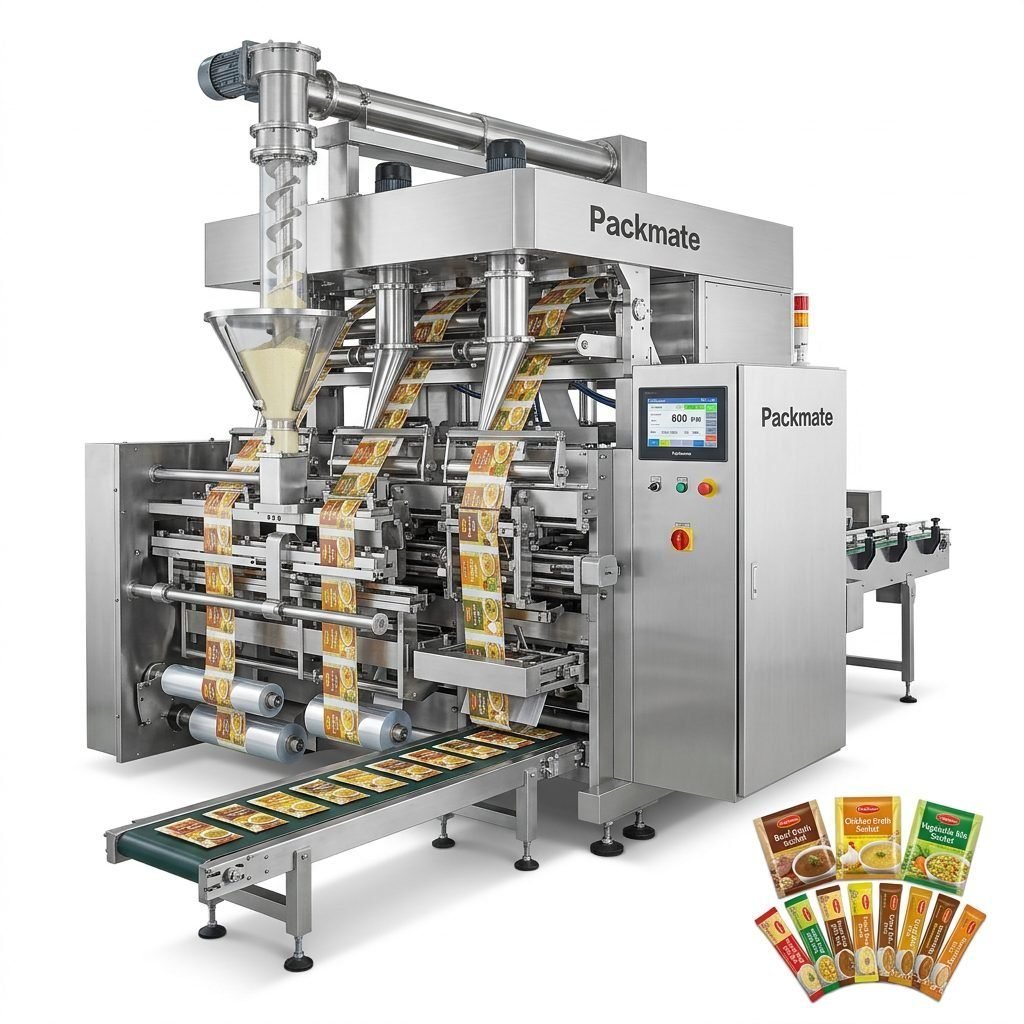
Does the manufacturer offer machines that precisely match your needs? Assess their product portfolio. Some, like Packmate Machinery, offer a wide range of over 80 models for food and pharma, providing flexibility. Others specialize: SnusMachinery focuses on nicotine pouch packaging, while PacklineOEM emphasizes complete turnkey lines. For Nicaraguan companies in food processing (coffee, snacks, dairy) or agriculture (fertilizers, seeds), ensure the manufacturer has proven success with similar products. The ability to provide customized or non-standard solutions is vital if your product has unique characteristics.
Quality, Manufacturing Standards, and After-Sales Support
The build quality of the machine determines its lifespan and performance consistency. Inquire about the manufacturing facility, quality control processes, and the materials used (e.g., food-grade stainless steel contact parts). For Nicaraguan operations, where technical service locally may be limited, comprehensive after-sales support is non-negotiable. This includes clear machine documentation (manuals, diagrams), availability of spare parts, remote troubleshooting assistance, and the possibility for on-site installation and training. A manufacturer’s willingness to provide training videos or online sessions can significantly ease the setup process for your team.
Critical Support Checklist:
- Warranty Period: What is covered and for how long?
- Spare Parts: Are they readily available? What is the typical delivery time to Nicaragua?
- Technical Support: Is it available via email, phone, or video call? Are there Spanish-speaking support staff?
- Training: Does the purchase include installation guidance, operational training, and maintenance instructions?
Cost Considerations and Total Value
While the initial machine price is important, the total cost of ownership is a more critical metric. This includes energy consumption, maintenance costs, expected downtime, and the cost of consumables like sealing jaws or parts. A slightly higher upfront investment in a robust machine from a reputable supplier like PackingMachineOEM can lead to lower long-term costs through greater reliability and productivity. Always request detailed quotations that break down costs for the machine, spare parts kits, shipping, and any potential customs duties for import into Nicaragua.
Assessing Customization and Scalability
Your business will likely grow and evolve. Can the manufacturer’s equipment scale with you? Some machines allow for speed upgrades or additional lanes. More importantly, if your product changes or you need a unique packaging format, can the manufacturer adapt? Companies that specialize in OEM and non-standard customization are ideal partners for businesses with unique requirements or those planning future product line expansions. This flexibility ensures your packaging investment remains relevant and efficient for years to come.
Making the Final Decision: Due Diligence Steps
After shortlisting potential manufacturers, conduct thorough due diligence:
- Request Customer References: Ask for contacts, preferably in the Americas or with similar products, and speak to them about their experience.
- Review Case Studies and Videos: Examine real-world applications of their machines packaging products similar to yours.
- Visit the Factory (Virtually or in Person): A virtual tour can provide insight into their manufacturing capabilities and organization.
- Test with Your Product (if possible): Some manufacturers offer factory acceptance tests (FAT) where your materials can be run on a machine before shipment.
Frequently Asked Questions (FAQs)
Q: What are the main challenges when importing packaging machinery to Nicaragua?
A: Key challenges include navigating import customs procedures, ensuring correct documentation (commercial invoice, packing list, certificate of origin), managing shipping logistics, and planning for potential duties and taxes. Working with an experienced exporter simplifies this.
Q: How important is local agent or distributor support in Nicaragua?
A> While highly valuable for immediate on-ground service, many international manufacturers successfully support Nicaraguan clients directly through remote assistance and scheduled technician visits. The crucial factor is the manufacturer’s commitment to responsive remote support and spare parts logistics.
Q: Should I choose a standard machine or a customized solution?
A> If a standard machine meets 90-95% of your needs, it is usually more cost-effective and faster to deliver. Opt for customization if your product has highly specific characteristics (e.g., unusual viscosity, granule size, or packaging material) that standard machines cannot handle effectively.
Q: What is the typical lead time for receiving a packaging machine in Nicaragua?
A> Lead times vary based on machine complexity and customization. For standard machines, expect 30-60 days for manufacturing plus 4-8 weeks for sea shipping. Custom or turnkey lines may require 3-6 months. Always confirm production and shipping schedules with the supplier.
Q: How can I ensure the machine will work with locally available packaging films in Nicaragua?
A> Provide samples of your intended packaging material (laminate, film, foil) to the manufacturer during the quotation process. They can test sealability and runnability to recommend any necessary adjustments to the machine’s sealing parameters or design.