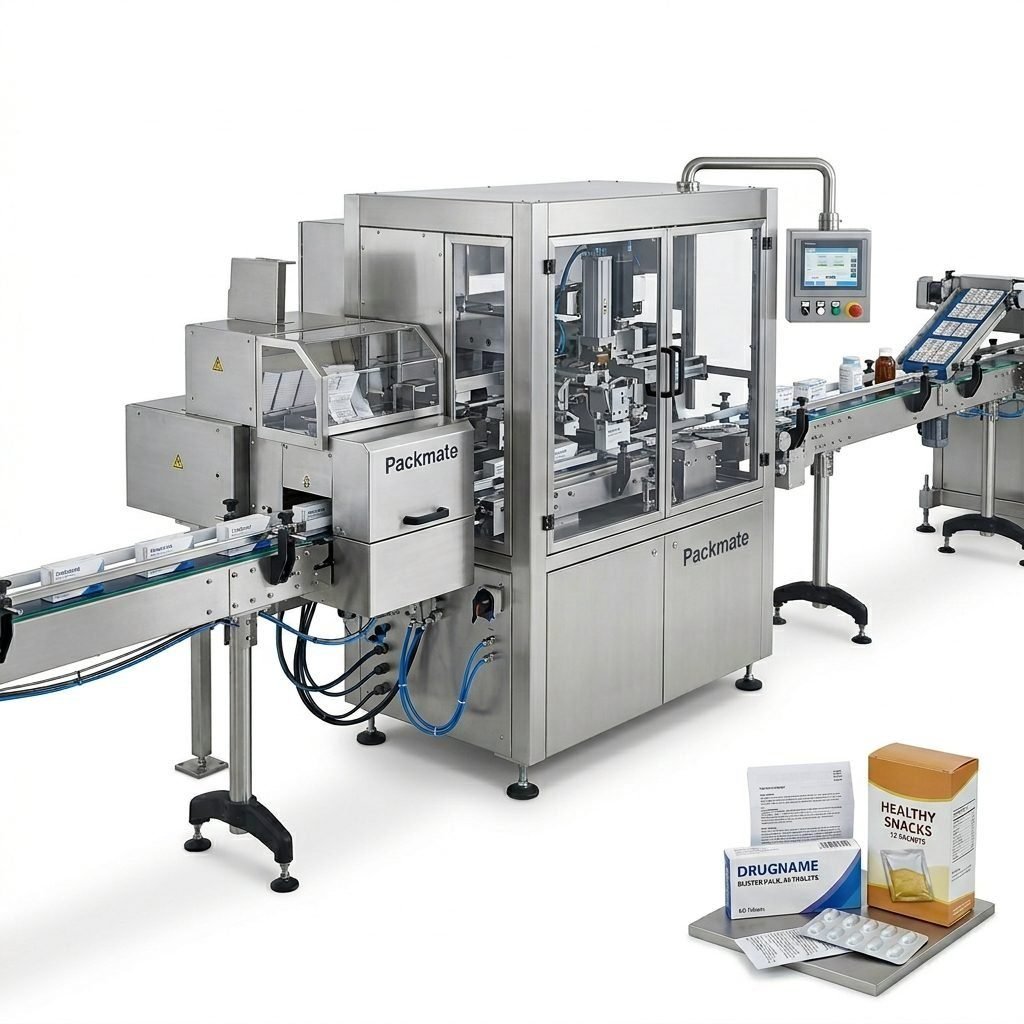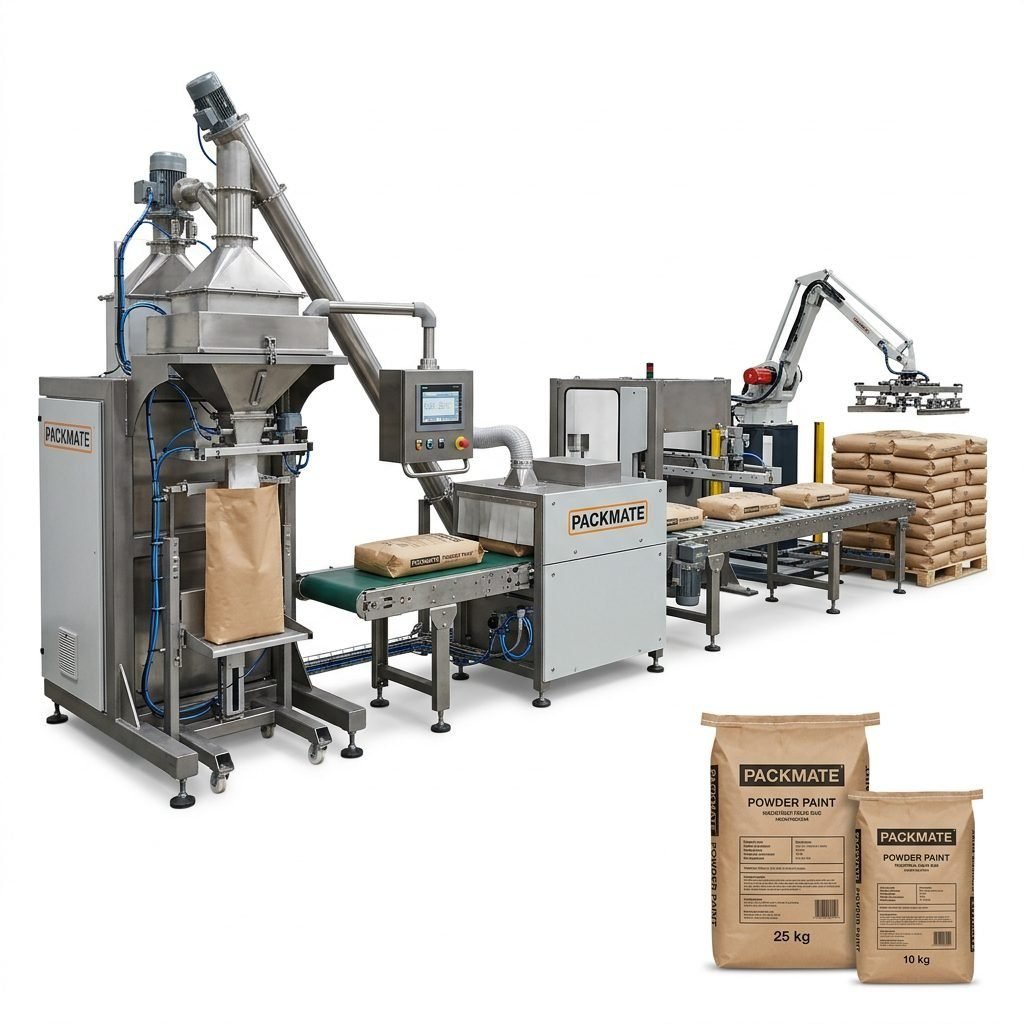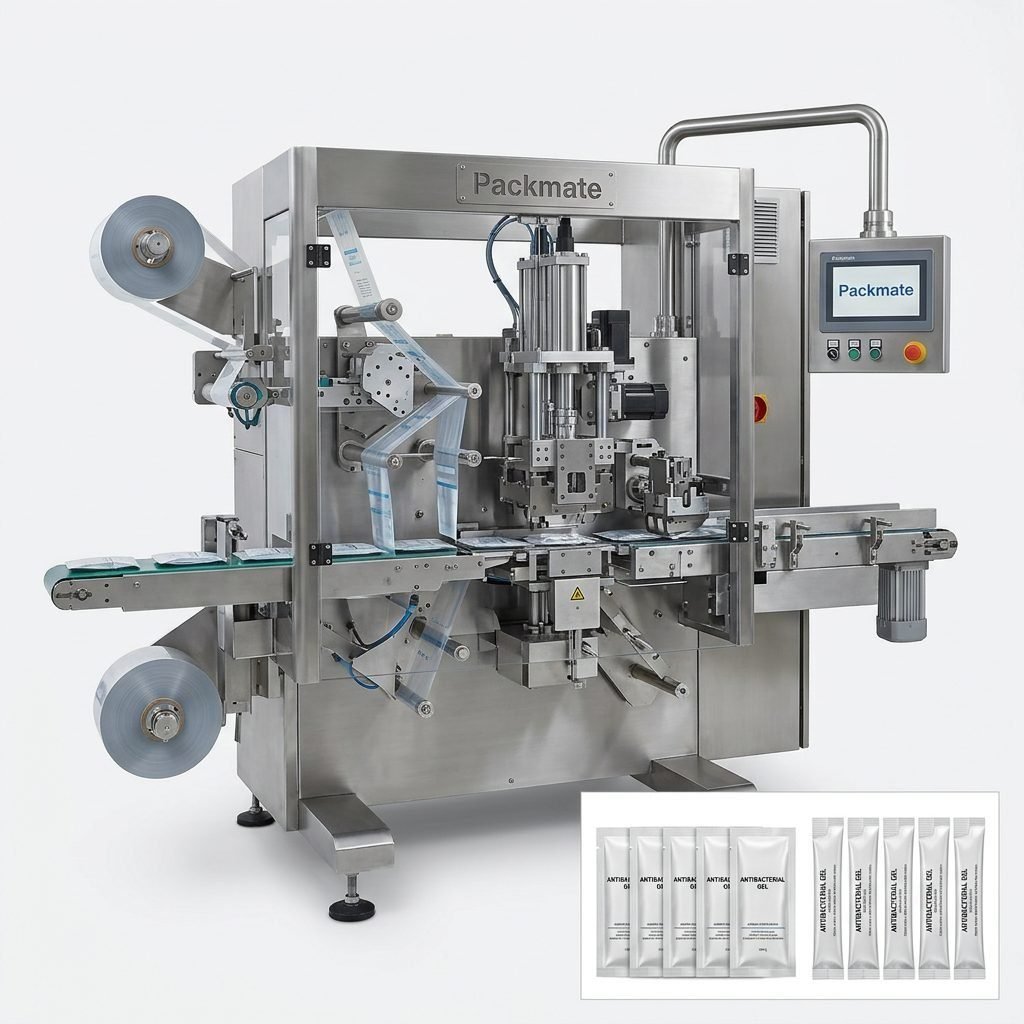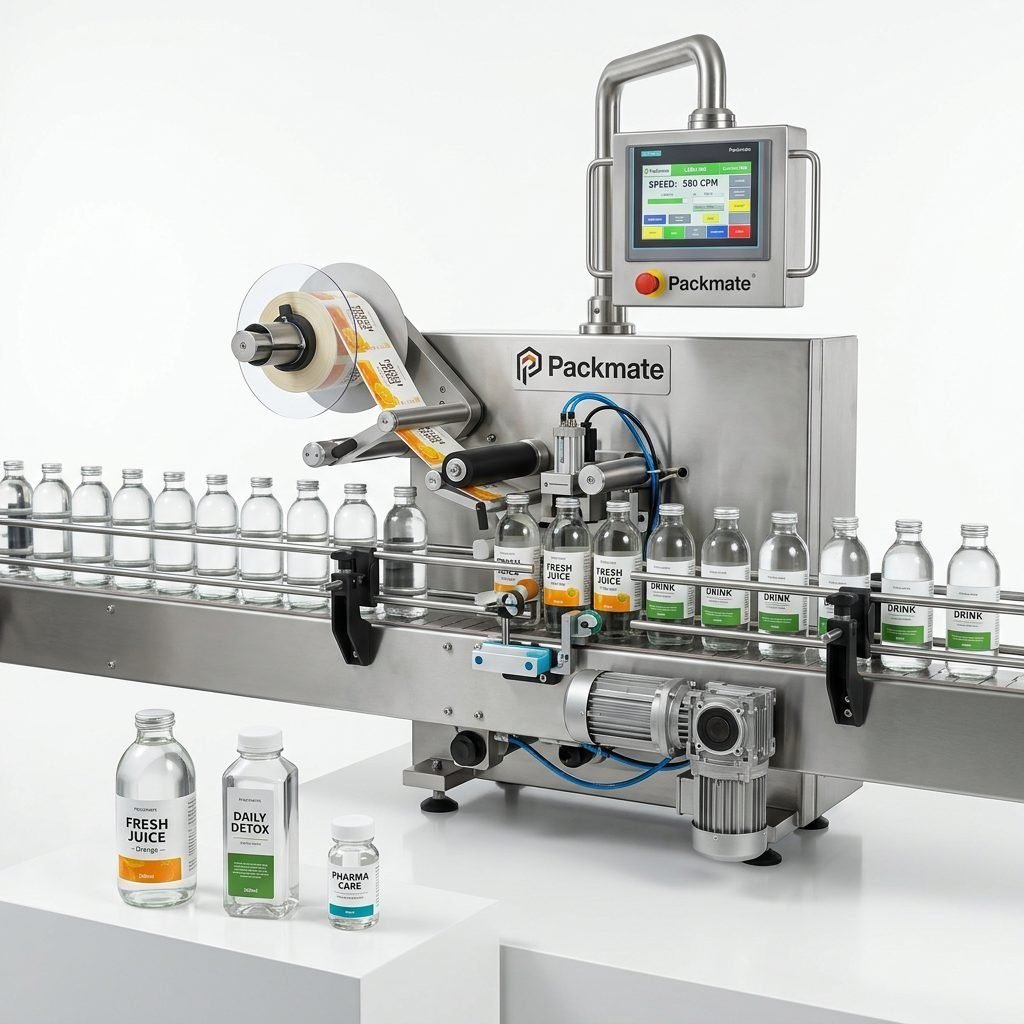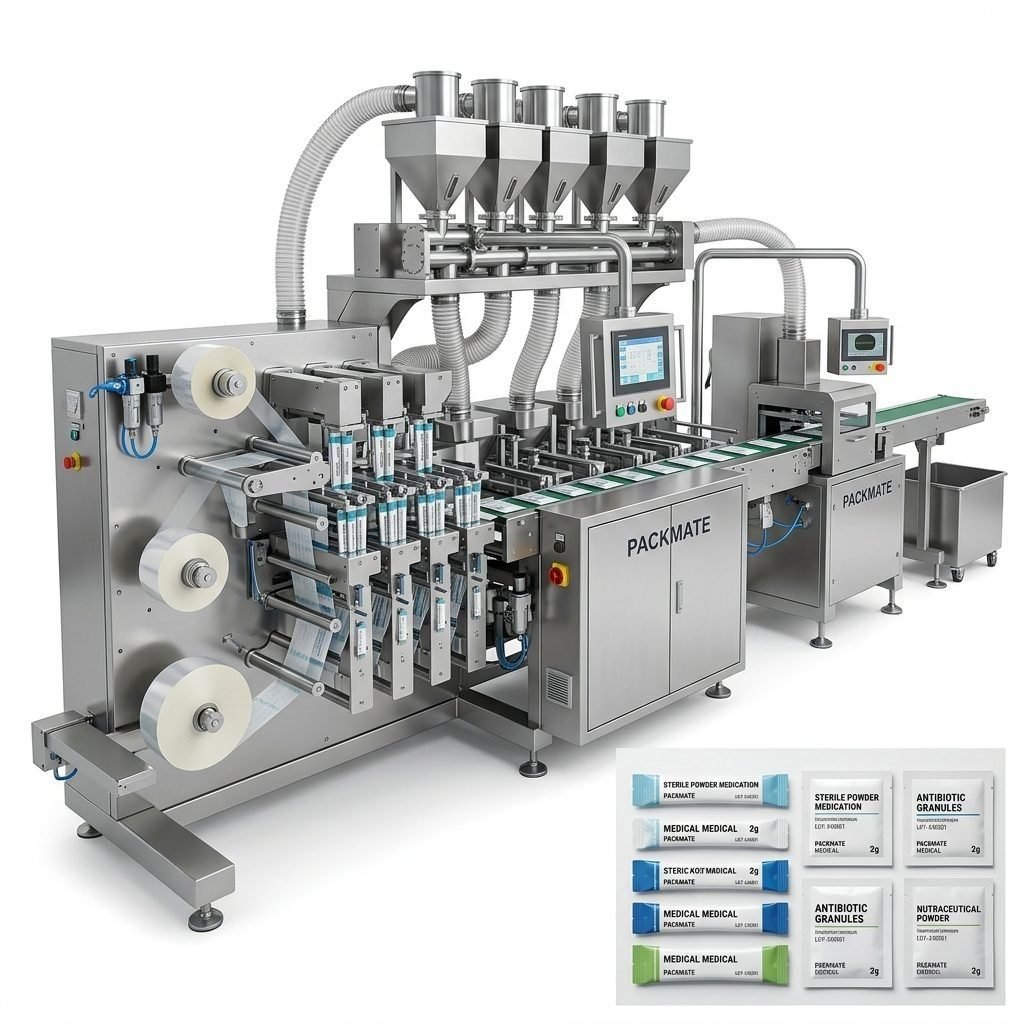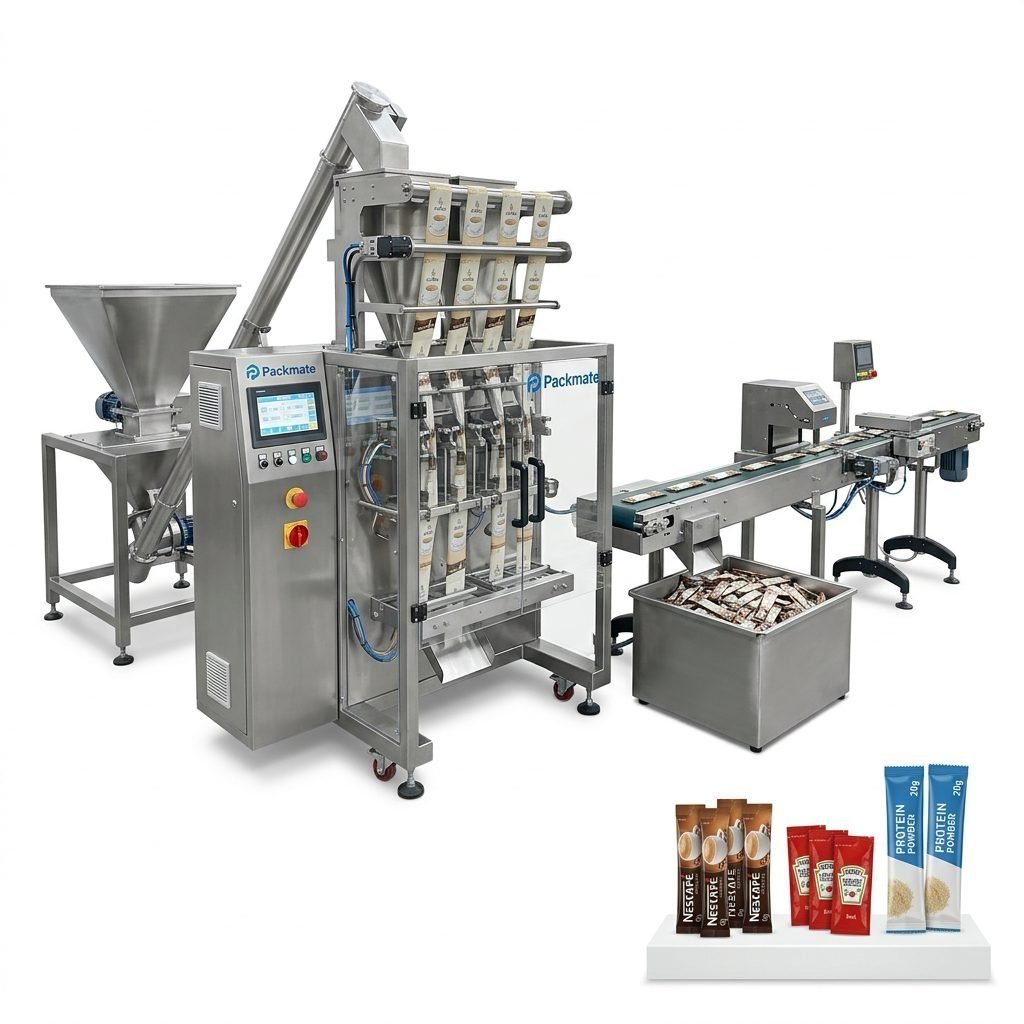
Selecting the right automatic cartoning machine is a critical investment that directly impacts your packaging line’s efficiency, reliability, and long-term cost of ownership. This guide provides a structured approach to choosing, implementing, and optimizing your cartoning solution, with insights drawn from leading global manufacturers.
Key Factors for Choosing an Automatic Cartoner
Your choice should be driven by your specific product, production goals, and operational environment. Consider these core elements:
Product Characteristics: The size, weight, shape, and fragility of your product dictate the machine’s handling mechanism. Rigid items like bottles or blister packs require different infeed systems than flexible pouches or loose products.
Carton Style and Size Range: Determine if you need a machine for end-load, top-load, or 4- or 6-corner tuck cartons. The machine must handle your current carton sizes and have adjustability for future formats without excessive tooling changes.
Required Speed (CPM): Match the machine’s output (cartons per minute) to your upstream filling and downstream case packing speeds. Consider peak demand and allow for a 10-15% buffer over your nominal requirement.
Level of Automation: Options range from manual product loading to fully automatic lines with robotic pick-and-place, vision inspection systems, and automatic batch code printers. Higher automation reduces labor but increases initial investment.
Understanding Your Production Requirements
Beyond the machine itself, assess your total line integration needs. A cartoner is rarely a standalone unit. Its performance is linked to upstream equipment like filling and sealing machines and downstream systems like case packers. For complex lines, working with a manufacturer experienced in turnkey solutions can prevent costly integration issues. Companies like PacklineOEM specialize in this holistic approach.
Implementation and Setup Best Practices
Proper installation is crucial for achieving the promised performance and machine longevity.
Site Preparation Checklist
- Floor Space & Utilities: Ensure the foundation is level and vibration-resistant. Confirm power supply (voltage, phase, amperage), compressed air (PSI, CFM, dryness), and any required vacuum lines are available at the point of connection.
- Material Handling: Plan for efficient carton blank feeding (from magazine or hopper) and product infeed conveyor placement. Allow adequate space for operator access and maintenance.
- Safety Compliance: Install necessary guarding, emergency stop buttons, and lock-out/tag-out points as per local regulations (e.g., EU Machinery Directive, OSHA standards).
Thorough operator and maintenance technician training provided by the supplier is non-negotiable. It ensures correct operation, basic troubleshooting, and adherence to preventive maintenance schedules, which are the best defense against unplanned downtime.
Optimizing Your Packaging Line Performance
Once operational, continuous optimization maximizes your return on investment.
| Area | Optimization Strategy | Expected Benefit |
|---|---|---|
| Changeover | Implement quick-change tooling kits and digital settings recall. Standardize carton sizes where possible. | Reduce downtime by 50-70%, increase line flexibility. |
| Product Infeed | Use synchronized servo-driven conveyors or gentle robotic handlers to maintain product orientation and spacing. | Eliminate jams, reduce product damage, enable higher speeds. |
| Quality Control | Integrate vision systems to check for correct product count, leaflet insertion, and carton closure integrity. | Automate inspection, ensure 100% quality check, reduce waste. |
| Data Monitoring | Connect the machine to a SCADA or IIoT platform to track OEE (Overall Equipment Effectiveness), downtime causes, and output in real-time. | Data-driven decision making, predictive maintenance, productivity gains. |
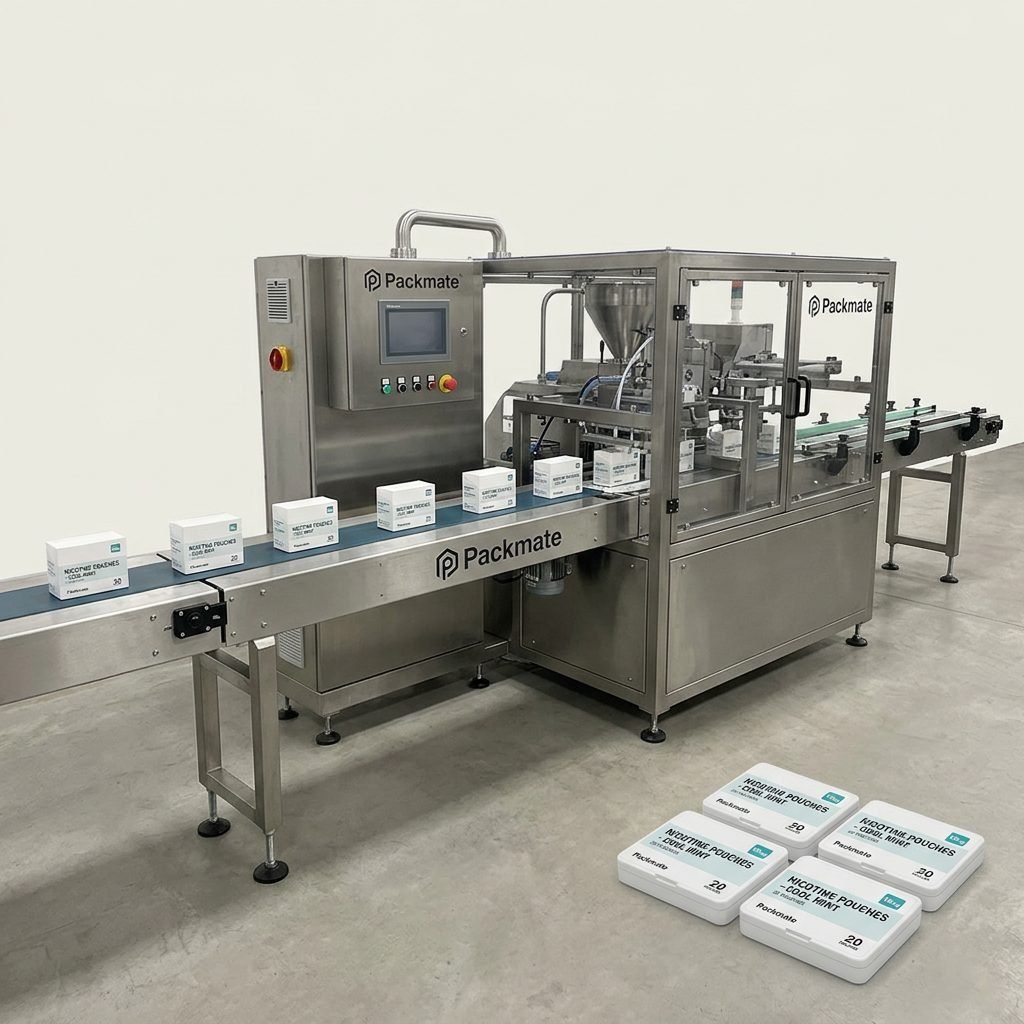
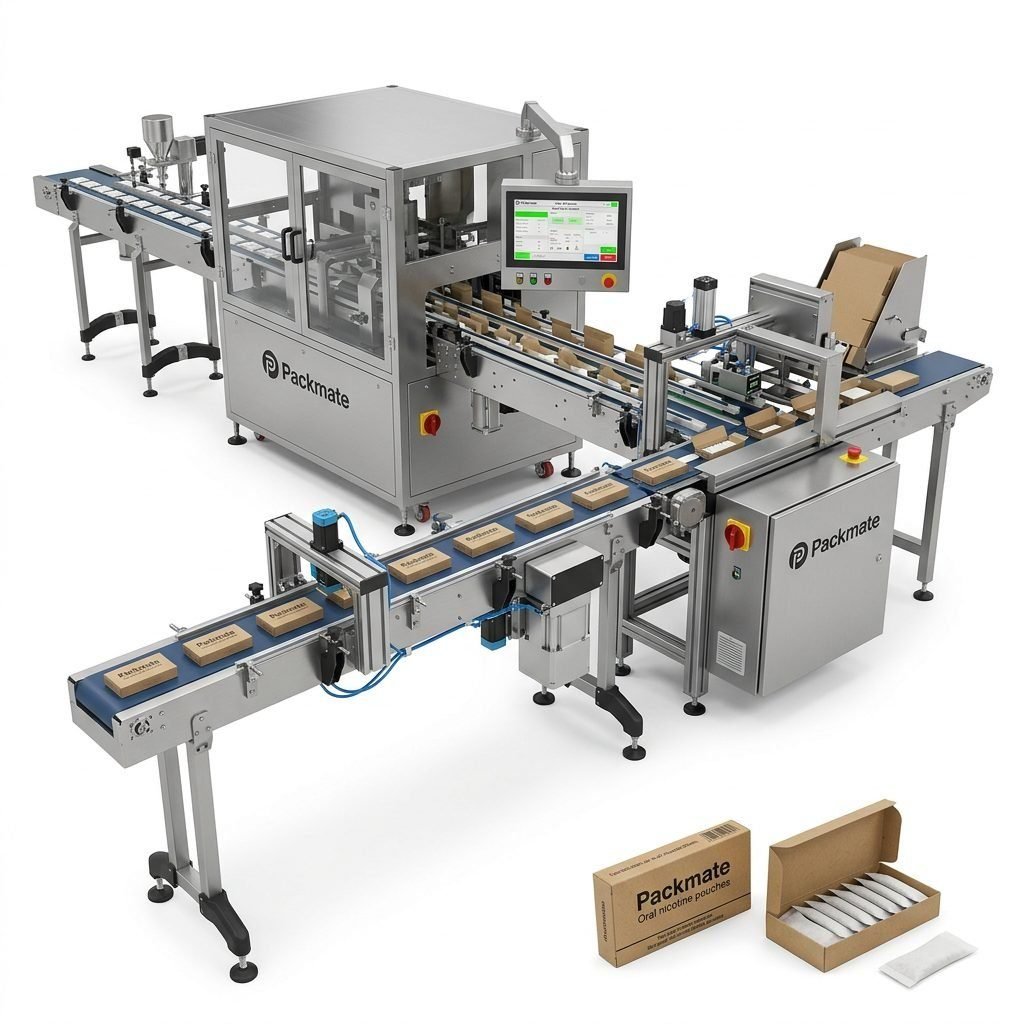
For specialized applications, such as nicotine pouch packaging, optimization may involve specific sealing techniques and ultra-high-speed multi-lane integration. Suppliers like SnusMachinery offer deep application expertise in these niche sectors.
Maintenance for Long-Term Reliability
A proactive maintenance plan is far less costly than reactive repairs. Follow the manufacturer’s manual for daily, weekly, and monthly tasks. Key activities typically include lubricating moving parts, checking belt tensions, cleaning sensors and vision lenses, and inspecting wear parts like forming mandrels and tucker blades. Stocking critical spare parts, often available from OEMs like Packmate Machinery, minimizes downtime when replacements are needed.
Global Market Considerations
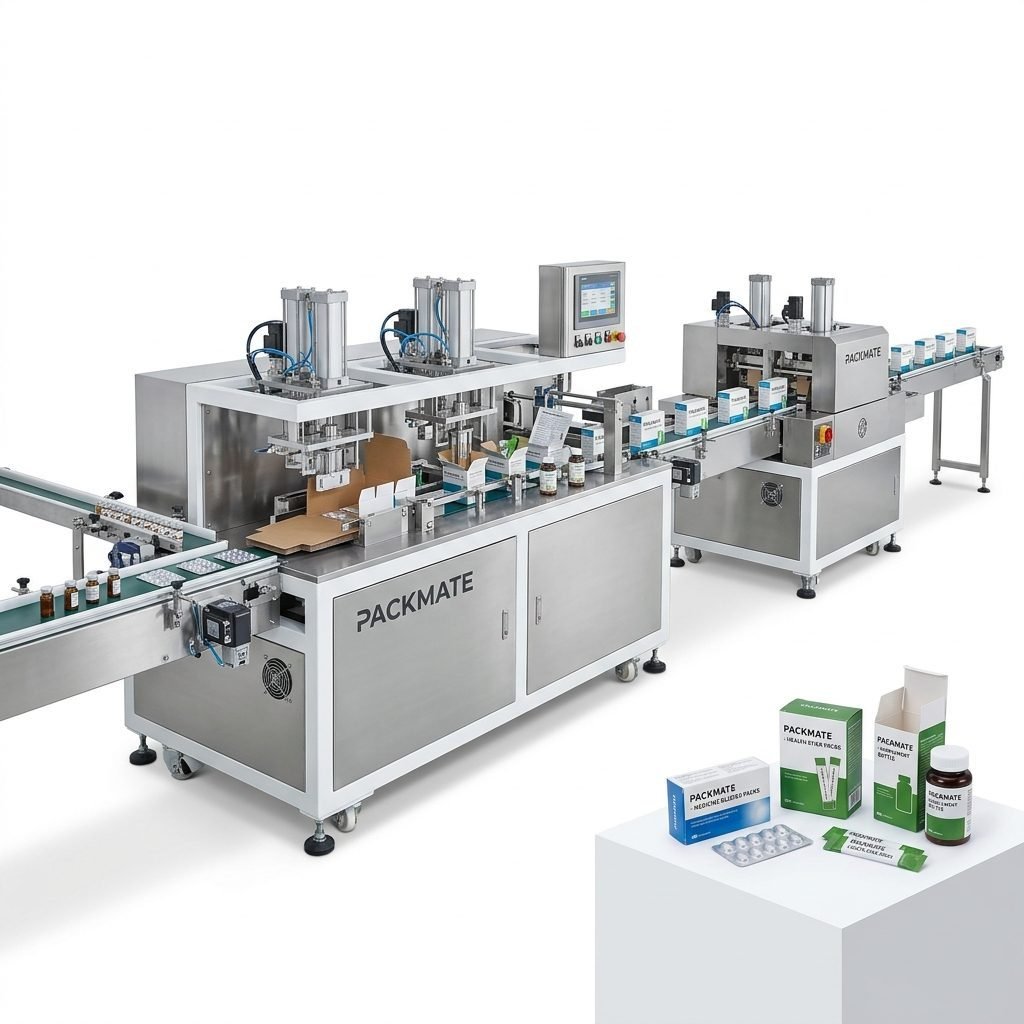
When sourcing equipment for operations in different regions, local factors must be considered. In Europe and North America, stringent safety regulations (CE, UL) and a strong emphasis on operator safety and data traceability are paramount. Energy efficiency and noise levels are also key purchase drivers. In high-growth markets like the Middle East, Southeast Asia, and Africa, robustness to handle varying power quality, climate adaptability (heat, dust), and the availability of local technical support are often prioritized alongside cost-effectiveness. Leading Chinese exporters, such as PackingMachineOEM, have adapted their designs and service networks to meet these diverse global demands.
Summary of Common Questions (FAQs)
What is the typical lifespan of an automatic cartoning machine?
With proper maintenance and operation, a well-built automatic cartoner can have a functional lifespan of 15 years or more. Key factors include the machine’s build quality, the duty cycle (hours of operation per day), and the aggressiveness of the maintenance schedule.
How much floor space is required?
Space needs vary significantly by model and speed. A compact intermittent-motion cartoner might need a footprint of 3m x 2m, while a high-speed continuous-motion line with integrated infeed conveyors and inspection could require 6m x 4m or more. Always request the machine’s detailed layout drawing from the supplier.
Can one machine handle very different carton sizes?
Most machines offer a size range, but extreme changes (e.g., from a very small vial carton to a large multi-pack) usually require mechanical changeovers of parts like the carton magazine, forming mandrels, and product flights. Machines designed for quick changeover minimize this downtime.
What are the most common causes of downtime?
The most frequent issues are related to carton blanks (poor quality, inconsistent scoring, static cling) and product infeed (misaligned products, jams on the conveyor). Proper material specification and a well-engineered infeed system are critical to reliability.
Is it better to buy a standalone machine or a complete integrated line?
For new products or new facilities, an integrated turnkey line from a single supplier often ensures better compatibility, smoother commissioning, and single-point responsibility. For upgrading an existing, well-functioning line, a standalone cartoner from a specialist manufacturer can be an excellent choice.