Choosing the right strip packaging machine is a critical decision for manufacturers aiming to boost efficiency, ensure product consistency, and scale production. This guide covers key factors for selection, optimal operation, and strategies to maximize your investment for high-efficiency output.
Understanding Strip Packaging Machine Types
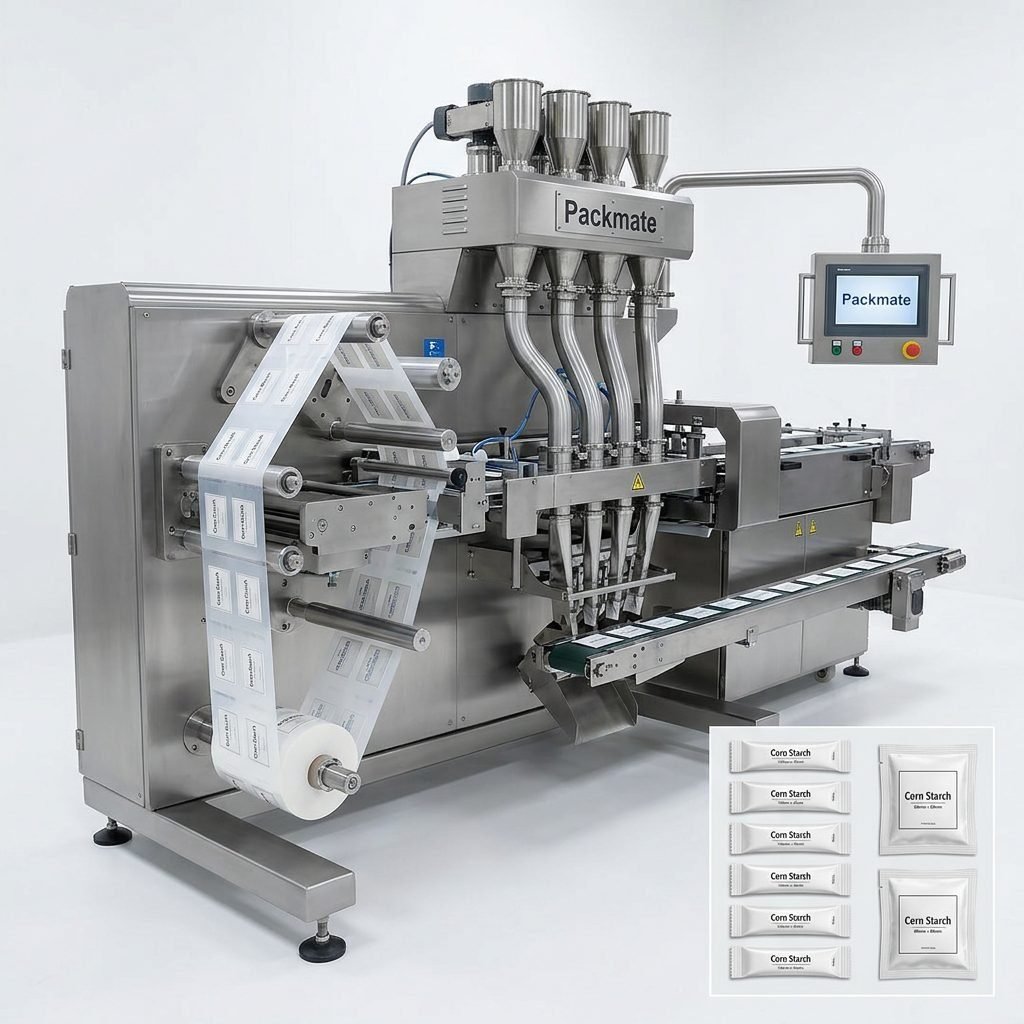
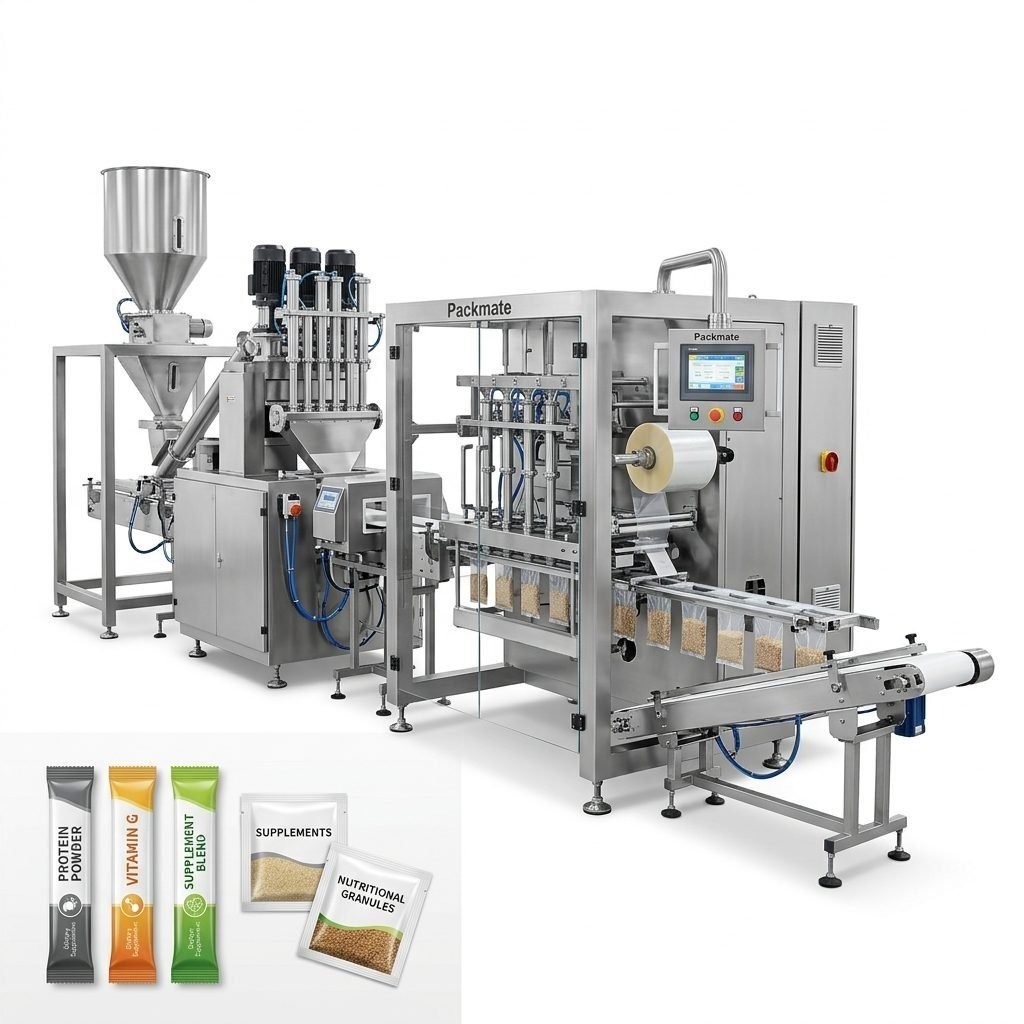
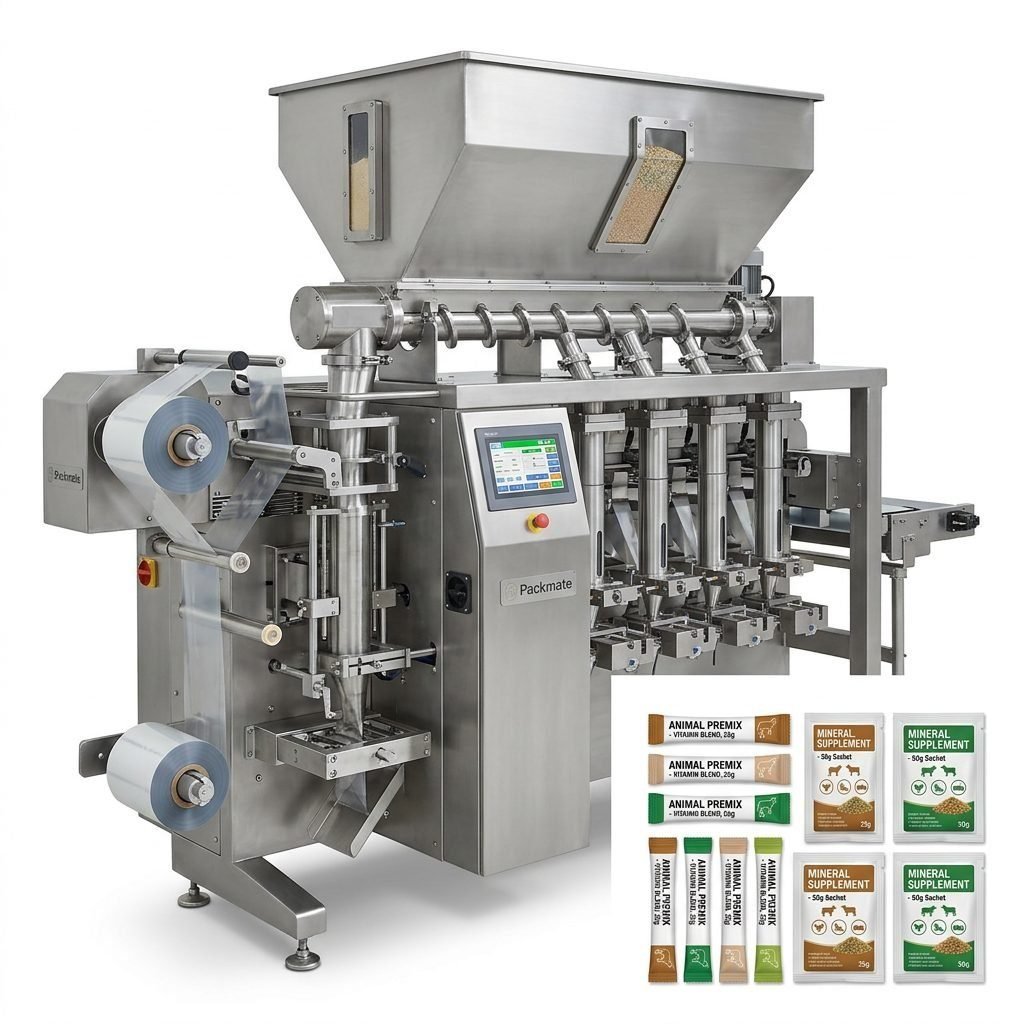
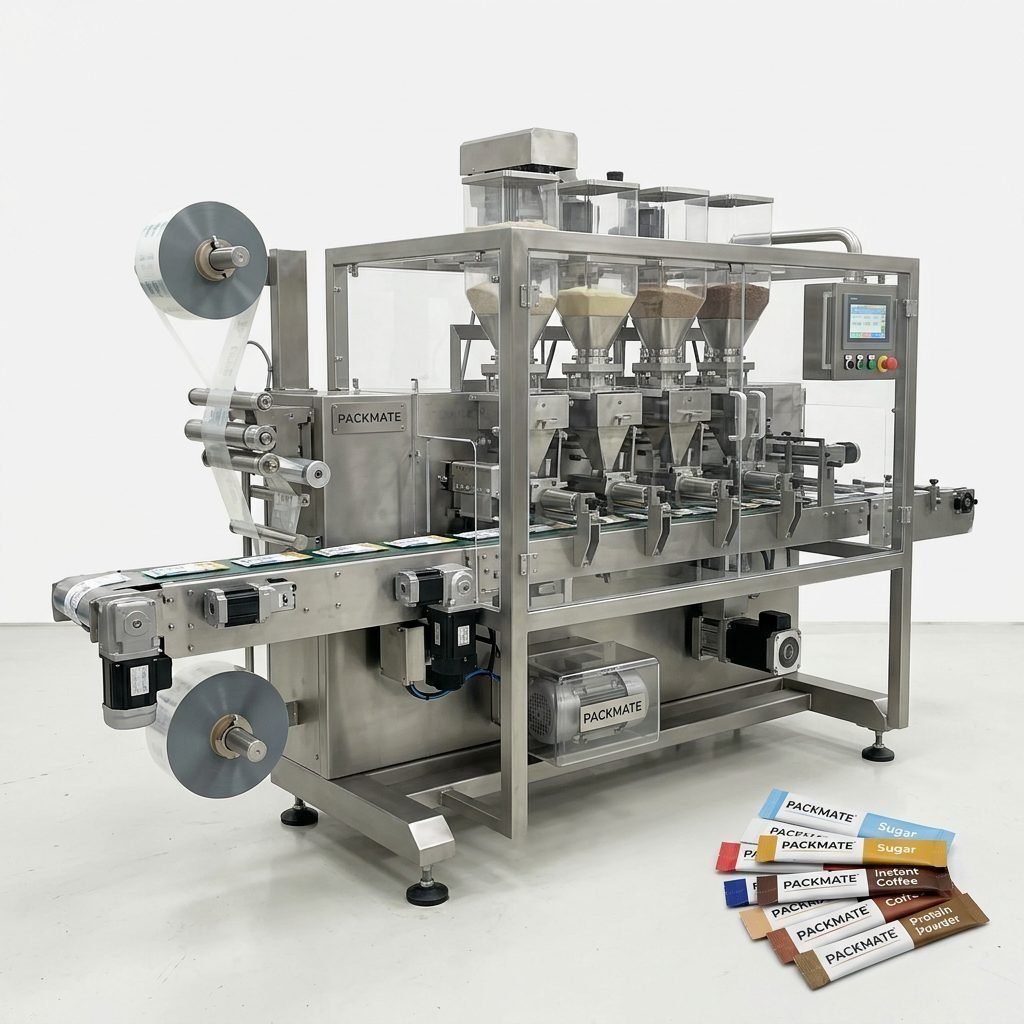
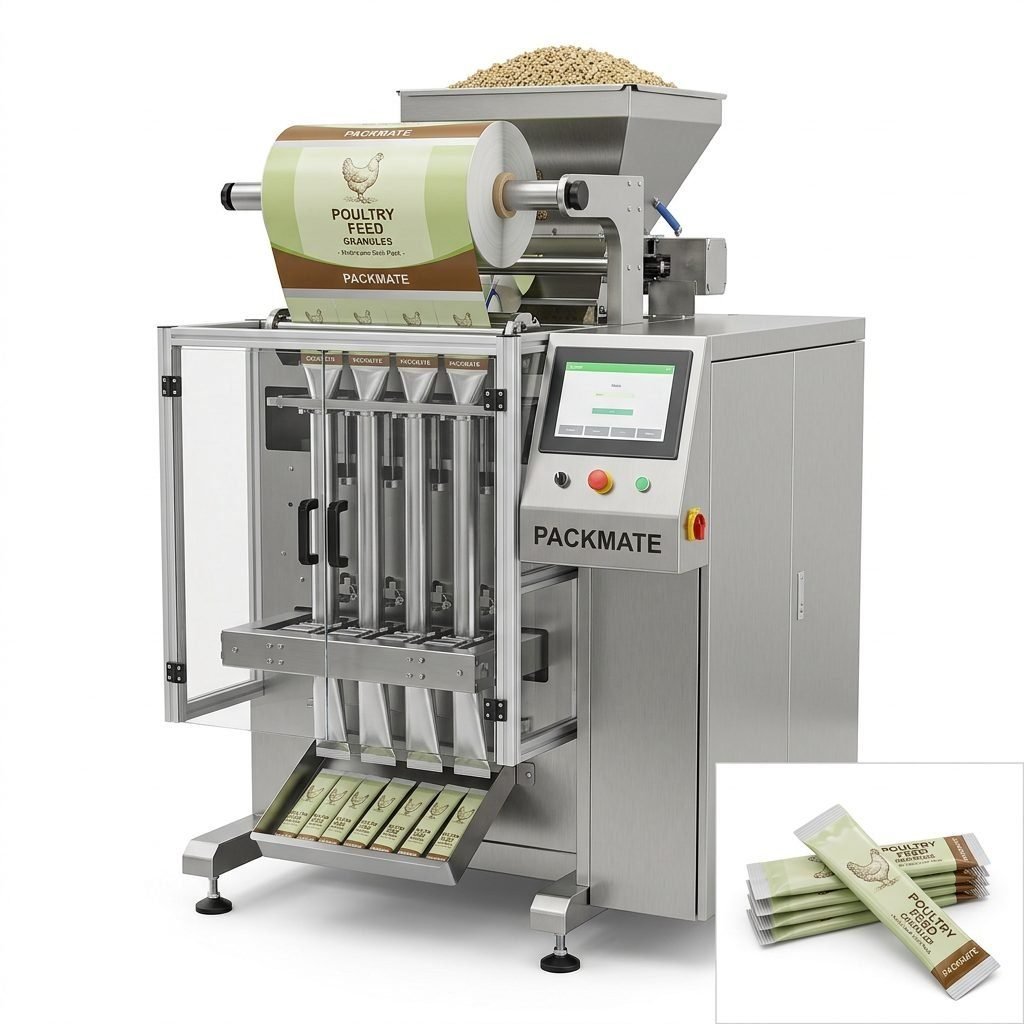
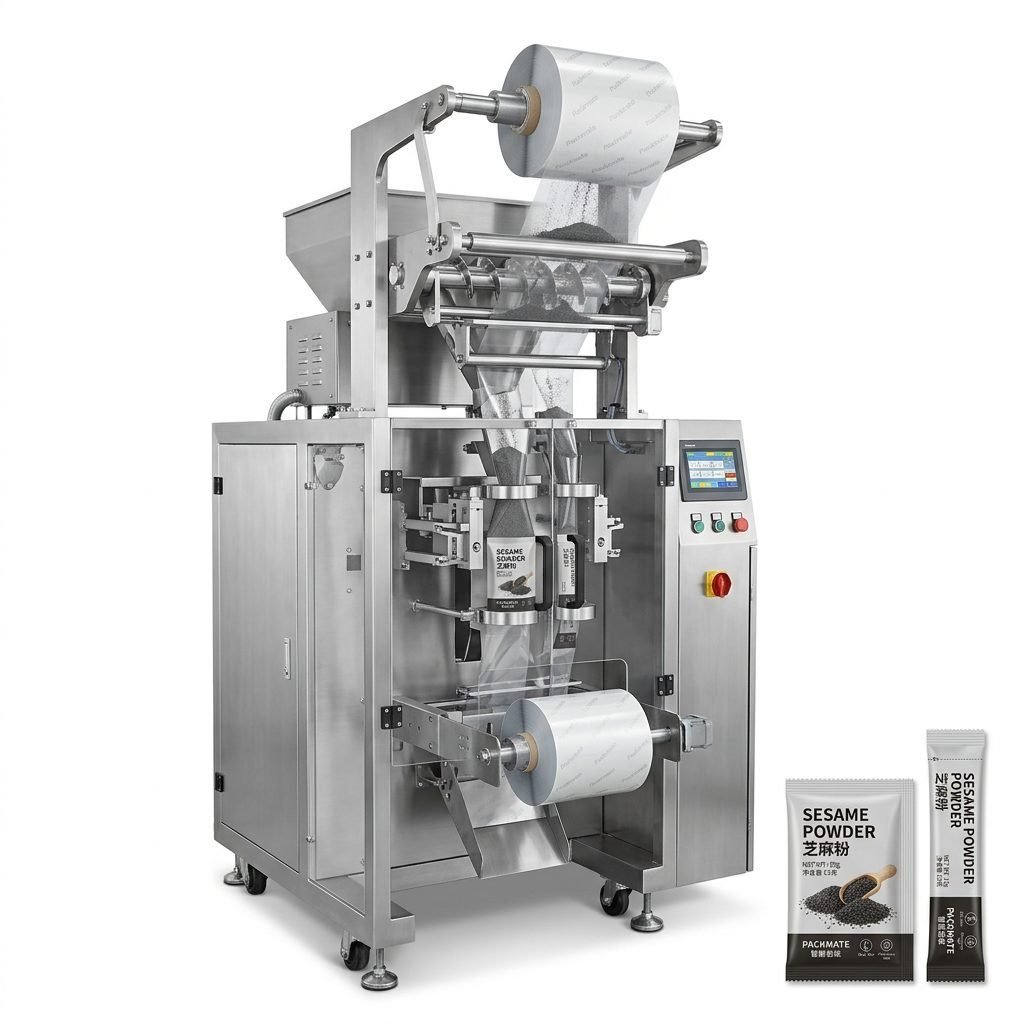
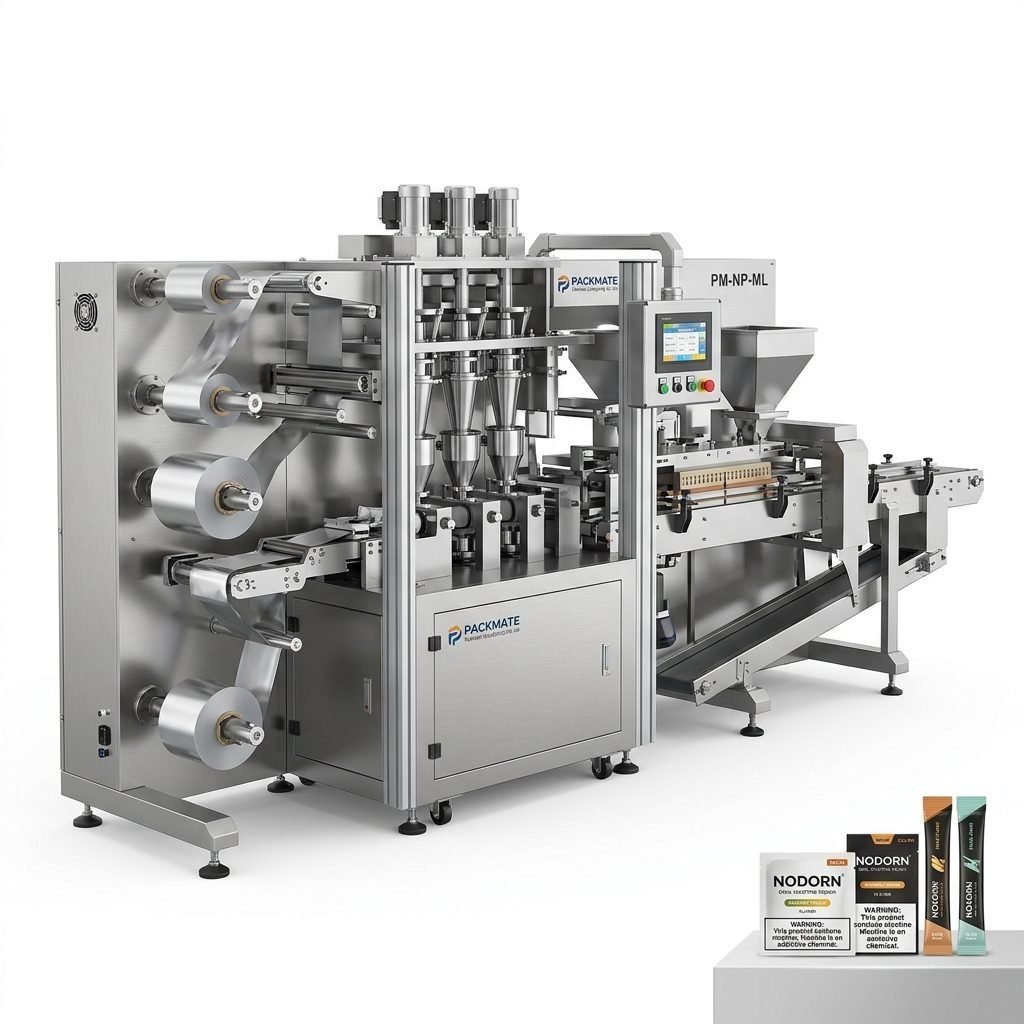
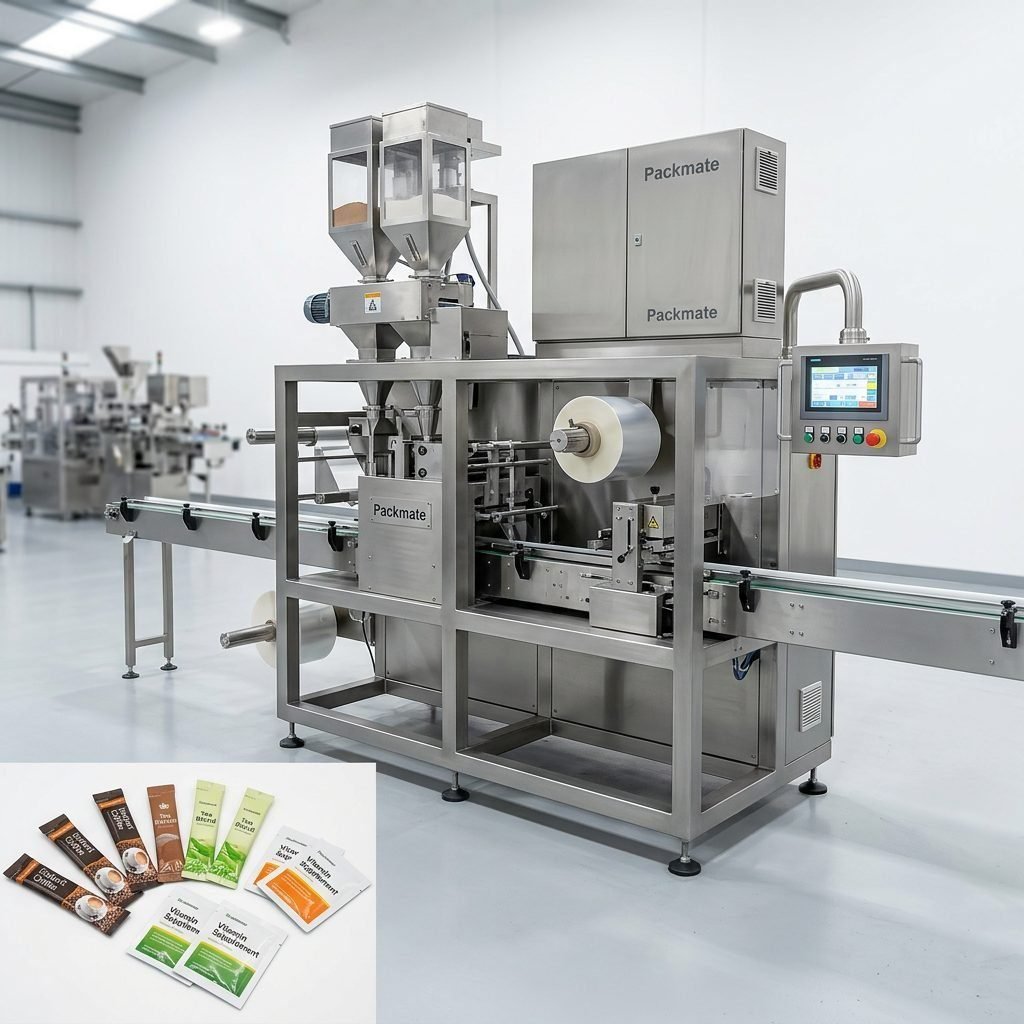
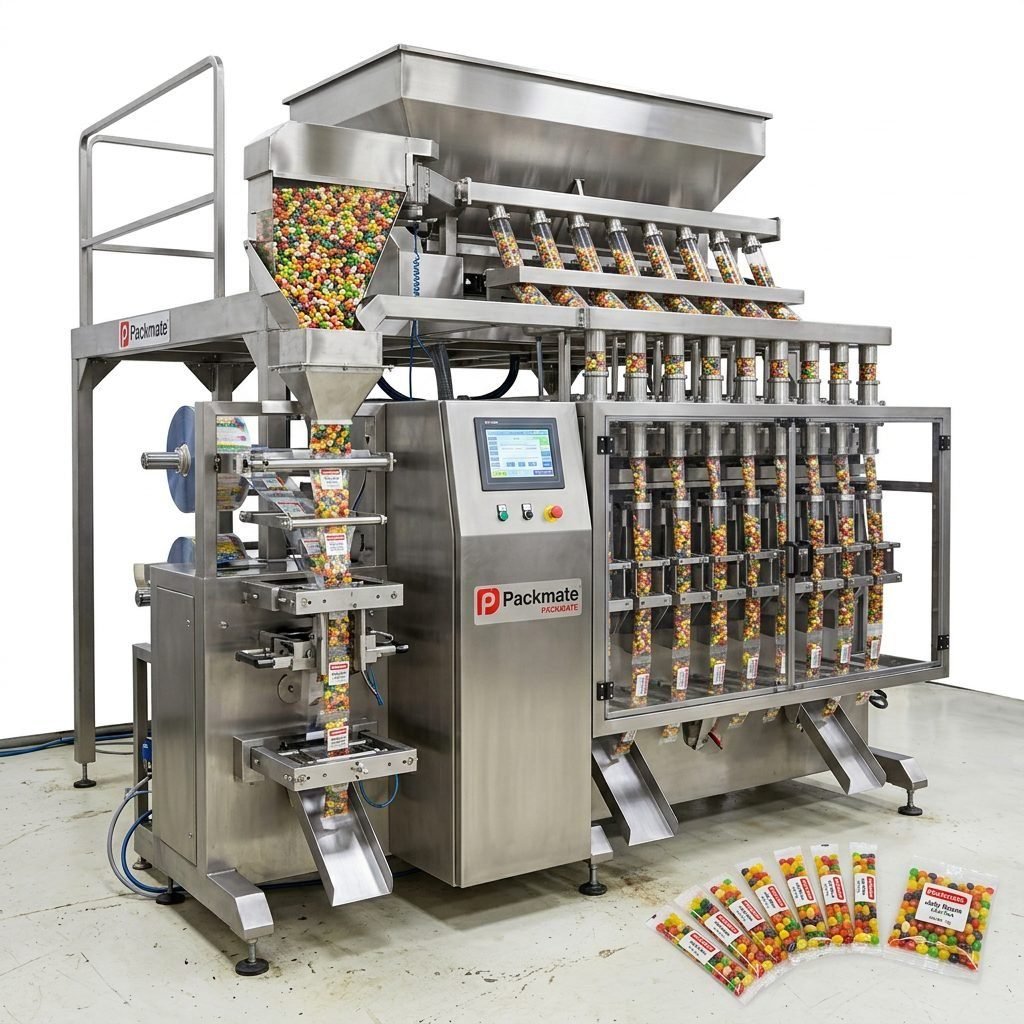
Strip packaging machines, often called stick pack or sachet machines, are designed for single-serve portions of powder, granules, liquids, or pastes. The core types include vertical form-fill-seal (VFFS) machines for creating pouches from roll film and pre-made pouch fillers. Multi-lane systems significantly increase output by running several packaging lines in parallel, making them ideal for high-volume production of items like coffee sticks, protein powders, or pharmaceutical sachets.
Your product’s characteristics—flowability, density, and hygroscopic nature—directly influence the choice of dosing system (auger, volumetric cup, or weigh scale) and the sealing method (thermal or ultrasonic).
Key Selection Criteria
Before investing, evaluate these essential parameters against your production goals:
- Product Type & Format: Is it a fine powder, granule, or viscous liquid? What is the required pouch size and shape?
- Required Output Speed (BPM): Target production speed in bags per minute. Multi-lane machines from suppliers like Ludyway can achieve outputs exceeding 1000 BPM.
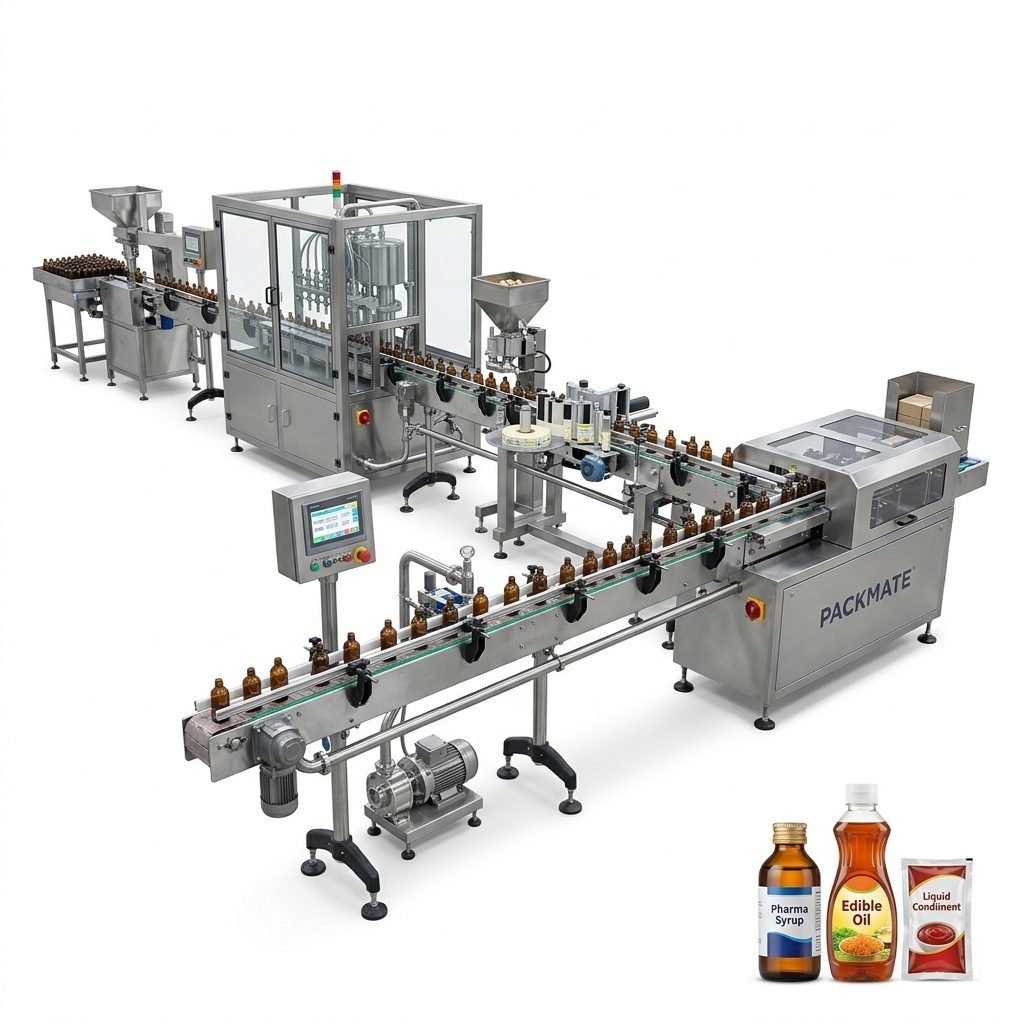
- Level of Automation: From semi-automatic filling to fully integrated lines with automatic feeding, checkweighing, and cartoning.
- Hygiene & Compliance Standards: Critical for food, pharmaceutical (GMP), or nutraceutical applications. Look for stainless steel contact parts and easy-clean designs.
- Future Scalability: Can the machine or line be easily upgraded or integrated with downstream equipment?
How to Optimize Your Strip Packaging Line
Once the right machine is installed, optimization is the key to unlocking peak performance and efficiency.
1. Perfecting the Feeding and Dosing Process
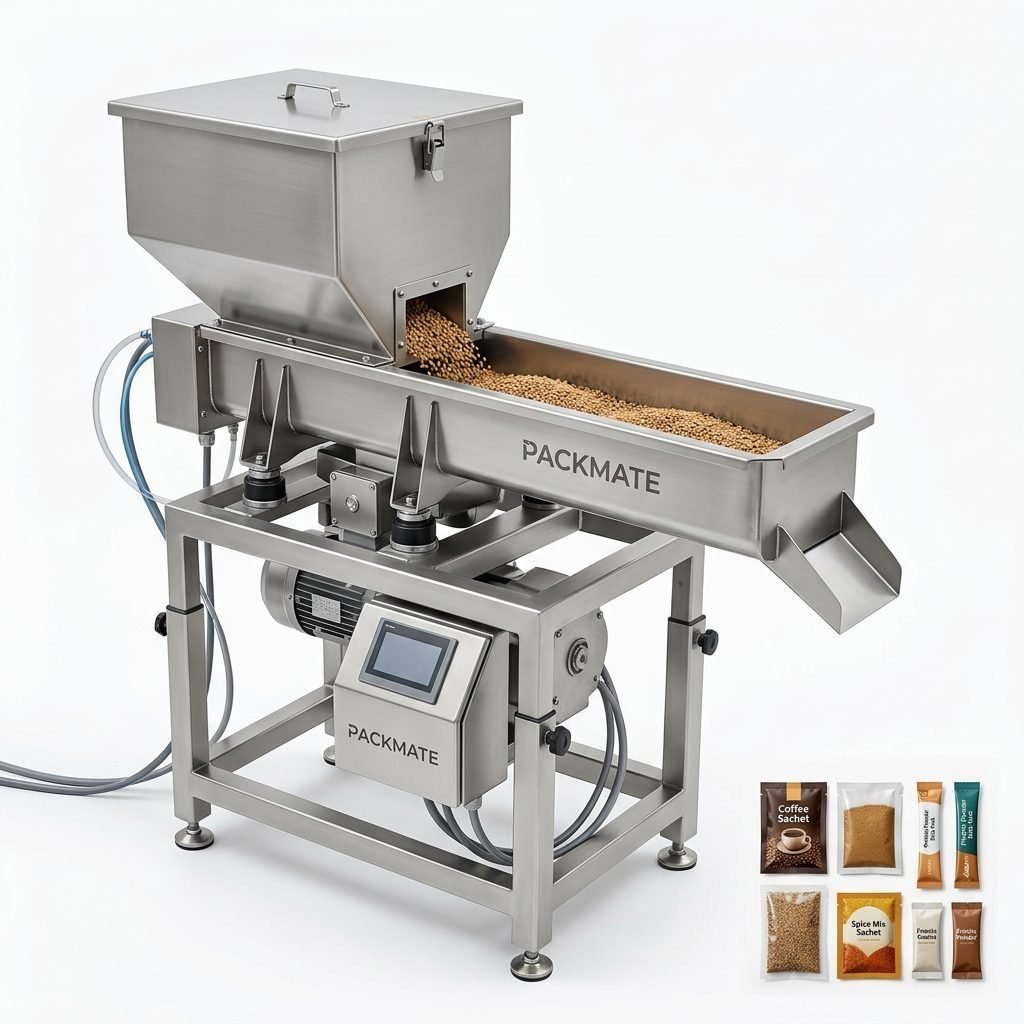
Consistent, accurate filling is the foundation of quality packaging and material savings. Use precision feeders like vibratory trays or screw feeders to ensure stable product flow into the dosing system. Regularly calibrate auger fillers or weigh cells to maintain filling accuracy within ±1%. For challenging products like sticky powders, consider Packmate Machinery machines with specialized anti-bridging hoppers.
2. Ensuring Reliable Sealing and Integrity
Seal integrity prevents leaks and preserves product shelf life. Optimize sealing jaw temperature, pressure, and dwell time for your specific packaging film. Conduct regular seal strength tests (peel tests). For complex materials or high-moisture barriers, ultrasonic sealing systems can offer more consistent results.
3. Integrating Smart Line Controls
Modern machines feature PLC-based controls with touchscreen HMIs. Utilize these for:
- Setting and storing recipes for different products.
- Monitoring real-time OEE (Overall Equipment Effectiveness).
- Implementing automatic rejection systems for under/overweight or poorly sealed pouches.
Companies like PacklineOEM specialize in integrating these controls across entire turnkey lines for synchronized operation.
Advanced Strategies for Maximum Efficiency
Moving beyond basic operation, these strategies can deliver significant competitive advantages.
Adopting a Total Systems Approach
View your packaging operation as an integrated system, not isolated machines. This involves:
- Upstream Integration: Connecting bulk storage, conveying, and pre-mixing systems directly to the packaging machine hopper.
- Downstream Integration: Automating post-packaging steps like cartoning, case packing, and palletizing. A PackingMachineOEM customized line can handle this seamlessly.
- Data & Analytics: Using machine data to predict maintenance needs, reduce changeover times, and identify bottlenecks.
Leveraging Customization for Niche Markets
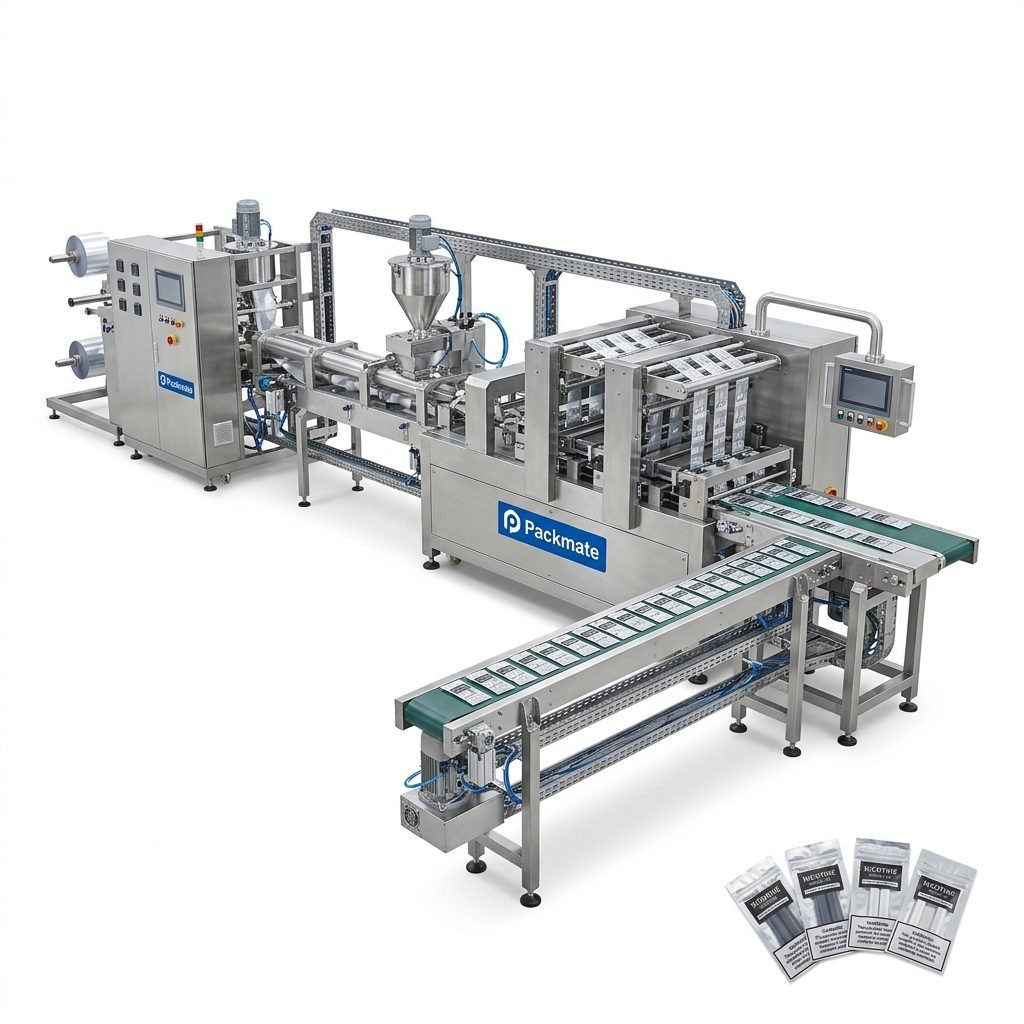
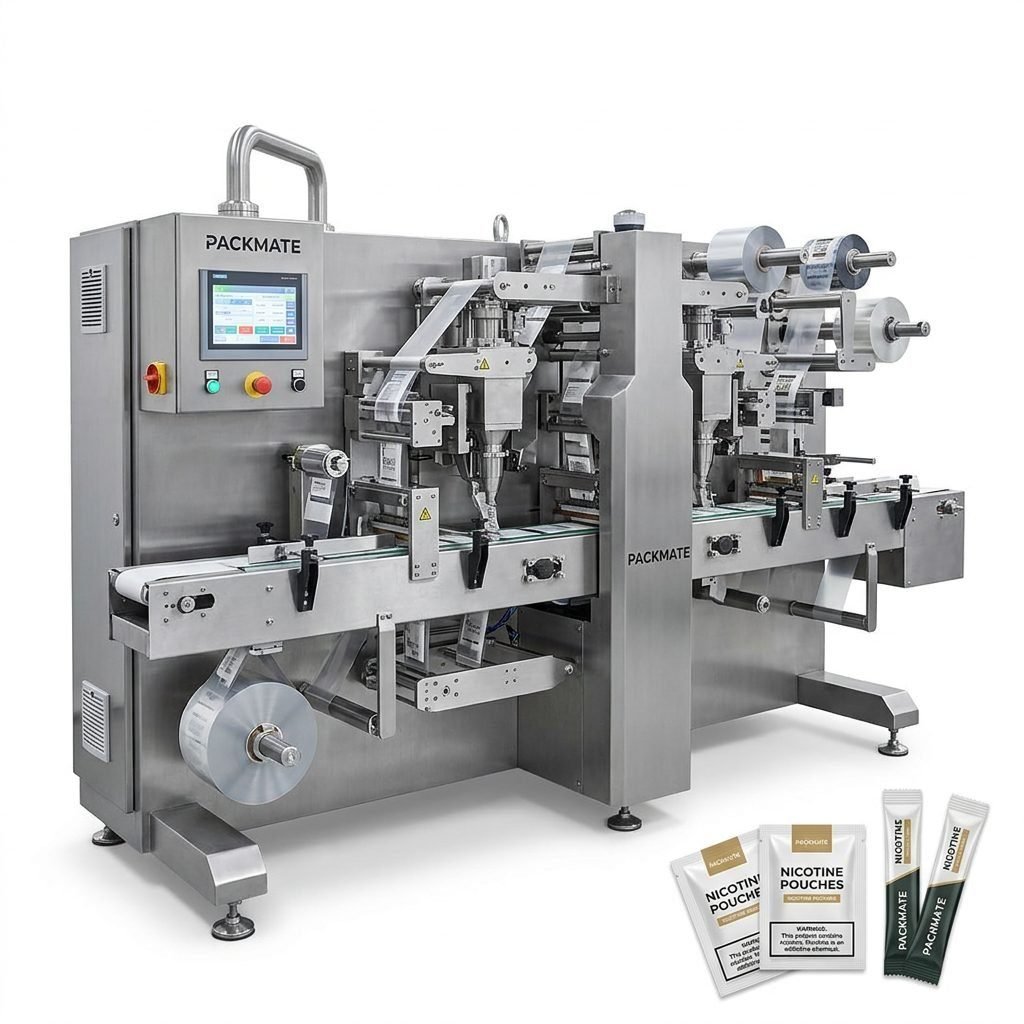
For specialized products, off-the-shelf solutions may not suffice. Manufacturers serving niche sectors, such as the fast-growing nicotine pouch market, benefit from partners with focused expertise. A supplier like SnusMachinery provides machines engineered for precise powder dosing, high-speed pouch forming, and strict hygiene requirements specific to that industry, ensuring optimal performance where general-purpose machines might struggle.
Global Considerations for Export-Oriented Production
If you are manufacturing for export to regions like Europe or North America, additional factors come into play. Machines must often comply with international safety standards (e.g., CE, UL). Packaging film choices may need to meet specific recyclability or barrier requirements. Furthermore, having a supplier with a strong global support network, spare parts availability, and multilingual technical documentation is crucial for minimizing downtime in international operations.
Common Questions (FAQs)
What is the main difference between a stick pack and a sachet machine?
The terms are often used interchangeably, as the core technology is similar. Typically, “stick pack” refers to long, narrow, single-serve pouches, while “sachet” can describe a wider range of small pouch sizes and shapes. The same VFFS machine can usually produce both by changing the forming collar and sealing jaw tools.
How can I reduce material waste (film and product) on my packaging line?
Key strategies include: optimizing film tracking to minimize edge trim waste, using high-precision fillers to reduce product giveaway, implementing automatic web guiding systems, and selecting films with the optimal gauge for your product barrier needs without over-specifying.
What regular maintenance is crucial for a strip packaging machine?
Daily: Clean sealing jaws, check film unwind tension. Weekly: Lubricate moving parts per the manual, inspect and clean filters. Monthly: Check drive belts and chains for wear, calibrate weighing systems. Always follow the manufacturer’s specific maintenance schedule.
Can one machine handle both powder and liquid products?
Some machines are designed as multi-purpose and can be configured for both with changeable pump systems for liquids and auger systems for powders. However, for dedicated, high-speed production of one type, specialized machines often yield better accuracy and efficiency.
How do I choose between a standalone machine and a full turnkey line?
This depends on your production volume, labor costs, and future plans. A standalone machine is suitable for lower output or manual downstream handling. A turnkey automated line from a specialist like PacklineOEM is a larger investment but maximizes throughput, minimizes labor, and ensures consistent quality for high-volume, 24/7 production environments.
Ultimately, selecting and optimizing a strip packaging machine is a strategic process. By thoroughly understanding your product needs, output targets, and growth plans, and by partnering with a capable and experienced manufacturer, you can build a packaging operation that drives efficiency, quality, and profitability for years to come.