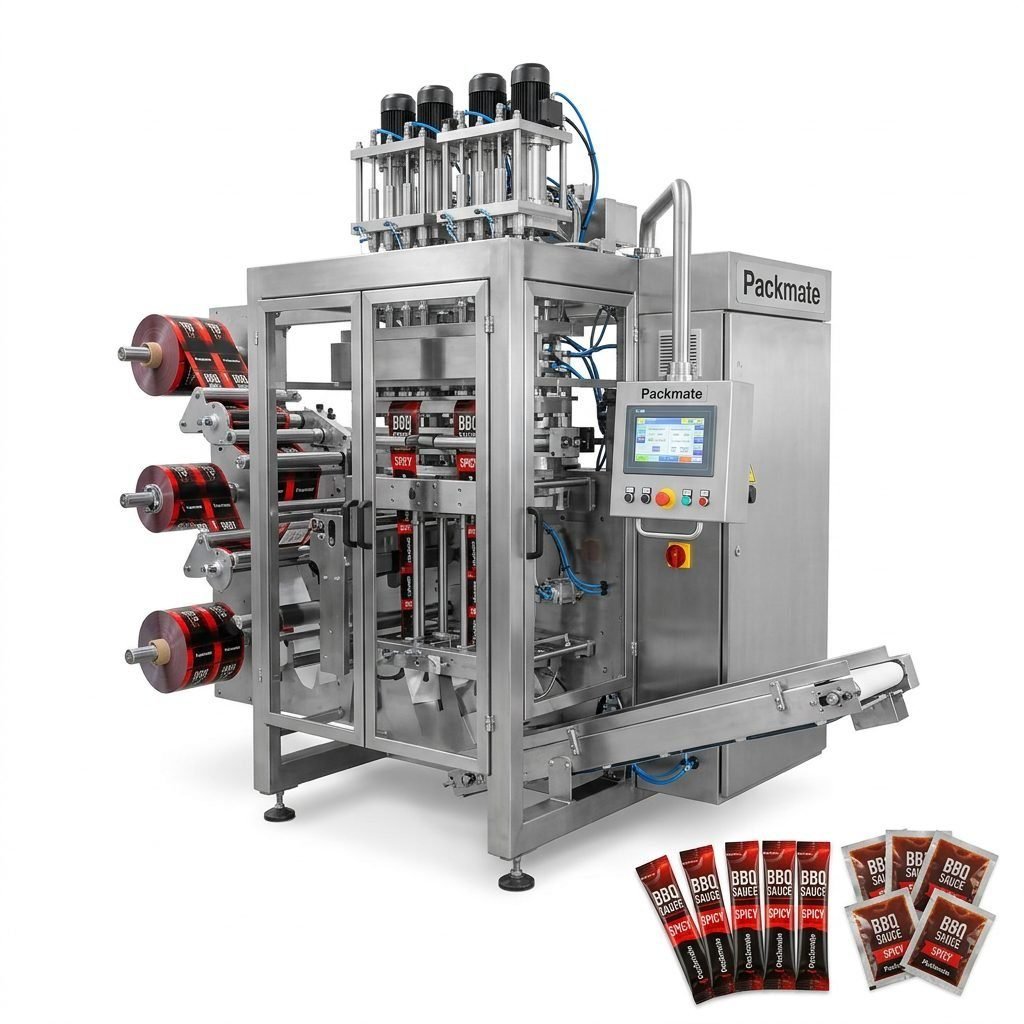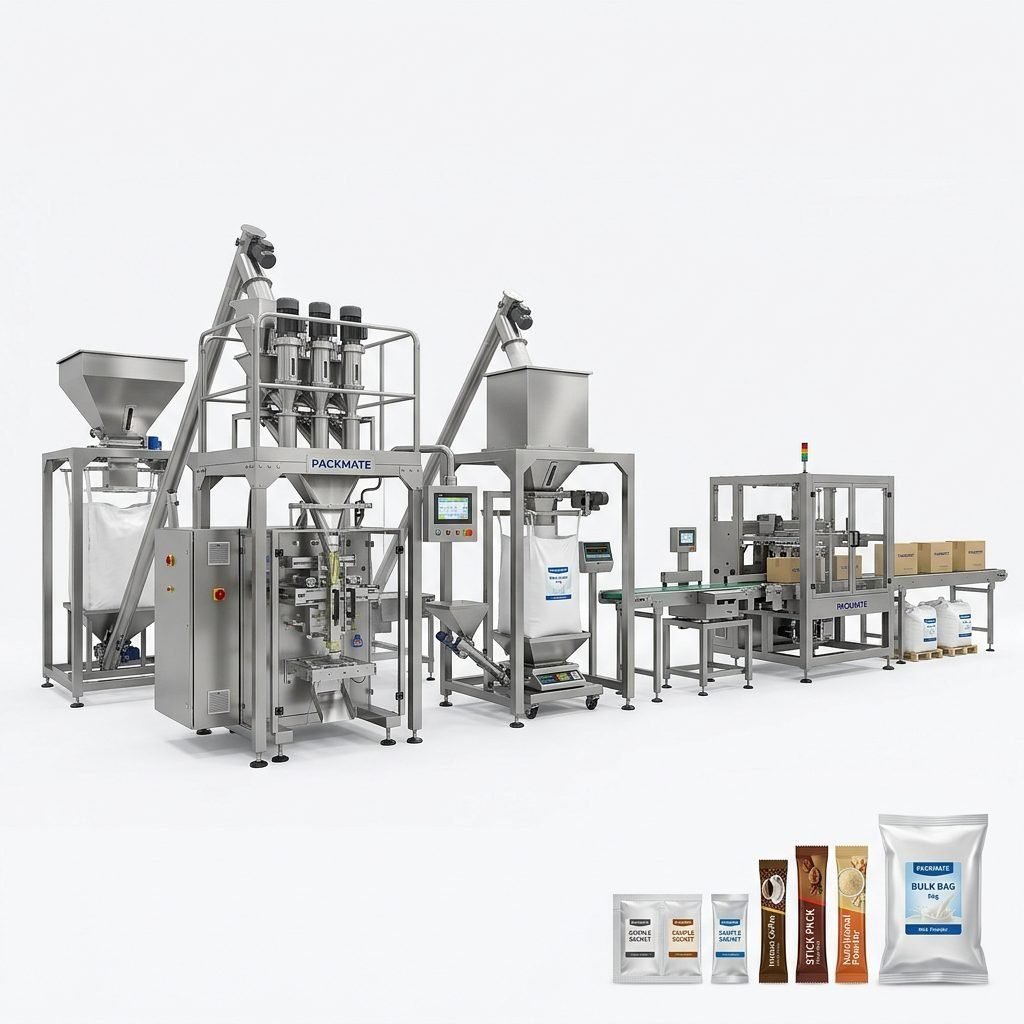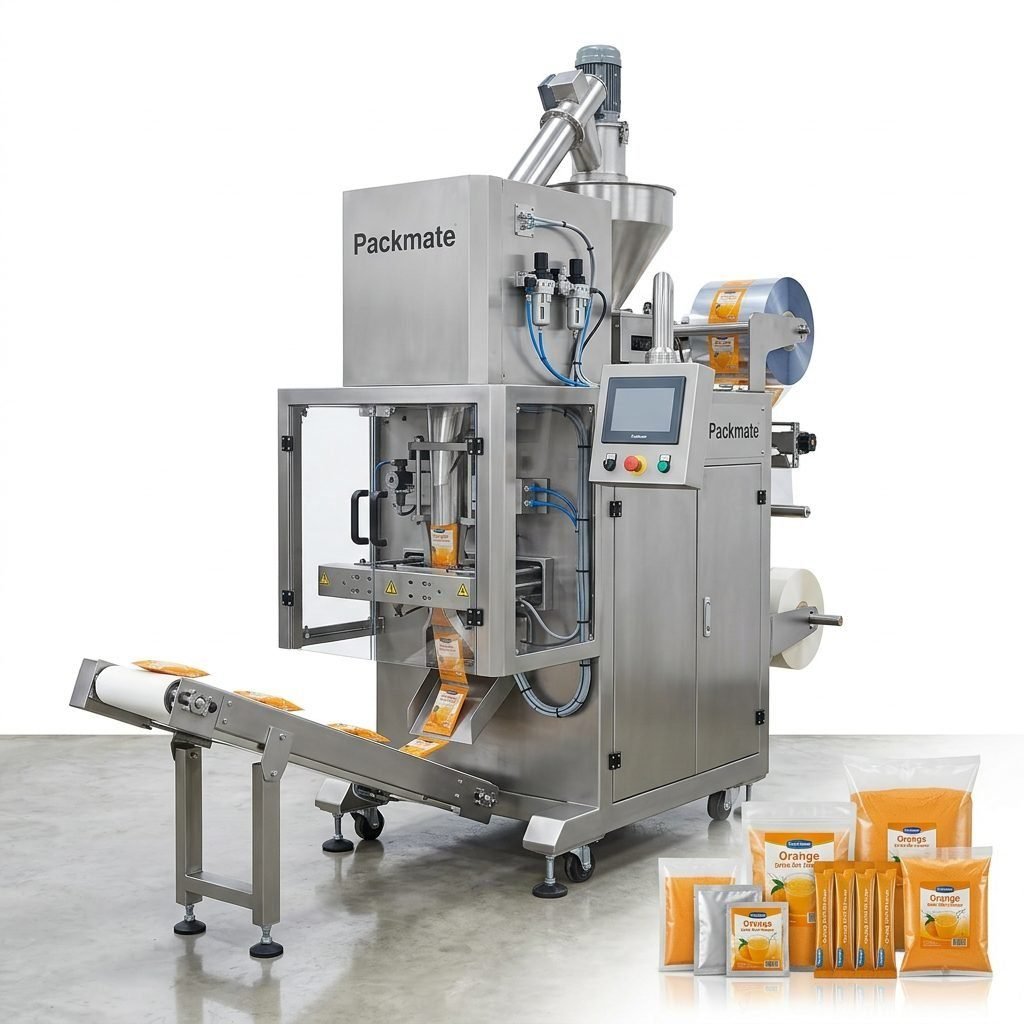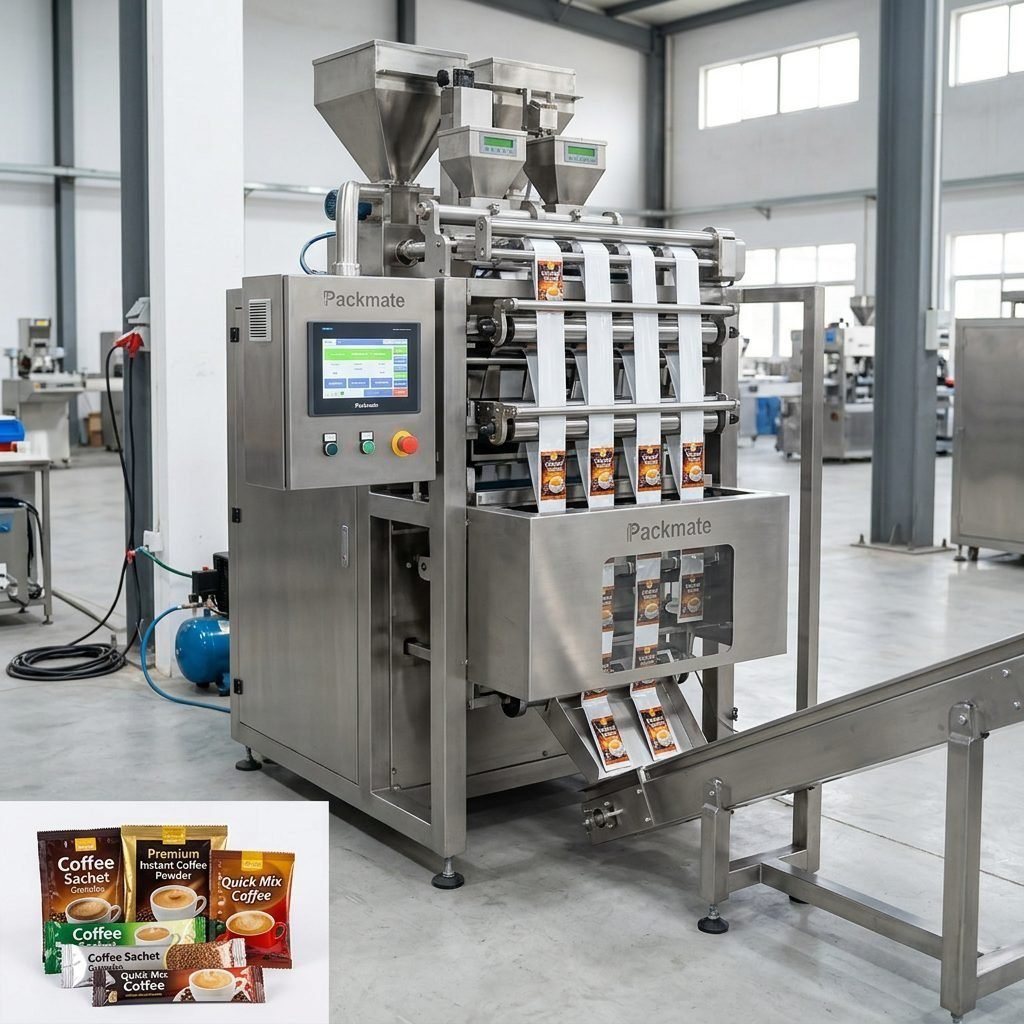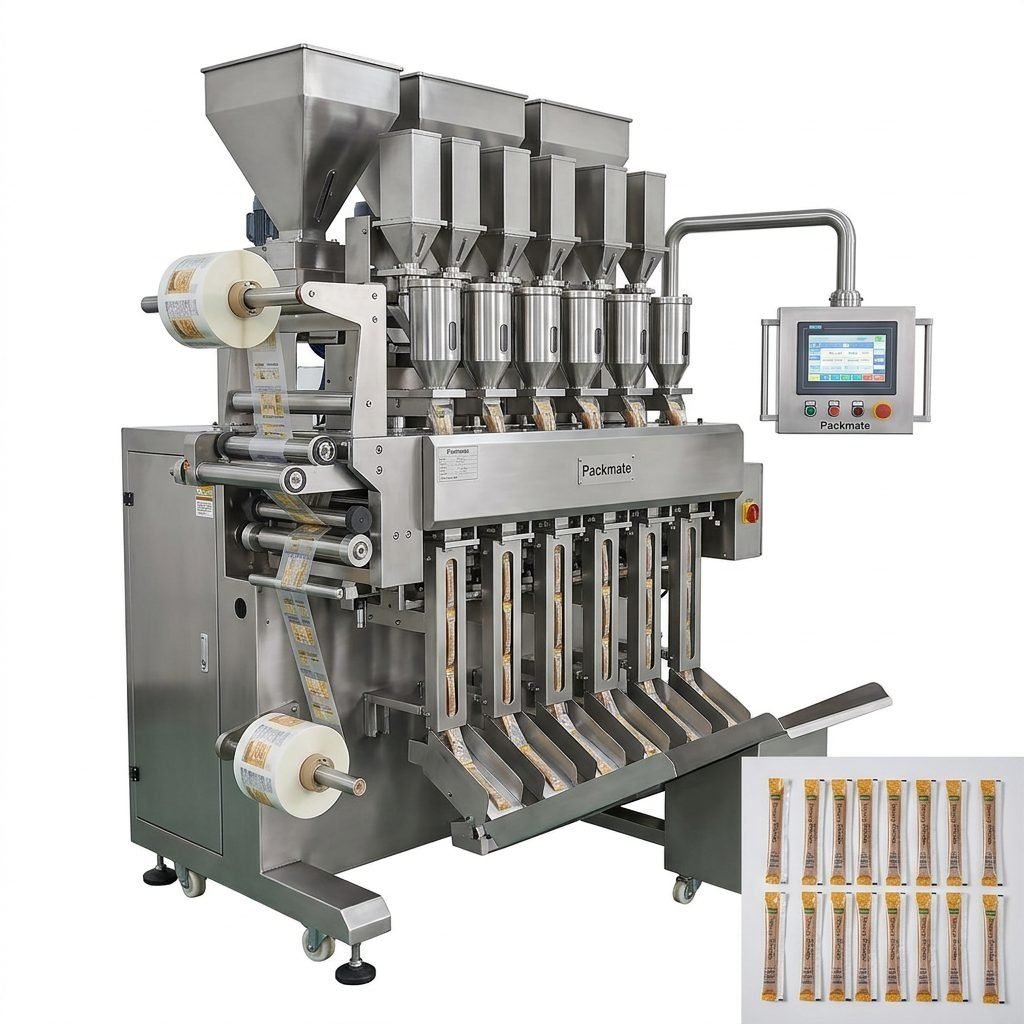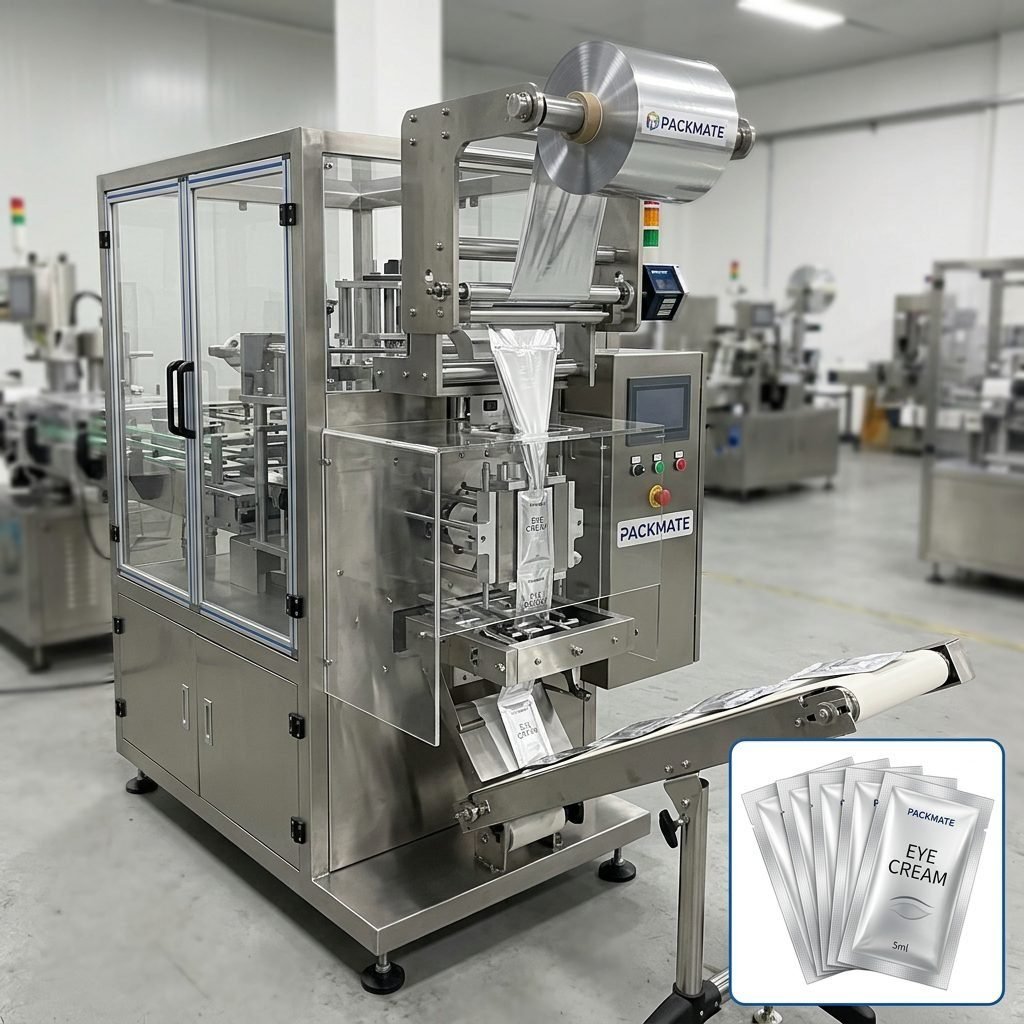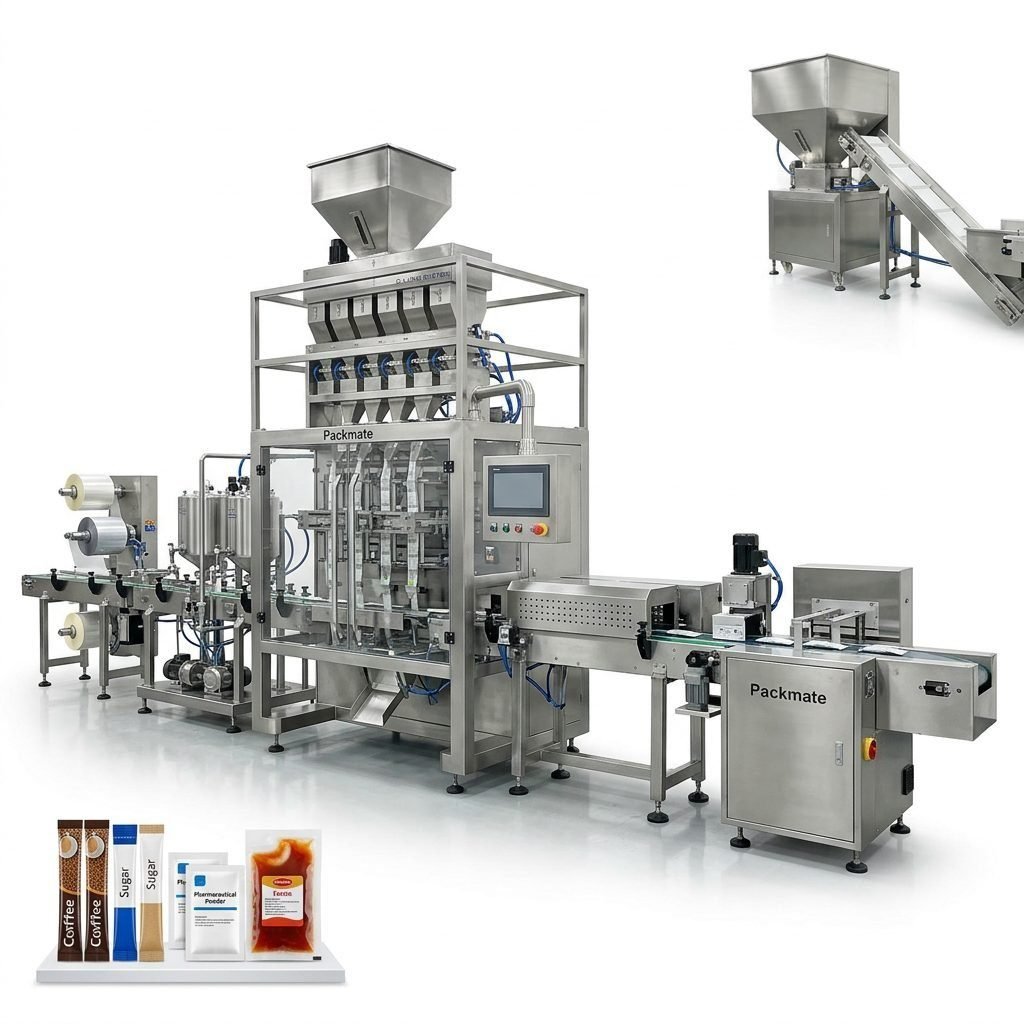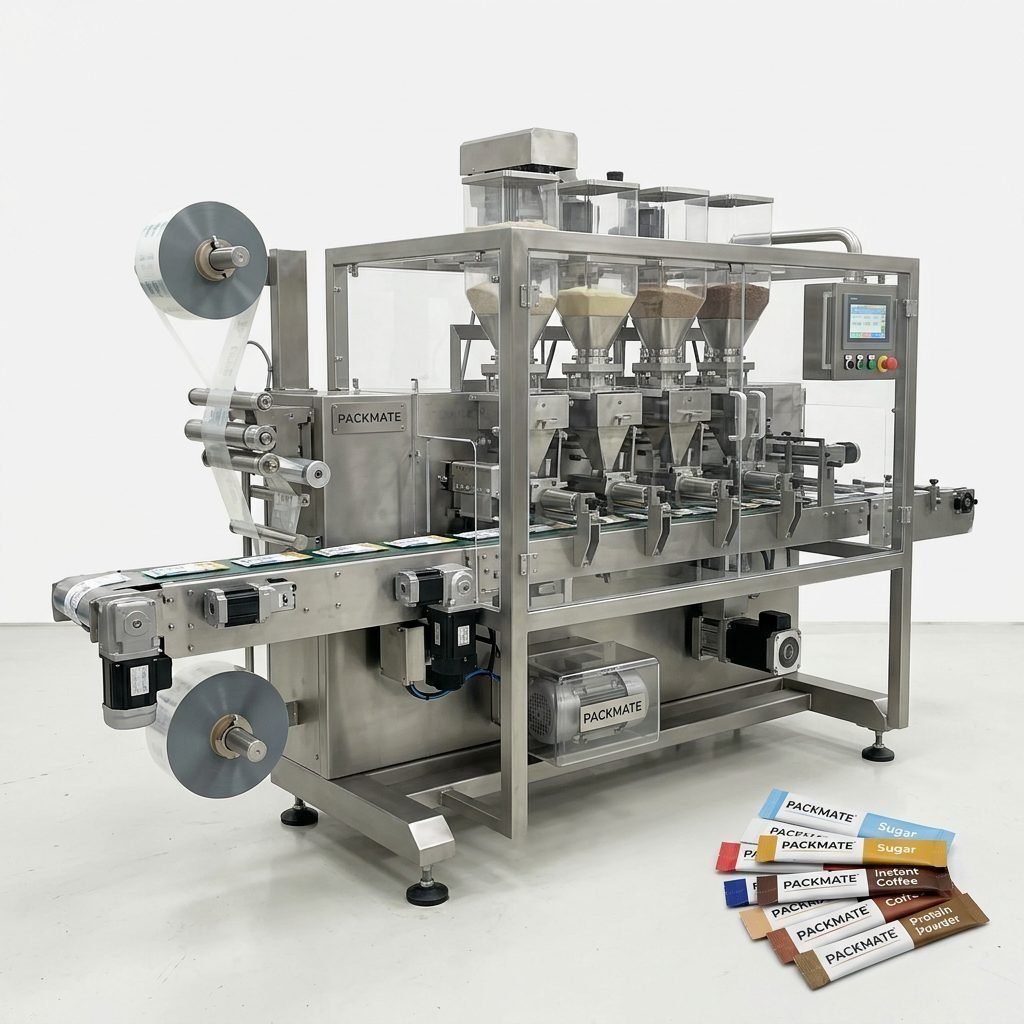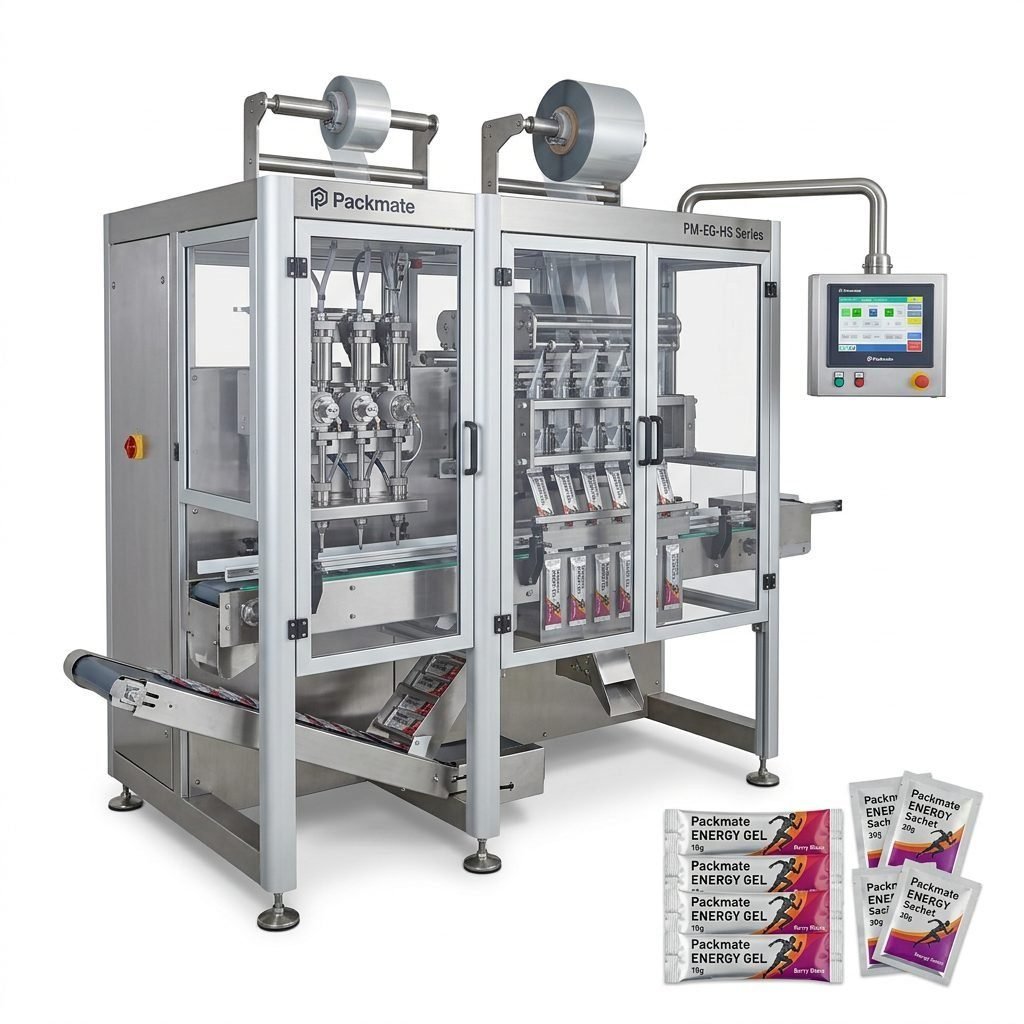
For manufacturers seeking to package small portions of products like condiments, coffee, sugar, pharmaceuticals, or cosmetics, the small sachet packaging machine is an indispensable piece of equipment. These machines automate the process of forming, filling, and sealing single-serve packets, ensuring precision, hygiene, and high-speed production. With a global market increasingly favoring convenience and portion control, the demand for efficient sachet packaging is on the rise.
Types of Small Sachet Packaging Machines
The choice of machine depends heavily on your product, production volume, and required features. Here’s a breakdown of the main types:
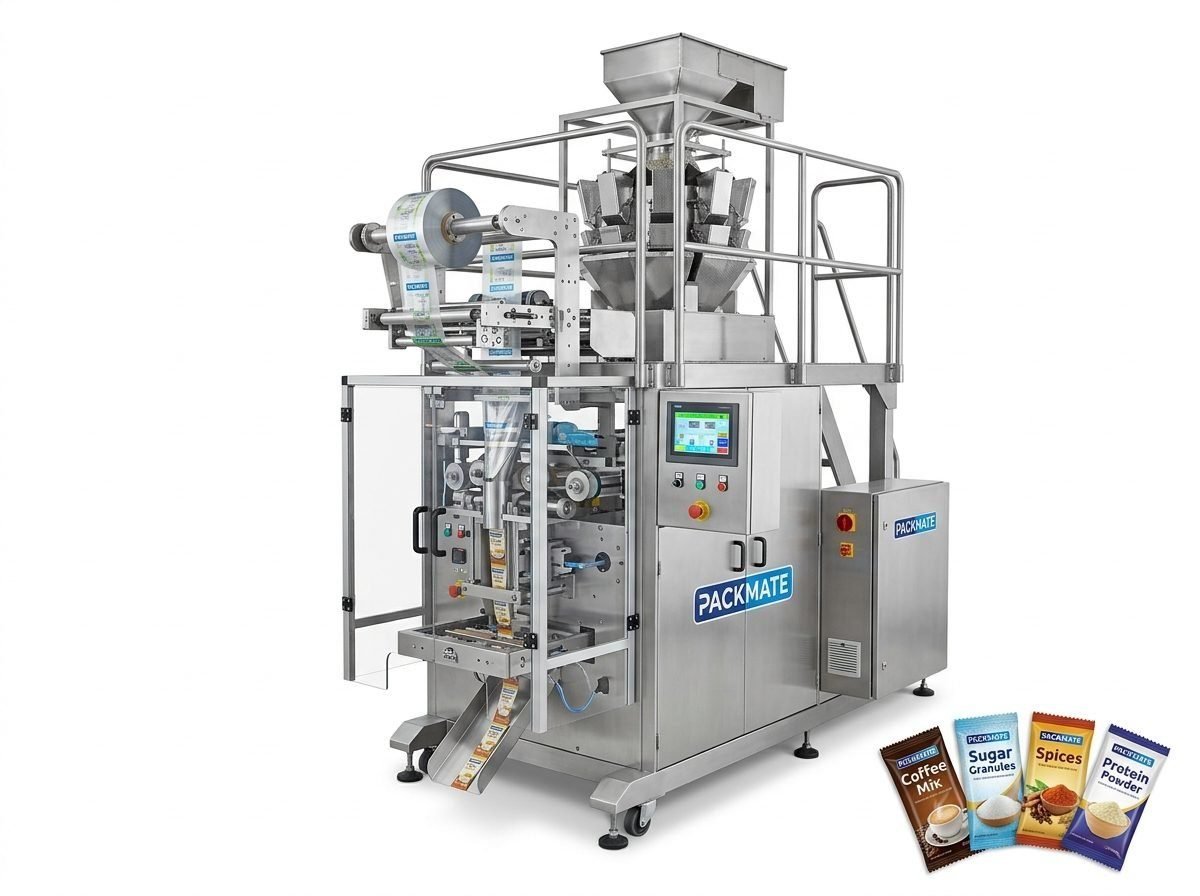
1. Vertical Form-Fill-Seal (VFFS) Machines
These are the most common type for sachet packaging. They use a roll of flat packaging film, form it into a tube, fill it with product, and then seal it into individual sachets. VFFS machines are highly versatile and can handle a wide range of products from powders and granules to liquids and pastes. They are ideal for medium to high-volume production.
2. Horizontal Form-Fill-Seal (HFFS) Machines
In HFFS machines, the film moves horizontally. They are often preferred for packaging items that are already formed or for creating sachets with a more complex shape. They excel at handling products like wet wipes, pre-formed biscuits, or items that require specific placement within the sachet.
3. Pre-Made Pouch Machines
These machines use pre-manufactured, empty sachets. The operator simply loads the pouches, and the machine opens, fills, and seals them. This method is excellent for applications requiring high-quality, complex, or branded pre-printed pouches. It’s often used for premium products like cosmetics, medical samples, or high-end tea.
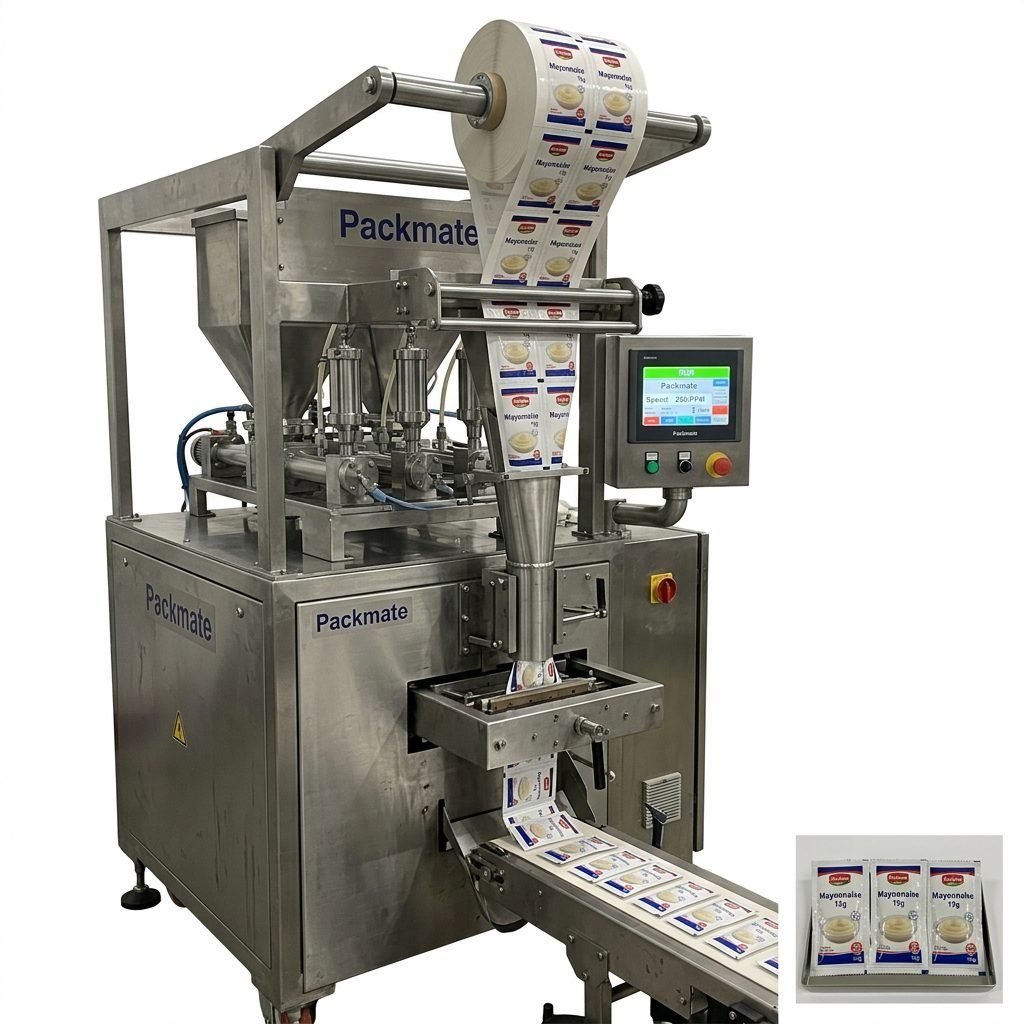
4. Multi-Lane Sachet Machines
For maximum output, multi-lane machines operate multiple packaging lines simultaneously. They are essentially several VFFS or HFFS machines synchronized to work together, dramatically increasing production speed. These are essential for high-volume industries like instant coffee, sugar, or pharmaceutical powders.
Key Applications Across Industries
Small sachet packaging machines serve a diverse range of sectors, each with specific needs.
| Industry | Typical Products | Key Considerations |
|---|---|---|
| Food & Beverage | Ketchup, soy sauce, coffee creamer, sugar, instant coffee, spices, drink mixes. | Hygiene (food-grade materials), speed for high-volume items, accurate dosing for powders and liquids. |
| Pharmaceutical & Healthcare | Oral rehydration salts, powdered medicines, single-dose powders, medical samples. | Sterile or cleanroom compatibility, precision filling (often within milligrams), traceability, material compatibility. |
| Personal Care & Cosmetics | Shampoo, conditioner, lotion, serum, face masks, cream samples. | Aesthetic sealing, ability to handle viscous liquids and creams, leak-proof seals. |
| Agrochemical & Industrial | Seeds, fertilizers, lubricants, adhesives, chemical additives. | Chemical-resistant materials, dust control for powders, robust construction for abrasive materials. |
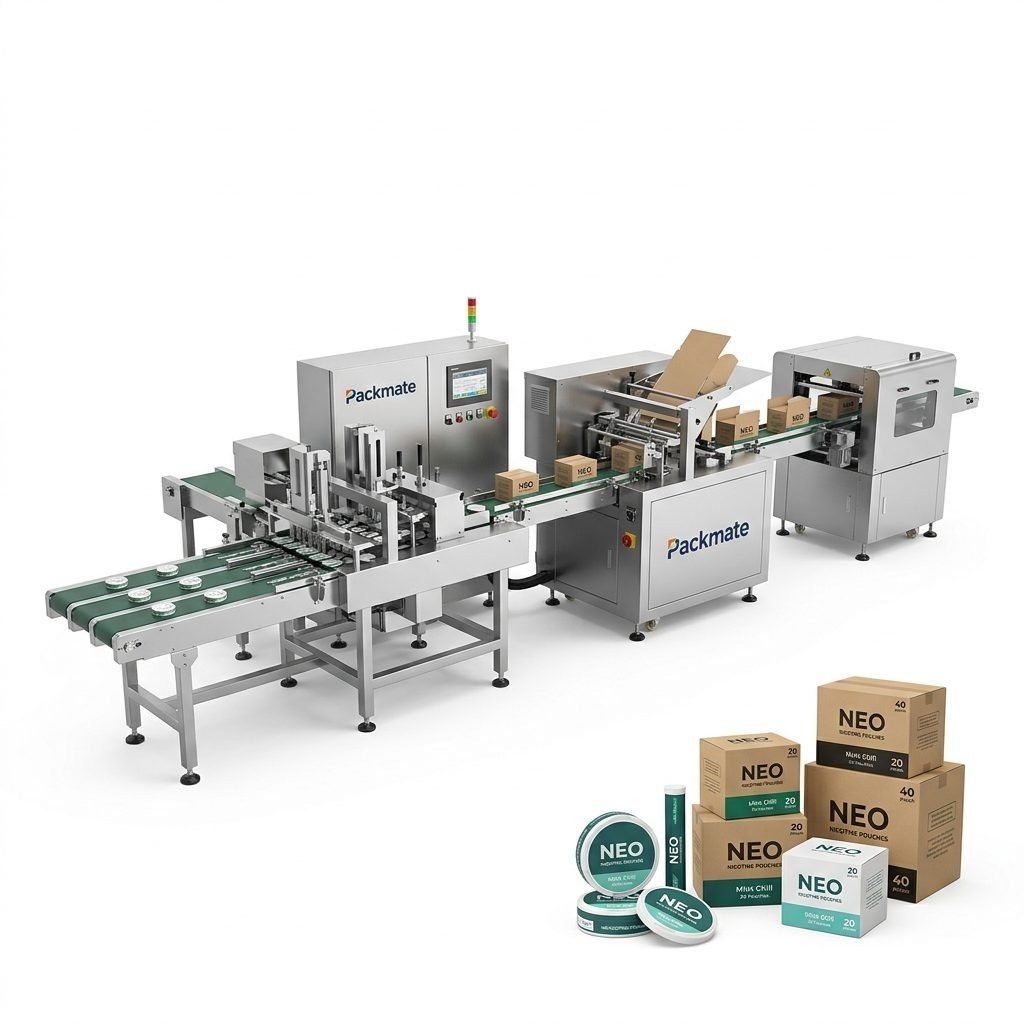
Specialized Applications: Nicotine Pouch Packaging
The rapid global growth of the nicotine pouch market has created a specific demand for high-speed, precision sachet packaging. Machines for this sector, such as those offered by SnusMachinery, are engineered for multi-lane, high-output production with features like precise weight control, consistent sealing to maintain pouch moisture, and integration with cartoning or canning lines. They must handle the unique characteristics of nicotine powder blends with extreme accuracy.
How to Choose the Best Small Sachet Packaging Machine
Selecting the right machine is a critical investment. Here are the key factors to consider:
1. Product Characteristics
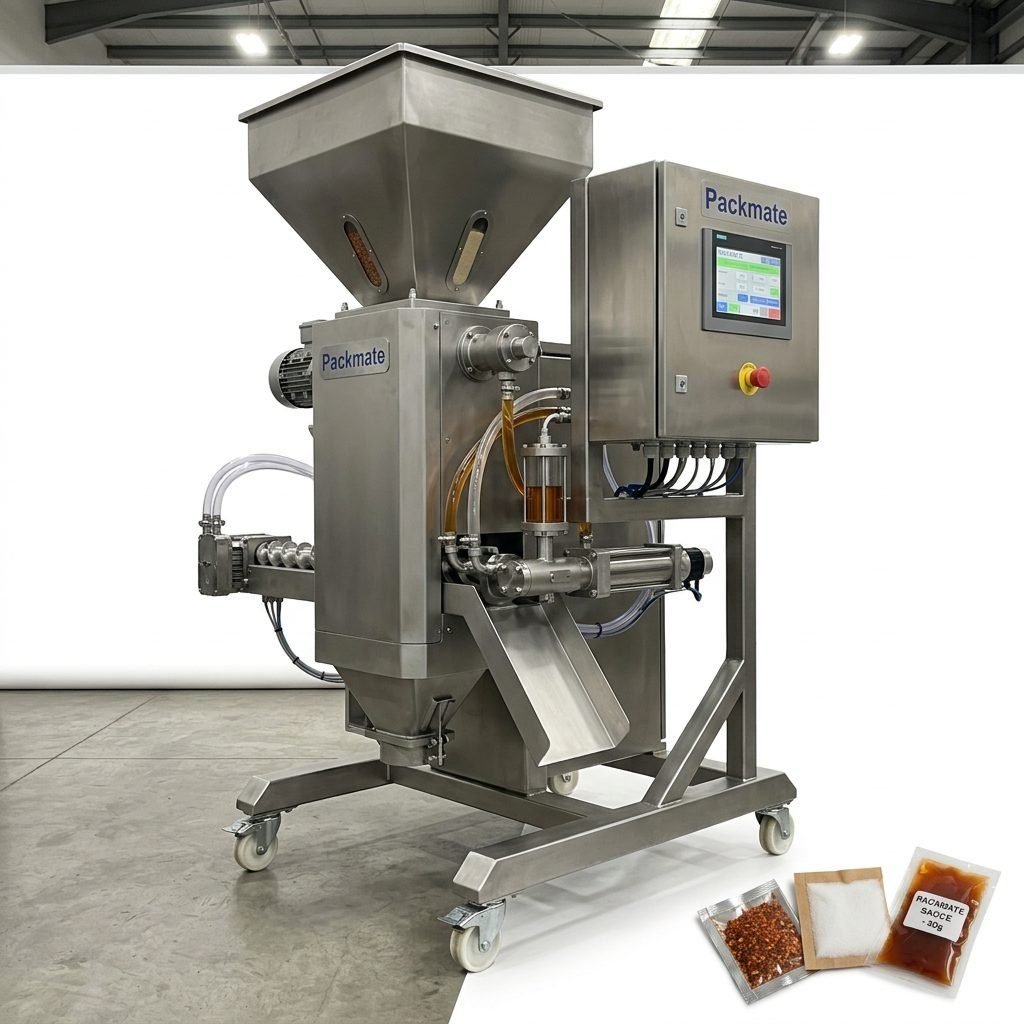
Is your product a free-flowing powder, a sticky paste, a granular solid, or a liquid? The machine’s filling system (auger, volumetric cup, liquid pump) and material handling components must be compatible. Consider product abrasiveness, hygroscopicity, and required filling accuracy.
2. Production Capacity (Speed)
Determine your required output in sachets per minute (SPM). A single-lane VFFS machine may produce 60-120 SPM, while multi-lane systems from manufacturers like Ludyway can exceed 1000 SPM. Match the speed to your current and future production goals.
3. Packaging Material & Sachet Size
The machine must be compatible with your chosen film (e.g., laminated foil, polyethylene, paper) and be able to handle the desired sachet dimensions and shape (e.g., pillow pack, gusseted, stand-up pouch). Discuss material specifications with your supplier.
4. Level of Automation
Options range from semi-automatic (manual feeding) to fully automatic with integrated product feeding, weighing, and downstream systems like checkweighers, metal detectors, and cartoners. For a complete line solution, consider turnkey providers like PacklineOEM.
5. Customization & Flexibility
If your requirements are unique or you plan to package multiple products, look for a machine with flexible changeover capabilities. Companies specializing in customized and non-standard solutions can adapt machines for specific bag styles, special sealing requirements, or complex product handling.
6. Supplier Support and Service
The manufacturer’s reputation is crucial. Consider their experience, after-sales service, availability of spare parts, and technical support. Established manufacturers with strong export experience, such as Packmate Machinery, often provide better global support networks.
Final Considerations: Budget and ROI
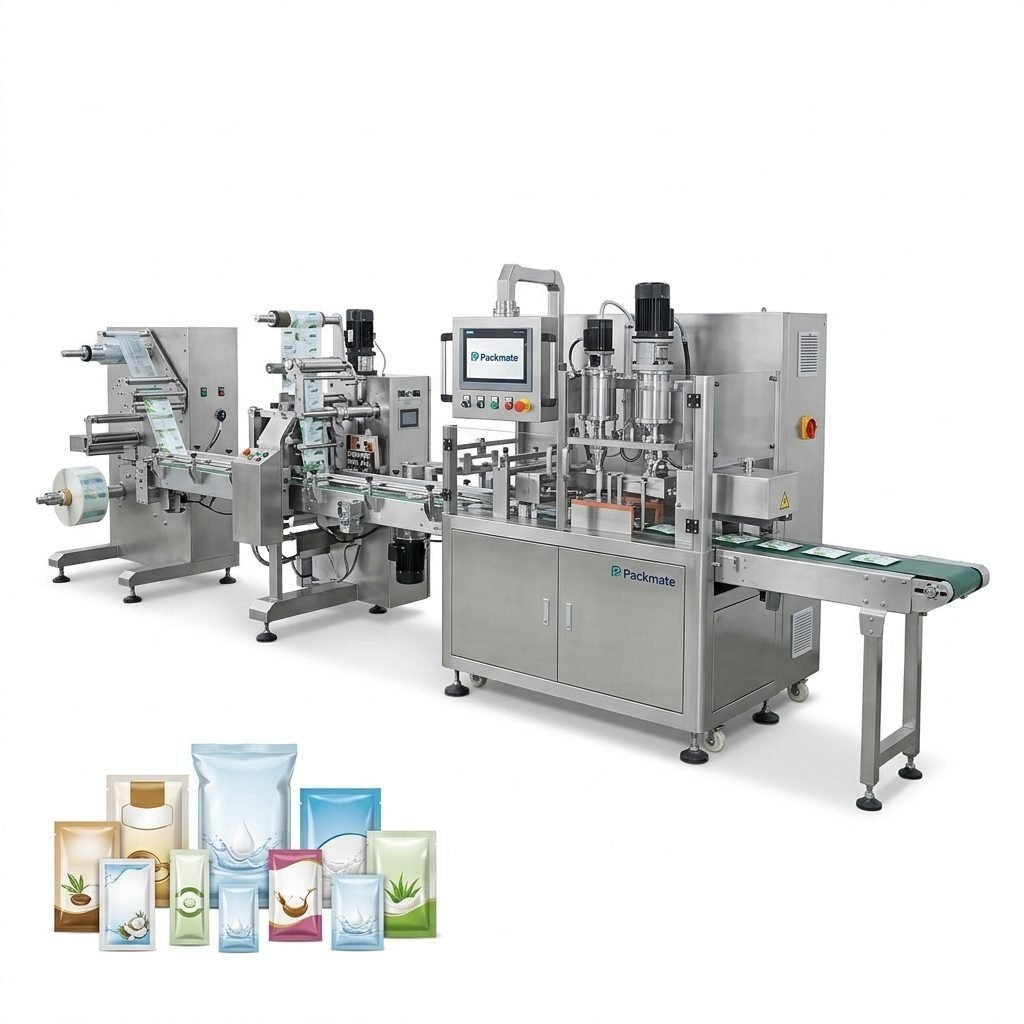
While upfront cost is important, evaluate the total cost of ownership, including maintenance, energy consumption, and material waste. A slightly more expensive, reliable machine from a reputable supplier can offer a faster return on investment through higher uptime, less product giveaway, and greater efficiency.
Frequently Asked Questions (FAQs)
What is the typical speed range for a small sachet machine?
Speeds vary widely. A basic single-lane machine may run at 40-80 sachets per minute (SPM), while advanced multi-lane systems can achieve 800-1500+ SPM. Your required output dictates the machine type.
Can one machine handle both powders and liquids?
Some versatile VFFS machines can be configured with interchangeable filling systems (e.g., swapping an auger for a pump). However, for optimal performance and hygiene, dedicated machines for each product type are often recommended, especially at high volumes.
How important is after-sales service?
Extremely important. Packaging machines are complex. Reliable local or responsive remote technical support, readily available spare parts, and comprehensive operator training are critical for minimizing downtime and ensuring long-term productivity.
What is the difference between a sachet and a stick pack?
The terms are often used interchangeably, but “stick pack” typically refers to a long, narrow, upright sachet, while “sachet” is a broader term for any small, flexible pouch. The packaging machine principles are similar, but the forming tools differ.
Should I buy a standalone machine or a complete line?
For startups or simple needs, a standalone machine suffices. For scaling production, a complete integrated line (including feeding, weighing, packaging, and secondary packaging) from a turnkey supplier like Ludyway or PacklineOEM offers superior efficiency, consistency, and labor savings.