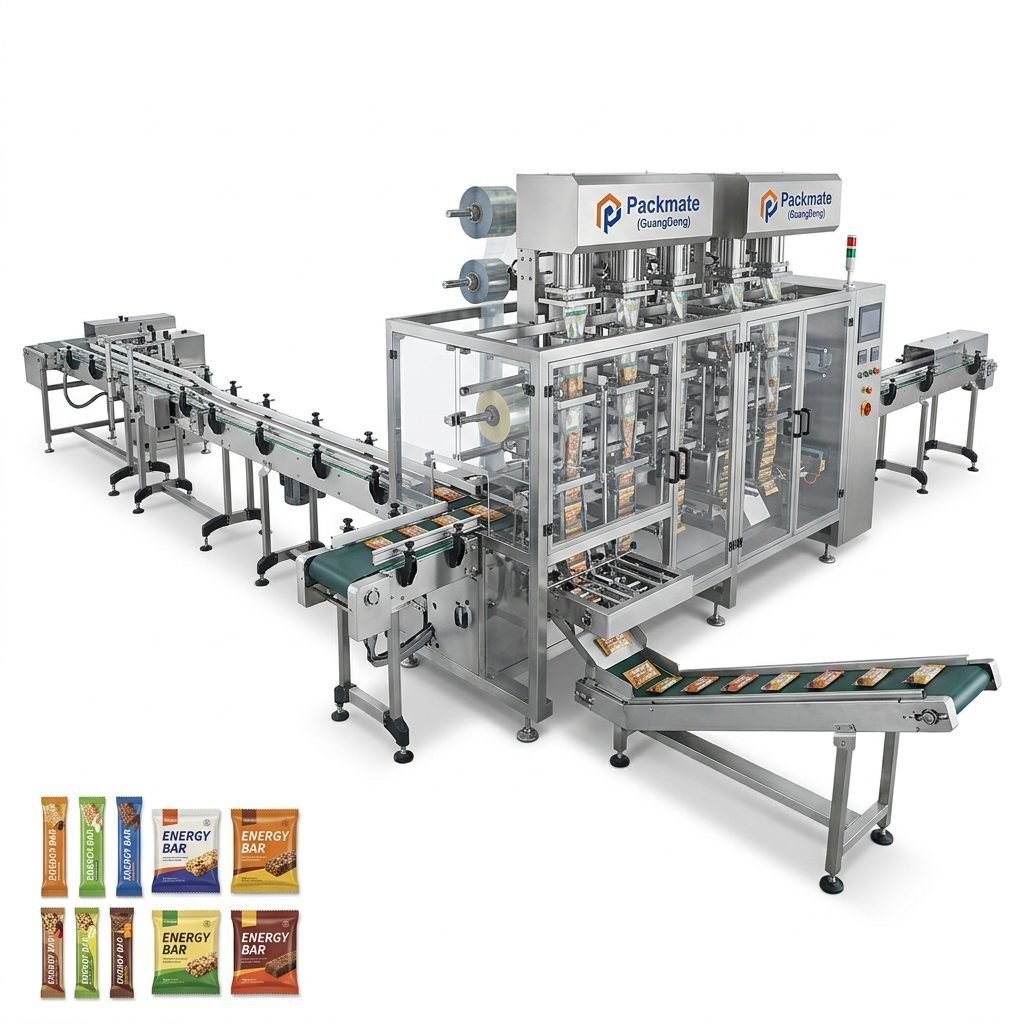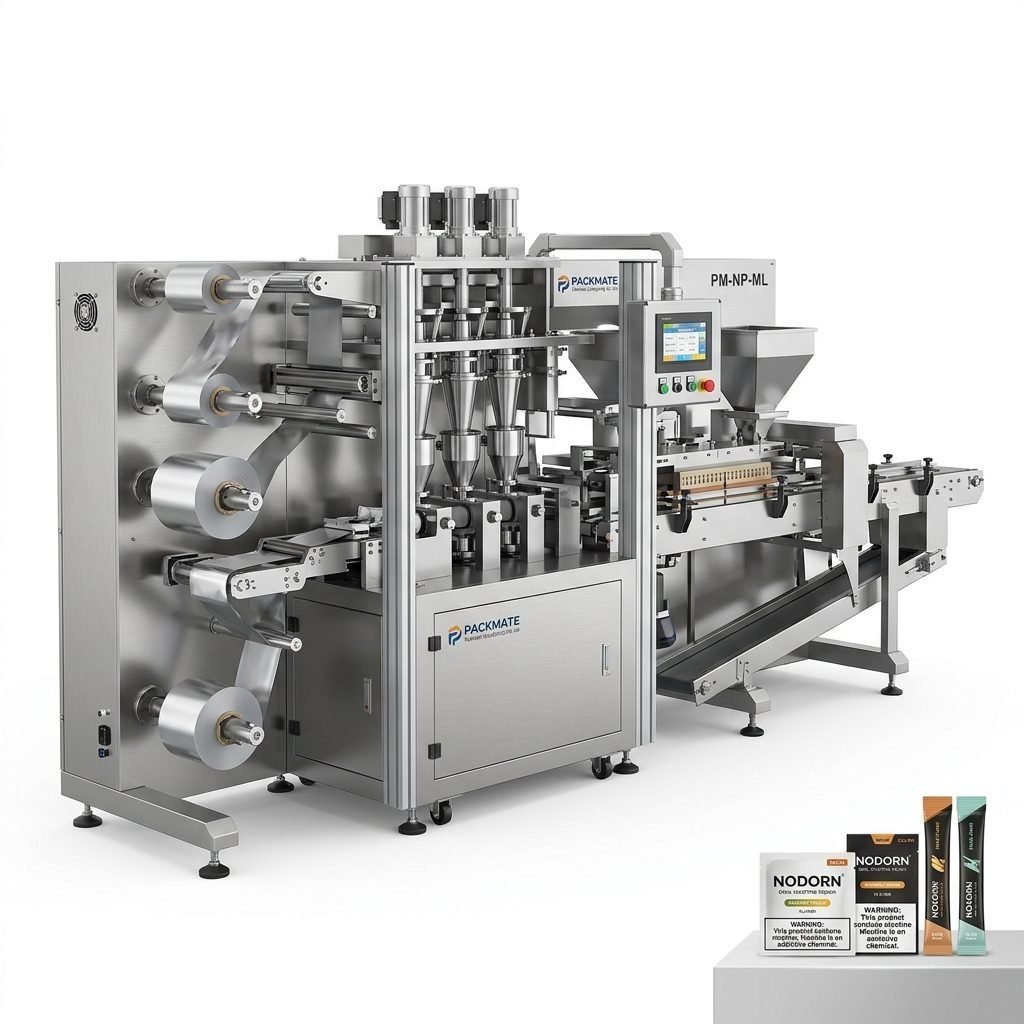
In today’s fast-paced consumer market, achieving high-speed, efficient, and cost-effective packaging is a critical competitive advantage. High-speed sachet packing machines are at the forefront of this revolution, enabling manufacturers to meet rising demand while maintaining stringent quality and precision standards. For businesses across Europe, North America, the Middle East, and Southeast Asia, investing in the right packaging technology is not just about speed—it’s about reliability, flexibility, and the total cost of ownership.
Core Advantages of Modern High-Speed Sachet Packing Machines
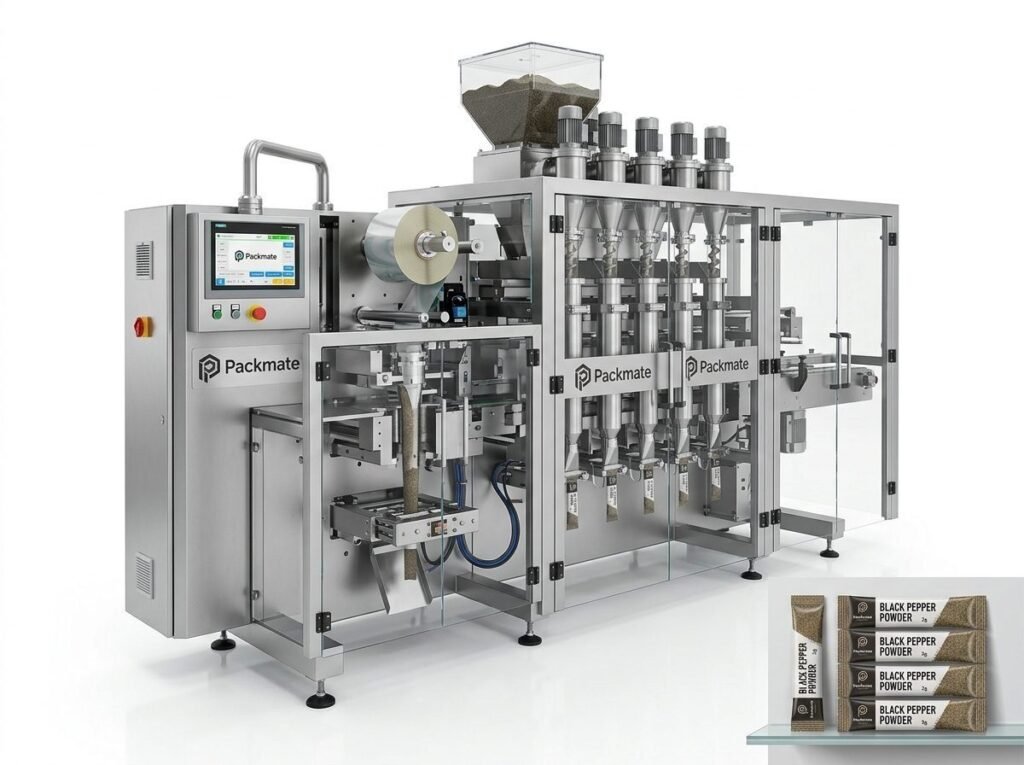
The primary benefit of a modern high-speed sachet packing machine is its ability to dramatically increase output. Machines can produce anywhere from 80 to over 400 sachets per minute, depending on the configuration and product. This surge in productivity directly translates to lower per-unit costs and the ability to scale operations quickly to meet market demands. Beyond raw speed, today’s machines offer unparalleled precision. Advanced servo-driven dosing systems, coupled with multi-head weighers or volumetric fillers, ensure each sachet contains the exact specified weight or volume of product, minimizing giveaway and maximizing profit margins. This is crucial for high-value products like pharmaceuticals, premium supplements, or specialty food ingredients.
Furthermore, these machines are designed for exceptional versatility. A single machine can often handle a range of sachet sizes and materials, from simple paper laminates for dry goods to complex multi-layer films for liquids, pastes, and hygroscopic powders. Quick-change parts and user-friendly HMI interfaces allow for rapid product changeovers, reducing downtime and making short production runs economically viable. This flexibility is vital for manufacturers catering to diverse markets with varied product lines.
Key Performance Metrics: When evaluating a high-speed sachet packer, focus on metrics like bags-per-minute (BPM), changeover time, fill accuracy (typically ±0.5-1%), and seal integrity rate. These directly impact your operational efficiency and product quality.
Key Components and Technological Innovations
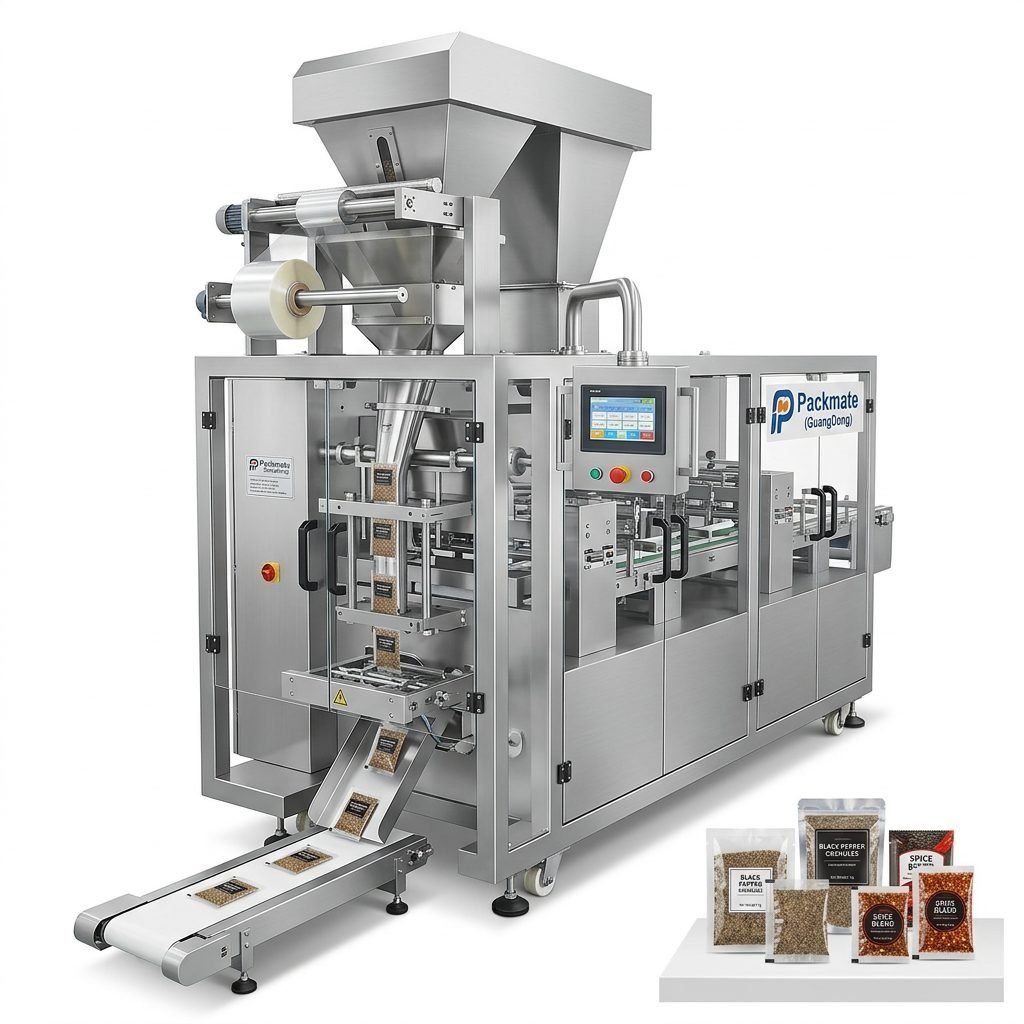
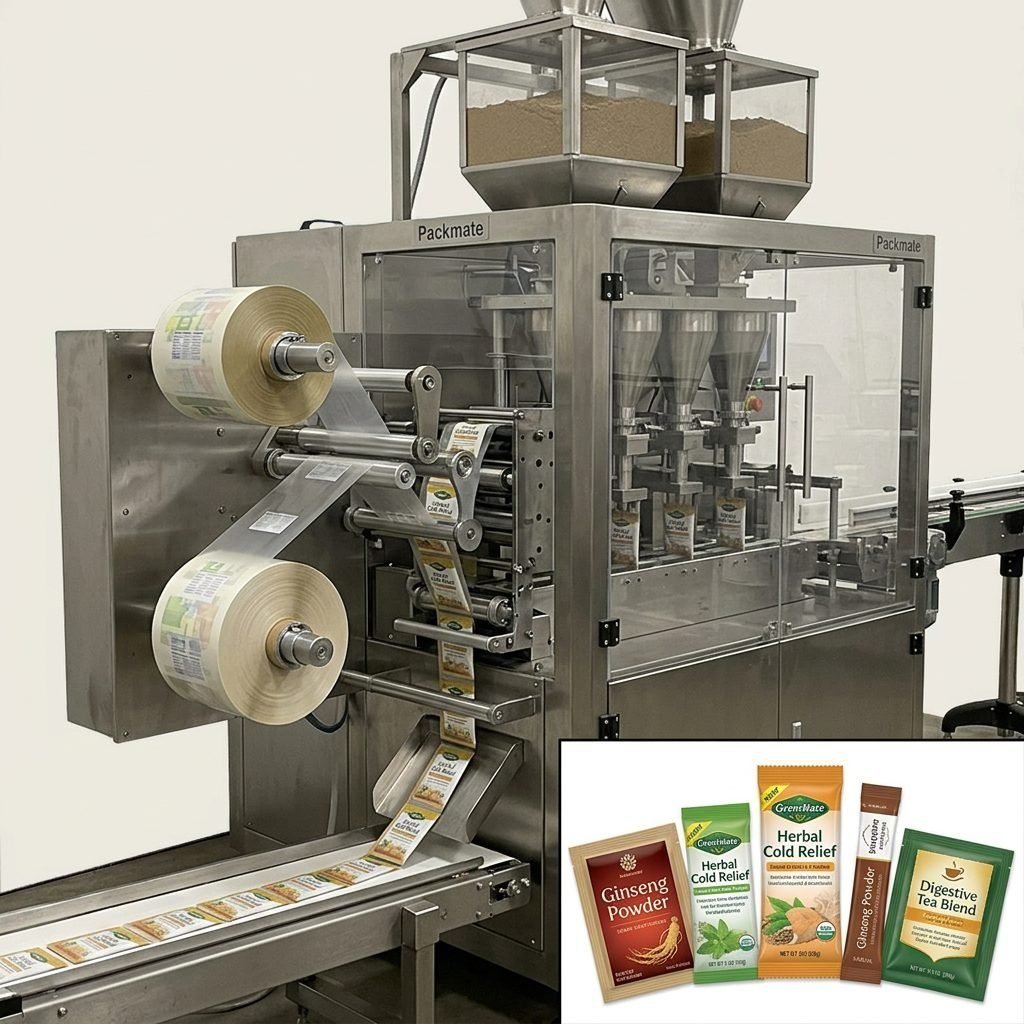
The efficiency of a sachet packing machine hinges on its core components. The film unwinding and forming system must ensure consistent, tension-controlled material feed to prevent wrinkles or tears. The filling system—whether auger, piston, pump, or combination weigher—must be matched to the product characteristics (granule, fine powder, viscous liquid). The sealing system, often employing constant-heat or pulse-seal technology, must create strong, hermetic seals that withstand handling and extend shelf life.
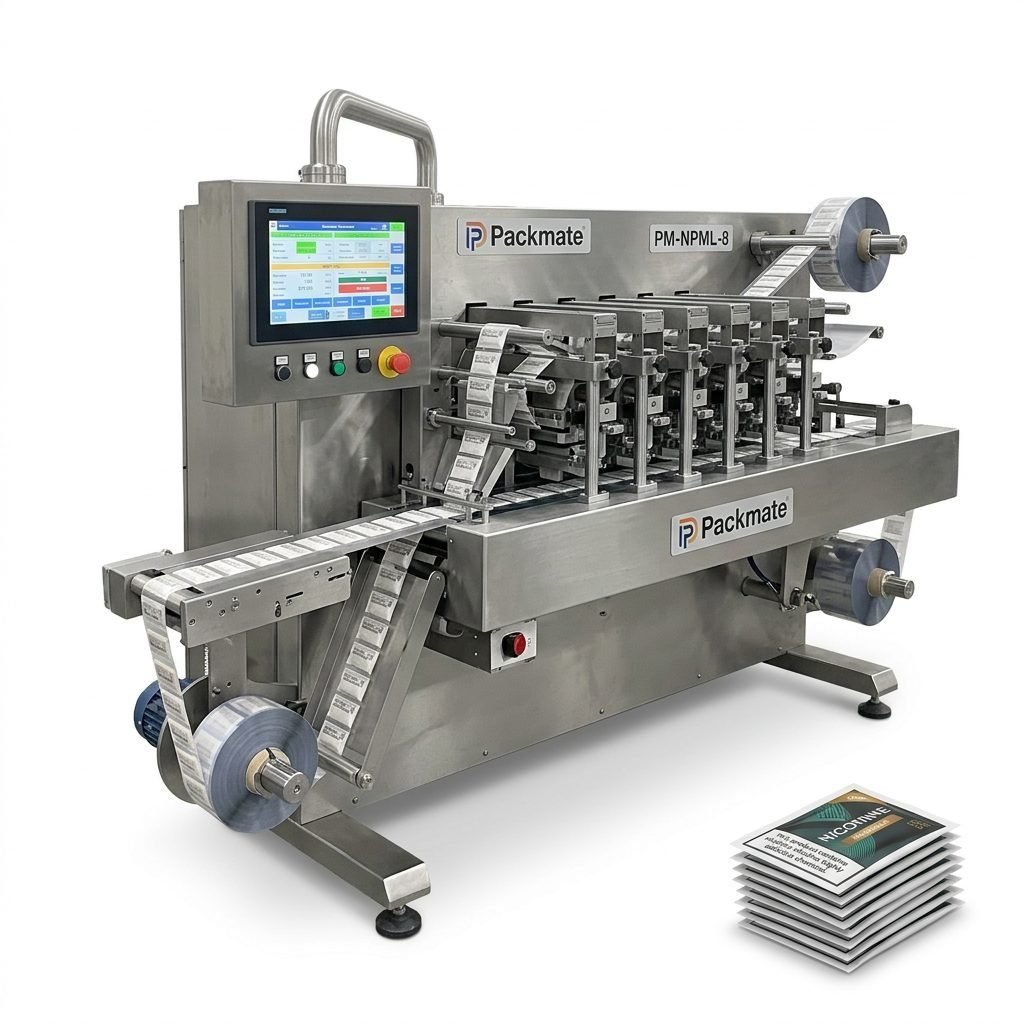
Recent innovations include the integration of Industry 4.0 capabilities. Machines from leading manufacturers now feature IoT connectivity for remote monitoring, predictive maintenance alerts, and real-time production data analytics. Vision inspection systems can automatically detect and reject sachets with sealing defects, incorrect fill levels, or misprinted codes, ensuring 100% output quality. These smart features not only boost efficiency but also provide valuable data for optimizing the entire packaging line.
Selecting the Right Machine for Your Product and Market
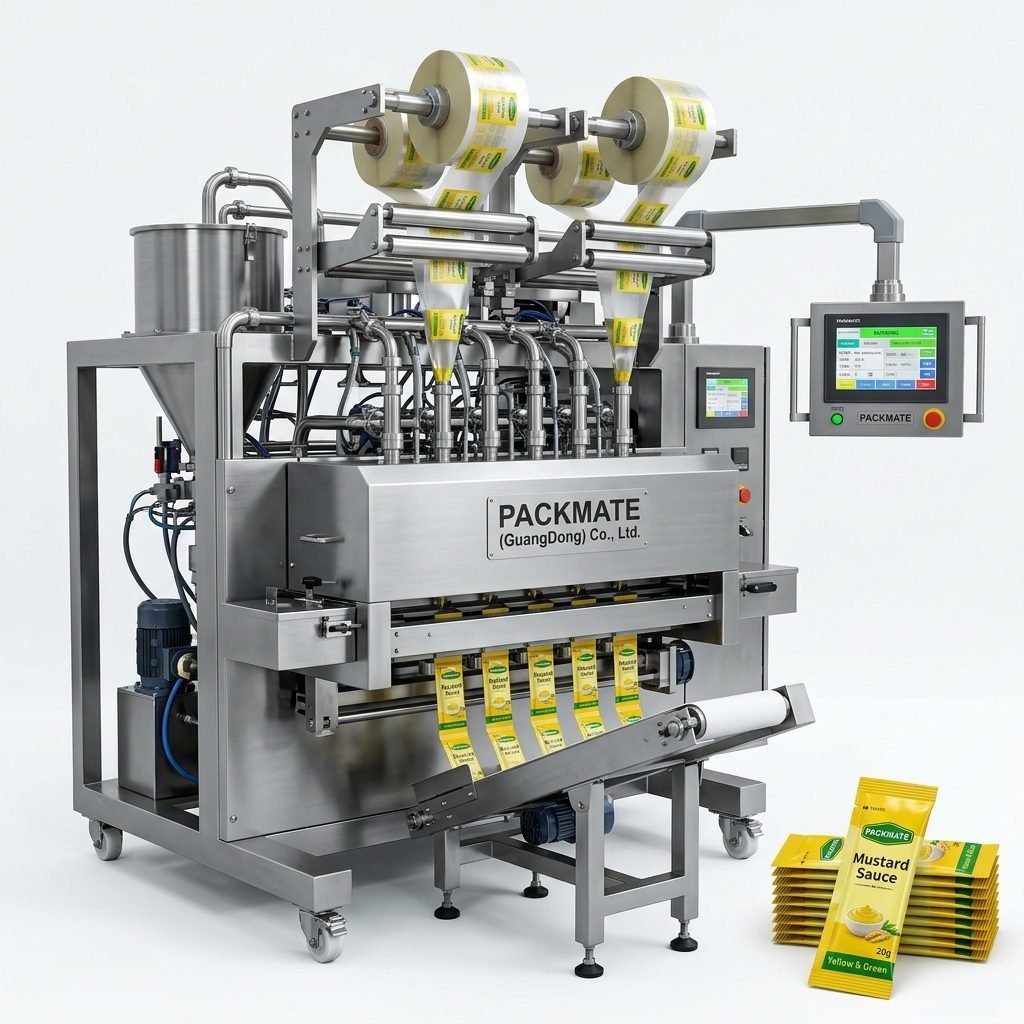
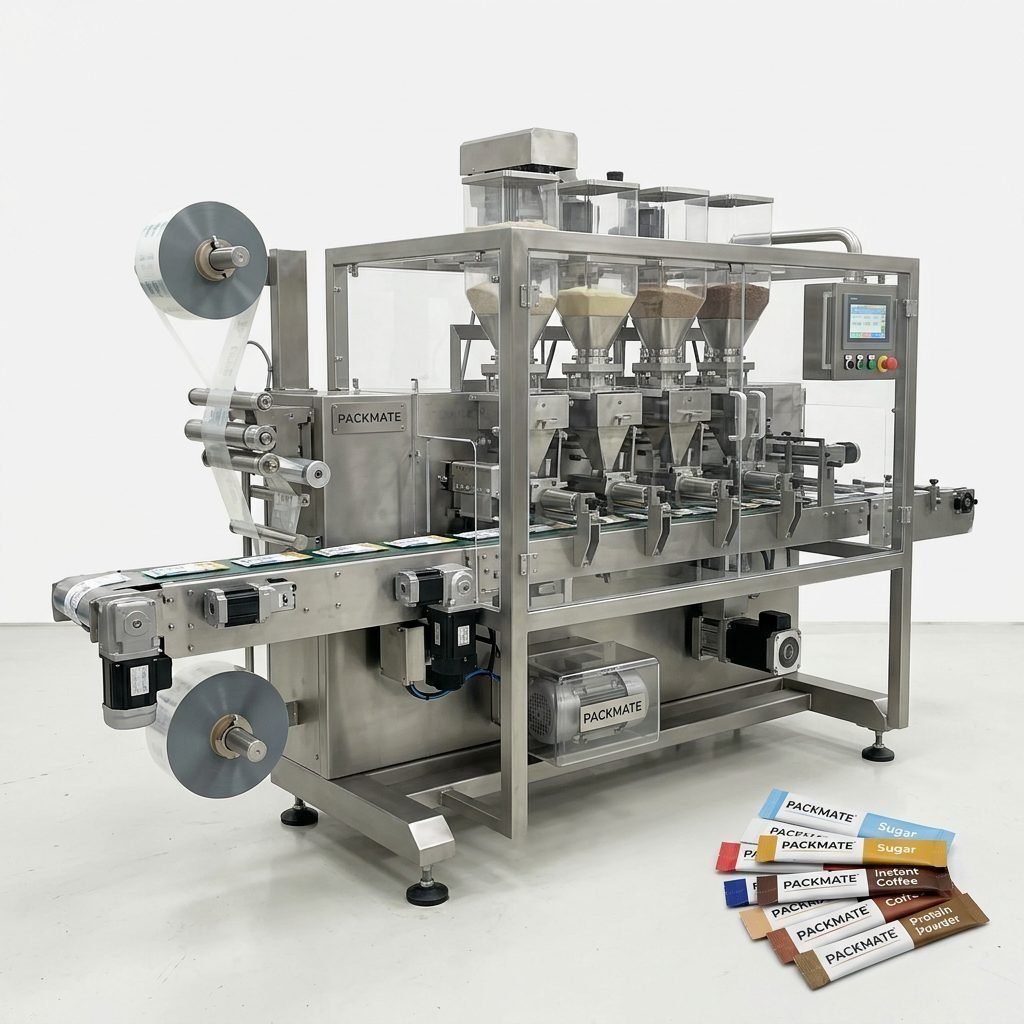
Choosing the correct machine requires a deep understanding of your product and target market. For powdered products like milk powder, protein supplements, or instant coffee, a machine with a high-precision auger filler and effective dust extraction is essential. Granular products such as sugar, salt, or seeds may benefit from a volumetric cup filler or linear weigher. For liquids and pastes like sauces, shampoos, or oils, a piston pump or gear pump filling system with no-drip nozzles is critical.
Market-specific requirements also play a role. In Europe and North America, there is a strong emphasis on sustainability, requiring machines that can handle recyclable or compostable film structures. The pharmaceutical and nutraceutical sectors in these regions demand machines compliant with cGMP standards, often featuring clean-design construction and full documentation packages. In high-growth markets like Southeast Asia and the Middle East</strong, the focus may be on robust machines that offer high output at a competitive capital cost, capable of handling a wide variety of local snack foods, spices, and personal care products with minimal downtime.
Integration into Complete Packaging Lines
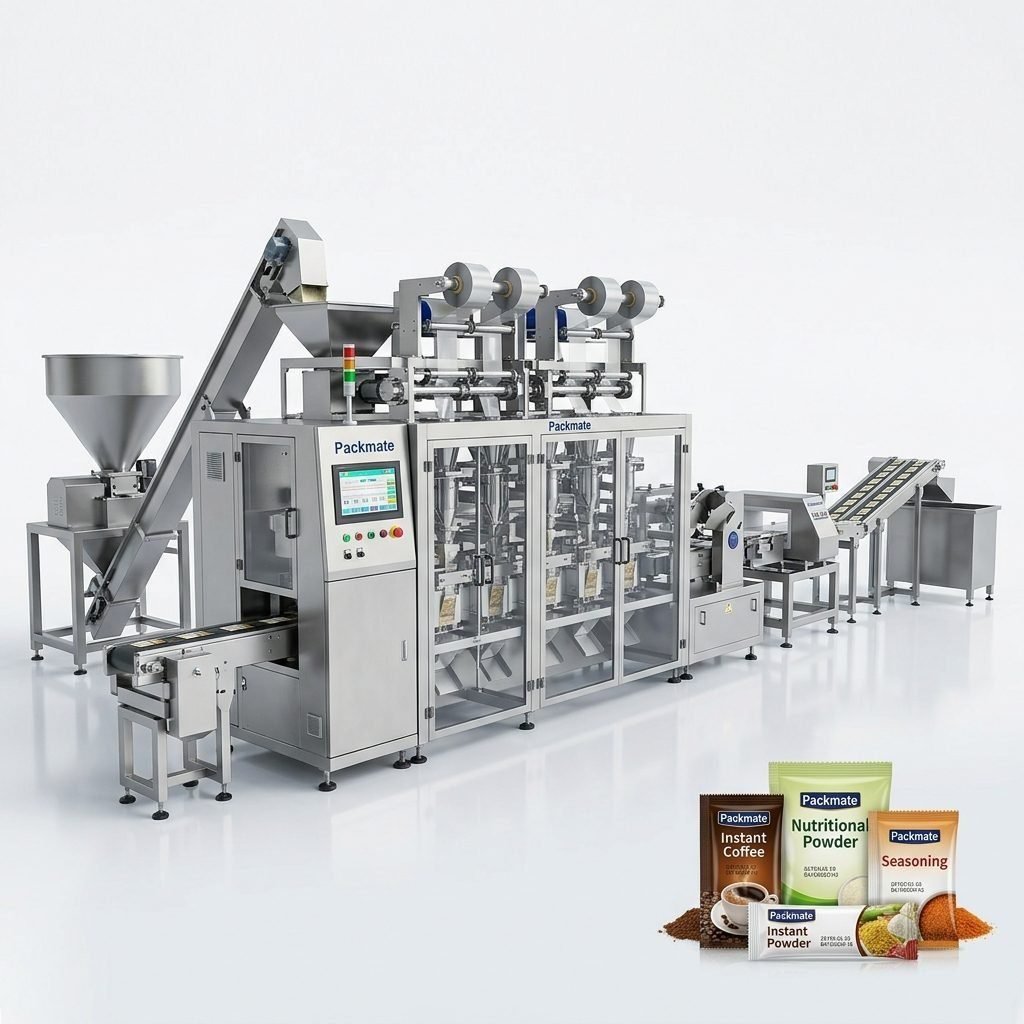
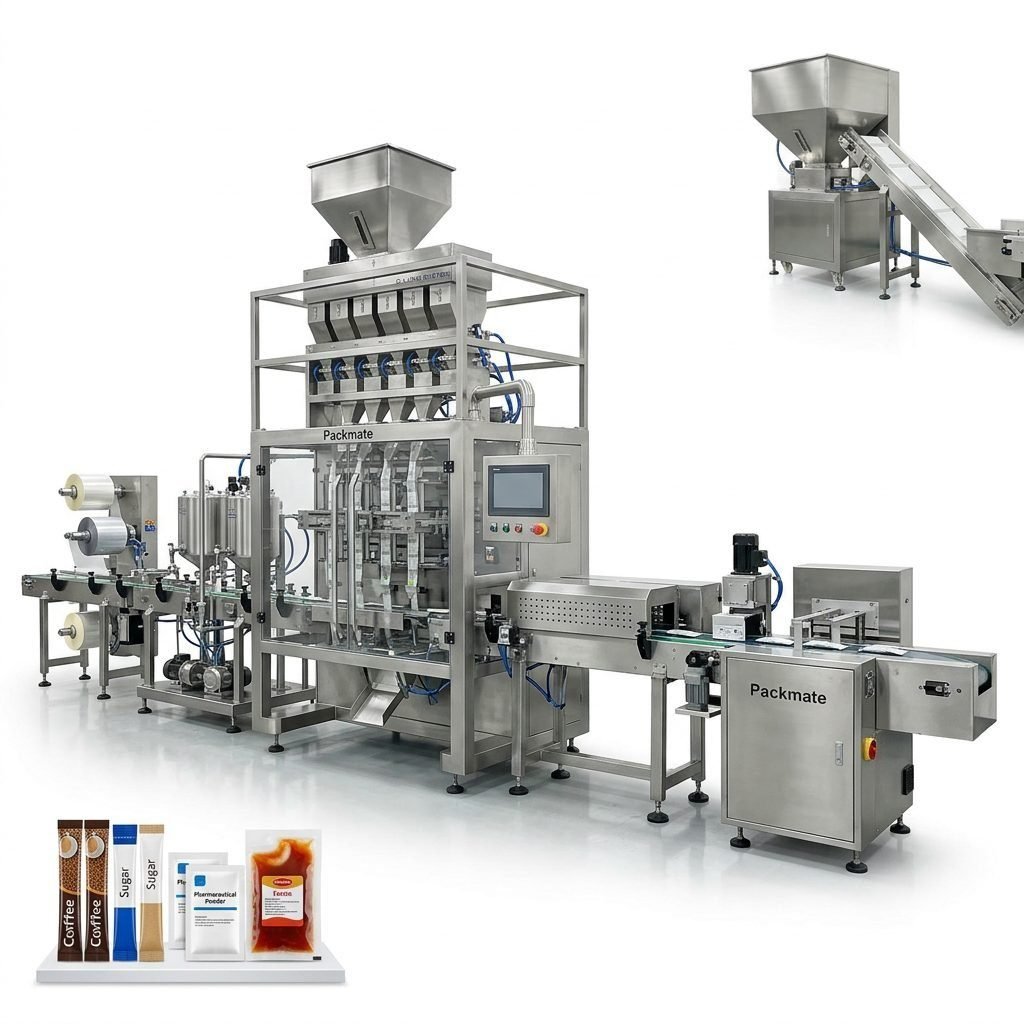
A standalone sachet packing machine is powerful, but its true potential is unlocked when integrated into a complete turnkey line. This can include upstream equipment like bulk bag unloaders, sieves, and conveying systems, and downstream equipment like checkweighers, metal detectors, cartoners, and case packers. A well-integrated line from a single supplier like Ludyway or PacklineOEM ensures seamless communication between modules, synchronized speeds, and centralized control, minimizing bottlenecks and maximizing overall equipment effectiveness (OEE).
Cost-Benefit Analysis: ROI of High-Speed Automation
The investment in a high-speed sachet packing machine is justified by a compelling return on investment (ROI). The calculation should factor in:
- Labor Savings: Automating manual or semi-automatic processes can reduce labor requirements by 70-80%.
- Material Savings: Precise dosing reduces product giveaway, and consistent sealing lowers film waste from rejects.
- Increased Output: Higher production capacity allows you to fulfill larger orders and grow market share.
- Improved Quality: Reduced human error leads to fewer customer complaints and returns.
- Scalability: The ability to easily increase production as demand grows without proportional increases in labor.
For many operations, the payback period for a high-speed machine can be under 24 months.
Leading Manufacturers and Their Capabilities
The global market for sachet packaging machinery is served by several prominent manufacturers, each with distinct strengths. Companies with decades of experience, such as Ludyway (founded 1993) and Packmate Machinery, offer a broad portfolio of reliable, high-output machines suitable for food, pharma, and FMCG sectors. Their strength lies in proven technology and extensive export experience, serving over 100 countries.
For projects requiring deep customization or non-standard solutions, specialists like PackingMachineOEM excel. They focus on adapting machines to unique pouch shapes, challenging materials, or specific integration needs. Meanwhile, for complete line solutions, PacklineOEM provides integrated systems from feeding to end-of-line packaging. For niche applications like nicotine pouches, a focused manufacturer like SnusMachinery offers tailored expertise that generalist suppliers may lack.
Maintenance and Long-Term Support
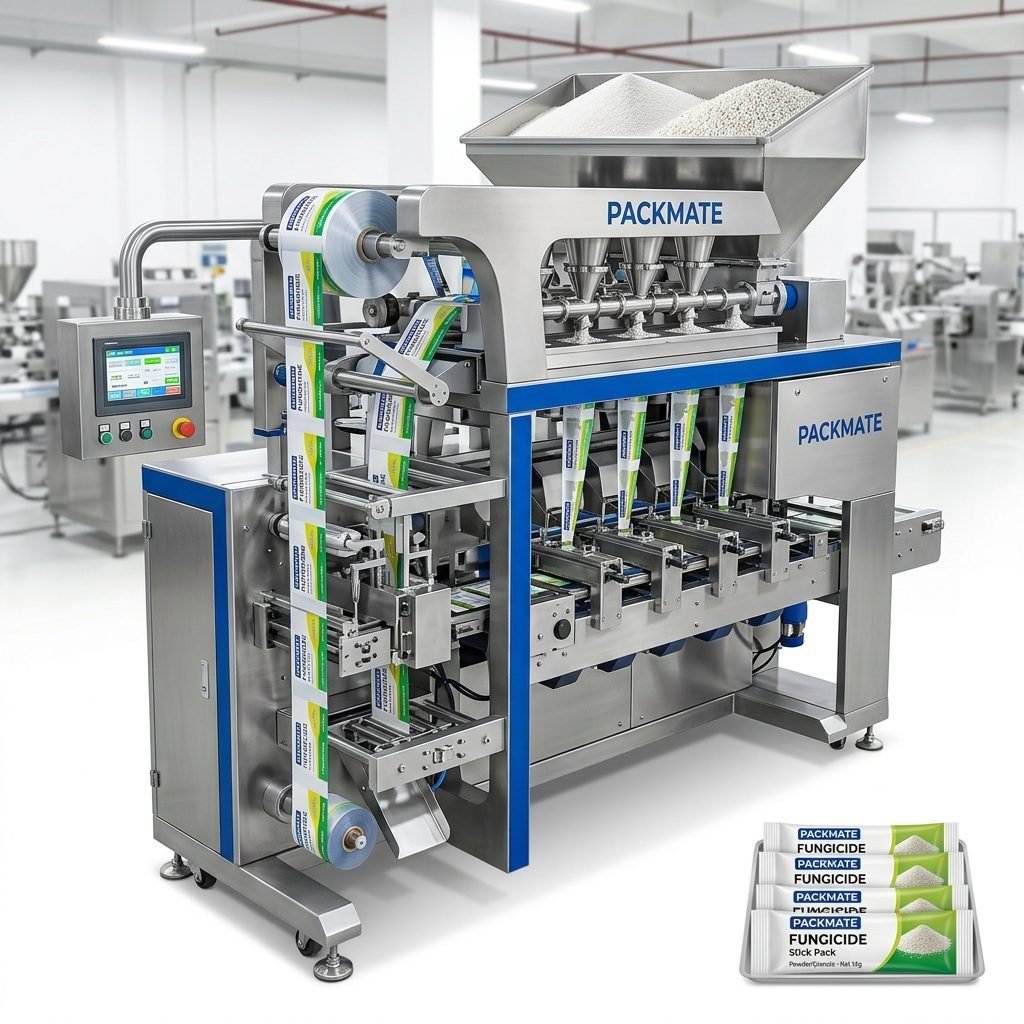
To ensure continuous operation and a long machine lifespan, a proactive maintenance plan is essential. This includes daily cleaning, regular lubrication, and periodic inspection of critical components like sealing jaws, cutting blades, and drive systems. Partnering with a manufacturer that provides comprehensive after-sales support—including readily available spare parts, detailed manuals, and responsive technical service—is a critical part of the purchasing decision. This support minimizes unplanned downtime, which is the true enemy of high-speed production.
Frequently Asked Questions (FAQs)
What is the typical output speed of a high-speed sachet packing machine?
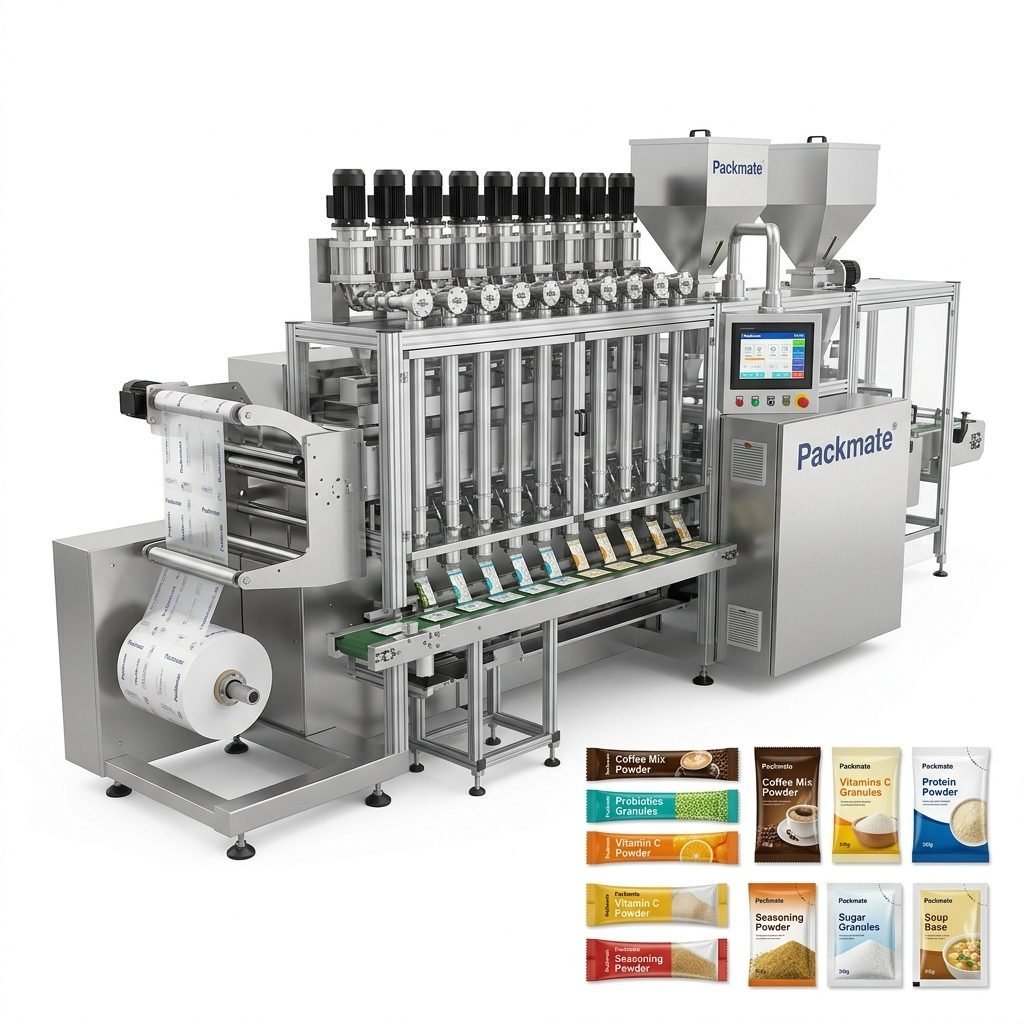
Speeds vary based on sachet size, product, and machine configuration. Standard single-lane machines can range from 80 to 150 bags per minute (BPM). Multi-lane machines (e.g., 4-lane, 8-lane) can achieve outputs from 300 to over 600 BPM for smaller, simpler sachets.
Can one machine handle both powders and liquids?
Many machines are modular and can be configured for different product types. However, the filling system must be specifically designed for the product’s characteristics. A machine equipped with an auger filler is ideal for powders, while a piston pump is needed for liquids. Some manufacturers offer quick-change filling systems to switch between product types with minimal downtime.
How important is after-sales service when purchasing from an overseas manufacturer?
It is critically important. Ensure the manufacturer has a proven track record of providing spare parts, remote troubleshooting, and on-site engineer support if needed. Companies with strong export operations, like those mentioned, typically have established international service networks or reliable local partners.
What film materials can be used on these machines?
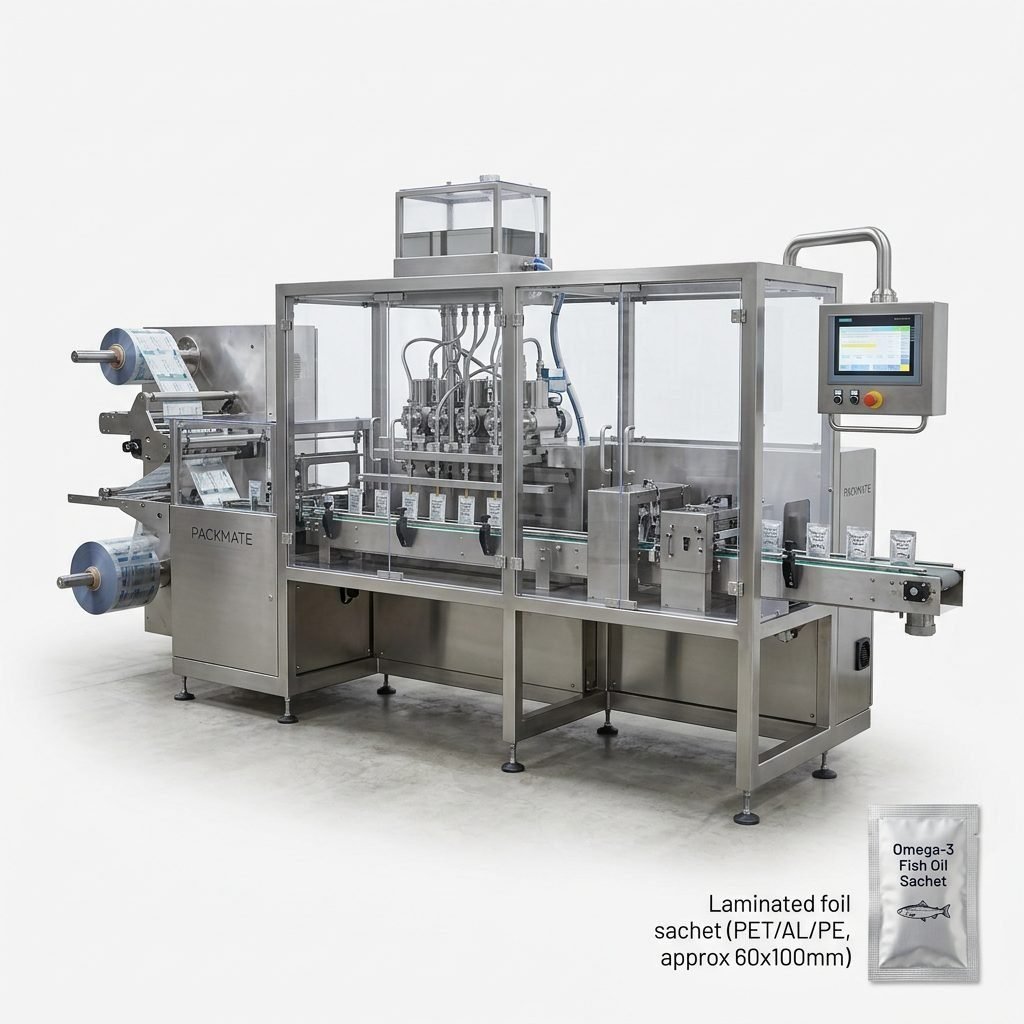
Modern machines are compatible with a wide range of laminates, including PET/PE, PET/AL/PE, OPP/CPP, and paper/AL/PE. The key is to match the film’s sealing properties and web strength with the machine’s sealing mechanism and tension control system. Suppliers can advise on the best material for your product’s barrier and shelf-life requirements.
Is it better to buy a standalone machine or a complete turnkey line?
This depends on your current setup and future goals. A standalone machine is ideal for adding capacity to an existing line. A turnkey line from a supplier like PacklineOEM is the best solution for a new greenfield project or a complete overhaul, as it ensures all components are perfectly matched, installed, and commissioned to work together harmoniously, saving significant time and integration headaches.