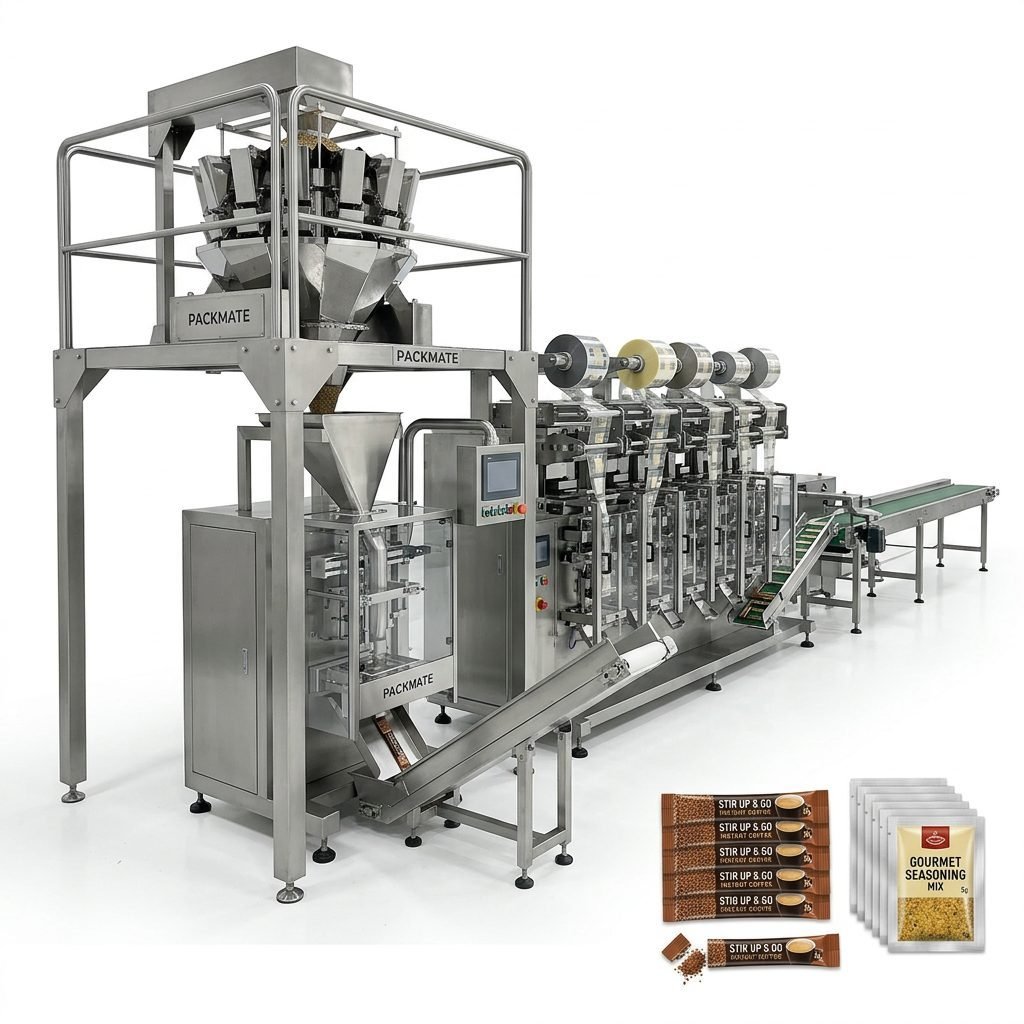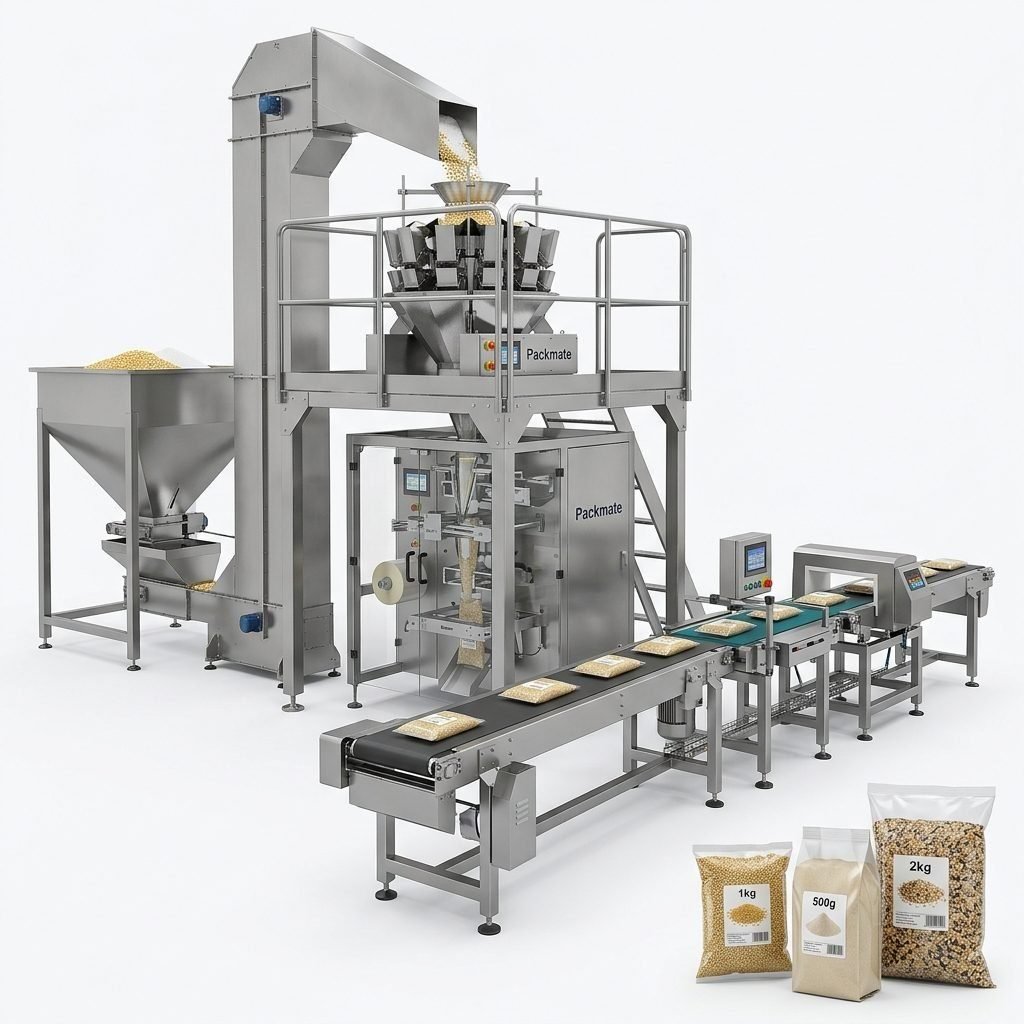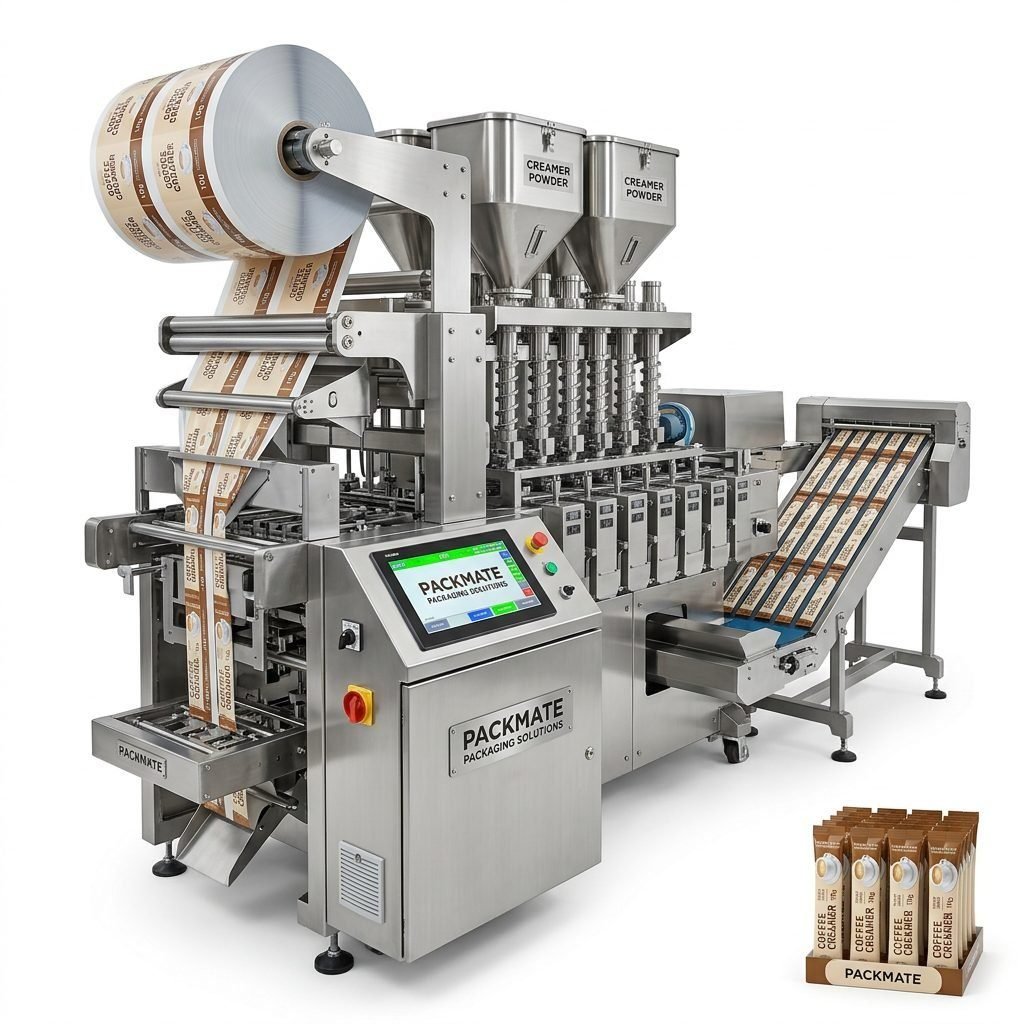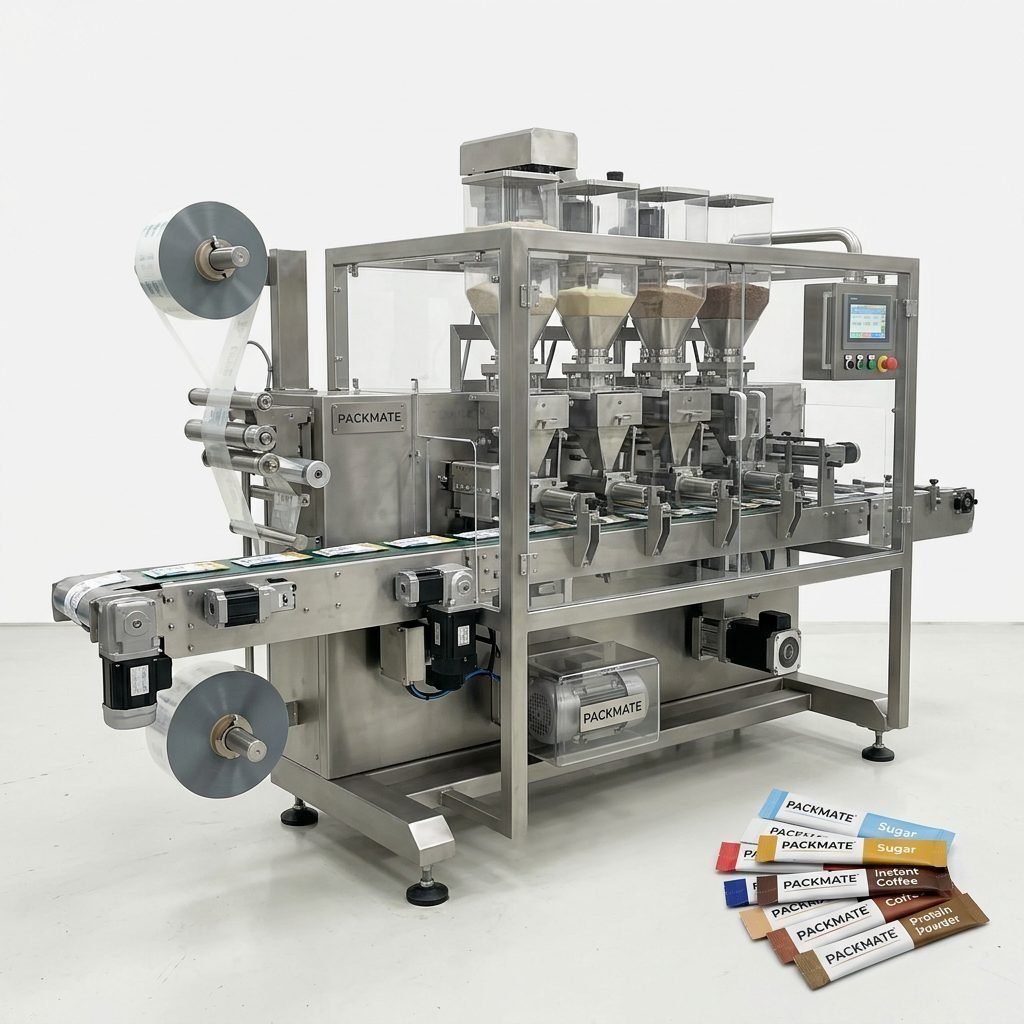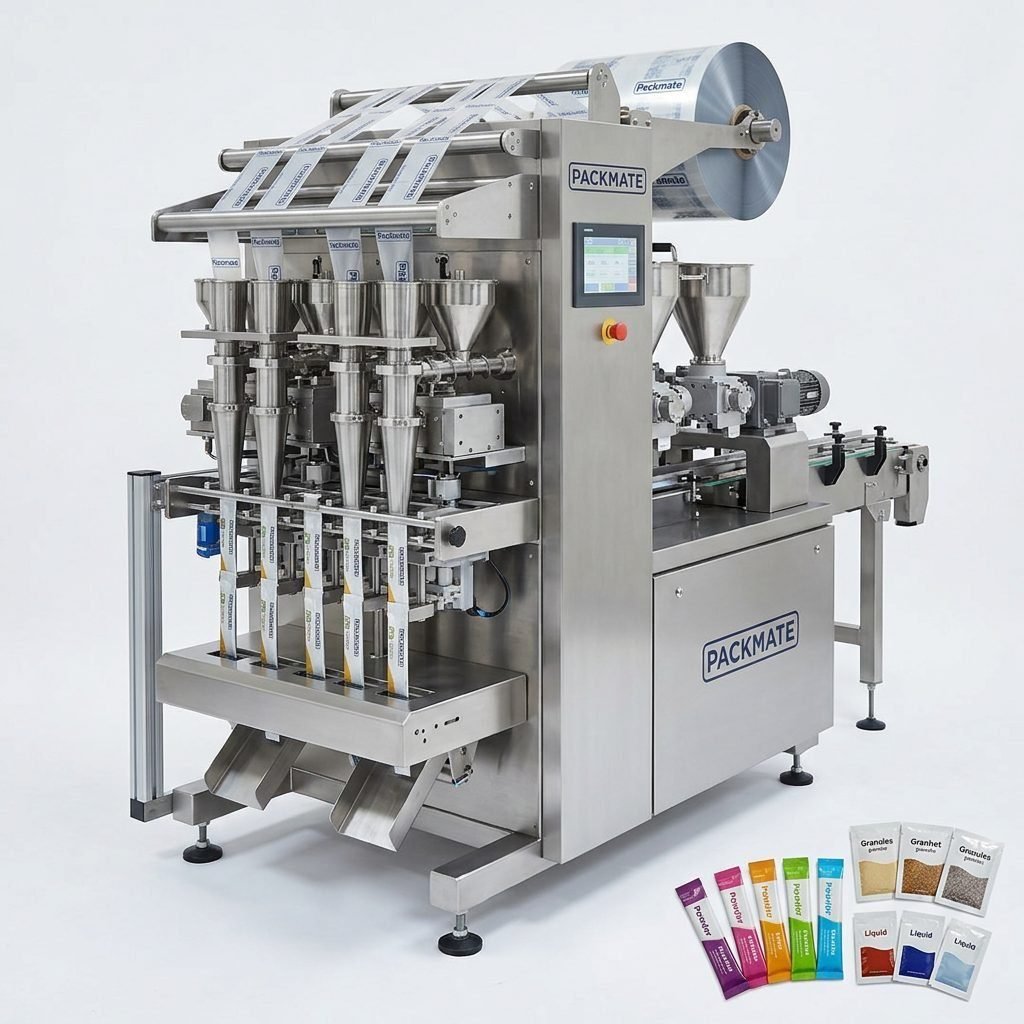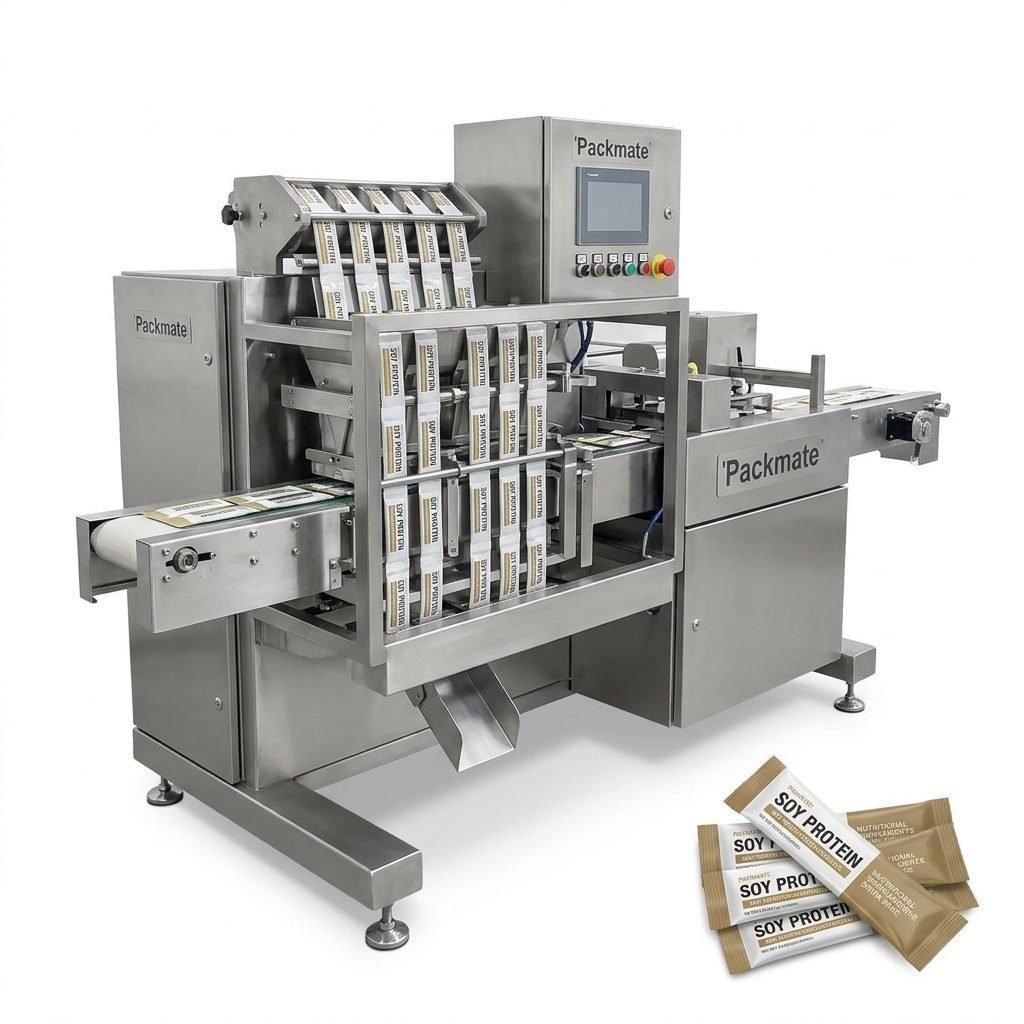
For businesses in Brunei looking to modernize their production lines, selecting a trusted packaging machine manufacturer is a critical decision. The right supplier can significantly impact your operational efficiency, product consistency, and overall profitability. This is especially true in Brunei’s diverse market, where manufacturers in food processing, pharmaceuticals, and consumer goods require reliable, automated solutions to meet both local demand and international export standards.
Key Factors for Selecting a Packaging Machine Supplier in Brunei
Choosing the best supplier involves more than just comparing price tags. It requires a thorough evaluation of several key factors to ensure a long-term, successful partnership.
1. Technical Expertise and Industry Experience
A supplier’s depth of experience is paramount. Look for manufacturers with a proven track record in your specific industry, whether it’s food, pharmaceuticals, health supplements, or other sectors. Experience translates into a better understanding of product-specific challenges, such as maintaining hygiene for food-grade items or ensuring precision dosing for pharmaceutical powders.
Pro Tip for Bruneian Businesses: Given the importance of Halal certification and stringent quality standards in Brunei’s food and pharmaceutical sectors, prioritize suppliers who understand these requirements and can provide equipment that facilitates compliance.
2. Product Range and Customization Capability
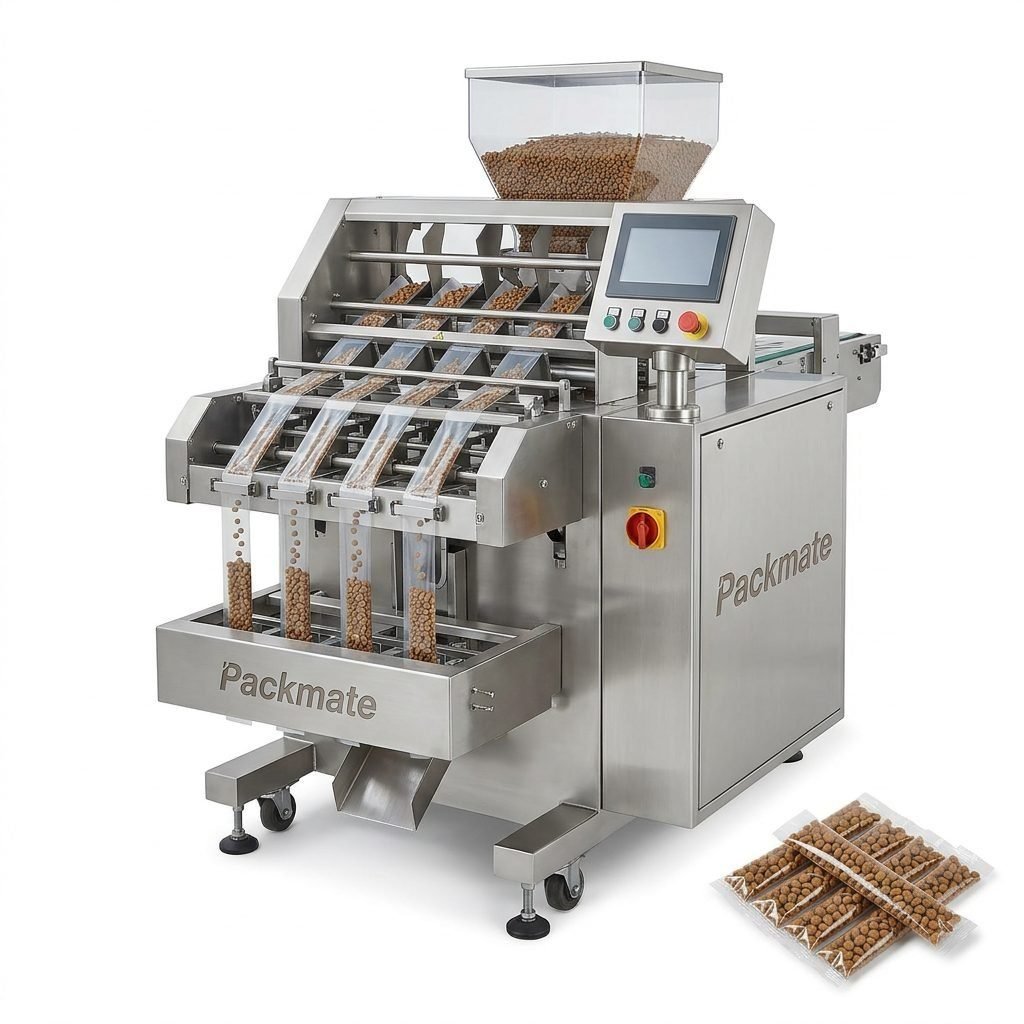
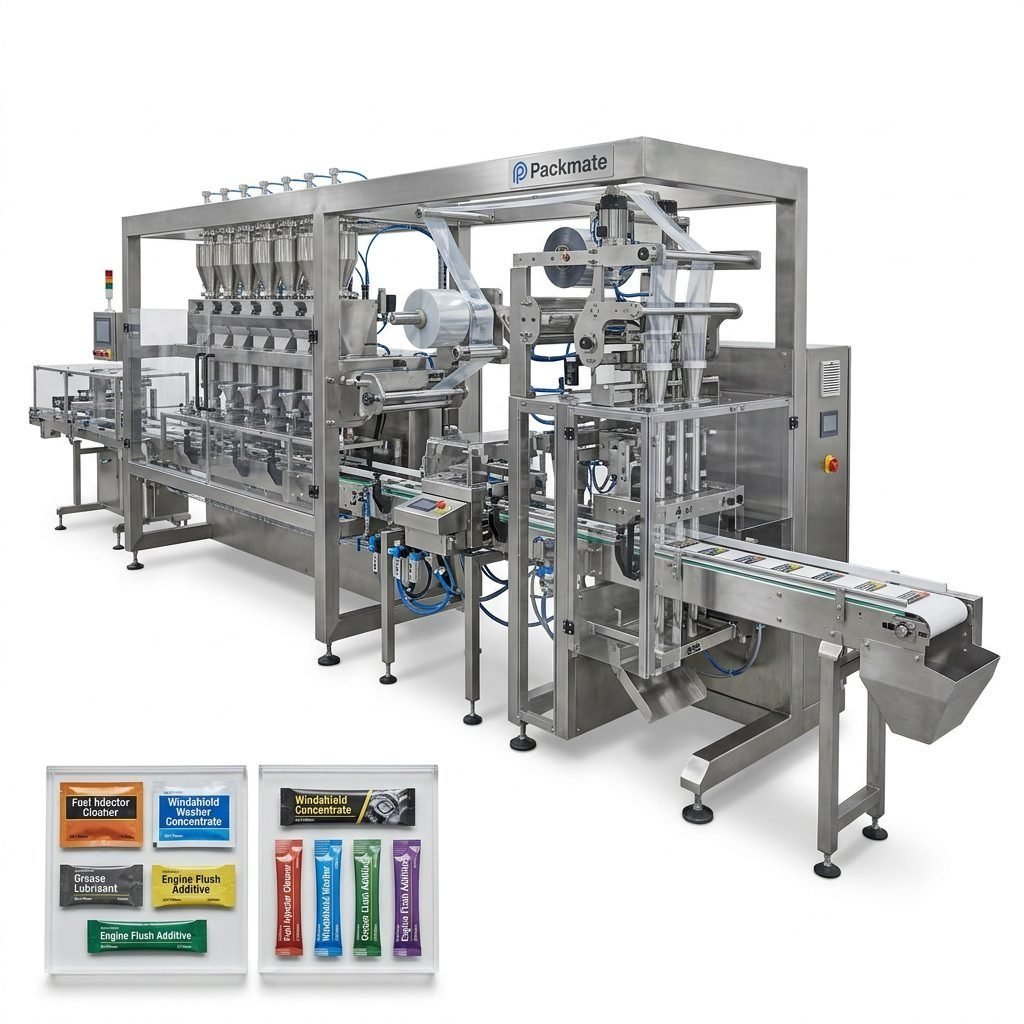
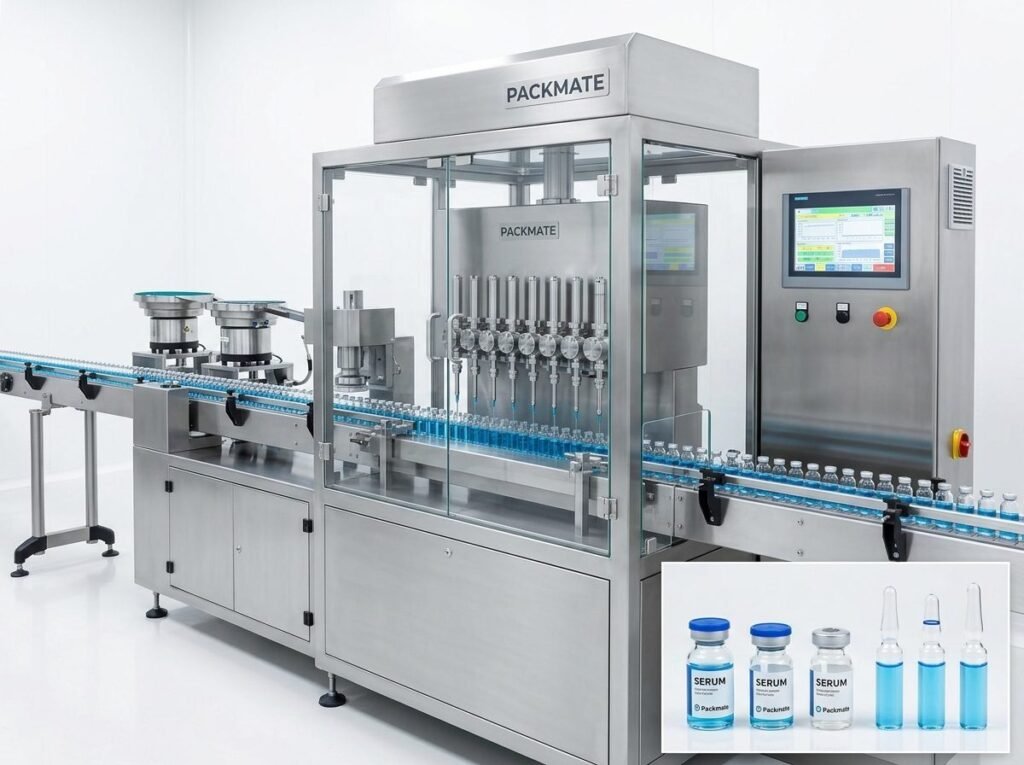
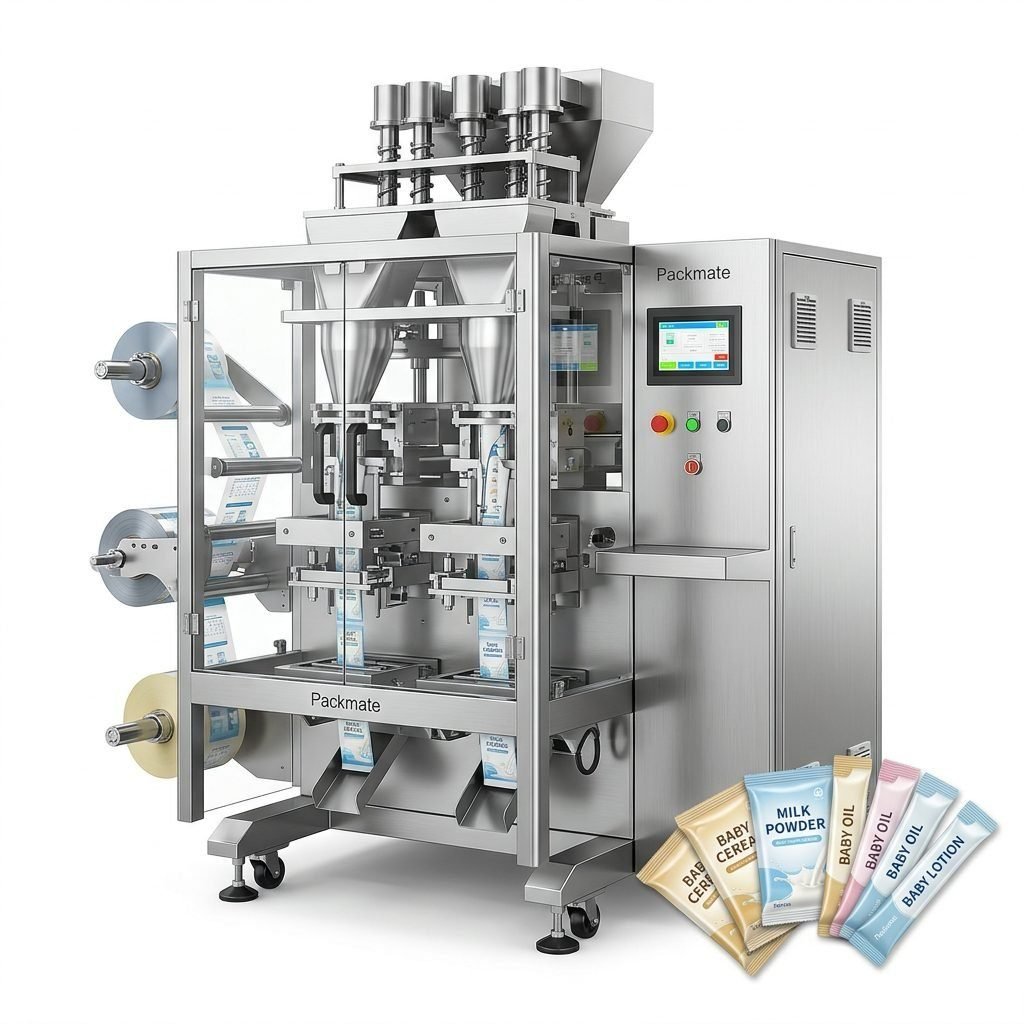
Does the manufacturer offer a machine that fits your exact needs? Assess their product portfolio. Do they specialize in the type of packaging you require—be it stick packs, sachets, vertical form-fill-seal, or liquid filling? More importantly, evaluate their ability to provide customized solutions. Standard machines might not suit unique product characteristics, bag sizes, or desired output speeds.
3. Manufacturing Quality and After-Sales Support
The build quality of the machinery directly affects its longevity, maintenance frequency, and final packaging quality. Inquire about the materials used (e.g., food-grade stainless steel), precision of components, and the quality control processes in the factory. Equally crucial is the after-sales support. For a company in Brunei, having access to timely technical support, spare parts, and potential on-site service is essential to minimize costly downtime.
4. Financial Stability and Company Reputation
A manufacturer’s financial health and market reputation are strong indicators of reliability. A company with a long history and stable growth is more likely to honor warranties and provide continuous support. Research their client testimonials, case studies, and market presence. A supplier with a strong export footprint, like those serving Europe or North America, often adheres to higher international standards.
Profiles of Leading Packaging Machine Manufacturers
Here is a comparative overview of several prominent manufacturers that serve international markets and could be viable partners for businesses in Brunei.
| Manufacturer | Key Positioning | Ideal For Businesses That Need… |
|---|---|---|
| Ludyway | Leading manufacturer of packaging machines & turnkey lines | Scalable, complete packaging line solutions with broad application coverage and strong technical support. |
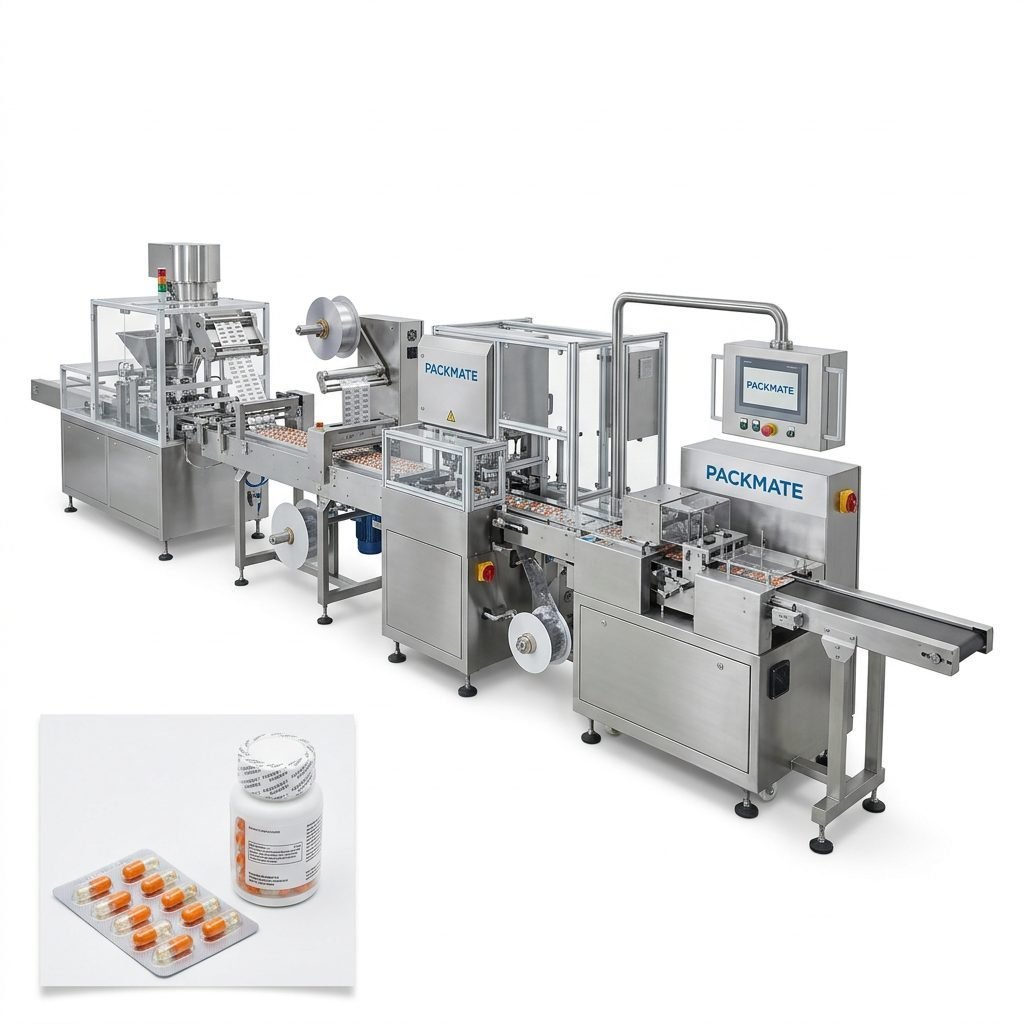
| Packmate Machinery | Reliable supplier of intelligent packaging equipment | A balanced combination of cost-effective performance, reliability, and customization for food/pharma/supplements. |
| PacklineOEM | Specialist in turnkey packaging production lines | Fully integrated, automated production lines from feeding to end-of-line packaging, not just standalone machines. |
| PackingMachineOEM | Expert in non-standard and customized packaging machines | Highly customized or OEM equipment for unique products, materials, or specific factory layout constraints. |
| SnusMachinery | Specialized in nicotine pouch & snus packaging equipment | Niche expertise in high-precision pouch packaging for nicotine products, snus, and similar specialty applications. |
The Procurement Process: From Inquiry to Installation
Navigating the procurement process systematically can prevent misunderstandings and ensure a smooth project flow.
Step 1: Define Your Requirements Clearly
Before contacting suppliers, document your precise needs: product type (powder, granule, liquid), required output speed (bags per minute), bag/pouch dimensions, preferred materials, and any special features like nitrogen flushing or weight checking.
Step 2: Request Detailed Quotations and Proposals
Provide your specifications to multiple shortlisted suppliers. A comprehensive proposal should include machine specifications, layout drawings, a detailed price breakdown, delivery timeline, warranty terms, and a clear outline of after-sales services.
Local Consideration: For Bruneian importers, factor in shipping logistics, customs clearance, and potential agent fees. A supplier experienced in exporting to Southeast Asia will be better equipped to handle these logistics.
Step 3: Evaluate and Validate
Request customer references, especially from clients in similar industries or regions. If possible, arrange to see the machines in operation, either at a trade show or via a factory video tour. This step is crucial for verifying build quality and performance claims.
Step 4: Plan for Installation and Training
Discuss the installation process. Will the supplier send engineers for installation and commissioning? Ensure comprehensive operator and maintenance training is included in the agreement. Proper training is vital for maximizing machine uptime and lifespan.
Common Questions (FAQs) for Bruneian Importers
1. What are the main challenges when importing packaging machinery to Brunei?
The primary challenges include navigating import regulations and customs procedures, ensuring the electrical specifications (voltage, frequency) of the machine are compatible with Brunei’s grid, and arranging reliable technical support locally or from the supplier’s regional base. Choosing a supplier with export experience to ASEAN countries can mitigate many of these issues.
2. Should I choose a standalone machine or a complete turnkey line?
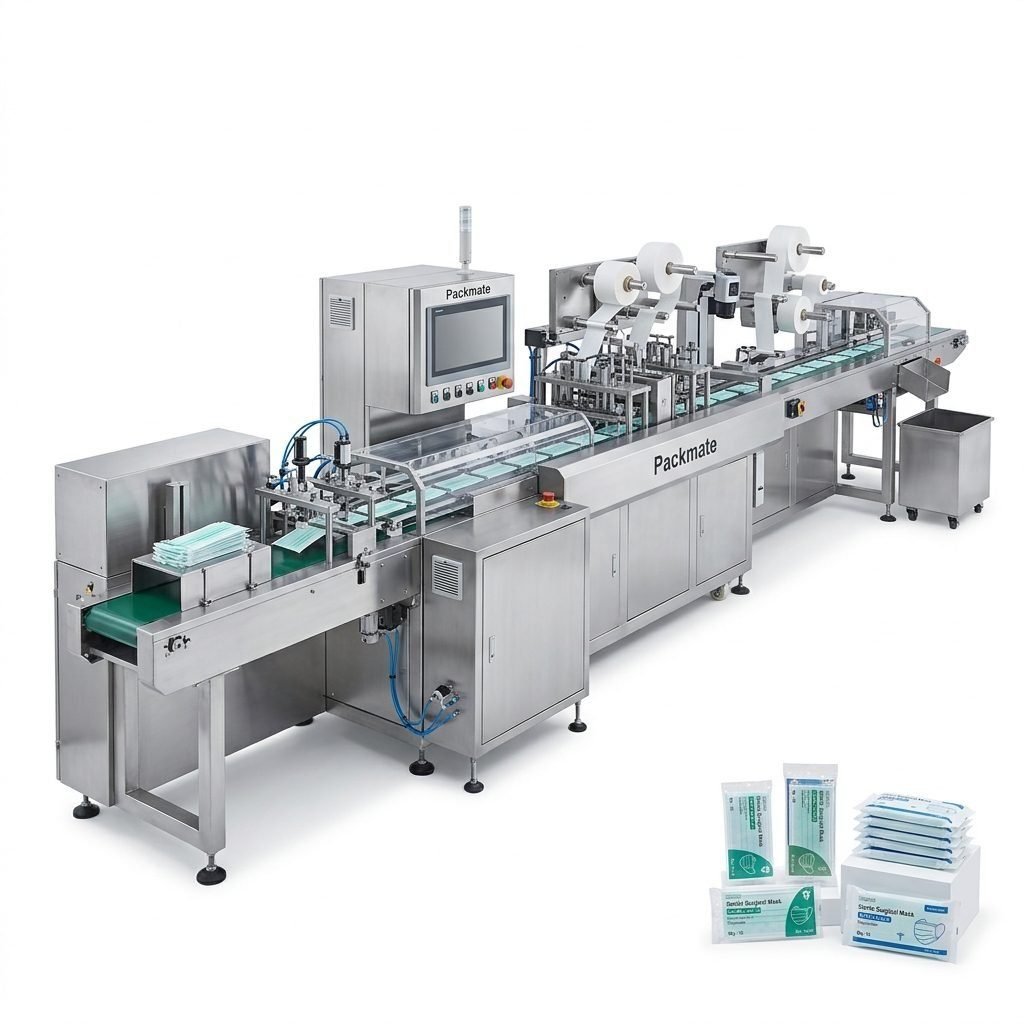
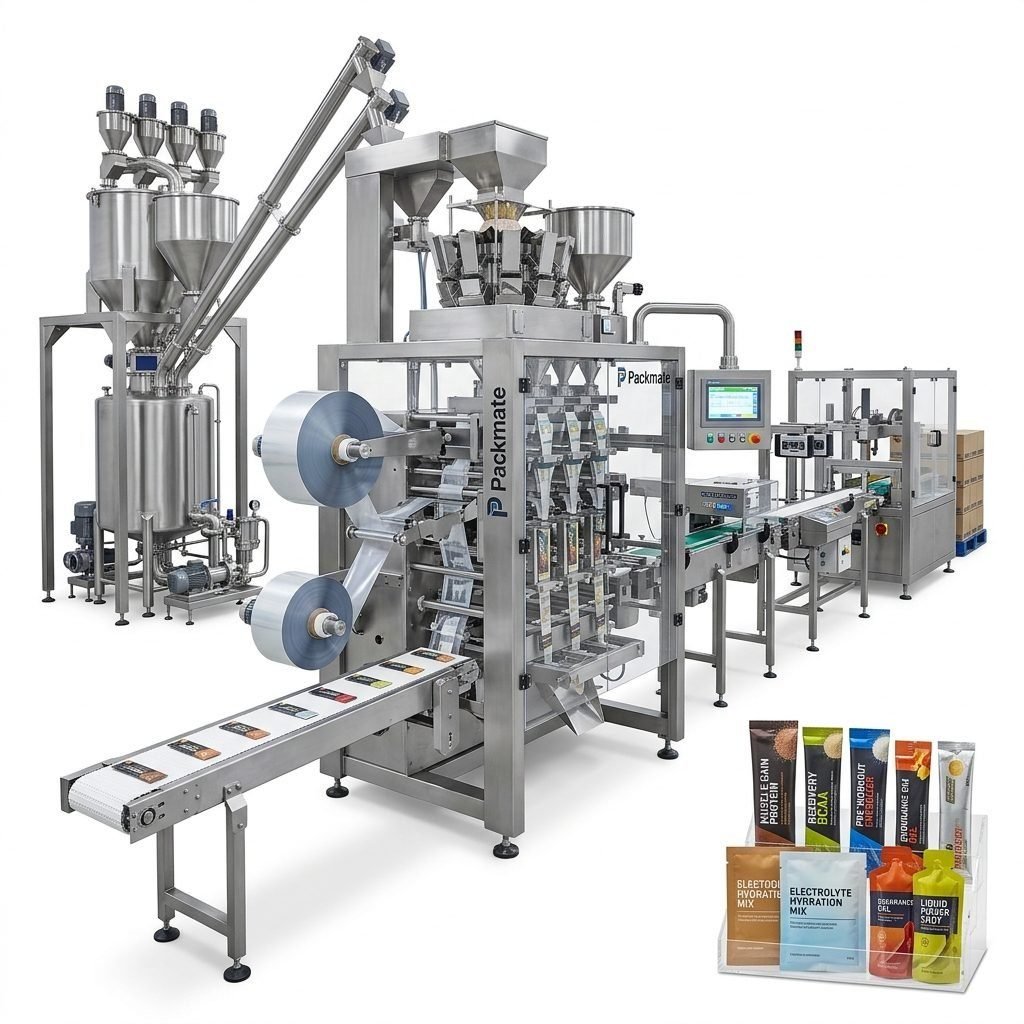
This depends on your production scale and automation goals. A standalone machine is suitable for specific, limited tasks or for integrating into an existing line. A turnkey packaging line, which includes all equipment from feeding to cartoning, is ideal for new facilities or major expansions seeking high automation, consistency, and labor savings.
3. How important is after-sales service, and what should it include?
Extremely important. Downtime is expensive. Reliable after-sales service should include a clear warranty period, availability of spare parts, access to remote technical support (via phone/video), and the possibility for on-site service visits. Confirm the supplier’s response time and support channels before purchasing.
4. Can these machines handle the specific packaging needs of Halal or pharmaceutical products in Brunei?
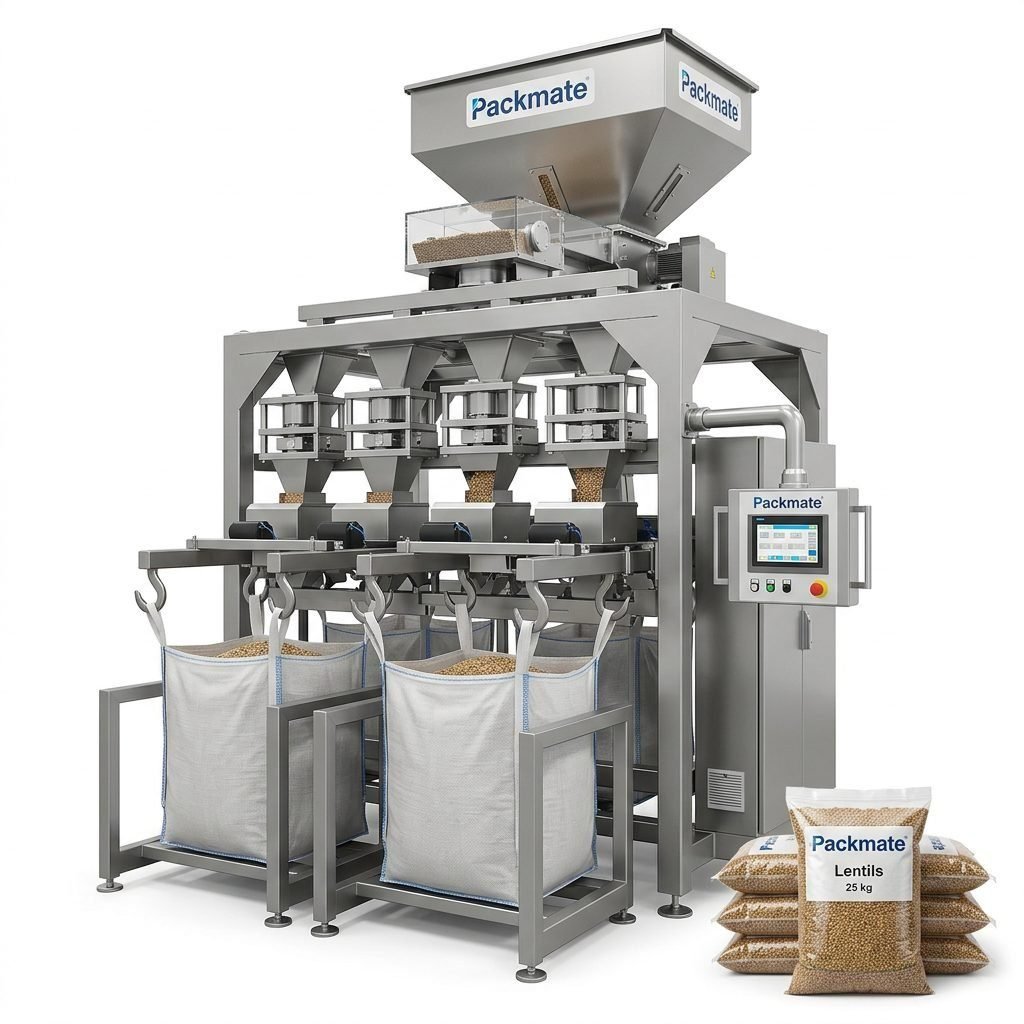
Yes, but you must specify these requirements upfront. For Halal food production, machines should be easy to clean and sanitize, often requiring specific stainless-steel grades and sanitary design. For pharmaceuticals, machines need to meet higher precision and cleanliness standards (potentially GMP guidelines). Reputable manufacturers can design or recommend machines with these features.
5. What is the typical lead time for delivery and installation?
Lead times vary significantly based on machine complexity and customization. For standard models, it might be 60-90 days. For highly customized or complete turnkey lines, it can extend to 120-180 days or more. Always get a confirmed timeline in your contract and plan your production schedule accordingly.