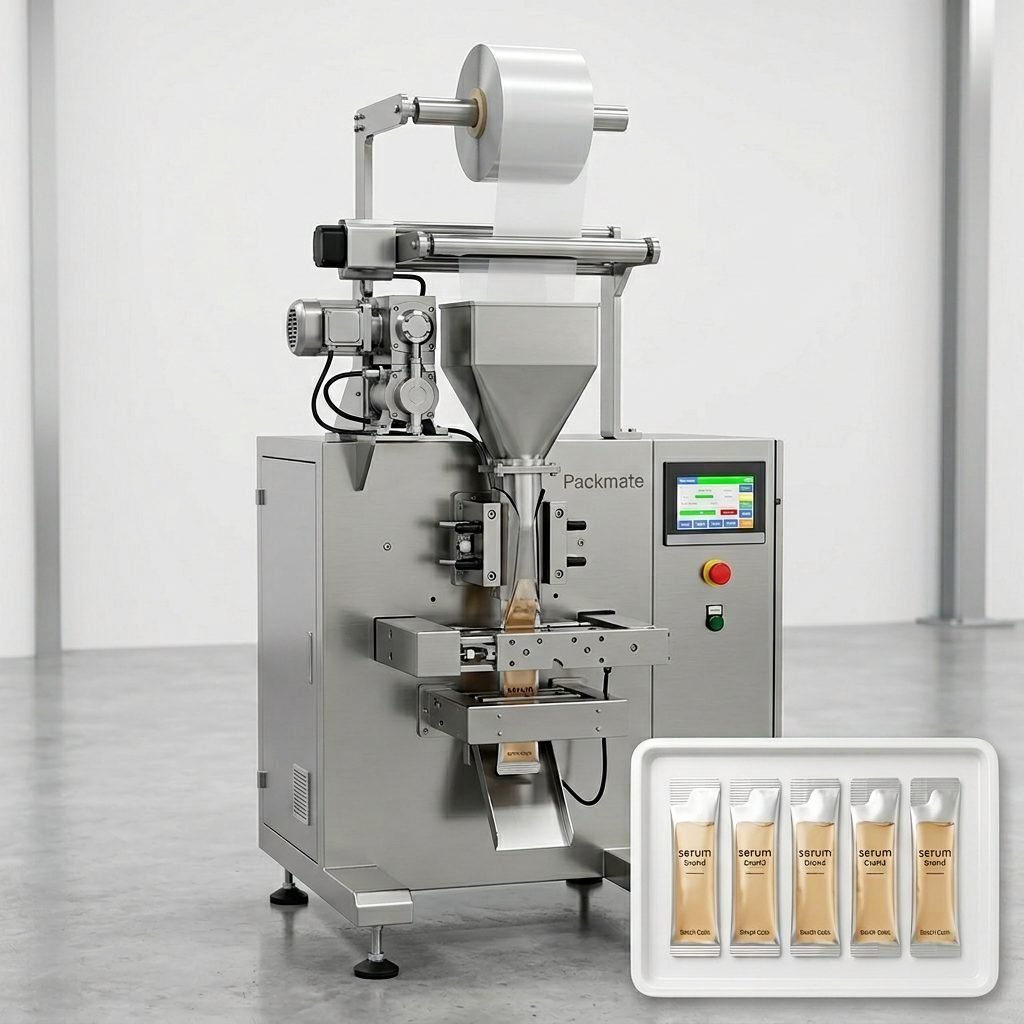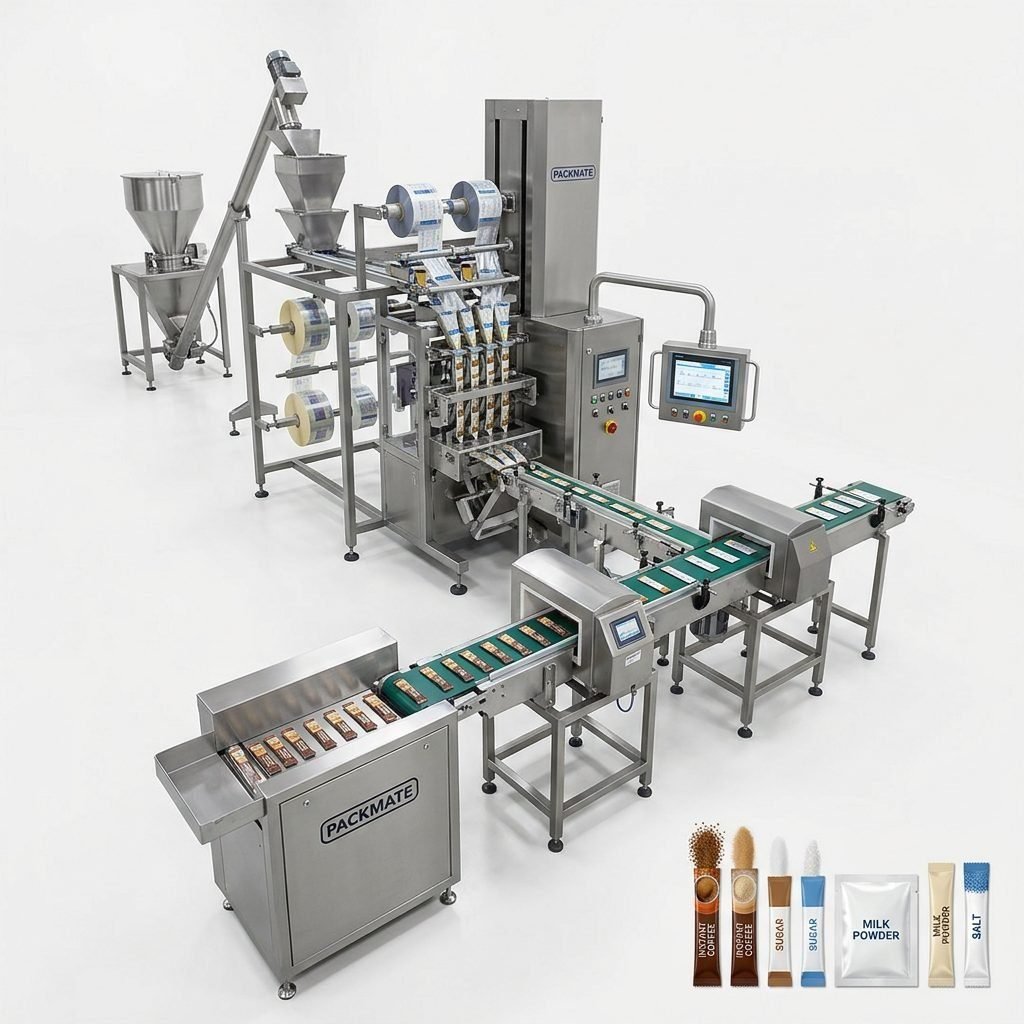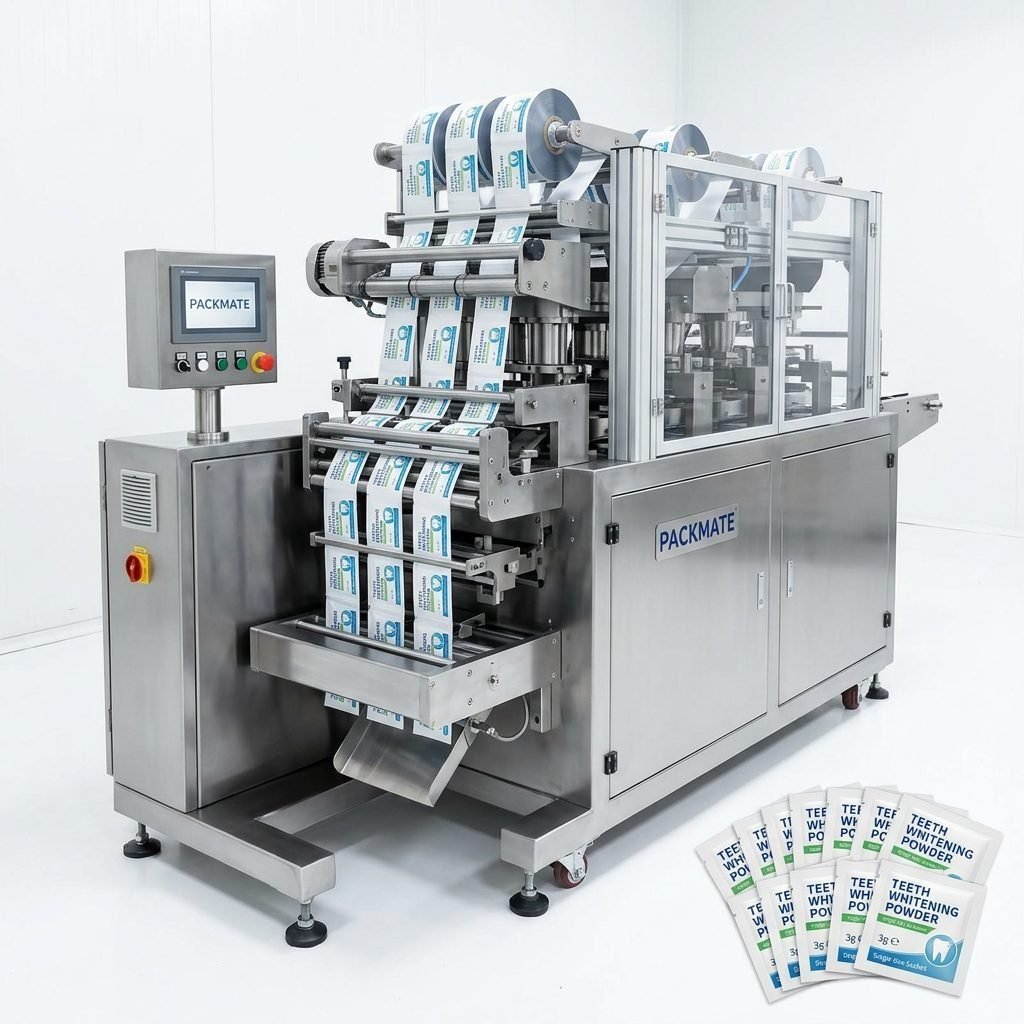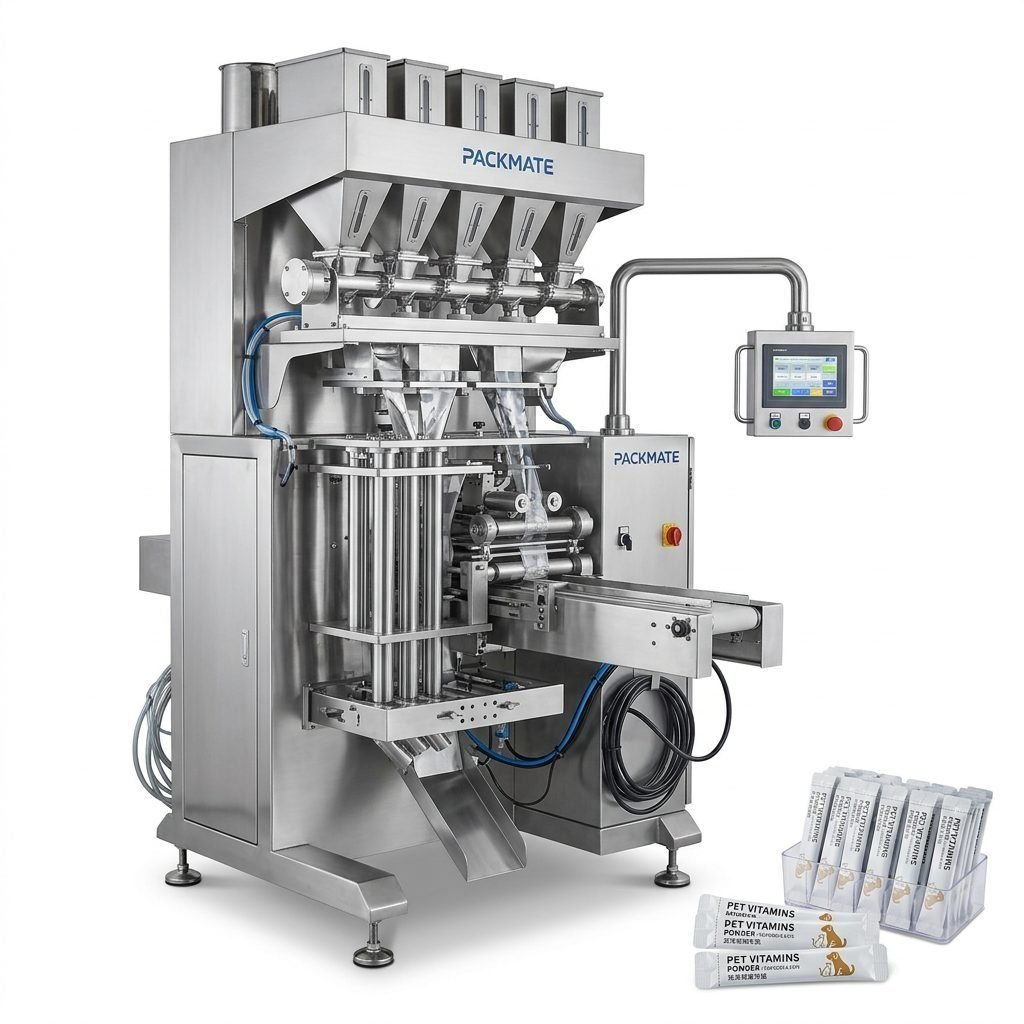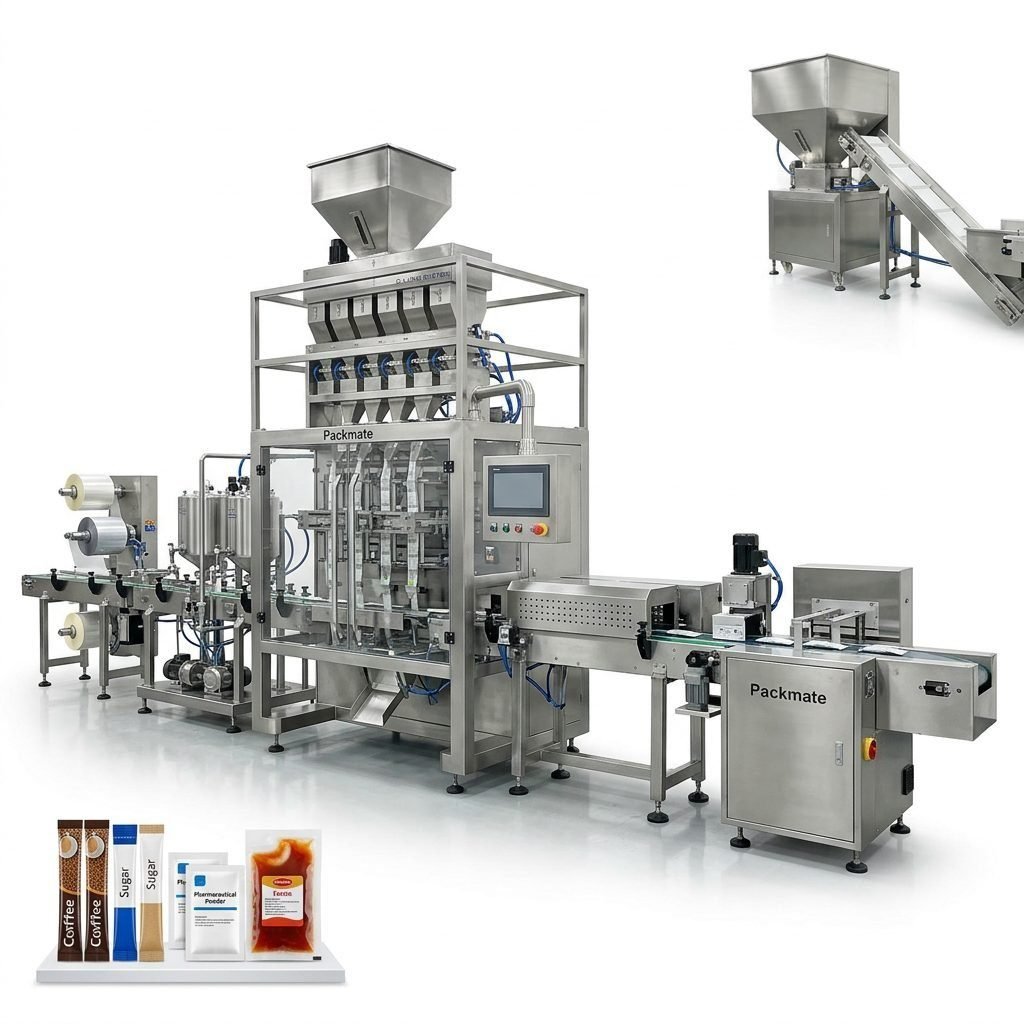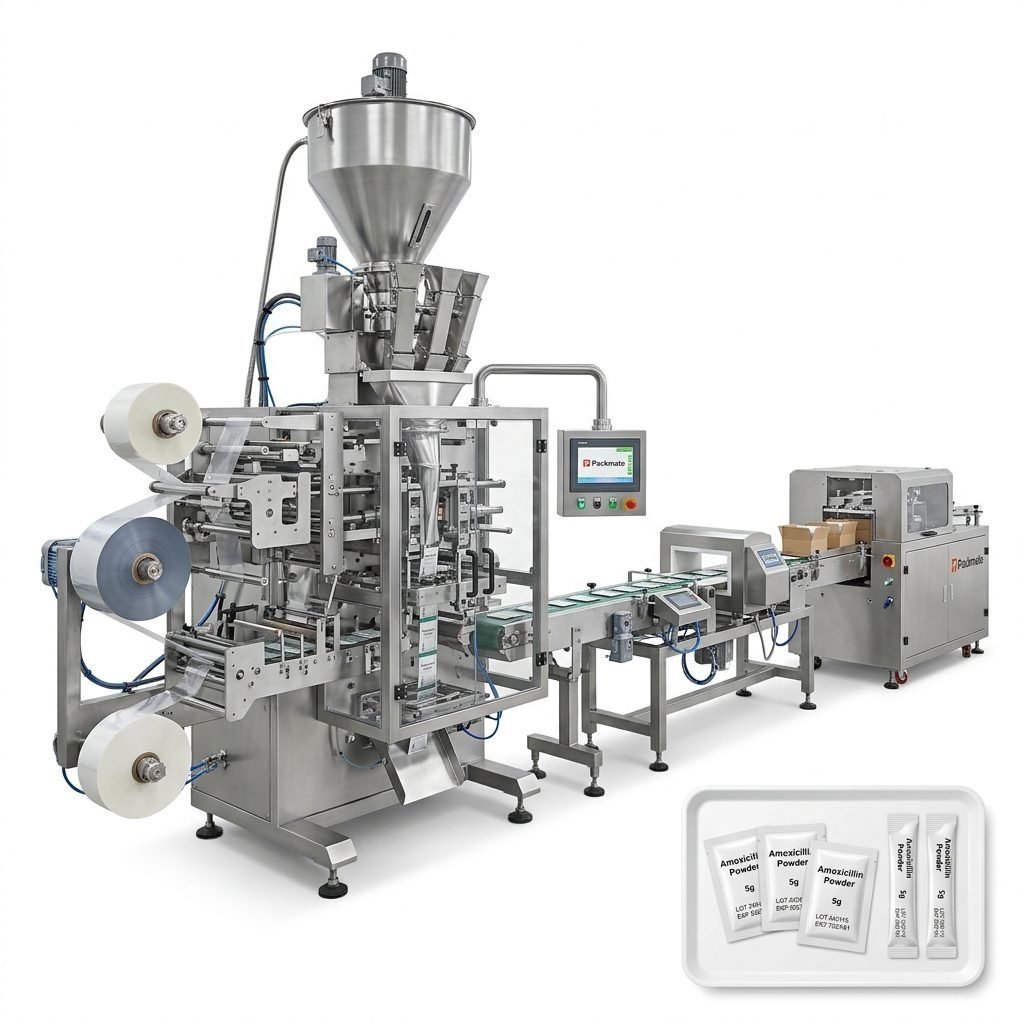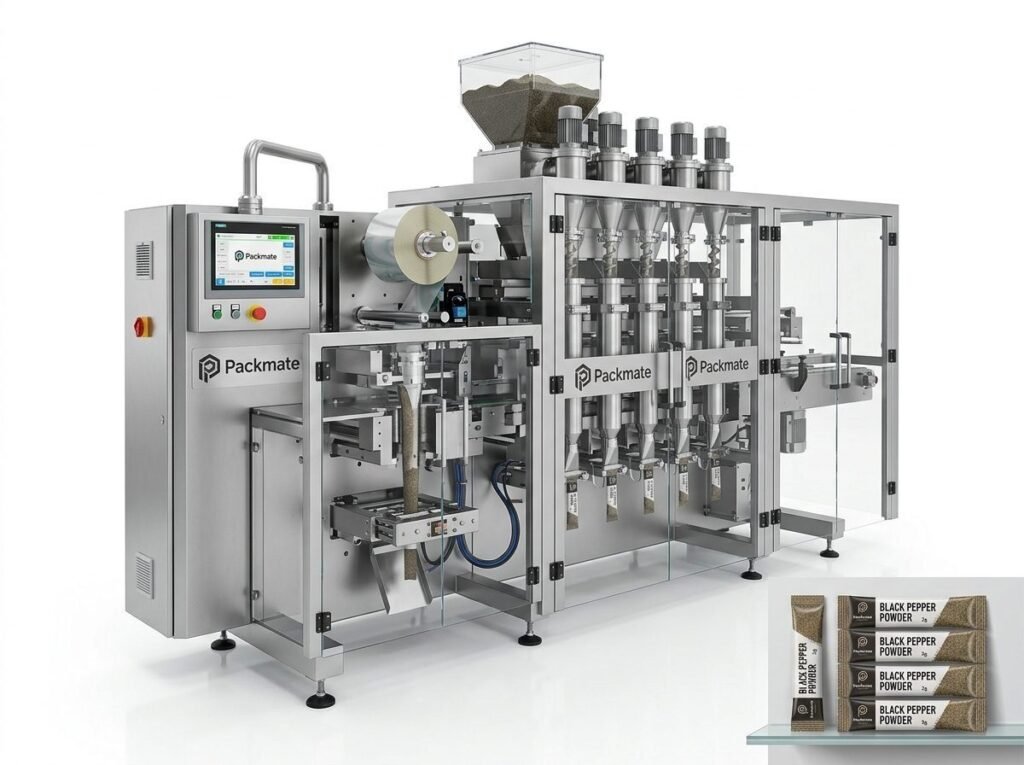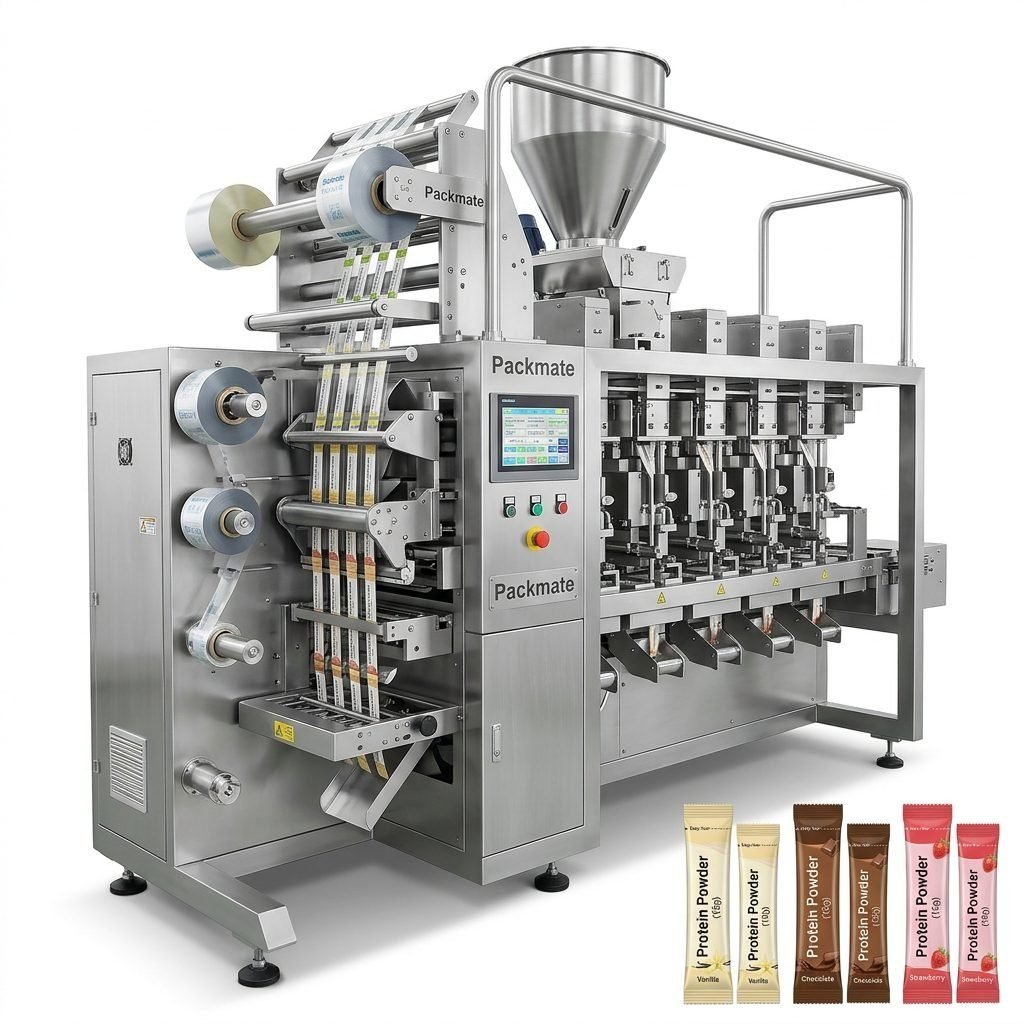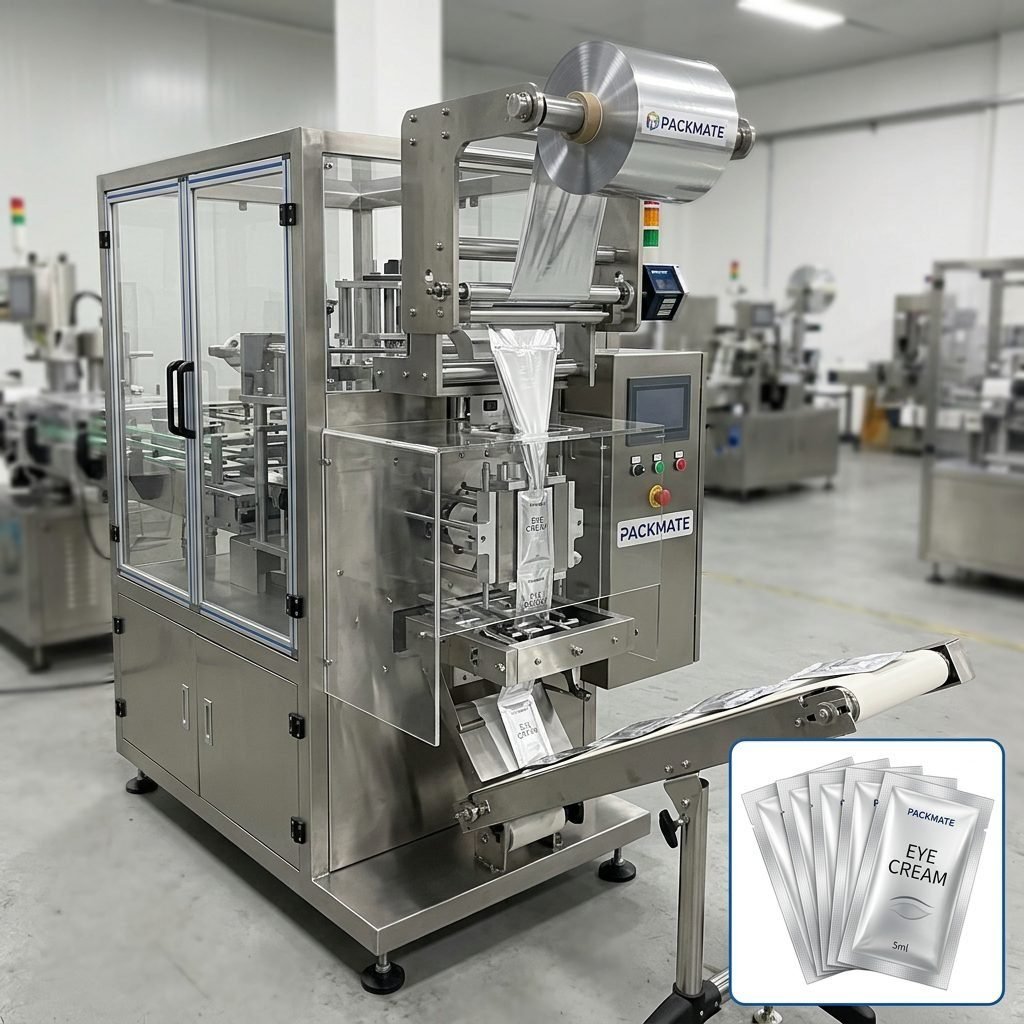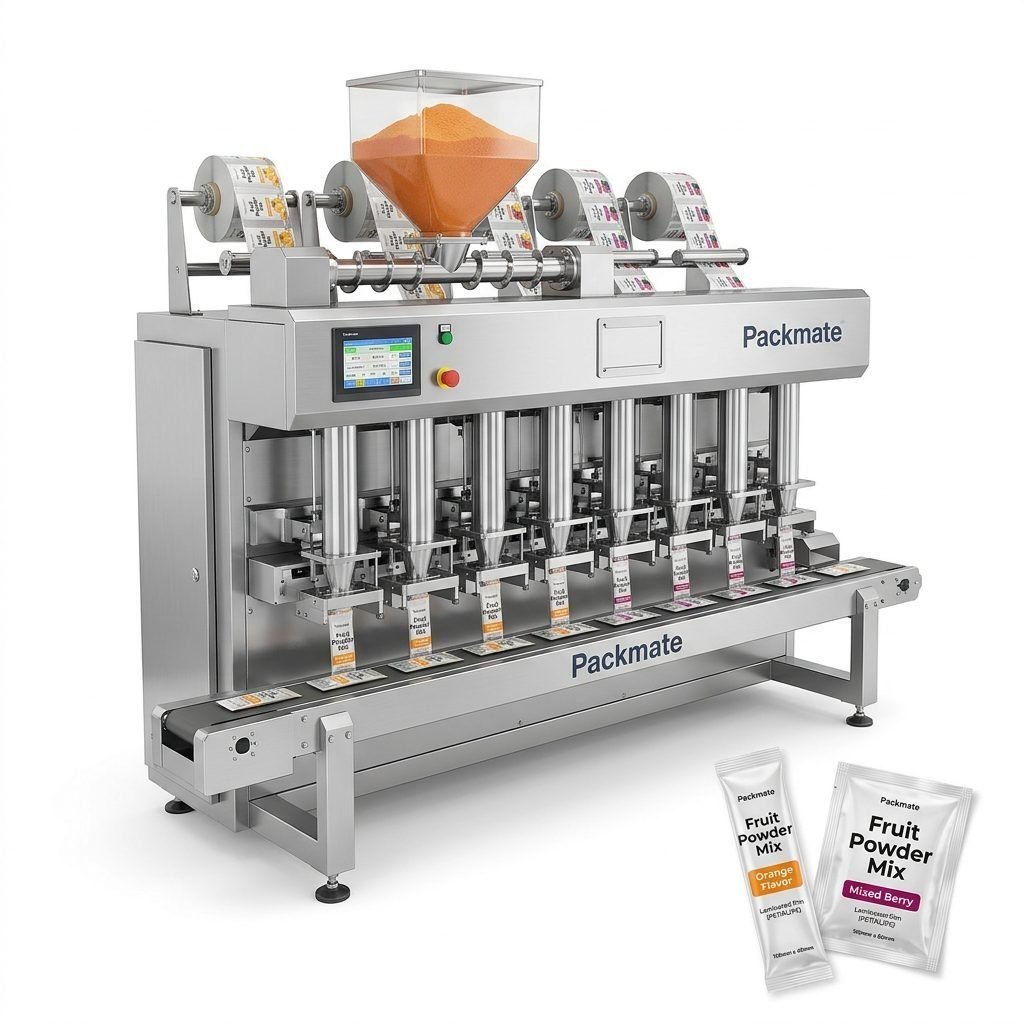
Automatic pouch filling and packaging machines are the backbone of modern, high-speed production lines for a vast range of products, from food and beverages to pharmaceuticals, health supplements, and personal care items. These machines automate the process of forming, filling, and sealing single-serve pouches, sachets, or stick packs, dramatically increasing output, ensuring consistency, and reducing labor costs. For manufacturers across Europe, North America, the Middle East, and Southeast Asia, investing in the right equipment is crucial for maintaining competitiveness and meeting the stringent quality and hygiene standards demanded in these markets.
Types of Automatic Pouch Filling and Packaging Machines
The choice of machine depends heavily on the product format, required output, and packaging material. Here are the primary types:
1. Vertical Form-Fill-Seal (VFFS) Machines
These are the most common type for creating pouches from a roll of flat film. The machine forms a tube from the film, fills it with product, and then seals and cuts it into individual pouches. They are incredibly versatile for powders, granules, liquids, and pastes.
2. Pre-Made Pouch Fillers
These machines use pre-manufactured pouches, which are opened, filled, and then sealed. They are ideal for complex pouch shapes, stand-up pouches (doypacks), or when using high-barrier laminated materials that are difficult to form on a VFFS machine.
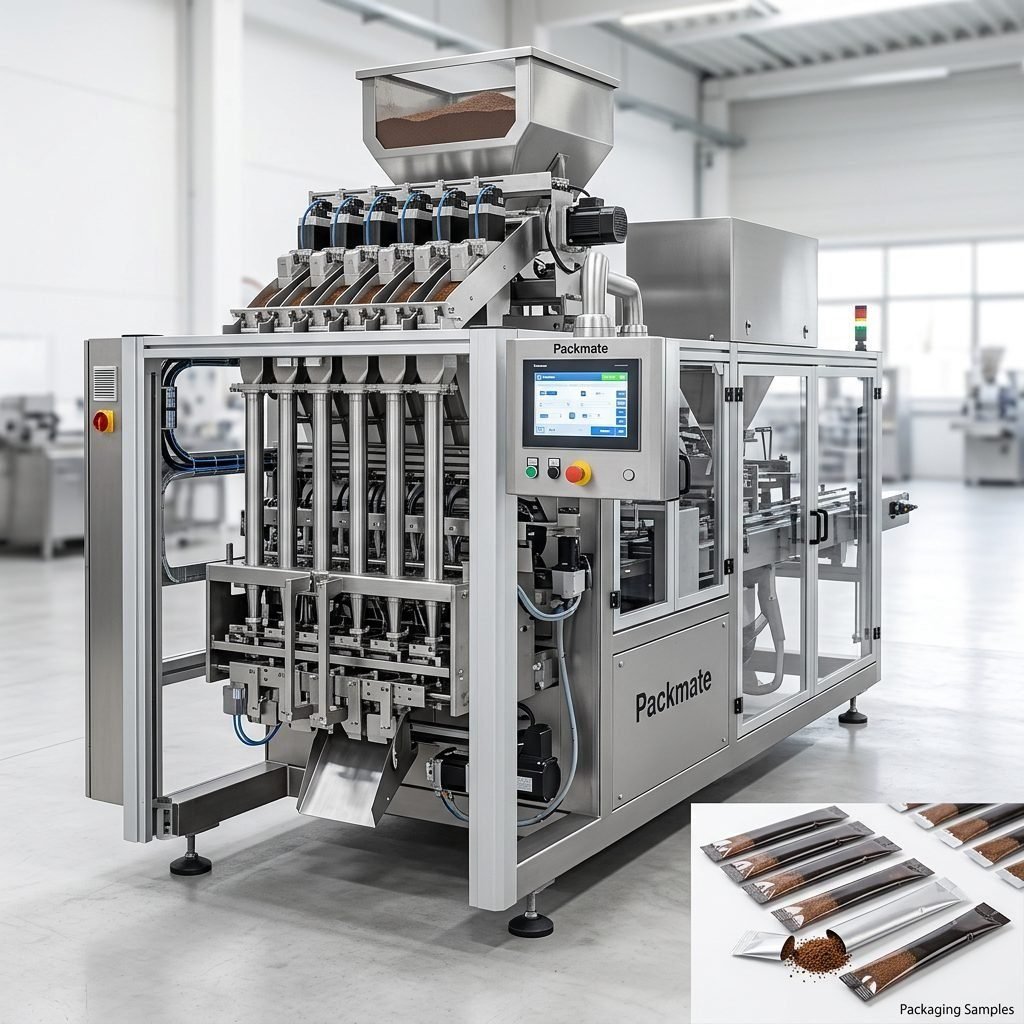
3. Stick Pack Machines
A specialized subset of VFFS machines designed to produce long, narrow “stick” packs. They are perfect for single-serve portions of instant coffee, sugar, drink mixes, and pharmaceutical powders, offering excellent product visibility and convenience.
4. Sachet Packaging Machines
These machines produce small, flat pouches (sachets) typically used for condiments, sauces, shampoo samples, or pharmaceutical powders. They can be configured for 3-side or 4-side sealing.
5. Multi-Lane Machines
For high-volume production, multi-lane machines run several packaging lines in parallel, significantly boosting output. A 4-lane stick pack machine, for instance, can produce hundreds of packs per minute, making them essential for large-scale operations.
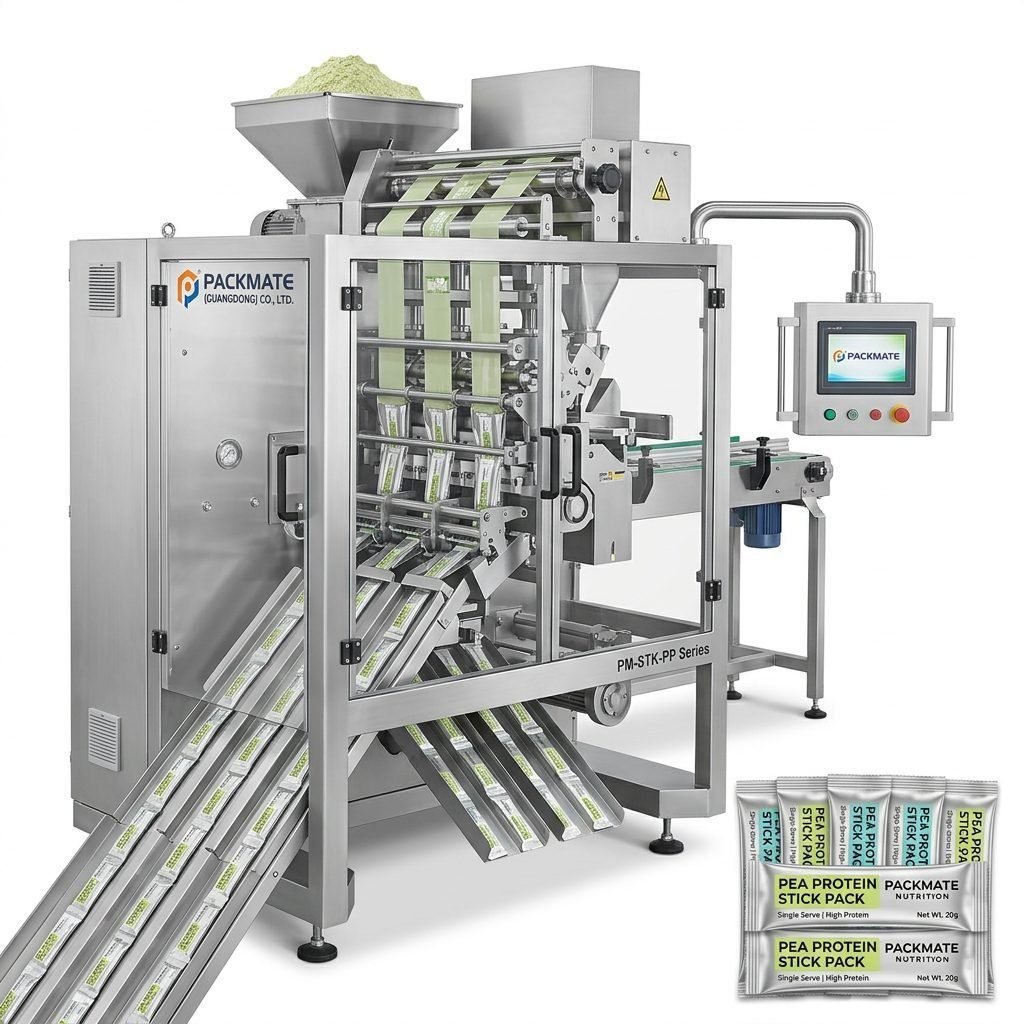
Working Principle: How Do They Operate?
The core operation of an automatic pouch filler follows a synchronized sequence, typically controlled by a Programmable Logic Controller (PLC).
| Step | Process | Key Components Involved |
|---|---|---|
| 1. Film Unwinding & Forming | Packaging film from a roll is fed and shaped over a forming collar into a vertical tube. | Film Roll Holder, Forming Collar |
| 2. Back Sealing | The longitudinal back seal of the tube is created using a heat sealer. | Longitudinal Sealing Jaw |
| 3. Cross Sealing (Bottom) | The bottom of the tube is sealed horizontally, creating the base of the pouch. | Cross Sealing Jaws |
| 4. Product Dosing & Filling | A precise amount of product is dispensed into the open pouch via a filling system (auger, pump, volumetric cup, etc.). | Filling System, Dosing Unit, Weighing Scale |
| 5. Gas Purging (Optional) | For sensitive products, air is evacuated and replaced with an inert gas like nitrogen to extend shelf life. | Gas Flushing System |
| 6. Cross Sealing (Top) & Cutting | The top of the filled pouch is sealed, simultaneously creating the bottom seal for the next pouch. A cutter then separates the finished pouch. | Cross Sealing Jaws, Cutting Blade |
| 7. Discharge & Counting | Finished pouches are discharged onto a conveyor for collection, secondary packaging, or counting. | Discharge Chute/Conveyor, Counter |
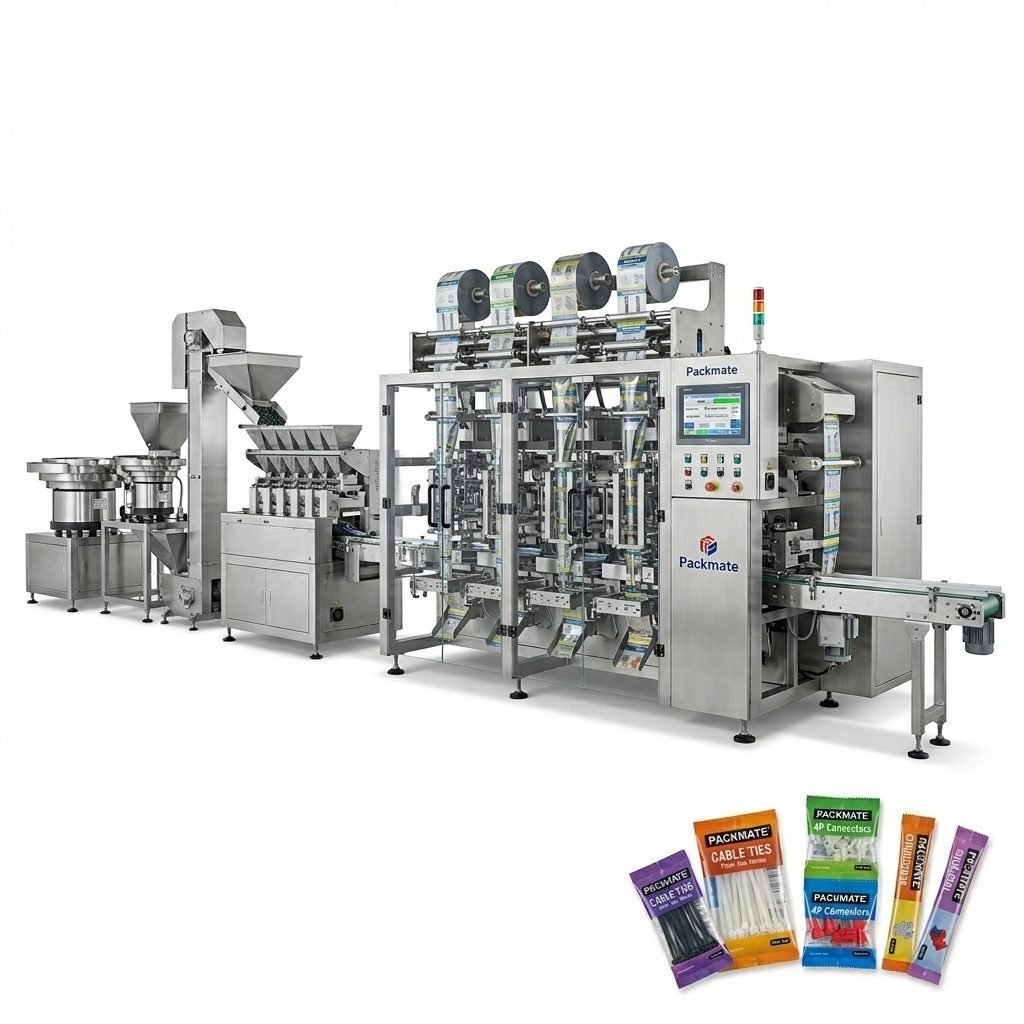
Key Considerations When Buying a Machine
Selecting the right machine requires a careful analysis of your specific needs. Here’s a comprehensive buying guide.
1. Product Characteristics
The nature of your product dictates the machine’s core technology. Powders and granules typically require auger fillers for precision. Liquids and pastes need piston or pump fillers. Free-flowing products like seeds can use volumetric cups. Consider product abrasiveness, hygroscopicity, and particle size.
2. Packaging Specifications
Define your pouch type (stick pack, sachet, stand-up pouch), material (laminate structure), and size range. The machine must be compatible with your desired film and capable of producing the required seal strength and quality.
3. Required Production Speed (Output)
Calculate your required output in pouches per minute (PPM). Single-lane machines are suitable for lower volumes, while multi-lane machines from suppliers like Ludyway or Packmate Machinery are designed for high-speed production, often exceeding 200-300 PPM per lane.
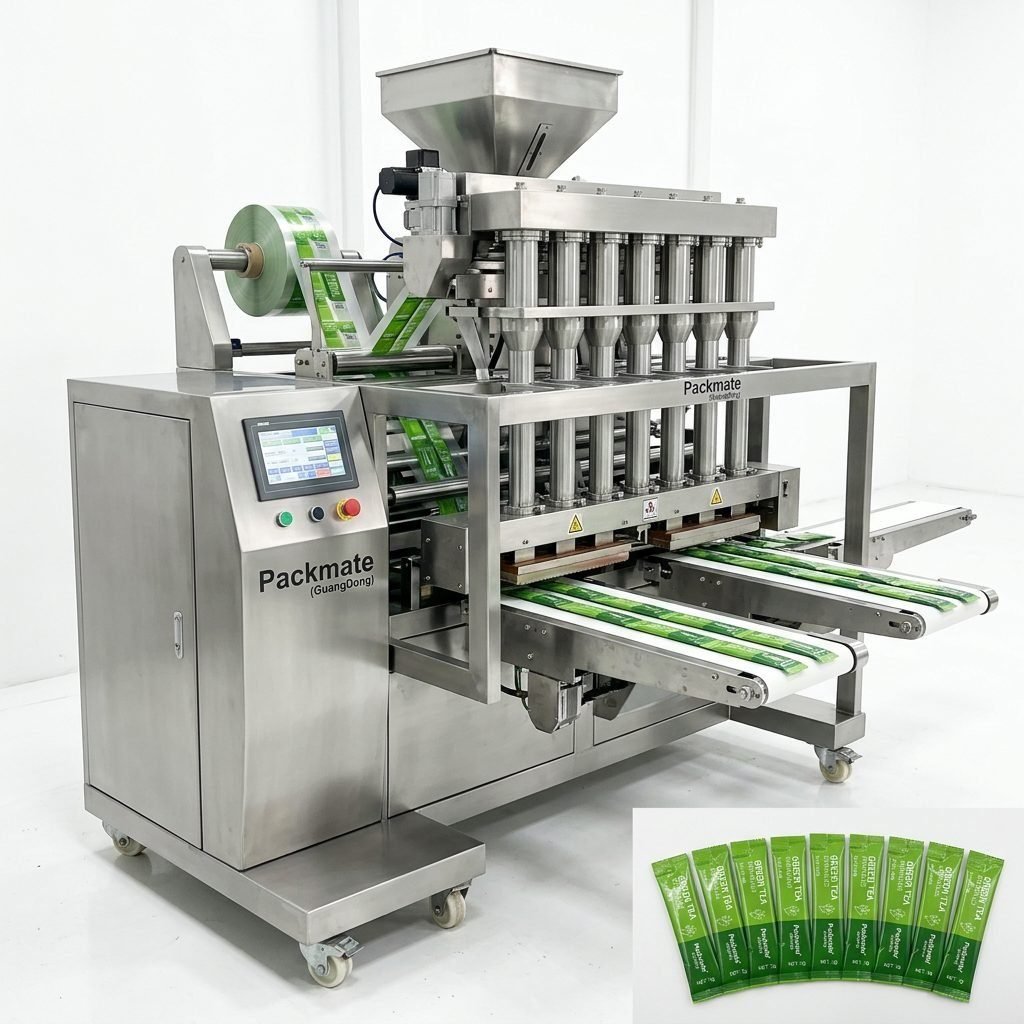
4. Level of Automation & Integration
Will this be a standalone machine, or does it need to integrate into a full turnkey line? For complex operations involving feeding, weighing, packaging, cartoning, and palletizing, companies like PacklineOEM specialize in complete line integration. Consider options for automatic film splicing, date coding, vision inspection, and reject systems.
5. Machine Construction and Hygiene
For food or pharmaceutical applications, stainless steel (especially 304 or 316 grade) contact parts are essential for cleanliness and corrosion resistance. Look for machines with a sanitary design, easy-clean surfaces, and compliance with relevant standards (e.g., GMP, FDA guidelines where applicable).
6. Supplier Capability and Support
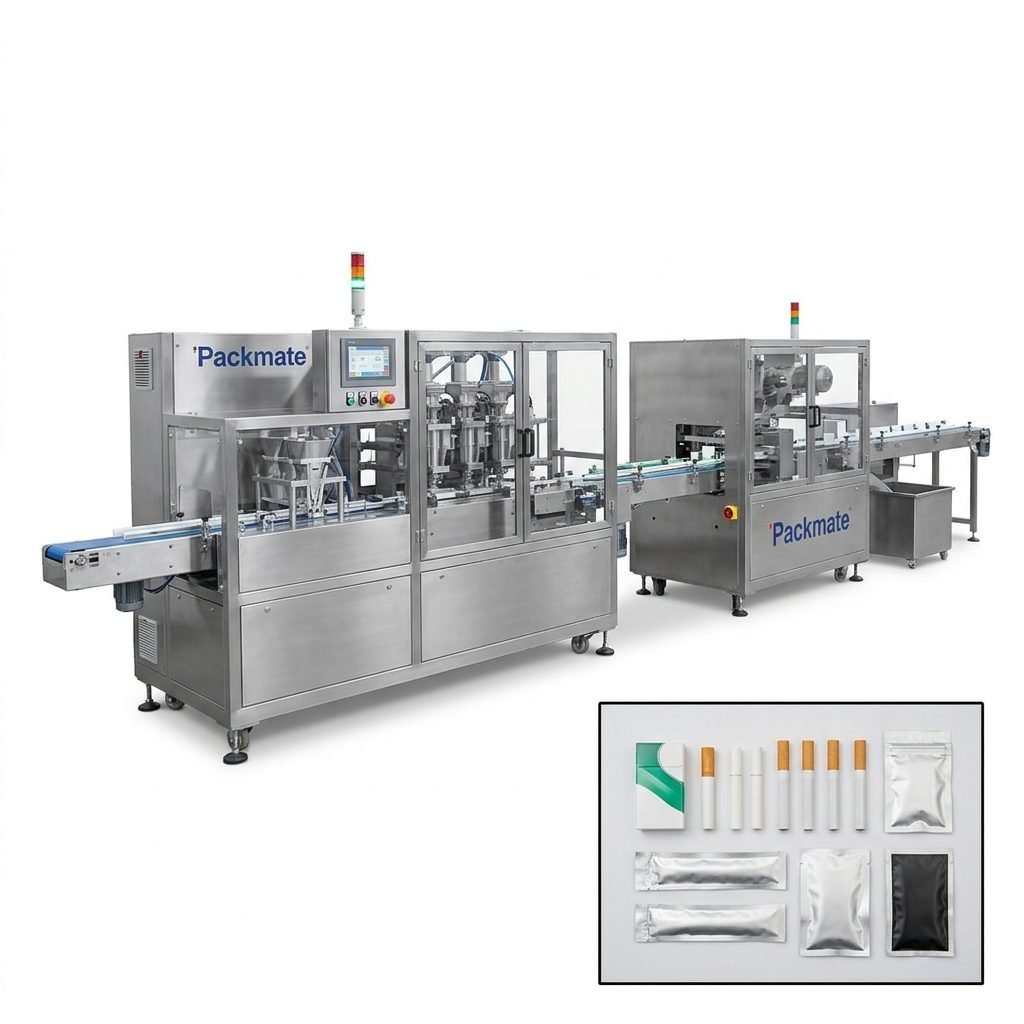
This is critical. Evaluate the manufacturer’s experience, especially with your product type. For example, SnusMachinery offers specialized expertise in nicotine pouch packaging. Assess their after-sales service, availability of spare parts, training, and warranty. A supplier with a strong export history, like those listed, is often more adept at supporting international clients.
7. Budget and Total Cost of Ownership (TCO)
Look beyond the initial purchase price. Consider long-term costs for maintenance, spare parts, energy consumption, and potential downtime. A slightly more expensive, reliable machine from an established manufacturer like PackingMachineOEM may offer a better return on investment through higher uptime and efficiency.
Frequently Asked Questions (FAQs)
Q1: What is the typical speed range for a single-lane vs. a multi-lane pouch machine?
A single-lane vertical pouch machine typically operates between 40-120 pouches per minute (PPM). A multi-lane machine (e.g., 4-lane or 8-lane) multiplies this output, easily achieving 400-800+ PPM, making it essential for large-scale production.
Q2: Can one machine handle different pouch sizes and products?
Most modern machines are designed with changeover capabilities. You can often switch pouch sizes by changing the forming tooling, filling heads, and adjusting the PLC settings. However, switching between vastly different product types (e.g., powder to liquid) may require significant part changes.
Q3: What are the most common sealing methods for pouches?
Heat sealing is the most prevalent, using heated jaws to melt the inner layers of the packaging film together. For specialized materials, ultrasonic sealing or cold sealing (using pressure-sensitive adhesive) may be used.
Q4: How important is after-sales service and training?
Extremely important. Proper installation, operator training, and access to timely technical support and spare parts are vital for minimizing downtime and ensuring long-term, profitable operation. Always choose a supplier with a proven support network.
Q5: What is the lead time for a custom automatic packaging line?
Lead times vary significantly. A standard machine may be delivered in 8-12 weeks. A fully customized turnkey packaging line involving design, manufacturing, testing, and integration can take 4 to 8 months or more, depending on complexity.