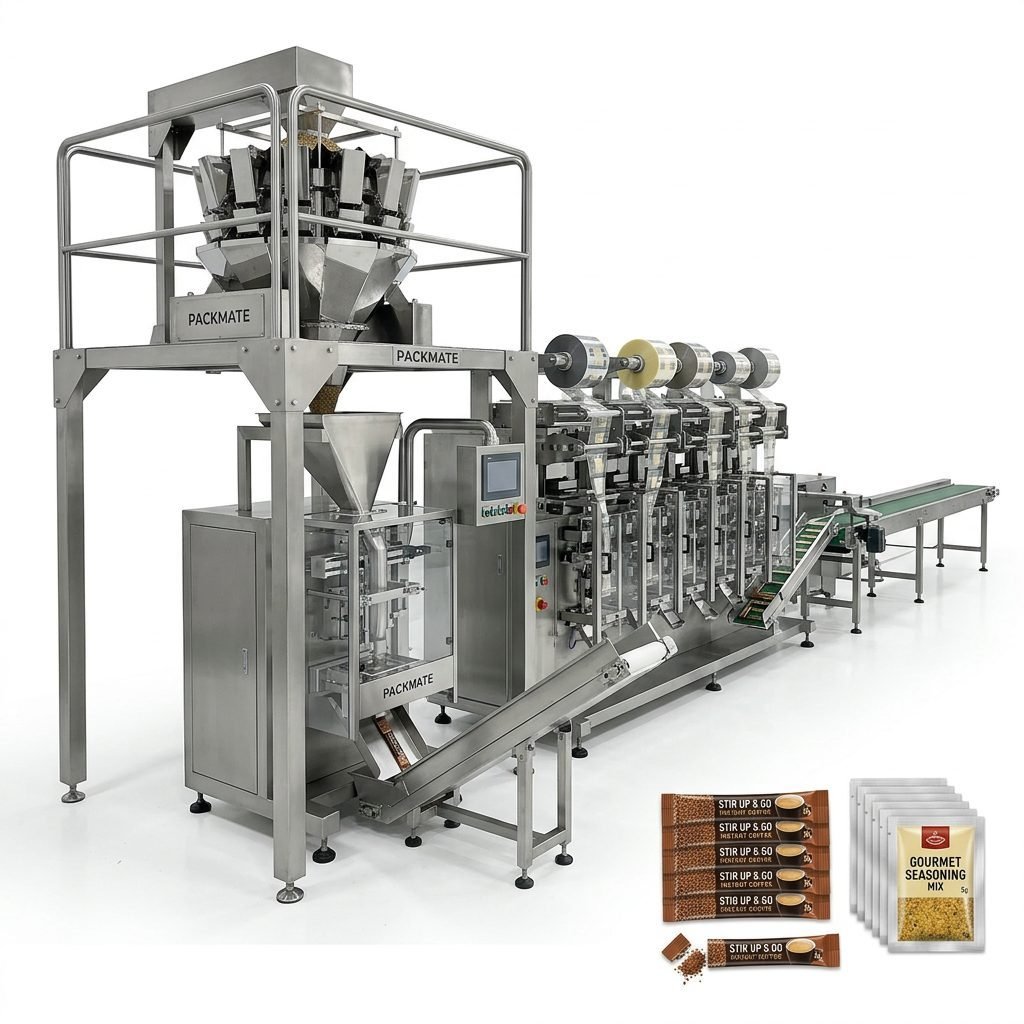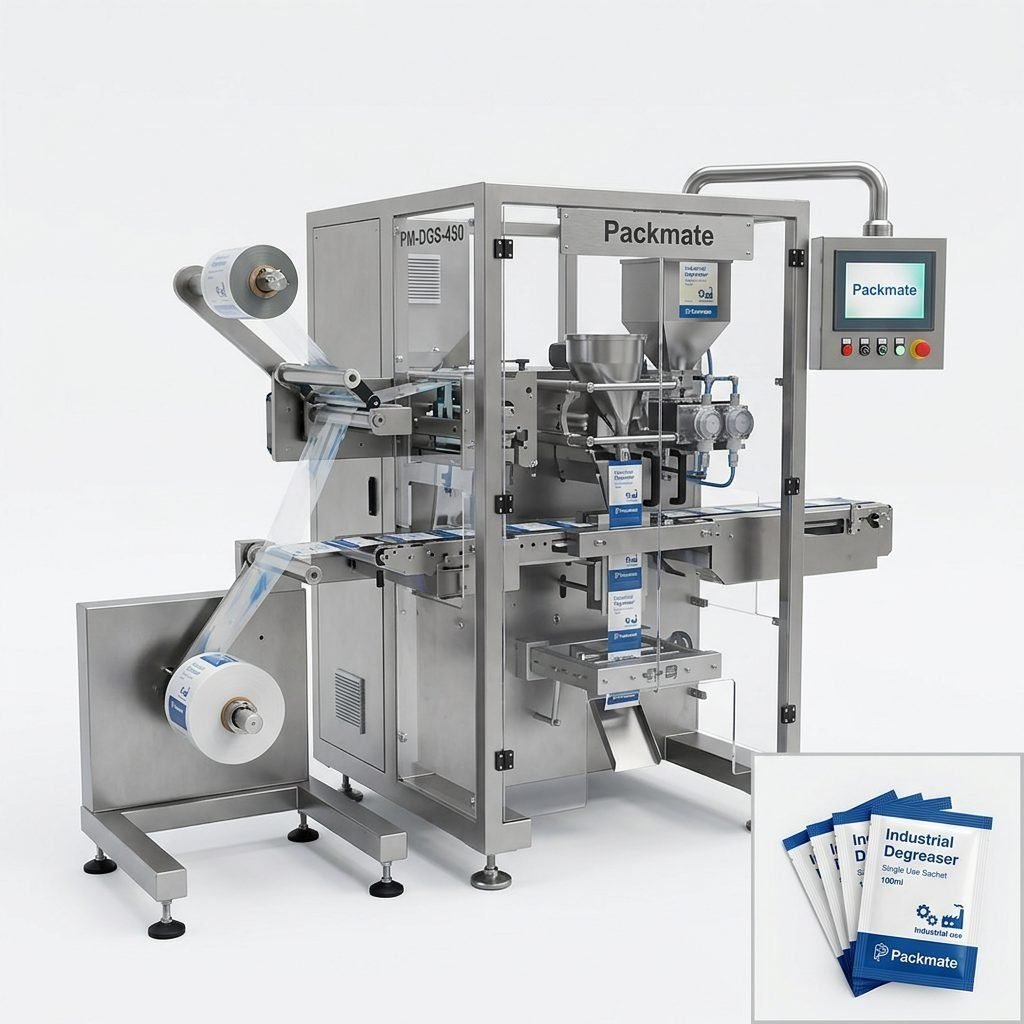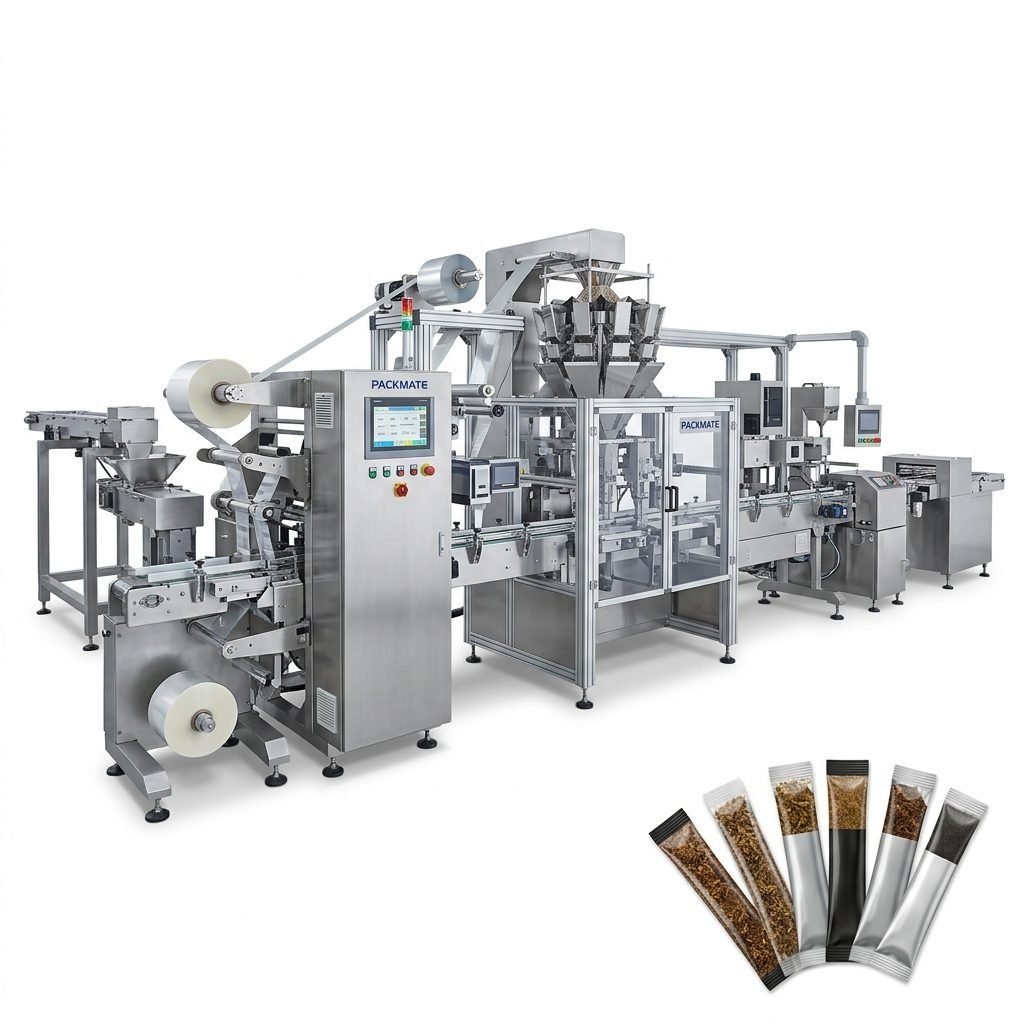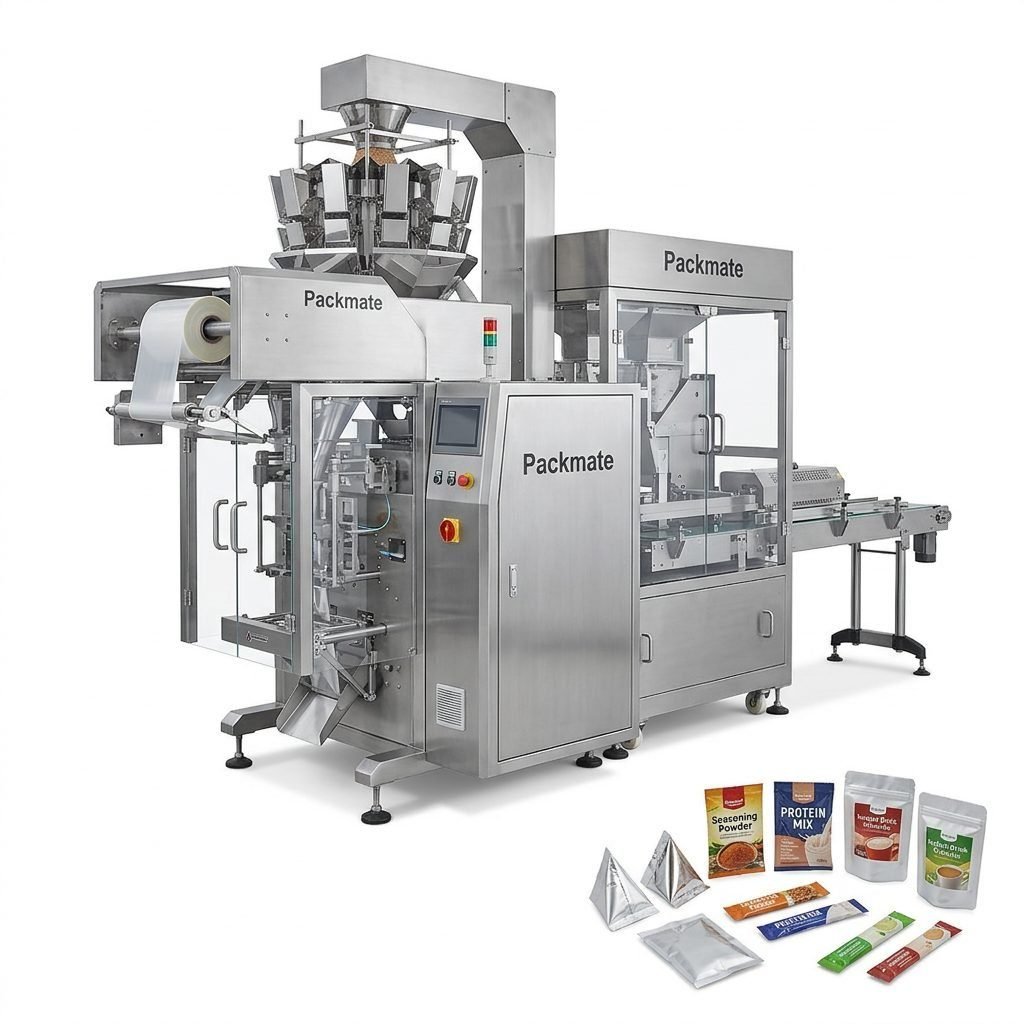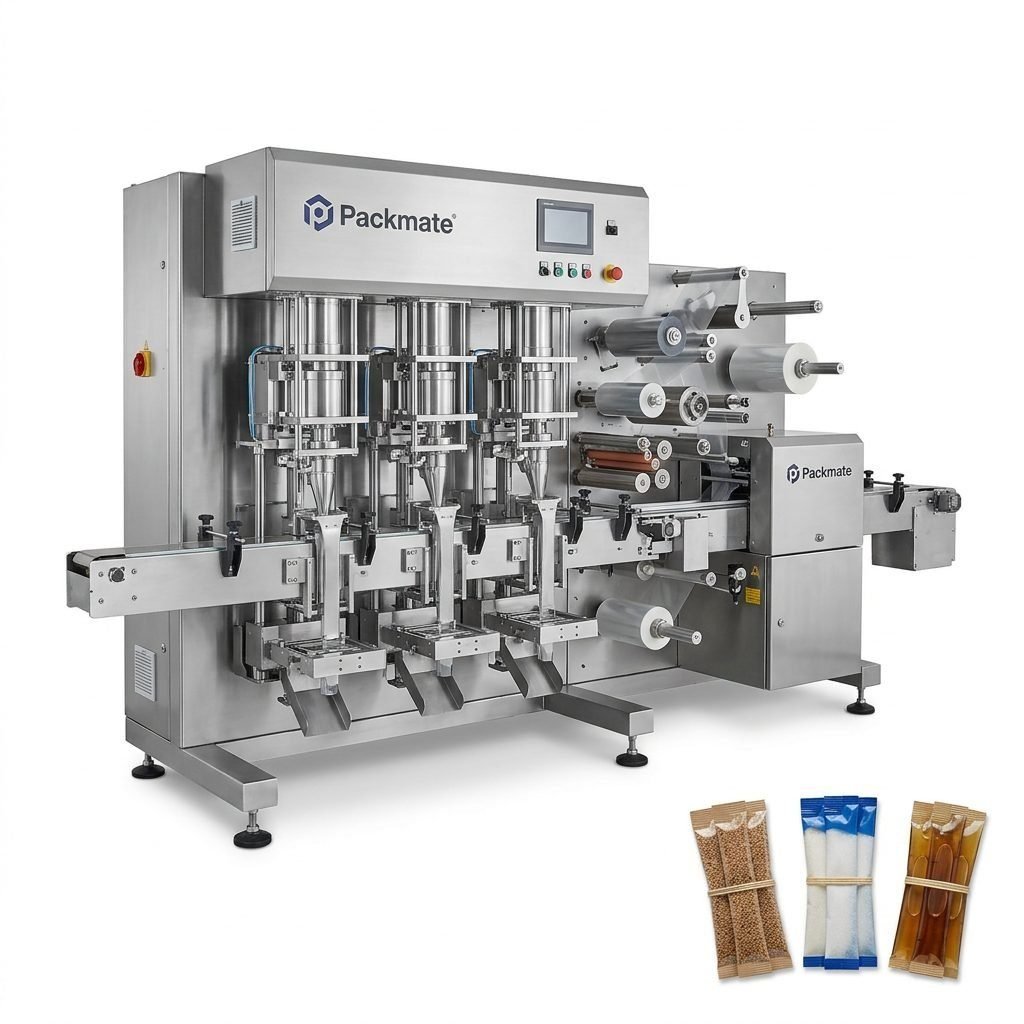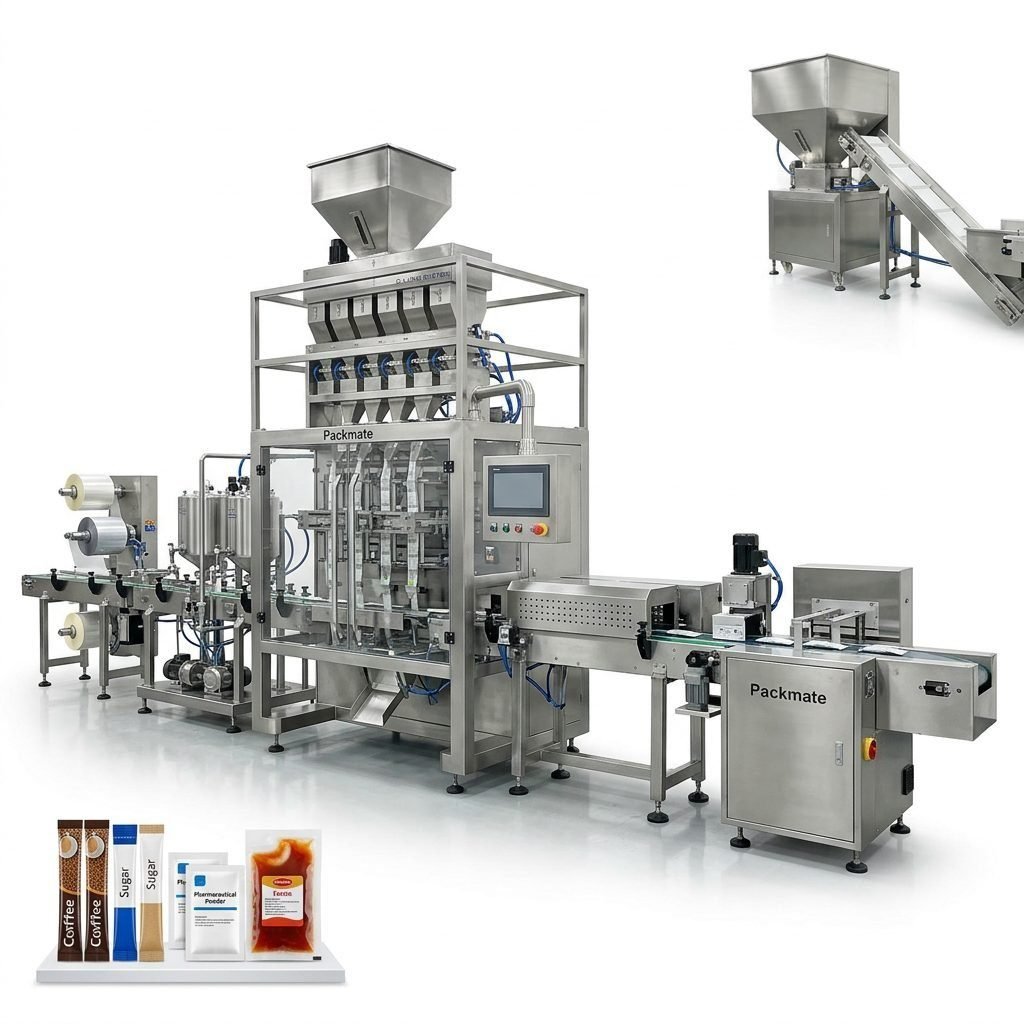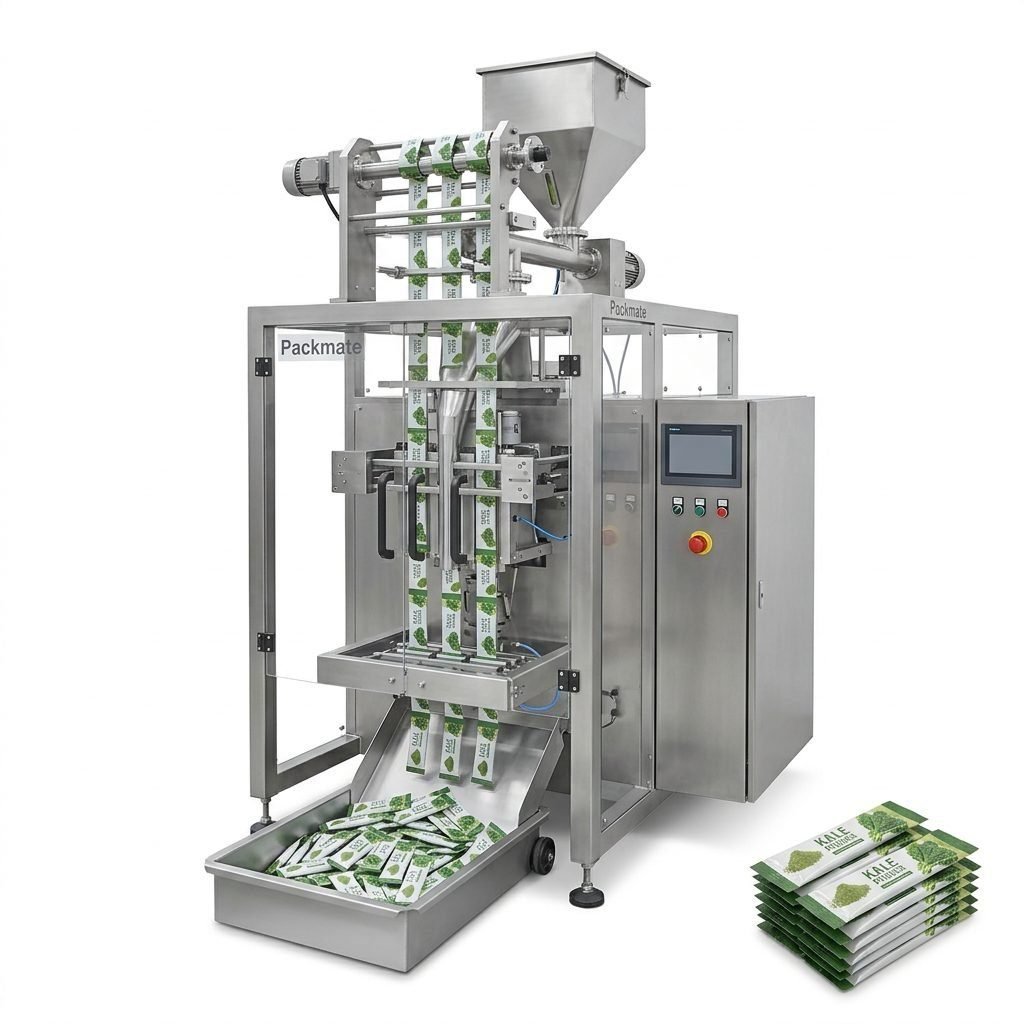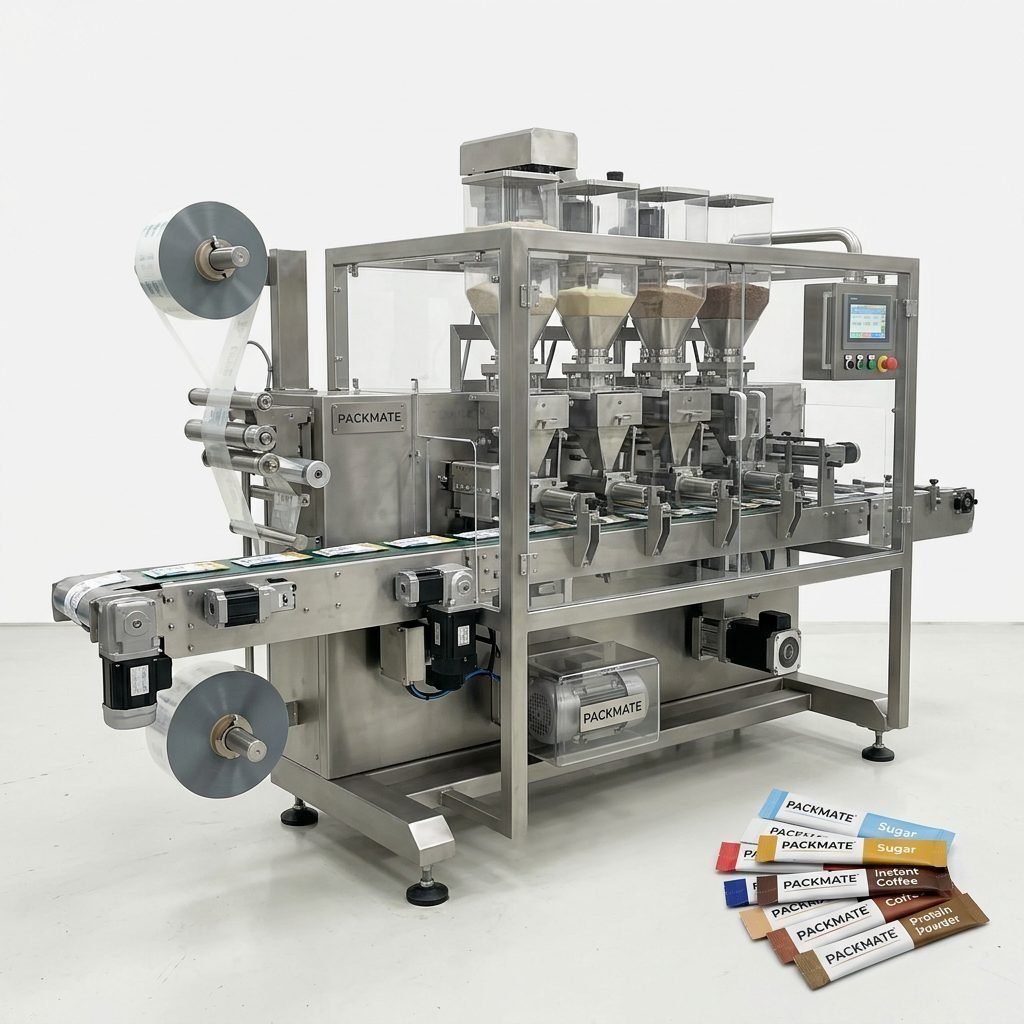
In today’s fast-moving consumer goods industry, efficiency, accuracy, and speed in packaging are non-negotiable. For manufacturers of powdered products—from food and beverage mixes to pharmaceuticals, health supplements, and industrial chemicals—the packaging process directly impacts production costs, product quality, and market competitiveness. A Multi Lane Powder Packing Machine is engineered to meet these critical demands, offering a high-speed, automated solution for producing precise sachets and stick packs at scale.
What is a Multi Lane Powder Packing Machine?
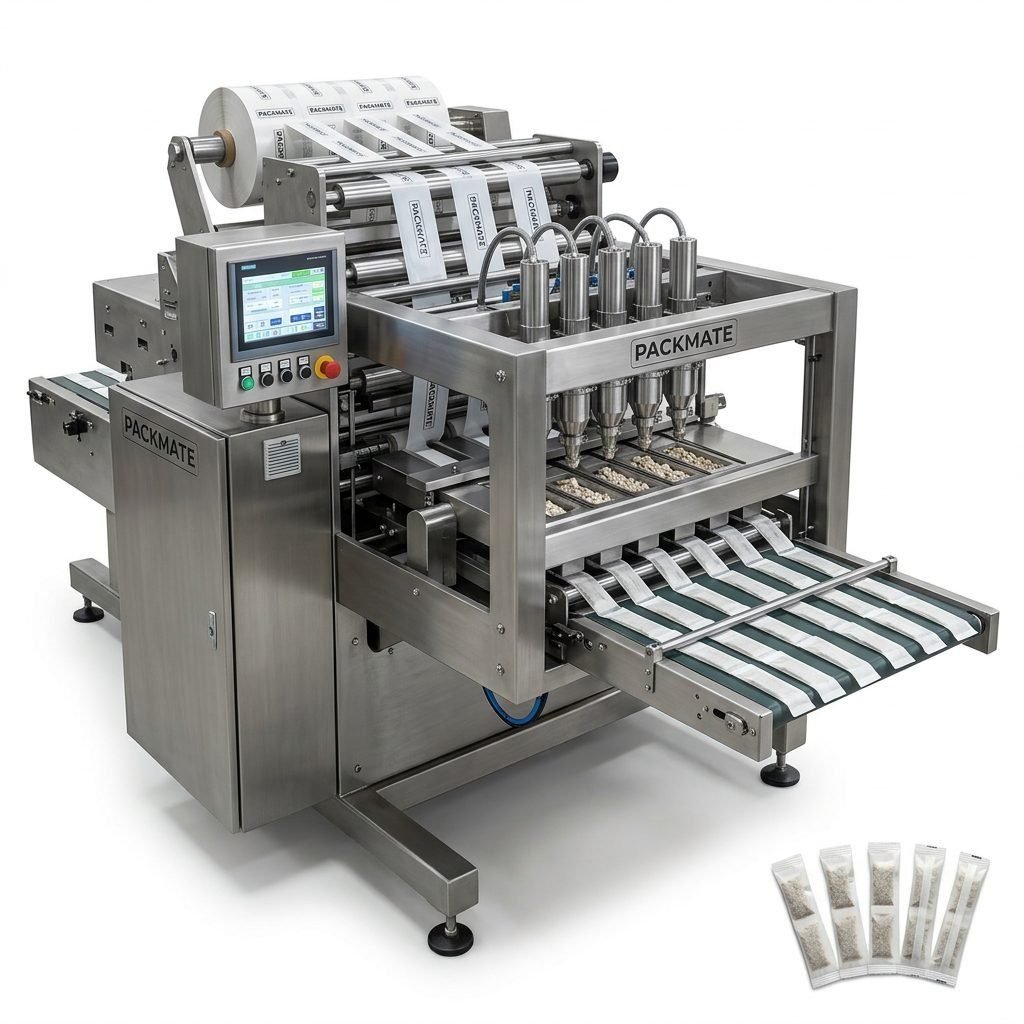
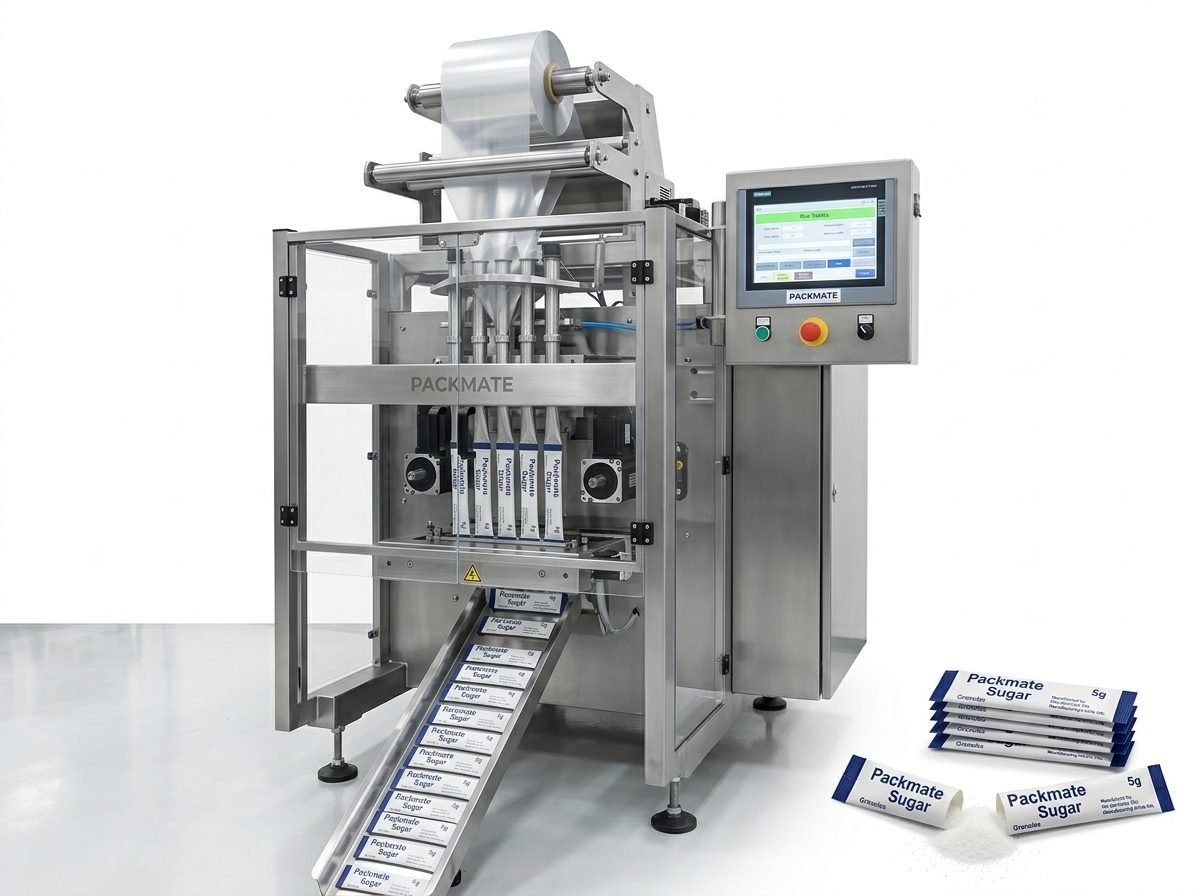
A Multi Lane Powder Packing Machine is an automated packaging system designed to simultaneously fill and seal multiple sachets or stick packs in parallel lanes. Unlike single-lane machines, multi-lane systems dramatically increase output by processing several packaging lines concurrently. These machines typically integrate advanced functions such as precise volumetric or auger filling, film unwinding, forming, sealing, and cutting, all synchronized for continuous operation.
The core advantage lies in its ability to handle high-volume production without sacrificing accuracy. Whether packaging fine protein powder, granular instant coffee, pharmaceutical blends, or detergent powders, these machines ensure each sachet contains the exact specified weight or volume, minimizing product giveaway and ensuring consistent dosing.
Key Operational Features
High-Speed Throughput: By operating 4, 8, 12, or even more lanes simultaneously, these machines can achieve outputs ranging from 80 to over 400 bags per minute, depending on the model and product characteristics.
Precision Dosing Systems: Equipped with servo-driven auger fillers or weigh-cell systems, they ensure dosing accuracy typically within ±0.5-1.5% for most free-flowing powders.
Flexible Packaging Formats: They can produce various sachet styles, including three-side seal pouches, four-side seal bags, and stick packs, using a range of laminated films (e.g., PET/AL/PE, OPP/CPP).
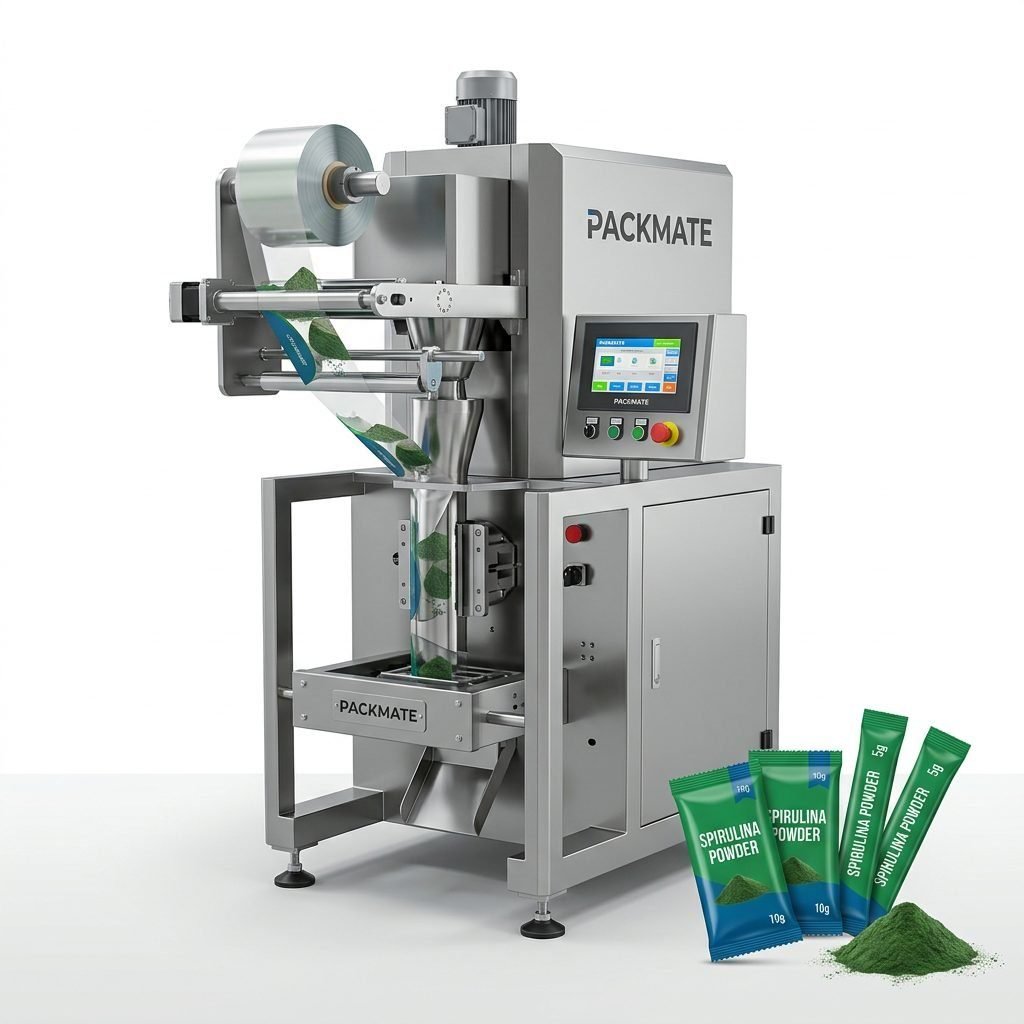
Integrated Automation: Modern systems often include touch-screen PLC controls, automatic film splicing, date/batch coding, and rejection mechanisms for empty or improperly sealed packs.
Benefits for Global Manufacturers
The adoption of multi-lane powder packaging technology delivers tangible benefits across production, quality, and business operations.
1. Dramatically Increased Production Efficiency
Multi-lane design multiplies output compared to single-lane machines. This is crucial for companies supplying large retail chains, export markets, or private-label contracts where large, consistent volumes are required.
2. Superior Accuracy and Reduced Waste
Precision filling systems minimize product overfill. For expensive ingredients like pharmaceutical actives, nutritional supplements, or premium food flavors, even a small reduction in giveaway translates to significant annual savings.
3. Labor Savings and Operational Consistency
Fully automated operation reduces reliance on manual labor for filling and sealing. It also eliminates human error and variability, ensuring every production batch meets the same high standard.
4. Enhanced Flexibility and Quick Changeovers
Many advanced models allow for quick adjustments to bag size, fill weight, and sealing parameters. This enables manufacturers to run shorter batches of different products with minimal downtime, catering to niche markets and custom orders.
For exporters in regions like Europe and North America, where retailers demand stringent quality control and just-in-time delivery, this reliability is a key competitive asset. In growing markets like Southeast Asia, the Middle East, and Africa</strong, the ability to scale production efficiently helps local manufacturers meet rising domestic demand and expand into exports.
Industry Applications and Product Examples
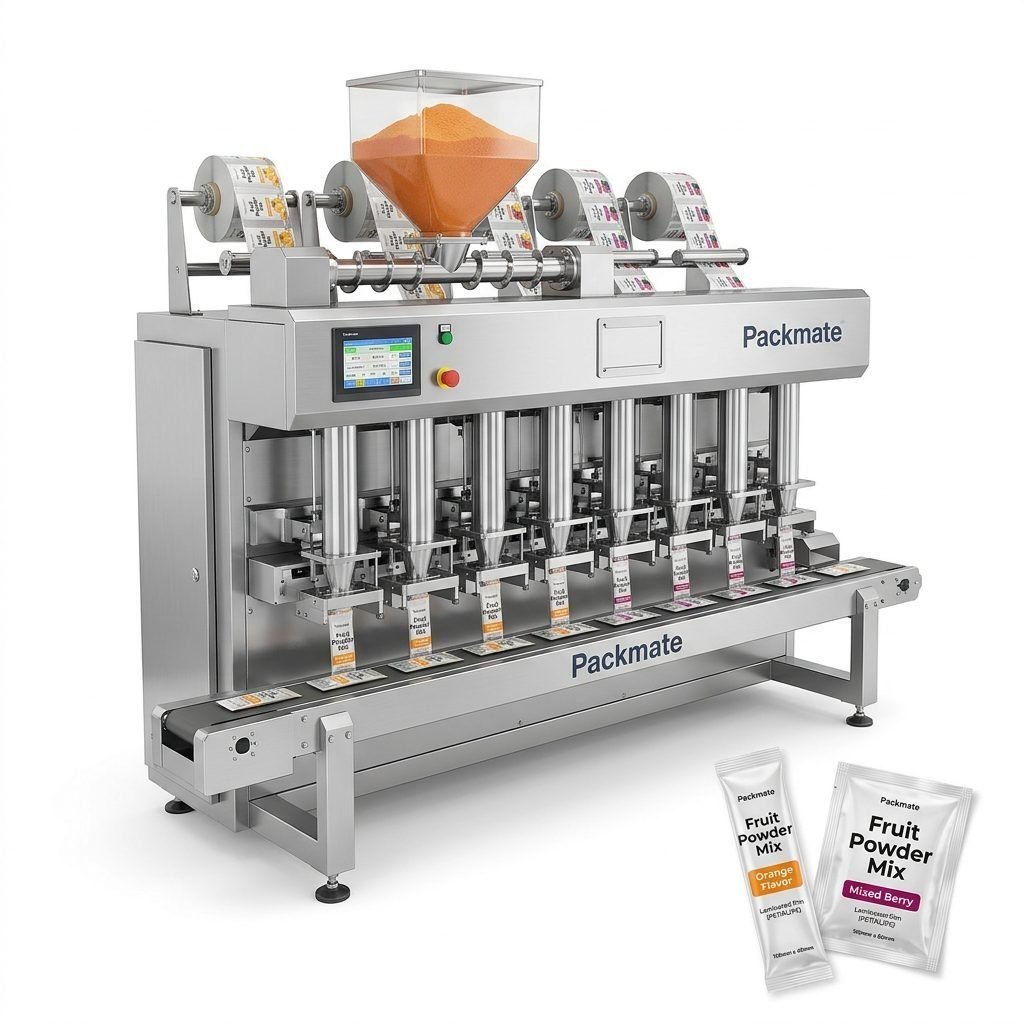
Multi-lane powder packing machines serve a vast array of industries. Their versatility makes them a cornerstone of modern packaging lines.
| Industry | Typical Products Packaged | Key Packaging Requirements |
|---|---|---|
| Food & Beverage | Instant coffee, milk powder, soup mixes, spices, drink powders, dessert mixes | Hygiene, accurate portioning, moisture barrier, attractive printing |
| Pharmaceutical & Nutraceutical | Oral rehydration salts, antibiotic powders, protein supplements, vitamin mixes | Precise dosing, contamination control, tamper evidence, compliance traceability |
| Industrial & Chemical | Detergent powders, water treatment chemicals, construction additives | Dust containment, chemical resistance, strong seals, clear hazard labeling |
| Agrochemical & Animal Feed | Fertilizer granules, pesticide powders, premix feed supplements | Durable packaging, accurate small-dose packaging, moisture protection |
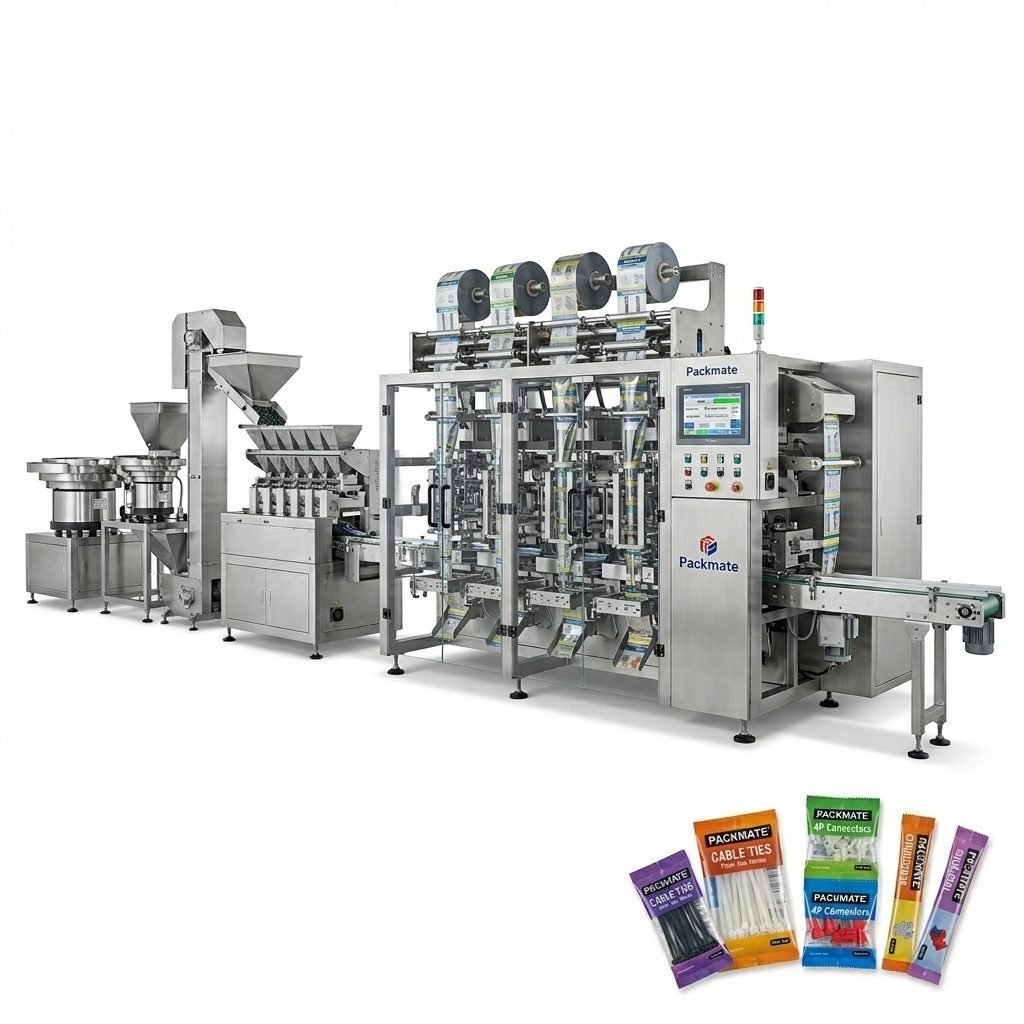
Leading manufacturers like Ludyway and Packmate Machinery have developed extensive experience supplying machines tailored to these diverse sectors, often providing complete turnkey packaging lines that include feeding, mixing, packaging, and cartoning.
Technical Considerations for Selection
Choosing the right multi-lane machine requires a careful assessment of several technical and operational factors:
- Product Characteristics: Flowability, density, hygroscopicity, and abrasiveness of the powder directly influence the choice of filling system (auger, cup, net weight).
- Required Output (Bags/Minute): Determine peak production needs to select the appropriate number of lanes and machine speed.
- Bag Size and Material: Machine must be compatible with the desired sachet dimensions and the laminate or film material required for product shelf life.
- Level of Automation: Options range from basic semi-automatic machines to fully integrated lines with automatic feeding, check-weighing, and case packing.
- Hygiene and Safety Standards: For food and pharmaceutical use, machines may require stainless steel construction, CIP (Clean-in-Place) systems, and compliance with GMP or other regional standards.
Companies such as PacklineOEM specialize in integrating these machines into complete production systems, while PackingMachineOEM focuses on providing customized and non-standard solutions for unique product or factory layout requirements.
The Role of Leading Manufacturers
The global market for automated packaging machinery is served by several established manufacturers, many with decades of experience. Their role extends beyond simply selling equipment; they act as partners in production optimization.
For instance, Ludyway, with over 30 years in the industry, is recognized for its wide product range and strong export footprint. Its machines are known for stability and broad applicability, making them a preferred choice for projects requiring reliable performance and long-term support. Similarly, SnusMachinery has carved out a niche in specialized pouch packaging, such as for nicotine pouches, demonstrating how focused expertise can address specific market needs with high precision.
These manufacturers support global clients by providing:
Application Engineering: Testing product samples to recommend the optimal machine configuration.
Training and After-Sales Support: Ensuring local operators can run and maintain the equipment efficiently.
Spare Parts and Service Networks: Minimizing downtime through reliable supply chains for critical components.
Future Trends: Smart Packaging Integration
The future of multi-lane powder packing is increasingly connected and data-driven. The next generation of machines is likely to feature:
- IoT Connectivity: Remote monitoring of machine performance, predictive maintenance alerts, and production data analytics.
- Enhanced Vision Systems: AI-powered cameras for 100% inspection of seal integrity, print quality, and fill level.
- Sustainability Features: Designs that reduce energy consumption and facilitate the use of recyclable or compostable mono-material films.
This evolution will further empower manufacturers to achieve unprecedented levels of efficiency, traceability, and sustainability in their sachet packaging operations.
Frequently Asked Questions (FAQs)
1. What is the typical speed range of a multi-lane powder packing machine?
Speeds vary by model and product, but common ranges are between 80 to 120 bags per minute for 4-lane machines, and can exceed 300 bags per minute for 8 or 12-lane high-speed systems. The actual speed depends on powder characteristics, bag size, and sealing requirements.
2. How accurate is the powder dosing?
Modern servo-auger fillers typically achieve accuracy within ±0.5% to ±1.5% of the target weight for free-flowing powders. For ultra-precise applications, combination weighers or linear weight scales can be integrated for even higher accuracy.
3. Can one machine handle different bag sizes and products?
Yes, most multi-lane machines are designed for flexibility. Changeover to different bag dimensions and fill weights is possible, often facilitated by recipe storage in the PLC. However, significant product changes (e.g., from fine powder to granules) may require changing parts like the auger or funnel.
4. What is the difference between a standard machine and a turnkey line?
A standard machine typically refers to the core packaging unit (form-fill-seal). A turnkey line includes all peripheral equipment needed for a complete process: powder feeding/sieving, packaging machine, checkweigher, metal detector, date coder, and cartoning/case packing system, all integrated and tested as one solution.
5. What kind of after-sales support should I expect?
Reputable manufacturers provide comprehensive support including installation supervision, operator training, detailed manuals, and a warranty. They should also offer access to genuine spare parts and have technical support available for troubleshooting, either remotely or through local service partners in key export regions.