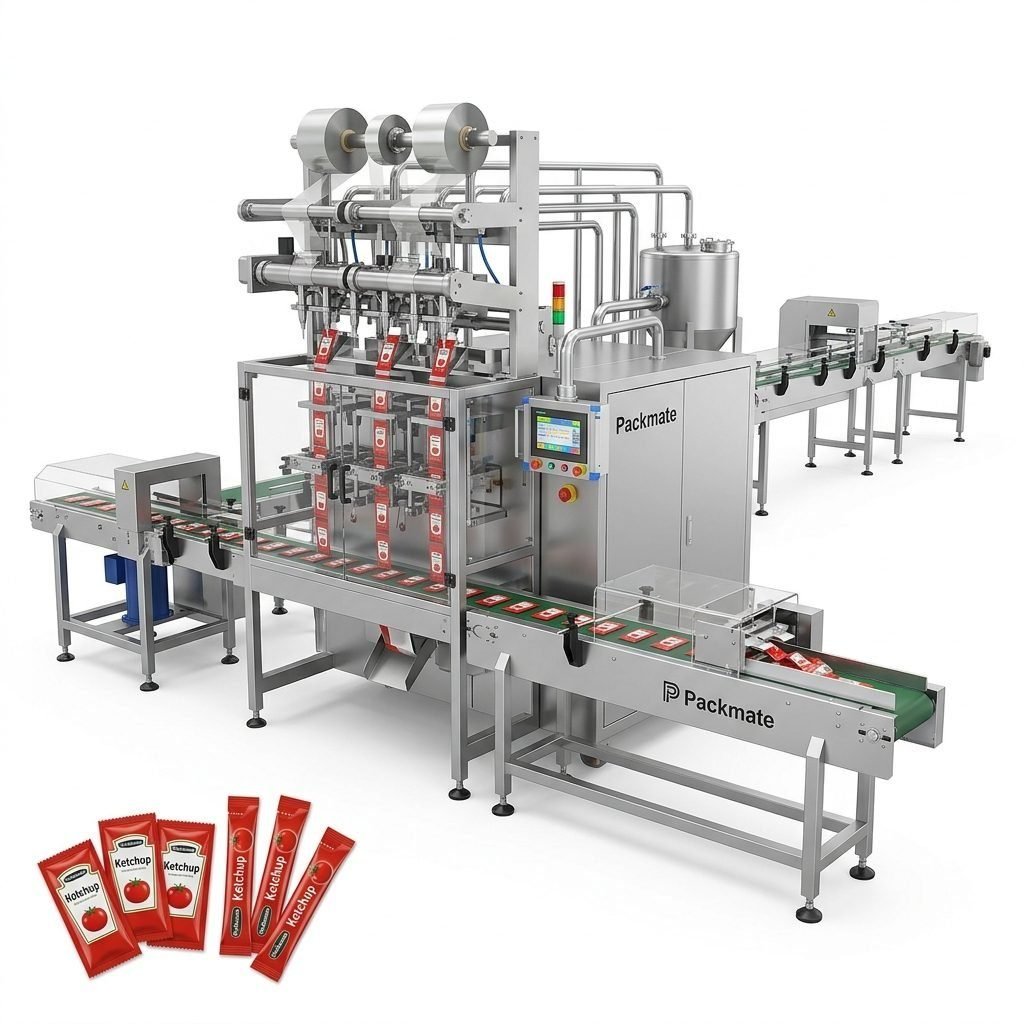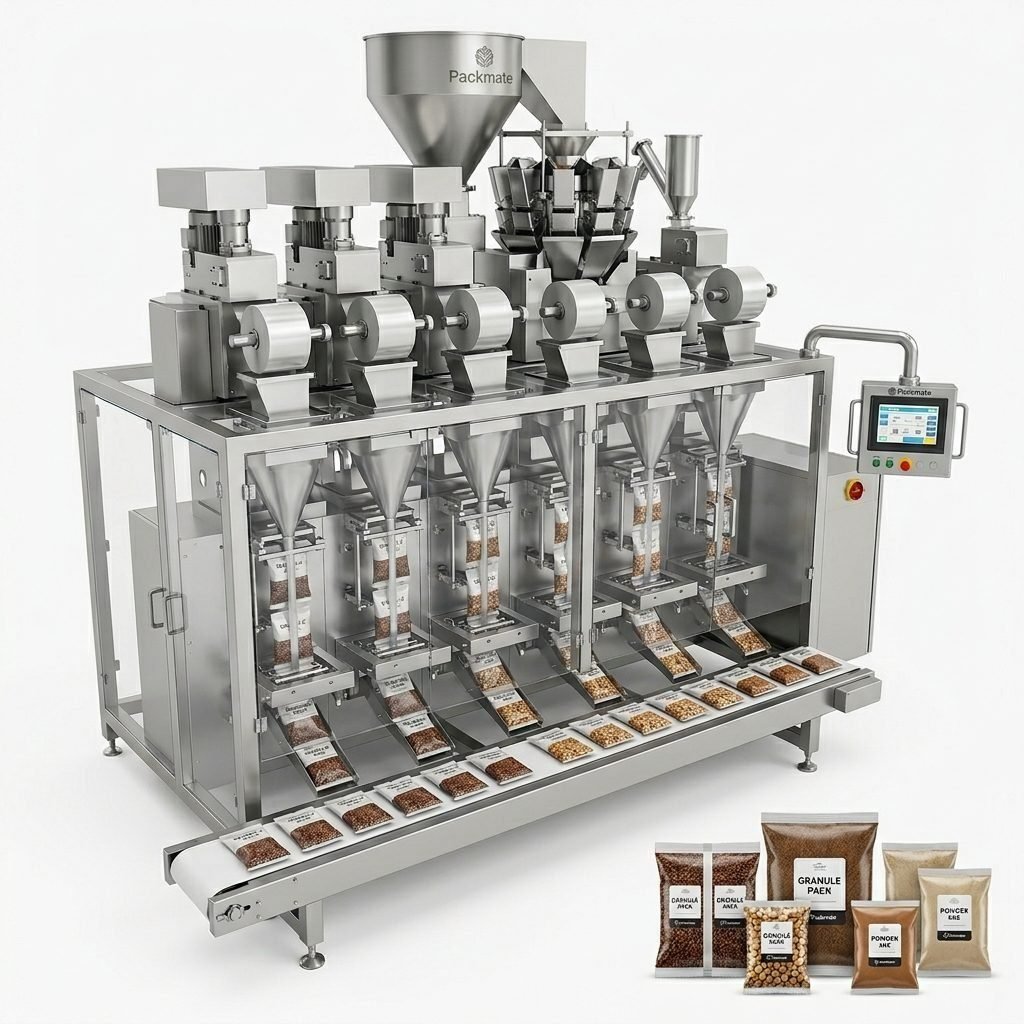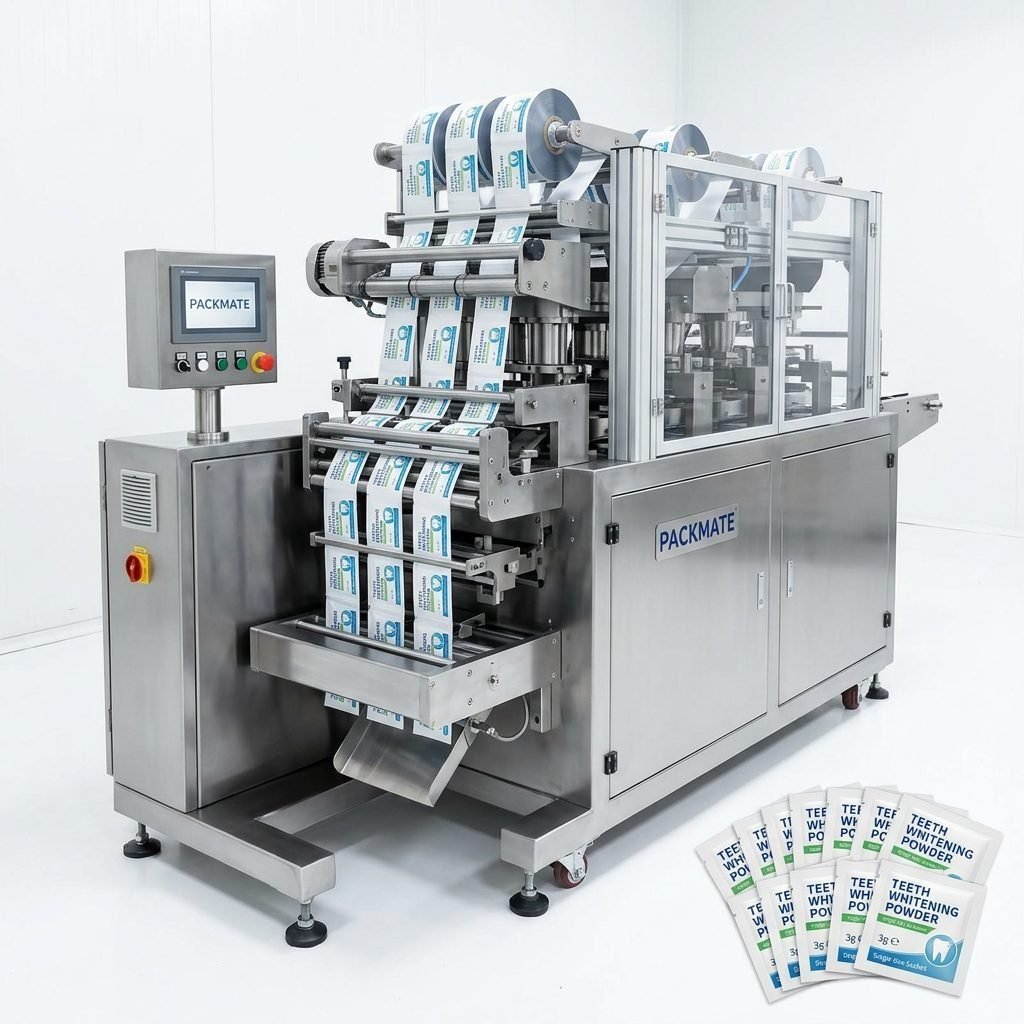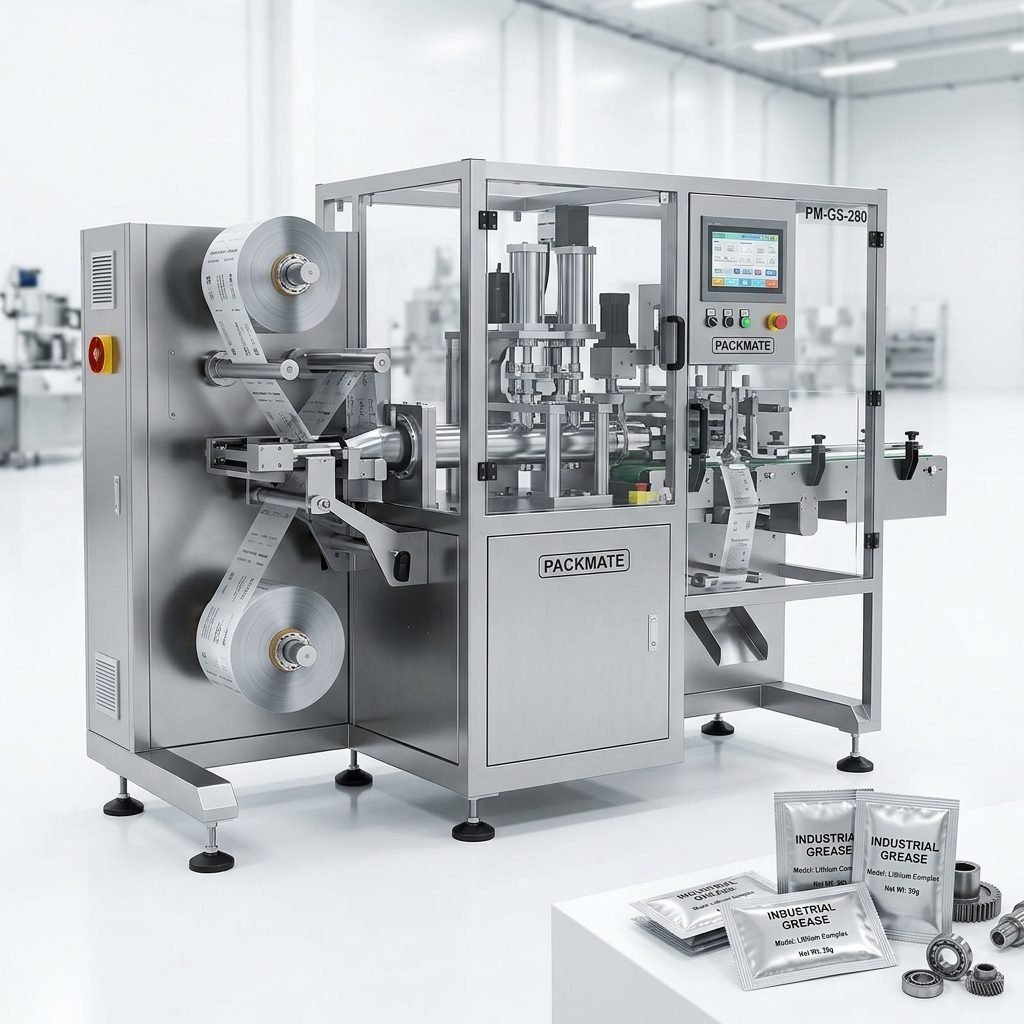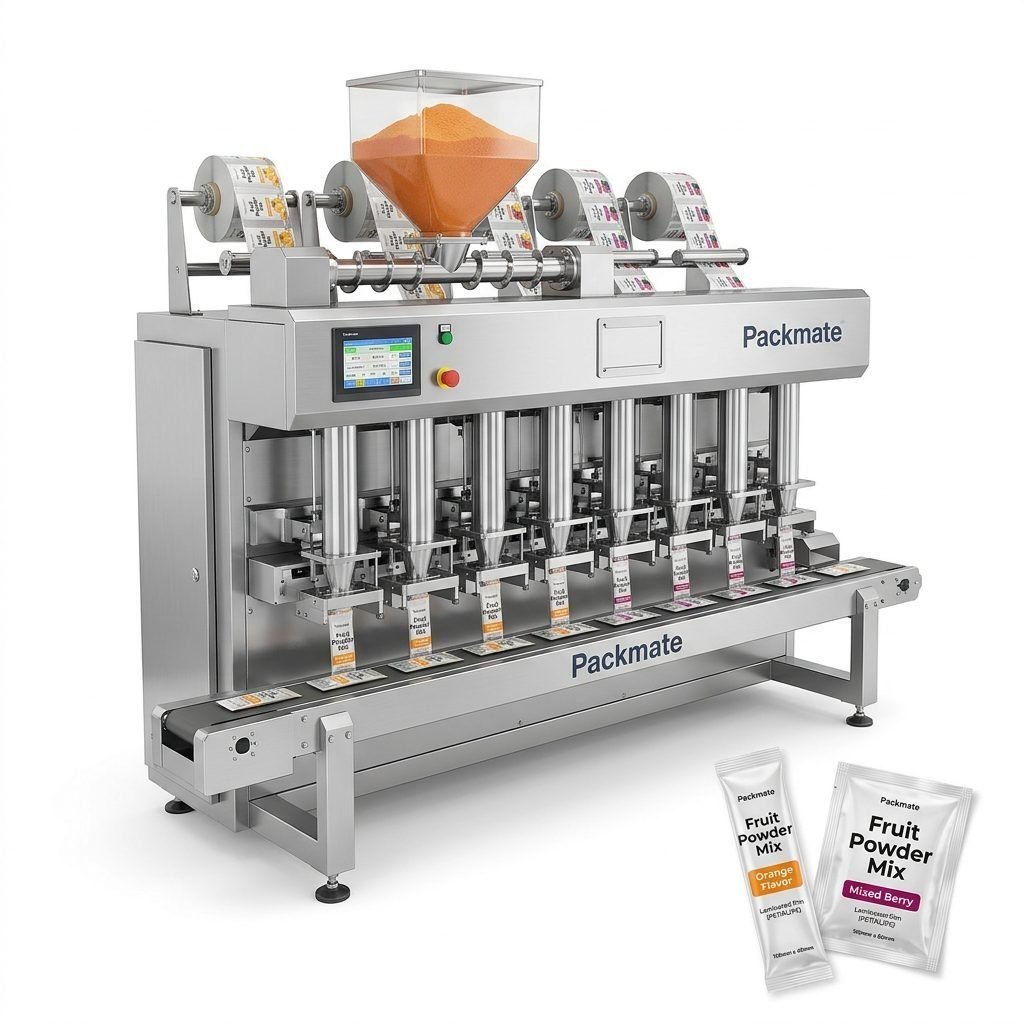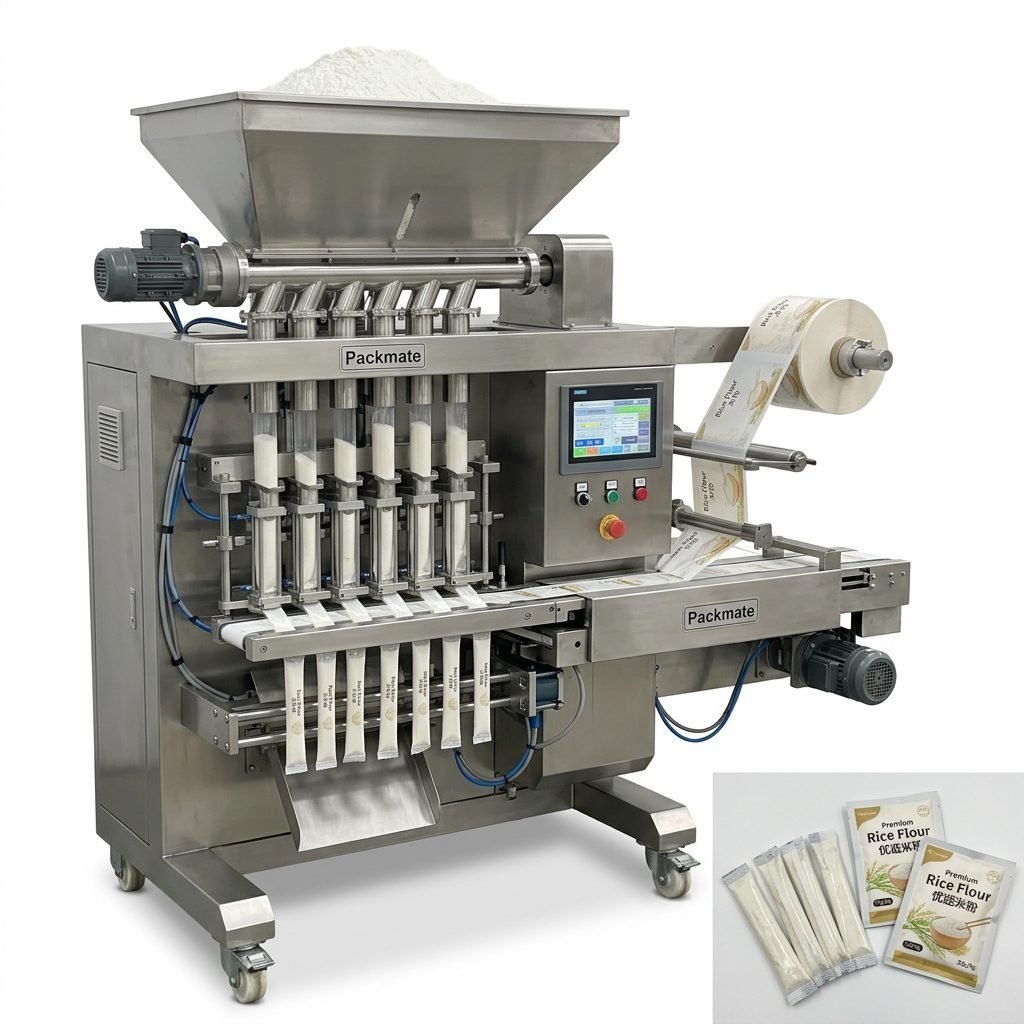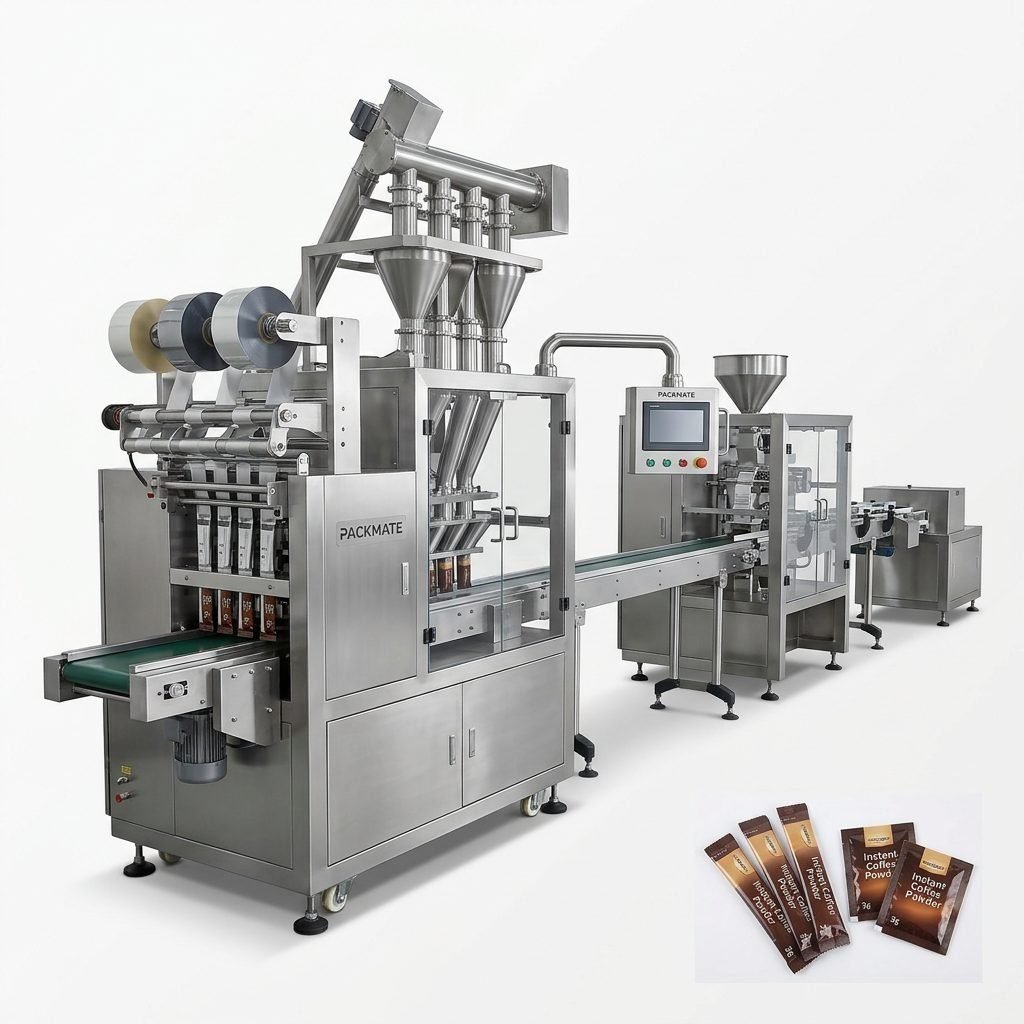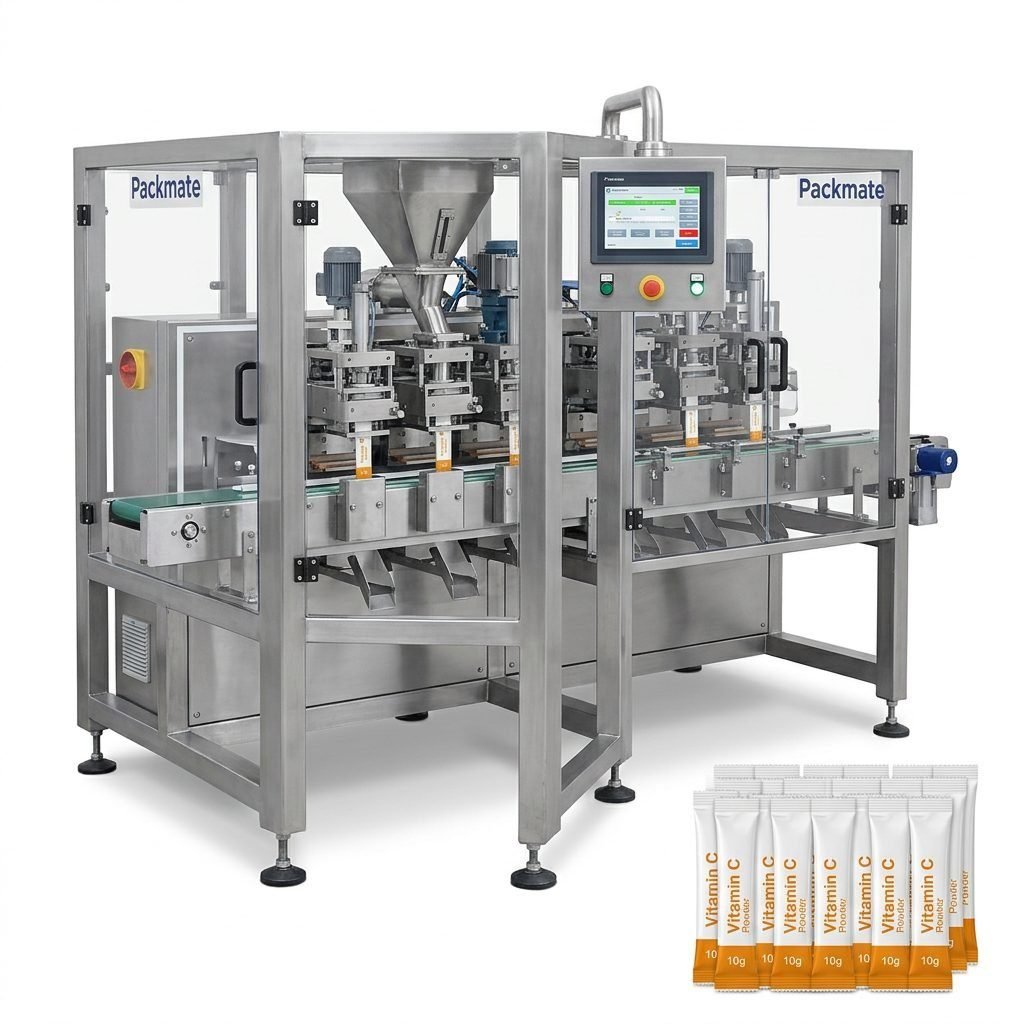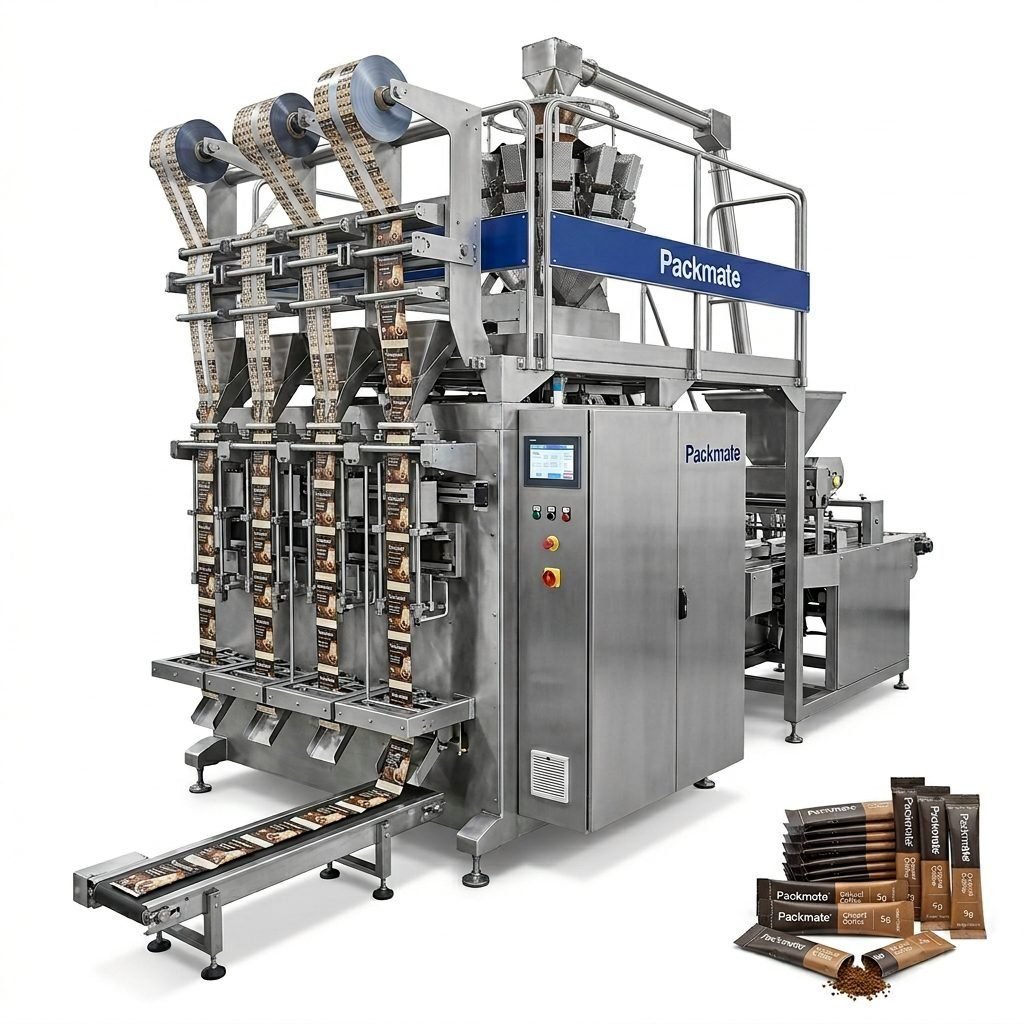
The four side seal packaging machine, also known as a four-edge seal pouch machine, is a versatile and widely used system for creating flat, pillow-style pouches with sealed edges on all four sides. This packaging format is particularly popular for single-serve portions of powders, granules, liquids, and pastes. The machine’s working principle is based on a continuous motion vertical form-fill-seal (VFFS) process, but with modifications to create a flat, four-side sealed pouch instead of a traditional back-sealed bag.
How a Four Side Seal Packaging Machine Works
The operation can be broken down into several key stages. First, a roll of packaging film (often laminated material for barrier properties) is fed into the machine. The film passes through a forming collar where it is shaped into a tube. Unlike standard VFFS machines, the film tube is then flattened and heat-sealed along both vertical sides simultaneously, creating two longitudinal seals. The product is precisely dosed into this formed tube via a filling system—which could be a volumetric cup, auger filler, or liquid pump depending on the product. Immediately after filling, the tube is pulled down, and the third seal (the bottom seal of the next pouch) is made, simultaneously creating the top seal of the filled pouch below it. This cross-sealing jaw then cuts the individual pouch free. The result is a neat, flat pouch sealed on all four edges, offering a modern look and efficient use of shelf space.
Primary Types of Four Side Seal Machines
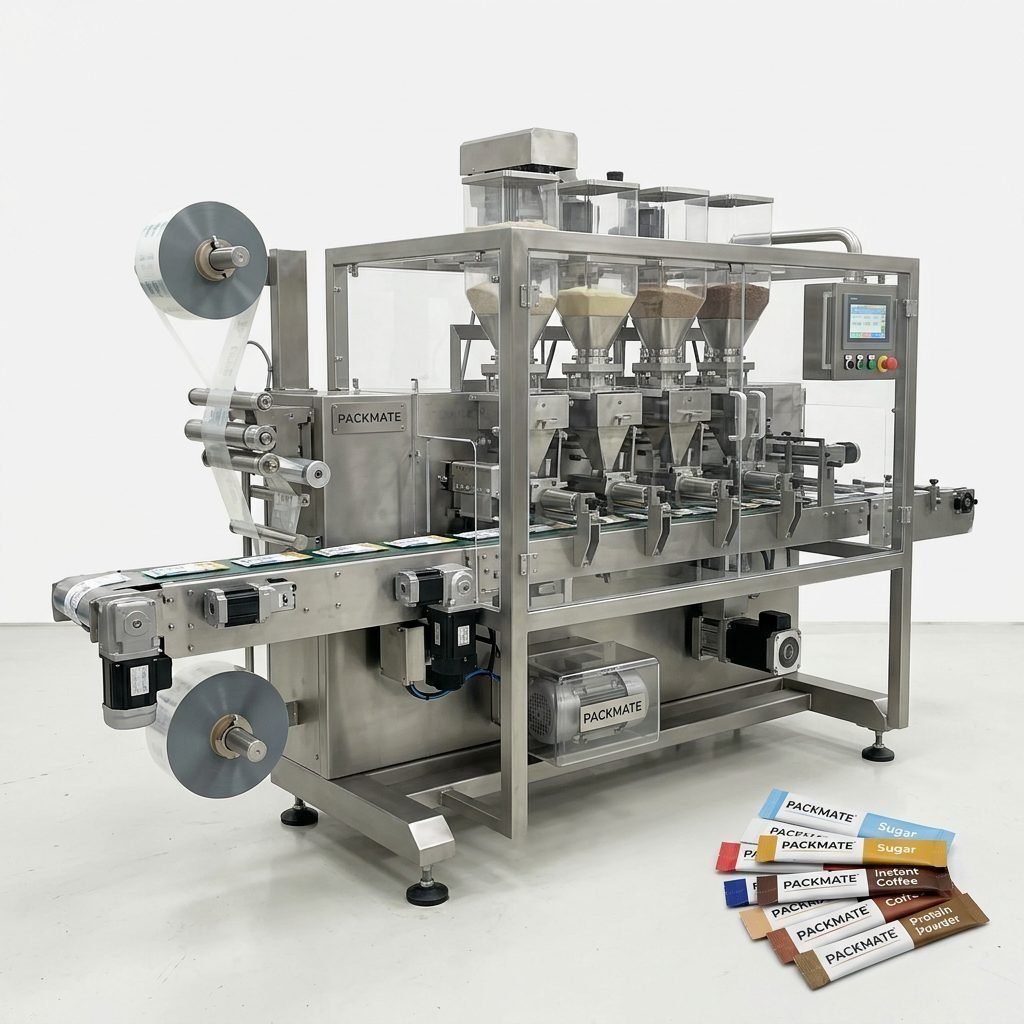
These machines are categorized mainly by their lane configuration and level of automation, which directly impacts output and application.
Single-Lane Machines
Ideal for low to medium production volumes, pilot projects, or products with specialized filling requirements. They are more compact and represent a lower initial investment. A reliable single-lane system can be a great starting point for many manufacturers, such as those in the specialty food or supplement sectors looking to enter the stick pack market.
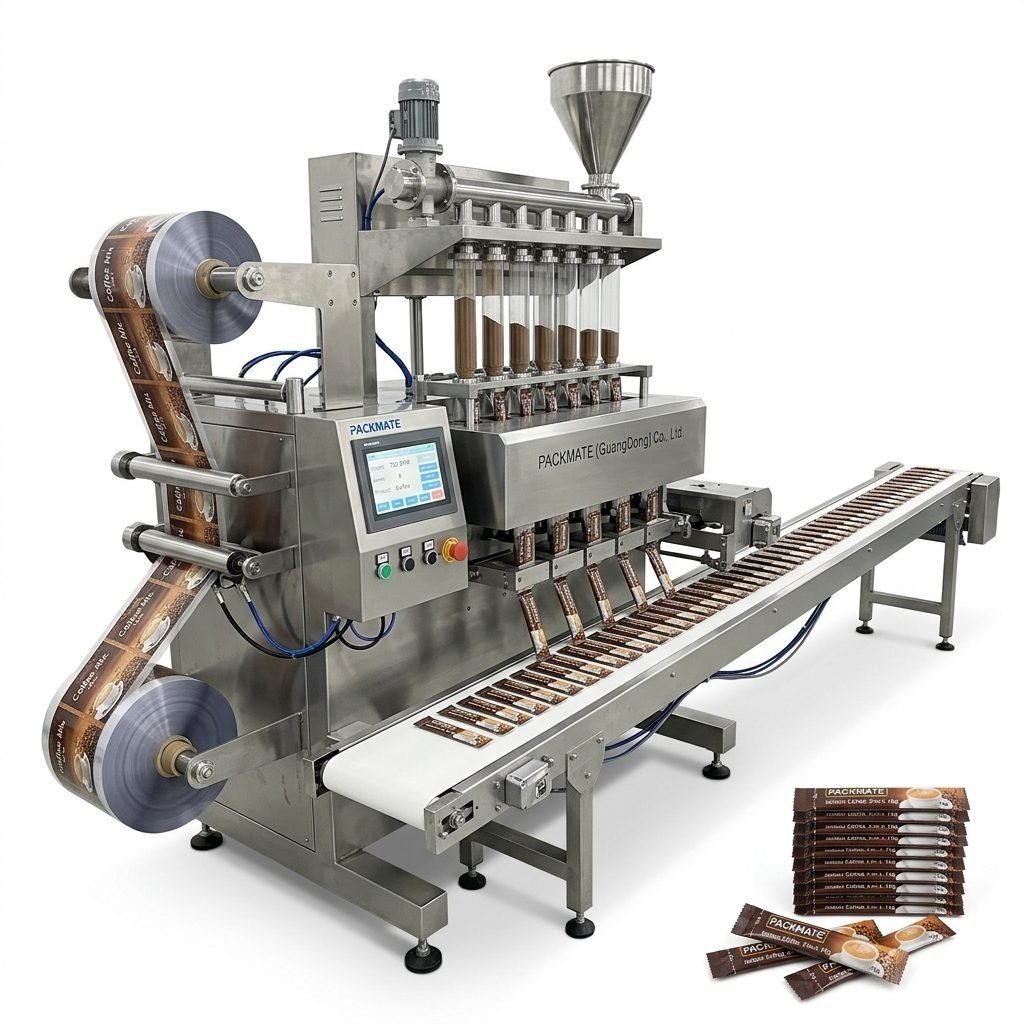
Multi-Lane Machines
This is the most common configuration for industrial production. Machines with 2, 4, 6, 8, or even more lanes operate in parallel from a single film roll, dramatically increasing output. For example, a Ludyway multi-lane system can produce hundreds of pouches per minute, making it essential for high-volume items like instant coffee, beverage powders, or sugar sachets.
Integrated Turnkey Lines
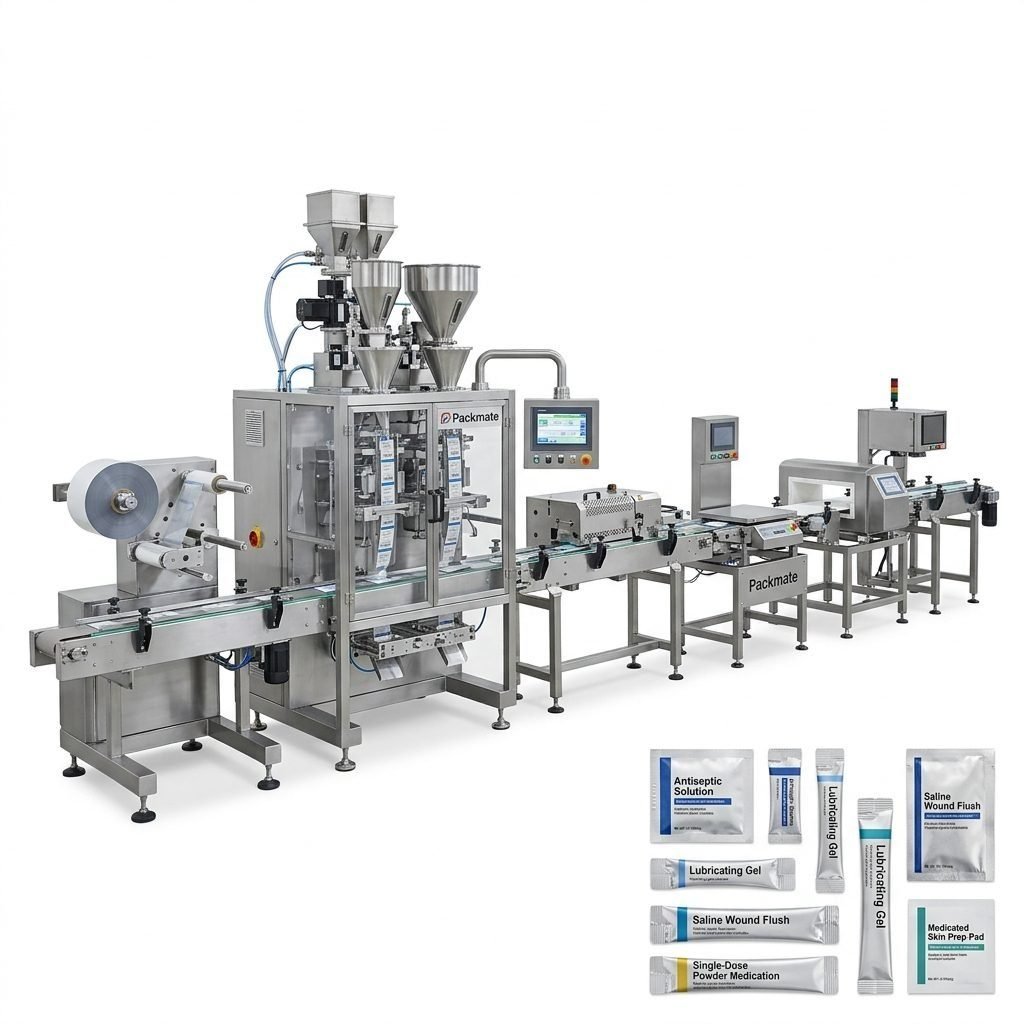
Beyond the standalone pouch machine, complete lines integrate upstream and downstream processes. This includes product feeders, precision weighers or liquid fillers, metal detectors, checkweighers, cartoners, and case packers. Companies like PacklineOEM specialize in such integrated solutions, providing a seamless production flow from bulk material to shippable retail cases.
Key Applications Across Industries
The four side seal format is ubiquitous due to its convenience, portion control, and product protection. Its applications span numerous sectors globally.
| Industry | Typical Products | Key Requirements |
|---|---|---|
| Food & Beverage | Instant coffee, tea, sugar, creamer, sauce mixes, spices, drink powders. | High speed, hygiene, good seal integrity, often multi-lane. |
| Pharmaceutical & Nutraceutical | Oral rehydration salts, powder supplements, probiotics, single-dose medications. | High precision dosing, GMP compliance, traceability, often sterile or cleanroom options. |
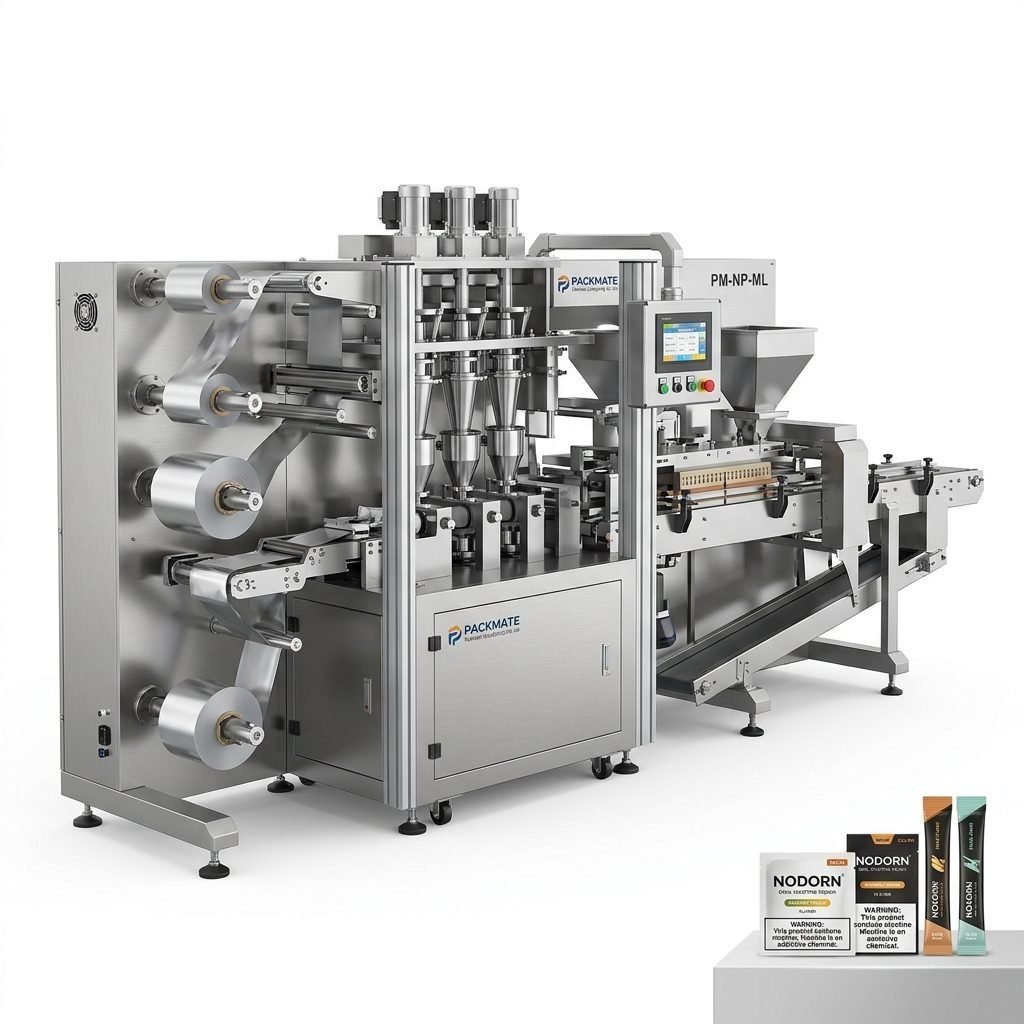
| Specialty Nicotine | Nicotine pouches, snus, tobacco-free products. | Extremely precise weight control, consistent pouch quality, high-speed multi-lane systems. Specialized manufacturers like SnusMachinery focus on this niche. |
| Industrial & Chemical | Detergent powders, lubricants, additives, water treatment chemicals. | Durable seals for aggressive products, dust control, corrosion-resistant parts. |
Regional Considerations for Machine Selection
When sourcing a four side seal machine, understanding regional market needs is crucial. In Europe and North America, buyers often prioritize automation, energy efficiency, compliance with strict safety regulations (e.g., CE, UL), and seamless integration with existing high-tech lines. Service support and spare parts availability are also paramount. In contrast, markets in Southeast Asia, Africa, and South America may place a higher emphasis on machine robustness, ease of maintenance, versatility to handle various local products, and overall cost-effectiveness. Manufacturers with strong export footprints, like Packmate Machinery, often tailor their machine features and support structures to meet these diverse regional demands.
Essential Buying Guide: Key Factors to Consider
Selecting the right four side seal packaging machine requires a careful evaluation of your specific needs against the machine’s capabilities.
1. Product Characteristics
This is the starting point. Is your product a free-flowing powder, a sticky paste, a granule, or a liquid? The product type determines the filling system (auger, volumetric, pump), the required sealing temperature and pressure, and whether anti-caking or degassing features are needed for powders.
2. Production Output (Speed)
Determine your required output in pouches per minute (PPM). A single-lane machine may produce 60-120 PPM, while a multi-lane system can reach 800+ PPM. Your volume needs will dictate the lane configuration. Remember to factor in future growth to avoid quickly outgrowing your machine’s capacity.
3. Packaging Materials
The machine must be compatible with your chosen film structure (e.g., PET/AL/PE, OPP/CPP). Consider the film width and thickness range the machine can handle. Discuss this with the supplier, as some machines are better suited for laminates containing aluminum foil, while others are optimized for all-plastic structures.
4. Level of Automation and Integration
Do you need a standalone machine or a complete line? For complex projects, partnering with a PackingMachineOEM that specializes in non-standard and customized solutions can be invaluable. Consider integration with upstream mixers and downstream cartoners, as well as the need for data tracking and reporting features (Industry 4.0).
5. Supplier Credentials and Support
Evaluate the manufacturer’s experience, especially with your product type. Review their after-sales service network, availability of training, spare parts lead time, and warranty terms. A supplier with over 30 years of experience, like those profiled, typically offers more reliable long-term support.
Conclusion and Common Questions (FAQs)
Investing in a four side seal packaging machine is a significant step toward modernizing production, improving efficiency, and meeting consumer demand for convenient, high-quality packaging. By thoroughly understanding the working principle, matching the machine type to your application, and carefully selecting a reputable supplier, you can ensure a successful implementation that delivers a strong return on investment.
Frequently Asked Questions
What is the main difference between a three-side seal and a four-side seal pouch?
A three-side seal pouch is made from pre-formed bags or gusseted film, with seals on two sides and the bottom. A four-side seal pouch is formed from a roll of flat film and sealed on all four edges during the machine process, typically resulting in a flatter, more compact package.
Can one machine handle both powders and liquids?
Many machines are modular and can be configured with different filling systems. However, switching between radically different product types (e.g., from fine powder to viscous liquid) often requires significant part changes and re-calibration. It’s best to choose a machine optimized for your primary product.
How important is the sealing temperature control?
Critical. Precise and consistent temperature control across all sealing jaws is essential for creating strong, leak-proof seals, especially when using laminated films with different melting points. Poor temperature control leads to weak seals or burned film.
What kind of maintenance do these machines require?
Regular daily cleaning is essential. Periodic maintenance includes lubricating moving parts, checking and replacing sealing jaws or bands, inspecting electrical components, and calibrating the filling system. A good supplier will provide a detailed maintenance schedule.
Are custom pouch shapes and sizes possible?
Yes, within the mechanical limits of the machine. Custom forming collars and sealing jaw designs can create unique pouch shapes. The maximum and minimum pouch dimensions (length and width) are defined by the machine’s specifications. Customization is a key strength of OEM-focused suppliers.