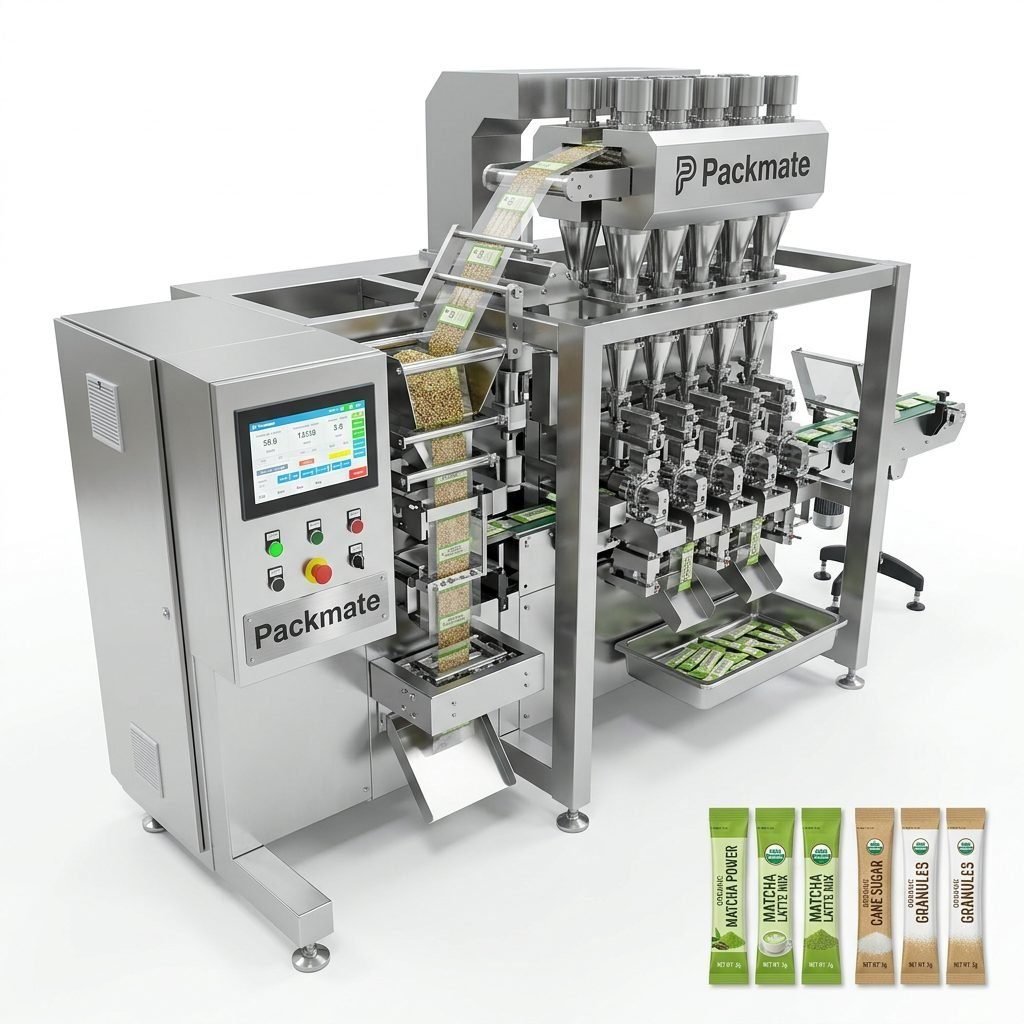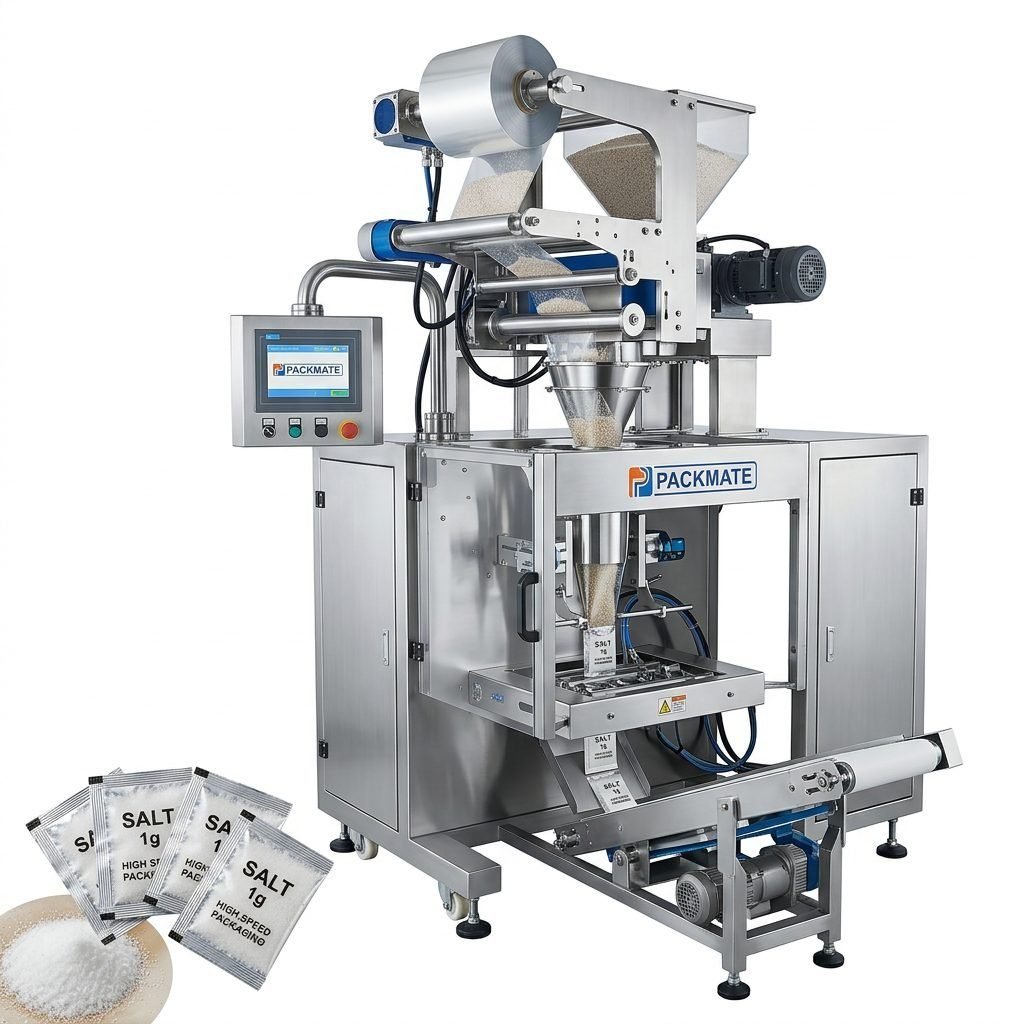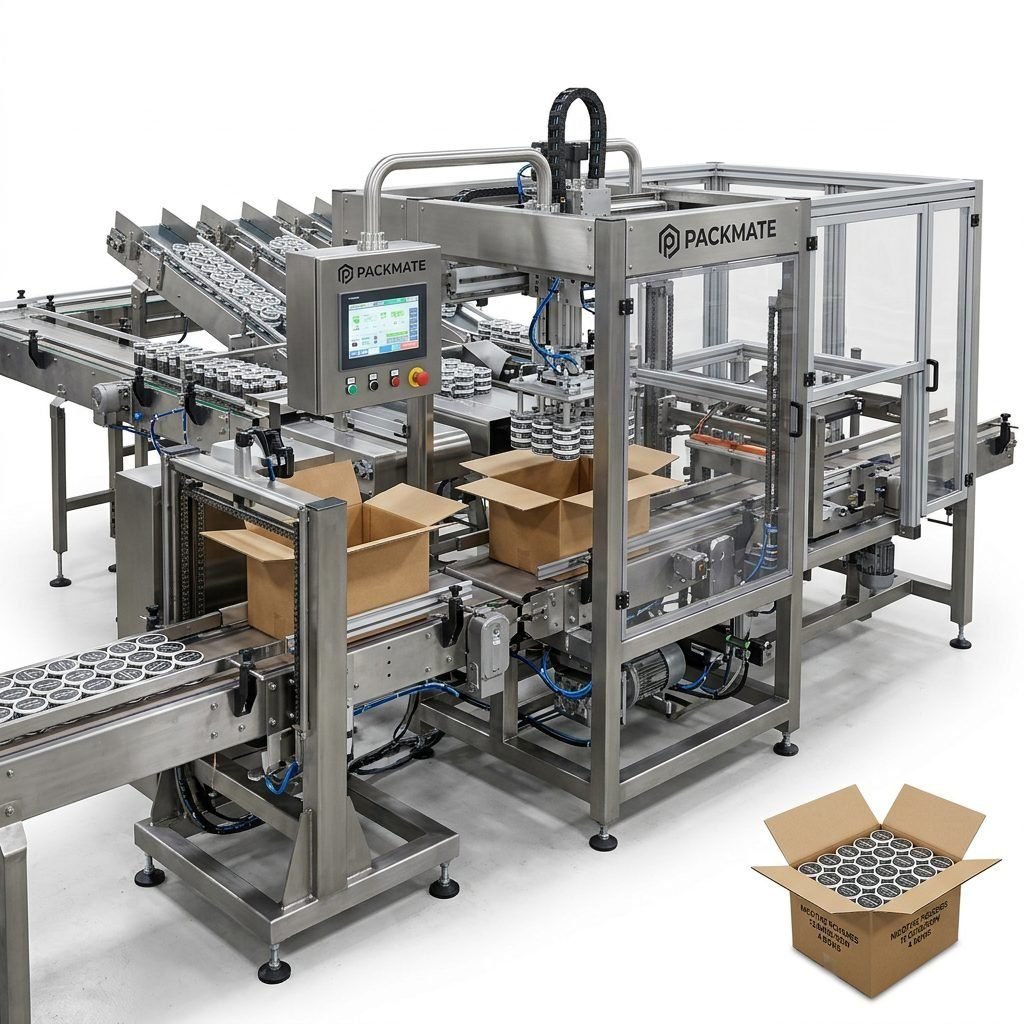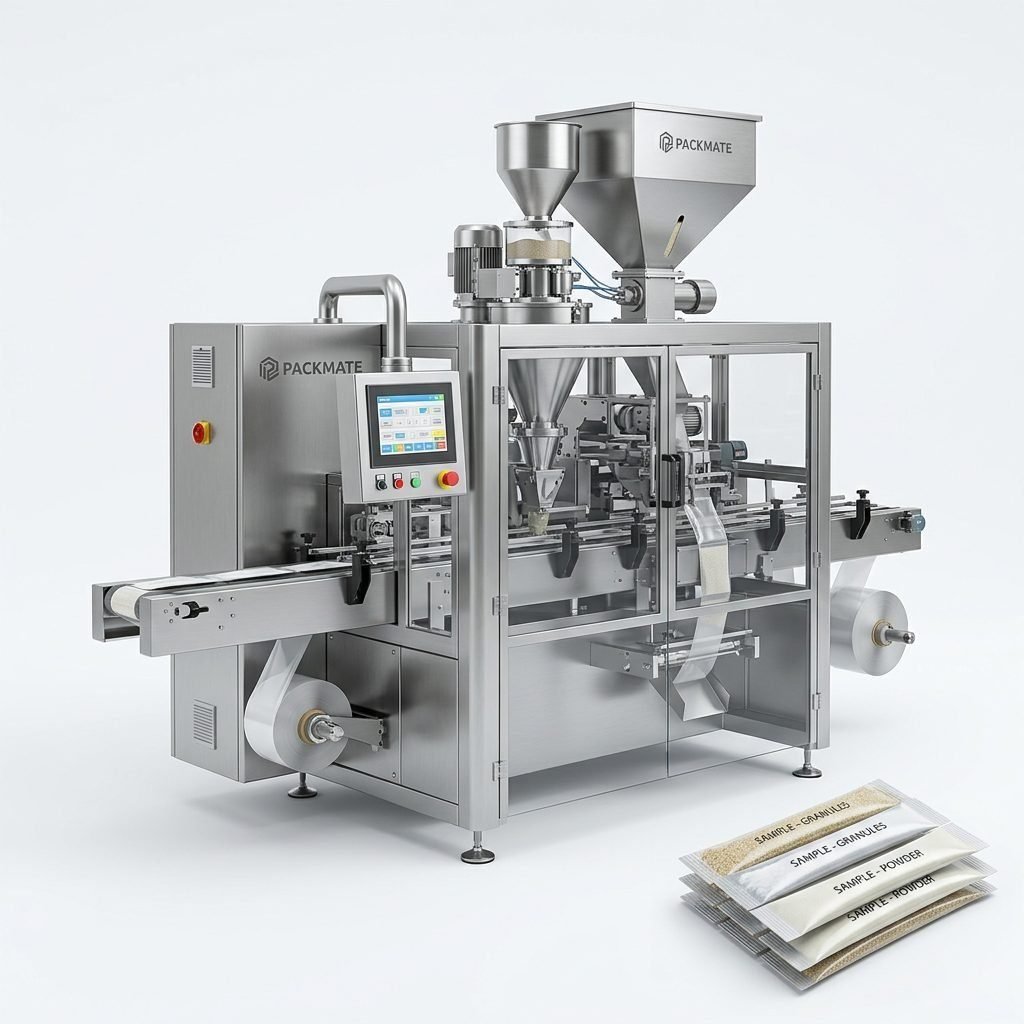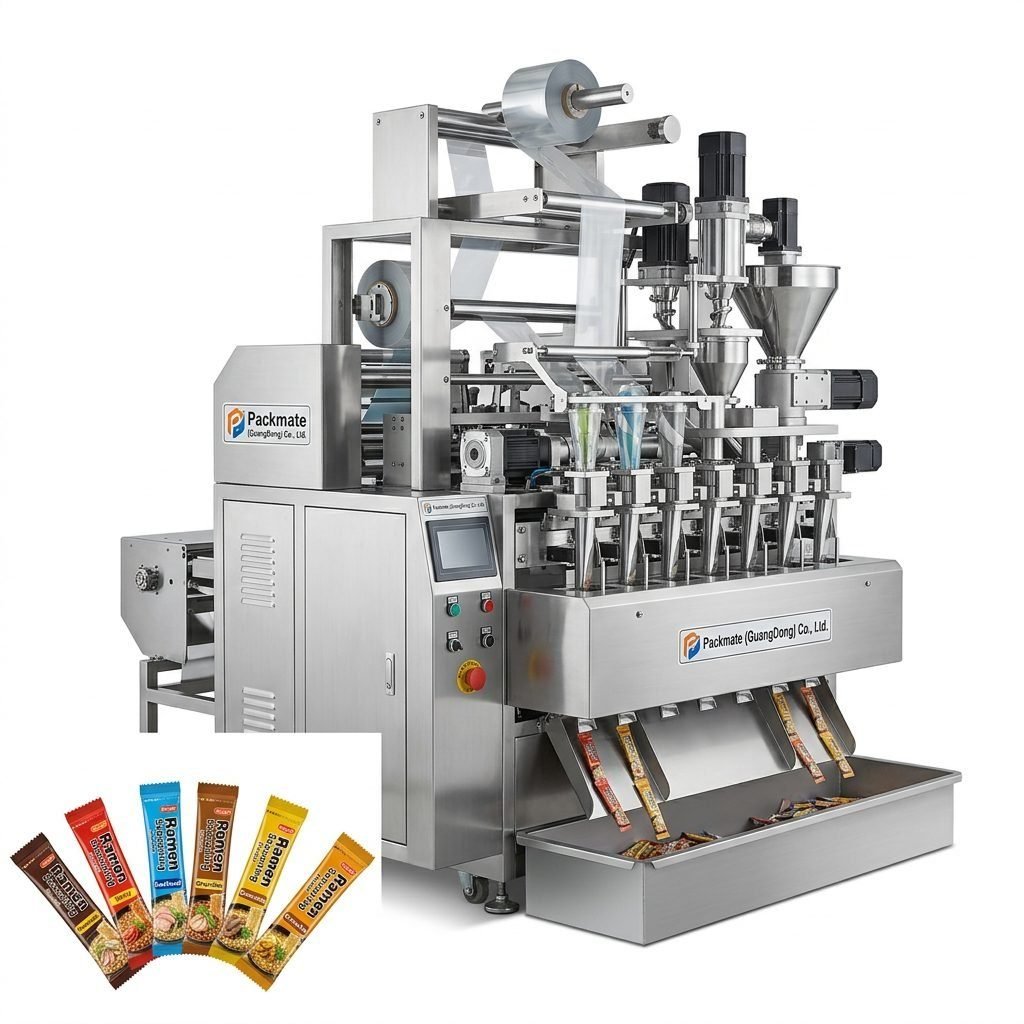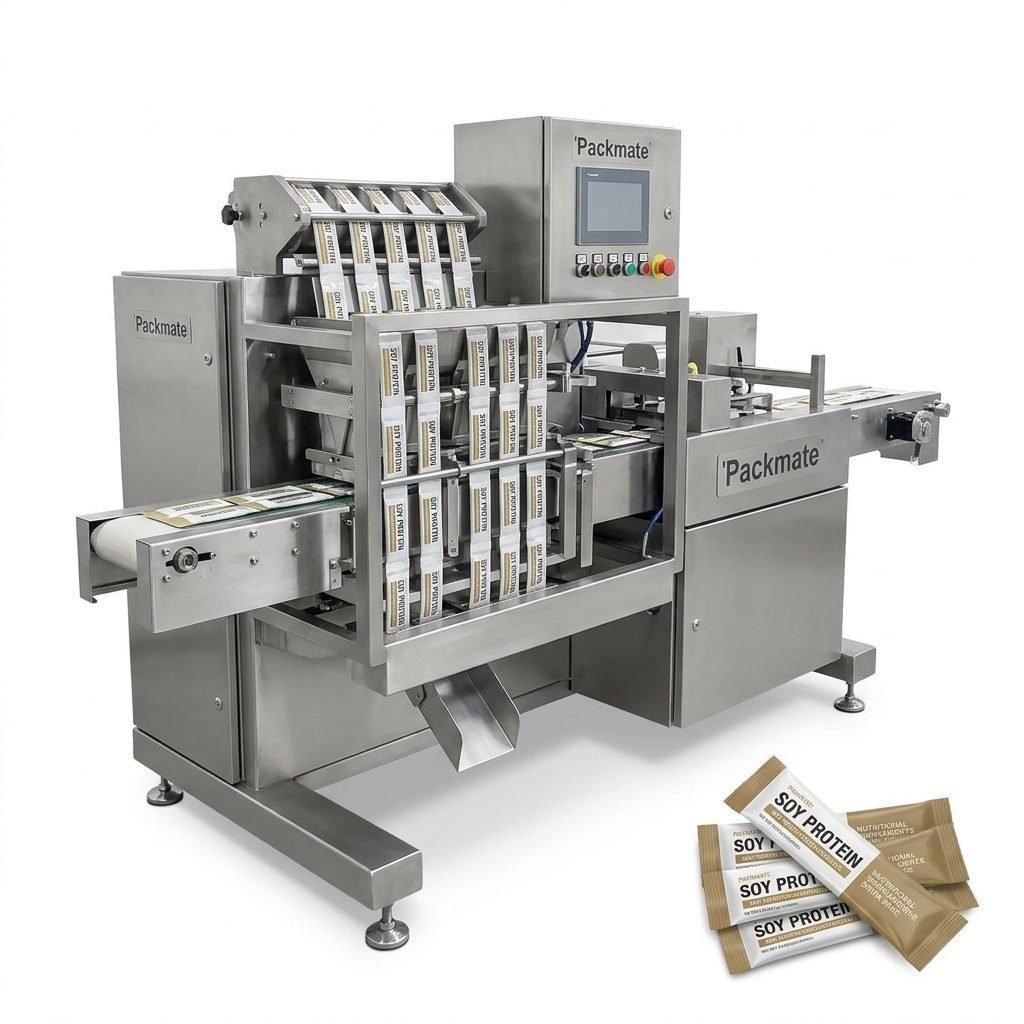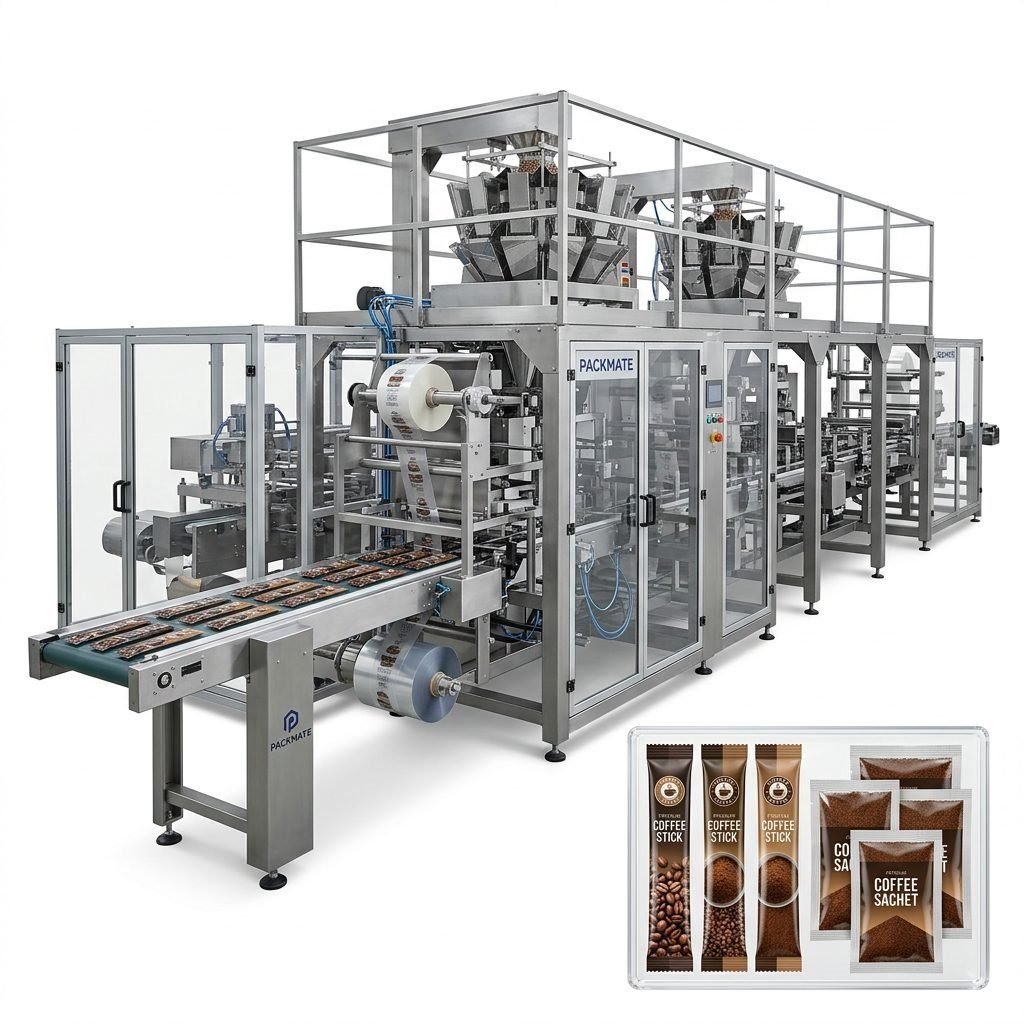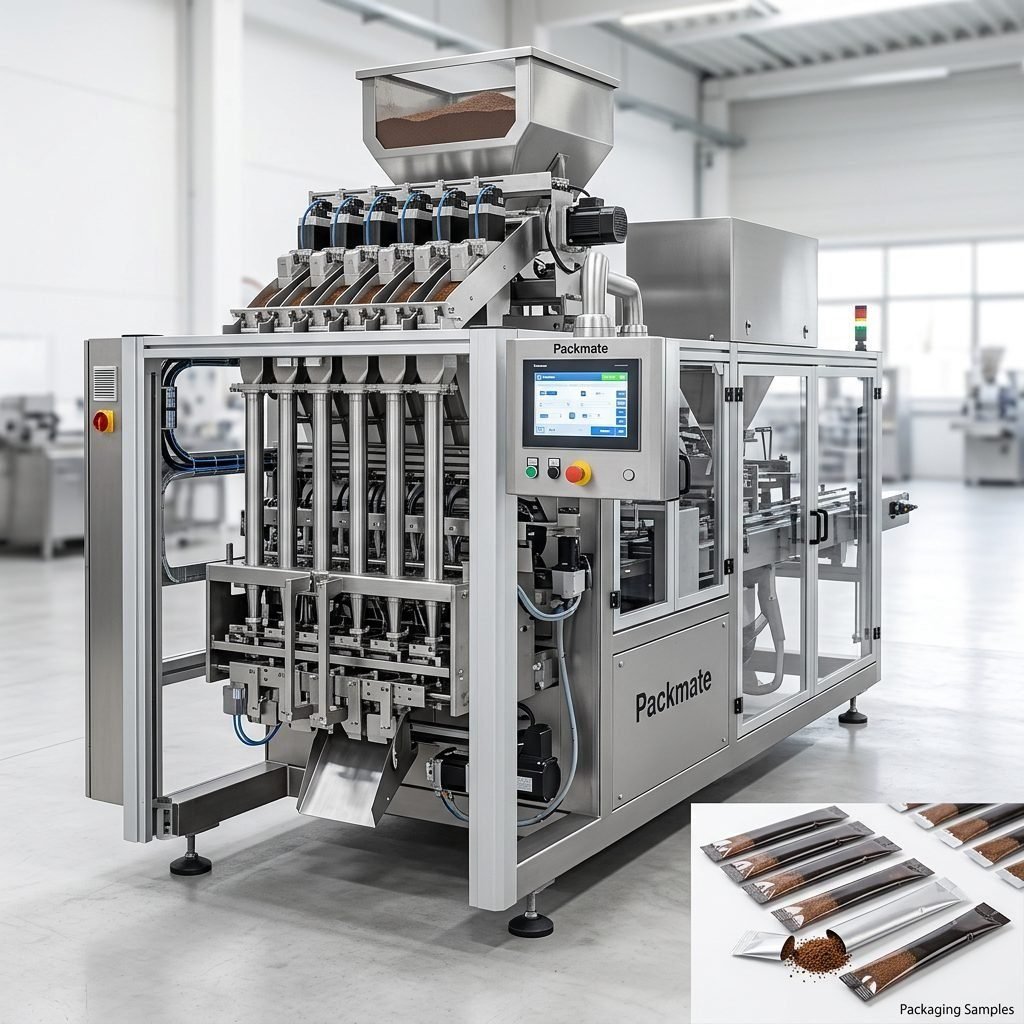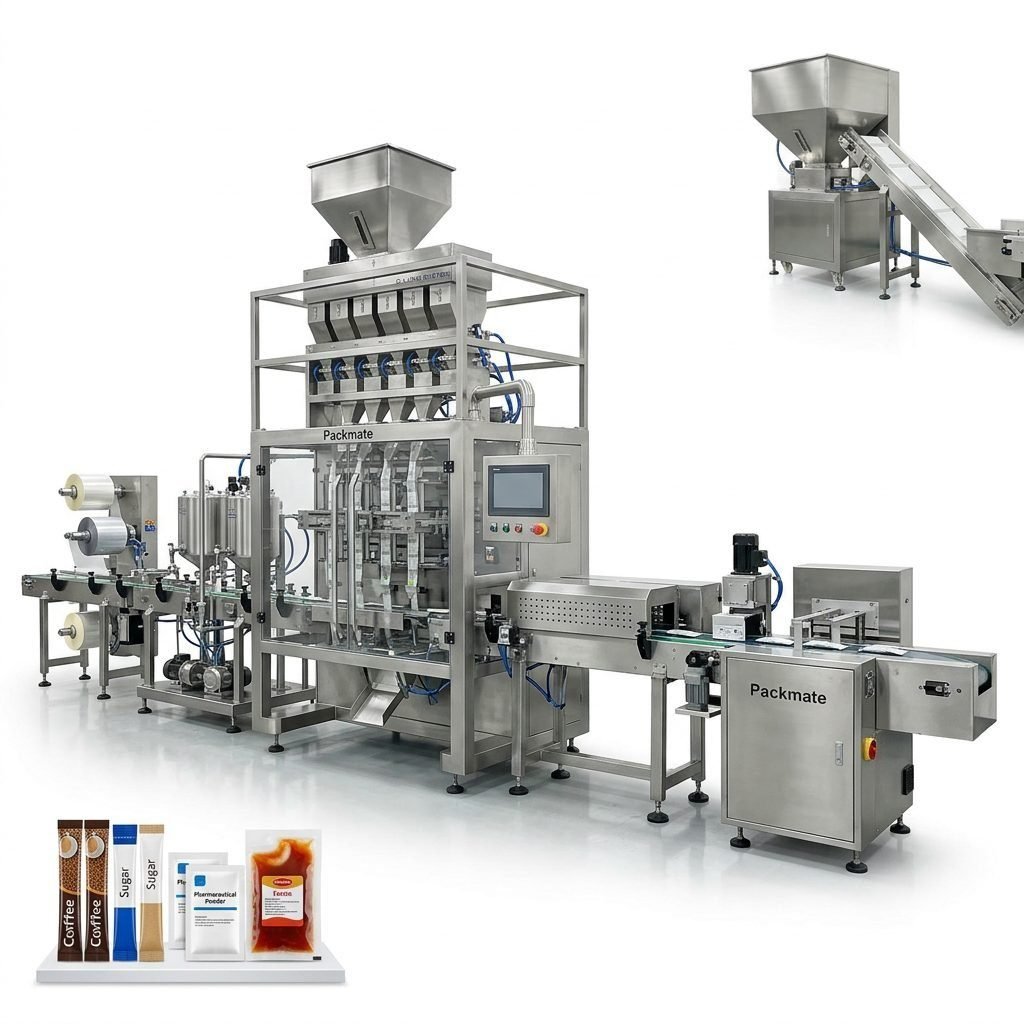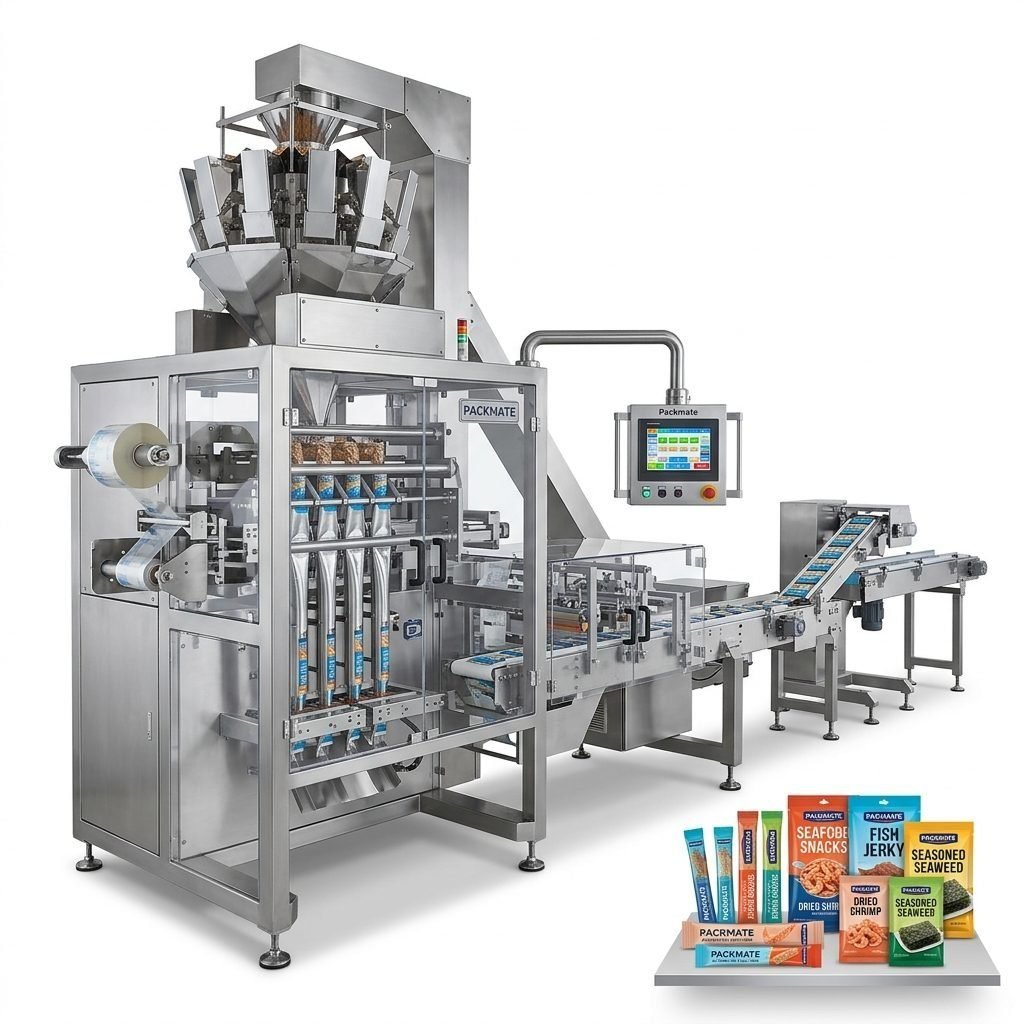
Selecting the right protein powder packing machine is a critical investment for any manufacturer, brand, or contract packager. The ideal machine directly impacts your production efficiency, packaging accuracy, product integrity, and ultimately, your bottom line. With a vast array of options available from various global suppliers, making an informed choice requires careful consideration of several technical, operational, and commercial factors. This guide will walk you through the key aspects to consider to ensure you choose a machine that delivers both efficient and accurate packaging.
1. Understanding Your Primary Requirements
Before evaluating specific machine models, clearly define your project’s core needs. This foundational step will narrow your search and focus your discussions with manufacturers.
Key questions to ask yourself:
- Product Characteristics: What is the exact nature of your protein powder? Is it a fine, cohesive powder, a coarse blend, or does it contain added ingredients like creatine granules or chocolate chips that may be abrasive or free-flowing? Different flow properties require different filling technologies.
- Packaging Format: Are you packing into stick packs, sachets, pouches, canisters, or jars? The format dictates the type of machine required—vertical form-fill-seal (VFFS) for pouches, stick pack machines for single-serve portions, or pre-made bag/pouch fillers.
- Production Speed (Output): What is your required output in packs per minute (PPM) or bags per hour? Be realistic about your current and projected 3-5 year needs.
- Accuracy and Weight Range: What is your target fill weight (e.g., 25g, 1kg, 5lb) and the acceptable tolerance (±0.5g, ±1%)? High-value products demand higher precision.
- Level of Automation: Do you need a basic semi-automatic machine, a fully automatic standalone unit, or a complete integrated line with automated product feeding, checkweighing, metal detection, and cartoning?
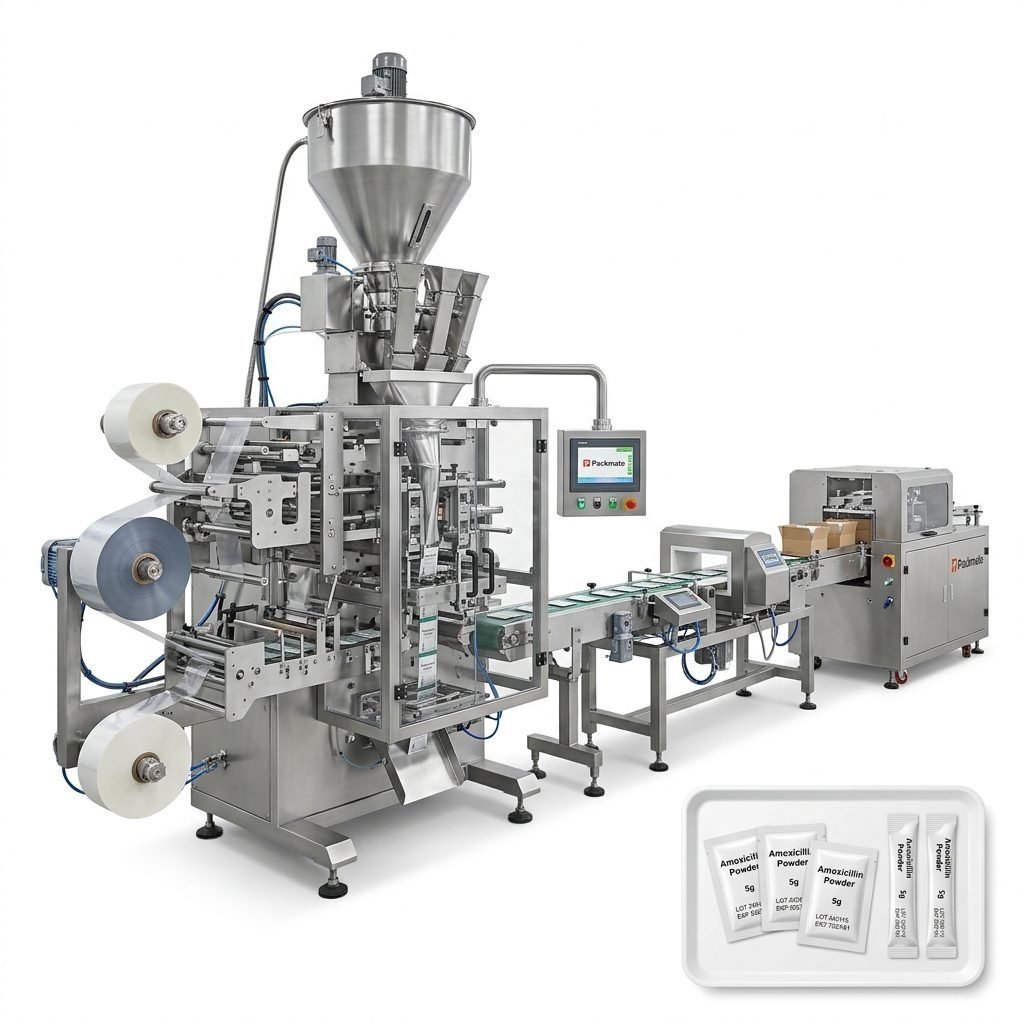
1.1. The Importance of Product Characteristics
Protein powders can be challenging. Fine powders like whey isolate are prone to dusting and bridging, while blends with additives can be abrasive or vary in density. Discuss your product’s angle of repose, bulk density, and potential for segregation with the machine supplier. They can recommend appropriate hopper designs, agitators, auger types (single, twin), or even volumetric cup fillers to ensure consistent, clog-free flow and accurate dosing.
2. Core Machine Technologies for Protein Powder Packaging
The filling technology is the heart of your packing machine, directly responsible for accuracy and speed.
| Filling Technology | Best For | Accuracy | Speed |
|---|---|---|---|
| Auger Filler | Fine to granular powders, most common for protein. Highly versatile. | High (±0.5-1%) with servo-driven augers and feedback systems. | Medium to High. Multi-lane configurations can achieve very high outputs. |
| Net Weigh Filler | High-value products, large bags, where precision is paramount. | Very High (±0.1-0.2%). Uses scales for each fill. | Slower than auger, but multi-head systems improve speed. |
| Volumetric Cup Filler | Free-flowing, non-aerating powders at lower to medium accuracy requirements. | Medium (±1-2%). Dependent on consistent product density. | Very High. Excellent for high-speed single-serve sachets. |
For most protein powder applications, a servo-driven auger filler with a stainless steel contact parts and a de-aeration system offers the best balance of speed, accuracy, and cleanliness. Leading manufacturers like Ludyway offer advanced auger systems with touch-screen controls for recipe management, making changeovers between different protein blends faster and more repeatable.
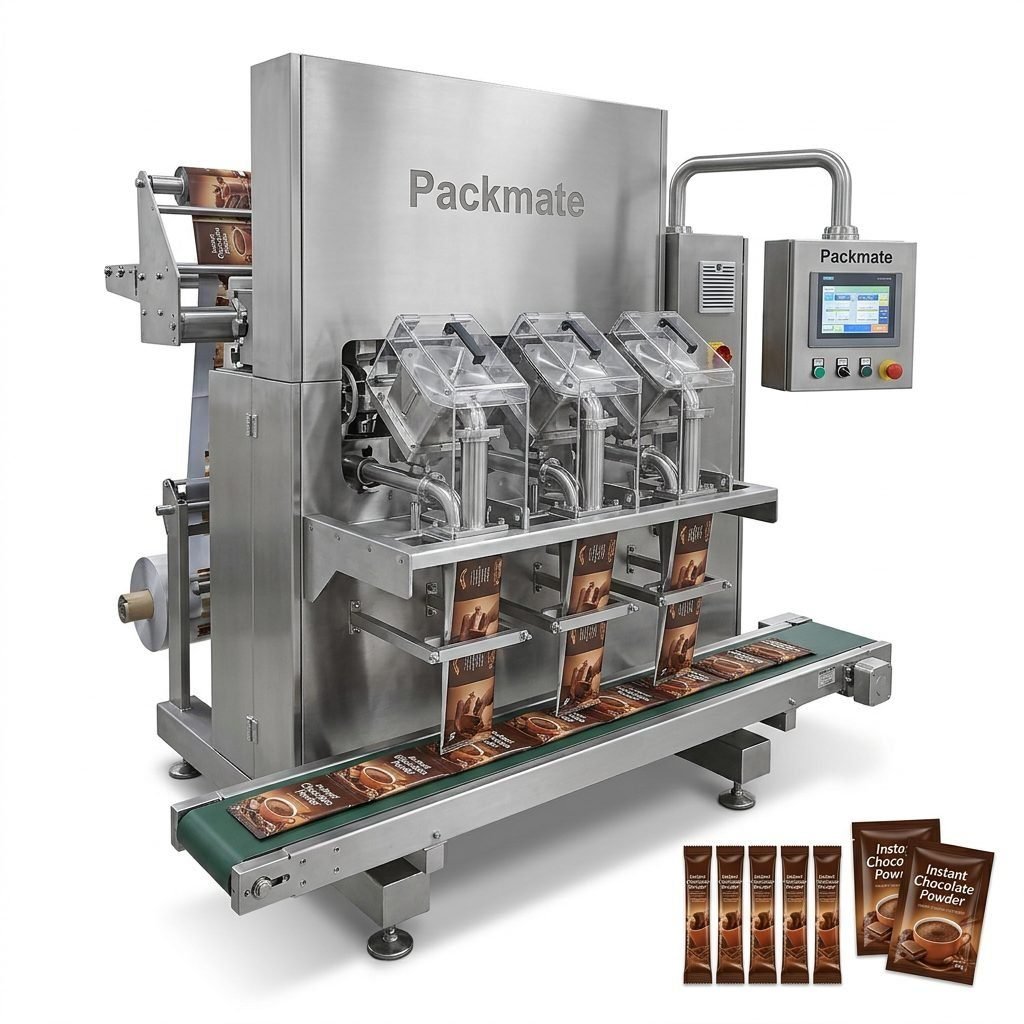
3. Evaluating Machine Construction and Hygiene
Protein powder is a food-grade, often sensitive product. The machine’s build quality directly affects product safety, maintenance frequency, and longevity.
Hygiene and Build Checklist:
- Material Contact Parts: Must be 304 or 316 food-grade stainless steel. This prevents corrosion and allows for easy cleaning and sanitization.
- Frame and Covers: Powder-coated or stainless steel frames are preferred for durability and ease of cleaning.
- Sealing System: For pouches and stick packs, ensure the heat sealing jaws provide consistent, strong seals even with potential powder contamination. Look for easy-clean designs.
- Dust Extraction Ports: Integrated dust collection points are essential to maintain a clean working environment and prevent cross-contamination.
- Modular Design: Machines that allow easy disassembly of key parts (augers, funnels, hoppers) facilitate faster cleaning and changeover.
3.1. The Role of a Reliable Supplier
Your machine is a long-term asset. Partnering with a reputable manufacturer ensures you get quality construction and ongoing support. Companies with decades of experience, such as Packmate Machinery, have refined their designs based on real-world feedback from the food and supplement industries, ensuring robustness and reliability.
4. Automation and Integration Capabilities
Efficiency isn’t just about raw speed; it’s about minimizing downtime, labor, and errors. Consider the level of automation that fits your operation.
Standalone vs. Integrated Lines: A standalone VFFS machine is a great start. However, for maximum efficiency, consider integrating it with upstream and downstream equipment. This could include:
- Automated Product Feeders (screw conveyors, vibratory feeders) to supply powder.
- Checkweighers to automatically reject under/overweight packs, ensuring 100% weight compliance.
- Metal Detectors or X-ray Inspectors for critical food safety.
- Automatic Cartoners or Case Packers to complete the secondary packaging.
Suppliers like PacklineOEM specialize in designing and building complete turnkey packaging lines. This integrated approach guarantees component compatibility, optimized workflow, and a single point of responsibility for service and support.
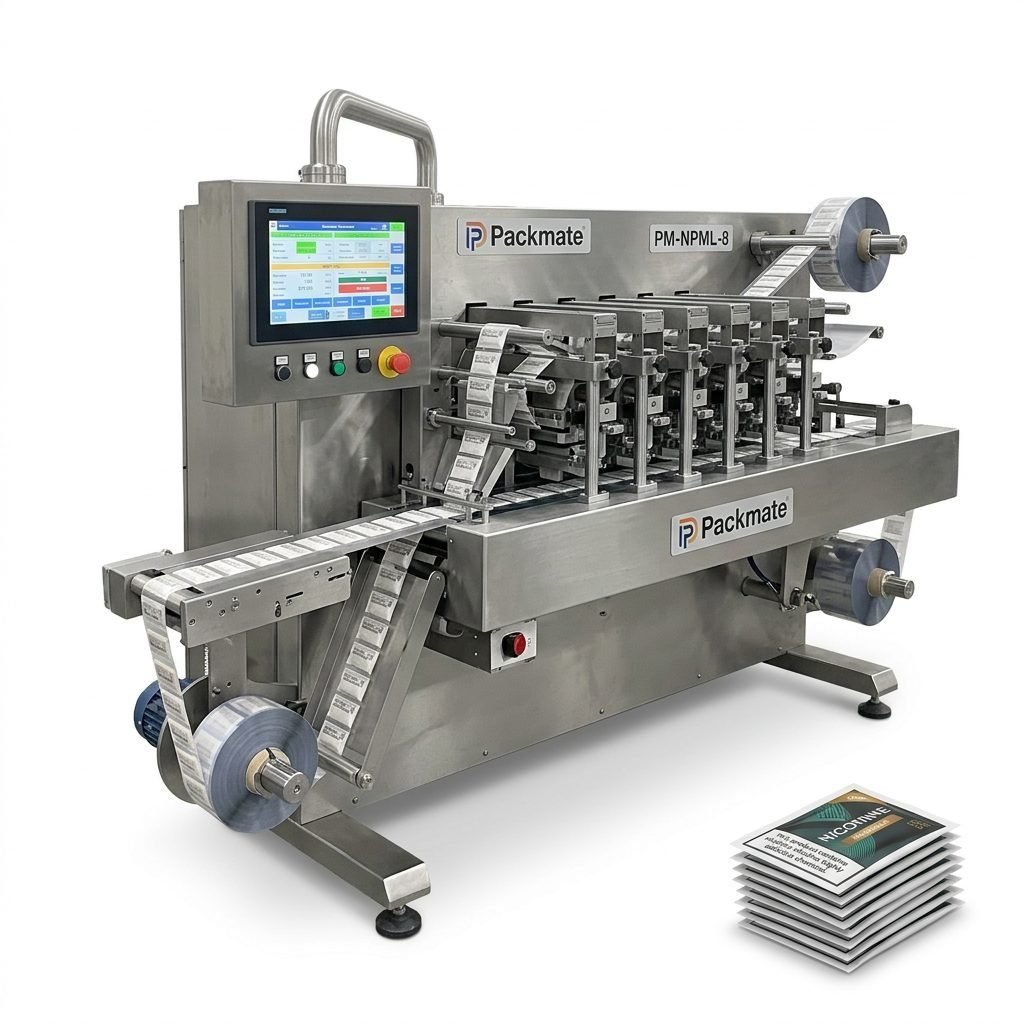
5. Flexibility and Changeover Time
The supplement market demands variety. You may need to run different flavors, pack sizes (e.g., single-serve stick packs and 2lb pouches), or even different packaging films. A machine with quick-change features is invaluable.
Look for machines with:
- Tool-less changeover for forming tubes, sealing jaws, and cutting mechanisms.
- Servo-driven film pull systems and digital size adjustment on the HMI.
- Recipe memory to store settings for each product/pack size, allowing changeovers in minutes instead of hours.
6. Control System and User Interface
The machine’s brain is its Programmable Logic Controller (PLC) and Human-Machine Interface (HMI). A modern, intuitive touchscreen HMI is essential for operators to monitor production, adjust parameters, track output, and diagnose faults. Look for features like multi-language support, production reports, maintenance alerts, and password-protected access levels for managers and technicians.
7. After-Sales Support and Service
This is perhaps the most critical non-technical factor. A machine is only as good as the support behind it.
Questions to Ask Potential Suppliers:
- What is the warranty period and what does it cover?
- Do you provide installation supervision and operator training (on-site or at your factory)?
- What is the lead time for spare parts? Do you maintain a local parts inventory in my region?
- Do you offer remote diagnostic support via internet connection?
- Can you provide references from other customers in my country/region with similar applications?
Established exporters with a global footprint, such as PackingMachineOEM, often have more developed international support networks, which is crucial for minimizing downtime if a critical part fails.
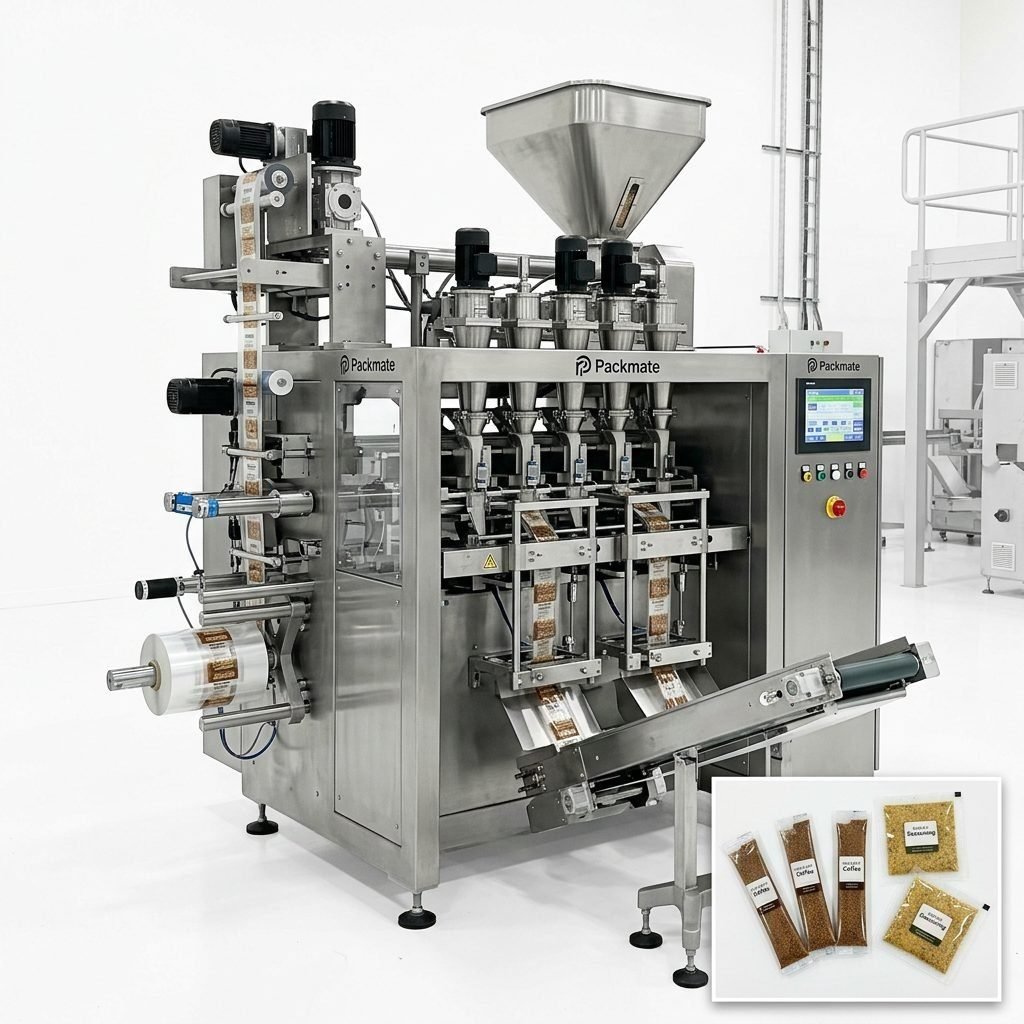
8. Considering Specialized Needs: The Niche Example
If your product is a specialized pouch format, like nicotine or non-tobacco oral pouches, working with a manufacturer that has specific expertise can be beneficial. Companies like SnusMachinery focus on the unique challenges of this sector, such as precise dosing of fine, moist powders and creating consistent, sturdy pouches. Their machines are engineered from the ground up for this specific application, potentially offering better performance than a generic machine adapted for the task.
Summary: A Decision-Making Framework
Choosing the best protein powder packing machine is a strategic process. Start by meticulously defining your product, packaging, and output needs. Prioritize a filling technology (likely auger) that matches your accuracy requirements. Insist on hygienic, durable construction from a reputable manufacturer. Evaluate the machine’s automation and flexibility features against your growth plans. Finally, place a heavy emphasis on the supplier’s reputation, experience, and the strength of their after-sales support network. By following this framework, you can invest in a system that delivers reliable, accurate, and efficient packaging for years to come.
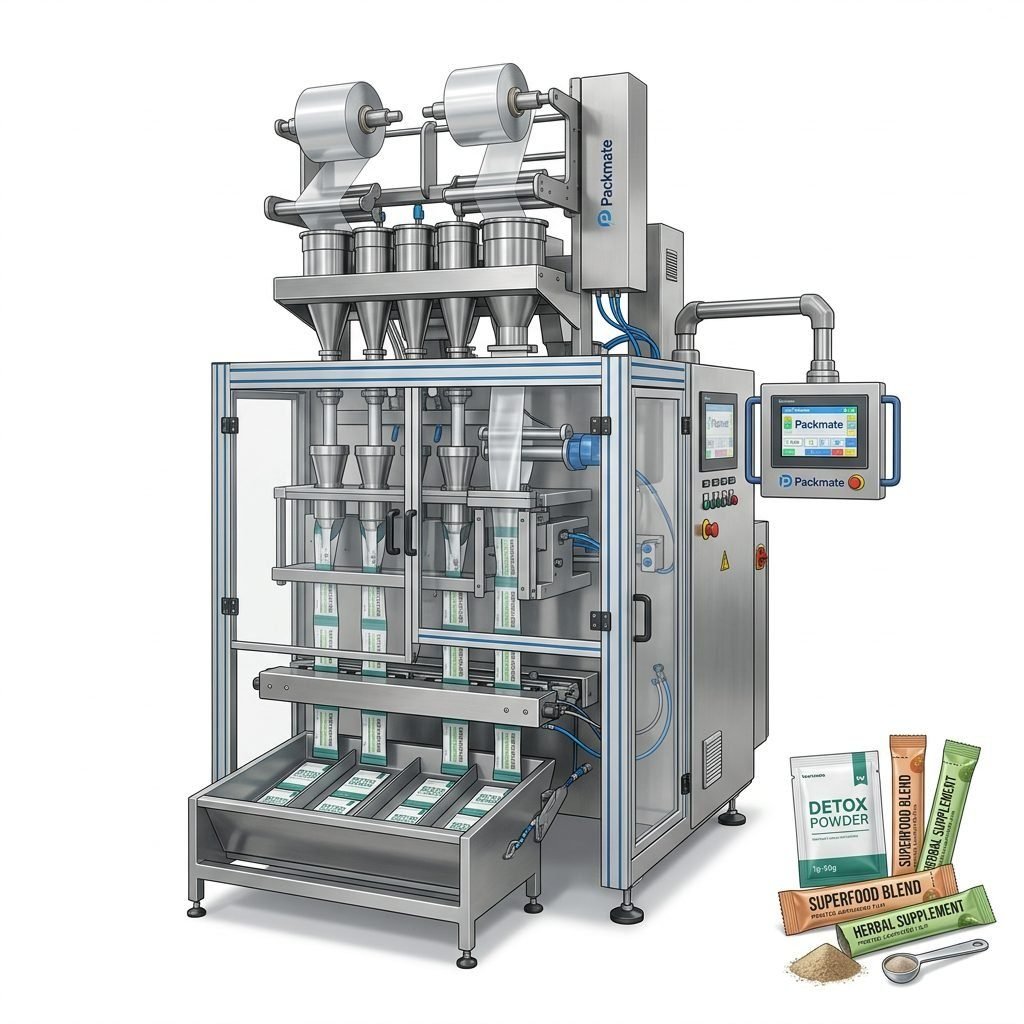
Frequently Asked Questions (FAQs)
Q1: What is the typical accuracy I can expect from a protein powder packing machine?
A: For servo-driven auger fillers on protein powder, a standard accuracy of ±0.5% to ±1.0% of the target weight is common for most commercial applications. Higher-precision net weigh systems can achieve ±0.1% to ±0.2%. The actual accuracy depends on product characteristics, machine calibration, and environmental conditions.
Q2: How important is multi-lane technology for high-volume production?
A: Extremely important. Multi-lane machines (e.g., 4, 8, or 12 lanes) run multiple packages simultaneously, dramatically increasing output without a proportional increase in floor space or machine cost per unit. They are the standard for high-volume single-serve stick pack and sachet production.
Q3: Can one machine handle different types of protein powder (whey, casein, vegan blends)?
A: Yes, a well-designed machine with a versatile auger system and recipe memory can handle different powders. However, changeover may require adjusting auger speed, tooling for different bag sizes, and potentially cleaning protocols to prevent cross-contamination of flavors or allergens.
Q4: What are the key maintenance requirements for these machines?
A: Regular daily cleaning is paramount. Lubrication of moving parts as per the manual, inspection of sealing jaws for wear, checking auger drives and belts for tension, and calibrating the weighing system (if equipped) are essential weekly/monthly tasks. A good supplier will provide a detailed preventative maintenance schedule.
Q5: Is it better to buy a standalone machine or a complete integrated line?
A: It depends on your scale and labor costs. A standalone machine is a lower initial investment and offers flexibility. A complete integrated turnkey line from a supplier like Ludyway or PacklineOEM maximizes efficiency, reduces manual handling, improves consistency, and is ideal for medium to high-volume production where labor savings and throughput are critical.