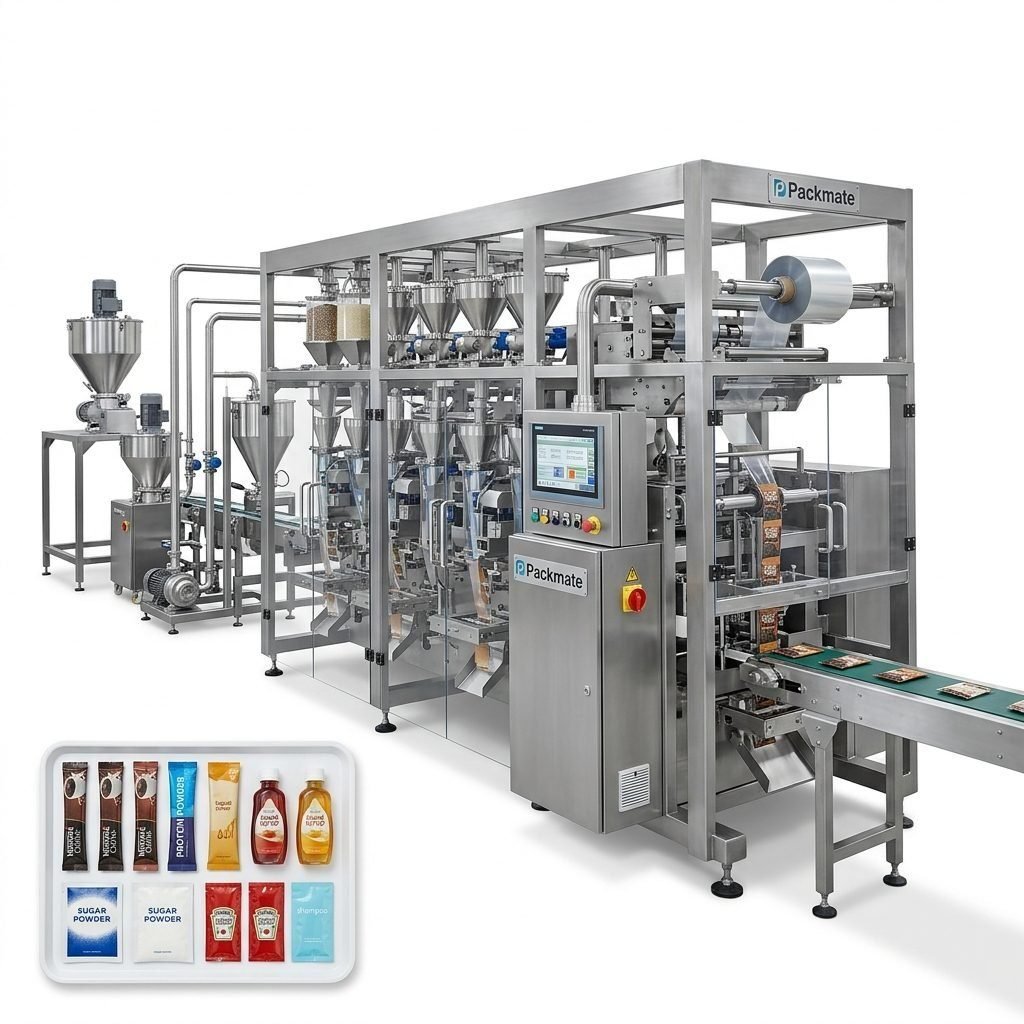
Selecting the right sunflower seed packing machine is a critical investment for producers looking to enhance efficiency, ensure product consistency, and scale their operations. With a wide range of technologies available—from single vertical form-fill-seal machines to high-speed multi-lane systems and fully integrated turnkey lines—making an informed choice requires understanding your specific production needs, budget, and long-term goals.
Key Factors for Choosing Your Sunflower Seed Packer
Before diving into specific machine types, it’s essential to evaluate your production parameters. These factors will directly influence the configuration, capacity, and cost of your packaging line.
Production Volume & Speed: Are you a small-scale artisanal brand or a large-scale manufacturer supplying supermarkets? Output requirements, measured in bags or pouches per minute (BPM), are the primary driver for machine selection. Low-volume operations might suffice with a 40-80 BPM single-lane machine, while high-volume producers often require multi-lane systems capable of 200-600+ BPM.
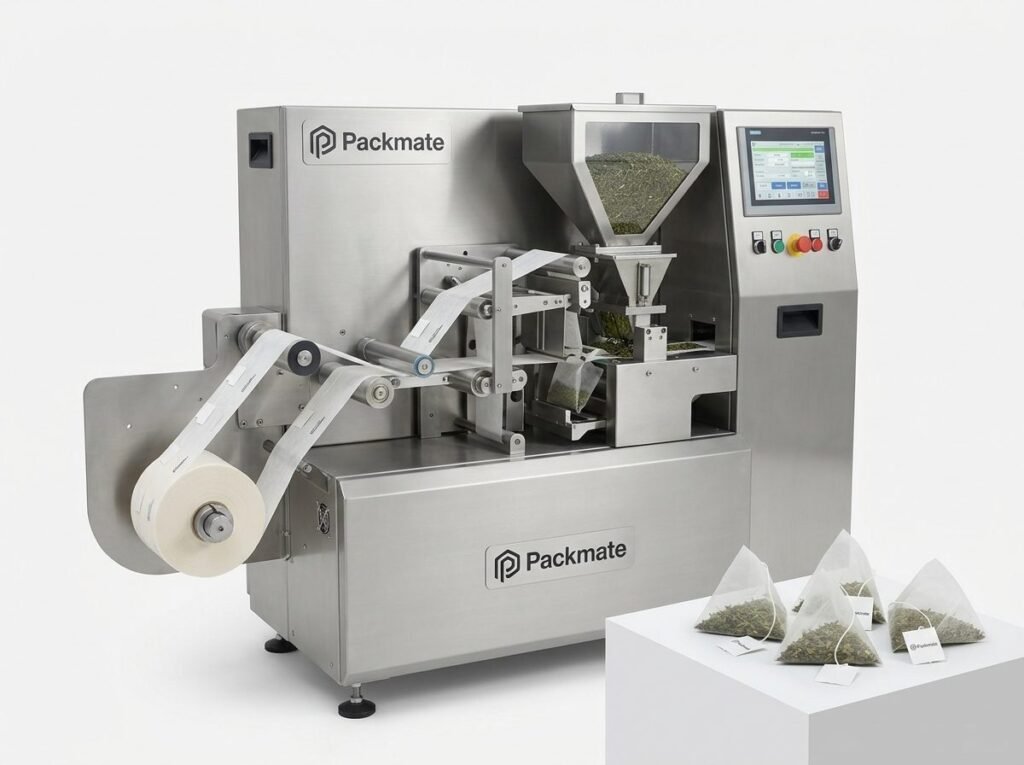
Packaging Format & Material: Sunflower seeds are commonly packaged in stand-up pouches, flat-bottom bags, stick packs, or sachets. The choice of format influences the machine type (e.g., vertical form-fill-seal for pouches, horizontal flow-wrap for stick packs). Material considerations include barrier properties for freshness (moisture, oxygen) and the type of laminate or film used.
Other crucial considerations include seed type (shelled vs. in-shell, roasted, salted, or flavored), which affects the filling and handling system, and your required level of automation—from manual feeding to fully automated lines with robotic palletizing. You must also consider the available factory space and utility requirements (power, compressed air).
Primary Machine Types and Configurations
The packaging machinery market offers solutions tailored to every scale of operation. Here’s a breakdown of the main categories.
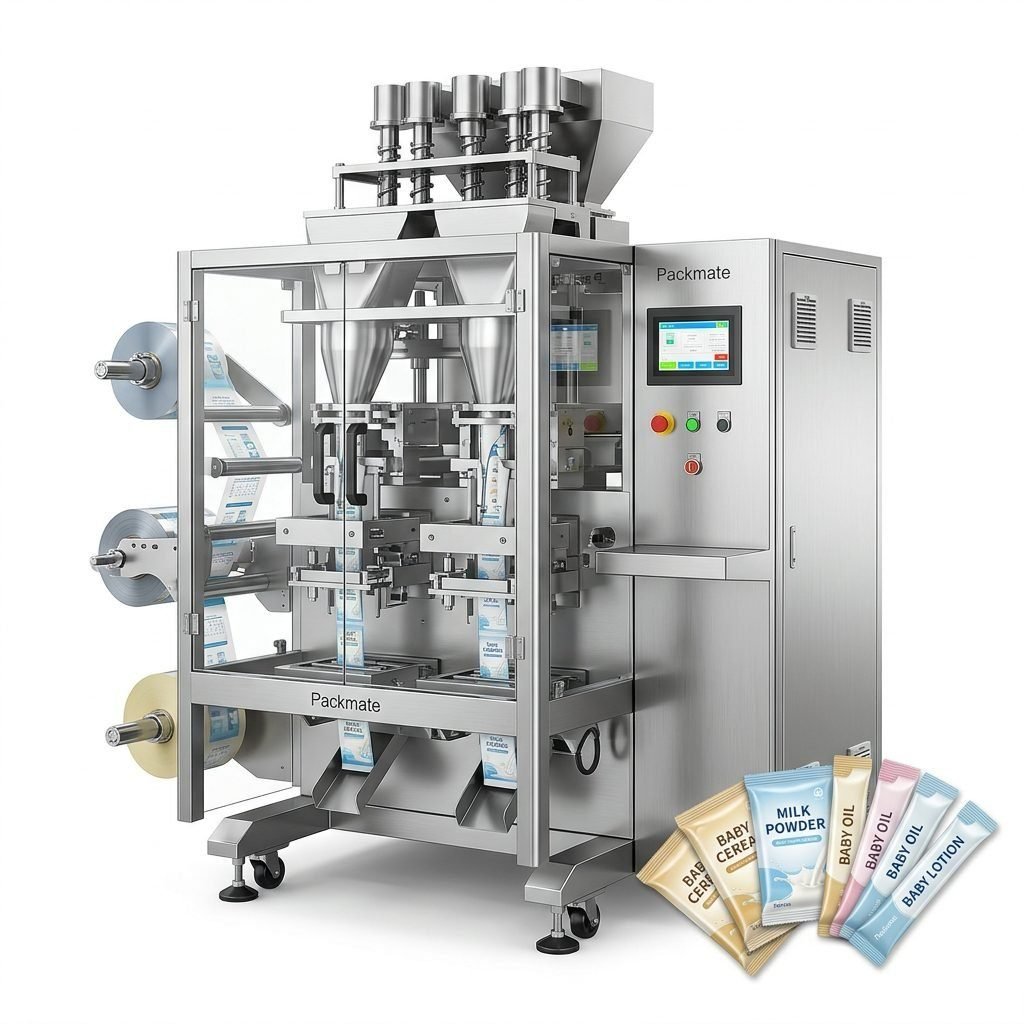
1. Vertical Form-Fill-Seal (VFFS) Machines
These are the workhorses of the snack industry. A VFFS machine forms a bag from a roll of film, fills it with a pre-measured volume or weight of product, and then seals it. They are highly versatile for creating various pouch styles (pillow, gusseted, stand-up) and are ideal for medium to high-speed production of flexible packages. For sunflower seeds, they are often paired with multi-head weighers or volumetric cup fillers for high-speed, accurate dosing.
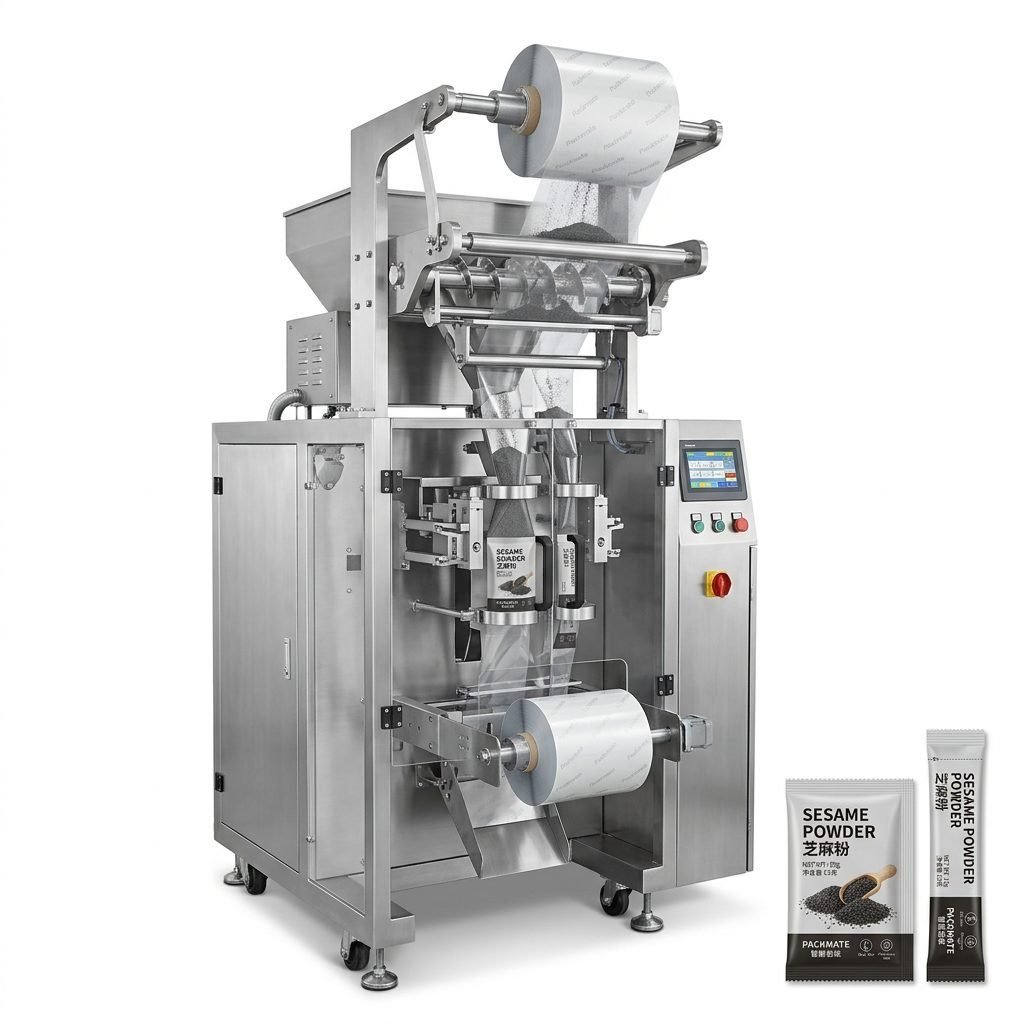
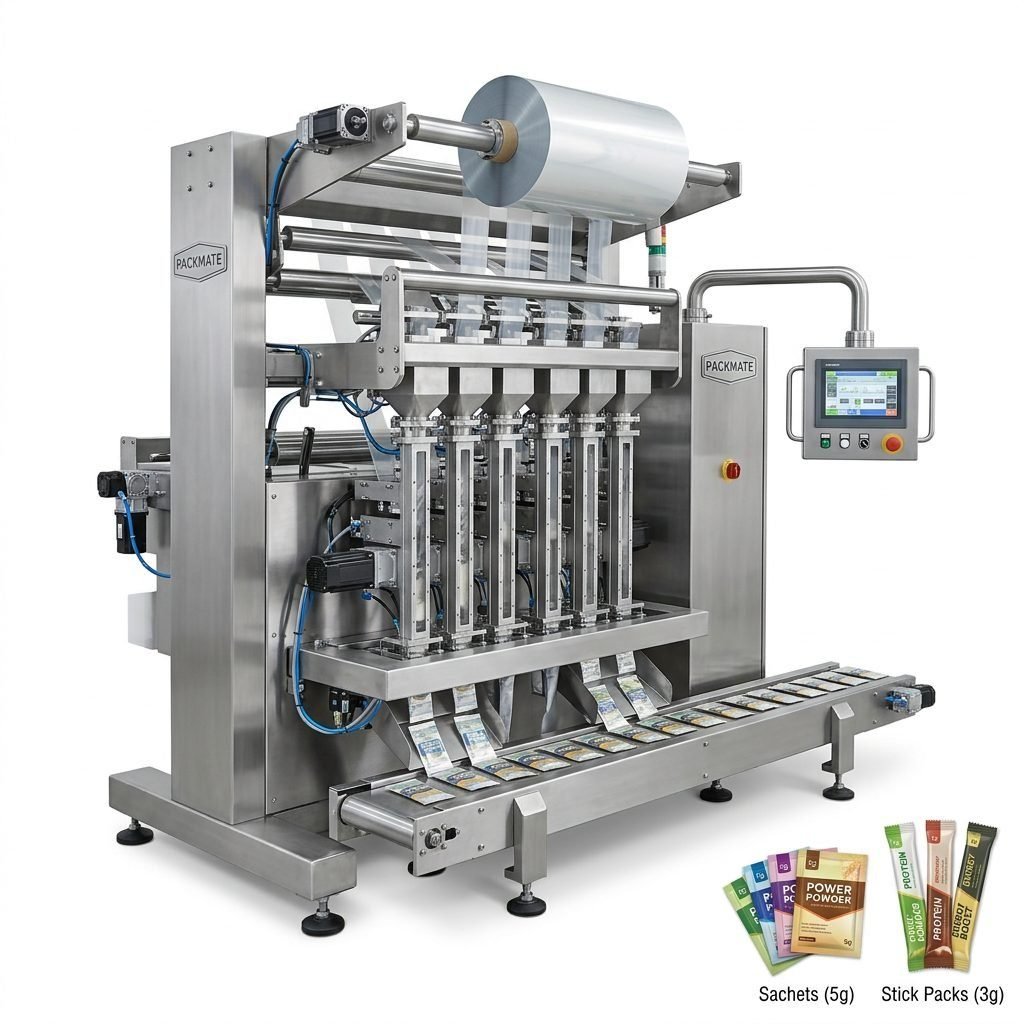
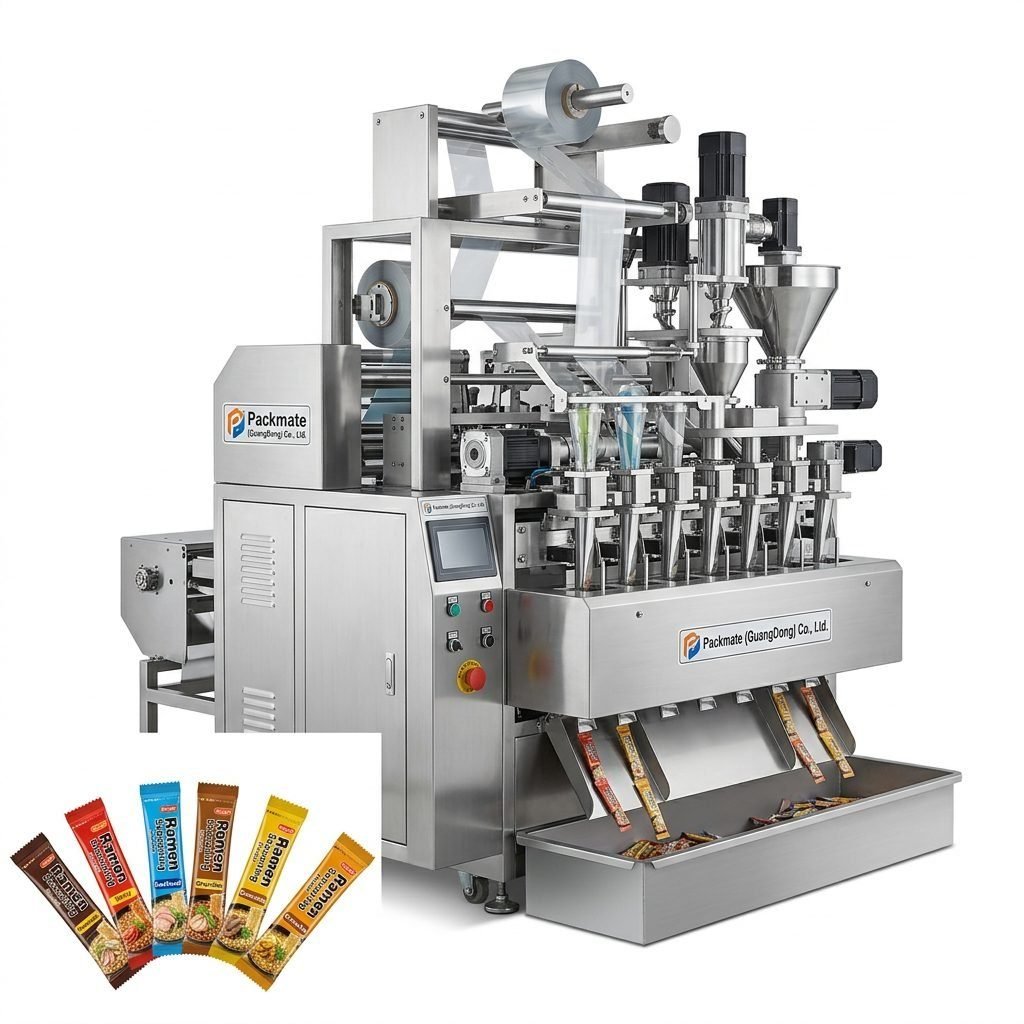
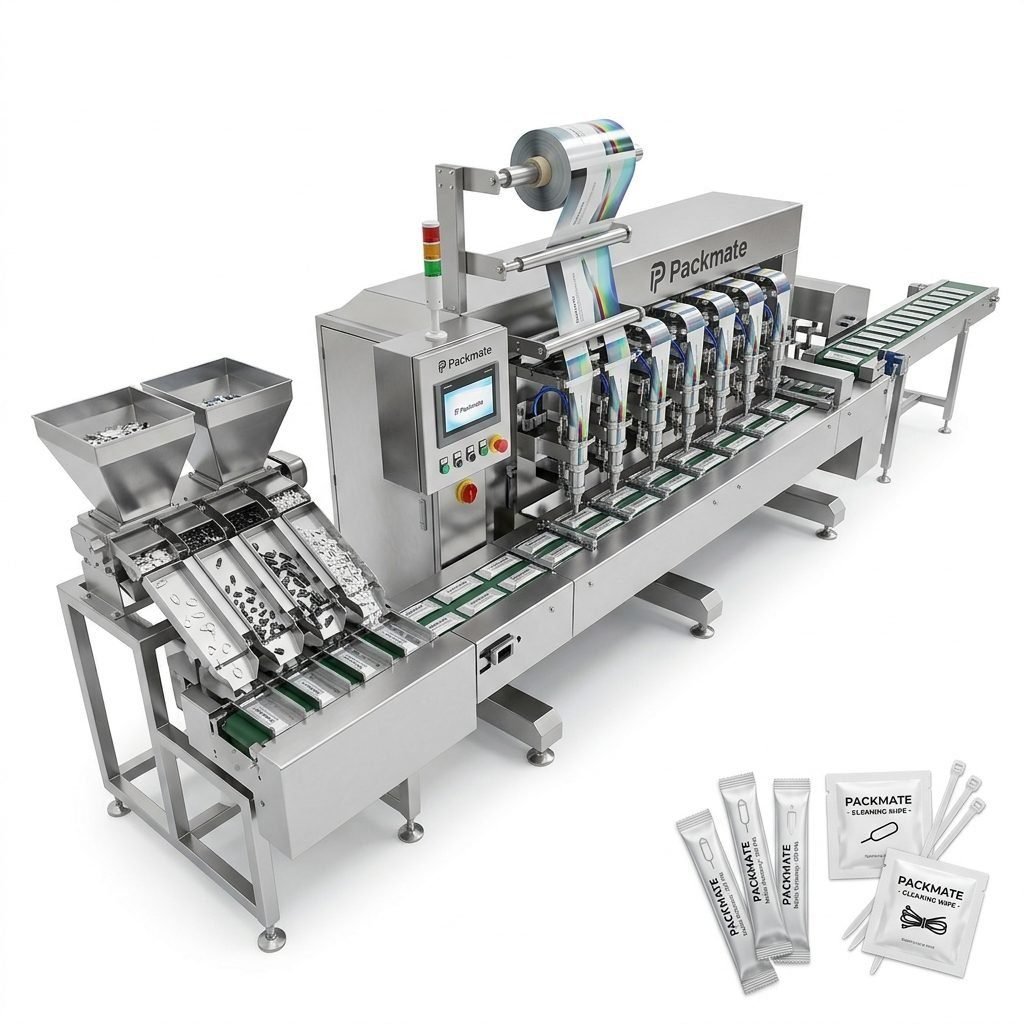
2. Multi-Lane Stick Pack & Sachet Machines
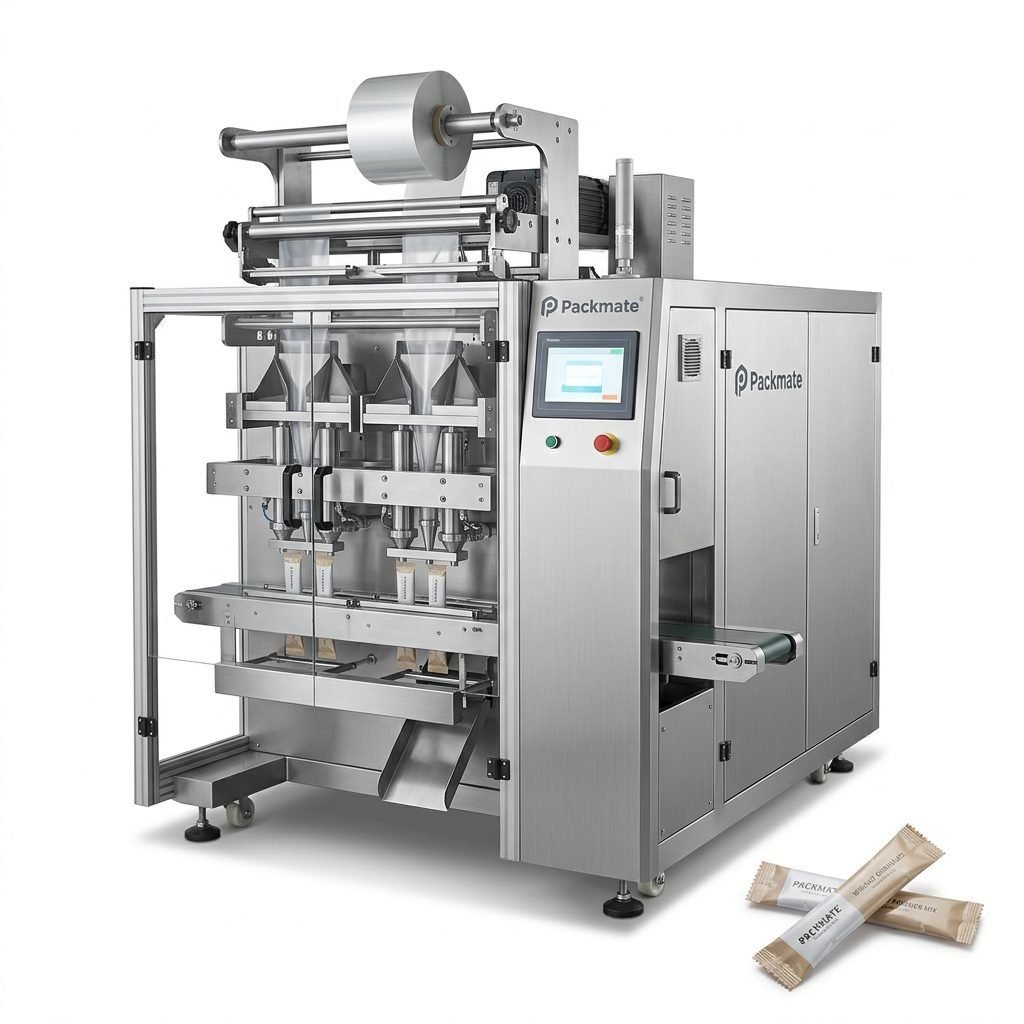
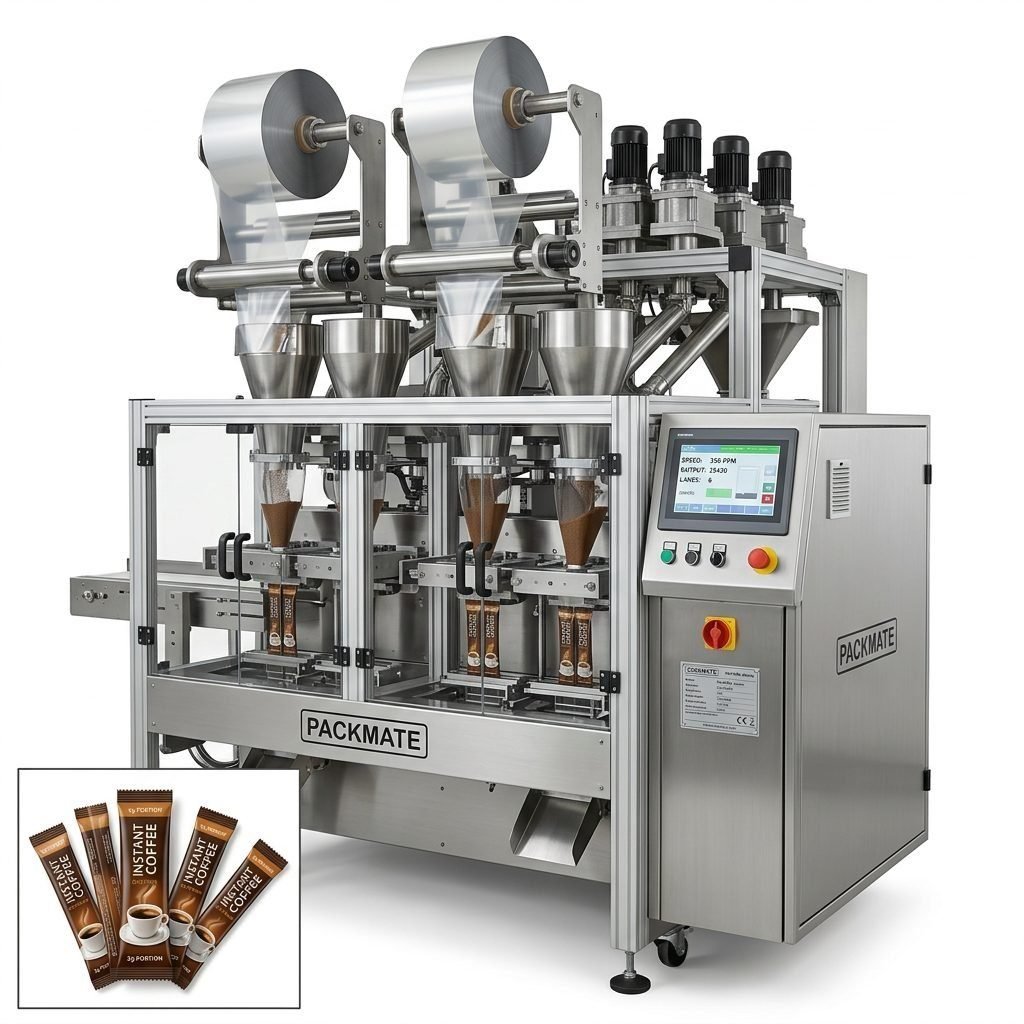
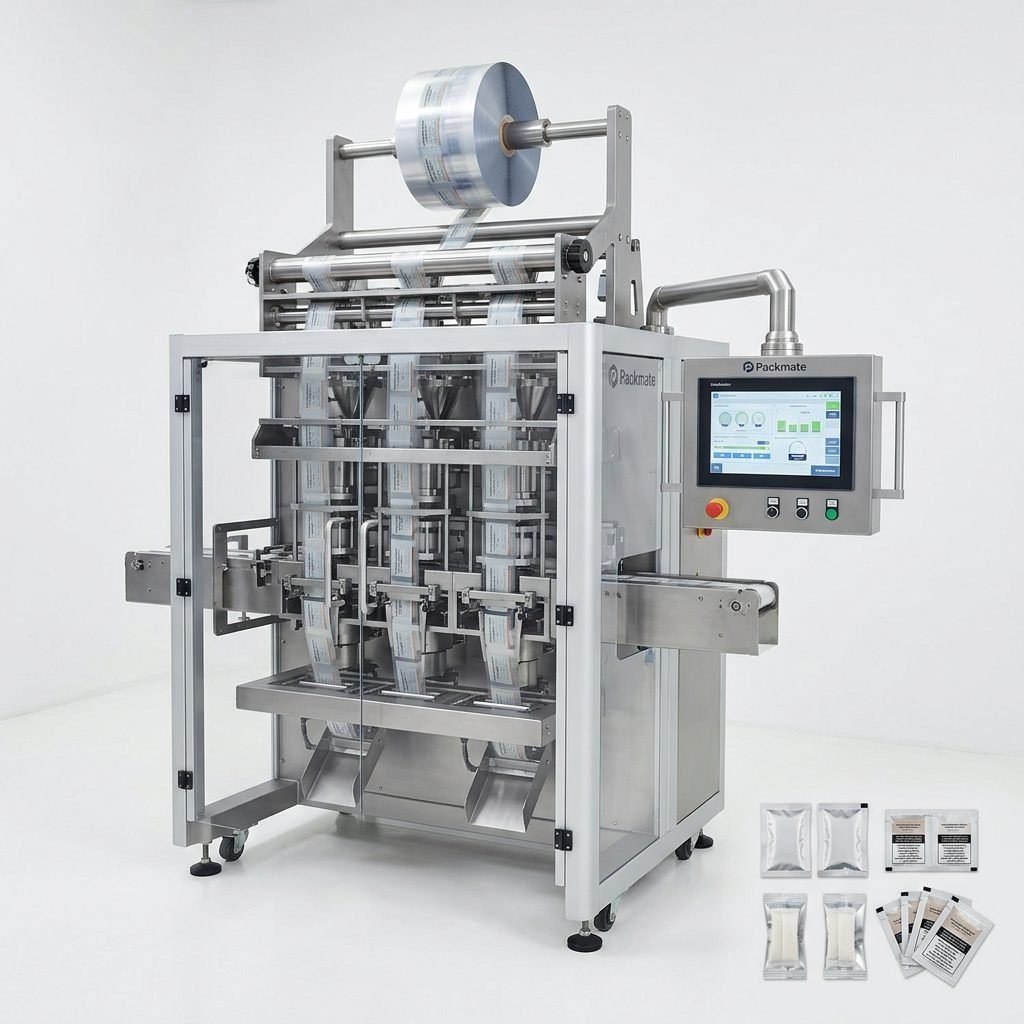
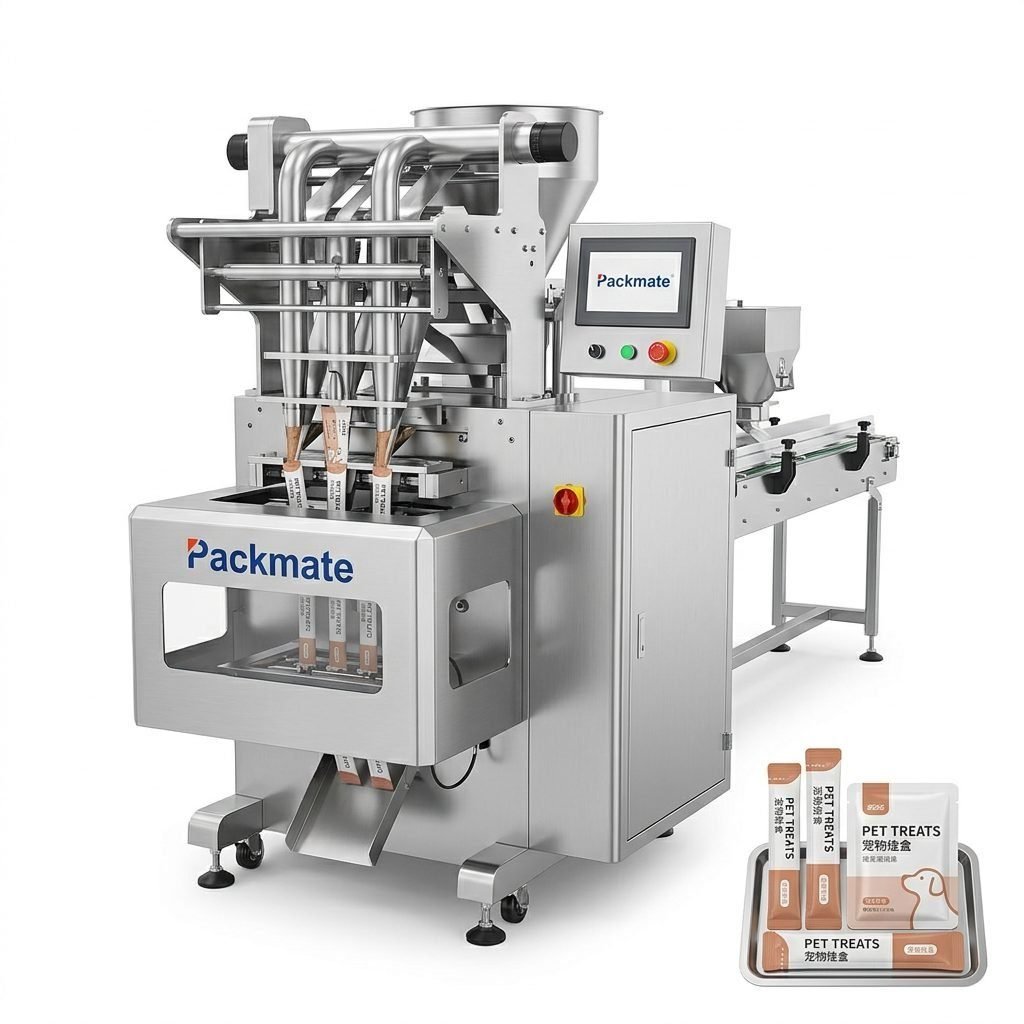
For single-serve portions, promotional items, or seed blends (e.g., trail mix starters), multi-lane stick pack or sachet machines are perfect. These systems operate multiple packaging lanes in parallel, dramatically increasing output from a single machine footprint. They excel at producing small, sealed portions and are a popular choice for brands targeting convenience stores, airlines, or the health food sector. Companies like Ludyway and Packmate Machinery offer robust multi-lane solutions suitable for granular products like seeds.
3. Pre-Made Pouch Fillers
If your brand identity relies on a unique, pre-printed pouch design, a pre-made pouch filler is the solution. These machines automate the opening, filling, and sealing of ready-made pouches. They typically operate at slightly lower speeds than VFFS machines but offer superior graphic presentation and are excellent for premium product lines.
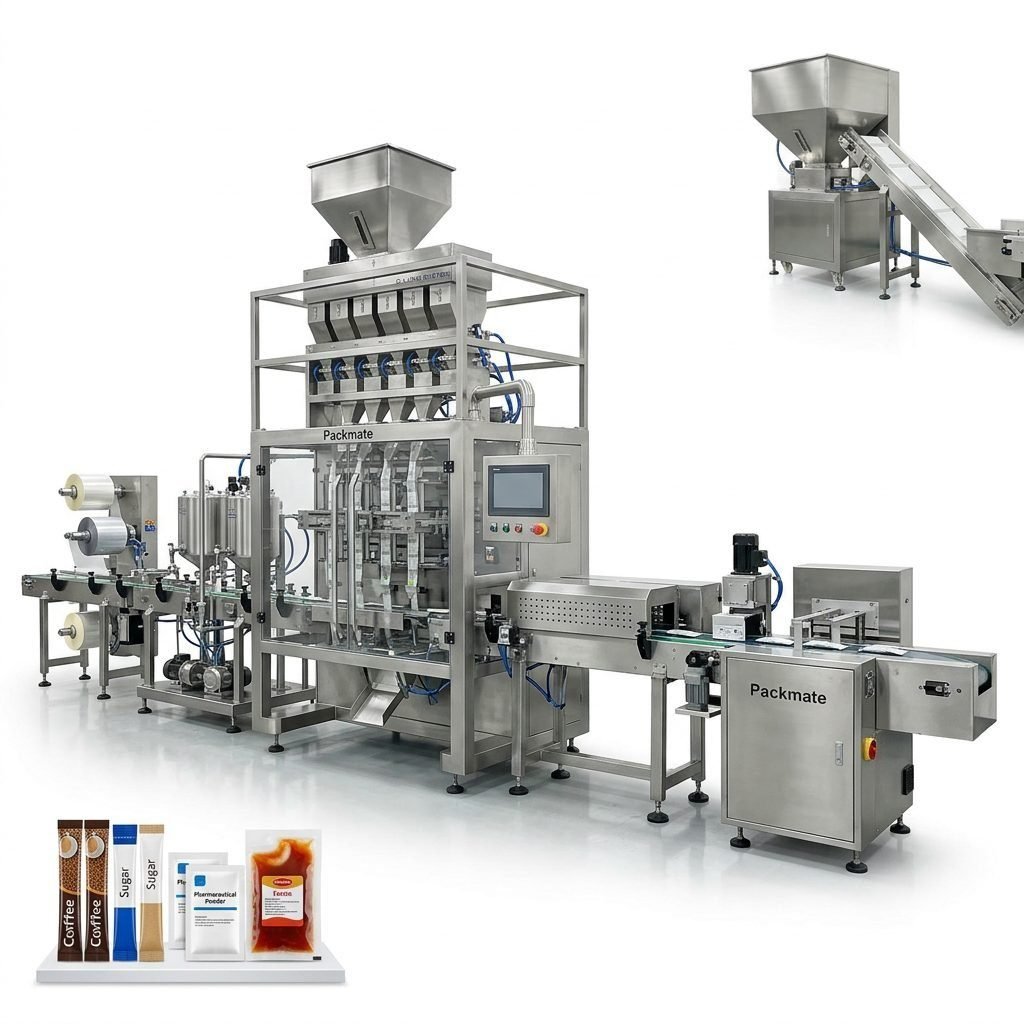
4. Complete Turnkey Packaging Lines
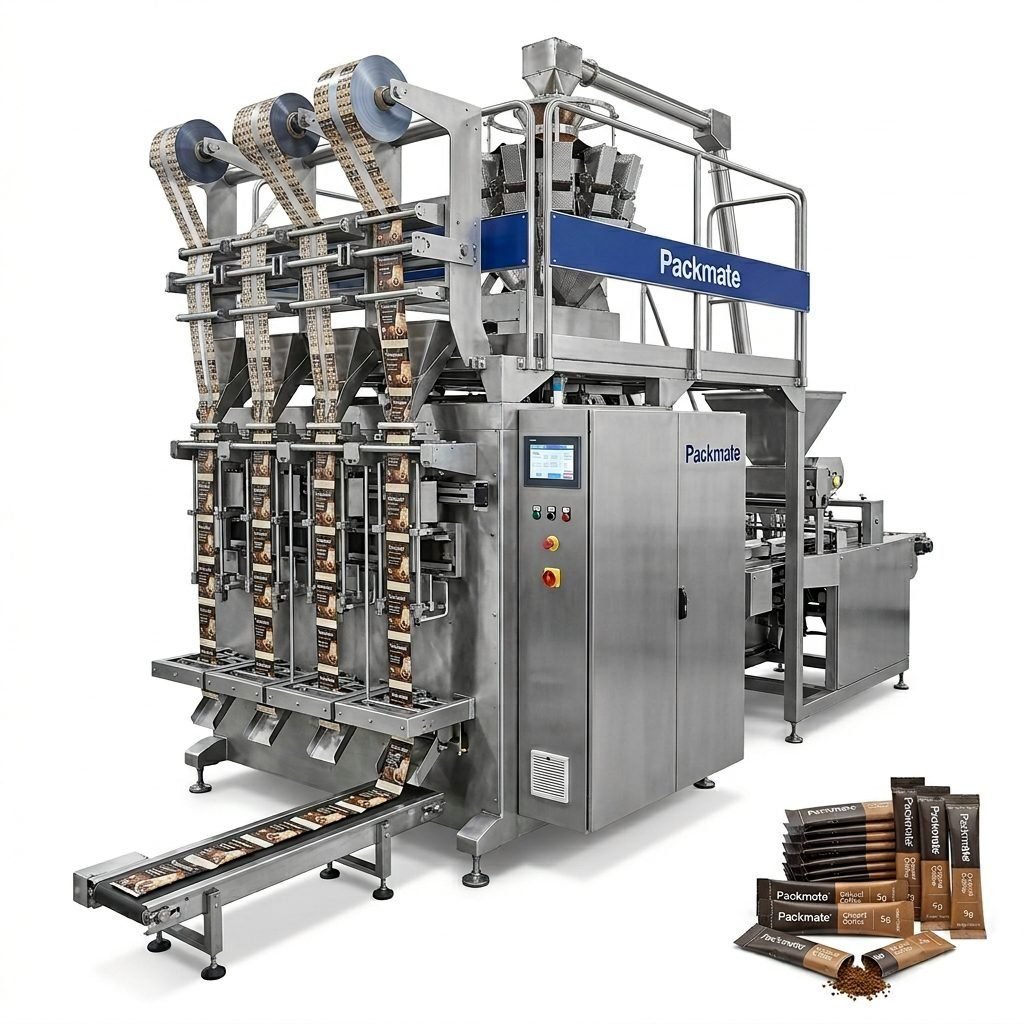
For greenfield projects or major capacity expansions, a turnkey line provides a fully integrated solution. This goes beyond a single machine to include upstream and downstream equipment such as bulk storage silos, conveying systems, checkweighers, metal detectors, X-ray inspectors, cartoners, and case packers. Suppliers like PacklineOEM specialize in designing and delivering these complete, automated systems that minimize manual handling and maximize throughput.
Optimizing Your Packaging Line for Efficiency
Choosing the machine is just the first step. Optimizing its integration and operation is key to achieving a strong return on investment.
Precision Weighing is Paramount: Product giveaway directly impacts profitability. For sunflower seeds, a multi-head weigher (e.g., 14 or 16 heads) offers the best combination of speed and accuracy, dynamically combining weights to hit the target with minimal variance. Regular calibration and maintenance of the weigher are non-negotiable for cost control.
Seal Integrity: A faulty seal leads to spoilage and customer complaints. Optimizing the heat sealing parameters (temperature, pressure, dwell time) for your specific packaging film is critical. Implementing inline seal inspection systems, such as vision systems or pressure decay testers, can automatically reject defective packages.
Line Synchronization & Uptime: A packaging line is only as fast as its slowest component. Ensuring smooth product flow from the filler to the secondary packaging equipment prevents bottlenecks. Implementing predictive maintenance schedules, keeping a stock of common spare parts, and training operators thoroughly are essential for maximizing Overall Equipment Effectiveness (OEE).
Partnering with the Right Manufacturer
Your machinery supplier is a long-term partner. Consider manufacturers with proven experience in food and snack packaging, particularly with granular products. Evaluate their after-sales support network, availability of spare parts, and training offerings. Leading Chinese exporters like PackingMachineOEM and SnusMachinery (which, despite its name, has extensive granule packaging expertise) have built global reputations by offering reliable machines coupled with strong technical support, making them viable options for international buyers seeking value.
Requesting factory audits, seeing machines running similar products, and getting detailed quotations that include installation, commissioning, and training costs will help you make a confident decision. Remember, the cheapest machine price may lead to higher lifetime costs due to downtime and inefficiency.
Future-Proofing Your Investment
Consider scalability and flexibility. Can the machine handle different bag sizes with quick changeovers? Is it compatible with newer, sustainable packaging materials? Choosing a modular system or a supplier known for customization, such as those specializing in non-standard and customized packaging machines, allows you to adapt to future market trends, new product launches, or changes in regulatory requirements without needing to replace the entire line.
Frequently Asked Questions (FAQs)
Q: What is the typical output speed for a sunflower seed packing machine?
A: Speeds vary widely. A single-lane VFFS machine can produce 40-120 bags per minute. High-speed multi-lane systems for stick packs or small pouches can reach 200-600+ portions per minute. The exact speed depends on bag size, weight, and machine configuration.
Q: How accurate are the weighing systems on these machines?
A: Modern multi-head weighers are extremely accurate, typically achieving weighing tolerances of ±0.5 to 1 gram for portions ranging from 50g to 200g. This high precision minimizes product giveaway and ensures compliance with net content regulations.
Q: Can one machine handle different seed flavors or varieties?
A: Yes, but changeover requires cleaning to prevent cross-contamination. Look for machines with easy-access design and tool-less changeover features for bag size adjustments to minimize downtime during product switches.
Q: What are the key maintenance requirements?
A: Daily cleaning, lubrication of moving parts as per the manual, regular inspection of sealing jaws, and calibration of the weighing system are essential. A preventative maintenance schedule provided by the manufacturer should be strictly followed.
Q: Is it better to buy a standalone machine or a complete turnkey line?
A: This depends on your current and future needs. A standalone machine is suitable for adding capacity to an existing line. A turnkey line is best for a new factory, a major upgrade, or when seeking a fully automated, hands-off process from bulk seed to palletized cases. It offers higher efficiency but requires a larger initial investment.