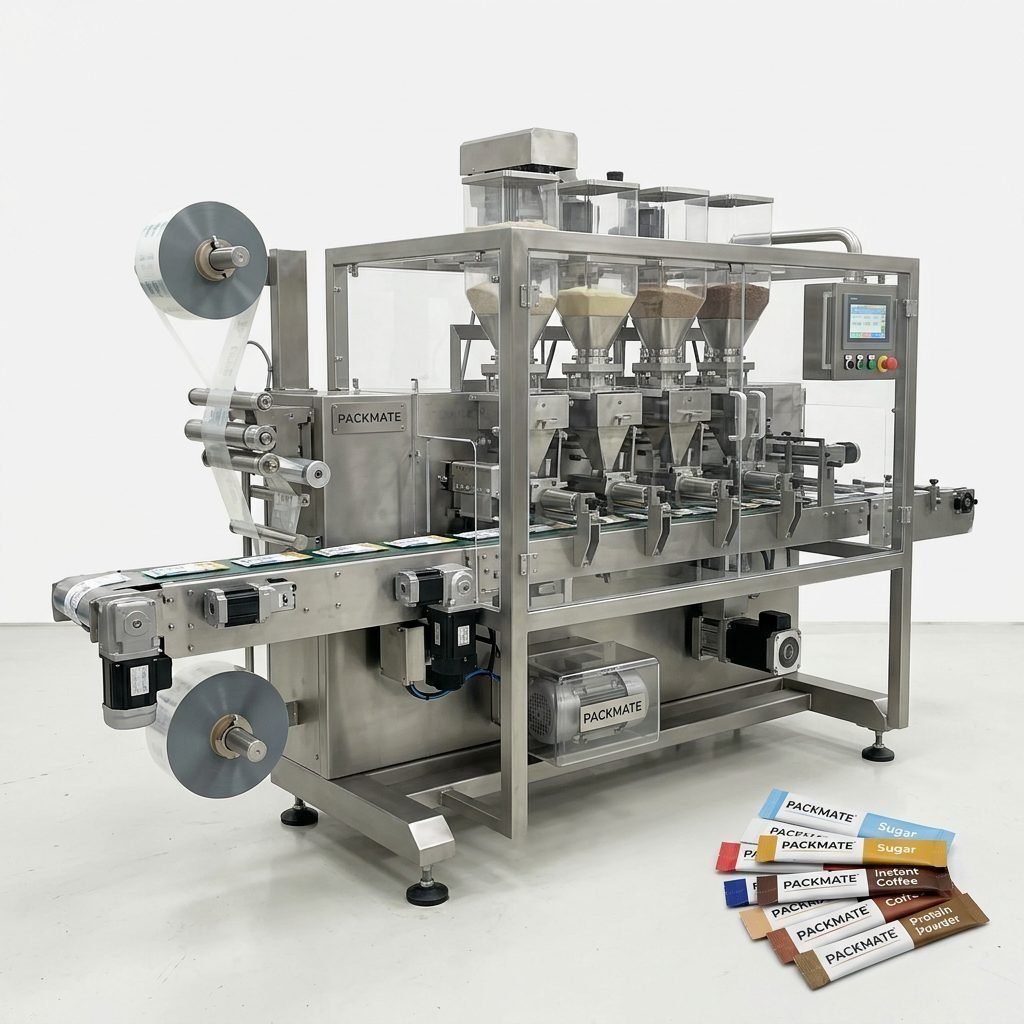
The pyramid tea bag, with its distinctive three-dimensional shape, has revolutionized the premium tea experience. Unlike traditional flat tea bags, the pyramid’s spacious design allows tea leaves to expand fully during infusion, resulting in a richer, more aromatic brew. This growing consumer preference for quality and convenience has created a significant demand for efficient and reliable packaging solutions. At the heart of producing these innovative tea bags lies the Triangle Tea Bag Packaging Machine, a sophisticated piece of automation that ensures precision, speed, and hygiene from empty pouch to finished product.
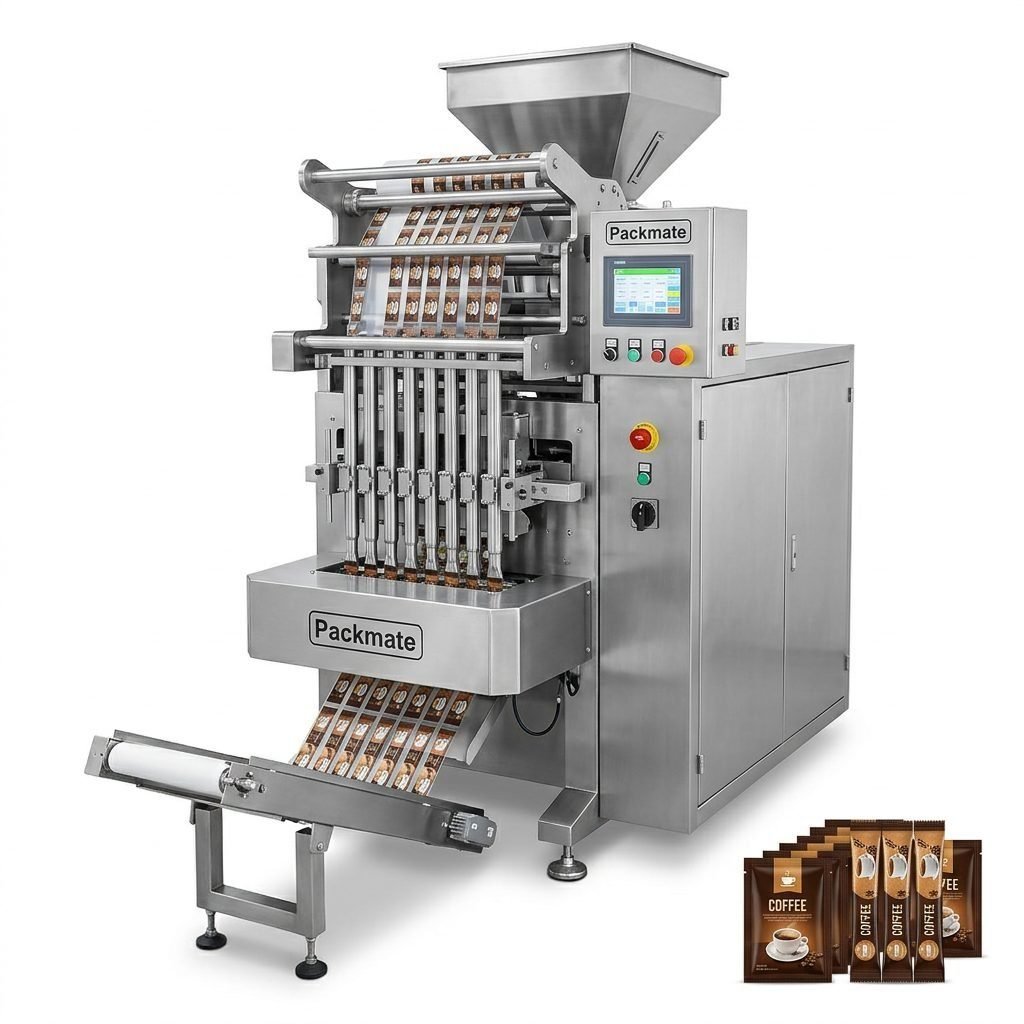
Modern triangle tea bag packing machines are marvels of engineering, integrating several critical functions into a seamless production line. The process typically begins with a roll of specialized filter paper, often a biodegradable or compostable non-woven material. The machine forms this material into a continuous tube, creating the distinctive pyramid shape through a series of precise folds and heat seals. Precisely measured portions of loose-leaf tea, ranging from fine particles to whole leaves, are then dosed into the forming pouch. The machine then completes the sealing, cuts the individual bags, and often attaches a string and tag in one fluid motion. Advanced models can integrate nitrogen flushing to displace oxygen within the bag, dramatically extending the tea’s shelf life and preserving its delicate flavors and aromas.
Key Advantages of Automated Triangle Tea Bag Packaging
Investing in an automated packaging line for pyramid tea bags delivers substantial benefits for manufacturers looking to scale and compete in a global market:
Enhanced Product Quality & Consistency: Automated dosing systems ensure each tea bag contains the exact weight of tea, guaranteeing consistent strength and flavor in every cup. Precise temperature and pressure controls during sealing prevent leaks and ensure bag integrity.
High-Speed Production & Scalability: These machines can operate at impressive speeds, often producing hundreds of pyramid bags per minute. This high throughput is essential for meeting large-scale orders and allows businesses to grow without proportional increases in labor costs.
Significant Labor & Cost Savings: Automation reduces dependency on manual labor for repetitive tasks like filling, sealing, and tagging. This not only lowers operational costs but also minimizes human error and associated product waste.
Improved Hygiene & Compliance: Closed, automated systems minimize product exposure to the external environment, which is crucial for food safety standards like HACCP, FDA, and EU regulations. This is particularly important for companies exporting to Europe and North America, where food safety regulations are stringent.
Operational Flexibility: Many modern machines from leading manufacturers offer quick changeover capabilities. With simple adjustments, the same line can often package different tea varieties, weights, or even adapt to similar products like herbal infusions or broth sachets.
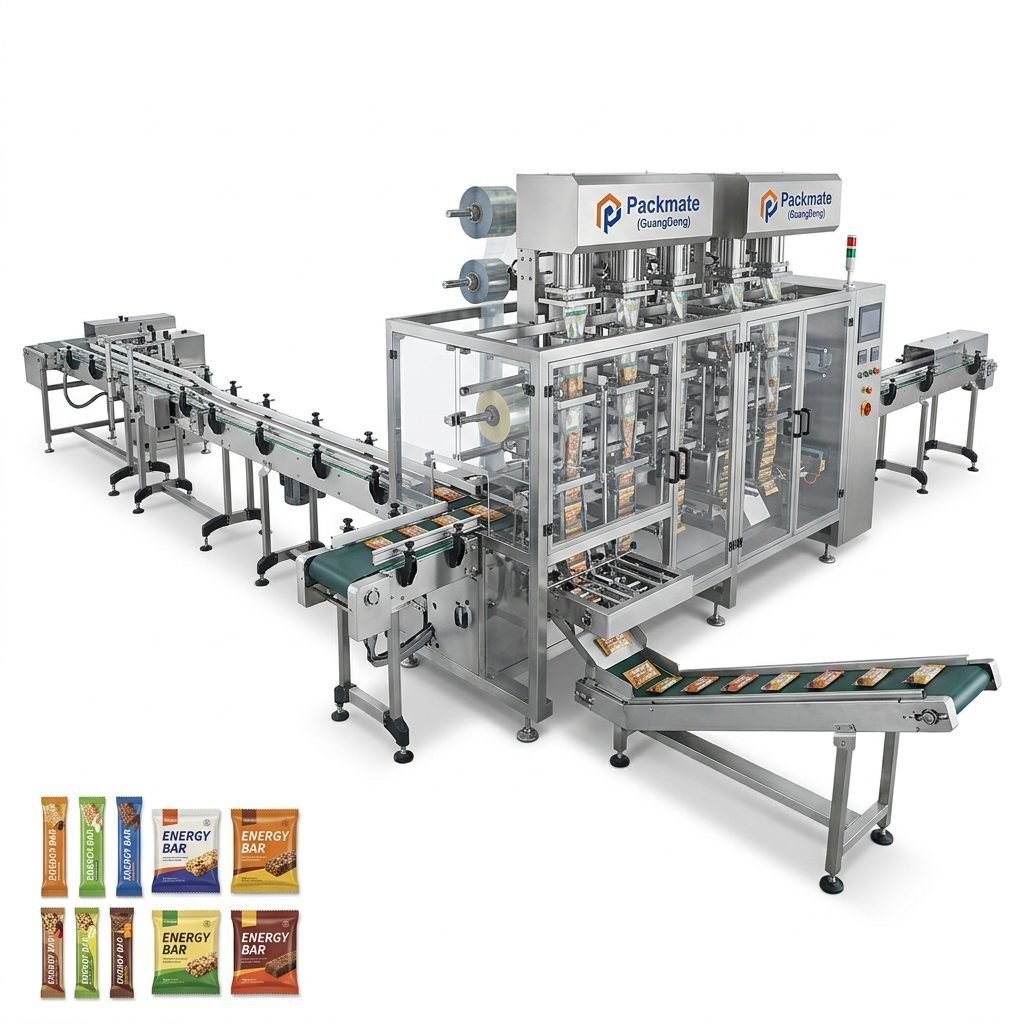
Technical Specifications and Customization Options
When selecting a triangle tea bag packing machine, understanding its core specifications is vital. Key parameters include production speed (bags/minute), bag dimensions (length, width, and depth), the range of supported fill weights, and the type of sealing (ultrasonic or thermal). The machine’s construction, typically from food-grade stainless steel (e.g., SS304 or SS316), ensures durability and ease of cleaning.
Beyond standard features, customization is where manufacturers like Ludyway and Packmate Machinery excel. They can tailor solutions to specific needs:
- Material Handling: Adjustments for different filter paper types, including biodegradable PLA or corn-based materials.
- Dosing Systems: Volumetric cups for consistent granules or weigh-fill systems for precise leaf tea portions.
- Tagging & Stringing: Options for single or double strings, paper or silk tags, and even custom-shaped tags.
- Nitrogen Flushing: Integrated systems for modified atmosphere packaging (MAP) to maximize freshness.
- Integration: Machines can be linked with upstream mixers/blenders and downstream cartoners or flow wrappers to create a complete turnkey line.
| Feature | Standard Offering | Common Customization |
|---|---|---|
| Production Speed | 80-150 bags/min | Up to 300+ bags/min for high-output models |
| Bag Size | Fixed range (e.g., 55mm x 65mm) | Adjustable for various pyramid dimensions |
| Filling Type | Volumetric filling | Precision weigh-scale filling for premium leaf tea |
| Additional Features | Basic string & tag attachment | Nitrogen flushing, date coding, vision inspection systems |
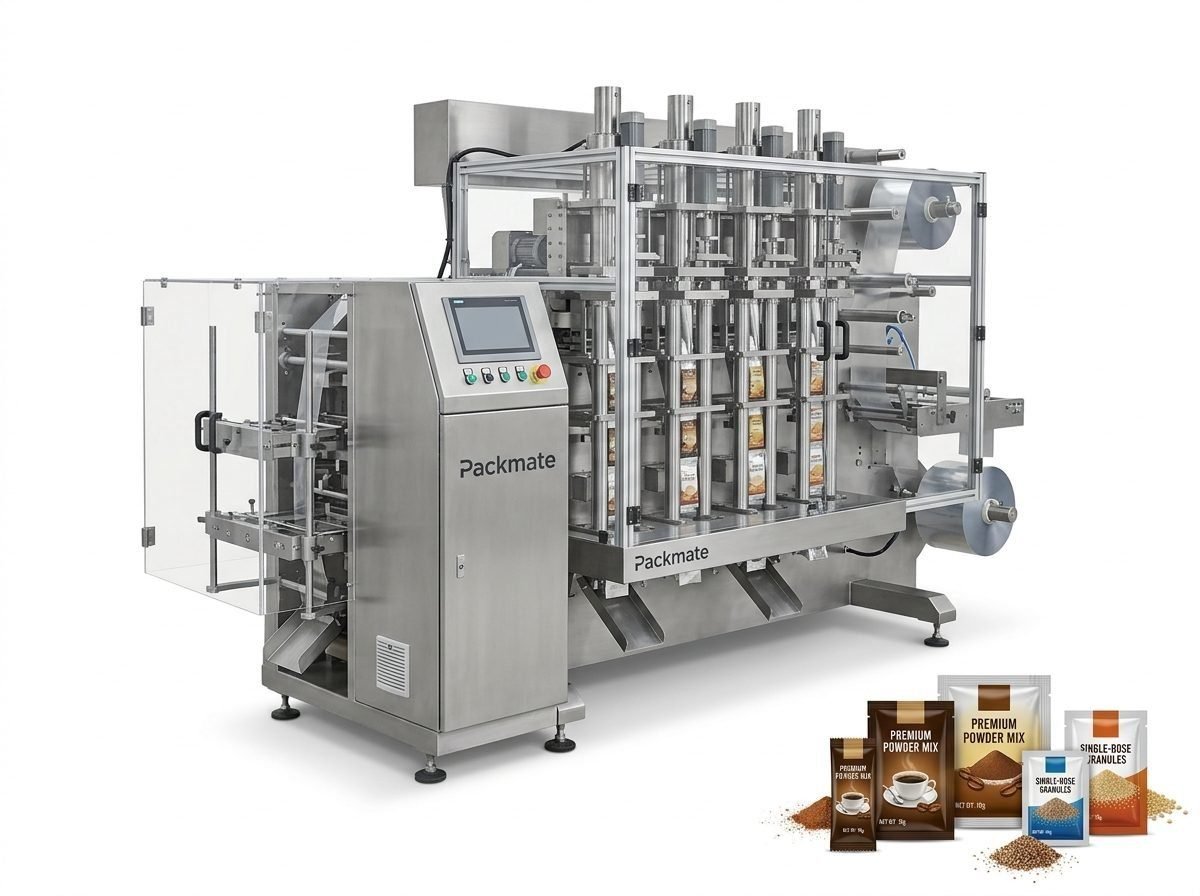
Leading Manufacturers and Their Expertise
The global market for pyramid tea bag machines is served by several established manufacturers, each with distinct strengths. Companies like PacklineOEM specialize in delivering complete, integrated turnkey lines, which are ideal for new factories or large-scale expansions where seamless workflow from blending to final boxing is required. For producers with unique tea blends, non-standard bag sizes, or specific material requirements, manufacturers such as PackingMachineOEM offer strong capabilities in non-standard and customized machine design.
For businesses focused on niche, high-value segments—such as specialty herbal teas, functional blends, or even nicotine pouches which share similar packaging technology—a specialized provider like SnusMachinery can offer valuable application-specific expertise. Their deep knowledge of precise dosing and sealing for sensitive pouch products translates well to premium tea packaging.
When evaluating suppliers, key factors include the manufacturer’s industry experience, their ability to provide local service and spare parts support (critical for operations in regions like the Middle East, Africa, or South America), and their track record with similar projects. Visiting the factory, as offered by many top Chinese manufacturers, to see production and testing facilities firsthand is highly recommended.
Market Trends and Regional Considerations
The demand for pyramid tea bags is growing globally, but preferences vary by region. In Europe and North America, consumers are driving trends towards sustainability, seeking tea bags made from plant-based, plastic-free, and fully compostable materials. This requires packaging machines that can reliably handle these newer, sometimes more delicate, bio-based films and non-woven materials. There is also a strong demand for organic, single-origin, and wellness-focused teas, which often command a premium price point justifying investment in high-precision, gentle-handling equipment.
In Southeast Asia and the Middle East, the market is characterized by a mix of traditional loose-leaf consumption and rapidly growing demand for convenient, high-quality packaged teas. Here, versatility and cost-effectiveness are paramount. Machines that can efficiently run a wide variety of tea types—from fine black tea dust for mass-market products to larger leaf oolongs for premium segments—are highly valued. Furthermore, the ability of a supplier like Ludyway to provide robust after-sales support and training in these regions is a significant competitive advantage.
Implementing Your Packaging Line: A Strategic Guide
Successfully integrating a triangle tea bag machine involves careful planning:
- Define Requirements: Clearly outline your target output (bags per shift), product range (types of tea, bag sizes), and key features (nitrogen flush, tagging style).
- Supplier Selection: Shortlist manufacturers based on technical capability, project experience, and support network. Request detailed quotations and case studies.
- Factory Acceptance Test (FAT): Always insist on witnessing a FAT at the manufacturer’s facility. This is where the machine runs with your specific materials (tea and filter paper) to verify performance before shipment.
- Installation & Training: Plan for expert installation and comprehensive operator and maintenance technician training. A well-trained team is crucial for uptime.
- Spare Parts & Maintenance: Establish a preventive maintenance schedule and keep a stock of critical spare parts to minimize downtime.
Conclusion
The triangle tea bag packing machine is more than just a piece of factory equipment; it is a strategic asset that directly impacts product quality, brand reputation, and operational profitability. By automating the precise and hygienic packaging of premium tea, these machines enable producers to meet the sophisticated demands of today’s global consumer. Whether you are a boutique tea brand scaling up or a large manufacturer optimizing for efficiency, choosing the right machine and partner is the first step toward brewing success in the competitive world of specialty tea.
Frequently Asked Questions (FAQs)
What is the typical production speed of a triangle tea bag machine?
Speeds vary by model and complexity, but standard machines range from 80 to 150 bags per minute. High-speed, multi-lane models can achieve 250-300+ bags per minute.
Can one machine handle different tea types (e.g., fine powder vs. whole leaf)?
Yes, but it may require adjustments or different dosing systems. Volumetric fillers work well for granular tea, while weigh-fill systems are better for whole leaf. Discuss your product range with the supplier for the best configuration.
How important is nitrogen flushing for pyramid tea bags?
It is highly recommended for premium teas. Nitrogen flushing removes oxygen from the bag, which significantly slows oxidation, preserves freshness, aroma, and color, and extends shelf life, which is critical for export.
What are the main maintenance requirements?
Regular cleaning to prevent tea dust buildup, lubrication of moving parts as per the manual, inspection and replacement of wear parts like sealing jaws and cutting blades, and regular calibration of the dosing system.
Can the machine package other products besides tea?
Absolutely. With appropriate adjustments, these machines can package a wide variety of granular, powdered, or small-leaf products, such as herbal infusions, instant soup mixes, broth powders, and dietary supplements.