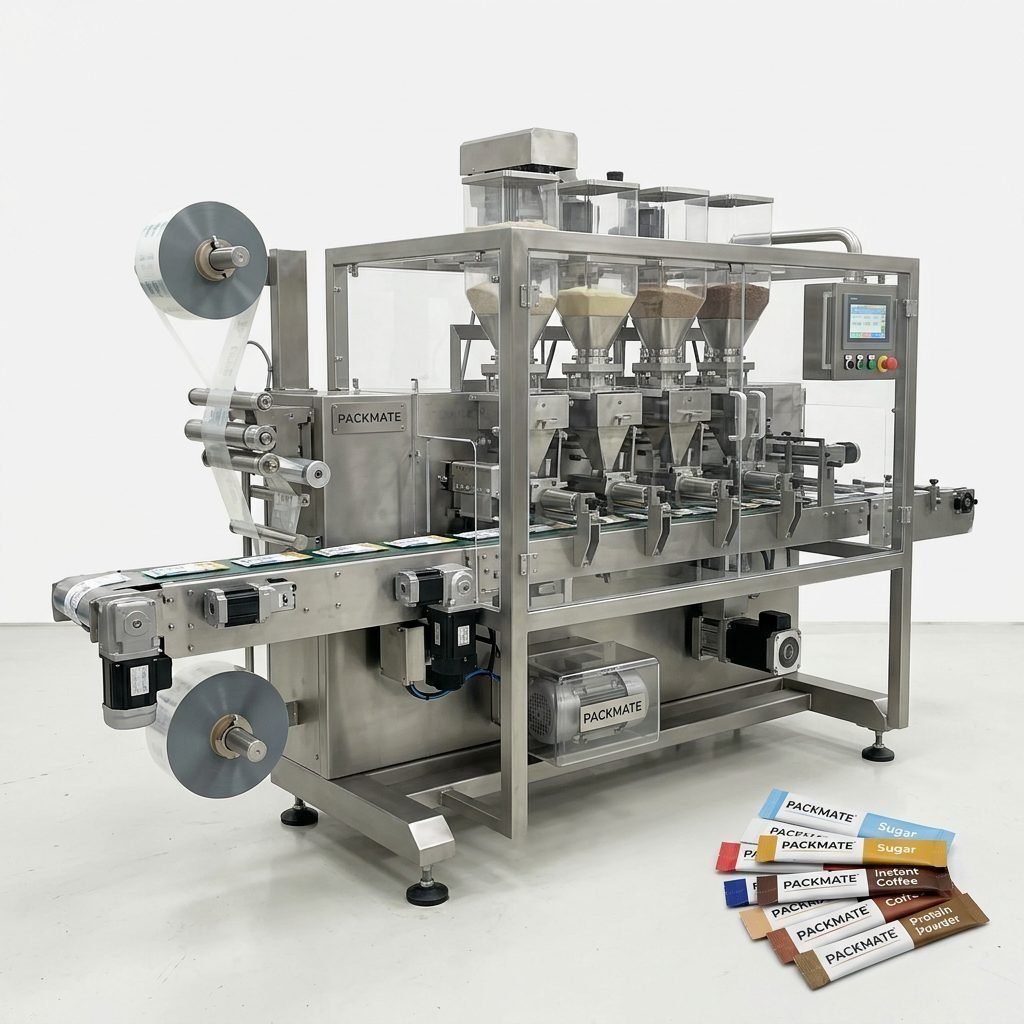
In today’s competitive global food industry, manufacturers are under constant pressure to deliver products faster, more consistently, and at a lower cost. One of the most transformative solutions addressing these challenges is the adoption of food packaging automation. By integrating automated machinery and complete turnkey lines, producers can achieve significant gains in efficiency, cost reduction, and quality assurance. This shift is not just a trend but a strategic necessity for scaling operations and meeting the stringent demands of international markets across Europe, North America, the Middle East, South America, Africa, and Southeast Asia.
Driving Unmatched Production Efficiency
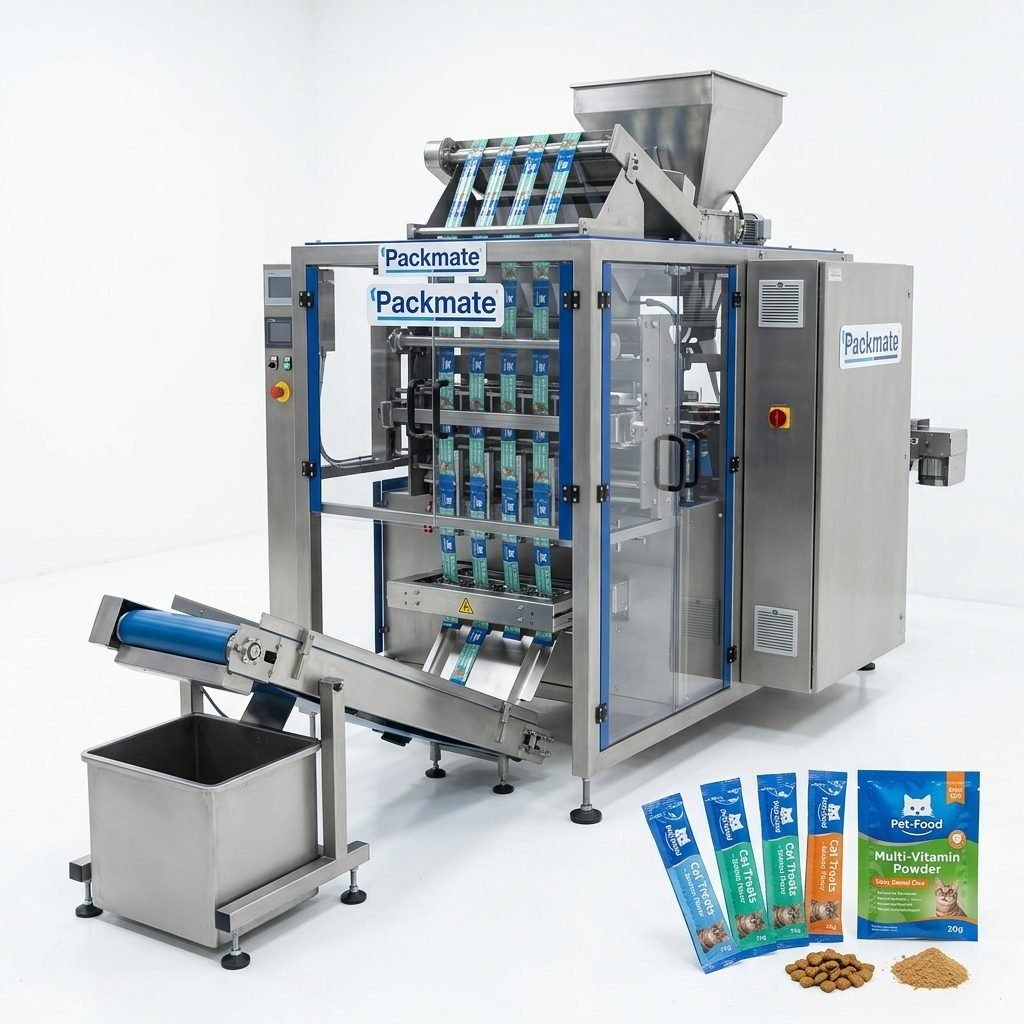
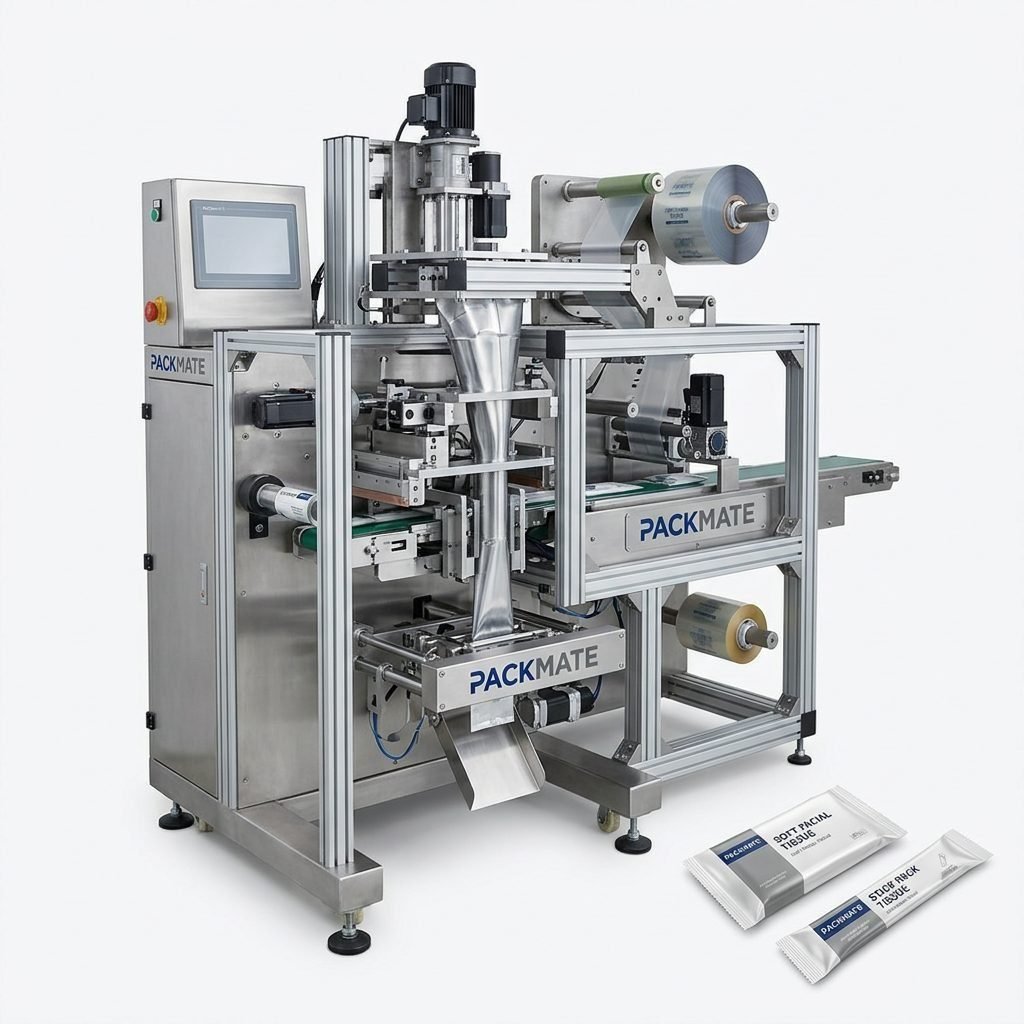
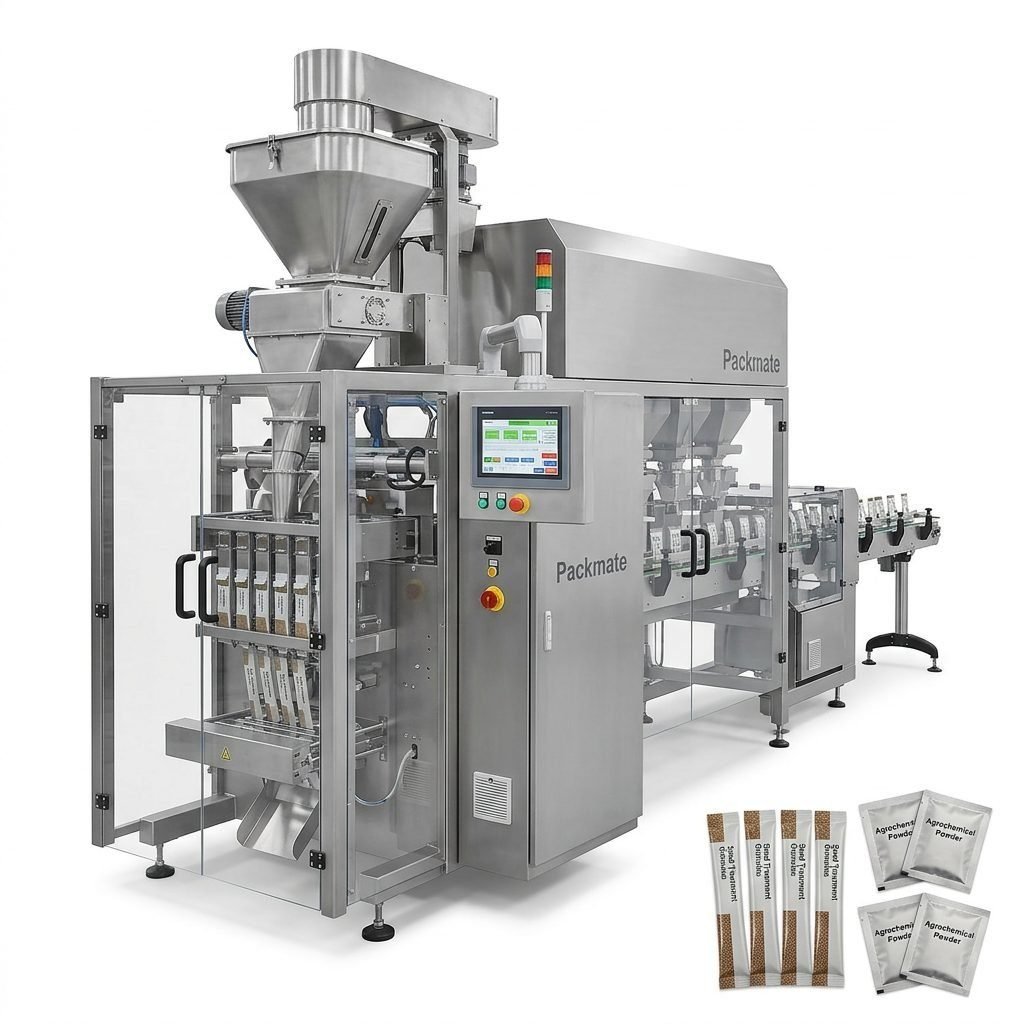
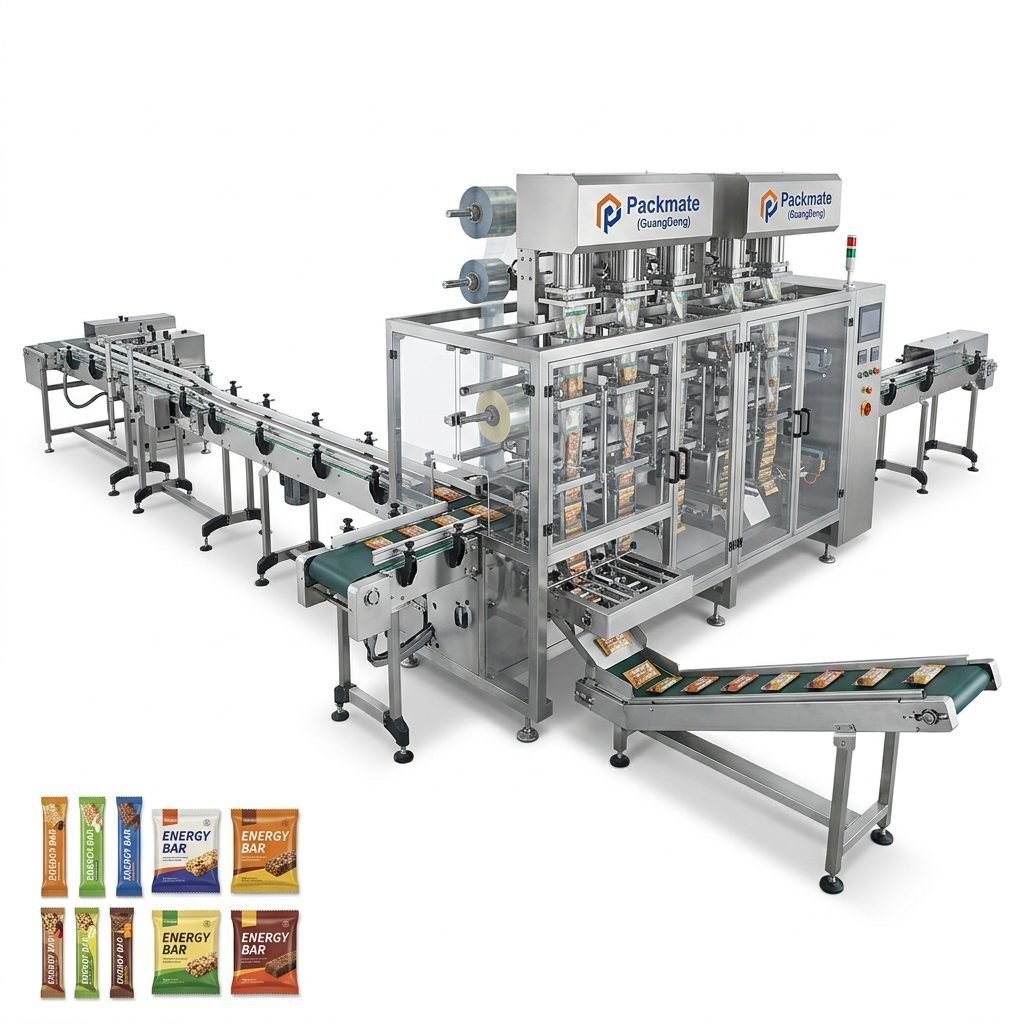
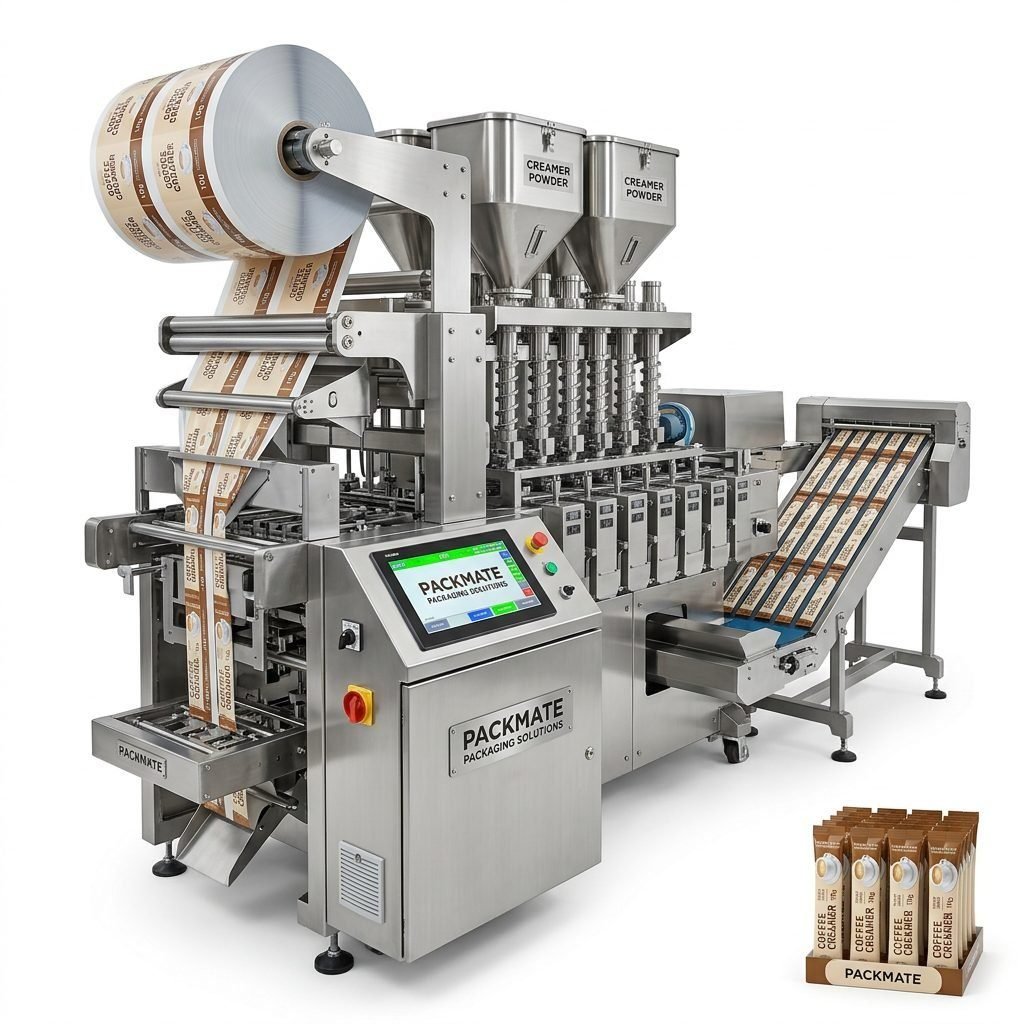
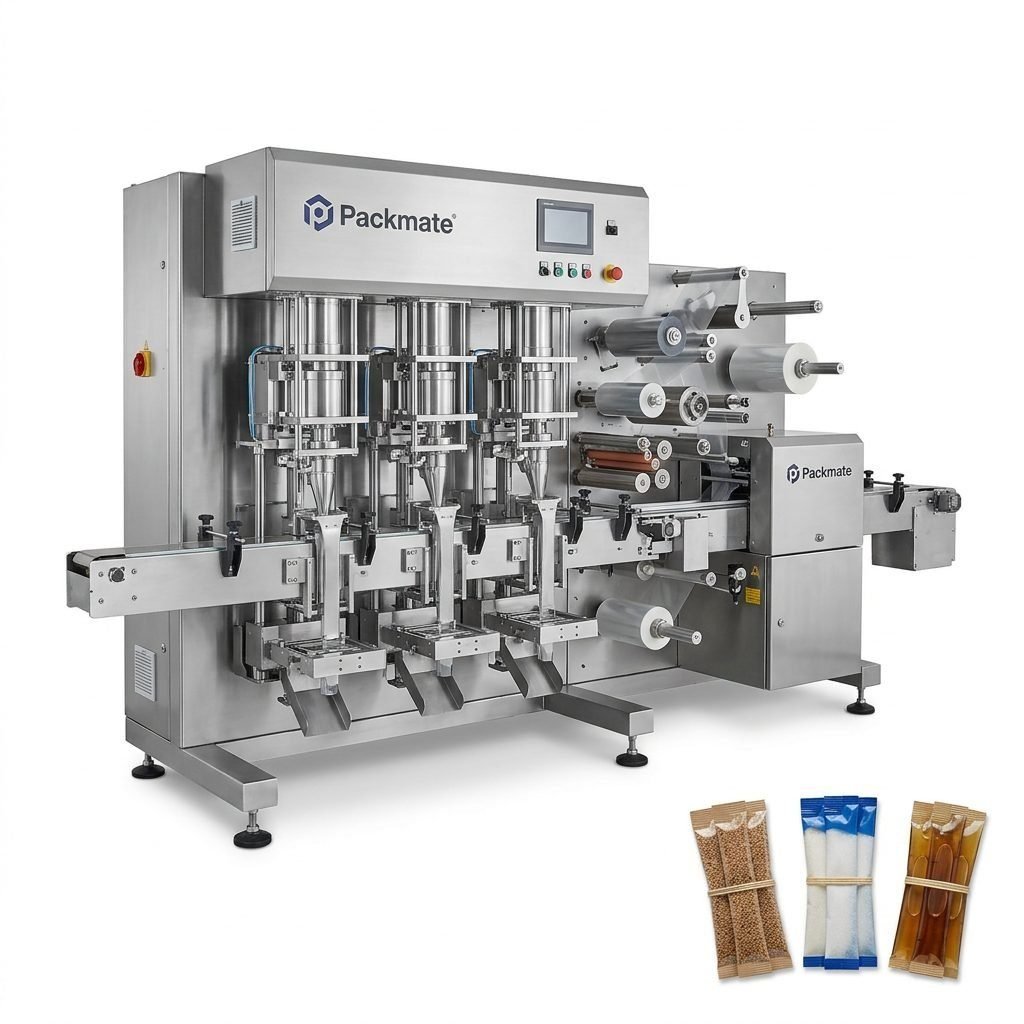
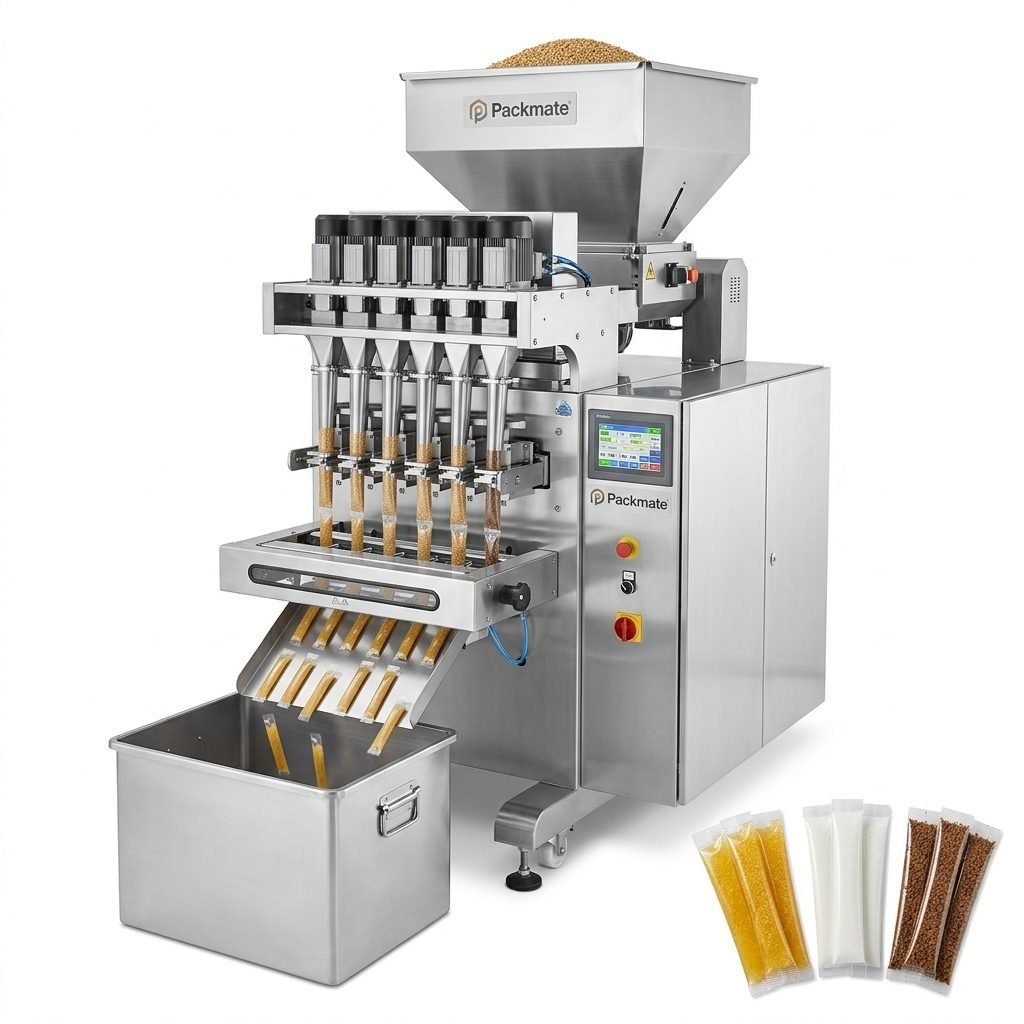
The core advantage of packaging automation lies in its ability to dramatically increase output. Manual packaging is inherently limited by human speed and endurance, leading to bottlenecks. Automated systems, such as multi-lane stick pack machines or vertical form-fill-seal systems, operate continuously at high speeds, often producing hundreds of pouches per minute. This allows manufacturers to scale production to meet large orders and seasonal spikes without proportionally increasing labor or floor space.
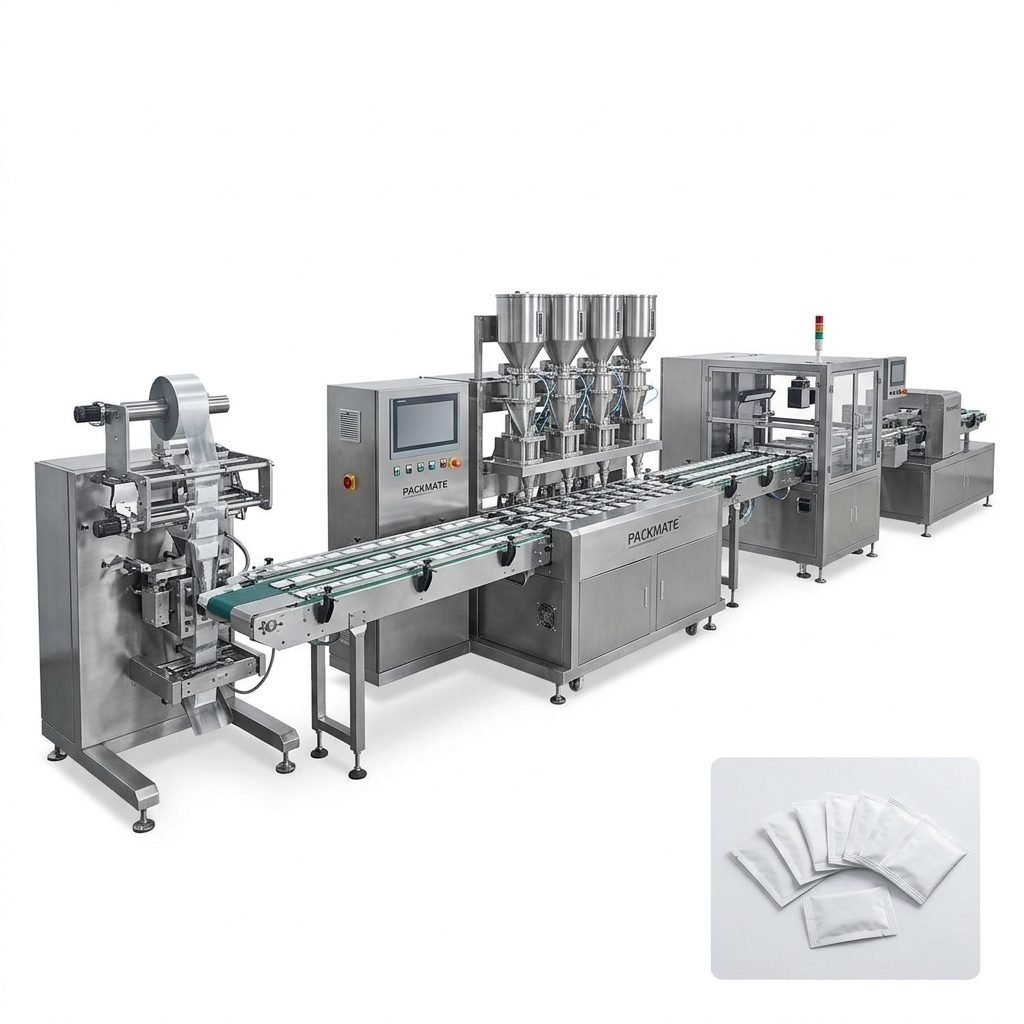
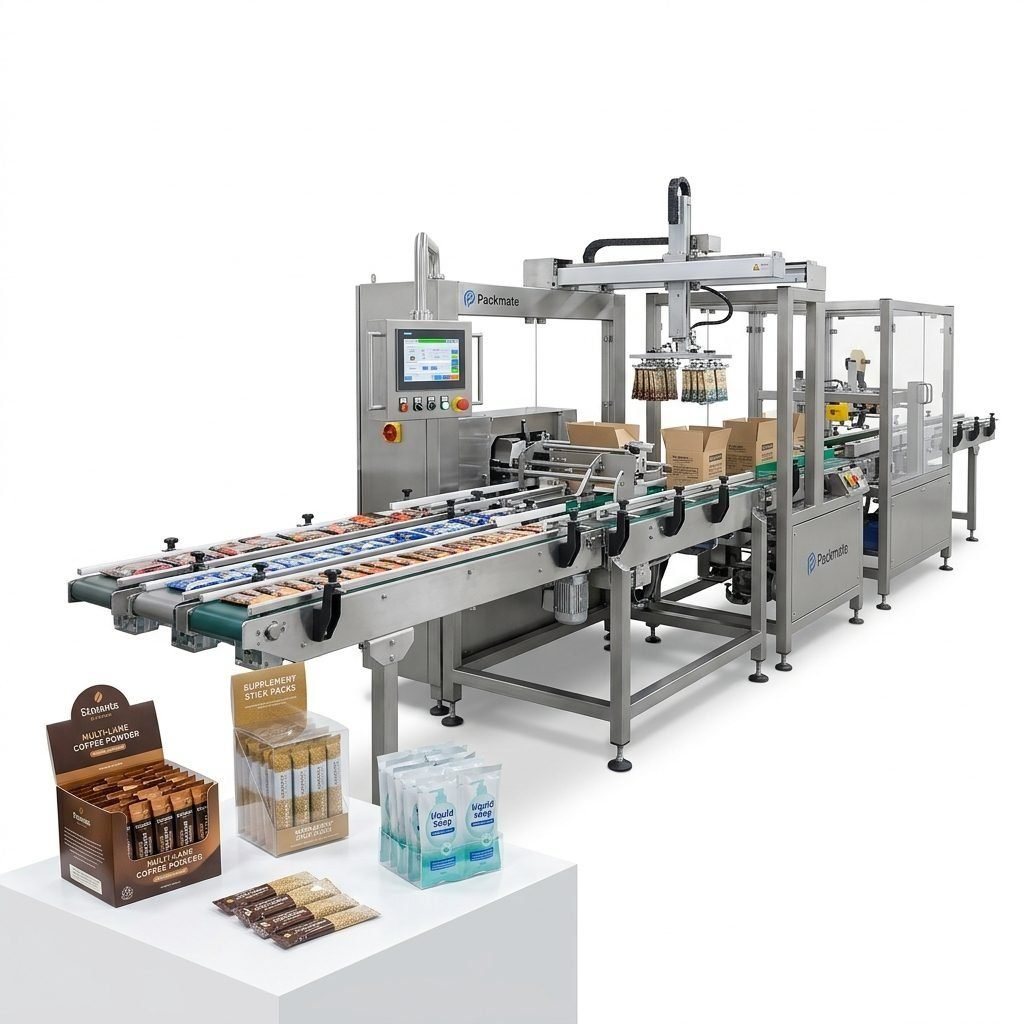
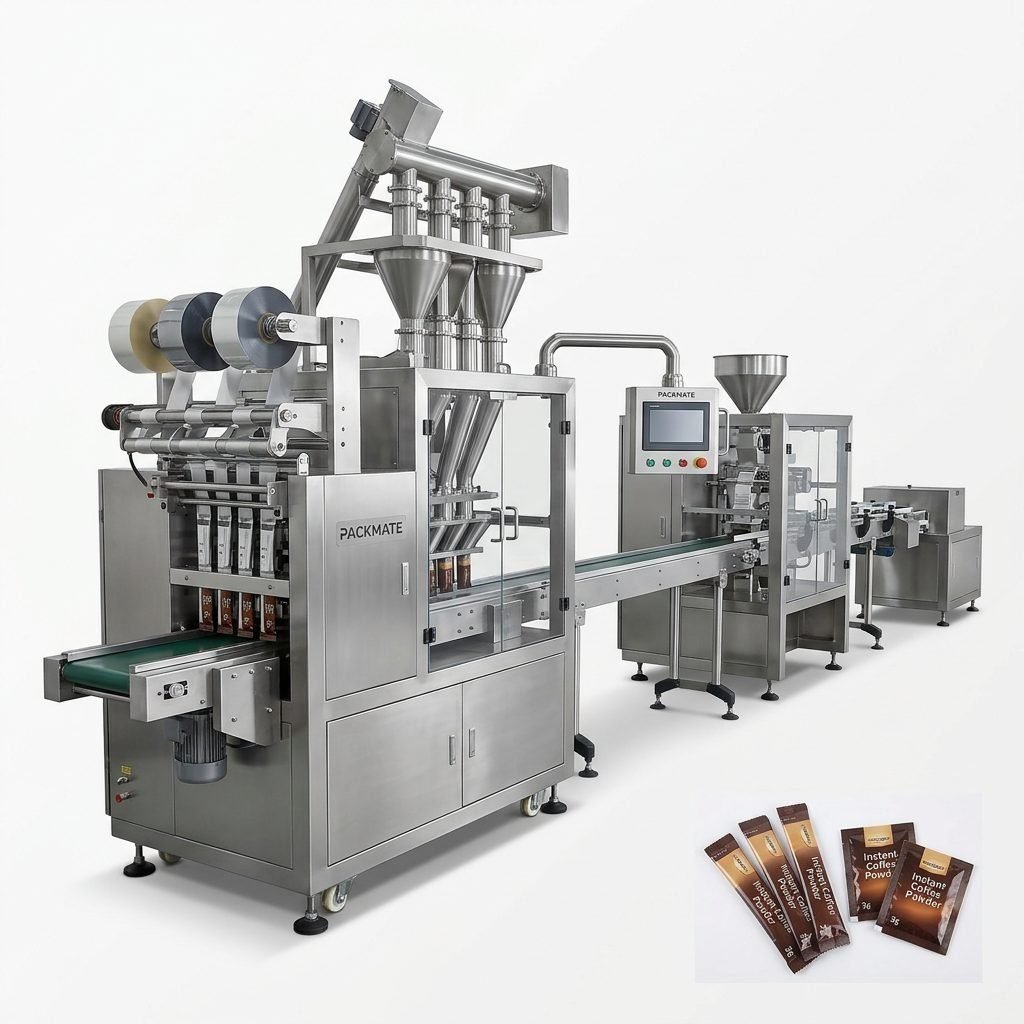
For instance, a fully integrated line can handle feeding, precise weighing, filling, sealing, coding, and case packing in a seamless sequence. This eliminates downtime between separate manual stages and creates a smooth, continuous flow from raw material to palletized finished goods.
Furthermore, automation enables 24/7 operation with minimal supervision. Modern machines are equipped with sensors and programmable logic controllers (PLCs) that manage the process, perform self-checks, and can even alert operators to potential issues before they cause a shutdown. This maximizes equipment uptime and overall equipment effectiveness (OEE), a key metric for any high-volume production facility.
Tangible Cost Reduction Across the Board
While the initial investment in automated packaging equipment can be significant, the long-term return on investment is compelling. Cost savings are realized in several critical areas:
- Labor Costs: Automation reduces dependency on a large manual workforce for repetitive tasks like filling, sealing, and boxing. Companies can reallocate human resources to more value-added roles such as quality control, maintenance, and process optimization.
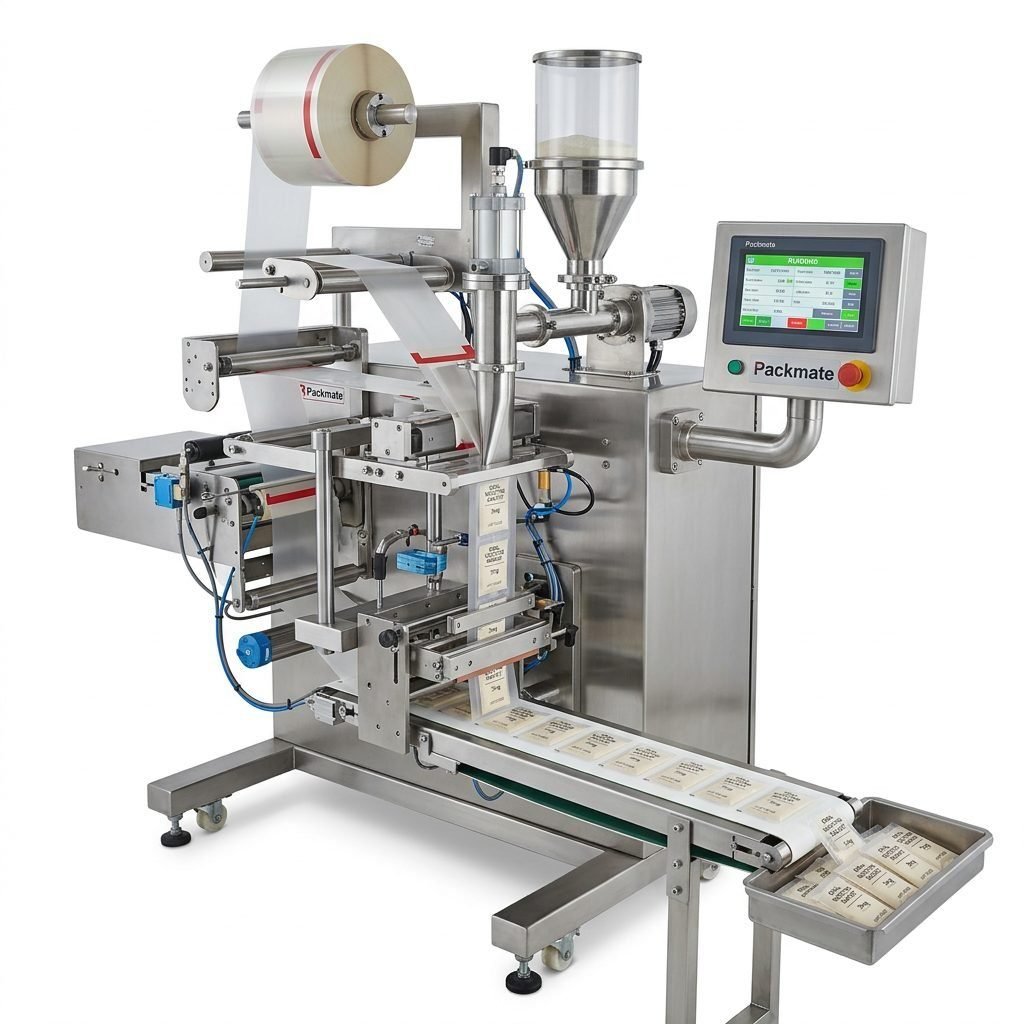
- Material Waste: Automated dosing systems are incredibly precise, dispensing the exact amount of product into each pouch. This minimizes giveaway (overfilling) and reduces product loss, directly improving the bottom line. Consistent sealing also reduces waste from leaking or rejected packages.
- Operational Costs: Efficient, high-speed lines consume less energy per unit produced compared to running multiple slower, less efficient machines or manual stations. Reduced downtime also means lower costs associated with production delays.
Companies like Ludyway, with over 30 years of experience, design their packaging solutions to optimize these cost-saving parameters, ensuring buyers achieve a swift ROI.
Case Study: Output & Labor Comparison
| Parameter | Manual Station | Automated Line |
|---|---|---|
| Output (sachets/hour) | 200 – 500 | 5,000 – 30,000+ |
| Operators Required | 4-6 | 1-2 (for monitoring) |
| Filling Accuracy | ± 2-5% | ± 0.5 – 1% |
| Consistency Over 8-hr Shift | Declines due to fatigue | Constant |
Ensuring Consistent, High-Quality Output
Brand reputation hinges on consistent product quality. Manual packaging is vulnerable to human error, leading to variations in fill weight, seal integrity, and appearance. Automated packaging systems deliver unparalleled consistency. Every pouch, sachet, or stick pack is formed, filled, and sealed under identical, precisely controlled parameters.
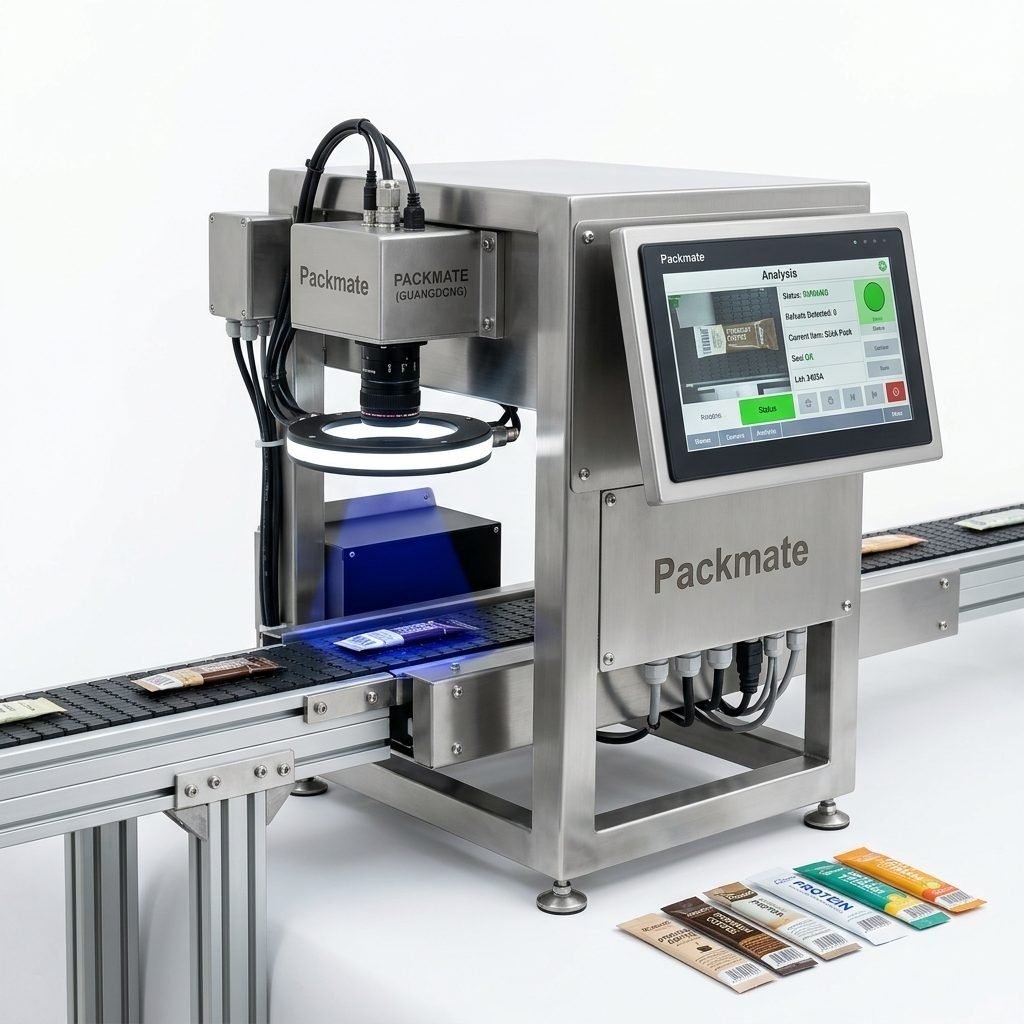
Advanced integration with checkweighers and vision inspection systems can automatically reject any package that does not meet strict weight, seal, or label criteria. This level of quality assurance is crucial for industries like pharmaceuticals and premium food products, where compliance and consumer trust are paramount. Specialized manufacturers like SnusMachinery build this precision into their nicotine pouch packaging lines, where dose consistency is a non-negotiable requirement.
The Role of Turnkey Line Integration
For maximum benefit, many manufacturers are moving beyond standalone machines to complete turnkey packaging lines. A turnkey solution, as offered by companies like PacklineOEM, involves the design, integration, and commissioning of a fully synchronized system. This approach ensures compatibility between all components—from the bulk feeder and filler to the cartoner and palletizer—eliminating interface issues that can plague piecemeal automation projects.
The result is a holistic production cell that is optimized for a specific product and output target. It reduces the engineering burden on the food producer and provides a single point of responsibility for performance and support, which is especially valuable for export-oriented operations requiring reliable, long-term operation.
Meeting Diverse Global Market Needs
The flexibility of modern automated packaging is key to serving international markets. A single line can often be quickly adjusted to handle different pouch sizes, shapes, and materials, allowing a factory to produce multiple product variants for different regions. This agility is critical for companies exporting to diverse markets with varying preferences for portion size, packaging material, and labeling regulations.
Leading Chinese manufacturers, leveraging decades of experience like that of Ludyway (founded 1993), have developed deep expertise in creating machines that meet international safety and hygiene standards (e.g., CE, FDA-compliant materials). This makes their equipment a viable and competitive choice for food producers worldwide seeking to upgrade their packaging operations without exorbitant capital expenditure.
Conclusion: A Strategic Investment for Growth
Implementing food packaging automation is a strategic decision that goes beyond mere machinery purchase. It is an investment in future-proofing a business. The combined benefits of heightened efficiency, significant cost savings, and guaranteed quality consistency create a powerful competitive edge. As consumer demand grows and labor markets tighten, automation transitions from a luxury to a fundamental component of a scalable, resilient, and profitable food production operation.
Frequently Asked Questions (FAQs)
What is the typical payback period for a packaging automation system?
The payback period varies based on output, labor costs, and product value, but many operations see a full return on investment within 1 to 3 years through labor savings, reduced waste, and increased production capacity.
Can automated lines handle different types of food products?
Yes. Modern systems are highly adaptable. With change parts and parameter adjustments, a single line can often package powders (like protein shakes), granules (like instant coffee), liquids (like sauces), and pastes. Specialized configurations exist for unique products like nicotine pouches or wet wipes.
Is it better to buy a standalone machine or a full turnkey line?
It depends on your starting point and goals. A standalone machine is suitable for automating a specific bottleneck. A turnkey line is ideal for new facilities or complete overhauls, as it ensures all components work harmoniously for maximum overall efficiency and comes with integrated project support.
How important is after-sales support and spare parts availability?
Extremely important. Reliable technical support, training, and ready access to genuine spare parts are crucial for minimizing downtime. Established manufacturers with strong export networks typically provide better long-term support structures.
What are the key factors when choosing a packaging machine supplier?
Key factors include: proven experience with your product type, machine reliability and construction quality, ability to provide references, clarity of technical support and warranty terms, and flexibility for future customization or expansion.