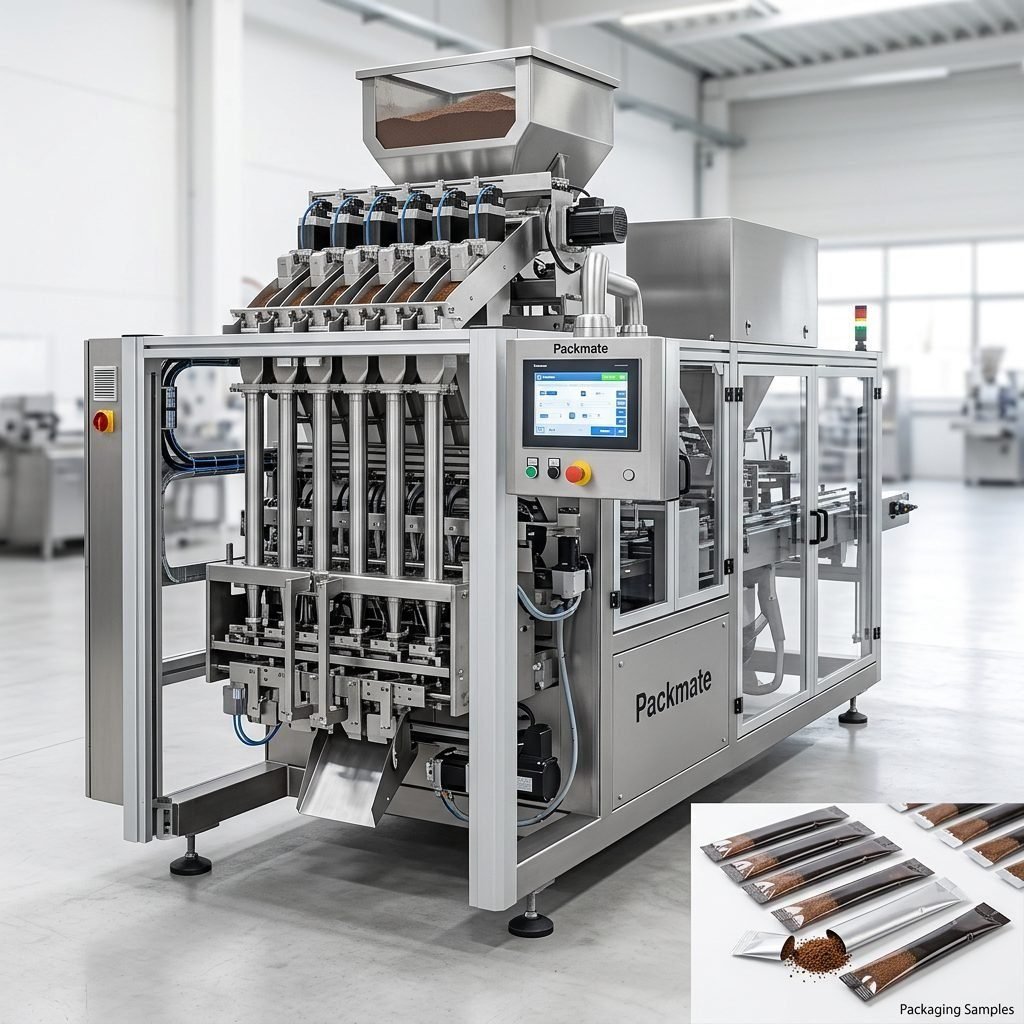
Pharmaceutical sachet packaging lines represent a critical investment for manufacturers aiming to produce single-dose, powder, or liquid medications with high efficiency, accuracy, and compliance. This complete guide explores the essential equipment, workflow, and strategies for cost optimization, drawing on insights from leading global suppliers like Ludyway and Packmate Machinery. These companies have extensive experience serving markets from Europe and North America to the Middle East and Southeast Asia, tailoring solutions to meet stringent regional pharmaceutical standards.
Core Equipment for a Pharmaceutical Sachet Line
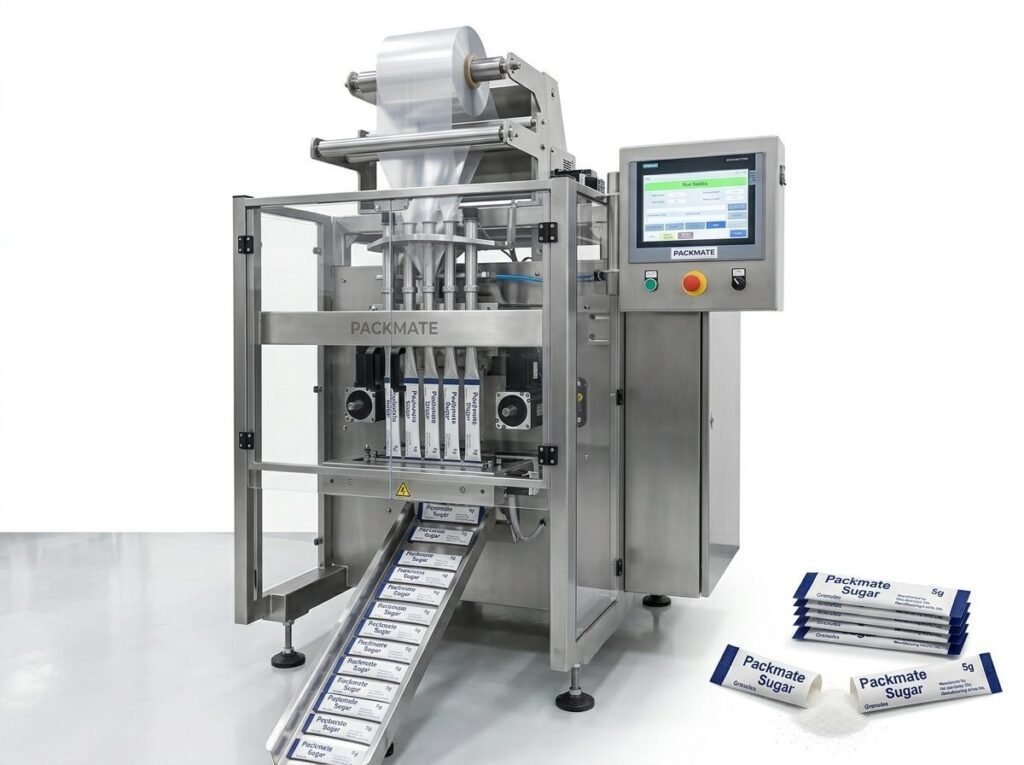
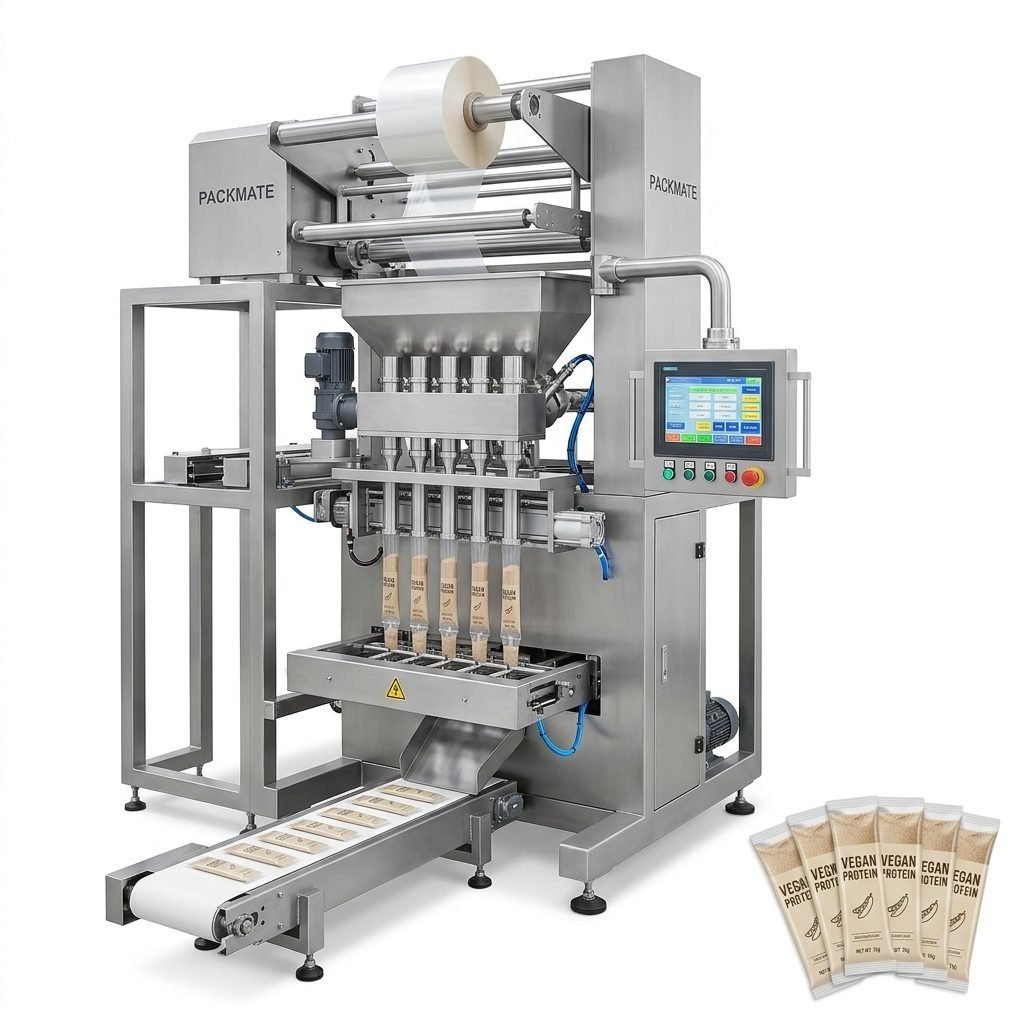
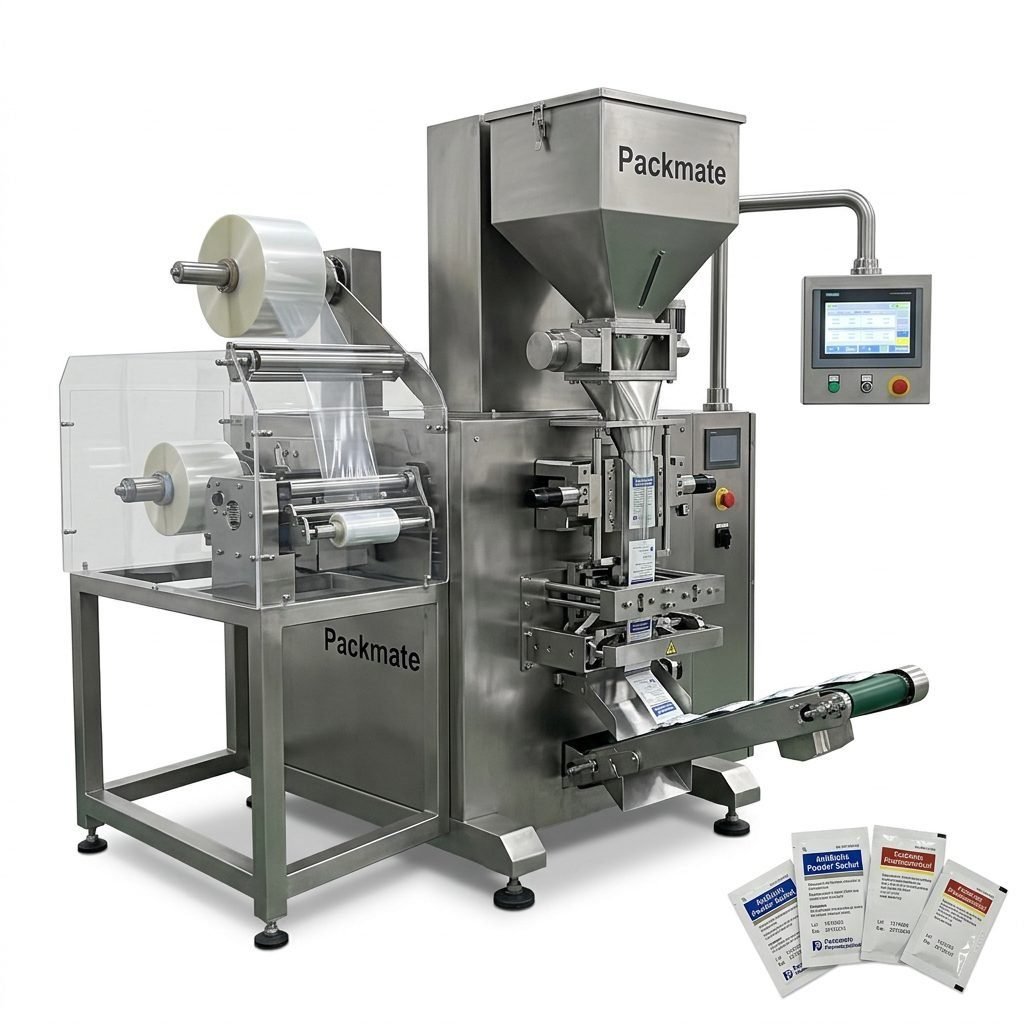
A robust sachet packaging line is a synchronized system of specialized machines. The primary workhorse is the vertical form-fill-seal (VFFS) machine, which forms the sachet from a roll of film, fills it with the product, and seals it. For pharmaceutical applications, these machines are often constructed from stainless steel for hygiene and feature servo-driven motors for precision.
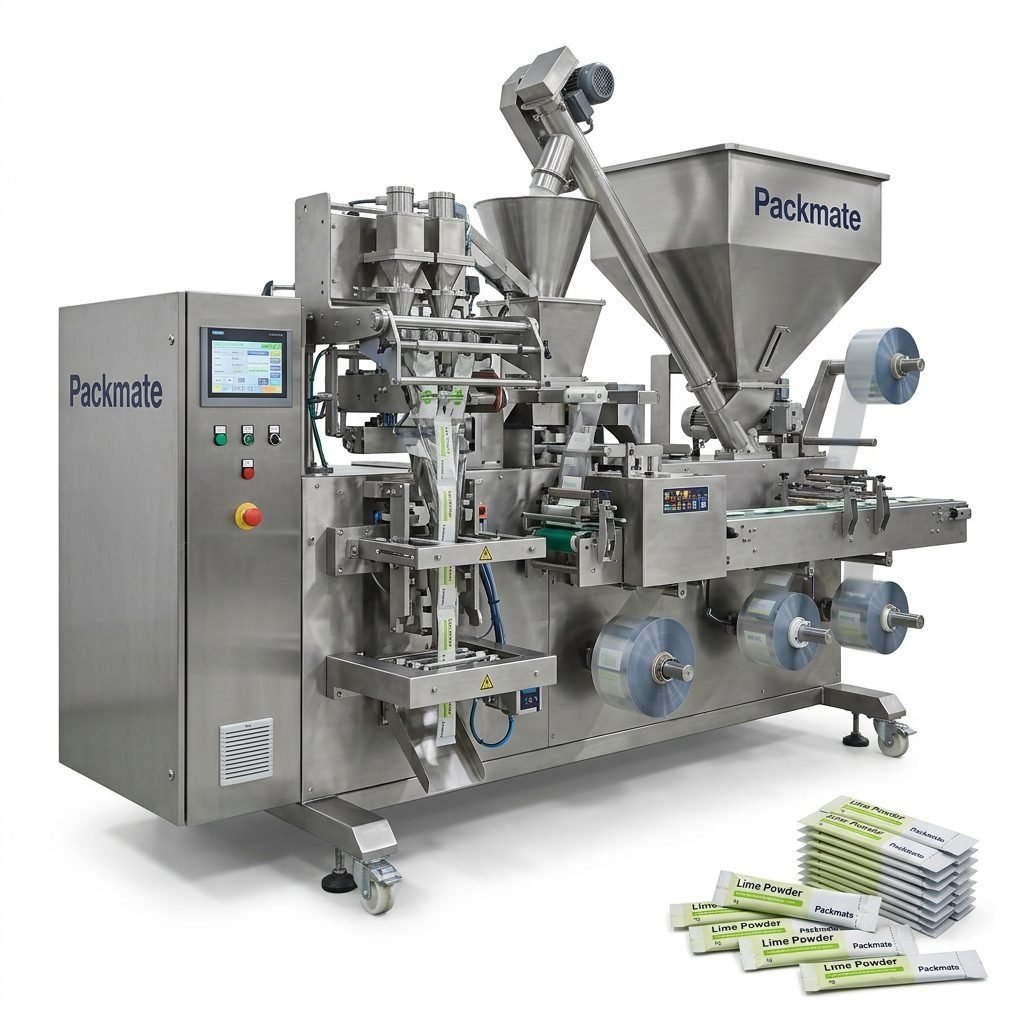
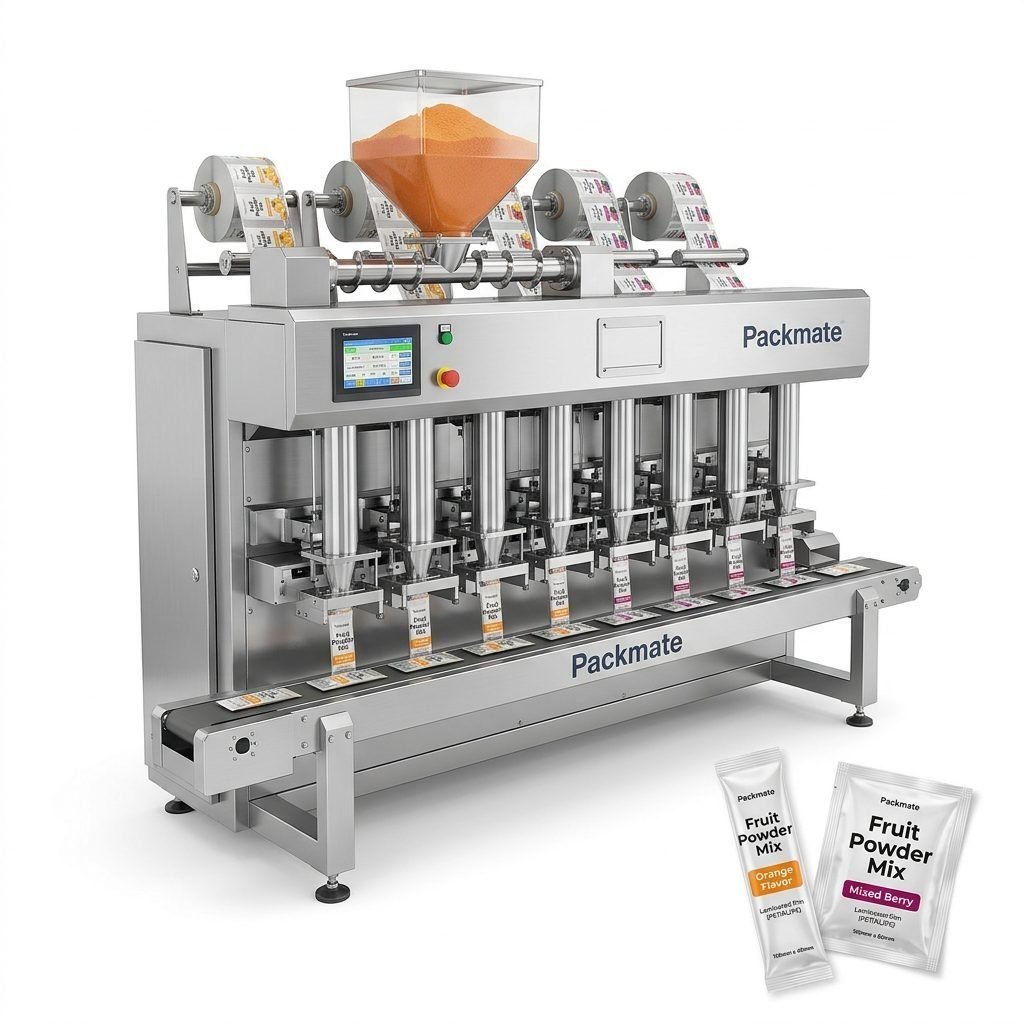
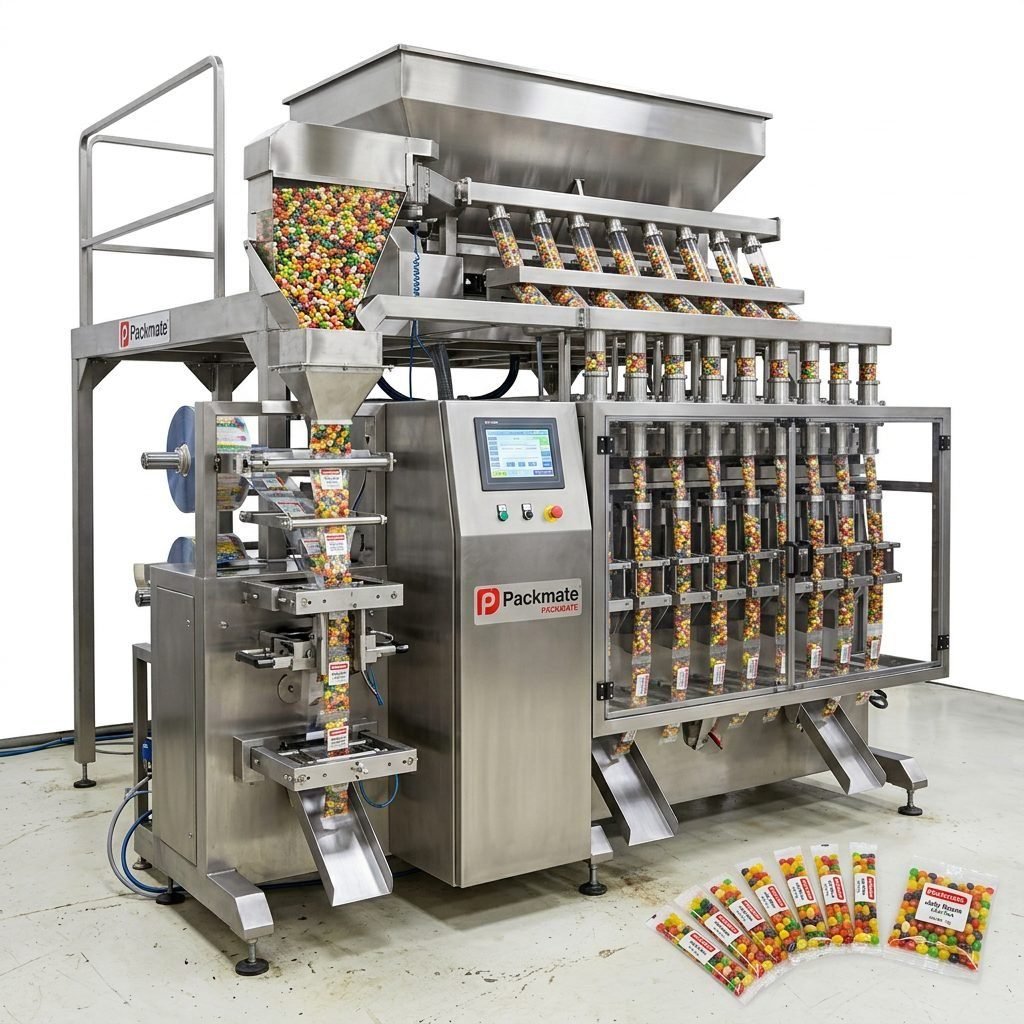
Upstream, a reliable feeding and dosing system is paramount. For powders, this could involve auger fillers, vacuum feeders, or micro-dosing pumps for liquids, all designed for high accuracy and minimal product loss. Many lines incorporate multi-head weighers or volumetric fillers to ensure each sachet contains the exact dose.
Quality control is non-negotiable. Integrated systems often include checkweighers to reject under or over-filled sachets, metal detectors or X-ray inspectors for contaminant detection, and vision inspection systems to verify print quality, seal integrity, and correct labeling.
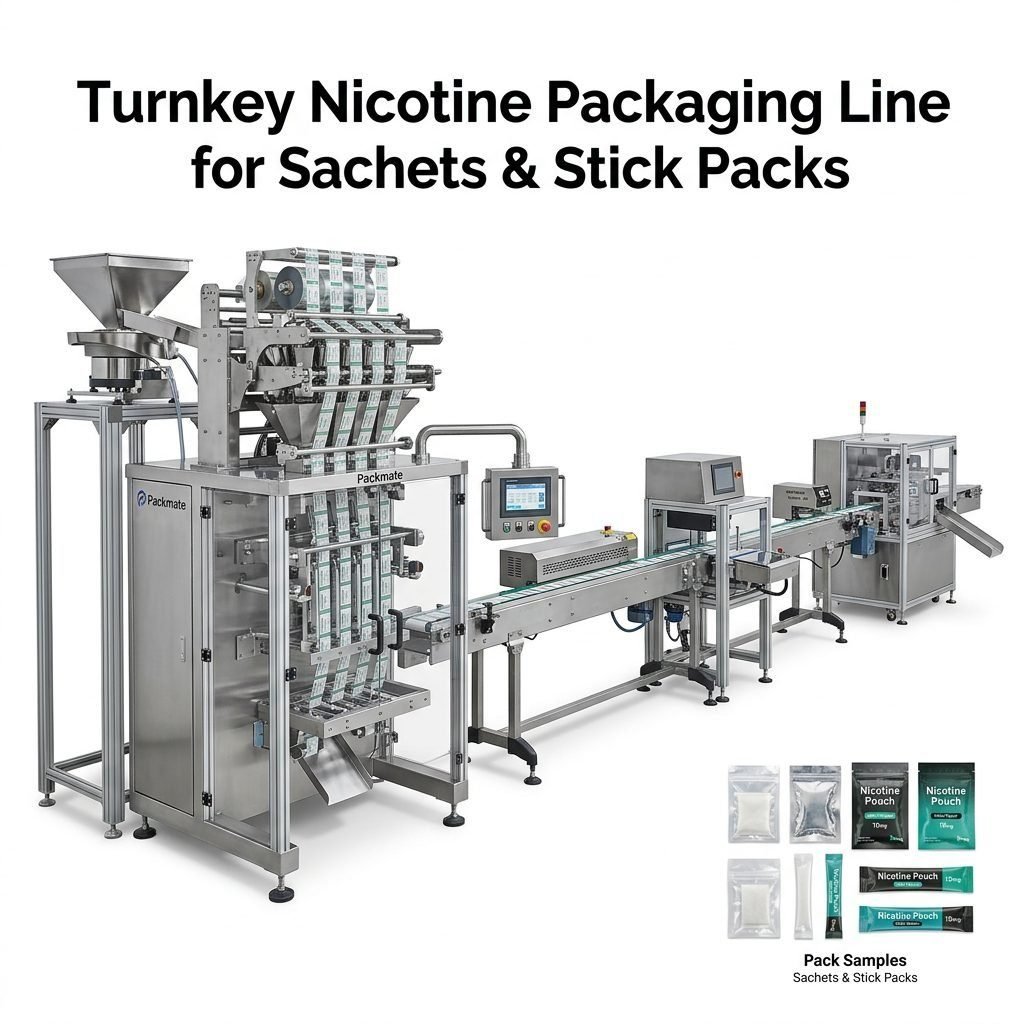
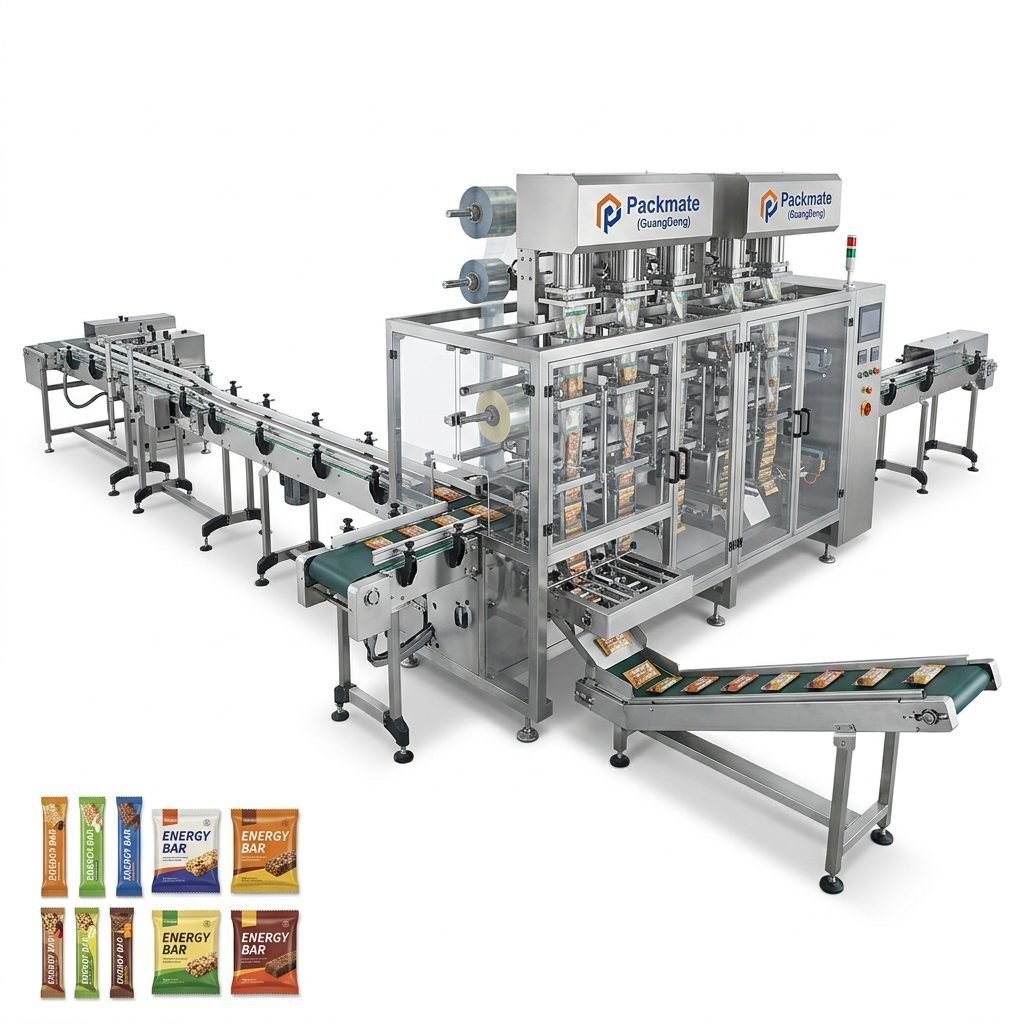
Downstream, cartoning machines collate sachets into boxes, which are then case packed and palletized automatically. For turnkey solutions, companies like PacklineOEM specialize in integrating these components into a seamless, automated line.
Key Equipment Table
| Equipment | Primary Function | Key Considerations |
|---|---|---|
| VFFS Sachet Machine | Forms, fills, and seals individual sachets. | Material compatibility, dosing accuracy, sealing integrity, speed (sachets/min). |
| Precision Filler/Doser | Measures and delivers exact product quantity. | Type (auger, pump, weigh cell), accuracy tolerance, CIP/SIP capability. |
| Checkweigher & Metal Detector | Ensures correct weight and detects contaminants. | Sensitivity, rejection mechanism, integration with line control. |
| Cartoner/Case Packer | Groups sachets into secondary packaging. | Speed, flexibility for different carton sizes, automatic leaflet insertion. |
Standard Workflow: From Raw Material to Finished Pack
The packaging process is a continuous, automated sequence. It begins with the film unwinding and forming stage, where the packaging material is shaped into a tube. The product is then precisely dosed into this tube. The next critical phase is sealing and cutting, where heated jaws create airtight seals and separate individual sachets.
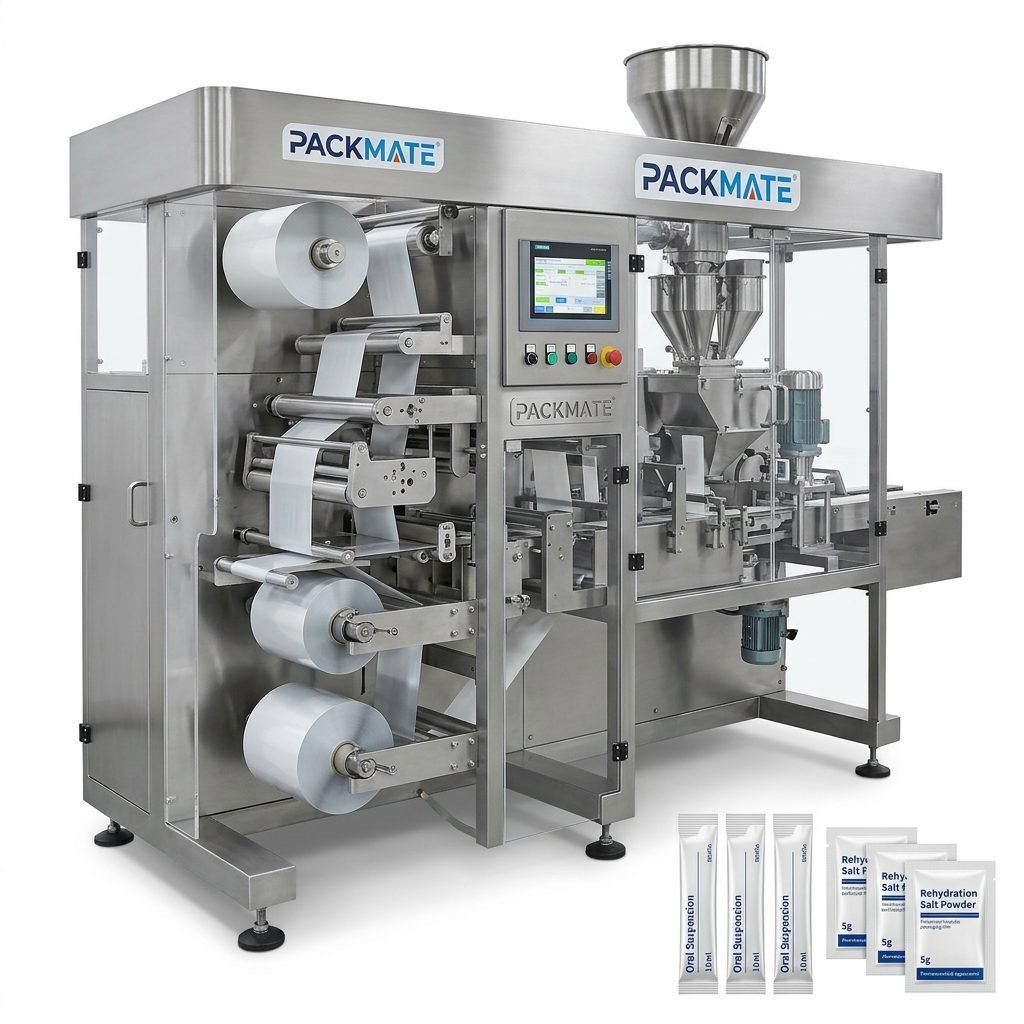
Sealed sachets are conveyed to inspection and rejection stations. Any sachet failing weight, metal detection, or visual checks is automatically removed. Accepted sachets are then collated, counted, and fed into cartons. Finally, cartons are sealed, bundled into cases, and palletized for shipment. A centralized PLC control system monitors and coordinates every step, ensuring traceability and consistent quality.
Optimizing for Different Global Markets
Requirements vary by region. In Europe and North America, emphasis is on track-and-trace serialization, advanced barrier films for moisture protection, and high-speed automation to offset labor costs. In the Middle East and Africa</strong, durability in hot climates and the ability to handle a wide range of product viscosities are key. Southeast Asian manufacturers often seek scalable, semi-automatic lines that balance initial investment with growth potential, a segment where suppliers like PackingMachineOEM excel with customizable solutions.
Strategies for Cost Optimization
Optimizing costs goes beyond the initial purchase price. Total Cost of Ownership (TCO) includes maintenance, downtime, material waste, and energy consumption.
1. Smart Equipment Selection: Invest in robust, reliable machinery from experienced manufacturers. While upfront cost might be higher, it reduces costly breakdowns and production halts. Consider modular designs that allow for future upgrades.
2. Material Efficiency: Work with your machine supplier to optimize film use. This includes minimizing seal widths, using thinner but high-performance films, and reducing trim waste. Accurate dosing directly cuts product giveaway.
3. Energy and Labor Savings: Modern servo-driven machines are more energy-efficient than older mechanical models. Full automation reduces labor dependency and associated costs, while improving consistency.
4. Predictive Maintenance: Implement a scheduled maintenance program using OEM guidelines. This prevents unplanned downtime, which is the single largest cost in packaging operations.
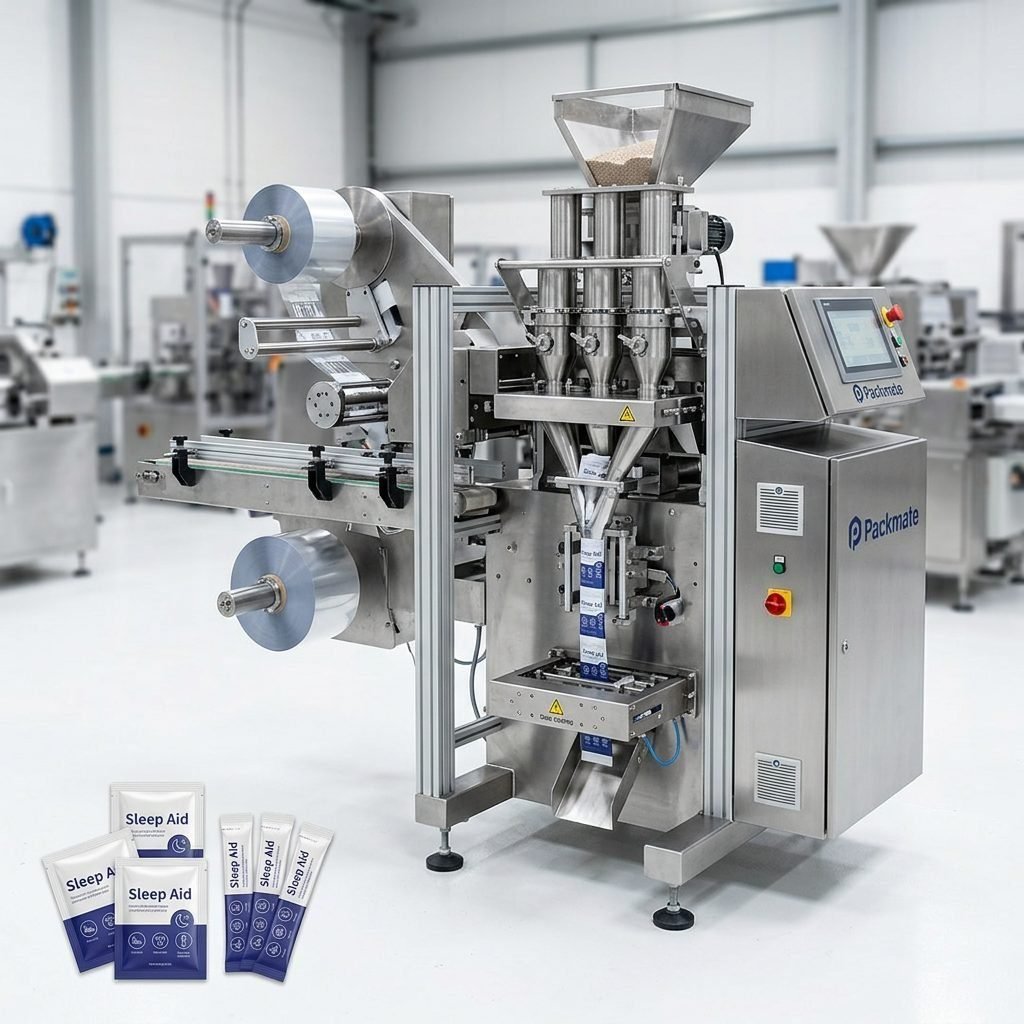
For specialized products like medicated powders or effervescent tablets, partnering with a specialist like SnusMachinery can be beneficial. Their expertise in niche, precise pouch packaging translates directly to reduced waste and higher yield in pharmaceutical applications.
Choosing the Right Partner
Selecting a machinery supplier is a strategic decision. Look for a partner with:
- Proven Pharma Experience: Understanding of GMP, validation protocols (IQ/OQ/PQ), and cleanability requirements.
- Technical Support & Spares: Global after-sales service and readily available spare parts are crucial for minimizing downtime.
- Customization Ability: The line should adapt to your specific sachet size, product characteristics, and output goals.
- Turnkey Capability: A single supplier managing the entire line integration, like Ludyway or PacklineOEM, simplifies project management and ensures component compatibility.
Frequently Asked Questions (FAQs)
Q: What is the typical output speed of a pharmaceutical sachet line?
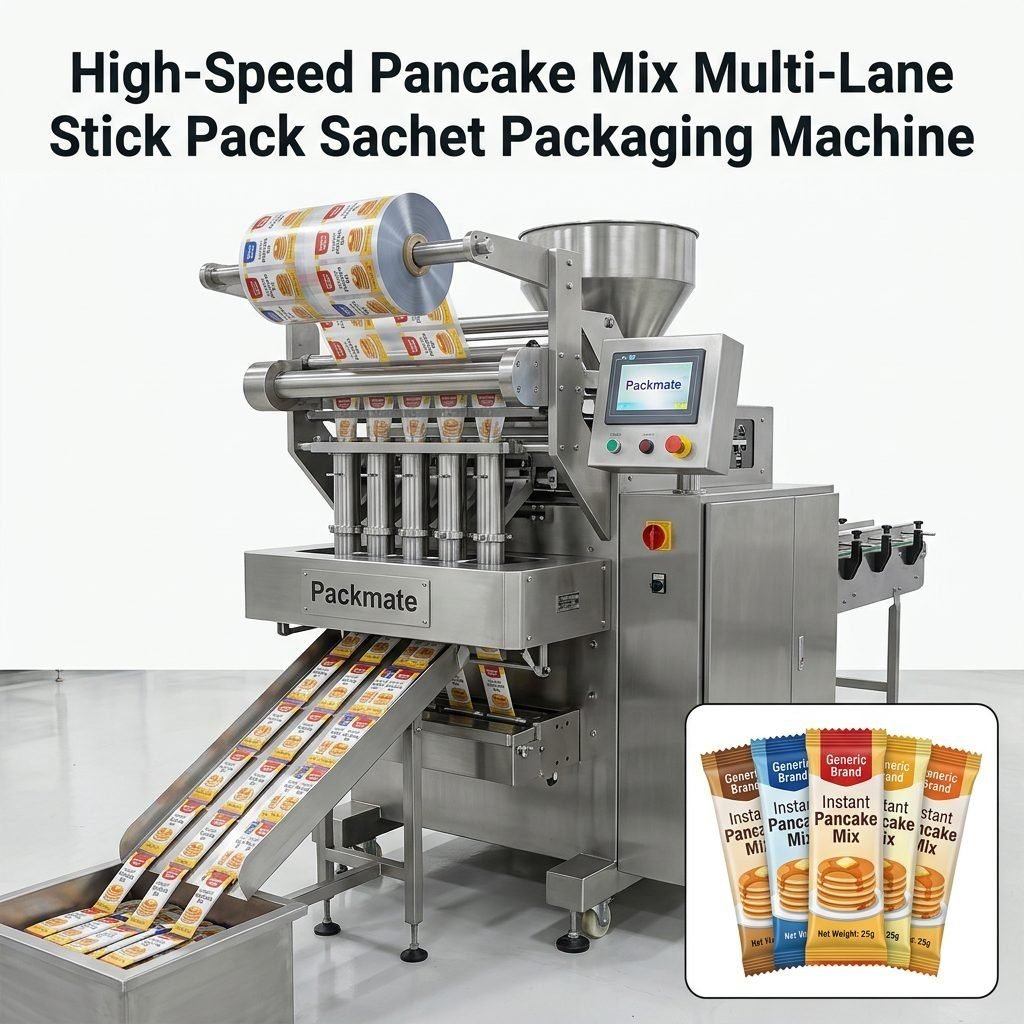
A: Speeds vary based on sachet size and complexity. Standard machines range from 80 to 200 sachets per minute. Multi-lane systems from suppliers like Packmate Machinery can significantly increase throughput.
Q: How do I ensure the packaging is child-resistant or senior-friendly?
A: This is a packaging material and design function. Your machine supplier should be able to test and run films with specific tear-notches or structures that meet regional safety regulations (e.g., USP, EU).
Q: Can one line handle both powder and liquid sachets?
A: With significant changeover. While the core VFFS machine might be similar, the filling system (auger vs. pump), sealing parameters, and cleaning procedures differ completely. A changeover requires time and validation.
Q: What are the key maintenance points for a sachet line?
A: Daily cleaning of product contact parts, regular lubrication of moving parts, inspection and replacement of sealing jaws, and calibration of checkweighers and metal detectors are essential. Follow the manufacturer’s preventive maintenance schedule strictly.
Q: Is validation support included when purchasing a line?
A> Reputable pharmaceutical machine manufacturers typically provide documentation packages (FAT, SAT, manuals) and support protocols to aid in your Installation Qualification (IQ) and Operational Qualification (OQ). Performance Qualification (PQ) is usually the responsibility of the end-user with supplier support.