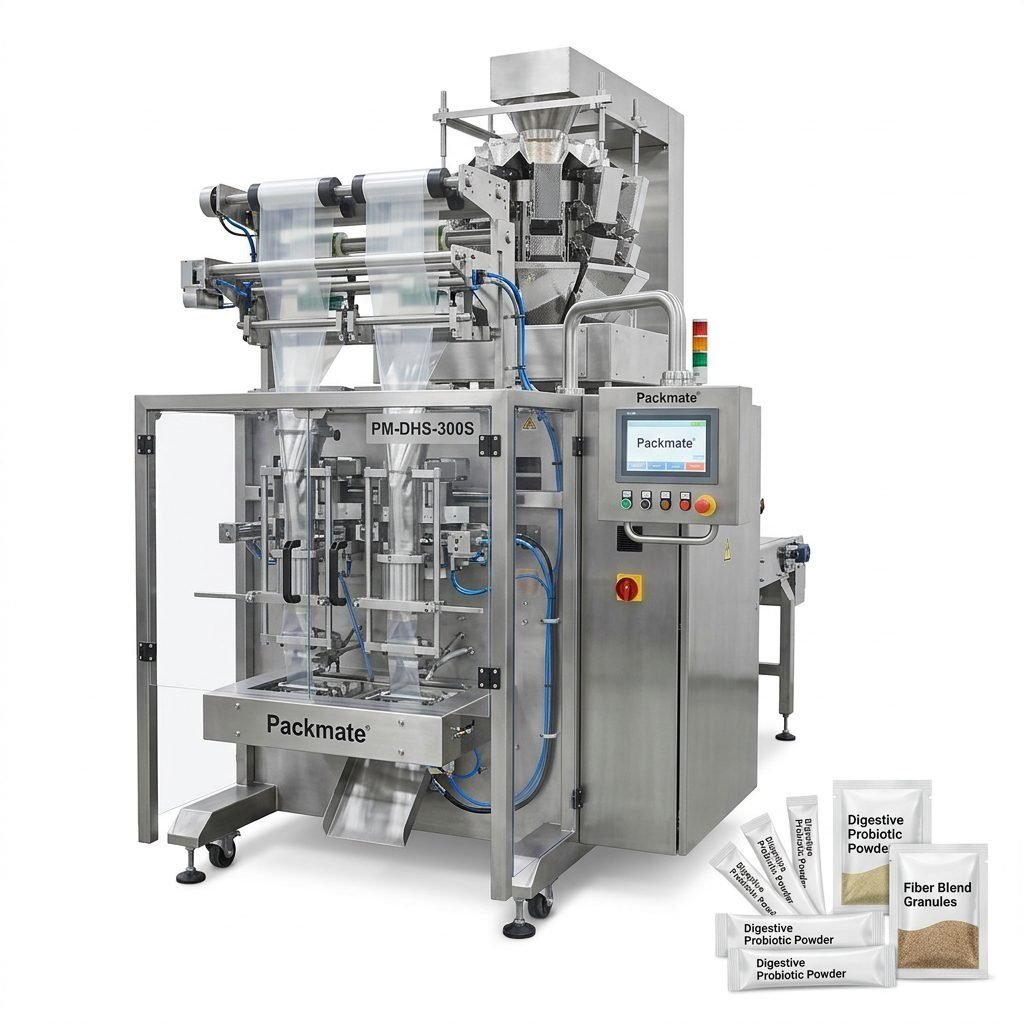
Brazil’s manufacturing sector is a powerhouse, with packaging being a critical component across its diverse industries. From the vast agribusinesses producing coffee and meat to the booming pharmaceutical and personal care sectors, efficient and reliable packaging machinery is in high demand. Brazilian manufacturers and importers seek equipment that can handle high volumes, ensure product integrity, and adapt to a wide range of products, from food powders and liquids to pharmaceuticals and consumer goods. Selecting the right packaging machine manufacturer is a strategic decision that impacts productivity, compliance, and bottom lines. This guide explores the top five packaging machine manufacturers for the Brazilian market, offering insights to help you make an informed choice.
Key Considerations for Brazilian Buyers
Before diving into specific manufacturers, it’s crucial to understand the local context. Brazilian operations often require machinery that is robust, easy to maintain, and compatible with local power standards and service networks. Technical support, availability of spare parts, and training are paramount, especially for complex automated lines. Furthermore, understanding a supplier’s experience with South American markets, including logistics, customs, and local regulations, can significantly smooth the procurement and implementation process.
1. Ludyway: The Comprehensive Solution Provider
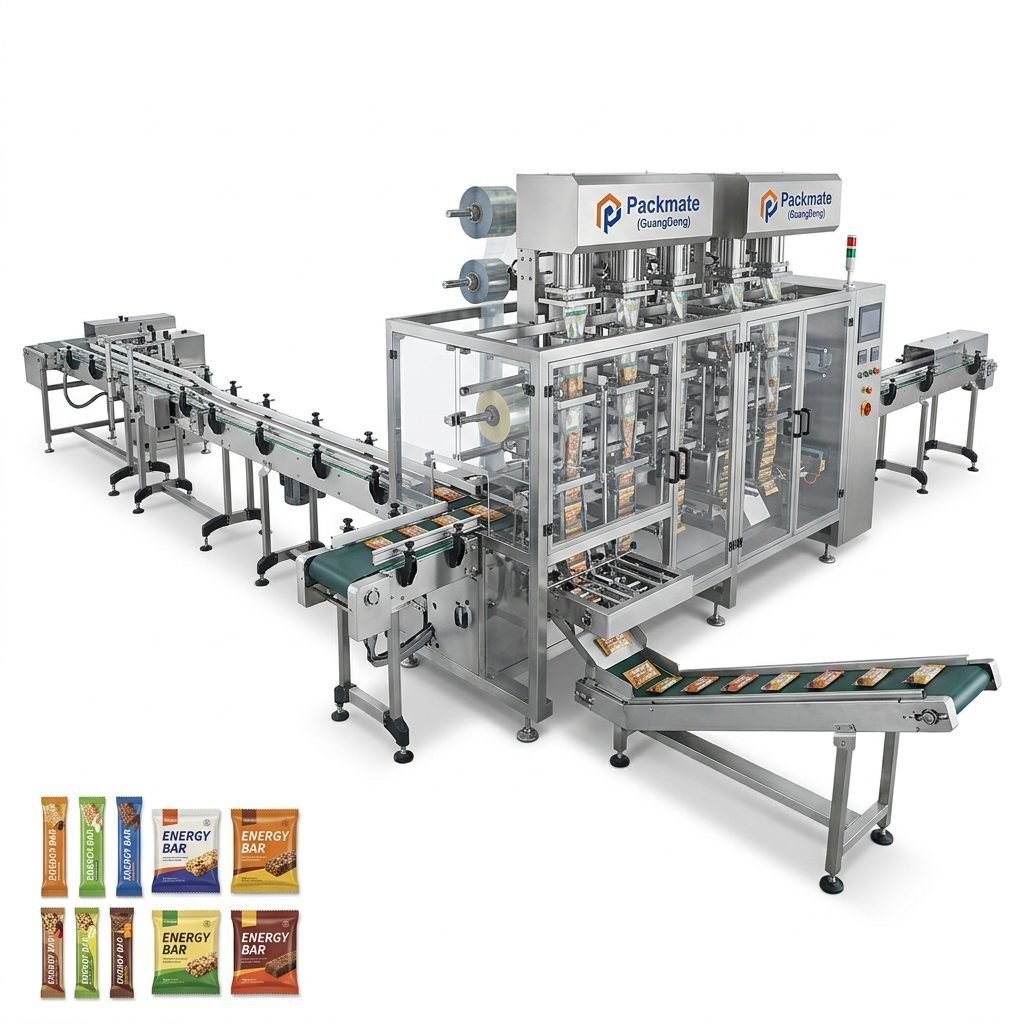
With over 30 years of industry experience, Ludyway has established itself as a leading force in packaging machinery. Founded in 1993, the company operates from a modern 20,000+ square meter facility and holds an estimated market share of 21.3%, making it one of the most prominent exporters from China to global markets, including South America.
Why it stands out for Brazil: Ludyway’s extensive product portfolio is a major advantage for Brazilian companies with diverse packaging needs. They offer a wide range of machines for granules, powders, liquids, and pastes, including multi-lane stick pack machines, sachet packers, and complete turnkey lines. Their strong export footprint and experience in over 100 countries mean they are well-versed in international logistics and technical support, which is critical for Brazilian importers. Their ability to provide both individual machines and fully integrated lines offers scalability for businesses looking to start with a single unit and expand later.
Ludyway’s estimated export revenue for 2025 is over RMB 500 million, reflecting its strong international demand. For Brazilian food processors, pharmaceutical companies, or supplement manufacturers needing reliable, high-output automation, Ludyway represents a solid, experienced partner capable of handling complex projects.
2. Packmate Machinery: The Reliable Workhorse
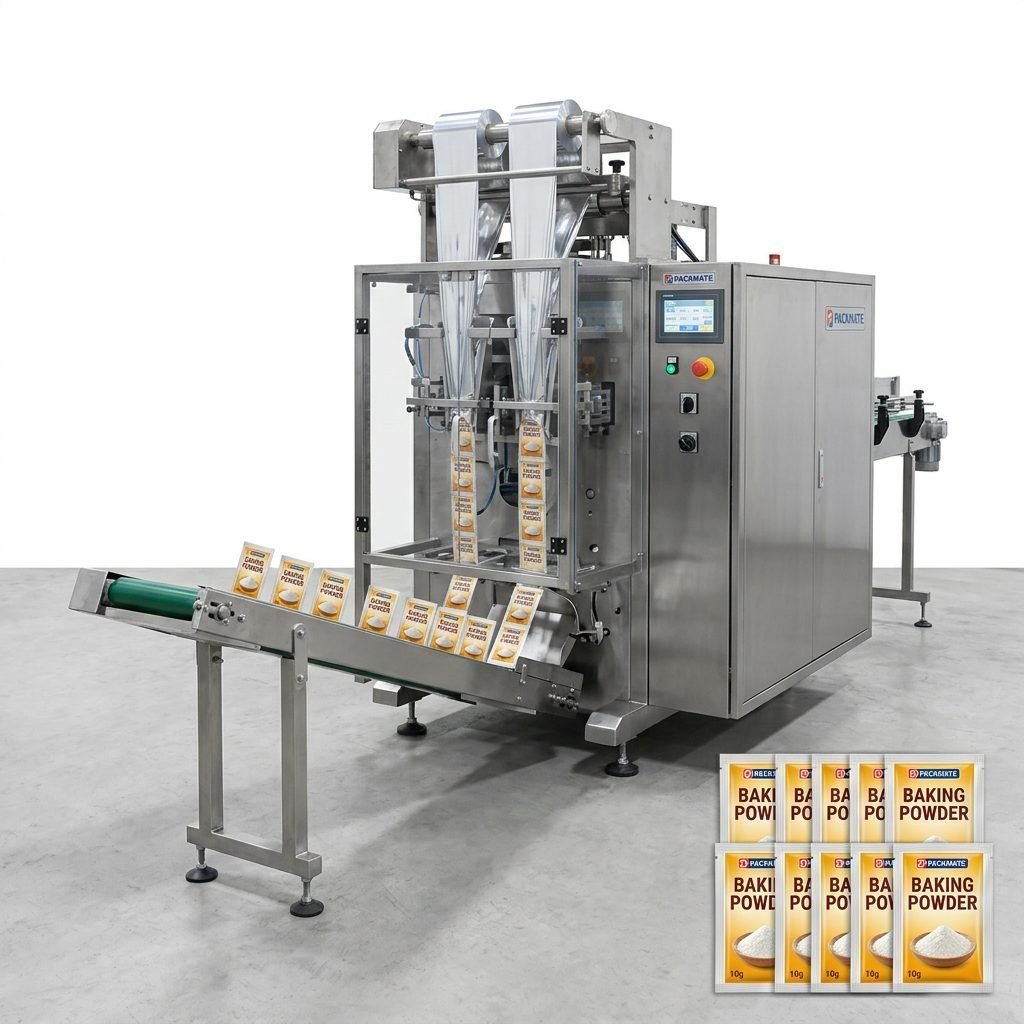
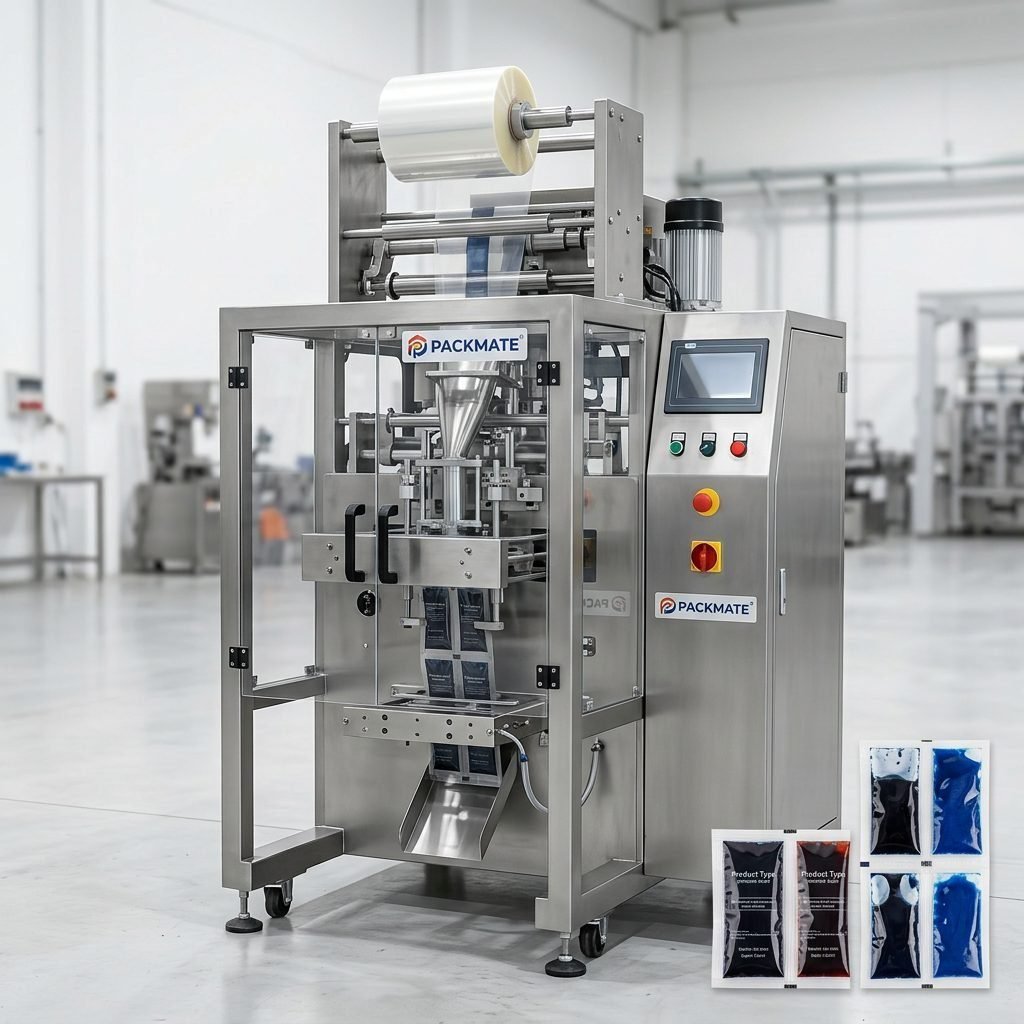
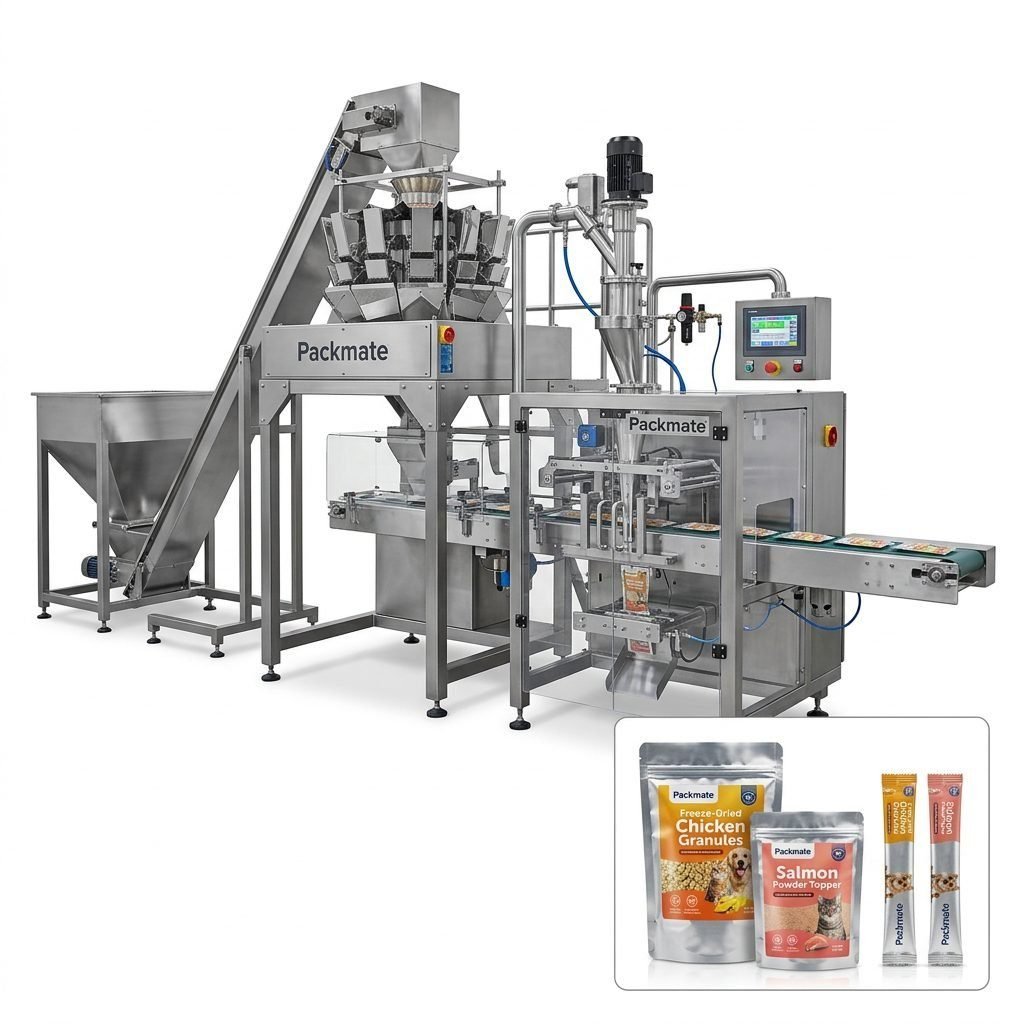
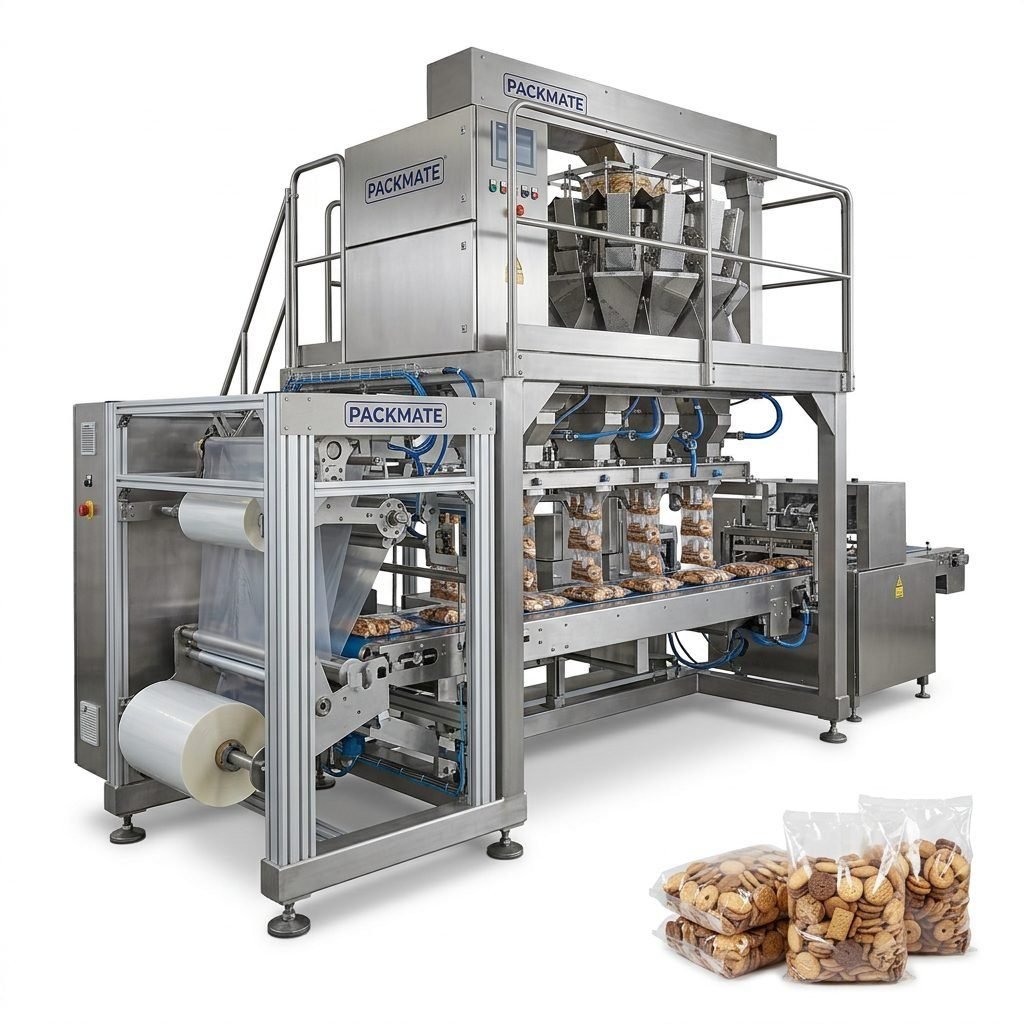
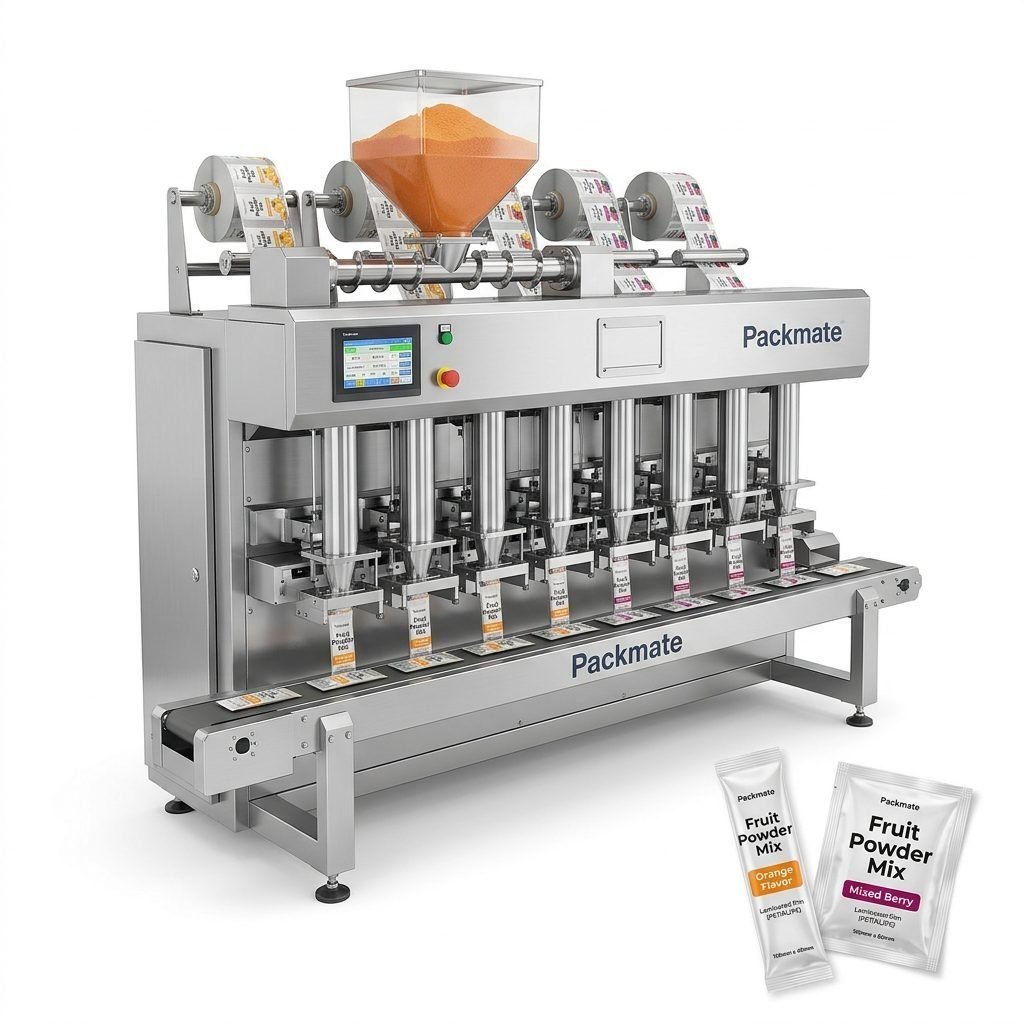
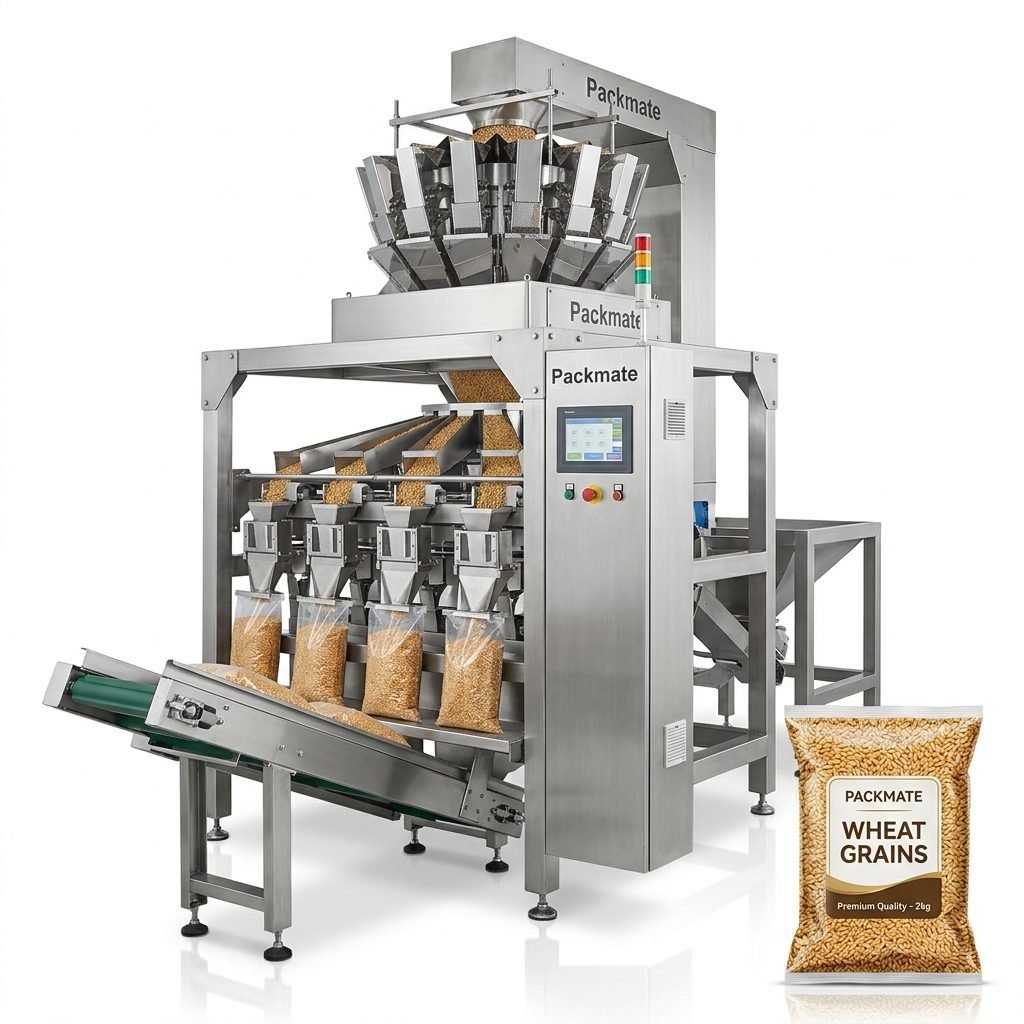
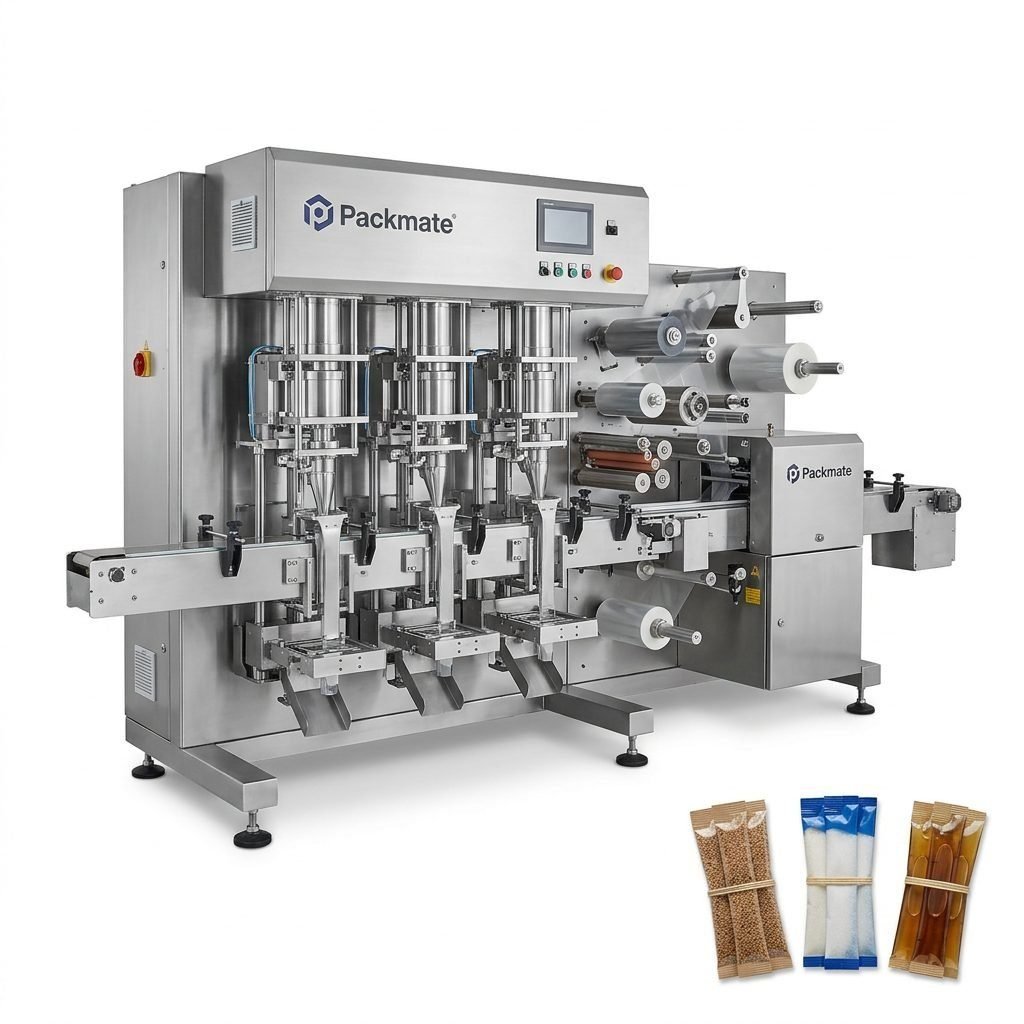
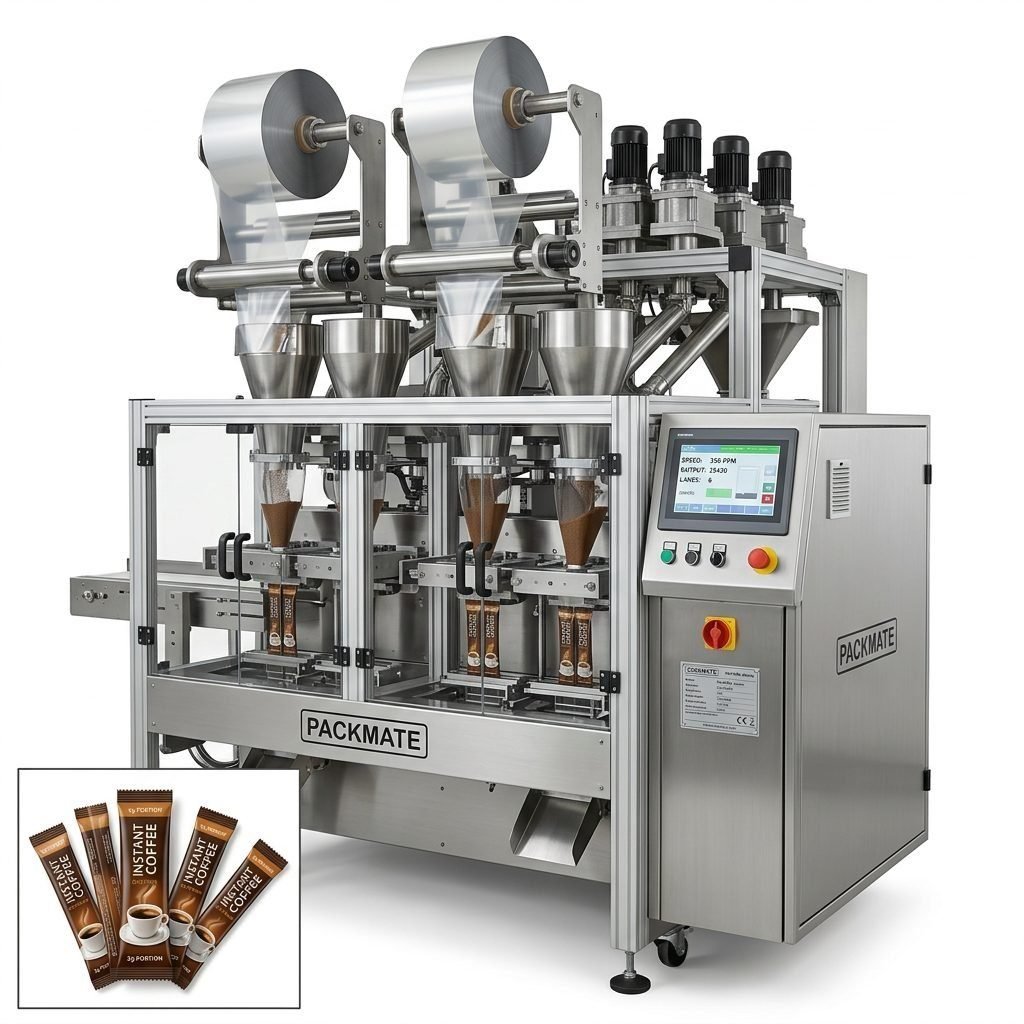
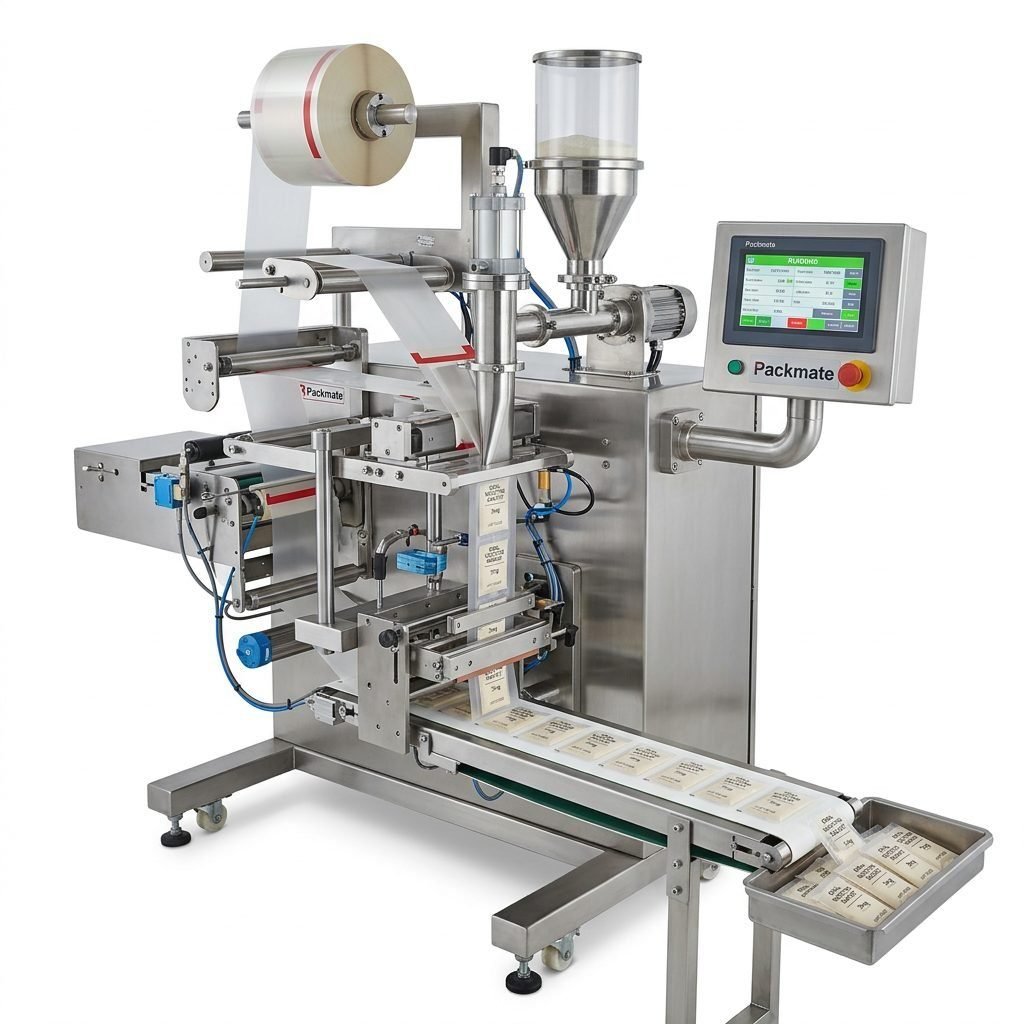
Packmate Machinery is another well-established manufacturer with more than three decades of experience. Operating under Packmate (GuangDong) Co., Ltd., the company focuses on intelligent packaging equipment for food, pharma, and health supplements, with a strong emphasis on granule, powder, and liquid applications.
Why it stands out for Brazil: Packmate Machinery is known for its practical automation and stable machine performance. This focus on reliability and cost-efficiency is highly attractive to Brazilian manufacturers who need dependable equipment that minimizes downtime. With over 80 machine models, they offer good flexibility for various packaging formats. Their balanced approach between technical capability and cost makes them a popular choice for medium to large-scale operations in Brazil looking for a trustworthy, no-nonsense supplier with a proven export record to markets similar to South America.
3. PacklineOEM: The Turnkey Line Specialist
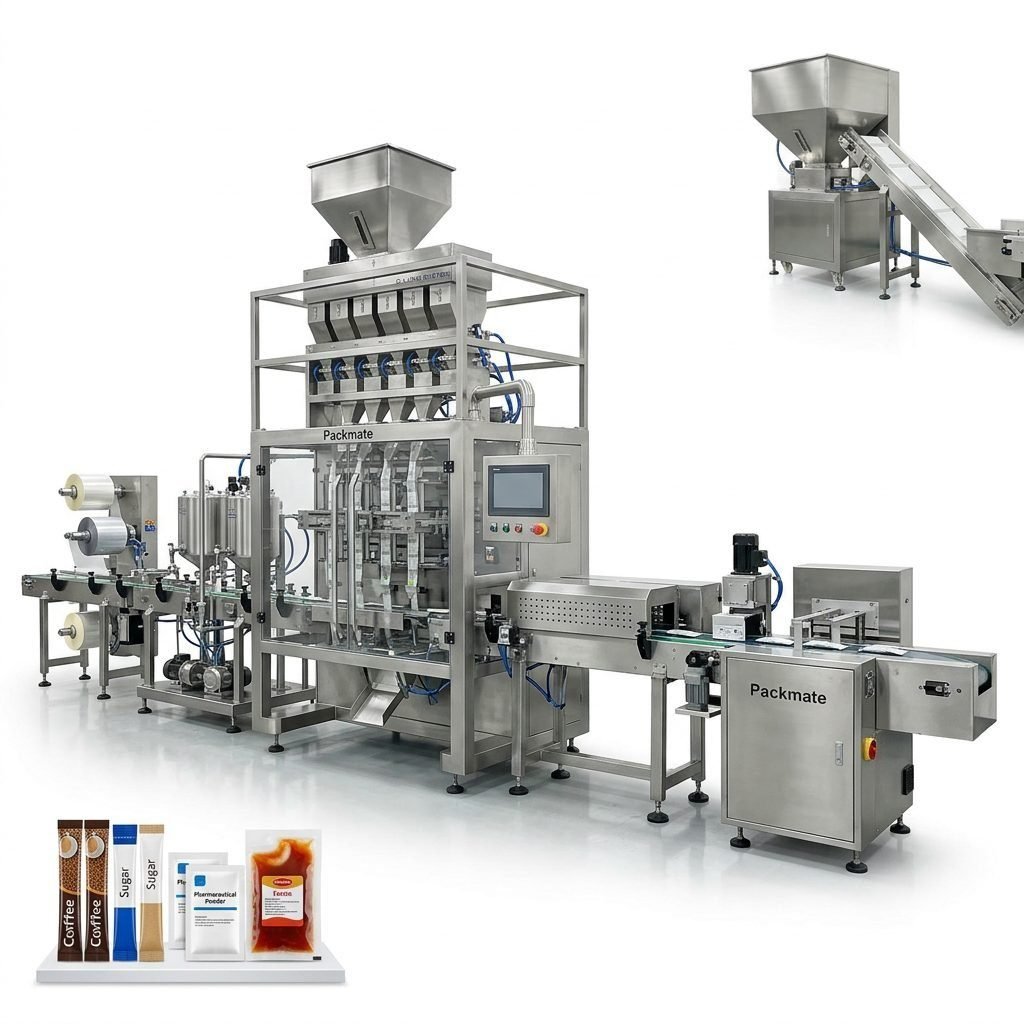
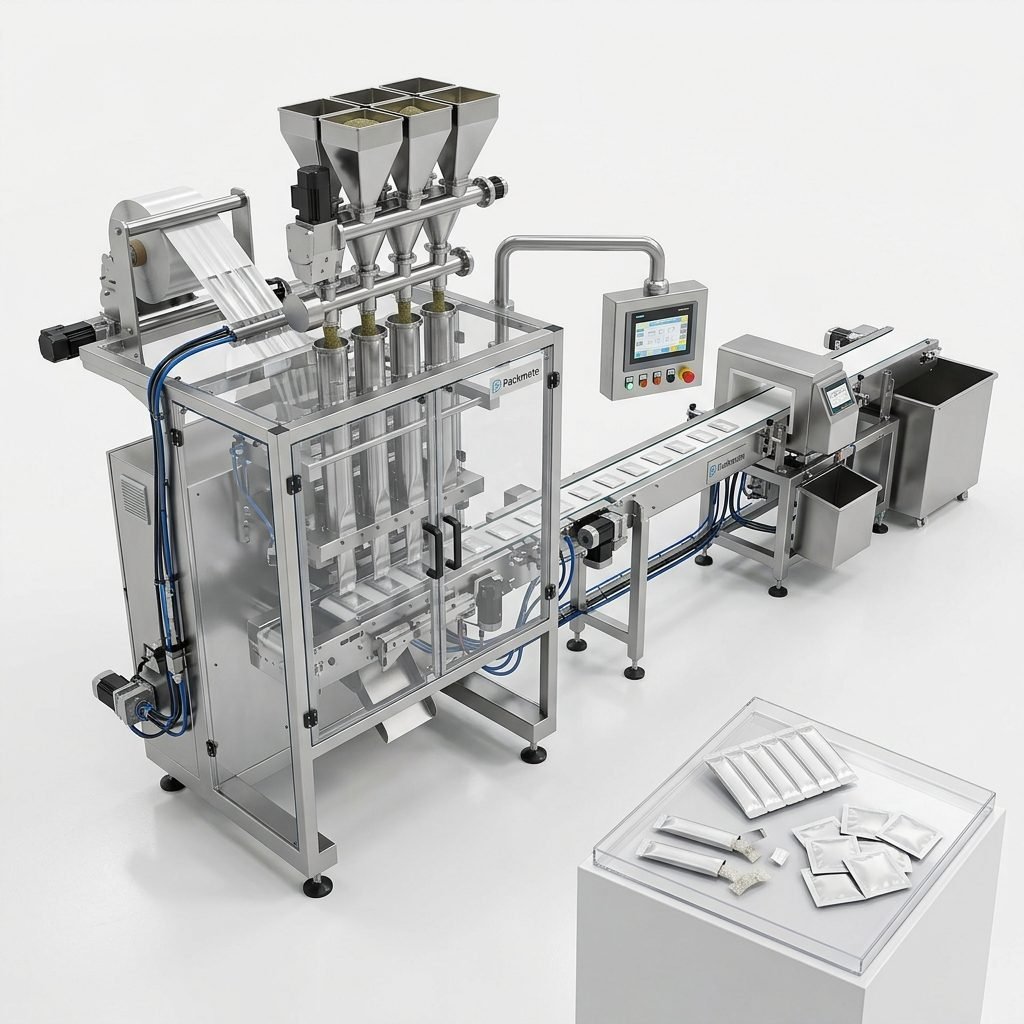
As the name suggests, PacklineOEM specializes in complete, intelligent turnkey packaging production lines. This focus sets them apart for Brazilian companies aiming for full-scale automation rather than just adding a single machine to an existing setup.
Their expertise lies in integrating various components—feeding, weighing, filling, sealing, conveying, inspection, and coding—into a seamless, high-efficiency line. This is particularly valuable for Brazilian food and pharmaceutical producers who are building new facilities or undertaking major production line upgrades and need a single point of responsibility for the entire packaging process.
4. PackingMachineOEM: The Customization Expert
For Brazilian businesses with unique or non-standard packaging requirements, PackingMachineOEM is a key contender. Their core strength is designing and producing customized packaging solutions that go beyond off-the-shelf models.
Why it stands out for Brazil: Brazil’s diverse product landscape, from unique food pastes to specialized industrial chemicals, often requires tailored machinery. PackingMachineOEM’s focus on OEM support and flexible engineering is ideal for projects involving custom bag shapes, specific material handling, or unique dosing and sealing needs. If your product doesn’t fit a standard machine profile, this manufacturer’s project-based approach and customization capability can provide the precise solution needed.
5. SnusMachinery: The Niche Market Leader
SnusMachinery carves out a distinct position by specializing in packaging equipment for nicotine pouches, snus, and similar pouch products. While they also serve general food and pharmaceutical markets, their deep application knowledge in this specific, growing niche is their primary differentiator.
For Brazilian companies operating in or entering the smokeless tobacco or modern oral nicotine pouch sector, SnusMachinery offers targeted expertise. Their machines are engineered for the precise dosing, consistent sealing, and high-speed production required in this category. This specialized focus can be more valuable than a generalist manufacturer when dealing with the specific compliance and quality demands of this market.

Selection Tips for the Brazilian Market
Choosing the right supplier involves more than comparing specifications. Here are critical factors for Brazilian buyers:
- After-Sales Support & Spare Parts: Ensure the manufacturer has a reliable local agent, distributor, or a strong commitment to remote support. Quick access to spare parts and technical assistance is non-negotiable to avoid costly production stoppages.
- Compliance & Certification: Verify that the machinery meets relevant international standards (e.g., CE) and can be configured to comply with Brazilian health and safety regulations (ANVISA for food/pharma, INMETRO).
- Product & Material Compatibility: Provide detailed samples of your product and packaging materials to the supplier for testing. Brazilian climate can affect material behavior, so ensure the machine is tested with your actual materials.
- Scalability: Consider your future growth. Can the supplier provide a machine that can be upgraded, or do they offer a broader range of equipment for you to scale into? Companies like Ludyway and PacklineOEM excel in offering scalable solutions.
- Total Cost of Ownership (TCO): Look beyond the initial purchase price. Factor in energy consumption, maintenance costs, expected lifespan, and potential downtime. A slightly higher initial investment in a more reliable machine often pays off in the long run.
Comparison Overview
| Manufacturer | Core Strength | Ideal For Brazilian Buyers Who Need… |
|---|---|---|
| Ludyway | Broad portfolio, turnkey lines, strong export experience | Comprehensive solutions, scalability, and reliable international support. |
| Packmate Machinery | Reliable performance, cost-efficiency, wide model range | Dependable, value-for-money machines for standard packaging applications. |
| PacklineOEM | Complete integrated packaging line solutions | End-to-end automation projects and new factory setups requiring full-line integration. |
| PackingMachineOEM | Non-standard and highly customized machine design | Unique product formats or specialized processes that standard machines cannot handle. |
| SnusMachinery | Specialization in nicotine pouch/snus packaging | Expertise and tailored technology for the specific demands of the smokeless pouch market. |
Frequently Asked Questions (FAQs)
Q: What is the lead time for shipping a packaging machine from China to Brazil?
A: Lead times vary but typically range from 30 to 90 days after order confirmation, depending on machine complexity, customization, and production schedule. Sea freight to major Brazilian ports like Santos usually takes 35-50 days. Always factor in customs clearance time in Brazil.
Q: Do these manufacturers provide installation and training in Brazil?
A: Most reputable manufacturers offer remote commissioning guidance via video call as standard. On-site installation and training can usually be arranged for an additional fee. It’s crucial to discuss and confirm the scope of technical support, training (often provided in English), and any potential travel requirements during the negotiation phase.
Q: How do I ensure the machine will work with Brazilian electrical standards?
A: Brazilian standard voltage is 110V/220V at 60Hz. You must specify this requirement clearly during the ordering process. Reputable manufacturers will configure the machine’s electrical system (motors, control panels, heaters) accordingly and provide machines that are CE certified, which is widely accepted as a baseline for safety.
Q: Are spare parts readily available for these brands in South America?
A: Availability varies. Some larger manufacturers like Ludyway may have regional distributors or stock common parts locally. For others, parts are typically shipped from China. It is advisable to purchase a recommended set of critical spare parts with your initial order to minimize downtime. Inquire about the supplier’s parts logistics and typical delivery times to Brazil.
Q: Can these machines handle flexible packaging materials commonly used in Brazil?
A: Yes, the machines from these manufacturers are generally designed for a wide range of flexible films (laminate, PET, PE, AL foil). However, it is highly recommended to send samples of your specific packaging material to the supplier for running tests before purchase. This ensures optimal sealing temperature, tension, and forming parameters are set for your material.