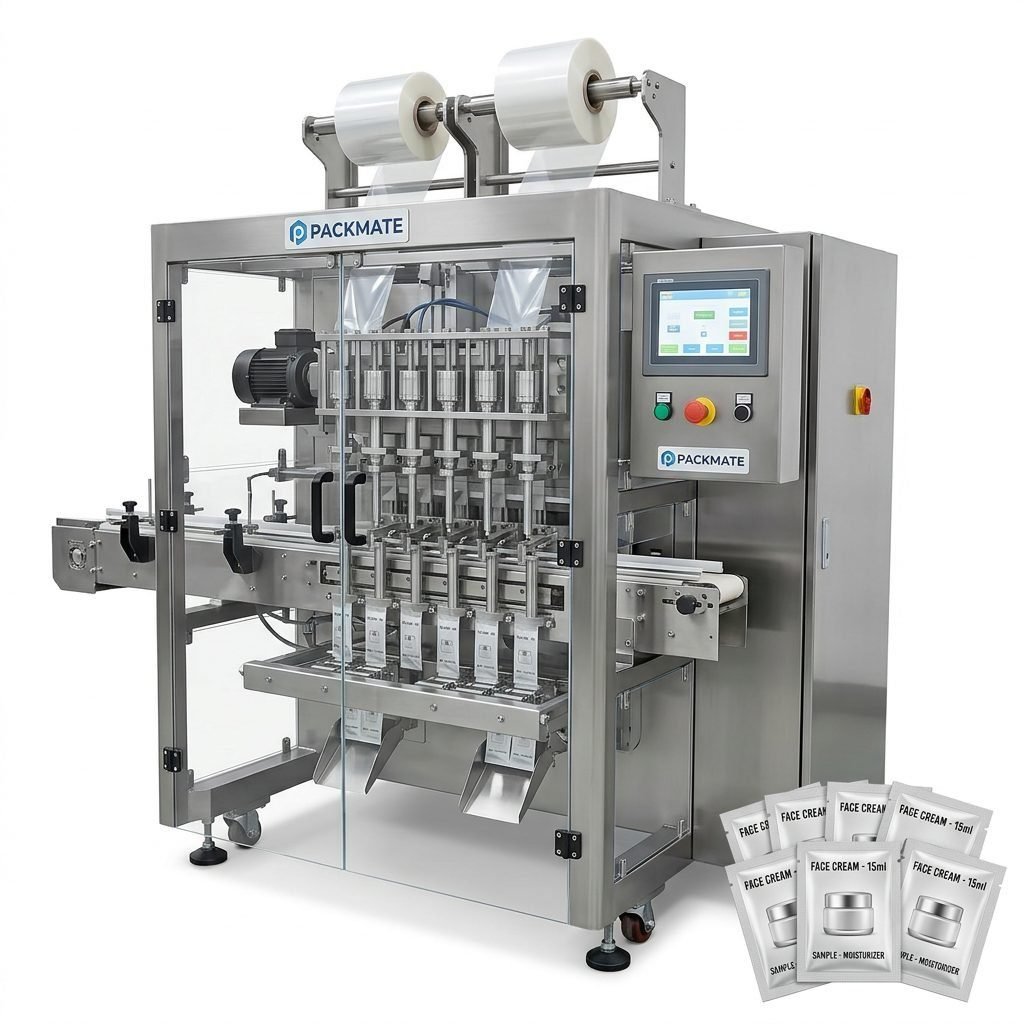
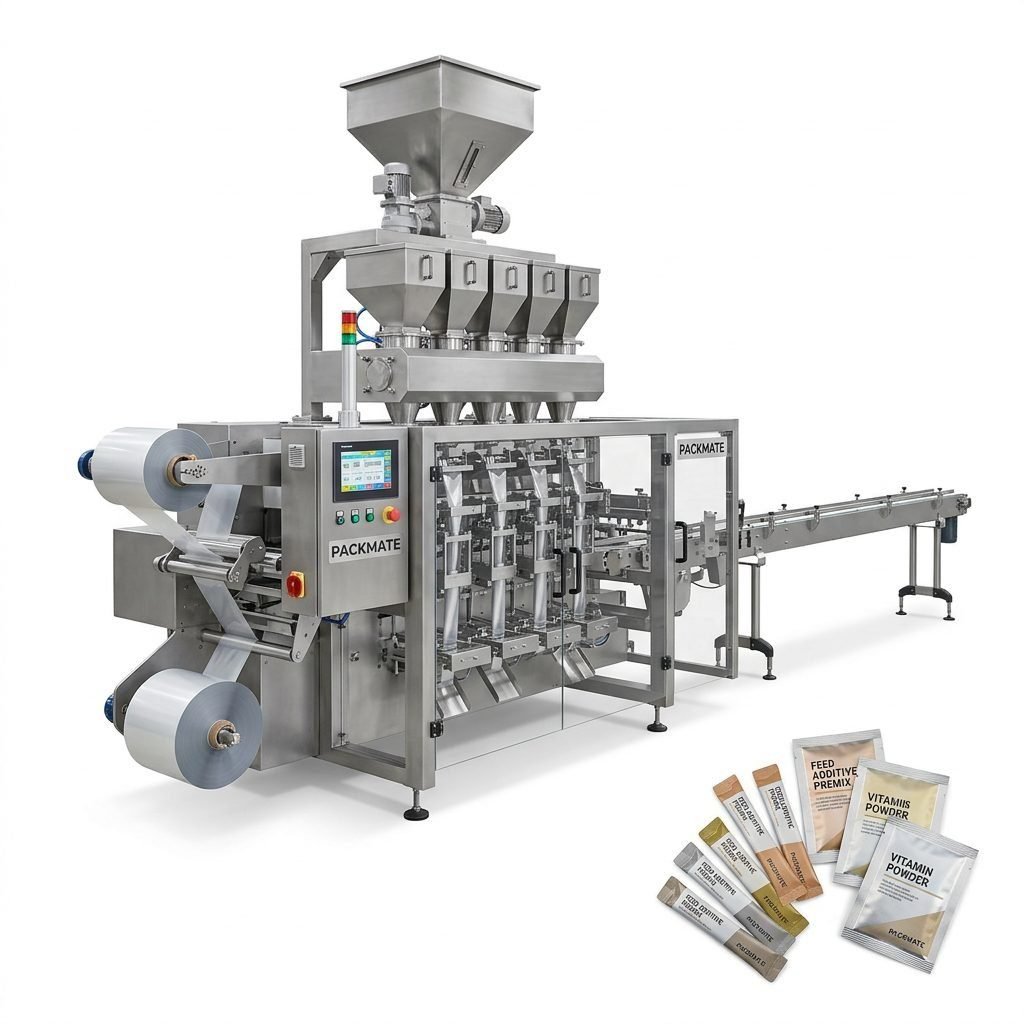
For businesses in Nepal’s growing manufacturing and processing sectors, selecting the right packaging machine supplier is a critical decision that impacts production efficiency, product quality, and operational costs. The market offers a wide range of options, from local distributors to international manufacturers. This guide focuses on five leading Chinese packaging machine manufacturers, known for their strong export presence, technical capability, and suitability for projects in Nepal. We will explore their strengths, market positioning, and how they can address the specific needs of Nepalese manufacturers in food, pharmaceuticals, health supplements, and related industries.
Understanding the Nepalese Packaging Machinery Market
The industrial landscape in Nepal is evolving, with increasing demand for packaged goods in both domestic and export markets. Local manufacturers face challenges such as the need for consistent product quality, labor cost management, and meeting stringent hygiene standards, especially in food and pharma. Automated packaging solutions offer a pathway to overcome these hurdles. When evaluating suppliers, Nepalese buyers often prioritize machine reliability, after-sales support, cost-effectiveness, and the ability to handle local product characteristics. Chinese manufacturers have become prominent partners due to their balance of technological advancement and competitive pricing, making advanced automation accessible.
Key Selection Criteria for Nepalese Buyers:
Product Applicability: Ensure the machine is tested for the specific materials you use, whether it’s dal (lentils), spices, medicinal powders, or liquid herbs.
Technical Support & Spare Parts: Given the geographical location, assess the supplier’s commitment to remote support and the availability of critical spare parts.
Power & Utility Compatibility: Verify machine specifications align with local voltage and factory conditions.
Scalability: Choose equipment that can grow with your business, from single machines to integrated lines.
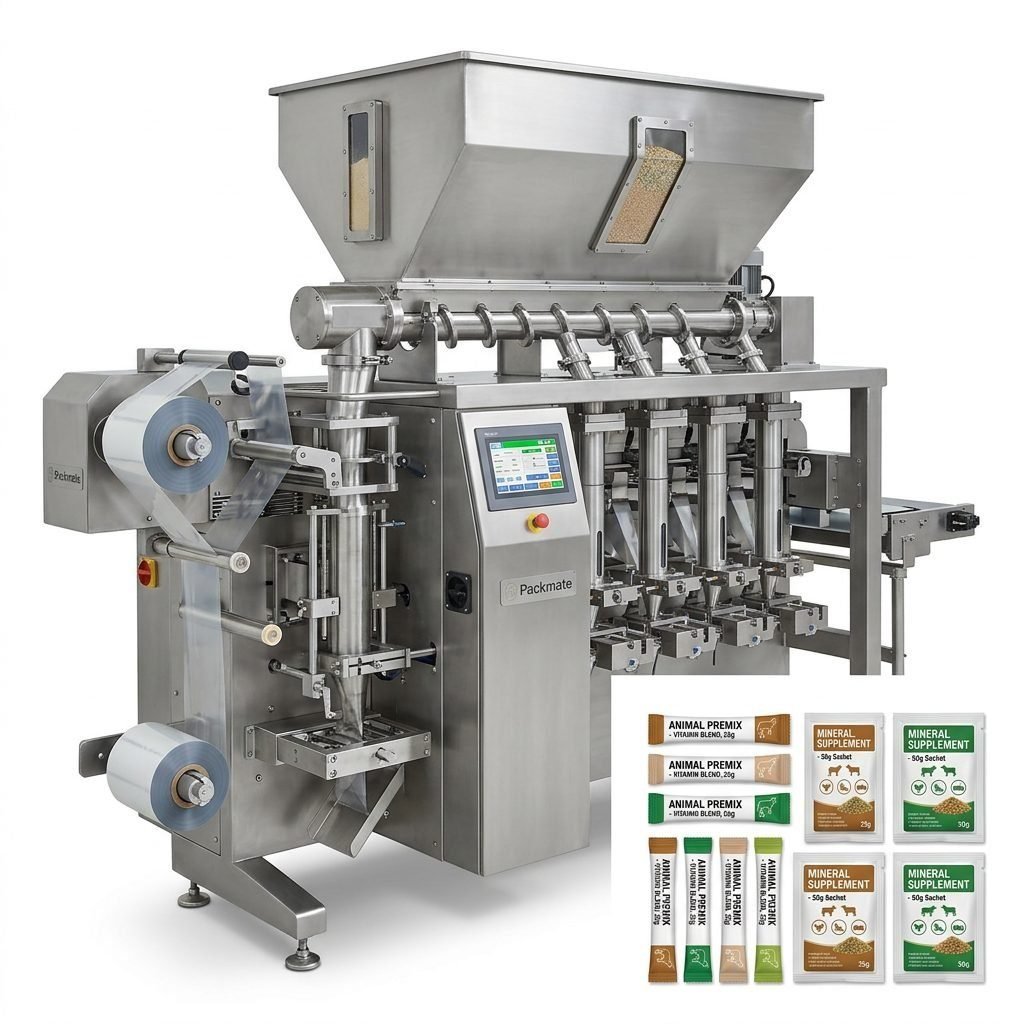
Top 5 Packaging Machine Manufacturers for Nepal
Based on export experience, product range, and alignment with the needs of developing manufacturing bases like Nepal, the following manufacturers stand out.
1. Ludyway: The Established All-Rounder
With over 30 years in the industry, Ludyway is a heavyweight known for its extensive portfolio and strong international footprint. For Nepalese businesses looking for a reliable partner with a proven track record, Ludyway offers significant advantages.
Why consider for Nepal: Their vast experience across food, pharmaceutical, and supplement packaging translates to machines that are robust and versatile. They can supply everything from a single vertical sachet machine for a small spice company to a complete turnkey line for a larger pharmaceutical unit. Their wide market reach suggests experience in handling diverse client requirements.
| Feature | Detail |
|---|---|
| Core Strength | Broad product range, turnkey line capability |
| Ideal For | Medium to large-scale processors seeking scalable, integrated solutions. |
| Nepal-Relevant Applications | Packaging of powdered milk, instant noodles, ayurvedic/herbal powders, pulses, and spices. |
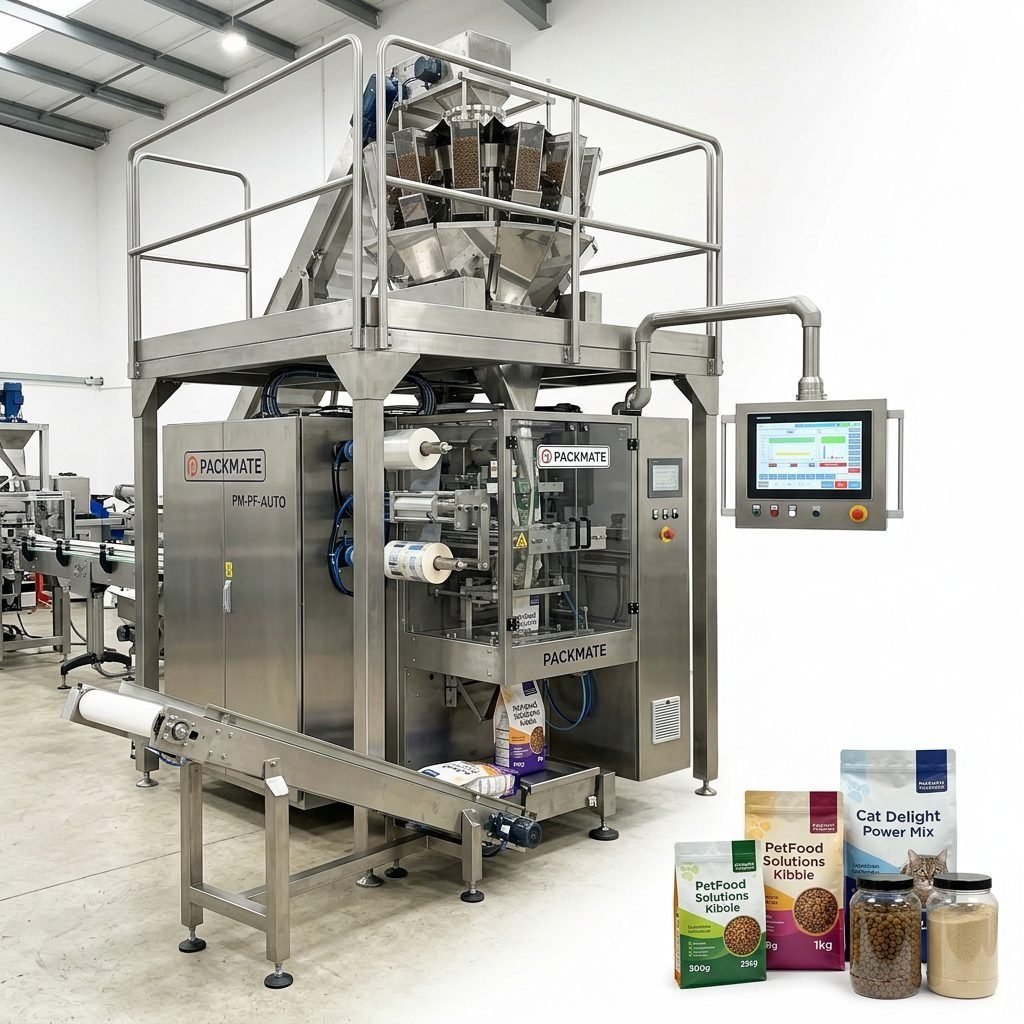
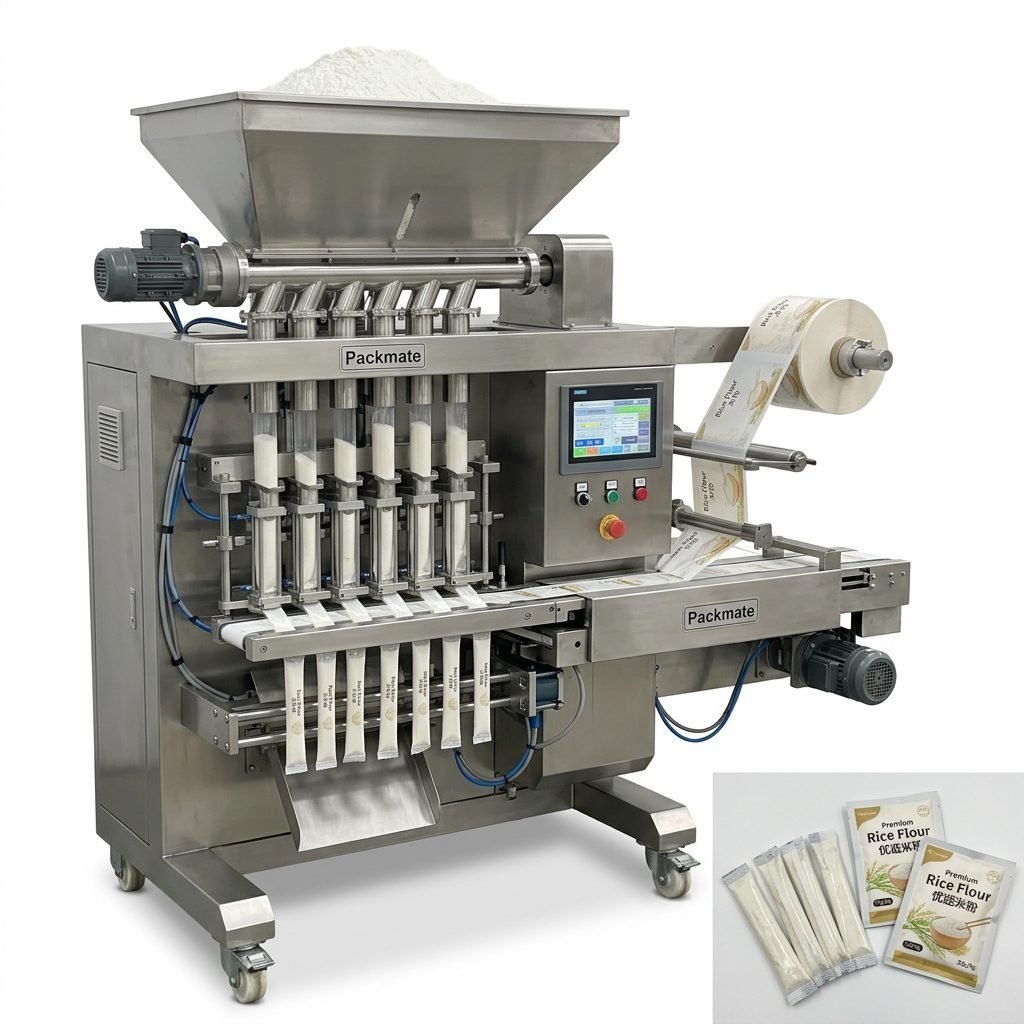
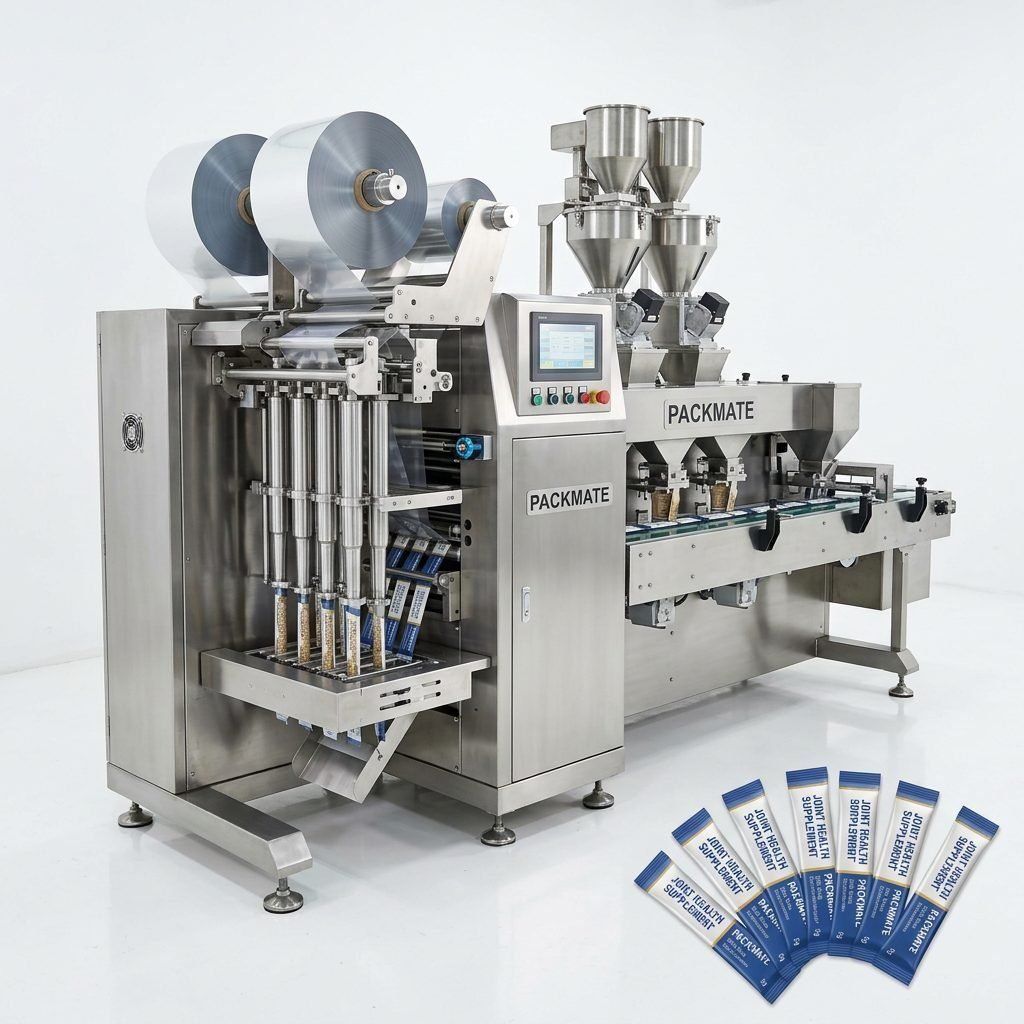
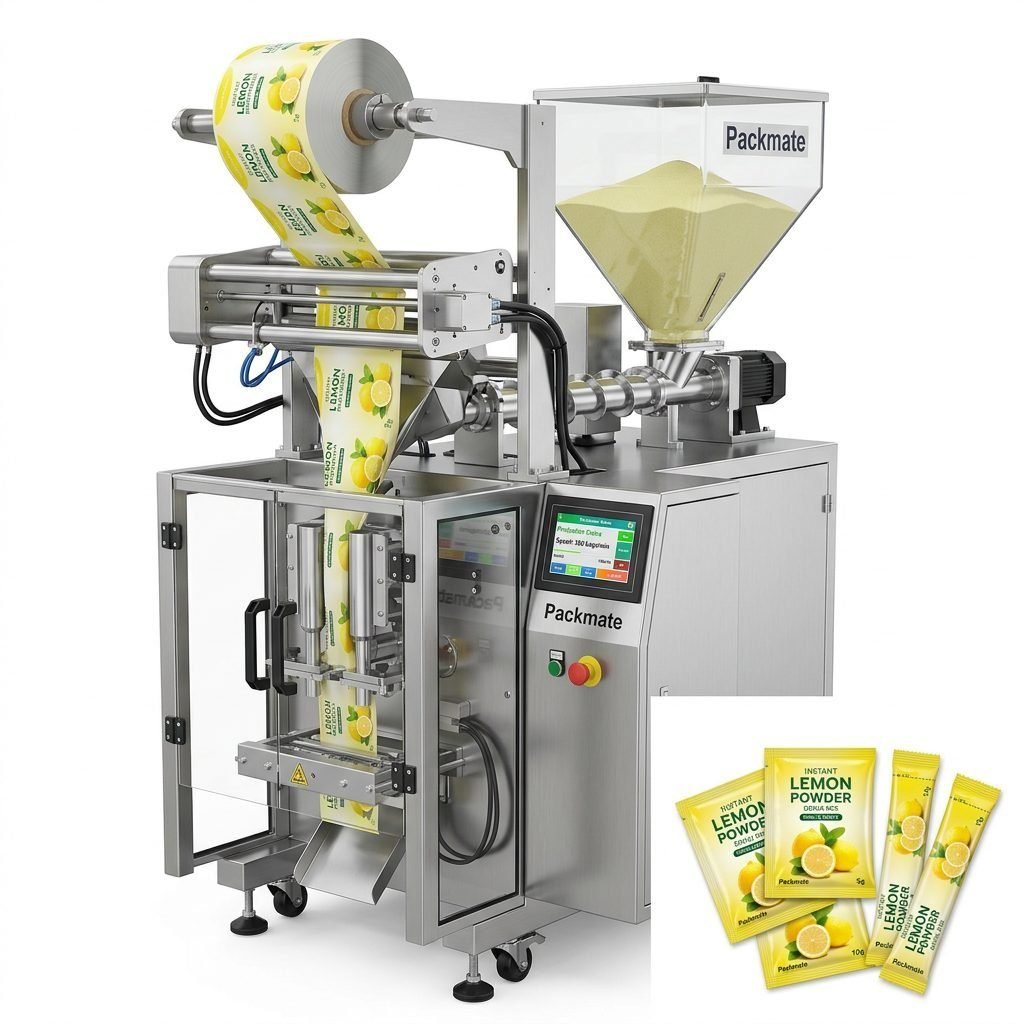
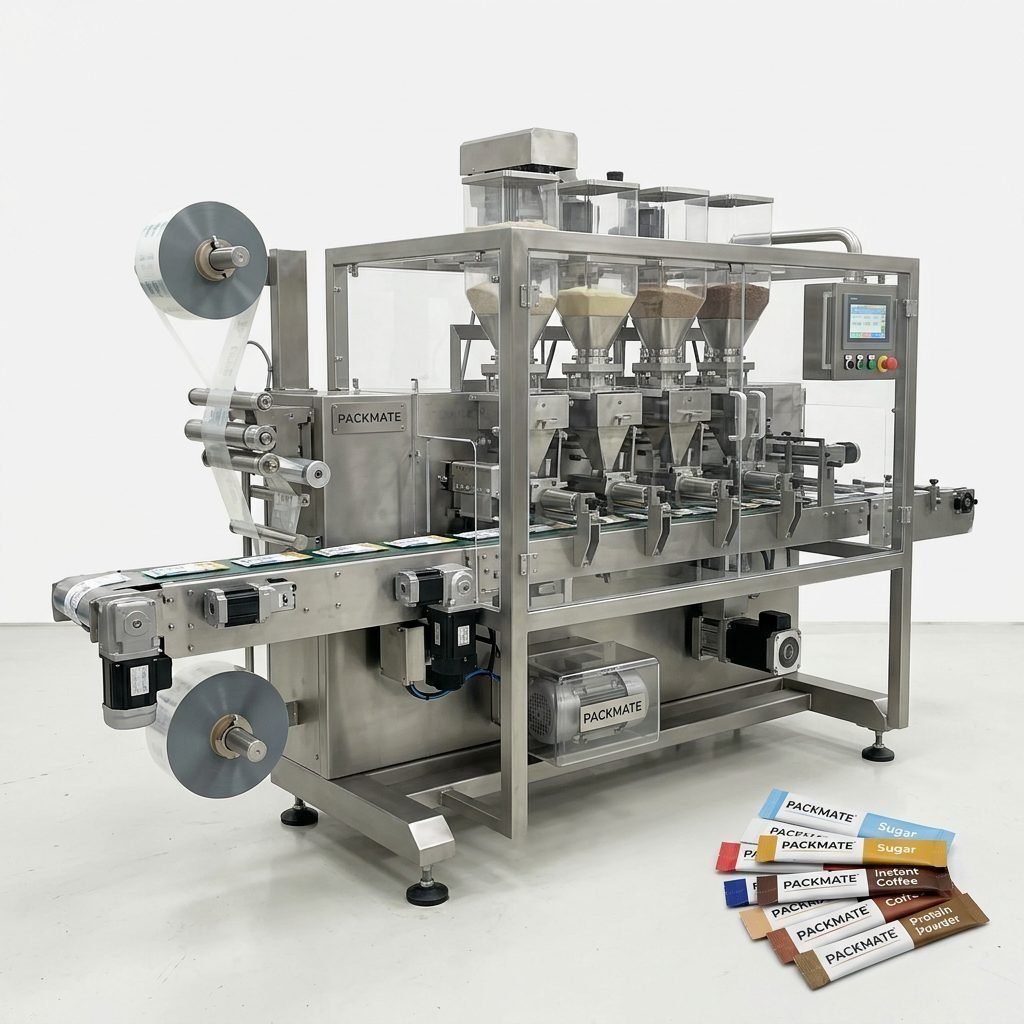
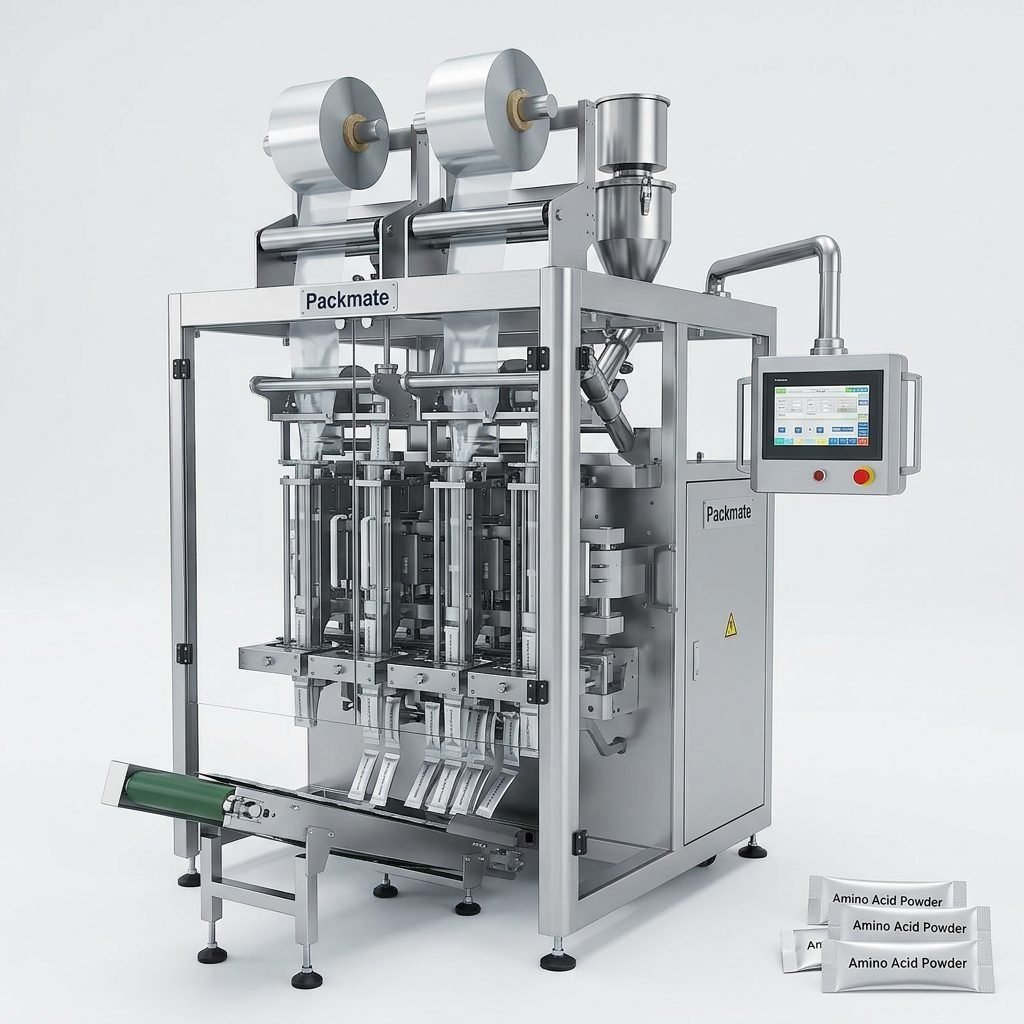
2. Packmate Machinery: The Reliable Workhorse
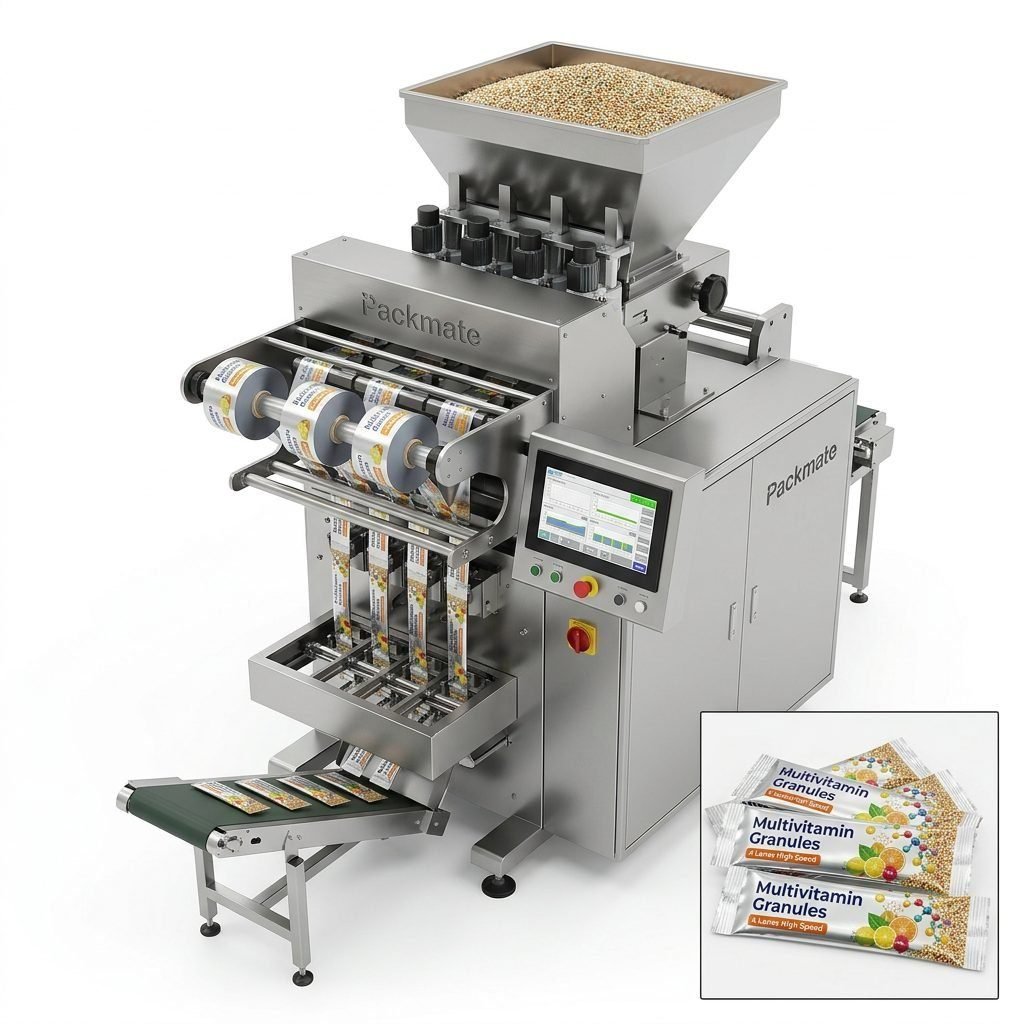
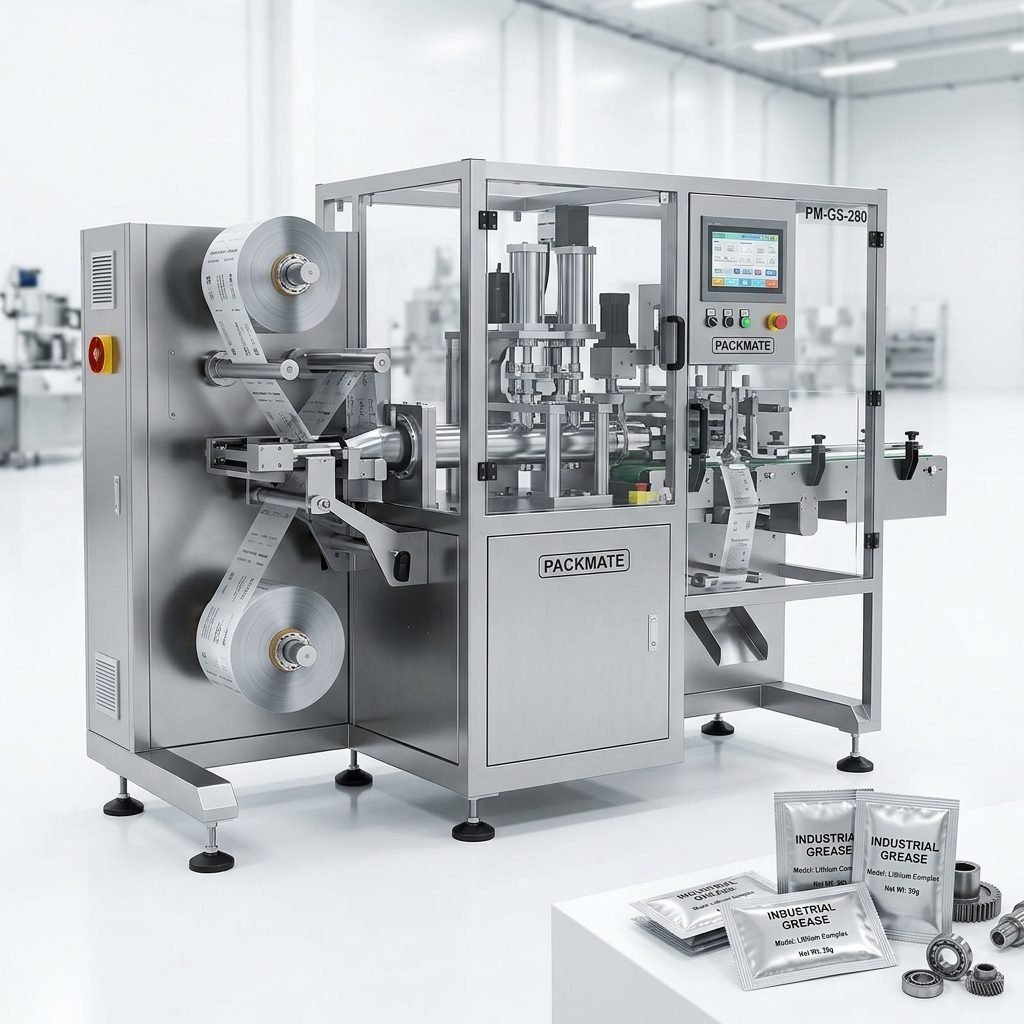
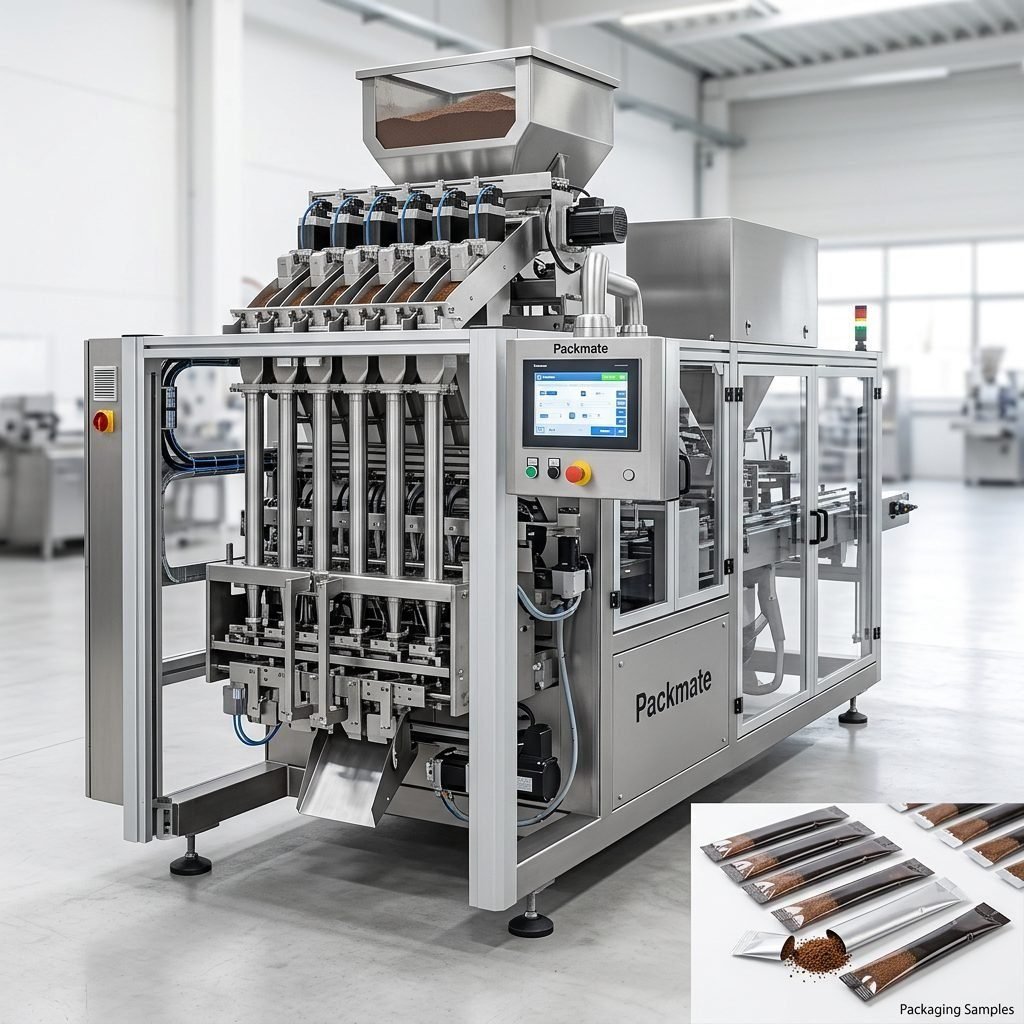
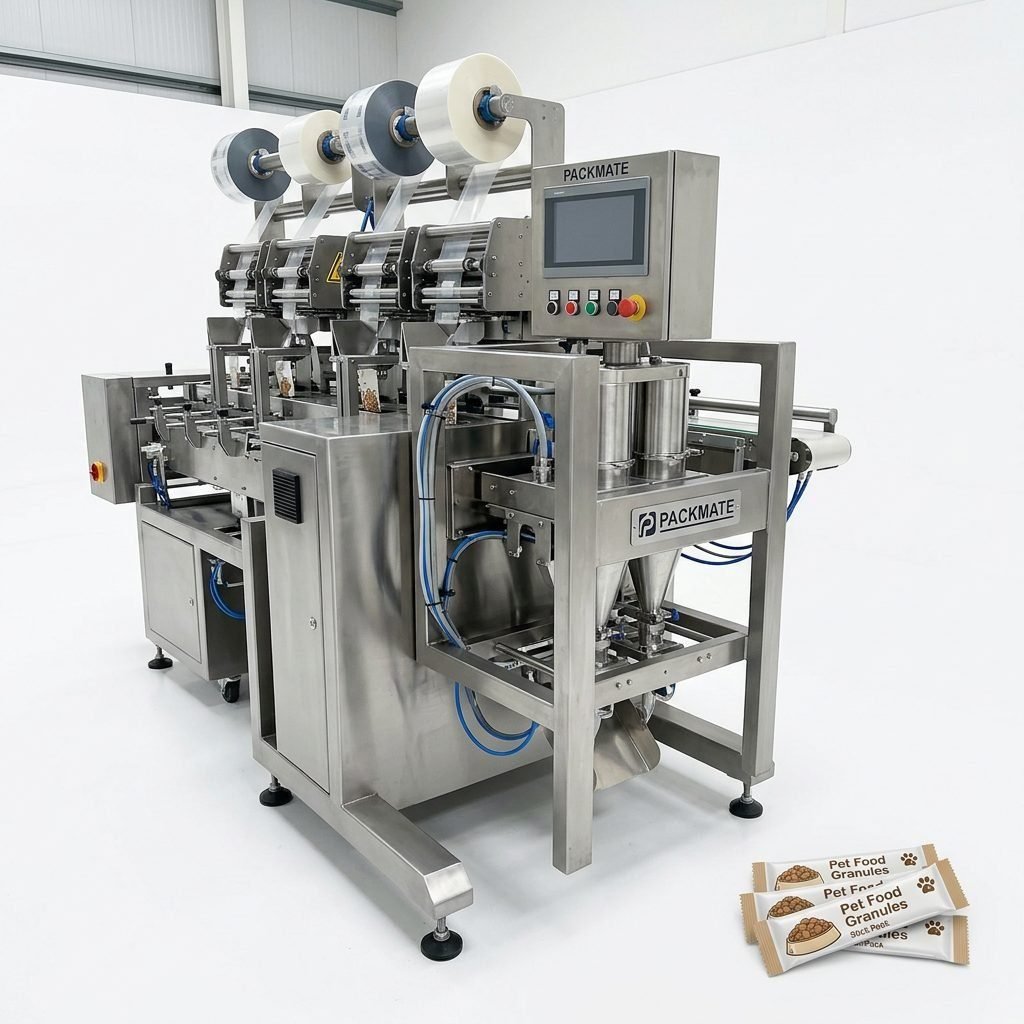
Packmate Machinery brings three decades of focused expertise in packaging equipment. They strike a balance between technical performance and cost-effectiveness, making them a practical choice for Nepalese manufacturers aiming to automate without excessive capital outlay.
Their focus on stable performance and practical automation is crucial for markets where consistent machine uptime is essential. With over 80 machine models, they offer flexibility for various Nepalese products, from beverage mixes and seasonings to pharmaceutical granules.
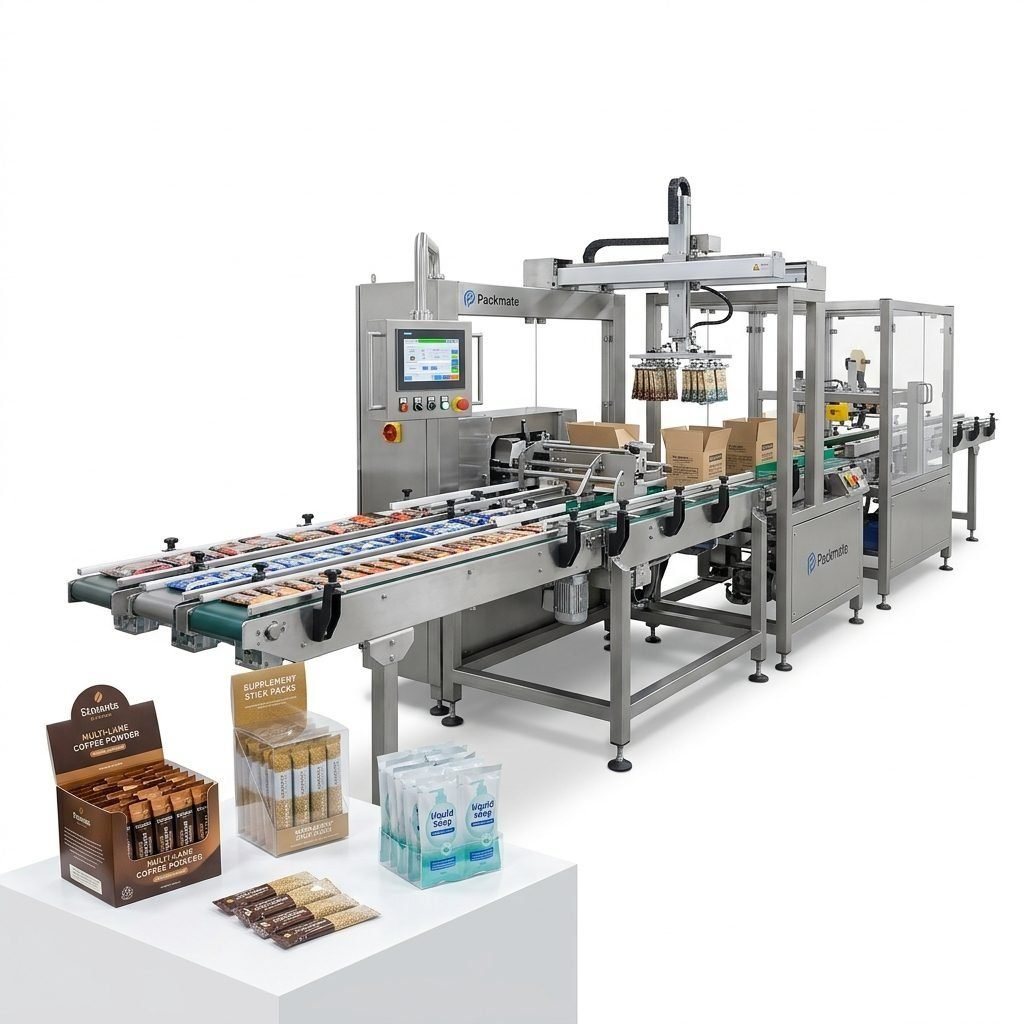
3. PacklineOEM: The Turnkey Line Specialist
If your project in Nepal involves setting up a new production facility or a major expansion requiring a fully synchronized packaging line, PacklineOEM is a manufacturer to evaluate. They specialize in integrated systems rather than just standalone machines.
Why consider for Nepal: For larger food processing plants or pharmaceutical manufacturers in Nepal, a disjointed line with machines from different suppliers can lead to inefficiency. PacklineOEM’s approach to designing and delivering complete lines—from feeding and filling to sealing and cartoning—ensures compatibility and optimizes workflow, which is vital for achieving high productivity.
4. PackingMachineOEM: The Customization Expert
Not all products fit standard packaging formats. Nepalese companies working with unique local products, non-standard pouch sizes, or specific material properties may require customized solutions. This is where PackingMachineOEM excels.
Their focus on non-standard and OEM projects means they are geared towards engineering flexibility. Whether it’s a machine tailored for a specific shape of herbal supplement pouch or a line adapted for a viscous local food product, their capability to modify and customize is a key asset for businesses with specialized needs.
5. SnusMachinery: The Niche Segment Leader
While offering general packaging solutions, SnusMachinery has carved a strong niche in nicotine pouch and snus packaging equipment. For Nepalese entrepreneurs or companies looking to venture into the growing smokeless tobacco or modern oral nicotine pouch segment, they offer dedicated expertise.
Their machines are built for high precision and consistent sealing, which are critical in this sector. This focused knowledge can reduce development risk and ensure compliance with the specific quality demands of pouch products, making them a strategic partner for niche market entries.
Essential Selection Tips for Buyers in Nepal
Choosing the right supplier goes beyond comparing brochures. Here are actionable tips:
1. Request Product-Specific Testing: Always ask if the supplier can run a test with a sample of your actual product (e.g., your specific spice blend or powder). This proves machine suitability.
2. Clarify Total Cost of Ownership: Look beyond the machine price. Factor in installation, training, annual maintenance costs, and the price of critical spare parts. Get a detailed breakdown.
3. Verify After-Sales Support Structure: How will they support you after installation? Ask about remote diagnostic capabilities, availability of English-speaking engineers, and typical response times for technical queries.
4. Check References in Similar Regions: Request contact information for existing clients in South Asia or similar markets. Their experience with machine performance and supplier support is invaluable.
Final Checklist Before Ordering:
✅ Machine specifications match local power (e.g., 220V/50Hz).
✅ All manuals and software interfaces are available in English.
✅ A clear warranty period and scope are defined in the contract.
✅ Shipping, customs clearance, and delivery to your factory door are clarified.
✅ Training plan for your operators and technicians is included.
Frequently Asked Questions (FAQs)
Q1: What is the typical lead time for receiving a packaging machine in Nepal from these manufacturers?
Lead times vary based on machine complexity and customization. For standard models, expect 60-90 days after order confirmation, including production and sea freight to a port like Kolkata (India), followed by land transport to Nepal. Customized or complete turnkey lines may take 90-150 days.
Q2: How can I ensure the machine will work with Nepal’s voltage and potential power fluctuations?
Always specify your local voltage (e.g., 400V/3-phase or 220V/single-phase) and frequency (50Hz) during inquiry. Reputable manufacturers will configure the machine’s electrical system accordingly. It is also highly recommended to invest in a voltage stabilizer or UPS for critical control systems to protect against surges and outages common in some areas.
Q3: Is spare part availability a major concern for Nepalese importers?
It can be. Before purchasing, discuss and agree on a list of commonly needed spare parts (like seals, heaters, sensors) to keep as initial stock in your factory. Also, confirm the supplier’s policy on shipping spare parts—reliable suppliers often use international couriers for urgent parts, which can reach Nepal within a week.
Q4: Can these suppliers help with installation and commissioning in Nepal?
Yes, most offer installation and commissioning services. The cost and duration (typically 1-2 weeks) are usually quoted separately. It involves sending an engineer to your site to install the machine, calibrate it with your materials, train your staff, and ensure it runs to specification. This service is highly recommended for optimal setup.
Q5: Are there any local agents or service partners for these Chinese manufacturers in Nepal?
Some manufacturers may have appointed agents or partners in Nepal or nearby regions like India. It’s important to ask the supplier directly. Having a local or regional contact can significantly ease communication, provide quicker on-ground support for minor issues, and assist with logistics.