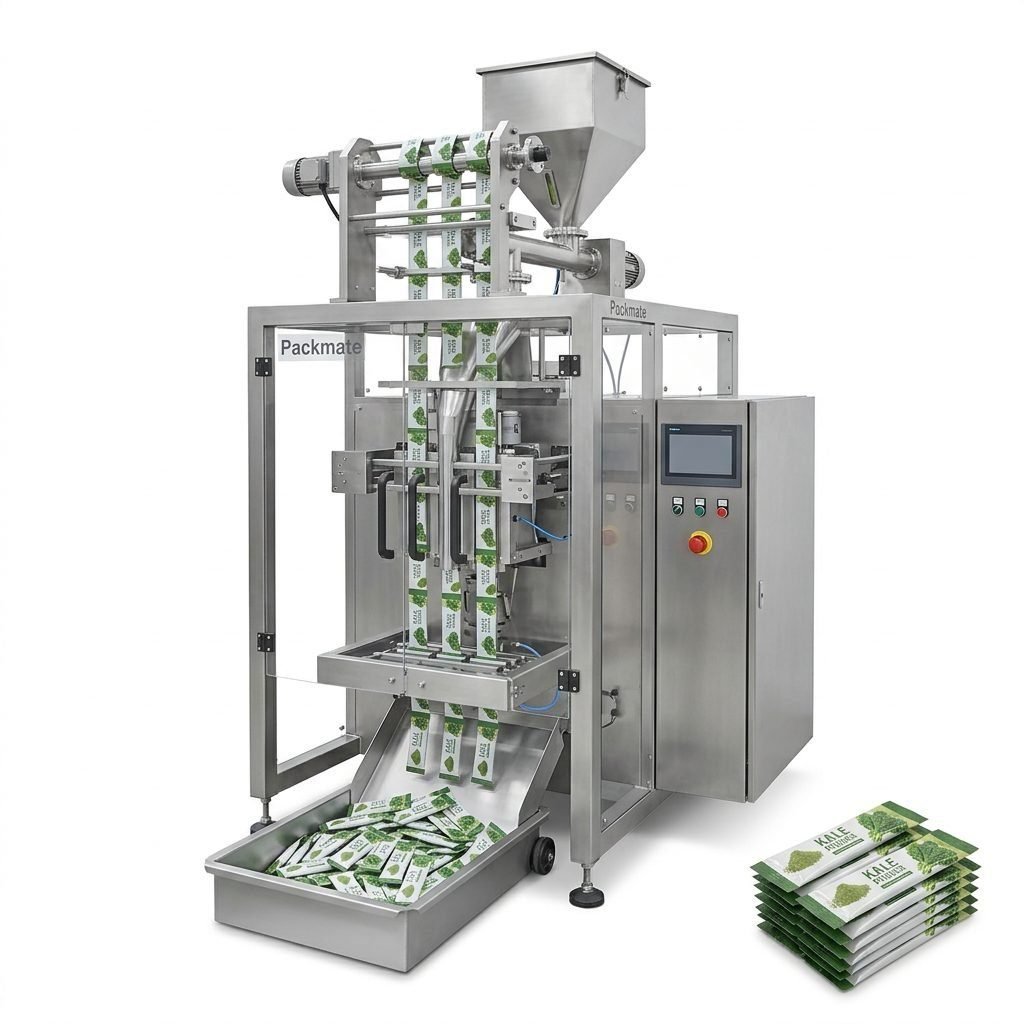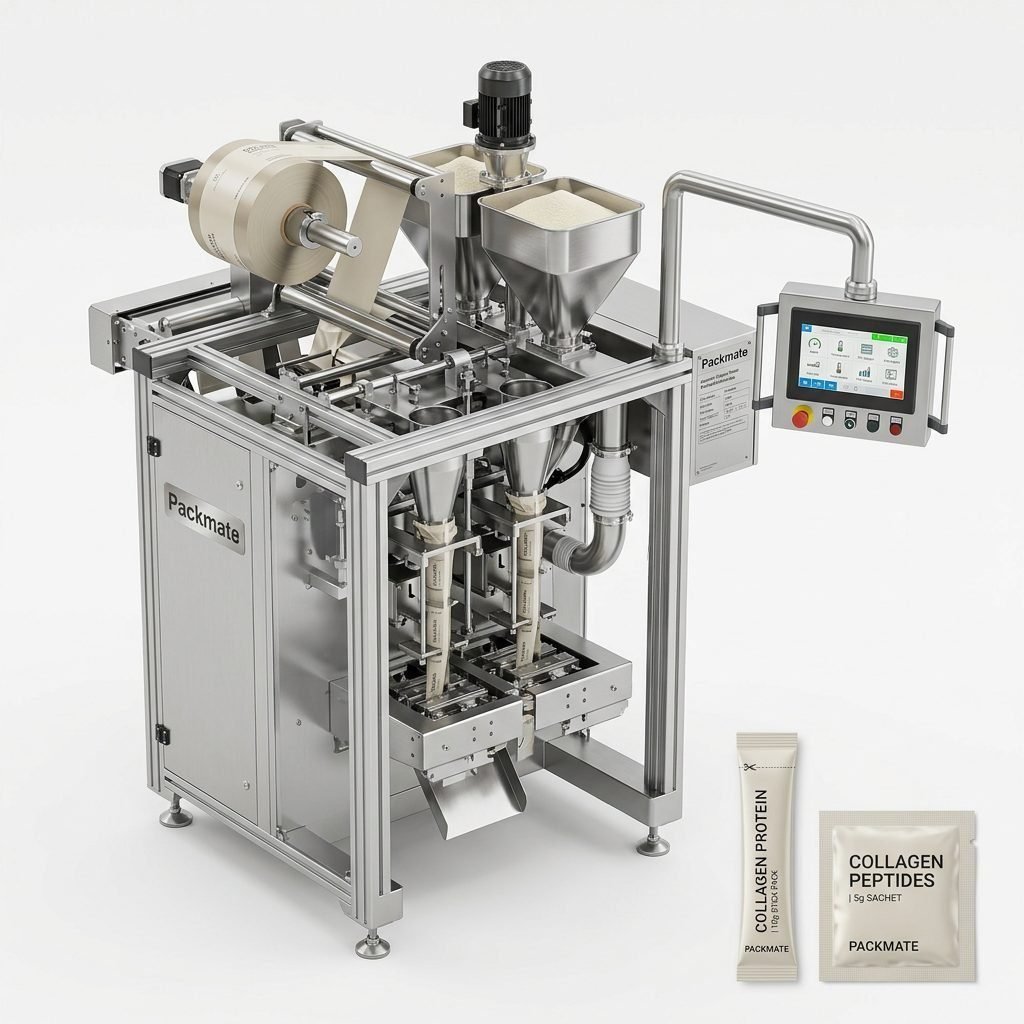
In today’s fast-paced consumer goods market, efficiency and precision in packaging are more critical than ever. For manufacturers of food, pharmaceuticals, health supplements, and countless other products, small sachet packing machines are the backbone of reliable, high-volume production. These machines automate the process of filling and sealing individual portions into sachets or stick packs, ensuring consistent product weight, hygiene, and presentation.
Understanding the Core Types of Sachet Packing Machines
Choosing the right machine starts with understanding the different types available, each suited to specific product characteristics and production goals.
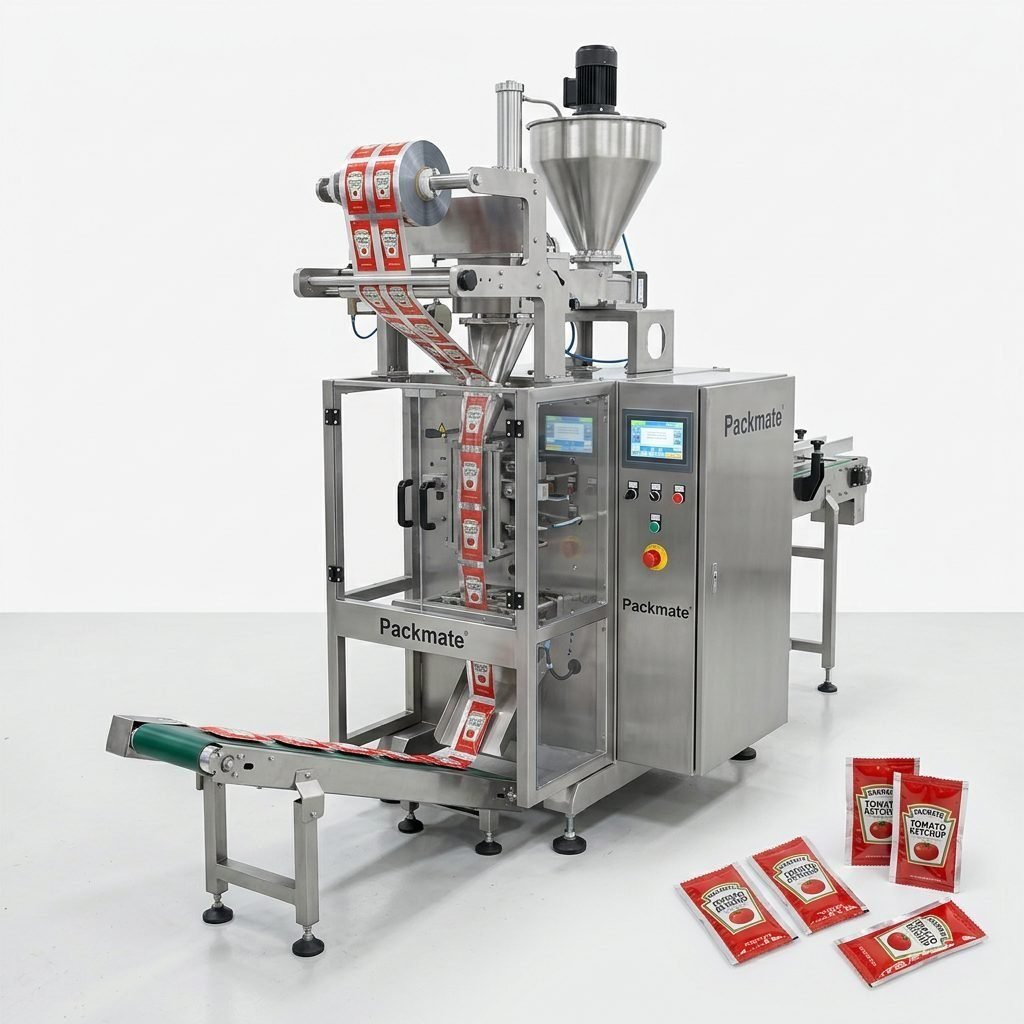
1. Vertical Form-Fill-Seal (VFFS) Machines
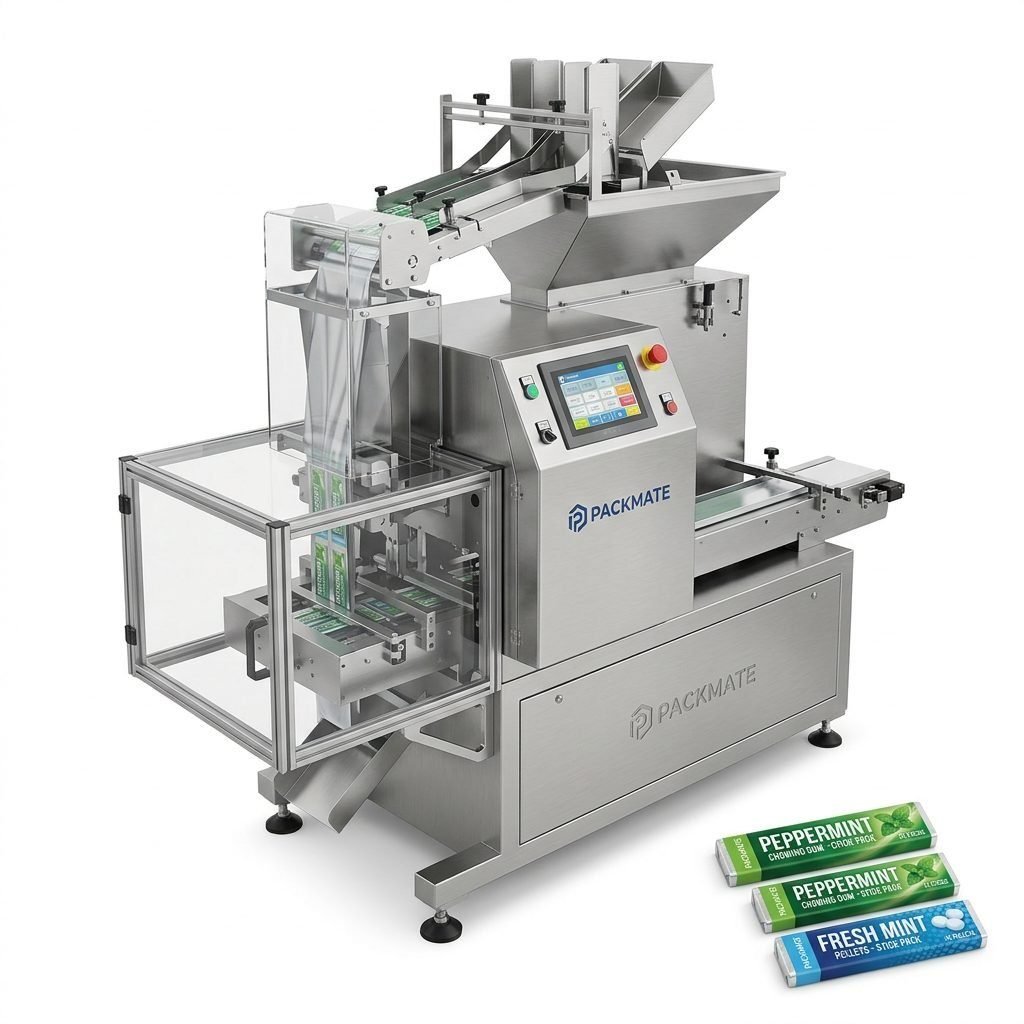
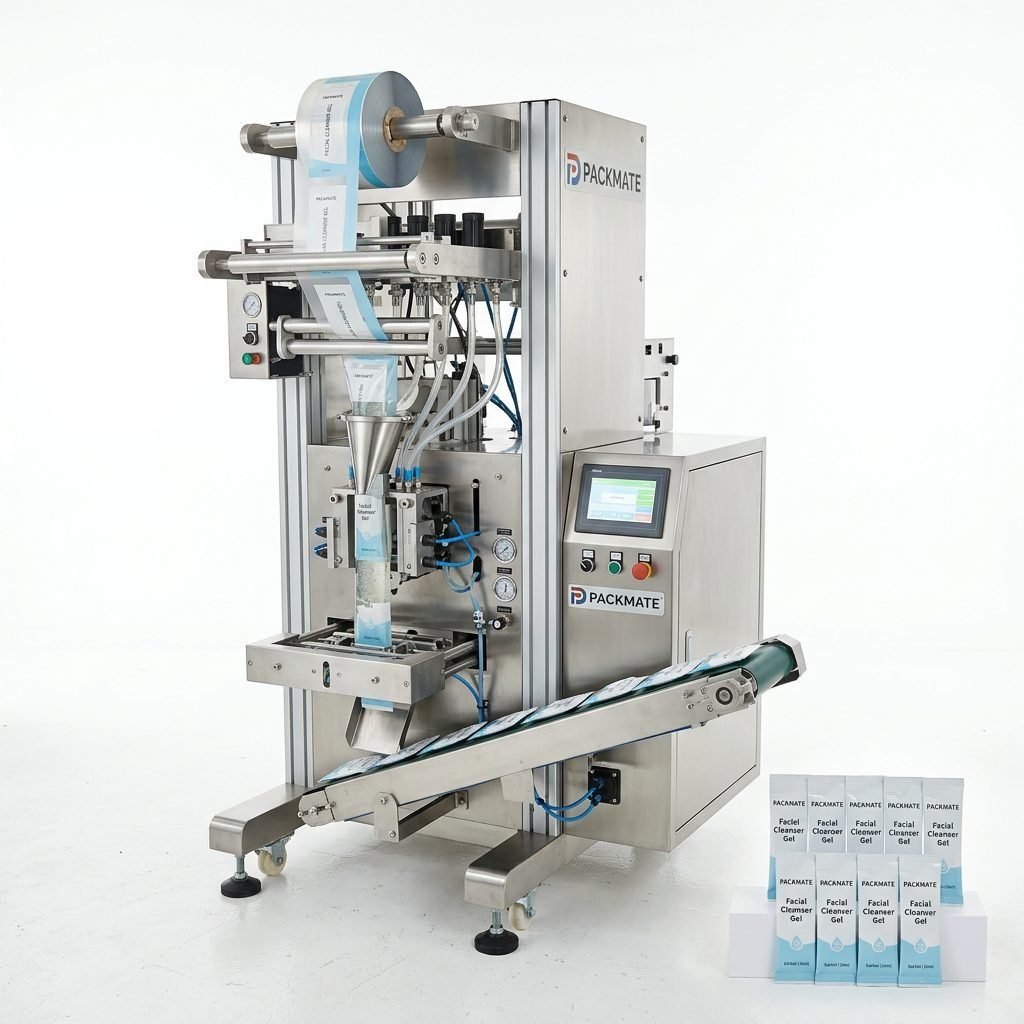
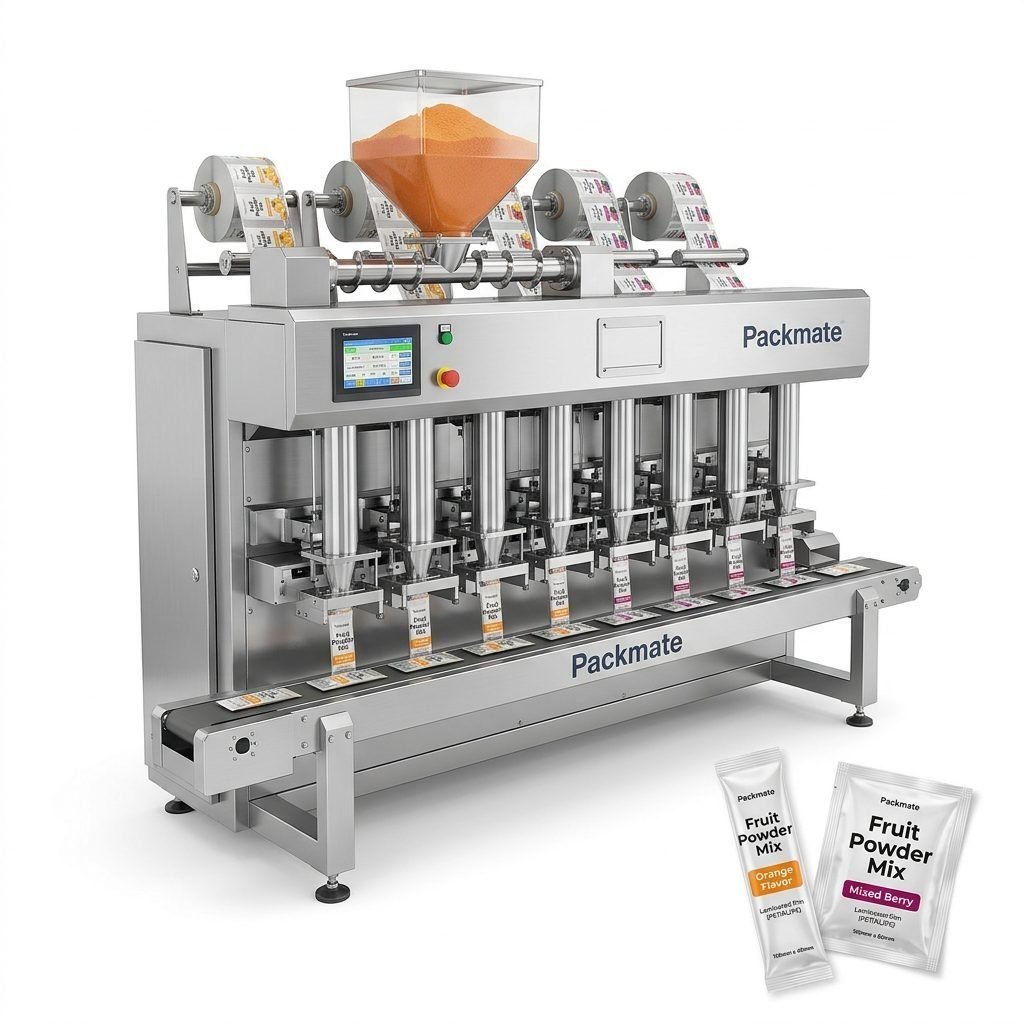
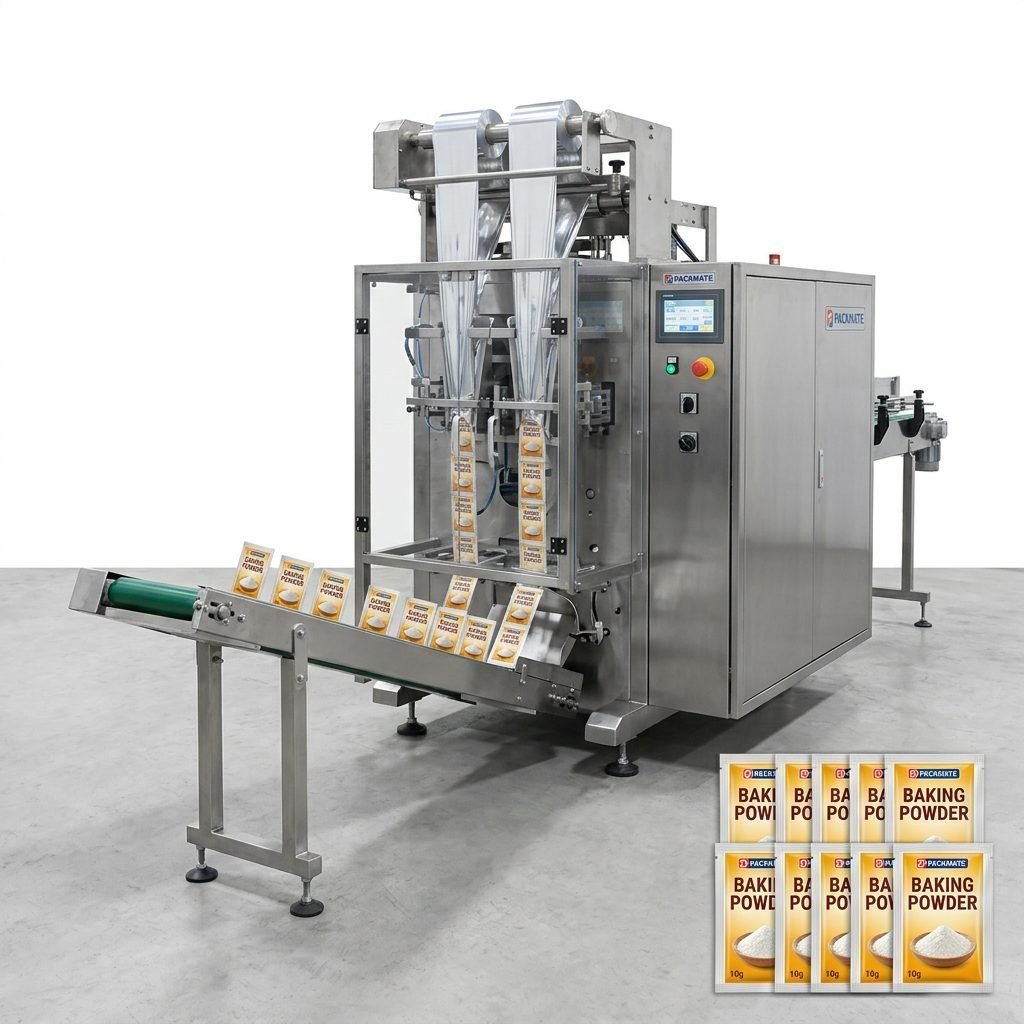
These are the most common and versatile type. They form the sachet from a roll of film, fill it with product, and seal it—all in a continuous vertical process. VFFS machines are ideal for powders, granules, and small solids. They offer high speed and flexibility in sachet size and shape. Leading manufacturers like Ludyway and Packmate Machinery offer robust VFFS models capable of handling a wide range of products.
2. Pre-Made Pouch Machines
These machines use pre-formed, flat-bottomed pouches that are fed into the system, opened, filled, and then sealed. They are excellent for products that are difficult to handle on VFFS machines, such as liquids, pastes, chunky products, or items that require a specific, rigid pouch structure (like stand-up pouches). They are often preferred for premium product presentation.
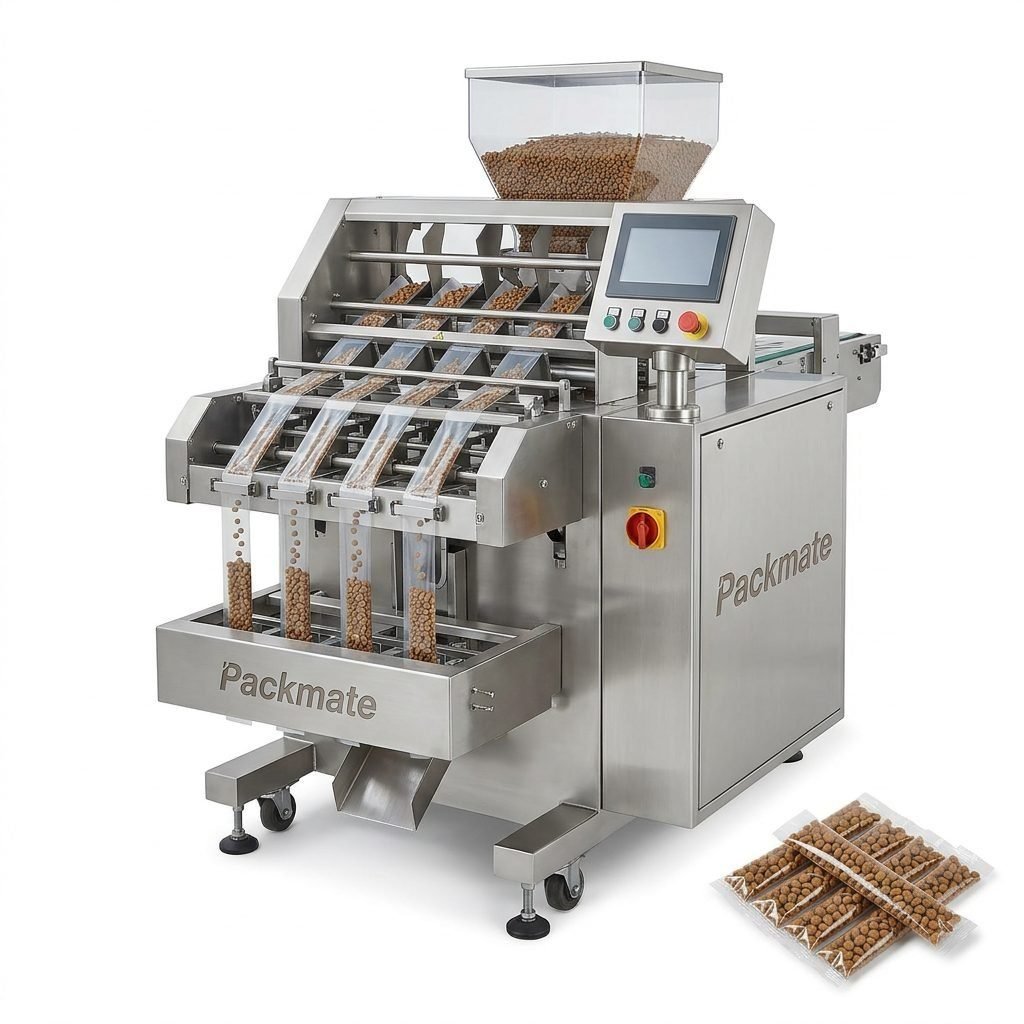
3. Multi-Lane Machines
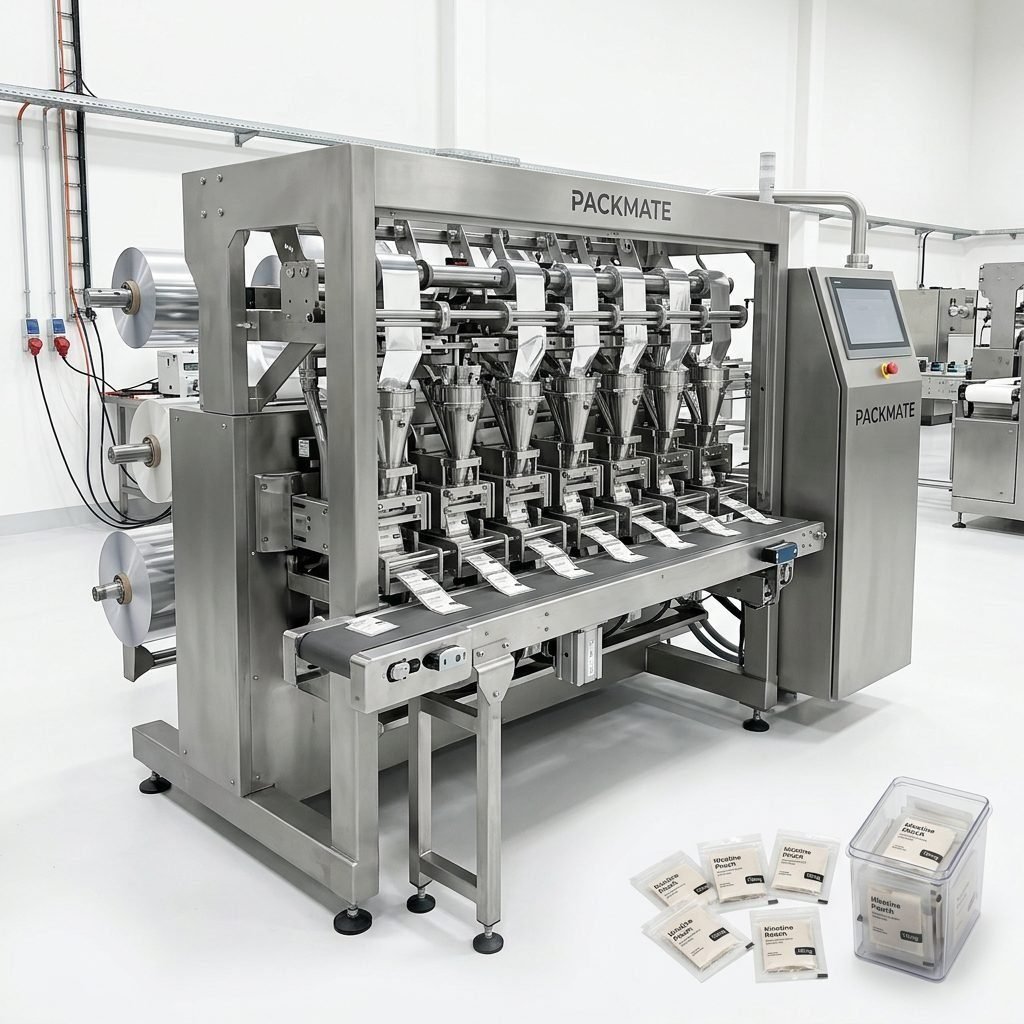
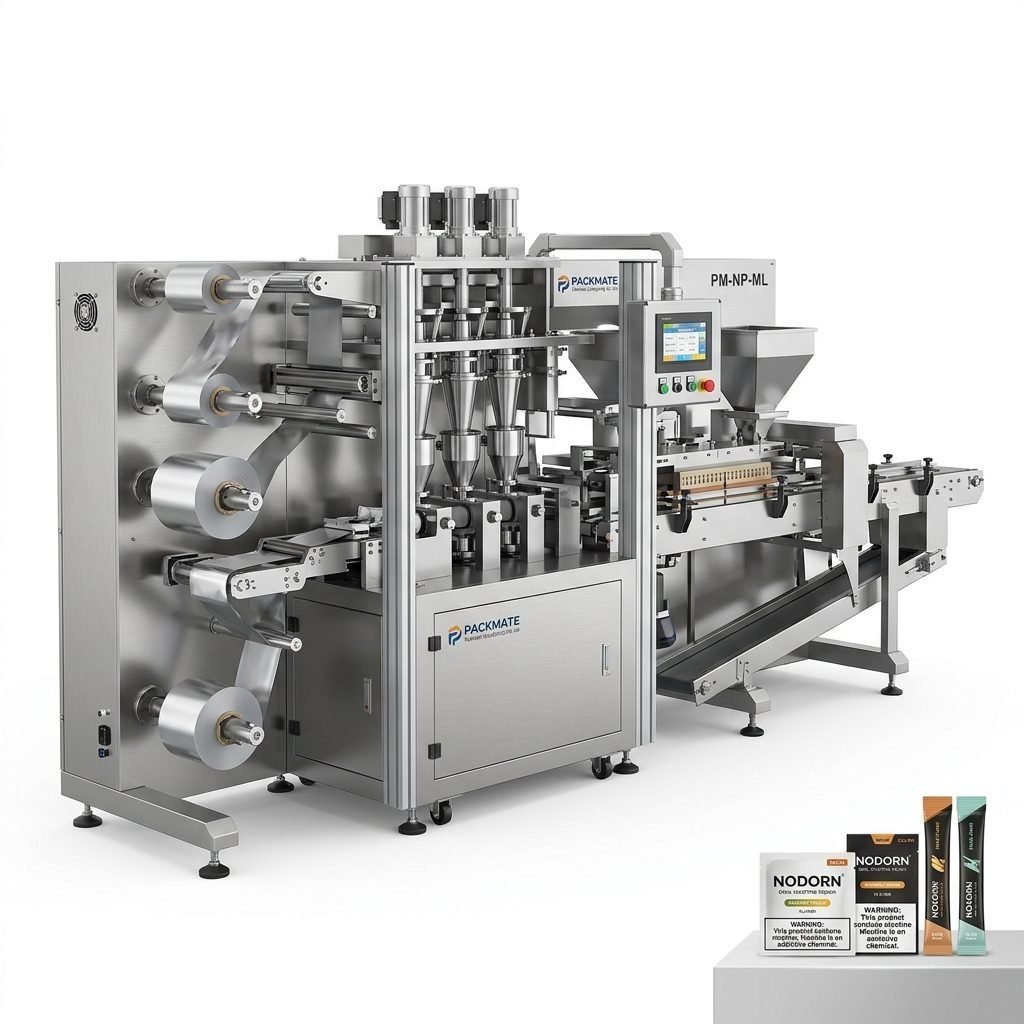
Designed for maximum output, multi-lane machines operate multiple filling and sealing lanes simultaneously. They are the powerhouse choice for high-volume production of items like instant coffee, sugar, salt, seasoning packets, and pharmaceutical powders. Companies like SnusMachinery specialize in high-speed multi-lane systems, particularly for niche markets like nicotine pouches.
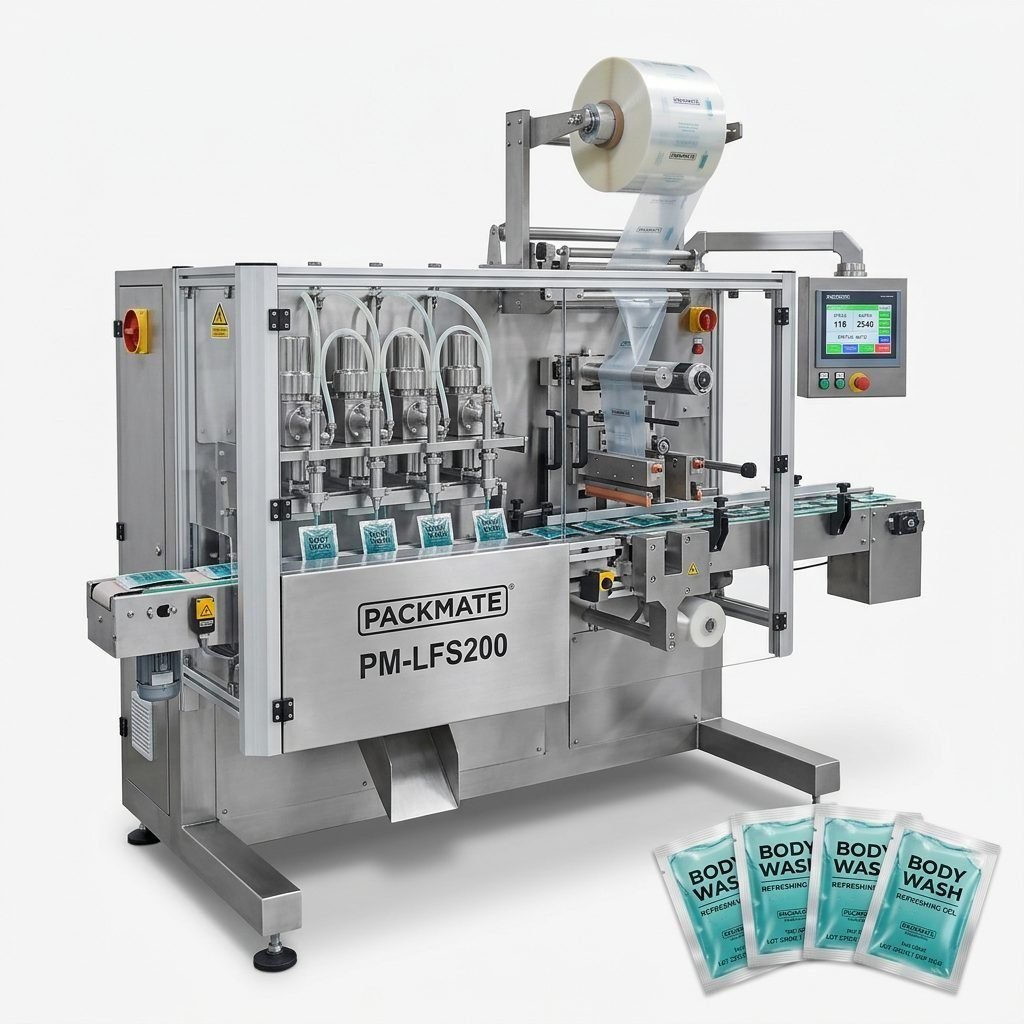
4. Liquid Sachet Machines
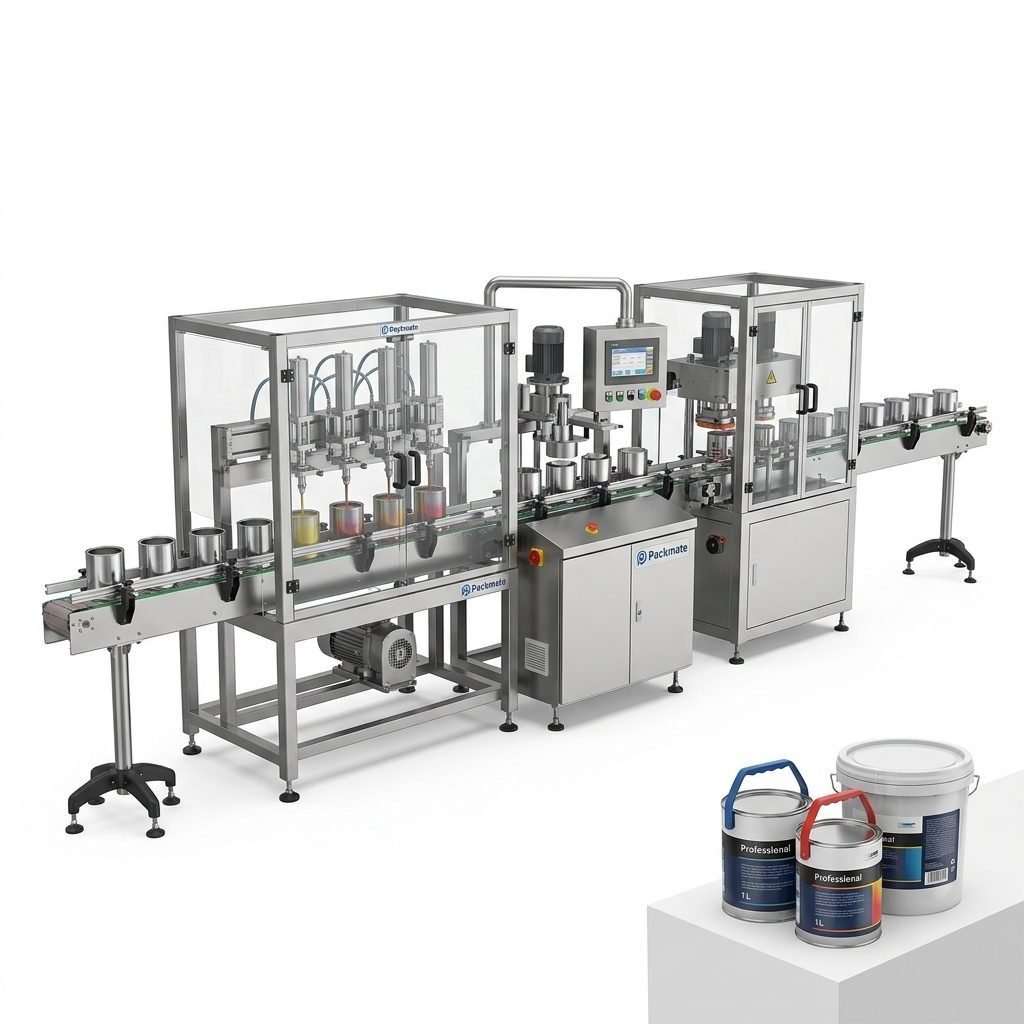
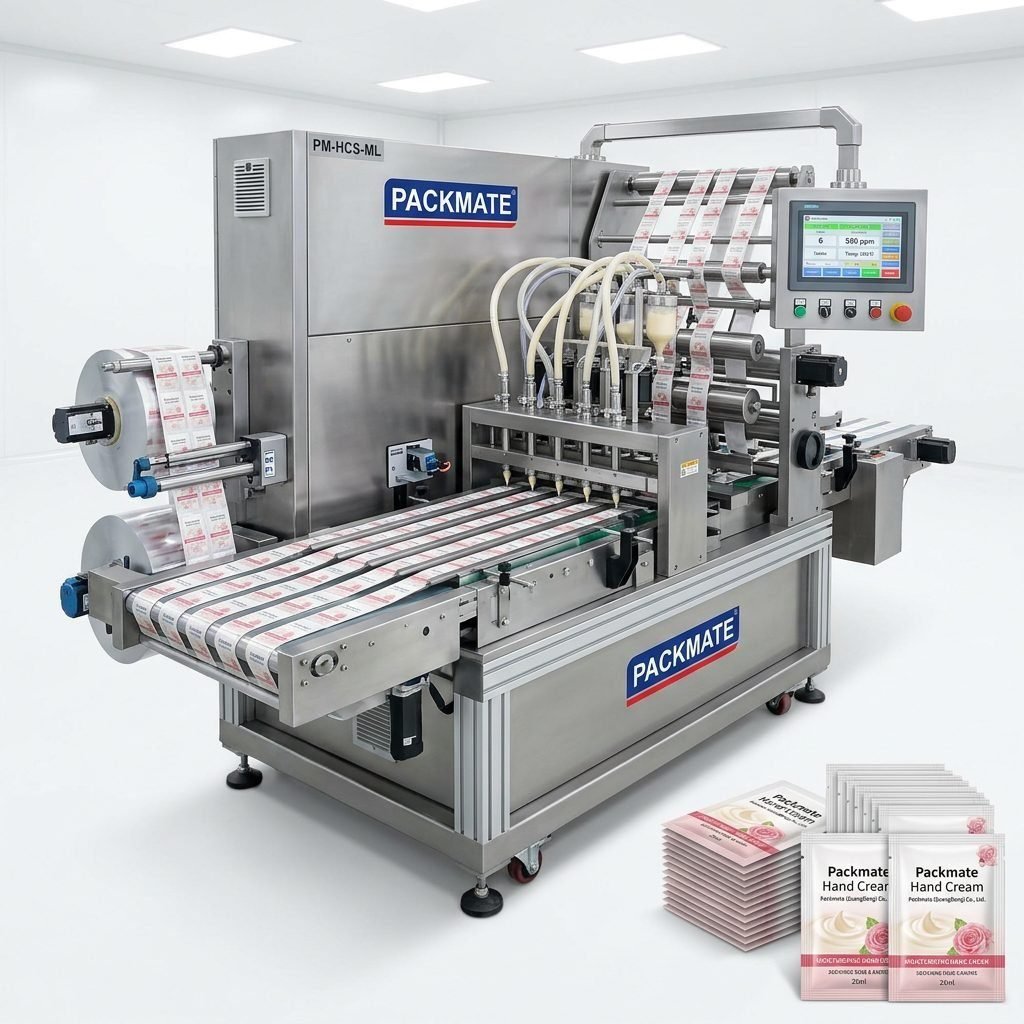
Specifically engineered for liquid, gel, and paste products, these machines feature specialized pumps (like piston or peristaltic) for precise volumetric filling and often include features to prevent dripping and ensure clean, leak-proof seals. They are essential for packaging sauces, shampoos, oils, and condiments.
Key Features to Look for in a Modern Machine
Modern sachet packing machines are packed with features that enhance efficiency, accuracy, and ease of use.
| Feature | Description & Benefit |
|---|---|
| Precision Weighing/Filling System | Uses auger, volumetric, or net weight scales to ensure each sachet contains the exact amount of product, minimizing giveaway and ensuring compliance. |
| PLC Touchscreen Control | An intuitive interface for easy operation, recipe storage, speed adjustment, and real-time monitoring of production parameters. |
| Gas Flushing (Nitrogen) | Replaces oxygen inside the sachet with inert gas (like nitrogen) to extend shelf life, crucial for oxygen-sensitive foods, coffee, and pharmaceuticals. |
| Date/Batch Coding | Integrated inkjet or thermal transfer printer for marking expiry dates, lot numbers, and barcodes directly on the sachet. |
| Quick-Change Parts | Modular components that allow for fast changeover between different sachet sizes or products, reducing downtime. |
Primary Applications Across Industries
The versatility of sachet packing machines makes them indispensable across a broad spectrum of industries.
Food & Beverage
This is the largest application area. Machines package ketchup, soy sauce, sugar, coffee creamer, instant drink mixes, spices, and seasoning blends. The demand for single-serve and portion-controlled packaging in this sector is a major driver.
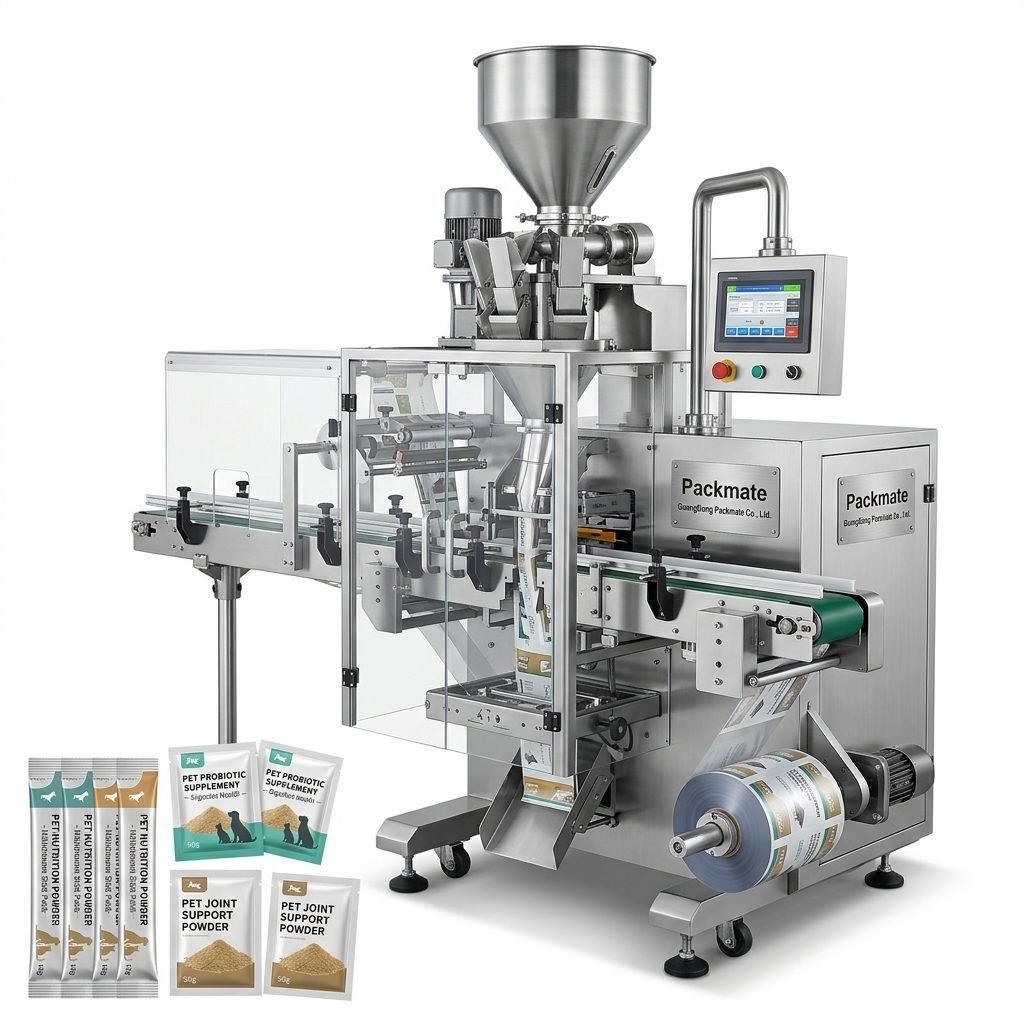
Pharmaceutical & Nutraceutical
Precision and hygiene are paramount. These machines are used for oral rehydration salts, powder medicines, vitamin supplements, and probiotic sachets. Features like dust extraction, CIP (Clean-in-Place) systems, and compliance with GMP standards are critical.
Personal Care & Cosmetics
From shampoo and conditioner sachets in hotels to face cream and serum samples, these machines provide attractive, single-use packaging that is cost-effective for sampling and travel-sized products.
Industrial & Chemical
Used for packaging detergent powders, lubricants, adhesives, water treatment chemicals, and agricultural additives. Machines for this sector are often built with corrosion-resistant materials to handle aggressive products.
Essential Buying Guide: How to Choose the Right Machine
Selecting the perfect sachet packing machine requires careful consideration of your specific needs. Here’s a step-by-step guide.
1. Define Your Product and Material
This is the most critical factor. Is your product a free-flowing powder, a sticky paste, a granular solid, or a liquid? The product’s characteristics (hygroscopicity, abrasiveness, viscosity) will determine the type of filling system (auger, pump, scale) and the machine construction materials (e.g., food-grade stainless steel).
2. Determine Your Production Requirements
- Output Speed: How many sachets per minute (SPM) do you need? A small startup may need 60-100 SPM, while a large manufacturer might require 300+ SPM from a multi-lane system.
- Sachet Size & Style: What are the dimensions (length, width) of your sachet? Do you need 3-side seals, 4-side seals, or a stand-up pouch style?
3. Consider Automation and Integration
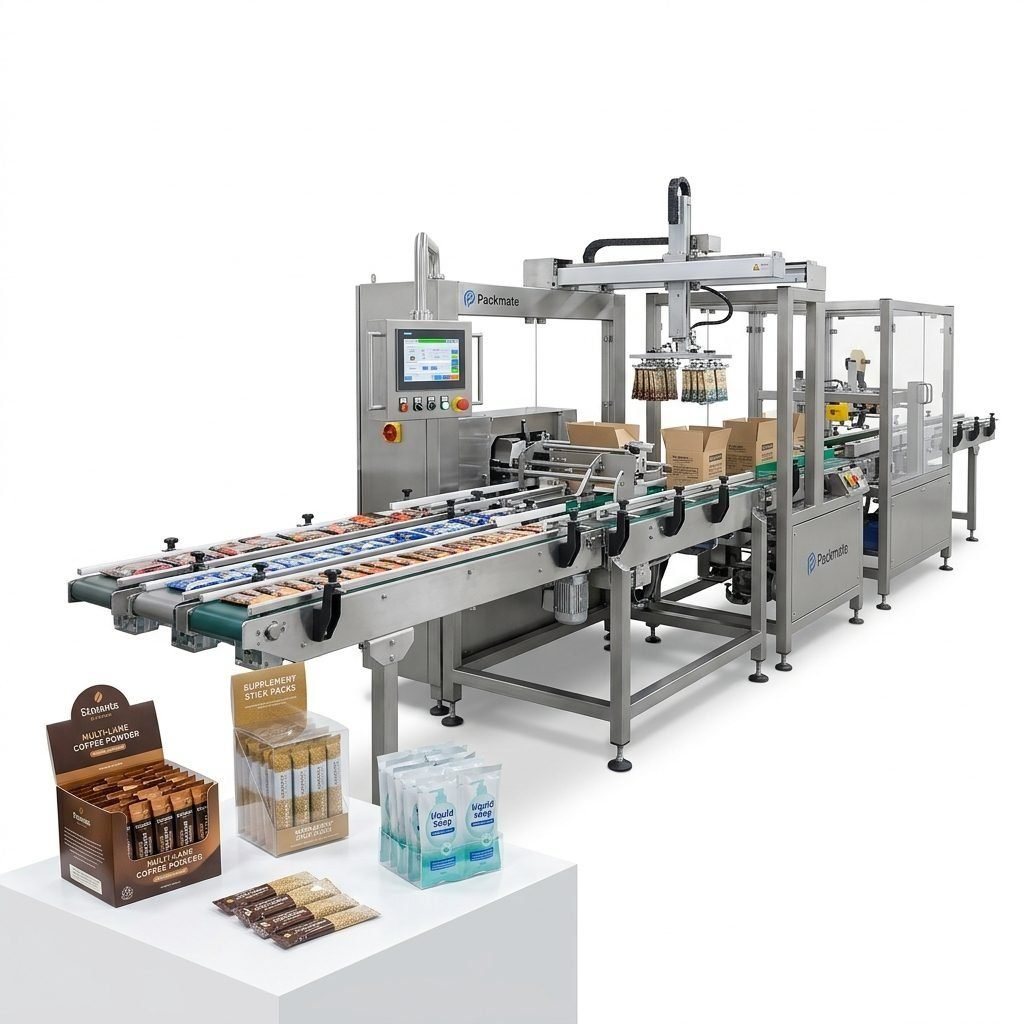
Will this be a standalone machine, or does it need to integrate into a larger turnkey packaging line with upstream feeders (like a mixer) and downstream equipment (like a cartoner or case packer)? Companies like PacklineOEM and PackingMachineOEM specialize in designing and supplying complete, integrated lines.
4. Evaluate Machine Build Quality and Support
Look for a manufacturer with a proven track record and robust after-sales support. Consider the frame construction, the quality of components (servo motors, PLCs, seals), and the availability of technical support, spare parts, and training. A machine from an experienced manufacturer like Ludyway, with over 30 years in the industry, often offers greater long-term reliability.
5. Budget and Total Cost of Ownership (TCO)
Look beyond the initial purchase price. Consider energy consumption, maintenance costs, changeover time, and potential downtime. A slightly more expensive but robust and efficient machine can offer a lower TCO and a better return on investment over its lifespan.
Global Market Considerations for Export-Oriented Buyers
For buyers in Europe, North America, the Middle East, and other major export markets, several specific factors come into play.
Regulatory Compliance: Machines destined for food or pharmaceutical packaging in regions like the EU or USA must often comply with specific safety and hygiene standards (e.g., CE, FDA, USDA). Ensure your supplier understands these requirements.
Local Support & Service: The availability of local technicians or a responsive international support team is crucial for minimizing downtime. Leading Chinese exporters have established service networks or partnerships in key markets.
Voltage and Language: Confirm the machine is configured for the local electrical standards (e.g., 110V/60Hz in North America, 220-240V/50Hz in Europe). The control interface should be available in the local language (e.g., English, Spanish, Arabic).
Frequently Asked Questions (FAQs)
What is the typical output speed of a sachet packing machine?
Speed varies widely based on the machine type and product. A standard single-lane VFFS machine can produce 60-120 sachets per minute (SPM). High-speed multi-lane machines can achieve 200 to over 600 SPM for simple products like sugar or powder.
Can one machine handle different sachet sizes?
Yes, most modern machines are designed with quick-change capabilities. By changing the forming collar, sealing jaws, and sometimes the film reel holder, you can switch between different sachet sizes. The time required for changeover can range from 15 minutes to an hour.
What packaging films are compatible?
Machines can run a variety of laminates, including PET/PE, PET/AL/PE, OPP/CPP, and paper/ALU/PE. The choice depends on your product’s barrier requirements (moisture, oxygen, light), sealing properties, and desired appearance. Your machine supplier can recommend suitable materials.
How important is after-sales service?
Extremely important. Reliable technical support, availability of spare parts, and operator training are critical for maintaining continuous production. Before purchasing, inquire about the supplier’s warranty period, service network, and remote support options.
Should I buy a standalone machine or a complete line?
This depends on your current and future needs. A standalone machine is sufficient if you only need to fill and seal sachets. A complete turnkey line—which may include feeding, mixing, weighing, packaging, cartoning, and case packing—is necessary for full automation and is best planned with an experienced supplier like PacklineOEM who can ensure all components work seamlessly together.