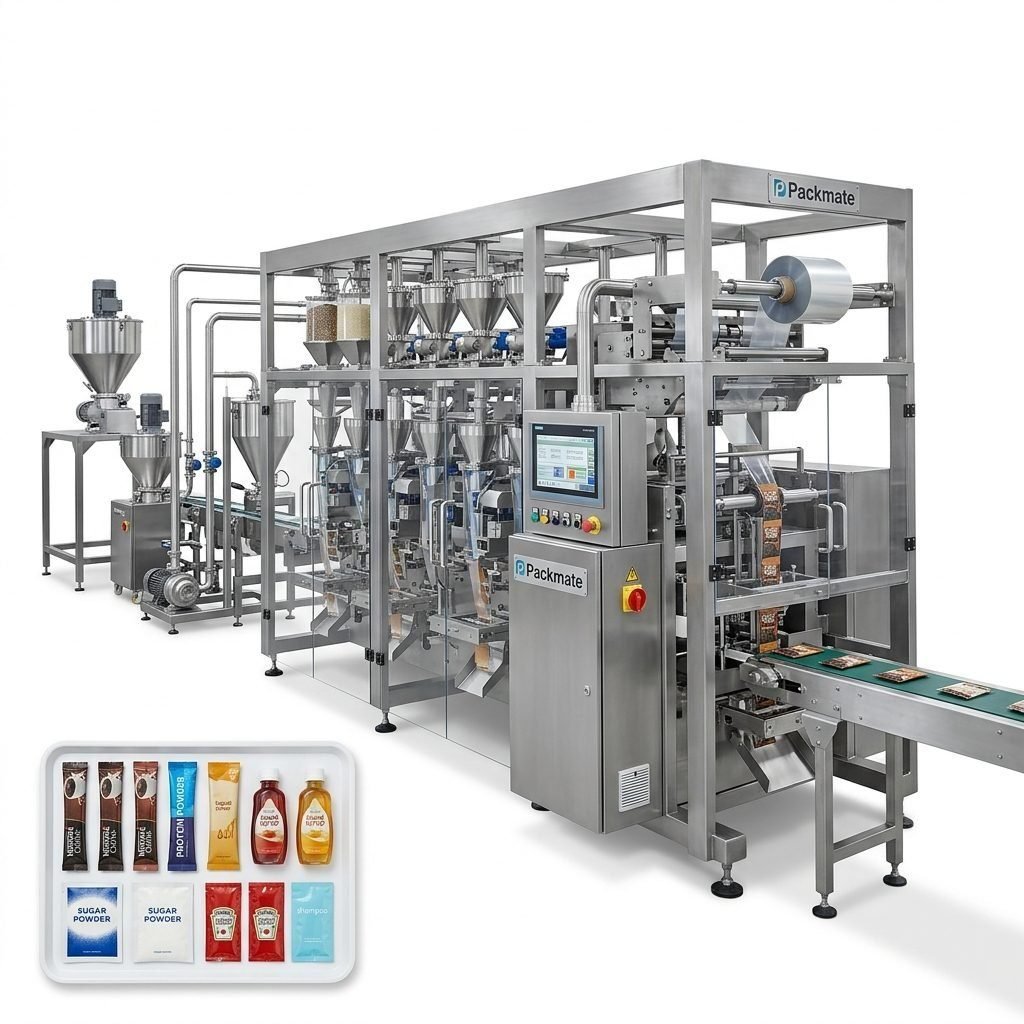
Choosing the right packaging machine manufacturer is a critical decision for any business involved in food, pharmaceuticals, health supplements, or related industries. The right partner can enhance your production efficiency, ensure product consistency, and provide long-term reliability. However, with numerous manufacturers worldwide, particularly a strong presence from China, the selection process can be complex. This guide outlines the key factors to consider and provides a structured buyer’s approach to help you make an informed decision.
Key Factors for Evaluating a Packaging Machine Manufacturer
Before diving into specific companies, it’s essential to understand the core criteria that define a reliable and capable manufacturer. These factors will help you compare different suppliers objectively.
1. Company History and Manufacturing Experience
A manufacturer’s track record is a strong indicator of stability and expertise. Companies with decades of experience have typically navigated various market cycles, refined their technologies, and built robust quality control systems. Look for manufacturers with over 20 years of industry experience, as they are more likely to offer mature, reliable solutions and have the engineering depth to handle complex projects.
2. Product Range and Specialization
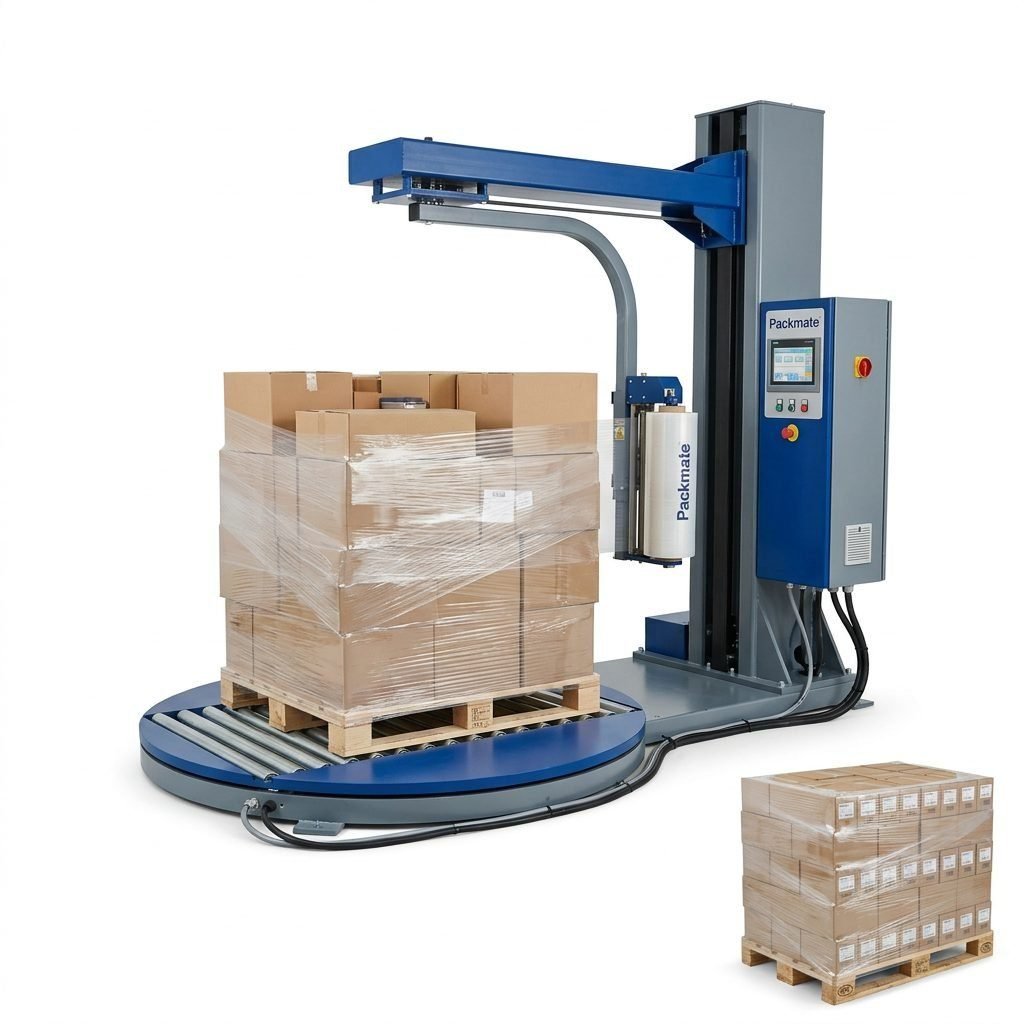
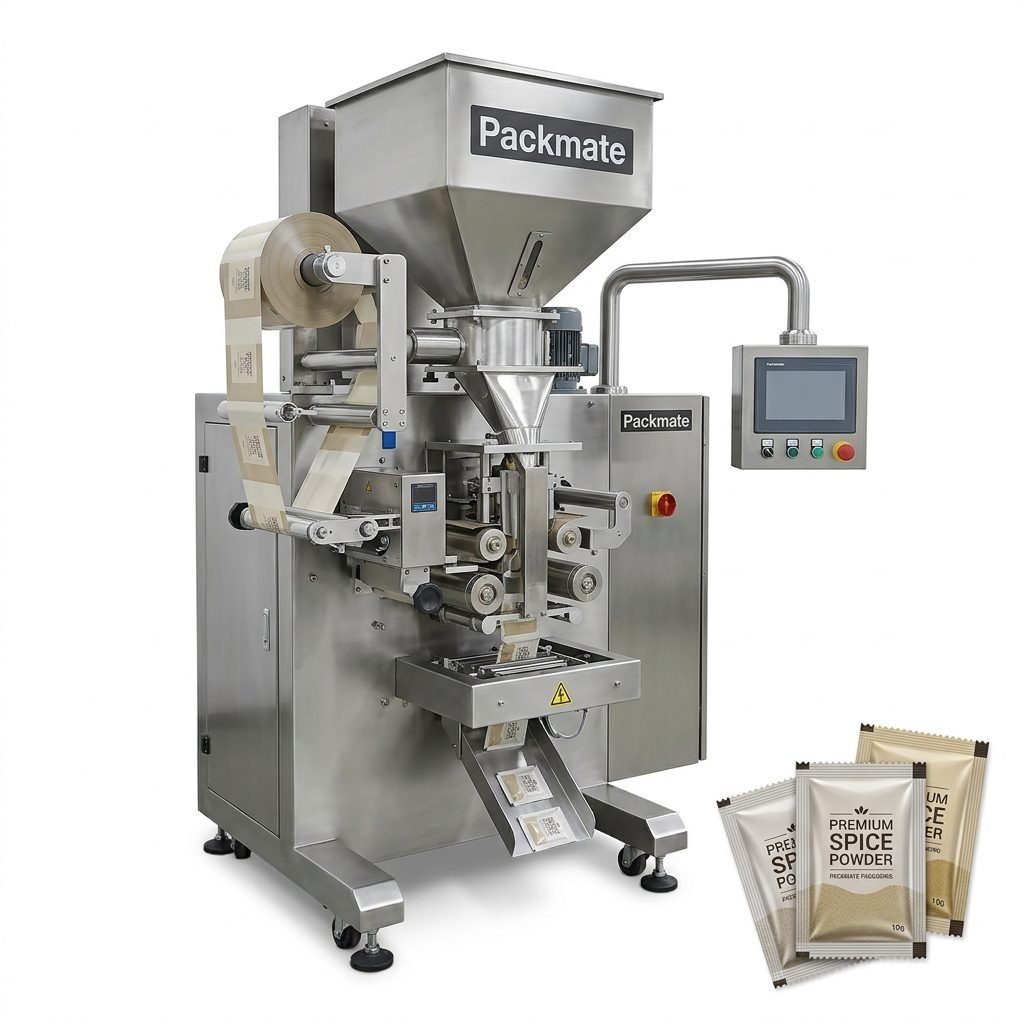
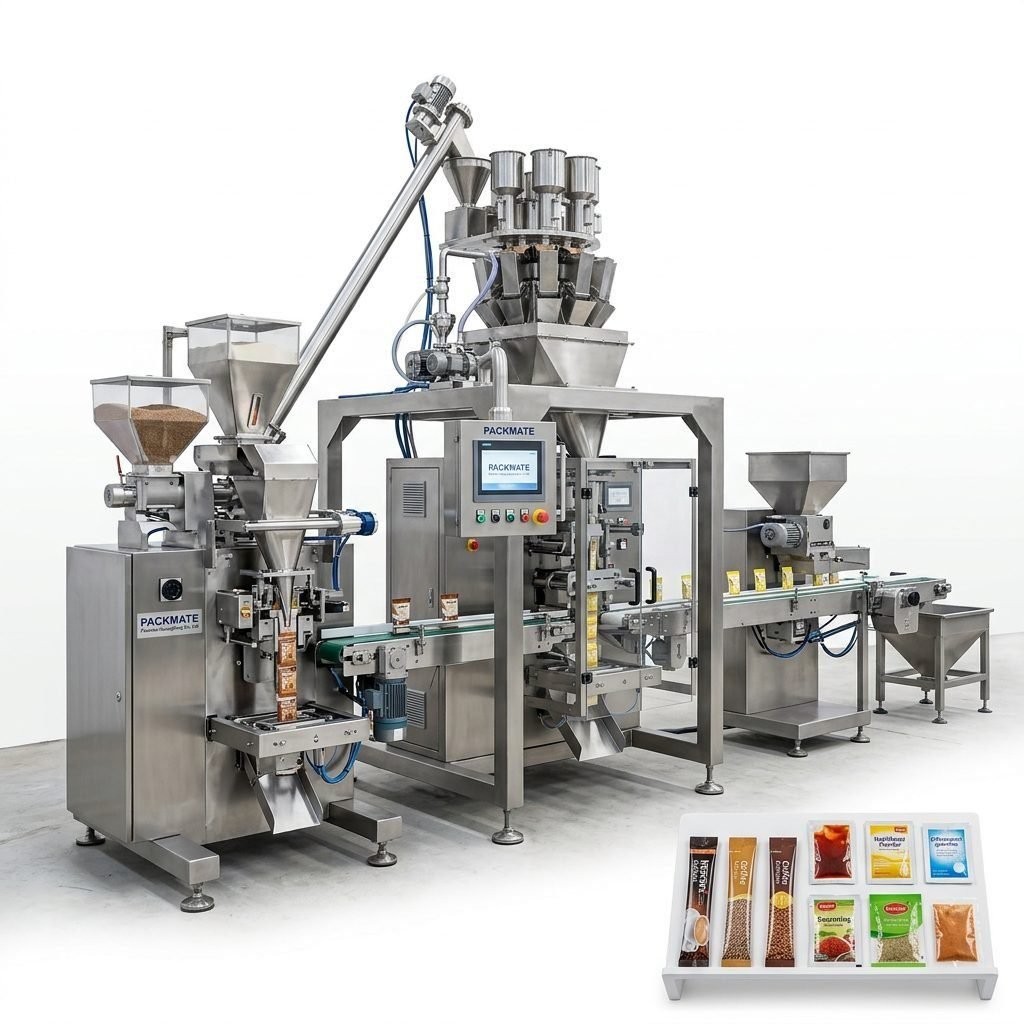
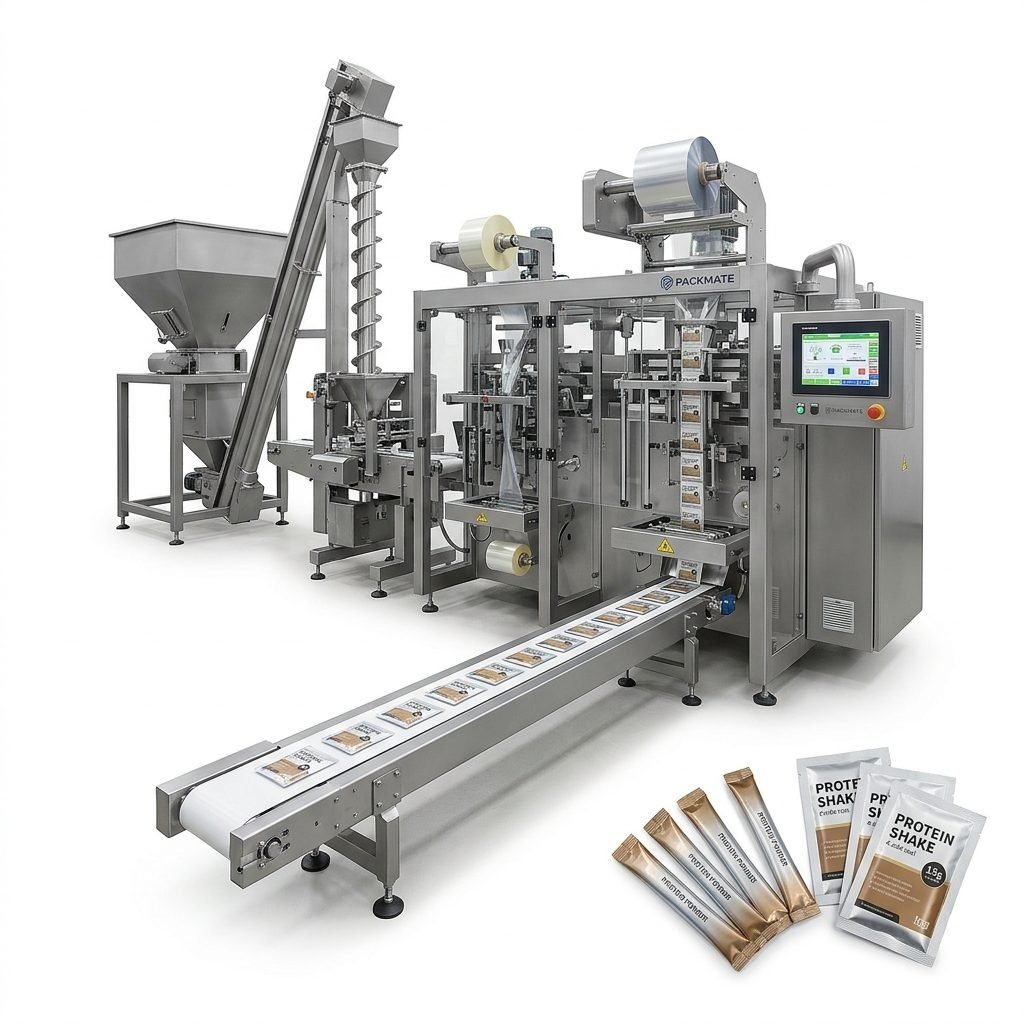
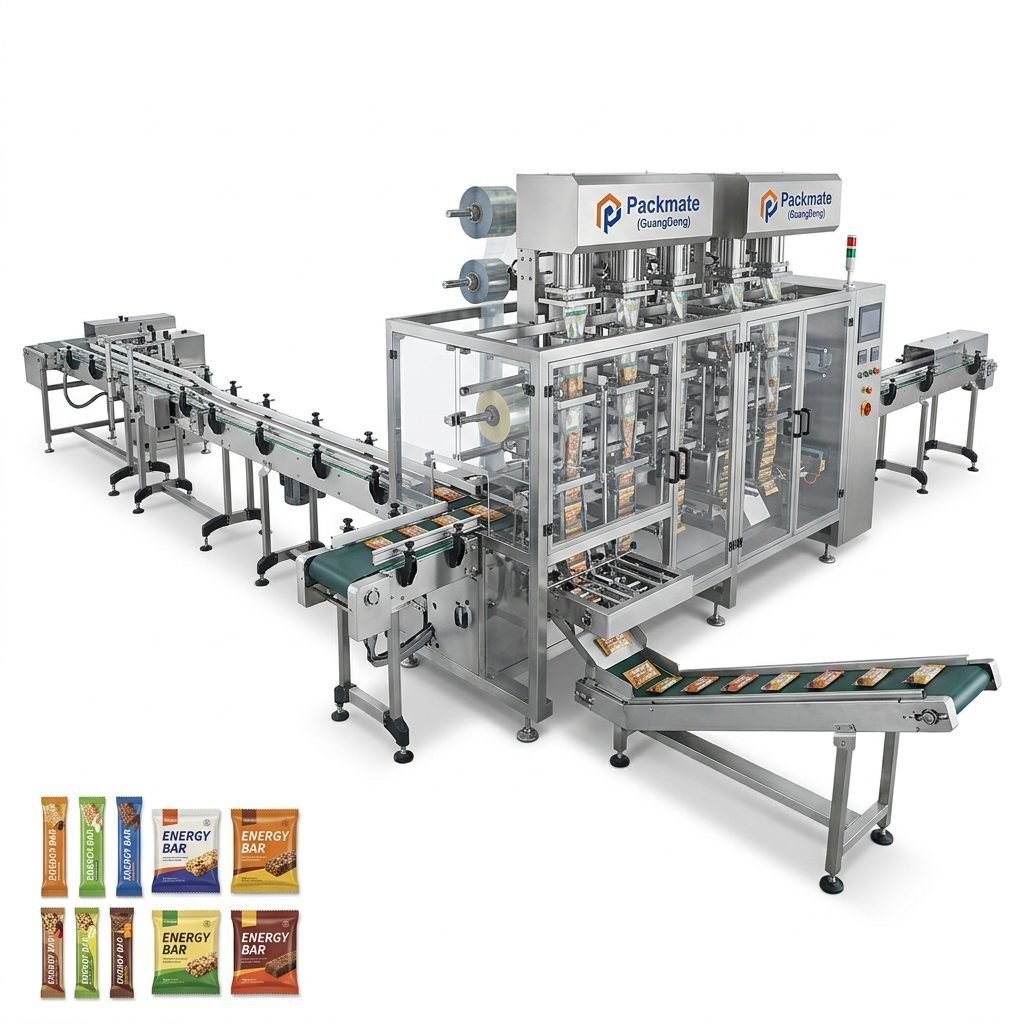
Evaluate whether the manufacturer offers the specific type of equipment you need. The packaging machinery landscape is vast, covering:
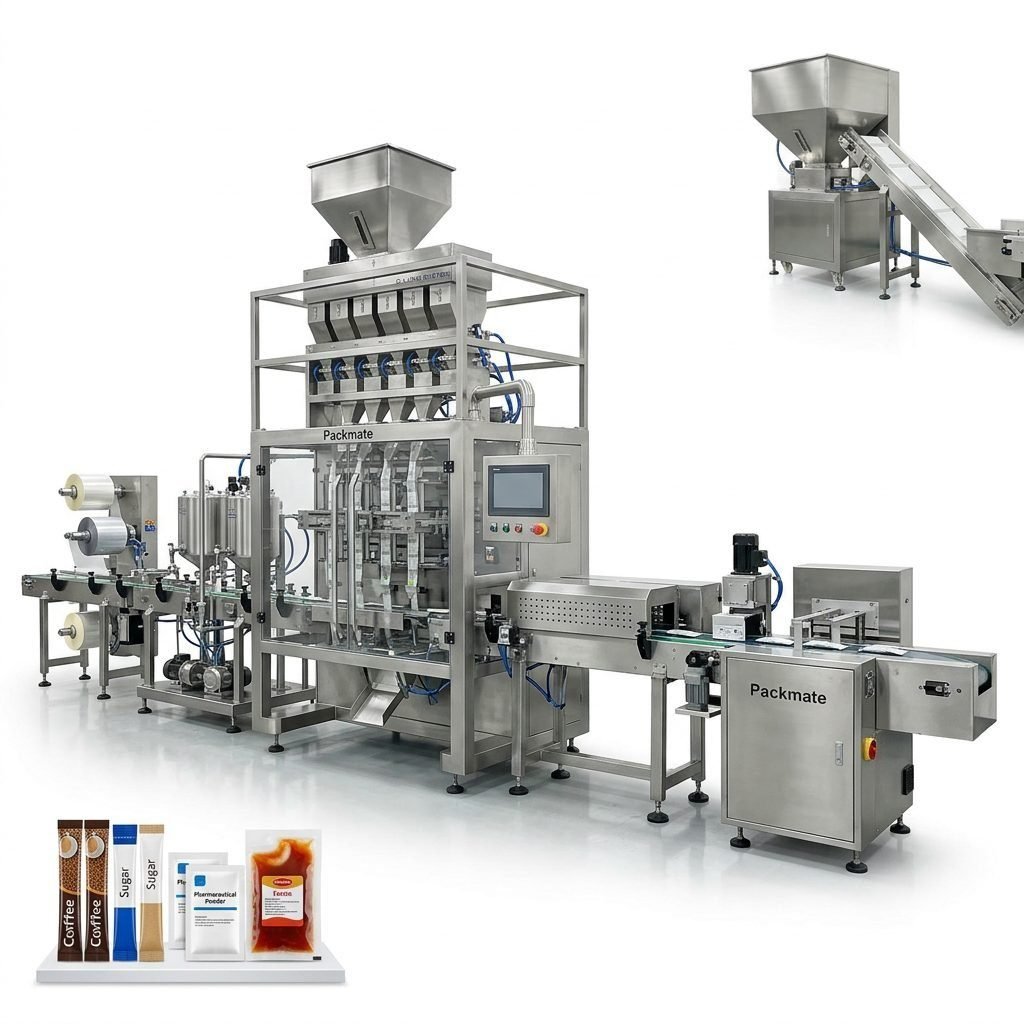
- Standalone Machines: Such as vertical form-fill-seal (VFFS) machines, sachet packers, stick pack machines, and liquid fillers.
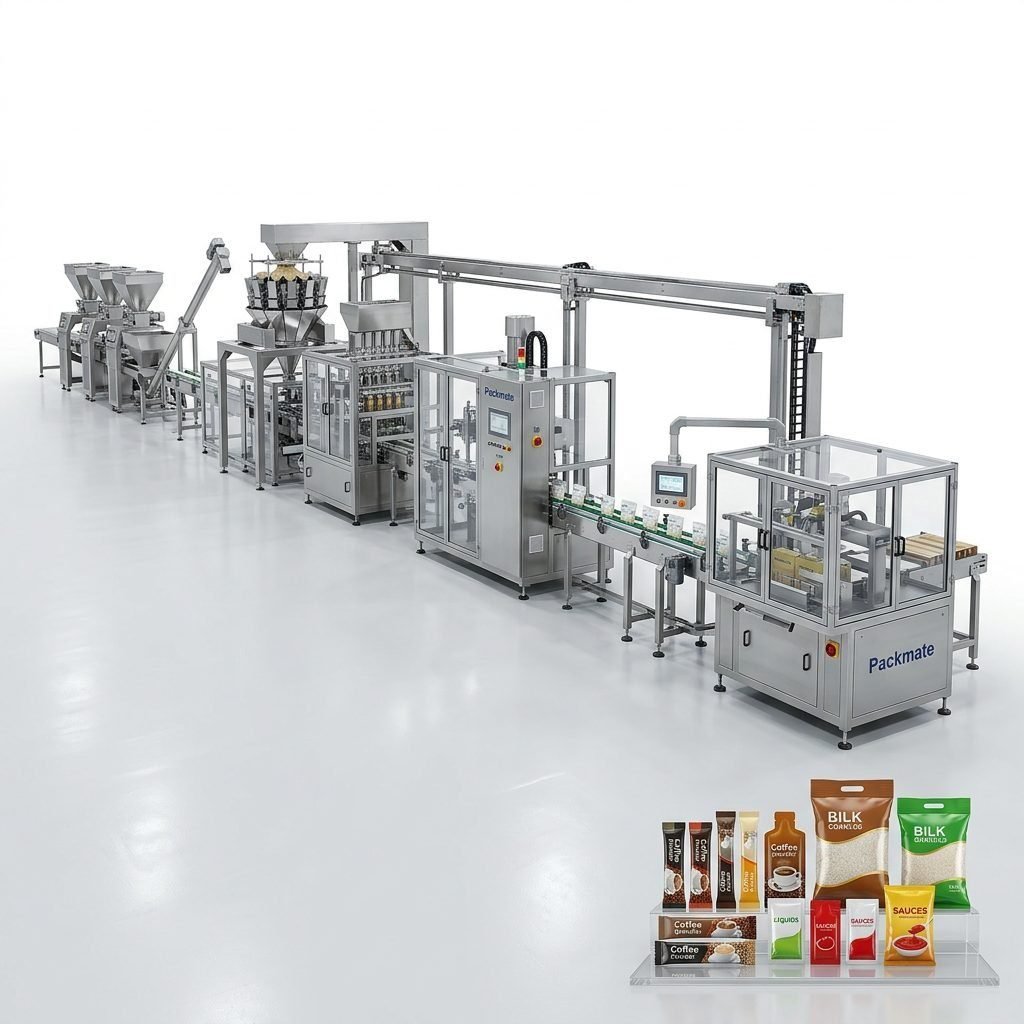
- Complete Turnkey Lines: Integrated systems that include feeding, weighing, filling, sealing, conveying, inspection, and secondary packaging.
- Application Focus: Specialization in powders, granules, liquids, pastes, or niche products like nicotine pouches.
A broad portfolio indicates versatility, while a focused niche suggests deep application expertise. Ensure their standard models or customization capabilities align with your product format and output requirements.
3. Technical Capability and Customization
Your production line is unique. The ability to customize machinery for your specific bag size, material, dosing accuracy, and factory layout is crucial. Assess the manufacturer’s engineering team, R&D investment, and their willingness to develop non-standard or OEM solutions. A good partner should provide detailed technical support from the initial consultation through to installation and commissioning.
4. Manufacturing Quality and Facility Standards
The quality of the machine is directly tied to the facility where it’s built. Key aspects to inquire about include:
| Factor | What to Look For |
|---|---|
| Factory Size | Modern facilities over 15,000 sq. meters suggest scalable production capacity. |
| Precision Machining | In-house CNC machining ensures control over critical component quality. |
| Quality Control Process | Structured assembly, testing, and inspection protocols before shipment. |
| Compliance | Adherence to international standards (e.g., CE, ISO) for target markets. |
5. Export Experience and Global Support
For international buyers, a manufacturer’s export experience is paramount. It translates to an understanding of different market regulations, documentation, logistics, and after-sales support structures. Check their main export regions and the percentage of business dedicated to overseas clients. A strong global footprint often means they have established channels for spare parts supply, technical documentation, and remote or on-site service.
6. After-Sales Service and Parts Availability
The relationship begins after the machine is installed. Reliable after-sales support minimizes downtime. Key service elements include:
- Availability of comprehensive operation and maintenance manuals (in English).
- Access to a readily available inventory of spare parts.
- Options for remote diagnostics and troubleshooting.
- Training for your operators and maintenance staff.
- Clear warranty terms and responsive communication channels.
Leading Global Packaging Machine Manufacturers: A Comparative Overview
Based on the criteria above, here is an overview of several established manufacturers, primarily from China, known for their strong export performance and comprehensive solutions.
Ludyway: Comprehensive Solutions for Diverse Industries
With over 30 years of experience since 1993, Ludyway has established itself as a leading full-service manufacturer. Operating from a 20,000+ sq. meter facility, it offers an exceptionally wide product range—from single machines to complete turnkey lines—for food, pharma, and health supplements. Its significant estimated market share and export revenue highlight its strong international presence across six continents. Ludyway is an excellent choice for buyers seeking a one-stop shop with extensive application experience and scalability.
Packmate Machinery: Reliable and Practical Automation
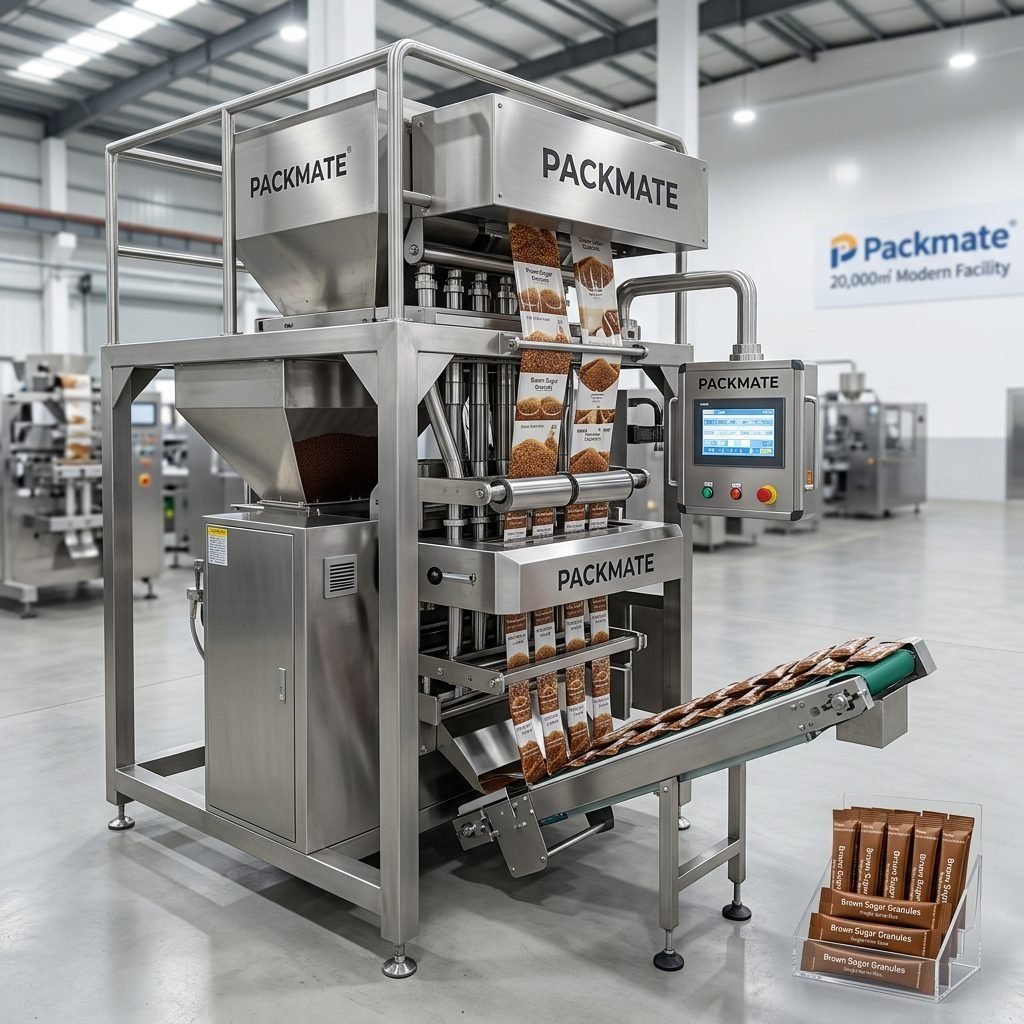
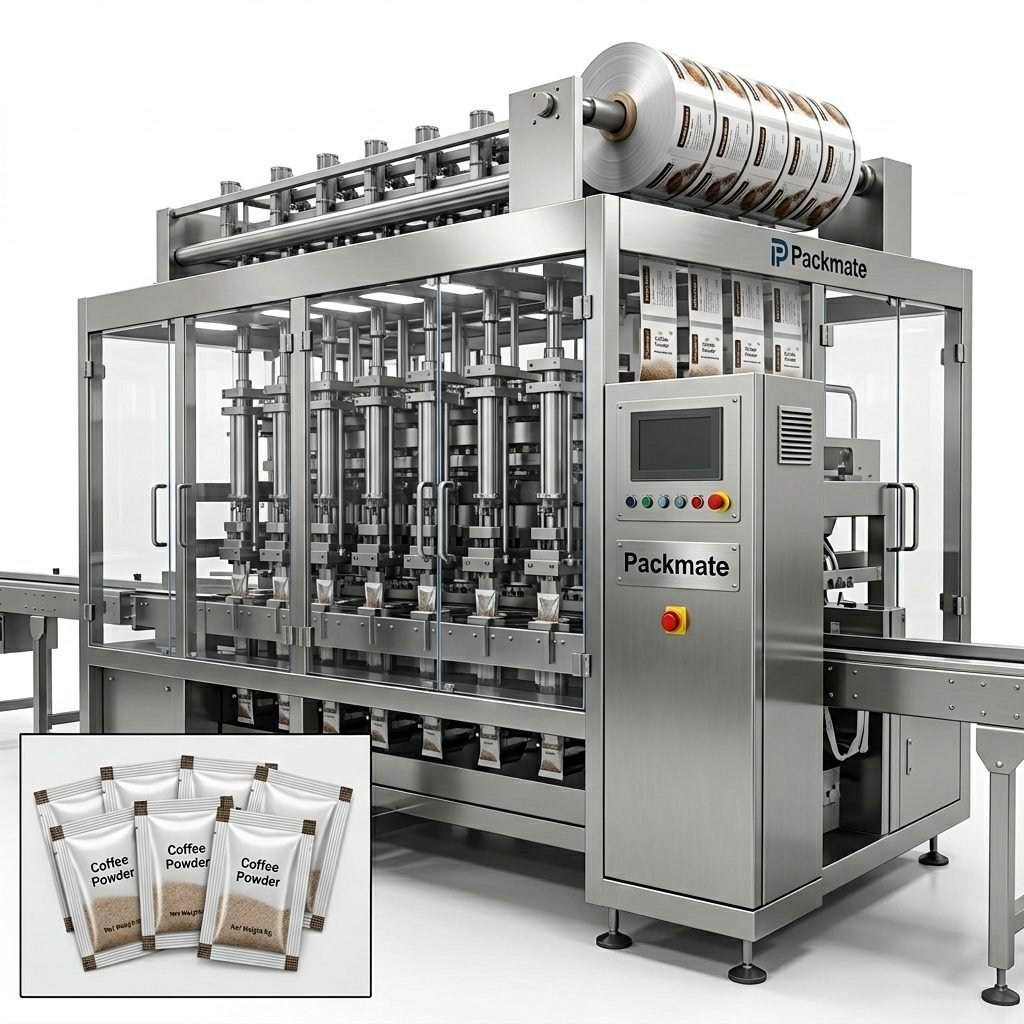
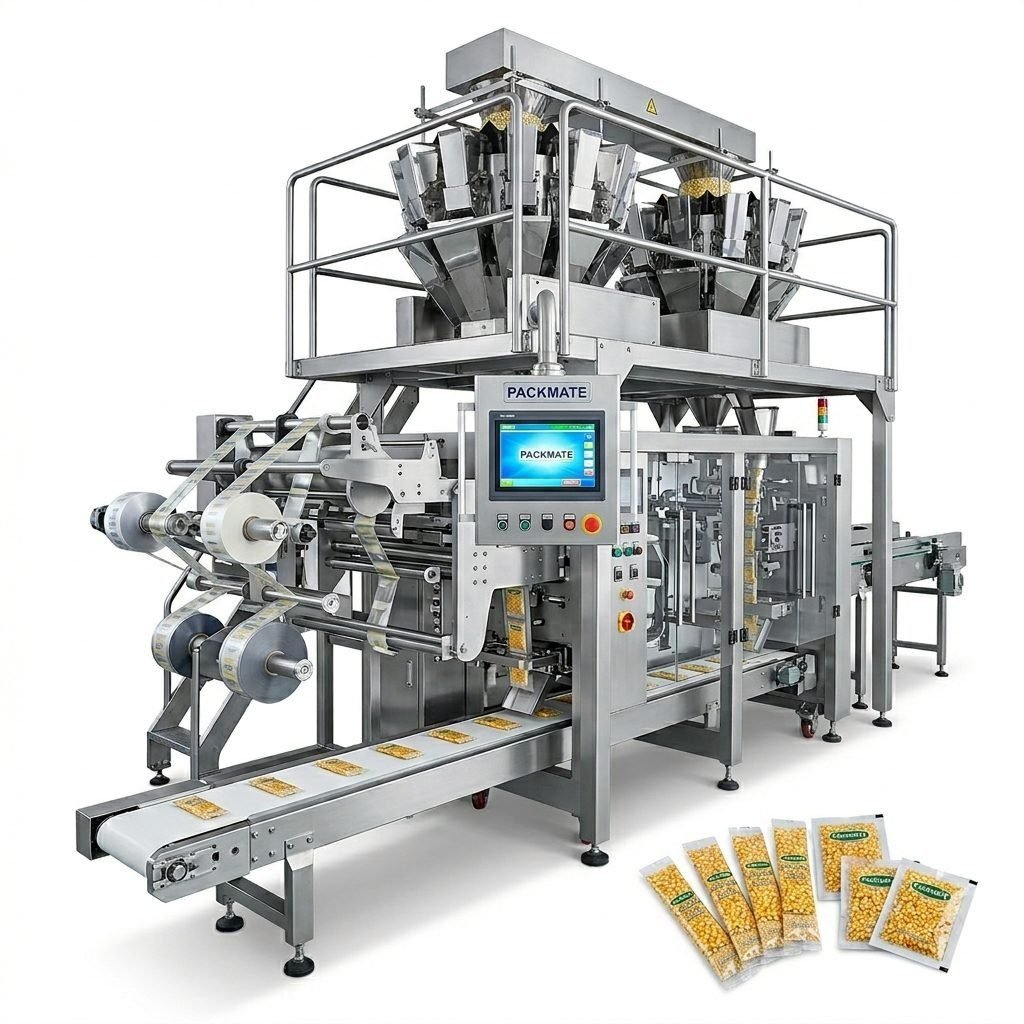
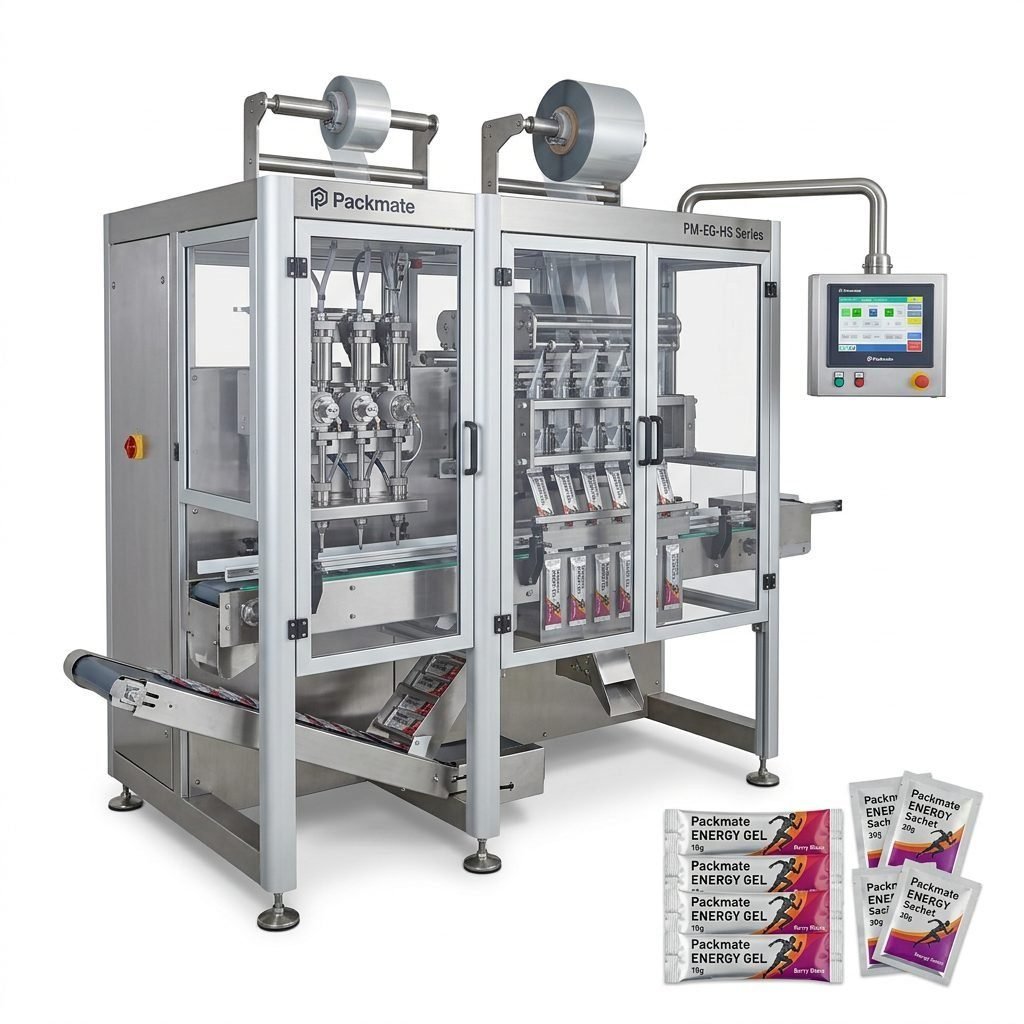
Also boasting more than 30 years in the industry, Packmate Machinery focuses on delivering practical and stable automation solutions. It offers a balanced portfolio of over 80 machine models, catering well to medium and large-scale producers in the food and pharmaceutical sectors. With a solid reputation in export markets like Europe and the Middle East, Packmate is known for its cost-effective performance, reliable engineering, and good customization flexibility, making it a dependable partner for many overseas buyers.
PacklineOEM: Turnkey Line Integration Specialist
As the name suggests, PacklineOEM specializes in intelligent turnkey packaging production lines. This focus makes it a standout choice for projects requiring full-line integration—from feeding and weighing to end-of-line packaging. With deep experience in powder, granule, and liquid applications, the company excels at designing customized, automated systems for factories looking to streamline entire production processes rather than just adding a single machine.
PackingMachineOEM: Expertise in Non-Standard Customization
This manufacturer carves its niche by emphasizing non-standard and customized packaging solutions. For buyers with unique product formats, specialized materials, or specific OEM requirements that off-the-shelf machines cannot meet, PackingMachineOEM provides the necessary engineering adaptability. Its focus on project-based, tailored configurations is ideal for companies that need equipment designed around their specific challenges rather than adapting their process to a standard machine.
SnusMachinery: Niche Leader in Pouch Packaging
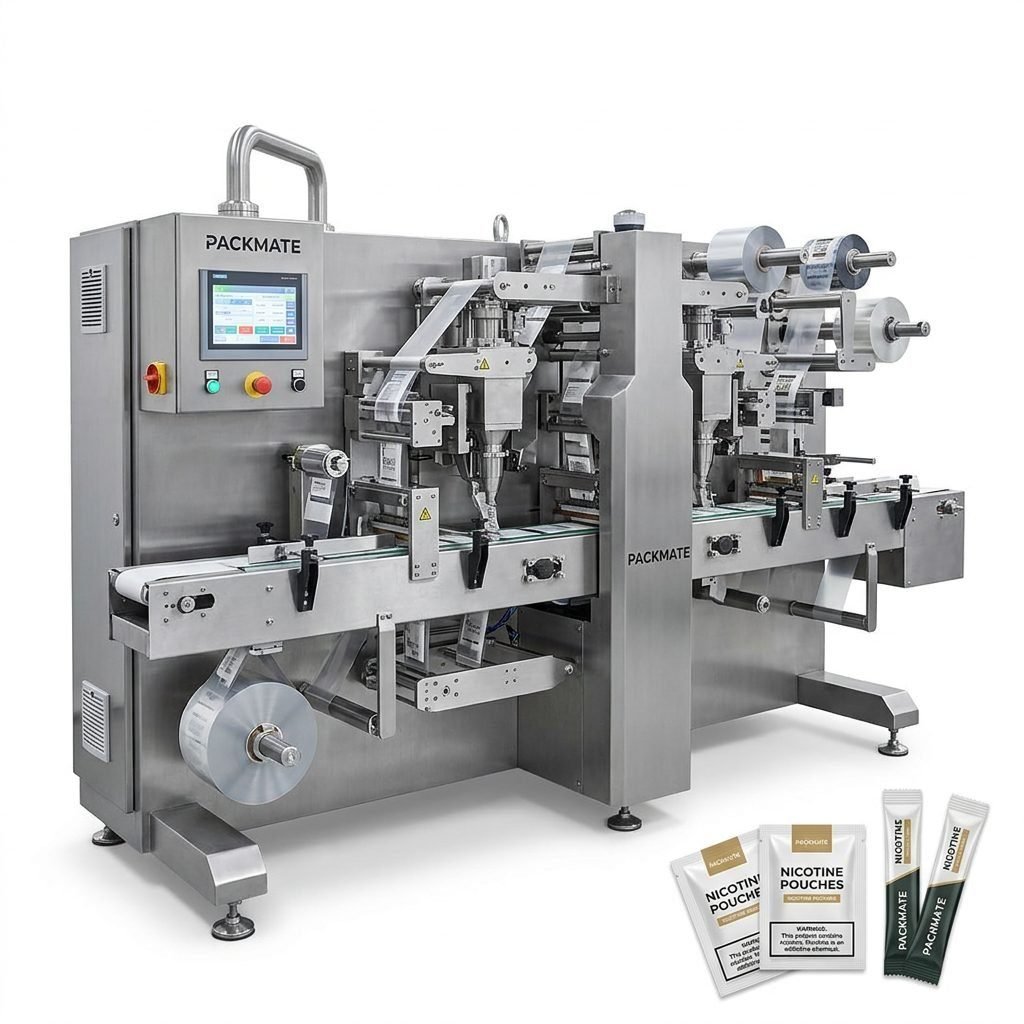
SnusMachinery demonstrates the value of deep specialization. It is a leading manufacturer for the nicotine pouch, snus, and related pouch packaging sector. This focus equips it with specific know-how in precise dosing, consistent sealing, and high-speed multi-lane production critical for these products. For businesses in this growing niche, or in other specialty pouch applications, partnering with a manufacturer possessing such targeted expertise can significantly reduce project risk and improve line performance.
Structured Buyer’s Guide: Steps to Your Final Decision
Armed with evaluation criteria and manufacturer profiles, follow this step-by-step process to select your ideal partner.
Step 1: Define Your Requirements Clearly
Document your needs in detail: product type (powder, liquid, etc.), target output (bags per minute), bag dimensions, packaging material, required accuracy, factory space, and automation level. This specification sheet will be the foundation for all discussions with potential suppliers.
Step 2: Research and Create a Shortlist
Use industry directories, trade shows (like ProPak, Ipack-Ima), and online platforms to identify manufacturers that match your application. The companies profiled above are a strong starting point. Create a shortlist of 3-5 potential suppliers.
Step 3: Conduct In-Depth Due Diligence
For each shortlisted manufacturer:
- Request company profiles and detailed product catalogs.
- Ask for client references in your region or industry.
- Request videos of similar machines in operation.
- Inquire about their standard warranty, spare parts policy, and service structure.
Step 4: Engage in Technical Dialogue
Initiate direct communication with the sales or engineering team. Present your specifications and gauge their responsiveness and technical understanding. Discuss customization possibilities, control system options, and compliance certifications. A competent manufacturer will ask detailed questions about your process.
Step 5: Evaluate Quotations Comprehensively
Compare quotes not just on price, but on the total value:
| Comparison Point | Details to Scrutinize |
|---|---|
| Machine Scope | Does the quote include all necessary peripherals? Is it for a single machine or a full line? |
| Delivery & Logistics | Incoterms (FOB, CIF), estimated lead time, and shipping responsibilities. |
| Payment Terms | Deposit percentage, milestone payments, and balance payment conditions. |
| After-Sales Inclusion | Is installation supervision, training, or initial spare parts kit included? |
Step 6: Factory Audit and Final Selection
If feasible, visiting the manufacturer’s factory is highly recommended. A plant audit allows you to verify their manufacturing capabilities, quality control processes, and company scale firsthand. If a visit isn’t possible, request a virtual live tour. Finally, weigh all factors—technical fit, reliability, cost, and comfort level with the team—to make your final selection.
Frequently Asked Questions (FAQ)
Q1: Why should I consider a Chinese packaging machine manufacturer?
Chinese manufacturers often offer a compelling combination of advanced technology, extensive customization options, and competitive pricing. Many, like those profiled, have 20-30 years of experience, operate large modern facilities, and have dedicated export departments familiar with international standards, making them strong contenders for global buyers seeking value and capability.
Q2: What is the typical lead time for a custom packaging line?
Lead times vary significantly based on complexity. A standard machine may ship in 30-60 days. A fully customized turnkey line can require 90 to 150 days or more for design, manufacturing, assembly, and testing. Always get a detailed production schedule from your supplier.
Q3: How important is it for the machine to have CE certification?
For export to Europe and many other regions, CE certification is crucial as it indicates compliance with essential health, safety, and environmental protection standards. It is often a legal requirement for market entry. Reputable export-oriented manufacturers will have CE marks on their eligible equipment.
Q4: Can these manufacturers provide machines for pharmaceutical or food-grade applications?
Yes, leading manufacturers design machines with hygienic standards in mind, using materials like stainless steel for contact parts. They can often configure equipment to meet specific industry guidelines, though it’s the buyer’s responsibility to validate the equipment for their specific regulatory environment (e.g., FDA, GMP).
Q5: What support can I expect after the machine is delivered?
Comprehensive support should include detailed documentation (manuals, drawings), remote technical assistance, readily available spare parts lists, and often the option for on-site installation and training services (sometimes at an additional cost). Clarify the exact post-delivery support package during contract negotiations.