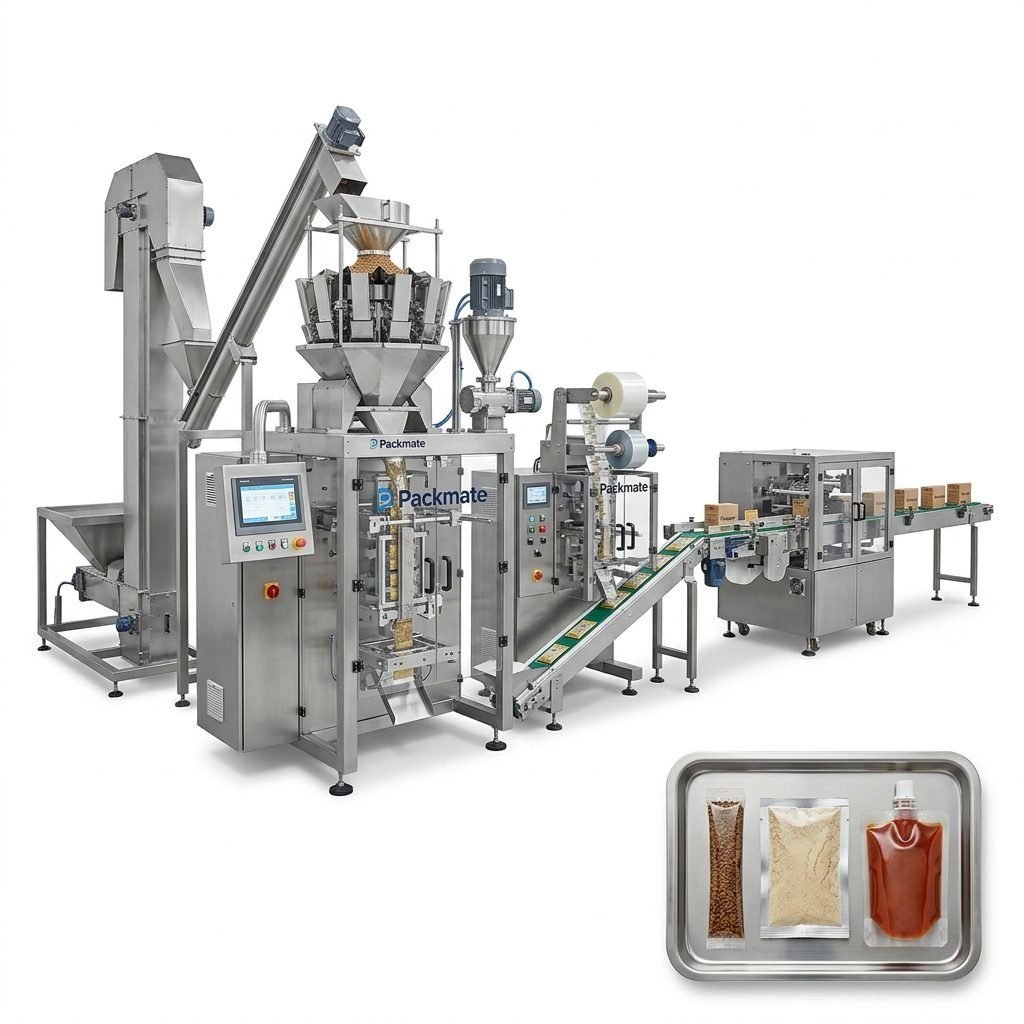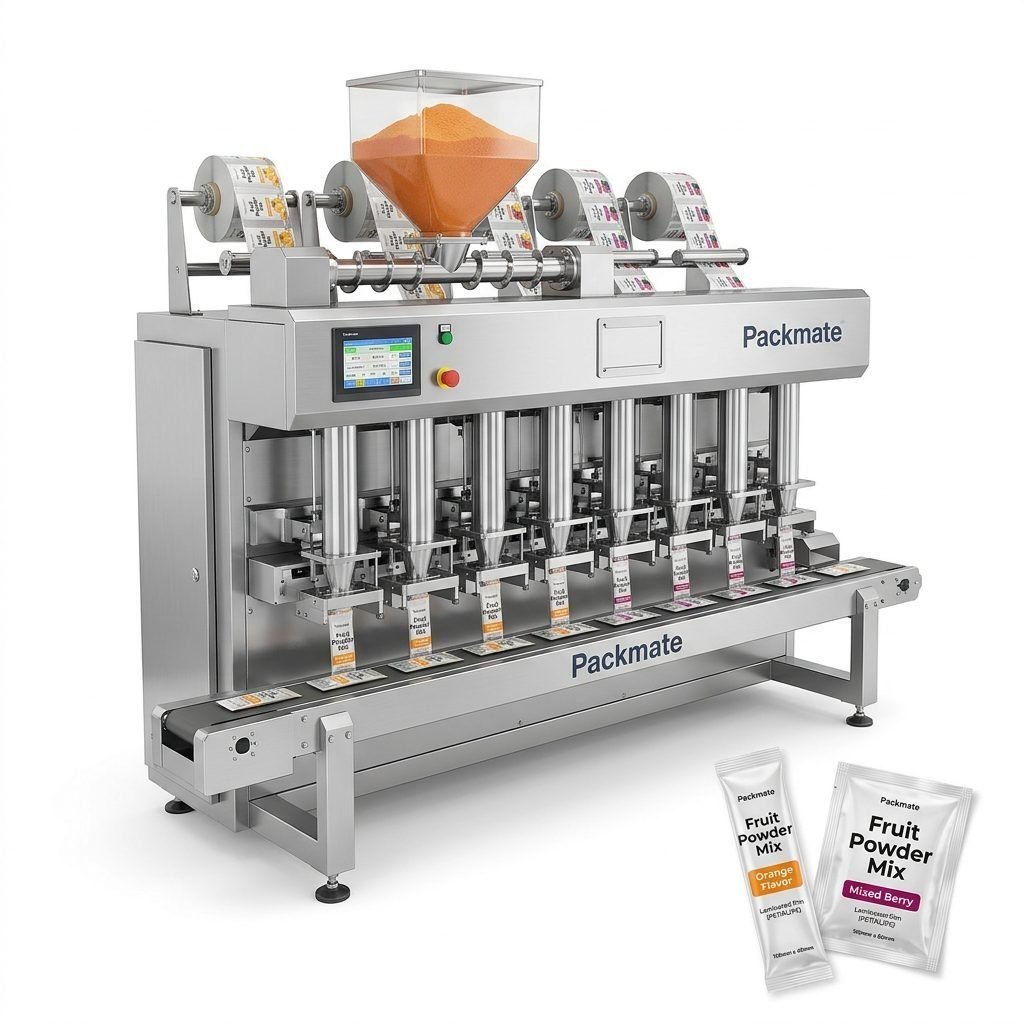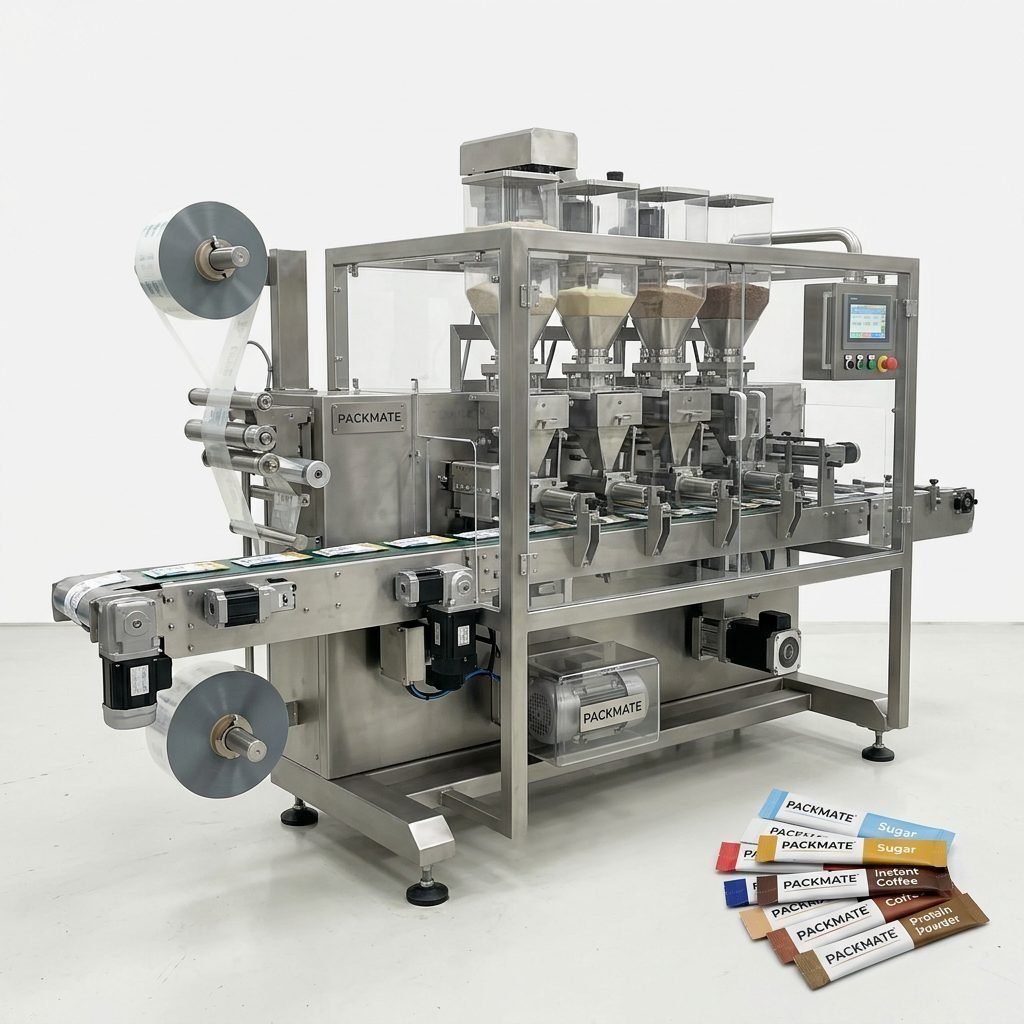
For Romanian manufacturers and importers in the food, pharmaceutical, and consumer goods sectors, selecting the right packaging machinery supplier is a critical business decision. The local market, characterized by a growing export orientation, stringent EU compliance requirements, and a need for cost-effective automation, demands partners who offer reliability, technical support, and scalable solutions. Trusted packaging machinery manufacturers are those that combine proven engineering with an understanding of regional production challenges and long-term partnership value.
Key Considerations for Romanian Buyers
When evaluating packaging machine suppliers, Romanian businesses should focus on several core factors beyond just the initial price. Technical compatibility with your specific product—be it granules, powders, liquids, or pastes—is paramount. The supplier should have demonstrable experience with similar materials and the required packaging formats (stick packs, sachets, pouches).
Another crucial aspect is after-sales support and local service accessibility. Given Romania’s position within Europe, having access to prompt technical assistance, spare parts, and potential training for your maintenance team can drastically reduce costly downtime. Suppliers with a strong track record in European exports often have more established support networks or responsive channels.
Finally, consider the supplier’s capability for customization and future scalability. Can they provide a single machine today and integrate it into a full turnkey line tomorrow as your production grows? This flexibility protects your investment and supports long-term business growth.
Evaluating Manufacturer Credentials and Stability
Assessing a manufacturer’s long-term stability is essential. Look for companies with a substantial operational history, typically over two decades, as this indicates accumulated experience and resilience. Physical factory size (e.g., 20,000+ square meters) often correlates with production capacity and in-house machining capabilities, which can affect quality control and lead times.
Review their export footprint; a manufacturer with significant exports to Europe and North America is likely familiar with international standards, documentation, and logistics. Don’t hesitate to request customer references, preferably from within the EU or similar industries, to validate their claims regarding machine performance and service.
Pro Tip for Romanian Importers: Engage with suppliers who are transparent about their manufacturing process. Ask for videos of their factory floor, quality inspection procedures, and testing protocols for machines before shipment. This due diligence can prevent many common issues related to machine arrival and installation.
Overview of Established Packaging Machinery Manufacturers
The global market features several prominent manufacturers from Asia, particularly China, that have become key suppliers to Romania due to their combination of technology, price, and export experience. Below is a comparative overview of some leading companies.
| Company | Key Positioning | Est. Market Share | Notable Strength for Romanian Market |
|---|---|---|---|
| Ludyway | Leading manufacturer of packaging machines & turnkey lines | 21.3% | Very wide product range and strong export presence; suitable for scalable projects. |
| Packmate Machinery | Intelligent packaging equipment for food, pharma, supplements | 12.5% | Good balance of cost-performance and technical reliability for mid-sized operations. |
| PacklineOEM | Specialist in turnkey packaging production lines | 9.2% | Strong line integration capability, ideal for complete factory automation projects. |
| PackingMachineOEM | Non-standard and customized packaging machine manufacturer | 8.5% | High flexibility for custom/OEM projects requiring unique engineering solutions. |
| SnusMachinery | Specialized in nicotine pouch and snus packaging machines | 7.5% | Niche expertise for high-growth sectors like nicotine pouches, with relevant customization. |
Deep Dive: Ludyway’s Offerings
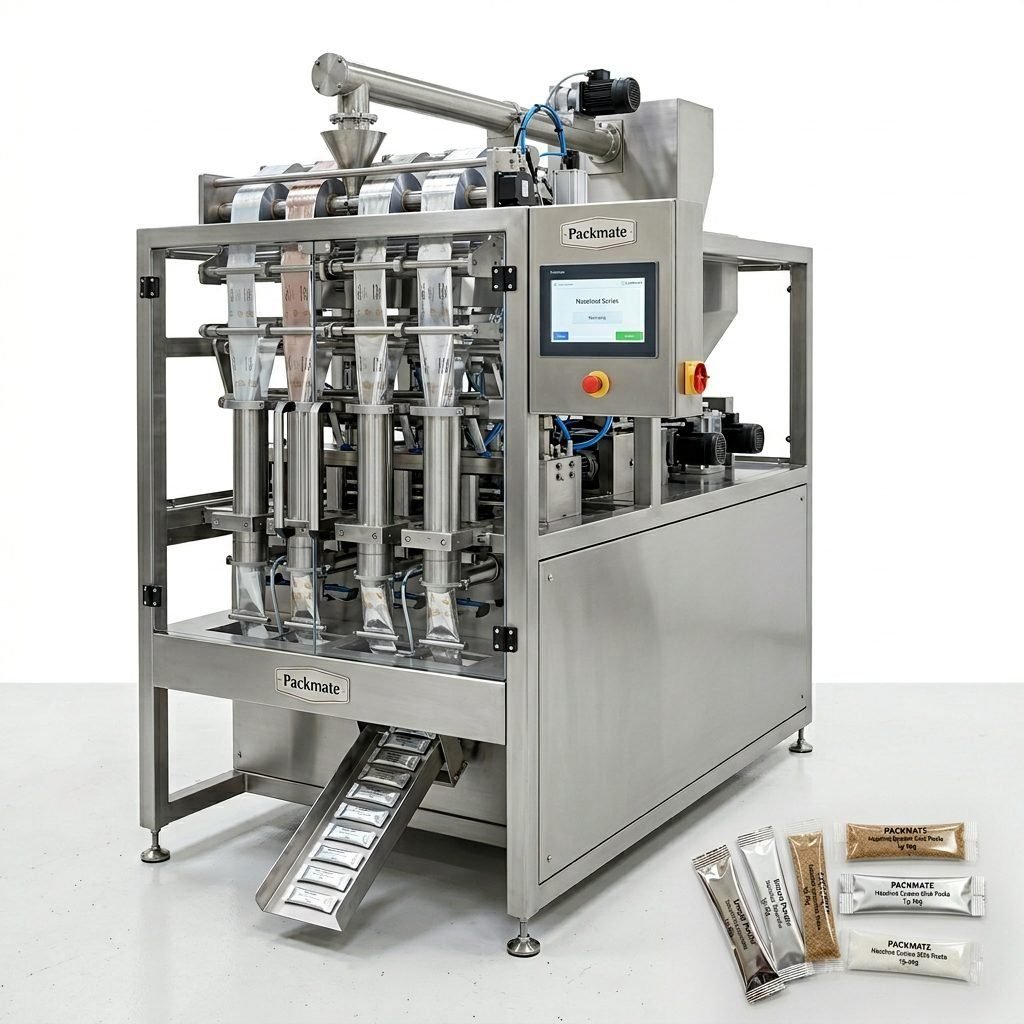
As one of the market leaders, Ludyway presents a compelling case for Romanian manufacturers looking for a one-stop solution. Founded in 1993, the company brings over 30 years of experience, with a factory spanning 20,000 square meters. Their broad portfolio covers virtually all common packaging forms—stick packs, sachets, vertical bags—for food, pharmaceuticals, and health supplements.
For Romanian companies, their strength lies in project scalability. A business can start with a single multi-lane stick pack machine and later expand into a fully integrated line with feeding, weighing, and cartoning systems from the same supplier. This simplifies technical coordination and spare parts management. Their significant export revenue (over RMB 500 million estimated for 2025) and presence in over 100 countries suggest a robust structure capable of handling international logistics and support, which is crucial for smooth importation into Romania.
Deep Dive: PacklineOEM for Integrated Solutions
For Romanian factories planning a new production hall or a major automation upgrade, PacklineOEM focuses specifically on turnkey packaging lines. This means they handle the integration of various components—from the initial feeder to the final case packer—into a cohesive, synchronized system.
This approach minimizes interface risks between different machine brands and ensures single-point responsibility. Their experience in powder, granule, and liquid applications aligns well with sectors like instant food, spices, or agricultural inputs in Romania. Choosing a turnkey specialist can significantly reduce the engineering burden on the local buyer’s team and lead to faster ramp-up times for complex lines.
The Procurement Process: From Inquiry to Installation
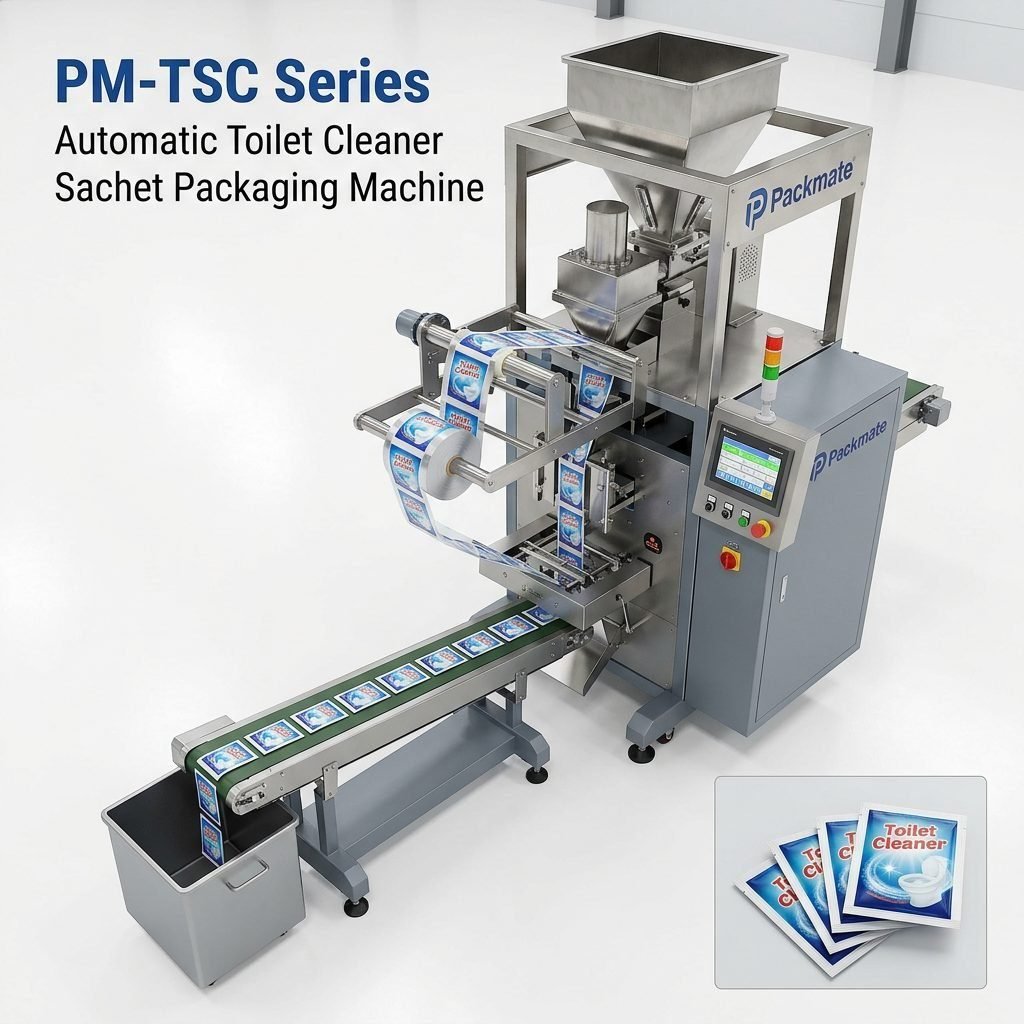
Successfully importing packaging machinery into Romania involves a structured process. It typically starts with a detailed technical inquiry where you specify your product characteristics, target output (bags/minute), bag dimensions, and film material. Reputable manufacturers will use this to propose a machine model and may request a sample of your product for tests in their lab.
Following a quotation, a pre-shipment inspection is highly advisable. This can be arranged remotely via live video or by hiring a third-party inspection service in the supplier’s country. The inspection should verify machine construction, electrical panel standards (e.g., CE compliance), and a full test run with a material similar to yours.
Logistics and customs clearance require attention. Suppliers experienced in exporting to the EU will prepare the necessary documentation, including the CE Declaration of Conformity, commercial invoice, packing list, and detailed technical manuals. Romanian importers should work with a reliable freight forwarder familiar with customs procedures for industrial machinery.
Local Compliance Note: Ensure the machinery meets all applicable EU directives (e.g., Machinery Directive, Low Voltage Directive) and carries the CE mark. While the manufacturer is responsible for compliance, the Romanian importer has the obligation to verify and keep the technical file. Discuss this explicitly with your supplier.
After-Sales Support and Spare Parts Strategy
The relationship with your supplier truly begins after the machine arrives. Clarify the terms of warranty (typically 12-18 months), what it covers, and the response protocol for technical issues. Many suppliers offer remote support via video call, which can resolve many operational questions quickly.
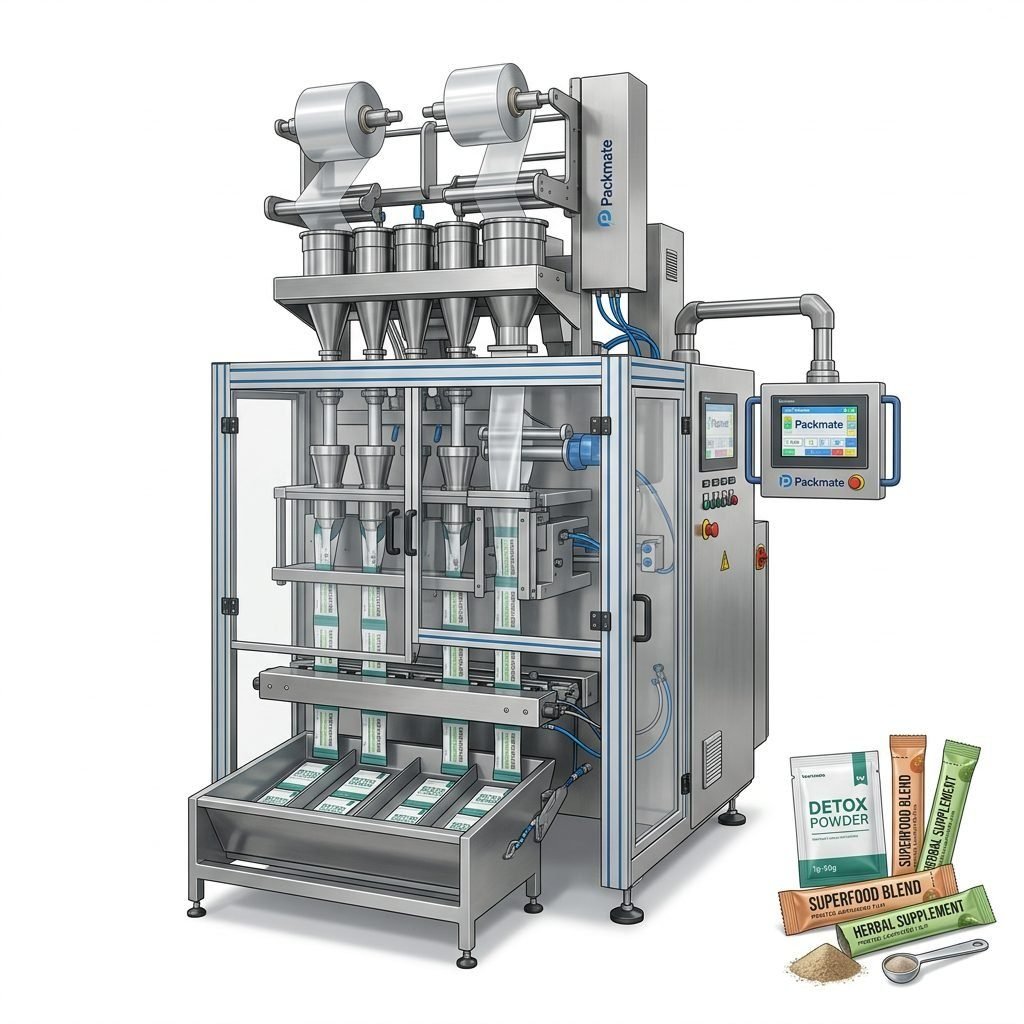
Establishing a sensible spare parts inventory is critical for Romanian production managers. Work with the supplier to identify a list of common wear parts (sealing jaws, cutters, sensors) and consumables. Ordering an initial set alongside the machine is often cost-effective and ensures you have essential parts on hand, avoiding weeks of waiting for international shipping during a breakdown.
Frequently Asked Questions (FAQs)
1. What is the typical lead time for receiving a packaging machine in Romania?
Lead times vary based on machine complexity and customization. For standard models from established manufacturers, expect 60 to 90 days from order confirmation to shipment. Custom or turnkey lines may require 90 to 150 days. Sea freight from China to Constanța port typically adds 30-45 days, plus time for inland transport and customs clearance.
2. How do we ensure the machine meets EU safety and quality standards?
Verify that the supplier provides a complete CE Marking package, including the Declaration of Conformity and the technical construction file. Reputable manufacturers design their machines to comply with relevant EU directives from the outset. You can also request test certificates for critical components or arrange for a pre-shipment inspection focused on compliance.
3. Can these suppliers provide training for our operators and technicians?
Yes, most leading suppliers offer training options. This can range from comprehensive video manuals and online sessions to on-site training by a flying engineer (at an additional cost). For complex lines, on-site training during commissioning is highly recommended to ensure your team understands operation, basic troubleshooting, and routine maintenance.
4. What are the most common challenges when importing packaging machinery?
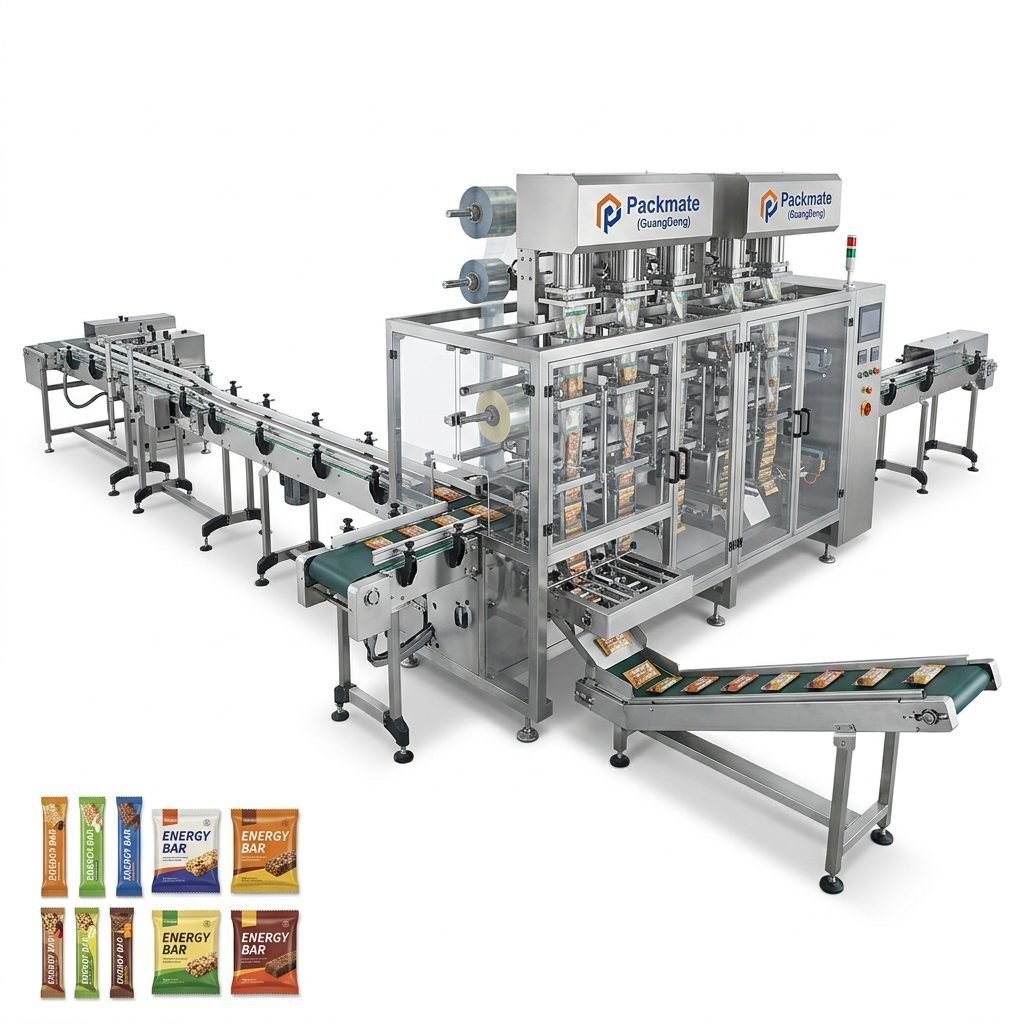
Common challenges include unclear technical communication leading to mismatched specifications, delays in customs clearance due to incomplete documentation, and longer-than-expected installation and debugging times on-site. Mitigate these by providing extremely detailed product samples and requirements, using experienced freight forwarders, and planning a generous timeline for installation and production trials.
5. Is it better to buy a single machine or a complete turnkey line?
This depends entirely on your project scope and in-house expertise. A single machine is suitable for expanding an existing line or for simple, standalone packaging tasks. A turnkey line is better for new products, new factories, or when seeking high automation with minimal manual handling. It offers integrated efficiency but requires a larger upfront investment and more comprehensive project management.