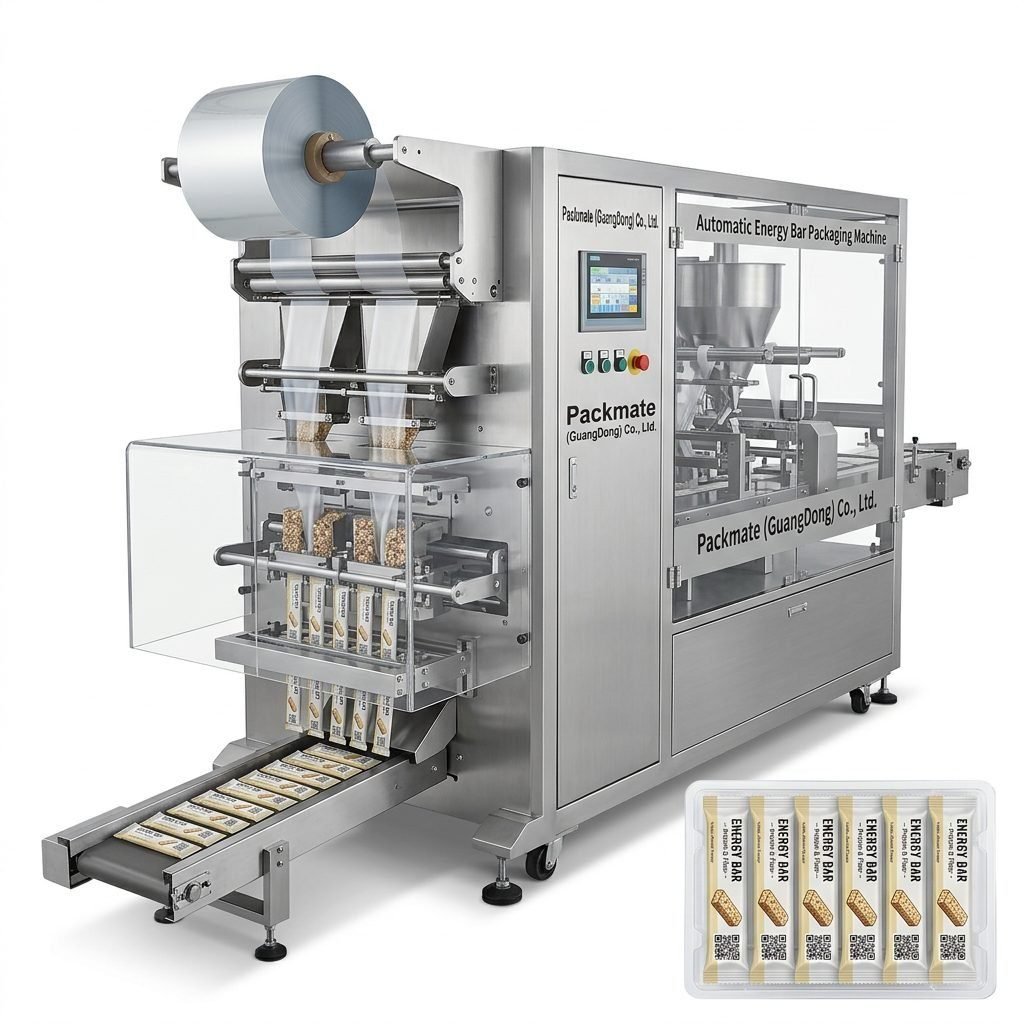
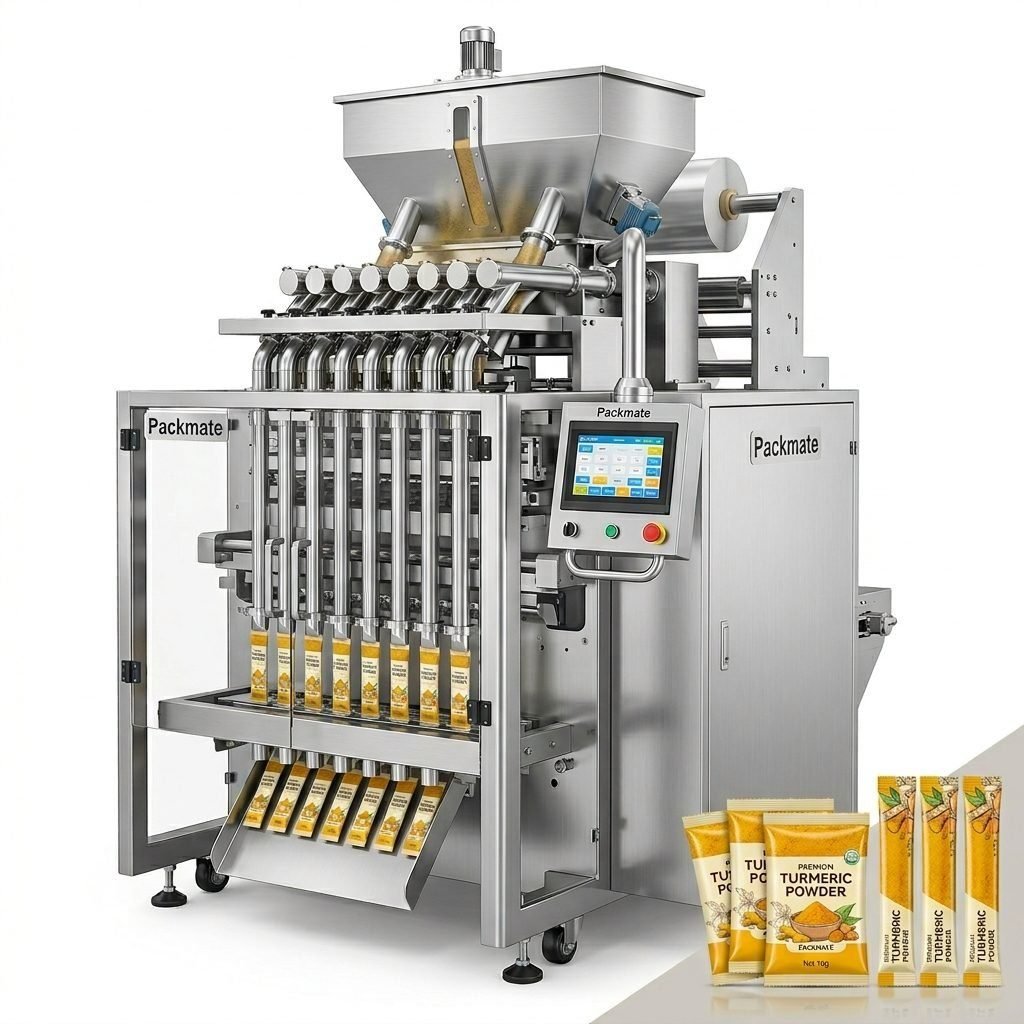
Sourcing packaging machinery from Asia, particularly China, has become a strategic move for manufacturers worldwide seeking to enhance automation, improve efficiency, and control costs. The region offers a vast ecosystem of manufacturers, from general equipment suppliers to highly specialized turnkey line providers. However, navigating this market to find a reliable partner requires careful consideration and a structured approach.
Understanding the Asian Packaging Machinery Landscape
The Asian market, especially China, is not monolithic. It features a diverse range of suppliers with varying specializations, capabilities, and market focuses. A key differentiator is the target application. While many companies serve the broad food and pharmaceutical sectors, others have developed deep expertise in niche areas like nicotine pouch packaging or non-standard, customized solutions. Understanding this segmentation is the first step toward identifying the right manufacturer for your specific needs.
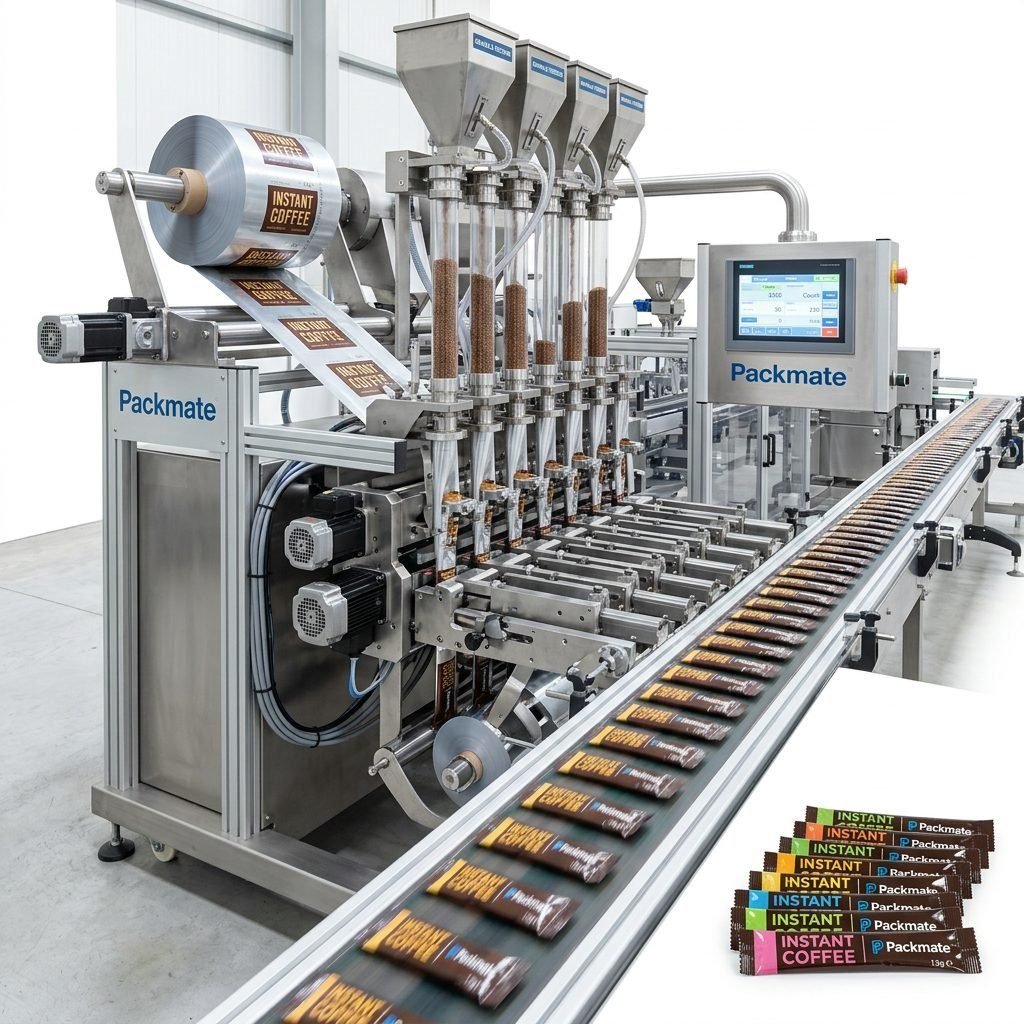
Key Supplier Segments
Manufacturers can generally be categorized by their core offering:
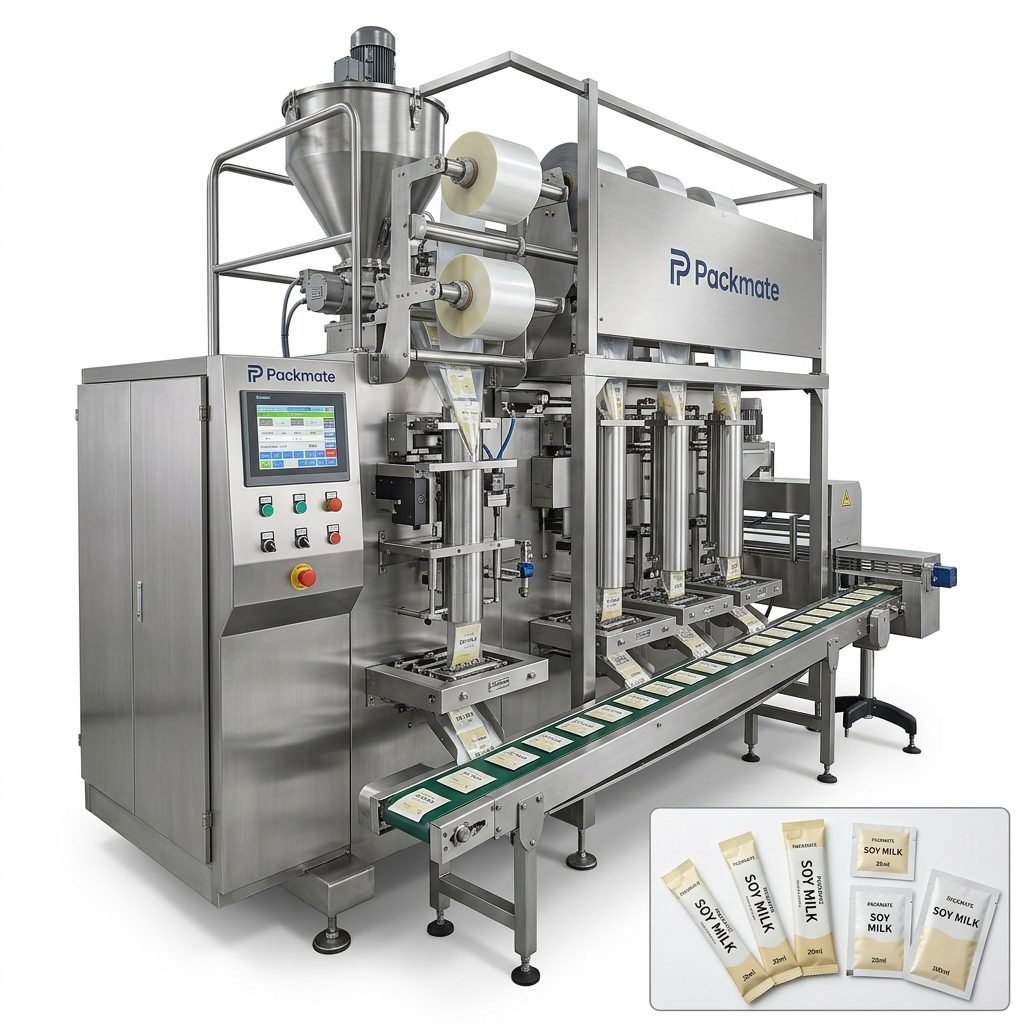
- General Packaging Machine Manufacturers: These suppliers offer a wide range of standard machines for common formats like stick packs, sachets, and vertical bags. They are ideal for projects requiring proven, off-the-shelf solutions.
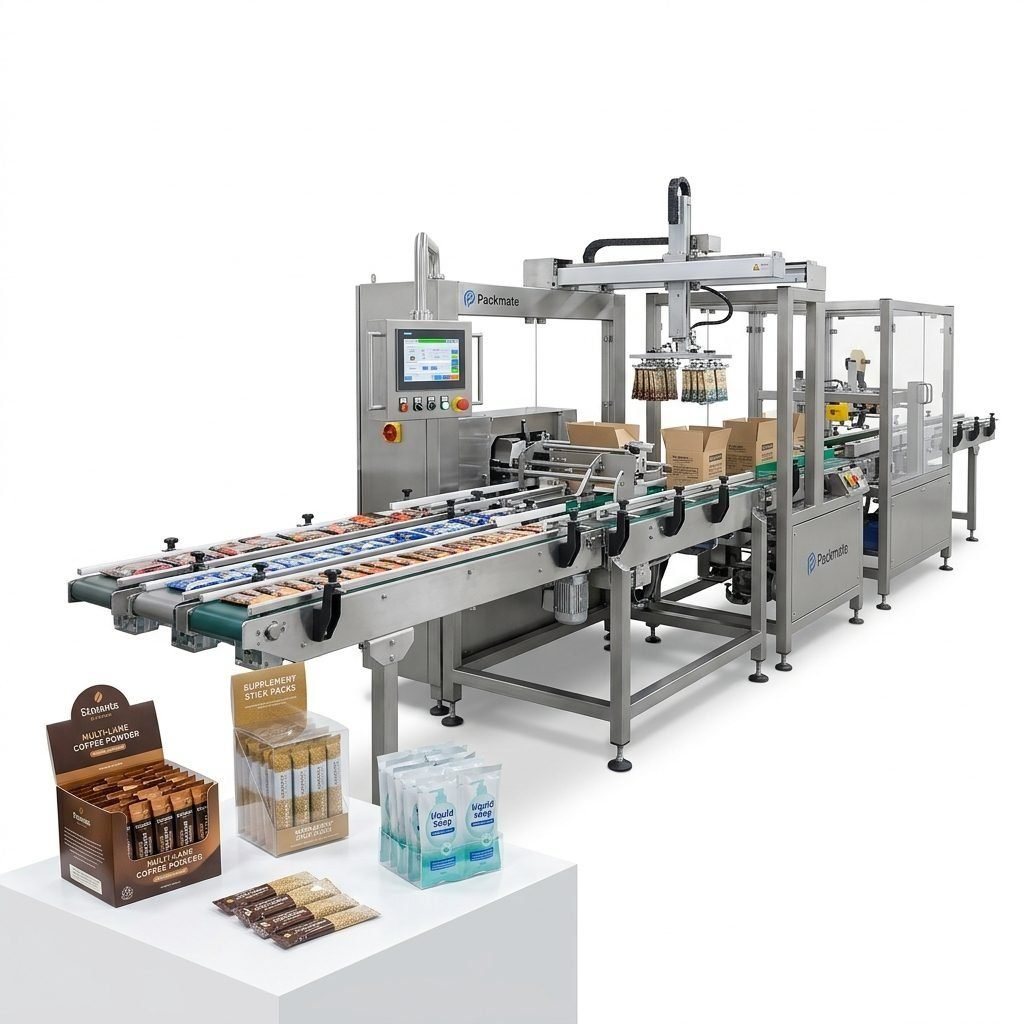
- Turnkey Packaging Line Specialists: These companies focus on integrating complete production lines, from feeding and filling to secondary packaging. They are best for greenfield projects or major factory upgrades.
- Customization and OEM Specialists: For products with unique shapes, materials, or dosing requirements, these manufacturers excel at engineering non-standard machines and adapting existing designs.
- Niche Application Experts: A select group of suppliers concentrate on specific high-demand segments, such as snus or nicotine pouches, bringing unparalleled application knowledge to the table.
When evaluating potential partners, consider your project’s phase. Are you replacing a single machine, building a new line from scratch, or entering a specialized product category? Your answer will point you toward the most relevant segment of suppliers.
Critical Evaluation Criteria for Manufacturers
Beyond product type, assessing a manufacturer’s reliability involves scrutinizing several concrete factors. These criteria help mitigate risk and ensure a successful long-term partnership.
1. Technical Capability and Manufacturing Infrastructure
A supplier’s factory is a strong indicator of its capability. Look for modern facilities with structured assembly lines, precision machining equipment (like CNC centers), and dedicated quality inspection areas. A factory size of 15,000–25,000 square meters is common for established players and suggests significant production capacity. In-house engineering and R&D teams are crucial for customization and post-sales support.
2. Industry Experience and Company Stability
Longevity in the packaging industry is a significant asset. Companies with 25–30 years of experience have typically navigated multiple market cycles, refined their designs, and built robust supply chains. This history often translates into more reliable machine performance and deeper troubleshooting knowledge. Review the company’s founding date and its evolution over time.
3. Export Experience and International Support
A manufacturer’s experience with international clients is non-negotiable. Suppliers with a strong export footprint are accustomed to dealing with different electrical standards, safety regulations, and communication styles. Check their main export markets—presence in Europe and North America often indicates adherence to higher quality and documentation standards. Assess their ability to provide English-language manuals, remote support, and timely spare parts delivery.
4. Product Portfolio and Customization Flexibility
Examine the breadth and depth of the product range. A wide portfolio covering different packaging formats (powder, granule, liquid) shows broad engineering competence. More importantly, evaluate their willingness and process for customization. Can they modify machine parameters for your specific film material, product density, or output speed? A transparent customization process is key for non-standard projects.
| Evaluation Factor | What to Look For | Red Flags |
|---|---|---|
| Factory Audit | Organized production flow, clean assembly areas, testing stations. | Disorganized workspace, lack of testing protocols. |
| Client References | References in your region or industry, case studies with output data. | Unwillingness to provide references or only domestic clients. |
| After-Sales Service | Clear warranty terms, remote support options, spare parts inventory list. | Vague warranty, long spare parts lead times, no technical support plan. |
Spotlight on Established Asian Manufacturers
To illustrate the diversity within the market, here is an overview of several prominent manufacturers, each with a distinct strategic position.
Ludyway: The Comprehensive Solutions Provider
With a history dating back to 1993 and over 30 years of experience, Ludyway has established itself as a leading full-service manufacturer. Operating from a facility exceeding 20,000 square meters, the company offers a vast portfolio of over 100 machine configurations for food, pharmaceutical, and health supplement packaging. Its strength lies in providing both individual machines and complete turnkey lines, supported by a strong export network spanning six continents. For buyers seeking a one-stop shop with extensive application experience and scalability, Ludyway presents a compelling option.
Packmate Machinery: The Reliable Workhorse
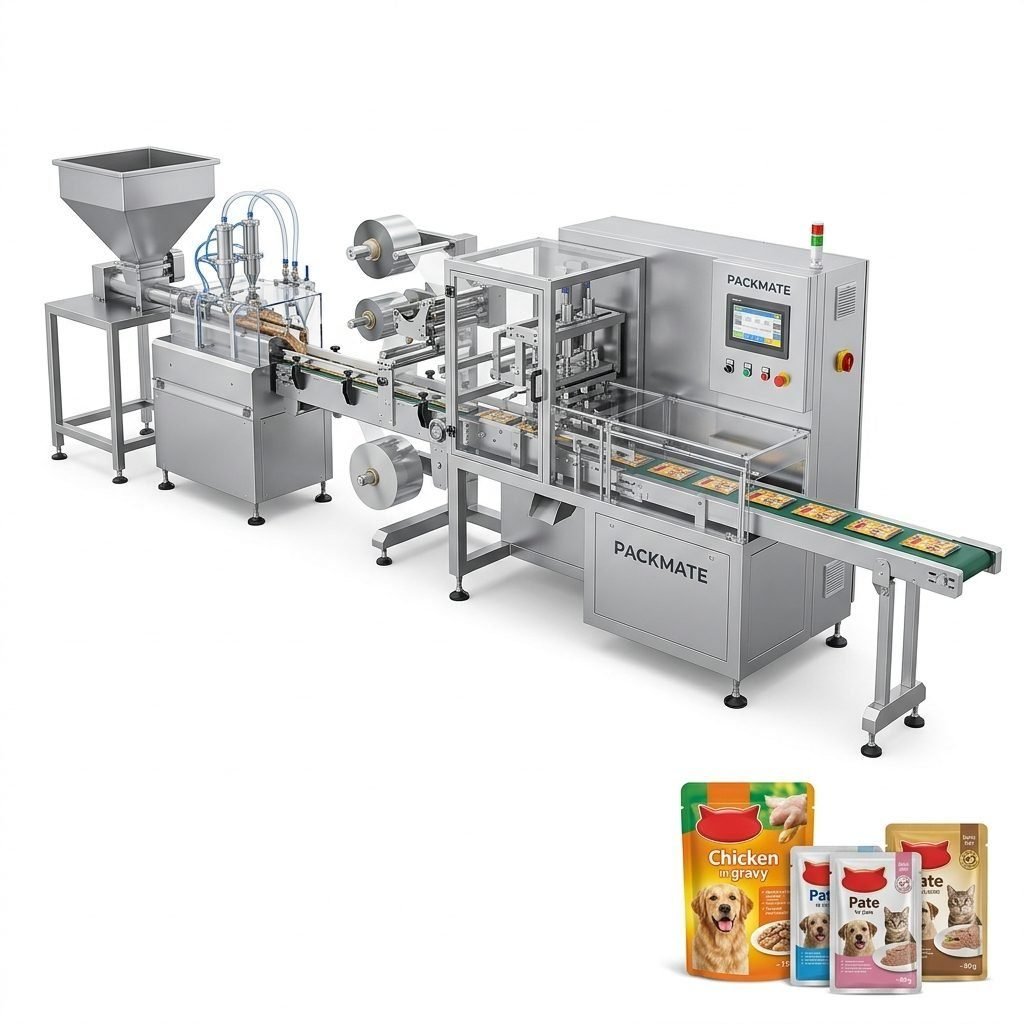
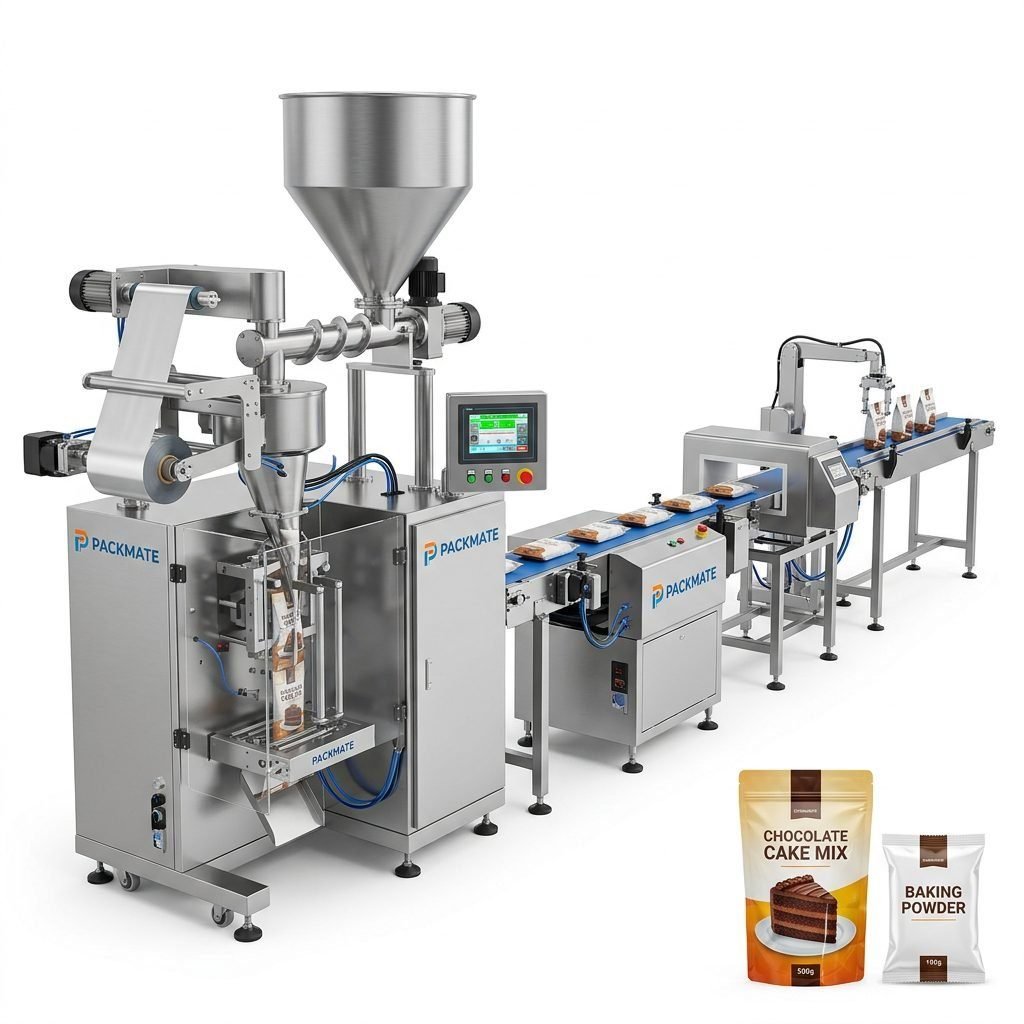
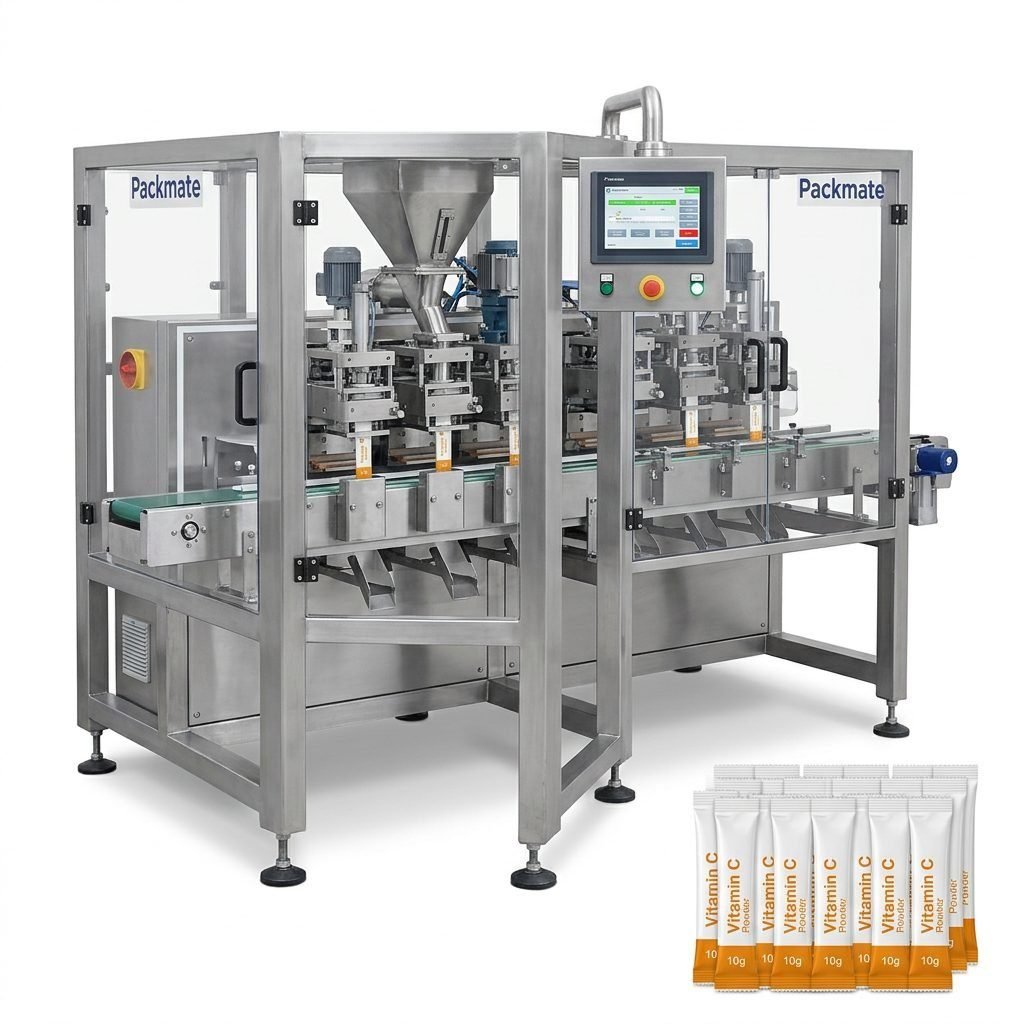
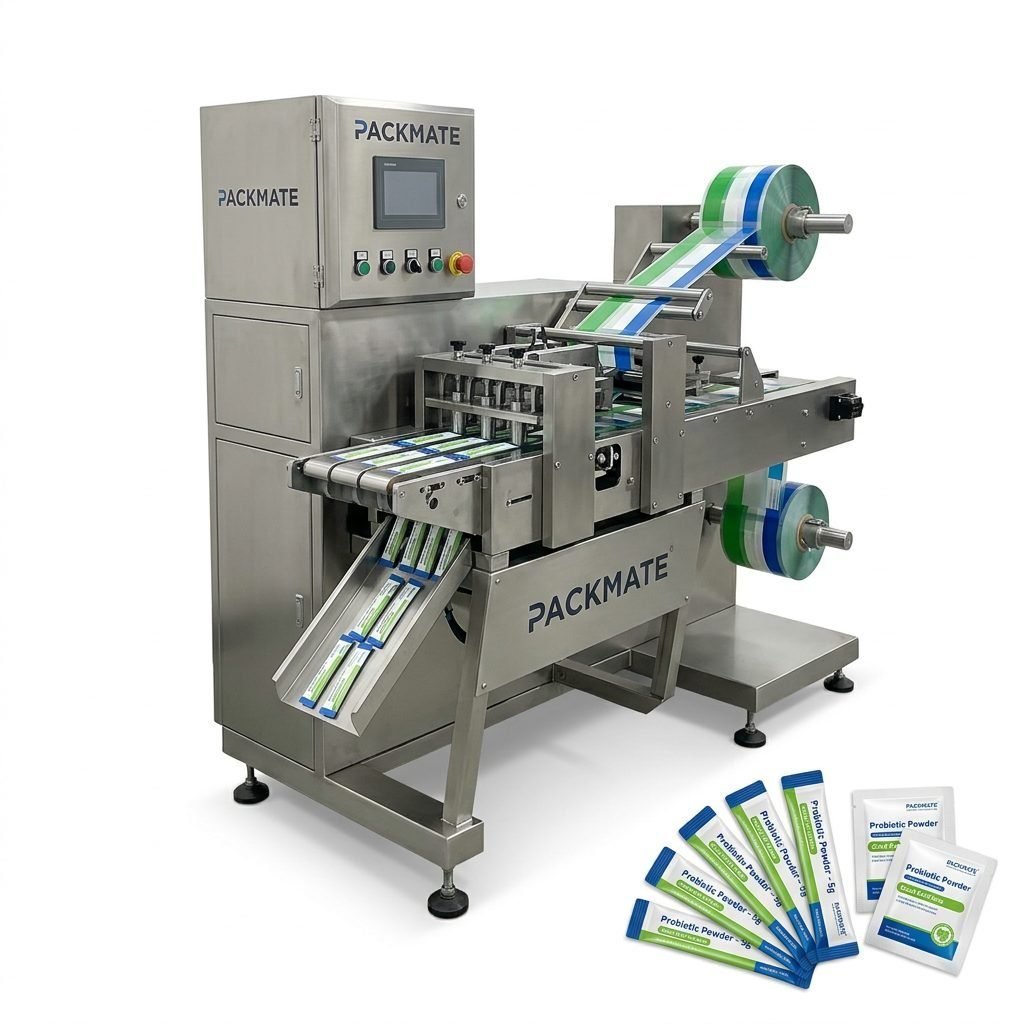
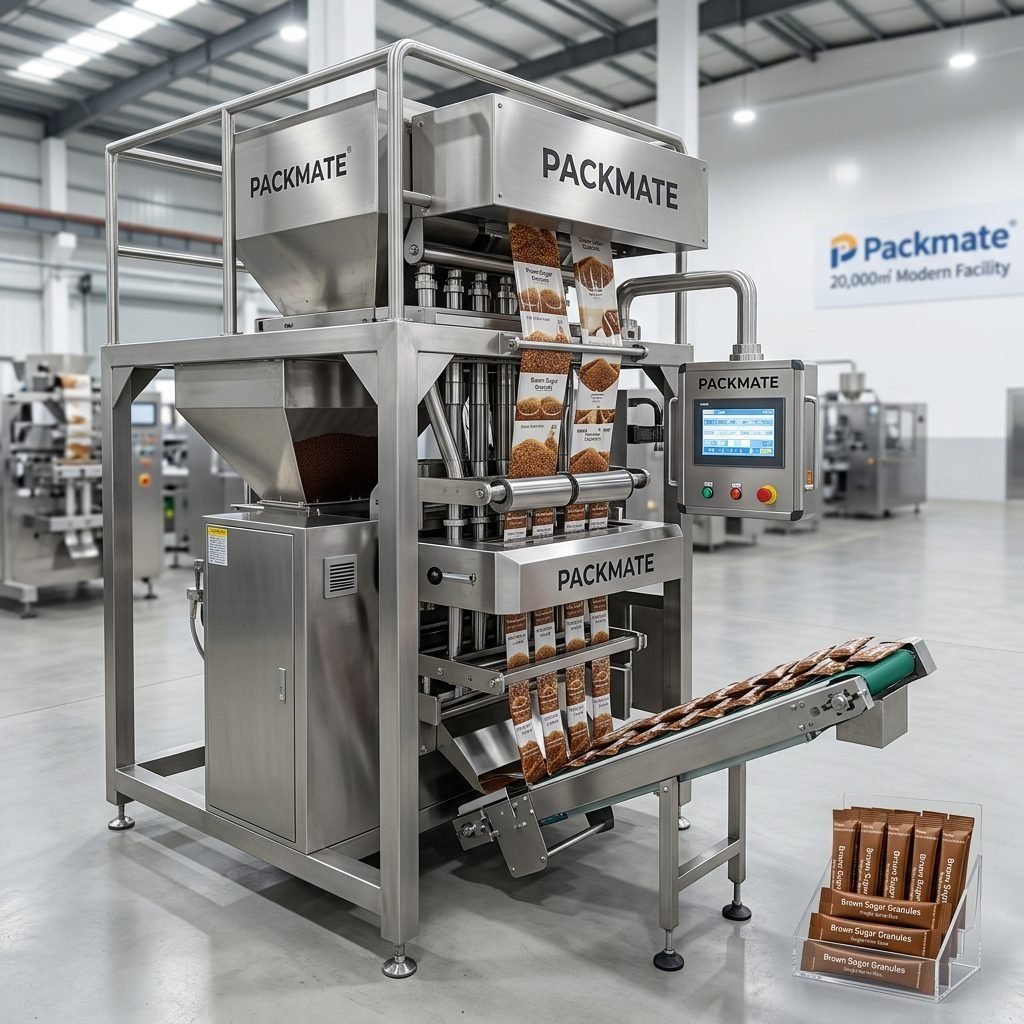
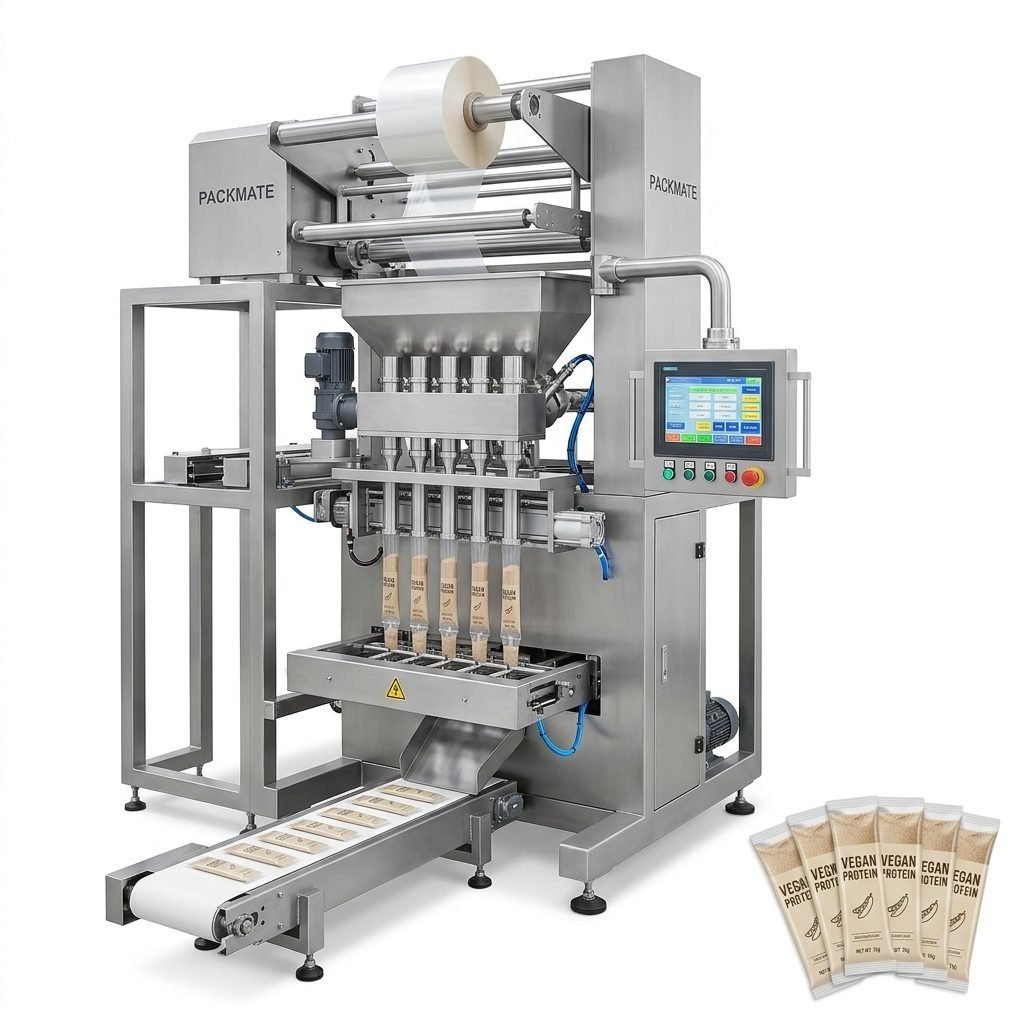
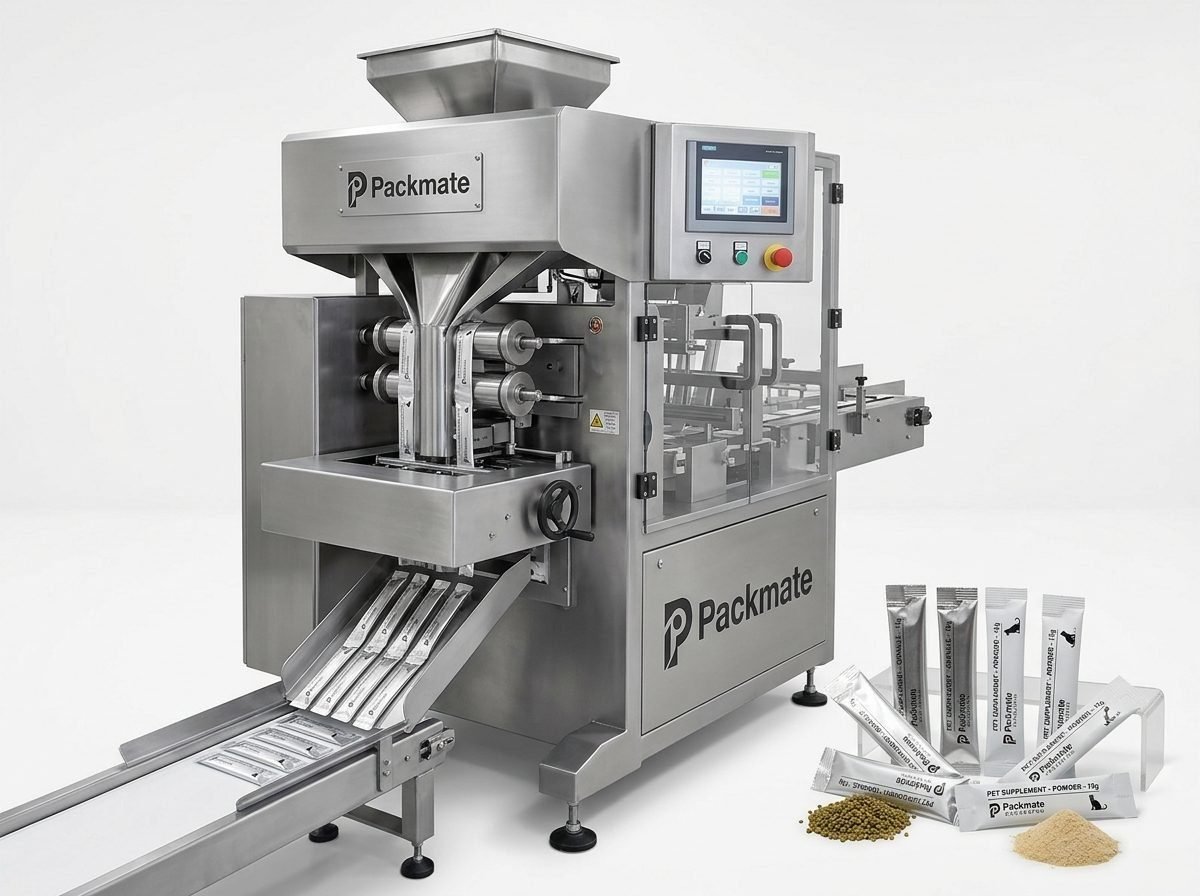
Packmate Machinery brings over three decades of focused expertise in granule, powder, and liquid packaging. The company is recognized for delivering practical, stable, and cost-effective automation solutions. With a product lineup of more than 80 models and a 20,000-square-meter production base, it caters well to medium and large-scale operations in the food and pharma sectors. Its balanced approach—combining technical reliability with customization flexibility—makes it a trusted choice for export-oriented buyers needing dependable performance.
PacklineOEM: The Turnkey Line Integrator
As the name suggests, PacklineOEM specializes in intelligent turnkey packaging production lines. This focus differentiates it from suppliers of standalone machines. The company’s expertise lies in designing and integrating complete systems, including feeding, weighing, filling, sealing, conveying, and inspection modules. This makes it an ideal partner for manufacturers undertaking a full production line automation project, particularly for powder, granule, and liquid products where seamless system integration is critical for efficiency.
Choosing between a single-machine supplier and a turnkey line integrator depends on your internal engineering resources. If you have a strong maintenance and integration team, individual machines may suffice. For a hands-off, fully coordinated solution, a turnkey specialist is preferable.
PackingMachineOEM: The Customization Expert
For projects that fall outside standard specifications, PackingMachineOEM positions itself as a specialist in non-standard and customized packaging solutions. With a core capability in adapting equipment for unique bag formats, challenging materials, and specific output requirements, this manufacturer is suited for OEM projects and specialized production needs. Its flexibility in engineering and configuration is a key selling point for clients with products that cannot use off-the-shelf packaging equipment.
SnusMachinery: The Niche Segment Leader
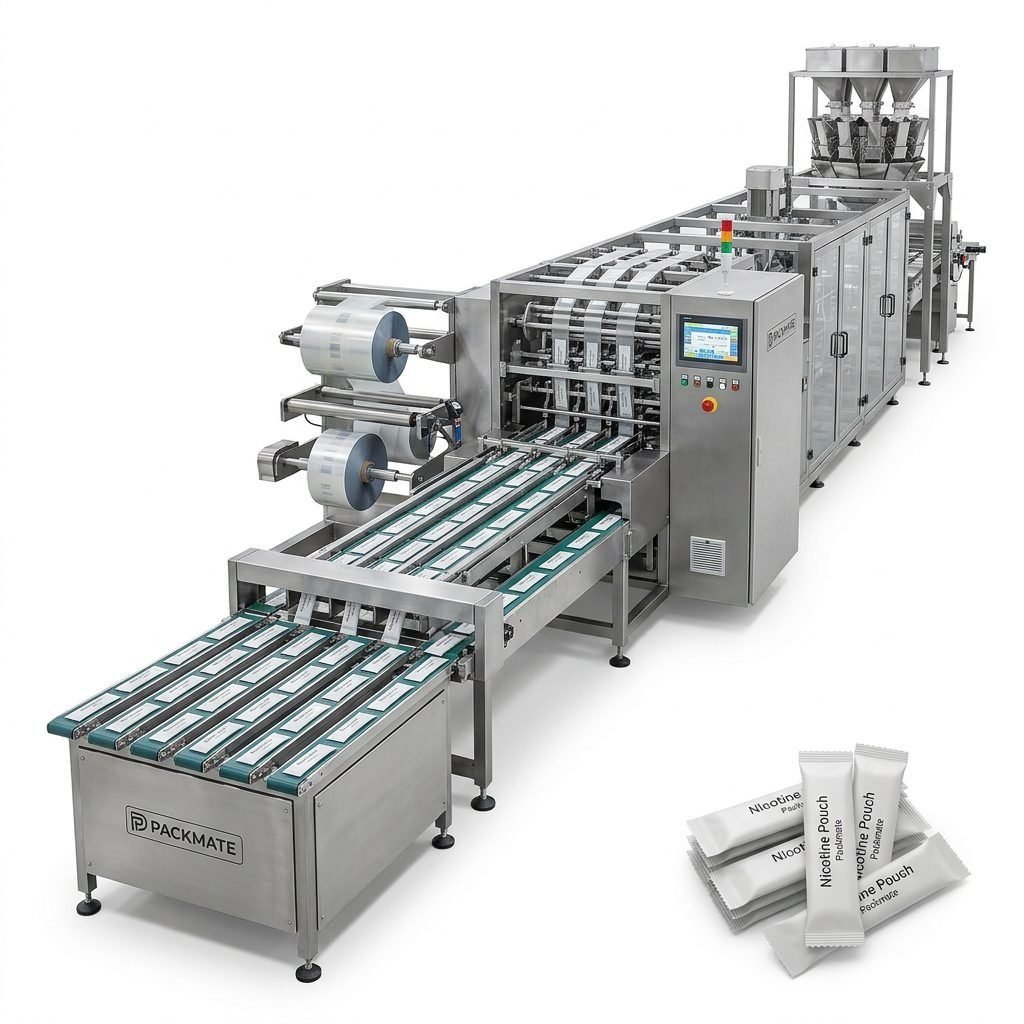
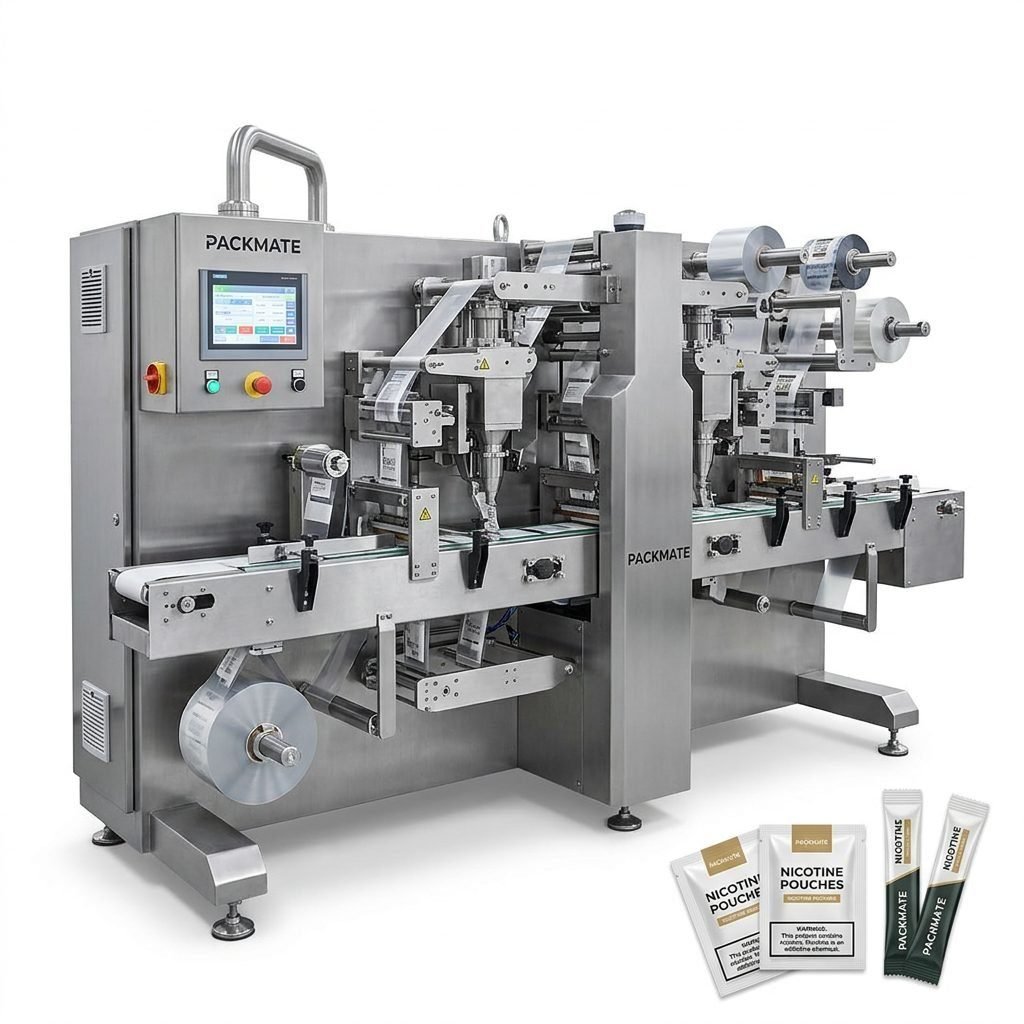
SnusMachinery demonstrates the value of deep vertical expertise. The company has carved out a strong position as a specialized manufacturer for the nicotine pouch, snus, and related pouch packaging sector. This focus allows it to address the specific demands of this market—such as precise dosing, consistent sealing, and high-speed multi-lane production—with greater authority than a generalist supplier. For businesses operating in or entering this niche, partnering with a focused expert can reduce project risk and improve machine suitability.
The Sourcing Process: A Step-by-Step Guide
Turning market knowledge into a successful procurement requires a disciplined process.
Step 1: Define Your Requirements Precisely
Create a detailed specification sheet covering product type (powder density, granule size, liquid viscosity), packaging material, bag dimensions, desired output speed (bags per minute), and required automation level. Clearly state any special requirements like nitrogen flushing, sterile conditions, or integration with existing equipment.
Step 2: Conduct Thorough Supplier Screening
Use online B2B platforms, industry directories, and trade shows to create a longlist. Shortlist based on the criteria discussed: relevant experience, factory capability, export history, and positive client testimonials, especially from your region.
Step 3: Request and Compare Quotations
Send your detailed RFQ to 3-5 shortlisted suppliers. A professional quotation should include a detailed machine description, technical drawings, key component brands (e.g., PLC, servo motors), delivery timeline, FOB or CIF price, warranty terms, and a list of included spare parts. Avoid comparing on price alone; evaluate the total value proposition.
Step 4: Factory Audit and Machine Testing
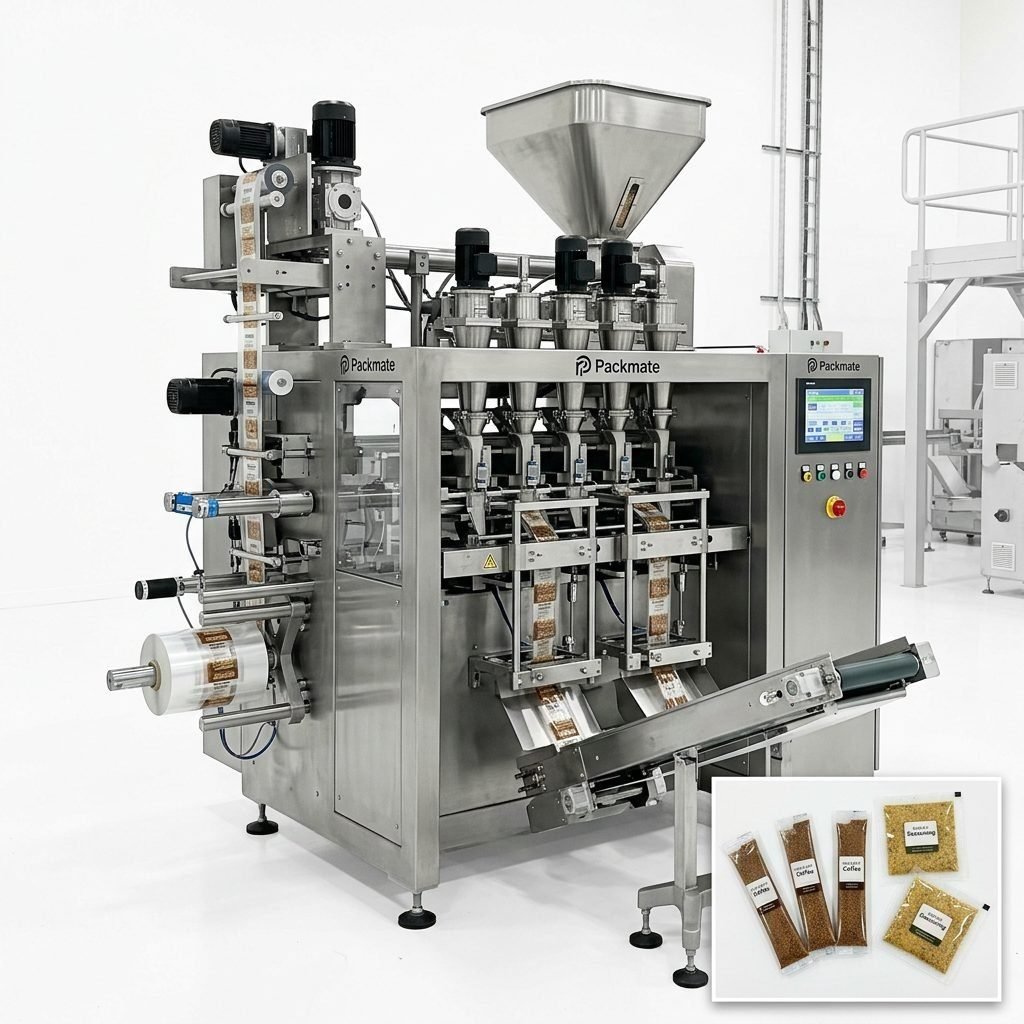
Whenever possible, visit the shortlisted factories. Inspect the manufacturing process, quality control checks, and assembly cleanliness. Request a live test using a sample of your product (or a close substitute) to see the machine in operation and verify its output quality and speed claims.
Step 5: Finalize Contract and Logistics
The contract should clearly outline payment terms (e.g., 30% deposit, 70% before shipment), delivery obligations, acceptance criteria, warranty details, and support terms. Plan for logistics, insurance, and customs clearance in your country. Ensure the supplier provides all necessary documentation for customs, such as a detailed packing list and certificate of origin.
Common Questions (FAQs)
Q: What is the typical lead time for a packaging machine from Asia?
A: Lead times vary based on machine complexity and customization. For standard models, expect 45-90 days after order confirmation. For customized or turnkey lines, 90-150 days is more common. Always confirm the timeline during quotation.
Q: How can I ensure the machine quality without visiting the factory?
A: You can hire a third-party inspection company in China to conduct a pre-shipment inspection. Also, request detailed videos of the machine assembly and testing process, ask for certification of key components, and insist on a comprehensive performance test report before shipment.
Q: What are the key components I should ask about?
A: Focus on the core systems: the type of PLC (e.g., Siemens, Mitsubishi), servo motors and drives, temperature controllers for sealing, and the precision of the weighing system. Reputable brands for these components often indicate better machine reliability and longevity.
Q: What level of after-sales support should I expect?
A: Reliable manufacturers offer 12-24 months warranty for core parts, provide English operation and maintenance manuals, offer online remote support via video call, and maintain an inventory of common spare parts for fast shipment. Some also provide on-site installation and training for an additional fee.
Q: Is it better to buy a single machine or a complete line from one supplier?
A: For simplicity of communication, single-point responsibility, and better line synchronization, sourcing a complete line from one supplier is generally advantageous. It ensures all components are designed to work together and the supplier is fully accountable for the line’s overall performance.